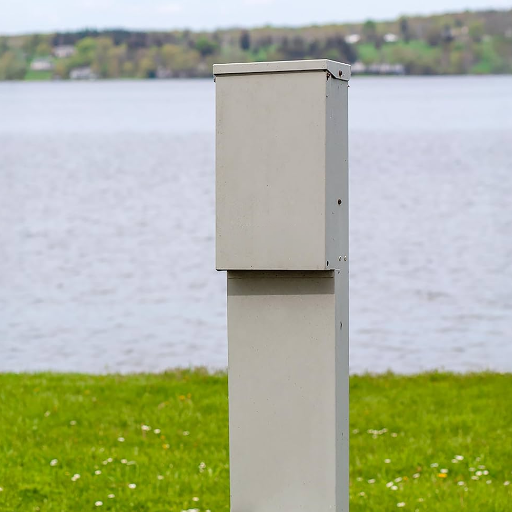
One of the key decision factors you’ll have to ponder while contemplating the placement of an RV pedestal is selecting a good mounting option suitable for your project needs-especially as it concerns the two major methods direct burial and pad-mount. This pick inadia-pending can have enduring effects on the quasi-proposed formation of the design and usefulness of your set-up. This report presents the variation in installation options to facilitate the design and to enable an informed choice. If you are a professional contractor or an ardent DIY player, you will find useful advice and important considerations on how to properly install a power pedestal for travel trailers.
Introduction to RV Pedestal Installation
What Is an RV Power Pedestal?
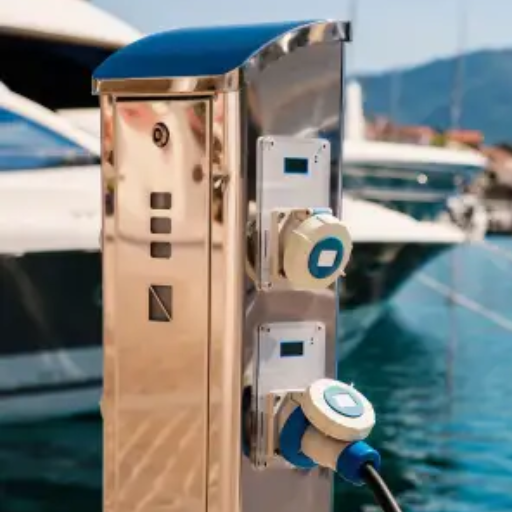
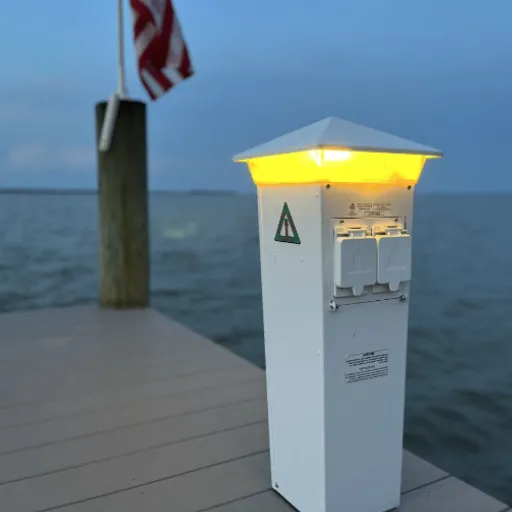
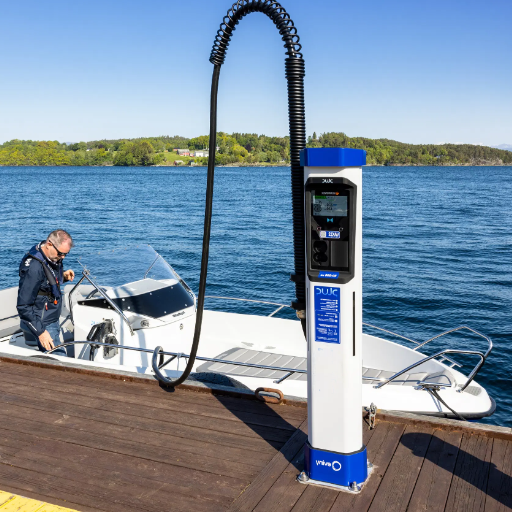
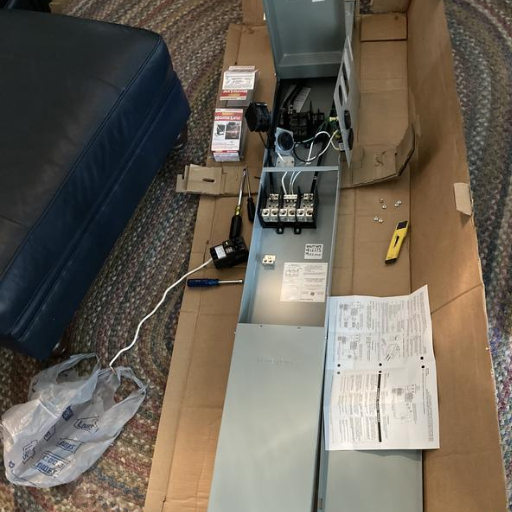
An RV power pedestal is an actual electrical appliance installed mainly for supplying safe and reliable electricity to recreational vehicles (RVs) at campsites, parks, and other facilities. It is an interface through which travelers can conveniently tap into a whole lot of power needed to run their RVs—lights, appliances, air conditioners, and so on. In general, the pedestal has various outlets of current-carrying capacities, like 30 amps and 50 amps, to suit the power requirements of numerous gadgets.
Pedestals are typically located close to RV parking spaces or individual spots, making it very convenient for RVers to reach. Sometimes, these connect straight to the main grid power supply of the park. Safety mechanisms will be built into some units against operational hazards, including circuit breakers, to prevent overloading and ground fault protection to mitigate electrical shock. Some additional designs of pedestals may have a plastic or metal lid to weatherproof outlets for increased life and ease of usage.
Using an RV power pedestal allows RV users to maintain a more comfortable standard with their power needs rather than relying on generators or other accommodations for power in order to bring the home together. Proper installation following local codes will guarantee a safe and efficient power system.
Types of RV Pedestals: Direct Burial vs Pad Mount
The primary types of RV power pedestals which exist are direct burial and pad mount because each type serves specific installation requirements and scenarios.
| Feature | Direct Burial | Pad Mount |
|---|---|---|
| Installation | Buried directly in the ground | Bolted to concrete pad/base |
| Stability | High (once backfilled) | Highest (structural foundation) |
| Best For | Residential or simple setups | Commercial parks/Heavy traffic |
Direct Burial Pedestals: Direct burial pedestals function as permanent installation solutions because they need to be buried directly in the ground. The pedestals function as solid bases for deployment in locations that do not need a complete foundation because of their capability to remain stable when underground. The system operates best under conditions where both simple installation and economical operation serve as the main objectives. Direct burial pedestals provide strong base protection from movement which makes them suitable for locations that experience powerful winds and extreme environmental conditions. The system requires proper depth installation together with local code compliance to establish a secure and dependable operational environment.
Pad Mount Pedestals: Pad mount pedestals require installation on either a concrete pad or another type of stable base. The materials provide extra strength and stability which protects against damage that occurs in areas with heavy foot traffic and in locations where the ground surface is unstable. The pedestals get selected for specific situations when their operational reliability needs to extend through time or when the existing ground conditions demand stronger support elements. The design of pad-mounted systems allows replacement and maintenance work to proceed more easily because the pedestal remains attached to its designated base.
Every pedestal type provides distinct advantages which require selection based on particular site conditions and regional standards and intended use. The pad mount provides stable operation for campgrounds that have different terrain types while direct burial serves better for residential areas because it offers operational simplicity. The process requires complete adherence to local electrical codes together with building requirements no matter which type gets selected.
Importance of Proper Installation
The safe operation of electrical systems requires proper installation, which also guarantees their functional performance and extended service life throughout any operational environment. The presence of improperly installed equipment creates dangers that include electrical fires and shock incidents and equipment breakdowns which demonstrate the need to strictly follow local electrical standards and building codes. The established standards function to safeguard both property and people by reducing hazards while guaranteeing that systems perform their intended functions.
A complete installation process which includes installing and connecting all system components creates a safe environment because it protects people from danger. The system will experience operational limitations because of misaligned components, which will result in unnecessary energy waste and system breakdowns. The system requires expensive maintenance, which reduces its ability to function normally, which creates problems in areas where people use electricity the most, including residential neighborhoods and public campgrounds. The correct installation of equipment during the initial setup phase helps to prevent expensive repairs and service disruptions.
⚠️ Important Note
Improper installation often voids manufacturer warranties. Always ensure your setup follows official guidelines to protect your financial investment.
Proper installation establishes the conditions necessary to meet both warranty requirements and local inspection standards. Equipment installation that follows manufacturer guidelines becomes essential because equipment installation which diverges from these guidelines will result in warranty termination, which creates financial risks for property owners. Local inspectors need to see systems which meet their required standards before they grant their approval for operational use. The correct execution of installation activities from the beginning stage results in time and resource savings, while also preventing future legal complications.
Step-by-Step Guide for RV Pedestal Installation
- 1
Plan the Installation Site
Select an appropriate location for the RV pedestal which meets local regulations and allows RV users to access it without difficulty. The site must meet two requirements because it needs to be level and it needs to be close to existing electrical and water and sewer lines. The team needs to check that the location has no obstacles or dangers while making sure the area has enough light for safe movement and essential tasks. - 2
Prepare the Foundation
The foundation must provide solid support to maintain the pedestal’s stability throughout its operational lifespan. This process involves concrete pad installation or pre-formed base implementation according to local building requirements and soil testing results. The foundation needs to be level because it serves as the base which keeps the pedestal secure during operations. The team needs to obtain all essential equipment and supplies because this task requires foundation work to be completed effectively. - 3
Connect Utilities and Install the Pedestal
After completing the foundation work the team should securely install the pedestal before proceeding with utility installation. The electrical system requires that all wiring connections should follow both local and national electrical codes to ensure safe operation and proper functionality. The team must install water and sewer connections according to local regulations to achieve operation that prevents leaks and operates consistently. The team needs to conduct thorough system tests before completing the final RV pedestal testing which will establish its operational readiness.
Essential Tools and Materials Required

List of Tools Needed
- ✓ Screwdrivers (Phillips and flathead)
- ✓ Wire cutters and strippers
- ✓ Voltage tester or multimeter
- ✓ Power drill with bits
- ✓ Adjustable wrench, Socket set, and Pliers
- ✓ Measuring tape, Level, and Safety Gear (Gloves/Goggles)
Materials for Direct Burial vs Pad Mount
The installation process of direct burial requires specific materials that provide both durability and safety protection. Direct burial needs underground-rated electrical cable which appears as UF (Underground Feeder) cable. This cable type operates effectively in environments where moisture exists and soil conditions prevail. The installation requires PVC or metal conduit when extra protection against wiring needs protection. The installation requires weatherproof junction boxes which handle cable clamps for connection security and grounding materials that include grounding rods and clamps.
The installation process of pad mount requires different materials which support the above-ground installation method. Pad mounts require a concrete base or pre-fabricated base to provide stability for the pedestal. The raised pedestal base design establishes secure anchors which protect the system from environmental elements. The electrical wiring system of pad-mounted installations uses standard outdoor-rated electrical cable which needs conduits to secure the wiring from outside threats. Weatherproof housing or enclosures are necessary to protect electrical connections from rain and debris.
The installation methods use universal materials which include corrosion-resistant connectors sealant for weatherproofing and stainless-steel hardware that prevents rusting. The selection of materials requires National Electrical Code (NEC) standards compliance because it ensures both safety and long-lasting performance. The use of correct tools and materials allows direct burial and pad mount installations to accomplish operational needs along with safety standards.
Choosing the Right Wiring for Your Installation
The safety and efficiency of electrical installations depends on selecting correct wiring which will establish trustworthy operational performance. You should start your electrical system design process by determining its required electrical load specifications. The wire gauge must match the current and voltage levels to prevent overheating or power loss. Residential buildings typically use copper or aluminum wires because both materials provide outstanding electrical conductivity and long-lasting performance.
💡
Pro Tip
For outdoor underground runs, ensure you use cable explicitly rated for “Direct Burial.” Standard indoor wire will degrade quickly when exposed to soil moisture.
The next step involves studying the specific conditions which will exist in the installation area. Outdoor wiring requires weatherproof and UV-resistant insulation plus jacketing to protect against environmental conditions. Use direct burial cables for underground installations because these cables have been engineered to endure both moisture and soil exposure. The wire insulation must match the temperature rating which is suitable for the environmental conditions to protect against future material deterioration.
The process requires verification that both National Electrical Code (NEC) standards and local building codes have been met. The procedure ensures that wiring systems will fulfill safety standards and function correctly for their designated purposes. You should consult a licensed electrician or read the NEC guidelines to select wiring which meets proper code requirements. The following procedures create a safe system which operates efficiently while delivering peak performance.
Common Mistakes to Avoid
Incorrect Depth for Burial
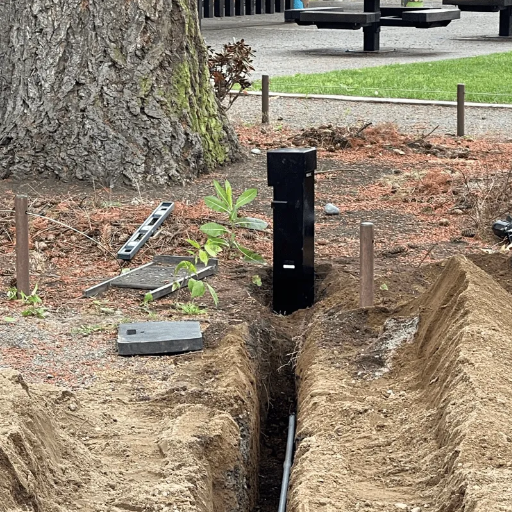
The most common error that occurs during RV pedestal installation shows itself when workers install electrical cables at incorrect burial depths. The situation creates safety risks while the system becomes exposed to potential harm. The National Electrical Code (NEC) establishes burial depths for electrical conduit based on two factors which include installation method and required protection level. Underground electrical wiring in rigid metal conduits needs at least 6 inches of insulation according to standard requirements. The NEC regulations and local building codes must be consulted to achieve compliance with both standards.
Landscaping equipment and heavy machinery can accidentally damage cables that are buried at improper depths. Shallow burial depths create two problems which include water infiltration and temperature-induced deterioration from changing soil conditions that lead to system failures. The installation process requires depth verification to avoid installation mistakes.
The system requires safe operation through the use of correct trenching equipment which needs proper backfill materials to protect the electrical wiring. It is recommended to label or mark underground cable routes because this enhances safety during subsequent ground operations. Proper planning and adherence to guidelines will result in a reliable RV pedestal installation that meets safety and performance standards.
Improper Electrical Connections
The installation process of RV pedestals requires proper electrical connections because any mistakes will create hazardous conditions which damage equipment and reduce operational efficiency. The most frequent problem occurs when technicians execute incorrect wiring procedures which lead to overloaded circuits and tripped breakers and insufficient power delivery to the RV. The connections must receive verification because they require matching the voltage and amperage requirements which the pedestal and RV electrical system need to operate correctly.
Loose connections which remain unsecured become another major problem. These components develop heat accumulation which creates a risk for electrical fires while simultaneously damaging their structural integrity. All wires and connectors must receive proper securing which needs to maintain the required tightness according to manufacturer specifications. Regular connection inspections combined with correct torque application procedures will decrease the chances of connection failures.
The performance and safety of a system get compromised when operators use materials that either do not match requirements or fail to meet minimum quality standards. The installation needs appropriate gauge wiring and proper connectors and circuit breakers which must meet local electrical codes and standards. The installation of RV pedestals becomes safe and efficient and durable through these precautions which protect both the system and its users.
Neglecting Local Codes and Requirements
The installation of an RV pedestal requires complete adherence to local codes and electrical standards because any violation will create dangerous conditions which may result in legal consequences and equipment failures. The local regulations exist to create safe working conditions which safeguard users and establish requirements for systems to function with the regional power grid. The installation procedure will produce faulty results because the instructions should not be followed which leads to equipment destruction and other dangers that result from electrical fires.
The specific codes which apply to your location must be researched and integrated because these codes exist to protect against potential dangers. The process involves establishing requirements which include wiring specifications and grounding procedures and circuit breaker requirements and choosing the appropriate pedestal design based on its particular application. The requirements needed for your project should be confirmed through consultation with a licensed electrician or your local regulatory body. The requirements for compliance will be neglected through non-compliance which will result in penalties and installation rework that creates additional expenses and delays.
The electrical system will operate at optimal efficiency and safety when local codes are followed. The installation meets all regulatory requirements which prevent overloads and enable proper integration with RV systems while providing protection against storm damage. The implementation of these guidelines from the beginning of the project will save wasted time because it protects safety and boosts the durability and operational power of your RV pedestal installation throughout its life.
Safety Tips for Proper Installation

Personal Protective Equipment
The process of installing an RV pedestal requires workers to use personal protective equipment (PPE) as their fundamental safety measure which protects them from all potential hazards. You need to wear insulated gloves when you work with wiring because this is the minimum requirement for electrical safety protection. Safety glasses or goggles are also critical, as they shield your eyes from potential debris during installation or drilling.
Steel-toe boots are required because they protect your feet from falling objects which might occur during work. The installation requires you to wear a high-visibility vest which makes you visible to others when you work close to traffic or in crowded spaces. Your PPE inspection must be conducted before installation work begins because it helps you check your equipment for any signs of damage. Your safety during the project will improve when you use well-fitted protective equipment which provides complete body protection.
Handling Electrical Components Safely
You must first shut off the power supply before you start working on electrical components during installation. The power source should be disconnected to reduce electric shock hazards and prevent unintentional equipment activation. Workers need to use insulated tools for their work near live electrical components because these tools provide extra protection against electrical hazards.
The combination of electrical-rated gloves and safety glasses constitutes essential personal protective equipment (PPE) needed to shield workers from electrical arc and spark dangers. You should examine your PPE before every use to find any signs of damage because any defect needs to be fixed before you start your work. Follow both safety protocols and the equipment installation guidelines provided to ensure safety and compliance.
Ensuring Grounding and Bonding
Your RV pedestal installation needs proper grounding and bonding to guarantee its operational safety and complete functionality. Grounding establishes a secure route which electrical currents can follow to reach the earth during fault conditions or surge events thereby safeguarding both the equipment and people from electrical dangers. Bonding creates permanent electrical connections between all metal parts which prevents dangerous voltage differences from developing between different parts.
The first task requires you to check for grounding rod installation which must occur at this location according to local electrical codes. The grounding rod should be securely connected to the pedestal’s grounding terminal using an appropriate grounding conductor. The grounding system needs all connections to be secure while free of corrosion in order to establish a dependable grounding route. Confirm that all metal components in the pedestal and associated equipment are connected to the grounding system, using bonding jumpers or clamps that meet code requirements.
Maintenance Advice for Longevity

Regular Inspections of the Pedestal
The operational safety of your RV pedestal requires periodic inspections throughout its entire service life. Start by checking for any visible damage or wear on the pedestal which includes cracks and rust and corrosion because these defects will weaken the structure and impair its performance. The entire system requires inspection which includes checking all wiring and plug connections and outlet connections to identify any frayed wires or loose fittings that create safety hazards or cause electrical problems.
The pedestal receptacles need testing through an appropriate testing device to validate their output and voltage specifications. The system experiences voltage irregularities which indicate that wiring and electrical components need to be investigated for possible problems. The grounding system needs to remain complete because it protects from electrical surges and establishes safety standards. You must fix all issues without delay because they create dangerous situations.
Cleaning and Upkeep Tips
The efficient operation of an RV pedestal requires its regular maintenance for both operational efficiency and extended equipment lifespan. The pedestal needs regular cleaning through soft cloths which should be used with mild detergent to eliminate dirt and dust and grime from the surface. The surface requires protection from damage through the prohibition of abrasive materials and harsh chemical substances. Safe and reliable performance requires all connections to remain free from debris which includes plugs and receptacles.
The inspection process of the pedestal needs to occur at regular intervals to check for signs of wear which include corrosion and damage that especially affects electrical components and connections. The security of electrical systems requires you to tighten loose screws and covers because this action will stop moisture from entering the system. The pedestal needs protection during inactive times and extreme weather conditions through a waterproof and UV-resistant cover which protects it from both moisture damage and environmental exposure.
Signs of Wear and When to Replace
RV pedestals need replacement after they display sufficient wear which develops through continuous use. The pedestal shows visible damage through its cracked and corroded and burnt-out components. Power delivery problems which occur as power outages or delivery issues appear need to be investigated because they suggest internal electrical problems or connection deterioration. You should check for loose or worn outlets because they create hazards which make it impossible to secure plugs properly.
Discoloration and melting together with a burnt smell surrounding outlets or wiring indicate dangerous conditions which render the pedestal unsafe for use. The nonresponsive circuit breakers together with their frequent tripping create additional evidence which shows that a replacement of equipment needs to happen. The replacement of equipment must take place without delay whenever you identify these problems to prevent electrical fires and equipment malfunction.
Frequently Asked Questions (FAQ)
Q: What is an RV Pedestal Installation Guide and why is it important?
A: The RV Pedestal Installation Guide provides detailed instructions for installing an RV pedestal which contains the RV outlet, meter, breakers, and safety components. The guide explains how to size equipment including 20, 30, and 50 amp services while ensuring compliance with safety codes.
Q: What amperage options should the guide cover?
A: A comprehensive guide includes 50 amp, 30 amp, and 20 amp pedestals and dual NEMA configurations. It demonstrates correct usage of double-pole 120/240v 50 amp service and separate 30/20 amp circuits.
Q: How do I wire the neutral, ground, and hot legs?
A: Every pedestal circuit includes two hot wires (for 50 amp power), a neutral wire, and a ground wire. The guide requires personnel to fasten lugs inside the breaker panel and identify conductors correctly to prevent dangerous substitutions.
Q: Do I need a dedicated meter and panel or can I use a subpanel?
A: The guide provides options for dedicated meter/breaker panels or shared panels with subpanels containing separate breakers. It shows how to distribute 100 amp or 200 amp service feeds to multiple pedestals.
Q: Can I perform modifications myself or should I hire a contractor?
A: Minor adjustments like outlet cover replacements can be DIY, but main breaker and panel layout modifications require a licensed electrical contractor to handle 240v service changes and bare wire work.
Q: How do I test and finalize the installation?
A: Test all connections with a voltage meter (120v hot-to-neutral, 240v hot-to-hot). Check ground/neutral links, confirm tightened lugs, and have an electrical contractor conduct a final inspection for system approval.
References
-
Swiss Valley Campground 50-AMP Upgrades
This document provides detailed instructions for installing RV pedestals, including conduit requirements and compliance with NEC standards.
Read more here -
WAC 296-46B Electrical Safety Standards
A guide on electrical safety standards, including the installation of pedestal-mounted services and ground rods.
Read more here -
Occupied Recreational Vehicles and Tiny Houses on Wheels
This resource outlines electrical connection requirements for RV pedestals, including GFCI protection and dedicated outlets.
Read more here - Top RV Power Pedestals Manufacturer and Supplier in China