
Amid mounting internal pressures due to the expectation of meeting the infrastructural needs of larger crafts that are technologically advanced and energy-intensive, maritime incompetence is in the spotlight, as luxury yachts, superyachts, and commercial ships demanding an enormous level of power stand as a challenge and opportunity for waterfront facilities. Power capacities of high amperage have become paramount to meet such expectations. This blog concentrates on how investing in greater power strengths can attract large vessels to a marina while adding positive value for owners, charterers, and operators. Right here, get the main factors, merits, and workable applications that can heighten the profile of your facility amidst the rapid changes going on in the industry.
Key Takeaway
Providing high-amperage power is no longer a luxury; it is a critical infrastructure requirement to attract modern superyachts and large commercial vessels while ensuring sustainable and safe operations.
Understanding the Importance of High-Amperage Power
Why Larger Vessels Require High-Amperage Power
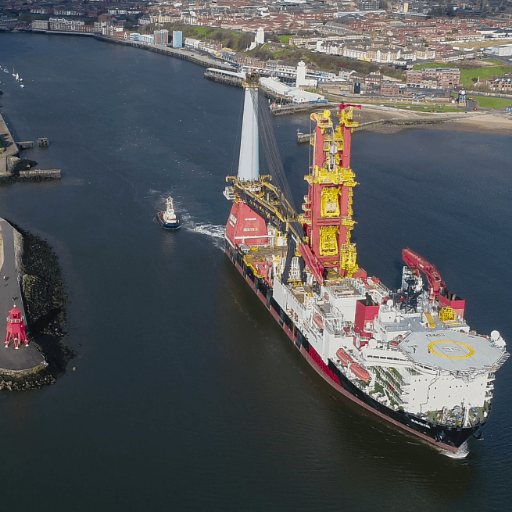
High-amperage power is a prerequisite for large vessels because of their higher power requirement. Such vessels demand electrical systems with navigation equipment, air conditioning, lighting, communication devices, and entertainment systems that consume power in a notable amount. A strong power source is necessary for the operation of these systems, ensuring power supply to them at all times.
The provision of high-amperage power makes possible the operation of all systems on vessels without overloading the onboard generators or the power infrastructure at the marina. Operation of systems without sufficient energy may render these systems unreliable and may even interfere with operations, as well as compromise the safety of the entire operation. The availability of high-amperage power at marinas is a major consideration in their attraction to owners and operators of larger vessels.
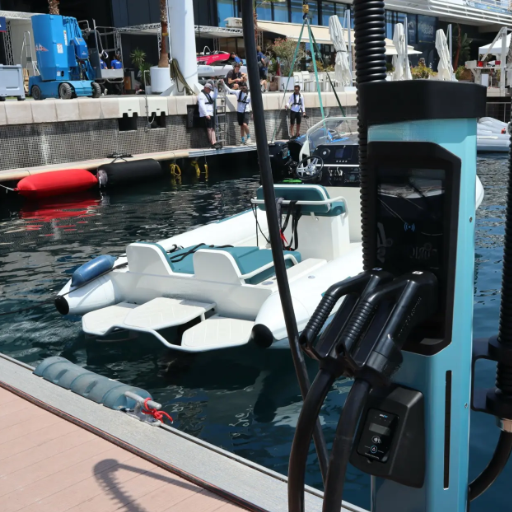
By offering high-amperage power, sustainable operations are then guaranteed by allowing the vessels to leverage shore power when docked, instead, as needed, of running diesel generators. Considering global efforts to minimize the environmental impact of the shipping community that considers more than 90% of the space on Earth, reduced fuel consumption and emissions seem quite a small sacrifice. An ace in their sleeve by means of attracting large vessels to the facility, marinas, having agreed to bear those electric power requirements, can then be supported as greener sites.
Impact on Modern Superyachts and Cruise Ships
This fresh change, bringing electric energy into marinas, has significantly influenced modern superyachts and cruise ships. Running on partly diesel-fired generators at the dock, these vessels are now challenged by difficulty with their sustainable energy capabilities. By mooring them to the shore, they can actually lower their carbon footprints to acceptable levels in a push toward global sustainability goals. The shorepowering practice in place provides a quieter and cleaner marina environment, thereby enriching the experience of cruising and boating populations together.
Modern superyachts have become a design champion of sustainability, from luxury and environmental perspectives. Access to shore power enables the operation of key onboard functions, such as lighting, air conditioning, and entertainment systems, without any harmful emissions going to the atmosphere. In order to co-exist in harmony with nature, ships are pressured by an increasing number of regulations that demand environmentally conscious designs of zero emissions power generation technologies.
Shore power is extremely important for cruise ships as they are of large size and require a significant amount of energy. By using shore power while docked next to ports, ships can reduce their need for diesel and thereby pollute urban harbors much less. This obviously benefits local communities but is required by law to be followed by cruise operators to meet the rigorous environmental regulations that are put in place by governing bodies worldwide. Hence, the electrical hookup feature being provided by the new marinas is definitely offering a sustainable basis for a future turning green in maritime travels.
Benefits of High-Amperage Solutions for Marinas
High-amperage options for marinas present countless benefits, contributing to operational efficiency and environmental conservation. Among them is their appropriateness for providing power for sections of the harbor—such as cruise liners and commercial vessels, and other similar ships—that might otherwise not be served without using diesel generators. This, in turn, reduces atmospheric pollution and other harmful emissions taking place over the harbor, eventually enhancing the quality of air for residents in the surrounding communities.
Another significant benefit of the high-ampere system is the improved energy reliability and safety associated therewith. High-amperage systems are therefore designed to work in situations when they carry large power loads, making it difficult for the root cause for many possible failures. In this manner, all the power supplied to the systems is ‘guaranteed’ against overloading interference. Such is of absolute importance when you consider the expensive setup in onboard electrical apparatuses. Marinamen, by integrating such systems, are able to ponder enhance compliance to local and international safety and environmental standards.
Handily enough, this investment into the submerged infrastructure is crucial to the marinas‘ commercial strength. The servicing of larger ships meets both the ethical and environmental expectations of the passenger, whilst providing marinas with more customers and giving them competitiveness in the sustainable market. Investments align with global sustainability trends, thus, preparing marinas in particular for future markets as well.
Infrastructure Development for High-Amperage Power
Assessing Current Marina Infrastructure
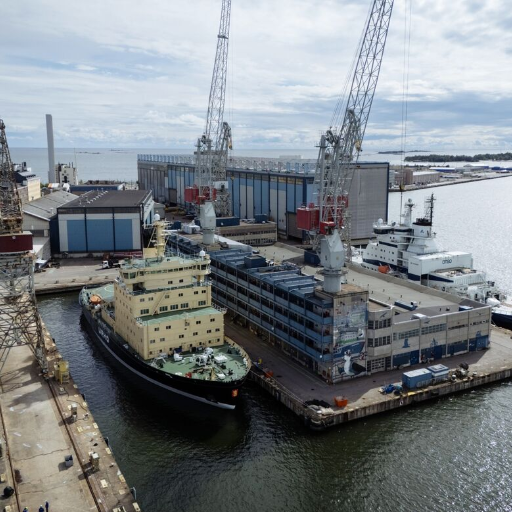
Modern marinas cater to larger vessels that need more power. However, many facilities were never designed in the first place to satisfy the high-amperage needs of today’s vessels. As a result, there is inadequate ability to address the needs of bigger boats efficiently, which could stall operations and reduce the marina’s attractiveness to high-value clientele.
To address these challenges, marinas must assess their electrical systems, dock structures, and water handling abilities. The first thing to be evaluated is the electrical system-to see whether these systems could be upgraded to support high-power energy-efficient ones. Docks should be equipped to dock larger vessels without being a hindrance to smaller vessels. Lastly, water drainage and waste treatment systems must be able to meet modern environmental standards in order to align with modern day sustainability efforts.
Through regular inspection procedures and the opinions of industry experts, marinas can assess their specific needs and develop a prioritized roster of improvements. Marina operators can achieve the goal of upgrading by taking a phased approach, thereby minimizing operational disturbances but satisfying the industry’s contemporary technological needs. This upgrade creates the much-needed competitiveness along with a commitment to a conversation based on electronics (environmental technology) and signal to all that these marinas are relevant for tomorrow’s market.
Upgrading Electrical Systems to Support Larger Vessels
Upgrading electrical systems at marinas is essential for accommodating the increasing demand for bigger ships that require more power and a gamut of onboard systems. Larger yachts and vessels that are often fitted with sophisticated onboard systems, such as high-capacity air conditioning, extensive navigation equipment, and other luxury facilities, will require significant uprating to cope with the electrical load. The renewal will ensure that the marinas’ electrical systems are contemporary, reliable, and convenient, besides safety, maintaining the clientele.
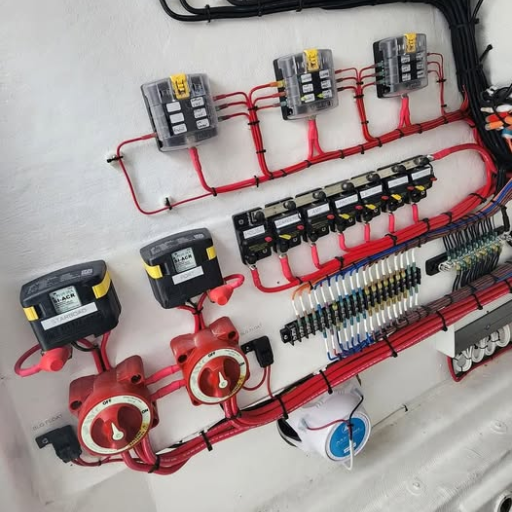
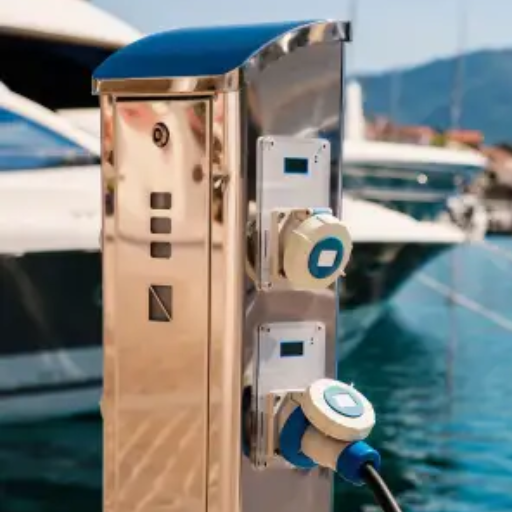
The main steps of upgrading these systems to meet the demands of larger vessels are assessed as increased available electrical capacity and scalable solutions for the future which may even involve the implementation of electrical watertight boxes, including top-hat junction and distribution systems. The introduction of pedestals with a higher amperage rating and the upgrading of distribution panels are very crucial alterations for proper connections. Improved earthing and protection against surges are essential as well. These updates thus put the systems in a position that can serve larger boats and may also reduce downtime. Also, they disruption caused by electrical failures can easily be prevented when capacities are distributed appropriately.
Furthermore, upgrading electrical systems can also increase energy efficiency, which results in reduced operational expenses over time. Marina operatprs have the opprtunity to present environment-friendly solutions to environmentally minded boaters by deploying technologies based on energy monitoring systems and accessing clean energy sources. Introducing such a technology, the marina will not only respond to an advancing industry’s technology demand; it will also align with the principles of a new, sustainable culture that maintains its competitive edge in a changing maritime industry.
Integrating Renewable Energy Solutions
Any marina business can integrate renewables into their operations and join in the arena of sustainable development and alternative energy conservation. This is done chiefly by installing solar panels, wind turbines, and energy storage systems to produce free clean energy for operations and services rendered at marinas. This will help reduce the disposal of fossil fuels to a lesser extent, bringing about a reduction in carbon emissions.
One more applicable innovation is to have these solar panels installed on the top side of roofs, dock or walkways, as large as surface areas, for full harnessing of sunlight. This also will usher in wind turbines in areas with consistent wind patterns. In collaboration with energy storage systems, these devices can help ensure provision for power and loads also during hours of less sunshine or wind. These adoption measures would help the marina operators becoming less and less dependent on external energy sources, hence helping to save their energy bills in the long run.
In addition to energy generation, marinas can utilize energy consumption optimization by incorporating energy monitoring systems to monitor the usage pattern and to identify areas for improvement. Such an approach based on data allows much better-informed decision-making and promotes ongoing sustainability efforts. Thus, the utilization of renewable energies and strategically controlled energy utilization are part of a comprehensive green strategy for marinas, serving the environment and, in turn, steering their competitive positioning in the industry landscape.
Enhancing the Marina Experience for Larger Vessels
Creating a Welcoming Environment for Superyachts
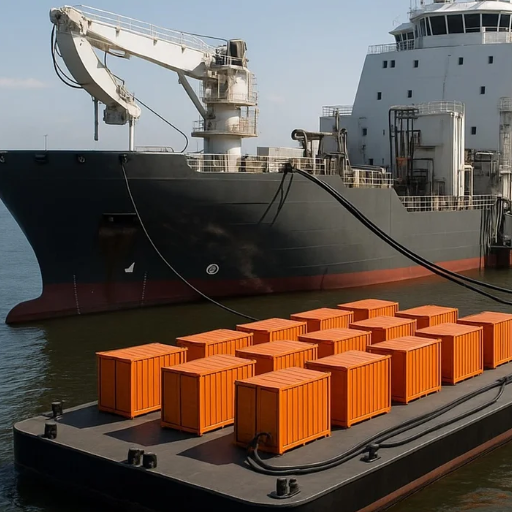
Creating a welcoming environment for superyachts requires marinas to concentrate on accommodating the special needs of these large boats and provide their owners, guests, and crew the absolute luxury experience they require. The capacity to take large docks, the introduction of tailor-made amenities and very good service are all crucial. The crucial thing is to extend berth sizes to accommodate superyachts conveniently and to enable easy berth access for vessels measuring over 24 meters. While also investing in upgrades in infrastructural terms, marinas should procure such an engineered GOP si6 systems so as to take on the operational challenges that superyachts keep demanding for.
As per above residences, ingots should talk about services that cater for superyacht owners and their crewmembers. That can go beyond concierge service, 24/7 stand-by support, and specially-trained staff providing a personal touch. It is, in fact, having facilities that are luxurious and all that at the marina, as in private lounges, fine dining restaurants, and some wellness on offer, which ultimately make up the overall feeling of aloofness and comfort. For the crewmembers, it is very important that they can resort to all the amenities they need, such as laundry services, recreation facilities, training programs, and anything else that takes care of their existence.
saying that sustainability greatly contributes to attracting superyachts to a marina. By having in place eco policies, such as environmentally friendly waste management, shore power services, and environmentally dedicated slipping services within a marina, marina owners are making a very visible statement of their commitment to preserving the health of its very first citizen. There are things to take in all around: thus, providing solutions to the intricacies matter to major visiting yachts, is, essentially fronting a considerable base of business for a marina.
Additional Services and Amenities for Larger Ships
Big ships require special services and facilities due to intertwined needs. One of those is getting a variety of docking options, having deep-water dockages, and having pier-structures made strong enough to hold ships. This facility could anchor vessels securely against any adverse weather conditions conjugated with generous pier-spaces with great navigational convenience during the arrival or departure of the ships. Making ships capable of tying up to shore filters out the need for continuous onboard engines running and thus keeps environmental costs low.
Other decisive amenities comprise the provision of high-capacity shore power connections and fuelling options. Big ships require huge energy requirements, hence expediting the availability of guaranteed electric power supplies and prompt fuelling services, ithose to traverse a long distance. These services cater to not only their operational needs but also their environmental improvement by decreasing emissions whilst docked.
Greater catering would help to attract larger craft to the facility. For the purpose of maintenance, it might include specialized maintenance garages or fully-fledged on-site technical expertise. Crew lounges, Wifi connection, and laundry service enhance the experience for crew members. Full waste management, including recycling and proper disposal services, strongly aligns with the environment goals propounded by a committed green marina.
Case Studies of Successful High-Amperage Implementations
| Port Location | Key Implementation | Environmental Impact |
|---|---|---|
| Rotterdam, Netherlands | National grid shore supply integration | Goal of carbon neutrality by 2050 |
| Los Angeles, USA | High-voltage systems for diverse fleets | Cleaner air for local urban neighborhoods |
| Shanghai, China | Large shore connection systems | Significant reduction in CO2 footprint |
Lessons Learned from Infrastructure Upgrades
One of the keys lesson deriving from the infrastructure upgrades is the understanding that sustainable solutions must be integrated as early as during the planning phase. Integrating the use of greener technologies, such as large shore connection systems, to help reduce environmental influences in the implementation of their activities, is a serious step in the direction of convergence with global climate goals-necessary changes in value have been called for, constructing facilities-the shape of which will set standards regarding sustainable developments, i.e., they would define what long-term ecological health would like in real terms.
Another one to look into would be finding the guideline from experience which proves provision by several of the stakeholder’s collaboration, to be vital. Government entities, private operators, and international organizations establish a broad framework conducive to spoiling infrastructure upgrades. Precisely what results [demonstration of an understanding here, really, are open communications between conflicting entities and unified objectives to ensure timely project completions and bonus to all. The entire challenge will recognition the joint exercise by driving the streamlining of progress along with creating an environment for innovation-and pooling their ideas together along with Brazilizing as well other of their resources.
The necessity for continuous assessment and adaptability regarding infrastructure modernization comes forward strongly. Technology changes and environmental priorities evolve at lightning speed, making it a must that the upgraded systems are continually assessed to realize maximum impacts. Be updated and flexible; it will be one great thing for an organization to remain most relevant and effective with its infrastructure in nurtured conditions of sustainability and operational efficiency.
Future Trends in Maritime Power Solutions
The maritime industry exhibits notable changes to meet the increasing global demand for sustainability and effciency. One of the most prominent trends which are gaining traction is the shift toward low- and zero-emission power solutions. This trend is largely driven by contrasting yet incresingly stringent environmental regulations. Technologies such as hydrogen fuel cells and advanced energy storage, using batteries, are becoming more popular because they offer much cleaner alternatives to traditional petrochemically-based fuel systems. These power solutions ultimately aim to reduce the greenhouse gas emissions and fitting into the graph of international climate goals.
Another trend is the integration of renewable energy sources, like offshore wind and solar, which brings into maritime vessels spraying the ocean. There is on the table research on hybrid propulsion systems that include renewable energies to enhance the energy supply of the current fleetoffshore vessels as the general market demands it. These ROES, which are the denominator for the industry and eternity, increase the power of the propellers; then lead the ships in greater environmental standards and accompany the cause for reduction of long-term costsfor low-fuel consumption and fewer non-renewable resources.
Digitalization completes the required groundwork for optimizing marine power systems. Implementation of smart applications like energy monitoring and the guest sensors to assist data analysis in a real-time fashion, or even aid in pro-active modifications to complex system configurations, could bring the next dimension of energy efficiency, less operational downtime in the system, and superior fleet performance, aligned with the damaged values of sustainability and tech development prevalent in the industry.
Challenges and Solutions in Attracting Larger Vessels
Common Issues Faced by Marina Operators
The leading hindrance which stopped the marina operators from attracting larger slew of vessels would feature inadequacy of electrical power infrastructure; transposing into an onboard electrical power demand to cater to the gigantic systems within the larger boats and yachts. These systems are massive, especially by the standards of most marina owners, and some marinas do not have the infrastructure to satisfy adequate electrical power essential for all the requirements for operating navigation systems, climate control, entertainment, and other associated systems. It hinders the docking of bigger vessels.
The matter of fact is that costly and complicated the exercise concerning upgrading marina facilities to accommodate high-amp energy systems. Retrofitting older docks or building new infrastructure requires a considerable amount of capital, as well as labor. Additionally, complying with regulations and safety codes for high-voltage power delivery during such projects adds another layer of difficulties to the project. These hurdles are major obstacles to the competition of smaller and medium-sized marinas with bigger and more modern facilities.
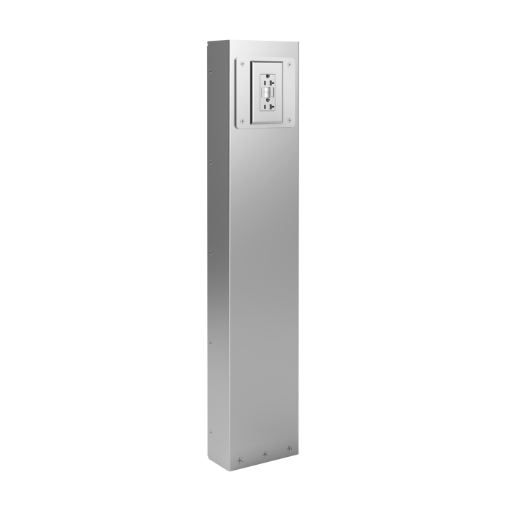
Modern marinas must re-create a great amount of confidence in high-amp power systems for containing the most wanted energy services. Construct standalone pedestals meant for final deliveries of higher-energy voltages with energy monitoring facilities ensuring scalability for future needs in terms of podiums. By tackling these barriers, the marinas can be more appealing and able to serve larger vessels well, thereby bringing about growth and competitiveness in the industry.
Innovative Solutions to Overcome Infrastructure Limitations
Marinas must concentrate on developing strong and scalable infrastructure to attract larger ships. One of the standout solutions is introducing the dock systems that are built to meet the needs of vessels having significant size and weight. This action includes building spectacularly wide docks that are tied together with flexible berthing configurations catering to a range of vessels. With suspended pontoons, they are brilliantly stable and flexible to accommodate changing needs of tidal variation especially in places like with huge tidal variances.
Another important intervention is to upgrade the power-supply systems to cater to the increasing energy needs of larger vessels. Marinas should come up with high-capacity electrical pedestals, ready to deliver power in quantities enough to berth large vessels with state-of-the-art systems on board. The use of renewable sources of energy, such as solar panels and/or wind turbines, also improves sustainability significantly while lowering operational costs. Away from energy sources, it is similarly important to maintain satisfactory water supply and waste management systems, thereby catering to the needs of larger vessels and their accompanying people.
Advanced technological solutions, ultimately, can be game changers for bridging the infrastructure limitations cap. By introducing smart marina management systems, the meaningful systematic allocation of berths, real-time monitoring, and communication with vessel captains can be applied. This automated system is supposed to boost productivity in every aspect, hence providing a better customer experience, which is more appealing for larger vessels. In a bid to escalate their competitiveness in the industry while simultaneously cultivating growth, marinas can accomplish great strides by combining physical renovations with modern technology.
Frequently Asked Questions (FAQ)
Q: What upgrades in infrastructure are needed to attract large vessels to deepen the waterway or berth?
A: Generally speaking, a port will deepen channels or berths, upgrade mooring and cable capacities, put in place high-amp-shore power cabling and locks to carry the electrical and water connections needed, increase quay walls to withstand more pull in tow and tug operations, deploy larger buoys to channel the ship in, and the investment in terminal equipment needed to handle heavier tonnes of cargo and larger carrier units.
Q: How does the shore supply of high amperage power help in some of those cruise ship and container vessel operations?
A: High-amperage shore power allows ships of all kinds to turn their auxiliary engines off when docked, thus ensuring better air quality at the respective port and more compliance with emission regulations. From high standards of service to greater speed of refrigerated container operations, a flanged port rating is established.
Q: Can smaller or shallow ports attend to attract larger vessels in West Africa or similar places?
A: Yes. Through selective channel deepening via suspensive dredging and strengthening quay walls one-by-one, smaller ports can gradually grow. Ultra-high amperage cabling installed in stages allows for mass power use without massive upfront costs.
Q: What is the significance of tugs, anchor strength, and mooring systems for harboring of larger vessels?
A: Having strong towage and bollards handling heavy weights increases safety factors for high-tonnage vessels. A tug circle with higher-tension capacity ensures safe berthing and unberthing, providing insurance to carriers and attracting more traffic.
Q: How do cost-effective power and installation options affect a port’s ability to attract larger vessels?
A: Reducing costs through modular or rental-based shore power and shared investment models allows ports to improve capacity, attract larger vessels, and capture greater cargo volumes and cruise calls.
Q: What environmental and regulatory advantages are there to upgrading shore-power capacity?
A: It allows ports to comply with future marine emission standards, reduces local air pollution from idling engines, and can secure incentive funding from port authorities.
Q: With whom and what parameters factor into planning for deployment?
A: Collaboration between ports, power utilities, maritime engineers, and shipping lines is key. Factors include traffic projections, berth demand, power requirements, cable routing, capital costs, and dredging maintenance timelines.
References
-
Wave Energy Converter for Marine Vessels
Explores the use of wave energy converters as reliable power sources for large applications, including marine vessels.
Read more here - Ocean Stream Power Generation
Discusses the challenges and potential of harnessing ocean currents for high-power applications, which could be adapted for large vessels.
Read more here -
Understanding Power System Harmonics
Provides insights into power system harmonics, which are critical for designing high-amperage power solutions.
Read more here - Top Marina power pedestals Manufacturer and Supplier in China
💡
Pro Tip
Always consult with a top marina power pedestals manufacturer to ensure your hardware is scalable for future electrical demands.