Changes in climate are impacting the cruise business, and so is the rise of electric ships, which is changing the future of the water. Sustainable boating is on the rise to modify marinas to meet the needs of eco-conscious boaters. Electric boat charging infrastructure is no longer a luxury, but a necessity for the future of a marina, the development of necessary guidelines for environmentally responsible guides.
This post will delve into why the adoption of electric propulsion is gaining momentum; you must also learn how disadvantageous it is to be left behind in the electric-power movement, go while reading about the actions that will enable your marina to remain prepared for the shift. If you are a marina operator or someone who enjoys water adventure, we welcome you to this writing as you learn ways to ride the waves in the flood of electrification seeping through the seas.
Key Takeaway
Transitioning to electric infrastructure is not just an environmental choice—it is a strategic business move to ensure long-term relevance in a rapidly evolving maritime market.
Introduction to Electric Boating

Overview of Electric Boating
Electric boating is a significant step forward in maritime innovation, providing a cleaner, quieter, and more efficient alternative to conventional, fossil fuel-powered boats. Essentially, electric boating involves using a battery-supported electric motor to move vessels. This operational mode reduces carbon emissions and decreases the environmental impact of boating in general. This shift is in line with global efforts against climate change and marine ecosystem defense.
Electric propulsion contributes to true sustainability: electric boats are vehicles that produce no emissions, and therefore greatly reduce pollution—both airborne and water. Electric motors usually have higher energy conversion efficiency than their internal combustion engine peers. Even if the trend were to persist, operators would enjoy decreasing operational costs over time especially as battery costs keep falling and charging infrastructure development keeps going strong.
In addition to saving our environment, electric boats offer a quieter more serene environment to both avid and not-so-avid boaters alike. The silent motor of electric propulsion indeed creates a tranquil atmosphere for leisure boating, with almost zero noise pollution that can impinge upon marine life. A combination of such advantages ensures that electrically propelled boats are gaining the ground toward great popularity with the maritime industry, leading to more achievable and enjoyable water prospects in the future.
Benefits of Electric Propulsion in Marine Applications
Electric propulsion offers a variety of benefits that cater to both environmental and operational aspects of the marine industry. Foremost among these is the environmental benefit associated with electric power. Electric propulsion systems cause no emissions. They run silently and therefore reduce air and water pollution and protect the health of oceanic ecosystems. This gain for a better marine environment goes a long way in line with the global movement to halt climate change.
Another good benefit is that electric propulsion brings almost no noticed noise. Propulsion systems, generating very little noise, do not disturb marine life. Rather, therefore, they permit a more tranquil evolvement to the marine experience that is believed, particularly, to be hypersensitive for the protection of wildlife or simply to facilitate recreational boating in a tranquil and pleasant ambiance.
An all-electric-propulsion powered system saved significant in financial terms as well. This is because, in comparison to normal combustion engines, less maintenance is needed, which then gives operational cost savings over time, mainly for space. Aside from the environmental values and the values of direct experience, all-electric-propulsion technology is dolomitic toward a much more eco-friendly operation.
Current Trends in the Maritime Industry
With all advantages propounded, electric propulsion serves both maritime and operational needs. Certainly one of the most certain advantages is the advantage-providing side. Unlike fuel, zero emissions of electric power means that no more exhaust pollutes air or water at the time of the boat operation. In this way, marine ecological conditions renew themselves, calling for global efforts in the fight against climate change which will be made possible.
Another most important virtue is the reduction of noise pollution. Propulsion by electric motors provides a silent operation, calling for almost no interference from marine life and orchestrating a nice ambience for boat riders. Such a blessing is also very cherished if one is so lucky to be living in a sanctuary for wildlife or somewhere that recreational boating experiences a sort of charm when set near such tranquillity.
Electric propulsion systems can be seen as a smart move in the long-term. Once any additional costs in the initial capital investment are covered, they ask for almost no maintenance compared to its alternatives with internal combustion engines. Instead of burning fossil fuels, electricity for attractive coupled with being a cheaper form of energy, thereby for long term use cutting down the operational fees. The environmental and operational incentives provided by electric propulsion are currently paving the path for a more environmentally friendly future for marine transportation.
Understanding Electric Boat Charging Infrastructure
What is Electric Boat Charging Infrastructure?
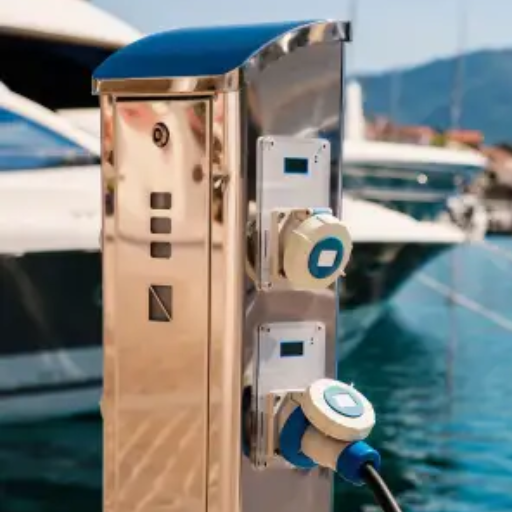
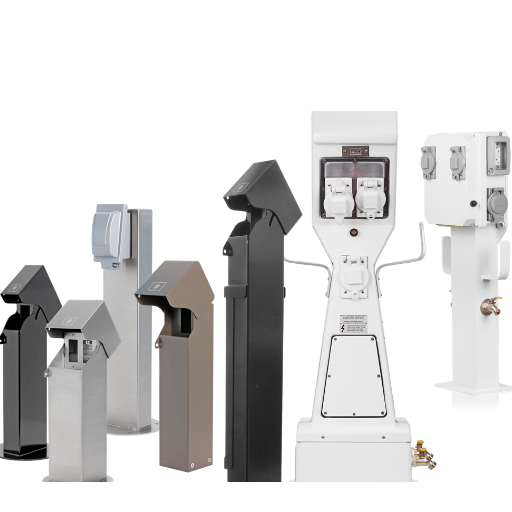
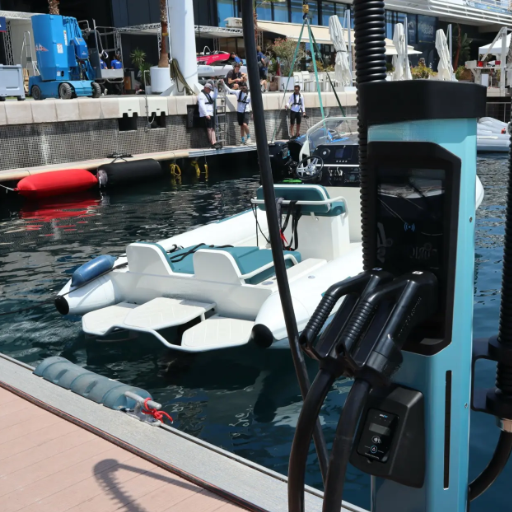
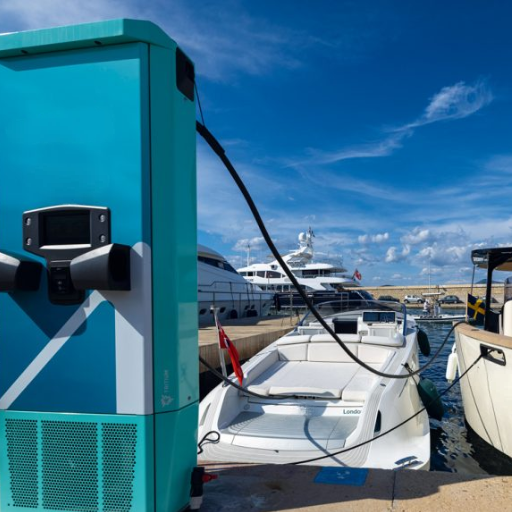
Electric boat charging infrastructure is the network made up of facilities and gear meant to recharge the batteries of electric crafts. These charging devices guarantee that electric boats’ propulsion systems are kept at the highest operational levels, while enhancing efficiency and sustainability. The very structure of the infrastructure includes the charging stations, connectors, and power supplies meant for boat-centric work.
The existence of the infrastructure organization is indeed affirmable in facilitating the adoption of electric boats while indications increase that energies can be distributed easily to them. Charging stations should be found on the marinas, harbors, or other docking arrangements, and hence they would be used by the boat owners as easily as just charging batteries while the boats are docked. The more advanced options can be a quick-charge option, which will be especially useful to the commercial operators or the frequent use of boats.
Renewable energy systems such as solar or wind power are increasingly integrated to back these systems. This directly reduces dependency on conventional electrical grids, giving some sustainability to the entire operation. In this context, infrastructure for charging electric boats acts as a vital and much-needed push towards environmentally-conscious marine transport, ensuring that electric boats can be used appropriately and safely.
Components of a Charging System
Electric boat charging with a wide variety of components from safety management is based on those who are often necessary to be more efficient. This means the charging station is the center of the energy transfer to the battery from the boat. Located at the marinas, piers, or private facilities, these stations need to cater to battery power levels and speeds of getting charged.
Another important component is an onboard battery management system (BMS). The BMS functions to monitor and regulate the battery charging process to ensure that the battery charges up within safe limits and prevents it from overheating or overcharging. This system will also help balance power flows to considerably reduce charging times and assist the battery in lasting in good health, which will be beneficial over time for electric boat efficiency.
Besides, power connectors and cables have significant importance in the system and remain the bridge between the charging station and the vessel battery. These components must follow certain safety standards, like waterproofing and durability for marine environment-specific operations. Being combined together, they make the electric boats’ charging system platform very rugged and reliable for highly perceptual comfort and utilization.
Types of Charging Technologies
Electric boat charging technologies have been classified into three main types—Plug Charging, Inductive Charging, and Solar Charging.
- Plug-In Charging: The most conventional mode. Requires connecting the boat to a power outlet or charging station. Reliable for docked periods at marinas and seaports.
- Inductive Charging: Wireless energy transfer via electromagnetic fields. Eliminates cables, reduces wear, and improves safety, though it may be slower than plug-in methods.
- Solar Charging: Utilizes solar panels on the boat or at the station. Ideal for smaller vessels with lower power demands, providing green energy support during sailing.
When taken together, these technologies accommodate various solutions to fulfill diverse operational needs and balance efficiency, safety, and environmental considerations.
Charging Methods and Technologies

AC vs. DC Fast Charging
Fast AC (Alternating Current) and DC (Direct Current) charging represent two fundamental components concerning the ship electric charging infrastructure, different from one another. AC charging naturally proceeds more slowly and is better-suited for a lengthy stay at dock without speed being an issue, commonly absorbing power from the grid to feed directly to the ship’s onboard charger which converts this to DC to charge the batteries on the ship, efficient, and low cost. However, it generally takes up for as long as some hours to complete recharging of whatever battery.
| Feature | AC Charging | DC Fast Charging |
|---|---|---|
| Charging Speed | Slower (Hours) | Rapid (Minutes/Hours) |
| Ideal Use Case | Overnight/Long-term docking | High-traffic/Commercial use |
| Infrastructure Cost | Lower/Cost-effective | Higher investment required |
On the contrary, faster charging is aimed at situations where rapid recharging is critical. The mechanism makes use of an external charger for the grid of direct current before the final resting of the battery. Time saved, not so much ideal for high usage situations like buses or boats. However, the former bears a privileged infrastructure and cost disadvantage relative to AC charging.
How electric-boat charging infrastructure is designed and constructed depends upon the combining of various methods in order to meet the multiple demands. A certain marina or a port may offer AC charging as a matter of course, but a DC fast charger may be more suitable for those operating in high-traffic areas or for very busy boats that must keep a tight schedule. The right charging method is selected for a given boat based on such related factors as battery capacity, frequency of use, and user operational needs. A compromise in matching uses and benefits of both methods would thus bring about a revolution in the efficiency, user convenience, and current intensity regarding the technological transition ensuing from global acceptance of electromobiles.
Innovations in Charging Stations
Charging stations are considered an important development that will ease the transit to environmentally sustainable maritime technologies. A major thrust of recent research corresponds to the development of fast-charging systems tailored for the special requirements of electric boats. Such fast-charging systems are known to shave off the charging time drastically, and also ensure smooth and safe flow of energy. In the latest trend, marinas and high-traffic docking places are increasingly setting up fast chargers, enabling electric-boat users a quick recharge and operation without much delay.
On the infrastructure front, it is a leap to another major milestone—a step into designing charging stations with renewable energy sources. Many coastlines have already started utilizing the potential of wind tidal, or solar energy to charge their electric boats with clean energy. With renewable energy capacities and energy storage systems, the loading capacity supports a reduced dependency on conventional power grids and a brisk move to achieve carbon-neutral transportation.
Last, the adoption of standardized charging connectors and protocols ensures compatibility across a wide variety of electric boat models. This standardisation simplifies the charging process for users, eliminates confusion and makes EV charging widely accessible. Implementing innovative technology, such as smartphone app charge status monitoring and station plank availability, adds the convenience; therefore, the number of electric boats used would grow. Combined, such attempts are dealing with significant issues faced in expanding the electric boating industry and toward the drive for sustainable maritime ecosystems.
Marine Shore Power Solutions
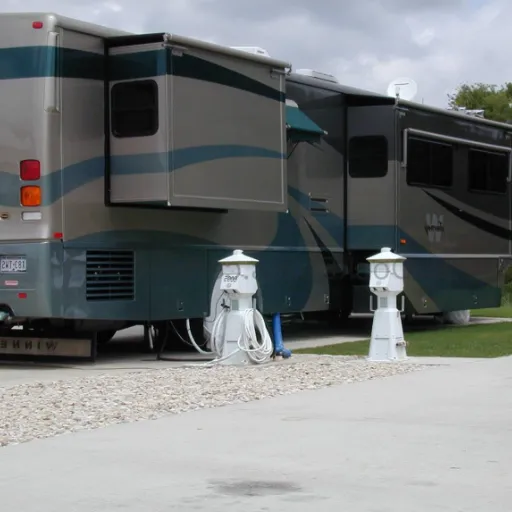
Marine shore power solutions are a key measure for reducing emission and enhancing sustainability in maritime operations. By allowing vessels to connect to onshore electricity while docked, these systems dispense with the need for ships to operate their engines that usually run on polluting fossil fuels. This switch saves these pollutions, mutes the noise, reduces air pollution in port areas, and paves the way for a healthier environment and public health.
A successful shore power system in the first place requires a cooperation synergy between ports, ship operators, and regulatory authorities. Necessary infrastructure-targets such as hefty electricity infrastructure and a necessity for complementary and standardized approaches linking together ships and ports will be required for the broad implementation of these technologies. Likewise, it suggests greener and renewable energy sources to become more and more available to provide energy for shore power systems that generate the impact on the betterment of the environment.
The marine-sourced efficiency enhancement has more benefits than just environmental benefits. It also improves services and hence the economic condition by reducing fuel consumption for the vessels, and maintenance expenses of engines brought by engine wear and tear when vessels are berthing. More than that, the impact on the economic situation of ports is in brighter prospect provided shore power systems are used within new port facilities so that they can better compete on a global scale, being tireless in their commitment to port environmental awareness and, thereby, forward and best practices.
Challenges Facing Electric Boat Charging

Saltwater Corrosion and Its Impact
Saltwater corrosion forms a considerable challenge for charging systems of electric ships. The metallic components of any given charging infrastructure are exposed to water salinity and can rapidly deteriorate owing to electrochemical reactions. This will further weaken critical structures; extend the useful life of charging equipment, and requiring more frequent repair and maintenance costs—not good. It is very important to effectively address this issue for the ports and marinas so to guarantee the reliability and safety of the charging stations.
⚠️ Corrosion Mitigation
Marine-grade materials like stainless steel and specialized protective coatings are essential to prevent structural failure in high-salinity environments.
Implementation of corrosion-resistant materials containing stainless steel or providing a protective coating that endures the marine environment is an effective method among the various measures to combat saltwater corrosion. This process should be matched with a perfect sealing system that will save the electrical components from water intrusion and this is a major contributor to corrosion. An agreement on a timely check at regular intervals and the elimination of the early warning on the effects of corrosion must follow on a regular basis to keep the infrastructure running.
The other counterreactivity on saltwater corrosion is installing a cathodic protection system that utilizes sacrificial anodes or an impressed current to switch where the electrochemical reaction binds off as a way to protect critical infrastructures. This decisively reduces the risk of corrosion and corresponding investment ensures viability to support power supply to the electric boat at sea.
Lack of Standardization in Charging Systems
A lack of standardization in charging systems for electric boats presents a significant hurdle for sustainable marine technology to grow and become mainstream. Often companies design their charging facilities with specific norms, so the inter-compatibility of these systems is rarely guaranteed. This keeps operators and owners in a tight corner, forcing them to consider recharging only at certain locations. On a side issue to promote wider integration and reduce the fragmentations in the industry, a universal standard laying down the norms is essential.
Many ports and marinas, in the absence of standardized charging systems, find it difficult to support electric boats as they end up investing in multiple sets of infrastructure to cater to varying requirements. The absence of any standardization increases costs to all parties, deterring smaller businesses or the individual user from so much as considering the switch to electric technology. Besides, it can cause other logistical problems, especially during long-distance travel trips when specific charging facilities cannot be accessed.
To tackle the challenge, it is more than ever essential that the maritime industry comes together to create standard ways for charging systems. All governments should work together with manufacturers and stakeholders and develop the regulations and possible incentives that improve the adoption of similar universal technologies. Effective standardization could remove impediments and reduce infrastructure costs, promoting easy integration and faster maritime transition to greener practices.
Future of Electric Boat Charging
Market Trends and Growth Projections
Nowadays, the market of electric boat charging infrastructure is expanding heartily due to the global need for sustainable shipping usage. Accordingly, in order for the maritime industry to assist in this cause of increasing demand for environmentally friendly solutions certain environmental norms and regulations will have to be introduced. Enticed by the concepts of environmental conservation and advancements made in battery technology, significant investments have been made mainly for charging infrastructure. Published reports state a major increase in the significance of electric boats in the recreational as well as commercial sectors, thus increasing the demand for operational and efficient networks for charging.
Government legislation, which encourages the adoption of clean energy and discourages emissions in waterways, also plays an important role in shaping the market. Many countries issue subsidies, tax exemptions, and policies to push people towards the adoption of electric boats. Thus collaboration among manufacturers, ports, and energy service providers to establish some form of a standard as well as better the sorts and the potential availability of charging stations should be undertaken to facilitate the utilization of electric propulsion systems more effectively.
Technology innovation is enhancing growth. Advanced high-speed charging technology and wireless charging systems are fast gaining popularity, which means rapid service and minimal time for charging. When integrated with a focus on electrification technology, these developments are likely to be quite disruptive to the marine industry, making electrification an increasingly doable and sustainable option for the future.
Policy Impacts on Electric Boating Infrastructure
In considering the development and enlargement of electric boating infrastructure, it is believed that governmental rules are intended to be a key tipping point in encouraging progress. Subsidizing electric boats and the construction of charging stations provide a good manner in which the marine sector can embrace this exciting swirling change toward electric propulsion. The policies therefore encourage the usage by stimulating the reduction in production costs and facilitating the purchase by the producers and customers.
Environmental regulations considering the reduction of emissions from conventional fuel-driven boats will aid in spurring such an electrification move. Basically, such regulations—when it comes to a drastic reduction of carbon emissions and the instillation of cleaner energy-use targets—will prove to promote the sustainable marine technologies. Of a greater good, in addition, they give in to environmental concerns, riding off cleaner alternatives that can thereby facilitate industry growth itself over the long run.
Stakeholders and policymakers working collaboratively are essential to create the infrastructure that will be required for the expansion of electric boating. Governments can encourage public-private partnership to promote the extension of the charging infrastructure, support research and development, and set standards for interconnectivity. The stability and uniformity in policymaking will foster an investment climate conducive to long-standing cooperation among manufacturers, deployment agencies, and local authorities with the successful implementation of the electric technology within marine transport.
Investment Opportunities in Electric Boat Charging
The electric boat charging investment opportunity is growing rapidly due to the increasing quest for sustainable marine mode of transport. The global green shift and decarbonisation movements have brought about an urgent developing request for reliable and widely accessible infrastructure for charging around waterways, ports, and marinas. These projects are investor-friendly, as they include development of charging networks to support renewable energy solutions such as solar power or wind-powered charging. Such features not only complement environmental objectives but also make a concerted effort against ever-increasing regulations meant to reduce carbon emissions.
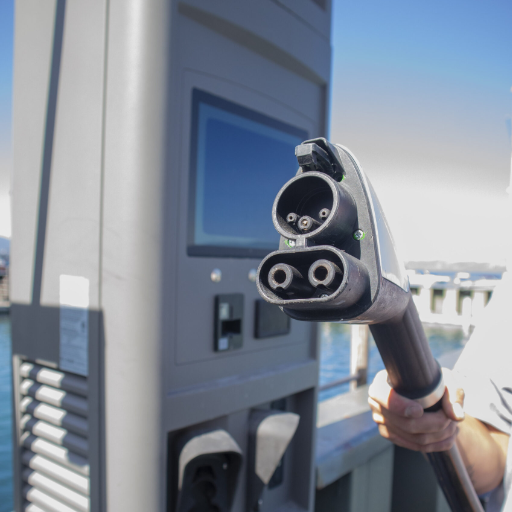
Capacity of new high-speed marine chargers currently entering the market.
In the domain of this sector an important path to development is being developed through public-private partnerships. The governments of various nations aim at fostering various incentives through grants and subsidies to develop electric vehicle charging stations. Situating these charging hubs strategically can attract marine businesses, tourism operators, and private vessel owners and thus assured revenues. Again, operational sustainability can be guaranteed if they work alongside local governments and maritime authorities to eliminate hurdles faced by the permitting process through cooperation.
Last but not least, venturing into technology solutions in this industry might bring promising returns. It may involve investment in the research of quick charge technology, rugged batteries to last long, and software mechanization to ease up battery operations. They not only increase convenience for electric boat operators but also address significant concerns of scalability and efficiency. Make sure you focus on infrastructure, partners, and technology upgrading to ride along with this growing sector and contribute to marine sustainability.
Frequently Asked Questions (FAQ)
Q: What is Electric water charging and why does it matter?
A: Electric boat charging infrastructure refers to the network of charging stations, chargers (ac and dc charging), shore power connections, power management systems and others that permit electric boats and electric outboard motors to recharge their battery pack. Basically, charging infrastructure is important to electric boats by allowing reliable access to shore power supporting rapid as well as overnight charging strategies which, are much allied in the improvement of the charging experience for electric boat users as well as the promotion of electric boats in the marine industry.
Q: What charging methods exist for electric boats—AC or DC charging?
A: AC charging applies to slow, cost-effective overnight charging with more-installed infrastructure demanded, whilst DC charging favors superiorly faster charging and rapid charging with an emphasis on circuitry envied in no other chargers. Boats having AC and DC charging systems serve many purposes; AC charging is particularly known for marine shore power and slow charging, whilst DC charging, as well as combined charging system configuration serves faster charging capabilities further with higher power rating in terms of power-to-time ratio, aiming to quicken the charging of batteries for boats.
Q: How fast can I charge an electric boat—what affects charging speed?
A: Charging speed is influenced by the type of charger (ac charger vs dc charger), the onboard charging capability and the battery pack of the boat, as well as the availability of fast charging infrastructure. Fast charging and ultra-fast-charging require higher kw power, which is presumed in some marine charging networks such a Stefanutti Marine grant proposal, with up to 150 kw or more, while slow charging is used for overnight charging using AC. Smart charging systems and power management can maximize charging speed and prolong battery duration.
Q: Do user-friendly charging solutions for electric boaters and electric boat users exist?
A: Yes. User-friendly charging solutions available in the market for boaters include user-friendly marinas with clear signals notifying chargers’ availability. They also accommodate standardized plugs, chiefly the combined-system, and/or other marine connectors. Scheduling low-cost charging times is now possible thanks to booking apps and an integrated smart charger. On the other hand, solar charging systems can be set up aboard electric boats to supplement their recharge-system capabilities, apart from portable AC or DC chargers for flexible charging times.
Q: How does smart charging support the dockside charging infrastructure for electric boats?
A: Smart charging connects which source of power load balancing at marina collectives, makes even charging distribution possible, and helps in reducing peak demands. Within power distribution onboard, the charging system ensures co-operation among electrical-device mismanagement and the smart integration of renewable energies like sunshine. They can target the maritime transport and priority of the marine mobility interests to ensure fair access to shore power and improve charging conditions.
Q: Can electric cars and electric boats share charging networks for electric vehicles?
A: In a limited number of instances, electric-vehicle charging networks can inform the design of marinas; however, direct sharing is typically hampered by differing types of connectors used for EV charging, varying safety protocols, and regional regulatory measures. Even though the concepts learned from charging for cars potentially can help, the marine-specific fixtures, protection against saltwater, and different charging standards desired by electric boat consumers and companies are essential for electric boating.
Q: What is the importance of battery tech and maintenance to charging an electric boat?
A: Boat batteries play an important role in charging rates, cycle life, and how to appropriately charge them, depending on the design opted for. Charging battery management and charging solutions, together with thermal management, need to be top priority to ensure the most efficient charging and longest possible battery lives. Electric boaters should perform full charge cycles when the manufacturer has stated it, ensure rapid charging is not used regularly (where it is not needed), and eventually look into integrated solutions including solar charging packages if optioned for.
References
-
Optimizing Charging Infrastructure for Electric Boats
This study focuses on optimizing the allocation of slow and fast chargers for public electric boat charging stations.
Read more here -
Electrification of Public Transport: Transition Towards Electric Vessels
Discusses the implementation of 1000 kW fast charging infrastructure for replacing diesel boats with electric ones.
Read more here -
Market Barriers Towards Electric Boats
Identifies social and technical barriers to the adoption of electric boats, including infrastructure challenges.
Read more here - Top Marina power pedestals Manufacturer and Supplier in China