Managing energy and water consumption sustainably plays the pivotal role in operations while maintaining sustainability for the marina. The smart metering solutions are indeed one of the most game-changing tools. They have allowed marina operators to precisely record usage, cut down on operational costs, and enrich the experience of boaters. This article discusses some of the advanced capabilities that these systems offer and the benefits they have on the management of the marina. From controlling costs to more efficiently allocating resources, choosing greener practices, smart metering systems are now a necessity in most of the modern marina. Click through to learn how a global enterprise can revolutionize input by means of these smart solution suits.
Key Takeaway
Smart metering transforms traditional utility management into a data-driven operation, enabling real-time cost recovery, leak detection, and enhanced sustainability for modern marina facilities.
Introduction to Smart Metering Systems

What are Smart Metering Systems?
Smart metering systems are an advance technological system for measurement, monitoring, and managing of utilities suitable for electricity, water, and natural gas by providing a better and true way of reporting the same. In comparison to the technology of traditional meters, the technology of this system integrates some kind of digital enterprises and communication media that make, in every way, real-time data collection and analytics possible. The feature is advanced enough for advanced warning and forecasting of resources and resource utilization since smart metering systems could give a bird’s-eye aspect for further management.
Remote connectivity is one of the key functions of smart metering systems, which eliminates the need for manual readouts. Two-way communication helps in ensuring regular updates, apt billing, and real consumption data to the consumers. Smart metering systems are also closely involved in analytics, which further allows for easy tracking to locate inefficiency, to account for leaks or defects, and to adjust sensitivity for better resource utilization.
Smart metering systems are instrumental not only in providing individual benefits but also in supporting broader environmental and operational objectives. Through encouraging energy and water conservation, these systems lead to surplus reduction and supportive sustainable practices. Smart metering systems likewise help utility providers more effectively manage and balance supply and demand, relieve grid stress, and plan for future infrastructure needs. For those reasons alone, smart metering systems embody a powerful tool of modern utility management in terms of precision-convenient-easy of-utility.
The Importance of Smart Metering in Marinas
Indispensable in facilitating efficient resource management and hence environmentally sustainable management, lies the use of smart metering system in marinas. Accurate time data about water and power provisions allows the marina developers and managers to specify usage patterns in terms of data: the data can then be translated into informed choices on how dispensable to operate them. The display of close monitoring does not serve the business purpose for cost-saving and so on but also acts as a driving force for environmental balance in terms of appealing to the sensibilities of all users to take part in conservation.
Smart meters provide accurate readings to bill customers for the resources they consumed. This transparency provides reasons for more customer satisfaction and helps to breed trust between customers and operators. By seeing their daily consumption on a user portal, customers can become more aware of energy usage and change their energy usage habits accordingly.
Smart meters enhance operational efficiency further by automating data collection and streamlining resource management. Marina staff spend less time on manual reading or estimation therefore working at higher productivity on some other key tasks. This technology also paves the way for long-term planning, as detailed data can be used for infrastructure improvement and the integration of sustainable energy solutions reaching the port. Smart metering-an investment in a more efficient, greener, and customer-driven marina.
Overview of Key Features
- 1. Real-Time Data Monitoring
By facilitating precise and real-time data on energy and water consumption, smart meters are transparent and indispensable for marina operation managers to track usage patterns and detect inefficiencies immediately. - 2. Improved Resource Allocation
With automated data collection, marina staff can efficiently allocate resources. By intimidating manly activities involved in consumption tracking, the staff focuses on other essential operations which raises productivity and improves services. - 3. Enhanced Sustainability
Marinas can use comprehensive usage data for identifying wider sticks that can involve the harnessing of more sustainable energy solutions; hence, the long-term environmental aim of smart metering is to encourage eco-friendly practices and peel away the carbon footprint left by marina operations.
Benefits of Smart Metering for Marina Operations
Cost Recovery and Billing Accuracy
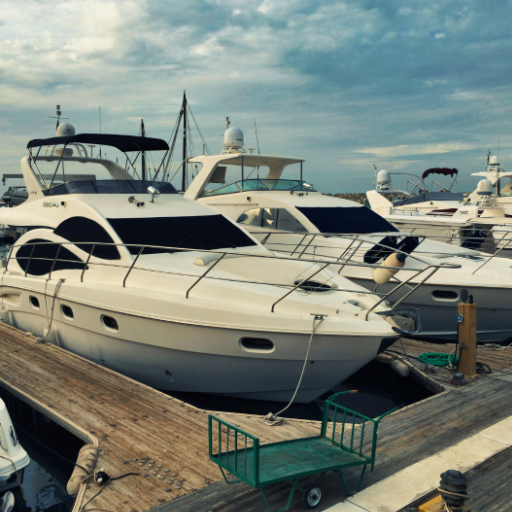
Energy cost recovery is significantly improved and billing accuracy is ensured for marina operations by the use of smart meters. Since smart meters measure electricity and water consumption accurately, there is no guesswork any longer, in addition to enhancing monthly statements, therefore, marina owners are empowered to do real billing on the basis of the actual usage. Further, it reduces disputes between operators and clients and refines trust between operators and boatowners.
In any event, clear data rendition concerning consumption suggests that operators may promptly look for opportunities in resolving inefficiencies or irregularities in resource usage, such as spotting problems such as leaks or overconsumption, which might otherwise end in substantial financial losses. Besides, the lots of data provided by smart meters let cost to be allocated in proper proportions, thus ensuring that each consumer is charged only based on their use in a fair proportion, which is beneficial to both operators and customers.
Smart metering may help in optimizing the operational cost of a marina while it ensures the billing process is done equitably. Marina operators, by keeping track of the usage patterns over time, are in good position to decide as to how best they can manage the peak demand periods and manage resources more efficiently. This monitoring and resource management actually contribute towards making the operation more profitable and, in the long run, better armed at providing clearer service while retaining sustainability for marina operations.
Streamlining Utility Metering Processes
One construct of streamlining utility metering matters creates implementing very well-organized levels of systems furthered by technologies that lead to fair measurements, billing for water and energy consumption. In this way, water and power utilities are shared equitably so no one feels disadvantaged in sharing resources between users and so as naturally to keep billing disputes far away while in clear situations of every owner’s fair setting of being maintained. Modern metering solutions founded on accurate data do a lot by allowing marina operators to draw data-driven decisions that will improve the overall operational efficiency.
💡
Pro Tip
Automated mechanisms drastically reduce manual error rates in utility tracking, ensuring that marina staff can pivot to customer service rather than manual data entry.
In this regard only via automatic metering mechanisms, such as those proposed, are specific in terms of designs that would reduce the likelihood of mistakes from their operators and facilitate billing. Real-time data on energy and water levels can better assist managers plan timely adjustments for avoiding inappropriate inefficiencies; more to this may come transparency to show customers how to check their production patterns for further accountability and responsible usage. Marina operators gain insights into peak usage periods and resource requirements by adopting optimized processes. This data is then used for targeting the most efficient resource distribution patterns that reduce wastage, hence promoting economy of operations. It thus is absolutely vital that these systems be user-friendly and may easily be maintained for the long haul. Towards sustainability, these terminals need to perform without interruptions.
Enhancing Energy Monitoring Capabilities
Monitoring and effective management of energy usage are essential to ensure a smooth operational landscape and environmental outcomes. Increased energy-monitoring lines of sight will allow marina managers to watch from minute to minute the energy consumption with clarity of usage patterns. This would allow plentiful vocations of resource allocation decisions and impart directions to implement or identify energy-conservation models.
Best practice in energy monitoring options means you should see the installation of smart meters and systems implementing real-time analytics. These are extremely precise allowing quotation obviously for benchmarking purpose. But with theme and operational volumes, reports become quite elaborate in their findings whereby getting aestheticized by action and much-promotive behavior. Only through examining these reports have marina operators been able to implement strategies such as demand-side management to regulate unnecessary energy use during off hours-called during what has now become known as “real demand.”
Energy monitoring solutions further support long-term sustainability objectives by streamlining consumption in processes. Looking at bottlenecks, energy hogs, and inefficiencies-like in the earlier case with system maintenance or the algorithms-driven frame intelligent power usage-increases the likelihood of decarbonizing any of your enterprise’s activities. Each time an empowerment of integrated renewable sources enters into the energy grid (be they solar, wind, or any other), clean, sustainable solutions are sought, thereby greatly magnifying this contribution. Not only do they cut costs and become competitive, but they also constitute a genuine stand in the service of environmental stewardship from the rest of the competitors.
Smart Metering Technologies in Modern Marinas

Wireless Connectivity and Remote Monitoring
The ability to wirelessly monitor and manage contemporary marinas creates unparalleled opportunities for efficiency and ease. With wireless technologies, marinas can track their water, electricity, and fuel consumption systems in real-time. Such systems make the operation simple in terms of data collection and transmission, consequently improving resource utilization and minimizing operating costs. Also, wireless networks make it feasible for marina supervisors to log into vital information remotely and, thus, try to boost managerial decision-making and streamline every day going on about the marina.
Another advantageous level of remote monitoring is to load real-time information about vessels for the benefit of owners in order to access key metrics of their choosing-battery levels, engine performance, and even environmental issues-from a distance. In terms of confidence, one does not have to be physically present. Better use of this resource is shedding out from the client; it provides some degree of relief and promotes security, given that hitches can be addressed immediately before they develop into major problems.
The technology brings much-needed support towards a green agenda for marinas by integrating wireless communications with smart metering technologies. Through accurate and automated reading of wastage, such monitoring will serve to heighten consciousness of resource usage toward both marina operators and boat owners, who are equally expected to come together with common interests to safeguard the environment by minimizing waste and conserving energy, thereby making the marinas more intelligent, effective, and sustainable facilities.
Integration with Renewable Energy Sources
The integration of renewable energy sources is perfectly heralded in the real sense into the marina industry as it majors conservation and reduction of environmental degradation. Solar panels, wind turbines, and other renewable technology are available, depending on preference. These are meant to harness clean energy for the very basic needs such as lighting, charging stations for mobile phones and water desalination systems of the marina. By taking away fossil fuels almost completely, transitioning to the use of renewables helps in curbing emission of greenhouse gases.
An excellent option would be to construct solar power systems atop commercial buildings or in open space within the marina. Solar panels can effectively produce the electric current necessary to support daily needs, particularly in areas that receive a great deal of sunlight. Wind turbines could also be a source of alternative or supporting energy supplies mainly in regions like the Velvet Coast that receive reasonable winds. These solutions not only could lead to reduced energy costs but they could also have their redundant supply with a more robust and secure energy supply.
Ultimately, the addition of alternative energy systems can be further extended when integrated into smart grid infrastructure to allow for the intelligent distribution and storage of energy. During peak hours, for instance, any surplus energy produced can be stored into batteries or returned to the local grid, hence ensuring the smooth operation of energy. By implementing renewable energy technologies in the marina, these existing resources could align with the international goal of sustainability, provide an appeal to boaters who care for the environment, and encourage green-friendly practices for the industry as a whole.
Cloud-Based Solutions for Efficient Management
Definitely, cloud applications have brought revolutions in managing marinas. They provide a systematic approach that boosts operational efficiency throughout the field. These systems make it possible to access real-time information that leads to real-time decision-making. Marina managers can view all bookings and reservations, monitor the availability of berths, and carry out financial transactions from any location with Internet access. Since administrative tasks are gathered together in a cloud, the marina runs smoothly and can provide better service to its clients.
Scalability and agility are some of the biggest contributions that clouds can make in developing a technology for facilitating fulfillment by marinas of different dimensions, being amenable to customizability that suits their needs-software to manage their inventory, maintain their staff schedule, or automate communications with the clients. Simply put, a cloud provider can ultra reliably keep a marina on top of challenges today by continuously upgrading the software for added functionalities and an ultra low TCO. This way, the business processes will not necessitate expensive overhauls for the purchasing of a new solution.
The best benefits of such cloud-based platforms are security and data protection. These services use encryption and other advanced tools to safeguard important data, including client data and financial records. Moreover, constant data backups prevent data loss through technical failures and intrusion. In conclusion, a higher degree of operations efficiency is a benefit for the marina in using cloud-based solutions, which helps improve customer satisfaction and innovation.
Implementing Smart Metering Systems in Marinas

Choosing the Right Smart Pedestals
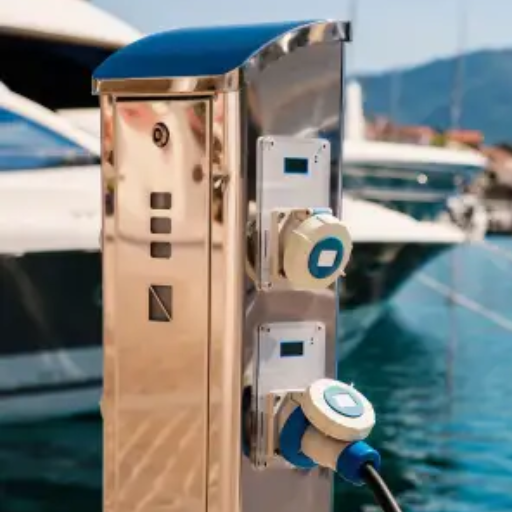
Considering smart pedestals in a marina requires balancing functionality, reliability, and compatibility with the particular needs of the marina. Move on to evaluation of the marina in its own right-in terms of energy consumption, infrastructure, required features, e.g., whether the devices will work in sync with remote monitoring systems or an automated billing system. Choose smart pedestals that guarantee clear, user-centric interfaces-ease of use and high efficiency for both the staff and customer.
Durability and resistance to the harsh marine environment are of paramount importance. Smart pedestals are meant to withstand harsh weather conditions, salty air, high moisture content, and fluctuations in temperature. Think manufacturers who have used high-quality, weatherproofed materials, thus reducing long-term maintenance occurrence so that the broken potential operational disruptions might be cut down and give a longer life span for the capital investment.
There should be a special focus on scalability and integration. Let’s view the intelligent pedestals as a further extension to the future that may hold more dockage, any possible technology to overlooked or any future upgradations. The key to the whole idea is that integration should be possible with the present systems such as energy monitoring and billing via cloud systems. Single-minded focus on these two features ensures that the marina remains competitive and gives a modern, efficient layout for customers.
Retrofitting Existing Pedestals
The idea of upgrading the existing pedestals means updating older installations to align them with the present functionality needs and standards. The process could hence look into developments related to energy monitoring, billing systems, and cloud connectivity in order to make that system compatible with cloud-based systems. Using state-of-the-art technologies opens up space for the marina to increase efficiency, leaving present equipment in place for longevity, and therefore saving the cost of a complete overhaul.
⚠️ Important Note
Retrofitting is a cost-effective alternative to total replacement, but requires a thorough audit of existing cabling and circuitry to ensure compatibility with modern digital metering components.
To begin with retrofitting, first, take a good look at the state of the existing pedestals, then see what needs attention or has to be replaced. Concentrate on energy conservation initiatives such as energy-saving LED lighting or intelligent energy metering, which allows accurate monitoring of power consumption and billing. Moreover, the networking systems will ensure full security and also allow for remote monitoring and management, providing ease and frugality for facility owners and boat owners alike. Retrofitting provides cost savings, better sustainability, and increased client satisfaction whereby existing marinas are converted to meet evolving industry criteria without the heavy investment of total replacement. This benefits not only the environment but also enhances the marina aesthetics and function to assure a good overall cameo appearance for the tenants.
Practical Tips for Successful Implementation
- 1
Evaluation: Assess First
Begin with a clean-sheet assessment of the condition of your marina in the formulation of infrastructure, layout, environmental impact and the knowledge of what can be done to improve it. This will enable you to set your priorities. Consult with marina specialists and assess compliance with local rules so that critical changes required to have an operative and sustainable marina can be noted. - 2
Modular-based and flexible is better
Modular construction, with designs that can be easily altered, should be considered while retrofitting; therefore, the option of modular construction is ideal for expanding operations in the future. A non-modular construction will not be able to handle the extra functionality, and the only answer to that situation is a very expensive rehab! Furthermore, such systems make it easier for deployment and maintenance, thus reducing downtime for the marina, which disenfranchises tenants. - 3
Have green integration
Prioritize green technologies and materials in order to reduce the environmental footprint whereas the implementation of energy-efficient lighting systems, solar technology, and stormwater filtration accentuates sustainability. By practicing these green initiatives, the marina not only helps bring it into an environmentally friendly cluster but also responds to those environmentally conscious customers and stakeholders who appreciate its forward-thinking activities.
Improving Customer Satisfaction with Smart Solutions

Transparent Billing and Meter Reading
Transparent billing procedures are essential for keeping customers happy. This contributes to the overall success of any water-side facility. Through the use of an easy-to-access system, boaters are provided with a clear explanation of charges they may face for water service or energies. Transparency prevents confusion, building trust for facilities as well as customers. Only smart billing resources show every charge, keeping the customer totally informed. This usually promotes an improved relationship with boaters.
Technology for smart meter reads generally allows in real-time the ability for a user to understand the consumption of resources solely and precisely. This information helps users make thoroughly informed choices, enabling them to manage and reduce their energy and water use. In addition to all these benefits, automated-reading meters come with a great advantage: the elimination of human-induced errors, raising further the precision levels in connections to the billing process. It benefits not only customers but also streamlines operation for marina staff. Marinas are expected to have fair and transparent billing and a smart meter for the sake of efficiency for all kinds of reasons. Customers today prefer businesses that want to be mature and open, and that’s where these modern systems step in so as to enhance the nostalgia of marinas and the eco-friendly vibe for a win-win arrangement between the business and the customers.
User-Friendly Monitoring Solutions
The contemporary marina requires very user-friendly tracking facilities for efficacious administration and customer satisfaction. Called use of advanced monitoring systems, these tell of water and energy usage to marina staff, thereby aiding in under-consumption and providing fair charges at the minimal. Such systems add coherence to operations, rendering data accurate, clear, and accessible with minute integration to other operations.
In the clients’ view, this monitoring display brightens the quasi-trust between the consumers and the company with convenient access. These systems paint a client snapshot, which informs them knowledgeably of their equipment operations. You see, the transparency credits the diversity of the eco-ethical-minded patrons who would appreciate the enterprises having sustainable, responsible characteristics. Also, there was only one more reason for maritime people to argue because of these systems, while offering an exact account of resource use. Therefore, it has further facilitated policy by example on customer relations and periodic support to procuring it for regular usage by the staff of the marina; thus it clearly sped up work by spending less time and making all operations far less prone to making errors. The User-Oriented Monitoring Solutions enrich the overall marina experience for everyone they concern, even as they are seen to protect the more sustainable managing of resources at the marina.
Enhancing the Marina Environment
To assure sustainability, efficiency, and public satisfaction, marina environment improvement is the focus of numerous factors. Given the green initiatives, such as energy-efficient practices, waste management, and preservation of the local marine ecosystem, it looks possible that marinas could be viewed as ecologically sound. Solar panels, recycling programs and the use of less harmful cleaning supplies have the potential to make a significant contribution towards some environmental ambiance.
The integration of technology-based smart tools and optimized procedures can boost operational efficiency. Tools such as automated scheduling systems, real-time monitoring solutions, and resource management software help maintain staff’s day-to-day activities at an elevated level of efficiency, which minimizes errors, saves time, and ensures timely and proper-service delivery. Automation also helps in appropriate resource allocation, reducing unnecessary expenses and leading toward organizational sustainability in the long term. Last, user satisfaction should be highly regarded for a friendly marina to exist. This might involve putting into place customer-driven features such as reliable Wi-Fi, clean facilities, and easy docking systems. Offering staff training in excellent customer service and keeping communication channels open ensures that users propose to be of value. In harmony, these factors bring forth a marina where life aplenty goes on, and mankind is supported by the balmy atmosphere.
Frequently Asked Questions (FAQ)
Q: What are Smart Metering Systems for Marinas and how do they improve marina management?
A: Smart Metering Systems for Marinas are integrated smart marina solutions that combine solid-state electric metering technology, wireless systems and water monitoring to organize the marina a total hold on power and water. These systems permit remote utility-monitoring and sub-metering that will enable the management of the marina to follow-up usage of electricity in kilowatt-hours, note unusual usage behavior, save energy wastage, and address the ever-increasing energy cost with smart technologies in a real-time environment.
Q: To what extent do smart metering systems offer real-time monitoring(s) and alerts?
A: Utilizing wireless connectivity, smart marina monitoring platforms allow real-time consumption data to be accessed via an application or web-interface. (They actively relay data from shore power pedestals and marina electrical equipment.) A variety of alarm functions comprising ground fault protection, unusual consumption patterns, and threshold breaches enable boat owners and marina personnel to receive instantaneous alerts for prompt response.
Q: Are there systems that can simultaneously handle electric and water measurement for smart metering?
A: Yes. Many intelligent-metering-standard vessel marina systems have integrated water metering and electricity metering technologies allowing the marina to measure on a per-kilowatt-hour and per-litre basis. This sweeping command over power and water engenders accurate billing, does away with physical meter-reading as well as the assurance of utility monitoring.
Q: In what way do these systems contribute to cost reduction in an era with mounting electricity prices?
A: Smart marina solutions collect per-berth consumption patterns in real-time. They help identify energy overconsumption and anomalous patterns in consumption so that managers can adjust tariffs, optimize shore power usage, and encourage energy-efficient behaviors among berth holders. Reporting features convert measure kWh into invoices, replacing manual meter readings and helping marinas grow profitable in the face of increasing energies costs.
Q: Do smart metering systems scale indifferent-sized marinas?
A: Yes, smart metering solutions are designed to come with an adaptive scale-from small marinas with a few pedestals to major ports with remote utility monitoring. Modular metering technologies by global intelligence platforms and wireless systems are favorable in heavy market constructs that make a very user-friendly procedure of expanding coverage, adding sub-metering points, and linking with marina association and smart infrastructure management systems as the marina grows bigger.
Q: Which inputs are there for boat owners to interact with the systems and access usage data?
A: Boat owners can observe real-time electricity consumption data and usage patterns through a mobile app or online portal, check their kWh usage, receive alerts on abnormal consumption patterns or ground faults, and view accurate invoicing generation from the utility meter. This transparency ensures accountability and aids boat owners in more-effective management of their shore power use, while charging their electric boats as well as their daily operations.
Q: What kind of safety and security features do marina-metering systems come with?
A: The well-designed integrated solid-state electric metering technology, the encrypted wireless signal transmission, and the thorough levels of quality-control checks are believed to support the assurance of data integrity. Ground fault-protection, reliable firmware, and a real-time data network™ reduce downtime, authorized marina-electrical-equipment destruction, and the use of remote critical-utility-monitoring paths for critical parallel operations.
Q: How do marinas see benefits soon after implementation of smart meter solutions?
A: The benefits usually appear immediately: being able to monitor energy use in real time, no longer having to go and read meters manually, achieving better invoice accuracy, and being able to pick up on energy consumption patterns and unusual energy wastage across the site. Over weeks and months, the data allows for a long-range energy management plan, better efficiency in marina power and quantifiable savings even in an environment where energy costs are rising.
References
-
A Framework for Building a Smart Port and Smart Port Index
This document discusses integrated port management systems and their applications, which may include smart metering technologies.
Read more here -
Feasibility of a Smart Grid on Nantucket
Explores the use of smart meters in grid systems, providing insights into their functionality and benefits.
Read more here -
Empowering Up, Powering Down – JCHS Harvard
Discusses the role of smart meters in energy management and two-way communication for energy data.
Read more here - Top Marina power pedestals Manufacturer and Supplier in China