
Telecom cable pedestals and housings are considered the backbone of modern communication networks, seizing the vital function of protecting the connectivity infrastructure. These often-overlooked components resist ensuring reliability and integrity of data transfer by hazardous environmental conditions, physical damage, and unauthorized accesses to cables and equipment. These enclosures prevent communication disruption, whether for fiber optic networks or metallic systems. This article will discuss how important telecom cable pedestals and housings are, the main features to look for, and how they help to erect a robust and responsive network. Explore with us why this building block is fundamental for network reliability in today’s connected world.
Understanding Cable Pedestals and Housings

1 What is a Cable Pedestal?
Cable pedestal is a weatherproof enclosure designed to protect telecommunications cables and relevant equipment outdoors from the adverse environment. These enclosures provide a neat, secure area wherein connections, splices, and terminations may be made in order to achieve steady network performance. Thus, by affording protection against physical damage, moisture ingress, high and low temperatures, or UV rays, cable pedestals preserve the integrity of telecommunications systems.
A cable pedestal may be erected out of metal or high-grade plastic, which will serve to endure extreme conditions while providing comfort during installation, maintenance, or repair duties. They are either mounted at ground level or slightly above it. Some models may have locking mechanisms for added security, while others may allow for ventilation to support network activities. Consequently, the network activities from the technicians’ point of view are simplified in contrast to any disruption they could bring to the network.
Cable pedestals are an essential communication component of modern delivery systems including fiber optic, broadband, and telephone systems. These offer a vital vertex for routing and signal distribution. Without these pedestals, the telecommunications infrastructure would be prone to outages and inefficiencies, showing how important it is to retain uninterrupted and dependable connectivity.
2 Types of Pedestal Housings
These pedestal housings can be categorized based on design and intended use. The main types include fiber optic pedestals, broadband pedestals, and telephone pedestals. Each of these types is made especially for a particular kind of communication system while offering secure and reliable housing for the equipment and cables.
Fiber Optic Pedestals
Designed to keep fiber optic cables and their associated connections safe and secure. These pedestals focus on high-speed internet transmission while minimizing signal losses and protecting optical components from environmental factors.
Broadband Pedestals
Built for uninterrupted flow of internet services, maintaining steady broadband connectivity. These cabinets prevent physical damage and ensure continuous service delivery.
Telephone Pedestals
Maintain steady channels of voice communication, designed for traditional telecommunication lines with robust construction to prevent service interruption.
3 Materials Used in Pedestal Construction
| Material | Properties | Best Use Case |
|---|---|---|
| High-Density Polyethylene (HDPE) | Corrosion-resistant, lightweight, withstands extreme environmental conditions | General outdoor applications |
| Fiberglass | Durable, lightweight, resists corrosion, impacts, and UV light | Harsh environmental conditions |
| Aluminum/Galvanized Steel | High impact resistance, security against tampering, requires protective coatings | High-security applications |
The Importance of Cable Pedestals in Network Infrastructure
Role of Pedestals in Broadband Networks
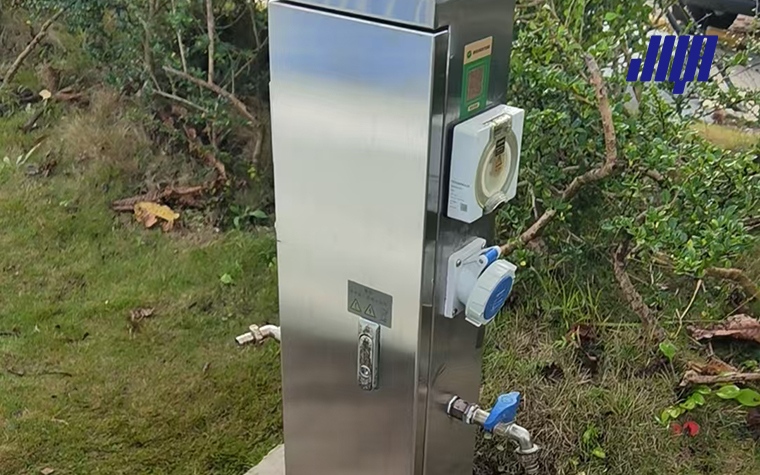
Cable pedestals, being an essential component of broadband networks, offer secure housing for cables, and other components cater to the broadband infrastructure. These pedestals basically protect the delicate connection from adverse environmental factors such as moisture in the air, temperature aberration, and even physical damage. Such protection thus contributes to the broadband service being reliable and of good performance, which are by-products of the protection of the network’s infrastructure.
Maintenance and upgrades are other functions of pedestals. Lots of cases allow technicians to work on testing equipment or carry out repairs and expansion works more easily, thereby helping to reduce the downtime until broadband is working for the customers with minimal interruptions.
In short, pedestals organize cable infrastructure; keep ordered and supported cables from being tangled up and from being physically stressed to where signal attenuation or failure occurs. In this respect, it would reduce chromatid segregation inability operationally while scaling broadband networks for newer technological developments and demand for high-speed internet services.
Long-Term Benefits of Using Pedestal Housings
- ✓ Enhanced Protection: Shield cables and components from environmental factors, ensuring continuous service and reduced maintenance needs.
- ✓ Improved Organization: Better cable management, reduced tangling, and minimized physical stress on cables.
- ✓ Cost Savings: Reduced infrastructure damage and maintenance interventions, allowing resource allocation to other ventures.
- ✓ Scalability: Support for future technology requirements while maintaining high service quality.
Impact on Network Reliability and Safety
Reliability Enhancement
Protection from moisture, debris, and temperature variations ensures consistent performance and reduces service disruption.
Safety Benefits
Minimizes electrical hazards and protects both workers and the public from accidental contact with equipment.
Maintenance Efficiency
Reduces repair times and costs while maintaining optimal system performance and customer satisfaction.
Installation of Cable Pedestals
Step-by-Step Installation Process
- 1
Site Selection
Consider the location in which the cable pedestal would be installed. Select a site accessible by the general public, with good ground stability, and free from obstructions. Check to see if the chosen site conforms to local regulations and utility requirements.
- 2
Site Preparation
Clean away any debris or vegetation. Dig the ground level so as to set a stable base for the pedestal. The foundation must be well laid to ensure long-term stability of the covered equipment.
- 3
Installing the Pedestal Base
Install the pedestal base firmly at the prepared site. Fasten the anchors using hardware compatible with the soil and environmental orientations, placing it at level and fastened very tightly.
- 4
Routing the Cables
Route the utility cables gently into the pedestal. Provide protective conduits when required, following cable management to organize and secure the connections. This condition prevents damage and allows for easy maintenance.
- 5
Securing The Equipment
Place the required network equipment inside the pedestal. Fasten it securely to avoid any movement or vibration. Double-check the connections, ensuring that the system is functional and that it meets safety standards.
- 6
Seal and Test
After installation is completed, seal it against environmental hazards such as water or dirt. Perform a final inspection and test the equipment within to ascertain that it is working correctly.
Best Practices for Mounting Pedestals
Mounting of pedestals will guarantee performance and durability for a long time. First, select a location that is stable and level. Particularly where environmental circumstances such as high winds, heavy rains, or floodings are a challenge, a firm foundation is, therefore, desired. Next, one must use adequate anchoring materials to avoid any kind of movement or instability of the pedestals.
The next step is to set the pedestal at the right height. It is best to keep the pedestal raised a little above water accumulation. Failures on the ground nearly always occur due to corrosive effects or due to environmental factors. In the same way, cables should be routed neatly in cable trays or ducts to keep order and prevent deterioration of the infrastructure.
In the installation, keep your inspections and maintenance periodic, and keep the pedestal to an optimum condition. Look for any damages, wear, or environmental effects; rectify any such issues without delay. This will ensure the installation of the pedestal is well and good along with support for reliable network infrastructure for years.
Common Mistakes to Avoid During Installation
Cable Management Gone Wrong
Failure to manage cables properly leads to tangled cables, signal interference, and physical damage. Use cable trays, ducts, and ties to secure wiring and maintain clear pathways.
Ignoring Grounding and Bonding
Neglecting grounding and bonding creates severe safety hazards. All metal parts must be properly grounded with secure bonding connections to prevent electrical hazards.
Skipping Environmental Considerations
Ignoring environmental factors compromises infrastructure longevity. Protect components from moisture, extreme temperatures, and corrosion using appropriate weatherproof materials.
Maintenance Tips for Longevity of Pedestal Housings
Routine Inspections and Cleaning
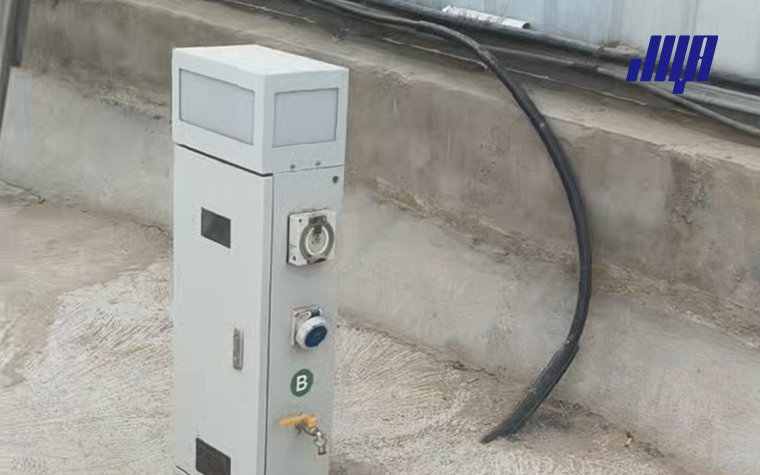
Routine inspections and cleaning are necessary for the longevity and efficiency of pedestal housings. Visual inspection should be conducted periodically to check for any signs of wear, damage, or corrosion, especially in seals, connectors, and surfaces subject to environmental exposure. If any issues are detected, take the appropriate remedial action at once to avert further deterioration or failure.
Cleaning of the pedestal housing is done to ensure nothing accumulates on it-dirt, grime, and contaminants-would lead to its impaired functioning or damage over time. Applicability of non-abrasive tools alongside mild cleaning agents is best for cleaning. Give attention to places that are very hard to reach. Keep water or cleaning solution away from any sensitive components that could be damaged by moisture.
Finally, combine inspections and cleaning into a final scheduled maintenance plan. This enables the nuisance issues to be nipped in the bud by routine maintenance. Maintenance records of inspections and cleaning operations assist in monitoring the condition of the structure, confirming its reliability and service life in different environments.
Identifying and Addressing Damage
For ensuring structural and equipment integrity and longevity, identifying and repairing damage stands paramount. Initially, regular thorough visual inspections for signs of wear, cracks, corrosion, or any other irregularity that might indicate damage are paramount. Pay special attention to areas wherein they have faced repeated stress or environmental exposure over time due to an elevated susceptibility to damage. Any missing or worn-out components must be noted for early replacement.
After finding the damage, assessing its seriousness is the next step. Surface scratches and minor cracking can usually be fixed with some easy tools and materials. But, in the case of extensive or structural damage, a professional assessment may be necessary to weigh which option is more viable- repair or replacement. Dealing with damage promptly halts instances of further deterioration and prevents less affordable repair scenarios later on.
After repairing the damage, preventative measures can be implemented that prevent the damage from ever occurring again. These measures may include: application of a protective coating, reduction of environmental influences, or regular inspections and maintenance. By having a stepwise approach to recognizing and treating damage, one assures that the structure or equipment will perform well, be safe, and be reliable.
Essential Maintenance Tools and Supplies
Essential Hand Tools
- Screwdrivers (various sizes)
- Wrenches and pliers
- Hammers and utility knives
- Electric tools (drills, saws)
Maintenance Materials
- Lubricants and cleaners
- Sealants and adhesives
- Protective coatings
- Replacement parts (screws, bolts, gaskets)
Safety Equipment
- Safety gloves and goggles
- Protective masks
- First-aid kits
- High-visibility clothing
Choosing the Right Cable Pedestal for Your Needs
Factors to Consider in Material Selection
Durability Requirements
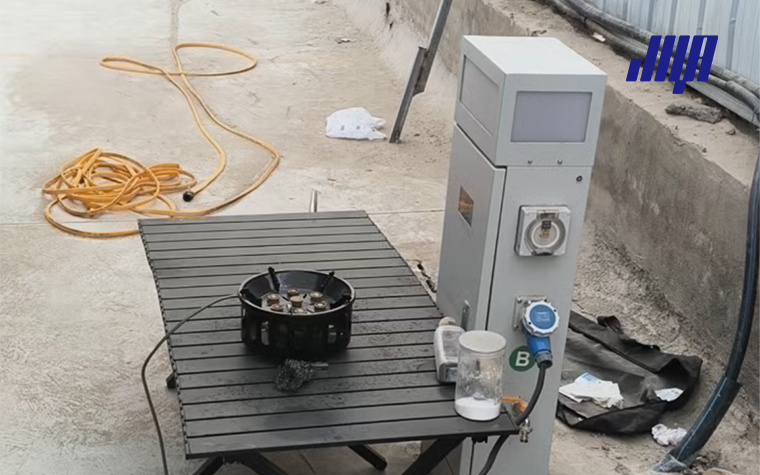
The pedestal must withstand environmental elements including temperature extremes, moisture, and UV rays. Choose metal or high-grade plastics that are corrosion and wear-resistant for longer life and higher reliability.
Installation & Maintenance
Select materials that are lightweight yet strong enough to protect cables during handling and setup. Choose materials that are easy to clean to minimize maintenance requirements.
Cost & Environmental Impact
Balance budget-friendly options without compromising quality and safety. Consider environmentally friendly materials or recyclable options to reduce ecological footprint.
Environmental Factors Affecting Pedestal Choice
When choosing a pedestal, a consideration about materials that minimize harm to the environment is necessary. For an example, the use of a sustainable raw material or recycled material definitely supports a reduction in the ecological footprint. Materials such as recycled plastics or sustainably forested wood would be durable yet environmentally conscious, helping to strike a balance between practicality and environmental concerns.
Energy conservation in the manufacturing process is also something to be taken into account. Once the pedestals are manufactured using a method requiring just a little to no energy or that emits very little carbon in its production, it becomes negative in favor of the environment. Such materials are even more useful in narrowing down sustainable options if they have certification marks claiming an environmentally responsible production.
Lastly, think about disposing of the pedestal at the end of its life. Materials that are recyclable or else biodegradable do not add to the problem of long-term environmental waste. The manager can thus make an environmentally responsible choice without compromising on performance or quality: a choice that is workable and smooth with sustainability movement.
Comparing Different Models and Features
Gazing at the array of pedestal models, factors to consider about material, load bearing capabilities, and design compatibility come into play. Featured materials that say durable metals or reinforced plastics would in effect fair better in the long run for the sustenance of loads. Set procedures for every grade of height adjustment or accommodation capacity on function sit themselves perfectly well with other models concerning all workspace or equipment needs. Selection on these bases would lead the users to what best suits their purposes.
The next significant factor to consider is how easy it is to assemble and maintain. Some are shipped pre-assembled, but most need a few tools for setting up. Surfaces that can be easily cleaned or those with a decent scratch-resistant finish prove to be a blessing in areas where the pedestal fast becomes subject to intense use. These aid the product to remain practical and aesthetically appealing along the cycle of life. Clear instructions in terms of assembly and maintenance guide will greatly suffice to ease the entire process.
Our add-ons can be considered for last with statistical use or with increased durability. For example: the pedestals may include a cable management system to ensure the workspace remains clutter free, or a non-slip base to ensure safety and stability. Consider warranties and customer testimonials; these are good indicators of how well the product will work and how long it will last. Independently, appraising these factors and focusing on your personal requirements should provide you with a really sober and informed decision.
Frequently Asked Questions (FAQ)
Q: What is a cable pedestal, and what is the application?
A: In telecoms, a cable pedestal is meant to provide a standardized and secure installation for various equipment. It protects terminals, splitters, and other components, while providing easy accessibility and maintenance.
Q: How many types of cable pedestals are there?
A: Cable pedestal types and models are plenty, including the non-louvered vertical type and the louvered low-profile type. These variations allow one to cater to his deployment needs and environmental conditions, hence allowing for flexibility in installation.
Q: What should I keep in mind when picking a cable pedestal size?
A: The key factor in choosing the right size of a cable pedestal is really the equipment you want to mount in it, like terminals and splitters. Consider the diameter and how much compartment space will be needed in order to properly configure and fit everything.
Q: What is the main material of cable pedestals?
A: Most cable pedestals are made from thermoplastic materials that provide greater durability and protection from environmental action. Non-metallic options are there as well, to prevent from corrosion and other damages by environmental action.
Q: Can cable pedestals be used for fiber-to-the-home deployments?
A: Yes, cable pedestals are suitable for fiber-to-the-home deployments, where they do house the equipment necessary and help integrate the fiber connections more optimally into the overall installation.
Q: Why is compliance important for cable pedestal design?
A: Compliance is important in cable pedestal design to meet industry standards and regulations, such as baba compliant specifications, ensuring safety, reliability, and performance under various environmental conditions.
Q: What are the functions of cable pedestals?
A: Cable pedestals supply the equipment with a safe base for mounting, including splitters and terminals. Using optional mounting brackets supplies the configuration with flexibility, thereby making it easier to cater to the needs of the specific deployment.
Q: What features should I look for in a cable pedestal?
A: When selecting a cable pedestal, look at features such as protective barrier against the environment, a wide range of sizes, and a compartment for equipment. Consider also options that can allow easy access and maintenance, plus designs that do not become hazards.

About the Author
Emily Richardson
Senior Technical Writer, Jiya
Emily has over 12 years of experience in marina systems and industrial equipment. She works closely with engineers and project teams to translate complex technical topics into practical guidance for operators, installers, and procurement professionals worldwide.