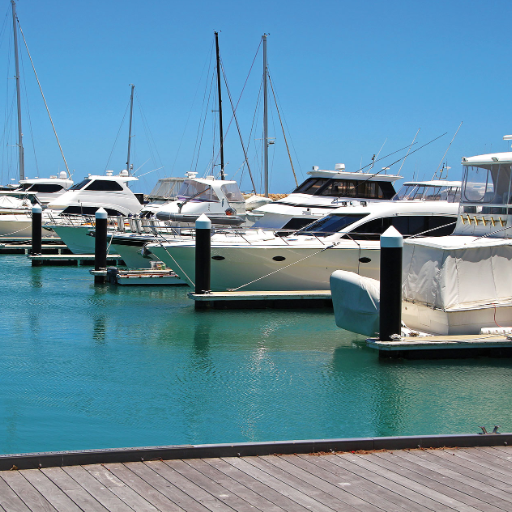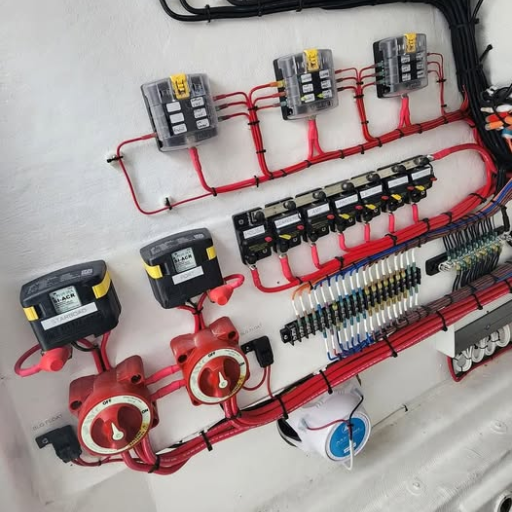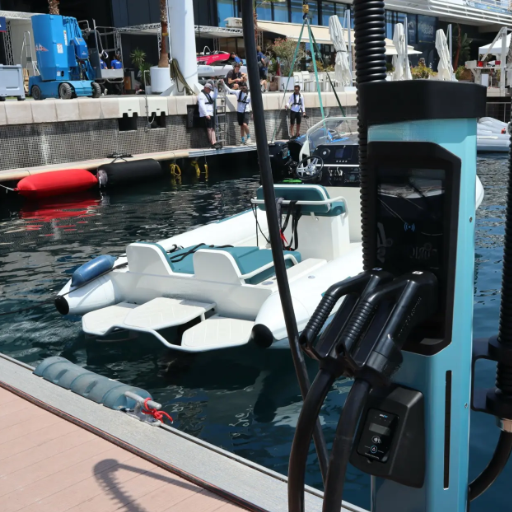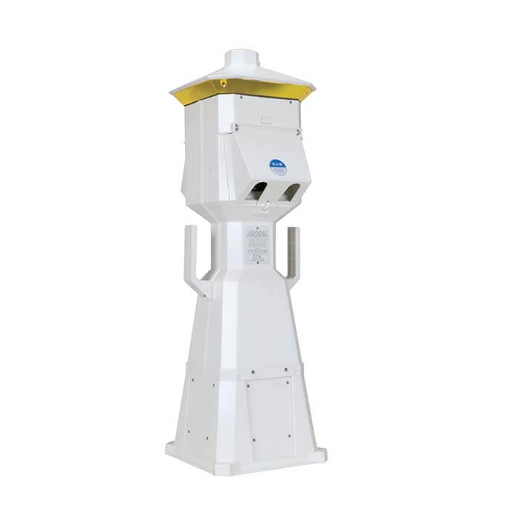
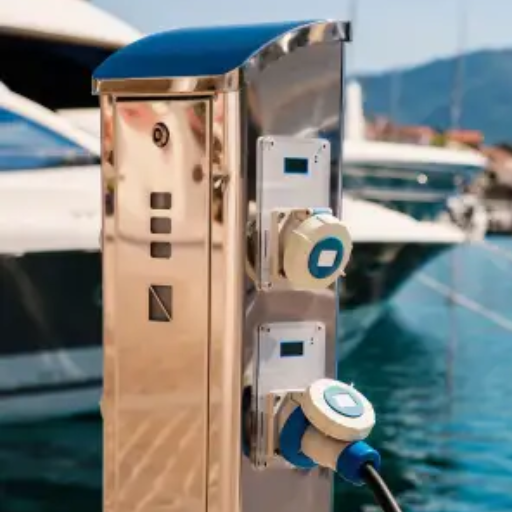
The installation of marina power pedestals is a very important boast to having steadfast electrical access to boaters and better utilities and security to the dock. Whether you’re upgrading a previously installed system or putting up a fresh one, comprehending the correct procedure can make a very big difference. The guidelines provided here have been designed to assist you through the process, all the way from getting things ready to completing the setup, consisting of precise and detailed guidelines. After reading it, you will come to know-how with a step-by-step guideline to swiftly and efficiently install a marina power pedestal, as well as having acquired some wise acumen on the possible pitfalls that will befall the project. Let’s start then!
Key Takeaway
The guidelines provided here have been designed to assist you through the process, all the way from getting things ready to completing the setup, consisting of precise and detailed guidelines. After reading it, you will come to know-how with a step-by-step guideline to swiftly and efficiently install a marina power pedestal, as well as having acquired some wise acumen on the possible pitfalls that will befall the project. Let’s start then!
Introduction to Power Pedestals
What is a Marina Power Pedestal?
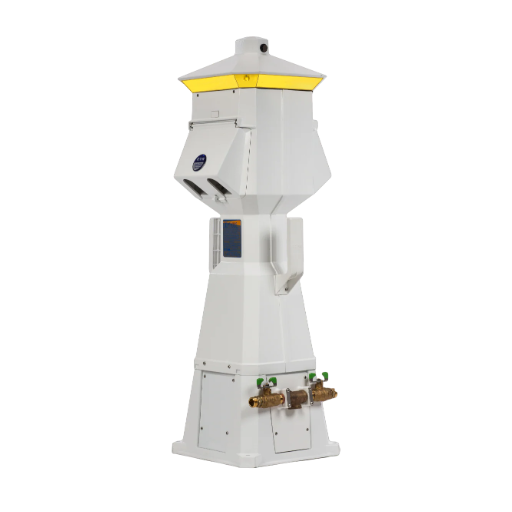
A Marina Power Pedestal is an essential component designed to supply electrical power, along with other utility services to the boats that have docked themselves at the marina. Usually, the pedestal unit is anchored close to a dock, all around it. It acts as a distribution point for the delivery of electricity so that the boats have a sure and safe line of power throughout their stay.
Marina power pedestals are designed to serve the source points for all power supplies, usually including those for typical shore power connections. They are designed to accept different voltage and amperage to accommodate the varied sized boats from small recreational boats to large yachts. These pedestals are usually equipped with their special safety features such as circuit breakers and ground-fault protection to ensure safety and prevent hazard.
Upon power supply, marina power supply boxes come with added utilities like water connection, light, and communication ports, enhancing envisaging convenience and utility for the boat’s owner. These are a vital aspect of well-kept marina facilities. Marina pedestals are fortified enough to withstand any severe marine conditions and are designed to cater to the needs of different boaters.
Importance of Power Pedestals in Marine Settings
No doubt that power pedestals play a critical role in ensuring the operational safety of a marine environment. They offer a source of power that is reliable for the operation of vessels and any other feature or equipment that might require electricity, such as lights, water pumps, or communication systems. With power lines converging from one source, power pedestals promote both convenience and efficiency in boat operation and marina management alike.
💡
Pro Tip
The biggest benefit of power pedestals is their safety implication. Properly installed pedestals combat all electrical dangers that could be posed by short circuits or overloads by integrating modern protection devices like circuit breakers and ground-fault protectors. Moreover, it is not just the vessels that are safeguarded; all personnel and equipment in that marina ecosystem will feel safe and secure.
Power pedestals provide an opportunity where additional services can be delivered by the marina to enhance the berth-holder’s overall experience. The more advanced service-ready units can even include potable water connections, illumination and, in some installations, Wi-Fi, among other amenities meant for the comfort of boaters. The inherently heavy-duty design for marine usage necessitates durability against the harsh conditions expected in connection with any well-maintained marina.
Overview of Installation Process
To install a marina power pedestal, one must locate it carefully, employ safety protocols, and maintain its top performance and longevity. Site location should be selected based on user accessibility, such as distance to Central Utility Point Connections (CUPCs) such as electrical and water lines that connect to the pedestal. The site should also have a strong and stable foundation supporting the pedestal from below, preventing long-term damage from environmental factors such as tides or strong winds.
Once the groundwork is set, utility connections have to be accurately in-grained. This entails electric wiring connections plopped in the right order with assurance that all cables are correctly and securely connected and insulated from moisture and corrosion. Water lines being connected if appropriate should be done perfectly to prevent any leak and assure a constant flow of water. In this period, it is very important for the process to stick to all local building and electrical codes in order for full compliance with safety regulations. A well-qualified technician or electrician should be employed to perform such specialized tasks.
Whenever the power pedestal itself is carefully and securely placed and tested out, the bolts or anchors would secure it to the grounding, opposing the constant use and environmental stress. The functioning of the pedestal has to be checked once it has been duly installed—this includes verifying the operation of sockets, lights, Wi-Fi, and possibly other added facilities. Inspection and preventive maintenance become essential for the pedestal to live on after the installation function correctly and safely for years.
Pre-Installation Planning

Selecting the Right Power Pedestal
Several important factors must be evaluated carefully in order to attain the right power pedestal that will satisfy the particular needs of the installation site. First, ascertaining fully the electrical requirements such as the types of devices, including the probable dependence on the power pedestal. Ascertain whether the pedestal will be expected to provide single-phase power or three-phase power, and calculate the maximum load that is to be designed to prevent overloads.
Additionally, consideration must be given to the actual installation site. If the pedestal will be situated outdoors, the materials should be of a sturdy nature to prevent the pedestal from weathering. Examples include corrosive material, moisture, UV rays, etc. Such protective standards must have details that come covered for waterproofing and corrosion resistance to give your project that definite advantage for extra durability as well as several resourceful consequences.
Later, please consider some more features or functionalities that are required, like an integrated light, data connection, or energy metering for monitoring power usage. PWPs that are user-friendly and effortless to install should be made to local laws and safety regulations. Careful attention to these factors will guide you in selecting a user-specific power pedestal expected to be long-lived and provide exemplary performance over time.
Understanding Local Codes and Regulations
⚠️ Important Note
Understanding and adhering to local codes and regulations are important in the selection and assembly of Power Pedestal. These codes ensure and guarantee that the project is safe, reliable, and compatible with all electrical regulations examined by the locality. Each jurisdiction with authority on that subject will likely need to have slightly different regulations, so it is essential to have a good understanding of these guidelines to eliminate the hassle of noncompliance, all for your safety and overwhelming legal penalties.
Another local codes essential factors to consider are the voltage and amperage needed to run the service; the need for grounding and correct spacing; and some regions, the presence of safety features (ground fault circuit interrupters, GFCIs, or specific weatherproofing standards) to protect against the weather. Early compliance is a good idea here: Making sure the equipment is in compliance with the local codes before installation will keep problems away.
To keep safe, it is necessary to check all local electrical thermal-made regulations or get help from a licensed electrician or any local authority. Profits can be provided by local utility companies or states or local government levels. Keenly observing and giving priority to legitimate compliance within the design and installation process will enhance suitability for the power pedestal established by this one.
Assessing Your Marina’s Electrical Needs
A proper review of your marina’s electrical needs begins with a careful consideration of the types and numbers of boats that frequent the premises. With the turnover of sailor boats, motorboats, yachts, and whatnot, marina managers need to consider what power ratings these boats typically require. Smaller boats are prone to requiring only 30-amp connections; however, bigger boats (like yachts) could use 50-amp connections, or if bigger, 70-amp or 100-amp services. Once the power requirements have been determined, the marina now has to ensure that all its sluices have enough available power all-year round.
Furthermore, go see the next in your calculations with respect to the layout of your marina. Also consider taking stock of the number of docks and docks in relation to their distances from the main power source, which eventually will help in the determination of the needed infrastructure in planning the location and quantity of pedestals. Also consider environmental factors like nearness of saltwater or inclement weather that servingly does affect the necessary electrical components and hardware.
Finally, it would be prudent to consider growth in the future and the addition of services you might want to offer. For example, if there are plans afoot to service additional vessels, or if you might think about charging stations or lighting systems, there also has to be enough capacity in your base electrical system for all this hard work. The relatively shorter version of looking at things, like planning for the future, ensures operational efficiency and helps to reduce the risk of costly disruptions in the future for upgrades. Consulting with licensed professionals to study and evaluate this is a sure way to achieve the best result for the electrical design of your marina.
Tools and Materials Needed for Installation
Essential Tools for Installing Power Pedestals
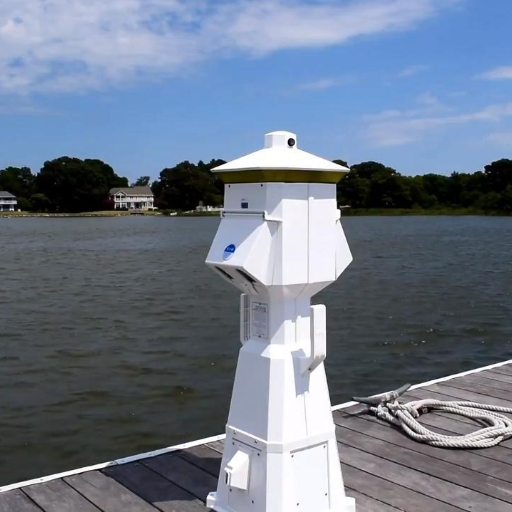
It is vital to use essential tools in order to have safe, reliable, and efficient installation of pedestals. Some of the mandatory tools are a multimeter for testing voltage, wire cutters and strippers for electrical cable preparation, and screwdrivers for making connections. Actually, these are the basics when it comes to handling electrical components during the installation.
- ✓
Multimeter for voltage testing - ✓
Wire cutters and strippers - ✓
Power drills and hole saws - ✓
Wrenches and socket sets - ✓
PVC cutters for conduit modifications
In addition, the installation of pedestals would require the power drills and hole saws to secure mounts and to clear pathways for conduits from the pedestal. Using wrenches or a set of sockets will be good for securing any nut or fitting tight in order to have structural stability. Also, always use PVC cutters for making room for any conduit modifications that might be needed in a designers layout regarding the electrical system.
Wise instruction would often be to give favorable access to electrical installers in any center or site for adequate parts and thin safety gear if required for work, such as safe glasses with insulated gloves and further insulated shoes. It is fundamental to question both the setup and being certain that the location has been perhaps kept off by dipping in a crash. Deployment of tools in session to keep workers safe will enable an efficient and flawless installation remaining legally outstanding with current code for good electrical standards.
Materials Required for the Installation Process
For a complete electrical safety installation, several materials must be present for the safe and effective completion of electrical work. Foremost, a wired insulated with electrical conductor is necessary to move electrical current safely. Such conductors shall be selected on the basis of the specific electrical amperage and voltage levels of the project involved. Threaded conduits are also necessary to protect and forward the overall cable equipment with the minimum possible entanglement risks. Such conduits might be metals or nonmetals according to the environment in which they are located.
Furthermore, a properly working circuit breaker is crucial to breaking the circuit in case of very high current flow associated with faults. It is also necessary to have a box for wire terminations and connections for future ease of maintenance that would appropriately meet safety compliance. The other so-called “must-have” materials to perform the electrical installations are the wire connectors, grounding rods, and, of course, the securing devices, such as screws or clamps for the electrical equipment.
Another important area to stress is safety and proper safety equipment. Some of the indispensable items required here include electrical insulating tape and circuit identification labels. Because the materials used must follow local electrical codes, safety installation is ensured, and legal standards are met. The following step, safety, can assure a good, safe run from the beginning of an electrical installation.
Safety Equipment and Precautions
A top priority when working with electrical installations inside marina power pedestals is ensuring safety. The Fundamental step should be to be equipped with proper personal protective equipment (PPE). Essential PPE items will include insulated gloves, safety goggles, and non-conductive footwear. All these tools are necessary to provide protection and prevent electrical shocks or physical injuries while working on electrical equipment of high voltage capacity in damp or wet areas.
Good bonding is indubitably important in creating a safe power pedestal set-up. Ground fault circuit interrupters (GFCIs) must be verified tested any time an operation is performed, thereby deterring fault in the power system. Grounding is another necessary tool for providing basic protection to ground this charge before a person is exposed to it in the case of an accidental electrical discharge, most probably in an environment containing water, demanding suitability in compliance with some related electrical standards.
The final statement for safety of both persons and equipment involves regular inspection and maintenance. For instance, everyday review and response to broken wires, exposed circuits, and any other damage occur. Complying not only with safety requirements should also meet the standards of marina electricity stand reliability, giving extra protection to the users and their belongings.
Installation Process
- 1
Preparing the Installation Site
To set up a base for a marina power pedestal, it is necessary to prepare the installation site in such a way that it ensures safe along with an effective installation. The right kind of location will consist of being safe and easily accessible. Safety also relies on the area itself. Suitable sites should thus be picked, where there won’t be any obstructions to security and yet safe distances from water hazards that could be lessened. The area must be level and capable of supporting the pedestal so that it will not tilt or shift due to external forces over time.The next item to check would be the electrical infrastructure available on the site as well as compatibility with the pedestal system. The alignment, or “grounding,” must be correct; actually, the power setting must correspond to the required voltage and amperage of the pedestal, not otherwise. These situations might make the electrical system overpass its load capacity and lead to shortfalls in the pedestal specification of an upstream blown breaker; without taking ice equipment to task on scape, these problems should be eliminated by changing of the pedestal.To prepare the site for installation, dig the trench and site as required, following the exact dimensions spelled out in local electrical codes and guidelines. Run the wiring inside safety conduits to shield against exposure and wear as time goes by. Before installation, ensure all components and equipment comply with safety standards, so the connection is maintained steadfastly and durably for the marina patrons. - 2
Connecting Electrical Supply
The initial thing in connecting an electrical supply to a marina power pedestal is to make sure that the primary electricity supply is turned off because to prevent the risk of electric shock. It must ensure that any wiring complies with the needs and specs provided by the power pedestal. Currently, with every installation, it is mandatory to adhere to the local electrical codes to provide compliance and a safe process.After doing this, the supply lines should be connected cautiously inside the power pedestal to the correct terminals. Generally, this involves connecting the live wire(s), neutral wire, and ground wire to the designated ports. Then, check again to confirm the connection and secure that no wire is, or wires are exposed, as thin insulation or movements and poor connections can short the process.Test the system after each of its points are connected and all problems are solved. Turn on the main power supply and use a multimeter to check the pedestal is giving the correct voltage to its outlets. Test, check the working of each circuitry, and confirm that they are safe for use. Regular maintenance and routine inspections help keep reliability and allow for a longer life of excellent performance by the pedestal. - 3
Mounting the Power Pedestal Securely
Mounting the power pedestal securely is the protection of safety, longevity, and best functionality. Choose the location widely, which is stable and flat, to initiate the process of the pedestal’s installation. The location should be free of all potential risks such as flooding, standing water, or heavy traffic that will tend to damage the pedestal. Make sure the mounting location is accepted according to local codes and conventions.Use a strong, corrosion-resistant mounting foundation appropriate for the mounting terrarium of the pedestal’s size and weight, anchoring it to the ground with bolts on a concrete base or another approved mounting surface. Always check the alignment of the pedestal base and securely fasten it to keep it from shifting or having any instability with the passage of time.Once the pedestal is mounted, ascertain that all hookups align properly including electrically and mechanically while tight without stressing any parts. The end inspection ensures that the pedestal is safe, functional, and meets all safety standards prior to connection into the main power source. Inspections and maintenance help in the upkeep of a pedestal performance and longevity.
Post-Installation Checks and Maintenance
Regular Maintenance Tips for Longevity
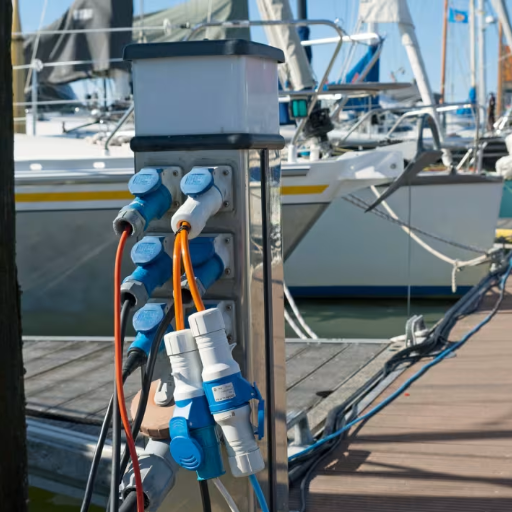
Regular maintenance is crucial to ensure the long-term effective operation of dock power stations. Inspect the visible parts of the station for wear or related damage, such as cracks, loose fittings, or corrosion of metal parts. Regularly wipe the external surfaces with a mild detergent to remove dirt and salt deposits, which can damage the materials over time. Regular cleaning keeps the station in good condition and helps detect signs of damage early.
Properly inspecting each electrical component is essential for safe operation. This requires testing the integrity of all sockets, circuit breakers, and wiring connections. Use a voltage tester to confirm that the power supply is stable and meets the necessary standards. Tighten any loose electrical connections and immediately replace any damaged wires or components to avoid potential hazards or malfunctions. Ensure all safety covers and gaskets are intact to protect internal components from moisture and other environmental factors.
Therefore, you need to maintain these charging stations according to a daily maintenance schedule. This includes lubricating moving parts and adjusting the load capacity to ensure it can withstand long-term use and avoid damage from various causes. Regularly checking for compliance with safety standards and regulations helps you review relevant requirements and address issues promptly. Proficient maintenance skills can extend the lifespan of charging stations, ensure user safety, and make them a more reliable and versatile tool for the dock.
Common Issues and Troubleshooting
1. A Powered Electrical Conducting Outlet: If any power outlet on a dockhead pedestal doesn’t work, the first thing to do is check if the circuit breaker has tripped. Most dock pedestals come equipped with a breaker that might trip from power surges or overloads. The breaker should be reset if it’s off. If it doesn’t solve the problem, go deeper into the internal wiring for lousy connections or even damaged if there is, then contact with a licensed electrician for repair.
2. Low or No Lights on Pedestal: When the lights from the pedestal are very dim or not working at all, the bulb has gone out or there are poor electrical connections. Get a new, matching bulb that uses the right voltage. Just in case the replacement of the bulb does not fix the trouble, test for any corrosion or loose wiring on the lamp. Eliminate the corrosion there by cleaning up the connections and ensuring that they are tight so that the remedy of the problem will be on its way.
3. Water damage caused by corrosion: Water exposure leads to water damage and corrosion to some electrical parts, which requires periodic maintenance for water damage on the electrical equipment. Any inspection of the pedestal should focus on determining water intrusion on any area and any sign of water damage, eg; for rust signs and electrical failure. Every one of the seals and gaskets should be inspected and double-checked to prevent any water being capable of ingress. If any corrosion is discovered, clean the affected spots thoroughly and immediately replace the corroded item(s) that require functioning for preservation.
Frequently Asked Questions (FAQ)
Q: What are some of the basic steps associated with the installation of the power pedestal?
A: Basic installation steps from pedestal installation involve planning the pedestal placement within the dock or pole, doing power shutoff from the debris side of the post, run all conduit and wiring down to the pedestal location, installing the pedestal base and the mounting hardware, connect the pedestal grounds to plate and connect neutral, connect pedestal receptacles to panel breakers of respective amp ratings and check system for proper volts and ground connection; labels and commissioning follow. -According to local ordinates, conduct all electrical inspectorate observations and consider hiring a licensed electrician for marina installations.
Q: Which apps are usually available and which equipment should I keep in mind when buying a faucet?
A: The standard amperage ratings for power pedestals are either 30 amps or 50 amps; the 50-amp pedestal is most popular on larger boats and for larger shore power needs. One should select the amperage based on the size of the electrical loads used on the boat, the manufacturer’s specifications for connecting to a boat, and future-proofing needs. The amperage chosen will determine the choice of breakers, wire size, and receptacle type.
Q: Which breaker and receptacle should I choose while installing a marine pedestal?
A: This means choosing the right receptacle that matches its rating in amps to the plug and amperage used by the boats like a NEMA 14-50 for 50-amp service. So, when installing the marine pedestal, make sure the breaker rating and conductor size are matched along with receptacles, all rated for the same rating in electrical current according to the section measuring such. Also, ensure that the aforementioned equipment meets local codes for inspections or approvals if needed; marine-grade receptacle, corrosion-resistant receptacle/breaker products expected for environmental moisture should be complied with.
Q: What is the best method to provide better cable management for a liveaboard boat?
A: Installing an onboard energy pedestal on a liveaboard boat requires a variety of mounting-options, depending on the situation, sometimes using pole-mounting is the best idea. Poles are often used where depth and water conditions make concrete pouring an impractical solution; typically, a pole must be structural, corrosion-resistant, and securely mounted. Another option is to mount them to a wall as is common in backyards where they could plug into the console. However, since fixed docks are more common for marina use, concrete is a good choice; the placement of the base should allow safe cable access with minimum exposure to impact and entry of water.
Q: What are common troubleshooting steps after installing a marina power pedestal if a boat reports no power?
A: After an installation, make sure, when checking the main breaker, individual pedestal breakers, shore power switches, and receptacle connections, that the breakers are not tripped, the switches are in the right direction, and that all receptacle connections are tight. Verify the voltage through the pedestal with a voltmeter and check for ground fault protection tripped somewhere or damage caused by corrosion or water attack. Plan a systematic checking simultaneously for different segments, like breakers, conductors, receptacle… and grounding.
Q: How should grounding and GFCI protection be handled when you install a marina power pedestal?
A: While installing a marina power pedestal, it is crucial to ensure proper grounding and GFCI protection. You want to provide secured connection to the marina grounding system or to an earth electrode. Bond all metallic components and install GFCI or RCD protection as required by code to prevent leakage currents. Check the continuity of grounding and proper operation of the GFCI, and leave the unit in working order to ensure safety for both personnel and vessels in the future.
References
-
Bayside Pedestal Installation and Maintenance Guide
This document provides detailed instructions for installing and maintaining marina power pedestals, including safety precautions and utility coordination.
Read more here -
St. Andrews Marina Floating Docks Addendum
Discusses the integration of water and power services for marina pedestals in floating dock projects.
Read more here -
Boyne City Marina Project Updates
Highlights the installation of emergency stop buttons for electrical pedestals, ensuring safety and compliance.
Read more here - Top Marina power pedestals Manufacturer and Supplier in China