
It is crucial to adhere to safety and regulatory standards when installing marina power pedestals, specifically when relating to NEC 555. Whether an operator or dealer, or indeed, an electrical worker, compliance with the legal and physical conditions specified in this standard is of utmost importance in delivering a right and safe power supply to its vessels hardened in the docking. The goal of this book is to provide clarity on how NEC 555 works, therefore this book goes through the processes of proper installation. From load calculation to grounding, we shall break down the major requirements, and you can avoid usual mistakes and ensure that your marina works and is compliant. Proceed to equip yourself with the literacy needed to perform an appropriate installation according to the NEC 555.
Understanding Marina Power Pedestals

What is a Power Pedestal?
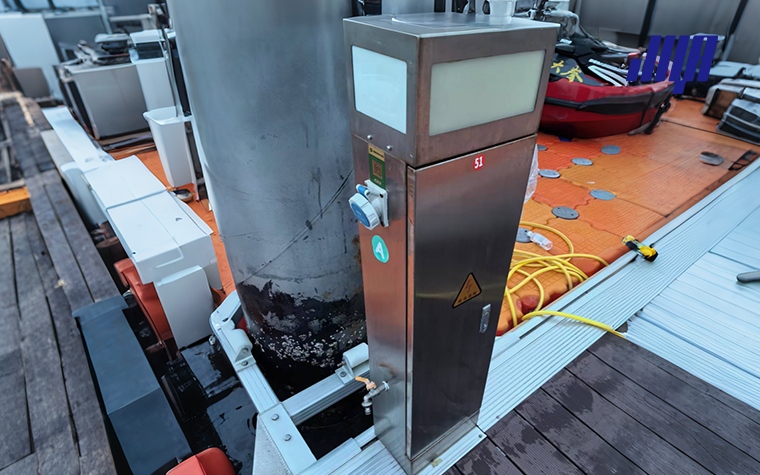
A power pedestal is a device installed at marinas to provide electrical service and other utilities to boats docked at the facility. It is primarily used to distribute shore power to be availed of via switchboard detour by any boat from individual compartments. This switchboard takes into account cable pay-in as a means to establish a connection to shore power, thus permitting boaters to supply power for equipment, lighting, and all onboard appliances without the need to start an onboard generator. Power pedestals are designed to efficiently and safely distribute power to recreational as well as commercial vessels.
These power pedestals are generally equipped with various power receptacles to cater to the power requirements of different vessels, including standard 120V devices or fully-seaworthy 240V connections. Especially if these may happen to provide the necessary services, some of these might also include a water tap, lighting, or any possible combination to take on extras, such as internet or cable television, or exercise stricter demand control.
Power pedestals’ safety takes the first place in discussions about them. These units are meeting the requirements and criteria established by the National Electrical Code (NEC) and necessitate correct grounding, waterproofing, and sturdiness. Their use is a must in marinas, as they can eliminate risk, and at the same time, provide various services to the ships anchored there.
Components of a Power Pedestal
Well, a power pedestal is made of several significant elements, which ensure provision of such life, convenience, and safety to the users in marinas or RV parks.
Power Sockets:
The electrical panel unit has several standard electrical sockets (outlets) of various amperages. Often, power pedestals offer either a 30-amp or 50-amp service; power pedestals with 100-amp services are also common. This wide range of services provides users means of legal power supplies for their boats or RVs. Hence, the best power pedestals are extremely durable when in everyday exposure to weather and put in action by default to give steady-voltaged power to your sockets.
Breakers:
Circuit breakers installed in power pedestals can operate by trip, thereby switching off power in the face of endangering overloading conditions. These circuit breakers of power pedestals conform to NEC regulations so that the safety of the user and the equipment is not jeopardized.
Metering Options:
Advanced versions of power pedestals are equipped with metering systems, which may include smart meters. These systems are designed to measure and record consumption of energy, which is crucial for accurate invoicing by marina or RV park administrators. The integration of IoT-enabled metering is documented in some new reports as growing at 7.5% per year.
Lighting Fixtures:
Some pedestals have high-intensity LED lighting, improving visibility for late-night usability at the cost of energy-saving efforts and safety for users. LED lighting is mostly preferred for contemporary reasons to provide stability, be cost-efficient, and use less energy compared to regular options.
Water Services:
An onboard potable water hook-up or source is occasionally supplied through select pedestals to make water available to boats or RVs. The connectors are generally crafted from materials that resist corrosion for maximum life.
Weatherproof Enclosures:
These power towers can be reached by use of smart technologies and security-minded design. With continuous evolvement in marinas as well as within RVs, the energy-profit industry has been crying out loud with sellers persistently coming up with simple cocktail of features to keep making them smart and energy-efficient.
Importance of NEC 555 Compliance
It is paramount that the electrical systems in marinas and similar places be safe and operate properly by complying with NEC 555 levels. The regulations are imposed to rule out electrical shock, fire, and equipment deterioration as the main hazards. That is why, by adhering to the codes, marinas can guarantee the safety of not only the people around but also their possessions, thus reducing the likelihood of accidents happening or costly repairs being necessary.
One of the significant issues regarding NEC 555 compliance is the prohibition of electric currents that were not intended for water as these can be a serious danger for both swimmers and sea creatures. Adhering to NEC 555 with regard to installation, maintenance, and grounding of electricity throughout the process will greatly minimize the likelihood of electric shock drowning occurring and thus the overall marina’s safety during water activities.
Furthermore, marinas adopting NEC 555 guidelines will witness their electrical systems having a longer life span and being more efficient. The cost implications of non-compliance range from premature equipment failure to increased power consumption thus raising the operating costs. Imposing these standards allows the marinas to enjoy cost-effective operations while earning the users’ trust by making safety and reliability their main concerns.
Installation Instructions for Marina Power Pedestals

Preparation for Installation
The first step that has to be done prior to the marina power pedestals installation is site preparation. The power pedestals will not be secure and the whole installation will be ineffective if there is no proper preparation. Check the installation area for possible obstructions or hazards that could interfere with the panda’s setting up. The ground must be stable and level to support the weight of the pedestals. In addition to this, check if the site meets the electrical and safety standards to avoid any problems during or after the installation.
Then, tools, equipment, and materials needed for the installation process must be gathered together. These usually include wire strippers, connectors, and voltage testers as part of the standard electrical tools, and also, mounting brackets and sealants as hardware essentials. Check whether the delivery of the power pedestals is done and if all components are there according to the equipment checklist provided. This step of preparation makes it possible for the process to go on without the interruption of missing or damaged parts.
Lastly, examine the site’s electrical system. Check the location of the power lines, ensure that they can supply the correct voltage and current for the pedestals. For an easy and rapid connection, all wires and cables should be marked and arranged properly. It would also be advisable to notify the people nearby about any difficulties that might arise during the installation process. A systematic and meticulous preparation phase is a prerequisite for the smooth and compliant installation of marina power pedestals.
Step-by-Step Installation Process
- Site Assessment: First, check the site to see if it is appropriate for installation by assessing if it meets all electrical and safety codes. Verify also that the chosen locations for the pedestals are free of hazards like high tides and traffic. Check the ground and decide on the exact spot for each pedestal installation.
- Electrical Preparation: Power at the site should be enough to cover the pedestal’s needs. Check the power lines and ensure that they can deliver the right voltage and current. Make the necessary circuit breakers and grounding systems installation to meet the safety standards. All cables should be labeled clearly to make maintenance easier in the future.
- Pedestal Installation: Pedestals should be attached in their assigned places using proper mounting tools and hardware. Ensure they are firm and flat. Make wiring connections to each pedestal according to the manufacturer’s guidelines and triple-test connections to eliminate the risk of malfunctions.
- Final Testing: Test all the pedestals after the installation to confirm their proper functionality. Look for problems like power fluctuations or wrong voltage delivery. Solve any issues that are discovered before the system is fully operational. Lastly, inform the users about the installation completion and give them instructions on the power pedestals’ safe usage.
Common Tools and Materials Needed
The whole installation process of power pedestals will be more efficient and more accurate if various essential tools and materials are incorporated in proper installation of power pedestals. The basic tools are screwdrivers, pliers, and wire cutters, which are used for making connections and securing components. Furthermore, a multimeter is very important for voltage measurement and electrical connection verifying to avoid faults.
The electrical cables and conduits, which are the main materials, perform the job of taking electrical power around the system as well as protecting it. The latter two items along with the waterproof connectors and the weatherproof covers are the absolute essential items for the products not to spoil and the installation not to be ruined by environmental factors such as rain and humidity. Fastening hardware consisting of screws and bolts, in conjunction with mounting brackets, is necessary to firmly secure the pedestals.
Safety gear is a must, and among the items that should not be neglected are insulated gloves, safety glasses, and grounding tools which are crucial for the protection of the workers during the installation. Getting all the tools and materials needed for the installation beforehand will help the work to go on smoothly and will also help to reduce the chances of delays or mistakes.
Best Practices for Pedestal Installation

Choosing the Right Location
The location of the pedestal installation must be properly selected as it is the main factor for functionality and long-lasting. First, check the ground conditions. A place with stable and flat soil is recommended so that there is no tilting or shifting of the pedestal over time. Do not settle for places with flooding or very wet conditions since these can affect the installation adversely.
Second, think about accessibility and safety. Access for maintenance and operation should be easy but also hazards minimized. Do not put pedestals in places with a lot of people passing by or near things that might limit their use. Make sure that also the site meets the safety requirements and regulations.
Finally, remember environmental factors. Wind, sunlight, and temperature changes arehe environmental factors that might play a role in the pedestal’s durability, thus, its location is a major factor to consider. A good method to mitigate the effects of these risks and prolong the pedestal’s life would be either to install it in a sheltered spot or to cover it.
Height and Position Considerations
First of all, the height of the pedestal must be such that it will be accessible and safe in all its functions. An example of how a pedestal can inhibit its usability and at the same time create ergonomic problems is where the pedestal is either too high or too low. The height needed for the pedestal’s specific application should be measured and user interaction should be considered to select an appropriate height.
On the one hand, the positioning of the pedestal demands an intensive assessment of its surroundings. The chosen location for the pedestal should be spacious enough to permit the movement and use of the pedestal. Do not place it in limited or blocked areas because it would limit the pedestal’s usage. Besides, consider the target audience and make sure that the pedestal is not only visible but also reachable.
Lastly, the structural support that will be required for both the height and position of the pedestal should be taken into account. Tipping or instability caused by a lack of a stable and level base that has been adequately maintained can, in fact, happen in high traffic or outdoor areas. Regular maintenance and inspection can also help to identify the potential positioning problems over time and thus prolong the life and safety of the pedestal.
Proper Grounding Techniques
Grounding techniques that are done properly are very important for the safety, purpose, and life span of any structure or system. Grounding establishes a connection between the earth and an object, a device, or a system in such a way that the electrical current can flow through the created path and efficiently dissipate thus no electrical-up build up or no surges of electricity that can be dangerous. Because of this process, electrical shocks, equipment damage, and fire hazards are considerably reduced.
In order to carry out proper grounding, first, the selection of right materials and equipment like copper rods or grounding plates that are very good conductors and are less prone to corrosion must be done. A grounding system should then be firmly connected to a ground electrode, which is buried very deep in the earth, so that there is a very good electrical contact. Low-resistance pathway to the ground has to be maintained using well-secured wire and connections. It is also very important to place grounding systems in areas where they are most unlikely to be affected by conditions such as wetness, soil shifting, or even human intrusion.
Grounding systems are regularly inspected and maintained which is also very important since it ensures safety and effectiveness over a long period. The grounding connections might become compromised through corrosion, physical wear, or the environmental factors over a period of time. Testing with the right tools like a ground resistance tester can confirm the system’s proper function and reveal any areas that need repair. If these techniques are followed, grounding systems can be a reliable source of protection and also augment the overall safety and performance of electrical or structural installations.
Challenges and Solutions During Installation
Common Installation Issues
Power pedestal installations are vulnerable to various issues that impact their reliability, functionality, and safety.
Among them, the most frequent one is bad site preparation, where improper leveling and compaction of the site lead to instability. Besides, poor alignment in the installation process can make the pedestals uneven and this has a negative effect on both the looks and functionality of the installation.
Another issue that is frequently talked about is the poor connections of the wires. Wires that are not tight or labeled may create faults in the system that will eventually cause power cuts, breakdowns, or even the possibility of accidents. Moreover, the violation of local electrical laws and standards may result in the getting problems with non-compliance or paying fines. Also, the environmental factors like moisture or very high temperature may help in the speedy decaying of the pedestal if it is not protected from the weather appropriately.
Grounding is necessary for electrical safety when power pedestals are involved. Not applying it or using very little grounding material might cause fantastic troubles like electric shock or damage to the equipment. Installation testing is always considered to be insufficient, which leads to faults or inefficiencies not being discovered until a later, unproductive, and costly stage.
Tips for Efficient Installation
- Plan the Layout: The installation process should not start without a good and detailed plan already in place. When the layout is being prepared, the location of the power pedestal should be evaluated based on the utilities, safety, access, and also the location’s specific requirements. Great planning not only reduces the chance of making mistakes but also ensures that the local regulations are followed.
- Select Quality Materials: It is logical to choose the best power pedestals along with the weatherproof conduits and fittings. Since these corrodible and well-coated products come with long-lasting installations, they will also make maintenance less frequent.
- Site Preparation: Proper site preparation is a very important and good step in the whole process as it often gets overlooked. Dig and clean the area where the power pedestal would be set so that it can be stable. The concrete or any other suitable material to form a firm base will make sure that the pedestal is not moved or tipped over in the coming years.
- Adhere to Electrical Codes: Local and national electrical codes (such as the NFPA 70 National Electrical Code in the U. S.) must be complied with in order to consider the operation safe and legal. Grounding methods, wire sizing and protective circuit breakers installation are the areas where special care should be taken.
- Wiring and Connections: Wires should be carefully routed and proper connections made using the designated terminals on the power pedestal. Underground applications require appropriate cable types such as direct burial-rated cables, and proper sealing should be employed to keep moisture out.
- Install Surge Protection: To connect devices to the power pedestal, install surge protection systems inside the power pedestal. This will protect sensitive equipment from voltage spikes resulted from lightning or power surges.
- Test the System: Make sure to carry out a full diagnosis on the system once it has been put in place to ensure every circuit and outlet is getting the right voltage, current and functioning properly. If any irregularities are found, they should be rectified at once so that the operation will not be affected in the future.
- Labeling and Documentation: Circuits should be marked very clearly and a complete record of the installation process should be kept. This will not only help in troubleshooting or upgrades in the future but will also ensure that users can operate the system safely.
By strategically planning and adhering to best practices for installation, you are going to get a power pedestal setup that is not only efficient but also durable and suitable for various applications.
Final Checks and Maintenance

Inspection of Installed Pedestal
The power pedestal’s proper inspection after installation is an absolute requirement for its safe and effective functioning. First of all, carry out a structural visual inspection looking for such physical defects as cracks, corrosion, or loose parts, which may have created a safety risk indeed. Moreover, external parts, such as covers and seals, need to be intact and properly fastened to guard the system from environmental threats, e.g. rain or dust.
Then, proceed to the testing of electrical connections and components to verify the proper operation. With the help of suitable testing devices, check that all circuits are carrying the precise voltage and have no faults at all. Be aware especially of the grounding system since the ground connection is safety-critical. It is also advisable to check the outlets’ operation and whether they are up to the standards applicable for their usage. In case of any irregularities, do not hesitate to apply the troubleshooting procedures set forth at once.
To conclude, check the installation papers and confirm that the pedestal meets local regulations and codes. Make copies of all the inspection results along with the maintenance or repair activities for future reference. Regular checks and maintenance will not only increase the lifetime of the equipment but also avoid unexpected breakdowns and guarantee safe, dependable operation in all applications.
Ongoing Maintenance Recommendations
For the power pedestal to be installed without any issue and to work properly, one must strictly observe these maintenance recommendations which have been laid out as follows:
Inspect Connections Regularly:
Make it a rule to inspect the whole electrical connections frequently to know their tightness and to check if they are not damaged or corroded. Loose or corroded connections could be the reason for inefficiencies or, even worse, safety problems. Tighten connections whenever needed and also, replace parts that are significantly worn out or are damaged.
Test Equipment Functionality:
From time to time, power pedestal testing should be done to ensure that the power outlets, circuit breakers, and safety mechanisms are functioning properly. Electrical testing tools can be used to confirm power output and detect any faults. Any problems identified should be dealt with immediately to prevent long downtimes.
Clean and Protect Components:
The pedestal should be maintained in a clean condition by periodically taking away foreign materials like debris, dust, and moisture which may take place over time. Ensure that the right cleaning agents are being used so that the components are not damaged in any way. Ensure that the protective covers and seals are present so that no water can come in because water can cause electrical failure through its ingress.
The power pedestal will not only be reliable and safe; it will also have a long life-span, if its maintenance is done according to these recommendations.
Frequently Asked Questions (FAQ)
References
- UNLV Power Pedestal Installation Requirements
This document provides detailed installation requirements for power pedestals, including placement and alignment.
Read more here -
University of Michigan Electrical Standard Details
Includes guidelines for electrical installations, including power pedestal setups.
Read more here -
Eastern Michigan University Electrical Standards
Covers construction standards for electrical installations, including power pedestal placement and specifications.
Read more here - Top Power Pedestal Manufacturer and Supplier in China

About the Author
Boda Pan
Engineer, JIYA Intelligent
Boda Pan is an engineer at JIYA Intelligent with five years of experience in outdoor power distribution. He specializes in RV power pedestals, water and power pedestals and marina water and electric pedestals, with a focus on IEC standards compliance.