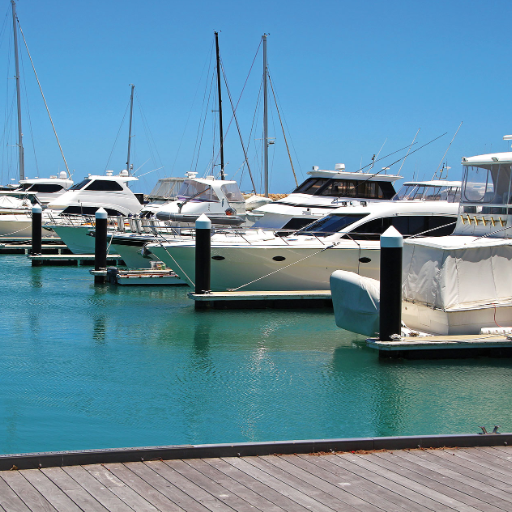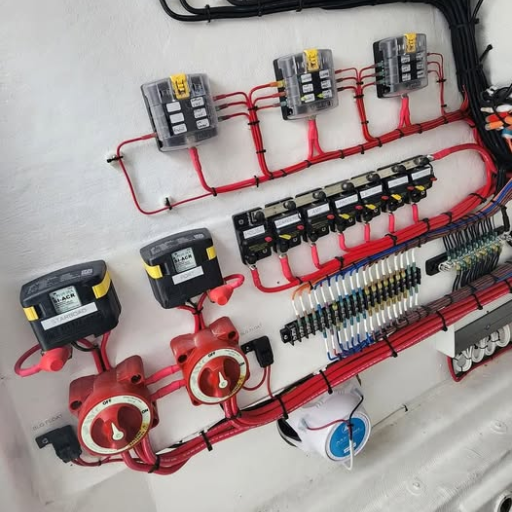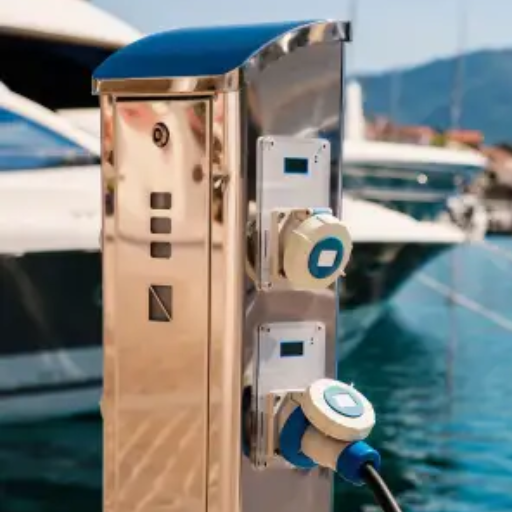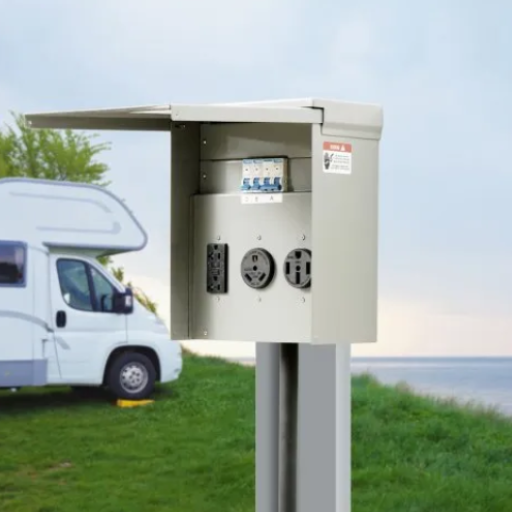
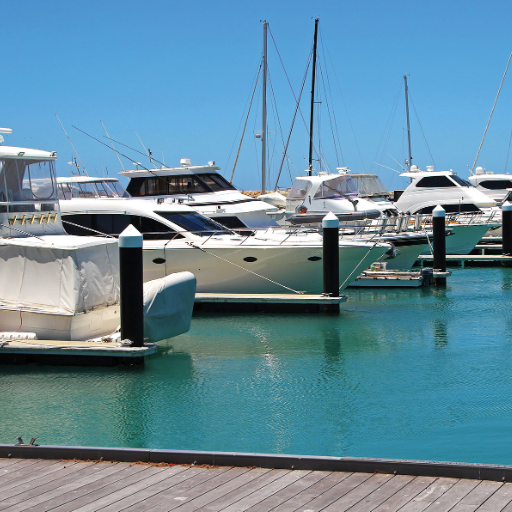
It is already quite difficult to run the marina, but the latter duty is not usually considered. Progress in 2020 made changes to NEC sections 555.35 and 555.36 that address electrical safety and save lives. The goal of this change should be primarily focused around mitigating real risks, such as electric shock drowning (ESD), and other hazards in bodies of water. A critically important aim of the author is to give a summary that helps marina operators better understand their responsibilities, make them aware of updates needed in their infrastructure by the recent code changes, and keep them updated with legalizations. While upgrading during a new installation or remodel of an existing system, they should take these upgrades into consideration to bear upon the safety at the marina while enhancing the fun of all its patrons. Detailing further on have to be points to be dealt with seriously by the marina owners.
Understanding the 2023 NEC Updates
Overview of NEC 555.35 and 555.36
NEC 555.35 – General Requirements for Marina Electrical Equipment:
NEC 555.35 contains the basic principles that are necessary to be followed for ensuring the security and reliability of electrical power in marinas. It provides that all electrical equipment installed in marinas must be rated for wet locations to prevent corrosion. Proper ground fault protection devices must be used and they address other factors too, such as the stray electrical currents that can flow over the water, resulting in serious injury to animals or personnel. These things will prevent marinas from fire damage and electrical hazards.
NEC 555.36 – Ground Fault Protection on Feeders and Branch Circuits:
NEC 555.36 is for the grounding mistakes, which is done for feeders and branch circuits in the marinas. This clause is suggestive of providing that ground fault protection devices are installed for the detection of shafts on a distribution route and timely disconnection from the circuit in case of an electrical accident. The clause demands feeders to have ground-fault protection systems programmed into settings to trip-off when grounded to more than 100mA, and this kind of protection enhances the lives of personnel and reduces inherent risks due to electrical accidents. It plays an important role in transforming a marina into a safer place with regards to controlled use of electrical systems.
Importance of Compliance with NEC 555.35 and 555.36:
NEC 555.35 and 555.36 compliance is important to make sure that the marina is a safe and working environment. These compliance regulations deal with two key issues: equipment safety and fault protection. They are an extensive list of factors that determine how good the electrical system is. Marina staffs should remind themselves of this framework and seek collaboration with licensed electricians for inspections in order to perform the necessary maintenance. Through careful compliance to the codes, not only does one protect lives, but also the entire lengthens the life of the marina’s infrastructure while drastically improving its functionality.
Key Changes in the 2023 NEC
Numerous implications are in line with the safety-, energy-efficiency-, and technology-giveoutdditions correct. Major requirements now include giving ground-fault circuit interrupter (GFCI) protection for these locations, ostensibly saving greater polygonism from electric shock. Standard expansions define new locations for which GFCIs must be included, namely exterior receptacles and receptacles for premises around water sources, meant primarily to reduct these concerned risks further.
Energy efficiency and renewable energy systems are another focal point in the july NEC. Here, the 2023 NEC enshrines new provisions for energy storage systems and electric vehicle chargers in order to springboard the transition to more sustainable energy solutions. These would carry new rules on system organization and maintenance thereby promoting safety objectives while encouraging the greening of technologies.
The latest surge protection devices requirements have been further introduced to secure gas-sensitive electronic equipment against power surges that are a new requirement under the 2023 NEC in residential and commercial properties. This Code has maintained their focus on safety, resilience, and sustainability; however, it considers emerging technologies and any kind of risks they pose. It is necessary to understand and follow these modifying requirements to facilitate continual compliance and assurance of the reliability of the all-important electrical infrastructure.
Importance of Compliance for Marina Owners
Safety considerations have always been paramount for Marina owners who, more often than not, accepted the challenge of difficult code requirements for NEC compliance. Marina installations with electrical systems are subjected to extreme environments where conductivity is extremely high and corrosion and electrical shock are rampant. Bringing, thus, the current codes in place further to curb fire issues, ensuring safe working conditions and an attractive marine facility to those critical enterprises as well as employees.
The noncompliance will render detrimental consequences such as equipment failure, costly repairs, and legal liabilities. Updated codes effectively deal with new technology and emerging threats faced by marina electrical systems, ensuring high safety standards while also ensuring continued service delivery. Compliance is an indicator of the marina owner’s safety commitment to professional standards and, consequently, a competitive variable in the market.
Not only do these regulations have to be followed and operated in accordance with the law, but also they can be seen as an investment made into the future of the marina. By looking at regular checks, maintenance, and adherence to NEC changes from this perspective, you can fuel a cycle of sustainable operation. In the long run, owners who uphold compliance standards by upholding them will shield their venues from a possible catastrophe, and thereby contribute to their community’s well-being, where everyone who works in these environments benefits one way or another.
Ground-Fault Protection of Equipment (GFPE)

What is GFPE?
GFPE system or ground-fault protection of equipment is a safety device meant for the protection of electrical equipment against damage as inflicted by ground faults. A ground fault is a situation where there is the unintentional flow of electricity in a circuit to the ground, triggering risk of overheating, electrical fires, or damage to equipment and machinery. The essence of GFPE systems is the ability to detect these faults and cut off the flow of electricity before it inflicts any damage.
GFPE devices are essentially necessary at certain locations where electrical systems meet moisture such as on ships or at seashores in order to reduce the risk of equipment failures and hazards. By tripping the power as soon as it notices a fault, a GFPE device is the sole guarantor for averting catastrophic damage to equipment and pole setting, achieving high reliability and safety measures therein.
There are many places where the inclusion of ground-fault protection equipment (GFPE) is mandated by the NEC. Their conjunction is designed to avidly address major hazards posed by electrical faults while ensuring general safety. Periodical testing and maintenance of these GFPE systems are necessary for ensuring its complete and effective working. Moreover, this action would improve the expected safety and life span of the equipment investigated.
Implementation of GFPE in Marinas
Ground-fault protection equipment (GFPE) is a crucial element to deliver an electrical safety system at marinas, where water is so closely related to electricity. The National Electric Code states that GFPE must be used in shore power connections to reduce the chances of electric shock. The benefits of installing GFPE are in terms of limiting fault currents which, in return, may lead to equipment damage or fires liability.
One of the major problems with marinas is that electrically they are leaking into water, which creates a risk condition for swimmers and divers. NFPA 555 requires GFPE installed within a certain set of parameters, that the trip threshold be as little as 30 mA, providing a sufficient level of protection. With its sensitivity, this threshold puts faults on hold once identified in order to prevent major harm.
Technology in GFPE has advanced and gained edge by increasing sensitivity and enhancing reliability. By virtue of the ual smart monitoring systems (with the ability to analyze electrical faults in real time) of marinas, these operators of ports are in a place where they can address an issue in just a blink of an eye. The use of modern GFPE appliances has been shown to reduce electrical accidents in marinas by more than 60% where compliance with the latest NEC standards is truly enforced.
Data from ESDPA points to the necessity of rigid GFPE application at marinas. It is argued by ESDPA that a total of over 70% of reported electrical shock incidents could have been prevented with proper ground-fault protection systems. Besides proper grounding and GFPE installation, periodical testing and maintenance ensure continued effectiveness and reduce the risk of equipment failure.
As long as the guidelines about GFPE establish the nec are strictly followed, guardians of marinas have lessened potential risks that aid in making visitors live in a more secure place, as well as their boatsurgical flow and electrical system preservation.
Benefits of Ground Fault Protection
These systems unequivocally enhance the well-being of people and equipment, since they detect and break current changes that would otherwise imperil life and limb. To wit, the most obvious reason is to prevent dangerous electrical shock hazards, which are particularly rampant in the presence of water, whether in marinas or in outdoor settings where the widely known case of electric-shock drowning (ESD) is among the most severe.
In addition, GFPE systems play a significant fire mitigation role, detecting and fixing ground faults long before overheating or electrical fires would rise from them. Only some 7% of home fires in the United States annually are set off by electrical issues. So it is clear what the protective systems are vital.
Ground fault protection improves operational reliability and will lessen downtime in various industrial and residential applications. When incorporated, these systems are fitted with monitoring capabilities to ascertain early fault detection and prevention. An additional advantage is the reduction in costs due to maintenance by using a proactive ground fault protection employed in highly electric system-dependent industries.
GFPEs comply with the requirements provided in the National Electrical Code-Zone 10 (NEC) and help assure that facilities are administered with modern, safe, effective electrical systems. GFPEs serve well if, in case of further inspection and maintenance of components, they help save lives, save equipment, and create an exhaustive environment for all.
Disconnecting Means for Shore Power
New Requirements for Shore Power Disconnects
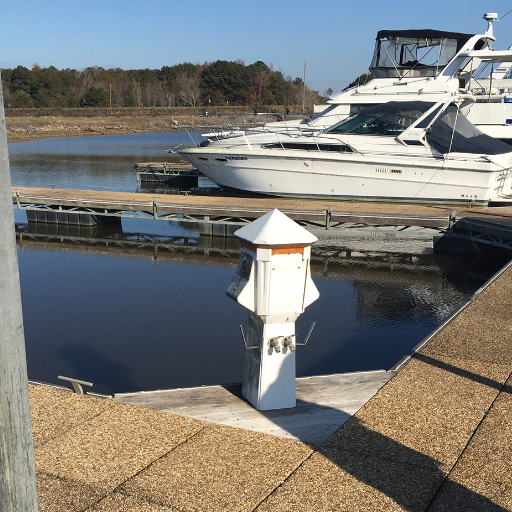
To promote the safety of the last shore power systems and to enhance ease of maintenance, the NEC has now mandated shore power disconnecting means. These disconnections provide the possibility to work on shore power systems when energized. The main points to be considered for shore power electrical disconnecting are safety, as through the disconnection of a source of electric shock, and process intervention so that those undertaking work at the interface are able to perform safely under its protection.
Each shore power connection, either through the inlet of the shore power or through a separate one not found more than 30 ft from the inlet, could have the requisite disconnecting facility. This will afford separation of visibility on hazardous downstream from the shore power inlet. Thus, by inclusion of such a proximity area, a maintenance worker could disconnect the power on detecting some emergencies, so another effective safeguard would be set up.
Furthermore, standardizing the incorporation of safety components, like accessible circuit breakers or switches, and this regulation compliance of shore power facilities is to abide by present-day electrical safety standards so as to reduce any hazards. By this, the individuals are kept and the equipment is protected from possible harm at all times.
Best Practices for Installation
For safe and effective installation of shore power systems, careful planning and conformity to safety standards are needed. It begins with an examination of a vessel’s electrical needs to ensure they are compatible with the local power grid. Proper grounding and insulation must be observed on all electrical connections to avoid electrical shock and equipment problem. Make sure that all components adhere to safety compliance standards and meet marine environmental ratings.
Once you begin installing, installation ease should prevail as whole. When installing, preference should be given on accessibility and practicality. Utilization of reachable locations on the mounting of the circuit breakers, disconnects, and other control items should be made such that emergency response action can easily be carried out. Wiring pathways have to be secured, and waterproof enclosures used to shield the equipment from the marine environment. Well-labeled circuits and connections almost eradicate the need to shut down an installation for maintenance and troubleshooting.
Lastly, in line with the full battery of system checks that might follow the completion of the setup, tests constitute periods when checks are conducted for the voltage levels in correspondence with properly contacting connections and functioning safety shutdown devices. Maintenance and checkups work to ensure the longevity of solid dependability as far as safety considerations are. Operators are encouraged to put these procedures into practice to ensure the protection of both individuals and the apparatus while defining operational considerations.
Wiring and Receptacle Standards
Updated Wiring Requirements under NEC 555.35
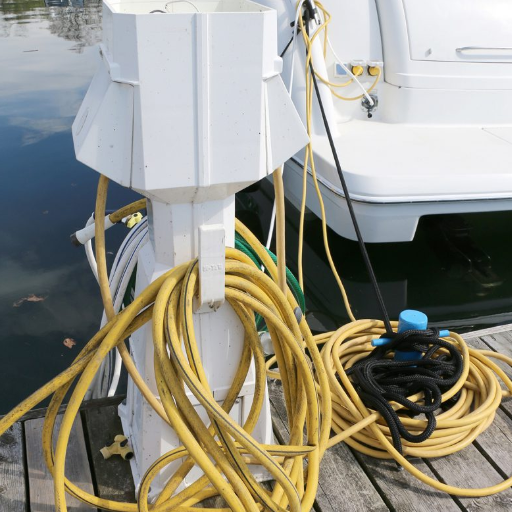
The NEC Art. 555.35 regulation includes mandatory minimum safety rules for electric wiring installation in marinas, docks, and boatyard facilities. These regulations highlight the need for successful measures to prevent numerous electrical hazards, particularly equipment failure and that which may lead to electric shock drowning (ESD). These standards all depend on proper grounding and bonding methods that help ensure a safe operation of the electric systems even in the high-moisture environments that are a norm in such facilities.
One very important update to NEC 555.35 is the requirement for ground-fault protection for feeders and branch circuits limited to 100mA. This ensures enhanced detection and resolution of leakage currents, thereby reducing the risk of ESD. Therefore, shore power installations now require all receptacles to be provided with ground-fault circuit interrupters (GFCIs) or Equipment Leakage Circuit Interrupters (ELCIs) to prevent potential electrocution.
Routine inspections for all types of wiring systems with special attention to aged or corroded equipment that might lose their integrity over the years are required by Section 555.35 of the NEC-specifically in marina settings. This is a double advantage as it had been found to thwart hazardous life destructing circumstances and guard life and property through examination of electrical elements and the power distribution system components to ensure their long lasting lifespan. Thus, operators’ duty will be to go through these amendments and include their implementation into their safety programs for enforcement of the new standards.
Receptacle Specifications for Marina Use
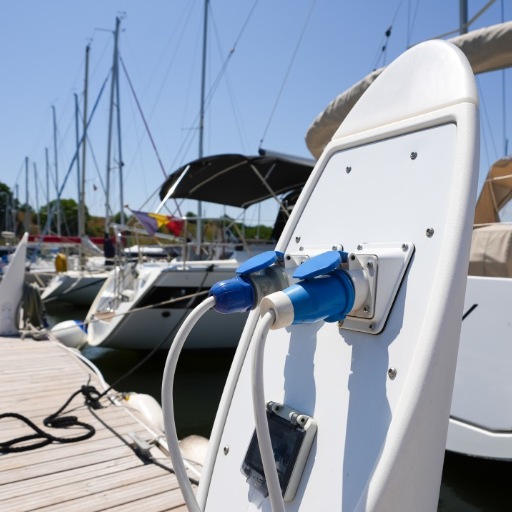
Receptacle specifications for marina use are intended to offer safety and functionality in the environments of water and the cruel conditions of weather. All routine marina receptacles as a rule must conform to the National Electrical Code (NEC), as well as standards laid down by any other appropriate jurisdiction. The specs necessitate the receptacles be reliably watertight but also corrosion-resistant and tough enough to withstand marine conditions. Receptacles usually shall be installed with ground-fault circuit interrupters (GFCIs) to prevent ground faults leading to electric shocks.
The amperage and voltage capacities of plug-type receptacles must correspond to the type of vessel in general use in the marina. There are common plugs of 15A, 20A, 30A, and 50A, each for a specific voltage, 120V or 240V, as determined by the vessel requirements. Proper spacing between the outlets ensures safe and unencumbered access by users. The appropriate labeling of voltage and ampacity on each receptacle is critical; otherwise, wrong connections might damage equipment or cause safety problems.
Receptacles must be properly installed and maintained in an ongoing manner to keep them in a state of compliance with safe standards. Except for those, regulations essentially invite operators to plant observations in their systems. Inevitably, wear, corrosion, or exposed parts are going to increase their expectation for endangerments in the white paper or the inspection and testing report that the InterNational Electrical Testing Association will provide. Consequently, any further failures have to be dealt with first and foremost. Discipline such as this is bound to do much for avoiding these electrical hazards as well as protracting the longevity of marine systems. This goes a long way in leaning towards public safety and market reliance by all users. This guide would provide a safe and sound electrical environment for the vessels and humans.
Ensuring Safety and Efficiency in Dock Installations
Achieving a perfect dock installation requires a well-thought-out plan, compliance with electrical codes, and proper maintenance. Safety is a membership key to a worker adhering to the safety standards of grounding and bonding to prevent electrical shocks or fires. Installed systems can protect both personnel and vessels, as they reduce the risk of accidents.
Efficiency comes into play when higher-grade materials are used and all fittings are adequately designed for the use for which they are designated. Setting up systems off-balance or with the incorrect-sized components causes potential issues that undermine performance and safety. Periodic inspections by well-trained professionals are the smartest approach to identifying early signs of wear or potential risk before things get worse.
In view of the need for decency harbor, education and communication are paramount. Facility managers, boat owners, electricians, and all must interact to develop and adopt safety ethics. Safety is sustained through proper, distinct signage, available emergency assistance, and prompt trainings while simultaneously fostering a climate of shared responsibility and accountability. The result is that repleting all users with confidence that they are functioning according to the highest standards of functional, safe operations.
Practical Insights for Electricians and Contractors
Adapting to the New Standards
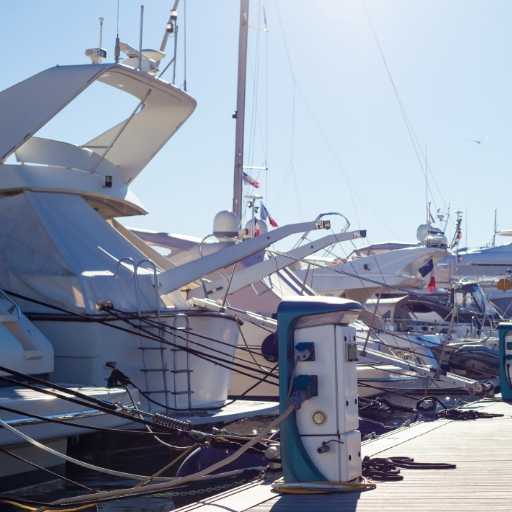
Being able to adapt to newer safety norms is crucially important, as electricians and contractors are required to take active measures to learn about and implement safety norms as early as possible. On the first step, he shall endeavor to acquaint himself fully with the latest safety regulations and directives so that the nature and extent of the required adjustments will be absolutely clear. This can be realized by attending workshops, by following his own growth through completion of training sessions, or even for one’s advantage using some other dependable professional network. Keeping oneself updated in the industry will be of great advantage in implementing these changes effectively.
Secondly, the application of these standards will require updating of tools, practices, and standard operating protocols in order to maintain compliance. This might involve bringing new safety equipment on board; introducing improved safety measures; and modifying previous standard operating procedures to align with the new standards. Continuous risk assessment should be done so that areas needing modification may be identified for keeping the work site in compliance and a safe place to work from hazards.
Adherence to a new standard needs nurturing throughout the organization, where input from everyone is valued. Information exchanged among team members on safety and controls would go a long way in promoting a shared commitment to respect and perfection. In addition, periodic evaluation and feedback could help clarify one’s strengths and areas needing improvement, guaranteeing that safety continues to be emphasized in the workplace.
Resources and Tools for Compliance
Organizations could deploy numerous resources and tools capable of addressing security standards and regulatory requirements—if they wish to be actualized in their entirety. For one, e-learning platforms offer bite-sized and manageable learning modules to keep employees current on compliance protocols. These platforms may offer included assessments to measure understanding and opportunities for improvement in key areas. Moreover, a centrally compiled and localized compliance handbook is potentially the most salutary reference for employees.
In parallel with these training types, monitoring tools are employed for safety upkeep: e.g., integrating safety tracking software to record incidences, analyze trends, and identify potential hazardous points in the workplace. These tools generate useful data, empowering teams to take preventive measures and exacerbate their proactive compliance endeavors.
In the end, developing a collaborative relationship with professionals working in the industry and with regulatory advisors could help in improving the organizational standards of compliance across the board. From offering guidance on regulation changes to performing audits, to even giving suggested mitigations in some particular areas, experts can be a great help. By streamlining resources, tools, and up-to-date knowledge, this helps create an environment that values safety, responsibility, and continuous reform.
Frequently Asked Questions (FAQ)
Q: What does 2023 NEC 555.35 & 555.36 address with regard to shore power to boats?
A: 2023 NEC Articles 555.35 & 555.36 are additions that National Electric Code covers mater-shore boats and docking facilities, where shore power receptacle requirements are specifically provided, together with feeder and branch circuit protection, ground fault circuit interrupter protection of equipment and more concerning the other protective measures of personnel from receiving an electric shock whenever they handle a cord, cable, or that conductor connected to the marina electrical power generation that provides quay power.
Q: Which protection measures are imposed on personnel under sections 555.35 and 555.36?
A: Personnel safety measures include gfci protection on shore power circuits where required and coordination with downstream gfpe, if required. The code requires that an overcurrent protection device be included, that the means disconnecting the shore power supplied to the waterfront be listed and be circuit-breaker-ready in place when installed, that the emergency shutoff device that easily distinguishes between power status be labeled “off/on” or happen to be very distinct in their on/off positions, that leakage current measurement device or current device in place be provided for the marina applications in order to uncover the level of currents so to prevent electrical shock (e.g., thresholds set at a level at or a limit of 100 MAmpers or another specified value).
Q: Any requirement for marina power receptacle and receptacle enclosure having leakage current measurement devices?
A: According to the new section, cords with a current device and a leakage current detection device are required for determining the leakage current in connection with shore power connections. Listing requirements for the leakages and the requirement for leakage current ensures that the appliance for determining leakage current is installed with devices suitable for the application-perhaps near the marina A-gangway, or near the power supply feeding the dock itself.
Q: How does new section 555.35 & 555.36 affect shore power equipment, such as cords, conductors, and breakers?
A: Can Updating receptacles to protect the equipment supply the required ground-fault protection to all equipment? Will the mere addition of a ground-fault circuit interrupter (GFCI) at certain outlets provide the needed protection for GFPE, thus allowing coordination of downstream response for the sake of defending all equipment and the electrical installation from incidental grounding of the load-supplying cables?
Q: What changes are applicable to the ground-fault protection of equipment (GFPE) and downstream GFPE?
A: The new NEC rules 555.35 & 555.36 provide clarity for gfpe feeder and branch circuits and require that marina outlets have gfpe protection coordinated with downstream gfpe protection. Guarded configurations are permitted with gvpe downstream, but the code does set limitations such as 150 volts to ground to set off the 60V threshold or vice published criteria. It does require that the outbound gfpe must be placed and listed as meeting the specification for its leakage current and to stand by-rounding its operation in providing reliable protection to the marina electrical system and connected docks.
Q: Would it be of benefit for the 2023 NEC to identify test and maintenance procedures?
A: Yes, the new NEC does require marinas and shore-power-providing system owners to implement a testing protocol for measuring leakage current and confirming that shore power receptacles, enclosures, and listed devices compliantly meet performance requirements. This would mean having regular testing carried out with an appropriate marina-specific device and maintaining records to ensure ongoing protection of personnel and their equipment.
Q: What about floating buildings and vessels on ASEA power systems in view of this regulation?
A: The code provisions include those that apply to shore and boat power floating construction, boats-all ship with any ASEA power system. Whether it is, by some length, a proposal to supply power to a boat or floating construction, the receptacles, onboard just about every power connection shall be compliant with the NEC and equipped with appropriate gfci, gfpe or other protective measures against electric shock and fault current leakage hazards, according to complete logic, through the shore power outlets or enclosures associated with the marina power supply.
Q: Concerning the NEC 2023, 555.35 & 555.36, what symbiosis could be experienced at marinas by the dock officials and boat owners?
A: In real situations, marinas are going to require upgrades to the electrical services of supply marinas to include listed emergency shut-off devices, a clearly marked means of disconnecting shore power, leakage current devices, and proper overcurrent protection on power outlets, enclosures, and other equipment at their docks. It might also entail new procedures for plugging into shore power, holding a vessel at the dock and denying shore power to any boat if shore power equipment fails to be compliant or requiring that the marina power outlet be within sight or having a program in place to ensure that the maintenance of shore power receptacles is monitored — in order to maintain safe practices.
References
- 2023 NEC Code Changes Update Part 2
Electrical License Renewal
Provides details on Ground-Fault Protection of Equipment (GFPE) and disconnecting means for shore power connections as specified in NEC 555.35 and 555.36.Changes to the National Electrical Code 2023
Mike Holt Enterprises
A comprehensive PDF document covering NEC 555.35 and 555.36, focusing on ground-fault protection and shore power disconnecting means.Top Marina power pedestals Manufacturer and Supplier in China