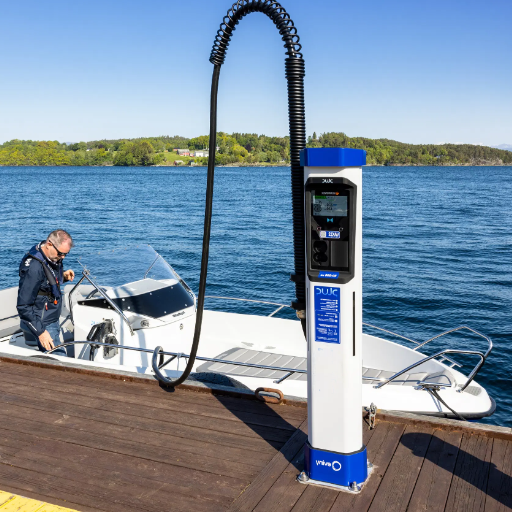
The future of travel on water is electric, and there is no question boating is one of the transport sectors undergoing the transformation. As environmental consciousness grows and ever-efficient electric boat technology gets more advanced, there is an explosion in the necessity of a stable charging infrastructure. So, for marina vendors, how do they go about handling these factors? We will explain in this blog post why electric boat charging stations should be incorporated in your marina not as an optional facility to add but rather as a must to ensure the success of your marina in the long run. Let’s take you from the identification of where the game is moving in the industry to how to implement it – and make any new ‘green’ improvements at yor marina that will enable it to be sustainable and profitable into the future.
Understanding Electric Boat Charging Infrastructure
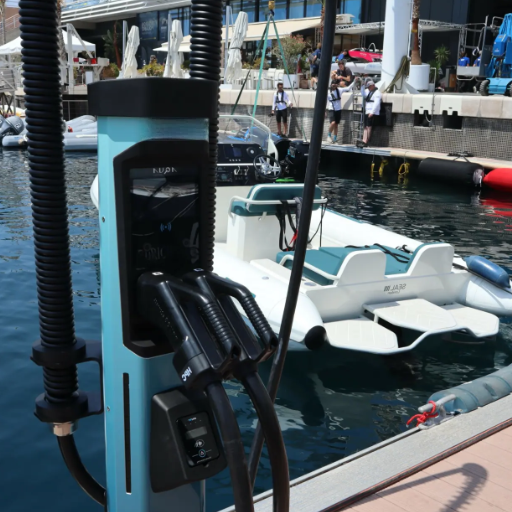
What do you understand the term Electric Boat Charging to mean?
Electric boat charging is explained as the process of transferring power to electric boats by the existence of charging equipment or networks. As electric propulsion is increasingly being used in marine transportation, these charging networks are put in place to recharge on board batteries efficiently. Electric boat chargers are of various types depending on the user application and include but are not limited to AC/DC charging, level 1 (slow charger) and DC fast chargers that provide high power levels which reduces downtimes. The charging systems are very essential in assisting in the shift to environmentally safe boating by lessening the levels of greenhouse gas emissions as well as the use of conventional fuels. Marine operators who add this electric infrastructure because of sustainable growth awareness are also equipped to operate the marina better and in line with global environmental requirements.
On the Role of public charging infrastructure in Marinas
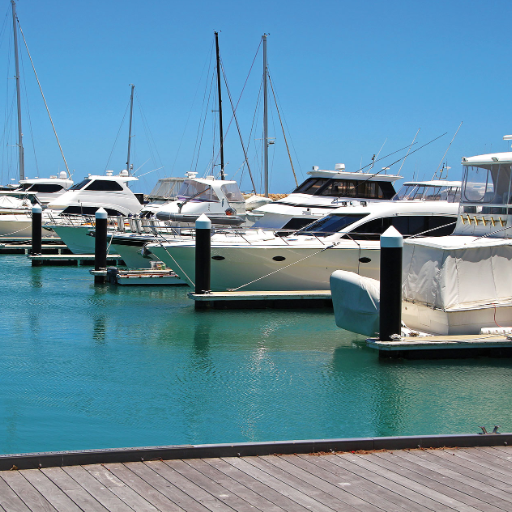
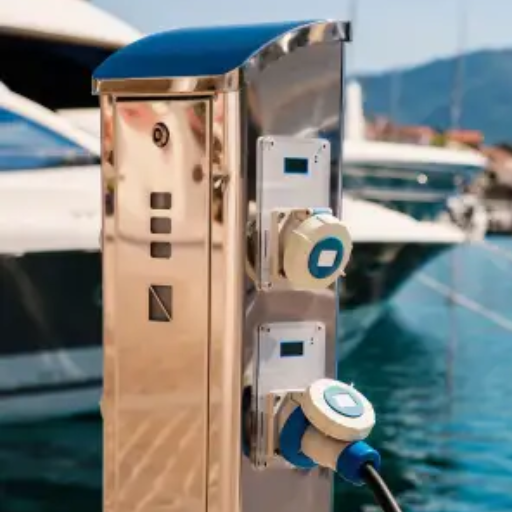
The spread of advanced charging infrastructure in marinas is transforming the countryside’s affiliation to waterborne transport since it encourages environmental and energy saving measures. Modern charging stations are costructed in a way to fit a range of electric boats, promoting user friendliness. The expansion takes into consideration the fact that there is a shift in consumer interests as more people are seeking options that are environmentally friendly to those that are not, whilst ensuring that marinas are equipped to deal with increased electric watercraft movements.
Other than their ability to be energy efficient, electronic charging systems have very economic gains that could be harnessed. In terms of customer service, it is evident that many boaters welcome the use of PV panels. People are more attracted to using such systems as such. Such a system can be integrated into the use of present battery systems offering safe ways to charge batteries. Consequently, governments as well as other interested stakeholders are offering various devices and grants to facilitate the implementation of marine electrification, promoting construction of green maritime facilities and providing for financial assistance for realization of such facilities.
The innovations discussed are fundamental for fulfilling the strategic goals of sustainable development in the modern social and economic environment. Marina charging networks are a clear example how the attention on reduction of emissions and therefore energy conservation has transcended all sectors of human endeavor. Marinas can assist in the preservation of the environment within the decade by incorporating efficient and still relevant areas of growth while serving the needs of the maritime sector.
Description of the charging methods
After a though research I have come to realize that charging technologies for yatches have changed tremendously over time, and several innovative for the efficient and green charging solutions have been adopted. Of course technological advancements in the area of yachts have brought the era of charging two other systems for the service and propulsion systems of yachts. Such systems use standard types of connectors and are aimed at delivering instant and effective power services without wasting energy, thereby avoid loss of power. Direct Current (DC) fast charging capabilities have emerged as the new technology within the Industry as well. In this case, the boats can recharge quickly to this also helps in making the marina as well as boating fun itself, more efficient. Also, used are intelligent charging stations that are equipped with Internet Of Things which offer updates on usage level that is the and speed which energy and charged is being used.
One of the upcoming trends that can be observed, includes the use of wireless charging in sea travel, including inductive charging, where in there is neither wired or corded connections needed. This will ensure that the process of charging will be safe and easier in most cases, this is because it will help those with yachts and boats, to charge more efficiently. The engineering community of products that extract and use renewable energy is also having a profound impact in promoting renewable energy sources in the marine sector; this is evidenced by the increase in solar powered charging stations in green marinas. The clean energy sources such as these lower the amount of power drawn from the grids as well as contribute to the carbon footprint reduction of the globe.
In a nutshell, a fast-paced integration of stunning power supply technologies has recently taken place within the naval industry and the product designs are particularly user-friendly and eco-friendly. In light of that observation, marine facility developers and operators can develop strategy and construct facilities that do not fall behind the changing time and demand for electrically and hybrid powered boats. It can be asserted because the money spent today in innovative charging technology shall be a great help s the maritime world will become cleaner and more manageable-based in the future.
Types of Electric Boat Chargers
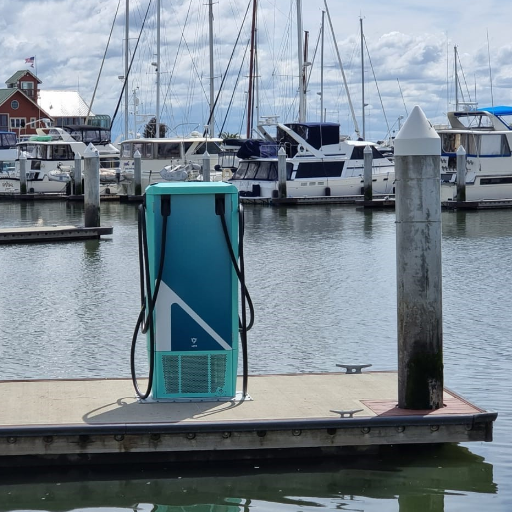
DC Fast Charging against AC Charging
In relation to alternative energy sources in the ship world, we get to deal with two primary approaches – DC fast charginh and AC charginh each of which appeals to the certain needs and solves certain issues. DC fast charginh is one where high powers are conveyed directly to the battery in order to ensure rapid charging. It is therefore more appropriate for cases such as commercial applications or even busy marinas where boats would dock and go very fast. DC fast charging infrastructure mostly involves high installation costs and it necessitates proper infrastructure in place, however, they are quite critical in order to support the fast growing numbers of high capacity electric ships.
However, although AC charging takes longer than DC charging, it can be found in more places and is also cheaper than energy costs. This type of charging is mainly compatible with the standard voltages and thus more suitable for smaller voltages such as electric ships or for an extended period of time. AC chargers are easier to configure and maintain, which simplifies the process for installers and is yet another reason one can consider them as part of the amenities for the leisure boaters set.
One of the key advantages of Shore Power Connections
This type of shore power connection offers many distinct advantages to the people who own boats and to those who manage marinas. Basing on the fact that the vessels can be plugged into a power socket when they are on shore, additional power outlets tend to reduce the necessity of the use of onboard generators which enables saving on fuel consumption and reduction in air pollution by greenhouse gases. Moreover, it also means people can get a needles to say more peaceful and productive experience while at the marina or any other place and to keeping the effect on the environment to only a minimum.
One other factor that makes shore power relevant is the fact that it provides a ready, inexpensive, and continuous power source that can be used to run normal ship’s services such as illumination, refrigeration and air conditioning, even when the engine is switched off. This enhances the luxury of those who use the boats and also saves some costs by relieving the engine from tedious water activity hence reducing mechanical disturbances. Finally, adding on shore power also becomes a selling point for marinas where green boaters congregate and it tends to align those facilities with the best practices within their industry in service of the condition of the water bodies.
Evolution of Solar Power in Boating Sector: Charging Electric Boats effectively
Solar solution charging is one of the creative solutions in the field of electric boats. This technology comes with immense advantages, improvement in standard of living of people who live near oceans, lakes and other natural modes of transport being the one of them. To be able to grasp this concept, one is compelled to examine the current technology with respect to electric boats. While many companies have researched lack of enough power for night operation of electric boats, very few have observed how the energy storage systems for electric boats applies to its use in boating.
Electric boat shows show that electrical energy is quickly replenished thanks to the benefiting of computer software. This can be achieved by attaching solar panels to the boat so that they can charge onboard batteries when in use. In addition, solar and wind power systems and the net-metering benefits have had stunning developments. This came along with introduction of lightweight flexible solar panels which integrate well into the structure of any vessel. With the above enhancements, boats can now absorb energy much better than they used to without worrying about the performance and look of the boats being altered. And in addition, considering the cost of buying petrol solar charging will save money over time since sunshine unlike water is free and there is minimal if any maintenance work done on the solar panels which makes them the most logical choice for eco-friendly boating.
Building a Charging Network for Marinas
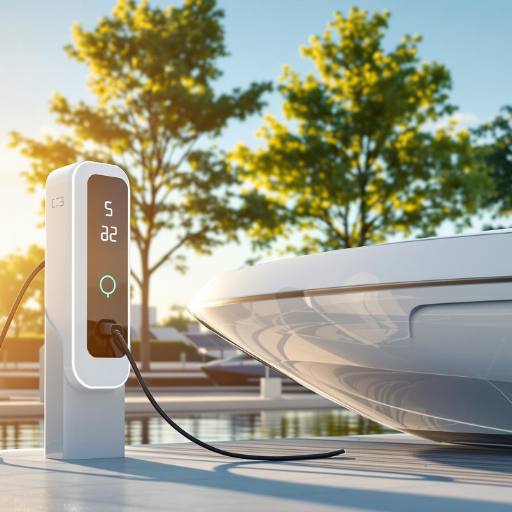
Charging Stations: Their design, efficiency and performances
If the uptake of electric boats is on the rise, then that means that efficient charging stations must be in place as well, to complement the vessels and for customer satisfaction. Such charging stations should be designed with easy and rapid recharging in mind to keep vessels operational for the greatest period of time. New interface elements allow different kinds of charging for craft at a particular station even if it is in an inaccessible zone.
Re preformance improvement and increasing the industry of the unit, yearly maintanace costs msruments are normally done in the maintainance of the items most critical to the unit such as production equipment, activities, and people within the unit. The costs incurred for these activities are called ‘preventive maintanance’ costs. In a receving operation, the costs would be due to examination of incoming goods and implants at receipt. Physical cycle counting is the most expensive method of counting. The number is calculated by calling a complete stock physical count divided by a whole yr. These costs vary based on their interactions and intended uses. The perpectual method is of two types ‘full and partial’.
Integrating Charging Infrastructure into Existing Marinas
To successfully install a charging infrastructure within already operational marinas, it is essential to plan in detail and carry out innovative design to transition to electric powered vessels adequately. This first step of the process is to evaluate the current size, as well as the power capabilities of the marinas to know the right areas that can be easily fixed for the located of the charging stations. There might be a need to carry out such maneuvers because the current grid in the marina may not be able to sustain additional power consumers unless some improvements are carried out such as installation of bigger capabilities transformers and extension of the cable lines as well which are sometimes sensitive because of the existing arrangements. For these reasons, charging stations must be designed in a way that meets most, if not all, of the classifications of electric boat batteries, providing consistency and ease for electric boaters. Securing renewable energy highlights such as solar or wind power will aid in this quest to protect the environment and make the marina facility more energy efficient. In order to access and direct funding and other resources, promote ease of doing business, reinforce regulatory framework and enhance the project environmental impact, it is necessary to involve the concern of the community, as well as the related marine sectors and environmental nongovernmental organizations.
Cooperation with Firms Such as Aqua Superpower
Electric mobility for marine sectors can be enhanced swiftly when innovative companies such as Aqua Superpower work alongside us. The company creates a network called “fast charging” that can serve electric boats and this is a critical addition for moving towards the electric solutions. They do this through the networks that operate on electric boats and have specific demanding characteristics, especially in terms of power output. Relying on their proficiency assures of effectiveness and promptness of the charging solutions provided for various marine vessels depending on their size and power required. These joint efforts do not only catalyze progress in science and technology, but they also exemplify an orientation towards lowering soils that is in overlapping protection of the waters and the air – the vessels. The gap is filled by these associations and paves way to facilitate their working together without necessarily harboring conflict, and toward a net-positive electric boat user experience.
Best Practices for Boat Owners
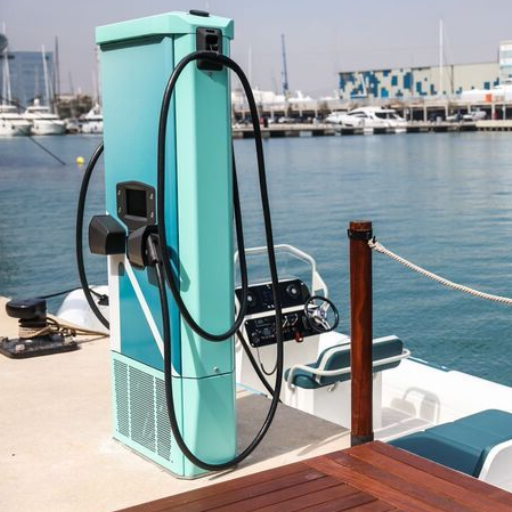
The Secret to Charging Electric Boat Batteries
The secret behind preserving your electric boat batteries and offering maximum service life is through proper charging. It is important not only to select the right battery but also to use a charger. For instance, if you have lithium-ion batteries, you must also have a lithium-ion battery charger. If you have AGM batteries, you must use AGM batteries, and so on with lead-acid batteries. This prevents both overcharging the battery by excessive fluctuations in voltage as well as undercharging it. Also ensuring the battery is not allowed to reach temperatures above a certain level during the lithium-ion battery’s charging operation. On the other hand, it is usually handy to charge the batteries in a relatively well-ventilated area to decrease the chances of overheating. Keep tabs on your state of charge (SOC) is necessary as well. Most of the current electric boats are equipped with the so-called battery management systems, which offer an estimation of the current battery state and the ability to update the user. Using these capabilities in conjunction with charging protocols helps in the ability to preserve proper functioning, avoid premature failure of the accumulators, and successfully use them for a prolonged period of time. If possible, optic for the use of shore power or generation of the energy from a renewable source such as solar panels to minimize the impacts on the environment and expedite re-charging process. From all of the above information, safe charging is operational charging in electric boats and ships. Part of the safe charging processes is to do maintenance work; hence in some instances all that is required is to ensure there are no overgrowths on the battery terminal and that all the cables are well secured. From the aforesaid steps, operators expect to have dependable battery life and improve the time of providing services in electric ships and boats.
Interpreting The Significance of Charging Approaches Effectiveness for Electric Ships
When evaluating charging stations for electric ships, it is important to address the effectiveness and compatibility of the provision of the solutions. Charging stations that go with the flow should represent the most preferable solution for the users. This includes technique of alternating current (AC) charging to which docks and marinas have access, working to meet the daily requirements without any disappointments. Nonetheless, it is hard not to notice the DC technology which is based on the fast charge concept which has managed to penetrate to this field as well and lays a lot of emphasis on charging within the ideal context and within the shortest possible charging time in the case when need be. Another aspect to consider is what charging methods are now being managed, and how renewable energy is being applied in this management approach. The use of solar panel systems and wind mills, among other sources, allow for green energy in favor of power-driven boating which is sustainable. Although such systems may be slower in power production, they save money and limits the use of traditional sources of energy. One more aspect to consider is protecting the battery system by making a few checks on the energy level and charging cycle it needs to be performing correctly and increasing its life span. With these elements in mind, interested boaters are encouraged to establish the optimal service strategy bearing in mind the challenges of cost, support, and environmental objectives.
Toward the Destiny of Electric, Sailboat Charging for Water-based Transport Enthusiasts
Revolution in electric charging for sailboats is taking place rather swiftly owing to new technologies and a variety of eco-friendly options coming in the market today. Provided as examples for comprehensive service creation are smart charging systems which allow users to control the recharge progress and manage other operations through mobile phone applications. These help to effectively manage battery charging as well as energy consumption, minimize costs and even exercise measurement though timely data acquisition. Also rapidly contributing to comfortable use by nature is the faster development of quick recharge locations for boats allowing for recharging of electric boats as effectively as it is done for gasoline boats. Electric boat charging system is another area where innovation has caught up with renewable energy in a gripping way. Silicon batteries, their corresponding charged stations and solar panels that are installed within the boat are increasingly being put in place which also allows the saving of coal powered electricity and encourages greener boating. Even systems that use wind and water as back-up in charging boat batteries are being designed for providing clean energy direct during travelling. Even more importantly, evolution of battery technology that is occurring right now is outlining the future of electric boats. Development of advanced high energy capacity light weight batteries designs providing higher energy density is one of them; which helps in achieving longer cruising distances as well as more effective functioning of the boats. In particular, solid state batteries promise to be safer, faster to charge and to be many more years due to their nature, advancements that are revolutionizing the industry. There are new policies concerning electric boat batteries in the aspect of the technology. It is not compulsory for electric boats to bring in fuel cartridges. It is pretty obvious that in the next decade, electric boats will consist of batteries once. All that is the development of the new generation if hybrid boats.
Future of Electric Boat Charging Infrastructure
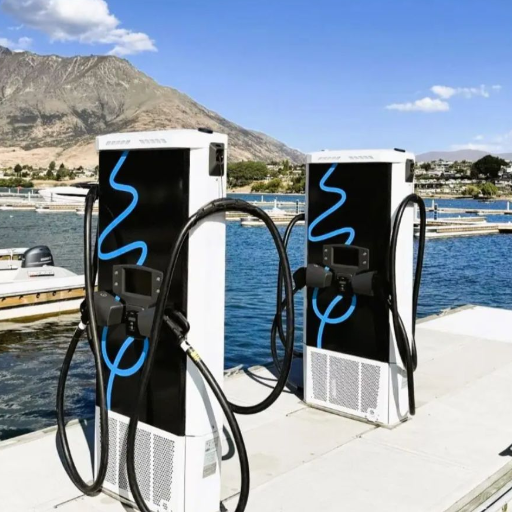
Introducing Innovation in Charging Solutions for Yachts
Whenever the notion of changes in electric yacht charging takes over, it is easily noticeable that we are facing a significant development in the realm of maritime transport, or more clearly, innovative ideas for the clean fuel sector. And one of such, promising developments has been the introduction of fast charge posts designed for the refueling of propulsion battery of an electrically operated boat within the shortest time possible; in fact time for a charge to be obtained in less than a hour exists. It’s not long before these fast chargers will be available at most marinas, so that cruising with an electric yacht never lacks an option to connect and charge the batteries as is common with electric cars. I am equally captivated by how smart energy management systems integrate into the making of an electric ferry. Users can keep track of their battery power, limit the charge of their battery, if they cannot reach an electric facily and even opt for night charging to save on electricity bills, using simple smartphone applications. These changes, along with the increased importance of common charging interfaces and the desire of all those involved to standardize EV charging systems have greatly improved how boats are charged today. It is delightful to anticipate that these progressions as there are defining a better and more responsible perspective change regarding the use of electricity on water.
Electric boat charging trends for the future
One of the most significant trends in electric boat charging is that the industry is moving towards super high speed chargers with large capacities. These systems are intended to reduce downtime for the boat operators, making it possible to refuel the vessel within the shortest time compared to the past. At the same time, there is a growing the growth of advanced battery technologies such as solid state electrolytes and lithium-sulfur, eco friendly, boosting power densities of more energy-packed electrically driven boats. This trend of future charge up infrastructure includes also the incorporation of renewable energy systems. Mobile solar power plants and energy balloon installations are some of the renewable energy generation sources that are in use for electrical car charging facilities that are far from the main grid. Furthermore, new approaches like wireless underwater charging are being developed and it is believed that in the near future vessels powered by electricity will be charged without the direct link. Last but not least, one is to point out the importance of the smart grids for the development of the maritime charging in the near future. Such networks assist in the optimal distribution of power, particularly at the charging stations, as circumstances change. Smart grid systems, especially when paired with the ai-based analytical tools, improve effectiveness by making the charging infrastructure less environmentally damaging. These factors are responsible for the extremely high standards in the marine electricach, gratifying the demands of luxury and value for transportation with electricity.
Marina Charging Solutions And The Regulatory Landscape
Building proper marina charging solutions comes hand in hand with multiple regulations related to electric infrastructure and ports. These laws illustrate expectations in terms of safety measures, environmental protection, and power tower use. The power charging stations need to follow these guidelines strictly as well because electrical safety parameters ensure that they have protected the exterior surfaces from outside materials and that in the event of an emergency they can be easily deactivated. As sixth, energy policies shall take a more holistic view to protect marine environments, such as management of electromagnetic radiation and leakage of charging equipment into the water. Another way commercial vessels circumvent these obstacles is by adhering to international protocols such as the Inter-Governmental Maritime Consultative Organization (IMCO). Furthermore, countries and port operators can also introduce similar levies to anti-carbon foot print charges or other provisions that will encourage the use of low-emission power in keeping with the world’s effort to stem emission trend. Observance of the above, it should be noted, is necessary not only in structuring the charge network but also in fostering confidence in the consumer and promoting environmental sustainability in the electrification of shipping. Appropriate interpretation of the rules enables practical and legal actions that ensure the ability of the different parties are both futuristic and legally sound.
Reference Sources
Designing a Sustainable Island for Electric Boat Charging
A collaborative project exploring sustainable solutions for electric boat charging stations.
Policy and Business Models for National Electric Boat Transportation System: Case Study in Indonesia
This paper discusses phased implementation strategies and solar charging investments for electric boats.
How to Plug In the Fishing Fleet: Connectors in Charging Infrastructure for Small Fishing Boats
This research examines the development of reliable battery charging infrastructure for small fishing boats.
Top Marina power pedestals Manufacturer and Supplier in China
Frequently Asked Questions (FAQs)
What makes a boat fast charger effective over the normal variations of its kind?
Electric propulsion vessel’s fast chargers are known as industrial fast or marine-grade DC quick charges that are designed to dump large amounts of energy into a battery compared to slow top-ups done by AC chargers. They work in a different way relying on dc and ac electric power though others can exploit ccs in-mixed mode for faster charging. These methods, however, are less energy efficient and reduce the overall capacity of the traction battery. Also, consumer utilization of fast charging might not come cheap because of the peak load demand charge, which is quite expensive for fast charging. Generally, faster charging is preferred by an electric vehicle operator who is on strict timelines, but more should be done to preserve battery health for the proper functioning of the vehicle without unrealistic expectations of a quick charging solution. With the development of electric boat charging infrastructure, and consequently the adoption of electric boats, fast charging stations are increasingly being set up in marine locations.
In what ways does the concept of smart charging enhance the electronic boat charging infrastructure?
To understand this, smart charging systems are the systems that manage the times of charging as well as the methods of power delivery for the efficient purpose of charging. This way, it allows the reducing of the cost of goods by ‘shifting the burden’ to the off- peak hours. It is challenging to optimize availability of power to charging by various components of the system but this is one of the major functions of smart charging systems. They are able to interact with electric motors as well as battery management systems in evaluating the charge speed and level based on detection of battery level and battery confirmation as well as relating to the time the vessels would set out. The electricity provided is also proportional to the capacity of the battery. In such systems, smart charging helps reduce the stress on local networks by managing demand for electric power and can incorporate wind or photovoltaic (solar) power to cut down on operating costs. The other advantage it provides to the people is smoothing out the charging so that very expensive electricity usage is avoided. No doubt this translates to holistic level of adoption of electric engine for boating purposes. Smart charging usage as a way for electric vehicle charging facility marketing will also facilitate the easy use of boats in brushed carbon technology.
Is it possible to connect solar panels with electric boat charging stations?
If we include solar panels, or install them in the charging stations, electric boats can also make used of on-grid electricity at much cheaper cost on emissions. This is since solar panels convert the sun’s energy to electricity to charge up a battery, rendering the user’s electric bill almost nil and also, reducing all emissions associated with it. Such solar arrays are more useful when combined with battery systems and some form of management to fill up the gaps left by limitations due to preferential cloud cover over the usage or even in reinforcement of any peaks and what not. Solar-charging boating stations, via photovoltaic solar panels, are particularly useful for boaters, as they are affordable to use, environmentally friendly and less onerous, although this will depend on the extent of the materials available or the overall planning. Installing solar panels can also help in the reduction of charging time by providing additional buffered power to effectively support onerous dc fast charging or both ac and dc charging systems. Therefore, with the improvement of both the battery technology and that of the marine fast chargers, integrating solar panels of such charging stations will fast become a very common practice in the electric boating industry.
What are the roles of ac and dc charging in marine applications?
Although the output voltage of the electric V14 combustion VT11 engine and inverter can be regulated to suit commercial vehicle voltages, the operational requirements for the powertrain including motor, inverter and battery are quite different in this scenario. For instance, long amount of driving time is constant efficiency states or sheberts wherein most vehicles operate in high or saturated power zones, but there are few short transient disturbances which coincide with low or under-sizing power ratings because of the availability of certain parameters and safety mechanisms in the power electrothermal and control system. In order to meet the vehicle operational requirements, improvements and modifications are necessary on the existing powertrain structure. Such modifications will include redesigning and upgrading existing components, and then implementing integration of new techniques and solutions to realize the mission objective of the existing vehicles using the least power. Servers that host and control the services, applications, contents, multimedia data, processing and storage for consoles and vehicles may also be used for reference or contents data.
How feasible is wireless charging for electric boats and what are the limitations?
Inductive charging allows energy to be delivered wirelessly which has the advantage, it eliminates the need for physical plugs when the boat is docked at night, or for a quick charge. On the other hand, as fast DC charging surpasses the capabilities of existing wireless systems for energy storage, the rate of charge is lower when the battery has no contact with a fast DC charger, prompting prolonged periods of charge resulting in inevitable loses of potential energy. In conclusion, the hardware needs to be installed to cater for alignment and as well as installation, to be costly, may also be problematic for electric boat users and marinas. On a face value situation, inductive charging will not be a bad option for removing all stress provided by power connectors during their usage and thus for discharging and using the boats with electric propulsion. The efficiency problem is such in that it works best for minor comparatively power amount of charges for instance in fast charging replacements for the batteries however not the main application. With the increase in charging requirement, as well as the technology evolution, wireless solutions could get more importance next to wired fast charging and smart charging technologies.