Outdoor water faucets and proper pipe installation keep your outdoor areas functional and convenient. Whether it’s about setting up some irrigation for the garden, washing the car, or maybe just reforming the outdoor plumbing, knowing about the different kinds of water faucets and installation techniques is crucial. This guide will expose you to the choices, from old-style spigot water faucets to those frost-free types, alongside good advice on pipe installation techniques that guarantee efficiency, durability, and satisfaction in the long run. By the time you finish reading this article, you will know from a technical standpoint what would be a better fit for your specific needs and what can prevent potential plumbing issues in the future.
Introduction to Outdoor Faucets
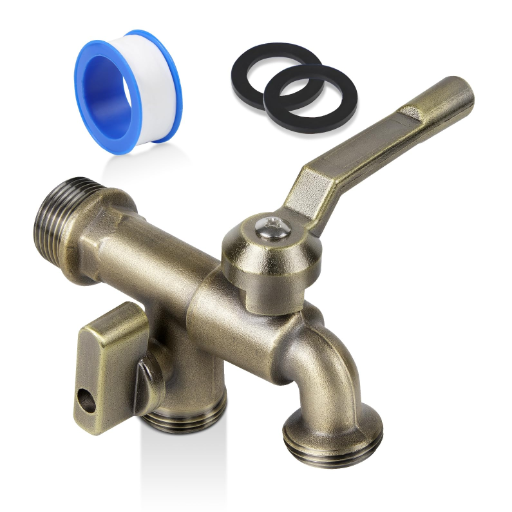
Water faucets that are outdoor-type hose bibs are crucial fixtures of any home or commercial property where water needs to be used for gardening or washing the vehicle. These are installed at the exterior walls of a building and are made to endure outdoor conditions. The major types are the classic spigot, the frost standard faucet, and the ball valve, all with contrasting features for different climates and usages. It’s wise to consider weather resistance, ease of use, and durability so the outdoor faucet can do what it intends throughout its life.
Importance of Outdoor Water Faucets
Outdoor water faucets simplify household and outdoor maintenance activities, making them an essential property feature. According to recent search trends on Google, people’s queries about outdoor faucets revolve around their convenience and functionality. Homeowners are often searching for solutions for watering gardens, cleaning driveways, washing motor vehicles, or filling kiddie pools, all of which can be done by these faucets. Also, frost-free faucets have received much more attention since they prevent freezing in cold climates, thus providing a good water supply throughout the year. This increased interest highlights why choosing a quality, durable outdoor faucet engineered for specific needs and able to withstand environmental challenges is paramount.
Overview of Different Types of Outdoor Faucets
Numerous designs exist for outdoor faucets, each fulfilling a particular demand under certain circumstances. The most common outdoor faucets are the traditional spigot, the frost-free faucets, hose-bibs, and the ball valve. Traditional spigots are perhaps the simplest and most frequently used faucets, providing easy access for attaching hoses or filling containers with water. On the other hand, Frost-free faucets prevent freezing by keeping the flow of water within the insulated interior of the house when water is not flowing through the faucet itself; hence, they are used in colder climates. Hose bibs are handy because they provide a threaded outlet to hook up a standard garden hose, which is convenient for general outdoor watering. Ball valves use a quarter-turn lever for water flow control and are considered more enduring.
When choosing an outdoor faucet, consider your local climate, expected water pressure, ease of use, and return product durability. Such faucets are at the core of the more critical outdoor activities, combining usefulness and treatment for practical uses.
Purpose of This Comprehensive Guide
This guide aims to impart the essential knowledge with which homeowners, gardeners, and outdoor enthusiasts may choose outdoor faucets fitting their various needs. The guide combines in-depth information with recent data trends garnered from Google’s search engine to answer frequently asked questions and address common concerns that are, “What type of outdoor faucet suits my region the best?” or “How to make sure the outdoor faucet will last for a long time?” Sometimes, it is more about durability, ease of use, and conformity to local conditions. The guide provides resources to enable any need from an educated standpoint.
Types of Outdoor Faucets
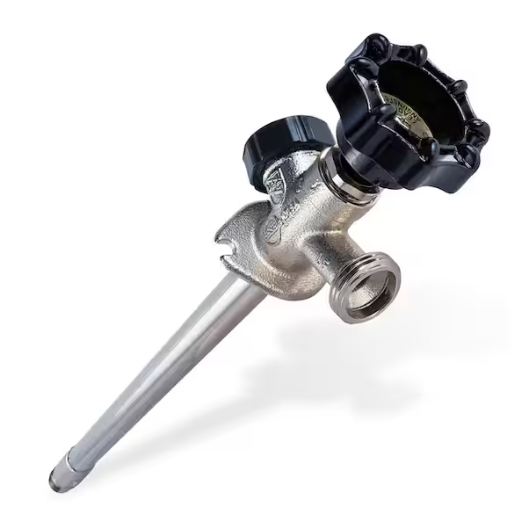
Spigots, hose bibbs, frost-proof, ball, anti-siphon, yard hydrants, and outdoor kitchen faucets are some types of outdoor faucets.
|
Type |
Key Feature |
Best Use |
Durability |
Cost |
|---|---|---|---|---|
|
Spigot |
Simple design |
General use |
Moderate |
Low |
|
Hose Bibb |
Hose attachment |
Gardening |
Moderate |
Low |
|
Frost-Proof |
Freeze-resistant |
Cold climates |
High |
High |
|
Ball Valve |
Easy control |
High water output |
High |
Moderate |
|
Anti-Siphon |
Backflow prevention |
Drinking water safety |
Moderate |
High |
|
Yard Hydrant |
Remote water access |
Large properties |
High |
High |
|
Outdoor Kitchen |
High flow rate |
Cooking, washing |
High |
High |
Standard Spigot Faucets
The humble standard spigot is probably the most common outdoor faucet simply because of its ease and convenience. Modern trends have suggested that when choosing the best standard spigot faucet for your area, you should consider climate and water consumption needs. In places with real freezing, frost-proof spigots would be highly recommended due to freezing and pipe damage. However, standard spigot faucets made of heavy-duty materials such as brass or stainless steel will fare well through all wear and tear in warmer climes. With that, factoring in the region’s conditions over durability and maintenance matters will allow you to develop an effective and well-performing standard spigot faucet for any needs.
Frost-Free Outdoor Faucets
Frost-free outdoor faucets protect water from freezing in the pipes during winter, preventing the pipes from bursting and expensive repairs. These faucets extend the valve mechanism into the house from the exterior wall, keeping the water supply in a warmer setting. When installed by the book, frost-free faucets shut off the water flow closer to the indoor piping, so residual water in the external part drains out to freeze. Proper installation and regular checks for leaks and hose disconnection before freezing are paramount for the best and longest performance.
Wall-Mounted and Hose Bib Faucets
Wall mount and hose bib faucets are the most common means of outdoor water access, providing an easy connection point for garden hoses and other implements. These faucets are usually designed to stand all kinds of weather, though with proper care, frost-free varieties can be used in colder climates for best results. An often-raised query is whether attaching a hose to these faucets during the winter can cause harm. According to the latest findings, leaving the hose connected traps water inside the faucet, which eventually freezes, and during this phase, expansion may cause cracking or leaking. To preclude this from happening, disconnecting hoses is best done during freezing temperatures, following which faucets should be regularly inspected for signs of wear or damage.
Factors to Consider When Choosing an Outdoor Faucet
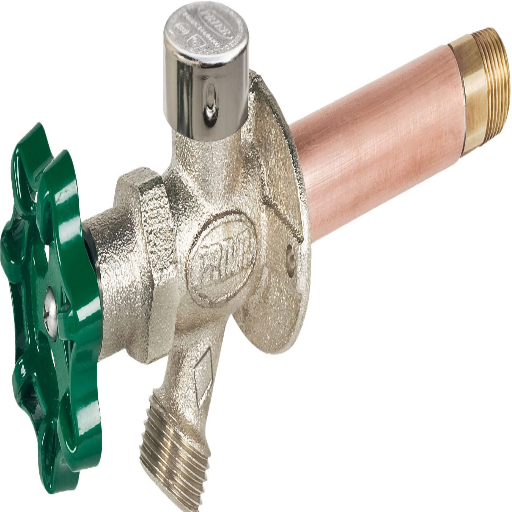
When selecting an outdoor faucet, several factors need to be considered to ensure durability and functionality:
- Material – Choose a faucet that is made of brass, stainless steel, or any other corrosion-resistant material that prevents weather exposure and increases its lifespan.
- Frost-Proof Design—If you reside in a cold climate, choose a frost-proof outdoor faucet to prevent freezing and possible damage during winter.
- Compatibility—Ensure the faucet is compatible with your plumbing system. It should also work with hoses or any attachments you intend to use.
- Ease of Use – Look for a faucet with an ergonomic handle or lever; it should be easy to operate at any water pressure level.
- Durability – Go for faucets with anti-leak seals or heavy-duty construction to avoid frequent replacement while guaranteeing sound performance.
The above points will help you choose an outdoor faucet that will serve you well, withstand the test of time, and suit your particular needs.
Material and Durability
When purchasing an outdoor faucet, keeping materials and durability in mind is necessary to ensure high performance and long-lasting resilience. The faucet made from top-notch materials like brass, stainless steel, or heavy-duty plastic may withstand the heavy going elemental forces of the outdoor environment. Brass has become the most preferred type of material for its corrosion resistance and strength, while stainless steel is also known for its superb durability and perfect finish. Frost-proof faucets should be considered in colder weather so that freezing and cracking during winter are not present. Strong materials will minimize maintenance and guarantee reliability, even in frequent use.
Water Supply Compatibility
Being compatible with your water supply is of utmost concern when choosing an outdoor faucet. Different faucets are meant to be run with varying pressures of water and sources; it is thus essential to check out what your system requires. For example, conventional residential outdoor faucets usually work within a pressure range of 40 to 60 pounds per square inch (PSI). While in high water pressure areas, installing pressure-regulating valves can help prevent damage to the faucet or the systems connected thereto.
Another thing to consider is whether the faucet will connect to potable water lines or non-potable sources, such as rainwater collection systems or irrigation networks. Faucets for potable water are generally certified under standards like NSF/ANSI 61 in the United States, which means they are deemed safe for drinking water. Non-potable ones could be made for durability rather than safety for consumption.
Where water is in short supply or regulations govern its use, the installation of outdoor faucets equipped with flow restrictors or compatible with smart water management systems will greatly prevent water waste. According to the US Environmental Protection Agency, the use of water-efficient fixtures along with smart irrigation can conserve up to 50% of outdoor water usage per year.
Lastly, the water source connection type is also a matter to consider. Most outdoor faucets will connect to standard hose bibs or threaded pipe fittings, though a few might require their own special adapters or connectors. Ensuring seamless compatibility with what is currently in place will definitely enhance the functionality and efficiency of the outdoor faucet setup.
Design and Aesthetic Preferences
While choosing an outdoor faucet, the architecture and aesthetics can virtually make or mar the whole look of your outdoor area. Ferns, now modern options, marry function and form and thus present materials such as stainless steel, brass, or powder-coated finishes. Matte blacks and brushed nickels are favorites that offer sleek and contemporary aesthetics, complementing modern landscape designs.
Latest industry trends…a decorative spigot with a highly decorative design and customizable handles has been growing in popularity for some time now, as they allow for the amalgamation of utility and art. Demand for faucets with a vintage or industrial aesthetic grew by 25% in the past few years, indicating a trend towards more stylish outdoor fixtures.
There are also trends emphasizing wall-mounted faucet designs or hose bibs combined with planters for seamless integration into garden landscapes. Such a design will correlate with your outdoor décor, thereby maintaining a clean look without sacrificing the faucet’s utility. Lastly, an option that weighs functionality and appearance will always ensure an even-handed approach to selecting an outdoor faucet.
Faucet Maintenance and Care
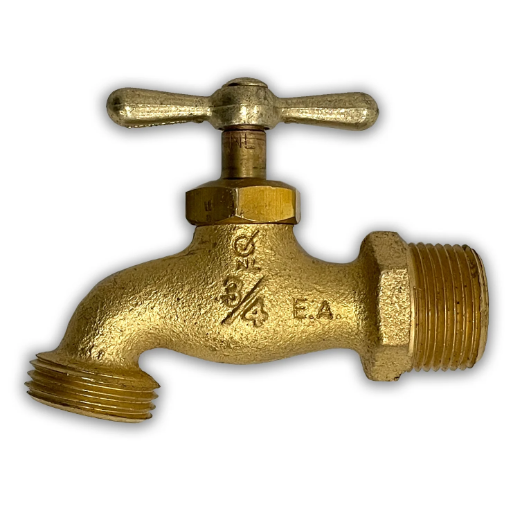
Proper outdoor-faucet maintenance ensures longevity and prevents costly repairs. These are the significant steps to follow:
- Regular Cleaning: Wipe the faucet with a damp cloth and mild detergent to remove dirt, grime, or mineral deposits. For tougher stains, use vinegar.
- Check for Leaks: Inspect your faucets frequently for leaks or drips. Immediate repair can save on water wastage and further damage.
- Winter Preparation: Before freezing weather sets in, ensure the faucet is drained and all garden hoses are disconnected to avoid pipe bursts. Alternatively, consider installing a frost-proof faucet or covering one with insulation.
- Lubricate Moving Parts: Lubricate a small amount of plumber’s grease on handle tops and threads to ensure smooth functioning and ease of operation.
- Inspect Seals and Washers: Worn seals or washers should be replaced so that the faucets do not leak and work efficiently.
The consistently followed routine would, in turn, prolong the life of your outdoor faucet and ensure that it works well all year round.
Routine Maintenance Tips for Outdoor Faucets
- Look Regularly for Leaks
Spot check for any visible leakage through the faucet and piping around. Leakages carrying water may mean bigger bills and damage to the plumbing system. Have any leaking problems rectified immediately, as delayed action may cause other problems.
- Clean the Faucet Body
Clean dirt, grime, or mineral deposits on the faucet’s exterior with a soft brush or cloth. Regular cleaning helps maintain the faucet’s good looks and prevents corrosion on the structure.
- Flush the Faucet
Turn on the faucet every now and then, allowing some running water to flush debris and sediments from inside the faucet, hence impeding water flow.
- Check the Connections and Hardware
Check the nuts and bolts for rust or loosening. Tighten the fittings where necessary, and replace any severely corroded hardware to prevent malfunctioning.
- Winterize Before Freezing Weather
Drain any water left in an outdoor faucet before the freezing weather sets in. Install a frost-proof faucet or cover it with insulation to protect it from freezing.
While performing these simple maintenance tasks, one can ensure that the outdoor faucets will continue to perform year-round.
Seasonal Preparation and Winterization
Seasonal changes require the preparation of outdoor faucets and plumbing, especially before freezing temperatures set in. The Insurance Information Institute’s study shows that water damage from frozen pipes is responsible for 22% of all homeowner insurance claims, with the average claim being about $10,000 in repair expenses. The good news is that proper preventive measures may spare you from costly repairs and water use.
Key Winterization Steps
- Inspect and Repair Leaks
Check any leaks or cracks in the outdoor faucets or pipes connected to them thoroughly before freezing weather sets in. A small leak can worsen and increase if water inside the pipe freezes. A study shows that a pipe with a crack that is 1/8 inch can leak up to 250 gallons of water per day! Imagine the kind of damage if left unattended.
- Drain and Disconnect Hoses
Disconnect all garden hoses from the faucet and drain the excess water. Even small amounts of water in hoses may form ice and gradually move up into the plumbing system, putting the pipes at risk of bursting. They also recommend storing hoses indoors to prolong their lifespan.
- Installing insulation
Insulating an outdoor faucet with covers or keeping it warm with a foam protector lessens its chances of freezing. Research shows that at temperatures below zero, the likelihood of freezing for insulated pipes can be 50-80% less than that for non-insulated ones.
- Shut off wthe ater supply to outdoor faucets
Shut off the water supply to your outdoor faucet if it has a dedicated shut-off valve inside your home and drain the faucet thoroughly. This provides an extra layer of protection by reducing the possibility of any residual water turning into ice once extreme temperatures rise.
Acting upon these seasonal preparations and winterizing tips backed up by professional data and recommendations will surely secure a plumbing system for your house and will inevitably save you bigger sums of money on water damage.
Reference Sources
- Spatial and Temporal Changes of Outdoor Thermal Stress: Influence of Urban Land Cover Types
- Authors: Mohammad A. Rahman et al.
- Publication Date: 2022-01-13
- Summary: This study investigates the impact of green infrastructure on urban heat islands and outdoor thermal stress. It highlights how different land cover types affect temperature and humidity, suggesting that increasing green spaces can mitigate heat stress in urban areas(Rahman et al., 2022).
- The Influence of Different Types of Outdoor Access on Dairy Cattle Behavior
- Authors: Anne-Marieke C. Smid et al.
- Publication Date: 2020-05-13
- Summary: This review discusses how different outdoor environments affect the behavior of dairy cattle, which may provide insights into the design and functionality of outdoor spaces(Smid et al., 2020).
- Top Outdoor Faucet For Outdoor Water Pedestal Manufacturers And Suppliers In China
Frequently Asked Questions (FAQs)
How can a homeowner turn off the water supply for an outdoor faucet?
To turn off the water supply for your outdoor faucet, locate the shut-off valve that controls the water supply line leading to the faucet. This valve is typically found in the basement, crawl space, or directly connected to the main water supply pipe. Once located, turn the valve clockwise to shut off the water and prevent any flow to the outdoor faucet.
What are the different types of outside faucets available?
There are several different types of outside faucets, including standard hose bibs, frost-free faucets, and wall-mounted faucets. Frost-free faucets are designed to prevent water from freezing inside the pipes during harsh winter months, while standard hose bibs are more common but may require winterization to avoid faucet issues.
How do I prevent my outdoor faucet from freezing during winter months?
To prevent your outdoor faucet from freezing, consider winterizing your outdoor faucets by turning off the water supply and draining any remaining water from the faucet and water pipes. Additionally, insulating the faucet with foam covers or wrapping it with towels can help keep the faucet warm during cold snaps.
What should I do if I experience faucet issues during the winter?
If you encounter faucet issues during the winter, such as a frozen faucet handle or a faucet that won’t turn, first check if the water supply is turned off. If the faucet is frozen, apply heat using a hairdryer or warm towels, avoiding direct flames. If problems persist, it may be necessary to consult a plumber to prevent potential water damage.
How can I install an outdoor faucet properly?
To install an outdoor faucet, begin by selecting a suitable location and ensuring you have access to a cold water line. Cut the pipe and attach the faucet according to the manufacturer’s instructions, securing all fittings with Teflon tape. Ensure the faucet is level and properly aligned to prevent leaks before turning on the water supply.
What materials are recommended for outdoor faucet installation?
For outdoor faucet installation, materials such as copper pipe and PVC are commonly used due to their durability and resistance to corrosion. Copper pipes are particularly effective at withstanding harsh weather conditions, making them a popular choice for many homeowners.
What is the importance of maintaining your outdoor faucet?
Maintaining your outdoor faucet is crucial to ensure it functions effectively and to prevent potential water damage. Regular checks for leaks, ensuring the faucet is secure, and winterizing it can extend its lifespan and save homeowners from costly repairs associated with faucet issues.
How do I secure the faucet to prevent water from flowing unnecessarily?
To secure the faucet and prevent water from flowing unnecessarily, ensure that the valve is completely closed. Additionally, regularly inspect the faucet handle for any signs of wear or damage that could lead to leaks. Reinforcing the fittings and ensuring a tight seal can also help maintain proper function.