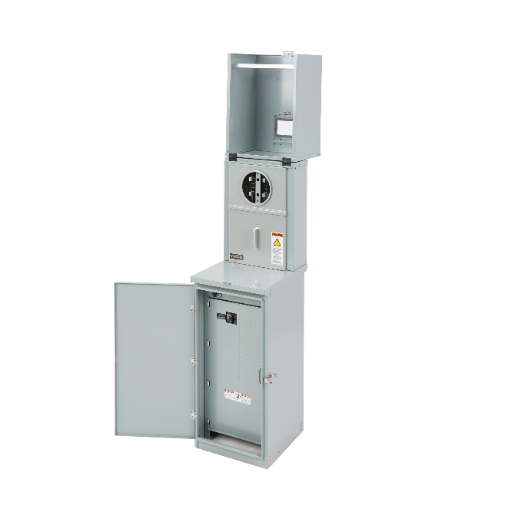
In case one is about to use high-capacity tools or needs to charge an RV from an electricity outlet while going for a campaign, let’s say for a concert, it is necessary to know how to wire a 50-amp twist lock receptacle and a twist lock plug. These types of connectors provide built-in security and ensure that the connection cannot be accidentally cut open, preventing power loss. In this piece of writing, you will find help on how to wire a wireless 50 AMP locking receptacle and the lock supply plug, what kind of tools are needed, precautions to be observed, and the procedures. It will be easily learnt by the time you finish how to ‘remember’ to do such wiring jobs, thereby satisfying all your power requirements for a given application safely and efficiently.
Understanding the 50-Amp Twist Lock System

The design of the 50-amp twist lock system is intended to create a more secure and reliable connection for high-power current applications. The twist lock technique, due to its nature of securing internal components together, is very effective and efficient in withstanding the shaking of equipment under load or in vibrational environments. This method of interlocking prevents accidental separation, making it ideal for techniques involving house and RV installations, as well as other power sources that utilize generators and other critical systems. This type of plug allows you to lock it in place and even push and pull it onto whatever you need to power, which is simple. This can make it possible for everyone to connect all the supplies without the fear of meeting interruptions due to power outages.
What is a Twist Lock Plug?
A Twist lock plug can be described as a special type of power cable socket that helps secure power lines in the power system to electric devices and controls. Instead, it operates through a twisted shaft jamming, which makes the pins of the plug fall into the notches of the female part. This “twist and secure” locking convenience makes all twist lock plugs immune to dislodgement during operation due to vibrations, movement, or forces from external environments. The extent to which twist lock plugs are used indicates the level of reliability or safety that those connectors provide. For instance, the power construction units, generators, and industrial machinery, including the recreational vehicles, have their connections provided for by the twist lock plugs. They come in different models, each with varying voltage capabilities and amperages, allowing them to work on various tasks according to the demands and requirements of heavy applications, such as those that require the distribution of electrical energy, which necessitate the use of these components.
Components of a 50 Amp Twist Lock Connection
A 50-amp twist lock, the device consists of several central parts designed to enhance the safety and reliability of power distribution. Such parts include:
The Plug and Connector. The plug has shaped prongs fitting a specific receptacle, and the connector has a lock in it so that the connection has no chance to open up automatically.
Power Receptacle. A receptacle is a part where a plug is inserted, and there is often a requirement for an interlocking mechanism between the plug and the receptacle.
Prongs (Blades). Commonly a four-prong construction is used with 50 Amp twist lock plugs there are two blade prongs connect to the power “hot” wires, one prong is for the connection to the other–neutral wire and one connects the equipment to the earth. This is to ensure that huge pieces of equipment do not vibrate, shaking from any of the other housing appliances or equipment plugged into it.
Purpose of the Locking Mechanism. It ensures the plug twists into place and is poised for physical contact with the receptacle, and once touched, it should not retract.
Reliable Casing: The plug and receptacle are made of high-grade materials, particularly in terms of pressure resistance, such as industrial plastics or metals, as dictated by working and environmental conditions, which may include increased pressure, temperature, and force.
These components are more reliable, thanks to the 50-amp twist lock system, which ensures the continued efficiency and productivity of industry, commercial services, and recreational centers.
National equipment that demands a stable and heavy-duty power source.
Applications of 50-Amp Twist Lock Connectors
- A highly flexible 50-amp twist-lock connector has proven to be an essential source of power across various applications due to its excellent and consistent performance. Here are the practical applications of this type of connection:
- Industrial Equipment: These 50-amp twist-lock connectors are specifically designed to power heavy-duty machines on factory and plant floors, ensuring a continuous supply of electricity in the most operational areas.
- Generators and Backup Power Systems: They provide a secure connection for portable generators and generator systems by offering fastened connections that cannot be accidentally disconnected, ensuring power continuity in the absence of a mains power supply.
- Recreational Vehicles (RVs): RVs require a 50-amp twist lock connector to minimize the time it takes to connect an external power source at a campsite or park, ensuring all equipment and other systems are utilized effectively.
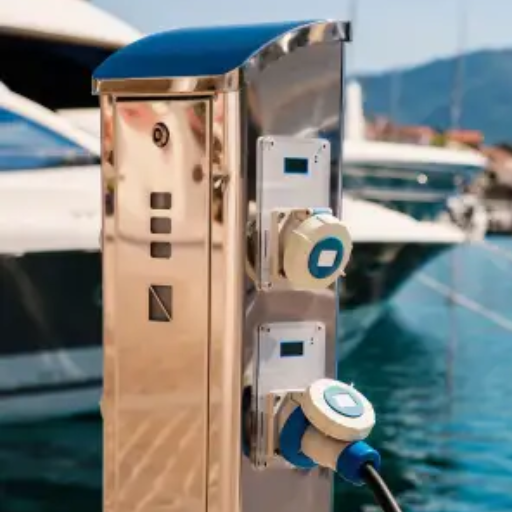
- Marine Applications: Boats and ships require 50-amp twist-lock connectors to connect to permanently installed shore power systems, which provide clean and stable power to the vessel for lighting, instruments, and essential appliances during operation.
- Event and Temporary Installations: When setting up power sources at outdoor events, temporary structures, and construction sites, these connectors are primarily used to supply electricity and enable various functions, including lighting and public address systems.
For each of these utilization applications, it ensures the soundness, toughness, and adaptability of 50 Amp twist lock connectors, while also considering the environmental requirements.
Wiring a 50A Locking Receptacle
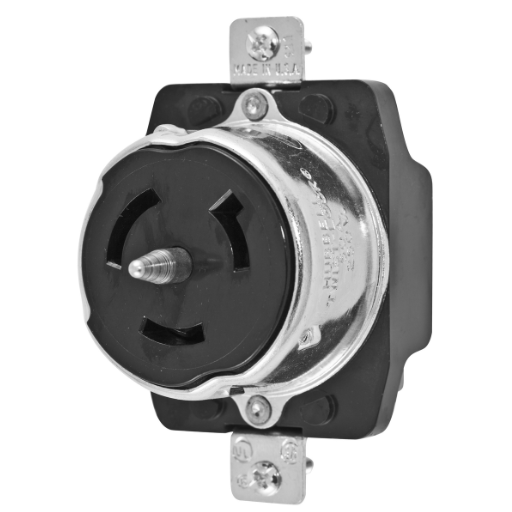
Turning off the electricity before carrying out any wire lock and lighting receptacle work is a crucial safety measure, and the breaker must be switched off before starting this task.
1. How to Wire a 50A Locking Receptacle: Ensure that all circuit breakers serving this circuit are turned off.
2. What to do. The necessary steps to wire a 50A locking receptacle are as follows:
a. De-energize. The power outlet unit to be worked on is turned off at its respective circuit breaker.
b. Prepare the cables. The select wire should be applicable according to the load (usually around 6-gauge wire for a 50A circuit). Remove the insulation from the cables, leaving approximately 3/4 inch of bare wire.
c. Determine terminals.
d. Connect the plug.
i. Hot wires (main): At the place, connect the first terminal to black and the second terminal to red.
ii. Neutral wire –Terminal block –Connect a red wire to the neutral side of the terminal block.
iii. Ground Wire –Where the green or bare wire is, there is the ground terminal.
Insert the wires in their respective terminals and twist the screws in a manner that they grip the wire ensuring a tight connection.
F. Set up the Receptacle.
With the aligned mount holes, position the plug within the concrete or metal-made socket so that its back is resting on the main base. Fix the plug on the wall with the help of the screws.
Unified Wire br consumption. Electrical termination parts have molded-in (secured to the insulating material) packing and/or terminating compost containing gas or other media maintained at a pressure that renders the pressure of the compressed packing or terminating wear less detrimental…
G. Power on connections and check.
Ensure the energy is on again once the plug has been inserted, and check the power outlets using a multimeter or other test equipment.
Cooperstown Stop movement and Call Support or a Certified Electrician when you find or have any form of doubts about the above-stated information.
Required Tools and Materials
You will need the following tools and materials to install the outlet successfully:
- Flat and Phillips screwdrivers. The purpose of these tools is to allow you to loosen or tighten screws during mounting as well as when preparing the wiring.
- Wire stripper. This is used to strip wires and remove the insulation neatly.
- A voltage tester or multimeter. It is used to ensure there is no current in the system during installation and to check it after the unit is installed.
- Needle-Nose Pliers. These are useful for straightening or bending wires and crimping them when only very slight movements are needed to achieve the correct alignment.
- Particularly for delicate connectors.
- Electrical tape. In case connections need securing and isolating.
- Receptacle (Outlet). The kind required, such as the usual GFCI or USB outlet receptacles.
- Electrical Box. To house the receptacle on the wall.
- Mounting screws. These are fastening materials for attaching to the receptacle in position.
- Wire nuts or connectors. In cases where wire splicing necessitates a joint (for the joint and the wire’s surface finishing).
- Wire(ex, Romex) – Copper or other conductors having insulation adequate for the current(voltage) tap of the circuit.
In the exposition above, it is clear that all listed tools, as well as the others enlisted before this statement, are fundamental for a proper and safe electrical installation that the governing body can permit. Always verify that the materials are suitable for the specified task.
Safety Precautions when Wiring
When it comes to wiring, staying safe is crucial to prevent potentially hazardous occurrences, such as electrocution, electrical-related issues, and fires. Ensure that you switch off the power at the main board before commencing any work on the panel, and use a voltage tester to verify that the power is off. Whenever required to use hand tools, they must be hand-insulated, and the working shoes should be rubber-soled for safety reasons. For example, when doing any electrical installations, gloves must be worn, and people should refer to their local Electrical Standards. If proper tools and protective measures are not taken to prevent pulled-out wires or improperly joined connections, it could lead to harm in the form of accidents. In cases where the work involves more complex wiring or unclear entities, it is highly recommended to consult with licensed electricians to construct the panel safely and correctly. Here is where the concept of safety comes in handy to protect both the property and the individuals within it, including oneself.
Choosing the Right 50-Amp Twist Lock Plug
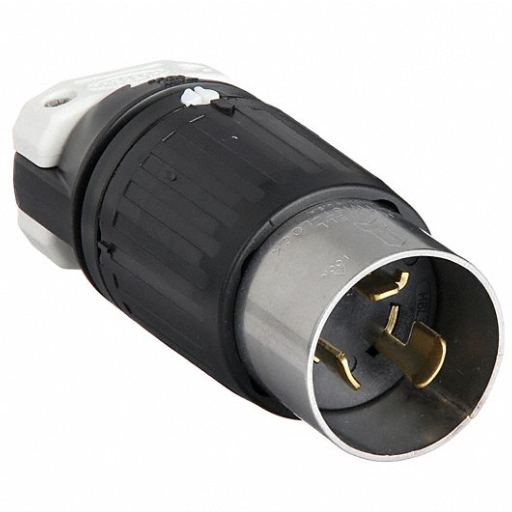
The correct 50-amp twist lock plug for selection will depend on the power needs and the appliance to be used. The first point to verify is the voltage rating — these plugs are typically designed for use with 125/250V or 250V systems. Ensure that the rated Amps of the plug are also suitable for your power supply, and examine the prongs’ configuration to determine how it will match the outlet used. Use tough and durable components, such as high-quality thermoplastic or rubber, that are suitable for all weather environments. Select products with acceptable safety standards, such as those certified by UL, for protective reasons, ensuring the safety of the people.
Types of Twist Lock Plugs Available
Different amperage ratings can sometimes result in more than one twist-locking plug within a particular configuration, such as a two-pole 3-wire, a 3-pole 3-wire, or even a 4-pole 4-wire, to cite an example.
| Type | Poles | Wires | Grounded | Amperage | Voltage | Usage |
|---|---|---|---|---|---|---|
| L5 | 2 | 3 | Yes | 15-30A | 125V | General |
| L6 | 2 | 3 | No | 15-30A | 250V | Industrial |
| L7 | 2 | 3 | Yes | 15-30A | 277V | Lighting |
| L8 | 2 | 3 | No | 20-30A | 480V | High Voltage |
| L9 | 2 | 3 | No | 20-30A | 600V | High Voltage |
| L10 | 3 | 3 | No | 20-30A | 125/250V | Heavy Equipment |
| L14 | 3 | 4 | Yes | 20-30A | 125/250V | Generators |
| L15 | 3 | 4 | No | 20-30A | 250V | Industrial |
| L16 | 3 | 4 | No | 20-30A | 480V | High Voltage |
| L18 | 4 | 4 | No | 20-30A | 120/208V | 3-Phase Power |
| L21 | 4 | 5 | Yes | 20-30A | 120/208V | 3-Phase Power |
Factors to Consider When Selecting a Locking Plug
Selecting the perfect astronomical cover, considering its identifying characteristics, relevance, and security, is a crucial aspect of any endeavor. Here are five paramount concerns:
- Voltage and Current rating
What are the volts and amp ratings of the plug? For instance, plug voltage and current for power rating should match the power requirement. Typical ratings are 125/250V or 250V, among other voltage options, and 15A-30A, respectively. A plug with the correct rating should be chosen to prevent overloading and ensure optimal performance.
- It’s Fitting and Its Suitability
Inspect the crossed prongs on the wall plug to ensure they match the ones on your wall outlet. Special plugs designed for use with power-on interlocked systems, such as locking plugs, are constructed differently from standard ones according to NEMA standards to prevent such disconnections.
- The Quality of the Cover –
Look for covers made of high-quality materials, such as thermoplastic, rubber, nylon, or other heavy-duty materials that resist wear and tear, ensuring they last long, especially in industrial or outdoor applications.
- Waterproofing
If your need is such that it must be placed in a very tough environment, for example, with high exposure to water, increased dust levels, or even existing magnetic fields or chemicals, the plugs especially need to be waterproof. This is to ensure reliable performance despite such extreme conditions, thereby preventing damage to the equipment.
- Compliance with the Standards
Prudently exercise that unprecedented creativity and use only electronic components for cable fastening that have been previously subjected to testing according to recognized electrical safety standards, such as UL (Underwriters Laboratories) or the American National Standards Institute (ANSI). In such cases, the plugs will be supplied having been tested accordingly so that the structure can be used with a sense of safety and confidence.
If you perform such an analysis, you will easily be able to select the appropriate locking plug for the given electrical installation.
Popular Brands and Models
Regarding the locking plugs, many reputable brands can be recommended for their quality and consistency. Some of the most favored brands include:
These are one of those fond of their extensive range of electrical products, which comes in good packaging containing a flexible hose with one-half nodulation and is therefore readily usable.
Thus, it can be predicted that the locking plugs produced by Hubbell can be classified as locking plugs for demanding or long-lasting activities of various types.
Installing a 50-amp Twist Lock Receptacle

- Shut off the Power Supply
Go to the circuit breaker located near the area of the renovation or addition and switch it off for safety.
- Prepare the Wires for Installation
Visual confirmation that the electric cables used can operate efficiently on a 50-amp circuit. The outer jacket should be removed so that the wires can be twisted together firmly with their exposed copper ends.
- Attach the Receptacle Pieces
Determine the terminals of the receptacle, specifically the hot, neutral, and ground terminals. Ensure that the mount has anchors for all snap-in versus floating connection terminals. Make sure color-coded wiring is accurate.
Mounting Hot hair (usually black or red) to the “X” and “Y.”
Mounting Neutral wire (typically white) to the “W”.
Mounting a ground wire (that is green or bare) to the ground terminal
Fix the Receptacle
Replace the covers and screws that were removed to expose the electrical box. Ensure proper alignment is observed, and the receptacle is fastened.
- Ensure the Unit Works Properly
Switch the power back on, and it will be that much easier to check whether the receptacle is functioning correctly. It is also lovely to have the multimeter at hand for further verification.
- Install the Face Plate
The final step is to secure the face plate to the wall for added protection and a visually appealing finished look.
Throughout the work, it is essential to follow local electrical standards and seek advice from a qualified electrician if any stage appears unclear.
Preparing the Outlet Box
Safe and reliable installation relies on a properly prepared outlet box, for which specific steps must be taken. Start by switching off the supply to the particular circuit in the main switchboard so that the risk of any electrical accident is minimized as much as possible. After that, remove the existing outlet or blank plate to expose the outlet box. Check the box for potential damage and debris. If necessary, either clean or replace the box to ensure that the electrical work complies with safety regulations. It is also essential to check the box mounting to ensure that the box is securely in place and that there is sufficient space for wires with the new receptacle. There are specific actions that must be taken to ensure a functioning and compliant connection for an outlet box.
Mounting the Receptacle Correctly
The best way to attach a receptacle is first to determine which of the wires with color coding is within the outlet box. Thin wire hot (black or red) is mainly linked to the brass screw terminal with a screwdriver, thick wire white (neutral) is connected to the silver screw terminal, and green (grounding) wire is connected to the empty grounding box. There should be no spiky hair-like effects on the conducting wires protruding through the screw fasteners or any other means that would present a hazard if touched by accident.
Then, carefully tuck the wired receptacle back into the outlet box, ensuring that operational auxiliary electrical wires are placed and do not include wires that are too bent. Adjust the mounting screws of the receptacle so that they enter the holes on the box, and then secure the skew appropriately. However, take care not to overtighten, as this may damage either the receptacle or the box. After fixing the outlet, replace the outlet’s protective cover and check if it is flush against the wall. Lack and limitation can be irritating, so double-check and ensure the system is switched on. When you restore power, try the outlet with a plug-in tester to ensure it is functioning properly. If the emphasis on correct fixing is employed, it ensures that the object serves its purpose with a minimum amount of defects and complies with safety standards.
Reference Sources
-
University of Maryland Power and Lighting System Design
This is a meticulous document where the electrical design is governed by the regulations, which include the measurements of outlets, as well as the earthing systems. It addresses how the power systems are designed in colleges and laboratories completely.
Source: University of Maryland -
Montana State University Electrical Standards
Montana State University Power Source
Information was not available amidst the material, although this document is stated within the university’s official document on electrical systems, which includes the provision of technical specifications for twist-lock outlets.
Source: Montana State University -
Texas Department of Transportation Electrical Standards
The document likely includes standards for power systems in transportation facilities that use sideways locking outlets, such as the turn of the previous sentence.
Source: Texas Department of Transportation -
Top Twist Lock Receptacle Manufacturer And Supplier In China
Frequently Asked Questions (FAQs)
What is a 50 Amp Twist Lock Receptacle?
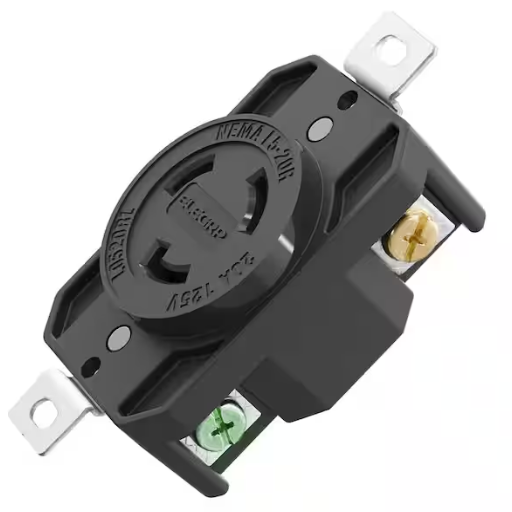
A 50-amp twist-lock receptacle is a type of electrical outlet designed for high-power applications, typically used in RVs, boats, and industrial settings. It features a locking mechanism that securely connects with a matching plug, preventing accidental disconnection during operation. These receptacles are often rated for 250V AC and are ideal for powering heavy-duty equipment and appliances.
How Does a 50 Amp Twist Lock Receptacle Work?
The 50 amp twist lock receptacle operates by allowing a corresponding twist lock plug to be inserted and then rotated to lock it in place. This creates a secure connection that minimizes the risk of electrical shock and disconnection. The design also includes weatherproof features, making it suitable for outdoor use, such as on boat trailers or RVs.
What are the Benefits of Using a 50 Amp Locking Receptacle?
Using a 50-amp locking receptacle offers several advantages, including enhanced safety through its secure grip and twist-lock mechanism. It prevents accidental disconnection, which is particularly important in high-power scenarios. Additionally, many models are weatherproof, making them suitable for outdoor environments, and they are often made with durable materials like stainless steel to withstand the elements.
What Types of Cords are Compatible with a 50 Amp Twist Lock Receptacle?
A variety of cords can be used with a 50-amp twist-lock receptacle, including the 50-amp generator cord and the 50-amp RV plug. These cords typically feature a locking plug that matches the receptacle design. It is essential to ensure that the cord is rated for the same voltage and amperage to ensure safe operation.
Can I Use a 50-Amp Twist-Lock Receptacle for My Generator?
Yes, a 50-amp twist-lock receptacle is commonly used for generators that require high power output. This type of receptacle provides a reliable connection for generator cords, enabling you to connect your generator to your home or RV safely. Ensure you use a compatible 50-amp generator plug to ensure a secure and efficient power transfer.
Are 50 Amp Twist Lock Receptacles Weatherproof?
Many 50-amp twist-lock receptacles are designed to be weatherproof, making them suitable for outdoor use. These receptacles often feature protective covers and are constructed from materials that resist corrosion. This is especially important for applications involving boats or RVs, where exposure to the elements is a daily occurrence.
What is the Purpose of a Connector Kit with Cord Boot?
A connector kit with a cord boot is used to enhance the durability and reliability of electrical connections. The cord boot protects the wiring chambers from moisture and dirt, preventing damage and ensuring a secure grip. This is particularly useful for outdoor applications where a 50-amp twist-lock receptacle may be exposed to harsh conditions.
How Do I Install a 50-Amp Twist-Lock Outlet Box?
Installing a 50-amp twist-lock outlet box involves several steps, including ensuring proper electrical wiring and securing the receptacle in place. It’s important to follow local electrical codes and guidelines for installation. Always ensure that power is turned off at the circuit breaker before beginning installation, and consult a qualified electrician if you are unsure about any aspect of the process.