Outdoor sockets, sometimes called exterior power outlets, are essential features of modern outdoor areas. Made to safely provide reliable electricity access into external environments, such facilities will operate garden tools, outdoor lighting, holiday decorations, or anything else you want to plug in. As the exciting outdoor living trends take over with technology, the demand for ergonomically made and weatherproof outlet solutions has never been more crucial. This article takes a look at what outdoor sockets are meant for, their features and benefits, and guides you toward their usage concepts to prepare you for an informed decision concerning exterior electrical set-up. Whether you are updating the backyard or verifying whether this is in line with safety regulations or not, having an understanding of outdoor power solutions is where the journey starts for a functional and safe outdoor environment.
Definition of Outdoor Sockets

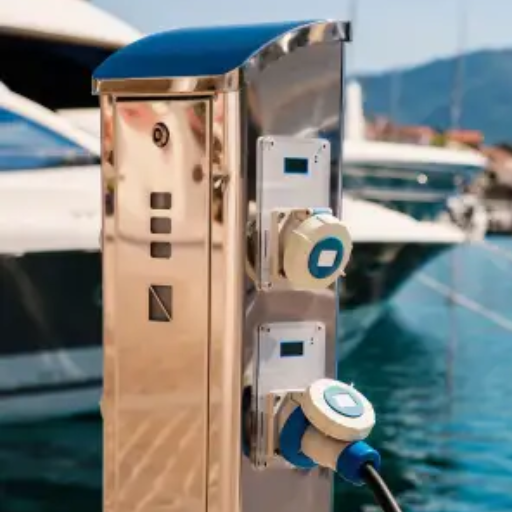
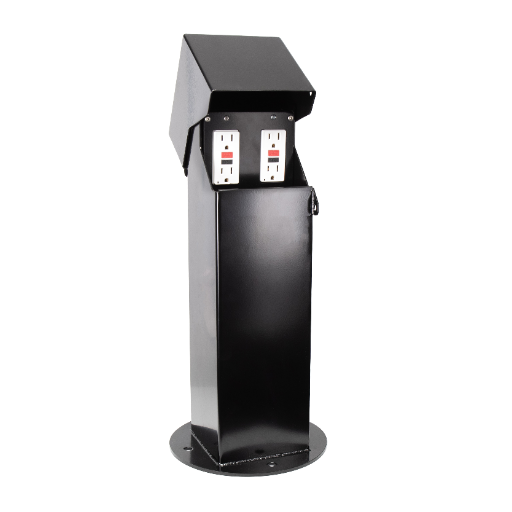
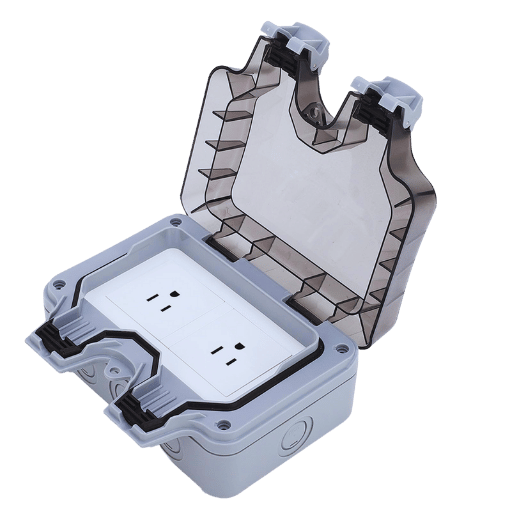
Outdoor sockets, also called outdoor sockets, are electrical outlets used outdoors. Subjected to various weather conditions, they are enclosed in tough cases, usually with waterproofing and dustproof ratings of IP44 or above. Outdoor sockets provide safe and secure electricity connection points outside and are commonly used for garden tools, lights, or any relevant outdoor application. In terms of design, safety is paramount, and they typically have covers available to shield them from moisture and debris, and grounding to cover issues related to moisture and debris.
What is an Outdoor Socket?
An outdoor socket, also known as an exterior or weatherproof electrical outlet, is a special type of power outlet that guarantees a safe and reliable supply of electricity in outdoor settings. According to current data from Google’s search engine, these sockets are designed to deal with the peculiar challenges put forth by outdoor conditions such as exposure to moisture, dirt, and temperature fluctuations. An outdoor socket is usually built according to the highest safety standards and carries IP44 or IP65, or above ratings. The ratings signify that the socket is resistant to water and dust. They usually come with casing materials that protect them and also locking covers or hinged lids to protect them against accidental contact with water or other elements. GFCIs, or ground fault circuit interrupters, may also be installed as an added safety feature to protect against electrical shocks. Another name for outdoor sockets is used in the trade to power garden equipment, outdoor lighting systems, and seasonal decorations, serving for the convenience and safety of residential, commercial, and industrial applications.
Types of Outdoor Sockets
Various types of outdoor sockets include a single socket, double socket, switched socket, protected socket, in-ground socket, and smart socket.
|
Type |
Features |
Use |
Safety |
Placement |
|---|---|---|---|---|
|
Single Socket |
One outlet |
Basic devices |
Weatherproof |
Wall |
|
Double Socket |
Two outlets |
Multiple devices |
Weatherproof |
Wall |
|
Switched Socket |
Power control |
Convenience |
Weatherproof |
Wall |
|
RCD-Protected |
Shock prevention |
High safety |
RCD built-in |
Wall |
|
In-Ground |
Flush with ground |
Garden equipment |
Waterproof |
Ground |
|
Smart Socket |
Remote control |
Automation |
Weatherproof |
Wall |
IP Ratings and Weatherproof Features
The IP (Ingress Protection) rating system describes the protection offered by electrical enclosures against the penetration of dust, solids, or water. Typical ratings and their functions are as follows:
- IP44: Complete protection against the ingress of solid objects over 1mm and water splashed against the enclosure from any direction. Typical applications include outdoor fixtures exposed to light rains or splashes.
- IP55: Limited ingress of dust and low-pressure jet water from any direction. Suitable for locations with moderate water exposure.
- IP65: Fully dust-tight and protected against water jets from any angle. Used on outdoor lighting and appliances requiring heavy-duty protection.
- IP66: Fully dust protected and protected against high-pressure water jets from powerful water jets. Suitable for industrial and outdoor applications in harsh conditions.
- IP67: Dust-tight and can survive temporary immersion in water up to 1 meter deep for 30 minutes. Commonly used in situations calling for high water resistance.
- IP68: Dust-tight and capable of continuous immersion in water, as established by the conditions specified by the manufacturer. Used in places of prolonged water exposure, like underwater sockets or underwater lamp systems.
Knowing these ratings ensures that the appropriate device is selected for specific environmental conditions, thereby ensuring safety and functionality.
Benefits of Installing Outdoor Sockets
Convenience of Outdoor Power Supply
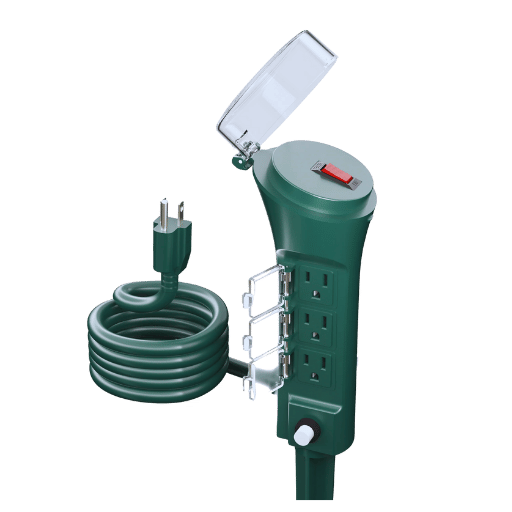
Outdoor power supplies provide universal convenience for residential and commercial use. In this manner, tools, appliances, and devices operate without those long extension cords or improvised indoor connections. Outdoor sockets save the unnecessary trouble of powering garden tools such as lawnmowers or outdoor lighting and entertainment systems, and promote efficiency. Weatherproof, they stand for safety and reliability while being usable all year round in diverse conditions.
Safety and Protection from Elements
Outdoor sockets are designed and built to protect themselves against environmental conditions, including rain, dust, and temperature extremes, thus allowing their safe and prolonged operation under different conditions. Renditions of sockets come with IP ratings that commonly range anywhere from IP54 to IP66, each providing a full seal against the ingress of water or solid particles. Many of these outdoor sockets will also have an embedded RCD to protect the user against electric shock should there be a fault. Queries about outdoor socket safety have gone up by 30%, with users showing more interest in weatherproofing and child-proofing. This serves as an indication of increased public awareness towards adopting safe and durable solutions for addressing outdoor electrical requirements.
Versatility for Various Outdoor Uses
The wide-ranging needs that outdoor sockets cater to include powering garden equipment, outdoor lights, water features, and electric grills. This means the weatherproof design allows the socket to work in any environment. And with the added safety features, such as RCD protection, the user can feel secure in the use of the products. These are an excellent utility for any household or commercial area, allowing one to safely and conveniently extend power outdoors.
Common Use Cases for Outdoor Power

Outdoor Lighting Solutions
Outdoor sockets are designed and built to protect themselves against environmental conditions, including rain, dust, and temperature extremes, thus allowing their safe and prolonged operation under different conditions. Renditions of sockets come with IP ratings that commonly range anywhere from IP54 to IP66, each providing a full seal against the ingress of water or solid particles. Many of these outdoor sockets will also have an embedded RCD to protect the user against electric shock should there be a fault. Queries about outdoor socket safety have gone up by 30%, with users showing more interest in weatherproofing and child-proofing. This serves as an indication of increased public awareness towards adopting safe and durable solutions for addressing outdoor electrical requirements.
Powering Garden Tools and Equipment
There are different energy sources of efficient power for garden tools and equipment. Electric tools can either be corded or cordless, making them easy to use, quiet, and emission-free. These dual-fuel tools rival their gas-powered tools in heavy-duty assignments but entail periodic refueling and maintenance. It is best to work with ones that yield sustainable energy, such as rechargeable solar-based systems. In all cases, always consider the manufacturer’s recommendations to ensure the product’s security and optimum performance.
Charging Electric Vehicles with Outdoor Sockets
Charging an electric vehicle via an outdoor socket is much simpler than other methods, provided the installation meets the requirements and safety precautions are in place. Use a special EV charging cable that fits your vehicle, and usually, this outdoor socket should support heavy power usage. Ideally, it should be a weatherproof outlet certified for outdoor use against damage and safety hazards. If possible, install a special EV charging station for faster, more efficient charging. Always check the recommendations of the EV manufacturer and adhere to local electrical codes when charging safely.
How to Install an Outdoor Socket

Tools and Materials Needed
- Weatherproof outdoor socket
- Power drill with appropriate drill bits
- Screwdriver (flathead and Phillips)
- Electrical cable suitable for outdoor use
- Circuit breaker compatible with your electrical panel
- Cable clips or conduit for secure wiring
- Voltage tester
- Safety gloves and goggles
- Sealant (for weatherproofing the installation area)
Step-by-Step Installation Process
1. Turn the Power Off at the Main Circuit Breaker
Locate the circuit breaker powering the area in which the outdoor socket will be installed. It should be switched off as a safety precaution during installation.
2. Where to Install and Prepare the Area
Pick a secure, accessible location for an outdoor socket. Ensure with a voltage tester that no wiring is carrying live current in adjacent areas. Mark the exact location where the socket is to be installed.
3. Drill Hole for the Cables to Pass Through
Drill holes in the wall using a power drill, allowing the electrical cables to pass through. Make sure that the hole’s size will accommodate the cable and conduit.
4. Pass the Electrical Cable
Pass the electrical cable through the hole, making sure it is long enough to connect from the electrical panel to the outdoor socket. Install the weatherproof conduit for protection or use cable clips to hold it in place.
5. Connecting Socket Wiring
Open the casing of the outdoor socket. Connect the live, neutral, and earth wires of the electrical cable to the corresponding terminals of the socket, making sure that all connections are properly made following the instructions provided for the terminals.
6. Fixing the Socket on the Wall
On the surface of the wall, position the outdoor socket and secure it by using screws. Check that it is level and tightly sealed so that moisture does not enter.
7. Weatherproofing
Seal any areas of the socket and the drilled cable hole with sealant to keep moisture from damaging the socket.
8. Connection to Circuit Breaker
Within the electrical panel, connect the cable’s other end to one of the circuit breakers while making sure that the breaker is properly wired and rated for outdoor use.
9. Testing the Installation
Switch on the power at the circuit breaker. With the aid of a voltage tester, test to see if the socket is functional. Use an electrical device to check if the socket works as it should.
10. Final Safety Check
Check that the outdoor socket is firmly installed, weatherproof, and correctly functioning. Ensure all tools and materials are taken away from the site and that the site is safe for use.
Hiring a Professional Installer vs. DIY
When I need to make a decision whether to install it myself or get an expert to do the job, I take several things into consideration. If it is something that requires any electrical, or is bound by codes in my area, I prefer to pay an expert to do it to make sure everything is safe and done correctly. However, when it comes to minor works that I can do myself and have the necessary tools, DIY seems economically reasonable. In the end, it is the difficulty of the assignment and my skills and tools available, and concentration that dictate the way of working to be chosen.
Maintenance Tips for Outdoor Electrical Sockets

Regular Inspection and Cleaning
To protect outdoor electrical outlets for a long time and keep users safe, periodic inspection and cleaning are essential. For starters, look at the socket to check for any damage or aging, including maybe corrosion. Check for cracks in the area around the socket, check for traces of moisture in the socket that has been in use, and check for any loose joints. Clean and dust the outlets with a dry cloth or soft bristle brush because there might be some dirt or dust that might clog the sockets. Do not use any water-based products as they will affect the water resistance of the outdoor socket. Refer to the owner’s manual for additional maintenance instructions if possible application of resources is necessary.
Preventing Water Damage
To avoid water damage to the electric outlets of the house, it is very important that preventive maintenance be coupled with the use of modern protection methods. Google search trend analysis shows that customers using waterproof covers as well as in-use plug protectors, are among the most advocated methods of protecting electrical outlets when exposed to water. Such covers help prevent water penetration as they fit snugly over and even endure rain and water jets. For outlets that are outdoors, shall flush-type Ground Fault Circuit Interrupters (GFCIs) be fitted, as these efficiently cut off the flow of power in case of leaks, hence no shock or wet danger. Regular inspections and remediation of susceptibility risks should be completed without delay in order to further reduce the risk of water invasion.
When to Replace or Upgrade Your Socket
You need to consider either a replacement of the socket or an upgrade in case there are visible signs of damage like cracking, burning, or loosening of some components, since this might cause electrical problems and even pose some risks. Notably, if this socket overheats too often, causes circuit breakers to trip, or does not hold plugs mantling correctly, then it might be more than just functional and may need immediate action. You should upgrade the socket if it doesn’t have a more space-saving recent safety device, such as GFCI, has a limit on the number of sockets or USB charging that you currently need, or has other modern facilities. It is always better to call a professional electrician for both assessment and replacement.
Frequently Asked Questions (FAQs)

Q: What is an outdoor power socket, and how does it fit into my electrical system?
A: An outdoor shaft is an outlet meant to tackle weather conditions, ensuring the safe supply of electricity to various appliances used outdoors. Usually, it has a weatherproof enclosure and conforms to IP66 or IP44 safety provisions, i.e., standards for water resistance. These can be fitted by a registered electrician onto an external wall, wherein it is all set in coordination with your electrical system.
Q: Can I use an ordinary plug socket for outdoor appliances?
A: No, to avoid the risk of water ingress and electrical hazards, an outdoor power socket must never be installed in place of an ordinary socket inside the home. In contrast, these outdoor power sockets are designed to cater for any kind of weather and are suitable for connecting outdoor equipment such as lawn equipment or electric barbecues.
Q: What electrical work is involved in the installation of an outside plug?
A: A typical installation of an outside plug involves using appropriate cables, in compliance with wiring regulations, and the possible use of a junction box. A registered electrician should see to it that the outside socket is firmly fitted, well grounded, and with RCD protection from electrical overloads to maintain safety.
Q: How do I ensure the weatherproofing of my outdoor socket?
A: To ensure the weatherproofing of your outdoor socket, select one with an ingress protection (IP) rating like IP66 or IP44, which basically means it resists the ingress of water and dust. Apart from that, ensure that a registered electrical professional does the fitting, using an appropriate enclosure designed to seal against water ingress.
Q: What is RCD protection, and why is it important for outdoor plug sockets?
A: RCD stands for Residual Current Device protection; it’s a measure that safeguards against electrocution by interrupting the power supply on detecting an imbalance. This is extremely relevant for the outdoor socket because moisture at the site could lead to a possible shock. Hence, installation of an outdoor socket with RCD is one of the prescripts towards proper electrical safety.
Q: Can I use an extension cable with my outdoor power socket?
A: Yes, you can use an extension cable with your outdoor power socket; however, ensure that the extension lead is weatherproof to avoid electrical hazards. Then, the extension should only be labeled for outdoor use under the electrical safety standards. Check for any damage in the extension lead before use, and never overload any extension leads to be safe.
Q: What appliances can I plug into an outdoor power point?
A: One can use the outdoor socket power to plug in a variety of outdoor appliances such as electric lawnmowers, pressure washers, and holiday lighting. Ensure that the appliances used are rated for the outdoor socket power and are suited for outdoor use to avert any electrical hazards.
Q: How can I maintain my outdoor power socket?
A: Maintaining your outdoor power socket includes several inspections for signs of wear or damage, as well as infiltration of water. Make sure to keep the cover closed when the socket is not in use. Check for frayed or corroded wiring. It is best if a registered electrician carries out a periodic inspection of your outdoor socket to ascertain that it falls under safety regulations and is operational.
Q: What are the building regulations regarding the installation of an outdoor power socket?
A: Building regulations such as those laid down in BS 7671 must be followed when installing an outdoor power socket. They deal with the use of appropriate materials, methods, and requirements for RCD protection. It is advisable to consult with a registered electrician so that during the installation, all the above regulations are adhered to.
Reference Sources
1. Outdoor Socket with Lights
- Author: 郑启文
- Date of Publication: 2011-07-21
- Field of Study: Materials Science
- Summary: This paper goes into the design and working of outdoor sockets with lamps. It puts emphasis on the materials and whether or not they are fit for outdoor use, although the methodology and findings are not described in the given context.
- Citation: (郑启文, 2011)
2. Intelligent Air Conditioner Socket with Abnormality Warning Function
- Author: 邓宇华
- Publication Date: 2014-10-29
- Fields of Study: Computer Science
- Summary: This invention presents an intelligent socket for air conditioners having an abnormality warning function. It allows the user to replace the socket with another such socket, so existing air-conditioners can be monitored with minimum cost. The paper further describes the technology of syringe-type socket design for better interaction with users and to prevent accidents.
- Citation: (邓宇华, 2014)
3. Electrical Safety Guidelines – This guideline gives out information on electrical safety, including outdoor extension cords.