In the realm of powering machines used for industrial applications, one can’t simply replace one set of connector types with another. Within any machinery, industrial connectors such as plugs and sockets significantly contribute to the efficient and safe transfer of energy, but they are often confused or used interchangeably. This ‘where fits’ focus, too, underpins the discrete talk in the following discussion, which would help professionals working in various industrial facilities, whether in production, erection, or mining. This text features the core distinctions – functions, designs, and usage – between industrial plugs and sockets. After reading this text, you will be able to substantiate how safety procedures and electric power quality operate within the organization.
Understanding Plug and Socket
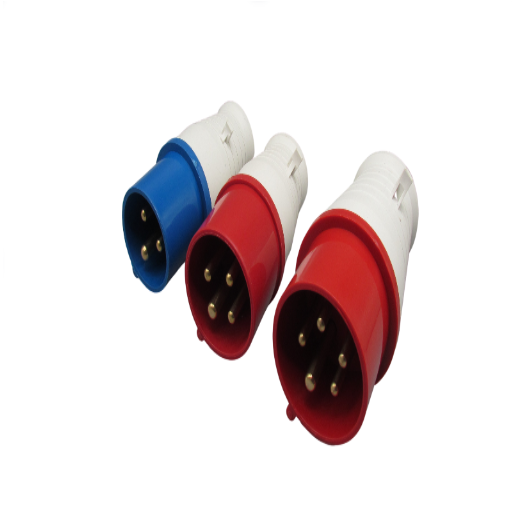
Industrial plugs and sockets play a significant role in systems by providing a solid and durable connection, especially in harsh environments. In this context, industrial plugs are primarily used to connect any electrical apparatus to the existing power source, whereas the purpose of sockets is to receive the power supply. Both types of plugs and sockets are specially designed to prolong their lifespan in harsh conditions, such as water exposure, dust, excessive heat, or cold, although they usually comprise weatherproof materials. The cradle and outer protection provide additional safety against electrical hazards, which is why these systems are often employed in various forms of manufacturing, construction, and other applications.
Definition of Plug and Socket
Plugging and connecting are the main things in power transmission, which are used to transmit electric power from the source to the load without causing any harm. International standards have standardized plugs and sockets in a variety of sizes and shapes; therefore, these can be used irrespective of the country’s voltage and current rating.
Recent statistics have classified plugs and sockets into various configurations, depending on their intended application: either for domestic, industrial, or light commercial use. Thus, for industrial applications, there are three terminal plugs suitable for three-phase systems which has to supply high-power equipment. Such connections of electric power equipment require special connections that can withstand various conditions, including heavy loads, water protection (IP ratings), and extreme temperatures, thereby adapting to the particular loads required. The high adaptability of sockets and plugs can be further defined due to their importance in society, as well as in specific industries, ensuring that all electrical equipment worldwide operates as required.
Types of Plugs and Sockets
Plug and socket configurations consist of thirteen types. These are Type A, B, C, D, E, F, G, H, I, J, K, L, M, N, and O, which each work in different areas of the world and are used in various ways.
| Type | Pins | Grounded | Voltage | Region | Key Use |
|---|---|---|---|---|---|
| A | 2 | No | 100-127 V | USA, Canada | General |
| B | 3 | Yes | 100-127 V | USA, Canada | General |
| C | 2 | No | 220-240 V | Europe, Asia | General |
| D | 3 | Yes | 220-240 V | India | Heavy-duty |
| E | 2 | Yes | 220-240 V | France, Belgium | General |
| F | 2 | Yes | 220-240 V | Europe, Russia | General |
| G | 3 | Yes | 220-250 V | UK, Ireland | General |
| H | 3 | Yes | 220-240 V | Israel | General |
| I | 2/3 | Optional | 220-240 V | Australia, China | General |
| J | 3 | Yes | 220-240 V | Switzerland | General |
| K | 3 | Yes | 220-240 V | Denmark | General |
| L | 3 | Yes | 220-240 V | Italy | General |
| M | 3 | Yes | 220-240 V | South Africa | Heavy-duty |
| N | 3 | Yes | 220-240 V | Brazil | General |
| O | 3 | Yes | 220-240 V | Thailand | General |
Common Plug vs. Industrial Plug
The design of standard plugs is more suitable for home appliances with low energy consumption, whereas industrial plugs are designed to withstand high-voltage input and are known for their large, robust build, which enables their use in harsh conditions.
| Feature | Common Plug | Industrial Plug |
|---|---|---|
| Durability | Moderate | High |
| Size | Small | Large |
| Pins | 2-3 | 3-4 |
| Load Capacity | Low | High |
| Environment | Indoor | Industrial |
| Protection | Basic | Waterproof/Dustproof |
| Locking | No | Yes |
| Voltage Range | Limited | Wide |
The Industrial Plug and Socket
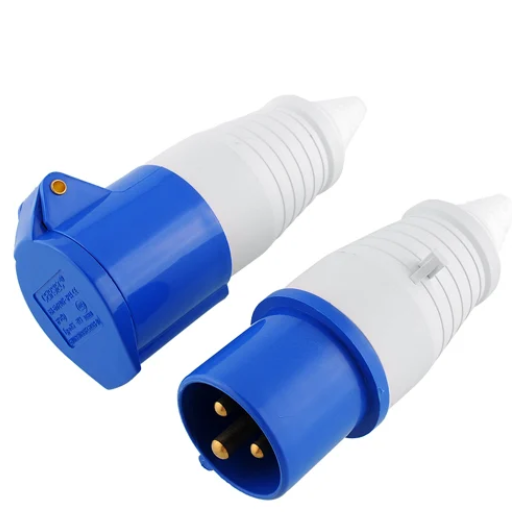
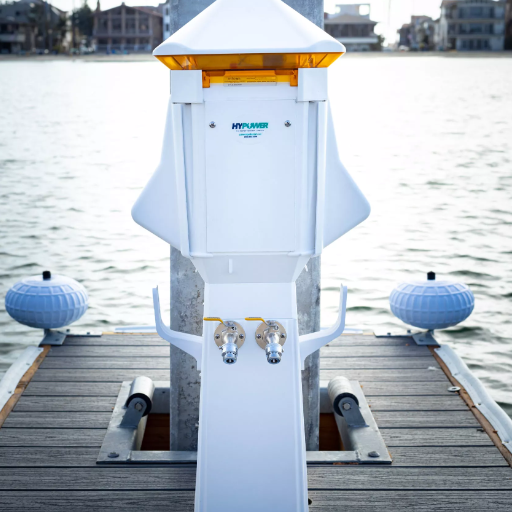
The contemporary manufacturing equipment today utilizes considerably more electrical power of high magnitude for power distribution purposes, and therefore, the rising popularity of industrial plugs and sockets. This involves the provision of well-engineered plugs and sockets that are resistant to even the harshest conditions, such as moisture, dust, and extreme temperatures. In contrast to domestic plugs, industrial plugs are often constructed with robust materials and feature safety mechanisms, such as locking systems, to prevent unintended disconnection. These appliances are also prevalent in industrial settings, such as power plants, the chemical and transportation industries, oil rigs, and construction sites, among others. They are then moved to other buildings, where spare sockets are installed to fill in before wiring the next one.
Overview of Industrial Plug and Socket
Industrial power connectors are devices used in industries that are vital for promoting quality and safe electrical connections from one point to another. As an illustration, Google search analytics show an ever-increasing interest in this technology in terms of its benefits and usage. They are mostly made of a material that is very hard, not liable to spoilage from any chemical or water content, or any mechanical damage. Most of the designs are equipped with a system to ensure that they do not cause accidents. Such sectors also often adhere to standards, such as the IEC and UL, when using industrial cordsets, knowing that they have been made to comply with these standards.
Various workplaces that utilize steam, including plants and drainage system services extending to the outside of structures, require this equipment to ensure a continuous power flow. Likewise, nowadays, such systems are developed to incorporate intelligent controls for energy conservation, even modifying connectors in the industrialized world for health and safety concerns.
Features of Industrial Plugs and Sockets
- Longevity
Industrial plugs and sockets are designed to withstand unfavorable conditions, including extreme heat, moisture, and dirt, ensuring their ability to serve for an extended period.
- Power
They are designed to operate with high voltage and high current, making them particularly suitable for rugged industrial applications.
- Meet Safety Standards
Most of them meet the safety requirements of the company (or the product line, in the case of white goods), such as IP ratings and IEC and UL certificates, to prevent any unexpected damage due to power consumption.
- All-Energy Enjoyment
A lot of industrial plug-ins and sockets also come furnished with a considerate design, like a middle indent and any other markings that aid in how best they can be installed and used
- Chemical And Corrosion Free Plugs
This includes the excellent material used, which hampers accessibility to some products, such as being chemically resistant to industrial oils and their solvents, and eliminating corrosion due to acidic substances.
Benefits of Using Industrial Connectors
- Even Safer Designs
Advanced workplace connectors are designed with safety as the foremost consideration, minimizing electrical hazards such as shorts and deaths by electrocution.
- Might of Product
Utilizing a thick and strong material, industrial connectors can withstand adverse conditions such as high temperatures, extreme temperatures, vibrations, blows, and others, and thus can last longer.
- They Are Most Versatile in Use
These devices are not confined to a single industry and can be found in various sectors, including manufacturing, construction, and farming. As a result, they are highly adaptable when it comes to electrification.
- They Work the Best
Computer controls and the interconnection of relays and transmission are nowadays realized satisfactorily thanks to innovative technologies of industrial connectors, which can withstand considerable transient loads and do not generate distortions under stress conditions, such as during vibrations and impacts.
- Less Downtime and Ergo More Profits
Thanks to the flexibility of modular structures and standard characteristics, it is easy to change failed parts, and there is, after all, a low cost of waiting.
Difference Between Industrial Socket and Ordinary Socket

- Durability
Unlike industrial sockets, which are designed to withstand the most demanding environments, including extreme temperatures, moisture, and dust, standard sockets are ideal for basic domestic or office use and are seldom as robust.
- Power Capacity
In comparison to their average counterparts, industry sockets can accommodate higher voltage and current loads, which are common for machinery and apparatus. Ordinary sockets, on the other hand, are perfect for smaller energy demands such as household or consumer appliances and devices.
- Design Features
Most industrial socket outlets feature built-in safety mechanisms, including locking systems and shutters, designed to protect against dust. On the other hand ordinary sockets tend to focus on convenience and matching the decor since they are primarily used in an indoor environment.
- Usage
Industrial sockets are specifically designed for use in factories, construction sites, and installations that require high currents or voltages of electricity.
It is very normal, however, to find such sockets in houses and offices as well, catering for the ordinary low current and voltage needs of the users.
Design and Construction Differences
The design and manufacture of industrial and domestic sockets are vast and varied, depending on the industry or use of a socket. Industrial sockets are designed to withstand various harsh weather conditions by utilizing materials such as high-grade thermoplastics or metals, ensuring robustness against heat, moisture, and impact. They are also designed to handle higher voltage and current ratings, making them suitable for industries with heavy tasks and the associated equipment. All these industrial-grade features that ordinary sockets tend to lack, such as weatherproofing and flame-retardant properties, to name a few, are standard.
On the contrary, for the ordinary sockets, convenience, aesthetics, as well as the safety of the usage in a household where they are fitted, are more emphasized. Plastic is usually used for their production with the emphasis on harmonizing them in an indoor landscape. Such an arrangement works under lower power and current values. As the sockets are equipped with surge protection features, some even with electrical shutters, these sockets comply with specific safety requirements. However, they are not designed for rough or extreme conditions, where the emphasis is more on ease of use rather than performance.
Safety Standards and Ratings
The use of electrical outlets is approved if they were developed with careful handling as a priority and were manufactured to meet current safety standards, ensuring they are purchased, installed, and used with minimal hazards. Among the recommended practices in IEC 60884-1 is the establishment of doors and lids, among other features. These may require different factors to be taken into consideration, such as the type(s) of the material being used, its thermal class, and dielectric strength. These requirements also specify the critical safety elements, which include safety shutters on socket outlets, earthing facilities, and protection against overcurrents. Similarly, regional standards such as the UL certification in the USA or the CE marking in Europe demonstrate that user safety is a top priority.
Recent studies are showing a paradigm shift in the design of sockets with progressive inclusion of intelligent systems. With this advancement, some new electrical sockets come with an automatic feature that disconnects the socket as soon as an electricity surge is detected, protecting other devices and users from electrical harm. Similarly, there has been customization in safety rules, as there is now a requirement to have devices that can monitor electricity consumption. Complying with these changes to the guidelines of electrical compatibility towards the goal of reducing safety standards for electrical sockets is practiced so as to create sockets that respond to existing and upcoming technologies.
Performance and Durability Comparison
Modern socket designs have dramatically improved performance and longevity, with much of this improvement dependent on softer specifications and the type of material used for their construction. It is common to hear about high-performance sockets made with top-grade materials, such as fire-proof plastics and anti-corrosion metals, and these units can last for many years after purchase. The replacements are being made of capillaries installed with even heavier grades of metals that are later shielded with plastic covers which retain the shape if bent, but eventually shrink if exposed to heat at copper brazing temperatures. Essentially, these are wires that are already protected and will not easily bend, which is the case with dental traps installed in pipes. Besides the internal wiring remediation, built-in facilities such as ventilation and cooling systems have been said to also assist in the performance of the pyro avalanche, as well as the accumulation of debris discharge. According to the latest standards, studies indicate that users prioritize durable, low-maintenance, low-carbon, and smart home-compatible plugs. This is a practice that harnesses two conflicting demands: the increasing number of rebuffed performance attributes of the device and the demand to enhance durability, such that devices will continue to interact in due course.
Application Scenarios for Industrial Plugs and Sockets
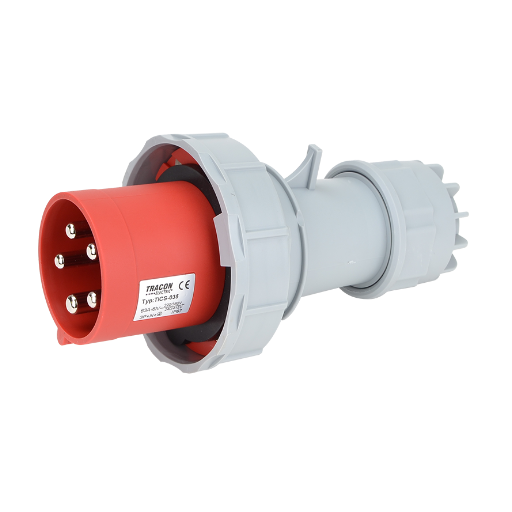
- Plants for manufacturing end products
Industrial plugs and sockets are a necessity in manufacturing sites for ensuring a safe supply of electricity needed to run operational equipment.
- Constructing Facilities
Particularly if we consider temporary use applications, it provides electrical energy to tools, equipment, and lighting components located inside worksites, withstanding abrasive elements like dust and dampness.
- Dealing with Goods and Administration
Included are the uses in the carrying of pallets, control and manipulation of equipment, and even providing a source of energy for electrical forklift chargers, dock loading cranes, dopplers, and other automated systems.
- Conducting Activities outside
When it comes to a temporary setup composed of stages, audio, and lighting systems, industrial plugs and sockets ensure there is no power outage.
- Hydro systems
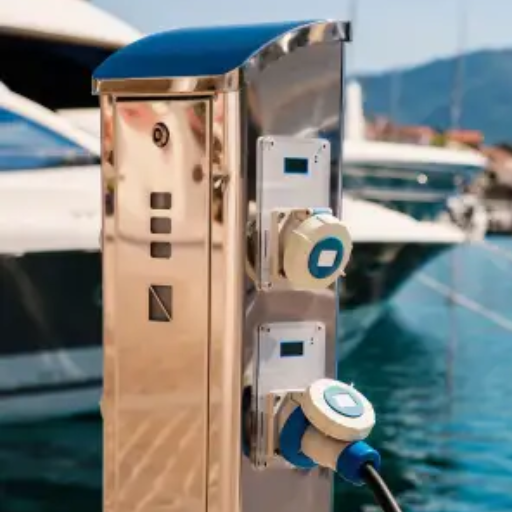
Due to their level of resistance against liquids, they are necessary to enable the use of different types of machines and ships in the sea and offshore, whether at dock stations or on oil rigs, for example.
Everyday Use Cases in Industries
- Data centers and their infrastructure
Nowadays, with the increasing amount of information that must be hosted digitally, data centers are increasingly utilizing industrial power sockets and plugs to provide reliable power to servers, cooling systems, and other critical IT equipment. Currently, the plug and socket designs have evolved to become one of their essential characteristics, considering that their mechanical strength can withstand the high-energy loads required in operational processes.
- Use of Renewable Energy
In situations where renewable energy installations, such as those for solar energy, are built, storing such energy is challenging. In addition, the connection of electrical power systems in a wind turbine involves the use of industrial sockets and plugs. In this case, distributions of power made via such systems are subject to alteration due to the scales of energy being collected from a given area. However, therein lies the functionality of this type of equipment, as it is well adapted to such forms of structuring, which do not typically align with the rules of electrical engineering compared to others.
Information from Google searches has shown that there is a trend today to seek reliable, innovative, and long-lasting solutions in the power distribution sector. As renewable energy technologies and smart grids have been on the rise, one would expect an increase in the usage of industrial sockets and plugs, particularly in terms of coverage of this new infrastructure globally.
Installation Considerations
If you have ever tried to install industrial plugs and sockets, then I am sure you will agree that several things must be considered for uniform elegance, effectiveness, and durability. Based on recent Google search history, many users frequently ask questions about how well it should be fixed, whether it requires addressing compatibility with environmentally friendly systems, or how important it is to comply with safety precautions. To solve these problems, the most important things are adhering to the guidelines laid down by the manufacturers, conducting voltage checks on the wiring and plugs, and using fixing tools. This is further complicated as inside industrial protection also varies with the elements such as moisture, dust, and high/low temperatures. To provide the most effective and long-term service to sockets and plugs, site-specific analysis is necessary for planning activities at all stages, as new technologies in renewable energy involve more frequent equipment changes, collaboration, and innovation.
Reference Sources
- Authors: Y. Gui, K. Aoyagi, Huakang Bian, A. Chiba
- Journal: Additive Manufacturing
- Publication Date: March 1, 2022
- Summary: This study focuses on the detection and classification of internal defects in metal parts produced through powder bed fusion additive manufacturing. The authors utilize surface morphology data to predict internal defects, enhancing the quality control processes in manufacturing.
2. Advanced Ablation-Resistant HfC 0.76N 0.24 at 3000℃ with Record Melting Point Over 4400k
- Authors: Zheng Peng, Wei Sun, L. Vlahovic, D. Robba, Yi-Zeng Hui, R. Konings, Zizhang Zhan, Hong-Zhang Bo, X. Xiong
- Journal: MatSciRN: Design of Advanced Materials for New Application (Topic)
- Publication Year: 2020
- Summary: This paper presents the synthesis of a new compound, HfC0.76N0.24, which exhibits an unprecedented melting point of 4419 ± 37K and exceptional ablation resistance at high temperatures. The study examines the mechanisms underlying its performance, offering insights into the development of ultra-high-temperature ceramics.
3. Development and Manufacture of Innovative Toughened Fine-Grained Recrystallized Tungsten Alloy
- Author: K. Niikura
- Journal: Materials Research Proceedings
- Publication Date: December 8, 2023
- Summary: This research focuses on the development of a toughened fine-grained recrystallized tungsten alloy that addresses the issue of recrystallization embrittlement. The alloy exhibits high bending strength and ductility, with ongoing efforts to improve its manufacturing processes for enhanced engineering applicability.
4. Top Industrial Sockets Manufacturer And Supplier In China
Frequently Asked Questions (FAQs)
What is the difference between an industrial plug and socket and a standard plug?
The primary difference between industrial plugs and sockets and standard plugs lies in their design and intended use. Industrial plugs and sockets are built to withstand harsher environments and higher currents, typically ranging from 16A to 125A, making them suitable for industrial applications. Standard plugs, on the other hand, are generally used for residential and light commercial use and are designed for lower current applications. This distinction ensures that industrial plugs provide safe and reliable connections in demanding conditions.
What are the application scenarios for industrial sockets?
Industrial sockets are mainly used in settings that require robust and durable electrical connections, such as factories, construction sites, and outdoor events. They are designed to operate in harsh environments, ensuring resistance to water, dust, and temperature changes. This makes them ideal for powering machinery and equipment where reliable performance is crucial. The use of industrial plugs and sockets ensures electrical safety and prevents accidents due to incorrect use.
What is the protection level of industrial sockets compared to regular sockets?
Industrial sockets typically have a higher protection level, often rated at IP44 or IP67, compared to standard sockets. This means industrial sockets are designed to withstand ingress from water and dust, making them suitable for demanding environments. In contrast, regular sockets may not provide the same level of protection and are usually designed for indoor use, where exposure to harsh conditions is minimal.
How do industrial plugs prevent electric shock?
Industrial plugs and sockets provide safety features that help prevent electric shock. They are designed with robust materials that enhance corrosion resistance and flame retardancy. Additionally, the pin arrangement in industrial plugs is often configured to prevent incorrect plugging and unplugging, thus reducing the risk of electrical accidents. This design ensures that users can safely connect and disconnect electrical appliances without exposure to live electricity.
What is the service life of industrial sockets compared to regular sockets?
Industrial sockets are designed for a longer service life than standard sockets due to their robust construction and high-quality materials. They are designed to withstand higher currents and frequent plugging and unplugging without degrading. This makes them more suitable for industrial use, where equipment is frequently connected and disconnected, ensuring consistent performance over time.
Can industrial sockets be used in residential settings?
While industrial sockets can technically be used in residential settings, they are generally not recommended due to their design, which is intended for higher currents and harsher environments. Using industrial plugs and sockets in a home may lead to compatibility issues with standard household wiring and appliances. It’s essential to match the socket type with the electrical requirements of the environment to ensure safety and functionality.
What types of electrical appliances are compatible with industrial sockets?
Industrial sockets can accommodate a wide range of electrical appliances, particularly those that require high power and are used in industrial environments. This includes machinery and equipment such as generators, welders, and heavy-duty tools. The ability to handle different voltages and currents, such as three-phase and single-phase systems, makes industrial sockets ideal for a wide range of applications in industrial production.
What should I consider when selecting an industrial socket?
When selecting an industrial socket, consider factors such as the rated current (16A, 32A, 63A, or 125A), the protection level (as indicated by the IP rating), and the specific application scenarios. It’s also essential to evaluate the environmental conditions, such as exposure to water or dust, and whether the socket needs to withstand temperature changes. Ensuring the socket meets the standards set by the International Electrotechnical Commission (IEC 60309) will further enhance safety and reliability.