Shore power upgrades and basic dock improvements anchor an essential decision for ROI marina investments. Both strategies have some advantages, but as an investment, which one offers a higher long-term return? This article provides a thorough comparison of these two critical enhancements to usefully inform marina owners and operators as to which is problematically most important to our available resources and actually get these benefits. By analyzing such factors as cost, functionalities, customer satisfaction, and revenue potential, we cannot find out which investment would turn a marina around for the future. This analysis could help with armoring the reader with pragmatism and insight for maximizing his or her investments, whether brainstorming immediate needs or working with future-oriented development.
Understanding Shore Power Systems

What is Shore Power?
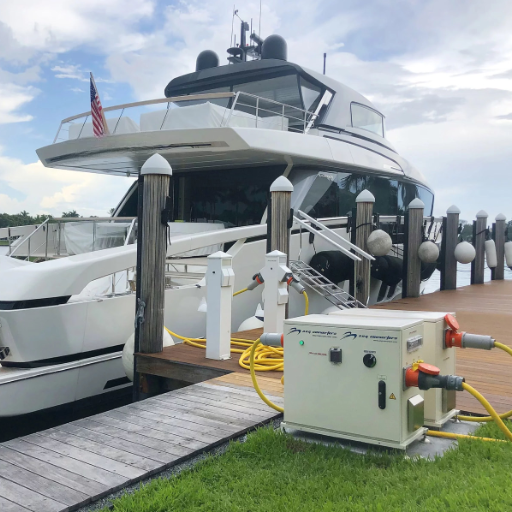
The shore power system allows boats and ships to dock next to them and connect to a power source. This system assists them in using the locally available utility grid, more reliant on the generators onboard. Their chief function is providing energy for essential systems such as lighting, air-conditioning, refrigerated containers, and communication in the stationary condition.
The main reason that the shore ties are recommended would be their effects on atmospheric behavior and sustainable development. They eliminate carbon emissions by increasing the reliance of vessels upon power from the grid and shut down the use of fossil fuels such as diesel-oil-run generators. More than secure premises, the cleaner and healthier air surrounding the marinas then is going to contribute to ports. Shore power is going to eliminate noise pollution. Thus, the atmosphere around the port for the community would be more attractive and comfortable.
Electric supply systems of the type meant to match the energy needs of all types of vessels-from the small leisure boat variety to big commercial ships-provide power at standard voltages and frequencies so safe and effectual power transfer occurs. Sustainability appear to hold greater sway than before as ships worldwide are now adopting electric power. Before venturing into such a project, some regulations and green-oriented programs have been enforced in order to reduce the carbon footprint of the shipping industry.
Components of a Shore Power System
The shore power system comprises several important components that coordinate effectively to provide efficient and reliable transfer of electrical power to a ship at a port. Here are the main components:
Onshore Power Supply (OPS):
Onshore Power Supply, also referred to as shore-side electricity, is the actual electric source field. Transformers, switchgear, and power converters are included to deliver electric power at standardized voltage and frequencies (e.g., a frequency of 50Hz and 60Hz). According to IEC standards, the modern shore power system operates at voltages, such as 6.6 kV or 11 kV, for this segment to tie up the bulk vessels. Steam shipcraft will require conversion properties at smaller voltages.
Cable Management System:
A means for plugging in ships with onshore power supply includes various types of cable management systems such as those supported by automated reels, which can be coupled with movable cranes or underground pit systems. These cable handling systems have made the handling of power cables safe and efficient, saving in manual labor and minimizing mechanical wear. For instance, cable reels also comes with automatic retractors installed for easier aligning and sped attachment to the ship.
Power Supply Interface:
An interface between the shore supply and the ship is vital for power transmission. Standardized plugging and socketing designs, having compliance to IEC/ISO 80005-1 norms, ensure a uniform power interface that can be used in different ports and on ships, preventing electrocution by maintaining safety aspects and preventing electric malfunction.
Frequency Converters:
Not every vessel operates at the same frequency as the onshore grid. Some ships, especially older ones, require a 60Hz input, but the port may deliver power at a 50Hz frequency. Frequency converters offer a critical bridge between these two worlds, ensuring that the gap is successfully bridged and that a reliable power supply is sent across.
Energy Storage Systems (Optional):
In some innovative systems, energy storage solutions such as lithium batteries are incorporated to enable renewable energy and a reduced reliance on energy purchased from the grid; such are set for instances like storing excess quantities in peak demand times or during emergencies.
Monitoring and Control System:
Modern shore power systems incorporate digital technologies monitoring real-time data flow from many devices, which are critical for continuous monitoring and control power transfer operations to maximize efficiency and troubleshoot problems as early as possible.
According to how far the unification of the components is successful should determine the connected vessels. They should then compare their performance in the light of the latest technology and context of the CSR and carbon neutrality objectives to decide on desirable projects.
How Shore Power Works
Cold ironing or shore power (also called onshore power supply) is a system with which ships in ports are connected to a dockside distribution system for supply of shore power rather than using their own diesel generators while moored. This supply enables the ship’s basic systems such as lighting, heating, cooling, and communication to remain operative while in port. This curtails the need for fuel, thereby reducing emissions by a significant level.
The ship physically plugs into a custom port electrical system with cables. This connection then transmits power at the required voltage and frequency to the ship. The ports must accommodate infrastructures that can be used for a variety of ships, and the ships shall possess on-the-water systems for the shore. A switch-off of on-board diesel-powered generators though the vessel is connected to shore power would thereby entail less noise pollution and reduced fuel consumption.
Switching to shore power is a powerful weapon against improving the environmental sustainability of port operations. The use of shore power should reduce the air pollution of greenhouse gas emissions of carbon dioxide (CO2) and nitrogen oxides (NOx) resulting from diesel fuel use. The technology will support the global programs of net-zero and corporate social responsibility by promoting a cleaner maritime sector with sustainability.
Basic Dock Improvements
Types of Basic Dock Enhancements
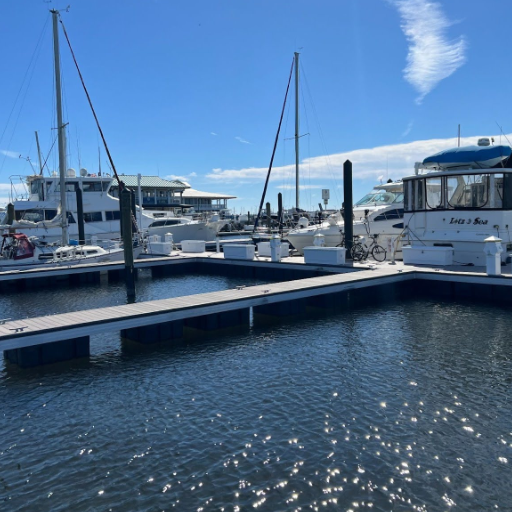
Rarely seen by us, dock facilities take, but if properly designed, rain-or-shine optimise operational efficiency and contribute to sustainability-supporting port objectives. Enhancements of the principal type encompass the following:
Shore Power Systems:
Of all developments, the single more significant one involves the usage of shore power systems. These devices allow docked vessels to link-up with the electricity and become completely disengaged from using diesel engines. Consequently, they contribute towards reducing air pollution, while removing noise pollution from the port areas. For this reason, shore power systems become a vital element towards the realization of a green and sustainable maritime sector.
Improved Cargo Handling Equipment:
The mere improvement in efficiency and automatic cargo-handling implies a big reduction in both operational expenditure and the environmental footprint. Electrification and alternative fuel sources together with modern systems are slowly phasing out the old, heavily polluting ones. Thus, the reduction in electricity or fuel use in dock work does result in fewer greenhouse gases emitted and more dock productivity.
Loading Bay Reinforcement and Extension:
Shoring up the docks’ structural frame and increasing capacity where necessary allow them to handle bigger ships with heavier loads. This is a step in enhancing the resistance of the docks’ structure to weather stresses and thus guarantees long-term stability. This is critical as shipping demands continue to rise globally.
These improvements constitute primary steps in cleaner, more efficient, and possibly future-proof port operations, in line with international-standard sustainability initiatives and economic growth.
Benefits of Basic Dock Improvements
Some of the most primary port improvements have been enlightening at improving the operational efficiency and the degree of sustainability of the ports. First of all, they regenerate and recreate a most important asset, which is making them able to handle larger ships and larger consignments. This enhancement partly mitigates the increased global demand for maritime shipping and thus contributes to the promotion of smoother and more reliable supply chains.
Secondly, the enhanced welfare of the dock areas increases the safety of those working there and lowers the risk to the equipment. Stronger structures mean less wear and tear and fewer accidents linked-still due to poor design conditions and operational demands-and utmost assurance in terms of safety. Any such aspect of safety mitigates incidents and reduces downtimes, ensuring that while being cost-effective, operations remain on course, providing a working environment safe for the staff.
Therefore, the enhancements lead to environmental sustainability. The upgraded docks often have green technologies to reduce energy and operational emissions. This makes the operation of the port achieve their international sustainability standards allowing it to have further economic and environmental well-being. In the end, small matter, major improvement, is what sets a direction for truly resilient and vibrant infrastructure in the maritime industry.
Limitations of Basic Dock Enhancements
This enhancement has, generally, helped in enabling operational efficiency and sustaining more environmentally conscious practices, but with clearly seen limitations that need to be addressed for expeditious progress. One of the major backlogs is that every sort of enhancement in upgrading sometimes focuses on a specific kind of upgrade rather than trying to bring in the holistic changes necessary to address the guidelines within the port infrastructure. Furthermore, these mere upgrades might not measure the growing demand of larger ships or tackle the increase in the complexity of global trade logistics.
One of the other limitations is the vast initial cost involved in those upgrades. Although substantial cost savings are likely to be achieved in the long run, the costs might be too prohibitive for smaller ports or those running on modest budgets. These limitations could become more severe with possible payback delays for the investments made, if the equipment is not adequately fine-tuned to suit the specific needs of the port.
On top of that, the basic improvements will not be detriment-proof as the improvements are often for the immediate issues and challenges that use outdated technologies and regulations. Ports using only small developments are likely to fall behind their competitors who adopt much more forward-looking strategies. Infrastructure planning for the long haul, innovation, and adaptability are very much the need of the hour to curb these limitations.
Cost-Benefit Analysis
| Factor | Shore Power Upgrades | Basic Dock Improvements |
|---|---|---|
| Initial Investment | High — hundreds of thousands to millions per berth | Moderate — tens of thousands to hundreds of millions |
| Long-Term Savings | Significant — reduced fuel, emissions fines, energy costs | Moderate — lower maintenance, reduced downtime |
| Environmental Impact | High — eliminates NOₓ, SOₓ, CO₂, noise pollution | Moderate — green materials, stormwater management |
| Regulatory Compliance | Strong alignment with IMO, IEC/ISO standards | Meets basic port safety and structural codes |
| Competitive Advantage | High — attracts eco-conscious operators, premium berths | Limited — aesthetic and structural improvements only |
Initial Investment in Shore Power Upgrades
The construction of these upgrades requires a high initial investment involving costs in infrastructure development and retrofitting of port installations. This takes into consideration the construction of powerhouses, fitting of additional electric boxes in the site grid, and integration into ship systems. Depending on the port size and complexity, one option to consider is that there may be a significant range in costing, which would run from a few hundred thousand to some million dollars or more for installation per berth.
However, there are several other costs to be considered: the total cost of shore power systems can quickly outgrow the initial costs. This transition practically eradicates greenhouse gas emissions by eliminating the need to power the ship while it is in port, which creates cleaner air and healthier communities. Additionally, shore power systems can cut down on long-term costs for port owners and shipping companies by lowering fuel usage, bringing with it a critical benefit, particularly as emissions regulations continue to strengthen globally.
To achieve cost-effective implementation, ports can consider funding mechanisms, including government grants, public-private partnerships, and incentives for green infrastructure projects. Another way to wisely invest in strategies may involve the phased approach to investments and prioritizing the berths used by the heaviest trafficked ships first. Recognizing the financial and environmental profits, shore power systems will make a critical rainbow strategy for ports.
Long-Term Savings with Shore Power
The most fundamental savings for the territories under shore power relate to the pecuniary advantages and the knowledge of being a very organized place. By enabling the ships to connect with electric grids when docked, they can eliminate the need for ships to burn fuel for power and hence cut emissions and fuel consumption by around half. This way, the operators of boats save so much in terms of fuel; and as put in another way, the ports support air cleaner and being more sustainable.
A large initial investment in shore power infrastructure can cause sticker shock, but the operational savings will eliminate the very cost rapidly: the costs of ports fighting air pollution will be mitigated save community health costs; and cost efficiency will be improved in the long term-taking into account the difference in energy consumption between traditional and onboard power generation. And finally, it has to be noted in case of cost breakdowns that have pointed out that installation costs have been more than offset later by cost savings in energy and environmental fines.
Further, the entire endeavor of installing shore power systems aids the ports in staying competitive, as per the advancement of the array of regulatory and environment-friendly standards. Amongst the many advantages these systems offer are environments where ports acutely pay attention to the environment to attract operators with similar leanings, possibly for higher and long-term incomes. This technology could bring financial and environmental benefits that will persist over many more years to serve benefits to the ports, ship operators, and the communities.
Cost Analysis of Basic Dock Improvements
Improving basic dock infrastructure will normally necessitate an exhaustive cost-benefit analysis to ensure that the costs do not outweigh the anticipated benefits. The principal expenses could consist of material, labor, and construction equipment. Take, for example, resurfacing and/or rehabilitation of an existing dock or the building of one from scratch, an expenditure that could easily range from tens of thousands up to hundreds of millions of dollars, depending upon the project’s size and location. Expense needs to also provide for the long-term maintenance of any improvement.
An effective cost-benefit analysis should surely address returns related to the dock investment. A well-designed dock facility leads to increased efficiency and lower operational delays in loading and discharging goods as well as in berthing newer, larger vessels. For a port that plans to leverage environmentally friendly operators, investing in eco-friendly materials and low-emission operations could not only allow for fulfillment of environmental regulations but also enhance the port’s competitive capabilities, leaving room for higher revenues in the future.
For being cost-effective, feasibility studies and comparisons are a must-do for materials and technology design. Engineers and finance persons should work together with ports to spell out the best solutions for its needs at the best price. Engendering concepts such as future-proofing (flood-, changeproof designs, etc.) will optimize the initial investment while reducing future expenses on upgrade.
Environmental Impact
Environmental Benefits of Shore Power
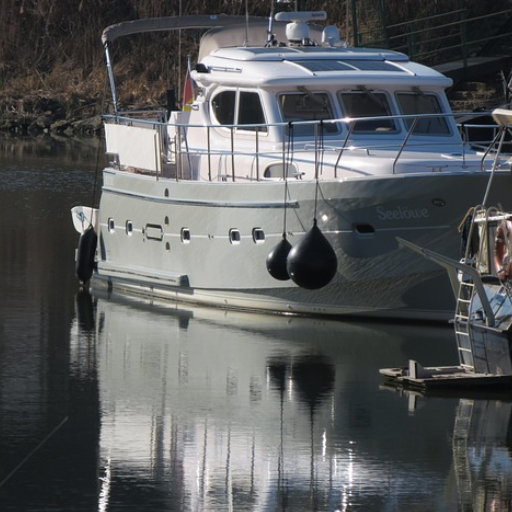
Shore power constitutes a significant improvement towards the environment because it reduces the harmful emissions from the berthed vessels. Typically, when vessels berth, ships make use of the diesel engines onboard for generating power, thereby releasing pollution into the environment such as nitrogen oxides (NOₓ), sulfur oxides (SOₓ), and particulate matter. With the utilization of shore power, these emissions are considerably minimized, thus improving air quality and mitigating health hazards to neighboring communities.
Apart from improving air standards through shore power, it addresses the climate crisis by defusing dangers of global warming. Many ports are pressing to use renewable energy sources or cleaner grid electricity for shore power systems, which results in the decommissioning of fossil fuels. This attrition supports global efforts to decarbonize maritime activities and is in accordance with international sustainable practices, as enshrined within the International Maritime Organization (IMO).
By plugging in, shore power eliminates noise and vibration from ship engines, creating a peaceful environment without noise. In turn, this is very useful for the ports in urban regions-far-reaching noise could interrupt everyday life in residential areas. A noisy atmosphere creates heavy ill health for people living and working near ports.
Comparative Environmental Impact of Basic Dock Improvements
Rich justice interventions are highly significant in reducing the overall environmental burden of maritime activities of portside pollution. One of these is the shore power system technology that in particular eliminates air pollution when allowing ships to switch off their engines whilst in port, not releasing any harmful materials like nitrogen oxides (NOx), sulfur oxides (SOx), and particulate matter (PM). Even in port cities, such in situ reduction of emissions could be shown, with an overall improvement of air quality appearing to be passed on to the residents and ecosystems abutting seaports.
Advances in dock technologies may boost sustainability targets. The usage of advanced stormwater management facilities, for instance, prevents pollutants from dock operations from entering nearby water bodies. By incorporating a filtration layer, these systems could capture contaminants (for example, oil residue and heavy metals) in the water with the goal of preventing environmental pollution that could cause distress to marine life. Used at ports, they can benefit biodiversity and the environment within aquatic environments.
Moreover, utilizing energy efficient-lighting and sustainable material usage in the construction of the dock all work toward the reduction of the carbon footprint of port facilities. If the ports pay attention on renewable energy sources and clean infrastructure, many other maritime establishments can learn how to consume resources conservatively and determine best of environmental practices. Altogether these moderate enhancements lead to considerable benefits to the environment and sustainable growth of port operations.
Sustainability Considerations for Marinas and Ports
For marinas and ports to be sustainable, integrating environmental practice into daily operations is an imperative. The focus is on energy-saving, which can be best achieved through renewable energy sources such as solar and wind. Use of energy-efficient lighting, powered equipment from renewable resources, facility management to cut down on resource utilization, and emission are practices that could make the difference.
Waste and water management are also equally critical aspects. Infrastructure should be provided with standard disposal facility provisions, such as recycling programs and reduction in single-use plastics for hazardous and special materials, which thus renders marine pollution soft. The use of innovative water treatment systems for run-off and wastewater may potentially stop contaminants from infiltrating surrounding ecosystems, thereby bringing along the conservation of water and life in the sea.
Finally, if sustainable growth is to be realized, the robustness of proactive policies to safeguard the environment as top priority: Education and awareness are fostered by, among others, raising the profile of environmental organizations, thus ensuring the preservation of the welfare of the marine ecosystem through the knowledge, understanding and empowerment of those disadvantaged stakeholders and communities with and in which they are living. The collaboration in conservation activities further aligns long-term economic development with ecological preservation. This eventually ensures that marinas and harbors play a positive role in their environment by restoring natural habitats, protecting all endangered species, and so on.
Safety Considerations
Safety Tips for Using Shore Power
Inspect Cords and Connectors Before Connecting
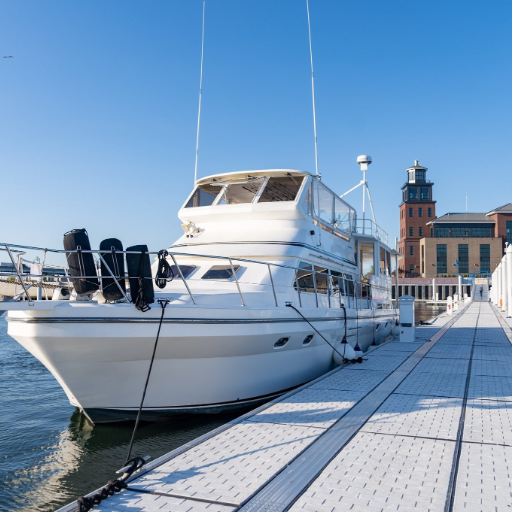
Check for physical damage in your shore power cords and connectors, such as fraying of wires or corrosion, before connecting. Such electrical lines can lead to fire or electric shock depending on their nature and extent of damage. Avoid having cord twists or kinks during use, as they may cause an electrical explosion or overheating.
Match Amperage Rating and Use Breaker Protocol
Connecting with a bridge mission should be chosen according to the rated amperage of the boat. The various overloads could also trip circuit breakers or render certain electrical systems useless. To further reduce risks, please switch off the breaker at the stern before plugging or unplugging shore power. This safety measure prevents surges and accidental shock.
Annual Monitoring and Connector Maintenance
Do not forget to monitor concentrations of materials yearly to ensure an efficient power supply system. Please disassemble the connectors, clean, and inspect them for dirt/debris that might mediately affect performance. In case of more difficult problems that may be beyond your capabilities, don’t try to be a technician on such occasions. By observing and following the small tips provided to you by Shore Power, your power experiences be safe and full of increased reliability, thus protecting both the equipment and human beings around you.
Safety Risks Associated with Basic Dock Improvements
Structural Instability Risk
During the renovation period, the dock could collapse due to its instability. It is important to plan well, choose proper materials, and respect the safety standards to prevent injury to people or equipment.
Electrical Hazards
Misuse or mismanagement of electrical components could lead to electrical shock, fires, and equipment failures. All electrical work must adhere to current safety codes and standards, with licensed professionals for installation.
Slips, Trips & Falls
Working near water with uneven surfaces creates hazard potential. Workers should wear proper PPE including non-slip work boots and float jackets. A well-maintained, organized workplace prevents hazards during dock improvement projects.
Frequently Asked Questions (FAQ)
Q: What are the major differences between Shore Power Upgrades vs Basic Dock Improvements?
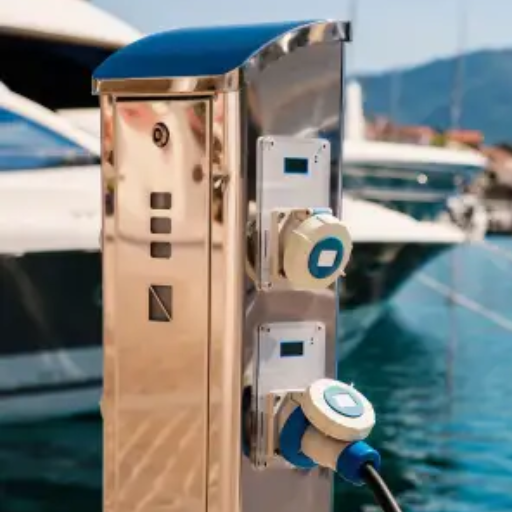
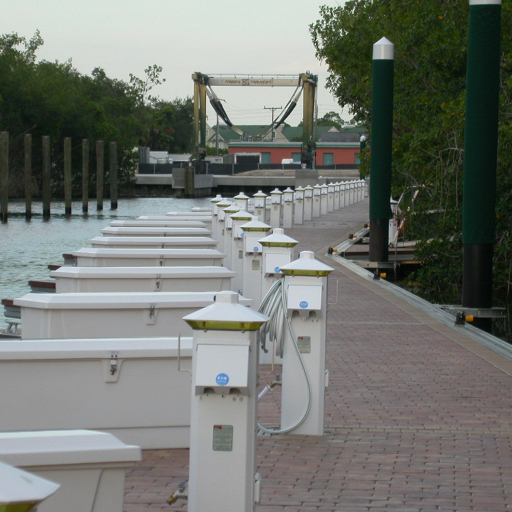
A: One must discriminate with Shore Power Upgrades or Basic Dock Improvements, with reference to electrical complete docking for the shore or mere repository of any dock gadget. With shore power upgrades, the contract leaves out on marine shore power, unswerving shore power connections, power pedestals or pedestals with safe shore power features like the ground fault protection, smartplug options to power systems onboard or appliances like air conditioning or battery chargers. Basic dock improvements could consist of composite decking, lighting, weather-resistant installations, and seawalls that can help in outdoor living and less maintenance, but they do not provide the charge connection or setup sufficient for bigger boats or RVs.
Q: How do shore power pedestals improve safety and reliability compared to simple power outlets?
A: A marine-grade power pedestal designed for the dock environment, incorporating ground fault protection, protective waterproof seals, weather-resistant materials, and safety features to minimize occurrences of electrical hazards in the coastal harsh surroundings. Marine shore power connectivity manages to observe and implement power standards and electrical safety methods that are applied for the protection of the boaters and RVs. And the equipment is kept intact and more importantly avoids the inception of bad incident from occurring due to overheating or ground faults.
Q: Are shore power upgrades needed for bigger boats and RVs?
A: Yes. Shore power connection configuration, AC power capacity, and power management will have to be put in place to charge batteries, run air conditioners and run other services on board consistently. Onshore, upgrades will have some upfront costs beyond basic upgrades while the long-term investment will yield trustworthy power supplies, mental ease, and less maintenance for onboard systems requiring power. Larger boats are more likely to be powered off at sea, which illustrates the importance of adequate grounding and ground fault protection.
Q: What are the safety features that dock owners should consider while selecting an upgrade?
A: Dock owners should stick to safety first by selecting the features like ground fault protection, moisture-contracted or secure watertight connections, marine-pedestal-ready gear, a smartplug, or protected surface outlets; this gear should abide in conjunction with the national electric categories. Regular inspection for wear, corrosion or free connections is also part of getting electricity safety. A proper equipment choice and marine-construction approach to cope with respective site conditions and environmental factors will decrease maintenance work and avoid the likelihood of electrical complications in boats and RVs.
Q: How is the station upgrade story related to dock’s long-term maintenance and durability?
A: Frequently, a marine shore power upgrade introduces a proactive measure involving materials that can withstand weather-related damages aside marine-class-labelled pieces that typically cater to an intoxicated know-no /nonsense/ approach which would, inter alia, limit the requirements for support or maintenance. In fact, proper pedestals, corrosion-resistant conductors, and GFI breakers would put a check on frequent repairs, lessen the prospect for conductors to be monitored, and regulate the long-term investment for the dock. In contrast, the basic dock upgrades, including a composite material and dock lighting, doesn’t do much to prolong the life of the electrical system.
Q: Can some dock upgrades accommodate the more recent requirements of marinas such as air conditioning and charging?
A: Basic dock upgrades can certainly add value to an operation like a marina-whether it’s upgrading to composite decking, adding lighting, or setting up boat lifts to improve the outdoor living experience-but some current needs in high-demand categories are more difficult to cater for without possibly investing in additional shore power infrastructure. For a safe air-conditioning installation and battery charging, the provision of dock power facilities and the area layout with sufficient shore power assets are critical.
Q: What are some common signs a marina is in need of a shoreline electrical upgrade or a fix?
A: Some indicative clues include repeated ground fault trips (sound indicator is electric shock), insufficient power for common shore power loads, overheating plugs or adapters (plug has three jaws often misused), visible corrosion or wear on pedestals, and feedback from boaters or RV owners regarding unreliable shore power. All the evidence confined is aimed toward spinning a strong argument against the feeling of relying on one method over the other. In the face of these changes, it is all well to be sure that onboard appliances and ships’ standards will be continually deficient or that marina electrical safety can’t be completely trusted. Such an upgrade, which might include ground-fault protection, new pedestals, and adjustable current supplies, should be considered correct.
Q: How would a dock owner equate between immediate costs and future paybacks which upgrades promise?
A: When checking out those opportunities-for instance, the higher cost of owning marine-grade pedestals and deploying power management systems of the compliance-greasing local authorities-check out the long-term upsides of shore power upgrades. These upsides may include constant-availability power, lower maintenance and fewer safety incidents, and an appealing selling point for boaters and RVs. On the other hand, basic improvements are relatively low-cost upfront and refresh the aesthetics and allow short-term utilization. However, even in the end, these last mentioned factors do not provide peace of mind or eliminate electrical hazards.
References
-
Design of a Shore Power System
This document discusses the design and implementation of shore power systems, including their infrastructure and distribution across terminals.
Read more here -
Notice of Availability – Cal Maritime Waterfront Master Plan
Highlights the condition of waterfront facilities and the need for extensive repairs or upgrades, including shore power systems.
Read more here -
Village of Lewiston Local Waterfront Revitalization Program
Discusses dockside improvements, including shore walls, finger docks, and other infrastructure upgrades.
Read more here -
Ocean-Going Vessel Shore Power – Draft Report
Explores the benefits of shore power systems and their impact on dockside improvements and environmental compliance.
Read more here - Top Marina power pedestals Manufacturer and Supplier in China