Understanding how ELCI and GFCI are needed to protect the boats and the crews can be a full guide to boat safety. Placed at the most crucial section of marine electricity, primarily as a very fundamental of safety equipment for marine organisms, ELCI/GFCI plays a prominent role. Both systems use protected practices to minimize the risk of electrical shock, which is a unique feature in and of itself, not just for boat protection but also for reliability in other settings. This paper will end with an examination of the complex factors behind the ELCI and GFCI applications in water safety and other functions. It can also be found for further study if followed carefully.
Introduction to ELCI and GFCI

What is an ELCI?
The Equipment Leakage Circuit Interrupter (ELCI) is a kind of safety device intended to identify current leakage in circuits expected to have water in them, particularly in marine environments on boats or near marine equipment. Current leakage happens whenever power escapes its intended path, making it a very dangerous situation that could easily result in electrical shocks or fire hazards. The ELCI works by checking the flow of electricity through the circuit to sense any imbalances that point to leakage. If this sort of leakage is detected, the ELCI will automatically disconnect power on that circuit to minimize danger.
The principal function of an ELCI is to provide additional safety by offering protection against electric faults in a wet environment, and this is done by measuring the difference in current between input and output. In the event that the discrepancy crosses an established threshold, the ELCI switches off the circuit, usually indicating leakage. With this quick defensive measure, damage is prevented to the main electrical system and any damaging delay concerning human life is avoided by quickly and effectively clearing faults.
ELCI instrumentation plays an indispensable role in marine environments for managing the longstanding risks of electricity and water. Free electrons are known to drift out of conductors and into water. Boats have inherent risks concerning proximity to water, so much so that a spark inside a gas tank would result in a consequential explosion, which brings about a topical discussion regarding ELCIs. With these types of systems in operation on a vessel, marine professionals take a proactive step toward safety while making it possible to reduce the exposure to harm and equipment repair. This is important not just in marine situations but also in other places where water occurs around an electrical system. Quite significant in terms of electrical safety, this sheds light on the versatility of ELCIs in a wide range of applications.
What is GFCI?
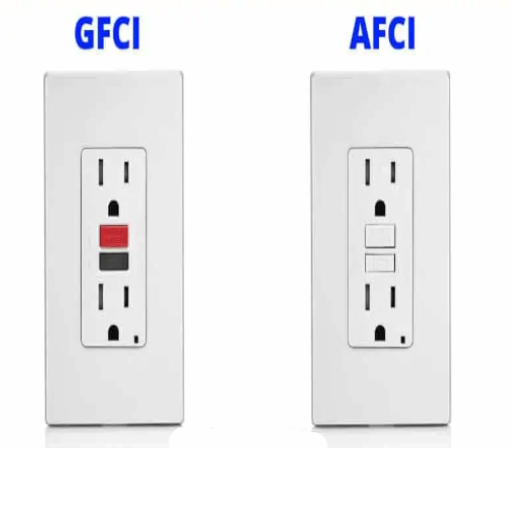
A Ground Fault Circuit Interrupter (GFCI) is a device that stands protectively between an individual and electrical shocks caused by ground faults—instances when the total amount of electricity flowing into a portion of the circuit differs from the amount returning. When a ground fault occurs and current flows from the circuit down a different path to the ground (potentially through a person), the GFCI will immediately cut the electricity off to avoid damage.
Usually, GFCIs are used in places where there is a likelihood of contact between water and electrical components, such as kitchens, bathrooms, garages, and outdoors. These are high-risk areas for electric shock due to water’s conductivity. When the GFCI detects any imbalance, the circuits are turned off promptly, reducing the risk to life and property to a great degree.
There exist numerous types of GFCI devices, from protected receptacles and protected breakers to portable ground-fault circuit interrupters, aimed at various applications. It is important to see them as secondary protective measures in modern building electrical systems; such obligations are often imposed by local building codes. The main aim is to provide an extra layer of insulation directed at human safety and the protection of facilities during an electrical event.
The Role of Breakers in Electrical Safety
Circuit breakers have a substantial role today in the upkeep of electrical safety by causing the supply of electricity to automatically stop once an excess of current in an overloaded or short-circuited system is identified. Such a cut-off prevents too much energy from being poured into wires—an act which normally heats wires and leads to risks of fire, physical injury, or short circuits in equipment. Circuit breakers are devised to detect these conditions and, in the shortest time period, disconnect the respective circuit, preventing further endangering situations.
First and foremost, a circuit breaker offers protection to machinery as well as the operator in case of a detrimental mode of operation, cutting off the decayed circuit and minimizing damage to machinery or injury to humans. Secondly, by isolating the trouble to a particular circuit, a circuit breaker ensures that the rest of the system operates properly without widespread destruction.
Found widely in the market, modern circuit breakers typically feature ease of resetting and are designed to meet stringent safety standards inspected by endorsing bodies. They are the ultimate safety consideration inside homes, businesses, and industrial installations. It is crucial to ensure that circuit breakers have the proper ratings for the circuits they protect and undergo periodic inspection for signs of wear or damage to guarantee reliability over their lifespan.
Functionality of ELCI and GFCI

How ELCI Protects Against Ground Faults
Equipment Leakage Circuit Interrupters shield against ground faults by recognizing current leakage escaping from the intended path. When a ground fault occurs, immediate reaction is necessary to ensure even a very small current running out of the original path is stopped. A ground fault happens when current travels through an unwanted path, such as through a person or a conductive surface. In the event of a fault, the ELCI device will shut off electricity immediately to prevent harm.
ELCI works by monitoring the current flow in the circuit continuously. It identifies any imbalance in the current flowing in or out of the circuit. If such a difference—which exposes a potential ground fault—exceeds a threshold, the ELCI is set off to interrupt the electric connection. Such rapid action helps circumvent electrical shocks, fires, and other dangers associated with ground faults.
In addition to its primary safety feature, ELCI devices providing automatic interruption of circuit power are crucial to safety in residential, commercial, and industrial environments. Such applications are particularly essential in areas characterized as wet or having conductive surfaces where there is a higher potential for electrical leakage. Their testing and maintenance should be performed routinely to ensure the device works to deliver safety to people and equipment.
How GFCI Works in Electrical Systems
Most GFCIs work instantaneously. When a Ground Fault Circuit Interrupter (GFCI) detects a current imbalance in its circuit—meaning likely leakage to the ground—it interrupts the flow of electricity automatically. This reaction occurs in less than a second, providing a highly effective shield against electrical shock or potential fires caused by leakage.
Working on the principle of constantly measuring the strength of current, GFCIs contain a small sensor that monitors the current entering through the hot wire and returning through the neutral wire. Should the current on the return wire be lower than the current on the hot wire, it implies current is escaping to the ground through a human presence or unintended circuitry. This potentially hazardous leakage triggers the immediate interruption of the electrical supply.
Their operation is based on electrical inspection to guarantee the product functions correctly, reading and preventing potentially fatal opportunities. These devices are put into practice to prevent the source of death: the improper functioning of the electrical circuit. Under these circumstances, there is no reason to take such risks when they can be negated by a simple flick of a switch.
Key Features of ELCI vs GFCI
Since both devices aim for electrical hazard prevention, ELCI emphasizes protection for the total electric current while GFCI was created to prevent electric shock on an individual level.
| Parameter | ELCI (Equipment Leakage) | GFCI (Ground Fault) |
|---|---|---|
| Primary Function | Circuit & System safety | Individual shock prevention |
| Sensitivity | Higher threshold (approx. 30mA) | Lower threshold (approx. 5mA) |
| Targeted Use | Main equipment circuits | Individual outlets |
| Installation | Panel-level / Shore Inlet | Outlet or Branch breaker-level |
| Response Time | Slower (100ms) | Faster (25ms) |
| Cost | Higher | Lower |
Key Differences Between ELCI and GFCI

Protection Mechanisms
The protection mechanisms of ELCIs and GFCIs lie in their capability to sense electric imbalances and control the passage of current. Current differential transformers are incorporated in ELCIs to oversee the separation of leakage currents at a level far greater than GFCIs. This ensures that faulty circuits with excessive leakage are instantly shut down to prevent overheating or damage to connected equipment.
On the other hand, GFCIs are put in place with a primary emphasis on personal safety. They monitor the flow of electrical current in an outlet/circuit, responding even to slight differences between hot and neutral wires. If any such imbalance (a ground fault) is spotted—for instance, where power accidentally flows from the hot to the ground through someone—the GFCI kicks in and turns off the electricity, minimizing the risk of electrical shock.
Both are essential to an electrical safety system but serve different purposes. ELCIs are ideal for ensuring equipment protection in mainframe systems or industrial installations, while GFCIs are ideal for residential uses, especially in moist areas such as bathrooms and kitchens. By addressing different risks, these mechanisms support electrical hazard reduction in various applications.
Application in Shore Power Systems
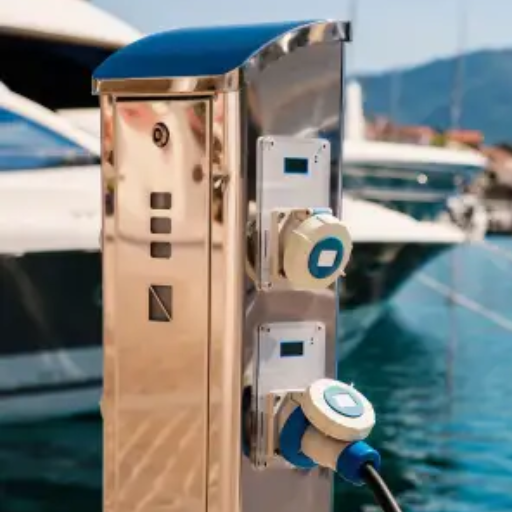
Ground-Fault Circuit Interrupters (GFCIs) and Equipment Leakage Circuit Interrupters (ELCIs) are widely advocated for safety in marine environments. These systems are exposed to water and moisture, elevating the risk of electrical hazards, making such protective devices extremely important. GFCIs step in to detect ground faults and quickly disconnect the power in order to stop electric shock, particularly for any appliances or outlets used next to or in contact with water.
Equipment Leakage Circuit Interrupters (ELCIs) are needed for protecting the overall electrical system connecting to a vessel or shore power supply. This device monitors current leakage across the system and disconnects power in case of imbalance, ensuring greater protection across all equipment and systems. This is particularly important in reducing the risks involved with possibly faulty wiring or compromised insulation, which could spark off fires or present other significant hazards related to a marine environment.
When combined, GFCI and ELCI provide a complementary aspect of safety in shore power applications. GFCI acts to protect individuals at the point of use while the ELCI provides protection to the system as a whole. Their joint application preempts electrical injuries, guaranteeing the safety not only of crew but also of equipment in demanding marine environments while in keeping with the integrity of the electrical infrastructure.
Comparative Safety Features Against Electric Shock Drowning
When electrical currents are transferred to water, it becomes deadly for anyone in the water, which may lead to drowning. The safety features to lessen ESD dangers are incorporated into preventing elec-trical leak and securing systems and its people in and around water bodies. The concept revolves mostly around two main measures-the Ground Fault Circuit Interrupters (GFCI) and Equipment Leakage Circuit Interrupters (ELCI).
The GFCIs operate by monitoring the flow of current and immediately switch off the power when an imbalance is noticed. This is an important line of security for preventing the occurrence of electrical shock to a human body-the burden of exposure is highest at the point of use. Therefore, the very shutdown of power in response to an undesirable event prevents ESD in the very incoming stage.
In the wider context, ELCIs protect the electrical installation as a whole due to their capability of detection and response to unintended leakage current. They prevent electrical faults from putting the whole electrical installation in jeopardy. This combination of GFCIs for local protection and ELCIs for system-wide safety policies offers a more complete approach for reducing the hazards associated with ESP. The implementation of ELCIs becomes vital for guaranteeing safety in marine environments as well as in other installations where the electrical system comes into proximity to water.
Regulatory Requirements and Standards
Understanding ABYC Standards
American Boat and Yacht Council (ABYC) standards are guidelines to provide safety, reliability, and functionality to the electrical and mechanical systems on board. They are considered the main standards for all safety issues in boats in view of their covering almost every aspect of newly built boats as well as of their maintenance and operation. By adopting these standards, manufacturers, boat owners, and electricians have minimized the risk of possible accidents in the system, equipment failure, and electrical hazards in marine environments.
Proper installation and maintenance are most critical among other standards set forth by ABYC; these ensure electrical safety. This includes protective device installation such as ground-fault circuit interrupters (GFCIs) and equipment leakage circuit interrupters (ELCIs). These devices work together to protect the end user from electrical shock and associated fire, especially in areas adjacent to water for reasons of Electric Shock Drowning (ESD). Good torching practices, circuit protection, and regular inspections are also covered by ABYC standards. These are meant to ensure the continuous integrity of systems and safety of people.
For people in the marine industry, sticking to ABYC guidelines proves to be more than just a best practice; it also serves as a proactive approach towards the legal and insurance provisions. For a good handful of insurers and the regulatory bodies, compliance with the guidelines proves to be mandatory when considering insurance coverage and certification. By adhering to the ABYC standards, professionals and boat owners are able to contribute to a safe boating environment, confirming that their vessels have undergone the necessary requirements in terms of operations as well as legality.
Compliance Guidelines for ELCI and GFCI Installation
On boats, the need for installing ELCIs and GFCIs is essential to ensure electrical safety. These devices are designed to protect against shock hazards and diminish the likelihood of electrical fires. To be compliant, both must be properly chosen, placed, and wired.
- ✓
Where to Put Them: The ELCI should be connected at the shore power main inlet or within 10 feet of it for optimum leakage sensing. - ✓
GFCI Placement: Receptacles must be provided in galleys, heads, and engine rooms near water sources as stipulated by regulations. - ✓
Testing: Perform regular monthly testing using the built-in test buttons and check for loose wiring or corrosion.
Importance of Grounding in Electrical Safety
Ungrounded electricity is greatly hazardous, causing unpleasant or even lethal shocks. At home and in factories, electrical appliances must be grounded to provide a safe path for electricity and prevent fires. A major fire hazard can occur when a large electrical load has no path to ground. If such equipment is connected to a live conductor, the danger of fire is extreme. Conversely, stray current can be safely redirected away through grounding, promoting overall safety.
In addition to safety, grounding is vital for maintaining voltage stability. It works against destructive surges and fluctuations that injure equipment. Voltage stability is particularly important in contexts where continuous, smooth power is required, such as on a ship or in an industrial environment.
Proper grounding ensures that safety standards are followed, reducing risk factors and developing a safer operational environment. It is vital to have a system for protecting people, equipment, and structural integrity by ensuring earthing systems are correctly installed and maintained at regular intervals.
Installation Considerations for Boat Owners
Practical Installation Tips
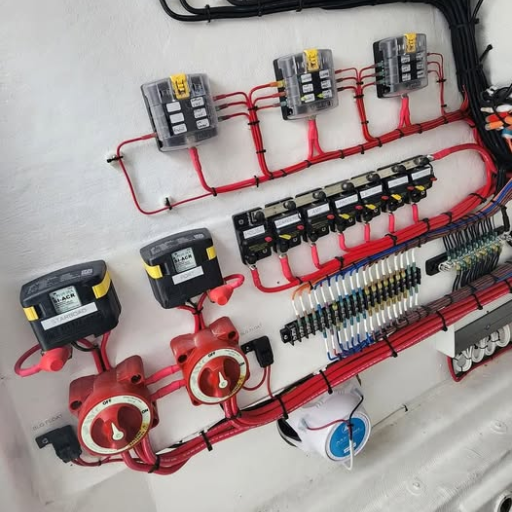
Safeguarding a boat and its occupants requires understanding the distinction between ELCI and GFCI. The ELCI is specifically built for the marine environment to protect against leakage currents that could be life-threatening or damaging to the environment. They are usually placed at the main distribution panel or where shore power enters the boat.
The GFCI is used in residential and commercial areas but is also necessary on ships. Its main purpose is to save lives by cutting off power when a low-level ground fault is detected. GFCIs are usually installed on a per-circuit or per-receptacle basis in vulnerable areas like heads, galleys, or near wet areas, providing local protection.
While offering different versions of safety, they complement each other. ELCI offers total system protection, while GFCI adds extra safety on isolated circuits. Together, they guarantee a robust safety system on board, lessening exposure to accidents.
Maintenance and Testing for Optimal Performance
- 1
Visual Inspection
Keep an eye on wiring connections for corrosion and wear. The sea environment is corrosive; use resealant to prevent failures. - 2
Continuity Testing
Use a multimeter to ensure ground connections are unobstructed. Check for voltage drops that indicate wiring errors. - 3
Scheduled Monitoring
Follow a schedule to check battery voltage, circuit breakers, and gauges. Keep records to track the system condition over time.
Frequently Asked Questions (FAQ)
Q: What is the primary difference between ELCI vs. GFCI protection connected?
A: The grounding event that the device initiates response for, as the main differentiation. In general, the device looks at loopholes in any shore power connections. One definition is that leakage of current on the galvanizing structure connected to shore ground initiates a response. A consequence of detecting leakage, an ELCI-interrupting device will trip at a higher threshold, reacting to such leakage or devices whereas only modestly reacting to leakage. An extreme threshold value is created to allow the wiring’s ground measure, consummated only in marine systems where short circuits have a chance of occurring.
Q: Why are ELCIs used on some boats in addition to using GFCIs?
A: The ELCI contrasts with the GFCI protection in the case of boats. It is regulatory and functional. ELCIs, which are usually included in maritime standards for shore power connections, monitor the leakage to earth/ground over the full service, preventing stray current affecting galvanic corrosion and hull and underwater metal damages. A GFCI offers protection only at single outlets, and it may not detect leakage paths to shore ground through bonded metal, which in turn may harm the boat’s underwater fittings.
Q: Is it possible to have both the GFCI and ELCI together on the onboard AC-powered electrical system?
A: Yes. But in dual protection, the ELCI monitors for shore power leakage at the inlet and offers protection against corrosion damage and stray current throughout the system, while the GFCIs provide localized personal protection at the outlet and appliances. A thoroughly-designed system has to be in place to make sure the two don’t nuisance-trip each other. The two units can then be put in by an electrician acquainted with marine AC breaker setups.
Q: How does ELCI vs GFCI protection in boats affect the selection of the AC breaker?
A: When inputting the protection between ELCI vs GFCI, AC breaker selection shall have to take into account coordination with leakage devices; that is to say, the main AC breaker protects against overcurrent while ELCI/GFCI protects against leakage/current imbalance. Time to choose breakers and upstream protective devices that allow for the ELCI or GFCI to function without false tripping, while ensuring these breakers meet the marine code requirements for shore-power inlet shore systems.
Q: Will the installation of an ELCI better prevent electrical shocks as compared to using GFCIs?
A: The two offer Over-lapping yet different protections. An ELCI can prevent some leakage hazards to shore ground while GFCIs can be much faster and trip a fast distance downward toward lesser leakage points, typically at 5–30 mA levels, thus beneficially protecting the individual directly. For the best of safety, keep GFCIs on all branch circuits and one ELCI at the shore-power inlet for system-level leakage monitoring.
Q: What sort of maintenance or testing should be performed on GFI and ELCI devices only related to boats?
A: Regular inspection is important for maintenance of the reliability of GFCIs and ELCIs. GFCIs should be tested on a monthly basis during the verification of their test button’s activity. An ELCI should be tested within the manufacturer’s guidelines along with that of the shore power procedures. Generally, during installation or at an annual period, there is a checkup of the AC electrical panel, connections of the AC circuit breakers, and shore cords, and proper bonding between the different devices can prevent leakage issues that would cause the devices to open up.
Q: How does ELCI versus GFCI protection in boats relate to shore power cords and grounding?
A: Shore power cords and grounding take a major role in ELCI vs GFCI protection on Boats. Proper shore cord wiring and good grounding/bonding are essential in eliminating unintended leakage paths. An ELCI monitors leakage over to the shore ground; hence, if you have cordage or shore pedestal wiring that has seen better days, nuisance tripping may give way to dangerous stray currents lurking behind every corner. Keeping the shore pedestal and cords in good condition and following recommended bonding practices is beneficial for the correct operation of both ELCI and GFCI.
References
-
Electric Shock Drowning – Illinois Extension
This resource discusses the importance of ELCI protection on boats, compliance with ABYC standards, and the role of isolation transformers in preventing electric shock drowning.
Read more here -
Tennessee State Fire Marshal’s Office – Electric Shock Drowning
Highlights the importance of installing ELCI devices on boats and references the ABYC E-11 Standard for electrical safety.
Read more here - Top Marina power pedestals Manufacturer and Supplier in China