
Boat enthusiasts love doing this, as they marvel at the idea of relaxing alongside the wind and water. Safety becomes imperative in the marina and water when it concerns electrical things. Poor electrical work or poorly maintained electrical parts installed on boats and docks pose deadly electrical hazards, such as electrocution, shock drowning, or fires. This blog is a thorough guide on boat electrical standards so that you remain safe, along with your passengers and the marina environment. Keep reading further on to find out about practical tips, recommendations across the spectrum, and actionable insights to make your journey enjoyable and safe forever.
Understanding Marina Safety

The Importance of Safety in Marinas
Safety in marinas absolutely protects life, property, and the environment. In view of the various hazards with electrical, fire, and water accidents, there should be safe practices that ensure human welfare. Good safety practices would even diminish accidents and uphold an atmosphere that is enjoyable and responsible for boaters and marina visitors. Electrical systems in marinas can even be dangerous. Improper wiring or old equipment, along with improper installation, can cause serious accidents such as electrocution or electric shock drowning. Periodic inspection and compliance with electrical standards, as well as installing protection devices in all power circuits that prevent ground faults, should flow into the measures to stop these hazards. Additionally, it is important for marinas to comply with general safety practices, including clear signage, easily reachable life-saving equipment, and staff trained to respond to emergencies. If one promotes a safety culture, all parties from boat operators to visitors working in unison will create a safe and accident-free environment.
Overview of Marina Safety Standards
Importance of Electrical Safety
Electrical safety is considered an important area within marina safety standards. Electrical installations of all kinds require regular maintenance to prevent hazards such as electric shock drowning (ESD) or fires that may be caused by faulty wiring. Regular inspections and usage of ground fault protection mechanisms are key factors in maintaining the safety and functionality of electrical systems. Thus these measures reduce any risk arising from accidents, thereby offering a secure environment for boat operators and visitors.
Fire Prevention and Emergency Preparedness
Marinas will require all the help they can get with fire risk prevention and emergency preparedness. The correct storage of flammable substances, readily accessible fire extinguishers, and compliance with fire codes are non-negotiable. The creation of emergency response plans for staff with trained personnel in fire safety procedures is of equal importance. Rescue and damage-control efforts help save lives in an emergency, hence affirming the marina’s focus on safety.
Water Safety and Signage
Water safety is another cornerstone of marina safety standards. Well-maintained docks, non-slip surfaces, and life-saving equipment such as life rings or throw ropes should always be within reach. Visible hazards such as shallow waters for some areas or quick strong currents for others can be signposted to inform the visitor and reduce accidents. The marinas prioritize water safety, and with this, they give assurance to everyone enjoying activities under safe conditions.
Key Safety Regulations for Boaters
A boat must be operated in conformity with basic accepted safety regulations to guarantee a safe and pleasant time for its occupants. Prima facie, life jackets on board in proper size and good condition should be provided for every person aboard. Some jurisdictions allow life jackets to be worn on the boat at all times, especially for children or in areas deemed high-risk. Depending on the type and condition of the life jacket worn, these life jackets will lessen the risk of drowning in an emergency. In addition, local boater laws emphasize the importance of boat operators always consulting weather forecasts before undertaking any trip and remaining alert to changes in weather once on board. Coming down with a thunderstorm or suddenly facing gale-force winds is enough to give a nightmare to any experienced boater. The boat should also be well-equipped with safety gear such as fire extinguishers, navigation lights, and a whistle or horn- all of which should come in handy in dire situations. Finally, the knowledge of local boating rules and navigation can be of immense importance. They usually include speed limits, no-wake zones, and right-of-way regulations that prevent collisions and allow for smooth traffic flow on waterways. Instructors can help bring down risks and contribute their share to making the waterways safer for everybody by learning from boating safety courses and practicing safe behavior.
Electrical Safety Tips for Boats

Some of the Common Electrical Hazards on a Vessel
Electrical hazards on vessels pose great risks to persons and the vessel itself. One of these hazards is faulty wiring or improper electrical installations, which can lead to short circuits, electrical fires, or malfunctioning of electrical appliances and systems. Exposed wiring or damaged wiring is hazardous as the environment on boats is moist; water in contact with the electrical system would enhance the risk of electrocution or fire. Another prevalent issue is the presence of outdated or poorly maintained electrical components. Overloaded circuits, corroded connections, and failing circuit breakers are all things that jeopardize the safety of the electrical system. Boats never spend time in fair weather, and without inspections and maintenance, these components can degrade over time, increasing the chances of failures. Lastly, random currents in water may be a source of serious hazards; usually, they are caused by current leaks from improperly grounded systems. These currents can cause an electric shock drowning (ESD), especially in freshwater environments. To prevent their occurrence, vessel owners should direct their attention to proper grounding, inspections, and marine electrical standards to promote the safety of everyone aboard the vessel and in the vicinity of water.
Preventing Electrical Shock Risks
Prevention of the risks associated with electric shock requires a mixture of maintenance, adherence to safety standards, and situational awareness. Begin by conducting frequent inspections of all of the electrical systems aboard vessels, docks, and any adjacent equipment. Verify the integrity of wiring as well as proper insulation; in addition, grounding of all circuits must comply with national and marine electrical codes. Bad or obsolete wiring greatly increases the chances of stray currents and therefore incidents of electric shock. Install Ground Fault Circuit Interrupters (GFCIs) wherever any electrical equipment is located close to water. GFCIs are intended to shut off power should there be an imbalance in the electrical current. This simple technology can save lives by preventing electric shock or electrocution. Never allow a repair or installation to be done unless it is undertaken by a qualified electrician with experience in marine environments. A few other things to think about are: always educate yourself and others about the electrical hazards and their signs. For instance, tingling sensations in the water or visible electrical damage to equipment are the signs to note. If electrical hazards are suspected, have a licensed professional investigate before use. Never swim near docks or boats that have electrical equipment in use because freshwater environments provide a much more significant hazard of electric shock drowning when compared to saltwater. Following these measures reduces risk and keeps everyone near the water safe.
Proper Maintenance of Electrical Devices
Electrical devices require maintenance to ensure safety, longevity, and proper functioning, especially in locations near water. The following are some detailed practices backed by sufficient and accurate data:
Conduct Regular Inspections
Transform this inspection into a periodic routine where the electrical apparatuses are examined for signs of damage, wear, or corrosion. According to Electrical Safety Foundation International (ESFI), 65% of electrical hazards in residential and commercial buildings originate from maintenance neglect. Always inspect for frayed cords, compromised insulation, or exposed wires.
Use GFCI Outlets
Please look into locations with a tendency to attract moisture for the installation of GFCIs, such as around swimming pools, docks, or outdoors. GFCIs reduce the risk of human beings suffering from electric shock if there is a fault they temporarily shut down the electrical power supply. The National Electrical Code (NEC) has made it compulsory for GFCIs to be installed in areas on near or with water sources.
Weatherproof Outdoor Equipment
Weatherproof enclosures are to be provided for outdoor electrical devices. All types of connections shall be sealed against the entry of moisture. A simple investment in waterproof covers for outdoor electrical devices can prevent short circuits and as much as an 80 percent decrease in hazards, as per industry experts.
Arrange for a Yearly Maintenance Operation
Have a licensed electrician go through a very detailed inspection of the electrical system once every year. The U. S. Consumer Product Safety Commission (CPSC) indicates that if an inspection is carried on the systems yearly, the probability of electrical fires and equipment failure is greatly diminished.
Avoid Overloading Circuits
Overloading an electrical circuit causes it to heat up and possibly burst into a blaze. Share the muscle-memory tasks of high-energy appliances over different circuits so that none of the circuits will go beyond their load-bearing capacity.
Keeping electrical apparatuses in good condition is a vital aspect of water-related safety. Early and preventive maintenance on all apparatuses can considerably lower the number of deaths caused by electrical failure, thereby allowing safer environments for all people.
Weather Considerations for Marina Safety
Preparing for Storms and Severe Weather
Preparing for storms and severe weather becomes an important aspect with respect to being safe at marina environments. The first good endeavor is to monitor weather forecasts at least once each day and stay updated about any changes in weather conditions. A storm approaching will give time as an alert to take notable measures: tie the vessels, remove all loose items, and could even have to shut down electrical systems with fuel sources. Check again for dock conditions and mooring lines before a storm to avoid damage opportunities for vessels and infrastructure. Vessels need to be tied down very securely with so-called lines and lines allow consideration for water-level changes and wind conditions. Any vessels that can be taken away and stored on land should definitely do so in a safe environment. Ensure drainage systems are also clear of debris to prevent flooding. All the remaining steps culminate in providing a comprehensive emergency response preparation for any eventuality among the staff and marina-going clientele. These preparations must also extend to defining communication protocols, shelter points, and, if imperative, steps of evacuation. Ensuring that these steps are familiarized among all the individuals beforehand will help them take coordinated and timely action when the call is made in the face of an emergency for a strong weather system, thereby minimizing any potential risks to life or property. Hence, adequate preparation is one of the defining factors in minimizing the impact a storm might have on the safety of the marinas.
Weather Alert Systems Period: Implementation
Weather alert systems are quintessential elements in the safety of the marinas and all within them during bad weather. These weather alert systems generate timely and legitimate reports on emerging weather phenomena, enabling marina operators and occupants to take precautionary steps. If one depends on the weather alert systems correctly, marinas can maintain situational awareness and quickly respond to emerging conditions that may pose risks. Marinas should avail themselves of sources offering real-time updates and warnings in establishing an effective weather alert system. Accurate weather forecasting can be ensured by employing dual technologies: radar-based apps and governmental meteorological services. Meanwhile, having clear communication protocols within the marina can improve the effectiveness of the alerts. Quick issuance of warnings should be made through mobile phone alerts, sirens, or public announcement systems. Regular testing and upkeep of the weather alert system should be undertaken to maintain operational status in emergencies. Staff should be well-trained to comprehend the system and operate it expediently, to incorporate it smoothly into the emergency protocol. Overall, an efficient weather alert system, along with training and preparedness, remains an absolute must to protect lives, properties, and daily operations in marinas when confronted with inclement weather.
Emergency Procedures During Bad Weather
Because great conditions of weather are anticipated, one has to follow a series of definite steps so as to minimize damage and allow time for safety. Observe the weather closely through reliable sources such as the national meteorological organization or a local alert system of some sort. Early recognition of unfavorable changes in weather settings might sometimes allow for sufficient time to prepare. Secondly, put all vessels and equipment. Boats should be moved, if ever possible, into safe mooring areas. Otherwise, they should be secured with extra lines to prevent drifting. Remove any loose objects from the decks because these could be damaged or become hazards. Then, make sure that all fuel, electrical, and water lines are shut off or disconnected to minimize hazards. Finally, staff and visitor safety should be given priority through evacuation, if necessary. Direct all persons present at the site to the designated shelter areas following the instructions provided. Communications should be conducted between all parties during the emergency utilizing agreed-upon communication channels to keep everyone abreast of an evolving situation. When implemented properly, these precautions significantly lessen the potential risk of injuries and damage during a major weather event.
Recent Updates to Marina Safety Standards
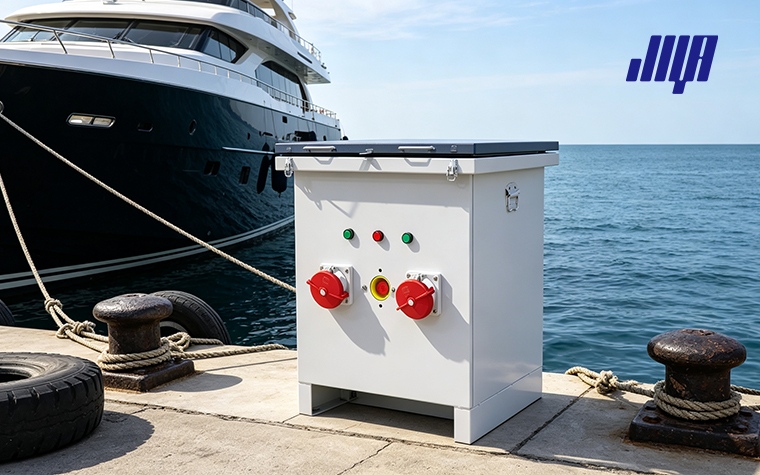
<img class="aligncenter wp-image-11357 size-full" src="https://www.jiyaintelligent.com/wp-content/uploads/2025/11/Practical-Marina-Electrical-Safety-Tips-for-Boat-Owners.jpg" alt="Safety tips brochure graphic for boat owners working with shore power pedestals and onboard marine electrical systems” width=”760″ height=”475″ />
New Regulations Affecting Marina Operations
New regulations have been introduced under marine safety standards, focusing on the improvement of marina safety in operations. Stricter inspection protocols have been placed foremost in the changes made. They require the marina operator to carry out safety checks on a more frequent basis to ensure that all docked vessels conform to the new fire and environmental safety regulations. Measures must identify potential hazards on the property and work toward removing such hazards. The other major Lautenberg provision concerns the protection of the environment. This is the installation of better waste disposal methods against pollution of adjacent water bodies. This means installing contemporary cases of filtration and specified areas for disposal of hazardous materials such as fuel or oil. These measures are meant for the well-being of marine ecology and to comply to strict environmental laws. To finish, training and emergency preparedness are held in higher regard. All marina employees are made to attend updated training courses in first aid, fire preparedness, and evacuation procedures, thus ensuring that staff members will be able to respond to emergencies, further reducing any risks to patrons and property. This course of new regulations, taken together, speaks to safety, sustainability, and operational excellence qualities within the marina industry.
Impact on Boaters Due to the New Standards
These standards impact boaters mainly by providing them with safety and enjoyment. The stricter safety provisions make accidents less probable for the boaters; in emergencies, response time is shorter. With training imparted deeply to the staff of the marina, their employees can take care of many potential problems, allowing boaters to enjoy their ride with peace of mind. With the sustainability of the updated regulations, measures are taken for the protection of a cleaner and healthier environment. By reducing water pollution and encouraging green practices, boaters can enjoy taking rides in clear waters with thriving natural ecosystems-a treat for recreation and assistance for the permanent conservation of these important water environments for future generations. Last, increased attention on operational excellence and service standards will provide boaters with a more seamless and enjoyable experience. Docking is improved, and communication of safety protocols occurs with greater ease. These changes, thus, make for a much more user-friendly and professional setting at the marina. With the maximization of safety and quality coming first, the standards thereby give the boaters a more dependable and fulfilling experience.
Resources for Staying Informed
It’s vital to stay informed about proper marina operations, safety updates, and best practices for a smooth experience. One of the most reliable sources remains the official marina website or app, where updates concerning policies, procedures, schedules, safety regulations, etc., are frequently issued. They typically notify the users of weather updates, dock availability, last-minute changes to procedures, etc., sometimes in real time. Newsletters and e-mail subscriptions maintained by the marina operators and local boating bodies are other valuable sources. The newsletters keep boaters abreast of essential updates, forthcoming events, and community developments so that they do not have to do it themselves all the time. Most of the newsletters also have maintenance tips and guidelines for safe boating, which prove helpful to both novice and experienced boaters. Finally, by participating in boating forums or local boating groups, one may keep abreast of news relevant to the industry and opportunities for hands-on advice. These communities share and exchange experiences, suggestions, and news that not only foster camaraderie but also keep everyone abreast of important developments. Used together, these resources serve the purpose of making sure that boaters are well-informed and ready for anything.
Practical Tips for Small Marinas

Implementing Safety Protocols with Limited Resources
Ensuring safety at a small marina comes first, even if funds are scarce. A prioritized approach is necessary for employing the limited resources in the best way possible. First, conduct a thorough risk assessment to determine the major safety issues. Common dangers should be prioritized: wet and slippery docks, poor lighting, and a lack of clear signage. In most cases, putting up simple weatherproof signs to warn of some danger, or improving the grip surface of certain docks, can be done at a pretty good bargain and could greatly lessen the risks. Next, outline safety rules for staff and visitors and actively communicate them. Rules should specify best practices, such as requiring personal flotation devices (PFDs) while on docks, restricting entry into specific areas after dark, and instructing on emergency response. Safety guidelines can be printed and distributed or displayed via posters at strategic locations so visitors can easily familiarize themselves with them. Lastly, involve the local boating community in promoting marina safety. Volunteer efforts for safety drills, dock maintenance, or dissemination of knowledge on emergency procedures can boost local pride and a feeling of shared responsibility among participants. Working with nearby marinas or local authorities could open the doors to additional resources or binding opportunities. Through coordinated efforts from within the community, small marina safety can be greatly enhanced without the cost ever becoming overwhelming.
Utilizing Technology for Enhanced Safety
Technology can enhance the safety of a marina by supplying methods to monitor, deter against risk, and respond to emergencies. For example, a surveillance system enabled with cameras and motion sensors can be used to monitor the marina 24/7 to deter acts of vandalism, theft, or unauthorized entrance. For larger marinas, these systems may become indispensable as a human watch cannot be maintained at all times. They can be set up to issue mobile alerts to facilitate the immediate response to an incident. Weather forecasting and alert systems are other pivotal technological aids. Marina operators using this information can prepare boats to withstand a storm or help secure objects before another type of severe weather hits. Mobile apps and digital boards with weather updates can also guide decision-making among boat owners. In addition, the use of automated systems such as emergency lighting or fire detection and suppression systems can ensure swift action in dire situations. The systems can also guide pedestrians to safety during emergencies and in the process, minimize property damage. With these technologies and the concerted efforts from the community, marinas can provide safety and security to everyone there.
Building a Community Focused on Safety
A community focused on safety flourishes as its members engage in creating a secure environment of support. This can start with open communication and collaboration between marina staff, boat owners, and visitors. Consider holding regular safety meetings or workshops to share best practices, including emergency procedures, safe docking procedures, and caring for safety equipment. Such open talk will keep everyone well-informed and on the same page about what should be focused on regarding safety. Another key aspect is establishing clear guidelines and rules that all members of the community must adhere to. These might include standard operating procedures for extreme weather events, medical emergencies, or fires. It is best to post safety instructions visibly so that everybody can see them, and also ensure that safety instructions are available in several other formats, like pamphlets or digitally. Follow up with drills from time to time for reinforcement of the guidelines to be properly prepared for undesirable events upon heed. And finally, engendering a mutual responsibility culture for some safety gets nurtured. Ask anyone to report a hazard or suspicious activity so as to promote attentiveness and responsibility. Also, create avenues whereby marina users can air their concerns or offer suggestions toward building trust and instigation of changes. By focusing on teamwork and shared responsibility, marinas will nurture a proactive and resilient community ready to shoulder the safety concerns of everyone.
Frequently Asked Questions (FAQ)
Q: What really are marina safety standards?
A: It is indeed a wonderful concept to have health and safety standards to aid the protection of life. Marina safety standards encompass the conditions a marina must adhere to health and safety regulations that range from aspects such as the use by boaters of shore power cords, electrical connections, and upkeep of the facilities to prevent accidents during a good day on the water.
Q: How can I safely connect my boat to shore power?
A: Connect the boat using only certified shore power cords, adapters appropriate to your country’s shore power exits, either 15 A or 30 A. Check that the outlet is operating correctly and keep connections secure. Also, check the electrical system manual for the boat and adhere to the instructions of operation therein.
Q: Why should you wear your life jacket at the marina?
A: Wearing life jackets at the marina is essential for safety, especially in places where swimmers might be present. It prevents a person from becoming a drowning statistic and, should any unexpected fall into the water occur, the fall goes unnoticed as you relax, enjoying your day at the marina with peace of mind.
Q: What should I be aware of when using shore power?
A: Shore power could pose electrical injuries, so bear them in mind. Always check shore power cords for damage, make sure they are dry before connecting, and do not use any outlet you think is defective. Keep checking and maintaining to prevent potential hazards.
Q: Give some tips for boat maintenance related to safety?
A: Regular maintenance of boats is essential for safe navigation. This entails ensuring the presence and good condition of safety apparatus, inspecting the hull for possible damage, and checking that all electrical systems operate correctly. Furthermore, non-slip shoes should always be kept on board for the protection of life–people might slip and fall without them.
Q: How do I keep my children safe while swimming?
A: To keep children safe while swimming at the marina, always have them in the custody of a responsible adult. Strong swimmers should always attempt to wear life jackets, and educate them about marina etiquette such as keeping away from boats and being careful around wakes.
Q: What is the function of a certified marine electrician?
A: A certified marine electrician maintains safety standards at the marina in crucial ways. These include ensuring the compliance of all electrical installations to safety regulations, conducting inspections intermittently, and advising safe practices concerning connection to shore power.
Q: How do I work extra care when at the marina?
A: Extra care at the marina would mean potential awareness of the surroundings, making sure all of the equipment is well secured, and observing any safety information provided. Others would also recommend wearing non-slip shoes and avoiding distractions wherever possible to ensure safety.
Q: What should be done when one witnesses an accident on the marina?
A: One should call for help immediately and ensure that whoever is capable of assisting does so, as long as it is safe to do so. It is just as vital to notify the marina authorities about the incident so that they can take appropriate measures and prevent others from getting hurt.
Q: What is the etiquette at the marina?
A: Marina etiquette is all about respecting people around you. There should be very little noise from boat engines, no messing around if areas marked for swimmers, et cetera. In addition, be conscious of the environment: put trash in its place, do not contravene safety instructions, and basically ensure a pleasurable occurrence for all.
References
-
Marina Standards (10-MAR) – Includes signage requirements and references NFPA 303, the Fire Protection Standards for Marinas and Boatyards.
-
Guidelines for the Safe Operation and Maintenance of Marinas – Provides comprehensive safety guidelines for marina operations and maintenance.
-
Boating and Marina Safety Brochure – Covers safety tips for swimming, boat maintenance, and marina operations.
-
OSHA Maritime Industry Standards – Offers applicable OSHA standards, interpretations, and guidance for maritime safety, including marinas.
-
Winter & Spring Storm Boating and Marina Safety – Provides seasonal safety tips for marina and boating operations.
Tags

About the Author
Boda Pan
Engineer, JIYA Intelligent
Boda Pan is an engineer at JIYA Intelligent with five years of experience in outdoor power distribution. He specializes in RV power pedestals, water and power pedestals and marina water and electric pedestals, with a focus on IEC standards compliance.