You might set up string lights in the morning for a beautiful and cozy evening out on the patio. Or during the day, you want to plug in a power tool to work on your DIY projects. At some point, you may want to have a neat outdoor building-off-the-wall charging station for your devices. Having your outdoor electrical socket can change your outdoor space into a working and versatile area. This guide will walk you through the considerations and steps to install an outdoor electrical socket safely and effectively, ensuring you know all about the materials and tools, safety regulations you must follow, and so on, while powering your outdoor space! Get ready to enhance and merchandise your backyard or patio’s convenience and safety possibilities!
Understanding Outdoor Electrical Sockets

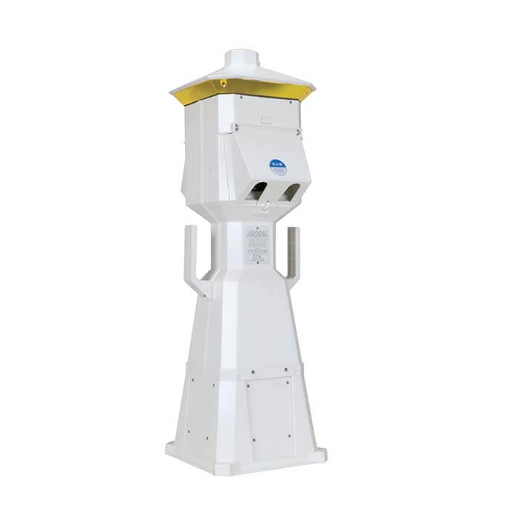
Outdoor electrical sockets, or exterior outlets, are designed to provide safe and convenient access to electricity in outdoor spaces. These outlets are built to be exposed to weather conditions, with features like waterproof covers and durable casing. Power tools and lighting are usually found using such outlets, or sometimes heating outdoor appliances or outdoor fountains. For safety reasons, an outdoor electrical socket has to comply with specific regulations, such as being installed with Ground Fault Circuit Interrupters (GFCIs) that protect against electrical shocks. Proper installation and regular maintenance are required for such outlets to stand free from hazards and provide service for a long time.
Types of Outdoor Electrical Sockets
There are different types of outdoor electrical sockets, such as single and double sockets, switched sockets, RCD-protected sockets, in-ground sockets, and smart sockets, which vary slightly in their design for particular outdoor applications.
|
Type |
Feature |
Use Case |
|---|---|---|
|
Single/Double |
Basic outlets |
General use |
|
Switched |
Power control |
Safety, convenience |
|
RCD-Protected |
Shock prevention |
High-risk areas |
|
In-Ground |
Waterproof |
Garden, ponds |
|
Smart |
Remote control |
Automation |
Benefits of Using Outdoor Power Outlets
Such outdoor power outlets offer many advantages for increased convenience and safety of various outdoor activities. Five main benefits appear below:
- Convenience in Outdoor Appliances
Outdoor power outlets eliminate the need to use lien extension cords to transport power, which is very useful for operating string lights, grills, or power tools.
- Improved Safety
Correctly installed outlets with GFCIs help prevent electrical shocks and cut the trip hazard caused by cables that run outside and inside. Tripping can be caused by such cables being stretched across pathways or yards.
- Weatherproof Durability
These outlets can withstand severe environmental conditions as they are virtually sealed and weather-resistant, keeping the outlet functional even when placed in damp or wet environments.
- Enhanced Outdoor Living Experience
With power and outside access, the homeowners can easily create a very comfortable outdoor setting. Power is needed for patio heaters, speakers, or water features like fountains to aid ambiance and usability.
- Energy Efficiency and Cost Saving
Outdoor outlets make it easy for consumers to use energy-efficient appliances directly, which is otherwise unnecessary in arrangements such as indoor power sources routed out through doors or windows, which leads to energy loss.
Common Uses for Outdoor Electrical Outlets
With the convenience and functionality offered for myriad purposes, outdoor electrical outlets have become one of the essential features in modern homes. Common uses include:
- Lighting and Decor
Outdoor outlets generally power outdoor lights, like pathway, string, or motion-sensing security lights, to illuminate an area for safety and neighborly ambiance. For seasonal decorations, outdoor outlets power holiday lights or inflatable displays.
- Garden Tools
Electric lawn mowers, hedge trimmers, or leaf blowers—name your tool. Outdoor outlets power them all so that gardeners can maintain their grounds without endless cords.
- Audio-Visual System
Power outdoor speakers, projectors, or TVs to turn the garden or outdoor living space into an outdoor entertainment center for family and friends.
- Dining and Grilling
Many outdoor outlets can power a modern range of electric grills, slow cookers, and beverage coolers, making dining and cooking easy and enjoyable.
- Charging Devices
Outdoor outlets are handy charging stations for battery-powered devices, including smartphones, tablets, or even cordless tool batteries, so experiences of enjoying the warmth of the sun will never be interrupted.
Through such outlets, technology and comfort are blended into outdoor spaces, allowing homeowners to fully benefit from and enjoy their exterior spaces.
Safety Considerations for Outdoor Electrical Installations
- Use Weatherproof Materials
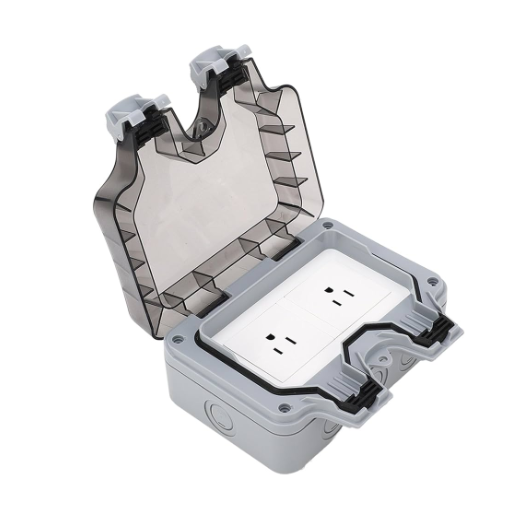
Ensure all outlets, covers, and cables are suitable for outdoor use and withstand moisture, extreme temperatures, or debris.
- Installing GFCIs
GFCIs are indispensable in outdoor electrical installations because they prevent electrocution by turning off power when they detect a fault.
- Hire a Licensed Electrician
Hire a licensed electrician for complex installations or upgrades to ensure that the work meets safety codes and regulations.
- Keep Outlets and Fixtures Higher
Keep outlets and fixtures above ground to avoid soaking during rain or floods.
- Regular Maintenance and Inspections
Regularly inspect all outdoor-installed electrical components for wear, damage, or corrosion and immediately take action to safeguard them.
By adhering to these guidelines, outdoor electrical installations can remain safe and efficient for long-term use.
Importance of GFCI Protection
Ground Fault Circuit Interrupters are necessary to keep from electrical shocks; these are considered a special case in areas like kitchens, bathrooms, and outdoor places. Some recent data postulated that GFCIs could avert electrical shocks by some 80% because the power is immediately cut off if an imbalance in the electrical currents is identified.
At a time like that, when a speedy response time could save severe injuries or even death, it becomes most useful. Also, the GFCIs keep the electrical system and appliances from being damaged due to power fluctuations. Properly ensuring GFCI protection in areas where exposure to water and dampness is a concern should be a priority towards creating a safer home and work environment.
Weatherproofing Your Outdoor Socket
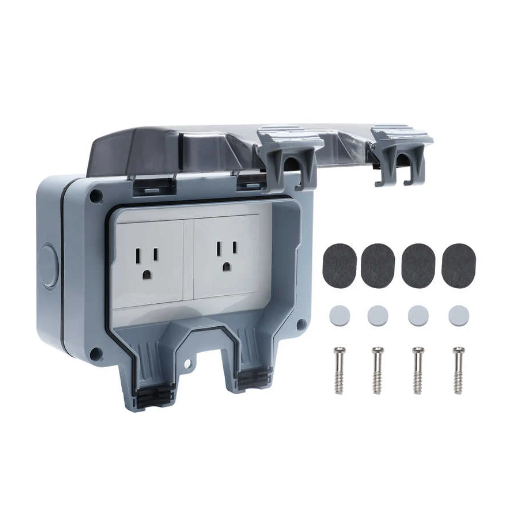
Weatherproofing your outdoor socket involves protecting it against moisture, dust, and harsh environmental conditions. Weatherproofing an outdoor socket begins with trading up for a good-quality weatherproof cover, which will seal the socket from rain and water exposure. It is advisable to look for a cover that is rated for outdoor use so that you ensure it protects against water splashes and solid particles; they generally have an IP rating like IP44 or above.
It is equally important that your outdoor socket is installed with a proper seal between the wall and the mounting plate, for allowing the entry of water from behind would defeat the whole purpose of everything concerned here. Regularly inspect your outdoor socket for any wear and tear, so you can replace any damaged component promptly to ensure the barrier against environmental agents is always maintained. Doing so sets assurance and certainly extends the life of the outdoor electricals.
Local Electrical Codes and Regulations
Adherence to local codes and regulations is necessary if a particular installation has to stay safe and functional. Such codes are region-specific and protect life and property by setting working standards in the field. Most regulations require GFCI outlets for outdoor sockets to prevent electric shock under wet or damp conditions. Furthermore, in the United States, according to the NEC, all exterior outlets shall require covers that keep the outlets weatherproof even while in use.
Before beginning an electrical project, consult the local building authority or a licensed electrician to determine the specific requirements and whether your instructions apply. Non-compliance is dangerous and can also result in judicial penalties or recourse to pay for modification works. Keeping a close eye on any amendments ensures that your codes are up to date for the highest safety and performance standards.
Maintaining Your Outdoor Electrical Socket

Maintenance of an outdoor electrical socket means keeping it in perfect working condition. Here are some steps to take into account for proper maintenance:
- Regular Cleaning: Wipe down the socket and cover with a damp cloth, removing all dirt, dust, and debris. Make sure it is scorched before you use it.
- Inspections for Damage: Checking for cracks in the casing, perhaps wear, loose connections, or any signs of water in the socket increases the risk of damage. If problems are found, address them promptly to prevent further damage or hazard.
- Test GFCI Operation: If your outdoor socket has a ground fault circuit interrupter, pressing the “Test” button monthly will ensure that the feature is working.
- Seal Properly: Ensure that the weatherproof cover fits snugly and closes tightly to prevent moisture from entering the socket. Replace any worn or broken covers.
- Avoid Overloading: Do not overload the socket by plugging in more devices than it is designed for.
Regular maintenance keeps your outdoor electrical socket safe and free of malfunction.
Regular Inspection and Maintenance Tips
- Physical Damage Inspection: Regularly inspect any cracks, chips, or physical damages to the socket or cover, as these may jeopardize safety and expose internal components to moisture.
- Test for GFCI Functionality: For outdoor sockets equipped with Ground Fault Circuit Interrupter (GFCI), test them monthly by pressing the “Test” button and allowing them to trip; then, reset them.
- Clean the Area around the Socket: Clean the socket from any dirt or debris that might act as an obstruction. Wiping with a dry or slightly damp cloth should suffice.
- Check for Moisture Intrusion: Look for any water or condensation inside the socket cover, as the sealing might be compromised. This should be rectified immediately to avoid electrical hazards.
- Tighten Connections: Make sure that every external screw and connection is well tightened and fitted, as loose parts can cause improper functioning or expose wires.
By closely following these inspection and maintenance methods, you can defend your outdoor electrical sockets while maintaining their operational condition over time.
Troubleshooting Common Issues
If your outdoor electrical socket is not working, quickly finding and rectifying the problem is very important. Five issues and solutions are discussed below:
- Loss of Power: Check if the circuit breaker has tripped or a fuse has blown. Reset the breaker or replace the fuse accordingly. Adding too many loads to the circuit may have caused the problem.
- Water Intrusion: Check the socket for moisture or any sign of water damage. Ensure the area is arid, and replace the seals or gaskets to prevent further water entry.
- Corroded Connections: The contacts or wires may have become corroded due to the weather. Clean the corroded parts with an appropriate cleaner or replace any damaged components.
- Socket Overheating: If the socket gets too warm to touch, it is either due to loose connections or overloading. Tighten all loose connections and do not plug in high-capacity devices whose ratings exceed the socket’s.
- Damaged Cover or Housing: Cracked or broken socket covers expose internals to the rain or physical damage. Replace the cover at once to maintain protection and safety.
When solved methodically, these common problems will ensure that you continue to have safe and fully functional outdoor electrical sockets.
When to Call a Professional
Every little problem that may occur in an outdoor electrical socket can be tackled by basic troubleshooting; nevertheless, many calls must be made to a licensed electrician. For example, there may be wiring problems or electrical overloads that require expert intervention when the circuit breaker trips frequently; if there is a burning smell or charred marks around the socket; or if the socket has been infiltrated by water, or you feel the ground fault protection may not be working correctly.
Complex repairs or installations handled without the proper know-how can be hazardous. An electrician will work to keep your electrical system safe, compliant with local codes, and working efficiently.
Factors to Consider When Choosing an Outdoor Electrical Socket

- Weather Resistance: Ensure the socket is rated for outdoor use and protects against rain, dust, and environmental factors. Look for sockets with an IP rating of IP44 or higher.
- Durability: Going for an unnecessarily heavy material might be heavy on your pockets! It must have weather-resistance features like corrosion resistance from stainless steel or certain plastics with hard coatings.
- Safety Features: A GFCI would be an important consideration for this socket, as it will automatically shut off electricity and prevent shocks.
- Amperage Rating: Confirm that the socket’s amperage capacity matches the requirements of the devices you will use.
- Level of Installation: The one you consider must be easy to install and must agree with the existing electrical installations.
- Aesthetic Design: You must consider a socket design that blends with your outdoor décor.
By emphasizing these conditions, you can opt for the one outdoor electrical socket that is reliable, safe, and excellent for your needs.
Voltage and Amperage Requirements
When choosing an outdoor electrical socket, voltage and amperage considerations are crucial for safety and efficiency. Voltage is usually considered the electrical potential provided by a circuit, while amperage measures the current strength coursing through the system.
In the United States, most outdoor house electrical sockets operate at a standard voltage of 120V. Nonetheless, larger loads, such as those of an EV charger or an outdoor heating system, would require higher voltages, such as 240V. The amperage rating of the socket should also match that of the appliances attached. Standard outdoor sockets work with 15A or 20A circuits, which are enough for tools and equipment like string lights, clippers, or little fountains. Higher amperage-rated sockets must be installed for heavier applications to avoid overloading the circuit.
One more thing to pay attention to while using this socket is the combined load of all the devices plugged into it. Consider a string light setup that draws 5A and a fountain pump drawing 8A; in this case, a 15A socket would be at its max capacity at 13A with both loads operating. Hence, a general rule is to leave some headroom below the rated socket amperage to avoid trips.
Check local electrical codes and tell-tale signs from manufacturers for any peculiar requirements, especially if you want to increase safety with newer 240V systems or GFCI protection capable of guarding against power surges or the occasional getting wet.
Design and Aesthetic Considerations
The development of any landscape, including designing water features and electrical works, aims to make the area beautiful and highly functional. Architectural elements, landscaping, and complementary materials can further enhance the visual appeal. For instance, wiring can be hidden, and outlets can be positioned strategically to keep a neat look while offering convenience for their appliances and lighting.
Some outdoor design trends point to a shift toward minimalism and natural materials. Recent data suggest 67% of homeowners prefer neutral shades, such as beige or gray, for their patios or any outdoor feature. Furthermore, 45% of outdoor projects now promote lighting as a key aspect, especially with LEDs for their energy efficiency and design flexibility. Sustainable options for the environmentally conscious include solar-powered lights or building materials, which are also appreciated for their timeless aesthetic- a win-win.
Water features offer pleasant sounds and sensations for an outdoor space. With decorative surrounds using textured stone or mosaic tiles, the water features gain a touch of drama and interest. Also, modern-day fountain pumps are quieter and more energy-efficient, blending into the surroundings without trying to create attention. Designers usually recommend water feature finishes harmonizing with outdoor finishes, such as patio furniture or walkway materials.
With all these, functionality entwined with current trends and technologies creates environments that are easy to look at and live in. Planning well and considering sustainable and durable options to enhance beauty and longevity would be best.
Reference Sources
-
Thermal and Insulation Analysis of Electrical Sockets1:
- Key Findings: This study analyzed electrical sockets’ thermal and insulation resistance characteristics over time. It found that older sockets (30 years) exhibited higher temperatures and reduced insulation resistance, increasing the risk of electrical fires.
- Methodology: Accelerated aging tests were conducted to simulate long-term use, measuring temperature rise and insulation resistance under varying current levels.
-
Energy Consumption Separation in Public Buildings:
- Key Findings: A methodology was developed to separate the power consumption of lighting sockets and air-conditioning in public buildings. The study achieved a less than 15% relative error using historical data and clustering algorithms.
- Methodology: The study employed the k-nearest neighbor (KNN) algorithm and outdoor air temperature partitioning to identify and separate mixed energy consumption data.
-
Behavioral Models for Energy Prediction in Campus Buildings:
- Key Findings: This research introduced models linking occupant behavior to electricity consumption, improving prediction accuracy for campus buildings. It highlighted the significant impact of occupant behavior on energy use.
- Methodology: The study used a novel parameter combining occupant behavior probability, numbers, and building operation hours to establish correlation models for energy prediction.
Frequently Asked Questions (FAQs)
What is the comprehensive guide to outdoor electrical sockets?
A comprehensive guide to outdoor electrical sockets covers essential information about selecting, installing, and maintaining outdoor outlets. It includes considerations for weatherproofing, understanding electrical regulations, and ensuring safety while meeting outdoor power needs. This guide gives homeowners the knowledge to make informed decisions when adding electrical outlets to their outdoor spaces.
How do I install an outdoor electrical outlet?
To install an outdoor electrical outlet, you should begin by shutting off power to the area at the main circuit breaker. Use a weatherproof electrical box to house the outlet and ensure it is rated for outdoor use. Follow a step-by-step guide to installing the outlet, including connecting the wiring, securing the outlet, and sealing any openings to protect against moisture. Always consult local electrical codes and consider hiring a professional if you lack electrical knowledge.
What are the outdoor power requirements for my outdoor space?
Outdoor power requirements depend on the type of activities and equipment you plan to use in your outdoor areas. A standard outdoor socket may suffice for basic lighting and small appliances. However, you may need a more robust power supply for heavier equipment or outdoor events. Assess your power needs to determine the best outdoor outlet and ensure it can handle the load safely.
What is the right outdoor socket for my needs?
The right outdoor socket should be weatherproof and suitable for the specific outdoor conditions in your area. Look for sockets with a weatherproof cover to protect against rain, snow, and dust. Additionally, consider the type of outlet that matches your outdoor equipment, ensuring reliable power delivery for your outdoor activities.
Can I use a portable power station to solve my outdoor power needs?
Portable power stations can be a convenient power source for outdoor activities. They provide a reliable electrical supply without the need for permanent installation. Portable power stations are ideal for camping, outdoor events, or temporary setups. Ensure the station has sufficient capacity to meet your power needs and is suitable for outdoor use.
How do I ensure electrical safety when installing outdoor sockets?
Always comply with local electrical regulations and codes to ensure electrical safety when installing outdoor sockets. Use weatherproof electrical boxes and covers to protect connections from the elements. Properly secure all wiring and connections, and consider using GFCI outlets that cut off power in case of electrical faults. Regularly inspect outdoor outlets for wear and damage to maintain safety.
What is a step-by-step guide to installing an outdoor electrical outlet?
A step-by-step guide to installing an outdoor electrical outlet includes planning the location, gathering necessary materials, shutting off power, installing a weatherproof electrical box, connecting the wiring, securing the outlet, and testing it. Follow safety protocols and consult an electrician if unsure about any of the steps.
What should I consider when setting up outdoor lighting?
When setting up outdoor lighting, consider your outdoor power supply and the type of lighting fixtures you plan to use. Ensure that the installed outdoor sockets can handle the electrical load and are appropriately placed to illuminate your outdoor areas effectively. Use weatherproof fixtures and consider energy-efficient options to reduce power consumption while enhancing your outdoor environment.
How do I maintain and care for my outdoor electrical sockets?
Maintaining outdoor electrical sockets involves regular inspections for any signs of wear, damage, or corrosion. Check the weatherproof covers to ensure they are intact and functional. Clean the sockets periodically and make sure the connections are secure. If you notice any issues, such as cuts in the power or flickering lights, consult a professional to address potential electrical hazards.