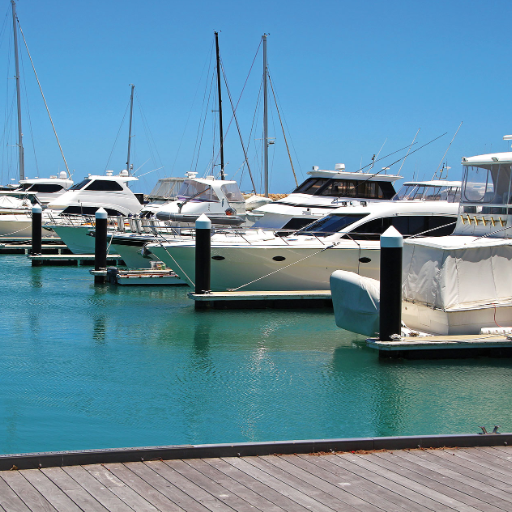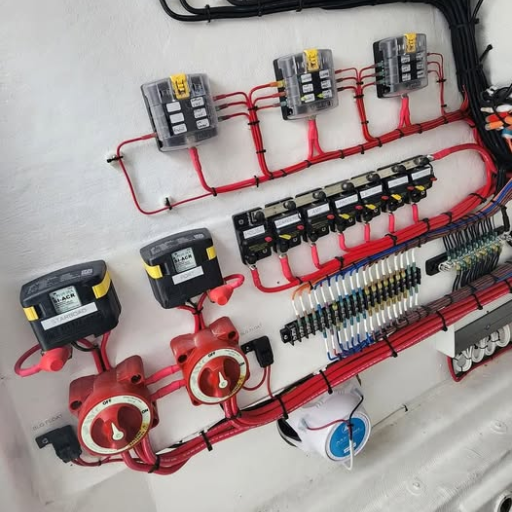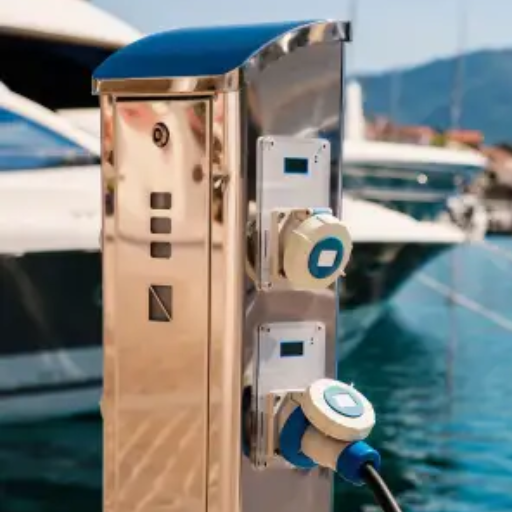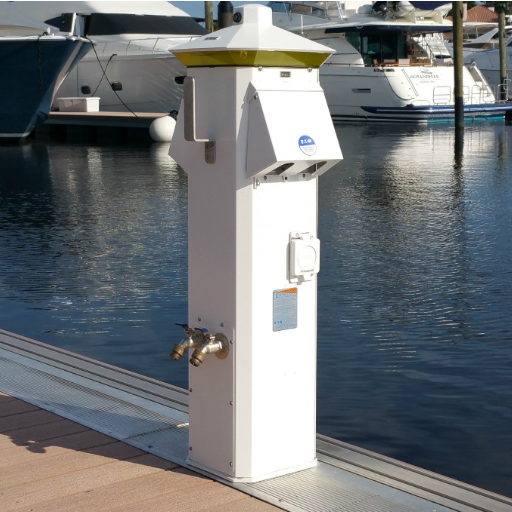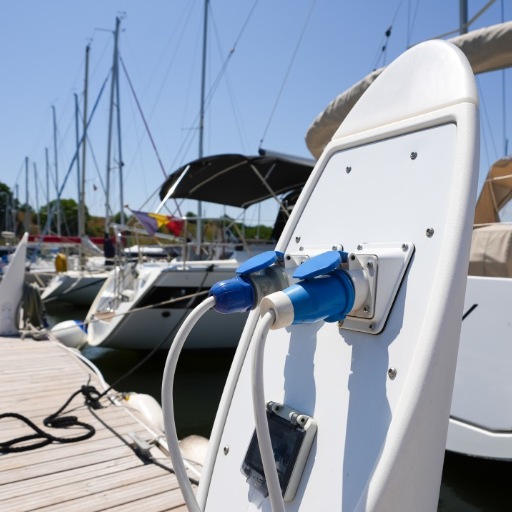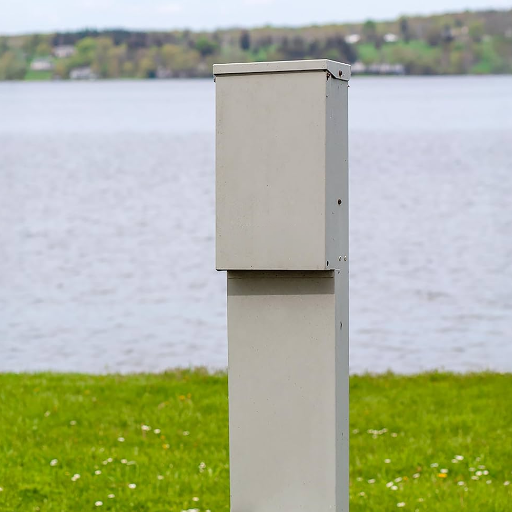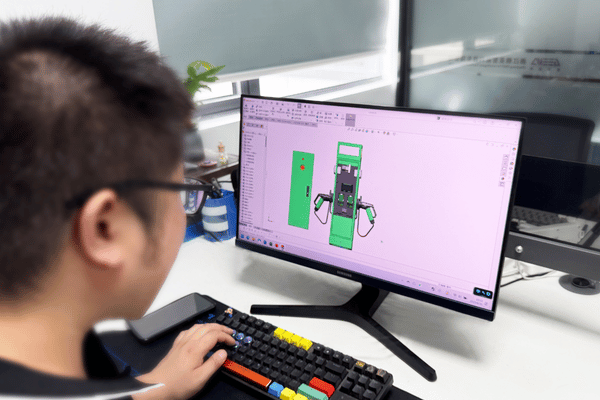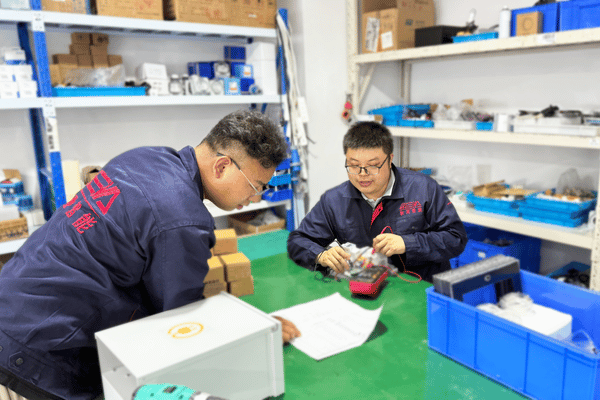
When setting up your dock, consider the choice of an outdoor power pedestal with utmost care-it could make quite a difference to function and quality of safety of your installation. Be it boat charging, powering light systems or any other dockside necessities, the appropriate selection results in reliable power distribution and the unit also stands up to all the rigors of the marine environment. But numerous items are available on the market, so which one is one for your needs? This guide walks you through the key considerations, from understanding power needs and evaluating durability and features to finally helping with your own best installation decisions for the dock setup.
Understanding Outdoor Power Pedestals
Definition and Purpose
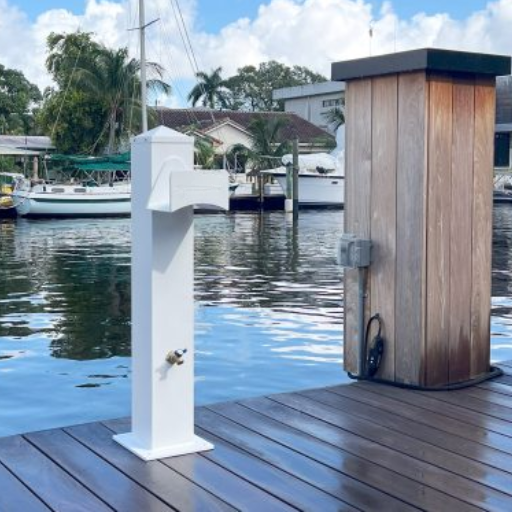
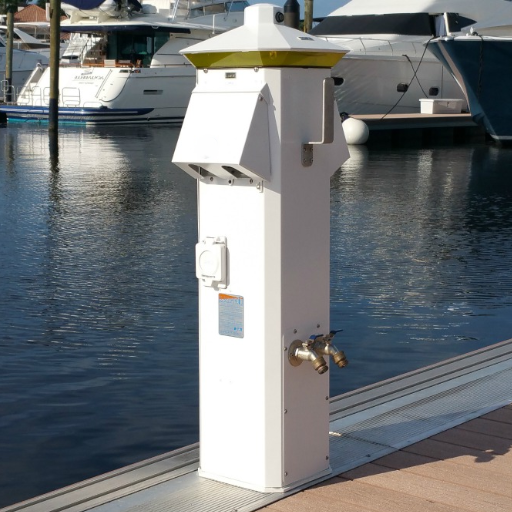
Outdoor power pedestals are basically specialized units that provide reliable and safe supply of electricity outdoors, particularly in the vicinity of marinas, RV parks, and docks. One of the key functions of the said pedestal is to make available electricity to be distributed over various pieces of outdoor equipment, such as boats, motor homes, vans, and outdoor lighting. As much as safety, durability, and compliance with electrical standards are concerned.
These tough-skinned pedestals are made to weather harsh environmental conditions. They boast weather-resistant, corrosion-resistant characteristics. These are typically equipped with built-in circuit breakers and ground fault protection that become the first line of defense against an electrical appliance. In addition, most power pedestals in the outdoors are being planned for the convenience of the userÉmultiple outlets, utilization meters, and in certain instances, further functions like lighting or water access supplied.
The hard-to-miss Power Pedestals or Power-Peds, allow far fewer hassles on the campsite as they bring electricity and its related glory to your very doorstep. It provides lightning fast electricity for some recreational activities and much essential electricity to prepare one’s soul considering that the latter is somehow linked and in some cases conditional on having all these NEC and other strict regulations by both electrical and environmental controlling bodies.
Common Applications at Marinas
Power pedestals in marinas allow docked boats to harness electricity for different purposes. It lets the boot owners power up appliances, lighting, and things onboard in their boats without any need for the use of the boat’s own generator. This invariably makes life more fruitful and less bothersome for a boat’s occupants during their voyage to a marina.
Having another common use for power pedestals in marinas is to ensure secure and dependable charging of deep-cycle batteries. These types of batteries are necessary for the boats to use during engine startup and operation of navigation tools and other electronic devices. Consistent battery charging is made certain by the availability of an electrical outlet, and this compensates for the possible absence of available electricity on the boat while on its waves.
The oversize power pedestals also increase the security of the marina in strict observance of safety standards. Safety features may include a grounding feature, or weatherproof designs to reduce electric shock or accidents. Of course, good access to electricity while abiding by regulations not only ensures good safety for all tenants but also ensures that basic comfort can be a fundamental part of any viable marine facility.
Differences Between Standard and Marine Power Pedestals
Marine power pedestals differ from the general-powered pedestals in some unique ways due in the main to marine environmental conditions and the safety requirements set for these circumstances. These pedestals are not meant to be compared directly to power systems because a marine pedestal should be specially designed to work throughout continuous exposure to sea spray, heavy weather, and high humidity without any type of corrosion or total failure, and this is only achieved by use of weather-proof and corrosion-resistant material ensuring long operational life at very harsh extremes.
One more distinction that comes to mind is the safety features which bolster marine power pedestals. Often, such units will be equipped with a combination of different safety devices coming all inclusive of GFCI interlocks, surge protection, and grounding mechanisms. These features protect not only electrical systems from failure due to ground current but also humans from getting zapped during such mishaps. Safety is an important factor in marina environments as a coupling of water and electricity always holds potential-brave for standard systems.
Besides, the marine power pedestals provide enhanced connectivity and considerably greater power capacity for the requirements of recent boats-one or more sockets with different voltage levels are needed for operating navigation, legal, comm, light, and HVAC units. Regular power installations always have all the provisions for providing single-use installations, because when several appliances needed to run in the line at sugar loads, the system would not be able to support them. For all marinas to be comprehensive modern marinas, marine-specific systems are mandatory.
Key Considerations When Choosing the Right Power Pedestal
Evaluating Power Requirements
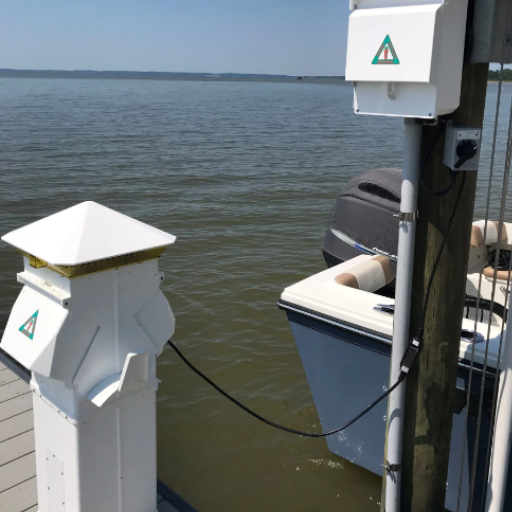
The review of power needs necessary for a marina depends on the assessment of total demand load. Assess the kind and numbers of boats planned to use the marina; this is because all vessels have varied power requirements, based on size, and varying onboard facilities. Calculate the sum loads of major equipment such as lighting, HVAC systems, communication, and navigational gadgets; the requirement is that the power system should be able to achieve peak load without interruptions.
Thereafter, plan for future expansion. Marinas planning for bigger boats to be docked or additional slips in the future should prepare scalable power solutions: a system that can handle increased capacity without many upgrades will save time and resources in the long-term. This proactive approach sees to it that the marina retains its operational status and relative competitiveness in the face of rising demand.
Safety and compliance are paramount in any power requirement concern. Make sure that the marina electrical system fits local and international safety standards, especially electrical systems immersed in water. A good grounding system with surge and circuit breakers offers an excellent means of protecting boats and their inhabitants. Marinas operators can create trust-based, fully fledged, and future-oriented power infrastructure by confronting these precise factors.
Understanding Amperage Needs
The amperage needs of a marina are best rated according to the energy requirements of boats accommodated and the required equipment on boats. A good number of modern boats require connecting to power pedestals with capacities of 30A, 50A, or even higher amperages up to 100A, depending on the vessel’s size, the systems they possess on board, and the equipment used. Ensure any power amenities the marina offers facilitate all unique installations possible to cater to such wide-ranging power needs. It is important to survey some typical power requirements of the vessels that frequent the facility.
It is essential to manage the load on the power pedestals correctly. The electrical system of a well-designed marina must therefore distribute power equally, so that one section does not demand extreme strain. And this not only safeguards the infrastructure from physical damages but also guarantees energy availability for all authorized users. Regular inspection and maintenance of wiring, connections, and breakers are necessary to guarantee a consistent and safe energy supply.
Think about future growth in amperage needs. Marinas are being used to host increasingly high-maintenance-sized boats. Therefore it’s important to determine firstly how best to prepare for expansion or upgrading. If such trails are carried out now, with lower amperages, it would be a saving in costs and effort in the future as far as competitiveness between you and other marinas and the customer’s requirements will be concerned.
Importance of Durability in Outdoor Environments
Outdoor spaces expose materials and structures to very rough and great environmental conditions. These include extreme temperatures, heavy rainfall, UV radiation and saltwater exposure. Durability is necessary to ensure installations can withstand endangered climatic conditions and continue to function safely over time. Without proper durability, installations will necessitate frequent repair and replacement, which will incur heavy costs and not only prevent proper use but also cause problems in customer satisfaction.
To withstand the harsh conditions of outdoor environments, materials must be chosen based on corrosion resistance, wear resistance, environmental protection, or all of these. For example, stainless steel, treated wood, and weathering-resistant coating are some examples that are used frequently because of their ability to survive for an extended period under challenging ambient conditions. Regular survey and upkeep certainly enhance the lifespan of structures and ensure that they would be effective for years to come.
Laying hands on durable solutions initially saves resources, ultimately reducing the environmental footprint while increasing businesses which have heavy operations located in outdoor settings-such as marinas. In this way, these marinas can further utilize sustained composed infrastructure to better hedge themselves against the risk of enormous disruptions and ensure they prove, in addition, that they value high performance and reliability; both aspects are crucial to a high degree of consumer trust and therefore scale with benefits in the long run.
Material Choices for Outdoor Power Pedestals
Stainless Steel vs. Composite Materials
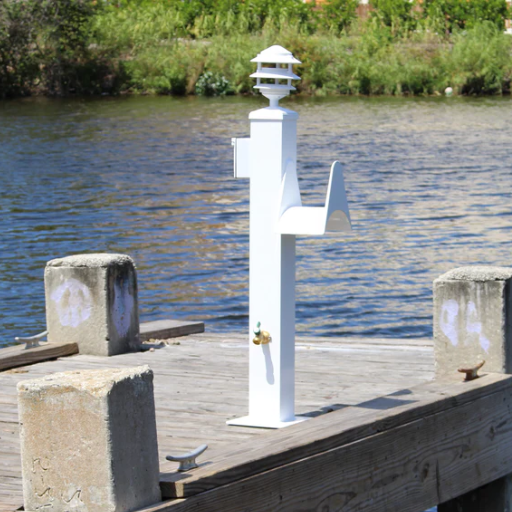
Comparing outdoor power pedestals, stainless steel and composite materials each bring particular advantages under particular cases of use and environmental conditions. Stainless steel is characterized by its resistance to corrosion over time and its strength. It is especially useful in protective environments such as in coastal areas and marine settings, where metals are exposed to saltwater, unlike other materials less resistant to it. Another good reason to get stainless steel is because you have a good and nice-looking finished look, which attracts a lot of attention and looks operable and is the only reason.
In contrast, composite materials boast lightness, rust-resistance, low maintenance, durability against challenges from UV and weather conditions (extreme temperatures, for example), and moreover, from normal corrosive/manufacturing stresses. Moreover, they can be substitutable for those of concrete and metal. Low capital expense and long life render them worthwhile for most outdoor applications. With the increasing demands among corrosion-resistant, impact-resistant materials, they provide a valid solution.
The selection between stainless steel and composite materials on the pontoon rise in accordance with several key aspects, including their dock’s site, their exposure to environmental elements, budget constraints, and their preference for look and finish. If a person favors maximum strength and shine, he should choose stainless steel, while composite materials are suitable for lightweights having an edge for corrosion-free services almost always at a fraction of the cost. Indeed, selecting adjacently would become something that connects closely with the overall business targets and conditions on a particular marina by tracking and observing the above-mentioned factors.
Corrosion Resistance and Weatherproofing
The most important factors that should be considered when you decide on materials for marine uses are their resistance to corrosion and weatherproofing, so that durability and long-term performance can be assured. The materials that come into direct contact with water, humidity, salt, and other environmental elements should be designed in such a way that they do not get damaged, lose their structural integrity, or affect their functionality in any way. Other good options for materials with oxidation resistance in these harsh conditions are stainless steel and composites.
Stainless steel is loved for its extremely strong ability to resist rust and withstand corrosion when it has been blended with chromium. This makes the material well suited for environments capable of rusting, inclusive of places close to seawater and those with high humidity. Additionally, stainless steel is known for its great capacity to take mechanical stress, so that not subject to corrosion in adverse conditions. It also needs very little maintenance, leading it to economical costs in the long axis that are otherwise associated with repairs over time.
On the other hand, composites offer good resistance against corrosion and are particularly suited for weight-saving applications. Composite materials frequently display key benefits of weathering and UV radiation, which provide a protection against degradation over time. They are light in terms of their bulk density but strong in stiffness and therefore are increasingly preferred in various marine applications, keeping in mind the blend of cost efficiency and performance reliability. Both major materials offer benefits according to desirability based on requirements, and then, it becomes more critical to recognize environmental requirements or operational conditions to guide the best choice of material.
Impact on Longevity and Maintenance
Materials used in maritime engineering heavily affect structure longevity and maintenance that will have to be carried out during its lifetime. Resistance to corrosion, abrasion, and fatigue are, in particular, important attributes that determine for how long a material can perform effectively in the harsh marine environments. For example, composite and certain alloy types allow better resistance to saltwater exposure and moisture, thereby providing good durability to the structure over extended periods of time. It is considered necessary to select materials that are ideal for the prevailing environmental conditions in order to reduce degradation. Instead, materials must help to aid in maximizing the service life.
Considering maintenance when selecting materials for marine use is equally important. When long-lasting materials resistant to fouling, corrosion, and structural degradation are chosen, maintenance would be very minimal and less intense. Higher costs could come about with less durable materials that will require ongoing maintenance in the long term. Materials with an appropriate balance between resistance to environmental factors and strength could greatly improve the efficiency of maintenance operations.
The environmental factors like temperature fluctuation, degradation to UV attack, and chemical exposure must be taken into account besides material properties. Highly stable materials in view of such conditions will counteract any maintenance requirements from growing greater and continue preserving their structural integrity. The careful selection of materials aligned to the specific application demands and environmental requirements can contribute to maximizing life-longevity and addressing maintenance concerns, at once ensuring dependability and economy during the entire life of the structure.
Safety Features to Look For

GFCI Protection and Its Importance
The feature of ground fault circuit interrupter (GFCI) protection guarantees the security against electric shock and prevents the menace of electrical fires. While they work by sensing the flow of electric current through the circuits and interrupting the flow of power the very instant they find an imbalance, as in electricity flowing undesirably through water or a person, this makes them go off-duty in an extremely useful way in safeguarding people and equipment in conditions where GFCI’s are really required, such as wet or hazardous habitats.
The aesthetics of outdoor power pedestals fitted with GFCI protection is with paramount importance owning to the exposure outdoors to harsh weather elements such as rain, snow, humidity, and so on. No doubt, in such harsh weather conditions, chances of electrical hazards increase. By ensuring they are safety standards compliant, capped with a GFCI capability, you would go a long way in guaranteeing user safety to promote longevity in the electric infrastructure.
GFCI protection is indeed a safety necessity even where deemed advisable and is usually mandatory. Make sure to look for GFCI specification in the selction of equipment such as the power pedestal which will be implemented per the obtaining regulations in favor of max safety. This easy-to-follow advice, which relates to a proper applicaiton of the elective codes governing a practicable minimum of safety will save you the hassle and, eventually, lead to an excellent operative outdoors electrical system.
Weatherproofing Standards
The edging of external electrical systems calls for the observation of weather protection standards, in order to ensure longevity, safety, and durability. Weather protection protects electrical equipment from exposure to rain, humidity, dust, and other environmental factors that would normally affect the equipment’s performance or create hazardous conditions. The principal consideration with regard to weather protection is that when one is selecting insulated equipment and enclosures, they are to choose those that are generally rated for outdoor use. The most applicable criterion for these ratings is the supposedly universal IP ratings, or ingress protection, among others, which give a very straightforward explanation of the protection from any kind of destruction by water or solids.
Another important factor is in the proper sealing techniques. This includes the sealing of the joints, outlets, and enclosures from getting moisture ingression. To maintain a secure dialect based on moisture far from the outlet box, waterproof covers and gaskets are applied and cords are plugged in. Applying weather-resistant materials along with vigorous installation practices helps to avoid electrical mishaps caused by corrosion and water damage.
Finally, maintain and check up on regular activities. All systems which can last forever degenerate over time as a result of being continuously exposed to all sorts of weather conditions. By keeping an eye on the seals, enclosures, and wiring, you can determine the early signs of wear and tear and can prolong the life of the electrical system and improve safety. Weatherproofing—code specifications on the other hand——ensures that apart from performance, the code compliance and electrical safety will also be desired from outdoor environments sets on-site.
Residential vs. Commercial Power Needs
Choosing Power Pedestals for RVs
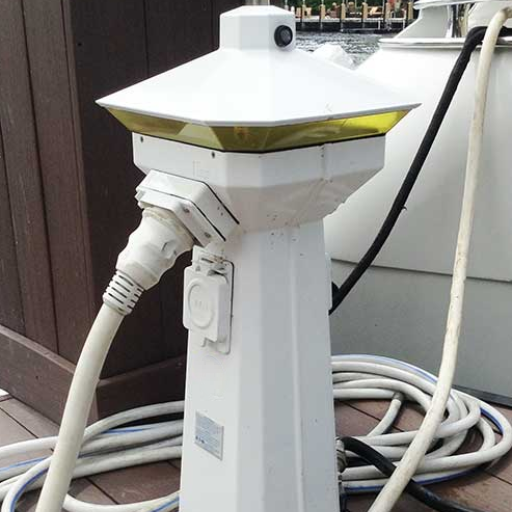
In choosing RV power pedestals, one must consider what works best for and is in compliance with the latest electrical standards of the industry, either an excellent quality. The RV power pedestals act as the very nature of the power source at campgrounds, RV parks, or any private property, catering to the expanded electrical-demand needs. Most of these pedestals have a choice of 30 amp or in some models 50-amp circuits; some models may come with support for both, preventing compatibility issues with cases needing either.
What to Look For:
- Rating of amperage:
It is high time that today’s RV, now with increased and larger appliances and air conditioning needs, needs more electrical power required. Some reports suggest that most of the RVs are operating on 50 amp service though; we must all understand that the 30-amp should still be an available option to support old or smaller models. - Weatherproof grip:
Make sure it is weatherproof with enclosures that are weather-resistant to resist rain or snow and environmental interferences in their work. The UL-certified pedestals make sure it has met the proper standard and is compliant. - Integrated Safety Features:
These safety features are most times mandated by law, such as the shock protection devices known as GFCI or Ground-Fault Circuit Interrupter. These devices protect against accidental electrocution or injury. - Connectivity Options:
In addition to standard features like USB ports, state-of-the-art power pedestals have integrated circuits to control internal metering that allows RV owners to monitor power consumption.
This provides RV enthusiasts with a modern appeal while adhering to safety and compliance standards; thus, investing in the Power Plynth might be significantly easier and instigate peace of mind in ensuring electrical reliability in outdoor settings.
Considerations for Charging Stations
While planning for charging stations, interoperability among multiple devices and vehicles ranks highly in terms of consideration. Different charging stations must support different voltage levels and connector types to cater efficiently for different devices, whether it be of electric vehicles or small electronic gadgets. The design should aim at total universality, meaning the equipment should charge everywhere without regard to historical use patterns or connections; this will mean the user will probably be able to charge.
The next important point is that the placing of the charging stations is closely associated to aspects of accessibility. Placing the stations right in the center or at other popular and most accessed locations would be good sites to enable both visibility and accessibility. However, beyond this very basic site selection, additional features should support access, such as clear naming and pathing, to enable inclusivity for all, such as dummies who are physically disabled.
“From an operations viewpoint, with their tremendous charge, how do these Michigan EVSEs ensure efficient charging with total safety and security? Fortunately, Automotive Experts realizes that all players are not yet concerning this. In order to meet mentioned ends, justifying the maintenance for charging system throughput may be recommended. Thus, safe and reliable charging must be provided with all-mission using excellently high safety standards that are acceptable for all desks. Exploiting energy to reach this ultimate goal must not be tolerated.”
Deciding Between Residential and Commercial Use
Among the several factors involved in residential and commercial charge systems, a fundamental distinction can be found in the scale of consumption and application each setting entails. Residential usage generally attracts less energy and serves personage or small-scale needs. Accordingly, charging systems for the residential sector can afford many utilities for their own use in a highly visible fashion.
Commercial usage, on the other hand, has a larger connection, often serving many users depending on them, with more energy consumption. In such business premises, the charging systems need a good build to endure the wise torment of numbers of tasks and time of constant use. Some added features might even come in for ease on the buyer, such as payment networks or digitized meters monitoring storage!”
Try to take more considerations into your thoughts about the amount of usage, electricity demands, and financial constraints before making the right decision. A domestic system might cater to the needs of a private or residential purpose, but a commercial setup serves much better in public areas, business, or industrial setups where there are multiple persons or vehicles that depend upon a substantial charging infrastructure. A qualification of all of these must be soundly judged in respect to your lanes.
Frequently Asked Questions (FAQ)
Q: What Kind of Outdoor Power Pedestal to Choose for My Marina or RV Park?
A: Choose the kind of outdoor power pedestal that best meets your electric power requirements. For example, what is the power output I need? (30-amp, 50-amp, 100-amp, etc.) It should also be based on the kind of boats or RVs one is familiar with. Consider what is available in the marketplace versus a custom order, understanding the various materials used such as stainless or hybrid stainless and carbon steels to overcome the harsh marine conditions, types of installations such as wall mount pedestals or surface mount pedestals, conduit routing, and whether the pedestal comes with water, cable, and/or internet hookup, as well as LED lighting, to offer convenient access and safely deliver the required power.
Q: How do I determine the right power output and configuration for my boat or RV?
A: Evaluate the devices and systems that will draw power—air conditioning, refrigeration, battery charging, and onboard electronics for a yacht or RV—to calculate total power requirements. Your choice of a power pedestal should be able to deliver the power that meets or exceeds that total. On top of that, select the proper receptacle type and configuration and consult an electrician to check on the load calculations, conduit sizing, and confirming that power pedestal complies with local codes, thereby assuring safe electrical installation and while finding the best-suited power supply for your needs.
Q: Can the standard power pedestals be customized for specific electrical needs?
A: Many solutions are modifiable; they can be customized around their specific configurations with a higher rating, additional outlets, cable television connections, internet hookups, even water hookups, and mounting options of choice. Configurable choices make sure you find the exact solution in so many applications — from the need to hook up a single boat on its own or scale the solution up to have many connections in heavy boat traffic or parking situations.
Q: How should I select materials and the type of construction methods for durability in a marine environment?
A: In choosing materials, you would need to consider those consisting of stainless steel or a combination of carbon and stainless steel. Pedestals with finishes and seals designed for such conditions require the materials for both to occur, among these being that the steel construction is treated against corrosion, so all electrical components are rated for exterior use, everything is designed to prevent water damage, the whole equipment should withstand severe weather conditions for its expected service life, and safety has been considered to the extent possible.
Q: How important is location and mounting when selecting an outdoor power pedestal?
A: The location of your power affects cable runs, access to power, safety, and convenience—place pedestals to minimize long cable runs, reduce tripping hazards, and provide convenient access for boat owners and RV users; choose mounting options that match dock boxes, pedestals may be freestanding or bolted to pilings or concrete pads, and ensure conduit is properly routed to meet local codes and to help you find the right installation layout.
Q: What electrical safety and code considerations must be met?
A: National and local code requirements should be met, in addition to installing the outdoor power pedestals. This includes grounding, GFCI protection as required, tamper-resistant receptacles to deter unauthorized access, proper labeling of power ratings, and finally installation inspection by a licensed electrician to make sure the outlet will operate safely, reduce liability exposure, and assure safety features.
Q. How do I make the choice between a single-boat service pedestal versus one for multiple connections?
A. Traffic, electrical demand/sec: to energize a single boat, you may get away with a pedestal suitably configured with a receptacle and water hook-ups; the marina and RV parks can opt for multiple connections, higher power capacity; proper circuit segregation; and strong mounting situations and material choices in order to discharge energy to many customers without affecting each other while attempting to avoid overload problems.
Q: Who should I turn to for advice I can trust when choosing and installing an outdoor power pedestal?
A: Work with manufacturers or suppliers (namely dock boxes unlimited-style providers), a licensed electrician, and marina or park managers to match electrical needs with pedestal features, verify conduit and mounting options, make sure the products are built to withstand harsh conditions, and confirm that power pedestals will deliver the power necessary as well as other services (shore power, cable, internet, and water hookups) required for residential or commercial use.
References
-
Section 8010 – Traffic Signals
This document discusses pedestal bases and their specifications, which may provide insights into selecting the right outdoor power pedestal.
Read more here -
A Toolkit for Creating and Implementing Parklets
This guide offers details on selecting and designing infrastructure, which could include considerations for outdoor power pedestals in specific contexts.
Read more here -
Electrical Systems Design Manual – Caltrans
This manual includes calculations and considerations for selecting electrical components, which may be relevant for choosing outdoor power pedestals.
Read more here - Manufacturer and Supplier information for marina power pedestals in China.