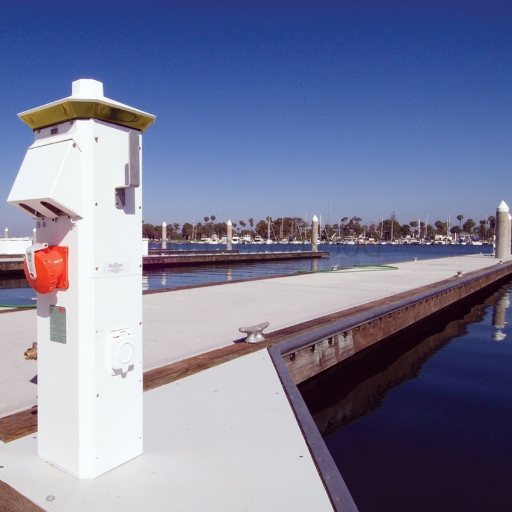
Power poles are necessary for ensuring a good electricity supply for recreational vehicles, marinas, and any common outdoor event areas. However, faulty power poles will eventually interrupt the power supply, and that can be frustrating. Working through a flipped breaker, damaged receptacle, or iffy voltage levels, fixing a non-performing power pedestal is nowhere beyond impossible. This manual discusses the most common problems of power pedestal with solutions. By the time this walkthrough is over, you will have the knowhow and bravado to handle such issues effectively to make certain of continued delivery of power for other properties of potential customers or guests.
Understanding Power Pedestals

What is a Power Pedestal?
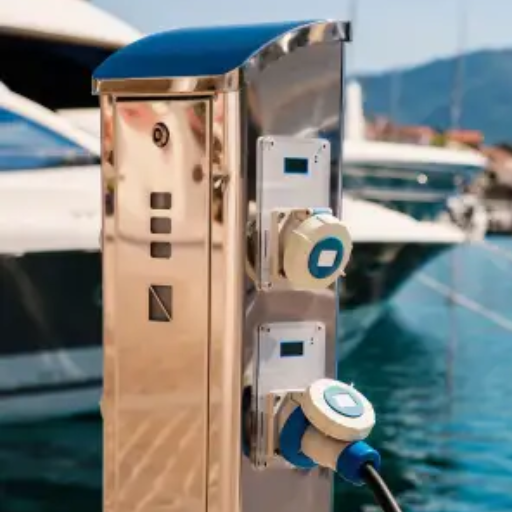
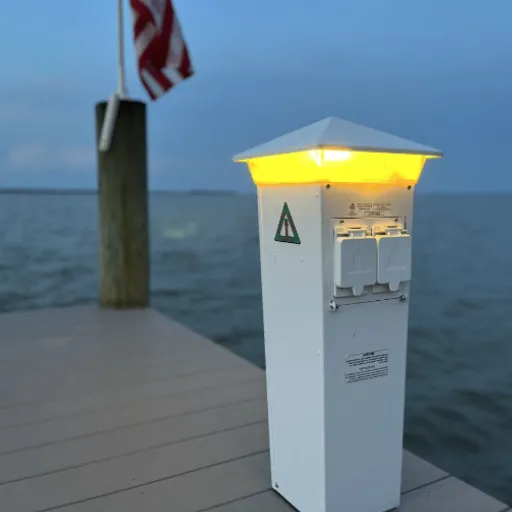
The outdoor-based power pedestal is logically designed to provide electricity at numerous bench points, like marinas, RVs, and campsites. Connected in a solitary base-unit, power cords and a varying number of splitters offer distributing bolts assigned to charging vehicles, boats, or other devices. These units are well equipped with weatherproof housing and circuit breakers should the need for safety arises.
For instance, a power pedestal would be most beneficial at its primary objective: the provision of highly secure and efficient distribution systems for its colossal offer in some facilities: public areas such as the many stages where “normal outlets” are few and where the power pedestal is heavily adopted. Furthermore, power pedestals come in two voltage schemes: either 120V or 240V, which can be helpful in various purposes. Sometimes other utilities—”water” or “network connections”—can also be included in power pedestal designs.
Power pedestals are a must for federal-private outdoor settings for “real” unencumbered electrical access. These power pedestals help minimize risks arising from electrical hazards by integrating safety measures, such as ground fault protection and surge suppression. Their user-centric design allows owners to maintain them without much ado and in an upright manner. Wherever outdoor scenarios are, there is one thing well-ensured: electricity is properly received.
Components of a Power Pedestal
Various components of outdoor electric power distribution equipment work in unison solely for ease of access, reliability, and safety around the world—the component to eventually culminate into an entity. Following are some of the key components and their respective functions:
- Enclosure and Housing: For harsh weather considerations, other conditions of external environment have been considered in these components: the cover material would either be stainless steel or high-grade polymer. Long-term use will be inhibited if the body can resist tamper-proofing and corrosion.
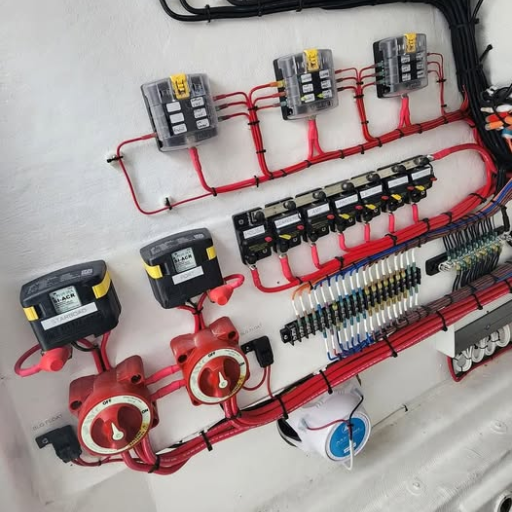
- Circuit Breakers and Wiring: Circuit breakers will prevent overloading and protect against accidental short circuits. Weather-sealed wiring prevents intrusion of currents in case of environmental degradation.
- Electrical Outlets: Standard outlets may include 120V, 240V, or sufficient grades for specific equipment. Some include USB ports for lighter gadgets.
- Metering System: Advanced pedestals feature integrated meters (analog or digital) for precise energy consumption measurement and billing.
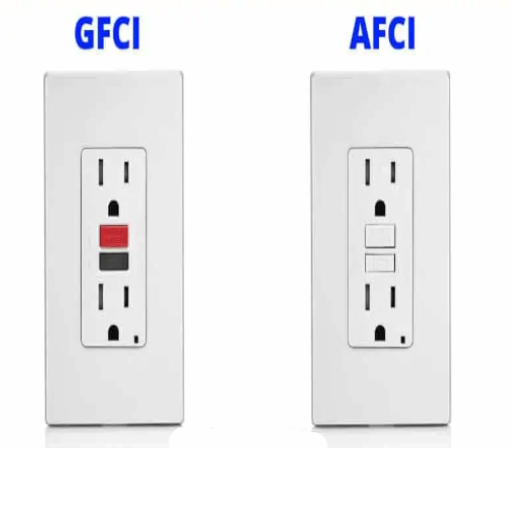
- Ground Fault Circuit Interrupter (GFCI): For safety compliance, these feature GFCI outlets to protect against electrical jolts via automatic shut-off.
- Surge Protection: Inbuilt protectors guard against transient voltage spikes from lightning or grid fluctuations.
- Lights: Many feature energy-efficient LED lighting for night visibility and security.
- Intelligent Features: Modern units connect via Wi-Fi for remote monitoring, load shedding, and usage analytics.
Importance of Shore Power in Marinas
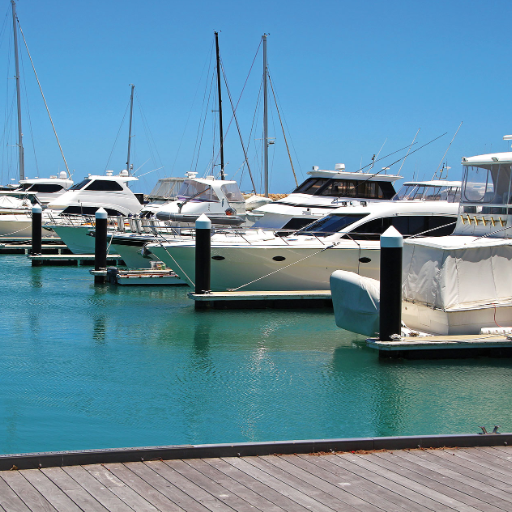
Marina, with its name derived etymologically from the sea, is a place where shore power is absolutely essential. Shore power supply is the only source of electricity to docked boats and yachts, ensuring complete satisfaction of the number of their electricity requirements, which are many. Baking in the heat or chilly about whether the on-board system will get charged is not why a sailor has a shore power plug. Shore power gives convenience to yachts by linking them into the national grid, reducing diesel fuel dependence.
The usage of safe shore power installations protects marinas by safeguarding against safety risks caused by electric hazards. Proper installation of power pedestals almost insulates the electric accidents and saves from damage, such as to boats and passengers. Furthermore, shore power assures that even all necessary on-board systems, such as lighting and navigation, remain charged and functioning when the yacht is docked for a lengthier period, for the sake of better functionality and safety.
Ground power significantly reduces emissions and noise pollution, from an environmental point of view, as the marinas were free from the emissions of their generators, thereby allowing them to interrupt the air and life. The applications are also flexible for any wind-powered equipment from an environmental perspective as coal and natural gas-fired power plants are also getting cleaner. This innovative technological process works under those conditions set by the modern age of restoration of marine ecosystems together with the demands from boat owners and operators.
Common Shore Power Issues
Identifying Electrical Faults
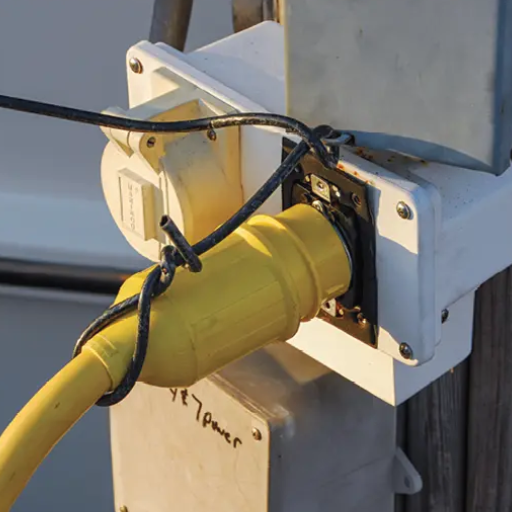
The infancy of electrical faults in shore power systems is characterized by broken connections, cable damage, or inaccurate installations. Breakers may trip circuit protocols if any unusual voltage falls or the contacts tend to overheat. This ultimate correlation may be due to cyclic wear and tear, prolonged exposure to stringent weathering characteristics, or electrical overload as a result of incorrect handling of appliances.
To be informed of any faults, it is good to begin with an ocular inspection of connections, cable, and plug components for signs of a physical smash, sun/water damage, or loose bolts. A voltage stain test may establish if system power is stable and healthy. In the face of irregularities, usage should be halted immediately for fear of further safety possibilities. Standard safety practices should be adhered to during the conduct of noted checks.
The regular maintenance work is intended to prevent various electrical faults. This amounts to proper installation possibly performed by a qualified technician and an inspection for wear and tear that is carried out quite routinely. Another potential technique for minimizing risks is to educate the users about practices of safety, such as avoiding unnecessary circuit overload, which is the root cause of many of the faults in shore power systems. The best that can ever happen is to take these preventive steps in order to ensure one’s system is safe, and keep it in proper order for sustainability.
Tripped Breakers: Causes and Solutions
A tripped circuit breaker occurs when a variation leads to an overload, a motion or a trade with short wires or ground fault. The aim of a circuit breaker is to break, thus interrupting an erratic flow of electricity, and thus it prevents the conduction of energy to wires that are dangerous, preventing their sparking out, overheating, and catching fire; in short, this sharply reduces the risk of faulty equipment creating a hazard.
A number of reasons, mostly concerning the nature of an overload, sometimes overwhelm the actual capability of a circuit for carrying a given load. For example, but not entirely so, this results from the situation of too many devices on one circuit that is unable to accept all the electricity that is required to operate those devices. Another source of problems is the wiring not well connected consciously or unconsciously, resulting in a case of short-circuiting which allows excessive current flow. Another critical reason is that a leakage current caused by a ground can sometimes lead to the tripping of the circuit due to that path directive change.
💡 Pro Tip: Breaker Recovery
For overload situations, unplugging some devices or distributing them on different circuits is the quickest fix. For recurring trips, always consult a licensed electrician to inspect for hidden short circuits or ground faults.
Voltage Drops and Their Implications
Voltage drops happen when the electric current encounters resistance while trying to pass over the circuit. As a result, the voltage on consumption decreases. This in turn causes a myriad set of problems in electrical circuits—such reduced efficiency, overheating of equipment, and improper working or malfunctioning of devices. In the case of most electrical power pedestals one would find in RV parks and marinas, voltage drops constitute a major concern because they interfere with a power source safe and reliable for use.
Should voltage decreases be encountered when troubleshooting voltage drops at a power pedestal, the solution is a thorough examination of the connections and secured components. Any loose or dirty connections should be addressed immediately. It is also imperative to verify that the wire gauge requirements were met in supplying the load. Using a lesser gauge creates more resistance and contributes more significantly to voltage drops. A wiring system can be checked by utilizing the multimeter for checking on the voltage readings at various points under no-load and full-load densities to examine voltage droops.
Under such circumstances, ascertain the full demand on the electrical circuit. Overloading the power pedestal and equipment with a current draw higher than the capabilities of the electrical system will only render the voltage dip worse. Redistributing or decreasing the load can sometimes be the quick fix. The next stage is to have a certified electrician troubleshoot and fix the problem so that the system runs safely and efficiently.
Troubleshooting Techniques

Basic Troubleshooting Steps
- 1 Checking Power Supply Confirm the pedestal is receiving the right voltage from the main supply using a multimeter. If the meter doesn’t match 120V or 240V, the issue is likely at the utility source.
- 2 Inspect Connections and Breakers Check for wear, corrosion, or loose wires. Reset any tripped breakers; replace those that are physically damaged or won’t stay reset.
- 3 Equipment and Load Testing Disconnect all equipment and test one by one. If one specific device causes a trip, the fault lies within that device, not the pedestal.
Using a Meter to Diagnose Issues
The first rule in trouble-shooting electric problems is the use of a meter to understand the problems within the power pedestal. The first setting is a measuring of the potential value. Do a careful test of the voltage level on each terminal clearance and verify whether it is anything void of the expected value—120 volts for single-phase outlets and 240 volts for double-phase connection units. If these readings have values far enough removed from the expected readings, then the problem likely is with wiring or connections in the pedestal.
Now, check grounding for proper connection. Set the meter to read resistance. Something must be present such as continuity-like connection, between the pedestal ground terminal and a known, marked good earth ground system. If a high resistance or no continuity are found, it means a problem in grounding, which is unsafe. Usually such errors need further inspection on a ground connection or a word from an electrician.
Make a last-check route through a multimeter by verifying that the connections are arranged with the correct polarity. What you need to do is engage the multimeter by connecting its probes to either the live or the neutral terminals. Unpolarized connections do not work but instead make the installation unsafe; they provide undependable study for a torturous time. Any defects found at this point must be handled right then and there, or preferably by an electrician, so that regular and safe power use is maintained.
Advanced Troubleshooting for Complex Problems
Once a system becomes highly complex, fixing an electricity-related problem in a circuit or a piece of equipment requires a systematic approach to understand and tackle the problems. Prior to this, the safe isolation of supplies sans hazards is necessary. The work involves checking for any visible damage: black burn marks, fraying of wiring, or scream-out corrosion in the workplace. Even if it could continue to function safely, anything that is physically out of shape should be replaced in order to prevent aggravating the present circumstance.
Furthermore, you simply must check for continuity and resistance in a system right away. All connections, relays, and shelter mechanisms must be regularly observed as they tend to wear often throughout such conditions. Should one suspect an intermittent fault, make a preliminary recording of the fault conditions in order to determine changes in the operability as witnessed under varied conditions, for example, at varying temperatures or mechanical vibrations. Such study will aid in the logging of volatile problems, allowing better exploitation.
In case the issue persists, consider going through the technical documentation or a wiring diagram for the specific system which is in question. Let recommendations in the technical documentation be the things that define what is good for your interconflict occurrences. Those situations that are not within basic diagnostic procedures or are technology-dependent need some utility or testing and may require a trained electrician or technician to be consulted. Anyone intending to diagnose and service electrical appliances needs to be particular in following safety rules and doing so according to equipment catalogue guidelines and so forth for correct maintenance and the performance of correct safety measures.
Preventative Maintenance for Power Pedestals

Regular Inspection and Testing
Inspections and testing are important elements for maintaining electrical power outlets to avoid breakdowns and safety problems. These actions ensure that each component operates safely and efficiently by keeping all unsafe conditions away that can affect systems or users. Such regular qualitative checks will support identification of issues such as component wear, corrosion, or loose connections before costly failures or safety issues emerge.
In addition to other visual inspections being done, review the condition of the cab, wear, exposed or cracked wiring, and the mechanical fastening. The checks are all done to certify the electrical outlets, breakers and grounding systems, all within the ranges set by compliant requirements. A level of common sense regarding electricity, explicating pre-set voluntary compliance, would be good to ensure all the systems comply with the regulations. Setting up regular meetings will also ensure optimum performance in line with industry guidance or regulations from the local area.
It is crucial that records should be observed for every inspection and test, as these furnish proof to the conditions of pedestals with the passage of time and furnish a check against recurring problems. Documentation serves as the spiral of accountability, connecting up with any troubleshooting, in the possibility that it leads further, and ensures that the safety practices or operations prescribed reach correct form. A regular inspection by the operator or check in shall go a long way in enhancing the power pedestals’ longevity by the obstacle posed to damages and power cuts.
Cleaning and Corrosion Prevention
Inward. Routine cleaning, which keeps the pedestal safe and working, is crucial because this will substantially enhance its durability against wear and tear from dirt, contaminants, or foreign materials. The ideal method for hard cleaning is to use the proper cleaner (preferably non-scratch-type) and the scraper-type, which can be provided by engineering manual.
Another important consideration is that operators must monitor the pedestals for rust or discoloration; particular care should be taken on inspecting such outdoor equipment in higher humidity or coastal areas, such as during wet weather, where the presence of salt would promote corrosion. Consideration may be given to the use of some protective additive according to the intended use on the metal surface to prevent further damage of the pedestal. Again, in view of the above, it is best to ensure that provision is made to allow drainage and thus must permit means of water leakage directly outside and not allow its ingress in the name of wicking through the base of pedestal.
Preventive maintenance is an investment that pays dividends in keeping corrosion at bay, and over time, developing this habit will reduce the impact of corrosion. Documenting cleaning schedules and illustrative preventive measures are steps in standardizing the process to get a common breathing ground with an experienced maintenance team. These preventive actions extend the life expectancy of power pedestals, making sure that very few repairs are ever likely to be required, and also ensure reliability of performance irrespective of operation.
Developing a Maintenance Schedule
Different types of maintenance time periods are priceless to make the power pedestal high in performance and reliability. Enumerate all sorts of potential inspection schedules permit your weekly and monthly or even annual check-up for the best performance. See the thing at the beginning. For the week, assess damage, corrosion, and dirt accumulation. The month will look too much further at any electrical connections and guarantee that all components are securely fixed. So annually, any worn-out part should be replaced with a cleaned up pedestal and a full load test of the functionality treated as general checks.
Safety Protocols for Dock Power Use

Ensuring Safety in RV Parks
The fact that both people and electrically-operated equipment should remain out of harm’s way is the raison d’être for using the RV park’s power pedestals. This is the first signal to plug in your RV. Please inspect the power pedestal first for damage or corrosion causing risk to electrical safety. If any thing is identified, report it to your park’s management and avoid future power pedestal use until the official repairs have confirmed the problem.
The second step is to keep your RV safe with the use of a surge protector. This surge protector is a safety valve to shield the RV’s electrical system against the common habit of fluxing power at an RV parking facility. A momentary power condition that results in severe alterations in the current-voltage may be fatal consumption for susceptible electrical machinery—and a surge protector should be seen as preventive medicine before fatal blows are struck.
⚠️ Important Note: Wiring Safety
The maximum distance to a ground connection is 0.6 meters. Electric wiring must not touch anything that can cause wearing, like barbed wires. Use proper junction boxes to safeguard cables from dislodging, as worn insulation poses a severe risk.
Understanding NEC and NFPA Guidelines
For many outdoor electrical installations, power pedestals are very essential, needed for supplying electrical power to recreational vehicles (RVs), marinas, and many other such remote locations. Their installation and use must accord with standards from the National Electrical Code (NEC) and National Fire Protection Association (NFPA) with an eye on safety and efficiency. According to these guidelines, special wiring, grounding, and protection against electrical systems are found to be proper in adherence.
On a closer look, NEC has a few stringent rules that are to be followed while grounding and bonding power pedestals to keep the potential electrical hazards at bay. Such a binding of regulations is going to suggest the correct grounding technique so that the bulk of possible electrically derived hazard protection can be set. Methods such as using correct wiring methods, making sure of well-secured connections, and implementing ground fault protection to avoid an accidental shock. Furthermore, they also need to be located in a position to protect against weather and environmental exposure or physical damage, such as flooding or impact.
NFPA’s focus is fire safety regarding electrical installations wherein it doesn’t support anything apart from the use of non-flammable enclosures and appropriate circuit protection to prevent overheating and fire. Compliance to NEC and NFPA standards result in safety operations of power pedestals and allowing less risk to equipment and users. In other words greater attention should be paid to regulations as these little regulations build the very foundation of safe and hazardous-free electrical infrastructures.
Best Practices for Boaters and Property Managers
When power pedestals are involved, safe use and correct handling are primary considerations for boaters and property managers. Safeguarding the reliability of power pedestals during installation and maintenance is an obvious need to minimize risks on safety. Partake in regular inspections, examining outlets and enclosures for any evidence of wear, corrosion, or damage in order to mitigate any future electrical malfunctions.
Boaters should also make it a habit to check the status of their shore power cords—they must be free of faults when they get connected to a power pedestal. Any power cord with missing insulation or broken shielding causes a severe threat of electric shock or fire. It is, however, similarly important for boaters to desist from one-too-many items on their pedestal as the electric load should not at any point exceed that permissible in the pedestal capacity, which is usually marked directly on the unit itself.
Local electrical codes and standards, for example, NEC and NFPA guidelines, should be adhered to by property managers during the installations of new power pedestals or upgrading existing ones. Since time past, safety practices have been improved, enhancing the protections in place by installing it in appropriate weather-proof and tamper-proof enclosures, and the required circuit breakers or fuses. Regular and continuous training on electrical safety will also improve the safety of its use by staff and tenants, resulting in a hazardous-free environment.
Frequently Asked Questions (FAQ)
Q: Why isn’t shore power engaging at the pedestal?
A: If onboard power supply does not come across, start looking at the cable for any kind of damage. As the next step, briefly take a look at the pedestal’s connection itself, and use a multimeter to confirm the pedestal’s voltage. If there isn’t any voltage, then check in reference to the trips of the main breaker at a given point of distribution, or check if there is a marina-wide crude laxity. In case the pedestal is faulty, alert them.
Q: How do I take measurements of a pedestal voltage and amperage using multimeter?
A: Check voltage between hot and neutral/hot lines. For amperage, use a clamp meter rated for 30A or 50A. If readings don’t comply with the range, suspect wrong polarity, blown components, or water-induced corrosion. Consult a licensed electrician for a deeper diagnosis.
Q: What are the other signs of reverse polarity, or hot and neutral wire problems at the pedestal unit?
A: Symptoms include appliances malfunctioning, tripped breakers, and unexpected voltage readings. Use a shore power tester to cross-check polarity. Reverse polarity is a major safety hazard that can damage battery chargers and onboard electronics.
Q: What can I do when the main breaker on the pedestal is repeatedly tripping?
A: Disconnect all loads and check for shorts, overloads, or defective cables. Use a clamp meter to look for inconsistent current. If you cannot find the fault, inform the marina office and a technician immediately to prevent costly fire damage.
Q: How can marina supply or transformer shore power-related problems be identified?
A: Compare the voltage at your pedestal with neighboring ones using a multimeter. If multiple pedestals show low voltage or missing phases, the issue likely lies with the marina transformer or main distribution breaker rather than your vessel.
Q: How to prevent corrosion, water intrusion, and wear on pedestal connections?
A:Your task is to inspect marine-grade connectors periodically, keep them tidy, and apply an anti-oxidant compound. Make sure you follow ABYC’s advice and arrange to have a marine electrician inspect the pedestal and shore-side cord wiring so there is peace of mind.
Q: So when should I notify the management or an electrician in case of such an occurrence?
A: Contact marina management immediately to advise of vulnerabilities. Use formal meetings or written communication for documentation, especially if you suspect a risk of damage to your equipment due to faulty pedestal hardware.
References
-
- Edson Pedestal Maintenance Guide
This guide provides troubleshooting tips for steering systems, including identifying and correcting unusual noises or reactions.
Read more here - 30 Amp RV Breaker Box Wiring Diagram
Discusses power pedestals as electricity sources and includes troubleshooting for electrical systems.
Read more here - Hardware Change on SPIP and Pedestal
A technical document focusing on troubleshooting power supply and pedestal motor power issues.
Read more here - Marina power pedestals Manufacturer and Supplier in China
- Edson Pedestal Maintenance Guide