Power access is a very crucial aspect to the comfortable and stress-free road trip adventure with an RV. Charging devices, running AC, or keeping appliances working are supported by the RV power pedestals in meeting all your electrical needs. Various types, specifications, and features to consider make narrowing down the right power pedestal a hard decision. This guide provides preparation in the process. They help you unearth an all-encompassing workup of RV power pedestals. Herein they help you deeply know the different types, understand key specs, identify essential tips for selection, and ultimately empower you with informed choices for your best leisure on the RV. Hang firmly onto your seat and prepare to celebrate the improvement in your RV power-layout!
Understanding RV Power Pedestals

What is an RV Power Pedestal?
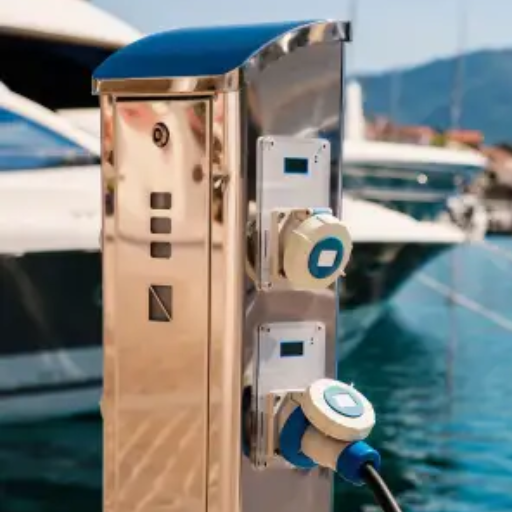
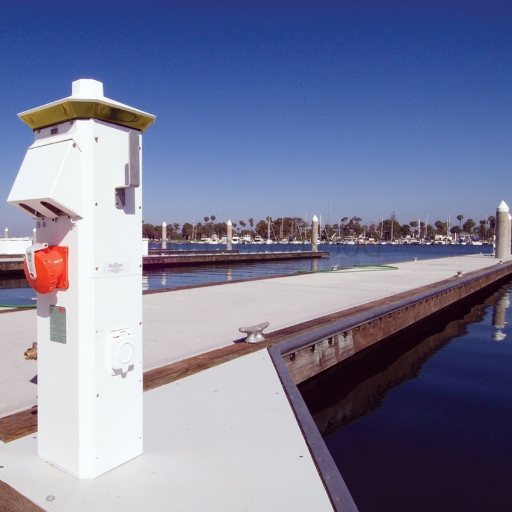
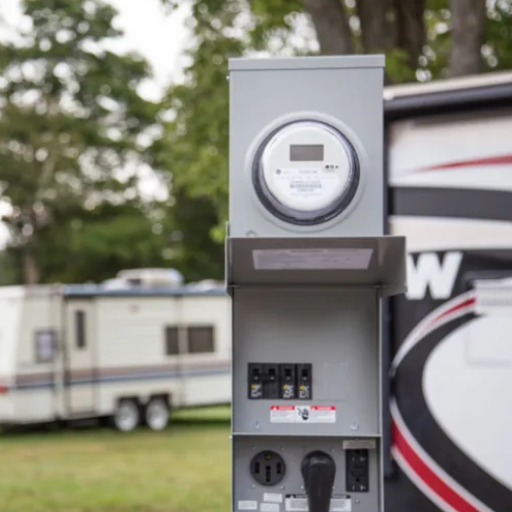
A power pedestal of an RV is a stand-alone power-administering facility solely crafted for instant power to the RV, setting up in campgrounds, RV parks, or reserved parking spots. They are gadgeted with power sockets which will cater to the power needs of an RV in agreement to a standard line of electrical appliances equipped with good lighting support, appliances, heating, or air conditioning.
Typically, an RV power pedestal accommodates several power possibilities like 15-amp, 30-amp, and 50-amp outlets that facilitate varying electrical systems of the RV. One of these outlets goes into the vehicle so that the end-user is able to plug the vehicle safely into the pedestal, indicating the correct power supply. Alongside the same line, many of these pedestals feature surge or circuit protection-a guard designed for both the RV and the electrical system’s safety of overload damage.
Limited functions of yesterday’s pedestals evolve into greater options for ease. Modern pedestals are distinguished by inclusion features such as lighting, USB chargers, water connections, and such built into well-designed encasement. In terms of function, the modern pedestal design allows users to accomplish things more easily. It is made of durable build with a safety directive, ensures a more friendly journey battery-wise with the RV going either from one stay to the other or to the ninth stay.
Types of RV Power Pedestals
Various types of RV Power Pedestals offer a wide range of power options and additional convenience features, with the aim of catering to the diverse needs of RVers. The different types of RV power pedestals are as follows:
- 30 Amp Power Pedestals:
These represent those RV power pedestals providing a solid 30-amp power supply suitable for smaller RVs as well as trailers, which must not have a demand for more power for operating such electrical devices. It is among the most common pedestals in campgrounds and can be favorable due to the lighting and basic appliances’ usage. - 50 Amp Power Pedestals:
These are used in larger RVs having high power requirements, as these power pedestals can supply the amount of energy needed to power several electric appliances at once, including air conditioners, refrigerators, and entertainment systems. 50-amp pedestals are the most in-demand power supply for modern campgrounds. - Dual Amp Pedestals (30/50 Amp):
The pedestal provides two amp options: 30 and 50 amp connections. The provision is widely welcomed as it allows multi-use RV parks to cater for wider brands of vehicles. - Solar Ready Pedestals:
As eco-friendly delights began blowing their own ottomans into suspect customers, the rapidly prevailing wind of renewable and green energy alternatives began embracing solar-engineered real pedestals. - Smart Pedestals:
Smart pedestals come equipped with power monitors, remote applications for changing settings, and the automated reporting of interruptions. Whereas they make life easier for RV parks by providing effective customer service, the random child may try playing with the flow sensors under the smart pedestal.
Common Components of Power Pedestals
- Exterior Housing:
Weather and environment are really rough stuff, and power pedestals made out of sturdy materials such as stainless-steel, aluminum, or heavy-duty plastics can ensure electrical safety in varying climates and resist corrosion over time. Therefore, they must have a certain weatherproof quality. - Electrical Receptacles:
Ideally, power pedestals contain any combination of electrical outlets; these may include 20-amp, 30-amp, and 50-amp outlets, providing diversity according to the RVs and the current weather, unique users, and so on. These outlets meet all of the necessary industry standards such as NEMA configurations. This would ensure they are safe for the said purpose. - Circuit Breakers and Fuses:
The part when we discuss the circuit breakers inside the pedestals is a classic example where things certainly expand a bit in the guts. In most cases, both types of protections are provided so that in cases of circuit-breaking mistakes from appliances, a protective cover uses fuses to prevent strange occurrences. - Metering Devices:
RV pedestals assume to be equipped with digital meters or analogue regular meters for the tallying of uses. This would facilitate easier billing for the park manager in the case where energy is billed directly per site. - LED Lighting:
Some fancy pedestals are equipped with LED lights for better visibility at night. These lights are energy saving and are really helpful for RVers arriving late at night or leaving early in the morning. - Accessories for Communication:
At the present time, Wi-Fi/Bluetooth TABs are being included in the RV-substation setup mostly for remote operation and monitoring, allowing RV park owners and guests to access the real power supply, set timers at will, and validate emergencies if any power supply becomes faulting. - GFCI Protection:
Ground Fault Circuit Interrupters (GFCIs) are a critically essential safety feature of power pedestals. These devices are built to turn off power promptly upon their discovering any existence of a fault or leakage in the current. This is protection design to save users from experiencing severe and fatal shocks or electrical hazards. - Power Surge Protection:
Surge protection mechanisms have been installed in several pedestals for motor homes to safeguard against sudden voltage fluctuations that might affect the duration of RV appliances and the environment.
Equipping RV campgrounds with advanced and user-friendly pedestals not only translates into a smart financial choice, but also translates into a step for improving customer satisfaction. Power pedestals, thus, through robust materials, the use of old technology, and safety attributes become the mainstay of contemporary infrastructure for RV parks.
Power Requirements for RVs
Voltage and Amperage Explained
Voltage and amperage are essential factors for understanding the power requirements of RVs. Voltage is the drive force that propels the electricity through the wires, measured in volts. The common RV may generally operates its lighting via a 120-volt system, similar to that of residences, and can, therefore, be compatible with most campground connections. However, there are other RVs that operate through a dual 240-volt system to support the much larger appliances.
Amperage defines how much electrical current is sent to a device; it is measured in amperes. RVs will typically be either rated at 30- or 50-amp; each would have different electrical power handling capacities. A 30-amp system will allow up to 3,600 watts of power and thus be for some of the smaller RVs largely free of large power-consuming devices. In contrast, a 50-amp system would permit 12,000 watts to be pulled and so would cater best to the big and luxurious RVs.
The correct match between the RV’s power-density requirements and the right pedestal outlet is the beginning of smooth operation and in turn safety. Any power supply with too much in amperage will be likely to trip the breakers or initiate damage to the appliances. Therefore, the understanding of the significance and value of voltage and amperage is not only essential to optimizing RV functionality but also prevents an array of potential electrical hazards at the campground.
Understanding RV Power Requirements
For the running of a recreational vehicle smoothly, one must know the basic power requirements of the RV. Nowadays, there are mainly two types of electrical systems (either a 30 amp or a 50 amp) that RVs employ on external power through a plug-in, normally this plug-in would be a power pedestal at a campground. The main point of difference in them is their power output. A 30 amp will give just under 3600 watts (120 volts x 30 amps), while a 50 amp provides close to 12000 watts (120 volts x 50 amps x 2), with which the RV operates. You definitely need to know which energy source powers your vehicle.
Ensure that your RV’s electrical system is capable of supporting your power supply’s requirements: using mismatched power requirements could destroy some or all of your electronic appliances and overburden your circuits. Before you plug your rig in, such as with an auxiliary generator, make sure you can match the pedestal outlet with the RV’s electrical system. Adapters are fast and serve a good purpose, but never use them when it comes to putting undue stress on electrical devices.
Yet another point to consider includes the visual observation of power-draining consumers. Running the hefty power-load clients like air conditioners, or microwaves and heaters at the same time-is bound to overwhelm your system. To rectify the situation before it happens, prioritize the power usage and, like, install surge protection and circuit analyzers to protect the system. This way, one can ensure a safe and functioning electrical setup during travel.
Power Sources for RVs
There are three primary means of charging an RV available. They include shore power, onboard batteries, and generators. Every source has its purpose as it meets particular needs in various contexts and offers unique advantages. More importantly, it allows one to create a perfectly reliable and flexible energy set-up.
A shore power supply is one of the easiest and most effective systems used when at campgrounds or RV parks. This is where an external power supply from an electrical outlet is directly connected to the RV, making it possible to run the appliances, play gadgets, and maintain adequate temperature control without causing batteries to discharge. For the most part, this source is less troublesome and high-maintenance and depends heavily on whether the RV is located near an external power outlet.
Common set-ups for off-grid camping include onboard batteries and generators. Onboard batteries work by storing energy and providing power to run basic functions like lighting, water pumps, and other 12V systems. Energy can be restored to these batteries through the solar panels or the in-built alternator when driving. Large appliances like air conditioners or microwave ovens can be operated with generators, which, when being used sparingly, need fuel and may be noisy. The actual value is evident once these resources are used effectively, rather than one or the other, because they would then act as power sources for the RV in different situations. Be it the remote wilderness or a mechanical park, the RV will remain running.
Connecting to RV Power Pedestals

How to Safely Connect to a Power Pedestal
Check the pedestal first for any visible damage; make sure all breakers are in the “off” position for connection. When they are in the off position, the danger of a power surge increases when RV is connected. Should there be any suspicions of damage or poor electrical safety, it behooves one to report this to park or campground personnel wherever possible.
A suitable power cord, tailored to fit with whatever is already in full use in your RV, is the first thing to be obtained. In order to match the amperage with the pedestal, you must use a cord suitable for 30 or 50 amps. Plugging the cord into the pedestal receptacle is performed the way you find it fitting into the entrance, ensuring that the way the pole sits is tight and snug. When the power cord is in place, the switch has to be flicked on in the “ON” position to transmit some power to your RV.
It is good to monitor your RV’s electrical system after establishing the connection. Using a surge protector or a voltage monitor is always a good idea so that the RV is protected against irregular power supply. And when it is time to leave, always disconnect by undoing the steps in a sequence of connection—first disconnect the power cord and then the breaker. That way, you will be safe to connect to the power pedestal while also keeping your RV away from harm.
Disconnecting Procedures for RV Power
To maintain safety and protect equipment, it is important that RVs are fully disconnected from power sources.
- 1
First and foremost, please disconnect and turn off appliances in the RV before starting. In this way, there will be no load on the electrical system, thus reducing the possibility of arcing or other damage during the disconnection of the power supplies. - 2
Then, it is necessary to switch off the circuit breakers in the pedestal before you unplug the RV power cord. Turning the breaker off first would mean that no voltage will flow through the cord. This step can provide protection for both you and your RV from the danger of potential electrical hazards. - 3
Lastly, do make sure to unplug the connector from the power pedestal gently and show the cord which must be carried away and stored safely. Wear and tear, or even exposure to harsh conditions, can be prevented. It is very important that the wiring is inspected there and then; if there are remonstrances of cuts or tears, storage is rescinded until repairs are carried out. For safe and orderly disconnections, your RV’s electric system is enabled to always look like in its intended condition.
Common Issues and Troubleshooting

Identifying Reverse Polarity Problems
When hot and neutral become interchanged the current polarity is said to have been switched. It is highly dangerous since it could result in injury owing to electric shock and even further damage to appliances. Such incidents can often occur owing to a fault within the power pedestal wiring or anything in the RV park electrical system.
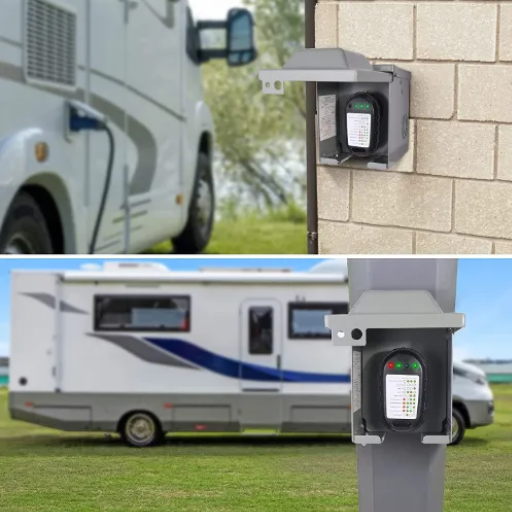
In order to cross-check the issue, a polarity tester or a multimeter must be used to inspect the spot on the power pedestal outlet prior to wiring the RV. The quick gauge is not really expensive and provides the user a full confirmation of the work being done. Thus, if an RV owner ever has second thoughts on the polarity while looking at the connection, he/she must never power an outlet that is electronically challenged by the polarity and may invite real hazards to the RV and its occupants.
If you suspect reverse polarity and do not have a tester, be on the lookout for strange occurrences such as appliances malfunctioning or frequent tripping of breakers. In the case that the issue occurs, notify an RV park management employee or licensed electrician. For safety purposes, make sure everything is in the right condition except that, the electrical pedestal shall be in perfect working order prior to hooking your RV up.
Dealing with Low Voltage Issues
Low voltage can damage the electrical systems and appliances of your RV in no time. It is necessary to keep a good eye on the voltage to make sure it does not fall outside the allowable range, which is 110-130 volts in most RVs. A surge protector or an Electrical Management System (EMS) is an excellent tool to detect and disfavor unsafe low voltage. The essence of these devices lies in the automatic disconnect from electric supply if voltage falls below a safe threshold, thereby shielding the RV components from potential harm.
The first step when working with low voltage would be to take the pedestal voltage measurement using a no/small voltmeter or from the monitoring feature on EMS. If the voltage reads under some range of desired (acceptable) reading, try turning off all non-essential electrical appliances in your RV. This step will help to lighten the load on the system. if the issue is not resolved at a later stage, crosscheck with other RVers within that location to get a broader perspective on the issue.
If the low voltage persists, notify park management immediately, as soon as you gain this understanding. You should probably ascertain whether the electrician is a one-off to evaluate and fix the obstacle brought about by the dilapidated, obsolete pedestal. It would be advisable to not hook up your rig to that particular pedestal once you undertake a measurement for the facility until repairs are completed.
Other Common Electrical Issues and Fixes
- Has been broken:
A tripping of the circuit breaker is a common problem seen in the RV parks across the continent which is caused by an overload on the pedestal’s capacity. This condition may prevail when more high-power appliances, such as an air conditioner or microwave, are being run simultaneously. You should stagger the rotating use of appliances to reduce excessive load, then check the pedestal outlet and reset the breaker inside it. Repeated tripping of the breaker means either the pedestal is bad or something related to the wiring might be bad on the RV which needs a professional touch to investigate and fix. - Damaged Outlets:
Secondly, the RV power outlet on the pedestal might get damaged or worn, which ends up causing power to fluxuate in and out. This may take place as a result of aging, prolonged weathering, or just incorrect usage. Check the clamp from this outlet by moving your RV into another pedestal. If the power flows just fine, the original outlet probably needs replacement. So, impart the information to management about early fixing before further hazards come into play. - Polarity Connection:
Reverse polarity scenarios can occur when the hot and neutral wires are misplaced, which creates a major security threat to motorhome equipment and appliances. Having a circuit tester will expose this challenge, which should be examined before plugging into the pedestal. If found, park authorities need to be warned so as to be able to manage the situation more effectively and avoid the unfavorable outcome. It is very good practice to identify and rectify such instances before establishing a connection to mains supply, as failure to observe might cause headache of instances to occur.
Types of RV Electrical Connections

Understanding 30-Amp and 50-Amp Connections
There are two types of electric connections in RVs i.e. 30 Amp and 50 Amp that are used generally. The main difference between the 30 Amp connection and the 50 Amp connection is power capacity and circuit configuration. One of the 30-amp set-ups has a voltage of 120 volts with one hot wire, providing at the least 3,600 watts of power excellent for smaller RVs that have light power requirements, in that they can run basic AC, some lights, and a microwave without overloading circuits.
This 50-amp setup, on the other hand, supports 240 volts on two hot wires with a total power rating of up to 12,000 watts. Hence, it is suitable for bigger RVs which have multiple high-wattage appliances, like multiple air conditioners, washers, dryers, refrigerators, and power-demanding tools, and many more. all at once. At the very least, the 50 Amp provides more energy for larger appliances while not overloading the circuit or providing a lack of power for numerous multiple equipment simultaneously.
The decision of whether to choose a 30-amp or a 50-amp connection largely depends on the size and electrical demands of your RV. Electrical protection is critical so that your RV’s demand for power is not undersupplied by the electrical system, thereby keeping voltage at an appropriate level for operation. Understanding these connections well not only promotes the safety of your RV but also guarantees that your camping experience can proceed smoothly and safely.
Using Adapters for Different Power Sources
Adapters play a major role when your power connection does not fit the available power source anywhere such as a campsite. These devices act as solution providers that will bridge the 30-amp/50-amp differences found in power systems, ensuring that electricity is supplied safely and as required by the prevailing setup of the campground.
It is necessary, while giving concern to the power requirement of your RV and the applicable power source should be involved. An RV using a 30-amp system in a campground that offers 50 amp service must have a 50-to-30 amp adapter. This now keeps the electricity running at a lesser or more suitable rate for the said RV system, avoiding damage. However, in cases of an RV with a 50-amp system and a 30-amp outlet at the camp, an adapter, or a 30-to-50-amp adapter is called upon to serve the same purpose. However, there is a downside to using such a setup in that power will be limited, and running two or more high-demand appliances will just not be possible.
Always be sure the adapter [is] in good condition without wear and tear[,to be certain that] and after it is used, one should ensure that the connection is properly in place to prevent the system from overheating or subjecting it to electrical hazards for unwary users. It is important to always be ready with the correct type of adapter and sure about how one should be used so that power may be maintained even though there are limited resources on the campsite; to extend for a comfortable and less stressful experience.
Choosing the Right Receptacle for Your RV
Choosing the right receptacle for an RV is an essential, important step for proper support, connectivity abiding by the correct safety standards in the use of power. Based on the electrical consumption requirements, an RV power cord would be rated at either 30 amp or 50 amp power. So first step to take into consideration is to determine whether a 30-amp or a 50-amp plug depends on an RV description. A description of the plug type most of the time is as easy as leafing through the manufacturer’s manual. Note that a 30-amp plug generally comes with three prongs, whereas a 50-amp plug would come with four.
On the flip side, a 50-amp plug is almost luxurious in the sense that that power capacity can surpass the upper limit for an RV but also enough for anything else. You need an RV delta refrigerator that the 50-amp system and mid-large systems are fitted with to suit its purpose. More problems are arising from the wrong receptacles. This might lead to your circuit breakers being tripped, improper grounding, or just restricted power.
If it’s possible, it’s also a good idea to pack an electrical adapter, commonly called a “dogbone adapter,” in scenarios when the campsite’s electrical receptacle is a different type from the one the RV is designed for. This way, you will be able to safely connect and have a corrected power supply as well. Make sure that the electrical outlets and plugs are not deteriorated, and use in safe condition, such as camping and electricity are two very different operations.
Frequently Asked Questions (FAQ)
Q: What is an RV Power Pedestal, and why should you read the Complete Guide to RV Power Pedestals?
A: The RV Power pedestal is a unit often found in camping parks and campgrounds, where it is an outside service point to supply electricity to an RV with a 20-amp, 30-amp, or 50-amp connector, or even two 50-amp connections. The Complete Guide to RV Power Pedestals fills you in on the electrical components, safe practices for electrical hookups, and local code conditions for ensuring that the pedestal is well-secured and maintained for RVers and larger motorhomes.
Q. What distinguishes 20 amp service from 50 amp service at a campsite pedestal?
A. An amp circuit carrying 20 amps flows through a single 120V pole receptacle for smaller travel trailer appliances. On the other pole, a 50-amp outlet, however, consists of two legs capable of handling up to 100 amps (meaning two separate 50-amp legs) to do a normal-sized power source for a motorhome that comes with a breaker panel and main breaker configuration. Use The Comprehensive Guide to RV Power Pedestals to match the rv plug and other electric capacity for your rig.
Q: What are the common problems that pedestal breakers and main breakers face?
A: Pedestal breaker issues are brought about by system overloads, worn breaker contacts, and improper coordination with the RV place’s breaker panel. This guide ends up discussing how to check the breaker rating, how to check for ground and neutral continuity, as well as when to call in the campground service or an electrician to make sure the service on your campground is in functioning compliance with code requirements and safe for your RV.
Q: How does voltage drop affect my hookup and what can be done about it?
A: Voltage drop is a situation where the use of longer and under gauge wires cause their internal impedance to reduce the voltage at the outlet, degenerating the unit€™s performance and stressing appliances. Voltage drop must be calculated correctly for different wire gauges, 20-amp, 50-amp, or 100-amp services, and an answer to voltage drop issues should be proper electrical wiring and grounding the platform.
Q: Which are the primary electrical components within a pedestal?
A: The electrical components are the main breaker or disconnect, pedestal breakers, and neutral and ground bars with ground wires. Lugs are there for both L1 and L2 conductors. These elements are all housed in (weatherproof) enclosures that are rated 3R or better. Also contained in the buyer’s guide portion of the Complete Guide to RV Power Pedestals is detailed stainless steel construction or corrosion resistance options so that the pedestal could be sure to withstand all that outdoor bashing.
Q: For RV pedestals, do you require any special code requirements compared to general power installation?
A: Certainly! Local and national electrical codes prescribe policies concerning electric amps breakers, even the leakage current grounding wire (“neutral” and “ground”) separation, GFCI or RCD protection (where it’s necessary), how to establish conduit run ways, and placing signs. This Complete Guide to RV Power Pedestals goes through a clarification of the most common RV power pedestal installations of the local codes, any single-phase vs split-phase points to be aware of, and when permits and inspections are obligatory.
Q: I am struggling to find the compatible power pedestal for my unit.
A: Whenever buying an RV power pedestal, it is very important to consider the power potential of the technology compared to the main electrical installation. Integrated power pedestals are seminal structures to protect the main electrical installation from temporary outrages, hence a suitable pedestal must have a robust design and shielded aluminum parts, among other things.
References
-
Metering Installation Requirements
This document outlines requirements for pedestals and power outlets, including ratings and safety standards.
Read more here -
Chapter 296-46B WAC Electrical Safety
A comprehensive guide on electrical safety standards, including installation and inspection requirements.
Read more here -
Electric Service Guidelines 2021
A guide for planning and installing electrical equipment, which includes methods for interconnection of power systems.
Read more here - Top RV Power Pedestals Manufacturer and Supplier in China