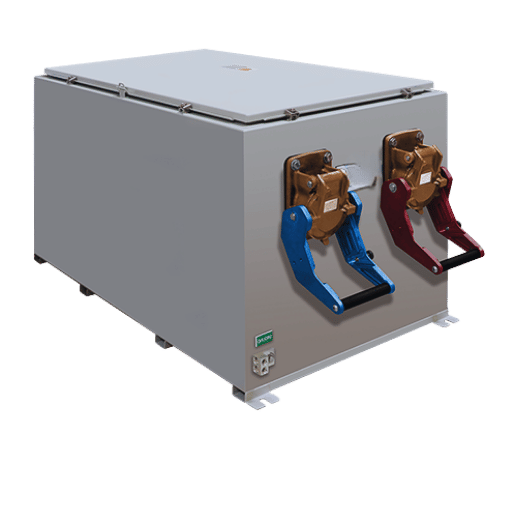
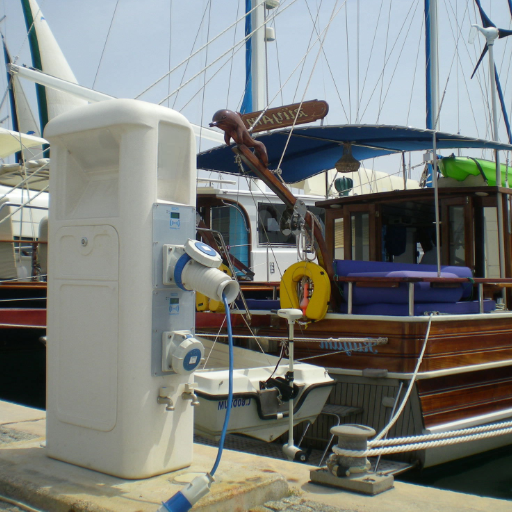
Ground fault protection on equipment (or abbreviated as GFPE) is a pillar of safety and functionality for marina a\shore power systems. With electrical hazards which risk injury and damage to equipment or property that occur sporadically, recently, it has become even more incumbent upon marina operators, electrical contractors and the boat owner to know the rules and understand them. Issues like technical and safety precautions and installation specifics remain in paramount for a real-life, day-to-day application. The following section is formulated to help you to extend your knowledge of the NEC standards or maintain your marina’s supply in terms of safety. All in all, this piece aims to enlighten you on the specifics, basics, and processes that will dent GFPE compliance within modern marina enterprises.
Understanding GFPE and Its Importance in Marinas

Definition of Protection of Equipment Ground Fault (GFPE)
The GFPE is a protective measure that is designed to prevent equipment damage caused by electrical systems due to detection of ground faults by interrupting the electrical circuit. A ground fault is an electric current that accidentally moves off its designated path in the electrical equipment, instead, it moves directly to the ground. Overheating is generated, the equipment is damaged, or even fire hazards are created. GFPE systems are essential to protect electrical equipment along with maintaining safety and functionality in installations such as marinas, where water adds to the risk of electrical fault.
GFPE protects electrical systems from any earthing condition in which the imbalance of currents go outwards and inwards in the system. It can detect earth faults present in the earthing of the system, and it will immediately interrupt power supply in the spirit of preventing any further damage or health hazard. This ensures that the equipment is not fatally damaged andthat no hazardous situations arise, thereby enabling the intended safety mechanisms laid down in accordance with existing regulations.
Key Point: The application of GFI is very important for marinas because they are areas where electrical hazards are increasing due to the presence of water, humidity, and salt at all times. With the installation of GFI, the electrical loads, ditch infrastructure, and any equipment connected to the electricity will be protected against ground faults in respect of compliance with National Electrical Code. Efficient use of GFI not only secures our valuable pieces of equipment but also ensures that the health and safety of marina employees and users are maintained, thus promoting a safe working environment.
Role of GFPE in Preventing Electric Shock Drowning (ESD)
Ground-fault protection of equipment (GFPE) play its part in mitigating the incidence of Electric Shock Drowning (ESD) by quickly detecting and cutting electrical faults before they can bring harm. The danger of ESD is shown when electric currents are transferred to water, posing an invisible but possible perilous situation for swimmers or anyone else present or in close vicinity of water. GFPE systems work at discovering and managing the flow of a faulty current before a lethal event might take place.
These GFPE systems work as a current measurement tool on the circuit all the while looking for an unbalanced or imbalanced value of the current induced by a ground fault. A GFPE device automatically disconnects the ac power into the affected circuit with respect to a ground fault whether or not identified within the particular circuit parts. This action stops the electric flow in the water at exactly when such intervention is essential for diminishing the chance of electric shocks or someone to possibly drown if death is to be avoided.
Safety Notice: In sites like marinas, docks, and recreational water recreations, which are especially close to water or which are close to electricity supply equipments, there are very high risks of Electrostatic discharge or ESD. Not only does the implementation of GFPE systems assure conformance with safety codes, it is also keen to provide a certain sense of assurance to the marina operators, employees, and the general public. The role of GFPE in maintaining water-side safety is pivotal and nonnegotiable; therefore, it must be instituted alongside all safety measures of water bodies.
Overview of NEC and NFPA Regulations
The National Electrical Code (NEC) and the National Fire Protection Association (NFPA) are the two most important regulatory systems in place today; they are primarily concerned with issues of installation safety that would prevent hazards from electric installations. Through the detailed standards promulgated under the NEC for electrical appliances, the risk of electrical shock, fire, or equipment damage is lowered. The NEC is broad-based; thus, electrical installations in a diverse array of settings get covered. Some of these include residential, commercial, and industrial settings, as well as marina infrastructure installations. Critical for ensuring safety on the water side is compliance with NEC regulations.
The NFPA, however, is a broader code development and standards-setting industry-specific association that embraces the fire-mitigation and life safety concerns. Specifications as found in the NFPA 303 handbook for marinas and boatyards deal with fire protection, electricity usage safety and outreach, water and electrical interaction hazards prevention, and so forth. These standards are worked in conjunction with NEC guidelines to any degree and the combination of the two toward safety in any circumstance. All standards/uniformly that adopted by laws given to us by known entities under some legislation, referring to Moalth American and British NEMA standards through revisions and renewals and technology-modernization programs, have found plenty of applicability in marine standards.
Important: Adherence to NEC and NFPA guidelines would enable marina operators to manage electric and fire-related hazards effectively. Embedding in the law for prevention of electric accidents in an aquatic environment, GFPE stands for a plethora of years to save the operators of marinas from such rigours. Regulatory standardizing is one such key tool that not only fulfils some legal obligations but also gives trustworthy rules for public safety and well-being and operations of maritime facilities.
Evolution of NEC Requirements: Focus on Article 555

Historical Context of NEC 555.35
NEC 555.35 is part of the larger picture towards achieving electrical safety in marina and boatyard environments where water and electricity inherently turn hazardous. While it was initially not thought to effectuate Ground-Fault Protection of Equipment (GFPE) for marinas, NEC 555.35 does consider the hazard of electric shock in the pool of hazards that dockside facilities operators are expected to stop vigilant of. The NEC observed the risk involved with fault currents for all possible grounds, which can lead to the destruction of equipment left for operation ashore or, in the worst case, mortal danger for half the life a person may have.
Over the years, regulatory refinements underscored the included these Regulations by reflecting advancements in safety technology and concerns over electrical shock drowning (ESD). Initially, the emphasis was on device-level fault protection, later expanding to whole-system measures. This transition was critical for ensuring that comprehensive safety methodologies are followed, emphasizing both preventive methods and quick response systems. The slow process of upgrades observed within NEC 555.35 made it truly consequential as a means of ensuring uniform safety standards are met in every marina practice.
The rise of NEC 555.35 throughout history gives an insight that called industry pioneers, safety specialists and policymakers to successfully deal with risks in aquatic environments. The documents still are being revised as mishaps are introduced, and safety consultants start recommending irreversible changes. Meeting the detailed requirements of NEC 555.35 is in the best interest of ensuring that proactive safety measures are observed in securing the lives of people and their property on marine electrical systems.
Key Changes in NEC 555.35 Over Time
NEC 555.35 has, over the years, undergone significant alterations to address evolving safety concerns and technological developments in the marine electrical system sector. One of the major changes was the increasing focus regarding grounding provisions in NEC 555.35. The key grounds incorporated in the Neptune system can detect a fault current of more than 30mA and above 75V wet contact and 150V dry contact. More stringent requirements for GFP equipment now specify that the devices should be of such models that their initiation of function should be at relatively lower thresholds, thus reducing the potential for hazard in the marine environment.
Another amendment that can be considered crucial is the fact that it would deal with leakage current and stray voltage issues. These updated standards have required the marina electric systems to be regularly inspected and maintained in order to forestall the often real calamities coming from crumbling infrastructures. The establishment of reinforced implementation of equipment and power installation tests would guarantee that the design is in compliance with the safety protocol. With the mandatory installation of inspections, accountability will be significantly improved, thereby reducing the possibility of mishaps.
Another significant amendment is due to NEC 555.35, which involves creating awareness among stakeholders and marina operators. The changes in NEC 555.35 code are, therefore, almost entirely devoted to well-documented guidelines for signage, equipment labeling, and user education for identifying and responding to hazards. Many of the new guidelines will be crucial to allying NEC 555.35 in guaranteeing an environment is safe for all, and hopefully one completely free of accident-prone electrical incidents in such aquatic environments.
Impact of NEC Changes on Marina Operations
This amending of NEC 555.35 changes has had a major impact on the operations of the Marina primarily for the improvement of both the safety standards for the operation staffs and visitors. From the added requirement to clearly mark all equipment and installations and signaling hazardous tripled in safety with visibility. This in totality ensures marina employees can handle the electrical risks. It will help create a safer environment that minimizes the risk of electrical accidents in water-electricity interfaces.
Marina operators should currently allocate resources practically to meet new requirements. The resources that may be so allocated include the enhancement of marina infrastructure, inspections at regular intervals and provision of additional staff training. The immediate liabilities from bearing this burden are exceeded by the security and reputation advantages arising from the marina adhering to the stringent standards set to guarantee safety. With improved safety measures, chances for accidents to take place are reduced through that risk, which implies less exposure to huge financial liabilities and reputational losses for the marina.
All this leads to a growing emphasis directed towards user education and prevention within the marinas. The new charges under NEC 555.35 focus upon preventative safety regulations; standard procedures outline the guidelines interconnected within a system of marina operation. Marina operators thus exhibit a range of caring overtures for a healthy sense of safety that comes through any aspect of their presenting ground.
Technical Specifications for GFPE in Marina Shore Power

GFPE Thresholds: 30mA vs. 100mA
Concerning safety and operational functionality, the ground blurs between a major issue in marina shore power systems, the setting for equipment avoidance of damage. The very same two nominal settings of 30 mA and 100 mA could be “touched” by bonding techniques for proper discrimination, but one has improved sensitivity to fast detection of earth faults, that is, 30 mA. The earth fault condition will be identified promptly, hence cutting down the risk of an electrical shock drowning (ESD). The need of safeguarding the life of persons and equipment by isolating power within exceedingly short periods in case of the fault is clearly simple beyond comprehension.
A threshold of 100mA over 30mA might be withdrawn into installations carrying non-critical leakage currents or leakage currents generated due to secondary grounds. This is a safety mechanism built against emergency situations, and it is safe. Unlike other circuit indicators, it will not be able to detect and rectify small faults as soon as the 30mA level, but in numerous cases the need for operational continuity may prevail over better safety provided by the 30 level.
Both these circuit breakers would find bands of use in the whole maritime or land-locked facilities if used as float switches. Generally speaking, the 30mA setting lives to the best for installations where total security is the core issue and hence presents finer avoidance of residual earth faults. In contrast, 100mA could be preferred in those situations where some trade-off between safety and operational continuity is key, say for example in aged systems, or where trouble-free 30mA switch-off would be detrimental.
Installation Standards for GFPE in Docking Facilities
The proposed installation standards for GFPE are a crucial factor to ensure electrical protection in docking premises. Safety codes must be adhered; otherwise, there is a high likelihood that the occurrence of GFPE could not be detected or controlled properly, especially under conditions where both water and electricity are involved. In order to accommodate this, the GFPE should be set to detect any fault so that the corresponding fault current may be interrupted in a less dangerous way, while providing the needed protection to electrical material and personnel.
The installation procedure begins with a detailed evaluation of the entire electrical infrastructure in the dockyard. Every circuit must be scrutinized with a view towards possible faults: the protection relay can be installed where GFPE devices are likely to mitigate problems caused by fault. It is vital that the normal settings of such devices conform to the operational requirements of the site. For example, settings of 30mA provide better protection opportune to invest in for high-risk locations while 100mA settings fit well with sites where uninterrupted operation is more important than anything else.
Regularity in tests and maintenance is crucial to the efficiency of ground fault protective equipment systems. Required by law, installations, have to stand up to local or state safety codes, including the usual inspections performed to ensure the devices fully function. Technicians are responsible of simulating a couple of failures in order to notice whether each one is being treated appropriately by the ground-fault circuit interrupter; or that the installed equipment functions according to the original design intentions. Records of installation and testing process document the installation and being tested, permit the setting of future accountability, as well as streamline later inspections or troubleshooting processes.
Safety Implications for Marina Operators

Understanding Risks and Liability in Marina Operations
The operation of the marina entails risks in regard to watching for its physical safety as well as safety for its guests. Electrical safety is definitely of prime concern in the marina. Marinas by their very nature bring together water and electrical systems into close quarters. Faulty wiring, poor grounding facilities, or inadequate maintenance work are not just serious risks but directly lead to electric shock or even fatal risks of electrocution. Regular inspections and compliance with safety standards close gaps normally associated with such risks.
Another important aspect is some liability for accidents such as slips, trips, or falls caused by wet floors. Marinas usually are confronted by such activities when water and crooked walkways interact. It is quite important that managers ensure that their docks and paths maintain appropriate surface maintenance and non-slip covering in order to prevent injuries. High visibility can also help to minimize these risks and facilitate safe passage through the marina.
Another significant problem is with environmental-form threats dealing with risks like fuel spills and bad waste dumping. These harms cause serious destruction of the environment and result in any severe imposition of fines on marina operators. The shipping station should practice good disposal policies and enforce rigid rules for the waterfront renters environmental control measurements. With a holistic approach to these concerns, marina operators should be able to protect their clients and staff and the task of maintaining a project with these responsibilities toward the well-being of the wider ecosystem.
Strategies for Mitigating Electric Shock Risks
Therefore, the first step in considering the assurance of safety means subjecting electrical equipment together with wiring, outlets, and connections to a conventional inspection in order to be sure that they conform with the standards. Visually inspecting the equipment and system by electrical professionals is critical. Only a qualified electrician can competently diagnose faulty or sub-standard systems. Also, the grounding and bonding systems should be ensured to be properly installed and maintained to avoid electricity from escaping to the water.
Another primary tactic would be the Ground Fault Circuit Interrupters (GFCIs) on electrical outlets and equipment. These devices stop power immediately should they detect an unevenness in electrical current so preventing from the eventuality of shocks. Keep on checking that the devices are correctly wired and also are in adequate working conditions. Along with proper regulated clear signs and inducted instructions, further education for marina users on electric shock hazards and safe electrical practices should not be underestimated; this further enhances safety.
Developing an emergency response plan for electrical incidents to save lives is also extremely important. Marina staff should be trained to recognize the visible signs of an electric shock and know what to do in an emergency including turning off the source of power and then administering first aid. Emergency breakers should be made available for rapid action. In the case of a variety of well-maintained electrical components and equipment availability, training, and education will help marinas significantly minimize the risks of electrical shock, ensuring a much safer atmosphere for everyone.
Importance of Periodic Safety Checks and Training
It is important to maintain security audits and practice to reduce any risks in existing facilities. While the safety audit identifies likely hazards, it also measures the competency of pre-existing safety measures and ensures the legality of such measures. Upon a regular review of an organization, these audits allow deviation from conditions leading to accidents, allowing the worker population to enjoy a safer working environment.
While on the other hand, training is as important as safety audits as it imparts knowledge and skills necessary for the prevention and response to emergencies, enlightening itself to risk as to wrongful equipment use, and the importance of abrogation of safety regulations and protocols. A well-versed person is more likely to act effectively in these types of emergencies, thereby making sure everyone leaves with less injury and loss.
The activities of safety culture are supported by safety audits and effective training programs. This proactive stance advances the cause of protection while reducing associated liabilities and losses due to accidents. Prioritizing audits and training conveys an ideal of safety through consent and confidence between workers, visitors, or stakeholders.
Practical Installation Tips for Compliance

Step-by-Step Guide to Installing GFPE Systems
1 Assessment of Site Requirements
Before commencing installation, it is recommended that the site (or ground plane) be studied to decide on specific grounding and protection needs. Go visit electrical systems that will be interacting with the GFPE, assess footing safeguards in conformity with safety standards, and look for evidence showing compliance with applicable safety codes. This evaluation will aid you in deciding the appropriate type of ground-fault protection of equipment (GFPE) system fulfilling regulatory and safety mandates.
2 Planning and Getting the Field Ready for Installation
Create an installation plan based on findings from the site survey. It should entail choosing the right GFPE system, securing the necessary materials and tools, and determining where to install things like sensors and breakers. Make sure that the equipment is compatible with the existing system and adhere to all safety standards for any preparatory work. To prevent confusion during installation itself, be sure to label all equipment properly in the initial stages.
3 Install and Test the GFPE System
Install the main panel according to the manufacturer’s specifications and local codes. Double-check the cables for the right earthing and confirm that earthing has already been properly done for each and every item. Once installed, effectively try to induce faults to see the response of the system. The system must respond with accurate fault detection. Document the test results and check out all the unresolved problems before the conclusion of work. Finally, educate the staff about the installed equipment, activities, and regular maintenance requirements in order to maintain the system’s long-term benefits and ensure their security.
Best Practices for Ensuring Electrical Safety in Harsh Environments
When considering electrical safety in harsh environments, the importance of having reliable equipment installed correctly maintained cannot be overstated. It is imperative to use equipment that will combat the environmental challenges posed by harsh weather-whether it be extreme temperatures, high humidity, or exposure to pacifying conditions like salt or acidic substances with their disintegrative threats. Assetlike features include protective covers, high-grade insulation, and sealed connectors to protect the systems from adverse external elements. Compliance with the norms and standards is a must since this constitutes reliability.
The proper installation of any electric equipment is given a lot of significance. Only professionals should install the equipment who are well-versed with environmental conditions. Remember to ground the things, prevent surges, and set them so there are few environmental influences to cause any damage. Also make sure the labelling is clear so components can be identified easily, with connectors tacked down to prevent undue wear or damage from any shifting or vibration.
The importance of long-term safety and optimal performance cannot include inspections and preventive maintenance often enough. Regular checks identify early signs of wear, corrosion, or damage before becoming a safety hazard. Replace worn-out equipment immediately and make sure safety features such as circuit breakers and emergency shut-off systems are functioning properly. Training personnel to recognize and deal with potential electrical hazards promotes higher safety and cuts down risk in the most trying condi tions.
Maintaining Compliance with Local and National Regulations
Local and national regulations are governing the safety, performa Operation of electrical systems as well as their lawful obligation. First, one must know the specific requirements of the codes and standards that need to be met in your state of operation. In the US, the National Electrical Code (NEC) is the relevant legislation and should particularly address installation, maintenance, and system operation with a more trodden framework.
An appropriate compliance audit would help assess the extent-level compliance of all electrical systems and processes with statutory requirements and ascertain corrective measures where needed. Issues should be documented, and equipment, documentation and site process checked for ‘new letters of law’ legislation to make sure there are no breaches. Regulations are always evolving, and as long as management believes they are, compliance should be closely monitored as non-compliance could mean fines or operational shutdowns. The appointment of licensed contractors or consultants enhances the accuracy in the completion of these checks.
Contribute advanced training for staff for the reinforcement of compliance in daily occurrence. Staff contention in the reasoning and understanding of safety protocols, reporting procedures, and equipment handling within a regulatory framework. It is the culmination of having robust documentation, regular evaluations, and continuous education that ensures that the organization always remains vigilant and vigilant and adheres to legalities and safety standards.
Frequently Asked Questions (FAQ)
❓Where should leakage current measurement devices be strategically placed in marina electrical systems?
It is easy to answer such a question since a single and two-family dwelling serving shore power is considered a service receptacle. Those receptacles accepting power from shore power include a gfpe protection requirement as stated in the form of National Electric Code. It is unsafe to have a receptacle adequately protected with a one-size-fits-all gfpe because it is not tailored to the current levels of each boat.
❓Do ground-fault protection devices (GFCIs) or ground-fault protection equipment (GFPEs) need to be used in one-family residential houses providing shore power?
The receptacles for shore power Type AF, flange, and twist-lock preserve the provincial requirements for marina ground-fault protection. Ground-fault protection for feeders provides gfpe, while between 100 and 200 mA provides ground-fault protection for the marina. If gfpe avoids a current connection between neutrals on downstream loads due to a GFCI breaker tripping, it would be better.
❓What is meant by coordination among the downstream gfpe and the gfpe present in the feeder throughout a system?
Coordination with downstream gfpe means the feeder gfpe and downstream ground-fault devices must be set so the correct protective device opens first. Typically, the gfpe at the feeder is set to open at currents higher than downstream gfpe to avoid nuisance trips. Feeder and branch-circuit conductors and feeder overcurrent protective device settings must be considered so that gfpe protection isolates faults safely without affecting other boats utilizing shore power.
❓What is the definition of leakage current that would create ground-fault protection opens?
Leakage current is a current flowing from a vessel, which flows to ground or other undesired paths and is measured using a Kai type leakage current measuring device (KAI being a more famous manufacturer of this type of instrument, but not the only one by a long shot) or another instrument. The GFPE’s installed onboard are set to trip only at current value(s) less than some critical value (e.g., 100mA in some applications) so that the leakage current of any individual boat or the combined leakage from all boats is two times as much, or more than the setting of the tripping value. Determination of the leakage current is essential to ensure personnel safety and to prevent hazardous voltage or current conditions.
❓Do noncommercial marinas have different GFPE requirements?
Because it may not spend Sentinel shielding means far-reaching variations, and so many of the concerns from that area might usually be the same. We could see 2020 NEC and corresponding local codes’ mentioning GFPE being permitted to occur in a feeder or when branch-circuit gfci or gfpe protection required for dock receptacles or for boats that may end up using shore power. Receptacles, aside from the shore and the three-receptacle shore power scenario, were mentioned for ensuring safety of the marina electrical system and also to develop standards to protect marinasiIdries.
❓What are the roles of feeder conductors and branch-circuit conductors in gfpe design?
The feeder-and branch-circuit conductors which deliver power to shore power receptacles will be properly protected and sized by overcurrent protective. The feeder and branching circuits should be grouped with Ground-Fault Protection for Equipment provision in the fedder, that the feeder overcurrent protective part should permit coordination with that GFPe. Whereas the branch-circuit conductors are placed in separate raceways for each receptacle, they shall have conductor insulation that reduces the possibilities of shock and may reduce hazards to personnel and property caused by GFPE protection provided for large vessels when they are supplied with shore power.
❓How is the code handled for “three receptacles” and “three receptacles power-up shore power”?
Marina guidance often refers to “three receptacles” (outlets) in a certain manner when three receptacles deliver shore power at a dock location. If multiple receptacles are available, feeder gfpe protection may be optional, whereas gfpe protection for individual branch circuits is required, and, hence, the requirements for Switches configuration as gfpe protection on downstream receptacles become a key issue to grapple with while compliance of the ground-fault protection rules calls for the consideration of leakage current measurements from boats use shore power.
References
-
- DOE Handbook on Electrical Safety
This handbook provides comprehensive information on electrical safety, including national codes and standards.
Read the handbook here - Design Guidelines and Construction Standards
This document outlines construction standards, including safety requirements for electrical systems.
Access the document here - 2023 FBC Electrical Code Changes
This document includes specific requirements for shore power receptacles, such as GFPE settings.
View the code changes here - Marina power pedestals Manufacturer and Supplier in China
- DOE Handbook on Electrical Safety