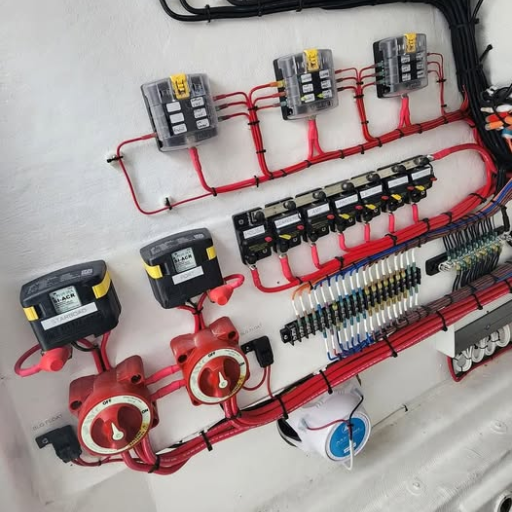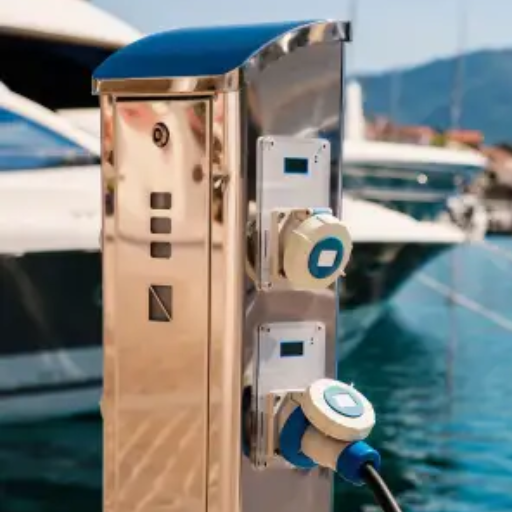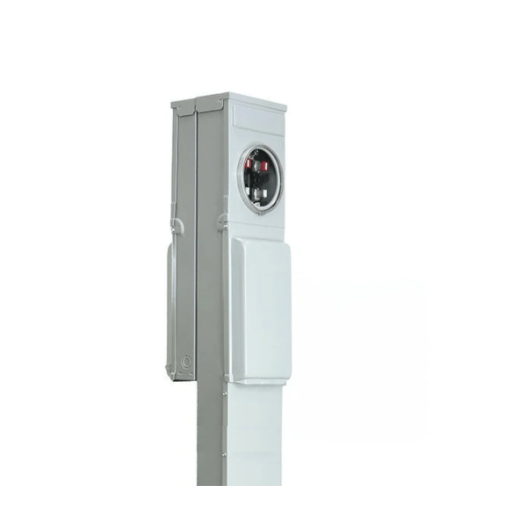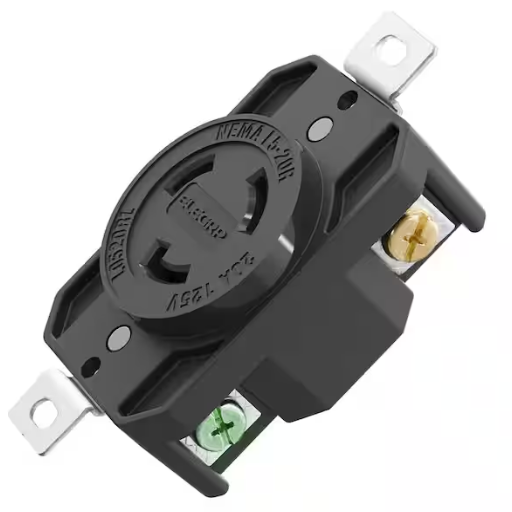
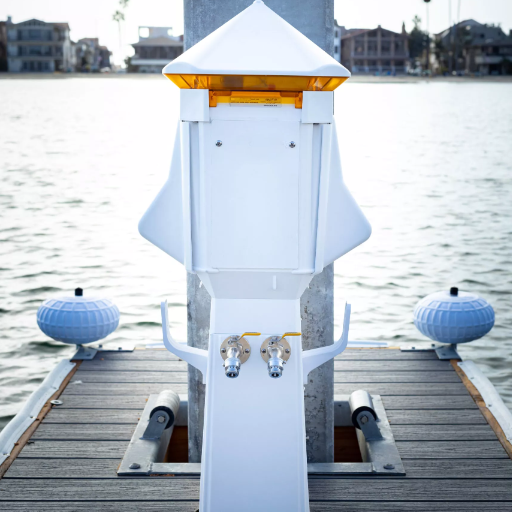
The shore power pedestal maintenance is crucial when you are striving to bring the power to the marina, reliable power that is still safe. Shore power pedestals are first responsible for transmitting power to boats, necessitating that they be properly maintained, not only for the safety of the boatowner but also to guarantee the longevity of the equipment. This article will provide you with an extensive annual maintenance checklist to follow in order to keep your shore power pedestals up and running all year round. These precautions discussed here will place you, be it in the role of marina operator or boat owner, light years ahead when it comes to eliminating sudden breakdowns, extending the life of the pedestals, and beefing up safety in general. Everyone should read about best known practices and prioritize primary responsibilities to be included in the routine maintenance program.
Importance of Regular Maintenance for Power Pedestals
Safety and Compliance Considerations
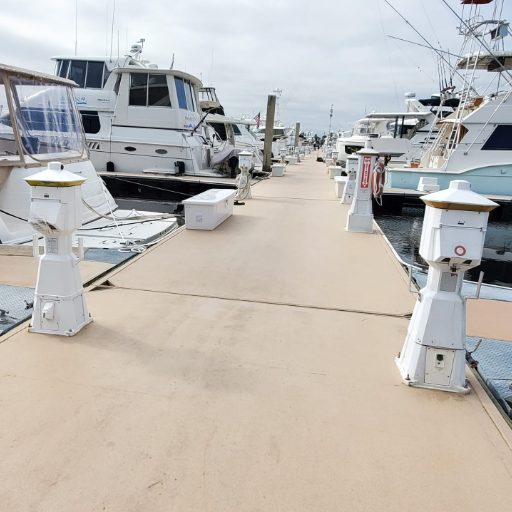
The security measures for the shore-power pedestals are very important as it acts as one more guarantee for the safety of users and the equipment.? The key among numerous methods of detecting and mitigating electrical hazards by inspecting all potential trouble spots from fraying to corrosion to worn or disconcerted wiring ought to be maintenance. As such, electrical fires, damage to equipment and very serious injury to people can result from ignoring these issues. Frequent inspection of pedestals by marina staff will not only eliminate risk but also improve safety for boat owners.
Another major factor is the adherence to local and national electrical safety standards. Compliance with these regulations not only ensures that the pedestals are functioning safely under the set limits, but also alleviates the concern over liabilities for the marina operators. Making it a priority to continually inspect and update so as to be in agreement with the current codes is a significant step in keeping away from any legal or financial consequences.
Proper maintenance besides ensuring safety and compliance, increases the longevity of power pedestals. Keeping them in top condition lessens the likelihood of incurring costly repairs or replacements. The adoption of these practices into the routine planning is a win-win for marina operators and boaters; it not only assures the reliability and safety of power solutions for all users but also makes that the case.
Extending Lifespan and Reducing Long-Term Costs
Regular maintenance is the essential support for prolonging the life of power pedestals and reducing their total cost. Moreover, inspections should be conducted to detect and rectify issues before they escalate such as corrosion, damaged wires, and loose connections. Internal components can be protected and their lifespan increased by cleaning the pedestals of dirt and keeping them well-ventilated.
In addition, a more expensive yet effective approach is to use premium raw materials and protective coatings that can safeguard the pedestals against extremely harsh environment like salty air or sunlight. The selection of the weather-resistant and hard-wearing materials guarantees their functionality and lowers their repair rate in the long run. Furthermore, if pedestals are positioned in places with proper drainage, the risk of water damage is reduced, especially in marinas.
Lastly, a pre-arranged maintenance plan can effectively mix the repairs and lengthen the lifespan of the devices. It encompasses electrical output tests at regular intervals, changing of the parts that have worn out, and keeping of very precise service records. Operating in a preventive manner will not only cut down on unanticipated costs but also ensure the uninterrupted delivery of service to the users, which in the end, is a contribution towards cost-effectiveness and efficient power management that last for a long time.
Common Power Issues and Risks
Power systems come with a lot of problems, but the most common ones are power surges, outages, and voltage fluctuations. The sudden increase in electrical voltage is called power surges, and using such devices without proper protection can ruin them. Outages, regardless of their cause – storms, technical failure, or human error – are the most common types of interruptions and may affect the operations of both commercial and residential customers resulting in losses. Voltage changes, in another light, can drive connected devices to unstable states resulting in decreased productivity or total loss.
These risks are mainly caused by unpredictable factors like extreme weather, poor infrastructure, or lack of proper maintenance. For instance, a power line near a tall tree could lead to outages, while an aging electrical grid could be the cause of reliability issues. Moreover, overloading circuits or connecting devices that are not compatible with the power supply can initiate internal power problems and in that way create even more inefficiencies.
The exposure of these risks necessitates a treated mix of preventive actions and regular system inspections. Surge protection means could be utilized to prevent electrical surges from getting into the devices, while uninterruptible power supply (UPS) systems or backup generators can also ensure the operation of the equipment during power failure. Regular maintenance of electrical systems plus observing safety regulations can minutely decrease the chance of these problems cropping up thus offering a longer period of stability and dependability.
Annual Maintenance Checklist for Shore Power Pedestals
Inspecting Electrical Connections
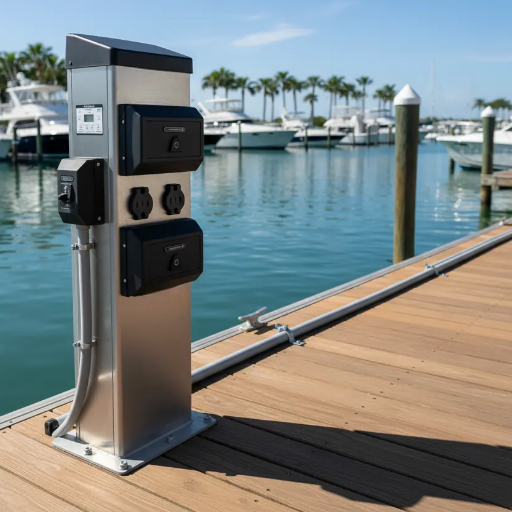
Regular inspections of electrical connections are inevitable as safety is not just a preference but a must to preserve the system and prevent equipment failure. When starting inspections, the power supply to the pedestal must first be turned off so that there is no risk of electric shock. All of the visible connections need to be inspected for corrosion, loose fittings, or if they are slightly worn. Discoloration or build-up of some brownish sort around the connections is usually an indication that the connections are corroded. A loose fitting would mean some kind of air in the connection, which could cause overheating, and then, damage.
Next, a multimeter should be used to take readings from all the wires so that they are within their voltage and continuity ranges in case an electric power supply has shorts that may cause bypassing of current. When a voltage range in the connections and continuity is recorded as expected, the electrical power supply will have been properly delivered and the circuit will have been found to be in an adequate state. A special concern during the inspection would be given to the condition of wires or cables from the circuit, for example, if insulation is installed poorly or if the cores remain exposed. Any such combination will mean danger, i.e., an unsafe electrical system.
For cleaning such corroded connections and ensuring that all the female ends are very properly tightened against the connectors, you should apply a commercial-strength contact cleaner to these connections. If the damage is severe, the defective components should as a matter of course be replaced so that the safe operation of the system may be ensured. With the practice of making these parts of the annual maintenance routine, the working lives of shore power pedestals will be extended so that they will continue to perform well.
Checking for Corrosion and Weather Damage
The first step in identifying corrosion and weather damage to the pedestals for shore power is to carry out a visual inspection. Metal surfaces are the ones that should be looked for the signs of corrosion, among these are rust, discoloration, and pitting. The checking for extreme weather damage should also include the looking for cracks, warped parts, and other similar signs that are associated with such damage. Besides, it is good practice to examine both external and internal components of the system, if possible, for their condition.
After the signs have been physically noted, the next step is to test the electrical connections and the outlets to check if they are functioning. The presence of corroded contacts or bad wiring can lead to the emergence of either performance or safety issues. A multimeter should be used to measure trace voltage levels or to check from that there are no interruptions in the electrical flow. It is crucial that the functioning of the outlet and every connection is verified to be the same and there is no indication of overheating or arcing.
To end with, the application of protective solutions like anti-corrosion sprays or weatherproof seals wherever applicable will aid in the prevention of future damage. Washing and routine inspections of the pedestal at least once a year or after extreme weather events will be effective in maintaining durability. Carrying out regular maintenance prioritizes not only safety but also the extending of equipment life.
Testing GFCI Functionality
The first thing is to put down an area to be used in testing the Ground Fault Circuit Interrupter (GFCI) because it should be safe and dry for it to be tested in whichever case. Plug in an electrical device, like a basic lamp, to see whether the light turns on when plugged in. Once there is power on the outlet and the GFCI is assumed clicked, locate the “TEST” button and “RESET” button on the GFCI outlet.
Click on “TEST” – if the device connected goes off, becoming an indicator that the GFCI has tripped off, then it is highly probable that the GFCI is functioning well, may also indicate that the GFCI is operating normally. After all, if the device is still power on, it may be the GFCI is crooked or not working right, and it shall be got fixed or replaced by an electrician.
After performing a test, press the “RESET” button to reset the power to the receptacle. If the device is powered back up, it would confirm that the receptacle has been reset properly. It is also a good practice to inspect electrical outlets from time to time regarding functioning of GFCI such that once or every month, in order to guarantee ground faults are not overriding electrical safety.
Identifying Common Issues in Dock Power Pedestals
Signs of Damaged or Worn-Out Wiring
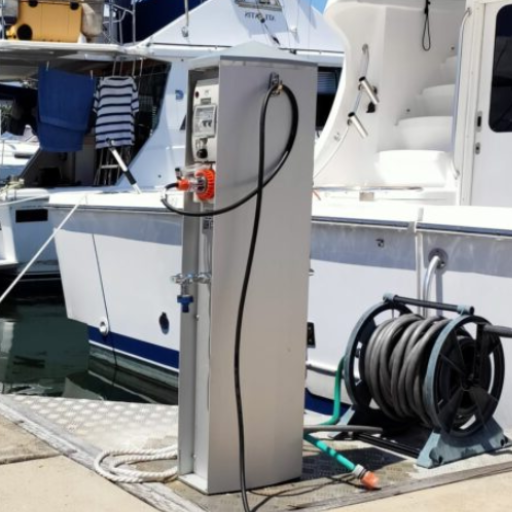
If the wiring in dock power pedestals gets damaged or worn-out, it can lead to serious safety issues and unreliable electrical connections. One of the main signs of such wiring is visible wear including frayed or exposed wires, which may be due to aging, environmental conditions, or physical damage. In addition, insulation that is discolored or has melted is another critical sign of overheating or too much electrical current, thus alerting one that a potential hazard exists which needs to be taken care of without delay.
Another common problem with power delivery that is associated with bad wiring is flickering lights, tripping circuit breakers, and outlets that do not give good electricity. Such problems may be caused by damaged wires in the pedestal. The smell of burning, unusual sounds such as crackling, or even sparks are signs that the wiring could be breaking down or not working right.
To recognize and treat these problems early, it is very necessary to conduct frequent inspections. A licensed electrician should be informed about the areas that have been damaged, electrical performance that has been inconsistent, and smells that are out of the ordinary. Rapid response not only ensures safety but also benefits the dock power pedestal by allowing its electrical components to be degraded no more, thus prolonging the pedestal’s life.
Loose Terminals and Their Implications
The presence of loose terminals in a dock power pedestal can have dire consequences in terms of safety and performance. If the terminals are loose, that means weak spots in the circuit and thus, more or less, the power supply will be switched off and on automatically. This may cause the corresponding appliance or device to malfunction or completely go out and the users to suffer the inconvenience of not being able to use them.
In addition, the loose terminals situation is not only power cuts but also they might turn into fire since the electrical resistance has increased. If this is repeated, the power pedestal will finally burn and that will be a potential source of fire. Moreover, the heat might also penetrate and ruin the internal components of the power pedestal making it unrepairable or necessitating total replacement. This reason alone is enough to warrant quick detection and correction of loose terminals.
To get rid of this issue, regular inspections of this kind should include checking if the terminal connections are securely fastened. Using the proper tools, first check that the terminals are tightened adequately but not so much that they are harmed. If you have any doubts, then the right and safest option is to seek the assistance of a qualified electrician. Hence, if the correct terminal connections are maintained, the likelihood of safety hazards and equipment failure is significantly less.
Weather-Related Wear and Tear
Electrical systems, in general, come across different weather conditions which are responsible for gradual but eventually significant wear and tear. Take moisture as an example; it is such a bad thing that it can cause the metal parts to fail, weaken the joints, and even affect the insulation of wires so that shorts or electrical failures to happen. On the contrary, extreme heat can make the material expand and consequently loosen the joints or break the plastic. All these issues speak about how proper environmental safeguards for the systems become a necessity.
Protective measures should be taken if one wants to limit the damage caused by the weather. Weatherproof enclosures or sealing of vulnerable areas can be installed to protect the electrical components from moisture and dirt. Regular inspections can detect the very beginning of the damage such as rust, cracks, or discoloration making it easier to carry out maintenance or replacement in time. Also, proper drainage around the electric installations is a must to stop water from gathering and thus leading to damage.
The lifespan and safety of electrical systems can be enhanced by the proactive handling of the weather-associated wear and tear. Regular maintenance, suitable protective installations, and best practice observance contribute positively to the reduction of risks created by the environmental conditions. These measures not only keep the systems working but also eliminate the chances of incurring expensive repairs or system failures.
Troubleshooting and Repair Best Practices

Step-by-Step Troubleshooting Guide
- Identify the Problem: Start with the visual detection of the problem’s symptoms. It is important to notice some signs such as the lights flickering, the circuit breaker tripping, and the outlet not working. Along with that, pay attention to any abnormal noises, odors, or see-like scorching marks.
- Turn Off Power: In case of any Electrical Handling, the Electric Power supply must first be Turned Off from the Main Circuit Breaker for Safety. Secondly, voltage tester should be employed to check if the circuit or equipment is really powered off.
- Inspect for Visible Issues: The first thing to do is to check the wiring, connectors, and equipment for any visible damage, wear, or rust. Wires that are loose, conductors that are exposed, or insulation that is damaged can all lead to faults which are quite common.
- Test Components and Connections: You can use a multimeter to measure the continuity, voltage, and resistance across different components. This will assist you in identifying the defective parts like blown fuses, damaged outlets, or failed breakers.
- Replace or Repair Faulty Parts: Once you locate defective parts, you can either get them repaired or simply replaced. But do make sure that the replacement parts are compatible with the existing ones so as to not affect the overall system’s integrity.
- Restore Power and Monitor: Upon completion of the repair work, power can be restored and the system can be monitored for confirming the functioning. The Checkup of the system’s recurring issues will help ascertain that the fault has been completely cleared.
- Document the Process: Do not forget to take notes of the troubleshooting and repair processes, together with the observations and solutions. The documentation can be handy to consult during future maintenance activities.
Generally speaking, by adhering to these steps, it is feasible to tackle most of the electrical problems that are common, and that also by providing safety and minimizing the chances of further damage.
When to DIY and When to Call a Professional
Whether or not to tackle an electric problem by oneself or to solicit a professional electrician largely depends on the complexity and risk the said problem entails. The DIY approach becomes applicable for minor things that can be done quickly: replacing a blown fuse, fixing an outlet cover that has come off, and installing basic light fixtures-all of which are typically simple tasks requiring no special equipment and carrying relatively low risks to safety if one takes the proper safety precautions, like disconnecting the electricity when necessary.
Nonetheless, whenever there is a situation in which heavy wiring, circuit breakers, or the electrical panel need to be worked on, it should always fall into the competent hands of Misaeng ipersw tesgassayt. The two belong to a different class and provide real function-specific experts, rather than dint of cumulants [torsional drones that will work]. This work asks for the right tools to bring the job to success before the tower of disaster arrives-and liability for fire, electrocution, or long-term damage at a bad doing. Also, electrical contractors are aware of the local regulations and codes so that their installations and upgrades are rendered in a safe way.
If you are seeing less serious electrical problems-in many situations, they can be fixed by you with no power of influence; for instance, you change-a-call a professional for hard-to-handle issues like often-occurring power outages, burning odors near outlets, and lights that flicker constantly. These can herald hidden problems that require professional diagnosis. Safety should be a top concern on all electrical matters, so depend on those who know best and avoid costly and dangerous mistakes through full acknowledgment of your limitations.
Recommended Tools and Products for Maintenance
The maintenance of safe and efficient electrical systems strongly depends on the availability of the right tools and materials. Among the basic tools are the insulated screwdrivers, voltage testers, and wire strippers. The use of insulated tools lessens the chance of electric shocks, therefore, they must be used for any activity related to the electrical supply. In the event of a failure, voltage testers facilitate the detection of whether a circuit is still live or inactive by their action before the repair begins with safety guaranteed. Wire strippers make it possible to efficiently and accurately strip off insulation from wires, which is necessary for making good connections.
Reliable safety gear is just as important for the electrical maintenance. Rubber-insulated gloves, safety goggles and a highly rated circuit breaker finder should be used. The gloves and goggles are able to provide protection against electric shocks and debris during work, and a circuit breaker finder makes it possible to tell which breaker goes with a particular outlet or fixture. This not only helps save time but avoids the use of guesswork which might lead to errors.
One of the main uses for electrical tape is insulating wires in order not to allow short circuit. Secure and long-lasting wire connections are possible by the use of connectors. Always keep spare fuses to replace the blown ones and restore power without any delay. You should always invest in exceptional tools and safety commodities so as to fight risks and ensure that the slightest interference amid the maintenance distribution is dealt with precisely and lithely.
Preventative Care Tips for Shore Power Pedestals
Using Weatherproof Covers
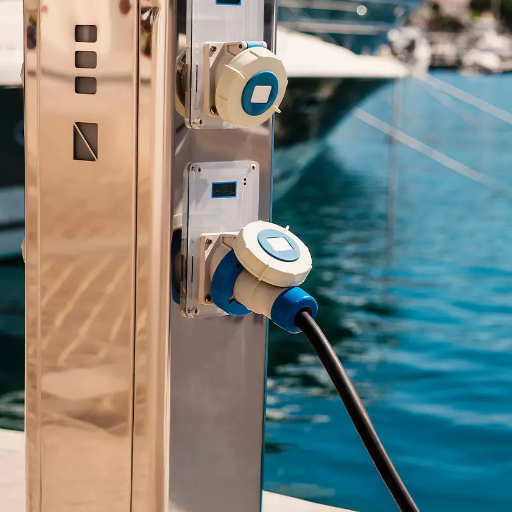
Weatherproof covers are a necessity in safeguarding shore power pedestals from the elements. The conditions mentioned above may lead to corrosion, mold, and electrical failures, thus rendering the pedestal less reliable and creating safety issues. By putting up weatherproof covers, a very simple and practical barrier against moisture and dirt is made that takes care of the connections and at the same time extends the life of the equipment.
In order to get the most out of the weatherproof covers, make sure that they fit the pedestal tightly and that all the outlets and connections that are exposed are covered. If you think that the cover will not hold, then be sure to test its durability and weather resistance. Always check the covers for signs of wear and tear or damage and if you find any, do not hesitate to replace it so that adequate protection is maintained.
Weatherproof covers keep the electrical parts dry and clean, hence the chance of electrical faults or fire coming down to a very low level. They cost a little bit but are still a very important part of the setup as they ensure safety, fewer maintenance needs, and the continued use of the power pedestal over the years. Always ensure good installation and preventive maintenance as this will be the key to their efficiency.
Routine Cleaning and Care
Basic cleaning and maintenance dictate the performance and life of the power base.
To start with, have it dusted free of dust, debris, or rust. The outer surface can be cleaned, by wiping it with a soft cloth or wet with a nonabrasive cleaning cleaner. Give special attention to the meshed or ventilated areas; dust usually tends to accumulate inside them, leading to blockage or a flow blockage. Over time, overheating will be easily encountered.
Second: To guarantee that the power base connections are locked securely and free from dust or rustish buildup, inspect them regularly. Obviously, rust, if seen, should be dealt with effectively; a contact cleaner or an electronic component cleaner could do the job. Please make certain that the power cord has been removed from the wall outlet prior to commencing any cleaning process.
Finally, confirm weather strips and seals are firmly installed and undamaged. Replace seals that are worn out or seals that no longer fit properly as needed for weather protection. If practiced religiously, these guidance practices will guard the device from issues henceforth and allow the device to work efficiently for years.
Ensuring Proper Grounding and Outlet Functionality
Electrical grounding and electrical outlet functions are essential to ensure that electronic appliances run safely and efficiently. Grounding is responsible for creating a safe and direct path to the ground for the electrical current during a short circuit or surge. As a result of such protective measures, not only will your equipment be safeguarded, but the probability of a human getting an electric shock will also be reduced. Initially, to check the grounding situation, check the power outlets. It implies checking for three-prong outlets, which offer the safest grounding connections.
Next, expect functionality from the outlets. This can be checked by a very simple circuit tester, which is a cheap tool that will either indicate correct or wrong wiring error. When any error like ‘open ground’ or ‘reversed’ wiring appears on the indicator, an electrician should be called in to correct this error. Outlet plugs that have been damaged or are loose should not be used, as they can disrupt electrical flow or cause a safety hazard.
Also, do a visual inspection and make sure that extension cords or surge protectors connected to the device-operated equipment are in good working condition and are rated suitably for the equipment being powered. When overloaded or damaged, extension cords weaken ground on an electrical outlet or power. In general, grounding-improving safety standards and even the power bars and keeping a time management system on the outlet work towards the protection of the equipment and persons.
Frequently Asked Questions (FAQ)
References
- Design and Construction Standards – Division 26: Electrical Standards
This document outlines standards for power pedestal applications, including their use in outdoor lighting networks.
Read more here -
Extension Cords/Power Strips Procedure
A safety procedure document discussing the use of power-related equipment, including power pedestals, in various environments.
Read more here -
Interstate Electrification Improvement Project Final Report
This report includes insights into the use and maintenance of power pedestals in electrification projects, with user feedback and operational details.
Read more here - Top Power Pedestal Manufacturer and Supplier in China