The very foundation of reliable electrification for the modern home andists efficient electrical systems. An important part of this system is the 200 Amp underground electric meter socket pedestal. This equipment is a safety mechanism in the flow of electricity from the utility provider to the property’s electrical panel. Whether you are the homeowner, the installer, or just a curious spirit who wants to know more about electrical infrastructure, one must understand the basic aspects of this device to arrive at an informed decision. In this article, the discussion will be centered around its operations, parts, and installations so as to give you a simple, no-nonsense guide to understanding its working. Stay tuned to certify how this device serves safety, ease for the installation, and functionality for energy demands today.
What is a 200 Amp Meter Pedestal?
Definition and Components
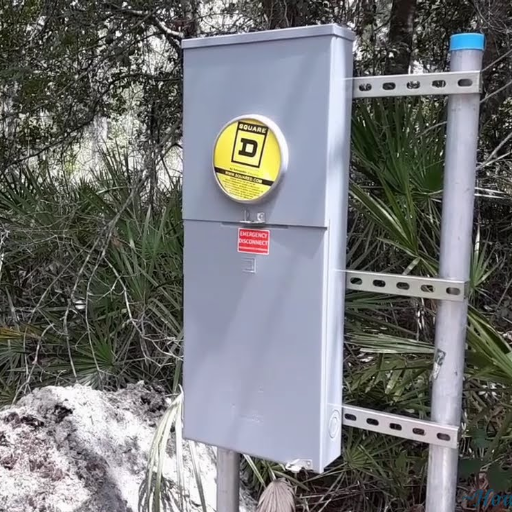
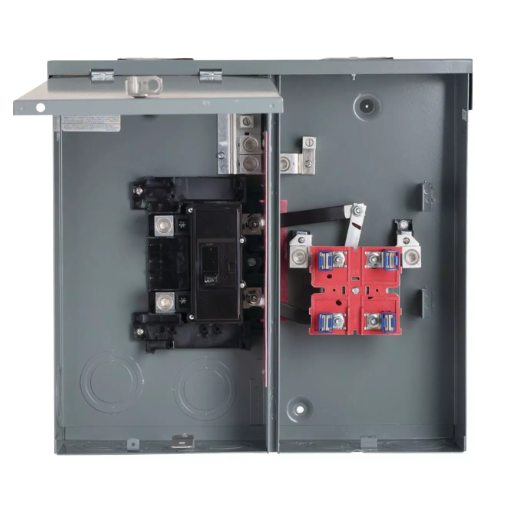
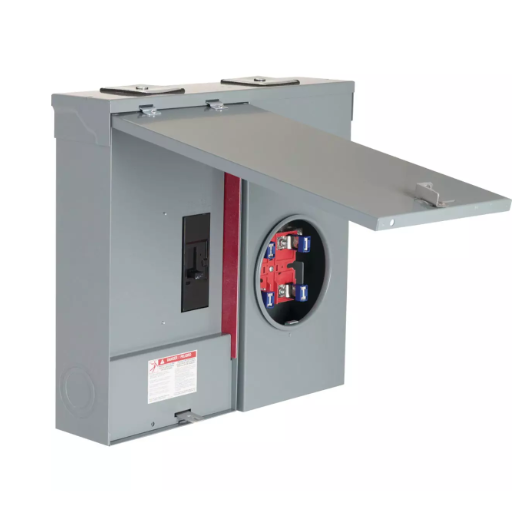
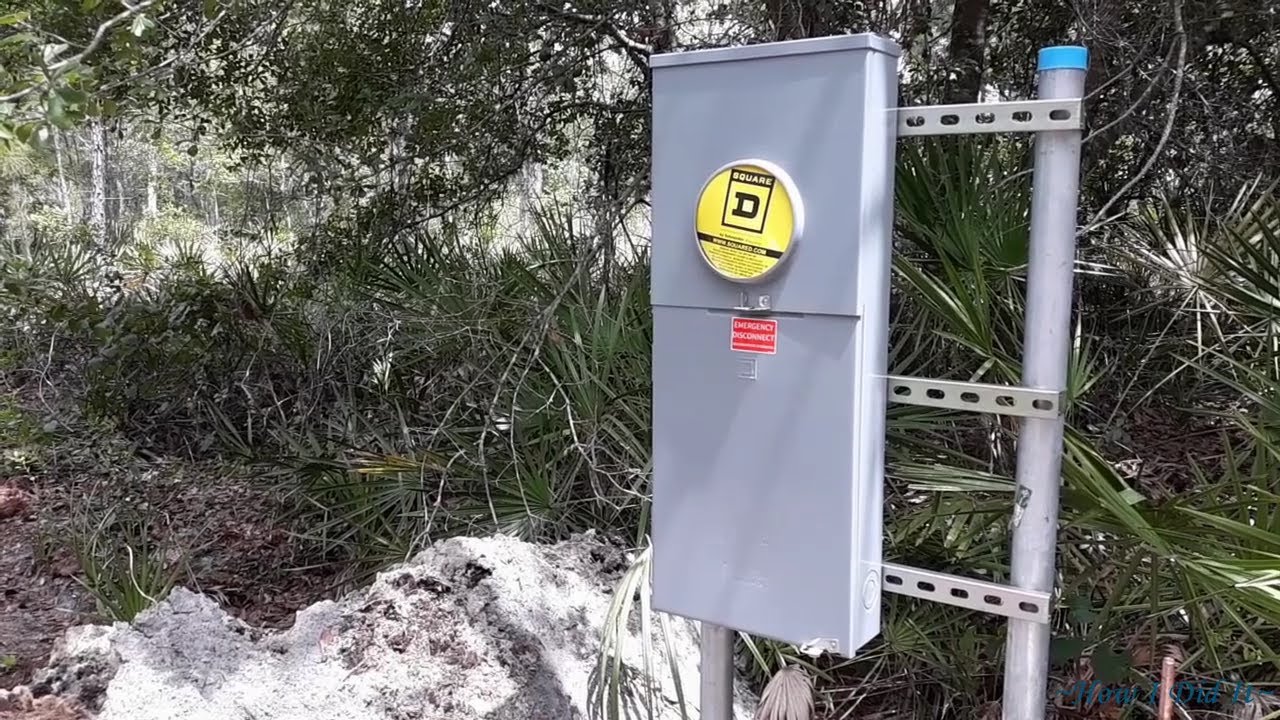
A meter pedestal of 200 Amp capacity is a free-standing, outdoor utility structure that may contain all the components involved in the management of electrical service into a property. It serves to mount and protect the electric meter and all other electrical connections from the electric company side into the house side for the efficient and safe distribution of power. Setting up the pedestals is most common in the residential, commercial, and temporary construction arenas for providing access to electric utilities in a controlled manner.
Key Components:
- Meter Socket: Securely holds the electric meter for energy consumption measurement
- Breaker Panel: Contains circuit breakers protecting electrical circuits from overcurrent
- Grounding System: Redirects excess electricity to prevent electrical shock or damage
This setup serves as a critical infrastructure for both the utility and the property owner. It allows the utility to quickly check for energy usage while also giving the homeowner or business operator some control over the electrical service from a centralized site. Due to its strong construction and weather resistance, the provisions ensure that the electrical components remain protected against environmental factors for safety and efficiency throughout the year.
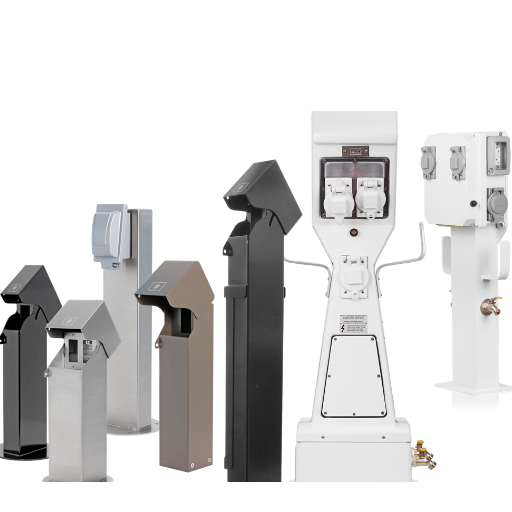
Types of Meter Pedestals
Single-Position Pedestals
Installed for single-family homes or small businesses on individual properties. They usually hold one metering unit and, being quite compact, provide solid weather-resistant protection for use in an environment where there is only one electrical meter.
Multi-Position Pedestals
Used for apartment complexes, mobile home parks, or commercial buildings requiring multiple electric meters. This type provides efficient distribution and monitoring of electricity among several users.
RV Pedestals
Serve recreational vehicle parks or campgrounds by providing temporary electricity connections according to various voltage and amperage needs with additional outlets and breakers.
Importance of a Ringless Meter Socket
In safety and accident prevention matters, electric energy systems are modernized with this installation. Unlike ring-style meter sockets, the ringless design does away with the sealing ring around the meter cover. Besides allowing for easy installation and maintenance, this tamper-proof feature also protects the enclosure from vandalism. These features make the ringless meter socket an ideal match for residential and commercial applications.
Advantages of Ringless Design:
- Enhanced security with latch mechanism for authorized access
- Faster readings, maintenance, and repairs with minimal downtime
- Improved safety compliance with electrical codes
- Greater reliability in various environmental conditions
Benefits of Using a 200 Amp Meter Socket
Reliability in Electrical Connections
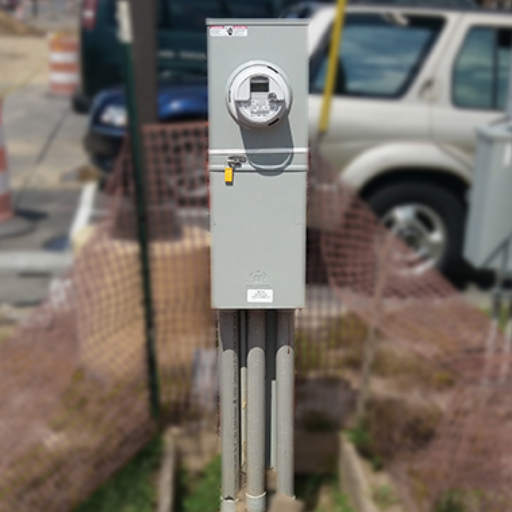
A 200 Amp meter socket assures reliable and consistent electrical connections due to strong construction and due adherence to safety standards. By the design of the equipment, it meddles less with any weak points from the electrical system through intermittent flow of energy. They must prevent and maintain uninterrupted flow of energy into any household or any commercial establishment so that the electric needs can be easily accommodated.
Key Reliability Features:
- Advanced engineering handles larger electrical loads safely
- Weather-resistant construction for extreme conditions
- Built-in surge and fault protection
- Long-term durability reducing maintenance costs
Enhanced Safety Features
The 200 Amp meter socket comes with some enhanced safety features that protect the electrical system and its users. One of the major safety factors to consider is built-in surge protection in the meter socket. This helps in shielding appliances and devices dependent upon such electrical lines from voltage spikes that could damage the equipment or cause an electrical fire.
Compliance with Industry Standards
The adherence to industry standards will guarantee safety, reliability, and efficiency in electrical systems. These standards actually provide a level of uniformity in practices within the industry, while reducing risks and securing compatibilities among components. These standards are established by regulatory bodies from time to time and are ever-changing due to changes related to technology or the environment.
Compliance Requirements:
- Regular audits and equipment checks
- Staff training on updated standards
- Proper documentation for certifications
- Energy efficiency and conservation measures
Installation Guide for 200 Amp Meter Pedestal
Step-by-Step Installation Process
- Site Preparation:
Start by choosing a suitable place for placing the 200 Amp meter pedestal. The area should be cleaned of any debris or obstacles, and check to see that it complies with relevant local codes, including setback requirements from property lines. Mark the spot for installation and verify again if any underground utilities have been located and flagged to make sure that accidental damage does not occur.
- Foundation Installation:
Dig a hole for laying the concrete foundation for the meter pedestal. Its depth and width shall be governed by local electrical and building codes. After pouring the concrete foundation, allow it to cure sufficiently for it to give a firm and level base. Use a level tool to measure before continuing.
- Mounting the Meter Pedestal:
Place the meter pedestal on the prepared concrete foundation, anchoring it down with galvanized anchor bolts. Make sure the pedestal is upright and properly aligned with its surroundings. Tighten the bolts adequately in order to maintain the pedestal in its place without slipping or tilting. Check clearance at this time to ensure there is adequate room for future maintenance of the pedestal.
- Electrical Connections:
Make electrical connections between the supply source and the incoming supply to the meter pedestal, complying with local electrical codes. This consists of connecting the service conductors to their respective terminals found inside the pedestal. Ensure these connections are physically secure and everything is adequately insulated; next, connect the outgoing service conductors which will carry power to the intended load. Finally, double-check all wiring connections to be sure they are correct and safe.
- Inspection and Testing:
When all connections have been made, have your installation inspected by a licensed electrician or inspector. Make sure that proper grounding is done; that wiring is done right, and that all components work as designed. Repair any faults found before the system is energized.
- Final Setup and Activation:
Install the meter and secure into place after having passed the inspection as laid out by the utility company. The utility provider shall then approve activation, and the system shall be energized. A final check shall be performed to assure everything is working well and safely. The entire installation is then documented for records and possible dissemination to relevant stakeholders, if needed.
Tools and Materials Required
Tools:
- Screwdrivers (Standard and Phillips)
- Drill with appropriate bits
- Wire cutters and strippers
- Voltage tester or multimeter
- Level
- Safety gloves and goggles
- Torque wrench
- Conduit benders
Materials:
- 200 Amp meter pedestal
- Electrical conduit
- Conduit connectors and couplings
- Grounding rod and clamps
- Electrical wiring (appropriate gauge)
- Fasteners and mounting brackets
- Sealant for outdoor use
- Utility-approved labels and tags
These tools and materials ensure a safe and compliant installation of a 200 amp meter pedestal. Ensure all items meet local building codes and utility company standards before beginning the installation process.
Common Mistakes to Avoid
Critical Installation Errors:
- Ignoring Local Codes and Regulations:
Among the errors most commonly encountered is not checking into local building codes and requirements of utility companies before installation. Any number of standards may apply in a given area, and failure to comply will bring failed inspections and additional expenses.
- Grounding Gone Wrong:
Grounding is fundamental to an electrical system’s safety and functionality. Not grounding at all, or incorrectly installing a grounding rod, may bring safety hazards, including electrical shock to individuals or damages to property.
- Wrong Materials and Tools:
Incompetent or maliciously wrong use of materials and tools is another common mistake: the wrong size wiring, connectors that are not compatible, materials not suitable for outdoor use. This avoids any future failure while ensuring that the installation is secure and safe.
Maintenance Tips for Meter Pedestals
Regular Inspection Procedures
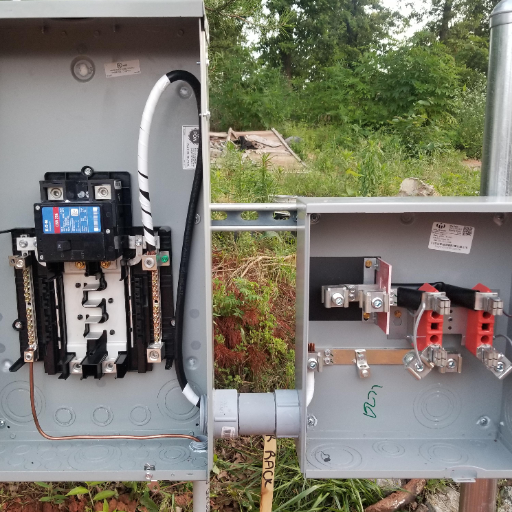
The daily inspection procedure is maintained so that, depending upon the conducted inspection, workmen can assess suitability regarding safety, reliability, or durability. Suppose the visual inspection reveals damages to which perpetrators will refer to great neglect-walls cracking, corrosion, or discoloration to further stress the penetration of moisture or serious weather conditions.
Inspection Checklist:
- Check for visible damage: cracks, corrosion, discoloration
- Ensure cover panels are properly secured
- Inspect connections for loosening or heat generation
- Examine wiring insulation for wear or damage
- Test outlets, breakers, and switches functionality
- Verify proper voltage levels
Cleaning and Upkeep Recommendations
Proper cleaning and upkeep of 200 amp meter pedestals are necessary to keep them functional and safe. To begin with, routinely inspect the pedestal for signs of dirt, debris, or corrosion. Wipe down the exterior with a dry, soft cloth or a mild non-abrasive cleaning agent, avoiding the ingress of water into the unit.
Maintenance Best Practices:
- Use mild, non-abrasive cleaning agents only
- Avoid pressure washing or strong chemicals
- Ensure power is completely shut off before any maintenance
- Check sealing and gaskets regularly
- Conduct regular electrical measurements with voltage tester
Signs of Wear and When to Replace
Signs of wear for a 200 amp meter pedestal generally include visible corrosion, breakers constantly tripping, loose or frayed wiring, and inconsistent meter readings or meter reading errors. These may indicate that the pedestal is no longer functioning as it should and hence may compromise safety.
Understanding Electrical Ratings and Standards
200 Amp vs Other Ratings
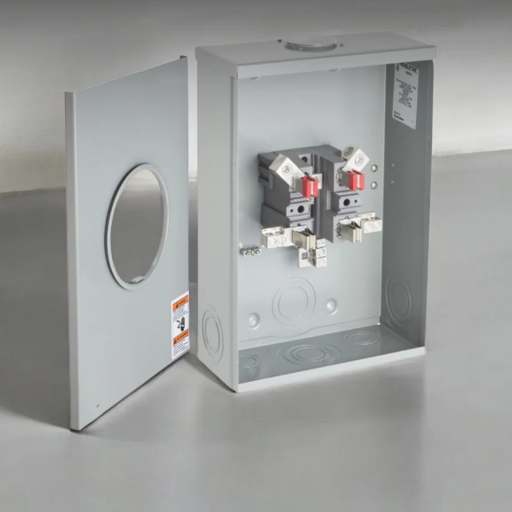
A 200-amp electrical supply is considered more or less normal for modern homes, capable of carrying household appliances, lighting, heating and cooling systems, or other electric devices simultaneously. This is sufficient for average-sized houses and is therefore recommended for new constructions to accommodate any additional electrical needs that may arise in the future.
Understanding 1 Phase and Breaker Types
A 1-phase electrical system is a very common kind of installation set in most houses and smaller commercial buildings. It involves an alternating current passing through the system in a single line with respect to a multiple power delivery for most household appliances and even the lights of the home.
Single-Pole Breakers
- Used for 120-volt circuits
- Power typical lighting and outlet circuits
- Most common in residential applications
Double-Pole Breakers
- Used for 240-volt applications
- Power larger appliances (A/C, dryer, heater)
- Higher capacity electrical loads
Regional Compliance Standards
Compliance with regional codes for electrical works is necessary to ensure safety and functionality in any electrical setup. Such codes will vary from country to country and from region to region, usually depending on governmental policy and industry guidelines.
Compliance Considerations:
- National Electrical Code (NEC): Primary guideline in the United States
- Local Variations: Regional adaptations of national codes
- Safety Requirements: Preventing electrical fires and hazards
- Legal Obligations: Avoiding penalties and warranty issues
- Professional Installation: Hiring qualified electricians
Frequently Asked Questions (FAQ)
Q: What is a 200-amp meter pedestal?
A: A 200-amp meter pedestal is a small structure that houses the meter and joins the electrical service to the main power supply. It is designed to carry loads up to 200 amps and finds uses in both residential and commercial applications.
Q: How does a 200-amp meter pedestal work?
A: The 200-amp meter pedestal gives a safe and accessible sphere to house the electric meter. From this point, the utility companies can monitor and measure the electric energy being used while providing a safe connection for the electrical service going to the building. This pedestal mostly has a meter socket connecting to a 200 amp ringless-horn bypass underground design for ease of access.
Q: What are the advantages of using a ringless-horn bypass underground pedestal meter?
A: The ringless-horn bypass underground pedestal meter offers a few truly good benefits meter can be accessed without the requirement of a ring for enhanced security, thereby minimizing the possibilities of tampering, and leading to a neater installation scenario, especially with underground applications.
Q: What specifications should I look for in a 200-amp meter pedestal?
A: Consider ampacity specification of 200a, presence of a meter socket compatible with various other sockets (such as Eaton or Square D by Schneider Electric), and installation requirements like if it is to be direct-buried or with appropriate gauge underground feeds (such as 350 kcmil) when choosing a 200 Amp meter pedestal.
Q: Can I use a 200-amp meter pedestal for an underground feed?
A: Yes, a 200-amp meter pedestal can be used for an underground feed. It is designed to protect and allow connection from underground wiring to deliver electrical services to the property safely and efficiently.
Q: What is the role of the main breaker in a 200-amp meter pedestal?
A: Acting as a main disconnect of the electrical service, this one hundred and ninety amp meter main breaker protects the wiring of the electrical system from an overload and short circuits, and it is an important part of safety features.
Q: Are there different types of meter sockets available for a 200-amp meter pedestal?
A: Yes, there is a variety of meter sockets available for a 200-amp meter pedestal, including the bypass underground pedestal meter socket and the standard meter socket. Options may vary by manufacturer, such as Milbank or Schneider Electric, and by specific configuration, such as 4 terminals.
Q: What is the difference between a single pedestal and a dual pedestal for 200 amp service?
A: A single pedestal for 200 amp service is a one-meter and the connections associated with it. A dual pedestal would handle more than one meter, mainly suitable for multiple tenants or any building where separate electrical services would be required.
Q: How do I install a 200-amp meter pedestal?
A: Installing a 200-amp meter pedestal involves the selection of an appropriate location, preparation of the site for direct bury if required, securing the pedestal to a concrete base, and then connecting the necessary electrical feeds. Local building codes and regulations must be followed during such installation, and in most cases, the services of a licensed electrician should be engaged.
Q: What are the typical dimensions for a 200-amp meter pedestal?
A: Different manufacturers do have meter pedestals with dimensions varying to some extent, but generally, they are around 5′ to 6′ tall and 2′ to 3′ wide. It is important that you check specific product spec sheets for exact dimensions, as those could differ with models like the Square D 200 amp ringless-horn and Eaton design.
References
- 200 Amp Meter Pedestals – Provides product details and pricing for 200 amp meter pedestals.
- Section 2 200 AMP AND SMALLER – COMMON – A guide on 200 amp single-phase underground pedestals, including NEC standards and UL listing requirements.
- Minnesota Power – Underground 200 AMP – Installation guidelines and clearance requirements for underground 200 amp pedestals.
- Guide for electrical pedestal box