All posts by JIYA

How to Future-Proof Your Marina for Electric Boat Charging

Changes in climate are impacting the cruise business, and so is the rise of electric ships, which is changing the future of the water. Sustainable boating is on the rise to modify marinas to meet the needs of eco-conscious boaters. Electric boat charging infrastructure is no longer a luxury, but a necessity for the future of a marina, the development of necessary guidelines for environmentally responsible guides.

This post will delve into why the adoption of electric propulsion is gaining momentum; you must also learn how disadvantageous it is to be left behind in the electric-power movement, go while reading about the actions that will enable your marina to remain prepared for the shift. If you are a marina operator or someone who enjoys water adventure, we welcome you to this writing as you learn ways to ride the waves in the flood of electrification seeping through the seas.

Key Takeaway

Transitioning to electric infrastructure is not just an environmental choice—it is a strategic business move to ensure long-term relevance in a rapidly evolving maritime market.

Introduction to Electric Boating
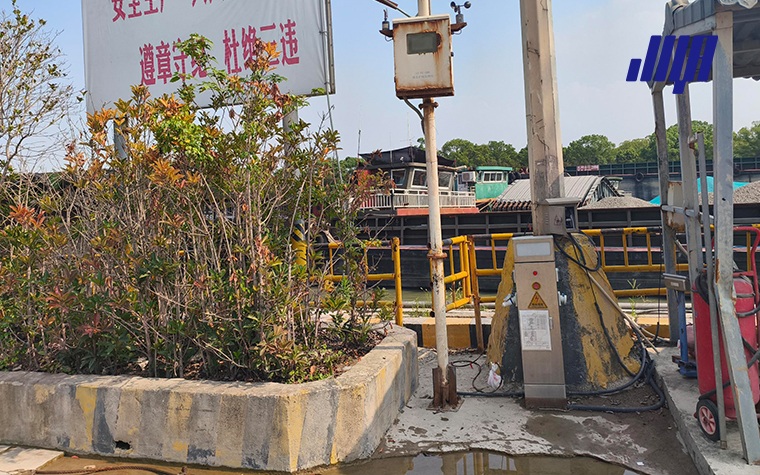
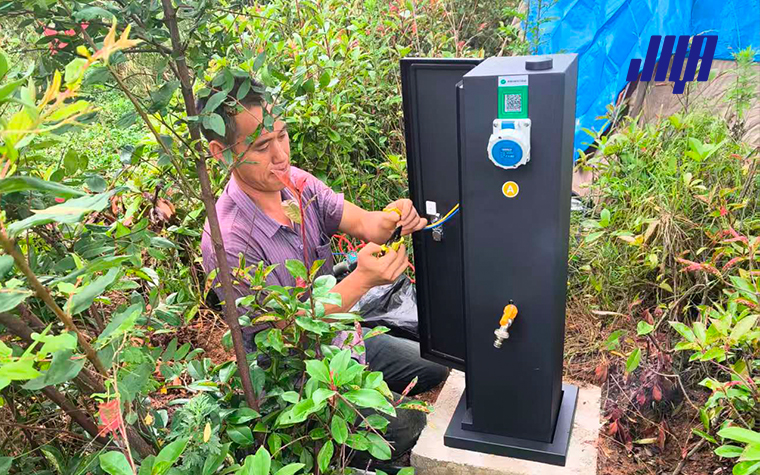
HarborServe Station

Overview of Electric Boating

Electric boating is a significant step forward in maritime innovation, providing a cleaner, quieter, and more efficient alternative to conventional, fossil fuel-powered boats. Essentially, electric boating involves using a battery-supported electric motor to move vessels. This operational mode reduces carbon emissions and decreases the environmental impact of boating in general. This shift is in line with global efforts against climate change and marine ecosystem defense.

Electric propulsion contributes to true sustainability: electric boats are vehicles that produce no emissions, and therefore greatly reduce pollution—both airborne and water. Electric motors usually have higher energy conversion efficiency than their internal combustion engine peers. Even if the trend were to persist, operators would enjoy decreasing operational costs over time especially as battery costs keep falling and charging infrastructure development keeps going strong.

In addition to saving our environment, electric boats offer a quieter more serene environment to both avid and not-so-avid boaters alike. The silent motor of electric propulsion indeed creates a tranquil atmosphere for leisure boating, with almost zero noise pollution that can impinge upon marine life. A combination of such advantages ensures that electrically propelled boats are gaining the ground toward great popularity with the maritime industry, leading to more achievable and enjoyable water prospects in the future.

Benefits of Electric Propulsion in Marine Applications

Electric propulsion offers a variety of benefits that cater to both environmental and operational aspects of the marine industry. Foremost among these is the environmental benefit associated with electric power. Electric propulsion systems cause no emissions. They run silently and therefore reduce air and water pollution and protect the health of oceanic ecosystems. This gain for a better marine environment goes a long way in line with the global movement to halt climate change.

Another good benefit is that electric propulsion brings almost no noticed noise. Propulsion systems, generating very little noise, do not disturb marine life. Rather, therefore, they permit a more tranquil evolvement to the marine experience that is believed, particularly, to be hypersensitive for the protection of wildlife or simply to facilitate recreational boating in a tranquil and pleasant ambiance.

An all-electric-propulsion powered system saved significant in financial terms as well. This is because, in comparison to normal combustion engines, less maintenance is needed, which then gives operational cost savings over time, mainly for space. Aside from the environmental values and the values of direct experience, all-electric-propulsion technology is dolomitic toward a much more eco-friendly operation.

Current Trends in the Maritime Industry

With all advantages propounded, electric propulsion serves both maritime and operational needs. Certainly one of the most certain advantages is the advantage-providing side. Unlike fuel, zero emissions of electric power means that no more exhaust pollutes air or water at the time of the boat operation. In this way, marine ecological conditions renew themselves, calling for global efforts in the fight against climate change which will be made possible.

Another most important virtue is the reduction of noise pollution. Propulsion by electric motors provides a silent operation, calling for almost no interference from marine life and orchestrating a nice ambience for boat riders. Such a blessing is also very cherished if one is so lucky to be living in a sanctuary for wildlife or somewhere that recreational boating experiences a sort of charm when set near such tranquillity.

Electric propulsion systems can be seen as a smart move in the long-term. Once any additional costs in the initial capital investment are covered, they ask for almost no maintenance compared to its alternatives with internal combustion engines. Instead of burning fossil fuels, electricity for attractive coupled with being a cheaper form of energy, thereby for long term use cutting down the operational fees. The environmental and operational incentives provided by electric propulsion are currently paving the path for a more environmentally friendly future for marine transportation.

Understanding Electric Boat Charging Infrastructure

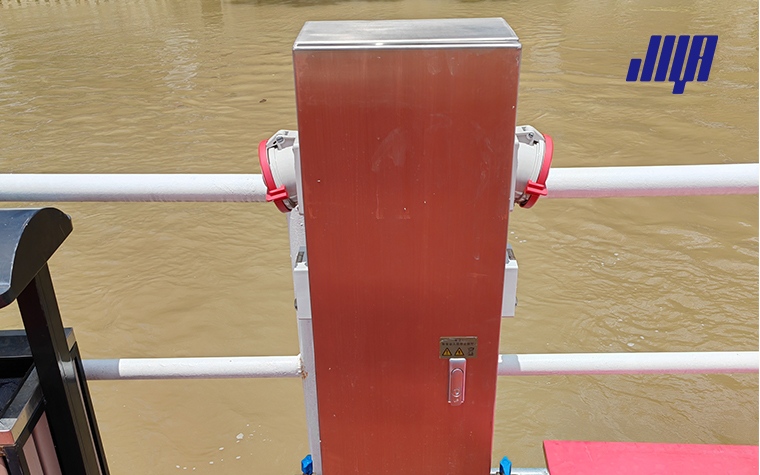
Marine Nexus Station

What is Electric Boat Charging Infrastructure?

Electric boat charging infrastructure is the network made up of facilities and gear meant to recharge the batteries of electric crafts. These charging devices guarantee that electric boats’ propulsion systems are kept at the highest operational levels, while enhancing efficiency and sustainability. The very structure of the infrastructure includes the charging stations, connectors, and power supplies meant for boat-centric work.

The existence of the infrastructure organization is indeed affirmable in facilitating the adoption of electric boats while indications increase that energies can be distributed easily to them. Charging stations should be found on the marinas, harbors, or other docking arrangements, and hence they would be used by the boat owners as easily as just charging batteries while the boats are docked. The more advanced options can be a quick-charge option, which will be especially useful to the commercial operators or the frequent use of boats.

Renewable energy systems such as solar or wind power are increasingly integrated to back these systems. This directly reduces dependency on conventional electrical grids, giving some sustainability to the entire operation. In this context, infrastructure for charging electric boats acts as a vital and much-needed push towards environmentally-conscious marine transport, ensuring that electric boats can be used appropriately and safely.

Components of a Charging System

Electric boat charging with a wide variety of components from safety management is based on those who are often necessary to be more efficient. This means the charging station is the center of the energy transfer to the battery from the boat. Located at the marinas, piers, or private facilities, these stations need to cater to battery power levels and speeds of getting charged.

Another important component is an onboard battery management system (BMS). The BMS functions to monitor and regulate the battery charging process to ensure that the battery charges up within safe limits and prevents it from overheating or overcharging. This system will also help balance power flows to considerably reduce charging times and assist the battery in lasting in good health, which will be beneficial over time for electric boat efficiency.

Besides, power connectors and cables have significant importance in the system and remain the bridge between the charging station and the vessel battery. These components must follow certain safety standards, like waterproofing and durability for marine environment-specific operations. Being combined together, they make the electric boats’ charging system platform very rugged and reliable for highly perceptual comfort and utilization.

Types of Charging Technologies

Electric boat charging technologies have been classified into three main types—Plug Charging, Inductive Charging, and Solar Charging.

  • Plug-In Charging: The most conventional mode. Requires connecting the boat to a power outlet or charging station. Reliable for docked periods at marinas and seaports.
  • Inductive Charging: Wireless energy transfer via electromagnetic fields. Eliminates cables, reduces wear, and improves safety, though it may be slower than plug-in methods.
  • Solar Charging: Utilizes solar panels on the boat or at the station. Ideal for smaller vessels with lower power demands, providing green energy support during sailing.

When taken together, these technologies accommodate various solutions to fulfill diverse operational needs and balance efficiency, safety, and environmental considerations.

Charging Methods and Technologies

Intelligent Dockside Power & Water Supply Station

AC vs. DC Fast Charging

Fast AC (Alternating Current) and DC (Direct Current) charging represent two fundamental components concerning the ship electric charging infrastructure, different from one another. AC charging naturally proceeds more slowly and is better-suited for a lengthy stay at dock without speed being an issue, commonly absorbing power from the grid to feed directly to the ship’s onboard charger which converts this to DC to charge the batteries on the ship, efficient, and low cost. However, it generally takes up for as long as some hours to complete recharging of whatever battery.

Feature AC Charging DC Fast Charging
Charging Speed Slower (Hours) Rapid (Minutes/Hours)
Ideal Use Case Overnight/Long-term docking High-traffic/Commercial use
Infrastructure Cost Lower/Cost-effective Higher investment required

On the contrary, faster charging is aimed at situations where rapid recharging is critical. The mechanism makes use of an external charger for the grid of direct current before the final resting of the battery. Time saved, not so much ideal for high usage situations like buses or boats. However, the former bears a privileged infrastructure and cost disadvantage relative to AC charging.

How electric-boat charging infrastructure is designed and constructed depends upon the combining of various methods in order to meet the multiple demands. A certain marina or a port may offer AC charging as a matter of course, but a DC fast charger may be more suitable for those operating in high-traffic areas or for very busy boats that must keep a tight schedule. The right charging method is selected for a given boat based on such related factors as battery capacity, frequency of use, and user operational needs. A compromise in matching uses and benefits of both methods would thus bring about a revolution in the efficiency, user convenience, and current intensity regarding the technological transition ensuing from global acceptance of electromobiles.

Innovations in Charging Stations

Charging stations are considered an important development that will ease the transit to environmentally sustainable maritime technologies. A major thrust of recent research corresponds to the development of fast-charging systems tailored for the special requirements of electric boats. Such fast-charging systems are known to shave off the charging time drastically, and also ensure smooth and safe flow of energy. In the latest trend, marinas and high-traffic docking places are increasingly setting up fast chargers, enabling electric-boat users a quick recharge and operation without much delay.

On the infrastructure front, it is a leap to another major milestone—a step into designing charging stations with renewable energy sources. Many coastlines have already started utilizing the potential of wind tidal, or solar energy to charge their electric boats with clean energy. With renewable energy capacities and energy storage systems, the loading capacity supports a reduced dependency on conventional power grids and a brisk move to achieve carbon-neutral transportation.

Last, the adoption of standardized charging connectors and protocols ensures compatibility across a wide variety of electric boat models. This standardisation simplifies the charging process for users, eliminates confusion and makes EV charging widely accessible. Implementing innovative technology, such as smartphone app charge status monitoring and station plank availability, adds the convenience; therefore, the number of electric boats used would grow. Combined, such attempts are dealing with significant issues faced in expanding the electric boating industry and toward the drive for sustainable maritime ecosystems.

Marine Shore Power Solutions

Marine shore power solutions are a key measure for reducing emission and enhancing sustainability in maritime operations. By allowing vessels to connect to onshore electricity while docked, these systems dispense with the need for ships to operate their engines that usually run on polluting fossil fuels. This switch saves these pollutions, mutes the noise, reduces air pollution in port areas, and paves the way for a healthier environment and public health.

A successful shore power system in the first place requires a cooperation synergy between ports, ship operators, and regulatory authorities. Necessary infrastructure-targets such as hefty electricity infrastructure and a necessity for complementary and standardized approaches linking together ships and ports will be required for the broad implementation of these technologies. Likewise, it suggests greener and renewable energy sources to become more and more available to provide energy for shore power systems that generate the impact on the betterment of the environment.

The marine-sourced efficiency enhancement has more benefits than just environmental benefits. It also improves services and hence the economic condition by reducing fuel consumption for the vessels, and maintenance expenses of engines brought by engine wear and tear when vessels are berthing. More than that, the impact on the economic situation of ports is in brighter prospect provided shore power systems are used within new port facilities so that they can better compete on a global scale, being tireless in their commitment to port environmental awareness and, thereby, forward and best practices.

Challenges Facing Electric Boat Charging

Berth Utility Unit

Saltwater Corrosion and Its Impact

Saltwater corrosion forms a considerable challenge for charging systems of electric ships. The metallic components of any given charging infrastructure are exposed to water salinity and can rapidly deteriorate owing to electrochemical reactions. This will further weaken critical structures; extend the useful life of charging equipment, and requiring more frequent repair and maintenance costs—not good. It is very important to effectively address this issue for the ports and marinas so to guarantee the reliability and safety of the charging stations.

⚠️ Corrosion Mitigation

Marine-grade materials like stainless steel and specialized protective coatings are essential to prevent structural failure in high-salinity environments.

Implementation of corrosion-resistant materials containing stainless steel or providing a protective coating that endures the marine environment is an effective method among the various measures to combat saltwater corrosion. This process should be matched with a perfect sealing system that will save the electrical components from water intrusion and this is a major contributor to corrosion. An agreement on a timely check at regular intervals and the elimination of the early warning on the effects of corrosion must follow on a regular basis to keep the infrastructure running.

The other counterreactivity on saltwater corrosion is installing a cathodic protection system that utilizes sacrificial anodes or an impressed current to switch where the electrochemical reaction binds off as a way to protect critical infrastructures. This decisively reduces the risk of corrosion and corresponding investment ensures viability to support power supply to the electric boat at sea.

Lack of Standardization in Charging Systems

A lack of standardization in charging systems for electric boats presents a significant hurdle for sustainable marine technology to grow and become mainstream. Often companies design their charging facilities with specific norms, so the inter-compatibility of these systems is rarely guaranteed. This keeps operators and owners in a tight corner, forcing them to consider recharging only at certain locations. On a side issue to promote wider integration and reduce the fragmentations in the industry, a universal standard laying down the norms is essential.

Many ports and marinas, in the absence of standardized charging systems, find it difficult to support electric boats as they end up investing in multiple sets of infrastructure to cater to varying requirements. The absence of any standardization increases costs to all parties, deterring smaller businesses or the individual user from so much as considering the switch to electric technology. Besides, it can cause other logistical problems, especially during long-distance travel trips when specific charging facilities cannot be accessed.

To tackle the challenge, it is more than ever essential that the maritime industry comes together to create standard ways for charging systems. All governments should work together with manufacturers and stakeholders and develop the regulations and possible incentives that improve the adoption of similar universal technologies. Effective standardization could remove impediments and reduce infrastructure costs, promoting easy integration and faster maritime transition to greener practices.

Future of Electric Boat Charging

CoastalPro Utility Station

Market Trends and Growth Projections

Nowadays, the market of electric boat charging infrastructure is expanding heartily due to the global need for sustainable shipping usage. Accordingly, in order for the maritime industry to assist in this cause of increasing demand for environmentally friendly solutions certain environmental norms and regulations will have to be introduced. Enticed by the concepts of environmental conservation and advancements made in battery technology, significant investments have been made mainly for charging infrastructure. Published reports state a major increase in the significance of electric boats in the recreational as well as commercial sectors, thus increasing the demand for operational and efficient networks for charging.

Government legislation, which encourages the adoption of clean energy and discourages emissions in waterways, also plays an important role in shaping the market. Many countries issue subsidies, tax exemptions, and policies to push people towards the adoption of electric boats. Thus collaboration among manufacturers, ports, and energy service providers to establish some form of a standard as well as better the sorts and the potential availability of charging stations should be undertaken to facilitate the utilization of electric propulsion systems more effectively.

Technology innovation is enhancing growth. Advanced high-speed charging technology and wireless charging systems are fast gaining popularity, which means rapid service and minimal time for charging. When integrated with a focus on electrification technology, these developments are likely to be quite disruptive to the marine industry, making electrification an increasingly doable and sustainable option for the future.

Policy Impacts on Electric Boating Infrastructure

In considering the development and enlargement of electric boating infrastructure, it is believed that governmental rules are intended to be a key tipping point in encouraging progress. Subsidizing electric boats and the construction of charging stations provide a good manner in which the marine sector can embrace this exciting swirling change toward electric propulsion. The policies therefore encourage the usage by stimulating the reduction in production costs and facilitating the purchase by the producers and customers.

Environmental regulations considering the reduction of emissions from conventional fuel-driven boats will aid in spurring such an electrification move. Basically, such regulations—when it comes to a drastic reduction of carbon emissions and the instillation of cleaner energy-use targets—will prove to promote the sustainable marine technologies. Of a greater good, in addition, they give in to environmental concerns, riding off cleaner alternatives that can thereby facilitate industry growth itself over the long run.

Stakeholders and policymakers working collaboratively are essential to create the infrastructure that will be required for the expansion of electric boating. Governments can encourage public-private partnership to promote the extension of the charging infrastructure, support research and development, and set standards for interconnectivity. The stability and uniformity in policymaking will foster an investment climate conducive to long-standing cooperation among manufacturers, deployment agencies, and local authorities with the successful implementation of the electric technology within marine transport.

Investment Opportunities in Electric Boat Charging

The electric boat charging investment opportunity is growing rapidly due to the increasing quest for sustainable marine mode of transport. The global green shift and decarbonisation movements have brought about an urgent developing request for reliable and widely accessible infrastructure for charging around waterways, ports, and marinas. These projects are investor-friendly, as they include development of charging networks to support renewable energy solutions such as solar power or wind-powered charging. Such features not only complement environmental objectives but also make a concerted effort against ever-increasing regulations meant to reduce carbon emissions.

150kW+

Capacity of new high-speed marine chargers currently entering the market.

In the domain of this sector an important path to development is being developed through public-private partnerships. The governments of various nations aim at fostering various incentives through grants and subsidies to develop electric vehicle charging stations. Situating these charging hubs strategically can attract marine businesses, tourism operators, and private vessel owners and thus assured revenues. Again, operational sustainability can be guaranteed if they work alongside local governments and maritime authorities to eliminate hurdles faced by the permitting process through cooperation.

Last but not least, venturing into technology solutions in this industry might bring promising returns. It may involve investment in the research of quick charge technology, rugged batteries to last long, and software mechanization to ease up battery operations. They not only increase convenience for electric boat operators but also address significant concerns of scalability and efficiency. Make sure you focus on infrastructure, partners, and technology upgrading to ride along with this growing sector and contribute to marine sustainability.

Frequently Asked Questions (FAQ)

Q: What is Electric water charging and why does it matter?
A: Electric boat charging infrastructure refers to the network of charging stations, chargers (ac and dc charging), shore power connections, power management systems and others that permit electric boats and electric outboard motors to recharge their battery pack. Basically, charging infrastructure is important to electric boats by allowing reliable access to shore power supporting rapid as well as overnight charging strategies which, are much allied in the improvement of the charging experience for electric boat users as well as the promotion of electric boats in the marine industry.

Q: What charging methods exist for electric boats—AC or DC charging?
A: AC charging applies to slow, cost-effective overnight charging with more-installed infrastructure demanded, whilst DC charging favors superiorly faster charging and rapid charging with an emphasis on circuitry envied in no other chargers. Boats having AC and DC charging systems serve many purposes; AC charging is particularly known for marine shore power and slow charging, whilst DC charging, as well as combined charging system configuration serves faster charging capabilities further with higher power rating in terms of power-to-time ratio, aiming to quicken the charging of batteries for boats.

Q: How fast can I charge an electric boat—what affects charging speed?
A: Charging speed is influenced by the type of charger (ac charger vs dc charger), the onboard charging capability and the battery pack of the boat, as well as the availability of fast charging infrastructure. Fast charging and ultra-fast-charging require higher kw power, which is presumed in some marine charging networks such a Stefanutti Marine grant proposal, with up to 150 kw or more, while slow charging is used for overnight charging using AC. Smart charging systems and power management can maximize charging speed and prolong battery duration.

Q: Do user-friendly charging solutions for electric boaters and electric boat users exist?
A: Yes. User-friendly charging solutions available in the market for boaters include user-friendly marinas with clear signals notifying chargers’ availability. They also accommodate standardized plugs, chiefly the combined-system, and/or other marine connectors. Scheduling low-cost charging times is now possible thanks to booking apps and an integrated smart charger. On the other hand, solar charging systems can be set up aboard electric boats to supplement their recharge-system capabilities, apart from portable AC or DC chargers for flexible charging times.

Q: How does smart charging support the dockside charging infrastructure for electric boats?
A: Smart charging connects which source of power load balancing at marina collectives, makes even charging distribution possible, and helps in reducing peak demands. Within power distribution onboard, the charging system ensures co-operation among electrical-device mismanagement and the smart integration of renewable energies like sunshine. They can target the maritime transport and priority of the marine mobility interests to ensure fair access to shore power and improve charging conditions.

Q: Can electric cars and electric boats share charging networks for electric vehicles?
A: In a limited number of instances, electric-vehicle charging networks can inform the design of marinas; however, direct sharing is typically hampered by differing types of connectors used for EV charging, varying safety protocols, and regional regulatory measures. Even though the concepts learned from charging for cars potentially can help, the marine-specific fixtures, protection against saltwater, and different charging standards desired by electric boat consumers and companies are essential for electric boating.

Q: What is the importance of battery tech and maintenance to charging an electric boat?
A: Boat batteries play an important role in charging rates, cycle life, and how to appropriately charge them, depending on the design opted for. Charging battery management and charging solutions, together with thermal management, need to be top priority to ensure the most efficient charging and longest possible battery lives. Electric boaters should perform full charge cycles when the manufacturer has stated it, ensure rapid charging is not used regularly (where it is not needed), and eventually look into integrated solutions including solar charging packages if optioned for.

References

  • Optimizing Charging Infrastructure for Electric Boats
    This study focuses on optimizing the allocation of slow and fast chargers for public electric boat charging stations.
    Read more here

  • Electrification of Public Transport: Transition Towards Electric Vessels
    Discusses the implementation of 1000 kW fast charging infrastructure for replacing diesel boats with electric ones.
    Read more here

  • Market Barriers Towards Electric Boats
    Identifies social and technical barriers to the adoption of electric boats, including infrastructure challenges.
    Read more here

  • Top Marina power pedestals Manufacturer and Supplier in China

Smart Metering Systems for Marinas: Features & Benefits

Managing energy and water consumption sustainably plays the pivotal role in operations while maintaining sustainability for the marina. The smart metering solutions are indeed one of the most game-changing tools. They have allowed marina operators to precisely record usage, cut down on operational costs, and enrich the experience of boaters. This article discusses some of the advanced capabilities that these systems offer and the benefits they have on the management of the marina. From controlling costs to more efficiently allocating resources, choosing greener practices, smart metering systems are now a necessity in most of the modern marina. Click through to learn how a global enterprise can revolutionize input by means of these smart solution suits.

Key Takeaway

Smart metering transforms traditional utility management into a data-driven operation, enabling real-time cost recovery, leak detection, and enhanced sustainability for modern marina facilities.

Introduction to Smart Metering Systems

Introduction to Smart Metering Systems

What are Smart Metering Systems?

Smart metering systems are an advance technological system for measurement, monitoring, and managing of utilities suitable for electricity, water, and natural gas by providing a better and true way of reporting the same. In comparison to the technology of traditional meters, the technology of this system integrates some kind of digital enterprises and communication media that make, in every way, real-time data collection and analytics possible. The feature is advanced enough for advanced warning and forecasting of resources and resource utilization since smart metering systems could give a bird’s-eye aspect for further management.

Remote connectivity is one of the key functions of smart metering systems, which eliminates the need for manual readouts. Two-way communication helps in ensuring regular updates, apt billing, and real consumption data to the consumers. Smart metering systems are also closely involved in analytics, which further allows for easy tracking to locate inefficiency, to account for leaks or defects, and to adjust sensitivity for better resource utilization.

Smart metering systems are instrumental not only in providing individual benefits but also in supporting broader environmental and operational objectives. Through encouraging energy and water conservation, these systems lead to surplus reduction and supportive sustainable practices. Smart metering systems likewise help utility providers more effectively manage and balance supply and demand, relieve grid stress, and plan for future infrastructure needs. For those reasons alone, smart metering systems embody a powerful tool of modern utility management in terms of precision-convenient-easy of-utility.

The Importance of Smart Metering in Marinas

Indispensable in facilitating efficient resource management and hence environmentally sustainable management, lies the use of smart metering system in marinas. Accurate time data about water and power provisions allows the marina developers and managers to specify usage patterns in terms of data: the data can then be translated into informed choices on how dispensable to operate them. The display of close monitoring does not serve the business purpose for cost-saving and so on but also acts as a driving force for environmental balance in terms of appealing to the sensibilities of all users to take part in conservation.

Smart meters provide accurate readings to bill customers for the resources they consumed. This transparency provides reasons for more customer satisfaction and helps to breed trust between customers and operators. By seeing their daily consumption on a user portal, customers can become more aware of energy usage and change their energy usage habits accordingly.

Smart meters enhance operational efficiency further by automating data collection and streamlining resource management. Marina staff spend less time on manual reading or estimation therefore working at higher productivity on some other key tasks. This technology also paves the way for long-term planning, as detailed data can be used for infrastructure improvement and the integration of sustainable energy solutions reaching the port. Smart metering-an investment in a more efficient, greener, and customer-driven marina.

Overview of Key Features

  • 1. Real-Time Data Monitoring
    By facilitating precise and real-time data on energy and water consumption, smart meters are transparent and indispensable for marina operation managers to track usage patterns and detect inefficiencies immediately.
  • 2. Improved Resource Allocation
    With automated data collection, marina staff can efficiently allocate resources. By intimidating manly activities involved in consumption tracking, the staff focuses on other essential operations which raises productivity and improves services.
  • 3. Enhanced Sustainability
    Marinas can use comprehensive usage data for identifying wider sticks that can involve the harnessing of more sustainable energy solutions; hence, the long-term environmental aim of smart metering is to encourage eco-friendly practices and peel away the carbon footprint left by marina operations.

Benefits of Smart Metering for Marina Operations

Benefits of Smart Metering for Marina Operations

Cost Recovery and Billing Accuracy

Energy cost recovery is significantly improved and billing accuracy is ensured for marina operations by the use of smart meters. Since smart meters measure electricity and water consumption accurately, there is no guesswork any longer, in addition to enhancing monthly statements, therefore, marina owners are empowered to do real billing on the basis of the actual usage. Further, it reduces disputes between operators and clients and refines trust between operators and boatowners.

In any event, clear data rendition concerning consumption suggests that operators may promptly look for opportunities in resolving inefficiencies or irregularities in resource usage, such as spotting problems such as leaks or overconsumption, which might otherwise end in substantial financial losses. Besides, the lots of data provided by smart meters let cost to be allocated in proper proportions, thus ensuring that each consumer is charged only based on their use in a fair proportion, which is beneficial to both operators and customers.

Smart metering may help in optimizing the operational cost of a marina while it ensures the billing process is done equitably. Marina operators, by keeping track of the usage patterns over time, are in good position to decide as to how best they can manage the peak demand periods and manage resources more efficiently. This monitoring and resource management actually contribute towards making the operation more profitable and, in the long run, better armed at providing clearer service while retaining sustainability for marina operations.

Streamlining Utility Metering Processes

One construct of streamlining utility metering matters creates implementing very well-organized levels of systems furthered by technologies that lead to fair measurements, billing for water and energy consumption. In this way, water and power utilities are shared equitably so no one feels disadvantaged in sharing resources between users and so as naturally to keep billing disputes far away while in clear situations of every owner’s fair setting of being maintained. Modern metering solutions founded on accurate data do a lot by allowing marina operators to draw data-driven decisions that will improve the overall operational efficiency.

????
Pro Tip

Automated mechanisms drastically reduce manual error rates in utility tracking, ensuring that marina staff can pivot to customer service rather than manual data entry.

In this regard only via automatic metering mechanisms, such as those proposed, are specific in terms of designs that would reduce the likelihood of mistakes from their operators and facilitate billing. Real-time data on energy and water levels can better assist managers plan timely adjustments for avoiding inappropriate inefficiencies; more to this may come transparency to show customers how to check their production patterns for further accountability and responsible usage. Marina operators gain insights into peak usage periods and resource requirements by adopting optimized processes. This data is then used for targeting the most efficient resource distribution patterns that reduce wastage, hence promoting economy of operations. It thus is absolutely vital that these systems be user-friendly and may easily be maintained for the long haul. Towards sustainability, these terminals need to perform without interruptions.

Enhancing Energy Monitoring Capabilities

Monitoring and effective management of energy usage are essential to ensure a smooth operational landscape and environmental outcomes. Increased energy-monitoring lines of sight will allow marina managers to watch from minute to minute the energy consumption with clarity of usage patterns. This would allow plentiful vocations of resource allocation decisions and impart directions to implement or identify energy-conservation models.

Best practice in energy monitoring options means you should see the installation of smart meters and systems implementing real-time analytics. These are extremely precise allowing quotation obviously for benchmarking purpose. But with theme and operational volumes, reports become quite elaborate in their findings whereby getting aestheticized by action and much-promotive behavior. Only through examining these reports have marina operators been able to implement strategies such as demand-side management to regulate unnecessary energy use during off hours-called during what has now become known as “real demand.”

Energy monitoring solutions further support long-term sustainability objectives by streamlining consumption in processes. Looking at bottlenecks, energy hogs, and inefficiencies-like in the earlier case with system maintenance or the algorithms-driven frame intelligent power usage-increases the likelihood of decarbonizing any of your enterprise’s activities. Each time an empowerment of integrated renewable sources enters into the energy grid (be they solar, wind, or any other), clean, sustainable solutions are sought, thereby greatly magnifying this contribution. Not only do they cut costs and become competitive, but they also constitute a genuine stand in the service of environmental stewardship from the rest of the competitors.

Smart Metering Technologies in Modern Marinas

Vessel Supply Unit

Wireless Connectivity and Remote Monitoring

The ability to wirelessly monitor and manage contemporary marinas creates unparalleled opportunities for efficiency and ease. With wireless technologies, marinas can track their water, electricity, and fuel consumption systems in real-time. Such systems make the operation simple in terms of data collection and transmission, consequently improving resource utilization and minimizing operating costs. Also, wireless networks make it feasible for marina supervisors to log into vital information remotely and, thus, try to boost managerial decision-making and streamline every day going on about the marina.

Another advantageous level of remote monitoring is to load real-time information about vessels for the benefit of owners in order to access key metrics of their choosing-battery levels, engine performance, and even environmental issues-from a distance. In terms of confidence, one does not have to be physically present. Better use of this resource is shedding out from the client; it provides some degree of relief and promotes security, given that hitches can be addressed immediately before they develop into major problems.

The technology brings much-needed support towards a green agenda for marinas by integrating wireless communications with smart metering technologies. Through accurate and automated reading of wastage, such monitoring will serve to heighten consciousness of resource usage toward both marina operators and boat owners, who are equally expected to come together with common interests to safeguard the environment by minimizing waste and conserving energy, thereby making the marinas more intelligent, effective, and sustainable facilities.

Integration with Renewable Energy Sources

The integration of renewable energy sources is perfectly heralded in the real sense into the marina industry as it majors conservation and reduction of environmental degradation. Solar panels, wind turbines, and other renewable technology are available, depending on preference. These are meant to harness clean energy for the very basic needs such as lighting, charging stations for mobile phones and water desalination systems of the marina. By taking away fossil fuels almost completely, transitioning to the use of renewables helps in curbing emission of greenhouse gases.

An excellent option would be to construct solar power systems atop commercial buildings or in open space within the marina. Solar panels can effectively produce the electric current necessary to support daily needs, particularly in areas that receive a great deal of sunlight. Wind turbines could also be a source of alternative or supporting energy supplies mainly in regions like the Velvet Coast that receive reasonable winds. These solutions not only could lead to reduced energy costs but they could also have their redundant supply with a more robust and secure energy supply.

Ultimately, the addition of alternative energy systems can be further extended when integrated into smart grid infrastructure to allow for the intelligent distribution and storage of energy. During peak hours, for instance, any surplus energy produced can be stored into batteries or returned to the local grid, hence ensuring the smooth operation of energy. By implementing renewable energy technologies in the marina, these existing resources could align with the international goal of sustainability, provide an appeal to boaters who care for the environment, and encourage green-friendly practices for the industry as a whole.

Cloud-Based Solutions for Efficient Management

Definitely, cloud applications have brought revolutions in managing marinas. They provide a systematic approach that boosts operational efficiency throughout the field. These systems make it possible to access real-time information that leads to real-time decision-making. Marina managers can view all bookings and reservations, monitor the availability of berths, and carry out financial transactions from any location with Internet access. Since administrative tasks are gathered together in a cloud, the marina runs smoothly and can provide better service to its clients.

Scalability and agility are some of the biggest contributions that clouds can make in developing a technology for facilitating fulfillment by marinas of different dimensions, being amenable to customizability that suits their needs-software to manage their inventory, maintain their staff schedule, or automate communications with the clients. Simply put, a cloud provider can ultra reliably keep a marina on top of challenges today by continuously upgrading the software for added functionalities and an ultra low TCO. This way, the business processes will not necessitate expensive overhauls for the purchasing of a new solution.

The best benefits of such cloud-based platforms are security and data protection. These services use encryption and other advanced tools to safeguard important data, including client data and financial records. Moreover, constant data backups prevent data loss through technical failures and intrusion. In conclusion, a higher degree of operations efficiency is a benefit for the marina in using cloud-based solutions, which helps improve customer satisfaction and innovation.

Implementing Smart Metering Systems in Marinas

Marina Service Cabinet

Choosing the Right Smart Pedestals

Considering smart pedestals in a marina requires balancing functionality, reliability, and compatibility with the particular needs of the marina. Move on to evaluation of the marina in its own right-in terms of energy consumption, infrastructure, required features, e.g., whether the devices will work in sync with remote monitoring systems or an automated billing system. Choose smart pedestals that guarantee clear, user-centric interfaces-ease of use and high efficiency for both the staff and customer.

Durability and resistance to the harsh marine environment are of paramount importance. Smart pedestals are meant to withstand harsh weather conditions, salty air, high moisture content, and fluctuations in temperature. Think manufacturers who have used high-quality, weatherproofed materials, thus reducing long-term maintenance occurrence so that the broken potential operational disruptions might be cut down and give a longer life span for the capital investment.

There should be a special focus on scalability and integration. Let’s view the intelligent pedestals as a further extension to the future that may hold more dockage, any possible technology to overlooked or any future upgradations. The key to the whole idea is that integration should be possible with the present systems such as energy monitoring and billing via cloud systems. Single-minded focus on these two features ensures that the marina remains competitive and gives a modern, efficient layout for customers.

Retrofitting Existing Pedestals

The idea of upgrading the existing pedestals means updating older installations to align them with the present functionality needs and standards. The process could hence look into developments related to energy monitoring, billing systems, and cloud connectivity in order to make that system compatible with cloud-based systems. Using state-of-the-art technologies opens up space for the marina to increase efficiency, leaving present equipment in place for longevity, and therefore saving the cost of a complete overhaul.

⚠️ Important Note

Retrofitting is a cost-effective alternative to total replacement, but requires a thorough audit of existing cabling and circuitry to ensure compatibility with modern digital metering components.

To begin with retrofitting, first, take a good look at the state of the existing pedestals, then see what needs attention or has to be replaced. Concentrate on energy conservation initiatives such as energy-saving LED lighting or intelligent energy metering, which allows accurate monitoring of power consumption and billing. Moreover, the networking systems will ensure full security and also allow for remote monitoring and management, providing ease and frugality for facility owners and boat owners alike. Retrofitting provides cost savings, better sustainability, and increased client satisfaction whereby existing marinas are converted to meet evolving industry criteria without the heavy investment of total replacement. This benefits not only the environment but also enhances the marina aesthetics and function to assure a good overall cameo appearance for the tenants.

Practical Tips for Successful Implementation

  1. 1
    Evaluation: Assess First
    Begin with a clean-sheet assessment of the condition of your marina in the formulation of infrastructure, layout, environmental impact and the knowledge of what can be done to improve it. This will enable you to set your priorities. Consult with marina specialists and assess compliance with local rules so that critical changes required to have an operative and sustainable marina can be noted.
  2. 2
    Modular-based and flexible is better
    Modular construction, with designs that can be easily altered, should be considered while retrofitting; therefore, the option of modular construction is ideal for expanding operations in the future. A non-modular construction will not be able to handle the extra functionality, and the only answer to that situation is a very expensive rehab! Furthermore, such systems make it easier for deployment and maintenance, thus reducing downtime for the marina, which disenfranchises tenants.
  3. 3
    Have green integration
    Prioritize green technologies and materials in order to reduce the environmental footprint whereas the implementation of energy-efficient lighting systems, solar technology, and stormwater filtration accentuates sustainability. By practicing these green initiatives, the marina not only helps bring it into an environmentally friendly cluster but also responds to those environmentally conscious customers and stakeholders who appreciate its forward-thinking activities.

Improving Customer Satisfaction with Smart Solutions

Improving Customer Satisfaction with Smart Solutions

Transparent Billing and Meter Reading

Transparent billing procedures are essential for keeping customers happy. This contributes to the overall success of any water-side facility. Through the use of an easy-to-access system, boaters are provided with a clear explanation of charges they may face for water service or energies. Transparency prevents confusion, building trust for facilities as well as customers. Only smart billing resources show every charge, keeping the customer totally informed. This usually promotes an improved relationship with boaters.

Technology for smart meter reads generally allows in real-time the ability for a user to understand the consumption of resources solely and precisely. This information helps users make thoroughly informed choices, enabling them to manage and reduce their energy and water use. In addition to all these benefits, automated-reading meters come with a great advantage: the elimination of human-induced errors, raising further the precision levels in connections to the billing process. It benefits not only customers but also streamlines operation for marina staff. Marinas are expected to have fair and transparent billing and a smart meter for the sake of efficiency for all kinds of reasons. Customers today prefer businesses that want to be mature and open, and that’s where these modern systems step in so as to enhance the nostalgia of marinas and the eco-friendly vibe for a win-win arrangement between the business and the customers.

User-Friendly Monitoring Solutions

The contemporary marina requires very user-friendly tracking facilities for efficacious administration and customer satisfaction. Called use of advanced monitoring systems, these tell of water and energy usage to marina staff, thereby aiding in under-consumption and providing fair charges at the minimal. Such systems add coherence to operations, rendering data accurate, clear, and accessible with minute integration to other operations.

In the clients’ view, this monitoring display brightens the quasi-trust between the consumers and the company with convenient access. These systems paint a client snapshot, which informs them knowledgeably of their equipment operations. You see, the transparency credits the diversity of the eco-ethical-minded patrons who would appreciate the enterprises having sustainable, responsible characteristics. Also, there was only one more reason for maritime people to argue because of these systems, while offering an exact account of resource use. Therefore, it has further facilitated policy by example on customer relations and periodic support to procuring it for regular usage by the staff of the marina; thus it clearly sped up work by spending less time and making all operations far less prone to making errors. The User-Oriented Monitoring Solutions enrich the overall marina experience for everyone they concern, even as they are seen to protect the more sustainable managing of resources at the marina.

Enhancing the Marina Environment

To assure sustainability, efficiency, and public satisfaction, marina environment improvement is the focus of numerous factors. Given the green initiatives, such as energy-efficient practices, waste management, and preservation of the local marine ecosystem, it looks possible that marinas could be viewed as ecologically sound. Solar panels, recycling programs and the use of less harmful cleaning supplies have the potential to make a significant contribution towards some environmental ambiance.

The integration of technology-based smart tools and optimized procedures can boost operational efficiency. Tools such as automated scheduling systems, real-time monitoring solutions, and resource management software help maintain staff’s day-to-day activities at an elevated level of efficiency, which minimizes errors, saves time, and ensures timely and proper-service delivery. Automation also helps in appropriate resource allocation, reducing unnecessary expenses and leading toward organizational sustainability in the long term. Last, user satisfaction should be highly regarded for a friendly marina to exist. This might involve putting into place customer-driven features such as reliable Wi-Fi, clean facilities, and easy docking systems. Offering staff training in excellent customer service and keeping communication channels open ensures that users propose to be of value. In harmony, these factors bring forth a marina where life aplenty goes on, and mankind is supported by the balmy atmosphere.

Frequently Asked Questions (FAQ)

Q: What are Smart Metering Systems for Marinas and how do they improve marina management?
A: Smart Metering Systems for Marinas are integrated smart marina solutions that combine solid-state electric metering technology, wireless systems and water monitoring to organize the marina a total hold on power and water. These systems permit remote utility-monitoring and sub-metering that will enable the management of the marina to follow-up usage of electricity in kilowatt-hours, note unusual usage behavior, save energy wastage, and address the ever-increasing energy cost with smart technologies in a real-time environment.

Q: To what extent do smart metering systems offer real-time monitoring(s) and alerts?
A: Utilizing wireless connectivity, smart marina monitoring platforms allow real-time consumption data to be accessed via an application or web-interface. (They actively relay data from shore power pedestals and marina electrical equipment.) A variety of alarm functions comprising ground fault protection, unusual consumption patterns, and threshold breaches enable boat owners and marina personnel to receive instantaneous alerts for prompt response.

Q: Are there systems that can simultaneously handle electric and water measurement for smart metering?
A: Yes. Many intelligent-metering-standard vessel marina systems have integrated water metering and electricity metering technologies allowing the marina to measure on a per-kilowatt-hour and per-litre basis. This sweeping command over power and water engenders accurate billing, does away with physical meter-reading as well as the assurance of utility monitoring.

Q: In what way do these systems contribute to cost reduction in an era with mounting electricity prices?
A: Smart marina solutions collect per-berth consumption patterns in real-time. They help identify energy overconsumption and anomalous patterns in consumption so that managers can adjust tariffs, optimize shore power usage, and encourage energy-efficient behaviors among berth holders. Reporting features convert measure kWh into invoices, replacing manual meter readings and helping marinas grow profitable in the face of increasing energies costs.

Q: Do smart metering systems scale indifferent-sized marinas?
A: Yes, smart metering solutions are designed to come with an adaptive scale-from small marinas with a few pedestals to major ports with remote utility monitoring. Modular metering technologies by global intelligence platforms and wireless systems are favorable in heavy market constructs that make a very user-friendly procedure of expanding coverage, adding sub-metering points, and linking with marina association and smart infrastructure management systems as the marina grows bigger.

Q: Which inputs are there for boat owners to interact with the systems and access usage data?
A: Boat owners can observe real-time electricity consumption data and usage patterns through a mobile app or online portal, check their kWh usage, receive alerts on abnormal consumption patterns or ground faults, and view accurate invoicing generation from the utility meter. This transparency ensures accountability and aids boat owners in more-effective management of their shore power use, while charging their electric boats as well as their daily operations.

Q: What kind of safety and security features do marina-metering systems come with?
A: The well-designed integrated solid-state electric metering technology, the encrypted wireless signal transmission, and the thorough levels of quality-control checks are believed to support the assurance of data integrity. Ground fault-protection, reliable firmware, and a real-time data network™ reduce downtime, authorized marina-electrical-equipment destruction, and the use of remote critical-utility-monitoring paths for critical parallel operations.

Q: How do marinas see benefits soon after implementation of smart meter solutions?
A: The benefits usually appear immediately: being able to monitor energy use in real time, no longer having to go and read meters manually, achieving better invoice accuracy, and being able to pick up on energy consumption patterns and unusual energy wastage across the site. Over weeks and months, the data allows for a long-range energy management plan, better efficiency in marina power and quantifiable savings even in an environment where energy costs are rising.

References

  1. A Framework for Building a Smart Port and Smart Port Index
    This document discusses integrated port management systems and their applications, which may include smart metering technologies.
    Read more here

  2. Feasibility of a Smart Grid on Nantucket
    Explores the use of smart meters in grid systems, providing insights into their functionality and benefits.
    Read more here

  3. Empowering Up, Powering Down – JCHS Harvard
    Discusses the role of smart meters in energy management and two-way communication for energy data.
    Read more here

  4. Top Marina power pedestals Manufacturer and Supplier in China

Electric Boat Charging Infrastructure Explained

The future of travel on water is electric, and there is no question boating is one of the transport sectors undergoing the transformation. As environmental consciousness grows and ever-efficient electric boat technology gets more advanced, there is an explosion in the necessity of a stable charging infrastructure. So, for marina vendors, how do they go about handling these factors? We will explain in this blog post why electric boat charging stations should be incorporated in your marina not as an optional facility to add but rather as a must to ensure the success of your marina in the long run. Let’s take you from the identification of where the game is moving in the industry to how to implement it – and make any new ‘green’ improvements at yor marina that will enable it to be sustainable and profitable into the future.

Understanding Electric Boat Charging Infrastructure

ShoreSupply Unit

What do you understand the term Electric Boat Charging to mean?

Electric boat charging is explained as the process of transferring power to electric boats by the existence of charging equipment or networks. As electric propulsion is increasingly being used in marine transportation, these charging networks are put in place to recharge on board batteries efficiently. Electric boat chargers are of various types depending on the user application and include but are not limited to AC/DC charging, level 1 (slow charger) and DC fast chargers that provide high power levels which reduces downtimes. The charging systems are very essential in assisting in the shift to environmentally safe boating by lessening the levels of greenhouse gas emissions as well as the use of conventional fuels. Marine operators who add this electric infrastructure because of sustainable growth awareness are also equipped to operate the marina better and in line with global environmental requirements.

On the Role of public charging infrastructure in Marinas

The spread of advanced charging infrastructure in marinas is transforming the countryside’s affiliation to waterborne transport since it encourages environmental and energy saving measures. Modern charging stations are costructed in a way to fit a range of electric boats, promoting user friendliness. The expansion takes into consideration the fact that there is a shift in consumer interests as more people are seeking options that are environmentally friendly to those that are not, whilst ensuring that marinas are equipped to deal with increased electric watercraft movements.

Other than their ability to be energy efficient, electronic charging systems have very economic gains that could be harnessed. In terms of customer service, it is evident that many boaters welcome the use of PV panels. People are more attracted to using such systems as such. Such a system can be integrated into the use of present battery systems offering safe ways to charge batteries. Consequently, governments as well as other interested stakeholders are offering various devices and grants to facilitate the implementation of marine electrification, promoting construction of green maritime facilities and providing for financial assistance for realization of such facilities.

The innovations discussed are fundamental for fulfilling the strategic goals of sustainable development in the modern social and economic environment. Marina charging networks are a clear example how the attention on reduction of emissions and therefore energy conservation has transcended all sectors of human endeavor. Marinas can assist in the preservation of the environment within the decade by incorporating efficient and still relevant areas of growth while serving the needs of the maritime sector.

Description of the charging methods

After a though research I have come to realize that charging technologies for yatches have changed tremendously over time, and several innovative for the efficient and green charging solutions have been adopted. Of course technological advancements in the area of yachts have brought the era of charging two other systems for the service and propulsion systems of yachts. Such systems use standard types of connectors and are aimed at delivering instant and effective power services without wasting energy, thereby avoid loss of power. Direct Current (DC) fast charging capabilities have emerged as the new technology within the Industry as well. In this case, the boats can recharge quickly to this also helps in making the marina as well as boating fun itself, more efficient. Also, used are intelligent charging stations that are equipped with Internet Of Things which offer updates on usage level that is the and speed which energy and charged is being used.

One of the upcoming trends that can be observed, includes the use of wireless charging in sea travel, including inductive charging, where in there is neither wired or corded connections needed. This will ensure that the process of charging will be safe and easier in most cases, this is because it will help those with yachts and boats, to charge more efficiently. The engineering community of products that extract and use renewable energy is also having a profound impact in promoting renewable energy sources in the marine sector; this is evidenced by the increase in solar powered charging stations in green marinas. The clean energy sources such as these lower the amount of power drawn from the grids as well as contribute to the carbon footprint reduction of the globe.

In a nutshell, a fast-paced integration of stunning power supply technologies has recently taken place within the naval industry and the product designs are particularly user-friendly and eco-friendly. In light of that observation, marine facility developers and operators can develop strategy and construct facilities that do not fall behind the changing time and demand for electrically and hybrid powered boats. It can be asserted because the money spent today in innovative charging technology shall be a great help s the maritime world will become cleaner and more manageable-based in the future.

Types of Electric Boat Chargers

Harbor Link Unit

DC Fast Charging against AC Charging

In relation to alternative energy sources in the ship world, we get to deal with two primary approaches – DC fast charginh and AC charginh each of which appeals to the certain needs and solves certain issues. DC fast charginh is one where high powers are conveyed directly to the battery in order to ensure rapid charging. It is therefore more appropriate for cases such as commercial applications or even busy marinas where boats would dock and go very fast. DC fast charging infrastructure mostly involves high installation costs and it necessitates proper infrastructure in place, however, they are quite critical in order to support the fast growing numbers of high capacity electric ships.

However, although AC charging takes longer than DC charging, it can be found in more places and is also cheaper than energy costs. This type of charging is mainly compatible with the standard voltages and thus more suitable for smaller voltages such as electric ships or for an extended period of time. AC chargers are easier to configure and maintain, which simplifies the process for installers and is yet another reason one can consider them as part of the amenities for the leisure boaters set.

One of the key advantages of Shore Power Connections

This type of shore power connection offers many distinct advantages to the people who own boats and to those who manage marinas. Basing on the fact that the vessels can be plugged into a power socket when they are on shore, additional power outlets tend to reduce the necessity of the use of onboard generators which enables saving on fuel consumption and reduction in air pollution by greenhouse gases. Moreover, it also means people can get a needles to say more peaceful and productive experience while at the marina or any other place and to keeping the effect on the environment to only a minimum.

One other factor that makes shore power relevant is the fact that it provides a ready, inexpensive, and continuous power source that can be used to run normal ship’s services such as illumination, refrigeration and air conditioning, even when the engine is switched off. This enhances the luxury of those who use the boats and also saves some costs by relieving the engine from tedious water activity hence reducing mechanical disturbances. Finally, adding on shore power also becomes a selling point for marinas where green boaters congregate and it tends to align those facilities with the best practices within their industry in service of the condition of the water bodies.

Evolution of Solar Power in Boating Sector: Charging Electric Boats effectively

Solar solution charging is one of the creative solutions in the field of electric boats. This technology comes with immense advantages, improvement in standard of living of people who live near oceans, lakes and other natural modes of transport being the one of them. To be able to grasp this concept, one is compelled to examine the current technology with respect to electric boats. While many companies have researched lack of enough power for night operation of electric boats, very few have observed how the energy storage systems for electric boats applies to its use in boating.

Electric boat shows show that electrical energy is quickly replenished thanks to the benefiting of computer software. This can be achieved by attaching solar panels to the boat so that they can charge onboard batteries when in use. In addition, solar and wind power systems and the net-metering benefits have had stunning developments. This came along with introduction of lightweight flexible solar panels which integrate well into the structure of any vessel. With the above enhancements, boats can now absorb energy much better than they used to without worrying about the performance and look of the boats being altered. And in addition, considering the cost of buying petrol solar charging will save money over time since sunshine unlike water is free and there is minimal if any maintenance work done on the solar panels which makes them the most logical choice for eco-friendly boating.

Building a Charging Network for Marinas

DockServe Unit

Charging Stations: Their design, efficiency and performances

If the uptake of electric boats is on the rise, then that means that efficient charging stations must be in place as well, to complement the vessels and for customer satisfaction. Such charging stations should be designed with easy and rapid recharging in mind to keep vessels operational for the greatest period of time. New interface elements allow different kinds of charging for craft at a particular station even if it is in an inaccessible zone.

Re preformance improvement and increasing the industry of the unit, yearly maintanace costs msruments are normally done in the maintainance of the items most critical to the unit such as production equipment, activities, and people within the unit. The costs incurred for these activities are called ‘preventive maintanance’ costs. In a receving operation, the costs would be due to examination of incoming goods and implants at receipt. Physical cycle counting is the most expensive method of counting. The number is calculated by calling a complete stock physical count divided by a whole yr. These costs vary based on their interactions and intended uses. The perpectual method is of two types ‘full and partial’.

Integrating Charging Infrastructure into Existing Marinas

To successfully install a charging infrastructure within already operational marinas, it is essential to plan in detail and carry out innovative design to transition to electric powered vessels adequately. This first step of the process is to evaluate the current size, as well as the power capabilities of the marinas to know the right areas that can be easily fixed for the located of the charging stations. There might be a need to carry out such maneuvers because the current grid in the marina may not be able to sustain additional power consumers unless some improvements are carried out such as installation of bigger capabilities transformers and extension of the cable lines as well which are sometimes sensitive because of the existing arrangements. For these reasons, charging stations must be designed in a way that meets most, if not all, of the classifications of electric boat batteries, providing consistency and ease for electric boaters. Securing renewable energy highlights such as solar or wind power will aid in this quest to protect the environment and make the marina facility more energy efficient. In order to access and direct funding and other resources, promote ease of doing business, reinforce regulatory framework and enhance the project environmental impact, it is necessary to involve the concern of the community, as well as the related marine sectors and environmental nongovernmental organizations.

Cooperation with Firms Such as Aqua Superpower

Electric mobility for marine sectors can be enhanced swiftly when innovative companies such as Aqua Superpower work alongside us. The company creates a network called “fast charging” that can serve electric boats and this is a critical addition for moving towards the electric solutions. They do this through the networks that operate on electric boats and have specific demanding characteristics, especially in terms of power output. Relying on their proficiency assures of effectiveness and promptness of the charging solutions provided for various marine vessels depending on their size and power required. These joint efforts do not only catalyze progress in science and technology, but they also exemplify an orientation towards lowering soils that is in overlapping protection of the waters and the air – the vessels. The gap is filled by these associations and paves way to facilitate their working together without necessarily harboring conflict, and toward a net-positive electric boat user experience.

Best Practices for Boat Owners

Marine Serve Unit

The Secret to Charging Electric Boat Batteries

The secret behind preserving your electric boat batteries and offering maximum service life is through proper charging. It is important not only to select the right battery but also to use a charger. For instance, if you have lithium-ion batteries, you must also have a lithium-ion battery charger. If you have AGM batteries, you must use AGM batteries, and so on with lead-acid batteries. This prevents both overcharging the battery by excessive fluctuations in voltage as well as undercharging it. Also ensuring the battery is not allowed to reach temperatures above a certain level during the lithium-ion battery’s charging operation. On the other hand, it is usually handy to charge the batteries in a relatively well-ventilated area to decrease the chances of overheating. Keep tabs on your state of charge (SOC) is necessary as well. Most of the current electric boats are equipped with the so-called battery management systems, which offer an estimation of the current battery state and the ability to update the user. Using these capabilities in conjunction with charging protocols helps in the ability to preserve proper functioning, avoid premature failure of the accumulators, and successfully use them for a prolonged period of time. If possible, optic for the use of shore power or generation of the energy from a renewable source such as solar panels to minimize the impacts on the environment and expedite re-charging process. From all of the above information, safe charging is operational charging in electric boats and ships. Part of the safe charging processes is to do maintenance work; hence in some instances all that is required is to ensure there are no overgrowths on the battery terminal and that all the cables are well secured. From the aforesaid steps, operators expect to have dependable battery life and improve the time of providing services in electric ships and boats.

Interpreting The Significance of Charging Approaches Effectiveness for Electric Ships

When evaluating charging stations for electric ships, it is important to address the effectiveness and compatibility of the provision of the solutions. Charging stations that go with the flow should represent the most preferable solution for the users. This includes technique of alternating current (AC) charging to which docks and marinas have access, working to meet the daily requirements without any disappointments. Nonetheless, it is hard not to notice the DC technology which is based on the fast charge concept which has managed to penetrate to this field as well and lays a lot of emphasis on charging within the ideal context and within the shortest possible charging time in the case when need be. Another aspect to consider is what charging methods are now being managed, and how renewable energy is being applied in this management approach. The use of solar panel systems and wind mills, among other sources, allow for green energy in favor of power-driven boating which is sustainable. Although such systems may be slower in power production, they save money and limits the use of traditional sources of energy. One more aspect to consider is protecting the battery system by making a few checks on the energy level and charging cycle it needs to be performing correctly and increasing its life span. With these elements in mind, interested boaters are encouraged to establish the optimal service strategy bearing in mind the challenges of cost, support, and environmental objectives.

Toward the Destiny of Electric, Sailboat Charging for Water-based Transport Enthusiasts

Revolution in electric charging for sailboats is taking place rather swiftly owing to new technologies and a variety of eco-friendly options coming in the market today. Provided as examples for comprehensive service creation are smart charging systems which allow users to control the recharge progress and manage other operations through mobile phone applications. These help to effectively manage battery charging as well as energy consumption, minimize costs and even exercise measurement though timely data acquisition. Also rapidly contributing to comfortable use by nature is the faster development of quick recharge locations for boats allowing for recharging of electric boats as effectively as it is done for gasoline boats. Electric boat charging system is another area where innovation has caught up with renewable energy in a gripping way. Silicon batteries, their corresponding charged stations and solar panels that are installed within the boat are increasingly being put in place which also allows the saving of coal powered electricity and encourages greener boating. Even systems that use wind and water as back-up in charging boat batteries are being designed for providing clean energy direct during travelling. Even more importantly, evolution of battery technology that is occurring right now is outlining the future of electric boats. Development of advanced high energy capacity light weight batteries designs providing higher energy density is one of them; which helps in achieving longer cruising distances as well as more effective functioning of the boats. In particular, solid state batteries promise to be safer, faster to charge and to be many more years due to their nature, advancements that are revolutionizing the industry. There are new policies concerning electric boat batteries in the aspect of the technology. It is not compulsory for electric boats to bring in fuel cartridges. It is pretty obvious that in the next decade, electric boats will consist of batteries once. All that is the development of the new generation if hybrid boats.

Future of Electric Boat Charging Infrastructure

Quayside Power & Water Unit

Introducing Innovation in Charging Solutions for Yachts

Whenever the notion of changes in electric yacht charging takes over, it is easily noticeable that we are facing a significant development in the realm of maritime transport, or more clearly, innovative ideas for the clean fuel sector. And one of such, promising developments has been the introduction of fast charge posts designed for the refueling of propulsion battery of an electrically operated boat within the shortest time possible; in fact time for a charge to be obtained in less than a hour exists. It’s not long before these fast chargers will be available at most marinas, so that cruising with an electric yacht never lacks an option to connect and charge the batteries as is common with electric cars. I am equally captivated by how smart energy management systems integrate into the making of an electric ferry. Users can keep track of their battery power, limit the charge of their battery, if they cannot reach an electric facily and even opt for night charging to save on electricity bills, using simple smartphone applications. These changes, along with the increased importance of common charging interfaces and the desire of all those involved to standardize EV charging systems have greatly improved how boats are charged today. It is delightful to anticipate that these progressions as there are defining a better and more responsible perspective change regarding the use of electricity on water.

Electric boat charging trends for the future

One of the most significant trends in electric boat charging is that the industry is moving towards super high speed chargers with large capacities. These systems are intended to reduce downtime for the boat operators, making it possible to refuel the vessel within the shortest time compared to the past. At the same time, there is a growing the growth of advanced battery technologies such as solid state electrolytes and lithium-sulfur, eco friendly, boosting power densities of more energy-packed electrically driven boats. This trend of future charge up infrastructure includes also the incorporation of renewable energy systems. Mobile solar power plants and energy balloon installations are some of the renewable energy generation sources that are in use for electrical car charging facilities that are far from the main grid. Furthermore, new approaches like wireless underwater charging are being developed and it is believed that in the near future vessels powered by electricity will be charged without the direct link. Last but not least, one is to point out the importance of the smart grids for the development of the maritime charging in the near future. Such networks assist in the optimal distribution of power, particularly at the charging stations, as circumstances change. Smart grid systems, especially when paired with the ai-based analytical tools, improve effectiveness by making the charging infrastructure less environmentally damaging. These factors are responsible for the extremely high standards in the marine electricach, gratifying the demands of luxury and value for transportation with electricity.

Marina Charging Solutions And The Regulatory Landscape

Building proper marina charging solutions comes hand in hand with multiple regulations related to electric infrastructure and ports. These laws illustrate expectations in terms of safety measures, environmental protection, and power tower use. The power charging stations need to follow these guidelines strictly as well because electrical safety parameters ensure that they have protected the exterior surfaces from outside materials and that in the event of an emergency they can be easily deactivated. As sixth, energy policies shall take a more holistic view to protect marine environments, such as management of electromagnetic radiation and leakage of charging equipment into the water. Another way commercial vessels circumvent these obstacles is by adhering to international protocols such as the Inter-Governmental Maritime Consultative Organization (IMCO). Furthermore, countries and port operators can also introduce similar levies to anti-carbon foot print charges or other provisions that will encourage the use of low-emission power in keeping with the world’s effort to stem emission trend. Observance of the above, it should be noted, is necessary not only in structuring the charge network but also in fostering confidence in the consumer and promoting environmental sustainability in the electrification of shipping. Appropriate interpretation of the rules enables practical and legal actions that ensure the ability of the different parties are both futuristic and legally sound.

Reference Sources

Designing a Sustainable Island for Electric Boat Charging
A collaborative project exploring sustainable solutions for electric boat charging stations.

Policy and Business Models for National Electric Boat Transportation System: Case Study in Indonesia
This paper discusses phased implementation strategies and solar charging investments for electric boats.

How to Plug In the Fishing Fleet: Connectors in Charging Infrastructure for Small Fishing Boats
This research examines the development of reliable battery charging infrastructure for small fishing boats.

Top Marina power pedestals Manufacturer and Supplier in China
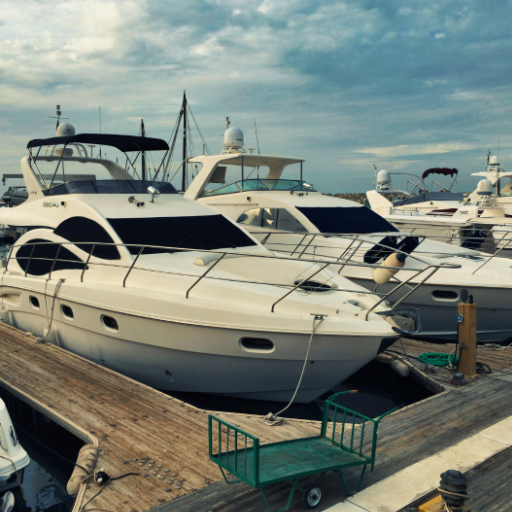
Frequently Asked Questions (FAQs)

What makes a boat fast charger effective over the normal variations of its kind?

Electric propulsion vessel’s fast chargers are known as industrial fast or marine-grade DC quick charges that are designed to dump large amounts of energy into a battery compared to slow top-ups done by AC chargers. They work in a different way relying on dc and ac electric power though others can exploit ccs in-mixed mode for faster charging. These methods, however, are less energy efficient and reduce the overall capacity of the traction battery. Also, consumer utilization of fast charging might not come cheap because of the peak load demand charge, which is quite expensive for fast charging. Generally, faster charging is preferred by an electric vehicle operator who is on strict timelines, but more should be done to preserve battery health for the proper functioning of the vehicle without unrealistic expectations of a quick charging solution. With the development of electric boat charging infrastructure, and consequently the adoption of electric boats, fast charging stations are increasingly being set up in marine locations.

In what ways does the concept of smart charging enhance the electronic boat charging infrastructure?

To understand this, smart charging systems are the systems that manage the times of charging as well as the methods of power delivery for the efficient purpose of charging. This way, it allows the reducing of the cost of goods by ‘shifting the burden’ to the off- peak hours. It is challenging to optimize availability of power to charging by various components of the system but this is one of the major functions of smart charging systems. They are able to interact with electric motors as well as battery management systems in evaluating the charge speed and level based on detection of battery level and battery confirmation as well as relating to the time the vessels would set out. The electricity provided is also proportional to the capacity of the battery. In such systems, smart charging helps reduce the stress on local networks by managing demand for electric power and can incorporate wind or photovoltaic (solar) power to cut down on operating costs. The other advantage it provides to the people is smoothing out the charging so that very expensive electricity usage is avoided. No doubt this translates to holistic level of adoption of electric engine for boating purposes. Smart charging usage as a way for electric vehicle charging facility marketing will also facilitate the easy use of boats in brushed carbon technology.

Is it possible to connect solar panels with electric boat charging stations?

If we include solar panels, or install them in the charging stations, electric boats can also make used of on-grid electricity at much cheaper cost on emissions. This is since solar panels convert the sun’s energy to electricity to charge up a battery, rendering the user’s electric bill almost nil and also, reducing all emissions associated with it. Such solar arrays are more useful when combined with battery systems and some form of management to fill up the gaps left by limitations due to preferential cloud cover over the usage or even in reinforcement of any peaks and what not. Solar-charging boating stations, via photovoltaic solar panels, are particularly useful for boaters, as they are affordable to use, environmentally friendly and less onerous, although this will depend on the extent of the materials available or the overall planning. Installing solar panels can also help in the reduction of charging time by providing additional buffered power to effectively support onerous dc fast charging or both ac and dc charging systems. Therefore, with the improvement of both the battery technology and that of the marine fast chargers, integrating solar panels of such charging stations will fast become a very common practice in the electric boating industry.

What are the roles of ac and dc charging in marine applications?

Although the output voltage of the electric V14 combustion VT11 engine and inverter can be regulated to suit commercial vehicle voltages, the operational requirements for the powertrain including motor, inverter and battery are quite different in this scenario. For instance, long amount of driving time is constant efficiency states or sheberts wherein most vehicles operate in high or saturated power zones, but there are few short transient disturbances which coincide with low or under-sizing power ratings because of the availability of certain parameters and safety mechanisms in the power electrothermal and control system. In order to meet the vehicle operational requirements, improvements and modifications are necessary on the existing powertrain structure. Such modifications will include redesigning and upgrading existing components, and then implementing integration of new techniques and solutions to realize the mission objective of the existing vehicles using the least power. Servers that host and control the services, applications, contents, multimedia data, processing and storage for consoles and vehicles may also be used for reference or contents data.

How feasible is wireless charging for electric boats and what are the limitations?

Inductive charging allows energy to be delivered wirelessly which has the advantage, it eliminates the need for physical plugs when the boat is docked at night, or for a quick charge. On the other hand, as fast DC charging surpasses the capabilities of existing wireless systems for energy storage, the rate of charge is lower when the battery has no contact with a fast DC charger, prompting prolonged periods of charge resulting in inevitable loses of potential energy. In conclusion, the hardware needs to be installed to cater for alignment and as well as installation, to be costly, may also be problematic for electric boat users and marinas. On a face value situation, inductive charging will not be a bad option for removing all stress provided by power connectors during their usage and thus for discharging and using the boats with electric propulsion. The efficiency problem is such in that it works best for minor comparatively power amount of charges for instance in fast charging replacements for the batteries however not the main application. With the increase in charging requirement, as well as the technology evolution, wireless solutions could get more importance next to wired fast charging and smart charging technologies.

RV Pedestal Installation Guide: Direct Burial vs Pad Mount

One of the key decision factors you’ll have to ponder while contemplating the placement of an RV pedestal is selecting a good mounting option suitable for your project needs-especially as it concerns the two major methods direct burial and pad-mount. This pick inadia-pending can have enduring effects on the quasi-proposed formation of the design and usefulness of your set-up. This report presents the variation in installation options to facilitate the design and to enable an informed choice. If you are a professional contractor or an ardent DIY player, you will find useful advice and important considerations on how to properly install a power pedestal for travel trailers.

Introduction to RV Pedestal Installation

Campsite-Water-Power-Post-Install

What Is an RV Power Pedestal?

An RV power pedestal is an actual electrical appliance installed mainly for supplying safe and reliable electricity to recreational vehicles (RVs) at campsites, parks, and other facilities. It is an interface through which travelers can conveniently tap into a whole lot of power needed to run their RVs—lights, appliances, air conditioners, and so on. In general, the pedestal has various outlets of current-carrying capacities, like 30 amps and 50 amps, to suit the power requirements of numerous gadgets.

Pedestals are typically located close to RV parking spaces or individual spots, making it very convenient for RVers to reach. Sometimes, these connect straight to the main grid power supply of the park. Safety mechanisms will be built into some units against operational hazards, including circuit breakers, to prevent overloading and ground fault protection to mitigate electrical shock. Some additional designs of pedestals may have a plastic or metal lid to weatherproof outlets for increased life and ease of usage.

Using an RV power pedestal allows RV users to maintain a more comfortable standard with their power needs rather than relying on generators or other accommodations for power in order to bring the home together. Proper installation following local codes will guarantee a safe and efficient power system.

Types of RV Pedestals: Direct Burial vs Pad Mount

The primary types of RV power pedestals which exist are direct burial and pad mount because each type serves specific installation requirements and scenarios.

Feature Direct Burial Pad Mount
Installation Buried directly in the ground Bolted to concrete pad/base
Stability High (once backfilled) Highest (structural foundation)
Best For Residential or simple setups Commercial parks/Heavy traffic

Direct Burial Pedestals: Direct burial pedestals function as permanent installation solutions because they need to be buried directly in the ground. The pedestals function as solid bases for deployment in locations that do not need a complete foundation because of their capability to remain stable when underground. The system operates best under conditions where both simple installation and economical operation serve as the main objectives. Direct burial pedestals provide strong base protection from movement which makes them suitable for locations that experience powerful winds and extreme environmental conditions. The system requires proper depth installation together with local code compliance to establish a secure and dependable operational environment.

Pad Mount Pedestals: Pad mount pedestals require installation on either a concrete pad or another type of stable base. The materials provide extra strength and stability which protects against damage that occurs in areas with heavy foot traffic and in locations where the ground surface is unstable. The pedestals get selected for specific situations when their operational reliability needs to extend through time or when the existing ground conditions demand stronger support elements. The design of pad-mounted systems allows replacement and maintenance work to proceed more easily because the pedestal remains attached to its designated base.

Every pedestal type provides distinct advantages which require selection based on particular site conditions and regional standards and intended use. The pad mount provides stable operation for campgrounds that have different terrain types while direct burial serves better for residential areas because it offers operational simplicity. The process requires complete adherence to local electrical codes together with building requirements no matter which type gets selected.

Importance of Proper Installation

The safe operation of electrical systems requires proper installation, which also guarantees their functional performance and extended service life throughout any operational environment. The presence of improperly installed equipment creates dangers that include electrical fires and shock incidents and equipment breakdowns which demonstrate the need to strictly follow local electrical standards and building codes. The established standards function to safeguard both property and people by reducing hazards while guaranteeing that systems perform their intended functions.

A complete installation process which includes installing and connecting all system components creates a safe environment because it protects people from danger. The system will experience operational limitations because of misaligned components, which will result in unnecessary energy waste and system breakdowns. The system requires expensive maintenance, which reduces its ability to function normally, which creates problems in areas where people use electricity the most, including residential neighborhoods and public campgrounds. The correct installation of equipment during the initial setup phase helps to prevent expensive repairs and service disruptions.

⚠️ Important Note

Improper installation often voids manufacturer warranties. Always ensure your setup follows official guidelines to protect your financial investment.

Proper installation establishes the conditions necessary to meet both warranty requirements and local inspection standards. Equipment installation that follows manufacturer guidelines becomes essential because equipment installation which diverges from these guidelines will result in warranty termination, which creates financial risks for property owners. Local inspectors need to see systems which meet their required standards before they grant their approval for operational use. The correct execution of installation activities from the beginning stage results in time and resource savings, while also preventing future legal complications.

Step-by-Step Guide for RV Pedestal Installation

  1. 1
    Plan the Installation Site
    Select an appropriate location for the RV pedestal which meets local regulations and allows RV users to access it without difficulty. The site must meet two requirements because it needs to be level and it needs to be close to existing electrical and water and sewer lines. The team needs to check that the location has no obstacles or dangers while making sure the area has enough light for safe movement and essential tasks.
  2. 2
    Prepare the Foundation
    The foundation must provide solid support to maintain the pedestal’s stability throughout its operational lifespan. This process involves concrete pad installation or pre-formed base implementation according to local building requirements and soil testing results. The foundation needs to be level because it serves as the base which keeps the pedestal secure during operations. The team needs to obtain all essential equipment and supplies because this task requires foundation work to be completed effectively.
  3. 3
    Connect Utilities and Install the Pedestal
    After completing the foundation work the team should securely install the pedestal before proceeding with utility installation. The electrical system requires that all wiring connections should follow both local and national electrical codes to ensure safe operation and proper functionality. The team must install water and sewer connections according to local regulations to achieve operation that prevents leaks and operates consistently. The team needs to conduct thorough system tests before completing the final RV pedestal testing which will establish its operational readiness.

Essential Tools and Materials Required

Ground Mounted RV Utility Post Construction

List of Tools Needed

  • Screwdrivers (Phillips and flathead)
  • Wire cutters and strippers
  • Voltage tester or multimeter
  • Power drill with bits
  • Adjustable wrench, Socket set, and Pliers
  • Measuring tape, Level, and Safety Gear (Gloves/Goggles)

Materials for Direct Burial vs Pad Mount

The installation process of direct burial requires specific materials that provide both durability and safety protection. Direct burial needs underground-rated electrical cable which appears as UF (Underground Feeder) cable. This cable type operates effectively in environments where moisture exists and soil conditions prevail. The installation requires PVC or metal conduit when extra protection against wiring needs protection. The installation requires weatherproof junction boxes which handle cable clamps for connection security and grounding materials that include grounding rods and clamps.

The installation process of pad mount requires different materials which support the above-ground installation method. Pad mounts require a concrete base or pre-fabricated base to provide stability for the pedestal. The raised pedestal base design establishes secure anchors which protect the system from environmental elements. The electrical wiring system of pad-mounted installations uses standard outdoor-rated electrical cable which needs conduits to secure the wiring from outside threats. Weatherproof housing or enclosures are necessary to protect electrical connections from rain and debris.

The installation methods use universal materials which include corrosion-resistant connectors sealant for weatherproofing and stainless-steel hardware that prevents rusting. The selection of materials requires National Electrical Code (NEC) standards compliance because it ensures both safety and long-lasting performance. The use of correct tools and materials allows direct burial and pad mount installations to accomplish operational needs along with safety standards.

Choosing the Right Wiring for Your Installation

The safety and efficiency of electrical installations depends on selecting correct wiring which will establish trustworthy operational performance. You should start your electrical system design process by determining its required electrical load specifications. The wire gauge must match the current and voltage levels to prevent overheating or power loss. Residential buildings typically use copper or aluminum wires because both materials provide outstanding electrical conductivity and long-lasting performance.

????
Pro Tip

For outdoor underground runs, ensure you use cable explicitly rated for “Direct Burial.” Standard indoor wire will degrade quickly when exposed to soil moisture.

The next step involves studying the specific conditions which will exist in the installation area. Outdoor wiring requires weatherproof and UV-resistant insulation plus jacketing to protect against environmental conditions. Use direct burial cables for underground installations because these cables have been engineered to endure both moisture and soil exposure. The wire insulation must match the temperature rating which is suitable for the environmental conditions to protect against future material deterioration.

The process requires verification that both National Electrical Code (NEC) standards and local building codes have been met. The procedure ensures that wiring systems will fulfill safety standards and function correctly for their designated purposes. You should consult a licensed electrician or read the NEC guidelines to select wiring which meets proper code requirements. The following procedures create a safe system which operates efficiently while delivering peak performance.

Common Mistakes to Avoid

Installation of RV Park Power & Water Utility Post

Incorrect Depth for Burial

The most common error that occurs during RV pedestal installation shows itself when workers install electrical cables at incorrect burial depths. The situation creates safety risks while the system becomes exposed to potential harm. The National Electrical Code (NEC) establishes burial depths for electrical conduit based on two factors which include installation method and required protection level. Underground electrical wiring in rigid metal conduits needs at least 6 inches of insulation according to standard requirements. The NEC regulations and local building codes must be consulted to achieve compliance with both standards.

Landscaping equipment and heavy machinery can accidentally damage cables that are buried at improper depths. Shallow burial depths create two problems which include water infiltration and temperature-induced deterioration from changing soil conditions that lead to system failures. The installation process requires depth verification to avoid installation mistakes.

The system requires safe operation through the use of correct trenching equipment which needs proper backfill materials to protect the electrical wiring. It is recommended to label or mark underground cable routes because this enhances safety during subsequent ground operations. Proper planning and adherence to guidelines will result in a reliable RV pedestal installation that meets safety and performance standards.

Improper Electrical Connections

The installation process of RV pedestals requires proper electrical connections because any mistakes will create hazardous conditions which damage equipment and reduce operational efficiency. The most frequent problem occurs when technicians execute incorrect wiring procedures which lead to overloaded circuits and tripped breakers and insufficient power delivery to the RV. The connections must receive verification because they require matching the voltage and amperage requirements which the pedestal and RV electrical system need to operate correctly.

Loose connections which remain unsecured become another major problem. These components develop heat accumulation which creates a risk for electrical fires while simultaneously damaging their structural integrity. All wires and connectors must receive proper securing which needs to maintain the required tightness according to manufacturer specifications. Regular connection inspections combined with correct torque application procedures will decrease the chances of connection failures.

The performance and safety of a system get compromised when operators use materials that either do not match requirements or fail to meet minimum quality standards. The installation needs appropriate gauge wiring and proper connectors and circuit breakers which must meet local electrical codes and standards. The installation of RV pedestals becomes safe and efficient and durable through these precautions which protect both the system and its users.

Neglecting Local Codes and Requirements

The installation of an RV pedestal requires complete adherence to local codes and electrical standards because any violation will create dangerous conditions which may result in legal consequences and equipment failures. The local regulations exist to create safe working conditions which safeguard users and establish requirements for systems to function with the regional power grid. The installation procedure will produce faulty results because the instructions should not be followed which leads to equipment destruction and other dangers that result from electrical fires.

The specific codes which apply to your location must be researched and integrated because these codes exist to protect against potential dangers. The process involves establishing requirements which include wiring specifications and grounding procedures and circuit breaker requirements and choosing the appropriate pedestal design based on its particular application. The requirements needed for your project should be confirmed through consultation with a licensed electrician or your local regulatory body. The requirements for compliance will be neglected through non-compliance which will result in penalties and installation rework that creates additional expenses and delays.

The electrical system will operate at optimal efficiency and safety when local codes are followed. The installation meets all regulatory requirements which prevent overloads and enable proper integration with RV systems while providing protection against storm damage. The implementation of these guidelines from the beginning of the project will save wasted time because it protects safety and boosts the durability and operational power of your RV pedestal installation throughout its life.

Safety Tips for Proper Installation

RV Utility Post Site Installation

Personal Protective Equipment

The process of installing an RV pedestal requires workers to use personal protective equipment (PPE) as their fundamental safety measure which protects them from all potential hazards. You need to wear insulated gloves when you work with wiring because this is the minimum requirement for electrical safety protection. Safety glasses or goggles are also critical, as they shield your eyes from potential debris during installation or drilling.

Steel-toe boots are required because they protect your feet from falling objects which might occur during work. The installation requires you to wear a high-visibility vest which makes you visible to others when you work close to traffic or in crowded spaces. Your PPE inspection must be conducted before installation work begins because it helps you check your equipment for any signs of damage. Your safety during the project will improve when you use well-fitted protective equipment which provides complete body protection.

Handling Electrical Components Safely

You must first shut off the power supply before you start working on electrical components during installation. The power source should be disconnected to reduce electric shock hazards and prevent unintentional equipment activation. Workers need to use insulated tools for their work near live electrical components because these tools provide extra protection against electrical hazards.

The combination of electrical-rated gloves and safety glasses constitutes essential personal protective equipment (PPE) needed to shield workers from electrical arc and spark dangers. You should examine your PPE before every use to find any signs of damage because any defect needs to be fixed before you start your work. Follow both safety protocols and the equipment installation guidelines provided to ensure safety and compliance.

Ensuring Grounding and Bonding

Your RV pedestal installation needs proper grounding and bonding to guarantee its operational safety and complete functionality. Grounding establishes a secure route which electrical currents can follow to reach the earth during fault conditions or surge events thereby safeguarding both the equipment and people from electrical dangers. Bonding creates permanent electrical connections between all metal parts which prevents dangerous voltage differences from developing between different parts.

The first task requires you to check for grounding rod installation which must occur at this location according to local electrical codes. The grounding rod should be securely connected to the pedestal’s grounding terminal using an appropriate grounding conductor. The grounding system needs all connections to be secure while free of corrosion in order to establish a dependable grounding route. Confirm that all metal components in the pedestal and associated equipment are connected to the grounding system, using bonding jumpers or clamps that meet code requirements.

Maintenance Advice for Longevity

Campsite Supply Post Installation

Regular Inspections of the Pedestal

The operational safety of your RV pedestal requires periodic inspections throughout its entire service life. Start by checking for any visible damage or wear on the pedestal which includes cracks and rust and corrosion because these defects will weaken the structure and impair its performance. The entire system requires inspection which includes checking all wiring and plug connections and outlet connections to identify any frayed wires or loose fittings that create safety hazards or cause electrical problems.

The pedestal receptacles need testing through an appropriate testing device to validate their output and voltage specifications. The system experiences voltage irregularities which indicate that wiring and electrical components need to be investigated for possible problems. The grounding system needs to remain complete because it protects from electrical surges and establishes safety standards. You must fix all issues without delay because they create dangerous situations.

Cleaning and Upkeep Tips

The efficient operation of an RV pedestal requires its regular maintenance for both operational efficiency and extended equipment lifespan. The pedestal needs regular cleaning through soft cloths which should be used with mild detergent to eliminate dirt and dust and grime from the surface. The surface requires protection from damage through the prohibition of abrasive materials and harsh chemical substances. Safe and reliable performance requires all connections to remain free from debris which includes plugs and receptacles.

The inspection process of the pedestal needs to occur at regular intervals to check for signs of wear which include corrosion and damage that especially affects electrical components and connections. The security of electrical systems requires you to tighten loose screws and covers because this action will stop moisture from entering the system. The pedestal needs protection during inactive times and extreme weather conditions through a waterproof and UV-resistant cover which protects it from both moisture damage and environmental exposure.

Signs of Wear and When to Replace

RV pedestals need replacement after they display sufficient wear which develops through continuous use. The pedestal shows visible damage through its cracked and corroded and burnt-out components. Power delivery problems which occur as power outages or delivery issues appear need to be investigated because they suggest internal electrical problems or connection deterioration. You should check for loose or worn outlets because they create hazards which make it impossible to secure plugs properly.

Discoloration and melting together with a burnt smell surrounding outlets or wiring indicate dangerous conditions which render the pedestal unsafe for use. The nonresponsive circuit breakers together with their frequent tripping create additional evidence which shows that a replacement of equipment needs to happen. The replacement of equipment must take place without delay whenever you identify these problems to prevent electrical fires and equipment malfunction.

Frequently Asked Questions (FAQ)

Q: What is an RV Pedestal Installation Guide and why is it important?
A: The RV Pedestal Installation Guide provides detailed instructions for installing an RV pedestal which contains the RV outlet, meter, breakers, and safety components. The guide explains how to size equipment including 20, 30, and 50 amp services while ensuring compliance with safety codes.

Q: What amperage options should the guide cover?
A: A comprehensive guide includes 50 amp, 30 amp, and 20 amp pedestals and dual NEMA configurations. It demonstrates correct usage of double-pole 120/240v 50 amp service and separate 30/20 amp circuits.

Q: How do I wire the neutral, ground, and hot legs?
A: Every pedestal circuit includes two hot wires (for 50 amp power), a neutral wire, and a ground wire. The guide requires personnel to fasten lugs inside the breaker panel and identify conductors correctly to prevent dangerous substitutions.

Q: Do I need a dedicated meter and panel or can I use a subpanel?
A: The guide provides options for dedicated meter/breaker panels or shared panels with subpanels containing separate breakers. It shows how to distribute 100 amp or 200 amp service feeds to multiple pedestals.

Q: Can I perform modifications myself or should I hire a contractor?
A: Minor adjustments like outlet cover replacements can be DIY, but main breaker and panel layout modifications require a licensed electrical contractor to handle 240v service changes and bare wire work.

Q: How do I test and finalize the installation?
A: Test all connections with a voltage meter (120v hot-to-neutral, 240v hot-to-hot). Check ground/neutral links, confirm tightened lugs, and have an electrical contractor conduct a final inspection for system approval.

References

  • Swiss Valley Campground 50-AMP Upgrades
    This document provides detailed instructions for installing RV pedestals, including conduit requirements and compliance with NEC standards.
    Read more here

  • WAC 296-46B Electrical Safety Standards
    A guide on electrical safety standards, including the installation of pedestal-mounted services and ground rods.
    Read more here

  • Occupied Recreational Vehicles and Tiny Houses on Wheels
    This resource outlines electrical connection requirements for RV pedestals, including GFCI protection and dedicated outlets.
    Read more here

  • Top RV Power Pedestals Manufacturer and Supplier in China

Types of RV Power Pedestals: Metered, Unmetered, Direct Burial, Pad Mount

The power pedestal stands as the most significant factor which you must examine when constructing an RV park or improving your personal RV setup. The essential units provide two functions because they deliver dependable electricity and come in multiple types which serve different requirements. The different types of RV power pedestals need to be studied because they provide three different options which include individual energy monitoring systems and basic connection systems and outdoor durable equipment. This article explores four main types which include metered systems unmetered systems direct burial systems and pad mount systems by showing their characteristics and advantages and best use cases to help you find the most suitable solution for your system.

Introduction to RV Power Pedestals

Motorhome Water & Power Station

What is an RV Power Pedestal?

The RV power pedestal functions as vital equipment which outdoor facilities use to provide power connections for recreational vehicles at campgrounds and RV parks and other outdoor recreation sites. The system operates as a unified system which enables RVs to establish secure and effective connections with external electrical power systems. The pedestals deliver different electricity levels which enable RV users to connect their vehicles according to their specific power needs.

The basic RV power pedestal design provides electrical outlets which typically include 20 amp, 30 amp, and 50 amp options to meet different power requirements. Some pedestals include extra capabilities which provide circuit breakers and surge protection and water and internet links. The safety features of these components work together with additional elements to create a secure environment which provides RV travelers with enhanced convenience and comfort throughout their time at the facility.

The main function of an RV power pedestal enables RV owners to access dependable electrical power which eliminates the need for generator systems or any backup power equipment. The steady electrical stream powers the RV lights and appliances and HVAC systems which create a pleasant and usable space for users. The structure’s strong weatherproof construction guarantees long-lasting performance which makes it suitable for outdoor power requirements.

Importance of Power Pedestals in RV Applications

Power pedestals provide essential electric power supply which maintains constant voltage for RV operations. The system enables RV users to operate their vital electrical systems which include appliances and lighting and HVAC systems without needing to use generators which provide insufficient power and require more effort to operate. The system delivers constant power supply which makes RVs more comfortable to use while their practical capabilities extend to both short trips and long-term stays.

Power pedestals provide RVs with continuous electric power which matches their operational requirements. The devices come with multiple voltage and amperage settings which enable them to support different RV types and user requirements. The system enables safe power distribution which protects against circuit overloads and electrical danger situations.

Power pedestals function as outdoor equipment because they provide both long-lasting construction and dependable performance. Their weatherproof design provides protection throughout all weather conditions which include both rainy and extremely hot weather. The design defends electrical components while maintaining user protection. Power pedestals improve RV living through their various benefits which increase user convenience and security measures and operational capabilities.

Overview of Types of RV Power Pedestals

RV power pedestals come in different types which have various features and specifications that enable them to fulfill different requirements of RV owners. The most common types include standard power pedestals, metered pedestals, and multi-output pedestals. The various power types enable safe and efficient power distribution according to different usage requirements and operational needs.


  • Standard Power Pedestals: Provide basic distribution for 30-amp and 50-amp connections.

  • Metered Power Pedestals: Include built-in monitoring for accurate utility billing.

  • Multi-Output Pedestals: Support multiple RVs simultaneously with advanced scalability.

Metered vs. Unmetered Power Pedestals

Campsite-Water-Power-Post-Install

Understanding Metered Power Pedestals

Metered power pedestals function as electrical devices which include meters to track energy consumption from every connected device and vehicle. The pedestals find common use in campgrounds and RV parks and marinas because these locations need to track energy consumption for both visitors and facility managers. The installed meters enable accurate tracking of individual usage which simplifies the process of calculating costs for billing. The system provides operators with tools to maintain energy consumption fairness which helps them resolve consumption disputes.

The main benefit of metered power pedestals enables operators to track energy usage with complete accuracy. The system permits operators to bill their guests based on actual energy consumption which creates a clear billing method. Customers will become more energy-efficient because they understand their consumption will face measurement under this system. Metered units work best at busy sites which have changing power requirements because they enable users to pay only for their actual usage.

The main advantage of metered power pedestals enables operators to control total energy consumption. Operators use usage data to build usage patterns which help them distribute energy more efficiently and create infrastructure improvement plans. The system works best for large campgrounds and facilities which want to deliver high-quality service while keeping their operating expenses low. Metered power pedestals provide a practical solution which scales up to meet the requirements of operators and users who share power resources.

Advantages of Unmetered Power Pedestals

Unmetered power pedestals provide operational benefits which simplify work for both operators and users. The operators experience time and resource savings because they no longer require systems which track individual power usage during installation and maintenance work. The implementation of this efficient system setup enables organizations to maintain their billing operations without needing to implement complicated metering solutions. Users gain advantages from this system because they can use electricity without needing to monitor their consumption or pay extra charges.

The system provides operators and users with a second main benefit which allows them to predict their future expenses. Facility operators can use a flat-rate pricing system which makes it easier for them to plan their expenses and establish service charges. Users gain confidence because they understand that their electricity consumption will not result in any surprise expenses. Operators and users maintain a stronger relationship because this system decreases their requirement to discuss electricity consumption details.

Unmetered pedestals provide optimal benefits to facilities which experience seasonal operation because these facilities lack the resources needed to operate metering equipment. The facilities maintain essential power supply access for their visitors while keeping their expenses at a minimal level. Unmetered systems provide greater durability and require less upkeep which makes them appropriate for extended usage across various settings.

Choosing Between Metered and Unmetered Options

The facility operational requirements and budget constraints together with actual usage data must determine which of the two options should be selected for metered or unmetered use. Facilities that need to monitor their complete energy usage should choose metered pedestals as their optimal solution. The system enables precise billing processes while it helps save energy by providing users with complete usage information which they can use to control their energy use throughout their time at the facility.

Factor Metered Unmetered
Billing Usage-based (Pay what you use) Flat-rate (Predictable)
Maintenance Higher (Meter calibration/reads) Lower (Simple electrical)
Energy Efficiency High (Encourages conservation) Lower (No incentive to save)

Unmetered pedestals function better in locations that require steady electricity supply throughout the year or during specific seasonal periods. The system offers budget-friendly benefits because it needs less upkeep and operates with basic functions while providing protection for facilities that want to maintain their building systems without tracking their equipment activities. Unmetered systems provide small businesses and temporary operations with benefits because they remove the need to handle billing processes and track power usage.

The facility selection process requires dedicated research to identify the most critical facility needs. The metered solution should be chosen when organizations need to track their energy usage with precise accuracy. An unmetered system should be chosen because it provides simple operation while users need to keep their equipment running throughout their workday. The right decision depends on understanding what the facility needs and wants to accomplish.

Types of RV Power Pedestal Mounting

RV-Campsite-Utility-Post-Installation

Surface Mount Power Pedestals

The installation process for surface mount power pedestals requires mounting them on stable flat surfaces which include both concrete and asphalt materials. The mounting method establishes a permanent foundation that protects access points while maintaining the system’s integrity for heavy traffic areas in both RV parks and campgrounds. Permanent outdoor areas which need, to have fixtures installed for their permanent use require surface mount options as the most suitable solution.

The main advantage of surface mount power pedestals provides users with permanent base stations which maintain operational stability under all environmental conditions. The ground-based anchoring system protects the structure from damage caused by high winds and heavy rainfall and other external threats which would impact unprotected installations. The construction features of these systems enable their use as dependable solutions for facilities which operate in extreme weather conditions and require protection against heavy foot traffic.

The evaluation process for surface mount pedestals requires facility personnel to assess site conditions which must include both installation area needs and drainage system requirements. The planners need to check all local electrical codes and installation demands which will help ensure the project meets safety requirements during its implementation. When implemented correctly, surface mount pedestals provide a reliable and long-lasting power solution for RV users.

Burial Pedestal Options

Burial pedestals function as reliable and sturdy systems which deliver electrical connections throughout RV parks and campgrounds. The pedestals achieve their installation through ground embedding which establishes stability while protecting against weather conditions and unintentional impacts. Their design ensures that electrical connections remain secure and undisturbed, making them an excellent choice for long-term installations.

[Image showing the underground burial depth requirements for an RV pedestal]

The assessment of installation sites requires evaluation before burial pedestal selection. Proper planning requires ground preparation which considers both soil composition and drainage methods to stop water accumulation and erosion at the pedestal base. This process ensures that electrical systems maintain their operational capacity throughout their entire lifespan. The installation plans need to follow local electrical regulations and safety requirements to achieve compliance while minimizing electrical danger risks.

Burial pedestals operate effectively in areas with high foot traffic which poses a risk of accidental tampering because their underground design stops most disturbances. The facility’s power solution benefits from robust construction which delivers reliable performance across all operational environments. The installation of burial pedestals provides RV users and campground operators with reliable equipment through proper site preparation and adherence to installation standards.

Pad Mount Power Pedestals

The pad mount power pedestals function as an effective power distribution system which operates reliably in multiple outdoor environments including campgrounds and RV parks and temporary outdoor events. The pedestals which require installation on a concrete pad base provide power distribution capabilities which maintain consistency during high usage periods. Their solid design delivers long-lasting protection against environmental damage which ensures they remain usable over extended periods.

????
Pro Tip

Pad mount pedestals are the gold standard for areas with high water tables or rocky soil where deep trenching for burial pedestals is impractical.

The primary benefit of pad mount power pedestals exists in their simple maintenance procedures. Technicians can easily reach the above ground pedestal because it stays fixed to the ground which enables them to conduct repairs or inspections without facing major obstacles. The system delivers operational reliability because technicians can access it easily which reduces downtime at facilities that require continuous operation.

The design of pad mount pedestals combines safety features with practical functionality. The system includes protective elements which consist of weatherproof housing and grounding mechanisms that help to minimize electrical danger. The facility operators choose this solution because its strong design and safety features enable them to achieve safe and efficient electrical system performance.

Amperage Ratings and Their Importance

Intelligent Caravan Supply Post

⚠️ Important Note

Providing insufficient amperage for a guest’s RV can lead to constant breaker tripping and potential damage to high-draw appliances like AC units.

20 Amp RV Power Pedestals

The 20 Amp RV power pedestals provide a dependable power solution which meets the needs of recreational vehicles that need 20-amp electrical service. These power pedestals serve campgrounds and RV parks and other similar locations by providing constant power for basic RV electrical systems. The pedestals serve small-to-mid-sized RVs which meet established safety and performance standards.

The main purpose of these pedestals is to distribute power efficiently while protecting users and equipment from electrical dangers. The system protects users through ground fault protection and secure enclosures which decrease shock hazards and environmental damage risks. The weather-resistant design of the product ensures its long-lasting durability and reliable performance during outdoor use.

The 20 Amp RV power pedestals provide facility operators with an affordable option which enables them to support multiple types of recreational vehicles. The power requirements of budget-friendly travel environments and moderate power usage areas make these systems suitable for their functions. The pedestals deliver dependable operation together with vital safety elements which improve RV user convenience and satisfaction.

30 Amp RV Power Pedestals

The 30 Amp RV power pedestals are designed to accommodate recreational vehicles with medium energy demands. The system establishes a permanent power connection which permits RV users to operate their necessary equipment which includes air conditioning systems microwaves and lighting systems. The pedestals serve as common electrical equipment in campgrounds and RV parks and recreational facilities which provide dependable power sources to operators who serve diverse guest needs.

The 30 Amp power pedestals provide users with their primary benefit because they enable users to support greater electrical systems than 20 Amp power pedestals which makes them suitable for bigger RVs with higher electricity requirements. The pedestals typically include safety features such as circuit breakers and proper grounding to protect both the facility’s electrical system and the users’ vehicles from potential hazards. The product offers strength because its construction materials enable it to resist damage from severe weather conditions and heavy traffic.

Facility managers choose 30 Amp pedestals because these devices offer an economical solution which provides easy operation and works with many different RV models. Campgrounds achieve operational efficiency because these systems provide sufficient power for modern RVs while keeping their operational costs down. The systems deliver a reliable energy source which increases user satisfaction because it leads to more pleasant and stress-free travel experiences for RV users.

50 Amp RV Power Pedestals

50 Amp RV power pedestals deliver higher power capacity, which makes them suitable for modern RVs that require substantial electrical power. The pedestals enable RV users to operate advanced appliances, including air conditioning units and larger refrigerators and entertainment systems, which provide them with home-like convenience. The system provides higher amperage capacity, which enables RVs to use multiple electrical systems simultaneously while delivering dependable power for all their needs.

Campground operators use 50 Amp pedestals because they provide dependable power solutions which support a wider range of RV models, especially those with higher power requirements. The installation of these pedestals increases the attractiveness of campgrounds to travelers who seek high-capacity electrical power. The systems maintain their operational efficiency through their durable engineering, which minimizes both maintenance and efficiency losses throughout their lifespan.

The 50 Amp pedestals deliver consistent power, which boosts customer satisfaction and supports operational efficiency. RV users enjoy continuous electricity supply, which allows them to travel without concerns about power shortages. Campgrounds that provide 50 Amp service equipment demonstrate their dedication to fulfilling the various requirements of modern RV users, which makes it a valuable long-term investment.

Features of RV Power Pedestals

Smart RV Campsite Utility Terminal

Durability and Weather Resistance

The design of RV power pedestals includes durability and weather resistance features which enable continuous operation during severe environmental conditions. The pedestals use heavy-duty plastics and stainless steel as construction materials which enable them to resist damage from extended outdoor use. The strong construction of the building protects it from damage which results from both physical contact and extreme weather conditions, which enables it to function for an extended period.

The weather-resistant aspects of the pedestals function as vital safeguards which shield their internal electrical systems from environmental damage. Multiple models feature watertight seals and corrosion-resistant finishes which protect against moisture and rain and humidity, thus preventing electrical malfunction. Some products use UV-resistant coatings which protect against sun damage, thus preserving their structural integrity and visual quality for an extended period.

The combination of durability and weather resistance not only ensures reliability but also reduces maintenance requirements for campground operators. By investing in power pedestals built to endure a variety of environmental challenges, campground owners can provide a dependable service to RV users while minimizing replacement and repair costs, which benefits both customer contentment and business efficiency.

Additional Features: Water Spigots and Lighting

The power pedestal requires water spigots as essential equipment because they provide campers with easy access to water. The spigots are designed to endure extreme weather conditions which guarantees their permanent operational capacity through all seasons. Campsite water access enables better camping experiences because it removes the requirement for campers to travel long distances to reach shared water facilities. Spigots come with user-friendly valve handles which provide additional functionality that people from all age groups can use.

92%

of campers prefer sites with integrated “utility islands” that combine power, water, and lighting into a single pedestal.

Power pedestal lighting systems provide campground users with increased safety features while creating additional operational benefits. Campsite lighting systems create secure areas which prevent accidents that could occur during nighttime activities. LED lights provide effective illumination solutions because they operate with low energy consumption and long-lasting performance which maintains constant light output at affordable operational expenses. Well-lit spaces create inviting environments which enable nighttime camping activities to continue after dark.

The power pedestal system needs water spigots and lighting systems because these two elements boost campsite operational capabilities. The added features provide campers with improved comfort and accessibility while increasing customer satisfaction which benefits the campground operators. Campgrounds which purchase pedestals that provide both water and lighting facilities will deliver superior visitor experiences which result in increased customer loyalty and favorable online feedback.

Specialized Features for Mobile Homes and Marinas

Mobile homes and marinas require specialized utility systems because their operational requirements differ from typical infrastructure needs. Mobile homes need power pedestals that provide higher voltage capacity and multiple outlets to operate their different electrical devices. The design of these pedestals enables them to handle residential power requirements which deliver safe and dependable power to users. Users can complete their daily activities which include cooking and cleaning and bathing through the installation of water connections on the power pedestals.

Marinas need power pedestals which have weather-resistant and durable design properties because these devices must function in marine environments. The utility solutions need to protect against saltwater and moisture because these conditions will cause equipment to corrode and stop working. The ability to create ground fault protection and install lighting systems between their safety features and their nighttime visibility systems creates essential safety operations. The design of some pedestals includes water and pump-out connections which support the requirements of boaters while creating an all-inclusive marina utility system.

Advanced metering options provide both mobile homes and marinas with significant advantages because these systems enable operators and users to track their energy and water usage with precise measurements. The implementation of smart meter systems allows remote monitoring and billing processes which reduce the need for manual work while enhancing operational performance. Utility setups through their specialized features support mobile homeowners and marina operators in achieving comfortable and secure system operation.

Frequently Asked Questions (FAQ)

Q: What are the common types of RV power pedestals?

A: The most common types of RV power pedestals include pedestals for RV that offer 1-pole 20 amp, 1-pole 30 amp, 2-pole 50 amp (50a) receptacles, and combined metered or unmetered power outlet configurations. You will find pedestals which contain galvanized steel construction, powder-coated finishes, and NEMA 3R rated enclosures (3r rainproof enclosure) for their outdoor electrical requirements. The pedestals include both ring-type and ringless designs which provide single phase (1-phase) and 1-phase service options for use in temporary power situations or permanent RV site installations.

Q: How do metered power outlets differ from unmetered power outlets on RV pedestals?

A: Metered power outlet pedestals include a meter main or metered ring to track usage and often a meter main that can be UL listed; unmetered power outlet pedestals provide direct power without individual meters. Metered options are common in campgrounds that charge per use, while unmetered pedestals are used where billing is not required. The two systems provide electrical distribution capacity options of 100 amps and 200 amps which comply with national electric code regulations that mandate proper equipment ratings.

Q: What materials and coatings are best for RV power pedestals to resist corrosion?

A: The best option for you to select includes either galvanized G-90 steel or galvanized steel pedestals and G90 galvanized steel materials because these materials offer better protection against corrosion than standard steel. The powder-coated finishes provide additional defense against both weather conditions and ultraviolet radiation. The terms galvanize, galvanized g-90 steel and galvanized steel refer to materials that provide construction protection against corrosion, which enables pedestals to fulfill their durability requirements for outdoor RV sites and coastal environments.

Q:What power receptacles and outlet types do RV power pedestals normally provide to users?

A:The standard configuration of RV power outlets includes 5-20R2GFI outlets together with GFCI-protected outlets and 1-pole 20 amp 1-pole 30 amp and 2-pole 50 amp (50a) NEMA 3R outlets. The pedestals offer ring-type (ring-type vs ringless) and lug connections while some models use mobile home panel breakers or 200a (200 amp) main breakers for their expanded distribution requirements. The system implements GFIs together with UL listed components as a standard practice to fulfill code requirements.

Q: How does the national electric code affect RV pedestal installation and distribution?

A: The national electric code requires electrical distribution and distribution equipment to be rated for the intended service; this includes NEMA 3R rated enclosures, proper grounding, and correctly sized lugs and breakers. The code specifies when a meter main or meter pedestal is required, and it influences whether earth burial, 12 to 2 AWG wiring, and 30 inch pedestal clearances are used. The use of UL listed components is necessary for compliance which should be accompanied by the implementation of local code standards.

Q: What are ring-type versus ringless pedestal designs and why choose one?

A: Ring-type pedestals show a visible ring or bezel that surrounds the receptacle while ringless pedestals use a design that reaches the same level as surrounding surfaces to create an attractive appearance that simplifies maintenance. The two designs achieve NEMA 3R certification while manufacturers can build them using galvanized steel or powder-coated materials. The choice often depends on campground preference, GFI accessibility, and whether the pedestal is metered or unmetered.

Q: Can RV pedestals support high-power needs like a 200 amp service?

A: Yes, larger installations can include a 200 amp main breaker or 200a service feeding multiple pedestals or a meter main for a group of RV sites. The site transformer or service point requires higher capacity electrical distribution equipment which must follow code specifications and obtain UL certification while individual pedestals provide 50a and 30a and 20a circuits to RVs.

Q: What should I consider when I shop for RV power pedestals for a campground or RV site?

A: When you shop for RV power pedestals, you should evaluate the pedestal type and NEMA 3R rated enclosures and metered power outlet or unmetered power outlet units and GFCI and UL listed receptacles and materials which include galvanized g-90 steel and the requirement for ring-type or ringless designs. The assessment needs to include all electrical requirements which involve 1-phase and single phase and 12 to 2 AWG wiring and lug sizing and maximum power distribution which includes 50a and 30a and 20a and the selection of meter main or mobile home panel installation type. The assessment needs to verify powder-coated finishes and corrosion protection and compliance with national electric code and local authority regulations.

References

  • Marina/RV Power Pedestals
    This document discusses various types of power pedestals, including specifications for RV parks and marinas.
    Read more here

  • North Dakota Parks and Recreation Electrical Upgrades
    This document includes details about RV power pedestals, their connections, and associated wiring.
    Read more here

  • Top RV Power Pedestals Manufacturer and Supplier in China

Shore Power Upgrades vs Basic Dock Improvements: ROI Comparison

Shore power upgrades and basic dock improvements anchor an essential decision for ROI marina investments. Both strategies have some advantages, but as an investment, which one offers a higher long-term return? This article provides a thorough comparison of these two critical enhancements to usefully inform marina owners and operators as to which is problematically most important to our available resources and actually get these benefits. By analyzing such factors as cost, functionalities, customer satisfaction, and revenue potential, we cannot find out which investment would turn a marina around for the future. This analysis could help with armoring the reader with pragmatism and insight for maximizing his or her investments, whether brainstorming immediate needs or working with future-oriented development.

Understanding Shore Power Systems

Understanding Shore Power Systems

What is Shore Power?

The shore power system allows boats and ships to dock next to them and connect to a power source. This system assists them in using the locally available utility grid, more reliant on the generators onboard. Their chief function is providing energy for essential systems such as lighting, air-conditioning, refrigerated containers, and communication in the stationary condition.

The main reason that the shore ties are recommended would be their effects on atmospheric behavior and sustainable development. They eliminate carbon emissions by increasing the reliance of vessels upon power from the grid and shut down the use of fossil fuels such as diesel-oil-run generators. More than secure premises, the cleaner and healthier air surrounding the marinas then is going to contribute to ports. Shore power is going to eliminate noise pollution. Thus, the atmosphere around the port for the community would be more attractive and comfortable.

Electric supply systems of the type meant to match the energy needs of all types of vessels-from the small leisure boat variety to big commercial ships-provide power at standard voltages and frequencies so safe and effectual power transfer occurs. Sustainability appear to hold greater sway than before as ships worldwide are now adopting electric power. Before venturing into such a project, some regulations and green-oriented programs have been enforced in order to reduce the carbon footprint of the shipping industry.

Components of a Shore Power System

The shore power system comprises several important components that coordinate effectively to provide efficient and reliable transfer of electrical power to a ship at a port. Here are the main components:

Onshore Power Supply (OPS):

Onshore Power Supply, also referred to as shore-side electricity, is the actual electric source field. Transformers, switchgear, and power converters are included to deliver electric power at standardized voltage and frequencies (e.g., a frequency of 50Hz and 60Hz). According to IEC standards, the modern shore power system operates at voltages, such as 6.6 kV or 11 kV, for this segment to tie up the bulk vessels. Steam shipcraft will require conversion properties at smaller voltages.

Cable Management System:

A means for plugging in ships with onshore power supply includes various types of cable management systems such as those supported by automated reels, which can be coupled with movable cranes or underground pit systems. These cable handling systems have made the handling of power cables safe and efficient, saving in manual labor and minimizing mechanical wear. For instance, cable reels also comes with automatic retractors installed for easier aligning and sped attachment to the ship.

Power Supply Interface:

An interface between the shore supply and the ship is vital for power transmission. Standardized plugging and socketing designs, having compliance to IEC/ISO 80005-1 norms, ensure a uniform power interface that can be used in different ports and on ships, preventing electrocution by maintaining safety aspects and preventing electric malfunction.

Frequency Converters:

Not every vessel operates at the same frequency as the onshore grid. Some ships, especially older ones, require a 60Hz input, but the port may deliver power at a 50Hz frequency. Frequency converters offer a critical bridge between these two worlds, ensuring that the gap is successfully bridged and that a reliable power supply is sent across.

Energy Storage Systems (Optional):

In some innovative systems, energy storage solutions such as lithium batteries are incorporated to enable renewable energy and a reduced reliance on energy purchased from the grid; such are set for instances like storing excess quantities in peak demand times or during emergencies.

Monitoring and Control System:

Modern shore power systems incorporate digital technologies monitoring real-time data flow from many devices, which are critical for continuous monitoring and control power transfer operations to maximize efficiency and troubleshoot problems as early as possible.

According to how far the unification of the components is successful should determine the connected vessels. They should then compare their performance in the light of the latest technology and context of the CSR and carbon neutrality objectives to decide on desirable projects.

How Shore Power Works

Cold ironing or shore power (also called onshore power supply) is a system with which ships in ports are connected to a dockside distribution system for supply of shore power rather than using their own diesel generators while moored. This supply enables the ship’s basic systems such as lighting, heating, cooling, and communication to remain operative while in port. This curtails the need for fuel, thereby reducing emissions by a significant level.

The ship physically plugs into a custom port electrical system with cables. This connection then transmits power at the required voltage and frequency to the ship. The ports must accommodate infrastructures that can be used for a variety of ships, and the ships shall possess on-the-water systems for the shore. A switch-off of on-board diesel-powered generators though the vessel is connected to shore power would thereby entail less noise pollution and reduced fuel consumption.

Switching to shore power is a powerful weapon against improving the environmental sustainability of port operations. The use of shore power should reduce the air pollution of greenhouse gas emissions of carbon dioxide (CO2) and nitrogen oxides (NOx) resulting from diesel fuel use. The technology will support the global programs of net-zero and corporate social responsibility by promoting a cleaner maritime sector with sustainability.

Basic Dock Improvements

Shore Power-Water Terminal

Types of Basic Dock Enhancements

Rarely seen by us, dock facilities take, but if properly designed, rain-or-shine optimise operational efficiency and contribute to sustainability-supporting port objectives. Enhancements of the principal type encompass the following:

Shore Power Systems:

Of all developments, the single more significant one involves the usage of shore power systems. These devices allow docked vessels to link-up with the electricity and become completely disengaged from using diesel engines. Consequently, they contribute towards reducing air pollution, while removing noise pollution from the port areas. For this reason, shore power systems become a vital element towards the realization of a green and sustainable maritime sector.

Improved Cargo Handling Equipment:

The mere improvement in efficiency and automatic cargo-handling implies a big reduction in both operational expenditure and the environmental footprint. Electrification and alternative fuel sources together with modern systems are slowly phasing out the old, heavily polluting ones. Thus, the reduction in electricity or fuel use in dock work does result in fewer greenhouse gases emitted and more dock productivity.

Loading Bay Reinforcement and Extension:

Shoring up the docks’ structural frame and increasing capacity where necessary allow them to handle bigger ships with heavier loads. This is a step in enhancing the resistance of the docks’ structure to weather stresses and thus guarantees long-term stability. This is critical as shipping demands continue to rise globally.

These improvements constitute primary steps in cleaner, more efficient, and possibly future-proof port operations, in line with international-standard sustainability initiatives and economic growth.

Benefits of Basic Dock Improvements

Some of the most primary port improvements have been enlightening at improving the operational efficiency and the degree of sustainability of the ports. First of all, they regenerate and recreate a most important asset, which is making them able to handle larger ships and larger consignments. This enhancement partly mitigates the increased global demand for maritime shipping and thus contributes to the promotion of smoother and more reliable supply chains.

Secondly, the enhanced welfare of the dock areas increases the safety of those working there and lowers the risk to the equipment. Stronger structures mean less wear and tear and fewer accidents linked-still due to poor design conditions and operational demands-and utmost assurance in terms of safety. Any such aspect of safety mitigates incidents and reduces downtimes, ensuring that while being cost-effective, operations remain on course, providing a working environment safe for the staff.

Therefore, the enhancements lead to environmental sustainability. The upgraded docks often have green technologies to reduce energy and operational emissions. This makes the operation of the port achieve their international sustainability standards allowing it to have further economic and environmental well-being. In the end, small matter, major improvement, is what sets a direction for truly resilient and vibrant infrastructure in the maritime industry.

Limitations of Basic Dock Enhancements

This enhancement has, generally, helped in enabling operational efficiency and sustaining more environmentally conscious practices, but with clearly seen limitations that need to be addressed for expeditious progress. One of the major backlogs is that every sort of enhancement in upgrading sometimes focuses on a specific kind of upgrade rather than trying to bring in the holistic changes necessary to address the guidelines within the port infrastructure. Furthermore, these mere upgrades might not measure the growing demand of larger ships or tackle the increase in the complexity of global trade logistics.

One of the other limitations is the vast initial cost involved in those upgrades. Although substantial cost savings are likely to be achieved in the long run, the costs might be too prohibitive for smaller ports or those running on modest budgets. These limitations could become more severe with possible payback delays for the investments made, if the equipment is not adequately fine-tuned to suit the specific needs of the port.

On top of that, the basic improvements will not be detriment-proof as the improvements are often for the immediate issues and challenges that use outdated technologies and regulations. Ports using only small developments are likely to fall behind their competitors who adopt much more forward-looking strategies. Infrastructure planning for the long haul, innovation, and adaptability are very much the need of the hour to curb these limitations.

Cost-Benefit Analysis

AquaShore

Factor Shore Power Upgrades Basic Dock Improvements
Initial Investment High — hundreds of thousands to millions per berth Moderate — tens of thousands to hundreds of millions
Long-Term Savings Significant — reduced fuel, emissions fines, energy costs Moderate — lower maintenance, reduced downtime
Environmental Impact High — eliminates NOₓ, SOₓ, CO₂, noise pollution Moderate — green materials, stormwater management
Regulatory Compliance Strong alignment with IMO, IEC/ISO standards Meets basic port safety and structural codes
Competitive Advantage High — attracts eco-conscious operators, premium berths Limited — aesthetic and structural improvements only

Initial Investment in Shore Power Upgrades

The construction of these upgrades requires a high initial investment involving costs in infrastructure development and retrofitting of port installations. This takes into consideration the construction of powerhouses, fitting of additional electric boxes in the site grid, and integration into ship systems. Depending on the port size and complexity, one option to consider is that there may be a significant range in costing, which would run from a few hundred thousand to some million dollars or more for installation per berth.

However, there are several other costs to be considered: the total cost of shore power systems can quickly outgrow the initial costs. This transition practically eradicates greenhouse gas emissions by eliminating the need to power the ship while it is in port, which creates cleaner air and healthier communities. Additionally, shore power systems can cut down on long-term costs for port owners and shipping companies by lowering fuel usage, bringing with it a critical benefit, particularly as emissions regulations continue to strengthen globally.

To achieve cost-effective implementation, ports can consider funding mechanisms, including government grants, public-private partnerships, and incentives for green infrastructure projects. Another way to wisely invest in strategies may involve the phased approach to investments and prioritizing the berths used by the heaviest trafficked ships first. Recognizing the financial and environmental profits, shore power systems will make a critical rainbow strategy for ports.

Long-Term Savings with Shore Power

The most fundamental savings for the territories under shore power relate to the pecuniary advantages and the knowledge of being a very organized place. By enabling the ships to connect with electric grids when docked, they can eliminate the need for ships to burn fuel for power and hence cut emissions and fuel consumption by around half. This way, the operators of boats save so much in terms of fuel; and as put in another way, the ports support air cleaner and being more sustainable.

A large initial investment in shore power infrastructure can cause sticker shock, but the operational savings will eliminate the very cost rapidly: the costs of ports fighting air pollution will be mitigated save community health costs; and cost efficiency will be improved in the long term-taking into account the difference in energy consumption between traditional and onboard power generation. And finally, it has to be noted in case of cost breakdowns that have pointed out that installation costs have been more than offset later by cost savings in energy and environmental fines.

Further, the entire endeavor of installing shore power systems aids the ports in staying competitive, as per the advancement of the array of regulatory and environment-friendly standards. Amongst the many advantages these systems offer are environments where ports acutely pay attention to the environment to attract operators with similar leanings, possibly for higher and long-term incomes. This technology could bring financial and environmental benefits that will persist over many more years to serve benefits to the ports, ship operators, and the communities.

Cost Analysis of Basic Dock Improvements

Improving basic dock infrastructure will normally necessitate an exhaustive cost-benefit analysis to ensure that the costs do not outweigh the anticipated benefits. The principal expenses could consist of material, labor, and construction equipment. Take, for example, resurfacing and/or rehabilitation of an existing dock or the building of one from scratch, an expenditure that could easily range from tens of thousands up to hundreds of millions of dollars, depending upon the project’s size and location. Expense needs to also provide for the long-term maintenance of any improvement.

An effective cost-benefit analysis should surely address returns related to the dock investment. A well-designed dock facility leads to increased efficiency and lower operational delays in loading and discharging goods as well as in berthing newer, larger vessels. For a port that plans to leverage environmentally friendly operators, investing in eco-friendly materials and low-emission operations could not only allow for fulfillment of environmental regulations but also enhance the port’s competitive capabilities, leaving room for higher revenues in the future.

For being cost-effective, feasibility studies and comparisons are a must-do for materials and technology design. Engineers and finance persons should work together with ports to spell out the best solutions for its needs at the best price. Engendering concepts such as future-proofing (flood-, changeproof designs, etc.) will optimize the initial investment while reducing future expenses on upgrade.

Environmental Impact

Environmental Impact

Environmental Benefits of Shore Power

Shore power constitutes a significant improvement towards the environment because it reduces the harmful emissions from the berthed vessels. Typically, when vessels berth, ships make use of the diesel engines onboard for generating power, thereby releasing pollution into the environment such as nitrogen oxides (NOₓ), sulfur oxides (SOₓ), and particulate matter. With the utilization of shore power, these emissions are considerably minimized, thus improving air quality and mitigating health hazards to neighboring communities.

Apart from improving air standards through shore power, it addresses the climate crisis by defusing dangers of global warming. Many ports are pressing to use renewable energy sources or cleaner grid electricity for shore power systems, which results in the decommissioning of fossil fuels. This attrition supports global efforts to decarbonize maritime activities and is in accordance with international sustainable practices, as enshrined within the International Maritime Organization (IMO).

By plugging in, shore power eliminates noise and vibration from ship engines, creating a peaceful environment without noise. In turn, this is very useful for the ports in urban regions-far-reaching noise could interrupt everyday life in residential areas. A noisy atmosphere creates heavy ill health for people living and working near ports.

Comparative Environmental Impact of Basic Dock Improvements

Rich justice interventions are highly significant in reducing the overall environmental burden of maritime activities of portside pollution. One of these is the shore power system technology that in particular eliminates air pollution when allowing ships to switch off their engines whilst in port, not releasing any harmful materials like nitrogen oxides (NOx), sulfur oxides (SOx), and particulate matter (PM). Even in port cities, such in situ reduction of emissions could be shown, with an overall improvement of air quality appearing to be passed on to the residents and ecosystems abutting seaports.

Advances in dock technologies may boost sustainability targets. The usage of advanced stormwater management facilities, for instance, prevents pollutants from dock operations from entering nearby water bodies. By incorporating a filtration layer, these systems could capture contaminants (for example, oil residue and heavy metals) in the water with the goal of preventing environmental pollution that could cause distress to marine life. Used at ports, they can benefit biodiversity and the environment within aquatic environments.

Moreover, utilizing energy efficient-lighting and sustainable material usage in the construction of the dock all work toward the reduction of the carbon footprint of port facilities. If the ports pay attention on renewable energy sources and clean infrastructure, many other maritime establishments can learn how to consume resources conservatively and determine best of environmental practices. Altogether these moderate enhancements lead to considerable benefits to the environment and sustainable growth of port operations.

Sustainability Considerations for Marinas and Ports

For marinas and ports to be sustainable, integrating environmental practice into daily operations is an imperative. The focus is on energy-saving, which can be best achieved through renewable energy sources such as solar and wind. Use of energy-efficient lighting, powered equipment from renewable resources, facility management to cut down on resource utilization, and emission are practices that could make the difference.

Waste and water management are also equally critical aspects. Infrastructure should be provided with standard disposal facility provisions, such as recycling programs and reduction in single-use plastics for hazardous and special materials, which thus renders marine pollution soft. The use of innovative water treatment systems for run-off and wastewater may potentially stop contaminants from infiltrating surrounding ecosystems, thereby bringing along the conservation of water and life in the sea.

Finally, if sustainable growth is to be realized, the robustness of proactive policies to safeguard the environment as top priority: Education and awareness are fostered by, among others, raising the profile of environmental organizations, thus ensuring the preservation of the welfare of the marine ecosystem through the knowledge, understanding and empowerment of those disadvantaged stakeholders and communities with and in which they are living. The collaboration in conservation activities further aligns long-term economic development with ecological preservation. This eventually ensures that marinas and harbors play a positive role in their environment by restoring natural habitats, protecting all endangered species, and so on.

Safety Considerations

Coastal Nexus

Safety Tips for Using Shore Power

1

Inspect Cords and Connectors Before Connecting

Check for physical damage in your shore power cords and connectors, such as fraying of wires or corrosion, before connecting. Such electrical lines can lead to fire or electric shock depending on their nature and extent of damage. Avoid having cord twists or kinks during use, as they may cause an electrical explosion or overheating.

2

Match Amperage Rating and Use Breaker Protocol

Connecting with a bridge mission should be chosen according to the rated amperage of the boat. The various overloads could also trip circuit breakers or render certain electrical systems useless. To further reduce risks, please switch off the breaker at the stern before plugging or unplugging shore power. This safety measure prevents surges and accidental shock.

3

Annual Monitoring and Connector Maintenance

Do not forget to monitor concentrations of materials yearly to ensure an efficient power supply system. Please disassemble the connectors, clean, and inspect them for dirt/debris that might mediately affect performance. In case of more difficult problems that may be beyond your capabilities, don’t try to be a technician on such occasions. By observing and following the small tips provided to you by Shore Power, your power experiences be safe and full of increased reliability, thus protecting both the equipment and human beings around you.

Safety Risks Associated with Basic Dock Improvements

Structural Instability Risk

During the renovation period, the dock could collapse due to its instability. It is important to plan well, choose proper materials, and respect the safety standards to prevent injury to people or equipment.

Electrical Hazards

Misuse or mismanagement of electrical components could lead to electrical shock, fires, and equipment failures. All electrical work must adhere to current safety codes and standards, with licensed professionals for installation.

Slips, Trips & Falls

Working near water with uneven surfaces creates hazard potential. Workers should wear proper PPE including non-slip work boots and float jackets. A well-maintained, organized workplace prevents hazards during dock improvement projects.

Frequently Asked Questions (FAQ)

Q: What are the major differences between Shore Power Upgrades vs Basic Dock Improvements?

A: One must discriminate with Shore Power Upgrades or Basic Dock Improvements, with reference to electrical complete docking for the shore or mere repository of any dock gadget. With shore power upgrades, the contract leaves out on marine shore power, unswerving shore power connections, power pedestals or pedestals with safe shore power features like the ground fault protection, smartplug options to power systems onboard or appliances like air conditioning or battery chargers. Basic dock improvements could consist of composite decking, lighting, weather-resistant installations, and seawalls that can help in outdoor living and less maintenance, but they do not provide the charge connection or setup sufficient for bigger boats or RVs.

Q: How do shore power pedestals improve safety and reliability compared to simple power outlets?

A: A marine-grade power pedestal designed for the dock environment, incorporating ground fault protection, protective waterproof seals, weather-resistant materials, and safety features to minimize occurrences of electrical hazards in the coastal harsh surroundings. Marine shore power connectivity manages to observe and implement power standards and electrical safety methods that are applied for the protection of the boaters and RVs. And the equipment is kept intact and more importantly avoids the inception of bad incident from occurring due to overheating or ground faults.

Q: Are shore power upgrades needed for bigger boats and RVs?

A: Yes. Shore power connection configuration, AC power capacity, and power management will have to be put in place to charge batteries, run air conditioners and run other services on board consistently. Onshore, upgrades will have some upfront costs beyond basic upgrades while the long-term investment will yield trustworthy power supplies, mental ease, and less maintenance for onboard systems requiring power. Larger boats are more likely to be powered off at sea, which illustrates the importance of adequate grounding and ground fault protection.

Q: What are the safety features that dock owners should consider while selecting an upgrade?

A: Dock owners should stick to safety first by selecting the features like ground fault protection, moisture-contracted or secure watertight connections, marine-pedestal-ready gear, a smartplug, or protected surface outlets; this gear should abide in conjunction with the national electric categories. Regular inspection for wear, corrosion or free connections is also part of getting electricity safety. A proper equipment choice and marine-construction approach to cope with respective site conditions and environmental factors will decrease maintenance work and avoid the likelihood of electrical complications in boats and RVs.

Q: How is the station upgrade story related to dock’s long-term maintenance and durability?

A: Frequently, a marine shore power upgrade introduces a proactive measure involving materials that can withstand weather-related damages aside marine-class-labelled pieces that typically cater to an intoxicated know-no /nonsense/ approach which would, inter alia, limit the requirements for support or maintenance. In fact, proper pedestals, corrosion-resistant conductors, and GFI breakers would put a check on frequent repairs, lessen the prospect for conductors to be monitored, and regulate the long-term investment for the dock. In contrast, the basic dock upgrades, including a composite material and dock lighting, doesn’t do much to prolong the life of the electrical system.

Q: Can some dock upgrades accommodate the more recent requirements of marinas such as air conditioning and charging?

A: Basic dock upgrades can certainly add value to an operation like a marina-whether it’s upgrading to composite decking, adding lighting, or setting up boat lifts to improve the outdoor living experience-but some current needs in high-demand categories are more difficult to cater for without possibly investing in additional shore power infrastructure. For a safe air-conditioning installation and battery charging, the provision of dock power facilities and the area layout with sufficient shore power assets are critical.

Q: What are some common signs a marina is in need of a shoreline electrical upgrade or a fix?

A: Some indicative clues include repeated ground fault trips (sound indicator is electric shock), insufficient power for common shore power loads, overheating plugs or adapters (plug has three jaws often misused), visible corrosion or wear on pedestals, and feedback from boaters or RV owners regarding unreliable shore power. All the evidence confined is aimed toward spinning a strong argument against the feeling of relying on one method over the other. In the face of these changes, it is all well to be sure that onboard appliances and ships’ standards will be continually deficient or that marina electrical safety can’t be completely trusted. Such an upgrade, which might include ground-fault protection, new pedestals, and adjustable current supplies, should be considered correct.

Q: How would a dock owner equate between immediate costs and future paybacks which upgrades promise?

A: When checking out those opportunities-for instance, the higher cost of owning marine-grade pedestals and deploying power management systems of the compliance-greasing local authorities-check out the long-term upsides of shore power upgrades. These upsides may include constant-availability power, lower maintenance and fewer safety incidents, and an appealing selling point for boaters and RVs. On the other hand, basic improvements are relatively low-cost upfront and refresh the aesthetics and allow short-term utilization. However, even in the end, these last mentioned factors do not provide peace of mind or eliminate electrical hazards.

References

  1. Design of a Shore Power System
    This document discusses the design and implementation of shore power systems, including their infrastructure and distribution across terminals.
    Read more here

  2. Notice of Availability – Cal Maritime Waterfront Master Plan
    Highlights the condition of waterfront facilities and the need for extensive repairs or upgrades, including shore power systems.
    Read more here

  3. Village of Lewiston Local Waterfront Revitalization Program
    Discusses dockside improvements, including shore walls, finger docks, and other infrastructure upgrades.
    Read more here

  4. Ocean-Going Vessel Shore Power – Draft Report
    Explores the benefits of shore power systems and their impact on dockside improvements and environmental compliance.
    Read more here

  5. Top Marina power pedestals Manufacturer and Supplier in China

ELCI vs GFCI Protection on Boats: Understanding the Difference

Understanding how ELCI and GFCI are needed to protect the boats and the crews can be a full guide to boat safety. Placed at the most crucial section of marine electricity, primarily as a very fundamental of safety equipment for marine organisms, ELCI/GFCI plays a prominent role. Both systems use protected practices to minimize the risk of electrical shock, which is a unique feature in and of itself, not just for boat protection but also for reliability in other settings. This paper will end with an examination of the complex factors behind the ELCI and GFCI applications in water safety and other functions. It can also be found for further study if followed carefully.

Introduction to ELCI and GFCI

Introduction to ELCI and GFCI

What is an ELCI?

The Equipment Leakage Circuit Interrupter (ELCI) is a kind of safety device intended to identify current leakage in circuits expected to have water in them, particularly in marine environments on boats or near marine equipment. Current leakage happens whenever power escapes its intended path, making it a very dangerous situation that could easily result in electrical shocks or fire hazards. The ELCI works by checking the flow of electricity through the circuit to sense any imbalances that point to leakage. If this sort of leakage is detected, the ELCI will automatically disconnect power on that circuit to minimize danger.

The principal function of an ELCI is to provide additional safety by offering protection against electric faults in a wet environment, and this is done by measuring the difference in current between input and output. In the event that the discrepancy crosses an established threshold, the ELCI switches off the circuit, usually indicating leakage. With this quick defensive measure, damage is prevented to the main electrical system and any damaging delay concerning human life is avoided by quickly and effectively clearing faults.

ELCI instrumentation plays an indispensable role in marine environments for managing the longstanding risks of electricity and water. Free electrons are known to drift out of conductors and into water. Boats have inherent risks concerning proximity to water, so much so that a spark inside a gas tank would result in a consequential explosion, which brings about a topical discussion regarding ELCIs. With these types of systems in operation on a vessel, marine professionals take a proactive step toward safety while making it possible to reduce the exposure to harm and equipment repair. This is important not just in marine situations but also in other places where water occurs around an electrical system. Quite significant in terms of electrical safety, this sheds light on the versatility of ELCIs in a wide range of applications.

What is GFCI?

A Ground Fault Circuit Interrupter (GFCI) is a device that stands protectively between an individual and electrical shocks caused by ground faults—instances when the total amount of electricity flowing into a portion of the circuit differs from the amount returning. When a ground fault occurs and current flows from the circuit down a different path to the ground (potentially through a person), the GFCI will immediately cut the electricity off to avoid damage.

Usually, GFCIs are used in places where there is a likelihood of contact between water and electrical components, such as kitchens, bathrooms, garages, and outdoors. These are high-risk areas for electric shock due to water’s conductivity. When the GFCI detects any imbalance, the circuits are turned off promptly, reducing the risk to life and property to a great degree.

There exist numerous types of GFCI devices, from protected receptacles and protected breakers to portable ground-fault circuit interrupters, aimed at various applications. It is important to see them as secondary protective measures in modern building electrical systems; such obligations are often imposed by local building codes. The main aim is to provide an extra layer of insulation directed at human safety and the protection of facilities during an electrical event.

The Role of Breakers in Electrical Safety

Circuit breakers have a substantial role today in the upkeep of electrical safety by causing the supply of electricity to automatically stop once an excess of current in an overloaded or short-circuited system is identified. Such a cut-off prevents too much energy from being poured into wires—an act which normally heats wires and leads to risks of fire, physical injury, or short circuits in equipment. Circuit breakers are devised to detect these conditions and, in the shortest time period, disconnect the respective circuit, preventing further endangering situations.

First and foremost, a circuit breaker offers protection to machinery as well as the operator in case of a detrimental mode of operation, cutting off the decayed circuit and minimizing damage to machinery or injury to humans. Secondly, by isolating the trouble to a particular circuit, a circuit breaker ensures that the rest of the system operates properly without widespread destruction.

Found widely in the market, modern circuit breakers typically feature ease of resetting and are designed to meet stringent safety standards inspected by endorsing bodies. They are the ultimate safety consideration inside homes, businesses, and industrial installations. It is crucial to ensure that circuit breakers have the proper ratings for the circuits they protect and undergo periodic inspection for signs of wear or damage to guarantee reliability over their lifespan.

Functionality of ELCI and GFCI

Intelligent Vessel Service Terminal

How ELCI Protects Against Ground Faults

Equipment Leakage Circuit Interrupters shield against ground faults by recognizing current leakage escaping from the intended path. When a ground fault occurs, immediate reaction is necessary to ensure even a very small current running out of the original path is stopped. A ground fault happens when current travels through an unwanted path, such as through a person or a conductive surface. In the event of a fault, the ELCI device will shut off electricity immediately to prevent harm.

ELCI works by monitoring the current flow in the circuit continuously. It identifies any imbalance in the current flowing in or out of the circuit. If such a difference—which exposes a potential ground fault—exceeds a threshold, the ELCI is set off to interrupt the electric connection. Such rapid action helps circumvent electrical shocks, fires, and other dangers associated with ground faults.

In addition to its primary safety feature, ELCI devices providing automatic interruption of circuit power are crucial to safety in residential, commercial, and industrial environments. Such applications are particularly essential in areas characterized as wet or having conductive surfaces where there is a higher potential for electrical leakage. Their testing and maintenance should be performed routinely to ensure the device works to deliver safety to people and equipment.

How GFCI Works in Electrical Systems

Most GFCIs work instantaneously. When a Ground Fault Circuit Interrupter (GFCI) detects a current imbalance in its circuit—meaning likely leakage to the ground—it interrupts the flow of electricity automatically. This reaction occurs in less than a second, providing a highly effective shield against electrical shock or potential fires caused by leakage.

Working on the principle of constantly measuring the strength of current, GFCIs contain a small sensor that monitors the current entering through the hot wire and returning through the neutral wire. Should the current on the return wire be lower than the current on the hot wire, it implies current is escaping to the ground through a human presence or unintended circuitry. This potentially hazardous leakage triggers the immediate interruption of the electrical supply.

Their operation is based on electrical inspection to guarantee the product functions correctly, reading and preventing potentially fatal opportunities. These devices are put into practice to prevent the source of death: the improper functioning of the electrical circuit. Under these circumstances, there is no reason to take such risks when they can be negated by a simple flick of a switch.

Key Features of ELCI vs GFCI

Since both devices aim for electrical hazard prevention, ELCI emphasizes protection for the total electric current while GFCI was created to prevent electric shock on an individual level.

Parameter ELCI (Equipment Leakage) GFCI (Ground Fault)
Primary Function Circuit & System safety Individual shock prevention
Sensitivity Higher threshold (approx. 30mA) Lower threshold (approx. 5mA)
Targeted Use Main equipment circuits Individual outlets
Installation Panel-level / Shore Inlet Outlet or Branch breaker-level
Response Time Slower (100ms) Faster (25ms)
Cost Higher Lower

Key Differences Between ELCI and GFCI

Key Differences Between ELCI and GFCI

Protection Mechanisms

The protection mechanisms of ELCIs and GFCIs lie in their capability to sense electric imbalances and control the passage of current. Current differential transformers are incorporated in ELCIs to oversee the separation of leakage currents at a level far greater than GFCIs. This ensures that faulty circuits with excessive leakage are instantly shut down to prevent overheating or damage to connected equipment.

On the other hand, GFCIs are put in place with a primary emphasis on personal safety. They monitor the flow of electrical current in an outlet/circuit, responding even to slight differences between hot and neutral wires. If any such imbalance (a ground fault) is spotted—for instance, where power accidentally flows from the hot to the ground through someone—the GFCI kicks in and turns off the electricity, minimizing the risk of electrical shock.

Both are essential to an electrical safety system but serve different purposes. ELCIs are ideal for ensuring equipment protection in mainframe systems or industrial installations, while GFCIs are ideal for residential uses, especially in moist areas such as bathrooms and kitchens. By addressing different risks, these mechanisms support electrical hazard reduction in various applications.

Application in Shore Power Systems

Ground-Fault Circuit Interrupters (GFCIs) and Equipment Leakage Circuit Interrupters (ELCIs) are widely advocated for safety in marine environments. These systems are exposed to water and moisture, elevating the risk of electrical hazards, making such protective devices extremely important. GFCIs step in to detect ground faults and quickly disconnect the power in order to stop electric shock, particularly for any appliances or outlets used next to or in contact with water.

Equipment Leakage Circuit Interrupters (ELCIs) are needed for protecting the overall electrical system connecting to a vessel or shore power supply. This device monitors current leakage across the system and disconnects power in case of imbalance, ensuring greater protection across all equipment and systems. This is particularly important in reducing the risks involved with possibly faulty wiring or compromised insulation, which could spark off fires or present other significant hazards related to a marine environment.

When combined, GFCI and ELCI provide a complementary aspect of safety in shore power applications. GFCI acts to protect individuals at the point of use while the ELCI provides protection to the system as a whole. Their joint application preempts electrical injuries, guaranteeing the safety not only of crew but also of equipment in demanding marine environments while in keeping with the integrity of the electrical infrastructure.

Comparative Safety Features Against Electric Shock Drowning

When electrical currents are transferred to water, it becomes deadly for anyone in the water, which may lead to drowning. The safety features to lessen ESD dangers are incorporated into preventing elec-trical leak and securing systems and its people in and around water bodies. The concept revolves mostly around two main measures-the Ground Fault Circuit Interrupters (GFCI) and Equipment Leakage Circuit Interrupters (ELCI).

The GFCIs operate by monitoring the flow of current and immediately switch off the power when an imbalance is noticed. This is an important line of security for preventing the occurrence of electrical shock to a human body-the burden of exposure is highest at the point of use. Therefore, the very shutdown of power in response to an undesirable event prevents ESD in the very incoming stage.

In the wider context, ELCIs protect the electrical installation as a whole due to their capability of detection and response to unintended leakage current. They prevent electrical faults from putting the whole electrical installation in jeopardy. This combination of GFCIs for local protection and ELCIs for system-wide safety policies offers a more complete approach for reducing the hazards associated with ESP. The implementation of ELCIs becomes vital for guaranteeing safety in marine environments as well as in other installations where the electrical system comes into proximity to water.

Regulatory Requirements and Standards

Smart Shore Utility Terminal

Understanding ABYC Standards

American Boat and Yacht Council (ABYC) standards are guidelines to provide safety, reliability, and functionality to the electrical and mechanical systems on board. They are considered the main standards for all safety issues in boats in view of their covering almost every aspect of newly built boats as well as of their maintenance and operation. By adopting these standards, manufacturers, boat owners, and electricians have minimized the risk of possible accidents in the system, equipment failure, and electrical hazards in marine environments.

Proper installation and maintenance are most critical among other standards set forth by ABYC; these ensure electrical safety. This includes protective device installation such as ground-fault circuit interrupters (GFCIs) and equipment leakage circuit interrupters (ELCIs). These devices work together to protect the end user from electrical shock and associated fire, especially in areas adjacent to water for reasons of Electric Shock Drowning (ESD). Good torching practices, circuit protection, and regular inspections are also covered by ABYC standards. These are meant to ensure the continuous integrity of systems and safety of people.

For people in the marine industry, sticking to ABYC guidelines proves to be more than just a best practice; it also serves as a proactive approach towards the legal and insurance provisions. For a good handful of insurers and the regulatory bodies, compliance with the guidelines proves to be mandatory when considering insurance coverage and certification. By adhering to the ABYC standards, professionals and boat owners are able to contribute to a safe boating environment, confirming that their vessels have undergone the necessary requirements in terms of operations as well as legality.

Compliance Guidelines for ELCI and GFCI Installation

On boats, the need for installing ELCIs and GFCIs is essential to ensure electrical safety. These devices are designed to protect against shock hazards and diminish the likelihood of electrical fires. To be compliant, both must be properly chosen, placed, and wired.


  • Where to Put Them: The ELCI should be connected at the shore power main inlet or within 10 feet of it for optimum leakage sensing.

  • GFCI Placement: Receptacles must be provided in galleys, heads, and engine rooms near water sources as stipulated by regulations.

  • Testing: Perform regular monthly testing using the built-in test buttons and check for loose wiring or corrosion.

Importance of Grounding in Electrical Safety

Ungrounded electricity is greatly hazardous, causing unpleasant or even lethal shocks. At home and in factories, electrical appliances must be grounded to provide a safe path for electricity and prevent fires. A major fire hazard can occur when a large electrical load has no path to ground. If such equipment is connected to a live conductor, the danger of fire is extreme. Conversely, stray current can be safely redirected away through grounding, promoting overall safety.

In addition to safety, grounding is vital for maintaining voltage stability. It works against destructive surges and fluctuations that injure equipment. Voltage stability is particularly important in contexts where continuous, smooth power is required, such as on a ship or in an industrial environment.

Proper grounding ensures that safety standards are followed, reducing risk factors and developing a safer operational environment. It is vital to have a system for protecting people, equipment, and structural integrity by ensuring earthing systems are correctly installed and maintained at regular intervals.

Installation Considerations for Boat Owners

Marina Digital Supply Terminal

Practical Installation Tips

Safeguarding a boat and its occupants requires understanding the distinction between ELCI and GFCI. The ELCI is specifically built for the marine environment to protect against leakage currents that could be life-threatening or damaging to the environment. They are usually placed at the main distribution panel or where shore power enters the boat.

The GFCI is used in residential and commercial areas but is also necessary on ships. Its main purpose is to save lives by cutting off power when a low-level ground fault is detected. GFCIs are usually installed on a per-circuit or per-receptacle basis in vulnerable areas like heads, galleys, or near wet areas, providing local protection.

While offering different versions of safety, they complement each other. ELCI offers total system protection, while GFCI adds extra safety on isolated circuits. Together, they guarantee a robust safety system on board, lessening exposure to accidents.

Maintenance and Testing for Optimal Performance

  1. 1
    Visual Inspection
    Keep an eye on wiring connections for corrosion and wear. The sea environment is corrosive; use resealant to prevent failures.
  2. 2
    Continuity Testing
    Use a multimeter to ensure ground connections are unobstructed. Check for voltage drops that indicate wiring errors.
  3. 3
    Scheduled Monitoring
    Follow a schedule to check battery voltage, circuit breakers, and gauges. Keep records to track the system condition over time.

Frequently Asked Questions (FAQ)

Q: What is the primary difference between ELCI vs. GFCI protection connected?

A: The grounding event that the device initiates response for, as the main differentiation. In general, the device looks at loopholes in any shore power connections. One definition is that leakage of current on the galvanizing structure connected to shore ground initiates a response. A consequence of detecting leakage, an ELCI-interrupting device will trip at a higher threshold, reacting to such leakage or devices whereas only modestly reacting to leakage. An extreme threshold value is created to allow the wiring’s ground measure, consummated only in marine systems where short circuits have a chance of occurring.

Q: Why are ELCIs used on some boats in addition to using GFCIs?

A: The ELCI contrasts with the GFCI protection in the case of boats. It is regulatory and functional. ELCIs, which are usually included in maritime standards for shore power connections, monitor the leakage to earth/ground over the full service, preventing stray current affecting galvanic corrosion and hull and underwater metal damages. A GFCI offers protection only at single outlets, and it may not detect leakage paths to shore ground through bonded metal, which in turn may harm the boat’s underwater fittings.

Q: Is it possible to have both the GFCI and ELCI together on the onboard AC-powered electrical system?

A: Yes. But in dual protection, the ELCI monitors for shore power leakage at the inlet and offers protection against corrosion damage and stray current throughout the system, while the GFCIs provide localized personal protection at the outlet and appliances. A thoroughly-designed system has to be in place to make sure the two don’t nuisance-trip each other. The two units can then be put in by an electrician acquainted with marine AC breaker setups.

Q: How does ELCI vs GFCI protection in boats affect the selection of the AC breaker?

A: When inputting the protection between ELCI vs GFCI, AC breaker selection shall have to take into account coordination with leakage devices; that is to say, the main AC breaker protects against overcurrent while ELCI/GFCI protects against leakage/current imbalance. Time to choose breakers and upstream protective devices that allow for the ELCI or GFCI to function without false tripping, while ensuring these breakers meet the marine code requirements for shore-power inlet shore systems.

Q: Will the installation of an ELCI better prevent electrical shocks as compared to using GFCIs?

A: The two offer Over-lapping yet different protections. An ELCI can prevent some leakage hazards to shore ground while GFCIs can be much faster and trip a fast distance downward toward lesser leakage points, typically at 5–30 mA levels, thus beneficially protecting the individual directly. For the best of safety, keep GFCIs on all branch circuits and one ELCI at the shore-power inlet for system-level leakage monitoring.

Q: What sort of maintenance or testing should be performed on GFI and ELCI devices only related to boats?

A: Regular inspection is important for maintenance of the reliability of GFCIs and ELCIs. GFCIs should be tested on a monthly basis during the verification of their test button’s activity. An ELCI should be tested within the manufacturer’s guidelines along with that of the shore power procedures. Generally, during installation or at an annual period, there is a checkup of the AC electrical panel, connections of the AC circuit breakers, and shore cords, and proper bonding between the different devices can prevent leakage issues that would cause the devices to open up.

Q: How does ELCI versus GFCI protection in boats relate to shore power cords and grounding?

A: Shore power cords and grounding take a major role in ELCI vs GFCI protection on Boats. Proper shore cord wiring and good grounding/bonding are essential in eliminating unintended leakage paths. An ELCI monitors leakage over to the shore ground; hence, if you have cordage or shore pedestal wiring that has seen better days, nuisance tripping may give way to dangerous stray currents lurking behind every corner. Keeping the shore pedestal and cords in good condition and following recommended bonding practices is beneficial for the correct operation of both ELCI and GFCI.

References

  • Electric Shock Drowning – Illinois Extension
    This resource discusses the importance of ELCI protection on boats, compliance with ABYC standards, and the role of isolation transformers in preventing electric shock drowning.
    Read more here

  • Tennessee State Fire Marshal’s Office – Electric Shock Drowning
    Highlights the importance of installing ELCI devices on boats and references the ABYC E-11 Standard for electrical safety.
    Read more here

  • Top Marina power pedestals Manufacturer and Supplier in China

50/30/20 Amp RV Pedestal Specifications & Configuration Guide

RV travel, with its camping and hookups, has to do with choosing power systems correctly, without it being the case that you would end up being able to enjoy your excursion safely and without stressful evolution. The guide provided here is intended to shatter the aura surrounding 50, 30, and 20 Amp RV pedestals—a discussion on specifications, configurations, and suitable-ness according to the plethora of electrical needs presented by various RVs. Hence, interested RV owners could optimize what they have on their own terms, while newbies in the world of RVing could get a sense of essentials. You can read it all, all the way from how to be insured regarding voltage compatibility through appropriate usage and troubleshooting.

Introduction to RV Power Pedestals

RV Campsite Utility Kiosk

Importance of RV Power Outlets

RV power outlets are quite necessary to ensure that a safe and always relatively safe electricity source is provided every time you embark on the road. These outlets are the key components that make sure an RV’s electrics, lighting, appliances, and climate control work properly and efficiently. The modern market has many luxury amenities in an RV that might seem too good to be true in terms of operation without day-long trouble-for example, performance checks, gen-set charging, heating, and cooking. Drawing a considerable amount of power would be impossible without power outlets in such an instance…

The major target of RV power outlets, therefore, is to keep providing the right voltage and amperage for their own corresponding devices and RV machinery. The RV outlets that are standard outlets are always connected to 30-amp or 50-amp wiring, depending on the RV’s requirements. The right outlet placement will stop electrical failure, save equipment, and employ power into the RV safely when it is distributed well.

In the same vein, RV power outlets are made to support fluctuating power needs generated in the lifestyle associated with travel and outdoor dynamics. They also reduce potential risk factors surrounding power surges and overloading, which might disturb the RV systems with irregular voltage problems. Supporting a unique, reliable interface for connectivity, the power outlets substantially elevate RV living standards in terms of safety and convenience factors, becoming an indispensable part for any traveling companion or RV fan.

Overview of 50/30/20 Amp Configurations

The amp configurations 50/30/20 tend to represent the electrical setups in RVs and campgrounds to allow electrical power to various systems and appliances. Each configuration offers a definite amperage level designed to meet different energy needs; thus, it can undertake real compatibility with virtually every conceivable RV make and device.

50-Amp Configuration

A 50-amp configuration is typically the highest available among the three, which is thus suitable for big RVs or motorhomes that can run entirely many appliances at the same time, including exorbitant energy guzzlers such as air conditioning, refrigeration et cetera. This setup commonly monitors 120/240 volts and 11,000 VanC-12,000 watts: the configuration is not envisaged for less tasking appliances.

30-Amp Configuration

For an opportunity to expend, a 30-amp configuration is designed for mid-sized RVs, beginning with pop-up trailers and large trailers with power requirements generally exceeding backpacker power sources. Versus a 50 amp configuration, the 30-amp configuration would be ideal for mid-sized RVs or trailers-especially if there is a one and only one substantial variety of energy output.

20-Amp Configuration

In the meantime, the 20-amp setup is usually employed for the needs of small RVs or trailers that don’t need much power. It is a 120-volt electrical setup which is perfect for dim lighting, while you charge your devices or run an appliance or two that consume a low wattage. Knowledge of these setups would ensure one’s ability in utilizing the RV’s electrical amenities efficiently and safely while travelling.

Key Components of RV Pedestal Systems

The RV pedestal systems serve to provide power connections to the varying needs of Recreational Vehicles. By understanding these types of components, we ensure their proper functioning and safety of the devices they provide power to.

Power Outlets

There shall be multiple outlets in the pedestal to cater for different levels of power as may be required. The commonest configurations are 20-amp, 30-amp, and 50-amp sockets designed to deliver specific levels of volts good for various appliances. These kind of meters are clearly marked with their units to minimize disruption to the newcomers.

Circuit Breakers

One of the principal components of the pedestal system itself, these circuit breakers help protect the respective electrical systems of the RV and pedestal from any amount of overloads or electrical malfunctions that may result. An easier turn-on-and off procedure for the circuit breaker helps discourage all of these potential dangers.

Metering and Connecting Points

The present pedestal systems come equipped with counters that measure power, bringing users the transparency needed about their power consumption. These also feature lockable connections that prevent power cables from disconnecting inadvertently.

A knowledge-based refinement in the mechanism mentioned above should help the user in employing various power pedestal systems efficaciously as he lives a comfortable life by traveling in his RV.

Specifications of RV Pedestals

RV Park Utility Post

50 Amp RV Pedestal Specifications

The 50 Amp RV pedestal sets forth a consistent power source that works for RV vehicles having high-power appliances and systems. It puts out 120 or 240 Volts, with respect to natural distribution, for all equipments which entail dual-power supply; these pedestals would professionally connect to a standard 50 Amp plug in elegant style.

They hold up well to the elements, are extensively aliquat for exterior use, and incorporate weatherproof boxes to protect the functionality from environmental stresses. Most designs come with built-in circuit breakers to ensure quick reaction to any electrical surges or overloads due to pressure along the lines. Ancillary functionalities could include power meters so you know how much power your vehicle is moving in real time.

The 50 Amp pedestal is the better option out of other accommodations as it can house larger RVs or RVs with multiple large-power necessities like air conditioners electric water heaters, or kitchen equipment. What sets the 50 Amp pedestal apart from other accommodations is its greater capacity for a comfortable and convenient RV lifestyle, enabling you to depart with an assurance of sustained, reliable power to meet different needs on the road.

30 Amp RV Pedestal Specifications

Sturdily built, the 30 Amp RV pedestal suits well the needs of smaller RVs with regular power requirements. It provides 120 volts of electricity with a maximum current output of 30 amperes; that gives the muscle to run core appliances like lights, small freezers, and single air conditioning units. All these advantages justify why the 30 Amp pedestal is a good, economic choice of RV power source for moderate-energy users.

The pedestal is equipped with a three-prong plug; hence, it assures an unwavering power source throughout its period of contemporary use. Its regular use is seen in the recreational camping scene, in campgrounds that house mostly tinies. The 30 Amp pedestal is set to get the best of both power efficiency and practicality, leaving the RV’s vital functions in constant operation without overpowering the supply.

When used as intended, the 30 Amp pedestal supplies enough power for typical devices, but will not support several devices that have high power demands at the same time. RV enthusiasts looking to use more electrical current would have to select the 50 Amp pedestal. For all other limited and leisure requirements, it’s fine to have a built-in 30 Amp pedestal.

20 Amp RV Pedestal Specifications

The 20 Amp RV pedestal was designed to be energy efficient for the most deluxe compendiums have minimal energy requirements. Presenting a maximum of 20 amperes of current is equivalent to a power of up to 2400 watts from the pedestal at 120 volts for giving proper operation of small appliances, lighting, and any low-power devices during the setup of compact RVs.

This one fits an RV tourister with fewer accessories that need power, or this serves the traveler who is looking for some essential power during his or her use. However, it is not supposed for energy-intensive appliances like air conditioning, microwave, or multiple devices simultaneously as it may not deliver enough current to power them. Trying to overload the system can trip breakers or have hazards to the RV and its electrical components as a result.

For the RV owner with very light power requirements, the 20 Amp-style pedestal offers a cost-effective, efficient solution. However, if one wishes to use more power or simply utilizes power-hungry devices, one is likely to upgrade to either a 30 Amp or 50 Amp pedestal to provide them with stable, smooth power supply.

Safety Compliance Standards

Campsite RV Service Post

NEMA Standards for RV Pedestals

The standards developed by the National Electrical Manufacturers Association (NEMA) for RV pedestals are very comprehensive in addressing safe and reliable performance in electric connections. These include what they should look like, how they can be built, and what operational specs there might be to enable a conflict-free coupling of pedestals with the electric system of RVs. The NEMA standards help to significantly reduce instances of electric malfunctioning, potential for fires, and contrasting electrical systems being coupled to pedestals.

The purpose of the pedestals so defined by NEMA is to serve specific amperage ratings of say 20 Amp, 30 Amp, and 50 Amp services. With these, each pedestal is intended to safely deliver the required electrical energy without shorting the circuits or causing substantial damage to RV setup. NEMA stresses the importance of using grounded outlets including protected covers to provide the users with added safety and protect the connection from either the environment or object intrusion like rain or peeled branches.

Manufacturers who adhere to the NEMA standard produce RV pedestals that comply with rigorous safety requirements and supply users with a dependable electrical power solution. For RV owners, employing NEMA-correspondent pedestals means not only sustaining some peace of mind but also continuing to package their power electronics. The regular inspection and maintenance of these pedestals, therefore, serve the continuing compliance to their standards of safety and performance.

NEC Codes Relevant to RV Power Outlets

Many rules in the National Electrical Code (NEC) contain provisions necessary for RV power outlets to be safe and operative in their functions. One very important aspect of this has been the structure of Article 551, which is specifically concerned exclusively with recreational vehicles and related items. This section of the Code ensures that the RV power pedestals necessitate properly rated receptacles that correspond to the power requirements of the different types of RVs, being 30-amp, 50-amp, or even dual-rated. Thus, these receptacles establish compatibility while providing safety to all.

Grounding and bonding represent another crucial aspect for NEC to talk about. Under NEC Article 250, RV power outlets must provide grounding to protect the occupants from electrical shock and damage to equipment at the place of connection to the service. Good grounding practices help to keep up configuration consistency for the processed system during the power-based surges or faults. The NEC requires any metallic components in the RV power system to be adequately bonded so that a safe, trustworthy environment can be effected at all times.

GFCI protection must include the opening of the NEC for outdoor receptacles, such as the one on the RV pedestal. Based on Article 210.8, the aim to prevent electrical hazards due to ground faults in outdoor areas is best served when the relevant provisions of this Article are consistently followed. It is naturally expected that RV owners & operators should always have near-perfect safety so that they can enjoy reliable access to electrical power. Compliance with NEC guidelines and ongoing maintenance is necessary for proper observation of these protective measures and the continued safety of RVers.

Safety Features and Requirements

For the purpose of provisioning outdoor electrical safety, typically pertaining to recreational vehicles (RVs), very basic safety devices and adherence to specified pre-established norms come under limelight. Fault circuit core interrupters (FCIs) feature among the utmost important. In case they see GFCI’s, they will inform power cut-off from devices running by a particular power since it is believed to be the likely source for electric shock. Therefore, these devices are usually contrived for usage in outdoor or dampened locations, as with the NEC, where they can enhance danger-resisting power to face electricity hazards.

Another important aspect of electrical safety is ensuring grounding; normally, a grounding system enables surplus electric current to avoid in order to diminish the threat of electric shock or fire. RV owner, well attuned to the above knowledge on proper grounding, ought to always sort the grounding utility. The rationale here is to ensure constant operation of grounding and bonding systems in RV electrical setups so that these devices do not fail at the hour of operation.

Weather-resistant receptacles and weatherproof covers should be employed for maximum protection at every RV site. Outlets exposed to all manner of factors such as rain, humidity, dust are susceptible to dangerous conditions. Dry and tamper-proof connections are guaranteed against even the most challenging conditions provided by them with weatherproof covers. Among the safety measures that the RV user cannot afford to skip are the maintenance of safety and peace of mind.

Installation Best Practices

Caravan Site Supply Point

Site Preparation for RV Pedestal Installation

Proper site preparation is essential to ensure a safe and efficient RV pedestal installation. The first thing to get right is choosing a suitable installation location. This site should be level, free from any potential hazards such as overhanging branches or water running low. The ability to connect an RV to the pedestal without any obstruction is really critical. Verify that whatever the regulatory roofing assignment there maybe adherence to local codes concerning, e.g., minimum distances from buildings or property lines.

Once the cleaning of the area to be used is done, users should disengage loose objects, stones, dried up grass, etc. This can pose obscure constraints to the plinth. If the ground is not level whatsoever, give it a grade to make it straight and even. For long-term future use, one needs either a bit of concrete dug and placed in a compact pad or any number of stone plinth arrangements. This kind of framework raises the strong support points binary to the serious risk of having the plinth wiggle and/or become disagreeably slanted. Anchor points are highly advisable to preclude the movement from the pedestal while in standstill.

Check also that all utilities have been planned and approved for use. The distinction of the three utility field installations-routing as per pedestal instructions and safety standards is very significant. Dedicated grounding systems have to be provided to prevent electrical shock risks. The materials necessary for installation, as specified, must also always be available on-site-before any plumbing or electrical job is started. This series of measures ensures optimum set-up and minimizes the chances of problems.

Direct Burial vs. Above Ground Installation

While direct burial and above-ground installations can be equally appealing for the installer, emphasis is placed on the role these options can play regarding wear and maintenance issues. Direct burial has the utility cables or tubes being put into the ground in protective layers to shield them against environmental damage-on the other hand, above-ground installation would tend to raise these cables above the ground too high. Also, they would be visible, allowing for far easier maintenance and repairs in the future. The above-ground setting for these installations goes in rocky or urban areas where digging can be a huge headache. However, such structures stand to get punitively affected by the environmental factors-weather can wear them out while some intrusive activities for maintenance could end them even much earlier.

The choice of either one comes down to what is required for the specific project. If longevity and appearance are chief concerns, then, in general, direct burial would be the better choice. Alternatively, for ease of access and installation in difficult terrains, above-ground installations are more workable in general. Be certain to verify local codes and standards in order to safely and efficiently employ the chosen method of installation.

Final Testing and Safety Checks

Final testing and safety checks are significant to ensure the plant functions smoothly and adheres to standards of safety. Initial efforts should gain emphasis on checking each and every component of the system to ensure proper installation, no damage, and compliance with local regulations. Also ensure all junctions and seals are solid and unbroken; this would be instrumental in reducing wear and tear, wobbling, or complete failure.

Functional testing should follow to evaluate the efficiency of the system. This might involve some electrical installation checks such as for continuity, insulation resistance checks, and integrity in ground. For any mechanical or structural installations, attachment stabilities, alignments and safety margins when subject to expected loads must be verified. Record all test results and solve any issues before completing the project.

Finally, conduct safety inspection on it to make sure the safe protocols are followed. These checks include verifying that the proper labels are attached to the equipment, that it is accessible to those operating it, and that it complies with appropriate social or building codes. Where applicable, obtain approval of expertise from third-party inspectors to formalize the installation as well as its safety. The consequence of employing a verification solution ensures long-term reliability.

Conclusion

Campsite Power & Water Post

Summary of 50/30/20 Ampere RV Power Supply Pole

For larger RVs, a 50-amp supply adds higher capacity compared to the constraints of thirty or twenty amperes in one circuit, for instance, to cover several appliances.

Key Point 50 Amp 30 Amp 20 Amp
Voltage 240V 120V 120V
Wattage Capacity 12,000W 3,600W 2,400W
Plug Type 4-prong 3-prong 3-prong
Use Case Large RVs Medium RVs Basic needs
Appliance Support Multiple Moderate Limited

Ensuring a Reliable Power Supply

As a first point, it is important to consider your power needs, which are directly based on the appliances and gadgets that one would like to use. Large RVs with several appliances such as Ac, microwave need a 50-amp connection as 12000 watts can be utilized. Smaller or mid-size RVs could be managed with a 30-amp connection and around 3600 watts to consume. Further, a 20-ampervolt may be good for your minor uses as it throws a power of 2400 watts.

It is significant to always check the standards in power plugs and their safety of operation at campsites or RV parks ahead of time. Always carry adapters from one amperage to another to ensure the power will work, especially when traveling to campsites or one of the few RV parks with only 30 or 20 amp outlets. At least power will be flowing from RV as a source and flagging the need for purchasing an adapter.

Electrical system maintenance for your RV is a worthy safety and dependability enhancement. Conduct constant visual inspections of power cords, connectors, and outlets for physical distress while operating; they provide the primary cause of power interruption and unwanted fire hazards. On the side, the surge protectors are very important for the protection of appliances and other systems from power surges that may not generally be in order, such as sudden storms. With proactive managerial eyesight, your power supply will be working properly, physics in perspective. It will offer you the necessary safety and security when in mode of motion.

Future Trends in RV Power Solutions

Innovations aimed at improving efficiency, sustainability, and reliability are driving the future of RV power solutions. Notably, substantial adoption of solar power is the most important development in this area. With solar panels on, RV owners can tap into renewable energy and reduce dependence on non-renewable energy and pollution. Enhanced solar technology makes these systems far more efficient and compact, thereby appealing to the modern RV traveler.

Yet another major trend is advanced battery technology coming up, especially lithium-ion batteries, having higher energy storage capacity, longer life span, and faster charge rates compared to traditional lead-acid batteries. Lithium-ion performs RV owners in storing more power to last for longer periods of off-grid operation. By applying this technology, a traveler is now geared for even more adaptability and convenience, especially when it comes to reaching remote sites.

In the end, the application of intelligent energy management systems is changing the world of energy solutions for RV. These systems make smart tools and applications to monitor energy usage, predict the consumption, and efficiently schedule the supply of energy for various appliances and devices. These energy management methods of smart energy management offer real-time insights and control over energy consumption to augment a good practice to prevent breakdowns and ensure higher energy efficiency. United, these trends will fully bridge the gap between the RMWA’s electricity solutions towards more sustainable, adjustable, and user-friendly solutions.

Frequently Asked Questions (FAQ)

Q: What are the basic specifications in the 50/30/20 Amp RV Pedestal Specifications & Configuration Guide?

A: The 50/30/20 Amp RV Pedestal Specifications & Configuration Guide includes RV power pedestal layouts: unmetered and metered configurations, NEMA 14-50R in 50A receptacle, weather-resistant 30A and 20A GFCI, voltage and circuit-specific information, pad mount and surface in power pedestals or direct burial, components which are UL listed, ETL certified and Intertek listed, lug sizes for conductor termination, and installation notes for RV parks, residential use and temporary power setups.

Q: How do the various amperage receptacles (50a, 30a, 20a) differ on the pedestal?

A: Amp receptacles differ by NEMA configuration and amperage capacity: 50 amp (NEMA 14-50R) supplies two 120V legs and a neutral for 240V-capable RVs, 30A (NEMA TT-30) is a single 120V 30-amp outlet commonly used in RVs, and 20A (20a / 20-amp GFCI) is for smaller loads; the guide explains which receptacle to specify for reliable power for RV and how integrated breakers, surge protector options, and ringless designs affect safety and installation.

Q: Is pedestal mount RV power outlet extremely easy to fit, and what installation options are made available?

A: Absolutely! These pedestals are ideated for a hassle-free setup to install options such as surface-mounted, pad-mounted and direct burial, pedestals with the pedestal mount RV power outlets configuration. The handbook gives an overview of an integral lining setup for ease of assembly and wire lugs torqued at termination and mounting hardware do’s and don’ts all provided for in zinc-plated finishes or sturdy but rugged powder-coated boxes for flawless o-ring weatherability.

Q: What kind of certifications are mentioned in the safety list?

A: Safety is paramount in the 50/30/20 Amp RV pedestal Specifications & Configuration Guide that includes such certifications like UL and ETL for total safety under the title of grounding products, rated 20 Amp GFCI outlets where required ceiling mount, commercial certification for campgrounds and RV parks, circuit breakers integral to the pedestal, surge protector compatible, and best practices for installation that can be found inside. This focus on a security-first perspective expects the RV meter pedestals to offer the highest standards of safety in residential setups and commercial applications.

Q: How does the manual undertake durability and corrosion resistance in RV pedestals for outdoor use?

A: Durability topics are weather-resistant 30 and 50 amp housings, and galvanized and corrosion-resistant enclosures in an NEMA 3R or equivalent outdoor enclosure with 3r protection, while construction involves robustness, finishes that endure long resistance, and ringless or sealed designs meant for either earth burial or exposed campground environments-in conformity with RV park and commercial installations.

Q: Can the manual aid me to determine between metered and unmetered pedestals for RV parks?

A: Yes, the guide compares unmetered and metered pedestals, explaining where unmetered power outlets work best, and where metered pedestals are an advantage in revenue tracking for campgrounds. It goes on to discourse over specification variances, mounting (pad mount vs. surface mount), integrated meter sockets, UL-listed meters, along with installation considerations for reliable power and billing in certain RV park applications.

Q: What kind of wiring, breaker, and lug requirements does the guide recommend for 50, 30, and 20 amp circuits?

A: The guide recommends 6 AWG copper wire sizes, suitable lug sizes, and 50A circuit breaker protection for 50A circuits, whereas for the 30 A circuit, 10 AWG with a 30A circuit breaker, and for the 20A circuit, the recommended size is 12 AWG with 20A GFCI where required. It talks about grounds, neutrons, wire burial depths for direct burial or earth burial, breaker coordination, UL-listed breaker components, and installation tips for safe and stable RV power service.

References

  1. RFP-2024 Sandy Beach Campsite Power Upgrade
    This document outlines specifications for UL Listed 50/30/20-amp Direct Burial RV Pedestal Electrical Boxes, including breaker configurations.
    Read more here

  2. Sandoval County Master Plan
    Includes details on 50/30/20 Amp RV Pedestal services and associated costs for RV site installations.
    Read more here

  3. Top RV Power Pedestals Manufacturer and Supplier in China

This comprehensive guide provides essential insights into 50/30/20 Amp RV pedestal specifications, from safety compliance and installation best practices to future trends in RV power solutions, ensuring you make informed decisions for safe and reliable power delivery to recreational vehicles.

Complete Guide to RV Power Pedestals: Types, Specs & Selection

Power access is a very crucial aspect to the comfortable and stress-free road trip adventure with an RV. Charging devices, running AC, or keeping appliances working are supported by the RV power pedestals in meeting all your electrical needs. Various types, specifications, and features to consider make narrowing down the right power pedestal a hard decision. This guide provides preparation in the process. They help you unearth an all-encompassing workup of RV power pedestals. Herein they help you deeply know the different types, understand key specs, identify essential tips for selection, and ultimately empower you with informed choices for your best leisure on the RV. Hang firmly onto your seat and prepare to celebrate the improvement in your RV power-layout!

Understanding RV Power Pedestals

RV Power Pedestals for Campsite Motorhome Supply

What is an RV Power Pedestal?

A power pedestal of an RV is a stand-alone power-administering facility solely crafted for instant power to the RV, setting up in campgrounds, RV parks, or reserved parking spots. They are gadgeted with power sockets which will cater to the power needs of an RV in agreement to a standard line of electrical appliances equipped with good lighting support, appliances, heating, or air conditioning.

Typically, an RV power pedestal accommodates several power possibilities like 15-amp, 30-amp, and 50-amp outlets that facilitate varying electrical systems of the RV. One of these outlets goes into the vehicle so that the end-user is able to plug the vehicle safely into the pedestal, indicating the correct power supply. Alongside the same line, many of these pedestals feature surge or circuit protection-a guard designed for both the RV and the electrical system’s safety of overload damage.

Limited functions of yesterday’s pedestals evolve into greater options for ease. Modern pedestals are distinguished by inclusion features such as lighting, USB chargers, water connections, and such built into well-designed encasement. In terms of function, the modern pedestal design allows users to accomplish things more easily. It is made of durable build with a safety directive, ensures a more friendly journey battery-wise with the RV going either from one stay to the other or to the ninth stay.

Types of RV Power Pedestals

Various types of RV Power Pedestals offer a wide range of power options and additional convenience features, with the aim of catering to the diverse needs of RVers. The different types of RV power pedestals are as follows:

  • 30 Amp Power Pedestals:
    These represent those RV power pedestals providing a solid 30-amp power supply suitable for smaller RVs as well as trailers, which must not have a demand for more power for operating such electrical devices. It is among the most common pedestals in campgrounds and can be favorable due to the lighting and basic appliances’ usage.
  • 50 Amp Power Pedestals:
    These are used in larger RVs having high power requirements, as these power pedestals can supply the amount of energy needed to power several electric appliances at once, including air conditioners, refrigerators, and entertainment systems. 50-amp pedestals are the most in-demand power supply for modern campgrounds.
  • Dual Amp Pedestals (30/50 Amp):
    The pedestal provides two amp options: 30 and 50 amp connections. The provision is widely welcomed as it allows multi-use RV parks to cater for wider brands of vehicles.
  • Solar Ready Pedestals:
    As eco-friendly delights began blowing their own ottomans into suspect customers, the rapidly prevailing wind of renewable and green energy alternatives began embracing solar-engineered real pedestals.
  • Smart Pedestals:
    Smart pedestals come equipped with power monitors, remote applications for changing settings, and the automated reporting of interruptions. Whereas they make life easier for RV parks by providing effective customer service, the random child may try playing with the flow sensors under the smart pedestal.

Common Components of Power Pedestals

  • Exterior Housing:
    Weather and environment are really rough stuff, and power pedestals made out of sturdy materials such as stainless-steel, aluminum, or heavy-duty plastics can ensure electrical safety in varying climates and resist corrosion over time. Therefore, they must have a certain weatherproof quality.
  • Electrical Receptacles:
    Ideally, power pedestals contain any combination of electrical outlets; these may include 20-amp, 30-amp, and 50-amp outlets, providing diversity according to the RVs and the current weather, unique users, and so on. These outlets meet all of the necessary industry standards such as NEMA configurations. This would ensure they are safe for the said purpose.
  • Circuit Breakers and Fuses:
    The part when we discuss the circuit breakers inside the pedestals is a classic example where things certainly expand a bit in the guts. In most cases, both types of protections are provided so that in cases of circuit-breaking mistakes from appliances, a protective cover uses fuses to prevent strange occurrences.
  • Metering Devices:
    RV pedestals assume to be equipped with digital meters or analogue regular meters for the tallying of uses. This would facilitate easier billing for the park manager in the case where energy is billed directly per site.
  • LED Lighting:
    Some fancy pedestals are equipped with LED lights for better visibility at night. These lights are energy saving and are really helpful for RVers arriving late at night or leaving early in the morning.
  • Accessories for Communication:
    At the present time, Wi-Fi/Bluetooth TABs are being included in the RV-substation setup mostly for remote operation and monitoring, allowing RV park owners and guests to access the real power supply, set timers at will, and validate emergencies if any power supply becomes faulting.
  • GFCI Protection:
    Ground Fault Circuit Interrupters (GFCIs) are a critically essential safety feature of power pedestals. These devices are built to turn off power promptly upon their discovering any existence of a fault or leakage in the current. This is protection design to save users from experiencing severe and fatal shocks or electrical hazards.
  • Power Surge Protection:
    Surge protection mechanisms have been installed in several pedestals for motor homes to safeguard against sudden voltage fluctuations that might affect the duration of RV appliances and the environment.

Equipping RV campgrounds with advanced and user-friendly pedestals not only translates into a smart financial choice, but also translates into a step for improving customer satisfaction. Power pedestals, thus, through robust materials, the use of old technology, and safety attributes become the mainstay of contemporary infrastructure for RV parks.

Power Requirements for RVs

Different Types of RV Power Pedestals Overview

Voltage and Amperage Explained

Voltage and amperage are essential factors for understanding the power requirements of RVs. Voltage is the drive force that propels the electricity through the wires, measured in volts. The common RV may generally operates its lighting via a 120-volt system, similar to that of residences, and can, therefore, be compatible with most campground connections. However, there are other RVs that operate through a dual 240-volt system to support the much larger appliances.

Amperage defines how much electrical current is sent to a device; it is measured in amperes. RVs will typically be either rated at 30- or 50-amp; each would have different electrical power handling capacities. A 30-amp system will allow up to 3,600 watts of power and thus be for some of the smaller RVs largely free of large power-consuming devices. In contrast, a 50-amp system would permit 12,000 watts to be pulled and so would cater best to the big and luxurious RVs.

The correct match between the RV’s power-density requirements and the right pedestal outlet is the beginning of smooth operation and in turn safety. Any power supply with too much in amperage will be likely to trip the breakers or initiate damage to the appliances. Therefore, the understanding of the significance and value of voltage and amperage is not only essential to optimizing RV functionality but also prevents an array of potential electrical hazards at the campground.

Understanding RV Power Requirements

For the running of a recreational vehicle smoothly, one must know the basic power requirements of the RV. Nowadays, there are mainly two types of electrical systems (either a 30 amp or a 50 amp) that RVs employ on external power through a plug-in, normally this plug-in would be a power pedestal at a campground. The main point of difference in them is their power output. A 30 amp will give just under 3600 watts (120 volts x 30 amps), while a 50 amp provides close to 12000 watts (120 volts x 50 amps x 2), with which the RV operates. You definitely need to know which energy source powers your vehicle.

Ensure that your RV’s electrical system is capable of supporting your power supply’s requirements: using mismatched power requirements could destroy some or all of your electronic appliances and overburden your circuits. Before you plug your rig in, such as with an auxiliary generator, make sure you can match the pedestal outlet with the RV’s electrical system. Adapters are fast and serve a good purpose, but never use them when it comes to putting undue stress on electrical devices.

Yet another point to consider includes the visual observation of power-draining consumers. Running the hefty power-load clients like air conditioners, or microwaves and heaters at the same time-is bound to overwhelm your system. To rectify the situation before it happens, prioritize the power usage and, like, install surge protection and circuit analyzers to protect the system. This way, one can ensure a safe and functioning electrical setup during travel.

Power Sources for RVs

There are three primary means of charging an RV available. They include shore power, onboard batteries, and generators. Every source has its purpose as it meets particular needs in various contexts and offers unique advantages. More importantly, it allows one to create a perfectly reliable and flexible energy set-up.

A shore power supply is one of the easiest and most effective systems used when at campgrounds or RV parks. This is where an external power supply from an electrical outlet is directly connected to the RV, making it possible to run the appliances, play gadgets, and maintain adequate temperature control without causing batteries to discharge. For the most part, this source is less troublesome and high-maintenance and depends heavily on whether the RV is located near an external power outlet.

Common set-ups for off-grid camping include onboard batteries and generators. Onboard batteries work by storing energy and providing power to run basic functions like lighting, water pumps, and other 12V systems. Energy can be restored to these batteries through the solar panels or the in-built alternator when driving. Large appliances like air conditioners or microwave ovens can be operated with generators, which, when being used sparingly, need fuel and may be noisy. The actual value is evident once these resources are used effectively, rather than one or the other, because they would then act as power sources for the RV in different situations. Be it the remote wilderness or a mechanical park, the RV will remain running.

Connecting to RV Power Pedestals

How to Select Suitable RV Power Pedestals

How to Safely Connect to a Power Pedestal

Check the pedestal first for any visible damage; make sure all breakers are in the “off” position for connection. When they are in the off position, the danger of a power surge increases when RV is connected. Should there be any suspicions of damage or poor electrical safety, it behooves one to report this to park or campground personnel wherever possible.

A suitable power cord, tailored to fit with whatever is already in full use in your RV, is the first thing to be obtained. In order to match the amperage with the pedestal, you must use a cord suitable for 30 or 50 amps. Plugging the cord into the pedestal receptacle is performed the way you find it fitting into the entrance, ensuring that the way the pole sits is tight and snug. When the power cord is in place, the switch has to be flicked on in the “ON” position to transmit some power to your RV.

It is good to monitor your RV’s electrical system after establishing the connection. Using a surge protector or a voltage monitor is always a good idea so that the RV is protected against irregular power supply. And when it is time to leave, always disconnect by undoing the steps in a sequence of connection—first disconnect the power cord and then the breaker. That way, you will be safe to connect to the power pedestal while also keeping your RV away from harm.

Disconnecting Procedures for RV Power

To maintain safety and protect equipment, it is important that RVs are fully disconnected from power sources.

  1. 1
    First and foremost, please disconnect and turn off appliances in the RV before starting. In this way, there will be no load on the electrical system, thus reducing the possibility of arcing or other damage during the disconnection of the power supplies.
  2. 2
    Then, it is necessary to switch off the circuit breakers in the pedestal before you unplug the RV power cord. Turning the breaker off first would mean that no voltage will flow through the cord. This step can provide protection for both you and your RV from the danger of potential electrical hazards.
  3. 3
    Lastly, do make sure to unplug the connector from the power pedestal gently and show the cord which must be carried away and stored safely. Wear and tear, or even exposure to harsh conditions, can be prevented. It is very important that the wiring is inspected there and then; if there are remonstrances of cuts or tears, storage is rescinded until repairs are carried out. For safe and orderly disconnections, your RV’s electric system is enabled to always look like in its intended condition.

Common Issues and Troubleshooting

RV Power Pedestal On-site Application for Camper Vans

Identifying Reverse Polarity Problems

When hot and neutral become interchanged the current polarity is said to have been switched. It is highly dangerous since it could result in injury owing to electric shock and even further damage to appliances. Such incidents can often occur owing to a fault within the power pedestal wiring or anything in the RV park electrical system.

In order to cross-check the issue, a polarity tester or a multimeter must be used to inspect the spot on the power pedestal outlet prior to wiring the RV. The quick gauge is not really expensive and provides the user a full confirmation of the work being done. Thus, if an RV owner ever has second thoughts on the polarity while looking at the connection, he/she must never power an outlet that is electronically challenged by the polarity and may invite real hazards to the RV and its occupants.

If you suspect reverse polarity and do not have a tester, be on the lookout for strange occurrences such as appliances malfunctioning or frequent tripping of breakers. In the case that the issue occurs, notify an RV park management employee or licensed electrician. For safety purposes, make sure everything is in the right condition except that, the electrical pedestal shall be in perfect working order prior to hooking your RV up.

Dealing with Low Voltage Issues

Low voltage can damage the electrical systems and appliances of your RV in no time. It is necessary to keep a good eye on the voltage to make sure it does not fall outside the allowable range, which is 110-130 volts in most RVs. A surge protector or an Electrical Management System (EMS) is an excellent tool to detect and disfavor unsafe low voltage. The essence of these devices lies in the automatic disconnect from electric supply if voltage falls below a safe threshold, thereby shielding the RV components from potential harm.

The first step when working with low voltage would be to take the pedestal voltage measurement using a no/small voltmeter or from the monitoring feature on EMS. If the voltage reads under some range of desired (acceptable) reading, try turning off all non-essential electrical appliances in your RV. This step will help to lighten the load on the system. if the issue is not resolved at a later stage, crosscheck with other RVers within that location to get a broader perspective on the issue.

If the low voltage persists, notify park management immediately, as soon as you gain this understanding. You should probably ascertain whether the electrician is a one-off to evaluate and fix the obstacle brought about by the dilapidated, obsolete pedestal. It would be advisable to not hook up your rig to that particular pedestal once you undertake a measurement for the facility until repairs are completed.

Other Common Electrical Issues and Fixes

  • Has been broken:
    A tripping of the circuit breaker is a common problem seen in the RV parks across the continent which is caused by an overload on the pedestal’s capacity. This condition may prevail when more high-power appliances, such as an air conditioner or microwave, are being run simultaneously. You should stagger the rotating use of appliances to reduce excessive load, then check the pedestal outlet and reset the breaker inside it. Repeated tripping of the breaker means either the pedestal is bad or something related to the wiring might be bad on the RV which needs a professional touch to investigate and fix.
  • Damaged Outlets:
    Secondly, the RV power outlet on the pedestal might get damaged or worn, which ends up causing power to fluxuate in and out. This may take place as a result of aging, prolonged weathering, or just incorrect usage. Check the clamp from this outlet by moving your RV into another pedestal. If the power flows just fine, the original outlet probably needs replacement. So, impart the information to management about early fixing before further hazards come into play.
  • Polarity Connection:
    Reverse polarity scenarios can occur when the hot and neutral wires are misplaced, which creates a major security threat to motorhome equipment and appliances. Having a circuit tester will expose this challenge, which should be examined before plugging into the pedestal. If found, park authorities need to be warned so as to be able to manage the situation more effectively and avoid the unfavorable outcome. It is very good practice to identify and rectify such instances before establishing a connection to mains supply, as failure to observe might cause headache of instances to occur.

Types of RV Electrical Connections

RV Power Pedestal Technical Specifications & Features

Understanding 30-Amp and 50-Amp Connections

There are two types of electric connections in RVs i.e. 30 Amp and 50 Amp that are used generally. The main difference between the 30 Amp connection and the 50 Amp connection is power capacity and circuit configuration. One of the 30-amp set-ups has a voltage of 120 volts with one hot wire, providing at the least 3,600 watts of power excellent for smaller RVs that have light power requirements, in that they can run basic AC, some lights, and a microwave without overloading circuits.

This 50-amp setup, on the other hand, supports 240 volts on two hot wires with a total power rating of up to 12,000 watts. Hence, it is suitable for bigger RVs which have multiple high-wattage appliances, like multiple air conditioners, washers, dryers, refrigerators, and power-demanding tools, and many more. all at once. At the very least, the 50 Amp provides more energy for larger appliances while not overloading the circuit or providing a lack of power for numerous multiple equipment simultaneously.

The decision of whether to choose a 30-amp or a 50-amp connection largely depends on the size and electrical demands of your RV. Electrical protection is critical so that your RV’s demand for power is not undersupplied by the electrical system, thereby keeping voltage at an appropriate level for operation. Understanding these connections well not only promotes the safety of your RV but also guarantees that your camping experience can proceed smoothly and safely.

Using Adapters for Different Power Sources

Adapters play a major role when your power connection does not fit the available power source anywhere such as a campsite. These devices act as solution providers that will bridge the 30-amp/50-amp differences found in power systems, ensuring that electricity is supplied safely and as required by the prevailing setup of the campground.

It is necessary, while giving concern to the power requirement of your RV and the applicable power source should be involved. An RV using a 30-amp system in a campground that offers 50 amp service must have a 50-to-30 amp adapter. This now keeps the electricity running at a lesser or more suitable rate for the said RV system, avoiding damage. However, in cases of an RV with a 50-amp system and a 30-amp outlet at the camp, an adapter, or a 30-to-50-amp adapter is called upon to serve the same purpose. However, there is a downside to using such a setup in that power will be limited, and running two or more high-demand appliances will just not be possible.

Always be sure the adapter [is] in good condition without wear and tear[,to be certain that] and after it is used, one should ensure that the connection is properly in place to prevent the system from overheating or subjecting it to electrical hazards for unwary users. It is important to always be ready with the correct type of adapter and sure about how one should be used so that power may be maintained even though there are limited resources on the campsite; to extend for a comfortable and less stressful experience.

Choosing the Right Receptacle for Your RV

Choosing the right receptacle for an RV is an essential, important step for proper support, connectivity abiding by the correct safety standards in the use of power. Based on the electrical consumption requirements, an RV power cord would be rated at either 30 amp or 50 amp power. So first step to take into consideration is to determine whether a 30-amp or a 50-amp plug depends on an RV description. A description of the plug type most of the time is as easy as leafing through the manufacturer’s manual. Note that a 30-amp plug generally comes with three prongs, whereas a 50-amp plug would come with four.

On the flip side, a 50-amp plug is almost luxurious in the sense that that power capacity can surpass the upper limit for an RV but also enough for anything else. You need an RV delta refrigerator that the 50-amp system and mid-large systems are fitted with to suit its purpose. More problems are arising from the wrong receptacles. This might lead to your circuit breakers being tripped, improper grounding, or just restricted power.

If it’s possible, it’s also a good idea to pack an electrical adapter, commonly called a “dogbone adapter,” in scenarios when the campsite’s electrical receptacle is a different type from the one the RV is designed for. This way, you will be able to safely connect and have a corrected power supply as well. Make sure that the electrical outlets and plugs are not deteriorated, and use in safe condition, such as camping and electricity are two very different operations.

Frequently Asked Questions (FAQ)

Q: What is an RV Power Pedestal, and why should you read the Complete Guide to RV Power Pedestals?

A: The RV Power pedestal is a unit often found in camping parks and campgrounds, where it is an outside service point to supply electricity to an RV with a 20-amp, 30-amp, or 50-amp connector, or even two 50-amp connections. The Complete Guide to RV Power Pedestals fills you in on the electrical components, safe practices for electrical hookups, and local code conditions for ensuring that the pedestal is well-secured and maintained for RVers and larger motorhomes.

Q. What distinguishes 20 amp service from 50 amp service at a campsite pedestal?

A. An amp circuit carrying 20 amps flows through a single 120V pole receptacle for smaller travel trailer appliances. On the other pole, a 50-amp outlet, however, consists of two legs capable of handling up to 100 amps (meaning two separate 50-amp legs) to do a normal-sized power source for a motorhome that comes with a breaker panel and main breaker configuration. Use The Comprehensive Guide to RV Power Pedestals to match the rv plug and other electric capacity for your rig.

Q: What are the common problems that pedestal breakers and main breakers face?

A: Pedestal breaker issues are brought about by system overloads, worn breaker contacts, and improper coordination with the RV place’s breaker panel. This guide ends up discussing how to check the breaker rating, how to check for ground and neutral continuity, as well as when to call in the campground service or an electrician to make sure the service on your campground is in functioning compliance with code requirements and safe for your RV.

Q: How does voltage drop affect my hookup and what can be done about it?

A: Voltage drop is a situation where the use of longer and under gauge wires cause their internal impedance to reduce the voltage at the outlet, degenerating the unit€™s performance and stressing appliances. Voltage drop must be calculated correctly for different wire gauges, 20-amp, 50-amp, or 100-amp services, and an answer to voltage drop issues should be proper electrical wiring and grounding the platform.

Q: Which are the primary electrical components within a pedestal?

A: The electrical components are the main breaker or disconnect, pedestal breakers, and neutral and ground bars with ground wires. Lugs are there for both L1 and L2 conductors. These elements are all housed in (weatherproof) enclosures that are rated 3R or better. Also contained in the buyer’s guide portion of the Complete Guide to RV Power Pedestals is detailed stainless steel construction or corrosion resistance options so that the pedestal could be sure to withstand all that outdoor bashing.

Q: For RV pedestals, do you require any special code requirements compared to general power installation?

A: Certainly! Local and national electrical codes prescribe policies concerning electric amps breakers, even the leakage current grounding wire (“neutral” and “ground”) separation, GFCI or RCD protection (where it’s necessary), how to establish conduit run ways, and placing signs. This Complete Guide to RV Power Pedestals goes through a clarification of the most common RV power pedestal installations of the local codes, any single-phase vs split-phase points to be aware of, and when permits and inspections are obligatory.

Q: I am struggling to find the compatible power pedestal for my unit.

A: Whenever buying an RV power pedestal, it is very important to consider the power potential of the technology compared to the main electrical installation. Integrated power pedestals are seminal structures to protect the main electrical installation from temporary outrages, hence a suitable pedestal must have a robust design and shielded aluminum parts, among other things.

References

  • Metering Installation Requirements
    This document outlines requirements for pedestals and power outlets, including ratings and safety standards.
    Read more here

  • Chapter 296-46B WAC Electrical Safety
    A comprehensive guide on electrical safety standards, including installation and inspection requirements.
    Read more here

  • Electric Service Guidelines 2021
    A guide for planning and installing electrical equipment, which includes methods for interconnection of power systems.
    Read more here

  • Top RV Power Pedestals Manufacturer and Supplier in China

How to Choose the Right Outdoor Power Pedestal

When setting up your dock, consider the choice of an outdoor power pedestal with utmost care-it could make quite a difference to function and quality of safety of your installation. Be it boat charging, powering light systems or any other dockside necessities, the appropriate selection results in reliable power distribution and the unit also stands up to all the rigors of the marine environment. But numerous items are available on the market, so which one is one for your needs? This guide walks you through the key considerations, from understanding power needs and evaluating durability and features to finally helping with your own best installation decisions for the dock setup.

Understanding Outdoor Power Pedestals

Exterior Power Foundation

Definition and Purpose

Outdoor power pedestals are basically specialized units that provide reliable and safe supply of electricity outdoors, particularly in the vicinity of marinas, RV parks, and docks. One of the key functions of the said pedestal is to make available electricity to be distributed over various pieces of outdoor equipment, such as boats, motor homes, vans, and outdoor lighting. As much as safety, durability, and compliance with electrical standards are concerned.

These tough-skinned pedestals are made to weather harsh environmental conditions. They boast weather-resistant, corrosion-resistant characteristics. These are typically equipped with built-in circuit breakers and ground fault protection that become the first line of defense against an electrical appliance. In addition, most power pedestals in the outdoors are being planned for the convenience of the userÉmultiple outlets, utilization meters, and in certain instances, further functions like lighting or water access supplied.

The hard-to-miss Power Pedestals or Power-Peds, allow far fewer hassles on the campsite as they bring electricity and its related glory to your very doorstep. It provides lightning fast electricity for some recreational activities and much essential electricity to prepare one’s soul considering that the latter is somehow linked and in some cases conditional on having all these NEC and other strict regulations by both electrical and environmental controlling bodies.

Common Applications at Marinas

Power pedestals in marinas allow docked boats to harness electricity for different purposes. It lets the boot owners power up appliances, lighting, and things onboard in their boats without any need for the use of the boat’s own generator. This invariably makes life more fruitful and less bothersome for a boat’s occupants during their voyage to a marina.

Having another common use for power pedestals in marinas is to ensure secure and dependable charging of deep-cycle batteries. These types of batteries are necessary for the boats to use during engine startup and operation of navigation tools and other electronic devices. Consistent battery charging is made certain by the availability of an electrical outlet, and this compensates for the possible absence of available electricity on the boat while on its waves.

The oversize power pedestals also increase the security of the marina in strict observance of safety standards. Safety features may include a grounding feature, or weatherproof designs to reduce electric shock or accidents. Of course, good access to electricity while abiding by regulations not only ensures good safety for all tenants but also ensures that basic comfort can be a fundamental part of any viable marine facility.

Differences Between Standard and Marine Power Pedestals

Marine power pedestals differ from the general-powered pedestals in some unique ways due in the main to marine environmental conditions and the safety requirements set for these circumstances. These pedestals are not meant to be compared directly to power systems because a marine pedestal should be specially designed to work throughout continuous exposure to sea spray, heavy weather, and high humidity without any type of corrosion or total failure, and this is only achieved by use of weather-proof and corrosion-resistant material ensuring long operational life at very harsh extremes.

One more distinction that comes to mind is the safety features which bolster marine power pedestals. Often, such units will be equipped with a combination of different safety devices coming all inclusive of GFCI interlocks, surge protection, and grounding mechanisms. These features protect not only electrical systems from failure due to ground current but also humans from getting zapped during such mishaps. Safety is an important factor in marina environments as a coupling of water and electricity always holds potential-brave for standard systems.

Besides, the marine power pedestals provide enhanced connectivity and considerably greater power capacity for the requirements of recent boats-one or more sockets with different voltage levels are needed for operating navigation, legal, comm, light, and HVAC units. Regular power installations always have all the provisions for providing single-use installations, because when several appliances needed to run in the line at sugar loads, the system would not be able to support them. For all marinas to be comprehensive modern marinas, marine-specific systems are mandatory.

Key Considerations When Choosing the Right Power Pedestal

Ground Power Mount Base

Evaluating Power Requirements

The review of power needs necessary for a marina depends on the assessment of total demand load. Assess the kind and numbers of boats planned to use the marina; this is because all vessels have varied power requirements, based on size, and varying onboard facilities. Calculate the sum loads of major equipment such as lighting, HVAC systems, communication, and navigational gadgets; the requirement is that the power system should be able to achieve peak load without interruptions.

Thereafter, plan for future expansion. Marinas planning for bigger boats to be docked or additional slips in the future should prepare scalable power solutions: a system that can handle increased capacity without many upgrades will save time and resources in the long-term. This proactive approach sees to it that the marina retains its operational status and relative competitiveness in the face of rising demand.

Safety and compliance are paramount in any power requirement concern. Make sure that the marina electrical system fits local and international safety standards, especially electrical systems immersed in water. A good grounding system with surge and circuit breakers offers an excellent means of protecting boats and their inhabitants. Marinas operators can create trust-based, fully fledged, and future-oriented power infrastructure by confronting these precise factors.

Understanding Amperage Needs

The amperage needs of a marina are best rated according to the energy requirements of boats accommodated and the required equipment on boats. A good number of modern boats require connecting to power pedestals with capacities of 30A, 50A, or even higher amperages up to 100A, depending on the vessel’s size, the systems they possess on board, and the equipment used. Ensure any power amenities the marina offers facilitate all unique installations possible to cater to such wide-ranging power needs. It is important to survey some typical power requirements of the vessels that frequent the facility.

It is essential to manage the load on the power pedestals correctly. The electrical system of a well-designed marina must therefore distribute power equally, so that one section does not demand extreme strain. And this not only safeguards the infrastructure from physical damages but also guarantees energy availability for all authorized users. Regular inspection and maintenance of wiring, connections, and breakers are necessary to guarantee a consistent and safe energy supply.

Think about future growth in amperage needs. Marinas are being used to host increasingly high-maintenance-sized boats. Therefore it’s important to determine firstly how best to prepare for expansion or upgrading. If such trails are carried out now, with lower amperages, it would be a saving in costs and effort in the future as far as competitiveness between you and other marinas and the customer’s requirements will be concerned.

Importance of Durability in Outdoor Environments

Outdoor spaces expose materials and structures to very rough and great environmental conditions. These include extreme temperatures, heavy rainfall, UV radiation and saltwater exposure. Durability is necessary to ensure installations can withstand endangered climatic conditions and continue to function safely over time. Without proper durability, installations will necessitate frequent repair and replacement, which will incur heavy costs and not only prevent proper use but also cause problems in customer satisfaction.

To withstand the harsh conditions of outdoor environments, materials must be chosen based on corrosion resistance, wear resistance, environmental protection, or all of these. For example, stainless steel, treated wood, and weathering-resistant coating are some examples that are used frequently because of their ability to survive for an extended period under challenging ambient conditions. Regular survey and upkeep certainly enhance the lifespan of structures and ensure that they would be effective for years to come.

Laying hands on durable solutions initially saves resources, ultimately reducing the environmental footprint while increasing businesses which have heavy operations located in outdoor settings-such as marinas. In this way, these marinas can further utilize sustained composed infrastructure to better hedge themselves against the risk of enormous disruptions and ensure they prove, in addition, that they value high performance and reliability; both aspects are crucial to a high degree of consumer trust and therefore scale with benefits in the long run.

Material Choices for Outdoor Power Pedestals

Open-air Power Stand

Stainless Steel vs. Composite Materials

Comparing outdoor power pedestals, stainless steel and composite materials each bring particular advantages under particular cases of use and environmental conditions. Stainless steel is characterized by its resistance to corrosion over time and its strength. It is especially useful in protective environments such as in coastal areas and marine settings, where metals are exposed to saltwater, unlike other materials less resistant to it. Another good reason to get stainless steel is because you have a good and nice-looking finished look, which attracts a lot of attention and looks operable and is the only reason.

In contrast, composite materials boast lightness, rust-resistance, low maintenance, durability against challenges from UV and weather conditions (extreme temperatures, for example), and moreover, from normal corrosive/manufacturing stresses. Moreover, they can be substitutable for those of concrete and metal. Low capital expense and long life render them worthwhile for most outdoor applications. With the increasing demands among corrosion-resistant, impact-resistant materials, they provide a valid solution.

The selection between stainless steel and composite materials on the pontoon rise in accordance with several key aspects, including their dock’s site, their exposure to environmental elements, budget constraints, and their preference for look and finish. If a person favors maximum strength and shine, he should choose stainless steel, while composite materials are suitable for lightweights having an edge for corrosion-free services almost always at a fraction of the cost. Indeed, selecting adjacently would become something that connects closely with the overall business targets and conditions on a particular marina by tracking and observing the above-mentioned factors.

Corrosion Resistance and Weatherproofing

The most important factors that should be considered when you decide on materials for marine uses are their resistance to corrosion and weatherproofing, so that durability and long-term performance can be assured. The materials that come into direct contact with water, humidity, salt, and other environmental elements should be designed in such a way that they do not get damaged, lose their structural integrity, or affect their functionality in any way. Other good options for materials with oxidation resistance in these harsh conditions are stainless steel and composites.

Stainless steel is loved for its extremely strong ability to resist rust and withstand corrosion when it has been blended with chromium. This makes the material well suited for environments capable of rusting, inclusive of places close to seawater and those with high humidity. Additionally, stainless steel is known for its great capacity to take mechanical stress, so that not subject to corrosion in adverse conditions. It also needs very little maintenance, leading it to economical costs in the long axis that are otherwise associated with repairs over time.

On the other hand, composites offer good resistance against corrosion and are particularly suited for weight-saving applications. Composite materials frequently display key benefits of weathering and UV radiation, which provide a protection against degradation over time. They are light in terms of their bulk density but strong in stiffness and therefore are increasingly preferred in various marine applications, keeping in mind the blend of cost efficiency and performance reliability. Both major materials offer benefits according to desirability based on requirements, and then, it becomes more critical to recognize environmental requirements or operational conditions to guide the best choice of material.

Impact on Longevity and Maintenance

Materials used in maritime engineering heavily affect structure longevity and maintenance that will have to be carried out during its lifetime. Resistance to corrosion, abrasion, and fatigue are, in particular, important attributes that determine for how long a material can perform effectively in the harsh marine environments. For example, composite and certain alloy types allow better resistance to saltwater exposure and moisture, thereby providing good durability to the structure over extended periods of time. It is considered necessary to select materials that are ideal for the prevailing environmental conditions in order to reduce degradation. Instead, materials must help to aid in maximizing the service life.

Considering maintenance when selecting materials for marine use is equally important. When long-lasting materials resistant to fouling, corrosion, and structural degradation are chosen, maintenance would be very minimal and less intense. Higher costs could come about with less durable materials that will require ongoing maintenance in the long term. Materials with an appropriate balance between resistance to environmental factors and strength could greatly improve the efficiency of maintenance operations.

The environmental factors like temperature fluctuation, degradation to UV attack, and chemical exposure must be taken into account besides material properties. Highly stable materials in view of such conditions will counteract any maintenance requirements from growing greater and continue preserving their structural integrity. The careful selection of materials aligned to the specific application demands and environmental requirements can contribute to maximizing life-longevity and addressing maintenance concerns, at once ensuring dependability and economy during the entire life of the structure.

Safety Features to Look For

Outdoor Power Plinth

GFCI Protection and Its Importance

The feature of ground fault circuit interrupter (GFCI) protection guarantees the security against electric shock and prevents the menace of electrical fires. While they work by sensing the flow of electric current through the circuits and interrupting the flow of power the very instant they find an imbalance, as in electricity flowing undesirably through water or a person, this makes them go off-duty in an extremely useful way in safeguarding people and equipment in conditions where GFCI’s are really required, such as wet or hazardous habitats.

The aesthetics of outdoor power pedestals fitted with GFCI protection is with paramount importance owning to the exposure outdoors to harsh weather elements such as rain, snow, humidity, and so on. No doubt, in such harsh weather conditions, chances of electrical hazards increase. By ensuring they are safety standards compliant, capped with a GFCI capability, you would go a long way in guaranteeing user safety to promote longevity in the electric infrastructure.

GFCI protection is indeed a safety necessity even where deemed advisable and is usually mandatory. Make sure to look for GFCI specification in the selction of equipment such as the power pedestal which will be implemented per the obtaining regulations in favor of max safety. This easy-to-follow advice, which relates to a proper applicaiton of the elective codes governing a practicable minimum of safety will save you the hassle and, eventually, lead to an excellent operative outdoors electrical system.

Weatherproofing Standards

The edging of external electrical systems calls for the observation of weather protection standards, in order to ensure longevity, safety, and durability. Weather protection protects electrical equipment from exposure to rain, humidity, dust, and other environmental factors that would normally affect the equipment’s performance or create hazardous conditions. The principal consideration with regard to weather protection is that when one is selecting insulated equipment and enclosures, they are to choose those that are generally rated for outdoor use. The most applicable criterion for these ratings is the supposedly universal IP ratings, or ingress protection, among others, which give a very straightforward explanation of the protection from any kind of destruction by water or solids.

Another important factor is in the proper sealing techniques. This includes the sealing of the joints, outlets, and enclosures from getting moisture ingression. To maintain a secure dialect based on moisture far from the outlet box, waterproof covers and gaskets are applied and cords are plugged in. Applying weather-resistant materials along with vigorous installation practices helps to avoid electrical mishaps caused by corrosion and water damage.

Finally, maintain and check up on regular activities. All systems which can last forever degenerate over time as a result of being continuously exposed to all sorts of weather conditions. By keeping an eye on the seals, enclosures, and wiring, you can determine the early signs of wear and tear and can prolong the life of the electrical system and improve safety. Weatherproofing—code specifications on the other hand——ensures that apart from performance, the code compliance and electrical safety will also be desired from outdoor environments sets on-site.

Residential vs. Commercial Power Needs

Outdoor Power Plinth for Outdoor Electrical Equipment

Choosing Power Pedestals for RVs

In choosing RV power pedestals, one must consider what works best for and is in compliance with the latest electrical standards of the industry, either an excellent quality. The RV power pedestals act as the very nature of the power source at campgrounds, RV parks, or any private property, catering to the expanded electrical-demand needs. Most of these pedestals have a choice of 30 amp or in some models 50-amp circuits; some models may come with support for both, preventing compatibility issues with cases needing either.

What to Look For:

  • Rating of amperage:
    It is high time that today’s RV, now with increased and larger appliances and air conditioning needs, needs more electrical power required. Some reports suggest that most of the RVs are operating on 50 amp service though; we must all understand that the 30-amp should still be an available option to support old or smaller models.
  • Weatherproof grip:
    Make sure it is weatherproof with enclosures that are weather-resistant to resist rain or snow and environmental interferences in their work. The UL-certified pedestals make sure it has met the proper standard and is compliant.
  • Integrated Safety Features:
    These safety features are most times mandated by law, such as the shock protection devices known as GFCI or Ground-Fault Circuit Interrupter. These devices protect against accidental electrocution or injury.
  • Connectivity Options:
    In addition to standard features like USB ports, state-of-the-art power pedestals have integrated circuits to control internal metering that allows RV owners to monitor power consumption.

This provides RV enthusiasts with a modern appeal while adhering to safety and compliance standards; thus, investing in the Power Plynth might be significantly easier and instigate peace of mind in ensuring electrical reliability in outdoor settings.

Considerations for Charging Stations

While planning for charging stations, interoperability among multiple devices and vehicles ranks highly in terms of consideration. Different charging stations must support different voltage levels and connector types to cater efficiently for different devices, whether it be of electric vehicles or small electronic gadgets. The design should aim at total universality, meaning the equipment should charge everywhere without regard to historical use patterns or connections; this will mean the user will probably be able to charge.

The next important point is that the placing of the charging stations is closely associated to aspects of accessibility. Placing the stations right in the center or at other popular and most accessed locations would be good sites to enable both visibility and accessibility. However, beyond this very basic site selection, additional features should support access, such as clear naming and pathing, to enable inclusivity for all, such as dummies who are physically disabled.

“From an operations viewpoint, with their tremendous charge, how do these Michigan EVSEs ensure efficient charging with total safety and security? Fortunately, Automotive Experts realizes that all players are not yet concerning this. In order to meet mentioned ends, justifying the maintenance for charging system throughput may be recommended. Thus, safe and reliable charging must be provided with all-mission using excellently high safety standards that are acceptable for all desks. Exploiting energy to reach this ultimate goal must not be tolerated.”

Deciding Between Residential and Commercial Use

Among the several factors involved in residential and commercial charge systems, a fundamental distinction can be found in the scale of consumption and application each setting entails. Residential usage generally attracts less energy and serves personage or small-scale needs. Accordingly, charging systems for the residential sector can afford many utilities for their own use in a highly visible fashion.

Commercial usage, on the other hand, has a larger connection, often serving many users depending on them, with more energy consumption. In such business premises, the charging systems need a good build to endure the wise torment of numbers of tasks and time of constant use. Some added features might even come in for ease on the buyer, such as payment networks or digitized meters monitoring storage!”

Try to take more considerations into your thoughts about the amount of usage, electricity demands, and financial constraints before making the right decision. A domestic system might cater to the needs of a private or residential purpose, but a commercial setup serves much better in public areas, business, or industrial setups where there are multiple persons or vehicles that depend upon a substantial charging infrastructure. A qualification of all of these must be soundly judged in respect to your lanes.

Frequently Asked Questions (FAQ)

Q: What Kind of Outdoor Power Pedestal to Choose for My Marina or RV Park?

A: Choose the kind of outdoor power pedestal that best meets your electric power requirements. For example, what is the power output I need? (30-amp, 50-amp, 100-amp, etc.) It should also be based on the kind of boats or RVs one is familiar with. Consider what is available in the marketplace versus a custom order, understanding the various materials used such as stainless or hybrid stainless and carbon steels to overcome the harsh marine conditions, types of installations such as wall mount pedestals or surface mount pedestals, conduit routing, and whether the pedestal comes with water, cable, and/or internet hookup, as well as LED lighting, to offer convenient access and safely deliver the required power.

Q: How do I determine the right power output and configuration for my boat or RV?

A: Evaluate the devices and systems that will draw power—air conditioning, refrigeration, battery charging, and onboard electronics for a yacht or RV—to calculate total power requirements. Your choice of a power pedestal should be able to deliver the power that meets or exceeds that total. On top of that, select the proper receptacle type and configuration and consult an electrician to check on the load calculations, conduit sizing, and confirming that power pedestal complies with local codes, thereby assuring safe electrical installation and while finding the best-suited power supply for your needs.

Q: Can the standard power pedestals be customized for specific electrical needs?

A: Many solutions are modifiable; they can be customized around their specific configurations with a higher rating, additional outlets, cable television connections, internet hookups, even water hookups, and mounting options of choice. Configurable choices make sure you find the exact solution in so many applications — from the need to hook up a single boat on its own or scale the solution up to have many connections in heavy boat traffic or parking situations.

Q: How should I select materials and the type of construction methods for durability in a marine environment?

A: In choosing materials, you would need to consider those consisting of stainless steel or a combination of carbon and stainless steel. Pedestals with finishes and seals designed for such conditions require the materials for both to occur, among these being that the steel construction is treated against corrosion, so all electrical components are rated for exterior use, everything is designed to prevent water damage, the whole equipment should withstand severe weather conditions for its expected service life, and safety has been considered to the extent possible.

Q: How important is location and mounting when selecting an outdoor power pedestal?

A: The location of your power affects cable runs, access to power, safety, and convenience—place pedestals to minimize long cable runs, reduce tripping hazards, and provide convenient access for boat owners and RV users; choose mounting options that match dock boxes, pedestals may be freestanding or bolted to pilings or concrete pads, and ensure conduit is properly routed to meet local codes and to help you find the right installation layout.

Q: What electrical safety and code considerations must be met?

A: National and local code requirements should be met, in addition to installing the outdoor power pedestals. This includes grounding, GFCI protection as required, tamper-resistant receptacles to deter unauthorized access, proper labeling of power ratings, and finally installation inspection by a licensed electrician to make sure the outlet will operate safely, reduce liability exposure, and assure safety features.

Q. How do I make the choice between a single-boat service pedestal versus one for multiple connections?

A. Traffic, electrical demand/sec: to energize a single boat, you may get away with a pedestal suitably configured with a receptacle and water hook-ups; the marina and RV parks can opt for multiple connections, higher power capacity; proper circuit segregation; and strong mounting situations and material choices in order to discharge energy to many customers without affecting each other while attempting to avoid overload problems.

Q: Who should I turn to for advice I can trust when choosing and installing an outdoor power pedestal?

A: Work with manufacturers or suppliers (namely dock boxes unlimited-style providers), a licensed electrician, and marina or park managers to match electrical needs with pedestal features, verify conduit and mounting options, make sure the products are built to withstand harsh conditions, and confirm that power pedestals will deliver the power necessary as well as other services (shore power, cable, internet, and water hookups) required for residential or commercial use.

References

  • Section 8010 – Traffic Signals
    This document discusses pedestal bases and their specifications, which may provide insights into selecting the right outdoor power pedestal.
    Read more here

  • A Toolkit for Creating and Implementing Parklets
    This guide offers details on selecting and designing infrastructure, which could include considerations for outdoor power pedestals in specific contexts.
    Read more here

  • Electrical Systems Design Manual – Caltrans
    This manual includes calculations and considerations for selecting electrical components, which may be relevant for choosing outdoor power pedestals.
    Read more here

  •  Manufacturer and Supplier information for marina power pedestals in China.