Category Archives: Project Highlights

Attracting Larger Vessels: High-Amperage Power Solutions

Amid mounting internal pressures due to the expectation of meeting the infrastructural needs of larger crafts that are technologically advanced and energy-intensive, maritime incompetence is in the spotlight, as luxury yachts, superyachts, and commercial ships demanding an enormous level of power stand as a challenge and opportunity for waterfront facilities. Power capacities of high amperage have become paramount to meet such expectations. This blog concentrates on how investing in greater power strengths can attract large vessels to a marina while adding positive value for owners, charterers, and operators. Right here, get the main factors, merits, and workable applications that can heighten the profile of your facility amidst the rapid changes going on in the industry.

Key Takeaway

Providing high-amperage power is no longer a luxury; it is a critical infrastructure requirement to attract modern superyachts and large commercial vessels while ensuring sustainable and safe operations.

Understanding the Importance of High-Amperage Power
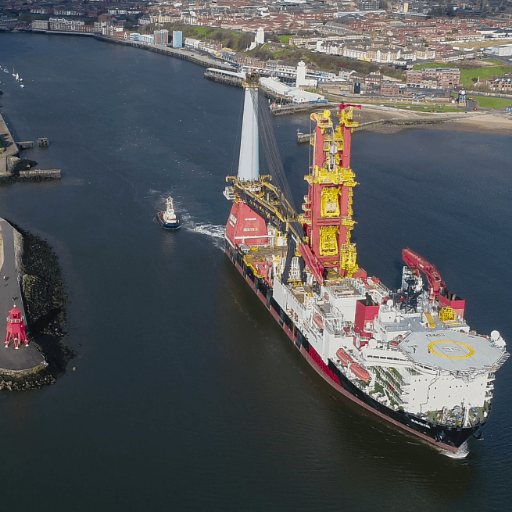
Understanding the Importance of High-Amperage Power

Why Larger Vessels Require High-Amperage Power

High-amperage power is a prerequisite for large vessels because of their higher power requirement. Such vessels demand electrical systems with navigation equipment, air conditioning, lighting, communication devices, and entertainment systems that consume power in a notable amount. A strong power source is necessary for the operation of these systems, ensuring power supply to them at all times.

The provision of high-amperage power makes possible the operation of all systems on vessels without overloading the onboard generators or the power infrastructure at the marina. Operation of systems without sufficient energy may render these systems unreliable and may even interfere with operations, as well as compromise the safety of the entire operation. The availability of high-amperage power at marinas is a major consideration in their attraction to owners and operators of larger vessels.

By offering high-amperage power, sustainable operations are then guaranteed by allowing the vessels to leverage shore power when docked, instead, as needed, of running diesel generators. Considering global efforts to minimize the environmental impact of the shipping community that considers more than 90% of the space on Earth, reduced fuel consumption and emissions seem quite a small sacrifice. An ace in their sleeve by means of attracting large vessels to the facility, marinas, having agreed to bear those electric power requirements, can then be supported as greener sites.

Impact on Modern Superyachts and Cruise Ships

This fresh change, bringing electric energy into marinas, has significantly influenced modern superyachts and cruise ships. Running on partly diesel-fired generators at the dock, these vessels are now challenged by difficulty with their sustainable energy capabilities. By mooring them to the shore, they can actually lower their carbon footprints to acceptable levels in a push toward global sustainability goals. The shorepowering practice in place provides a quieter and cleaner marina environment, thereby enriching the experience of cruising and boating populations together.

Modern superyachts have become a design champion of sustainability, from luxury and environmental perspectives. Access to shore power enables the operation of key onboard functions, such as lighting, air conditioning, and entertainment systems, without any harmful emissions going to the atmosphere. In order to co-exist in harmony with nature, ships are pressured by an increasing number of regulations that demand environmentally conscious designs of zero emissions power generation technologies.

Shore power is extremely important for cruise ships as they are of large size and require a significant amount of energy. By using shore power while docked next to ports, ships can reduce their need for diesel and thereby pollute urban harbors much less. This obviously benefits local communities but is required by law to be followed by cruise operators to meet the rigorous environmental regulations that are put in place by governing bodies worldwide. Hence, the electrical hookup feature being provided by the new marinas is definitely offering a sustainable basis for a future turning green in maritime travels.

Benefits of High-Amperage Solutions for Marinas

High-amperage options for marinas present countless benefits, contributing to operational efficiency and environmental conservation. Among them is their appropriateness for providing power for sections of the harbor—such as cruise liners and commercial vessels, and other similar ships—that might otherwise not be served without using diesel generators. This, in turn, reduces atmospheric pollution and other harmful emissions taking place over the harbor, eventually enhancing the quality of air for residents in the surrounding communities.

Another significant benefit of the high-ampere system is the improved energy reliability and safety associated therewith. High-amperage systems are therefore designed to work in situations when they carry large power loads, making it difficult for the root cause for many possible failures. In this manner, all the power supplied to the systems is ‘guaranteed’ against overloading interference. Such is of absolute importance when you consider the expensive setup in onboard electrical apparatuses. Marinamen, by integrating such systems, are able to ponder enhance compliance to local and international safety and environmental standards.

Handily enough, this investment into the submerged infrastructure is crucial to the marinas‘ commercial strength. The servicing of larger ships meets both the ethical and environmental expectations of the passenger, whilst providing marinas with more customers and giving them competitiveness in the sustainable market. Investments align with global sustainability trends, thus, preparing marinas in particular for future markets as well.

Infrastructure Development for High-Amperage Power
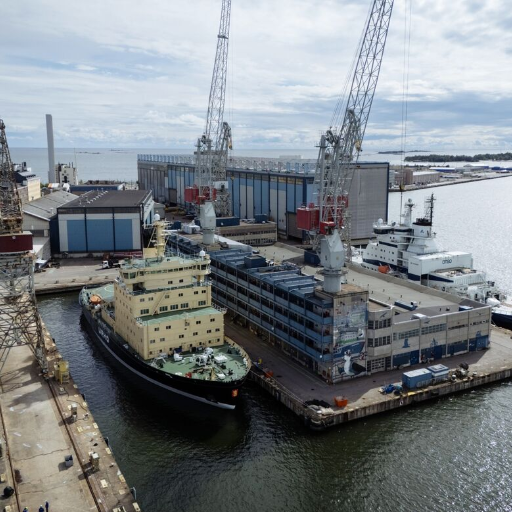
Infrastructure Development for High-Amperage Power

Assessing Current Marina Infrastructure

Modern marinas cater to larger vessels that need more power. However, many facilities were never designed in the first place to satisfy the high-amperage needs of today’s vessels. As a result, there is inadequate ability to address the needs of bigger boats efficiently, which could stall operations and reduce the marina’s attractiveness to high-value clientele.

To address these challenges, marinas must assess their electrical systems, dock structures, and water handling abilities. The first thing to be evaluated is the electrical system-to see whether these systems could be upgraded to support high-power energy-efficient ones. Docks should be equipped to dock larger vessels without being a hindrance to smaller vessels. Lastly, water drainage and waste treatment systems must be able to meet modern environmental standards in order to align with modern day sustainability efforts.

Through regular inspection procedures and the opinions of industry experts, marinas can assess their specific needs and develop a prioritized roster of improvements. Marina operators can achieve the goal of upgrading by taking a phased approach, thereby minimizing operational disturbances but satisfying the industry’s contemporary technological needs. This upgrade creates the much-needed competitiveness along with a commitment to a conversation based on electronics (environmental technology) and signal to all that these marinas are relevant for tomorrow’s market.

Upgrading Electrical Systems to Support Larger Vessels

Upgrading electrical systems at marinas is essential for accommodating the increasing demand for bigger ships that require more power and a gamut of onboard systems. Larger yachts and vessels that are often fitted with sophisticated onboard systems, such as high-capacity air conditioning, extensive navigation equipment, and other luxury facilities, will require significant uprating to cope with the electrical load. The renewal will ensure that the marinas’ electrical systems are contemporary, reliable, and convenient, besides safety, maintaining the clientele.

The main steps of upgrading these systems to meet the demands of larger vessels are assessed as increased available electrical capacity and scalable solutions for the future which may even involve the implementation of electrical watertight boxes, including top-hat junction and distribution systems. The introduction of pedestals with a higher amperage rating and the upgrading of distribution panels are very crucial alterations for proper connections. Improved earthing and protection against surges are essential as well. These updates thus put the systems in a position that can serve larger boats and may also reduce downtime. Also, they disruption caused by electrical failures can easily be prevented when capacities are distributed appropriately.

Furthermore, upgrading electrical systems can also increase energy efficiency, which results in reduced operational expenses over time. Marina operatprs have the opprtunity to present environment-friendly solutions to environmentally minded boaters by deploying technologies based on energy monitoring systems and accessing clean energy sources. Introducing such a technology, the marina will not only respond to an advancing industry’s technology demand; it will also align with the principles of a new, sustainable culture that maintains its competitive edge in a changing maritime industry.

Integrating Renewable Energy Solutions

Any marina business can integrate renewables into their operations and join in the arena of sustainable development and alternative energy conservation. This is done chiefly by installing solar panels, wind turbines, and energy storage systems to produce free clean energy for operations and services rendered at marinas. This will help reduce the disposal of fossil fuels to a lesser extent, bringing about a reduction in carbon emissions.

One more applicable innovation is to have these solar panels installed on the top side of roofs, dock or walkways, as large as surface areas, for full harnessing of sunlight. This also will usher in wind turbines in areas with consistent wind patterns. In collaboration with energy storage systems, these devices can help ensure provision for power and loads also during hours of less sunshine or wind. These adoption measures would help the marina operators becoming less and less dependent on external energy sources, hence helping to save their energy bills in the long run.

In addition to energy generation, marinas can utilize energy consumption optimization by incorporating energy monitoring systems to monitor the usage pattern and to identify areas for improvement. Such an approach based on data allows much better-informed decision-making and promotes ongoing sustainability efforts. Thus, the utilization of renewable energies and strategically controlled energy utilization are part of a comprehensive green strategy for marinas, serving the environment and, in turn, steering their competitive positioning in the industry landscape.

Enhancing the Marina Experience for Larger Vessels
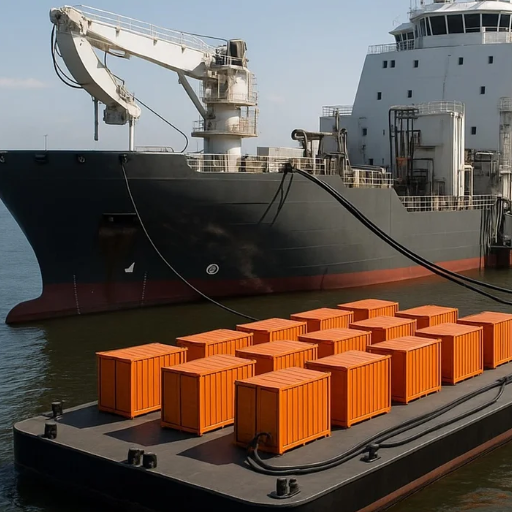
Enhancing the Marina Experience for Larger Vessels

Creating a Welcoming Environment for Superyachts

Creating a welcoming environment for superyachts requires marinas to concentrate on accommodating the special needs of these large boats and provide their owners, guests, and crew the absolute luxury experience they require. The capacity to take large docks, the introduction of tailor-made amenities and very good service are all crucial. The crucial thing is to extend berth sizes to accommodate superyachts conveniently and to enable easy berth access for vessels measuring over 24 meters. While also investing in upgrades in infrastructural terms, marinas should procure such an engineered GOP si6 systems so as to take on the operational challenges that superyachts keep demanding for.

As per above residences, ingots should talk about services that cater for superyacht owners and their crewmembers. That can go beyond concierge service, 24/7 stand-by support, and specially-trained staff providing a personal touch. It is, in fact, having facilities that are luxurious and all that at the marina, as in private lounges, fine dining restaurants, and some wellness on offer, which ultimately make up the overall feeling of aloofness and comfort. For the crewmembers, it is very important that they can resort to all the amenities they need, such as laundry services, recreation facilities, training programs, and anything else that takes care of their existence.

saying that sustainability greatly contributes to attracting superyachts to a marina. By having in place eco policies, such as environmentally friendly waste management, shore power services, and environmentally dedicated slipping services within a marina, marina owners are making a very visible statement of their commitment to preserving the health of its very first citizen. There are things to take in all around: thus, providing solutions to the intricacies matter to major visiting yachts, is, essentially fronting a considerable base of business for a marina.

Additional Services and Amenities for Larger Ships

Big ships require special services and facilities due to intertwined needs. One of those is getting a variety of docking options, having deep-water dockages, and having pier-structures made strong enough to hold ships. This facility could anchor vessels securely against any adverse weather conditions conjugated with generous pier-spaces with great navigational convenience during the arrival or departure of the ships. Making ships capable of tying up to shore filters out the need for continuous onboard engines running and thus keeps environmental costs low.

Other decisive amenities comprise the provision of high-capacity shore power connections and fuelling options. Big ships require huge energy requirements, hence expediting the availability of guaranteed electric power supplies and prompt fuelling services, ithose to traverse a long distance. These services cater to not only their operational needs but also their environmental improvement by decreasing emissions whilst docked.

Greater catering would help to attract larger craft to the facility. For the purpose of maintenance, it might include specialized maintenance garages or fully-fledged on-site technical expertise. Crew lounges, Wifi connection, and laundry service enhance the experience for crew members. Full waste management, including recycling and proper disposal services, strongly aligns with the environment goals propounded by a committed green marina.

Case Studies of Successful High-Amperage Implementations

Case Studies of Successful High-Amperage Implementations
Port Location Key Implementation Environmental Impact
Rotterdam, Netherlands National grid shore supply integration Goal of carbon neutrality by 2050
Los Angeles, USA High-voltage systems for diverse fleets Cleaner air for local urban neighborhoods
Shanghai, China Large shore connection systems Significant reduction in CO2 footprint

Lessons Learned from Infrastructure Upgrades

One of the keys lesson deriving from the infrastructure upgrades is the understanding that sustainable solutions must be integrated as early as during the planning phase. Integrating the use of greener technologies, such as large shore connection systems, to help reduce environmental influences in the implementation of their activities, is a serious step in the direction of convergence with global climate goals-necessary changes in value have been called for, constructing facilities-the shape of which will set standards regarding sustainable developments, i.e., they would define what long-term ecological health would like in real terms.

Another one to look into would be finding the guideline from experience which proves provision by several of the stakeholder’s collaboration, to be vital. Government entities, private operators, and international organizations establish a broad framework conducive to spoiling infrastructure upgrades. Precisely what results [demonstration of an understanding here, really, are open communications between conflicting entities and unified objectives to ensure timely project completions and bonus to all. The entire challenge will recognition the joint exercise by driving the streamlining of progress along with creating an environment for innovation-and pooling their ideas together along with Brazilizing as well other of their resources.

The necessity for continuous assessment and adaptability regarding infrastructure modernization comes forward strongly. Technology changes and environmental priorities evolve at lightning speed, making it a must that the upgraded systems are continually assessed to realize maximum impacts. Be updated and flexible; it will be one great thing for an organization to remain most relevant and effective with its infrastructure in nurtured conditions of sustainability and operational efficiency.

Future Trends in Maritime Power Solutions

The maritime industry exhibits notable changes to meet the increasing global demand for sustainability and effciency. One of the most prominent trends which are gaining traction is the shift toward low- and zero-emission power solutions. This trend is largely driven by contrasting yet incresingly stringent environmental regulations. Technologies such as hydrogen fuel cells and advanced energy storage, using batteries, are becoming more popular because they offer much cleaner alternatives to traditional petrochemically-based fuel systems. These power solutions ultimately aim to reduce the greenhouse gas emissions and fitting into the graph of international climate goals.

Another trend is the integration of renewable energy sources, like offshore wind and solar, which brings into maritime vessels spraying the ocean. There is on the table research on hybrid propulsion systems that include renewable energies to enhance the energy supply of the current fleetoffshore vessels as the general market demands it. These ROES, which are the denominator for the industry and eternity, increase the power of the propellers; then lead the ships in greater environmental standards and accompany the cause for reduction of long-term costsfor low-fuel consumption and fewer non-renewable resources.

Digitalization completes the required groundwork for optimizing marine power systems. Implementation of smart applications like energy monitoring and the guest sensors to assist data analysis in a real-time fashion, or even aid in pro-active modifications to complex system configurations, could bring the next dimension of energy efficiency, less operational downtime in the system, and superior fleet performance, aligned with the damaged values of sustainability and tech development prevalent in the industry.

Challenges and Solutions in Attracting Larger Vessels
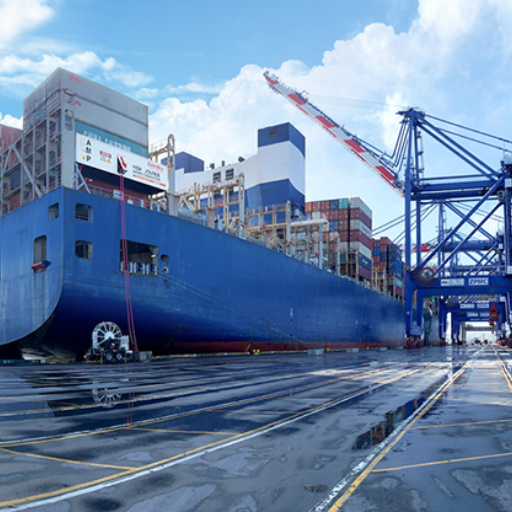
Challenges and Solutions in Attracting Larger Vessels

Common Issues Faced by Marina Operators

The leading hindrance which stopped the marina operators from attracting larger slew of vessels would feature inadequacy of electrical power infrastructure; transposing into an onboard electrical power demand to cater to the gigantic systems within the larger boats and yachts. These systems are massive, especially by the standards of most marina owners, and some marinas do not have the infrastructure to satisfy adequate electrical power essential for all the requirements for operating navigation systems, climate control, entertainment, and other associated systems. It hinders the docking of bigger vessels.

The matter of fact is that costly and complicated the exercise concerning upgrading marina facilities to accommodate high-amp energy systems. Retrofitting older docks or building new infrastructure requires a considerable amount of capital, as well as labor. Additionally, complying with regulations and safety codes for high-voltage power delivery during such projects adds another layer of difficulties to the project. These hurdles are major obstacles to the competition of smaller and medium-sized marinas with bigger and more modern facilities.

Modern marinas must re-create a great amount of confidence in high-amp power systems for containing the most wanted energy services. Construct standalone pedestals meant for final deliveries of higher-energy voltages with energy monitoring facilities ensuring scalability for future needs in terms of podiums. By tackling these barriers, the marinas can be more appealing and able to serve larger vessels well, thereby bringing about growth and competitiveness in the industry.

Innovative Solutions to Overcome Infrastructure Limitations

Marinas must concentrate on developing strong and scalable infrastructure to attract larger ships. One of the standout solutions is introducing the dock systems that are built to meet the needs of vessels having significant size and weight. This action includes building spectacularly wide docks that are tied together with flexible berthing configurations catering to a range of vessels. With suspended pontoons, they are brilliantly stable and flexible to accommodate changing needs of tidal variation especially in places like with huge tidal variances.

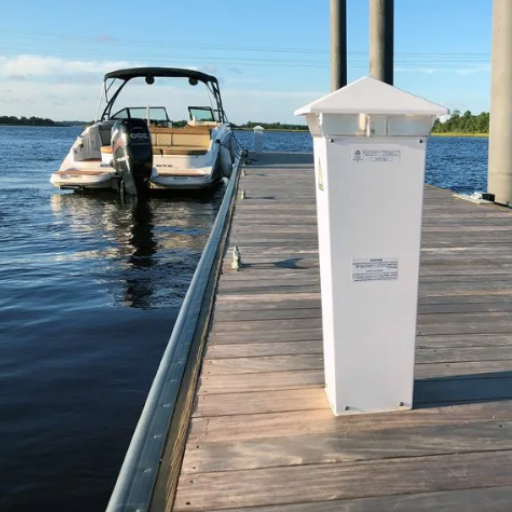
Another important intervention is to upgrade the power-supply systems to cater to the increasing energy needs of larger vessels. Marinas should come up with high-capacity electrical pedestals, ready to deliver power in quantities enough to berth large vessels with state-of-the-art systems on board. The use of renewable sources of energy, such as solar panels and/or wind turbines, also improves sustainability significantly while lowering operational costs. Away from energy sources, it is similarly important to maintain satisfactory water supply and waste management systems, thereby catering to the needs of larger vessels and their accompanying people.

Advanced technological solutions, ultimately, can be game changers for bridging the infrastructure limitations cap. By introducing smart marina management systems, the meaningful systematic allocation of berths, real-time monitoring, and communication with vessel captains can be applied. This automated system is supposed to boost productivity in every aspect, hence providing a better customer experience, which is more appealing for larger vessels. In a bid to escalate their competitiveness in the industry while simultaneously cultivating growth, marinas can accomplish great strides by combining physical renovations with modern technology.

Frequently Asked Questions (FAQ)

Q: What upgrades in infrastructure are needed to attract large vessels to deepen the waterway or berth?
A: Generally speaking, a port will deepen channels or berths, upgrade mooring and cable capacities, put in place high-amp-shore power cabling and locks to carry the electrical and water connections needed, increase quay walls to withstand more pull in tow and tug operations, deploy larger buoys to channel the ship in, and the investment in terminal equipment needed to handle heavier tonnes of cargo and larger carrier units.

Q: How does the shore supply of high amperage power help in some of those cruise ship and container vessel operations?
A: High-amperage shore power allows ships of all kinds to turn their auxiliary engines off when docked, thus ensuring better air quality at the respective port and more compliance with emission regulations. From high standards of service to greater speed of refrigerated container operations, a flanged port rating is established.

Q: Can smaller or shallow ports attend to attract larger vessels in West Africa or similar places?
A: Yes. Through selective channel deepening via suspensive dredging and strengthening quay walls one-by-one, smaller ports can gradually grow. Ultra-high amperage cabling installed in stages allows for mass power use without massive upfront costs.

Q: What is the significance of tugs, anchor strength, and mooring systems for harboring of larger vessels?
A: Having strong towage and bollards handling heavy weights increases safety factors for high-tonnage vessels. A tug circle with higher-tension capacity ensures safe berthing and unberthing, providing insurance to carriers and attracting more traffic.

Q: How do cost-effective power and installation options affect a port’s ability to attract larger vessels?
A: Reducing costs through modular or rental-based shore power and shared investment models allows ports to improve capacity, attract larger vessels, and capture greater cargo volumes and cruise calls.

Q: What environmental and regulatory advantages are there to upgrading shore-power capacity?
A: It allows ports to comply with future marine emission standards, reduces local air pollution from idling engines, and can secure incentive funding from port authorities.

Q: With whom and what parameters factor into planning for deployment?
A: Collaboration between ports, power utilities, maritime engineers, and shipping lines is key. Factors include traffic projections, berth demand, power requirements, cable routing, capital costs, and dredging maintenance timelines.

References

  • Wave Energy Converter for Marine Vessels
    Explores the use of wave energy converters as reliable power sources for large applications, including marine vessels.
    Read more here

  • Ocean Stream Power Generation
    Discusses the challenges and potential of harnessing ocean currents for high-power applications, which could be adapted for large vessels.
    Read more here
  • Understanding Power System Harmonics
    Provides insights into power system harmonics, which are critical for designing high-amperage power solutions.
    Read more here

  • Top Marina power pedestals Manufacturer and Supplier in China

????
Pro Tip

Always consult with a top marina power pedestals manufacturer to ensure your hardware is scalable for future electrical demands.
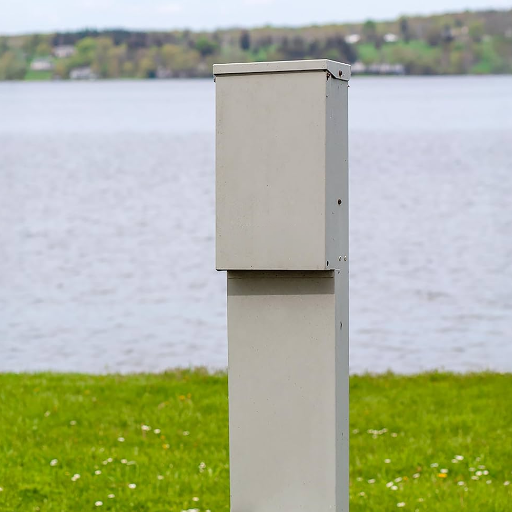
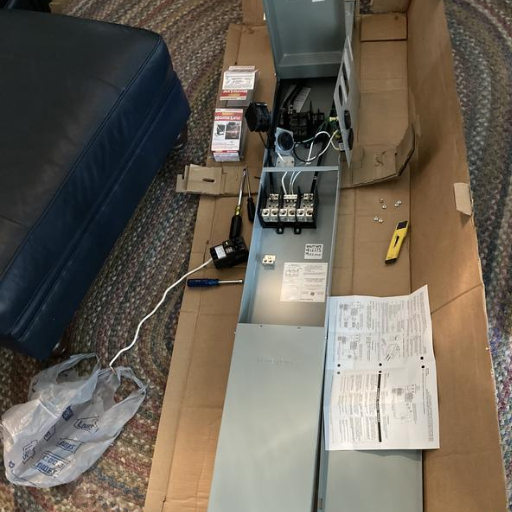
RV Pedestal Installation Guide: Direct Burial vs Pad Mount

One of the key decision factors you’ll have to ponder while contemplating the placement of an RV pedestal is selecting a good mounting option suitable for your project needs-especially as it concerns the two major methods direct burial and pad-mount. This pick inadia-pending can have enduring effects on the quasi-proposed formation of the design and usefulness of your set-up. This report presents the variation in installation options to facilitate the design and to enable an informed choice. If you are a professional contractor or an ardent DIY player, you will find useful advice and important considerations on how to properly install a power pedestal for travel trailers.

Introduction to RV Pedestal Installation

Introduction to RV Pedestal Installation

What Is an RV Power Pedestal?

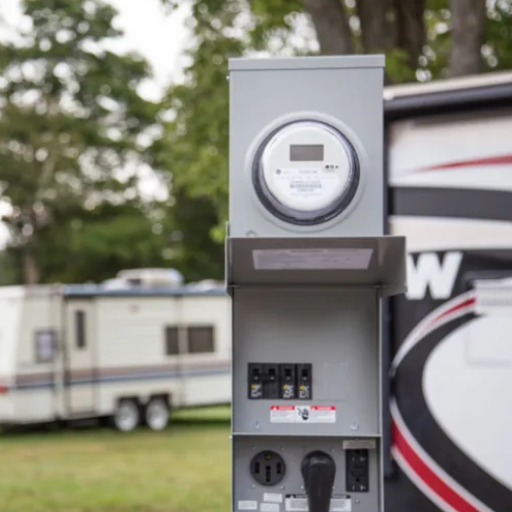
An RV power pedestal is an actual electrical appliance installed mainly for supplying safe and reliable electricity to recreational vehicles (RVs) at campsites, parks, and other facilities. It is an interface through which travelers can conveniently tap into a whole lot of power needed to run their RVs—lights, appliances, air conditioners, and so on. In general, the pedestal has various outlets of current-carrying capacities, like 30 amps and 50 amps, to suit the power requirements of numerous gadgets.

Pedestals are typically located close to RV parking spaces or individual spots, making it very convenient for RVers to reach. Sometimes, these connect straight to the main grid power supply of the park. Safety mechanisms will be built into some units against operational hazards, including circuit breakers, to prevent overloading and ground fault protection to mitigate electrical shock. Some additional designs of pedestals may have a plastic or metal lid to weatherproof outlets for increased life and ease of usage.

Using an RV power pedestal allows RV users to maintain a more comfortable standard with their power needs rather than relying on generators or other accommodations for power in order to bring the home together. Proper installation following local codes will guarantee a safe and efficient power system.

Types of RV Pedestals: Direct Burial vs Pad Mount

The primary types of RV power pedestals which exist are direct burial and pad mount because each type serves specific installation requirements and scenarios.

Feature Direct Burial Pad Mount
Installation Buried directly in the ground Bolted to concrete pad/base
Stability High (once backfilled) Highest (structural foundation)
Best For Residential or simple setups Commercial parks/Heavy traffic

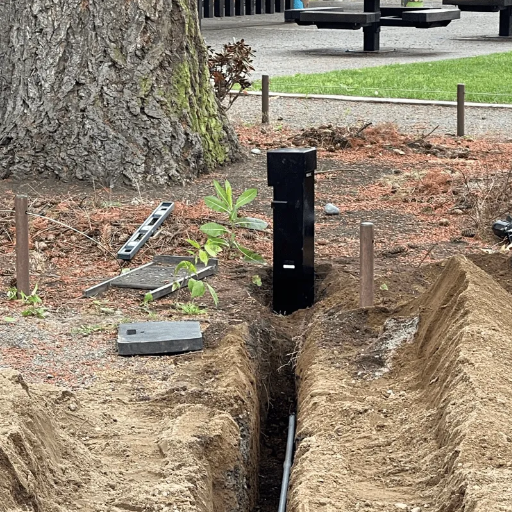
Direct Burial Pedestals: Direct burial pedestals function as permanent installation solutions because they need to be buried directly in the ground. The pedestals function as solid bases for deployment in locations that do not need a complete foundation because of their capability to remain stable when underground. The system operates best under conditions where both simple installation and economical operation serve as the main objectives. Direct burial pedestals provide strong base protection from movement which makes them suitable for locations that experience powerful winds and extreme environmental conditions. The system requires proper depth installation together with local code compliance to establish a secure and dependable operational environment.

Pad Mount Pedestals: Pad mount pedestals require installation on either a concrete pad or another type of stable base. The materials provide extra strength and stability which protects against damage that occurs in areas with heavy foot traffic and in locations where the ground surface is unstable. The pedestals get selected for specific situations when their operational reliability needs to extend through time or when the existing ground conditions demand stronger support elements. The design of pad-mounted systems allows replacement and maintenance work to proceed more easily because the pedestal remains attached to its designated base.

Every pedestal type provides distinct advantages which require selection based on particular site conditions and regional standards and intended use. The pad mount provides stable operation for campgrounds that have different terrain types while direct burial serves better for residential areas because it offers operational simplicity. The process requires complete adherence to local electrical codes together with building requirements no matter which type gets selected.

Importance of Proper Installation

The safe operation of electrical systems requires proper installation, which also guarantees their functional performance and extended service life throughout any operational environment. The presence of improperly installed equipment creates dangers that include electrical fires and shock incidents and equipment breakdowns which demonstrate the need to strictly follow local electrical standards and building codes. The established standards function to safeguard both property and people by reducing hazards while guaranteeing that systems perform their intended functions.

A complete installation process which includes installing and connecting all system components creates a safe environment because it protects people from danger. The system will experience operational limitations because of misaligned components, which will result in unnecessary energy waste and system breakdowns. The system requires expensive maintenance, which reduces its ability to function normally, which creates problems in areas where people use electricity the most, including residential neighborhoods and public campgrounds. The correct installation of equipment during the initial setup phase helps to prevent expensive repairs and service disruptions.

⚠️ Important Note

Improper installation often voids manufacturer warranties. Always ensure your setup follows official guidelines to protect your financial investment.

Proper installation establishes the conditions necessary to meet both warranty requirements and local inspection standards. Equipment installation that follows manufacturer guidelines becomes essential because equipment installation which diverges from these guidelines will result in warranty termination, which creates financial risks for property owners. Local inspectors need to see systems which meet their required standards before they grant their approval for operational use. The correct execution of installation activities from the beginning stage results in time and resource savings, while also preventing future legal complications.

Step-by-Step Guide for RV Pedestal Installation

  1. 1
    Plan the Installation Site
    Select an appropriate location for the RV pedestal which meets local regulations and allows RV users to access it without difficulty. The site must meet two requirements because it needs to be level and it needs to be close to existing electrical and water and sewer lines. The team needs to check that the location has no obstacles or dangers while making sure the area has enough light for safe movement and essential tasks.
  2. 2
    Prepare the Foundation
    The foundation must provide solid support to maintain the pedestal’s stability throughout its operational lifespan. This process involves concrete pad installation or pre-formed base implementation according to local building requirements and soil testing results. The foundation needs to be level because it serves as the base which keeps the pedestal secure during operations. The team needs to obtain all essential equipment and supplies because this task requires foundation work to be completed effectively.
  3. 3
    Connect Utilities and Install the Pedestal
    After completing the foundation work the team should securely install the pedestal before proceeding with utility installation. The electrical system requires that all wiring connections should follow both local and national electrical codes to ensure safe operation and proper functionality. The team must install water and sewer connections according to local regulations to achieve operation that prevents leaks and operates consistently. The team needs to conduct thorough system tests before completing the final RV pedestal testing which will establish its operational readiness.

Essential Tools and Materials Required

Essential Tools and Materials Required

List of Tools Needed

  • Screwdrivers (Phillips and flathead)
  • Wire cutters and strippers
  • Voltage tester or multimeter
  • Power drill with bits
  • Adjustable wrench, Socket set, and Pliers
  • Measuring tape, Level, and Safety Gear (Gloves/Goggles)

Materials for Direct Burial vs Pad Mount

The installation process of direct burial requires specific materials that provide both durability and safety protection. Direct burial needs underground-rated electrical cable which appears as UF (Underground Feeder) cable. This cable type operates effectively in environments where moisture exists and soil conditions prevail. The installation requires PVC or metal conduit when extra protection against wiring needs protection. The installation requires weatherproof junction boxes which handle cable clamps for connection security and grounding materials that include grounding rods and clamps.

The installation process of pad mount requires different materials which support the above-ground installation method. Pad mounts require a concrete base or pre-fabricated base to provide stability for the pedestal. The raised pedestal base design establishes secure anchors which protect the system from environmental elements. The electrical wiring system of pad-mounted installations uses standard outdoor-rated electrical cable which needs conduits to secure the wiring from outside threats. Weatherproof housing or enclosures are necessary to protect electrical connections from rain and debris.

The installation methods use universal materials which include corrosion-resistant connectors sealant for weatherproofing and stainless-steel hardware that prevents rusting. The selection of materials requires National Electrical Code (NEC) standards compliance because it ensures both safety and long-lasting performance. The use of correct tools and materials allows direct burial and pad mount installations to accomplish operational needs along with safety standards.

Choosing the Right Wiring for Your Installation

The safety and efficiency of electrical installations depends on selecting correct wiring which will establish trustworthy operational performance. You should start your electrical system design process by determining its required electrical load specifications. The wire gauge must match the current and voltage levels to prevent overheating or power loss. Residential buildings typically use copper or aluminum wires because both materials provide outstanding electrical conductivity and long-lasting performance.

????
Pro Tip

For outdoor underground runs, ensure you use cable explicitly rated for “Direct Burial.” Standard indoor wire will degrade quickly when exposed to soil moisture.

The next step involves studying the specific conditions which will exist in the installation area. Outdoor wiring requires weatherproof and UV-resistant insulation plus jacketing to protect against environmental conditions. Use direct burial cables for underground installations because these cables have been engineered to endure both moisture and soil exposure. The wire insulation must match the temperature rating which is suitable for the environmental conditions to protect against future material deterioration.

The process requires verification that both National Electrical Code (NEC) standards and local building codes have been met. The procedure ensures that wiring systems will fulfill safety standards and function correctly for their designated purposes. You should consult a licensed electrician or read the NEC guidelines to select wiring which meets proper code requirements. The following procedures create a safe system which operates efficiently while delivering peak performance.

Common Mistakes to Avoid

Common Mistakes to Avoid

Incorrect Depth for Burial

The most common error that occurs during RV pedestal installation shows itself when workers install electrical cables at incorrect burial depths. The situation creates safety risks while the system becomes exposed to potential harm. The National Electrical Code (NEC) establishes burial depths for electrical conduit based on two factors which include installation method and required protection level. Underground electrical wiring in rigid metal conduits needs at least 6 inches of insulation according to standard requirements. The NEC regulations and local building codes must be consulted to achieve compliance with both standards.

Landscaping equipment and heavy machinery can accidentally damage cables that are buried at improper depths. Shallow burial depths create two problems which include water infiltration and temperature-induced deterioration from changing soil conditions that lead to system failures. The installation process requires depth verification to avoid installation mistakes.

The system requires safe operation through the use of correct trenching equipment which needs proper backfill materials to protect the electrical wiring. It is recommended to label or mark underground cable routes because this enhances safety during subsequent ground operations. Proper planning and adherence to guidelines will result in a reliable RV pedestal installation that meets safety and performance standards.

Improper Electrical Connections

The installation process of RV pedestals requires proper electrical connections because any mistakes will create hazardous conditions which damage equipment and reduce operational efficiency. The most frequent problem occurs when technicians execute incorrect wiring procedures which lead to overloaded circuits and tripped breakers and insufficient power delivery to the RV. The connections must receive verification because they require matching the voltage and amperage requirements which the pedestal and RV electrical system need to operate correctly.

Loose connections which remain unsecured become another major problem. These components develop heat accumulation which creates a risk for electrical fires while simultaneously damaging their structural integrity. All wires and connectors must receive proper securing which needs to maintain the required tightness according to manufacturer specifications. Regular connection inspections combined with correct torque application procedures will decrease the chances of connection failures.

The performance and safety of a system get compromised when operators use materials that either do not match requirements or fail to meet minimum quality standards. The installation needs appropriate gauge wiring and proper connectors and circuit breakers which must meet local electrical codes and standards. The installation of RV pedestals becomes safe and efficient and durable through these precautions which protect both the system and its users.

Neglecting Local Codes and Requirements

The installation of an RV pedestal requires complete adherence to local codes and electrical standards because any violation will create dangerous conditions which may result in legal consequences and equipment failures. The local regulations exist to create safe working conditions which safeguard users and establish requirements for systems to function with the regional power grid. The installation procedure will produce faulty results because the instructions should not be followed which leads to equipment destruction and other dangers that result from electrical fires.

The specific codes which apply to your location must be researched and integrated because these codes exist to protect against potential dangers. The process involves establishing requirements which include wiring specifications and grounding procedures and circuit breaker requirements and choosing the appropriate pedestal design based on its particular application. The requirements needed for your project should be confirmed through consultation with a licensed electrician or your local regulatory body. The requirements for compliance will be neglected through non-compliance which will result in penalties and installation rework that creates additional expenses and delays.

The electrical system will operate at optimal efficiency and safety when local codes are followed. The installation meets all regulatory requirements which prevent overloads and enable proper integration with RV systems while providing protection against storm damage. The implementation of these guidelines from the beginning of the project will save wasted time because it protects safety and boosts the durability and operational power of your RV pedestal installation throughout its life.

Safety Tips for Proper Installation

Safety Tips for Proper Installation

Personal Protective Equipment

The process of installing an RV pedestal requires workers to use personal protective equipment (PPE) as their fundamental safety measure which protects them from all potential hazards. You need to wear insulated gloves when you work with wiring because this is the minimum requirement for electrical safety protection. Safety glasses or goggles are also critical, as they shield your eyes from potential debris during installation or drilling.

Steel-toe boots are required because they protect your feet from falling objects which might occur during work. The installation requires you to wear a high-visibility vest which makes you visible to others when you work close to traffic or in crowded spaces. Your PPE inspection must be conducted before installation work begins because it helps you check your equipment for any signs of damage. Your safety during the project will improve when you use well-fitted protective equipment which provides complete body protection.

Handling Electrical Components Safely

You must first shut off the power supply before you start working on electrical components during installation. The power source should be disconnected to reduce electric shock hazards and prevent unintentional equipment activation. Workers need to use insulated tools for their work near live electrical components because these tools provide extra protection against electrical hazards.

The combination of electrical-rated gloves and safety glasses constitutes essential personal protective equipment (PPE) needed to shield workers from electrical arc and spark dangers. You should examine your PPE before every use to find any signs of damage because any defect needs to be fixed before you start your work. Follow both safety protocols and the equipment installation guidelines provided to ensure safety and compliance.

Ensuring Grounding and Bonding

Your RV pedestal installation needs proper grounding and bonding to guarantee its operational safety and complete functionality. Grounding establishes a secure route which electrical currents can follow to reach the earth during fault conditions or surge events thereby safeguarding both the equipment and people from electrical dangers. Bonding creates permanent electrical connections between all metal parts which prevents dangerous voltage differences from developing between different parts.

The first task requires you to check for grounding rod installation which must occur at this location according to local electrical codes. The grounding rod should be securely connected to the pedestal’s grounding terminal using an appropriate grounding conductor. The grounding system needs all connections to be secure while free of corrosion in order to establish a dependable grounding route. Confirm that all metal components in the pedestal and associated equipment are connected to the grounding system, using bonding jumpers or clamps that meet code requirements.

Maintenance Advice for Longevity

Maintenance Advice for Longevity

Regular Inspections of the Pedestal

The operational safety of your RV pedestal requires periodic inspections throughout its entire service life. Start by checking for any visible damage or wear on the pedestal which includes cracks and rust and corrosion because these defects will weaken the structure and impair its performance. The entire system requires inspection which includes checking all wiring and plug connections and outlet connections to identify any frayed wires or loose fittings that create safety hazards or cause electrical problems.

The pedestal receptacles need testing through an appropriate testing device to validate their output and voltage specifications. The system experiences voltage irregularities which indicate that wiring and electrical components need to be investigated for possible problems. The grounding system needs to remain complete because it protects from electrical surges and establishes safety standards. You must fix all issues without delay because they create dangerous situations.

Cleaning and Upkeep Tips

The efficient operation of an RV pedestal requires its regular maintenance for both operational efficiency and extended equipment lifespan. The pedestal needs regular cleaning through soft cloths which should be used with mild detergent to eliminate dirt and dust and grime from the surface. The surface requires protection from damage through the prohibition of abrasive materials and harsh chemical substances. Safe and reliable performance requires all connections to remain free from debris which includes plugs and receptacles.

The inspection process of the pedestal needs to occur at regular intervals to check for signs of wear which include corrosion and damage that especially affects electrical components and connections. The security of electrical systems requires you to tighten loose screws and covers because this action will stop moisture from entering the system. The pedestal needs protection during inactive times and extreme weather conditions through a waterproof and UV-resistant cover which protects it from both moisture damage and environmental exposure.

Signs of Wear and When to Replace

RV pedestals need replacement after they display sufficient wear which develops through continuous use. The pedestal shows visible damage through its cracked and corroded and burnt-out components. Power delivery problems which occur as power outages or delivery issues appear need to be investigated because they suggest internal electrical problems or connection deterioration. You should check for loose or worn outlets because they create hazards which make it impossible to secure plugs properly.

Discoloration and melting together with a burnt smell surrounding outlets or wiring indicate dangerous conditions which render the pedestal unsafe for use. The nonresponsive circuit breakers together with their frequent tripping create additional evidence which shows that a replacement of equipment needs to happen. The replacement of equipment must take place without delay whenever you identify these problems to prevent electrical fires and equipment malfunction.

Frequently Asked Questions (FAQ)

Q: What is an RV Pedestal Installation Guide and why is it important?
A: The RV Pedestal Installation Guide provides detailed instructions for installing an RV pedestal which contains the RV outlet, meter, breakers, and safety components. The guide explains how to size equipment including 20, 30, and 50 amp services while ensuring compliance with safety codes.

Q: What amperage options should the guide cover?
A: A comprehensive guide includes 50 amp, 30 amp, and 20 amp pedestals and dual NEMA configurations. It demonstrates correct usage of double-pole 120/240v 50 amp service and separate 30/20 amp circuits.

Q: How do I wire the neutral, ground, and hot legs?
A: Every pedestal circuit includes two hot wires (for 50 amp power), a neutral wire, and a ground wire. The guide requires personnel to fasten lugs inside the breaker panel and identify conductors correctly to prevent dangerous substitutions.

Q: Do I need a dedicated meter and panel or can I use a subpanel?
A: The guide provides options for dedicated meter/breaker panels or shared panels with subpanels containing separate breakers. It shows how to distribute 100 amp or 200 amp service feeds to multiple pedestals.

Q: Can I perform modifications myself or should I hire a contractor?
A: Minor adjustments like outlet cover replacements can be DIY, but main breaker and panel layout modifications require a licensed electrical contractor to handle 240v service changes and bare wire work.

Q: How do I test and finalize the installation?
A: Test all connections with a voltage meter (120v hot-to-neutral, 240v hot-to-hot). Check ground/neutral links, confirm tightened lugs, and have an electrical contractor conduct a final inspection for system approval.

References

  • Swiss Valley Campground 50-AMP Upgrades
    This document provides detailed instructions for installing RV pedestals, including conduit requirements and compliance with NEC standards.
    Read more here

  • WAC 296-46B Electrical Safety Standards
    A guide on electrical safety standards, including the installation of pedestal-mounted services and ground rods.
    Read more here

  • Occupied Recreational Vehicles and Tiny Houses on Wheels
    This resource outlines electrical connection requirements for RV pedestals, including GFCI protection and dedicated outlets.
    Read more here

  • Top RV Power Pedestals Manufacturer and Supplier in China

Complete Guide to RV Power Pedestals: Types, Specs & Selection

Power access is a very crucial aspect to the comfortable and stress-free road trip adventure with an RV. Charging devices, running AC, or keeping appliances working are supported by the RV power pedestals in meeting all your electrical needs. Various types, specifications, and features to consider make narrowing down the right power pedestal a hard decision. This guide provides preparation in the process. They help you unearth an all-encompassing workup of RV power pedestals. Herein they help you deeply know the different types, understand key specs, identify essential tips for selection, and ultimately empower you with informed choices for your best leisure on the RV. Hang firmly onto your seat and prepare to celebrate the improvement in your RV power-layout!

Understanding RV Power Pedestals

Understanding RV Power Pedestals

What is an RV Power Pedestal?

A power pedestal of an RV is a stand-alone power-administering facility solely crafted for instant power to the RV, setting up in campgrounds, RV parks, or reserved parking spots. They are gadgeted with power sockets which will cater to the power needs of an RV in agreement to a standard line of electrical appliances equipped with good lighting support, appliances, heating, or air conditioning.

Typically, an RV power pedestal accommodates several power possibilities like 15-amp, 30-amp, and 50-amp outlets that facilitate varying electrical systems of the RV. One of these outlets goes into the vehicle so that the end-user is able to plug the vehicle safely into the pedestal, indicating the correct power supply. Alongside the same line, many of these pedestals feature surge or circuit protection-a guard designed for both the RV and the electrical system’s safety of overload damage.

Limited functions of yesterday’s pedestals evolve into greater options for ease. Modern pedestals are distinguished by inclusion features such as lighting, USB chargers, water connections, and such built into well-designed encasement. In terms of function, the modern pedestal design allows users to accomplish things more easily. It is made of durable build with a safety directive, ensures a more friendly journey battery-wise with the RV going either from one stay to the other or to the ninth stay.

Types of RV Power Pedestals

Various types of RV Power Pedestals offer a wide range of power options and additional convenience features, with the aim of catering to the diverse needs of RVers. The different types of RV power pedestals are as follows:

  • 30 Amp Power Pedestals:
    These represent those RV power pedestals providing a solid 30-amp power supply suitable for smaller RVs as well as trailers, which must not have a demand for more power for operating such electrical devices. It is among the most common pedestals in campgrounds and can be favorable due to the lighting and basic appliances’ usage.
  • 50 Amp Power Pedestals:
    These are used in larger RVs having high power requirements, as these power pedestals can supply the amount of energy needed to power several electric appliances at once, including air conditioners, refrigerators, and entertainment systems. 50-amp pedestals are the most in-demand power supply for modern campgrounds.
  • Dual Amp Pedestals (30/50 Amp):
    The pedestal provides two amp options: 30 and 50 amp connections. The provision is widely welcomed as it allows multi-use RV parks to cater for wider brands of vehicles.
  • Solar Ready Pedestals:
    As eco-friendly delights began blowing their own ottomans into suspect customers, the rapidly prevailing wind of renewable and green energy alternatives began embracing solar-engineered real pedestals.
  • Smart Pedestals:
    Smart pedestals come equipped with power monitors, remote applications for changing settings, and the automated reporting of interruptions. Whereas they make life easier for RV parks by providing effective customer service, the random child may try playing with the flow sensors under the smart pedestal.

Common Components of Power Pedestals

  • Exterior Housing:
    Weather and environment are really rough stuff, and power pedestals made out of sturdy materials such as stainless-steel, aluminum, or heavy-duty plastics can ensure electrical safety in varying climates and resist corrosion over time. Therefore, they must have a certain weatherproof quality.
  • Electrical Receptacles:
    Ideally, power pedestals contain any combination of electrical outlets; these may include 20-amp, 30-amp, and 50-amp outlets, providing diversity according to the RVs and the current weather, unique users, and so on. These outlets meet all of the necessary industry standards such as NEMA configurations. This would ensure they are safe for the said purpose.
  • Circuit Breakers and Fuses:
    The part when we discuss the circuit breakers inside the pedestals is a classic example where things certainly expand a bit in the guts. In most cases, both types of protections are provided so that in cases of circuit-breaking mistakes from appliances, a protective cover uses fuses to prevent strange occurrences.
  • Metering Devices:
    RV pedestals assume to be equipped with digital meters or analogue regular meters for the tallying of uses. This would facilitate easier billing for the park manager in the case where energy is billed directly per site.
  • LED Lighting:
    Some fancy pedestals are equipped with LED lights for better visibility at night. These lights are energy saving and are really helpful for RVers arriving late at night or leaving early in the morning.
  • Accessories for Communication:
    At the present time, Wi-Fi/Bluetooth TABs are being included in the RV-substation setup mostly for remote operation and monitoring, allowing RV park owners and guests to access the real power supply, set timers at will, and validate emergencies if any power supply becomes faulting.
  • GFCI Protection:
    Ground Fault Circuit Interrupters (GFCIs) are a critically essential safety feature of power pedestals. These devices are built to turn off power promptly upon their discovering any existence of a fault or leakage in the current. This is protection design to save users from experiencing severe and fatal shocks or electrical hazards.
  • Power Surge Protection:
    Surge protection mechanisms have been installed in several pedestals for motor homes to safeguard against sudden voltage fluctuations that might affect the duration of RV appliances and the environment.

Equipping RV campgrounds with advanced and user-friendly pedestals not only translates into a smart financial choice, but also translates into a step for improving customer satisfaction. Power pedestals, thus, through robust materials, the use of old technology, and safety attributes become the mainstay of contemporary infrastructure for RV parks.

Power Requirements for RVs

Power Requirements for RVs

Voltage and Amperage Explained

Voltage and amperage are essential factors for understanding the power requirements of RVs. Voltage is the drive force that propels the electricity through the wires, measured in volts. The common RV may generally operates its lighting via a 120-volt system, similar to that of residences, and can, therefore, be compatible with most campground connections. However, there are other RVs that operate through a dual 240-volt system to support the much larger appliances.

Amperage defines how much electrical current is sent to a device; it is measured in amperes. RVs will typically be either rated at 30- or 50-amp; each would have different electrical power handling capacities. A 30-amp system will allow up to 3,600 watts of power and thus be for some of the smaller RVs largely free of large power-consuming devices. In contrast, a 50-amp system would permit 12,000 watts to be pulled and so would cater best to the big and luxurious RVs.

The correct match between the RV’s power-density requirements and the right pedestal outlet is the beginning of smooth operation and in turn safety. Any power supply with too much in amperage will be likely to trip the breakers or initiate damage to the appliances. Therefore, the understanding of the significance and value of voltage and amperage is not only essential to optimizing RV functionality but also prevents an array of potential electrical hazards at the campground.

Understanding RV Power Requirements

For the running of a recreational vehicle smoothly, one must know the basic power requirements of the RV. Nowadays, there are mainly two types of electrical systems (either a 30 amp or a 50 amp) that RVs employ on external power through a plug-in, normally this plug-in would be a power pedestal at a campground. The main point of difference in them is their power output. A 30 amp will give just under 3600 watts (120 volts x 30 amps), while a 50 amp provides close to 12000 watts (120 volts x 50 amps x 2), with which the RV operates. You definitely need to know which energy source powers your vehicle.

Ensure that your RV’s electrical system is capable of supporting your power supply’s requirements: using mismatched power requirements could destroy some or all of your electronic appliances and overburden your circuits. Before you plug your rig in, such as with an auxiliary generator, make sure you can match the pedestal outlet with the RV’s electrical system. Adapters are fast and serve a good purpose, but never use them when it comes to putting undue stress on electrical devices.

Yet another point to consider includes the visual observation of power-draining consumers. Running the hefty power-load clients like air conditioners, or microwaves and heaters at the same time-is bound to overwhelm your system. To rectify the situation before it happens, prioritize the power usage and, like, install surge protection and circuit analyzers to protect the system. This way, one can ensure a safe and functioning electrical setup during travel.

Power Sources for RVs

There are three primary means of charging an RV available. They include shore power, onboard batteries, and generators. Every source has its purpose as it meets particular needs in various contexts and offers unique advantages. More importantly, it allows one to create a perfectly reliable and flexible energy set-up.

A shore power supply is one of the easiest and most effective systems used when at campgrounds or RV parks. This is where an external power supply from an electrical outlet is directly connected to the RV, making it possible to run the appliances, play gadgets, and maintain adequate temperature control without causing batteries to discharge. For the most part, this source is less troublesome and high-maintenance and depends heavily on whether the RV is located near an external power outlet.

Common set-ups for off-grid camping include onboard batteries and generators. Onboard batteries work by storing energy and providing power to run basic functions like lighting, water pumps, and other 12V systems. Energy can be restored to these batteries through the solar panels or the in-built alternator when driving. Large appliances like air conditioners or microwave ovens can be operated with generators, which, when being used sparingly, need fuel and may be noisy. The actual value is evident once these resources are used effectively, rather than one or the other, because they would then act as power sources for the RV in different situations. Be it the remote wilderness or a mechanical park, the RV will remain running.

Connecting to RV Power Pedestals

Connecting to RV Power Pedestals

How to Safely Connect to a Power Pedestal

Check the pedestal first for any visible damage; make sure all breakers are in the “off” position for connection. When they are in the off position, the danger of a power surge increases when RV is connected. Should there be any suspicions of damage or poor electrical safety, it behooves one to report this to park or campground personnel wherever possible.

A suitable power cord, tailored to fit with whatever is already in full use in your RV, is the first thing to be obtained. In order to match the amperage with the pedestal, you must use a cord suitable for 30 or 50 amps. Plugging the cord into the pedestal receptacle is performed the way you find it fitting into the entrance, ensuring that the way the pole sits is tight and snug. When the power cord is in place, the switch has to be flicked on in the “ON” position to transmit some power to your RV.

It is good to monitor your RV’s electrical system after establishing the connection. Using a surge protector or a voltage monitor is always a good idea so that the RV is protected against irregular power supply. And when it is time to leave, always disconnect by undoing the steps in a sequence of connection—first disconnect the power cord and then the breaker. That way, you will be safe to connect to the power pedestal while also keeping your RV away from harm.

Disconnecting Procedures for RV Power

To maintain safety and protect equipment, it is important that RVs are fully disconnected from power sources.

  1. 1
    First and foremost, please disconnect and turn off appliances in the RV before starting. In this way, there will be no load on the electrical system, thus reducing the possibility of arcing or other damage during the disconnection of the power supplies.
  2. 2
    Then, it is necessary to switch off the circuit breakers in the pedestal before you unplug the RV power cord. Turning the breaker off first would mean that no voltage will flow through the cord. This step can provide protection for both you and your RV from the danger of potential electrical hazards.
  3. 3
    Lastly, do make sure to unplug the connector from the power pedestal gently and show the cord which must be carried away and stored safely. Wear and tear, or even exposure to harsh conditions, can be prevented. It is very important that the wiring is inspected there and then; if there are remonstrances of cuts or tears, storage is rescinded until repairs are carried out. For safe and orderly disconnections, your RV’s electric system is enabled to always look like in its intended condition.

Common Issues and Troubleshooting

Common Issues and Troubleshooting

Identifying Reverse Polarity Problems

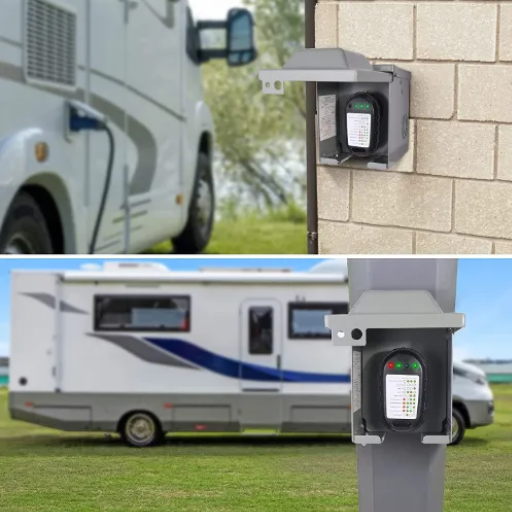
When hot and neutral become interchanged the current polarity is said to have been switched. It is highly dangerous since it could result in injury owing to electric shock and even further damage to appliances. Such incidents can often occur owing to a fault within the power pedestal wiring or anything in the RV park electrical system.

In order to cross-check the issue, a polarity tester or a multimeter must be used to inspect the spot on the power pedestal outlet prior to wiring the RV. The quick gauge is not really expensive and provides the user a full confirmation of the work being done. Thus, if an RV owner ever has second thoughts on the polarity while looking at the connection, he/she must never power an outlet that is electronically challenged by the polarity and may invite real hazards to the RV and its occupants.

If you suspect reverse polarity and do not have a tester, be on the lookout for strange occurrences such as appliances malfunctioning or frequent tripping of breakers. In the case that the issue occurs, notify an RV park management employee or licensed electrician. For safety purposes, make sure everything is in the right condition except that, the electrical pedestal shall be in perfect working order prior to hooking your RV up.

Dealing with Low Voltage Issues

Low voltage can damage the electrical systems and appliances of your RV in no time. It is necessary to keep a good eye on the voltage to make sure it does not fall outside the allowable range, which is 110-130 volts in most RVs. A surge protector or an Electrical Management System (EMS) is an excellent tool to detect and disfavor unsafe low voltage. The essence of these devices lies in the automatic disconnect from electric supply if voltage falls below a safe threshold, thereby shielding the RV components from potential harm.

The first step when working with low voltage would be to take the pedestal voltage measurement using a no/small voltmeter or from the monitoring feature on EMS. If the voltage reads under some range of desired (acceptable) reading, try turning off all non-essential electrical appliances in your RV. This step will help to lighten the load on the system. if the issue is not resolved at a later stage, crosscheck with other RVers within that location to get a broader perspective on the issue.

If the low voltage persists, notify park management immediately, as soon as you gain this understanding. You should probably ascertain whether the electrician is a one-off to evaluate and fix the obstacle brought about by the dilapidated, obsolete pedestal. It would be advisable to not hook up your rig to that particular pedestal once you undertake a measurement for the facility until repairs are completed.

Other Common Electrical Issues and Fixes

  • Has been broken:
    A tripping of the circuit breaker is a common problem seen in the RV parks across the continent which is caused by an overload on the pedestal’s capacity. This condition may prevail when more high-power appliances, such as an air conditioner or microwave, are being run simultaneously. You should stagger the rotating use of appliances to reduce excessive load, then check the pedestal outlet and reset the breaker inside it. Repeated tripping of the breaker means either the pedestal is bad or something related to the wiring might be bad on the RV which needs a professional touch to investigate and fix.
  • Damaged Outlets:
    Secondly, the RV power outlet on the pedestal might get damaged or worn, which ends up causing power to fluxuate in and out. This may take place as a result of aging, prolonged weathering, or just incorrect usage. Check the clamp from this outlet by moving your RV into another pedestal. If the power flows just fine, the original outlet probably needs replacement. So, impart the information to management about early fixing before further hazards come into play.
  • Polarity Connection:
    Reverse polarity scenarios can occur when the hot and neutral wires are misplaced, which creates a major security threat to motorhome equipment and appliances. Having a circuit tester will expose this challenge, which should be examined before plugging into the pedestal. If found, park authorities need to be warned so as to be able to manage the situation more effectively and avoid the unfavorable outcome. It is very good practice to identify and rectify such instances before establishing a connection to mains supply, as failure to observe might cause headache of instances to occur.

Types of RV Electrical Connections

Types of RV Electrical Connections

Understanding 30-Amp and 50-Amp Connections

There are two types of electric connections in RVs i.e. 30 Amp and 50 Amp that are used generally. The main difference between the 30 Amp connection and the 50 Amp connection is power capacity and circuit configuration. One of the 30-amp set-ups has a voltage of 120 volts with one hot wire, providing at the least 3,600 watts of power excellent for smaller RVs that have light power requirements, in that they can run basic AC, some lights, and a microwave without overloading circuits.

This 50-amp setup, on the other hand, supports 240 volts on two hot wires with a total power rating of up to 12,000 watts. Hence, it is suitable for bigger RVs which have multiple high-wattage appliances, like multiple air conditioners, washers, dryers, refrigerators, and power-demanding tools, and many more. all at once. At the very least, the 50 Amp provides more energy for larger appliances while not overloading the circuit or providing a lack of power for numerous multiple equipment simultaneously.

The decision of whether to choose a 30-amp or a 50-amp connection largely depends on the size and electrical demands of your RV. Electrical protection is critical so that your RV’s demand for power is not undersupplied by the electrical system, thereby keeping voltage at an appropriate level for operation. Understanding these connections well not only promotes the safety of your RV but also guarantees that your camping experience can proceed smoothly and safely.

Using Adapters for Different Power Sources

Adapters play a major role when your power connection does not fit the available power source anywhere such as a campsite. These devices act as solution providers that will bridge the 30-amp/50-amp differences found in power systems, ensuring that electricity is supplied safely and as required by the prevailing setup of the campground.

It is necessary, while giving concern to the power requirement of your RV and the applicable power source should be involved. An RV using a 30-amp system in a campground that offers 50 amp service must have a 50-to-30 amp adapter. This now keeps the electricity running at a lesser or more suitable rate for the said RV system, avoiding damage. However, in cases of an RV with a 50-amp system and a 30-amp outlet at the camp, an adapter, or a 30-to-50-amp adapter is called upon to serve the same purpose. However, there is a downside to using such a setup in that power will be limited, and running two or more high-demand appliances will just not be possible.

Always be sure the adapter [is] in good condition without wear and tear[,to be certain that] and after it is used, one should ensure that the connection is properly in place to prevent the system from overheating or subjecting it to electrical hazards for unwary users. It is important to always be ready with the correct type of adapter and sure about how one should be used so that power may be maintained even though there are limited resources on the campsite; to extend for a comfortable and less stressful experience.

Choosing the Right Receptacle for Your RV

Choosing the right receptacle for an RV is an essential, important step for proper support, connectivity abiding by the correct safety standards in the use of power. Based on the electrical consumption requirements, an RV power cord would be rated at either 30 amp or 50 amp power. So first step to take into consideration is to determine whether a 30-amp or a 50-amp plug depends on an RV description. A description of the plug type most of the time is as easy as leafing through the manufacturer’s manual. Note that a 30-amp plug generally comes with three prongs, whereas a 50-amp plug would come with four.

On the flip side, a 50-amp plug is almost luxurious in the sense that that power capacity can surpass the upper limit for an RV but also enough for anything else. You need an RV delta refrigerator that the 50-amp system and mid-large systems are fitted with to suit its purpose. More problems are arising from the wrong receptacles. This might lead to your circuit breakers being tripped, improper grounding, or just restricted power.

If it’s possible, it’s also a good idea to pack an electrical adapter, commonly called a “dogbone adapter,” in scenarios when the campsite’s electrical receptacle is a different type from the one the RV is designed for. This way, you will be able to safely connect and have a corrected power supply as well. Make sure that the electrical outlets and plugs are not deteriorated, and use in safe condition, such as camping and electricity are two very different operations.

Frequently Asked Questions (FAQ)

Q: What is an RV Power Pedestal, and why should you read the Complete Guide to RV Power Pedestals?

A: The RV Power pedestal is a unit often found in camping parks and campgrounds, where it is an outside service point to supply electricity to an RV with a 20-amp, 30-amp, or 50-amp connector, or even two 50-amp connections. The Complete Guide to RV Power Pedestals fills you in on the electrical components, safe practices for electrical hookups, and local code conditions for ensuring that the pedestal is well-secured and maintained for RVers and larger motorhomes.

Q. What distinguishes 20 amp service from 50 amp service at a campsite pedestal?

A. An amp circuit carrying 20 amps flows through a single 120V pole receptacle for smaller travel trailer appliances. On the other pole, a 50-amp outlet, however, consists of two legs capable of handling up to 100 amps (meaning two separate 50-amp legs) to do a normal-sized power source for a motorhome that comes with a breaker panel and main breaker configuration. Use The Comprehensive Guide to RV Power Pedestals to match the rv plug and other electric capacity for your rig.

Q: What are the common problems that pedestal breakers and main breakers face?

A: Pedestal breaker issues are brought about by system overloads, worn breaker contacts, and improper coordination with the RV place’s breaker panel. This guide ends up discussing how to check the breaker rating, how to check for ground and neutral continuity, as well as when to call in the campground service or an electrician to make sure the service on your campground is in functioning compliance with code requirements and safe for your RV.

Q: How does voltage drop affect my hookup and what can be done about it?

A: Voltage drop is a situation where the use of longer and under gauge wires cause their internal impedance to reduce the voltage at the outlet, degenerating the unit€™s performance and stressing appliances. Voltage drop must be calculated correctly for different wire gauges, 20-amp, 50-amp, or 100-amp services, and an answer to voltage drop issues should be proper electrical wiring and grounding the platform.

Q: Which are the primary electrical components within a pedestal?

A: The electrical components are the main breaker or disconnect, pedestal breakers, and neutral and ground bars with ground wires. Lugs are there for both L1 and L2 conductors. These elements are all housed in (weatherproof) enclosures that are rated 3R or better. Also contained in the buyer’s guide portion of the Complete Guide to RV Power Pedestals is detailed stainless steel construction or corrosion resistance options so that the pedestal could be sure to withstand all that outdoor bashing.

Q: For RV pedestals, do you require any special code requirements compared to general power installation?

A: Certainly! Local and national electrical codes prescribe policies concerning electric amps breakers, even the leakage current grounding wire (“neutral” and “ground”) separation, GFCI or RCD protection (where it’s necessary), how to establish conduit run ways, and placing signs. This Complete Guide to RV Power Pedestals goes through a clarification of the most common RV power pedestal installations of the local codes, any single-phase vs split-phase points to be aware of, and when permits and inspections are obligatory.

Q: I am struggling to find the compatible power pedestal for my unit.

A: Whenever buying an RV power pedestal, it is very important to consider the power potential of the technology compared to the main electrical installation. Integrated power pedestals are seminal structures to protect the main electrical installation from temporary outrages, hence a suitable pedestal must have a robust design and shielded aluminum parts, among other things.

References

  • Metering Installation Requirements
    This document outlines requirements for pedestals and power outlets, including ratings and safety standards.
    Read more here

  • Chapter 296-46B WAC Electrical Safety
    A comprehensive guide on electrical safety standards, including installation and inspection requirements.
    Read more here

  • Electric Service Guidelines 2021
    A guide for planning and installing electrical equipment, which includes methods for interconnection of power systems.
    Read more here

  • Top RV Power Pedestals Manufacturer and Supplier in China

Industrial-Grade Outdoor Power Pedestals for Campgrounds & Marinas

In marinas and campsites, it is crucial that pedestals are reliable and durable. Power pedestals are the backbone of electricity in these tough situations in order to keep the place running for all and sundry, whether they are a fastpaced marina or quiet and peaceful campground. An industrial-strength pedestal could take on all weather conditions; force of nature; and increasing demands in a living-style outdoor habitat design. This short discussion looks into the features, benefits, and selection criteria that can help you choose the best power pedestals for your site, consequently establishing a safe, efficient, and visitor-friendly user scenario, leaving a best-ever reminder on tourists.

Understanding Outdoor Power Pedestals

Understanding Outdoor Power Pedestals

What is an Outdoor Power Pedestal?

The power pedestal that is outdoors constitutes solidly engineered utility apparatus aimed at providing reliable power access in outdoor environments. Such pedestals are typically found in places like marinas, RV parks, campgrounds, and open-air events in terms of supplying electricity for various applications. They are made weatherproof while providing safety and efficiency in electricity distribution.

One can commonly find outlets, where any equipment, etc., might be connected, circuit breakers for added safety, and often extras like lighting, among other things. The materials inhibit rust, corrosion, and environmental wear making them robust and able to serve for some time. Their design ensures electricity is both useful and safe whenever needed for temporary or long-term use in outdoor settings.

Outdoor power pedestals are more than power sources; they also extend the convenience and utility of a place. The only real alternative in providing power for everyone and making the place ever-smarter, these central connections are thereby deemed very safe as well as user-friendly. To generalize, power pedestals are similarly important for functional dependability and safety in the outdoor realms of public and private quarters.

Types of Power Pedestals for Campgrounds and Marinas

Power pedestals come in various types, each designed to suit specific needs and environments. Here are some key types and their details:

Standard Power Pedestals

These are the most commonly used pedestals capable of providing basic services like electricity for RVs and boats. They usually have a 30-amp output capacity and a 50-amp plug, depending on the power users’ need. The standard power pedestal has found its place in more than 70% of all campgrounds and marinas worldwide, meaning that it is quite well received and versatile.

Multi-Service Power Pedestals

These are denominational devices that harvest power and, in addition, relegate basic services like water, cable TV, and internet services to the user. Nowadays, incredible features are spotted in high-class marinas and the four-to-five-star department of recreation; in multi-service power pedestals with luxury elements. By incorporating smart metering systems, new models have minimized human error due to a lack of resources.

Solar-Powered Pedestals

These are meant to absorb solar energy to minimise the costs associated with international solar sheaf sprawl. Names like these are labelled onto woeful developments in international balance. Generations have learned this futile doom of their past; generation hails a fantastic future, whereas a keen fire wallpaper of determination could keep the synapse enlightened.

Smart Power Pedestals

By integrating IoT technology, these smart pedestals faciliate remote control, real-time data collection, and sophisticated management. Such pedestals are especially used in most cutting-edge facilities, allowing operating authorities to supervise system performance, for example, to detect faults and even provide contactless payment mechanisms for customers. A report from 2022 stated that North America had the highest number of smart power pedestals, with more than 30% of newly installed units including smart features.

Weatherproof Pedestals

Weatherproof pedestals, made of sturdy materials like stainless steel or aluminum, are designed to withstand extreme outdoor weather conditions. They are perfect for harsh environments- like marinas subject to saltwater corrosion and snowy climate campgrounds- and often certified with either IP66 or a higher rating for water and dust protection.

Key Features of Quality Power Pedestals

When you choose outdoors electric power pedestals, particular features that improve their reliability, safety, and efficiency become very critical for scrutiny. Here is the list of major features of more versatile and standard power pedestals with the latest information:

  • High Strength and Materials

    The top-notch power panels are constructed of massive and excellent materials, such as stainless steel, aluminum, or polycarbonate. This causes for the resistance to corrosion and extreme weather conditions, such as saltwater marinas or icy/clad weather. Recently looked at statistics have shown a life expectancy of more than ten years longer than its plastic counterpart, which makes for a sound investment with double returns.

  • Smart Metering and Advanced Controls

    These smart pedestals that boast advanced technologies will ensure that energy can be monitored and managed remotely. According to various studies, saving energy can rise as high as 20 percent since they allow operators and users of campgrounds or marinas to track their electric use through an app or online while making a speech in their favor. Additionally, these systems simplify billing for energy and improve operational efficiency.

  • Multiple Power Options

    Power output options give definition to a good number of pens. This list usually comes with some combinations of 30A, 50A, and even 100A hookups, which are meant to cater to different electrical needs. This is what provides flexibility for the facility to make it establish an elegant service, notwithstanding the fact that they might be professional or casual users, which could include RVs, boats, or food trucks. This flexibility is an indication that the site is giving good customer service.

  • Weatherproof Certification

    All power pedestals should adhere to high weatherization standards, the most commonly sought-after of which certifications being IP 66 or higher for protection against water, dust, and wind. This is exactly what makes them so suitable in environments that could be afflicted by heavy storms, hurricanes, or especially snowfall. Trends now show another increasing interest in having screw terminals with enclosed wiring shields to further enhance durability.

  • Lights Integrated

    Many of the modern pedestals have built-in LED lighting elements, along with high-quality lighting for increased energy efficiencies. New LED lighting uses a claimed 75% less energy than older fixtures, and on average, lasts more than 25 times longer. In addition, LED technology increases safety for users: pathways and junctions can now be clearly illuminated.

  • Environmental Concerns

    Today, in the manufacturing sector, manufacturers create power pedestals that are environmentally responsible, built of recyclable materials, and have energy-efficient designs. Some of these poles are even equipped with solar panels in order to further pull the need from the electrical grid. All these greenery attributes are even more important: a recent report claims that 40% of marina operators place a definite premium on eco-friendly solutions, since the importance of these eco-friendly characteristics is growing.

  • Ultimate Safety Features

    High-quality pedestals come equipped to face today’s safety standards. Power pedestals issue built-in surge protection, circuit breakers, and ground-fault protection like countermeasures from overloads and electrical breakdowns that may pose hazard risks to people or electrical equipment within close range of them.

Now power pedestals have molded increasingly robust aspects to cope with the present day of outdoor facilities, thereby living out ideas of toughness, innovation, and sustainability. Purchasing high-quality power pedestals markets a concerted strategy towards safety and even efficiency in the distribution of power for both business and end users.

Durability Standards for Marine Power Pedestals

Durability Standards for Marine Power Pedestals

Industrial Durability Requirements

Given that ambient conditions can become very stressful, marine power pedestals are conceptualized with the idea of remaining functional for extensive periods. These pedestals are often made of materials such as stainless steel, aluminum, or high-quality plastics that are resistant to corrosion, resistant to UV, and can withstand high temperature variability. These materials ensure pedestals can withstand harsh effects of saltwater, humidity, and frequent exposure to the sun, all of which are characteristics of a marine environment.

Power pedestals aligned with a certain durability standard in the industrial sense must comply with active regulations governing safety and performance. It might include weather protection via killer enclosures (i.e., IP or NEMA ratings for protection against water ingress, dust, and debris) and features for impact resistance and adhesion allowing occasional rough handling against accidents or unsafe weather conditions they will further entertain.

Systematic maintenance also serves in preserving the long-term functionality of this kind of dockside equipment. Regular checks with care-taking ensure that its structural integrity remains strong, as well as its electrical systems continue to work efficiently. Modular designs, for instance, alone could also mean increased productivity by simplification of repairs that keep the marine power pedestal intact and safety compliant.

Weather Protection for Harsh Outdoor Environments

Installing fiberglass reinforced composite power pedestals is intended for nature-proofing them from harsh outdoor environments, but there are some advanced weather protection measures that need to be implemented to ensure durability and performance over the long haul. High-quality materials such as stainless steel or UV-resistant plastics are commonly used in such cases to prevent corrosion, rust, and weathering arising from exposure to seawater and direct sunlight.

Additionally, seals and gaskets come into play when it comes to protecting the inner units from moisture, disgusting particles, and extreme temperatures. The sealing prevents water from entering the gear panel setup, thereby saving the system from danger, especially in the event that heavy rain hits or when the weather is pretty humid. Regularly maintaining and replacing affected seals, if need be, can further ensure the reliability of weatherproofing.

Even venting systems and good drainage keep the pedestal at bay from condensation cover and water filling up in the pedestal. And with good drainage and weather type, it makes the pedestal stand robustly and weatherably to harsh weather situations, which further protect the equipment and worker.

Understanding NEMA Ratings

The NEMA Ratings were brought to the industry by the National Electrical Manufacturers Association (NEMA). Such ratings do well for deciding how decently an enclosure is at differentiating environmental factors like dust, water, and corrosion. Industry is seen to utilize these ratings as standardized methods of rating an enclosure to check up on the internal components’ safety practices and operational capabilities in various environments.

Almost all NEMA Ratings are tested against a set of requirements for their relevant environments, such as the NEMA 1 rating for light dust or slight water intrusion in indoor applications or NEMA 4 for rainwater, ice formation, and direct splashing of water for indoor application in outdoor use. Indeed, yet higher than that, NEMA 6P was put forth to endure protracted submersion apart from all that with additional power to defeat varietal challenging situations in the demanding industry settings.

The good grasp of these ratings involves utilizing the right kind of enclosures for the environment and the conditions which the enclosure will face. Knowledge of a NEMA rating corresponding to a particular environment or operating conditions is essential for the business or installer to shield against harsh or hazardous-environment-related problems, thus minimizing expenditure for repair, loss of control and costly failure of sensitive electrical and mechanical components.

Essential Safety Certifications

Essential Safety Certifications

Importance of UL Listing

Prior to the sale of any electrical and mechanical equipment, the UL listings are an assurance of safe use and decent performance. Both US and Canada adopted a practice of adhering to stipulated the safety standards for all products intending facility applications and their intended environments. This obligates a device to be safe, which is the primary point of concern as electrical fires, and unexpected shock accidents are not avoidable.

An item under this certification adds reliability in both residential and nonresidential sectors, as the equipment may thus ensure safety at the specific locations placed in rough conditions. As such, UL listings are also considered to be a guideline helping businesses to have a clear sense of security, while installers are guaranteed the products still meet those claims. If these products line up with UL standards in terms of overall safety, organizations find local code acceptance while preparing for inspections throughout the workplace.

Moreover, the use of UL-listed products improves the confidence of end-users and stakeholders. This signifies that the product meets the essential requirements like quality and compliance, thereby making it easier for trust to be built around the product as well as avoiding potential future liabilities. Through the purchase of UL-certified equipment, businesses safeguard not only their personnel and their property but can prevent possible liabilities from noncompliance and equipment failure.

Other Relevant Safety Standards

Safety parameters are crucial in a product or system’s reliability and utmost security in every industry. Besides UL certifications, it is essential to also conform to other requirements related to safety to cater for varying safety requirements in different sectors or areas. For instance, the International Electrotechnical Commission (IEC) put forth standards that are concerned with the distribution of safety-in electrical as well as electronic products. Moreover, International Organization for Standardization (ISO) standards impart flexible procedural guidelines that optimize quality, safety, and efficacy in various industries.

The National Fire Protection Association (NFPA) is an influential body that regulates fire safety in all kinds of structures, both residential and industrial, by laying down various standards. These standards are supposed to take care of fire-related risks in designing safe, installing, and maintaining equipment. A whole bunch of rules are enforced by the Occupational Safety and Health Administration (OSHA) so as to keep the workplace safe from electric shock and other threats.

Conforming to the standards invariably reduces risks for individuals and buildings and leaves an overture toward meeting regulatory compliance and boosting the good name of a company. Being compliant with some standard builds trust and confidence of the consumers and stakeholders in the right quality and safety of products or systems.

Compliance and Testing Procedures

The importance of compliance and testing measures toward confirming a workplace environment is reasonably safe an essential consideration. Compliance and testing measures typically involve regular evaluations and examinations regarding equipment, systems, and actions to ensure compliance with regulations, and to minimize uncertainties. Routine inspection checks and performance assessments are conducted to confirm that the plant is actually working as expected and the safety aspects are managed as intended.

Risk assessment is another component of compliance testing. The concept of quantifying risks, their likelihood and potential effects should be well considered. If risks are identified, proper action is taken to mitigate physical risks. Such measures, via numerous audits and checks, ensure that regulations that are currently in place are still effective and that they adapt together with changes to the plant and the external environment, or changes to local regulations.

In the end, keeping proper documentation is a key part of compliance. Inspection records, test results, and records of corrective actions taken are tools to prove that an organization has implemented the legal requirements. These records can also be used as an excellent resource for employees and inspectors in promoting transparency and accountability. Implementing and enforcing comprehensive compliance and testing procedures meant to thwart any accidents will emphasize trust and credibility from stakeholders.

Smart-Metering and Management Technology

Smart-Metering and Management Technology

Advantages of Smart-Metering Solutions

The differential advantages based on which smart-metering solutions come with that meaningfully influences energy management and efficiencies include among which the most important benefit that increases attractiveness is the ability to enable real-time monitoring and analysis of energy consumptions. Such systems help users track their energy consumption accurately, enabling them to identify conservation opportunities and make wise choices concerning energy savings and reduction in waste and costs. Arming one with tremendous accurate data, consumers and businesses might start exercising proactive control over consumption of energy resources.

Another significant advantage is enhancement in energy efficiency. Smart meters optimize smart metering functions by enabling utilities to maximize energy distribution according to demand. This reduces outages and minimizes energy losses during transmission. Smart meter data assists in integrating renewable energy sources, thus enabling lower carbon emissions and making energy systems more sustainable. By aligning energy with the actual demand, the systems also add up to a more resilient and environmentally friendly grid.

Smart-metering technology enhances transparency and establishes consumer trust. Users are able to access detailed reports of their energy consumption directly, enabling them to take charge in turning around finer points that are usually neglected through traditional meters. Also, automated billing with smart meters delivers higher precision, reducing disputes between utilities and consumers. This kind of service enhances overall customer satisfaction and enshrines good cooperation between energy suppliers and consumers in-directing for sustainable behaviors within energy policy.

Integration with Existing Infrastructure

Smart meters are the ideal systems for being integrated into the present energy infrastructure, creating a more beneficial and adaptive network of energy. They can be installed within homes or within commercial spaces without any major change to the setups and hence utility providers can upgrade their systems without overhauling the current infrastructures. Compatibility facilitates lesser investments in the infrastructures and therefore a cost-effective deal of improvement in energy management in the modern age.

The core advantage of smart meters is real-time communication with utilities. This alignment allows utilities to understand the behavioral usage of electric loads while identifying the inefficiencies and proactively solving them. They can therefore design better services and apps to optimize energy distribution, decrease the incidence of outage, and deal with peak demands by responding in a more effective manner-all without deactivating the ongoing services.

Smart meters also go a long way toward fostering the use of renewable energies in that they allow the management of different decentralized energy sources such as solar panels and wind turbines. While citizens generating their own energy do gain plenty of benefit in terms of getting a clear picture of their own production and consumption, they would not thereby easily become a functional part of energy-swapping programs and feed-in tariffs today, in line with the sustainability undertakings that are also enabled by the current infrastructure.

Future Trends in Power Management Technology

Advancement in power management technology is basically pushed by the need for more energy efficiency, sustainability, and the integration of alternative energy sources. Smart grid adoption is on the rise. Sensors, artificial intelligence, real-time data analytics, among others, are used in a smart grid power distribution system to do this in order to optimize energy distribution. Power is directed by smart grids at the point where it is needed most, which saves waste, increases reliability, and provides the foundation for the integration of decentralized energy sources like solar panel and wind turbine.

The deployment of energy storage systems is another such development. Batteries, such as lithium-ion batteries and their recently emerging solid-state counterparts, have started to play key roles in power management systems. These energy storage solutions serve as an alternative for the intermittent nature of renewable resources by being able to store excess energy for use during periods of peak demand. Such developments are basic building blocks that can underpin the resilience and reliability of the grid, especially in places with high penetration of renewable energy.

Energy management digitization is burgeoning the conventional design, structural frameworks, and operations of energy network systems. With the advent of cloud-based architecture and the approaches to decentralization, energy trading has become a more encompassing platform for producers and consumers. Platforms like these empower consumers to actively take on roles from energy generation, to consumption, to trading involving electricity. Some of the innovation, therefore, is structuring an inclusive, efficient, and sustainable energy ecosystem while lending support to the fight against greenhouse gas emissions and global warming.

Choosing the Right Power Solutions for Your Facility

Choosing the Right Power Solutions for Your Facility

Factors to Consider When Selecting Power Pedestals

When considering the most suitable power pedestals for a particular facility, the primary concerns must aim at efficient, reliable, and sustained distribution of energy. Here are the key areas to take into consideration:

  1. Power Requirements: It is of enormous importance that you know your power requirements. Calculate the total electric load required by the facility in the present by considering any future expansion. Simply knowing that standard power pedestals offer approximately 20-200 amps of power output that any facility may need to cater to RVs.locations like marinas would require specific configurations that can handle multiple users simultaneously with various demands.
  2. Ruggedness and Weatherability: Power pedestals are often located outdoors, making them vulnerable to varying climatic conditions. Hence, the construction of the pedestal has to be durable. The important features to search for on outdoor electro-poles are weatherproof, UV- and corrosion-resistant designs that comply with NEMA standards. For example, stainless steel is an appropriate material for pedestals installed in coastal towns or marinas because any saltwater exposure could damage them.
  3. Safety Features: It is required that safety features is in-built in modern power pedestals, which includes ground fault circuit interrupters (GFCIs) and surge protection. This will serve as a buffer to risks resulting from electric malfunction. The NEC standard is a must-follow requirement for safety concerns. Its implementation will guarantee optimal security.
  4. Connectivity with Smart Technology: Fully-fledged wireless monitoring and control systems have become a norm with these pedestals and these allow constant monitoring of the energy consumed and remote management. This is another aspect where some smart IoT-enabled models can flag down the administrator once something disrupts the system or usage of energy becomes inefficient, inherently increasing efficiency and lowering the time that leads up to the system break.
  5. Overdependency on Renewable Energy Systems: Make choices, concerning the provisioning of power pedestals, that align with the goals of energy efficiency, particularly supporting initiation of renewable energy integration. By the use of solar panels, power pedestals are gaining an edge in outdoor applications and making a considerable cut back on the reliance on the traditional sources of power.
  6. Aesthetic Factors and Customization: Aesthetics could come into play depending on the environment, comparing to upscale marinas or resorts. Many manufacturers invest in custom designs to be incorporated with the look of the property while not sacrificing functionality in anyway.
  7. Legislation Compliance and Certification: Good selection criteria involve UL-listed, CSA certification, or any other accreditation the employers insist on to ensure product tested by appropriate standards would all be critical. Such an inbuilt standard assurance gives confidence to the facility manager as well as to the customer.

Considering any of these factors usually enables the facility owners and site managers to make valid decisions leading to the tool that will translate into the full-service, safe, and sustainable power feed system their special conditions necessitate.

Comparing High-Quality Power Pedestals

The most important attributes to consider in comparing high-quality power pedestals are durability, safety features, and power capacities to meet the energy demand. Durability will ensure longevity in service under various environmental conditions. Products made from corrosion-resistant materials or engineered to cope with extreme weather conditions are ideal for outdoor use. Maintenance costs are minimal with hardy construction; reliability increases with time.

Safety features are also important in the scheme of a good power pedestal. Features may include but are not limited to: current overloads, properly operating circuit breakers, proper grounding, and such. These will protect the infrastructure and the users from electrical threats. Because compliance with local electrical standards and safety codes is essential, it is incumbent on the consumer to ensure that the pedestal is clean and effective.

At long last, power delivery resistance is a basic grunt medical train Hierarchy and foremost equilibrium resonators are desired for applicability, with clear identification of load level for assigned pro-user applications! Frontward urge including flexible pattern power pedestal view must grant potential economic value realization within decent attainability concerning growth-and-change power need; hence overall selection of safer and reliable power pedestal solutions with optimal intelligence are necessary to assist with these major essence-capacity directories of choice.

Case Studies: Successful Implementations in Campgrounds and Marinas

Camping

Typing of nature, cuddled in four walls, is no new activity for human civilization. IN past, advanced power pedestal solutions have been adopted in order to adapt themselves to the emerging requirements. The best example in this field is the flexibility granted in adjusting the power needed to suit the load demand – RVs, etc., and pads for use around the tent stocks. This implementation allows regular power loads to be mitigated by safety mechanisms against overload. Campground operators report having lower maintenance costs than before and satisfying more customers-the bottom line for customer-oriented income. A well-designed electrical mechanism could certainly meet the plethora of demands that present themselves as new in the camping industry, at the same time ensuring profit for owner dollars.

Marinas

The use of power pedestals with the potential to monitor electrical loads has significantly impro ved the mooring process in marinas. If incorporated, these pedestals would facilitate the optimum allocation of resources to ensure a sufficient energy supply for the moored boats and yachts. Such measures contribute to the reduction of the probability of power outages, against creating improved overall experiences for their users. Additionally, the primary means to cater to the fluctuating needs of energy helps in ensuring optimal operational costs with a high safety standard.

Frequently Asked Questions (FAQ)

Q: What are Industrial-Grade Outdoor Power Pedestals for Campgrounds & Marinas and why are they important?

A: Outdoor power pedestals for campgrounds and marinas are built to provide heavy-duty outdoor power access for electrical power needed in motorhome camps and marina and dock use. Built with dependability, the pedestals endure harsh weather. For ports, the design will be durable with all industry standards. The need for GFCI protection has been implemented since most marinas have charging stations.

Q: What should I consider when looking at dock power pedestals?

A: Dock power pedestals using provisions such as multi-outlet electric configurations, GFCI protection, receptacles with lockable covers, unit with 2-gang or multi-gang receptacles, powder-coated corrosion-resistant housing and shore power compatibility for marinas and docks. Most quality dock power pedestals also have a list of added amendments as explained: added surge protection, clear labeling of electrical configuration, and the possibility of direct bury pedestals or surface mount installation suitable for residential docks, private dock setups, and commercial marinas.

Q: What is the criterion to determine a base surface installation or pedestal?

A: Surface mounting or burying pedestal is selected based on site conditions and construction requirements. Burying pedestals provide support in standing for good stability and heading, while surface-mount pedestals are without question used in installations that must eventually be incorporated into older surfaces. All installations are tested globally and designed for harsh weather and long-term, reliable campgrounds and marinas power service.

Q: Can pedestals be used safely in marine climates or in the vicinity of water?

A: Yes, these industrial-grade marine and dock power pedestals are constructed from all-weather materials, GFCI receptacles and power-coated finishes that would not rust from salt air. Models such as the Lighthouse ss Power Pedestal and the Newport Harbor Mate are specifically crafted for marinas and docks, supplying shore power and secure, lockable receptacles to reduce water intrusion and improve the safety of boaters and dock utility users.

Q: Can power pedestals be customized for their very own power configurations?

A: Good to go. Pedestals qualify as customized electrical configurations with a lot of options, such as multiple outlets, 2-gang arrangements, 30A/50A RV outlets, 120V and 240V receptacles, and grouped boxes and circuits for docks and lighting systems. Manufacturers provide optional extendable features enabling these electricity pedestals to be suited to the site-specific loads associated with RV park, residential dock, or commercial marina operations.

Q: How can lockable power pedestals and dock boxes improve security and usability?

A: Lockable power pedestals and dock boxes help prevent acts such as vandalism, unauthorized use, or cable theft from happening in marinas and campgrounds. The very same security provided by these pedestals ensures minimal downtime for a GFCI receptacle and other power connectors can very well vouch for them as items for public

References

  1. Proactive Parks – Deep Blue Repositories
    This report discusses the transition to electric watercraft and the potential for upgrading or converting older charging pedestals.
    Read more here

  2. 2023 Personal Property Guide
    Provides guidelines for valuing personal property, including campground equipment and infrastructure.
    Read more here

  3. Federal Camping Data Standard
    Includes specifications for outdoor kitchen pedestals and other campground features.
    Read more here

  4. Marina power pedestals Manufacturer and Supplier in China