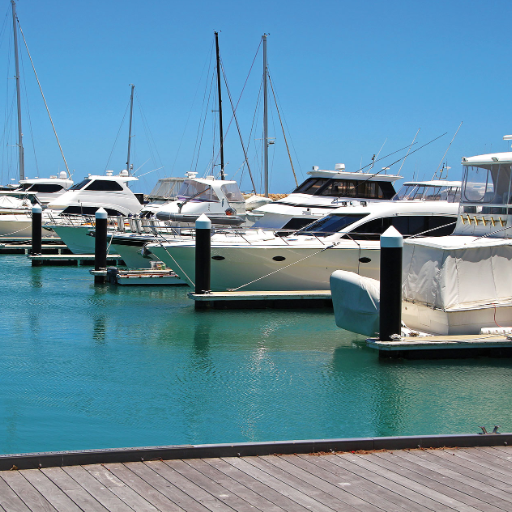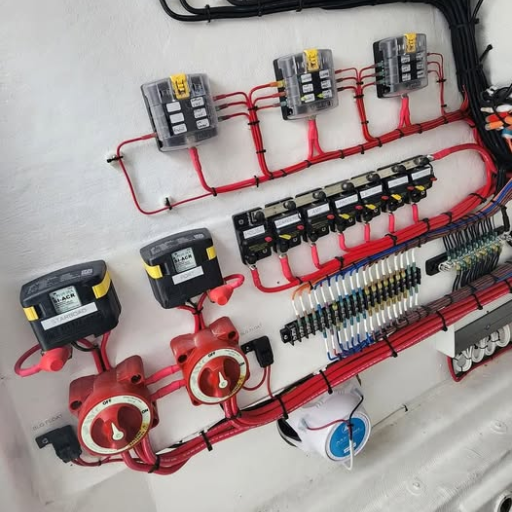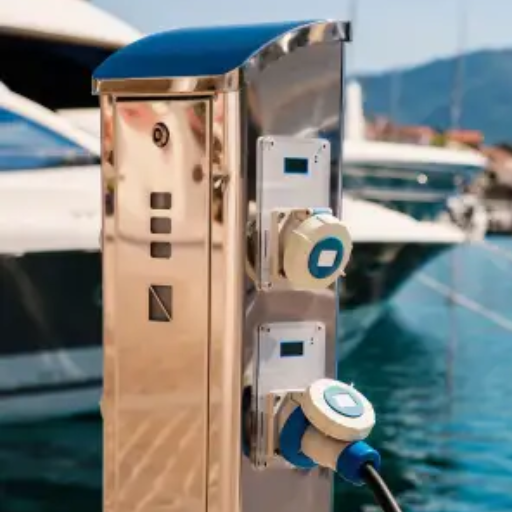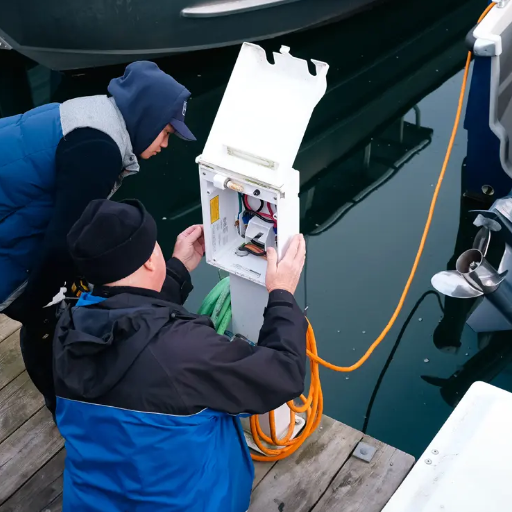
Speaking of marina safety, the use of proper signage has become a necessity according to the National Electrical Code (NEC) instead of just a suggestion. Marinas and docking areas are very lively places where the mixture of water, electricity, and constant human activities produces novel safety concerns. The NEC has a set of regulations that require marinas to have very clear, very efficient, and very compliant signage that is capable of significantly reducing the risks of accidents and protecting both human lives and properties. This paper examines the critical signage mandates of the NEC, outlining the requirements, the importance, and the ways of implementing the guidelines effectively. Whether you are a marina manager or a person willing to learn more about the safety standards in the industry, this whole guide will be your starting point for compliance checking and facility protection.
Understanding NEC Standards for Marina Safety
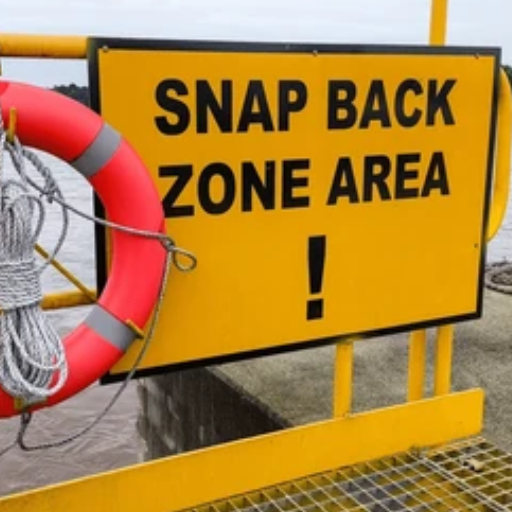
Overview of Article 555
Article 555 of the National Electrical Code sets the standards for handling the electrical safety of boatyards, marinas, and other waterfront facilities. The NEC states that this article primarily tries to protect people and property from electrical shock and fire in areas that have water and electricity. The NEC catalogues rules on how to construct, locate, install, and maintain electrical systems and their components so that the need for safety from harm such as electric shock is foremost Click here for more information.
The key requirements of Article 555 cover grounding and bonding of electrical systems done correctly to secure the area from electrical currents. It also requires ground-fault protection devices to be installed which will automatically detect and interrupt ground faults before they become dangerous. Besides, the article states the safe positioning of electrical equipment and circuitry in such a way that it minimizes moisture exposure and also prevents chemical reactions that can lead to the failure of the system through corrosion.
The other important issue that Article 555 is concerned with is that of warning signs and labeling. The use of clear and easily readable signs is imperative to notify people of the dangers in electrical operations and thus protect the working staff and the public. Following the guidelines, the facilities, not only, reduce the hazards but are also compliant with the standards of electrical safety and provide a safer environment for the users of the marina.
Key Signage Requirements for Marinas
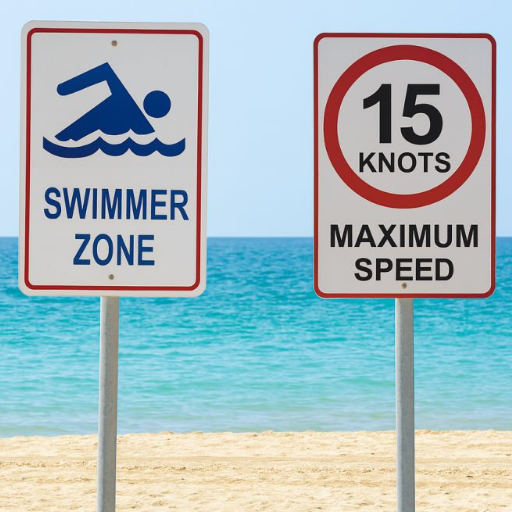
The presence of appropriate signage in marinas not only is a measure of safety but also the minimization of risks associated with electrical operations. As per Article 555, the signs are to unambiguously mark the unsafe zones such as those with high-voltage electrical components or areas where electrical shocks are possible. The signs should be made of the material that can withstand weather conditions and should be easily readable from a distance that is considered reasonable, and thus it will be possible for the boaters, workers, and visitors to act with caution.
Every piece of electrical equipment that is installed on a marine vessel, such as atmospheric panels and outlets, must have properly made labels glued on. These labels are meant to indicate, in a brief and specific way, the voltage of the electrical equipment, its correct use, and associated hazards. This standardization of symbols and conveying understandable information in universally accepted language fosters the comprehension of an imposed safe work environment throughout.
Alongside this, the emergency and safety-related signs of a marina must be equipped and are openly visible in areas providing easy access. This involves signboards manifesting as markers/code entries right along the way for access to the emergency shutoffs, grounding instructions or words of caution about specific misuse – for instance, even swimming near docks where electrical equipment is installed. When kept intact, not only should fulfilling these sign requirements pose a safety net for the marine location, but ensure evidence of compliance of correct protocol to govern; hence, an even safer place for everyone.
Importance of Compliance with NEC
The third National Electrical Code (NEC) compliance is not just a requirement, but a necessity for the safety and efficiency of power systems in different places. The NEC prescribes a set of rules that thoroughly mitigate the danger of electrical fires, shocks, and even equipment damage. The observance of these rules not only counts as a legal requirement in most areas but it is also a major measure to safeguarding humanly and economically.
By complying with NEC, operators, and constructors of the facilities can create less dangerous and more reliable environment. The NEC consists of the procedures on the right way to install and take care of electrical parts, which provides slow building up of efficiency and then finally, they can last through the weakest points of the environmental challenges. This is very much the case with the intoroduced on the installation of the construction in marine areas, where the factors of high moisture and other unpredicted factors could be a part of the location situation, hence, risk factors are high unless professionally designed electrical systems are installed.
Committing to the NEC means not only gaining immediate safety benefits, but also indicating the intent of professional standards and quality levels. The compliance requires the use of certified and tested materials thereby winning over the customers and also cutting down liability risks. In the long run, following the NEC not only serves to protect people and property but also curriculum vitae trust among the different stakeholders in the fields of design, construction, and operation of electrical systems.
Essential Safety Signage for Docking Facilities
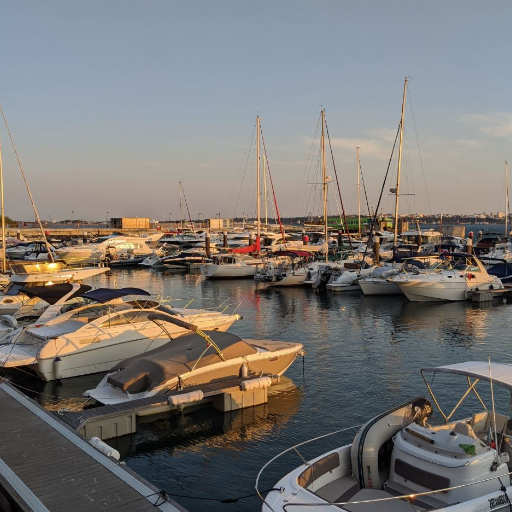
Warning Signs and Their Visibility
Warning signs at docking facilities are crucial for safety and also for the maintenance of efficient operations. These signs have to be visible even under the most unfriendly of environmental conditions such as poor light or bad weather. Reflective materials are used along with color combinations having high contrast to make the signs legible during the day and at night. Proper positioning of the signs at eye level or within clear sightlines also helps workers and visitors to identify dangers quickly.
The strategic positioning of warning signs is very important to avoid accidents. Signs should be placed near potential danger areas such as places that are slippery, around heavy machinery, or where access is limited. This will give people enough time to react and take the necessary precautions. It is equally important to do regular maintenance of the signs because if the signs are faded, damaged, or blocked then this will greatly reduce their effectiveness.
Numerous studies give evidence to the fact that clear and consistent signage is very important in preventing workplace accidents. Warning signs that are visible and simple to understand are of great help in communicating the risks, especially in the case of high-traffic areas where there are diverse groups of workers. The introduction of these measures will not only ensure that safety regulations are adhered to but also create awareness and responsibility among the personnel at docking facilities.
Labeling Electrical Devices and Equipment
Proper labeling of electrical devices and equipment is the most important thing to do to attain safety and compliance in the workplace. Clear and accurate labels not only identify electrical hazards but also prevent misuse and support maintenance and repair of equipment. Besides, the labels should consist of the critical information like voltage levels, circuit designations, and safety warnings, which the workers can easily understand the risks and necessary precautions.
Labeling should always follow safety standards and regulations, for instance, that of OSHA or IEC, to be effective. Guidelines like these determine the design, content and location of labels so that visibility and understanding are maximized. Also, durability has to be a property of the label material it should be resistant to environmental stressful factors such as heat, moisture and corrosion so that it will stay readable for a long time.
The implementation of a labeling system can truly be the start of a very safe working environment. Regular inspections should be carried out to verify the condition and accuracy of labels, updating them as needed when equipment is repaired or replaced. Worker training on proper label interpretation is another critical factor as it gives them power to appropriately act on risk reduction.
Best Practices for Marina Operators
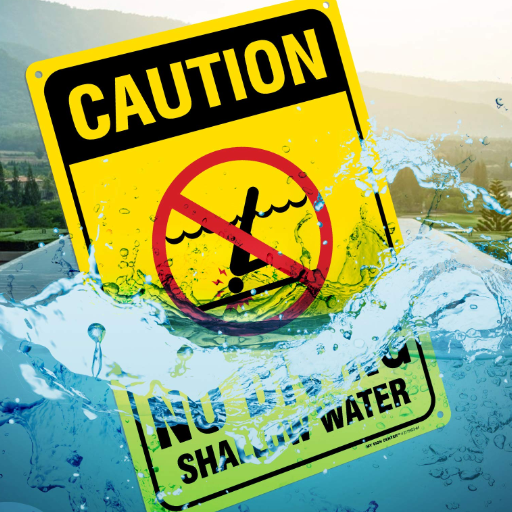
Creating a Safety Checklist for Signage
Creating a comprehensive safety checklist for signage is essential for the ensuring that it is safe and efficient. One should be able to see any sign clearly and from a distance, so it should be good practice for you to use good size fonts, if applicable, contrasting colors, and strategically placing the signs at eye level. Vulnerability assessments done to identify dilapidated or faded posts in critical areas of the site covering all risks would necessitate a quick replacement or changing in their position.
The second area to check by the checklist would be to verify that the signs are covering all significant safety and operating requirements. These include the emergency policy, warnings of any hazardous conditions, warning areas, speed limits, and guidelines for matching and docking zones to the signs. The design and wordage of the sign board, and associated guidelines, should be standardized strictly for clarity and compliance among visitors and staff.
How about integrating normal training and feedback into the general maintenance system? The staff needs to understand whatever language their signs are speaking to them while marine users could engage in safe marina behaviors by reporting unrestored and hampered signs. Safety checklists would be reviewed and refinements would continue to address emerging threats, so that signs would continue to promote safety in this safe marina.
Regular Certification and Maintenance of Safety Signs
Regular certification and maintenance of safety signs perform an essential role in maintaining the safety of a marina. As the existing safety standards imply for timely activities, all signages should be thoroughly evaluated twice annually, encompassing physical wear, e.g. fading text and structural damage, and the alignment demands set by the regulatory index of standards.
Information from reports emphasizes the fact that well-maintained safety signs can reduce accidents in a marina by 35% or so.
The necessity of clarity and visibility on users’ parts is, thus, crucial, particularly under inclement weather conditions or in high-traffic areas. In one way or another, the use of reflective materials or the installation of LED lighting dramatically increases the visibility of signs during low-light condition, thus improving the overall level of safety.
Moreover, heeding the view on sensitizing the marina safety field, we can highlight that the place of digital solutions is more geared toward smart signs that carry sensors or QR codes, which link damage reports and real-time safety updates. Marinas can maintain a culture of safety and efficiency through integrating more technologies behind regular inspections coupled with continuous feedback in order to keep their safety signs effective to guide and protect inhabitants there.
Training Staff on Signage Importance and Usage
When a marina-staff unit is trained about the importance and practice of hazards in various safety signs, the need for a safe environment is met. Above all, it is crucial for the staff to know that there are different types of signs for various use purposes, including signs for hazards, signs which help in wayfinding, or signs that give operational guidelines. When staff members get a basic idea of these safety and efficiency signs, they will imply to the users in the harbors what these signs represent, thereby enabling them to know what to look for during different emergencies.
Proof of hands-on lessons include Tours or training workshops of the various technologies going into the signage system, including QR codes or sensors. Those would be the hands-on demonstrations on reporting maintenance within a system of other links, or reminders on specific cases involving preventing accidents through efficient signs. In-house refresher courses, offered on a recurrent basis, are proven effective to reinforce this basic knowledge and help keep the staff updated with the new technologies coming into the signage business.
Strengthening employee involvement in the inspection and maintenance process further deepens their understanding of signs’ functionality. Through participating in the periodical crosschecks for deterioration and obsolescence, they become empowered to contribute actively to the safe culture of the company. This establishes accountability and ensures that safety communication does effectively protect both marina visitors and themselves.
Legal Implications of Non-Compliance
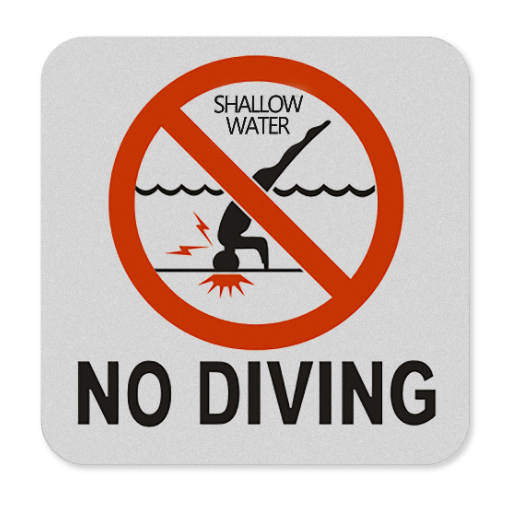
Understanding Liability Risks for Marina Operators
Concerning legal responsibilities, operating a marina, particularly safety and compliance, is laden with responsibilities. A marina operator would have liability regarding ensuring the safety of the visitors, personnel, and boat owners. Failure to fulfill safety regulations (posting proper signage, maintaining opposition structure, among others) leaves one exposed to potential lawsuits, massive fines, and ill repute. Strict, regular inspection and adherence to local, state, and federal laws are crucial for squashing these risks.
One focal point of liability concerns accidents or injuries that could happen on the marina premises. In the event an operator is being found negligent for not repairing damaged docks or providing clear safety instructions, then such an operator can be found liable, legally speaking, to the victims of such negligence. Although liability insurance provides financial protection, this does not discharge the operator from his obligation to a priori prevention of such incidents. The exercise of proactively addressing the potential hazards ensures compliance and trust and safety of all stakeholders.
Consequences of Failing to Meet NEC Requirements
One of the results of non-compliance with the NEC is the erection of a hazard to life and limb. The foremost of these is fire, usually caused by improper wiring, overloading, or the use of sub-standard equipment. These risks cost money and life itself. Compliance is the only way to ensure minimal dangers since following codes has always placed rigid standards toward safe electrical systems.
The next major consequence can be social and economic where non-adherence will come back as fines or lawsuits for recovering damages, etc. It is possible the business or property could experience delay in operations or completion of the projects; if the installation is illegal, the work will stop until the installation is changed to comply with the standards.
Ultimately, failing to meet the NEC standards will damage the reputation of a business and relationships with clients and stakeholders. The consumers expect safe installations and trust is broken by being non-compliant with the standards, which leaves opportunities closed for the future. To celebrate their keep, NEC codes are not only a may but a must-do thing, concerning safety, money risk, and service to professional conduct.
Case Studies: Incidents of Electric Shock Drowning
Electric shock drowning (ESD) is the result of electrical current leakage into the water and the passage of the current into a swimmer. This causes paralysis to the muscular system and is definitely known to signal imminent drowning. A grand incident happened at a marina where electric wiring faults allowed for current leakage into water. This rendered swimmers near the dock helpless and emphasized the extreme danger of improper electric infrastructure and the need for conformity to safety codes.
There was one incident with a residential setting near a lake. A boat lift and its related electrical equipment that were all faulty had exposed the water to current, which was just deadly. A swimmer got touched and drowned before any rescue could be worked out. That incident emphasizes the dangers of missing out on the regular maintenance and inspection of electrical systems along the waterfront.
From the above discussion, we notice that compliance with the electrical code, viz., installation of Ground-Fault Protection Devices and frequent safety checks is very important. This is not just a legal obligation but is also aimed at preservation of human life and the elimination of similar blunders in the future. An increase in awareness relating to ESD and education on this subject will allow building and marina owners to take preventive measures.
Mitigating Electric Shock Drowning Risks
Effective Warning Systems for Boaters
Posting signs of danger at marinas, docks, and other waterside locations is very efficient in the rule of thumb to protect boaters from electric shock drowning (ESD). They need to be set out and read all along the right lines, emphasizing danger signs from faulty wiring and stray currents, and instructing for the practice of safe methods. Furthermore, in simple English and visual signage, every person, including kids who do not know how to read, will understand those warnings.
Another effective system is one that can include ground-fault circuit interrupters (GFCIs) and equipment leakage circuit interrupters (ELCIs) capable of tracing potential leakages in electrical systems and the automatic shut-off of power if any leakage is detected. Boaters and marina operators are to check and ensure the functionality of GFCIs and ELCIs devices aside from ensuring regular shoreline inspections and maintenance of all dock wiring and electrical systems to identify faults that contribute to ESD, adding to the security layer.
Lastly, a robust educational setup aimed at boaters and marina personnel is of much importance. Awareness about electrical hazards in the water, signs of potential electrical shore-related activities, and the appropriate protocols in response may all help to keep boaters and marina personnel ready for action in emergencies. Thus, community-based, on-line, and specialized training will guarantee that the boating public is safe in all its undertakings. Such a complete mechanism will keep electrical shock hazard risk at bay and protect lives.
Labeling Best Practices for Electrical Safety
Correct labeling of electrical systems is an absolute must-do to ensure safety within marinas and any other boating environments. Labeling should clearly identify the likes of electrical panels, circuits, and disconnect switches that will help a range of users and professionals to easily understand the functions and practicality of the systems. They need to be durable, clear, and resistive to environmental effects like water, sunlight, and heat, recurrent in marine environments. Enhanced emphasis must be given to clarity by also using standardized terminology and universally recognizable symbols that make sure misjudgments are contributed on the downward side.
Furthermore, appropriate warnings should be posted on labels, like cautions about electric shock or arc flash threats, and critical instructions where useful. For instance, labels may specify to users the correct sequence of steps when administering electrical equipment or the areas where maintenance personnel should take care in watching out. Following the display of these warning labels in a conspicuous position, they might just help in avoiding accidents and put electrical systems dealt with in strict accordance with safety protocols.
Periodic review and maintenance of the safety stickers are as important as setting them up for the first time. With the passage of time, stickers tend to fade, peel, or get worn out, especially in marine environments. This depreciates their very usefulness. Regular inspections guarantee that all safety labels are on and available for timely replacement as needed. This improvement towards safety standards and compliance with laws and industry standards ensures preservation of life and property.
Frequently Asked Questions (FAQ)
Q: What sort of marina requirements are generally referred to as the “core marina safety signage requirements”?
A: The core marina safety signage requirements are all about visibility of the signs and location being dark red so that it can spot out high-risk areas such as the fuel dock, the boat ramp, shore access, and everywhere machinery is being used, the later following various governing standards like ABYC and NFPA. Signs need to indicate fire or explosion hazards, no smoking and no open flames, life jackets and safety waterways, slippery, wet decks, and ladders along with emergency shut-down and evacuation instructions. The first is framed in such a way as to draw attention to boaters coming in or to board a vessel. The other should go near the ship in order to have a present reminder of safety prior to entering conditions of hazard.
Q: Where should safety signs be placed in marinas and boatyards to be most effective?
A: Positioning is critical: Post signs at the launch, ramp, fuel pier, engine servicing areas, portable pump stations, gangways, ladders, and shore access points. Navigation and spray hazard signage should be placed at boat launch points and along the entrance channel leading to the marina. Signs should be at eye level, clearly visible and read from the deck and shore; placed in such a way that they will be read before boaters engage in any kind of risky activity like fueling or starting the engine.
Q: What are the specific safety and hazard signs required on fuel dock structures?
A: Fire warning-type signs shall tell people to not smoke, turn off the engine, avoid lighting any fire in the area, and stop portable engines and electrical equipment. Signs must explain what hazardous situation vapor accumulation may cause, like fire and explosion, pathways and details to safely shut off (emergency) fueling equipment; along with emergency contact information to report a spill. Clear instructions would be for operators to avoid overfilling fuel tanks and reminders to maintain safe boarding and alighting during fueling to avoid any spillage of fuel.
Q: How should marinas present their regulations concerning personal flotation devices and life jacket signage?
A: Signs should describe children’s and non-swimmers’ life jacket requirement, where their life jackets are kept and encourage wearing them be close to the boat or before launch. Lifes may be visible on flots above the water, launched with easily visible, life jackets places behind the slips, and on the dock by the ladders and gangways. Provide the user with life jacket capability information and, if the boat owner has any additionally on hand, namely on how to find them and how to fit them on, to try by better compliance and safety capabilities.
Q: Looking for such behaviour warnings as are generally required at marinas and boatyards?
A: Warnings required are common and include no smoking, no open flames, no running of engines while refueling, reduce speed/no wake zone, steered as vessel safety, watch your step slippery when wet on decks and ramps, no fishing from the fueling dock, and keep clear of spray and propellers. There should be a notice instructing users to turn engines off before getting on board OR off boarding, and how to carefully use ladders to prevent falls.
Q: What are best practices in design, construction, and maintenance for signs in marinas and boatyards?
A: Use sturdy materials and inks and finishes that withstand sunlight and wave action. It is imperative that the sign be readable from a distance and be of icons placed at eye level with easy-to-read lettering and ideally isolated in stainless steel or equivalent fixtures. Always be vigilant about checking for faded or damaged signs for immediate replacement; maintain free lines of view for pleasure and practice easy-use signs for temporary emergencies. In obedience therewith, agencies must also be consistent in terms of color and wording on signs.
References
- Clean Boating Signs and Educational Materials – University of Vermont
This source discusses signage promoting clean boating practices and environmental safety. - Marina Area Safety Checklist – Florida Institute of Technology
A checklist covering safety signage requirements and compliance with OSHA standards. - Marina Standards (10-MAR) – National Park Service
This document outlines signage requirements for marinas, including fuel safety and emergency procedures. - Marina power pedestals Manufacturer and Supplier in China