
For marina operators and electrical contractors, staying aligned with the National Electrical Code (NEC) is one of the most practical ways to reduce shock, fire, and liability risks around docks and shore power. NEC requirements are not applied the same way everywhere: each state—and often each local Authority Having Jurisdiction (AHJ)—adopts a specific edition and may add its own amendments. This guide summarizes how NEC adoption works for marinas across the U.S., what Article 555 typically covers, and how to verify the rules that apply to your site.
Introduction to NEC and Its Importance for Marinas
Overview of the National Electrical Code (NEC)
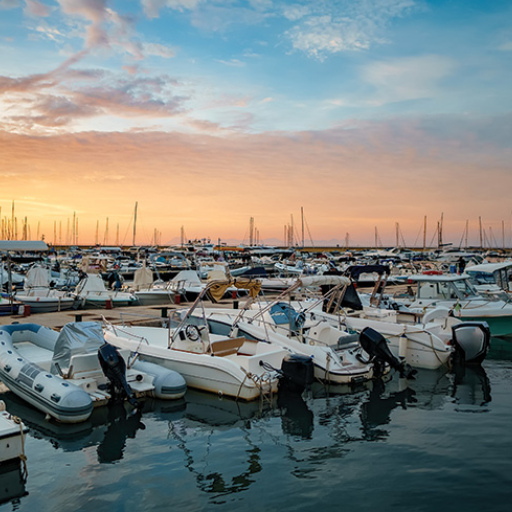
The National Electrical Code (NEC), NFPA 70, is developed by the National Fire Protection Association (NFPA) to set installation and maintenance requirements for electrical systems. It is updated on a three-year cycle to address emerging hazards and technologies. The NEC itself is not a federal law; it becomes enforceable when a state or local jurisdiction adopts it—often with amendments.
Marinas face elevated risk because water, moisture, and corrosion accelerate equipment wear and increase the likelihood of shock hazards. NEC provisions such as Article 555 address marina and boatyard electrical systems, including wiring methods, grounding and bonding, and ground-fault protection. Applied correctly, these rules help reduce electric shock drowning (ESD), dock fires, and equipment failure.
In most jurisdictions, NEC compliance is both a legal requirement and a core safety practice. Marina owners, contractors, and maintenance teams should know the adopted edition for their location, track local amendments, and schedule regular inspections so shore-power systems remain safe for boaters and staff.
Key Takeaway
The NEC is revised every three years. While it is not a federal law, state and local adoption—especially of Article 555—sets the enforceable safety benchmark for marina electrical work.
Importance of NEC for Marina Safety
NEC requirements are written for wet, corrosive environments typical of docks and shore-power pedestals. Following them reduces the chance of insulation failure, faulty connections, and unprotected circuits that can put people in the water at risk.
A primary concern is Electric Shock Drowning (ESD), which can occur when stray current enters the water. Proper grounding, bonding, and ground-fault protection—as required by the NEC for marina power installations—help interrupt fault current before it becomes life-threatening.
Routine inspection and maintenance keep systems aligned with the adopted code edition. Documented checks also support insurance reviews, AHJ inspections, and guest confidence in the facility.
Common Electrical Hazards in Marinas
Common marina hazards include damaged or aging wiring, incomplete grounding or bonding, and poor installation practices. Corrosion and weather exposure make these problems worse over time, so inspection intervals should be short and consistent.
Overloaded circuits are another frequent issue. Modern docks often serve multiple vessels with higher shore-power demand; if feeders, breakers, and pedestals are not sized for that load, overheating and fire risk rise. Proper load planning and circuit design are essential.
Because water increases the severity of electrical faults, ground-fault protection devices (such as GFCI/ELCI/GFPE equipment required by the adopted NEC edition) and moisture-resistant installation practices are critical. Combined with NEC-guided testing, these measures reduce fire and injury risk.
State-by-State NEC Adoption Overview
Current NEC Version Adoption by State
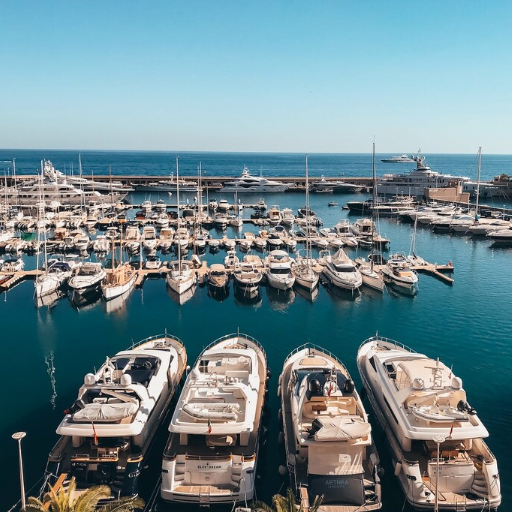
Each state decides when—and which edition of—the NEC to adopt. Some move quickly after a new edition is published; others remain on an older edition for years because of legislative timing, staffing, or budget constraints. The 2023 NEC is the newest widely referenced edition, but it is not yet adopted everywhere.
Early adopters incorporate the new edition into local codes so inspectors and contractors work to current safety practices. Delayed adoption does not mean a marina can ignore safety; it means stakeholders must confirm the enforceable edition and any amendments before designing or upgrading shore power.
These differences create a patchwork of electrical safety standards nationwide. Contractors and inspectors should verify the adopted NEC edition with the local AHJ before bidding, permitting, or energizing new marina equipment.
Local Amendments Impacting Marinas
Local amendments can tighten NEC requirements for marina conditions such as salt exposure, flooding, ice, or high guest traffic. Amendments often add grounding/bonding detail, inspection frequency, labeling, or equipment listing rules beyond the base code text.
Many jurisdictions also emphasize documentation: as-built drawings, test records, and labeled panels. Marina operators and electrical contractors should treat AHJ amendments as mandatory project requirements, not optional guidance.
💡
Pro Tip
Always consult your local building department or Authority Having Jurisdiction (AHJ). Local amendments can be significantly more stringent than the base NEC text.
Historical Changes in NEC Adoption
The NEC has been revised since the late 19th century to keep pace with new equipment and safer installation methods. The modern three-year revision cycle continues that practice, with successive editions strengthening grounding, overcurrent protection, and special occupancy rules—including those for marinas.
Recent cycles have expanded guidance for renewable energy and energy storage. That same update pattern now also covers electric-vehicle and electric-boat charging infrastructure, requiring careful coordination between shore-power design and the adopted code edition.
As charging demand grows, marina owners should plan upgrades against the edition enforced locally—not only the newest published NEC—so inspections, materials, and timelines stay aligned.
Role of Electricians in NEC Compliance

Qualifications and Training Requirements for Electricians
Qualified electricians typically complete an apprenticeship that combines classroom instruction with supervised fieldwork covering electrical theory, plan reading, and safety practices. Licensing requirements vary by state, but marina work also demands familiarity with wet-location equipment and Article 555 concepts.
Because the NEC is updated every three years, continuing education matters. Electricians who work docks and pedestals should refresh training whenever their jurisdiction adopts a new edition or significant amendment.
Best Practices for Electrical Installations in Marinas
- ✓
Marine-Rated Components: Use only parts rated for corrosion resistance and harsh aquatic conditions. - ✓
Rigorous Grounding/Bonding: Critical to minimize electrical shock hazards in wet environments. - ✓
Regular Maintenance: Routine checks for wear, damage, or overheating in power distribution devices. - ✓
Ground Fault Protection: Installation of GFCIs and ELCIs to detect and disconnect faults promptly.
Common Compliance Challenges Faced by Electricians
Keeping up with national code changes and local amendments is a recurring challenge. New editions may change protection thresholds, labeling, or documentation expectations, so project teams need current references before work begins.
Older docks create a second challenge: legacy wiring and enclosures may no longer meet the adopted code. Electricians must decide—based on inspection findings and AHJ direction—whether selective replacement or a broader rebuild is required, then plan cost and downtime accordingly.
Practical Implications of NEC Compliance for Marina Stakeholders
Compliance Requirements for Marina Owners
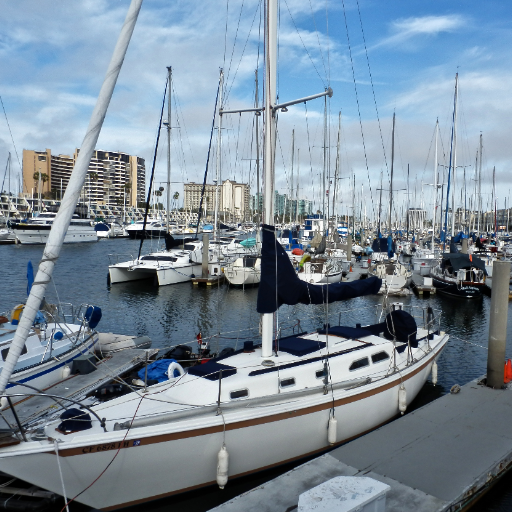
Marina owners should keep shore-power systems aligned with the adopted NEC edition: install required ground-fault protection, protect conductors and connections from corrosion and water intrusion, and correct deficiencies found during inspection.
Maintain records of repairs, tests, and inspections. Clear panel and circuit labeling speeds emergency response and simplifies troubleshooting during AHJ visits or insurance reviews.
Inspection Processes and Best Practices
- 1
Comprehensive Audit
Check electrical enclosures, grounding systems, and power-distribution points for wear and corrosion. - 2
Documentation
Maintain detailed logs of all identified issues and corrective actions taken. - 3
Staff Training
Ensure team members can recognize shock and fire hazards and know how to respond.
Upgrade Necessities for Electrical Systems
Upgrading aging marina electrical systems improves safety, reliability, and code alignment. Outdated feeders, receptacles, and protection devices increase the chance of fire, shock, and unplanned outages—especially as vessel power demand rises.
Prioritize replacement of corroded wiring, connectors, and enclosures with marine-rated, weather-resistant equipment. Confirm that the finished installation matches the currently enforced NEC edition and local amendments so the upgrade both improves operations and reduces liability exposure.
Conclusion: Reinforcing Compliance and Safety in Marinas
NEC compliance is a practical safety program, not paperwork alone. Regular inspection, prompt repair, and clear documentation help keep docks safe for guests and staff while reducing the chance that small faults become critical incidents.
Working with licensed electricians, inspectors, and experienced marina equipment suppliers makes adoption changes easier to implement. Pairing sound electrical design with reliable shore-power hardware supports a safer, more inspectable marina over the long term.
Resources for Further Information
- •
NFPA 303: Fire Protection Standard for Marinas and Boatyards. - •
ABYC Standards: American Boat & Yacht Council guidelines for water-based electrical systems. - •
State Government Portals: Local guidelines for permits and certifications.
Frequently Asked Questions (FAQ)
Q: What is “State-by-State NEC Adoption for Marinas,” and why does it matter?
A: It refers to the fact that U.S. states and local jurisdictions adopt different editions of the National Electrical Code (NFPA 70) and may amend them. Marina owners and contractors need to know which edition applies because it governs dock wiring, shore-power pedestals, grounding, and related equipment requirements.
Q: How do updates to the NEC apply to marinas and who decides?
A: NFPA revises the NEC on a regular cycle. State or local governments decide whether to adopt the newest edition, remain on an older edition, or adopt a modified version. Marinas should track both the publication of a new NEC edition and the local adoption date that makes it enforceable.
Q: Which NEC editions matter most for marina upgrades, and when should materials be ordered?
A: Focus on the edition currently enforced by your AHJ—often 2017, 2020, or 2023, depending on location. Order materials only after confirming local requirements so listed equipment, protection devices, and labeling match inspection criteria.
Q: Where can I find which NEC edition each state is using?
A: Check your state building-code agency, AHJ guidance, NFPA resources, and reputable code-adoption maps or databases. Confirm whether adoption is statewide and whether cities or counties add further amendments.
Q: What risks come from a “patchwork” of neighboring code editions?
A: Facilities that cross jurisdictional lines may face inconsistent requirements, delayed permits, redesigns, and higher costs. A dock spanning two counties, for example, may need to satisfy two NEC editions or amendment sets.
Q: How do city and county adoptions interact with statewide NEC adoption?
A: Some states adopt one statewide edition; others allow cities or counties to adopt their own version of NFPA 70. Always follow the rules of the jurisdiction where the marina is located, including local amendments that affect construction and maintenance.
Q: Where can I get authoritative compliance guidance for marina electrical work?
A: Start with your state building-code agency and local permitting office. Cross-check the adopted NFPA 70 edition, any municipal amendments, and—when needed—consult a licensed electrician or engineer familiar with marina shore-power systems.
References
-
Ground-Fault Protection Requirements in Marinas
This document discusses amendments to ground-fault protection requirements in marinas as specified by the 2017 NEC.
Read more here -
Missouri House Bill 2230
Covers regulations for marinas and boat docks equipped with electrical systems, including compliance with NEC standards.
Read more here -
Beneficial Use Projects Overview
While not directly focused on NEC adoption, this document provides insights into marina-related regulations and planning.
Read more here - Top Marina power pedestals Manufacturer and Supplier in China
Need Reliable Marina Power Solutions?
Ensure your facility meets the latest NEC standards with professional-grade hardware.
Tags

About the Author
Boda Pan
Engineer, JIYA Intelligent
Boda Pan is an engineer at JIYA Intelligent with five years of experience in outdoor power distribution. He specializes in RV power pedestals, water and power pedestals and marina water and electric pedestals, with a focus on IEC standards compliance.