When it comes to industrial applications, the two most important considerations are reliability and safety, particularly when selecting the correct type of power plugs and sockets. From the broader range of products, IP44 and IP67 plugs are two commonly used standards, each with environmental considerations relevant to their use. But how do you choose what best fits your needs? This blog will highlight the key differences between IP44 and IP67 power plugs, enabling you to understand their distinct features, levels of protection provided, and the application fields for which each is best suited. Your selections will be significantly influenced by whether you are outfitting a controlled indoor workspace or an outdoor, rugged site area. So, stay tuned as we delve into what the IP ratings mean for your power connections in severe industrial environments.
Understanding Industrial Plugs and Sockets
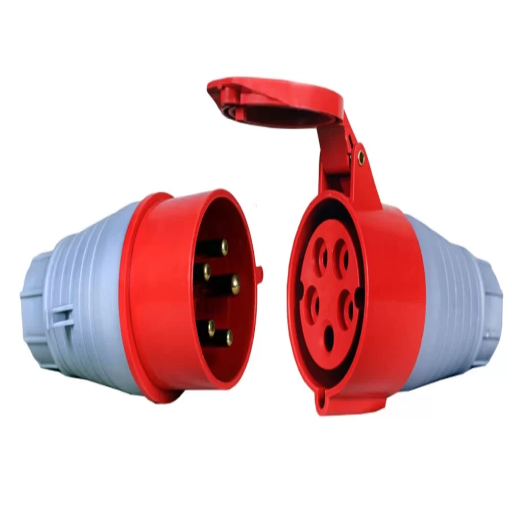
Industrial plugs and sockets are designed to ensure safe and reliable electrical current connections in applications that require durability or protection. They are designed for carrying high currents and harsher conditions compared to those used for home applications. Industrial plugs and sockets typically feature heavy-duty materials, adequate sealing arrangements, and a standard design for enhanced compatibility and safety. While considering a particular type of industrial plug and socket to be selected, the environmental conditions under which they are to be used, the IP rating (rating that indicates the level of protection from dust and water), and other parameters such as voltage and current rating of the application for which they are being selected remain crucial aspects.
What is an Industrial Plug and Socket?
The industrial plugs and sockets, also known as connector systems, are specialized electrical connectors designed to ensure the secure transfer of power under extreme conditions. At higher voltages and currents, industries may include manufacturing, construction, power distribution, and others. In contrast to household-type plugs and sockets, industrial plugs and sockets are made of materials that can withstand mechanical stresses, extreme temperatures, and chemical splashes, such as plastic that is highly impact-resistant and metal alloys. In most cases, these plugs feature weatherproofing and dustproofing characteristics, denoted by their Ingress Protection (IP) ratings, which enable them to be used outdoors or in harsh conditions.
Modern industrial plugs and sockets are manufactured to accommodate different voltages, types of phases (single-phase or three-phase), and varying power requirements. By using colors and keys for compatibility, this measure helps prevent misuse or incorrect connections. In most cases, they comply with international standards, such as IEC 60309, thereby ensuring reciprocity and safety across different manufacturers and applications. A benefit of these plugs and sockets is that they provide a reliable and rugged power supply for heavy technology, temporary installations, and various industrial-grade systems.
Types of Industrial Plugs
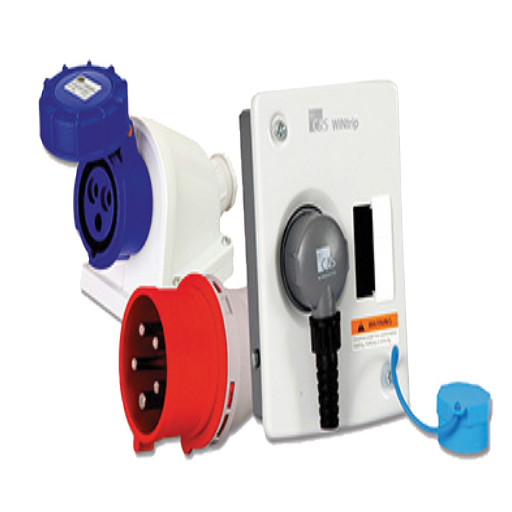
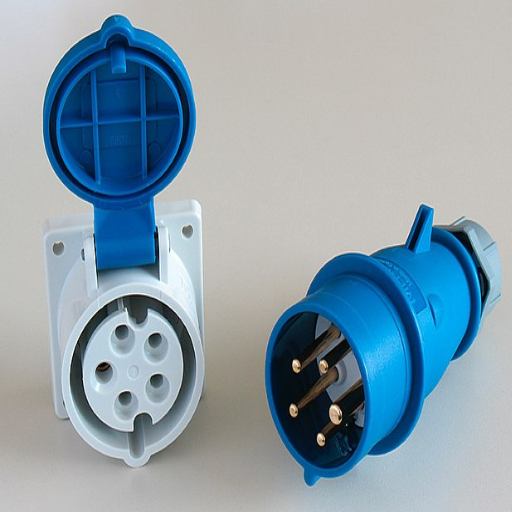
Schuko systems are insofar classified into types of 3 pin, five pin, interlock, AC distribution boxes, and other types of plugs, such as IP44, IP67, 4 pin/5 pin, and pilot pin). Below is a short table summarizing the principal aspects:
| Type | Pins | Voltage | IP Rating | Use | Color |
|---|---|---|---|---|---|
| 3-pin | 3 | 240V | IP44/IP67 | Single-phase | Blue/White |
| 5-pin | 5 | 415V | IP44/IP67 | Three-phase | Red/Black |
| Interlocked | 3/5 | 240V/415V | IP44/IP67 | Safety-focused | Varies |
| AC Distribution | 3/5 | 240V/415V | IP40 | Multi-device | Gray |
| Specialized | 4/5 | 230V/400V | IP44/IP67 | High-current | Varies |
Common Uses of Industrial Plugs
Industrial plugs find their applications across various domains primarily due to their sturdy nature and compatibility with heavy-duty applications. Here are some typical applications of industrial plugs:
- Construction Sites – Heavy-duty industrial machinery, lighting, and temporary on-site setups are powered using industrial plugs. Their ruggedness makes them safe to use in harsh environments.
- Manufacturing Facilities – Plugged in for connectivity of industrial equipment like conveyor belts, welding machines, and compressors, where high voltage and secure connections are paramount.
- Events and Entertainment – Industrial plugs are often used to power lighting, sound, and other technical equipment for temporary installations at concerts, outdoor festivals, and exhibitions.
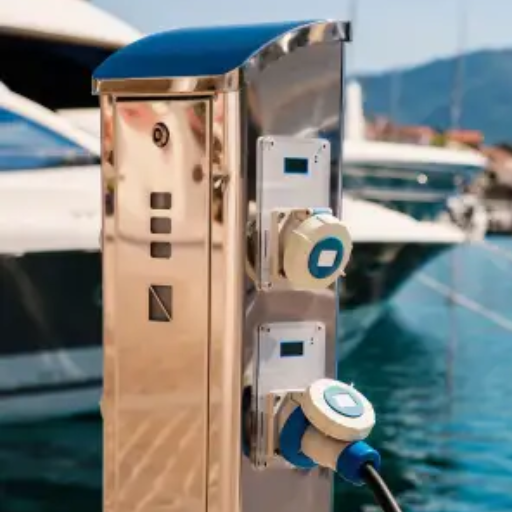
- Marine Applications – Waterproof and corrosion-proof industrial plug installations are used in boating and port operations for power applications in coastal and marine environments.
- Renewable Energy Systems Integration – Industrial plugs are one possible way to connect wind turbines, solar panels, and other renewable energy systems to existing grids in a safer manner.
- Data Centers – Nowadays, data centers utilize smart industrial plugs that handle high server and cooling loads while efficiently calculating and distributing power.
According to the latest study, which concluded from Google searches, “construction sites” and “renewable energy systems” are trending as the primary use cases for industrial plugs, given the upward global emphasis on green energy and infrastructure development. Their versatility and robust design continuously ensure their application in diverse fields.
IP Ratings Explained
IP ratings, or Ingress Protection ratings, describe the amount of safety enclosures provide against ingress of solids and liquids. It is a two-digit, and sometimes a three-digit, number used to rate an enclosure. The first digit (0 to 6) indicates the level of protection provided against the entry of solid foreign objects. The second digit (0 to 9) indicates the level of security offered against water ingress. Therefore, an IP67 rating means that an item should be completely dust-tight (6) and able to withstand temporary immersion in water (7). Higher numbers correspond to better protection, and these ratings therefore become necessary when selecting equipment for a specific environment.
What is IP44?
In the IP44 rating, an object with equipment or an enclosure is protected against solid objects measuring approximately 1 mm, such as wires or small tools, and against water splashes from any direction. This makes the IP44 rating suitable in settings where there might be some moisture ingress or deposition of small debris, such as in outdoor light fixtures or bathroom fixtures. However, it is not dust-tight or forever submerged, so it is essential to consider if this degree of protection is sufficient for that particular application.
What is IP67?
IP67 constitutes a grade under the International Protection (IP) code, indicating the degree of protection an enclosure provides against ingress by solids and liquids. The 6 denotes a dust-tight enclosure. Any ingress of dust or any other solid particles is not permitted. The seven means an enclosure has protection against temporary immersion in water: from 15 centimeters to 1 meter for 30 minutes. Such a protection rating makes an IP67-rated device ideal for outdoor or industrial applications where dust and occasional water exposure are common considerations. This might include rugged smartphones, outdoor security cameras, or marine equipment.
Comparing IP44 and IP67 Ratings
An IP44 rating offers protection against vertical splashes of water and an object greater than 1mm, while an IP67 rating essentially means that dust ingress is completely prevented and the object is immersion resistant, in other words, can be soaked in water temporarily.
| Parameter | IP44 | IP67 |
|---|---|---|
| Dust | Objects >1mm | Dust-tight |
| Water | Splash-proof | Immersion-safe |
| Use | Indoor | Outdoor |
| Cost | Lower | Higher |
| Durability | Moderate | High |
Selecting the Right Power Plug
Depending on the specific use case in the surroundings in which it is to be used, an electrical outlet must be chosen. If the outlet must be installed indoors, there will be less dust and water; an IP44-rated outlet would offer sufficient protection. If the exposure to dust or water is high, such as in outdoor or industrial atmospheres, the IP67-rated outlet will resist dust and water better. Safety should be the foremost consideration, and accordingly, the electrical outlet should be chosen to match the rating to the situation in which it is being used, for the sake of reliability and durability.
Factors to Consider When Choosing a Plug
While selecting the correct plug, specific details and data points should be analyzed to ensure optimum performance and safety. Five essential factors to bear in mind are:
- IP Rating
IP (Ingress Protection) rank specifies the protective level a plug affords against intrusion by solid particles and water. For instance, an IP44 plug is suitable for indoor applications, while an IP67 is meant for harsh environments that pose higher hazards of ingress by dust and water.
- Voltage and Current Rating
The plug must be of the correct voltage and current rating, as specified by your equipment’s requirements. A plug with the proper voltage and current rating can prevent damage to your devices due to overheating or the occurrence of short circuits.
- Material Durability
Select plugs composed of high-quality industrial-grade plastic or metal; this ensures reliable service in the long run, especially when exposed to harsh industrial environments.
- Compatibility with Devices
Ensure the plug fits the connectors and fittings that come with your equipment. This rust includes the number of pins, the locking mechanism, and the fitting design.
- Operating Temperature Range
Consider your operating temperature conditions. To counter extreme hot or cold temperatures, plugs should have certification that allows them to operate effectively in such situations without degradation of performance.
Applications for IP44 vs IP67 Plugs
IP41 plugs are suitable for light indoor or possibly light outdoor use, while IP67 plugs are designed for harsh outdoor environments that require protection against dust and water immersion.
| Parameter | IP44 | IP67 |
|---|---|---|
| Environment | Indoor/Light Outdoor | Harsh Outdoor |
| Protection | Splash-resistant | Immersion-proof |
| Dust | Limited | Dust-tight |
| Use Case | General equipment | Heavy-duty tools |
| Durability | Moderate | High |
Standards for Industrial Plugs
Industrial plugs must conform to international standards for safety, compatibility, and efficiency in various applications. One of the most widely accepted standards is the International Electrotechnical Commission (IEC) 60309, which provides specifications for pin configurations, voltage ratings, ingress protection levels, and other relevant details. These plugs are capable of handling a wide array of voltage and current ratings safely, making them apt for industrial and heavy-duty environments.
Moreover, plugs are also rated with ingress protection codes, such as IP44 or IP67, denoting the protection offered against solid particles and water ingress, as well as theft. An IP44 plug offers protection against objects greater than 1mm and water splashes, while an IP67 plug provides almost complete dust protection and resistance to temporary water submersion. Thus, conforming to these standards ensures that industrial plugs deliver reliable performance under demanding conditions, guarantee safety to workers, and enhance operational efficiency.
Other certifications are also obtained by manufacturers, depending on the region, such as CE marking in Europe or UL accreditation in North America, to attest to the product’s quality and safety standards in a particular market. The selection of industrial plugs must take into account the standards according to the application requirements and environmental conditions.
Installation and Safety Considerations
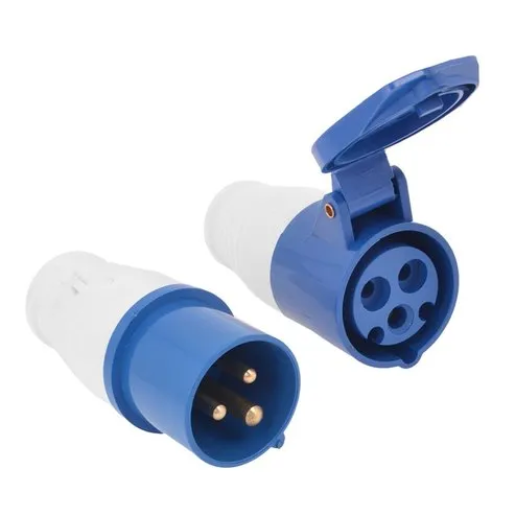
When installing industrial plugs, ensure they match the voltage and current rating of the electrical system. By following the manufacturer’s instructions and local codes, the installation can be made safe and correct. Ensure there is no visible damage to the plugs and wiring before installation; do not install anything that may be compromised. There must be a tight, secure fastening of all connections to prevent loosening during operation, which could be hazardous.
The power supply must remain disconnected when installations or maintenance work is being performed. Put on the relevant personal protective equipment (PPE) to guard against accidental shocks; for instance, in this case, insulated gloves. The plugs must be inspected regularly and subjected to tests to detect symptoms of wear and deterioration over time. By adhering to these activities, one would ensure a reliable and safe application in all instances.
Best Practices for Installing Industrial Sockets
- Choose the Right Socket Type
Ensure that the type of industrial socket chosen matches the exact voltage and current requirements of the equipment. Such a mismatch could cause it to malfunction or even damage it.
- Check the Installation Area
Ensure that the area chosen for installation is well-maintained, dry, and non-hazardous. Usually, places with high moisture and dirt levels tend to develop into a danger to operational functionality and the safety of the sockets over time.
- Follow Manufacturer Guidelines
Follow the installation instructions provided by the manufacturer, including torque specifications for fastening.
- Ensure Properly Secure Connections
All wiring connections should be checked to ensure correctness, tightness, and security. Loose connections can create heat, arcs, or short circuits, potentially causing damage.
- Test the Industrial Socket
Once the industrial socket has been installed, ensure it is thoroughly tested to verify that it is working correctly and safely. Testing devices can be used to check for voltage stabilization and grounding impedances.
Safety Protocols for Using Industrial Plugs
- Inspect the Plug and Socket Before Each Use
Ensure that the industrial plug and socket are regularly inspected for any visible signs of wear, damage, or corrosion. Damaged equipment poses a serious threat to safety and can, therefore, constitute an electrical hazard, resulting in shock or even fire.
- Maintain Proper Grounding
Always ensure that the industrial-type plug is grounded before use. Thus, the grounds prevent electrical shock and assure equipment safety should a fault develop.
- Never Overload Circuits
One must never overload any plug or socket beyond its rated amperage or voltage limits, as this can cause circuits and plugs to become overheated, potentially leading to severe circuit damage and creating fire hazards.
- Use in Appropriate Environments
Industrial plugs are often designed for use in a specific environment, such as a wet or dry location. Always ensure that the plug specifications match the environment in which the plug is intended to be used, so that it does not malfunction or create safety issues.
- Power Off Before Handling
Turn the power supply off before connecting or disconnecting the plug to avoid accidental electric shocks and power surges.
- Follow Manufacturer Guidelines
Refer to the manufacturer’s instructions or manual for the specific industrial plug model being used. It will provide you with important considerations concerning the safety standards with which it is designed and the required operating standards.
If one observes all these safety regulations, an industrial plug can become a safety feature rather than a hazard, thereby ensuring a safe working environment for everyone.
Maintenance Tips for Industrial Plug and Socket Systems
- Regular Inspection and Cleaning
Periodically check the plugs and sockets for dirt, dust, or debris accumulation. Clean the connectors with a dry, non-abrasive cloth to ensure optimal conductivity and prevent any malfunctions due to environmental buildup.
- Look For Wear & Damage
Search for any signs of wear, cracks, or burning in the plugs and sockets. When found, any affected items must be replaced immediately to prevent the risk of an electric shock during operation or reduced efficiency.
- Ensure Proper Connections
Ensure the plug is securely clipped into the socket. A loose connection can cause heating or even arcing, thereby endangering system safety and performance.
- Insulation Resistance Testing
Conduct insulation resistance tests regularly to ensure the insulation material’s durability. This prevents electrical leaks and ensures safety standards.
- Lubricate
Lubricate all moving mechanical parts with a compatible electrical-grade lubricant to ensure smooth operation. Avoid overlubricating, as the dust may adhere to the lubricant and cause other problems.
By doing so, you can ensure that maintenance guarantees the longevity of your industrial-grade plug and socket systems while providing safe and reliable performance over time
Reference Sources
- Tactile-Sensitive NewtonianVAE for High-Accuracy Industrial Connector Insertion
- Authors: Ryogo Okumura, Nobuki Nishio, T. Taniguchi
- Publication Date: March 10, 2022
- Journal: IEEE/RSJ International Conference on Intelligent Robots and Systems
- Citation Token: (Okumura et al., 2022, pp. 4625–4631)
- Summary:
- This paper presents a method for high-accuracy industrial connector insertion using a tactile-sensitive Newtonian Variational Autoencoder (VAE). The study focuses on the challenges of accurately inserting connectors into sockets, which require precise positioning and compensation for variations in grasp pose.
- Methodology: The authors utilized a GelSight-type tactile sensor to estimate the insertion position, compensating for the grasp pose of the connector. The proposed method achieved a 100% success rate and a positioning accuracy of 0.3 mm in real-world USB connector insertion tasks.
- Key Findings: The study demonstrated that the tactile-sensitive NewtonianVAE outperformed traditional methods, particularly in scenarios where precise localization was not feasible.
- Learning on the Job: Self-Rewarding Offline-to-Online Finetuning for Industrial Insertion of Novel Connectors from Vision
- Authors: Ashvin Nair, Brian Zhu, Gokul Narayanan, Eugen Solowjow, S. Levine
- Publication Date: October 27, 2022
- Journal: IEEE International Conference on Robotics and Automation
- Citation Token: (Nair et al., 2022, pp. 7154–7161)
- Summary:
- This research investigates the application of reinforcement learning to enhance the insertion of novel connectors in industrial environments. The focus is on developing a learned reward function that can adapt to new tasks without requiring precise localization.
- Methodology: The authors implemented a learning-based approach where the robot could practice and fine-tune its policy based on a reward classifier that generalizes well. The study involved training on various connector insertion tasks and evaluating performance in unstructured environments.
- Key Findings: The results indicated that the learned reward function significantly improved the robot’s ability to adapt to new connector types, enhancing the overall efficiency of the insertion process.
- Wire Defect Recognition of Spring-Wire Socket Using Multitask Convolutional Neural Networks
- Authors: Xian Tao, Zihao Wang, Zhengtao Zhang, Dapeng Zhang, De Xu, Xinyi Gong, Lei Zhang
- Publication Date: February 6, 2018
- Journal: IEEE Transactions on Components, Packaging, and Manufacturing Technology
- Citation Token: (Tao et al., 2018, pp. 689–698)
- Summary:
- This paper discusses the application of multitask convolutional neural networks (CNNs) for detecting defects in spring-wire socket modules used in industrial applications. The focus is on improving quality control in manufacturing processes.
- Methodology: The authors developed a CNN model capable of recognizing various defects in wire sockets, utilizing a dataset of images for training and validation. The model was evaluated based on its accuracy and efficiency in defect detection.
- Key Findings: The study found that the proposed CNN model significantly improved the accuracy of defect recognition compared to traditional methods, demonstrating its potential for enhancing quality control in industrial settings.
- Top Industrial Sockets Manufacturer And Supplier In China
Frequently Asked Questions (FAQs)
What are the different types of industrial plugs and sockets?
There are various types of industrial plugs and sockets designed to meet the demands of industrial settings. These include three-phase plugs and sockets, which provide robust electrical connections for heavy machinery, as well as interlocked sockets that prevent accidental disconnection. Additionally, some metal-bodied waterproof plugs and sockets are essential for outdoor use or in wet environments, ensuring electrical safety and reliability.
How do industrial connectors enhance electrical safety in industrial settings?
Industrial connectors are designed to handle higher voltages and currents than household plugs and sockets. They often include safety features such as sockets made by Lewden that have a switch, which can prevent accidental disconnection. This is crucial in industrial automation, where maintaining a stable electrical connection is vital for the operation of electrical appliances and devices.
What is the IEC 60309 standard for industrial plugs?
The IEC 60309 standard specifies requirements for industrial plugs and sockets used in various applications, including electrical connections in industrial environments. This standard ensures that plugs and sockets are designed to handle different voltage ratings and currents, typically ranging from 16A to 125A for industrial use, making them suitable for a variety of power sources.
Why are waterproof plugs and sockets essential in industrial settings?
Waterproof plugs and sockets are crucial in industrial settings to protect against moisture and environmental factors that can lead to electrical failures. These robust electrical connectors are designed to prevent water ingress, thereby enhancing electrical safety and reliability. They are vital for outdoor equipment and in industries where exposure to water is a risk.
What is the maximum current for industrial plugs?
The maximum current for industrial plugs typically ranges from 16A to 125A, depending on the type and design of the plug. This range enables the connection of high-power electrical devices in industrial settings, ensuring that the plugs can withstand the demands of industrial automation and heavy machinery without overheating or failing.
How do plugs and sockets differ from household plugs and sockets?
Plugs and sockets used in industrial applications are designed to handle higher voltages and currents than those used in household applications. They are designed for durability and reliability in harsh environments, featuring reinforced casings and interlocking mechanisms. This makes them suitable for robust electrical connections in industrial use, where safety and performance are critical.
What types of electrical appliances require industrial plugs?
Electrical appliances that require industrial plugs typically include heavy machinery, power tools, and equipment used in manufacturing and construction. These appliances often demand a stable and robust electrical connection to function effectively, which is why industrial plugs that meet the IEC 60309 standard are used to ensure compatibility with the necessary voltage and frequency requirements.
What are the benefits of using three-phase power in industrial electrical systems?
Using three-phase power in industrial electrical systems offers several benefits, including increased efficiency and reduced power loss. Three-phase power enables a more balanced electrical load, thereby enhancing the performance of electrical appliances and machinery. Additionally, it allows the use of smaller and lighter wiring, which can result in cost savings during installation and maintenance.