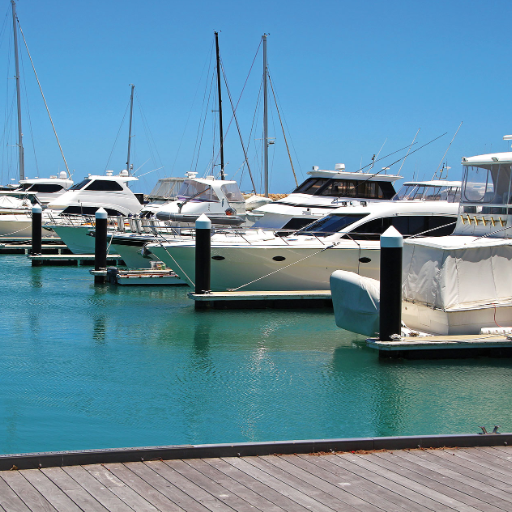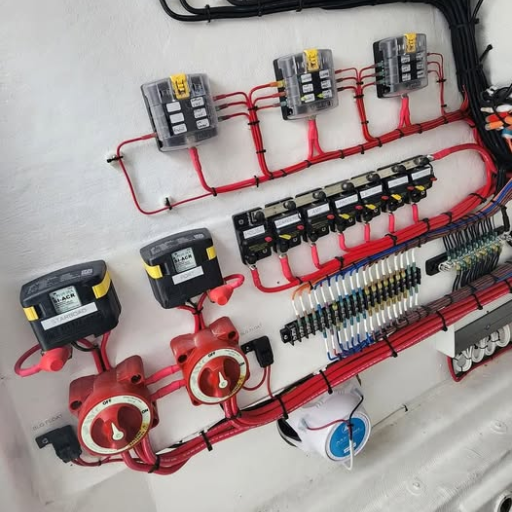
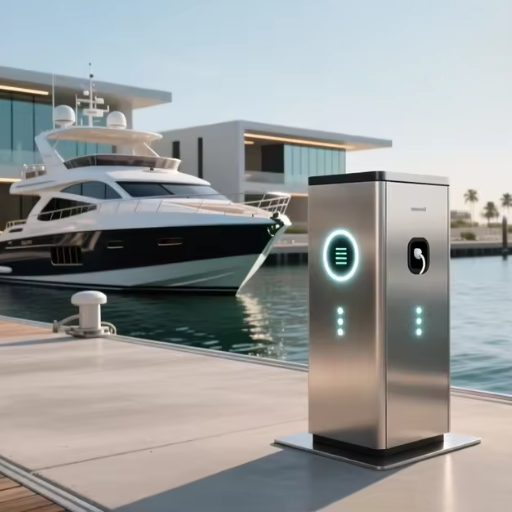
Selecting the appropriate marine power pedestal is very important in the case of electric connectivity at marinas and docks that is both reliable and safe. The knowledge of the key factors involved in the selection of a power pedestal can make a big difference whether you are a marina operator wanting to upgrade the facilities or a boat owner looking for a reliable shore power. This guide will take you through the basics— features, durability, safety standards, etc.— so you can make a well-informed decision that meets your specific requirements. Moreover, we will assist you starting from the comprehension of power needs to the discovery of sophisticated features such as smart energy management. Therefore, you will possess the right tools and the knowledge to choose the best pedestal for your marina or ship. Let us embark on this mesmerizing buying journey!
Understanding Marine Power Pedestals
What is a Marine Power Pedestal?
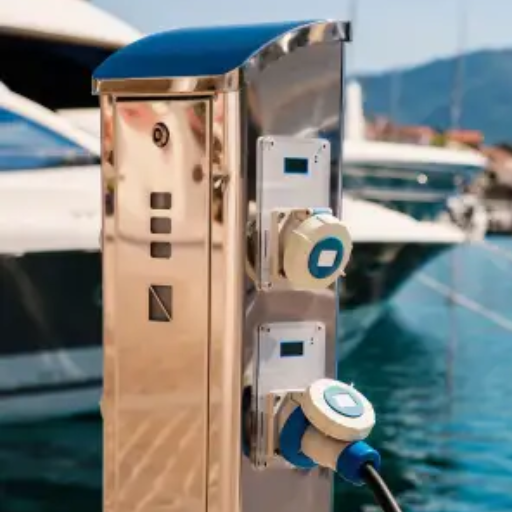
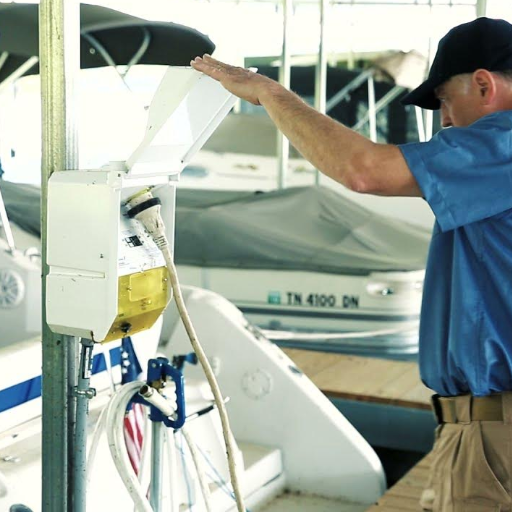
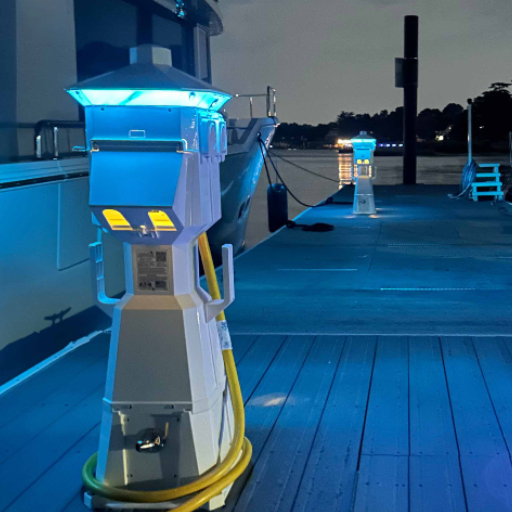
A marine power pedestal is a special kind of equipment intended for supplying electrical power and, occasionally, water services to boats that are parked in marinas. These pedestals make it very easy for boat owners to access the utilities they need when their boats are docked, thus becoming an important part of the infrastructure of the marina.
It is common for a marine power pedestal to have several outlets that can handle the different power requirements of the various types of boats. They often come with safety devices such as circuit breakers and ground fault protection to ensure that no electrical accidents occur. Some of the pedestals even come with additional features like lighting, metering systems, and water hook-ups which make them a great choice for marina operators and boat owners too.
Marine power pedestals are built to be very rugged as they are expected to be very tough and suffer from the sea’s extreme conditions like getting wet with saltwater, sun’s rays and storms. Their durable construction and the use of weather-resistant materials not only make them perform to the highest standards but also last long, and thus, they are very effective and efficient in the marina. The reason for this is that with the power available all the time, marine power pedestals are quality enhancers for the boaters and at the same time satisfy the functional needs of the marina.
Benefits of Using Marine Power Pedestals
Marine power pedestals are to marina operations and offer a range of benefits that are above all. Taking a closer look, here are some key points and data:
Reliable power Supply
Marine power pedestals are available at marinas to supply power to boats permanently docked there. Industry surveys reveal that more than 85% of boaters regard reliable electrical access as one of the most important aspects of a marina. The power to the boat stays on and thus, systems like, for example, lighting, refrigerators, and navigation electronics working continues.
Efficiency In Energy Consumption
The latest and modern marine power pedestals with their unique, state-of-the-art energy-saving systems which include LED lighting and also power usage that is metered are very much of an energy saver. They bring cost savings to marina operators and boat owners as well. Energy-efficient LED lighting in pedestals can save as much as 75% in energy costs compared to regular lighting, for example.
Safety Improvements
GFCI (Ground Fault Circuit Interrupter) protection and surge protection systems are among the safety measures built into marine power pedestals. They prevent electrical hazards from happening. Data about safety says that the application of such measures can lower the number of electrical accidents in marinas by as much as 60%.
Gaining Convenience and User Experience
Water connections, internet access, and charging ports are some of the features that many modern pedestals have. A recent study from marine technology providers noted that marinas offering such features experienced a 30% increase in customer satisfaction and retention.
Longevity and Durability
Built to last, marine power pedestals are made of tough, weather-resistant materials such as stainless steel or corrosion-proof polymers and can endure extremely rough marine environments for several years. Their permanence leads to a decrease in repair and replacement costs; hence, they are a long-term investment for marina managers.
Eco-friendliness
Solar-powered systems and smart metering are some of the latest designs that contribute to ecologically friendly and innovative marina operations. Adoption of such systems has enabled some marinas to claim up to 40% reduction in carbon emissions, thus supporting environmental conservation efforts.
By providing electricity, ensuring safety, and applying user-friendly innovations, marine power pedestals have been considered one of the most important parts of modern-day marina operations, which results in better boating experiences, plus shelter efficiency and sustainability.
Key Features to Look for in Power Pedestals
-
Durability and Weather Resistance
The capability to withstand rough environmental conditions is one of the main features of a marine power pedestal. Select pedestals that are made of durable materials like stainless steel or heavy-duty polyethylene which have the capacity to resist corrosion, sunlight and saltwater’s damaging effects. A lot of high-end pedestals are also provided with IP-rated weatherproofing which ensures their long-lasting durability even in the toughest marina environments.
-
Power Output Options
Contemporary power pedestals should deliver a variety of power output choices to satisfy the needs of different vessels, ranging from tiny pleasure boats to bigger yachts. The standard configurations are generally 30, 50, and 100-amp connections often with dual voltage (120/240V) feature. Proficient models could even distribute the power automatically suiting the demand thereby overcoming the problem of wastage.
-
Integrated Smart Metering
The application of smart metering technology is becoming a common feature in progressive power pedestals. By having immediate access to energy consumption data, marina managers will be able to monitor and charge users rightly, hence, the process will be transparent and convenient. Recent findings report that the adoption of smart meters can, on the one hand, increase the marina’s revenue efficiency by up to 25% and, on the other hand, getting the users to conserve energy.
-
LED Lighting for Safety and Aesthetics
A lot of power pedestals have now the feature of LED lighting that is not only energy-efficient but also contributes to the overall safety and aesthetic view of marina docks. Unusual longer life span and average of 75% energy consumption less than traditional lighting are the two big reasons LEDs are the best choice for sustainability goals.
-
Water and Communication Integrations
A single convenience factor is becoming common where marine power pedestals are also equipped with freshwater lines and communication connections like a TV, telephone, or fast internet. These auxiliary services not only add comfort but also make marina visitors more attractive, especially the long-term stayers.
-
Ease of Maintenance
It is a basic requirement for marina managers to have modular designs that provide easy access to internal elements such as circuit breakers and wiring. Swift maintenance leads to less downtime and uninterrupted service to sailing customers. Self-diagnostic equipped models make it possible to troubleshoot even more easily.
-
Eco-Friendly Options
Environmental sustainability is becoming a higher priority in marina management. Power pedestals are increasingly produced with energy-saving features, compatibility with solar power, or made from recyclable materials. A recent industry survey, for example, showed that the employment of eco-friendly power pedestals could result in a marina-wide energy consumption reduction of 15% per year as well as a reduction in waste generation.
Focusing on these key features will allow marina operators to choose power pedestals that not only meet the current boating needs but also help in the long run with the environmentally friendly practice.
Types of Marine Power Pedestals
Standard Marine Power Pedestals
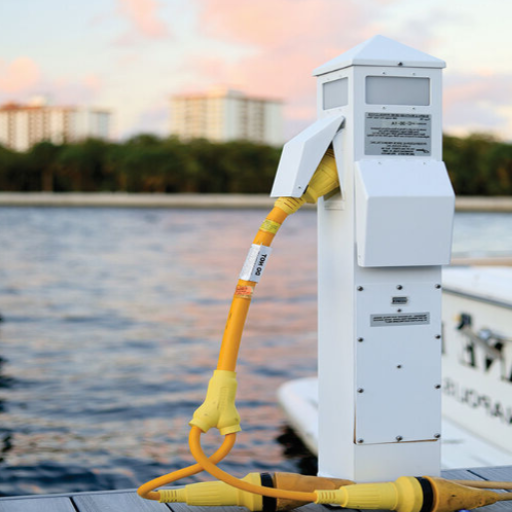
Standard marine power pedestals have become the most common and versatile way of supplying electricity to boats that are stationed at marinas. They usually come with one or more electrical outlets that are compatible with the boats’ connection and allow access to the power necessary for lighting, appliances, and other needs onboard. The design of these pedestals reflects the fact that they are usually equipped for withstanding the weather; have easy installation processes, and they are the most practical solution for the majority of marinas.
Standard marine power pedestals have their reliability and low-maintenance nature as the chief advantage. They not only usually come with a range of voltage outputs to meet the needs of various ship types but also include smaller recreational boats and larger yachts in their range. Moreover, they are designed with extreme marine conditions in mind, hence their durability and long service life.
Marina operators, in selecting a standard marine power pedestal should give priority to models that are in line with safety regulations and that are efficient in energy use. It is also beneficial to have units with built-in circuit protection and clear power indicators as these can enhance the safety of boaters while at the same time reducing the occurrence of electrical problems. By opting for high-quality power pedestals, marinas not only provide a reliable power supply but also partner in their customers’ positive experience.
Customized Power Solutions
Customized power solutions offer personalized features designed according to the particular characteristics of the marina such that it is both efficient and convenient for the user. Marina designing power systems that are meant specifically for the local infrastructure, size, and user requirements, can improve the performance of the whole operation and at the same time, diminish energy waste. These power solutions usually give the marinas power configuration flexibility which means they can change the power supply according to the varying vessel demands thus making the service for boaters consistent and reliable.
One of the major advantages of customized solutions is better safety. The custom-designed systems along with the necessary safety features, e.g., surge protection and fault monitoring, reduce the chances of accidents and loss of equipment truck. Moreover, the custom-made power systems ensure compliance with regulatory standards thus reducing the risk of non-compliance and building user trust and confidence at the same time. Safety and reliability form the backbone of a security, thus the habit of long-term usage and customer satisfaction is created.
Last but not least, customized power solutions are one of the key factors that will decide the marinas’ sustainability in the long run. The marinas, by integrating energy-efficient components and making use of the latest in renewable energy technologies, will be able to reduce their environmental impact and at the same time, lower operational costs. Custom systems also provide a smooth transition for scaling thus allowing the marinas to grow or modernize their facilities in line with the future requirements. This flexibility keeps marinas competitive in the market while providing outstanding service.
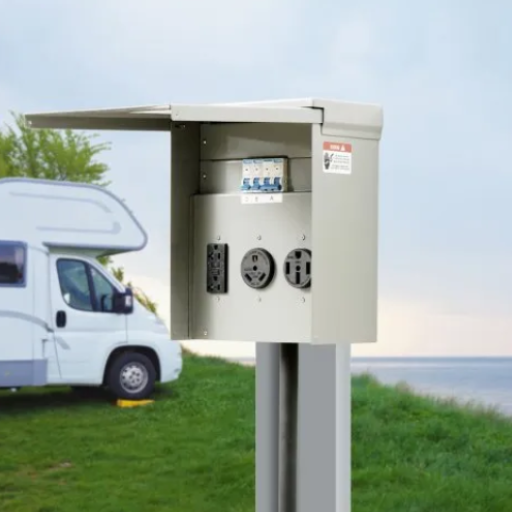
RV Park Adaptations
More and more RV parks are turning to sustainable and energy-efficient solutions that not only comply with the current environmental standards but also offer better services to their clientele. One of the major ways of going green is through the use of renewable energy sources like solar power, which can significantly decrease the operating costs of the RV park and at the same time lower its carbon footprint. Further on, the use of energy-efficient lighting and the installation of water-saving fittings result in the least amount of resources being wasted, which is very good for the environment and brings about savings in the long run.
The application of smart technologies is another important change. Parks for RVs are now incorporating systems where users can easily make a reservation, take control of utility services such as electricity and water, and even check the charging points for electric cars. The systems that offer such ease of use not only boost the satisfaction level of the guests but also help the park managers to control the resources efficiently and make the process smoother.
RV parks are planning their infrastructure in such a way as to be able to incorporate the future changes. They are already making arrangements for the larger RVs, installing the modern waste management facilities, and providing the whole park with internet connection. By being flexible and conservative at the same time, RV parks will not only encounter the changing customer needs but also keep their position in the market and contribute to the cause of environmental sustainability over time.
Installation Considerations
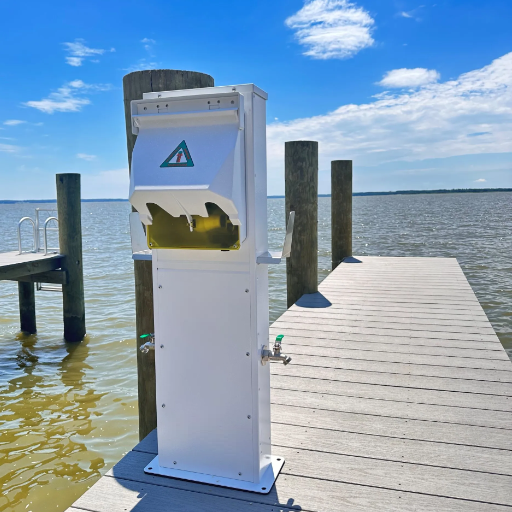
Site Assessment for Dockside Power Installation
It is absolutely necessary to perform a complete site evaluation at the very beginning in order to ensure a successful installation of the dockside power systems. Environmental factors such as tidal patterns, water currents, and the likelihood of being subjected to severe weather conditions should all be taken into consideration. Safety and durability of the power installations are largely dependent on these environmental conditions. Additionally, the power sources location should be assessed as it will have a direct impact on the complexity and cost of the necessary electrical connections.
After that, take a look at the existing infrastructure to check whether it is compatible with the new dockside power systems. Check the electrical systems, docks, and mooring points to be sure that the installation can be done there. This comprises of verifying that the electrical panels have enough capacity and at the same time confirming that the installation is safe and meets the regulatory standards. Time spent on proper planning in this stage will prevent few adjustments that may cost a lot later.
Moreover, it is time to talk to the stakeholders, such as marina managers and local authorities, about any specific needs or local regulations that might be in place. Technical requirements are met as well as the users’ expectations and operational goals are considered through the collaboration. The site assessment phase has systematically addressed these factors and has thus established the groundwork for a safe and productive dockside power installation.
Electrical Requirements and Safety Standards
A ship-to-shore power installation that is both safe and efficient must be constructed in strict conformity with all electrical requirements and safety standards. A proper voltage and current capacity must be calculated according to the particular requirements of the ships that are going to use the system. The electrical systems’ design and implementation which is guaranteed to be compatible and reliable is guided by the common standards such as IEEE 45 and IEC standards for marine applications. The local electrical codes must likewise be scrutinized and their integration into the planning process carried out.
Ground fault protection and correct earthing are of paramount importance in the prevention of electrical accidents and thus safeguarding the user. The installation of ground fault circuit interrupters (GFCIs) can cut down greatly the risks that come with electrical shocks. Besides this, the installation of high-quality, weatherproof, and corrosion-resistant components ensure the system’s continued functionality even under the harshest of marine environments.
Frequent inspections and maintenance will help prevent the system from going down by catching the wear or faults in the system early on. Equipping the personnel engaged in the operation or maintenance of the electrical installation with the right skills is also a major factor in accident prevention and regulation compliance. It is possible to achieve a safe and operationally effective electrical system at dockside facilities by observing these practices and aligning with the set standards.
Best Practices for Installing Power Pedestals
The installation of power pedestals at docks is a task that requires meticulous planning, adherence to the best practices of the industry and assurance of safety, reliability, and standards compliance at the same time. Below are the key problems together with installation recommendations:
-
1Site Assessment and Planning
Carry out a full assessment of the docking area for the purpose of power pedestals layout. Take into account the sizes of vessels, the configurations of slips, and the load requirements of the electrical system. Check that all local electrical codes, such as the National Electrical Code (NEC) standards in the U. S), particularly Article 555, which deals with marinas and boatyards, are being followed. Proper spacing and positioning will not only prevent congestion but also reduce the risk of accidents.
-
2Load Capacity and Voltage Requirements
Evaluating power demands is a good way to ascertain the right load capacity of the pedestals. A standard power pedestal will provide you with options such as 30A, 50A, or 100A connections to meet the different power needs of vessels. Make the pedestals dual voltage (120V and 240V) to serve the varied marine applications. Compatibility with the latest electric boats should be guaranteed and also the consideration of future power surge be given.
-
3Corrosion and Weather Resistance
Power pedestals, being in direct contact with the rough sea, call for a material that can resist corrosion, thus the use of stainless steel or aluminum with the latter having powder coating. Also, applying measures to waterproof the pedestals and adding UV-resistance will help prolong the pedestals’ lifespan and at the same time lower the maintenance needs. The sealing of connections must be done properly as it is the main way to keep water from entering.
-
4Integrating Advanced Features
When the installation is done, use the latest technology in smart power. Power pedestals of today usually have smart features such as energy metering, remote monitoring, and LED lighting. If you set up the units to provide real-time data on energy use and system performance, you can make sure that the operations are efficient and that the dock managers are keeping track of any trends.
-
5Electrical Safety Measures
To start with, GFCIs (ground fault circuit interrupters) should be installed in order to stop electric shock to people and to reduce the danger in humid places. In addition, surge protection should be installed for the pedestals, which will basically protect the entire electrical network in that area along with the assets inside the vessels from power surges. Regular inspection and testing should be done for the entire installation to ensure that safety is guaranteed and that there are no faults at all in the system.
-
6Environmental Considerations
Buy the power pedestals with the least impact on the environment in terms of energy consumption. Solar-powered models are being developed more and more to offer an environmentally friendly option along with the reduction in operational energy costs. Siting the waste collection points and water management systems will also be a good practice as they will contribute to making the dockside facilities more sustainable through practices that minimize adverse environmental impacts.
By implementing the best practices previously stated and utilizing the advancements in technology, dock managers will be capable of constructing electrical infrastructures that are not just secure and efficient but also future-proof.
Maintenance and Upkeep
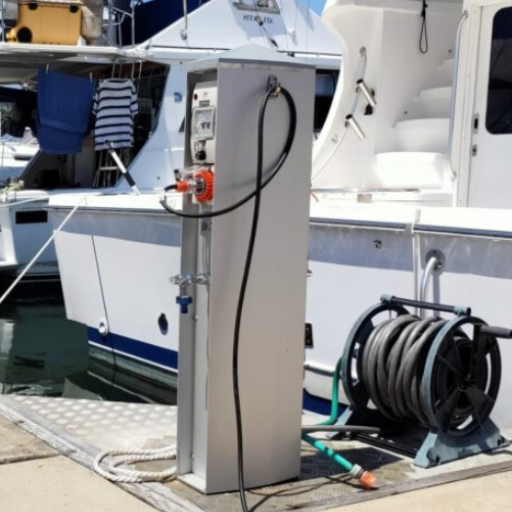
Regular Maintenance Tips for Power Pedestals
Perform Visual Inspections
The power pedestals should be subjected to a careful visual inspection on a regular basis to determine whether there are any indications of damage, corrosion or wear that might be difficult to detect. Pay particular attention to cracks, loose connections and wires that are not adequately insulated since these issues could pose a risk if not repaired soon. In addition, part of the maintenance will be cleaning and removing any obstacles around the pedestals which will ensure their proper working conditions.
Test Electrical Components
The electrical systems including circuit breakers, outlets, and surge protection must be tested on a regular basis to confirm that they are functioning properly. Use the right testing equipment to measure the voltage and to check that there are no overloading or irregularities. The prompt detection of electrical problems could save you from a costly repair bill resulting from larger issues that have developed.
Environmental damage protection
Power pedestals durability should be of utmost importance and waterproofing or sealing the most vulnerable parts from moisture would be a good starting point. Moreover, ensure that there is no debris or plants near the base of the pedestal that could impose unnecessary stress on the structure. These recommendations will be very insignificant when compared to the long-lasting operational silence you might enjoy.
If dock managers adhere to these regular maintenance tips, they will definitely have the power pedestals on the receiving end of being safe, reliable, efficient, and hence, a contributing factor to the overall sustainability and functionality of dockside facilities.
Common Issues and Troubleshooting
Power pedestals are still capable of incurring issues even when maintained correctly. The following are some frequent problems and how to resolve them:
No Power to Pedestal
If a pedestal doesn’t work, first, check the main power source. Ensure there are no tripped breakers and that the utility connection is fine. If the issue goes on, look inside the wiring for corrosion or damage and replace the defective parts. It cannot be more stressed that power must be turned off before starting any repair work.
Frequent Breaker Tripping
The two main reasons for a circuit breaker, to trip are overloaded circuits and holding electric appliances. Please check the total load at the pedestal and make sure it is below the rated capacity. Check for users with faulty devices and replace the defective ones. If the pedestal trips still with normal load, you should contact an authorized technician for a detailed inspection.
Water Damage or Moisture Issues
Moisture is a source of both corrosion and short circuits in the power pedestal. Always check the weatherproof seals and make sure they are working. To avoid future problems, clean, and wipe the affected parts, and put anti-corrosive agents on the less-damaged areas. Having protective coating is very important to avoiding future moisture-related problems.
Timely addressing of these common issues will guarantee the safety and reliability of dockside power systems. Regular inspections coupled with prompt repairs are going to be the major contributors to the long-term functionality of your pedestals.
When to Replace Your Marine Power Pedestal
The replacement of your marine power pedestal becomes a necessity when it has either completely lost its functionality and safety or when its repairs are insufficient. The most conspicuous of these are persistent electrical problems—like repeated tripping of breakers or inconsistent power delivery. If these issues are not corrected through regular repairs or maintenance, it could mean the internal components are going and the pedestal requires replacing.
Another important consideration is extremely severe physical damage. Pedestals that are broken, rusted or have lost their structural integrity may not be able to protect the area around them from the effects of nature or from the risks of electrical hazards. Such damage not only puts people at risk but also contributes to the decaying of the surrounding dock infrastructure if nothing is done. If the cost of fixing these issues is more than that of replacement, then removing the old pedestal and putting in a new one becomes the most reasonable solution.
Moreover, power pedestals that are out of date or old may no longer be able to comply with existing safety codes or the power requirements of contemporary boats. In case your marina is being revamped to manage electrical systems of higher capacity or is putting into practice new safety regulations, then the replacement of the old pedestals is a guarantee of both compliance and dependability. The use of regular inspections and monitoring helps in determining when your pedestal is about to reach the end of its useful life and is due for replacement in order to keep safe and efficient a dock management system reflected in the environment.
Practical Tips for Marina Owners
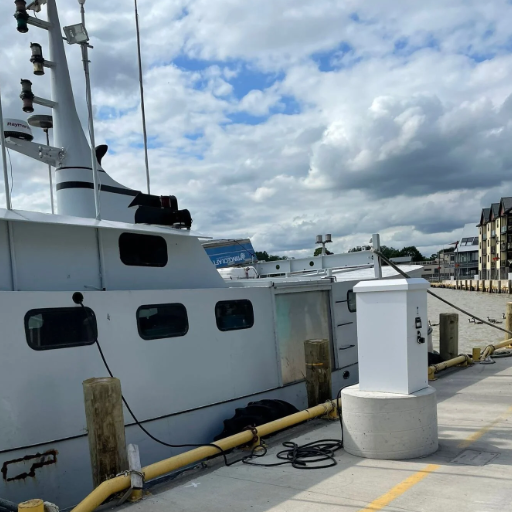
Customizing Your Power Pedestal Setup
The user-specific customizing of your power pedestal setup assures that your marina is not only safe and efficient but also comfortable for its users. First, look into the power requirements of the boats that frequently dock at your marina. The bigger boats may require larger capacity, therefore it is very important you select the pedestals that will provide the needed amperage and voltage without the risk of interference or overload. Offering a variety of connection types will enable your marina to serve a wider range of boats and users’ requests easily.
Then, think about the possibility of putting uppower pedestals that have also water supply lines, lights and built-in USB chargers for contemporary gadgets. The incorporation of such convenience features can not only draw more visitors to your marina but also remarkably improve the experience of the customers, who would then be more inclined to return. Moreover, the installation of energy-efficient lighting and usages of sustainable materials could result in a significant decrease in operating costs while still supporting the sustainability objectives.
To sum up, shield your power pedestals against extreme weather conditions and install safety devices such as circuit breakers and ground fault interrupters. Routine maintenance and inspections are very important to discover any potential problems and ensure that the equipment works uninterruptedly. Customization of the facilities should go hand in hand with both the users’ requirements and the safety standards, thus it will provide a striking reliability and a very convenient docking management system.
Enhancing Safety and Utility at Your Dock
The design and maintenance considerations must be given equal importance in order to make the dock very safe and handy. The selection of materials that could resist and last longer than the environment such as water, sun, and temperature changes should be the first step. Non-slip surfaces should be selected to lower the risk of accidents especially during rain or snow. In addition to lighting, railings or bumpers can contribute to safety by preventing falls and protecting boats during the mooring process.
Lighting is a crucial aspect for safety and usability alike. Dock lights should be installed in sufficient numbers such that the dock remains visible even during the night or Jbad weather. The use of solar-powered or energy-efficient lighting will significantly reduce your electricity bills while still being very effective. Moreover, correctly placed lighting will not only enhance the boarding accuracy but also make the movement in that area safer.
Moreover, the incorporation of user-friendly features can do wonders for the dock’s utility. Some of these features are cleats that are located at convenient distances for boat tying, marine equipment storage, and having water and electricity connections installed for your convenience. The regular inspection and maintenance of these parts is the condition under which the dock remains functional and safe for use in the long run.
Choosing Accessories for Your Power Pedestal
In the process of switching over to the power pedestal, selecting the various accessories becomes a task that should be handled with extra care considering the reliability and comfort perspectives at the same time. Initially, you can narrow down the suitable features according to your needs, for example, if you want more power outlets to connect several devices and lights with low watts for safety and visibility in the dark. These pluses will make the power pedestal more adaptable and user-friendly.
Another accessory that is very important to consider is the weatherproofing features. It is advisable to go for covers or enclosures that can withstand weather conditions, as they would not only act as barriers for the protection of the power pedestal and its components from external harmful factors but also help to maintain safety standards and shorten their lifespan. Surge protectors are also highly recommended since they will not let power spikes or fluctuations have a bad effect on your devices or electrical systems.
All in all, try to opt for accessories that will not only maintain but also improve overall usability. A smart monitoring system, for instance, informs you of energy consumption in real-time, which can assist you in managing your energy use in a very efficient manner. Accessories such as built-in cable managers can keep wires neat and tidy, thus reducing the risk of accidental tripping or damage. With these accessories that have been thought of well, your power pedestal will be suitable for reliable and efficient performance in any environment.
Frequently Asked Questions (FAQ)
Q: What is a marine power pedestal and why consult a Marine Power Pedestal Buying Guide?
A: A dock-mounted marine power pedestal is a device that provides shore power, which generally includes receptacle outlets, metering, and circuit protection for boats and RVs in marinas and campgrounds. This equipment is expensive to purchase and maintain but the Marine Power Pedestal Buying Guide gives you a hand in comparing dock power pedestals, marina panel options, and features like 100 amp capacity, electrical configuration choices, and whether pedestals provide GFCI protection and UV-resistant materials for consistent performance or not.
Q: What standard features should I expect on dock power pedestals?
A: Standard features mostly are several receptacles (30A/50A/100A) circuit breakers, metering unit, a lockable cover, and corrosion-resistant finishes, for example, SS or resin housings; several manufacturers such as Eaton and international dock products give options with Eaton power pedestals linked to quality dock engineering and dependable performance.
Q: Can pedestals be customized for different electrical configurations and special uses?
A: Yes, power pedestals are provided with adjustable electrical configuration, plug types and bracket or wall mount ways; besides that, they are designed to accommodate marina panels, deckhand shore power setups, RV campsite hookups and dock boxes integrations thus electricians can modify units for newport camp mate installations or firefighting and harbor needs.
Q: What safety and installation considerations should an electrician or engineer review?
A: An electrician or engineer should ascertain load calculations, grounding, GFCI protection, conduit routing, mounting brackets, and compliance with local code; make sure that the pedestals do not only provide metering and circuit protection suitable for 100 amp or other ratings, and also select quality marine and international dock products to provide reliable power and minimal long-term maintenance.
Q: How do Eaton power pedestals and other brands compare in reliability and support?
A: Eaton power pedestals and other similar reputable manufacturers guarantee consistent performance, documented electrical configuration options, and parts support; it is necessary to consider warranty, service convenience, marina panel system compatibility, and whether pedestals have modular components for dock products and dock power integrations.
Q: What accessories and installation options improve usability and longevity of dock power pedestals?
A: Handy accessories include dock boxes for cable storage, UV-resistant covers, custom brackets, lockable receptacle covers, marina panel expansions and replacement plugs; selecting quality dock products, right bracket or wall mount hardware, and corrosion-resistant materials will enable pedestals to deliver trusted power and extend service life.
References
- A Student’s Guide to Buying Tools – Advice from Marine Systems
This guide includes practical advice on tools and equipment, including considerations for shore power pedestals, making it a useful academic resource. - Marine Power Pedestal Market Analysis – Market Size and Trends
A detailed market analysis providing insights into the current state, growth prospects, and trends in the marine power pedestal market. - Marine Power Pedestal Market’s Evolutionary Trends 2025 – Data Insights Market
This report offers a comprehensive look at the market’s growth trajectory, technological advancements, and future projections. - Marina power pedestals Manufacturer and Supplier in China