Category Archives: Jiya Blog

Your ultimate source for insightful articles, practical tips, and the latest updates across various topics. Discover, learn, and find inspiration every step of the way!

Marina Power Pedestal Installation Guide: NEC 555 Requirements

It is crucial to adhere to safety and regulatory standards when installing marina power pedestals, specifically when relating to NEC 555. Whether an operator or dealer, or indeed, an electrical worker, compliance with the legal and physical conditions specified in this standard is of utmost importance in delivering a right and safe power supply to its vessels hardened in the docking. The goal of this book is to provide clarity on how NEC 555 works, therefore this book goes through the processes of proper installation. From load calculation to grounding, we shall break down the major requirements, and you can avoid usual mistakes and ensure that your marina works and is compliant. Proceed to equip yourself with the literacy needed to perform an appropriate installation according to the NEC 555.

Understanding Marina Power Pedestals

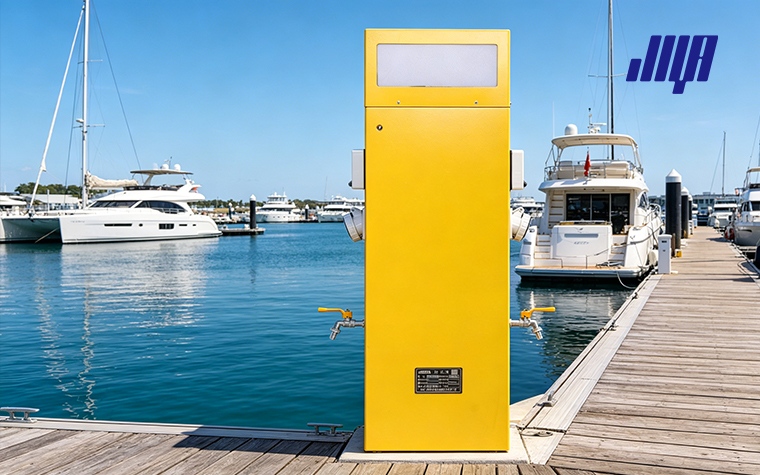
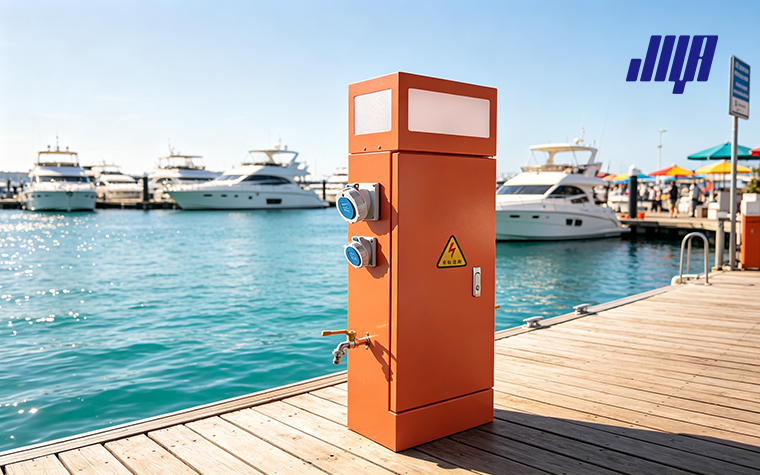
Marina power pedestal installation on floating dock, following NEC 555 electrical safety requirements for yacht docks

What is a Power Pedestal?

A power pedestal is a device installed at marinas to provide electrical service and other utilities to boats docked at the facility. It is primarily used to distribute shore power to be availed of via switchboard detour by any boat from individual compartments. This switchboard takes into account cable pay-in as a means to establish a connection to shore power, thus permitting boaters to supply power for equipment, lighting, and all onboard appliances without the need to start an onboard generator. Power pedestals are designed to efficiently and safely distribute power to recreational as well as commercial vessels.

These power pedestals are generally equipped with various power receptacles to cater to the power requirements of different vessels, including standard 120V devices or fully-seaworthy 240V connections. Especially if these may happen to provide the necessary services, some of these might also include a water tap, lighting, or any possible combination to take on extras, such as internet or cable television, or exercise stricter demand control.

Power pedestals’ safety takes the first place in discussions about them. These units are meeting the requirements and criteria established by the National Electrical Code (NEC) and necessitate correct grounding, waterproofing, and sturdiness. Their use is a must in marinas, as they can eliminate risk, and at the same time, provide various services to the ships anchored there.

Components of a Power Pedestal

Well, a power pedestal is made of several significant elements, which ensure provision of such life, convenience, and safety to the users in marinas or RV parks.

Power Sockets:

The electrical panel unit has several standard electrical sockets (outlets) of various amperages. Often, power pedestals offer either a 30-amp or 50-amp service; power pedestals with 100-amp services are also common. This wide range of services provides users means of legal power supplies for their boats or RVs. Hence, the best power pedestals are extremely durable when in everyday exposure to weather and put in action by default to give steady-voltaged power to your sockets.

Breakers:

Circuit breakers installed in power pedestals can operate by trip, thereby switching off power in the face of endangering overloading conditions. These circuit breakers of power pedestals conform to NEC regulations so that the safety of the user and the equipment is not jeopardized.

Metering Options:

Advanced versions of power pedestals are equipped with metering systems, which may include smart meters. These systems are designed to measure and record consumption of energy, which is crucial for accurate invoicing by marina or RV park administrators. The integration of IoT-enabled metering is documented in some new reports as growing at 7.5% per year.

Lighting Fixtures:

Some pedestals have high-intensity LED lighting, improving visibility for late-night usability at the cost of energy-saving efforts and safety for users. LED lighting is mostly preferred for contemporary reasons to provide stability, be cost-efficient, and use less energy compared to regular options.

Water Services:

An onboard potable water hook-up or source is occasionally supplied through select pedestals to make water available to boats or RVs. The connectors are generally crafted from materials that resist corrosion for maximum life.

Weatherproof Enclosures:

These power towers can be reached by use of smart technologies and security-minded design. With continuous evolvement in marinas as well as within RVs, the energy-profit industry has been crying out loud with sellers persistently coming up with simple cocktail of features to keep making them smart and energy-efficient.

Importance of NEC 555 Compliance

It is paramount that the electrical systems in marinas and similar places be safe and operate properly by complying with NEC 555 levels. The regulations are imposed to rule out electrical shock, fire, and equipment deterioration as the main hazards. That is why, by adhering to the codes, marinas can guarantee the safety of not only the people around but also their possessions, thus reducing the likelihood of accidents happening or costly repairs being necessary.

One of the significant issues regarding NEC 555 compliance is the prohibition of electric currents that were not intended for water as these can be a serious danger for both swimmers and sea creatures. Adhering to NEC 555 with regard to installation, maintenance, and grounding of electricity throughout the process will greatly minimize the likelihood of electric shock drowning occurring and thus the overall marina’s safety during water activities.

Furthermore, marinas adopting NEC 555 guidelines will witness their electrical systems having a longer life span and being more efficient. The cost implications of non-compliance range from premature equipment failure to increased power consumption thus raising the operating costs. Imposing these standards allows the marinas to enjoy cost-effective operations while earning the users’ trust by making safety and reliability their main concerns.

Installation Instructions for Marina Power Pedestals

Licensed electrician installing marina shore power pedestal, meeting NEC 555 wet location installation specifications

Preparation for Installation

The first step that has to be done prior to the marina power pedestals installation is site preparation. The power pedestals will not be secure and the whole installation will be ineffective if there is no proper preparation. Check the installation area for possible obstructions or hazards that could interfere with the panda’s setting up. The ground must be stable and level to support the weight of the pedestals. In addition to this, check if the site meets the electrical and safety standards to avoid any problems during or after the installation.

Then, tools, equipment, and materials needed for the installation process must be gathered together. These usually include wire strippers, connectors, and voltage testers as part of the standard electrical tools, and also, mounting brackets and sealants as hardware essentials. Check whether the delivery of the power pedestals is done and if all components are there according to the equipment checklist provided. This step of preparation makes it possible for the process to go on without the interruption of missing or damaged parts.

Lastly, examine the site’s electrical system. Check the location of the power lines, ensure that they can supply the correct voltage and current for the pedestals. For an easy and rapid connection, all wires and cables should be marked and arranged properly. It would also be advisable to notify the people nearby about any difficulties that might arise during the installation process. A systematic and meticulous preparation phase is a prerequisite for the smooth and compliant installation of marina power pedestals.

Step-by-Step Installation Process

  1. Site Assessment: First, check the site to see if it is appropriate for installation by assessing if it meets all electrical and safety codes. Verify also that the chosen locations for the pedestals are free of hazards like high tides and traffic. Check the ground and decide on the exact spot for each pedestal installation.
  2. Electrical Preparation: Power at the site should be enough to cover the pedestal’s needs. Check the power lines and ensure that they can deliver the right voltage and current. Make the necessary circuit breakers and grounding systems installation to meet the safety standards. All cables should be labeled clearly to make maintenance easier in the future.
  3. Pedestal Installation: Pedestals should be attached in their assigned places using proper mounting tools and hardware. Ensure they are firm and flat. Make wiring connections to each pedestal according to the manufacturer’s guidelines and triple-test connections to eliminate the risk of malfunctions.
  4. Final Testing: Test all the pedestals after the installation to confirm their proper functionality. Look for problems like power fluctuations or wrong voltage delivery. Solve any issues that are discovered before the system is fully operational. Lastly, inform the users about the installation completion and give them instructions on the power pedestals’ safe usage.

Common Tools and Materials Needed

The whole installation process of power pedestals will be more efficient and more accurate if various essential tools and materials are incorporated in proper installation of power pedestals. The basic tools are screwdrivers, pliers, and wire cutters, which are used for making connections and securing components. Furthermore, a multimeter is very important for voltage measurement and electrical connection verifying to avoid faults.

The electrical cables and conduits, which are the main materials, perform the job of taking electrical power around the system as well as protecting it. The latter two items along with the waterproof connectors and the weatherproof covers are the absolute essential items for the products not to spoil and the installation not to be ruined by environmental factors such as rain and humidity. Fastening hardware consisting of screws and bolts, in conjunction with mounting brackets, is necessary to firmly secure the pedestals.

Safety gear is a must, and among the items that should not be neglected are insulated gloves, safety glasses, and grounding tools which are crucial for the protection of the workers during the installation. Getting all the tools and materials needed for the installation beforehand will help the work to go on smoothly and will also help to reduce the chances of delays or mistakes.

Best Practices for Pedestal Installation

Marina power pedestal wiring diagram showing proper grounding and bonding required by NEC 555 code

Choosing the Right Location

The location of the pedestal installation must be properly selected as it is the main factor for functionality and long-lasting. First, check the ground conditions. A place with stable and flat soil is recommended so that there is no tilting or shifting of the pedestal over time. Do not settle for places with flooding or very wet conditions since these can affect the installation adversely.

Second, think about accessibility and safety. Access for maintenance and operation should be easy but also hazards minimized. Do not put pedestals in places with a lot of people passing by or near things that might limit their use. Make sure that also the site meets the safety requirements and regulations.

Last but not least, remember environmental factors. Wind, sunlight, and temperature changes arehe environmental factors that might play a role in the pedestal’s durability, thus, its location is a major factor to consider. A good method to mitigate the effects of these risks and prolong the pedestal’s life would be either to install it in a sheltered spot or to cover it.

Height and Position Considerations

First of all, the height of the pedestal must be such that it will be accessible and safe in all its functions. An example of how a pedestal can inhibit its usability and at the same time create ergonomic problems is where the pedestal is either too high or too low. The height needed for the pedestal’s specific application should be measured and user interaction should be considered to select an appropriate height.

On the one hand, the positioning of the pedestal demands an intensive assessment of its surroundings. The chosen location for the pedestal should be spacious enough to permit the movement and use of the pedestal. Do not place it in limited or blocked areas because it would limit the pedestal’s usage. Besides, consider the target audience and make sure that the pedestal is not only visible but also reachable.

Lastly, the structural support that will be required for both the height and position of the pedestal should be taken into account. Tipping or instability caused by a lack of a stable and level base that has been adequately maintained can, in fact, happen in high traffic or outdoor areas. Regular maintenance and inspection can also help to identify the potential positioning problems over time and thus prolong the life and safety of the pedestal.

Proper Grounding Techniques

Grounding techniques that are done properly are very important for the safety, purpose, and life span of any structure or system. Grounding establishes a connection between the earth and an object, a device, or a system in such a way that the electrical current can flow through the created path and efficiently dissipate thus no electrical-up build up or no surges of electricity that can be dangerous. Because of this process, electrical shocks, equipment damage, and fire hazards are considerably reduced.

In order to carry out proper grounding, first, the selection of right materials and equipment like copper rods or grounding plates that are very good conductors and are less prone to corrosion must be done. A grounding system should then be firmly connected to a ground electrode, which is buried very deep in the earth, so that there is a very good electrical contact. Low-resistance pathway to the ground has to be maintained using well-secured wire and connections. It is also very important to place grounding systems in areas where they are most unlikely to be affected by conditions such as wetness, soil shifting, or even human intrusion.

Grounding systems are regularly inspected and maintained which is also very important since it ensures safety and effectiveness over a long period. The grounding connections might become compromised through corrosion, physical wear, or the environmental factors over a period of time. Testing with the right tools like a ground resistance tester can confirm the system’s proper function and reveal any areas that need repair. If these techniques are followed, grounding systems can be a reliable source of protection and also augment the overall safety and performance of electrical or structural installations.

Challenges and Solutions During Installation
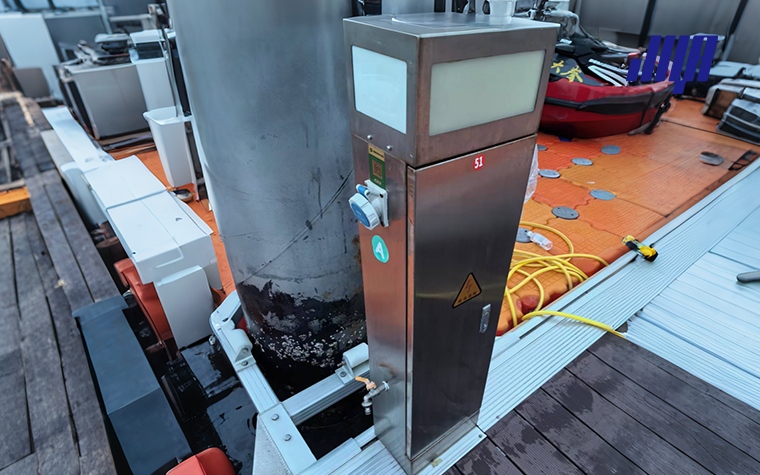
Diagram illustrating NEC 555 datum plane and minimum mounting height requirements for marina power pedestals

Common Installation Issues

Power pedestal installations are vulnerable to various issues that impact their reliability, functionality, and safety.

Among them, the most frequent one is bad site preparation, where improper leveling and compaction of the site lead to instability. Besides, poor alignment in the installation process can make the pedestals uneven and this has a negative effect on both the looks and functionality of the installation.

Another issue that is frequently talked about is the poor connections of the wires. Wires that are not tight or labeled may create faults in the system that will eventually cause power cuts, breakdowns, or even the possibility of accidents. Moreover, the violation of local electrical laws and standards may result in the getting problems with non-compliance or paying fines. Also, the environmental factors like moisture or very high temperature may help in the speedy decaying of the pedestal if it is not protected from the weather appropriately.

Grounding is necessary for electrical safety when power pedestals are involved. Not applying it or using very little grounding material might cause fantastic troubles like electric shock or damage to the equipment. Installation testing is always considered to be insufficient, which leads to faults or inefficiencies not being discovered until a later, unproductive, and costly stage.

Tips for Efficient Installation

  • Plan the Layout: The installation process should not start without a good and detailed plan already in place. When the layout is being prepared, the location of the power pedestal should be evaluated based on the utilities, safety, access, and also the location’s specific requirements. Great planning not only reduces the chance of making mistakes but also ensures that the local regulations are followed.
  • Select Quality Materials: It is logical to choose the best power pedestals along with the weatherproof conduits and fittings. Since these corrodible and well-coated products come with long-lasting installations, they will also make maintenance less frequent.
  • Site Preparation: Proper site preparation is a very important and good step in the whole process as it often gets overlooked. Dig and clean the area where the power pedestal would be set so that it can be stable. The concrete or any other suitable material to form a firm base will make sure that the pedestal is not moved or tipped over in the coming years.
  • Adhere to Electrical Codes: Local and national electrical codes (such as the NFPA 70 National Electrical Code in the U. S.) must be complied with in order to consider the operation safe and legal. Grounding methods, wire sizing and protective circuit breakers installation are the areas where special care should be taken.
  • Wiring and Connections: Wires should be carefully routed and proper connections made using the designated terminals on the power pedestal. Underground applications require appropriate cable types such as direct burial-rated cables, and proper sealing should be employed to keep moisture out.
  • Install Surge Protection: To connect devices to the power pedestal, install surge protection systems inside the power pedestal. This will protect sensitive equipment from voltage spikes resulted from lightning or power surges.
  • Test the System: Make sure to carry out a full diagnosis on the system once it has been put in place to ensure every circuit and outlet is getting the right voltage, current and functioning properly. If any irregularities are found, they should be rectified at once so that the operation will not be affected in the future.
  • Labeling and Documentation: Circuits should be marked very clearly and a complete record of the installation process should be kept. This will not only help in troubleshooting or upgrades in the future but will also ensure that users can operate the system safely.

By strategically planning and adhering to best practices for installation, you are going to get a power pedestal setup that is not only efficient but also durable and suitable for various applications.

Final Checks and Maintenance

Weatherproof marina power pedestal installed on floating pier, fully compliant with NEC Article 555 electrical requirements

Inspection of Installed Pedestal

The power pedestal’s proper inspection after installation is an absolute requirement for its safe and effective functioning. First of all, carry out a structural visual inspection looking for such physical defects as cracks, corrosion, or loose parts, which may have created a safety risk indeed. Moreover, external parts, such as covers and seals, need to be intact and properly fastened to guard the system from environmental threats, e.g. rain or dust.

Then, proceed to the testing of electrical connections and components to verify the proper operation. With the help of suitable testing devices, check that all circuits are carrying the precise voltage and have no faults at all. Be aware especially of the grounding system since the ground connection is safety-critical. It is also advisable to check the outlets’ operation and whether they are up to the standards applicable for their usage. In case of any irregularities, do not hesitate to apply the troubleshooting procedures set forth at once.

To conclude, check the installation papers and confirm that the pedestal meets local regulations and codes. Make copies of all the inspection results along with the maintenance or repair activities for future reference. Regular checks and maintenance will not only increase the lifetime of the equipment but also avoid unexpected breakdowns and guarantee safe, dependable operation in all applications.

Ongoing Maintenance Recommendations

For the power pedestal to be installed without any issue and to work properly, one must strictly observe these maintenance recommendations which have been laid out as follows:

Inspect Connections Regularly:

Make it a rule to inspect the whole electrical connections frequently to know their tightness and to check if they are not damaged or corroded. Loose or corroded connections could be the reason for inefficiencies or, even worse, safety problems. Tighten connections whenever needed and also, replace parts that are significantly worn out or are damaged.

Test Equipment Functionality:

From time to time, power pedestal testing should be done to ensure that the power outlets, circuit breakers, and safety mechanisms are functioning properly. Electrical testing tools can be used to confirm power output and detect any faults. Any problems identified should be dealt with immediately to prevent long downtimes.

Clean and Protect Components:

The pedestal should be maintained in a clean condition by periodically taking away foreign materials like debris, dust, and moisture which may take place over time. Ensure that the right cleaning agents are being used so that the components are not damaged in any way. Ensure that the protective covers and seals are present so that no water can come in because water can cause electrical failure through its ingress.

The power pedestal will not only be reliable and safe; it will also have a long life-span, if its maintenance is done according to these recommendations.

Frequently Asked Questions (FAQ)

Q: Power pedestal installation, what is it and what’s its main description?

A: The power pedestal installation means that a stationary electric pedestal is placed at the marina or dock, and it is meant for supplying boats with shore power. The primary description generally consists of pedestal design, inner parts, supply wires and the manner in which the pedestal is employed to deliver dependable AC power to boathouses, luxury yachts, and every kind of shipping.

Q: How to install a power pedestal correctly, will you tell the correct installation procedure?

A: The right power pedestal installation consists of site preparation, one concrete base, and hooking up supply wires to the internal wiring of the pedestal thereby creating the power pole, grounding, testing, and circuit labeling. In the forthcoming article, and through the resources that will be shared, you will get to know the different steps involved in the installation of lighthouse-style pedestals as well as the safety checks required to make sure that the pedestal is used to provide safe shore power to ships.

Q: Are there any videos or YouTube tutorials that demonstrate how to do a power pedestal installation?

A: Certainly, there are quite a few installers and manufacturers who produce a video showing the step-by-step process of installation that is posted on YouTube. Try to find phrases like “power pedestal installation video” or “how to install a pedestal properly” to see visual demonstrations that illustrate the mounting, wiring, and testing of pedestals being used to provide shore power.

Q: What are the minimum electrical requirements that I need to know before going for a power pedestal installation?

A: The minimum requirements generally include conduit size, conductor ampacity, breakers and grounding and bonding specifications. Additionally, the local electrical codes specify minimum standards for pedestals that supply shore power to vessels. Therefore, consult the code and documentation of the pedestal model before you start the installation.

Q: Power pedestal installation should be for all sizes of vessels, right from personal boats to luxury yachts?

A: Certainly, if they are well designed, the pedestals will be able to confer shore power to all kinds of vessels. Less powerful pedestals can be dedicated to personal boats, while the larger, stronger ones with increased supply conductors and more outlets will just be providing electric power to awe-inspiring yachts and big ships.

Q: What are the precautions and tests that need to be carried out after the power pedestal installation?

A: Measure insulation resistance; check right breaker functioning; ascertain the state of grounding; and if applicable, GFCI/RCD devices should be set and tested as well. A video tutorial can guide you through testing strategies and recognizing common issues related to either internal wiring or supply conductors.

Q: Where can I acquire useful info about power pedestal maintenance and long-term care post-installation?

A: Get your knowledge from the manufacturer’s manual, online video resources, and the professional courses. The pedestal should be inspected regularly for the condition of the cover, corrosion of internal parts, and the state of supply conductors. Maintenance instructions typically cover cleaning, tightening of connections, and replacement of old components in order to keep up the safety of the pedestal for the vessels receiving shore power from it.

References

  1. UNLV Power Pedestal Installation Requirements
    This document provides detailed installation requirements for power pedestals, including placement and alignment.
    Read more here
  2. University of Michigan Electrical Standard Details
    Includes guidelines for electrical installations, including power pedestal setups.
    Read more here

  3. Eastern Michigan University Electrical Standards
    Covers construction standards for electrical installations, including power pedestal placement and specifications.
    Read more here

  4. Top Power Pedestal Manufacturer and Supplier in China

Shore Power Pedestal Maintenance: Annual Checklist

The shore power pedestal maintenance is crucial when you are striving to bring the power to the marina, reliable power that is still safe. Shore power pedestals are first responsible for transmitting power to boats, necessitating that they be properly maintained, not only for the safety of the boatowner but also to guarantee the longevity of the equipment. This article will provide you with an extensive annual maintenance checklist to follow in order to keep your shore power pedestals up and running all year round. These precautions discussed here will place you, be it in the role of marina operator or boat owner, light years ahead when it comes to eliminating sudden breakdowns, extending the life of the pedestals, and beefing up safety in general. Everyone should read about best known practices and prioritize primary responsibilities to be included in the routine maintenance program.

Importance of Regular Maintenance for Power Pedestals

Annual maintenance checklist for marina and RV shore power pedestals, routine inspection and service guide

Safety and Compliance Considerations

The security measures for the shore-power pedestals are very important as it acts as one more guarantee for the safety of users and the equipment.? The key among numerous methods of detecting and mitigating electrical hazards by inspecting all potential trouble spots from fraying to corrosion to worn or disconcerted wiring ought to be maintenance. As such, electrical fires, damage to equipment and very serious injury to people can result from ignoring these issues. Frequent inspection of pedestals by marina staff will not only eliminate risk but also improve safety for boat owners.

Another major factor is the adherence to local and national electrical safety standards. Compliance with these regulations not only ensures that the pedestals are functioning safely under the set limits, but also alleviates the concern over liabilities for the marina operators. Making it a priority to continually inspect and update so as to be in agreement with the current codes is a significant step in keeping away from any legal or financial consequences.

Proper maintenance besides ensuring safety and compliance, increases the longevity of power pedestals. Keeping them in top condition lessens the likelihood of incurring costly repairs or replacements. The adoption of these practices into the routine planning is a win-win for marina operators and boaters; it not only assures the reliability and safety of power solutions for all users but also makes that the case.

Extending Lifespan and Reducing Long-Term Costs

Regular maintenance is the essential support for prolonging the life of power pedestals and reducing their total cost. Moreover, inspections should be conducted to detect and rectify issues before they escalate such as corrosion, damaged wires, and loose connections. Internal components can be protected and their lifespan increased by cleaning the pedestals of dirt and keeping them well-ventilated.

In addition, a more expensive yet effective approach is to use premium raw materials and protective coatings that can safeguard the pedestals against extremely harsh environment like salty air or sunlight. The selection of the weather-resistant and hard-wearing materials guarantees their functionality and lowers their repair rate in the long run. Furthermore, if pedestals are positioned in places with proper drainage, the risk of water damage is reduced, especially in marinas.

Lastly, a pre-arranged maintenance plan can effectively mix the repairs and lengthen the lifespan of the devices. It encompasses electrical output tests at regular intervals, changing of the parts that have worn out, and keeping of very precise service records. Operating in a preventive manner will not only cut down on unanticipated costs but also ensure the uninterrupted delivery of service to the users, which in the end, is a contribution towards cost-effectiveness and efficient power management that last for a long time.

Common Power Issues and Risks

Power systems come with a lot of problems, but the most common ones are power surges, outages, and voltage fluctuations. The sudden increase in electrical voltage is called power surges, and using such devices without proper protection can ruin them. Outages, regardless of their cause – storms, technical failure, or human error – are the most common types of interruptions and may affect the operations of both commercial and residential customers resulting in losses. Voltage changes, in another light, can drive connected devices to unstable states resulting in decreased productivity or total loss.

These risks are mainly caused by unpredictable factors like extreme weather, poor infrastructure, or lack of proper maintenance. For instance, a power line near a tall tree could lead to outages, while an aging electrical grid could be the cause of reliability issues. Moreover, overloading circuits or connecting devices that are not compatible with the power supply can initiate internal power problems and in that way create even more inefficiencies.

The exposure of these risks necessitates a treated mix of preventive actions and regular system inspections. Surge protection means could be utilized to prevent electrical surges from getting into the devices, while uninterruptible power supply (UPS) systems or backup generators can also ensure the operation of the equipment during power failure. Regular maintenance of electrical systems plus observing safety regulations can minutely decrease the chance of these problems cropping up thus offering a longer period of stability and dependability.

Annual Maintenance Checklist for Shore Power Pedestals

Technician inspecting outdoor shore power pedestal, checking casing, sockets and seals for annual maintenance

Inspecting Electrical Connections

Regular inspections of electrical connections are inevitable as safety is not just a preference but a must to preserve the system and prevent equipment failure. When starting inspections, the power supply to the pedestal must first be turned off so that there is no risk of electric shock. All of the visible connections need to be inspected for corrosion, loose fittings, or if they are slightly worn. Discoloration or build-up of some brownish sort around the connections is usually an indication that the connections are corroded. A loose fitting would mean some kind of air in the connection, which could cause overheating, and then, damage.

Next, a multimeter should be used to take readings from all the wires so that they are within their voltage and continuity ranges in case an electric power supply has shorts that may cause bypassing of current. When a voltage range in the connections and continuity is recorded as expected, the electrical power supply will have been properly delivered and the circuit will have been found to be in an adequate state. A special concern during the inspection would be given to the condition of wires or cables from the circuit, for example, if insulation is installed poorly or if the cores remain exposed. Any such combination will mean danger, i.e., an unsafe electrical system.

For cleaning such corroded connections and ensuring that all the female ends are very properly tightened against the connectors, you should apply a commercial-strength contact cleaner to these connections. If the damage is severe, the defective components should as a matter of course be replaced so that the safe operation of the system may be ensured. With the practice of making these parts of the annual maintenance routine, the working lives of shore power pedestals will be extended so that they will continue to perform well.

Checking for Corrosion and Weather Damage

The first step in identifying corrosion and weather damage to the pedestals for shore power is to carry out a visual inspection. Metal surfaces are the ones that should be looked for the signs of corrosion, among these are rust, discoloration, and pitting. The checking for extreme weather damage should also include the looking for cracks, warped parts, and other similar signs that are associated with such damage. Besides, it is good practice to examine both external and internal components of the system, if possible, for their condition.

After the signs have been physically noted, the next step is to test the electrical connections and the outlets to check if they are functioning. The presence of corroded contacts or bad wiring can lead to the emergence of either performance or safety issues. A multimeter should be used to measure trace voltage levels or to check from that there are no interruptions in the electrical flow. It is crucial that the functioning of the outlet and every connection is verified to be the same and there is no indication of overheating or arcing.

To end with, the application of protective solutions like anti-corrosion sprays or weatherproof seals wherever applicable will aid in the prevention of future damage. Washing and routine inspections of the pedestal at least once a year or after extreme weather events will be effective in maintaining durability. Carrying out regular maintenance prioritizes not only safety but also the extending of equipment life.

Testing GFCI Functionality

The first thing is to put down an area to be used in testing the Ground Fault Circuit Interrupter (GFCI) because it should be safe and dry for it to be tested in whichever case. Plug in an electrical device, like a basic lamp, to see whether the light turns on when plugged in. Once there is power on the outlet and the GFCI is assumed clicked, locate the “TEST” button and “RESET” button on the GFCI outlet.

Click on “TEST” – if the device connected goes off, becoming an indicator that the GFCI has tripped off, then it is highly probable that the GFCI is functioning well, may also indicate that the GFCI is operating normally. After all, if the device is still power on, it may be the GFCI is crooked or not working right, and it shall be got fixed or replaced by an electrician.

After performing a test, press the “RESET” button to reset the power to the receptacle. If the device is powered back up, it would confirm that the receptacle has been reset properly. It is also a good practice to inspect electrical outlets from time to time regarding functioning of GFCI such that once or every month, in order to guarantee ground faults are not overriding electrical safety.

Identifying Common Issues in Dock Power Pedestals

Electrician performing voltage and ground testing on shore power pedestal following annual maintenance checklist

Signs of Damaged or Worn-Out Wiring

If the wiring in dock power pedestals gets damaged or worn-out, it can lead to serious safety issues and unreliable electrical connections. One of the main signs of such wiring is visible wear including frayed or exposed wires, which may be due to aging, environmental conditions, or physical damage. In addition, insulation that is discolored or has melted is another critical sign of overheating or too much electrical current, thus alerting one that a potential hazard exists which needs to be taken care of without delay.

Another common problem with power delivery that is associated with bad wiring is flickering lights, tripping circuit breakers, and outlets that do not give good electricity. Such problems may be caused by damaged wires in the pedestal. The smell of burning, unusual sounds such as crackling, or even sparks are signs that the wiring could be breaking down or not working right.

To recognize and treat these problems early, it is very necessary to conduct frequent inspections. A licensed electrician should be informed about the areas that have been damaged, electrical performance that has been inconsistent, and smells that are out of the ordinary. Rapid response not only ensures safety but also benefits the dock power pedestal by allowing its electrical components to be degraded no more, thus prolonging the pedestal’s life.

Loose Terminals and Their Implications

The presence of loose terminals in a dock power pedestal can have dire consequences in terms of safety and performance. If the terminals are loose, that means weak spots in the circuit and thus, more or less, the power supply will be switched off and on automatically. This may cause the corresponding appliance or device to malfunction or completely go out and the users to suffer the inconvenience of not being able to use them.

In addition, the loose terminals situation is not only power cuts but also they might turn into fire since the electrical resistance has increased. If this is repeated, the power pedestal will finally burn and that will be a potential source of fire. Moreover, the heat might also penetrate and ruin the internal components of the power pedestal making it unrepairable or necessitating total replacement. This reason alone is enough to warrant quick detection and correction of loose terminals.

To get rid of this issue, regular inspections of this kind should include checking if the terminal connections are securely fastened. Using the proper tools, first check that the terminals are tightened adequately but not so much that they are harmed. If you have any doubts, then the right and safest option is to seek the assistance of a qualified electrician. Hence, if the correct terminal connections are maintained, the likelihood of safety hazards and equipment failure is significantly less.

Weather-Related Wear and Tear

Electrical systems, in general, come across different weather conditions which are responsible for gradual but eventually significant wear and tear. Take moisture as an example; it is such a bad thing that it can cause the metal parts to fail, weaken the joints, and even affect the insulation of wires so that shorts or electrical failures to happen. On the contrary, extreme heat can make the material expand and consequently loosen the joints or break the plastic. All these issues speak about how proper environmental safeguards for the systems become a necessity.

Protective measures should be taken if one wants to limit the damage caused by the weather. Weatherproof enclosures or sealing of vulnerable areas can be installed to protect the electrical components from moisture and dirt. Regular inspections can detect the very beginning of the damage such as rust, cracks, or discoloration making it easier to carry out maintenance or replacement in time. Also, proper drainage around the electric installations is a must to stop water from gathering and thus leading to damage.

The lifespan and safety of electrical systems can be enhanced by the proactive handling of the weather-associated wear and tear. Regular maintenance, suitable protective installations, and best practice observance contribute positively to the reduction of risks created by the environmental conditions. These measures not only keep the systems working but also eliminate the chances of incurring expensive repairs or system failures.

Troubleshooting and Repair Best Practices

Maintenance work replacing worn seals and cleaning power connectors on marina shore power pedestals

Step-by-Step Troubleshooting Guide

  1. Identify the Problem: Start with the visual detection of the problem’s symptoms. It is important to notice some signs such as the lights flickering, the circuit breaker tripping, and the outlet not working. Along with that, pay attention to any abnormal noises, odors, or see-like scorching marks.
  2. Turn Off Power: In case of any Electrical Handling, the Electric Power supply must first be Turned Off from the Main Circuit Breaker for Safety. Secondly, voltage tester should be employed to check if the circuit or equipment is really powered off.
  3. Inspect for Visible Issues: The first thing to do is to check the wiring, connectors, and equipment for any visible damage, wear, or rust. Wires that are loose, conductors that are exposed, or insulation that is damaged can all lead to faults which are quite common.
  4. Test Components and Connections: You can use a multimeter to measure the continuity, voltage, and resistance across different components. This will assist you in identifying the defective parts like blown fuses, damaged outlets, or failed breakers.
  5. Replace or Repair Faulty Parts: Once you locate defective parts, you can either get them repaired or simply replaced. But do make sure that the replacement parts are compatible with the existing ones so as to not affect the overall system’s integrity.
  6. Restore Power and Monitor: Upon completion of the repair work, power can be restored and the system can be monitored for confirming the functioning. The Checkup of the system’s recurring issues will help ascertain that the fault has been completely cleared.
  7. Document the Process: Do not forget to take notes of the troubleshooting and repair processes, together with the observations and solutions. The documentation can be handy to consult during future maintenance activities.

Generally speaking, by adhering to these steps, it is feasible to tackle most of the electrical problems that are common, and that also by providing safety and minimizing the chances of further damage.

When to DIY and When to Call a Professional

Whether or not to tackle an electric problem by oneself or to solicit a professional electrician largely depends on the complexity and risk the said problem entails. The DIY approach becomes applicable for minor things that can be done quickly: replacing a blown fuse, fixing an outlet cover that has come off, and installing basic light fixtures-all of which are typically simple tasks requiring no special equipment and carrying relatively low risks to safety if one takes the proper safety precautions, like disconnecting the electricity when necessary.

Nonetheless, whenever there is a situation in which heavy wiring, circuit breakers, or the electrical panel need to be worked on, it should always fall into the competent hands of Misaeng ipersw tesgassayt. The two belong to a different class and provide real function-specific experts, rather than dint of cumulants [torsional drones that will work]. This work asks for the right tools to bring the job to success before the tower of disaster arrives-and liability for fire, electrocution, or long-term damage at a bad doing. Also, electrical contractors are aware of the local regulations and codes so that their installations and upgrades are rendered in a safe way.

If you are seeing less serious electrical problems-in many situations, they can be fixed by you with no power of influence; for instance, you change-a-call a professional for hard-to-handle issues like often-occurring power outages, burning odors near outlets, and lights that flicker constantly. These can herald hidden problems that require professional diagnosis. Safety should be a top concern on all electrical matters, so depend on those who know best and avoid costly and dangerous mistakes through full acknowledgment of your limitations.

Recommended Tools and Products for Maintenance

The maintenance of safe and efficient electrical systems strongly depends on the availability of the right tools and materials. Among the basic tools are the insulated screwdrivers, voltage testers, and wire strippers. The use of insulated tools lessens the chance of electric shocks, therefore, they must be used for any activity related to the electrical supply. In the event of a failure, voltage testers facilitate the detection of whether a circuit is still live or inactive by their action before the repair begins with safety guaranteed. Wire strippers make it possible to efficiently and accurately strip off insulation from wires, which is necessary for making good connections.

Reliable safety gear is just as important for the electrical maintenance. Rubber-insulated gloves, safety goggles and a highly rated circuit breaker finder should be used. The gloves and goggles are able to provide protection against electric shocks and debris during work, and a circuit breaker finder makes it possible to tell which breaker goes with a particular outlet or fixture. This not only helps save time but avoids the use of guesswork which might lead to errors.

One of the main uses for electrical tape is insulating wires in order not to allow short circuit. Secure and long-lasting wire connections are possible by the use of connectors. Always keep spare fuses to replace the blown ones and restore power without any delay. You should always invest in exceptional tools and safety commodities so as to fight risks and ensure that the slightest interference amid the maintenance distribution is dealt with precisely and lithely.

Preventative Care Tips for Shore Power Pedestals

Detecting faults and solving typical problems during annual inspection of dock and campground shore power pedestals

Using Weatherproof Covers

Weatherproof covers are a necessity in safeguarding shore power pedestals from the elements. The conditions mentioned above may lead to corrosion, mold, and electrical failures, thus rendering the pedestal less reliable and creating safety issues. By putting up weatherproof covers, a very simple and practical barrier against moisture and dirt is made that takes care of the connections and at the same time extends the life of the equipment.

In order to get the most out of the weatherproof covers, make sure that they fit the pedestal tightly and that all the outlets and connections that are exposed are covered. If you think that the cover will not hold, then be sure to test its durability and weather resistance. Always check the covers for signs of wear and tear or damage and if you find any, do not hesitate to replace it so that adequate protection is maintained.

Weatherproof covers keep the electrical parts dry and clean, hence the chance of electrical faults or fire coming down to a very low level. They cost a little bit but are still a very important part of the setup as they ensure safety, fewer maintenance needs, and the continued use of the power pedestal over the years. Always ensure good installation and preventive maintenance as this will be the key to their efficiency.

Routine Cleaning and Care

Basic cleaning and maintenance dictate the performance and life of the power base.

To start with, have it dusted free of dust, debris, or rust. The outer surface can be cleaned, by wiping it with a soft cloth or wet with a nonabrasive cleaning cleaner. Give special attention to the meshed or ventilated areas; dust usually tends to accumulate inside them, leading to blockage or a flow blockage. Over time, overheating will be easily encountered.

Second: To guarantee that the power base connections are locked securely and free from dust or rustish buildup, inspect them regularly. Obviously, rust, if seen, should be dealt with effectively; a contact cleaner or an electronic component cleaner could do the job. Please make certain that the power cord has been removed from the wall outlet prior to commencing any cleaning process.

Finally, confirm weather strips and seals are firmly installed and undamaged. Replace seals that are worn out or seals that no longer fit properly as needed for weather protection. If practiced religiously, these guidance practices will guard the device from issues henceforth and allow the device to work efficiently for years.

Ensuring Proper Grounding and Outlet Functionality

Electrical grounding and electrical outlet functions are essential to ensure that electronic appliances run safely and efficiently. Grounding is responsible for creating a safe and direct path to the ground for the electrical current during a short circuit or surge. As a result of such protective measures, not only will your equipment be safeguarded, but the probability of a human getting an electric shock will also be reduced. Initially, to check the grounding situation, check the power outlets. It implies checking for three-prong outlets, which offer the safest grounding connections.

Next, expect functionality from the outlets. This can be checked by a very simple circuit tester, which is a cheap tool that will either indicate correct or wrong wiring error. When any error like ‘open ground’ or ‘reversed’ wiring appears on the indicator, an electrician should be called in to correct this error. Outlet plugs that have been damaged or are loose should not be used, as they can disrupt electrical flow or cause a safety hazard.

Also, do a visual inspection and make sure that extension cords or surge protectors connected to the device-operated equipment are in good working condition and are rated suitably for the equipment being powered. When overloaded or damaged, extension cords weaken ground on an electrical outlet or power. In general, grounding-improving safety standards and even the power bars and keeping a time management system on the outlet work towards the protection of the equipment and persons.

Frequently Asked Questions (FAQ)

Q: What is power pole maintenance? Why is it so important?

A: It includes scheduled review and maintenance of pole capacities in RVs, boats, campgrounds, for poles to remain not only strong but also safe. Though pole maintenance also involves looking for eventualities where corrosion of wire joints, it is more than necessary for successful prevention of any grounding of any of the wires to the attached equipment as much as accidents of a more severe nature. Good power pole maintenance will keep the performance level high, meeting electrical codes as the NEC and NFPA standards, and extending the life of the backup/ power systems like weatherproof base units and solid stainless steel panels.

Q: How often should I inspect and maintain my power poles?

A: A good plan for power pole maintenance would consist of a visual inspection every month alongside a more thorough inspection and maintenance once a year. For places with a lot of traffic or those that are very marine exposed, inspections should be more frequent. Meter, power outlet, socket, grounding wire and wiring should be inspected; residual current device (GFCI) tested and checking for overheating or corrosion done regularly to avoid expensive repairs and ensure compliance with National Electrical Code (NEC) and National Fire Protection Association (NFPA) electrical safety standards.

Q: What are some common electrical problems encountered during power pole maintenance?

A: Loose power connectors, worn or corroded sockets, faulty meters, and damaged seals around weatherproof bases, incorrect current labels, and aging wire insulation are some of the common problems. Such issues can result in outages, tripping of circuit breakers and fires. Experts advise repairing them quickly and keeping to the standards of maintenance and replacements to guarantee safety and reliability for the electrical system.

Q: How do electrical codes and standards affect power pole maintenance?

A: Upkeep has to be in line with the regulations of electrical codes namely the National Electrical Code (NEC) and the National Fire Protection Association (NFPA). Such standards delineate safe installation, connections, grounding, current labeling, and component ratings. Inspections and maintenance should be done in a way that the current codes are always met so as to avoid liability and the facility should always be in compliance with both local and national electrical codes.

Q: Are there any special considerations for maintaining RV and marine power poles?

A: This means that RV poles should deliver enough power to withstand the common amperage ratings of the RV, and the socket is properly wired and grounded according to NEC regulations. Marine locations require the usage of highly corrosion-resistant materials, sealed meters, and weatherproof bases that should withstand the ravages of salt and the abundant moisture. Water ingress should be checked regularly, maintaining the right fasteners and following the manufacturer’s instructions for maintenance, which will guarantee that no electrical problem will arise in such tough surroundings.

Q: What safety equipment and procedures should be used when performing maintenance?

A: Before any kind of operational work is carried out, the primary concern is the bottom disconnecting means for voltage, which is never implied by removal of all fuse-links or necessary operation. Every time you pursue non-electrical lockout/tagging systems only in the presence of effective personal protective equipment (PPE). Whenever electrical fire extinguishers are in viewpoints, or even very close to usable, then let it be. Keep your workspace clean, use non-conductive tools, and abide by fire protection codes of the National Fire Protection Association (NFPA) and NEC. Those in doubt always call upon an expert or licensed electrician to ensure nothing happens safe and proper maintenance.

Q: How does monitoring electricity consumption and meters help with maintenance?

A: Keeping a close eye on accurate meter monitoring of electricity consumption reveals load patterns, helps spot abnormal current consumption, and identifies potential faults before they become big issues. Frequent meter checks and calibrations during the inspection and maintenance can also help in identifying billing discrepancies and equipment overloads. Transition to a smart meter offers the benefit of remote monitoring and makes it easier to schedule proactive maintenance, consequently, avoiding expensive repairs.

Q: When should I contact a professional for power pole maintenance or repair?

A: Constantly flickering lights and outlets that are giving away random sparks are a sign of some faulty and disturbing connection with the power. The electrician should be sent for immediately, and a few electrical fires might ensue otherwise. Although the sets of electrical codes in Europe—the 2011 National Electrical Code (NEC), the figure most commonly utilized in the United States, and a few local codes such as the Chicago Electrical Code are used at the state or town level—they have to be observed by technicians who specialize in those jobs.

References

  1. Design and Construction Standards – Division 26: Electrical Standards
    This document outlines standards for power pedestal applications, including their use in outdoor lighting networks.
    Read more here
  2. Extension Cords/Power Strips Procedure
    A safety procedure document discussing the use of power-related equipment, including power pedestals, in various environments.
    Read more here

  3. Interstate Electrification Improvement Project Final Report
    This report includes insights into the use and maintenance of power pedestals in electrification projects, with user feedback and operational details.
    Read more here

  4. Top Power Pedestal Manufacturer and Supplier in China
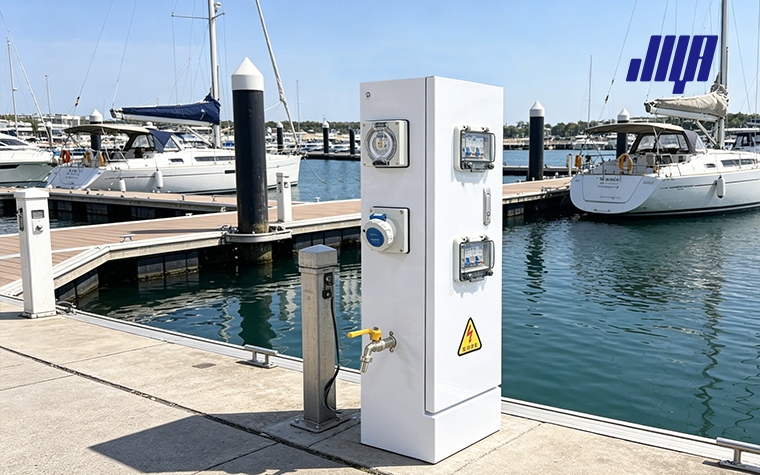
30A vs 50A vs 100A Power Pedestals: Which Do You Need?

Power pedestals are the backbone of RV parks, marinas, and campgrounds, their reliable electricity supply allowing users to operate their tools and gadgets without interruption. But selecting a pedestal with the right amperage—30A, 50A, or 100A—can be quite a puzzle, given the different power requirements and configurations. This decision affects the three factors of efficiency, safety, and convenience, thus making it very important to choose wisely. In this write-up, we will discuss the variances among the 30A, 50A, and 100A pedestals and lead you to the right one for your particular needs. If you are an executor of the site or simply considering an upgrade, this guide will put you in a position to make a great decision based on full knowledge of the facts.

Understanding Power Pedestals

Comparison chart of 30A, 50A and 100A shore power pedestals for RV campgrounds and marinas, guide to amperage selection

What is a 50 Amp Power Pedestal?

A 50 Amp power pedestal is a type of equipment used for electrical distribution that can be set up in several locations like RV parks, boat slips, and outdoors events, and it can also be used as a power supply for these locations. The pedestal is outfitted with a 50 Amp socket that can pass safely higher electrical power than lower Amp pedestals such as the 30 Amp version. This decoupling of the electrical power through different Amp levels is what makes it fit for worst-case-scenario applications that need heavy power, just like the case of larger RVs or vessels bathtub-emptying systems, that real depend on high-capacity power sources.

A 50 Amp pedestal is characterized by a 240-volt installation and by having two 120-volt hot wires, a neutral, and a ground wire. Such a wiring arrangement makes it possible to provide an altogether electrical power of 12,000 watts. Thus, the pedestal can simultaneously run several high-power devices, e.g., air conditioners, fridges, and TV sets, etc. in areas like camping grounds, where this kind of electrical equipment is most typical. Moreover, there are embedded safety features like circuit breakers in the pedestal to prevent fire accidents or damage to electrical appliances in case of electrical overloading.

A 50 Amps power pedestal is the best way to go for customers whose power requirements are going to be very high. It can take the huge loads without any performance compromise that is why it can be counted on to power the latest machines and make It easy in places where reliable and abundant electricity supply is always needed.

Functionality of RV Power Pedestals

Power pedestals for RVs are the primary electric source for mobile vans to live in, thus making sure that there will be a constant power supply that is safe and friendly for the environment during their stay at parks, campgrounds, or any other place. The pedestals have the ability to give the required voltage and ampere to supply all the electric needs in an RV at a time, such as lighting, heating, cooling, and operation of the appliances. They provide the usual connections for RV activities which have been rated for a standard power of either 30 Amps or 50 Amps and usually give access to extra facilities like additional outlets or USB ports for extra comfort.

The safety of the electrical circuitry used in RV power pedestals is one of the main reasons to buy these devices. Circuit breakers and Ground Fault Interrupters are included in the circuit and prevent users from being exposed to electrical hazards, such as fires or electrocution. This security measure not only prevents the RV electrical system and appliances from being damaged but also keeps the power supply reliable and free of worries. Besides, some pedestals might be equipped with surge protection which prevents spikes and fluctuations in shared power grids from reaching the RV.

Moreover, RV power pedestals come with user-friendly interfaces which are made of tough materials and marked with clear labels that can withstand outdoor conditions. Such devices come with a weatherproof feature and are built to last even in case of very rains, high temperatures, and dust. Moreover, many units are equipped with user-friendly features like metering systems for power monitoring which the RV owner might find to be a convenience and more efficient use of the power. RV power pedestals render the essential infrastructure for mavens of RV living by combining safety, durability, and flexibility.

Components of a Power Pedestal

A power pedestal consists of several basic components that it can operate properly and supply sufficient power for RV owners. Below is a more in-depth description of the main components:

  • Electrical Receptacles: Power pedestals come with several receptacles, the most common being 20-amp, 30-amp, and 50-amp. These are different categories of power that modern RVs use, ranging from small refrigerators to heavy-duty air conditioners. Following the recent technological trends, many pedestals have already been designed to distribute a total of 100 amps, thus opening up the users’ options considerably.
  • Circuit Breakers: These are the most important safety devices that prevent the RVs or users from over current damage or electrical faults. The breakers will, without any manual intervention, switch off the supply when they detect any electrical irregularities, thus eliminating the worry of RV lovers about the safety of their rigs.
  • Metering Systems: Usually, the modern pedestals come with digital metering displays so that either the users or the campground operators can check the power consumption. These systems offer instant information on voltage, current, and, in some cases, kilowatt-hour usage which can guide the users in their energy usage. One of the main reasons for the growing demand for this feature is that more and more people are adopting energy-efficient practices.
  • Lighting: Units that come with installed lighting not only make the usage more convenient but also give good visibility during night time. Nowadays, due to LED light being energy-efficient and its long life, it has become the standard lighting.
  • Weatherproof Enclosures: The outer case of power pedestals is made to resist severe environmental conditions, like rain, very high or low temperatures, and dust. The use of galvanized steel, aluminum, or tough polymers to build the outer case is quite common as far as prolonging the reliability and life of the product is concerned.
  • Surge Protection: Aging technologies in the modern era are more prone to damage from sudden electrical power increase or fluctuation due to storms or changes in the grid. Surge protection is a very important feature that ensures sensitive RV appliances remain safe from the disaster.
  • Communication Ports: Certain high-end models provide data ports or its just WiFi that lets either the campground managers or the RV owners make use of smart technologies to monitor and control the power used remotely through the internet.

Applications of Power Pedestals

Outdoor power pedestals with 30 amp, 50 amp and 100 amp outlets showing electrical specification differences

Use in RV Parks

Power pedestals in RV parks are important infrastructure for the campers to get reliable electrical hookups. These pedestals supply the power which is needed to run refrigerators, lights, and heating/cooling systems in RVs and keeps the visitors to the park comfortable and happy. The power pedestals are equipped with standardized outlets and easy-to-use designs so that they can serve different RV models and power needs.

Power pedestals also play a part in the efficiency and safety of RV park operations. They have the capacity to effectively control and deliver electric power thus avoiding overloads and possible hazards. Power surges and circuit disorders are features included for the protection of not only the RV’s equipment but also the parks electric system. Such reliability is critical for the delivering of steady service and investments protection.

Moreover, modern power pedestals are opening doors of convenience through the electrrotechnical advances. There are many models available nowadays that come with smart features that allow remote monitoring and control of electrical usage. These open the door for both park authorities and customers to have energy consumption control, thus improving operational efficiency and sustainability while at the same time increasing the quality of the entire camping experience.

Modern Marinas and Their Requirements

Modern marinas are very complicated facilities that take the different requirements of boaters as well as the efficient and safe and sustainable operations of the marinas into account. One of the main requirements is the provision of full power supply, usually through advanced power pedestals, which play a huge role in supplying power to the boats that are at the dock and, hence, keeping onboard systems up and running. Efficient management of power consumption through remote monitoring and such features is of utmost importance to bring down the amount of energy wasted and increase the efficiency of operations at the same time.

Another necessity for modern marinas is access to water supply and waste management systems. Supplying clean drinking water is a major requirement for marina guests, and there are systems in place for proper disposal of wastewater that prevents the natural environment around the marina from being polluted. These systems are made to be eco-friendly and thus help with marine conservation projects and are also compliant with the regulations related to the environment.

Security and comfort are the main concerns in the maritime operations. The provision of secure docking, access-controlled entry points, and adequate lighting for night-time safety are some of the measures that have been put in place to ensure security. Besides, the presence of Wi-Fi and user-friendly facilities contribute very much to the visitors’ overall experience. With the ability to meet such requirements, modern marinas can be functional, environmentally friendly as well as attractive to both boaters and visitors.

Construction Sites and Rugged Environments

Power pedestals are absolutely critical on construction sites and in rugged areas where they provide electricity that can be depended upon. The power pedestals are very strong and are able to bear the tough conditions, thus providing power to constant tools, machines, and temporary lightings. Their heavy-duty structure keeps them going even when the weather is bad or they are roughly handled; thus, they are perfect for these hard areas.

The main benefit that power pedestals provide in these situations is their flexibility. The majority of the models are outfitted with several power outlets and they also allow the customization of the setup for the different kinds of tools to work together. This adaptation reduces the number of power supplies needed, and thus brings about faster operations and more productivity on the site.

Along with that, using power pedestals in harsh environments comes with safety being another large benefit. They are equipped with the likes of weatherproof enclosures and circuit breakers that help to reduce the chances of electrical problems like overloads, short circuits, or moisture getting to the equipment. These safety measures not only guarantee that work continues but also that the site workers and equipment are safe.

Installation Guidelines for 50 Amp Power Pedestals

30A shore power pedestal installed at campsite, suitable for small RVs and compact boats

Essential Tools and Materials

The installation of a 50 amp power pedestal with the right tools and materials guarantees smooth and efficient setup process. Below is a list of items that are usually required:

Tools:

  • Screwdrivers (flathead and Phillips)
  • Adjustable wrench
  • Voltage tester
  • Wire stripper and cutter
  • Drill with appropriate bits
  • Level

Materials:

  • 50 amp power pedestal unit
  • Electrical wiring suitable for 50 amp service
  • Conduit and fittings
  • Mounting hardware
  • Grounding rod and wire (if necessary)
  • Sealant to waterproof connections

Apart from obtaining safety compliance, the right tools and materials would see to a proper and secure installation. There are specified items that have been recommended; however, it is important to check the exact specifications for your own standpoint, as different designs may require additional items.

One would do good to check the local codes and regulations for all matters related to electrical wiring and conduit before beginning installation. Also, it is important that all tools should be in perfect working condition and that personal protective equipment should be utilized; this includes insulated gloves and safety goggles to avoid any possible hazards.

The Process of Installation Described Step by Step

  1. 1 Installation Preparations: First, make the installation site trash-clearance and make it plain-flat. Find and mark precisely where the power pedestal will work, being careful not to hurdle the work of any electric or plumbing lines that may be existing. Now make a mark in the ground where the pedestal will rest. This will help positioning it easily in the right direction during installation.
  2. 2 Electrical Conduits Install: Now, bend the electrical conduit for transmitting electrical power from the pedastool an anytime you want! This can be done with a conduit bender to give smooth bends and eliminate sharp angles. Mount the conduit securely and comply with local electrical codes when done. Make certain that protection is adequate around the wire in the conduit and the conduit is long enough to reach the pedestal terminal.
  3. 3 Mount the Power Pedestal: Locate the pedestal as stated by the manufacturer. Take some anchoring mechanisms which could be screws or bolts to anchor the pedestal properly on the base or the ground. Ensuring the pedestal is in a vertical position is important. Go through all connections to ensure correct cable connections.
  4. 4 The Final Safety Review: Ensure there is nothing loose, that all wires are connected properly, and that there are no ground connections. Turn on the platform’s system you installed, so that you now can check everything out on how it works using an instrument from the circuit tester. As a final step, an inspection is likely to be performed thoroughly.n, and make sure all enclosures are in place and solidly attached.

Safety Precautions for Using Power Pedestals

Safety Precautions for Using Power Pedestals

Preventing Electrical Hazards

Power pedestals make for electric shock, but we should have taken safety measures. Any damages observable may denote any problems, starting with missing gaskets, cracked casings, intrepid exposed wires, or rusty objects. Make sure all issues observed are rectified quickly by a competent technician. When equipment is checked on a regular basis and maintained, broken equipment will not bring any danger to life and property.

Next, check if all the electrical connections are tight and water cannot seep in at any point. Water is the enemy in the electrical world as it can cause short circuits and the risk of electrical shock, therefore, it is a must, especially in outdoors or humid places, to have weatherproof covers and gaskets installed. Besides, only well-grounded devices should be operated, and circuits should never be overloaded as this may cause overheating and possibly result in fire.

Moreover, using power pedestals, always adhere to the manufacturer’s rules and instructions. Make sure that the people who would be operating or coming in contact with the pedestal are well-trained so that they know how to use it safely. Further to this, unambiguous marking of circuits and controls is another measure that can greatly help in reducing misunderstandings. By taking such actions, you will not only have a safer place but also one where the risks of electricity are efficiently managed.

Understanding Breakers and Fuses

Breakers and fuses form the basic units of the electrical systems which protect the circuits against the overloads and short circuits. They both act as barriers interrupting the electric flow, thereby preserving the electrical systems’ longevity and minimizing fire hazards. The idea behind all these is to ensure that only so much electricity can flow in a system, which is the safe level, and if it goes above that, it is cutting off the electricity supply.

Fuses are one use only devices with a small filament or metal strip in them. In case a lot of current is flowing in the wire, the fuse “blows” when it melts and the current then cannot go through. The blown fuse is replaced with a new one and power is restored. The simplicity of fuses is their major strength but they also require manual intervention after each use.

However, breakers are circuit protection devices that can be used more than once. They can trip either mechanically or thermally when there is an electrical overload and thus stop the current flow. When the problem is fixed, the circuit can easily be reset, that is why they are more practical for frequent usage. Breakers and fuses are both indispensable in ensuring electrical safety and comprehending their operation helps in efficiently managing and safeguarding the electrical systems.

Comparative Analysis: 30 Amp vs 50 Amp vs 100 Amp Power Pedestals

0A and 100A marina power pedestals providing high power for large recreational vehicles and yachts

The 30 Amp pedestals were basic; the 50 Amp allowed for moderate use with a higher supply of power, while the 100 Amp was the right choice for a very large and powerful set-up.

Parameter 30 Amp 50 Amp 100 Amp
Voltage 120V 120V/240V 120V/240V
Max Power 3,600 Watts 12,000 Watts 24,000 Watts
Connection Type 3-prong plug 4-prong plug 4-prong plug
Usage Basic RVs, lights Moderate appliances Heavy equipment
Cost Low Moderate High
Cable Size Smaller gauge Mid-range gauge Larger gauge
Common Location RV parks Homes, RV parks Construction sites
Energy Demand Low Medium High
Best For Simple setups Moderate use Power-intensive

Power Needs for Different RV Types

Power pedestals fitted with 30A, 50A, and 100A are different in terms of capacity. Each type of pedestal supports different energy requirements, appliance types, and setups with the assurance of an efficient and safe connection. The three power options and their recommended uses are summarized below:

30A Pedestal:

The 30-amp power pedestal is typical for small RVs or basic setups. It delivers 3,600 watts of power which are enough for lighting, an air conditioning unit, and a few basic appliances like a microwave or TV. The connection is a 3-prong plug using thinner gauge cord which makes it light and easy to maneuver. This setup is the most common at RV parks and is best suited for rigs with less energy consumption and fewer devices needing power.

50A Pedestal:

A 50-amp installation can be chosen for RVs of medium size or with moderate energy consumption. This option provides a total of 12,000 watts of power and enables the running of several appliances at the same time, e.g., air conditioners, refrigerators, and big kitchen machines. To enhance safety and efficiency, it uses a 4-prong plug along with mid-range gauge cables. Those who stay at modern RV parks will find this setup ideal as they will enjoy convenience and power usage flexibility.

100A Pedestal:

The 100-amp power pedestal is for large RVs, trailers, and setups that are heavily dependent on electric power, and it is also the case that power-consuming tools used at the site might also need the power. The pedestal is designed to provide a whopping 24,000 watts, which will effortlessly let the air conditioners, the plush home theater systems, the electric heaters, and high-wattage appliances all go at once. The connection is a 4-prong plug using a large gauge cable to ensure maximum current flow. This option is typically available at construction sites, high-end RV parks, or luxurious rigs with heavy energy demands.

Benefits of Upgrading to 50 Amp Power Pedestals

The changeover to a 50 amp power pedestal is a vast improvement in power capacity; this upgrade guarantees that you will be able to use multiple devices that require high power at the same time without affecting the performance of your system. For campers this means a much more pleasant and comfortable stay, since you can cool down, heat, and cook, watch movies, and have all the good stuff working at the same time! The extra power not only keeps the breakers from tripping but also saves the life of your equipment as it is no longer put under stress by the electrical system.

Flexibility is another important aspect of the power pedestal upgrade. Higher wattage capability makes it easy for you to cope with the energy needs of the latest technologies and gadgets. This is especially the case for larger RVs or even deluxe setups where more power is required to keep the advanced systems running. Furthermore, the availability of 50 amps allows users to camp in places with power meters that can take the load easily which also makes it easier to locate the sites that can support the high-energy needs.

The last but probably the most important point is that there is a significant improvement in safety when you go for the 50 amp connection. The thicker cable used in the 50 amp systems along with the strong connectors can handle the electrical load which is raised by the users, efficiently. This move brings down the chances of overheating, and fires, and hence it’s less likely that electrical malfunctions will occur. In summary, switching to a 50 amp power pedestal is not only an enhancement in performance, flexibility and safety but also a necessity for those whose power demand is higher thus it is a reason to celebrate the upgrade!

Choosing the Right Amp for Your Application

The determination of an appropriate power amplifier system mainly depends on your power and dedicated device requirements. To make the first accurate estimation you should carry out an assessment of the power requirement of the set-up. A total number of appliances connected should amount to the selected amp rating of the arrangement. This will ensure that a given load is managed safely and effectively. For small applications or those with lesser high-demand devices, a 30-amp service pedestal should suffice. For larger installations whose consumption bears on, for example, RVs and heavy-duty equipment, 50 amps may give the better capacity.

Another important factor to be kept in mind is safety. These conditions allow the breaker to conduct higher amperage without overheating and other electrical issues, thereby greatly enhancing the integrity, performance, and safety of the connection. Moreover, in peak load conditions, a sudden surge of power can momentarily very much increase the load on an amp. So, selecting an amp that strikes a mean between prudent sizes and a degree of safety margin to handle the peak loads is advisable.

Another thing to remember is the flexibility and forward compatibility aspects. If you sense that you will want to expand the power needs by a good load, it will pay to make an extra step and purchase a higher amp pedestal, so that you do not need to disturb anything later again. When considering all these, see that your present needs are weighed with a view on future ones, so that your setup keeps providing you with all the comfort and peace you need.

Frequently Asked Questions (FAQ)

How does the 50-Amp Power Pedestal function? How does it differ from other pedestal configurations?
The 50-Amp Power Pedestal is mainly considered to be a definitive feature within the RV world, providing a 50A/240V power supply to the RV through a receptacle of 50 amps. This type of pedestal is utilized in both RV parks and campground areas. Moreover, a 50A power pedestal could be used in a marina. Unlike 20A and 30A pedestals that only provide 120V, out of the 50A pedestal, one would commonly notice that it consists of two legs of 120V service to feed 240V for high-demand appliances. Used mainly as a load center or a panel, the 50A pedestal includes a main circuit breaker and circuit breakers protecting individual circuits; meters, a multitude of outlet configurations, and an enclosure made from 3R-rated rainproof cast zinc steel or g90 galvanized steel could also be promulgated.
30A vs 50A vs 100A Power Pedestals: Which One Should I Get?
The choice to go with a 30A, 50A, or 100A power pedestal is dependent on each individual RVer needs. The 30 amp (30a/120v) is more common and provides basic shore power to smaller RVs while the 50 amp (50a/240v) provides power for the bigger RV models, such as those with multiple AC’s, microwaves, and other 50 amp appliances; 100-amp or 100-amp pedestals or panels might be installed on sites as the need requires for upper-limit pedestals, high-demand pedestal units, or permanent RV service, where there are several circuits, high loads, or when a meter with important main breaker power is mandatory.
Can I install the power outlets by myself or does an electrician need to be hired?
Installing the rv pedestal unit might be easier but ensuring proper installation and connection involves a much more careful look at local codes, correctly sized wire (AWG wire as the case may be), grounding, ringless or pad platforms, and the proper circuit breaker sizes. A licensed electrician should be employed to size conductors for the installation of 50amp power pedestal or 100amps, that is, the 240v/120v system based on 6 awg, 4 awg, or heavier such as 350 mcm for main feeders; to install a main breaker, ensure that the 240v/120v configurations are correct, and make sure that the pedestals are UL listed and have been passed by the utility company).
What type of gauge wire is to be used for a 50 amp power means?
For a standard 50 amp RV pedestal you normally use number 6 AWG copper for the hot legs himself and the neutral with a 50 amp circuit breaker. Of course wire gauge is a function of the run length and voltage drop, longer runs will want 4AWG or larger to maintain proper volt levels. For 100amps or site service you might use 3/0 or 350MCM, depending on load. Always, adhere strictly to NEC guidelines with regards choosing the right AWG wire size and have it fitted properly by an electrician.
Can the shore power that feeds my RV come from a 50amp pedestal?
Users need to avail themselves of the details of its compatibility compatibility with features such as weatherproofing, ability to endure outdoor elements, UV protection, durability, water and dust ingress, and general design. Again, permit and code compliance might confine the options of various marina and campground utility pedestal units. Their compatibility thus grew straight from the question that may be associated with any of these factors when considering with relevance contemporary utility pedestal standards and guidelines.
Does the user have the freedom to change the position of power cords on the backside of a pedestal?
Yes, many pedestals are meant to cater rough outdoor conditions in marinas and campgrounds, so these may include a rating of 3R rainproof enclosure, thanks to powder-coated or g90 galvanized steel construction for corrosion-resistant outdoor use and UV-resistant finishes. Designing manufacturers for marinas offer corrosion-resistant, stainless steel hardware and weather-sealed pedestal constructions. Always ensure that pedestals have been listed under UL for outdoor use and are installed on secure foundations with direct burial conduits or concrete pads where necessary.
What are the instances of inspection and maintenance to be performed in a 50 amp power pedestal?
Good maintenance protocol involves checking bases for corrosion or looseness, testing breakers or GFCIs, checking seals on meters if any, examining enclosure integrity and powder coat finish and verifying wire connections and grounding. In the case of 50amp or 100amps plugs-and-receptacles servicing stations, a licensed technician or the campground maintenance staff must serve and regularly inspect and torque connections and replace the worn parts to protect against electrical malfunctions for the safe operation of the RV.
Can a 50 amp pedestal be upgraded to 100amps, and what is involved?
Yes, an upgrade from a 50 amp service to a 100 amp service is possible. But an upgrade of this magnitude often requires larger service panel/amperage panel or complete house panel upgrade, new higher main breaker, fatter feed wires (e.g.: 4 awg or greater up to 350 mcm depending on distance), a meter upgrade if upgraded service is to be metered, coordination with the utility company, and an electrician’s permit to do the installation work so that it would meet all local codes for safe electric wiring to RVs.

References

How to Choose the Right Power Pedestal for Your Dock

The choice of power pedestal for your dock holds an immense significance to safety and functionality in a toast to dockside peripherals. Between acting as a marina operator and acting as a dock owner in earnest, the perfect choice of the powerful pedestal is the one that caters to the ships’ electrical requirements while ensuring the required compliance with standards of safety. This guide delineates the critical factors in place, determining how it relates to you-in a nutshell, in neither spatial enhancement nor electrical capacity-empowering you to make judicious choices. By reading this article, you would have fortified your sense on how to pick power pedestals that can meet the needs of your dock.

Understanding Power Pedestals

Buyer guide for selecting suitable shore power pedestals for floating docks and marinas, dock electrical planning reference

What is a power pedestal?

A power pedestal is a structure installed on land or docks to provide electricity along with other resources to docked vessels and boats. It serves as the main electrical source that allows you to have a safe and reliable power source for the essentials on board, such as charging the batteries and the operation of important equipment.

Usually, these pedestals are equipped with multiple outlets and are able to provide different voltages or amperage/output capacities, based on the needs of the boats being supplied. Occasionally, the water connections, lighting, and various metering mechanisms are integrated into the system to keep track of power consumption. Set up to withstand saltwater corrosion and UV light exposure in harsh marine environments, the facility provides durability and consistent performance under harsh weather elements as well as overwaterlining.

The present of self-evident utility, ensuring one can reach electricity easily and systematically; one can thus avail all manner of folk simply and direct from fishing vessel owners to dockside employees. The dock can be easily managed by choosing the use of a power pedestal which enables standard point plug-ins. Compliance with electrical safety standards allows any second sailor to partake in a vibrant experience whilst docking, if only by making his operation safe.

Key Features of Marine Power Pedestals

Marine power pedestals are a crucial component in the management of a contemporary marina. They offer conveniences, safety, and flexibility in conducting counts-down operations. These characteristics are described in detail below:

  • Weather and Corrosion Resistance: Marine power pedestals have solid construction and are made out of extremely durable materials ranging from stainless steel to heavy-duty polymer to survive the extreme environment of the seas. The unit is able to withstand daily exposure to ordinary harsh elements such as corrosion, UV radiation, saltwater environment-resistance, etc., meaning it is well secure for the future. Most of the models also passed IP ratings tests for being waterproof, so their life expectation is augmented.
  • Multiple Power Outlets: The consignees provide a number of normal outlets- 15 to 100 Amps, tailored to the multitude of craft, whether they be small vessels or big yachts. This makes it easy for the user to dock and power his boat the best possible, catering to all kinds of equipment.
  • Integrated Water Distribution: Most pedestals are outfitted with integrated water faucets and hose bibs to access potable water with ease for the purpose of washing, refilling the tank, or other onboard needs. Multipurpose utilities on the same pedestal level lessen the requirement for added equipment in the dock.
  • Smart Metering and Energy Monitoring: Modern versions are supplied with smart metering systems that enable monitoring in real-time of electricity and water consumption. Availability of precise data to dock owners and marina operators will support them in checking on and refining energy consumption as well as billing processes. Most of them can be remotely monitored over mobile apps and web interfaces.
  • LED Lighting for Safety and Aesthetics: Powered by energy-efficient LED lighting, marine power pedestals enable further visibility for dock orientation during nighttime dock walking and add a very inviting look. The same lighting aids in careful maneuvering of boaters and provides an added perception of security around the dock.
  • USB Ports and Charging Stations: Some of the newer units possess integrated USB ports and charging stations for advancing mobile device connectivity and charging for sailors and guests.
  • Compliance with International Standards: The marine power center is built in full compliance with the world’s stringent electrical and safety rules, ensuring that the power will be distributed to the dock in a safe and reliable manner.
  • Optional Add-Ons and Customization: Many companies will give the pedestal models their own brand, their own color choices, or make some of these into mini facilities like WiFi, the addition of CCTVs, or security locks for more usage.

Combing highly advanced technology with sturdy construction, marine power pedestals serve to provide continued sustainability for marina management and satisfy the demands of both the modern boat owner and dock operator.

Amperage Options and Outlet Configurations

Marine power pedestals are manufactured to amperage options to meet the needs of different vessels–the outlet configurations take care of it all. Commonly, the standard amperage options include 30A, 50A, and 100A, perfect for those small pleasure boats and those gigantic yachts. Provided that these are capable of supplying the power source to a broad range of boat types, this guarantees the docking apparatus.

No wonder such considerably set down would easily allow configurations for multiple outlets. Common should be the mix-and-match functionality with other outlets, such as 30-amp and 50-amp receptacles, being the most commonly used amperages on today’s boats. A few of the configurations may be applied to offer 20-amp GFCIs for specific small accessories, or maybe even provide USB ports or other specialized connections for the benefit to consumers.

These customizable amperage and outlet configurations are essential to maintain compatibility and safety at the marina. Offering reliable power solutions tailored to sundry boating needs, marine power pedestals aid in the uninterrupted operation and user satisfaction of the marina industry.

Evaluating Durability and Materials

Important considerations including amperage, waterproof rating and materials for dock power pedestal selection

Comparing Stainless Steel, Aluminum, and Composite Plastics

Stainless steel might give a superior number of durability points and resistance to corrosion, but for the less weighty and cheaper collectively, there has to be some argument over aluminum with its rivals composite plastics for general consideration; due to its highly affordable and insensitive characteristics to weathering.

Material Durability Corrosion Resistance Weight Cost Weather Resistance
Stainless Steel High Excellent Heavy Expensive Good
Aluminum Moderate Good Lightweight Affordable Moderate
Composite Plastics Low Moderate Lightweight Cost-Effective Excellent

Choosing the Right Finish for Outdoor Use

One of the greatest sets of words would be to select a finish that is noticed by such traits as toughness and survival of almost any assault from such environmental components like weather; UV rays ruin them or humidity partners with it. In just one concluding example, the material endures: stainless steel and aluminum in the completion assembly at the worst due to no chance of being eaten up by any weather, short of a few ultra-harsh climates, and the likes of anticorrosives and wearing down.

Powder coating has always been a good option for outdoor finishes. The dry powder is applied to the surface and then heat-cured. Not only do powder coatings offer resistance to rust, fade, or chips, they also furnish a great look. This finish is best for metals such as aluminum and steel and is resistant to various weather conditions.

Making use of weatherproof paints is an exceptional option for wood or composite surfaces. These paints are chemical resistant and are resisting to peeling, UV damage, and adhesion over time. Some light clarifying polyurethane or resins will go an extra mile to increase abrasion resistance over wood, but still mainly work in preserving even the most sensual aspects of hard materials. A well-done finish will make sure that your exterior material continues with a good look and function over a great couple of years.

Assessing Electrical Requirements

30A, 50A, 100A shore power pedestals comparison, matching power supply requirements for different boats and yachts

Calculation of Load Requirements for your Dock

To estimate the load requirement for your dock, you need to identify the overall electrical demand of the materials and systems utilized. List all the devices or equipment you need like lights, pumps, or charging stations-paid attention to-and write down their power ratings in watts or amperes. Doing so and adding them will arrive at the desired load for the electrical system.

This further puts into consideration future load growth. Suppose you will be adding new materials or extending the already purchased equipment; accordingly, enfold it in your calculations so that costly remodeling might not be the burden on your shoulders later on. Account for the peak load hours when more than one of these devices will be in operation simultaneously to ensure that your system can support these disparate devices at their peak demand points without charging overload.

Definitely keep your local electric code so that the design is fully meeting safety and regulation requirements In certain areas, they might mandate requirements that dictate the minimum wire sizes, grounding requirements, or load limits but if there is any confusion, get the services of a licensed electrician to check the calculations and ensure the install is safe and compliant with all pertinent standards.

Marina Codes and Safety Regulations Explained

⚡ Electric Safety Requirements

The rules and regulations regarding electrical safety at marinas are strict. They aim to protect environment and user safety. One of the major aspects of these regulations is to satisfy the National Electrical Code (NEC), Article 555, which covers the standard concerning wiring, grounding, and devices that harbor and dock manufacture. By observing these regulations, dangerous incidents like electrical shock drowning and accidental fires are avoided from improper installation or malfunction.

????️ Ground Fault Protection

Ground fault protection is a critical requirement within marina electrical codes. Concerned with minimizing the likelihood of ESDE, this tool is for detecting the electrical leakage into the water. The law on this is that devices such as Ground Fault Protection Circuit Breakers (GFPD) have to be used to trip the circuits that are leaking currents above those that are considered safe. This is a very useful initiative since it boosts safety margins for swimmers and others in the marina.

???? Regular Inspections and Maintenance

For electrical systems to comply with maritime safety regulations, regular inspections are necessary. Such inspections establish that all components satisfy present safety standards, and no sign of wear or any kinds of hazards are found. A legitimate electrician may observe and ensure that the setup stays within good working order, within safety and verifiable compliance to the legal requirements too.

Importance of Compliance in Electrical Installations

Being compliant with electrical installations is crucial for both safety and the operational capability of the systems. Abiding by stipulated regulations thus effectively reduces the chance of any electrical hazard in the form of electric shock, fires, or equipment failures. Even more so it further ensures that all its components remain within safe standards, thereby protecting lives or property from potential threats.

Compliance is therefore supportive towards legal and operational certainty. For firms in regulated industries, non-compliance can lead to heavy fines, halting of operations or damaging of reputation. Periodic checks for meeting the newest safety codes and associated regulations assure the flow of business and keep the entity’s legal standing in place.

Consequently, compliance ensures satisfaction among a wider audience, including employees, clients, and the regulatory bodies. Conducting its activities with the commitment to safety and responsibility is evident where a safe electrical installation is established. Regular inspection, proper documentation, and compliance with safet0 norms build an environment within which end users are guaranteed a safe and efficient operating scenario in conformity to legal and ethical safeguards.

Comparing Dock Power Pedestal Options

Corrosion resistant metal power pedestals for saltwater docks, material comparison for marine coastal application

Top Brands and Models in The Market

When assessing among the dock power pedestal choices, judgment should be based on their reliability, durability, and features to satisfy user needs. Most power pedestals are designed for the safe and efficient distribution of electricity in marinas, docks, and waterfront properties. The choice of the pedestal largely rests upon matters like materials, which could include corrosion-resistant metals or weatherproof housing that will guarantee longevity through the tough marine environment.

On the crème of the category ladder, models will normally have several power outlets, regulated lights, and some sort of safety mechanisms like circuit breakers and specificities dictating ground fault protection. Pieces of these are necessary components for creating safe and user-friendly systems. As aforementioned, the inclusion of metering and monitoring systems could prove to be a real boon for most commercial docks, especially for accurate tracking of one’s power usage.

Choosing the right dock power pedestal also greatly depends on the specific objectives of the locality and the intended use. Options vary from simple and cheap-to very high-end, technologically enriched models that could involve remote monitoring and control, plus a mobile app for the same. Knowing the balance between cost-utility and durability is crucial, hence making considerations is very important. Local experts or manufacturers can give further advice to scenarios handpicked.

Strengths and Weaknesses of Each Option

???? Basic/Budget Pedestals

✓ Strengths: It might be appealing to consider simple, cheaper pedestals because they are cheap and easy to install. They do provide functionality, and can be appropriate when placed in locations that do not require much energy or that are minimally exposed to harsh outdoor elements.

✗ Weaknesses: However, the durability of such pedestals may be poor in extreme weather conditions or under heavy use. This could result into potentially higher maintenance costs in the long run.

⚖️ Mid-Tier Pedestals

✓ Strengths: Mid-tier power pedestals deliver an optimal trade-off between cost-effectiveness and functionality. Here, there is widespread applicability of the ruggedness of construction, choice of materials, and safety components such as circuit breakers. Mid-range pedestal models are suitable for small to medium-sized marinas and docks and are also stable with moderate power loads.

✗ Weaknesses: As a disadvantage, these power pedestals may carry higher initial cost than a basic model and call for professional installation to help them perform in full strength.

⭐ Premium/Advanced Pedestals

✓ Strengths: Power pedestals, a showstopper in the power segment advanced and best-fit options, are fabricated contriving such qualities as durability, functionality, and advanced attributes like remote systems, energy efficiency, and integration into apps. Recommended for large, mostly frequented places, they ensure reliability, convenience, and uninterrupted use also.

✗ Weaknesses: But heavy prices come alongside those exquisite attributes, and intricate technology integration can be a drawback. Therefore, docking spot requirements-locational/ technical-are of paramount importance when selecting kindred, considering factors like budget.

Customer Reviews and Ratings

Reviews from customers often show contentment with the performance and features of dock power pedestals in the present day. Energy efficiency of these docks is eagerly appreciated along with the integration of certain apps depending on the dock brand; this further augments the usability and ease of operating the product. Quite often, reviews mention that durability and reliability are so important with these products, especially when they have a high usage rate.

Downside aspects, however, also creep in some negative press, such as complaints about the cost. There are concerns again for certain individuals or companies with tight belts for cash reserves. Simultaneously, other users similarly point out difficulties in the installation process, mostly connected with changing the spot for docking, which might involve some technical and locational changes and inflate the time required to install the technologically advanced pedestal.

Dock power pedestals are better suited for high-performance and smart technology wanting clients. These prospective buyers are highly advised to seriously assess the needs for their particular location and prioritize their budget constraints before ordering. Clear installation directions and reliable customer service are again identified as helpful expectations.

Installation and Maintenance Tips

IP rated marine power pedestals installed on pier, meet electrical safety standards for dock shore power system

Steps for a Smooth Installation Process

  1. How to Prepare the Installation Site: Select an appropriate site for the pedestal dock power. The site will have firm ground, and the conditions meet the electric installation safety standards. Ensure the working area is maintained clean and free from unnecessary material. Remove any objects or obstacles that would obstruct accessing the power source or pave the way into the work space.
  2. Verify the Electrical Requirements: It is highly important for performance, as well as safety, to verify the amperage and voltage ratings on the power pedestal that does not exceed alarming levels according to the electrical system. One needs to get the opinion of licensed electricians to confirm that the structure complies with the respective local regulations and building codes.
  3. Establish the Pedestal Properly: Place the pedestal atop the designated poise, ensuring that it is at a perfectly level flush with the siding of the site, and secure it to that position with the anchoring hardware used to penetrate the pedestal and into the soil or dock. Proper mounting is not only essential to prevent tipping but also to cushion the connections from damage in a moving situation.
  4. Connect The Wiring: Carefully follow the manufacturer’s color-coded wiring diagram supplied with the pedestal to connect all the wiring. Check the connections as you proceed to ensure that they are in place and have not been soldered. You should refer to a licensed electrician in this next-to-last process for checking that you have a first-rate workmanship, before wiring the switch.
  5. Test The System: When you finish installing the pedestal project, check the performance of the power pedestal. Confirm that all outlets offer the same good power and that all safety systems, such as the circuit breakers and/or surge protector, in the system do their jobs well. It is very critical to take care of any problems before you ever start to employ the pedestal, as checking through the maintenance program and the inspection will help guarantee a high rate of performance and maintenance.

By doing all of this, you will have a wonderful and very secure dock-power-pedestal installation. Figuring these all out, before following the instructions really hard, are the things that can extend the life and enhance the overall functioning of the power pedestal.

Best Practices for Ongoing Maintenance

Periodical maintenance of the power dock pedestals are necessary in ensuring their safety, longevity, and consistent performance. Inspection of the pedestals is required incessantly first and foremost. Particular attention should be cast on detecting signs of wear, rust, or breakage, especially near connections, outlets, and cables. This will help to nip the problem in the bud, so to speak, so that it can be addressed with minimum remediation and prevent its becoming an expensive repair in the future.

Another essential step is cleaning the surface of the pedestal and its whole system. This will halt the accumulation of dirt, salt, or some other such debris that could impede function. Use non-abrasive abrasive cleaners, and continue with the treatment outlined by the manufacturer; this will prevent any damage to the pedestal material or finish. Routine cleaning adds greatly to the overall appearance, seeing further drops in the likelihood of future opportunity for operational failure.

Finally, scheduling regular and consistent maintenance checks helps ensure all the connections concerning electricity are properly inspected, tightened, and functioning correctly, provided you have a skilled electrician execute these. The accumulated regular inspections, proper cleaning, and scheduled assessments will ensure the efficiency and long life of your dock power pedestals. Most of all, it takes account of user safety.

Ensuring Compliance with Safety Standards

To maintain a desirable and safe environment for the dock power pedestal, observance by the audience in terms of safety standards in crucial. With that in mind, in order to keep up with up with compliance, it is important to look to see what local codes are currently in use. Codes are a form of translation of all the major legal rights required for a well-functioning electrical system-those may be needed to keep the system functioning, at a low risk and under control. When in doubt, consult a certified electrician or inspector to verify adherence to these regulations.

On top of that, to prevent risk from building up, carry out regular service inspections that help you identify and fix a safety issue before it becomes expensive in a fine or jail term. Check all power pedestal components, conducting visual inspections for signs of wear, corrosion, and any kind of damage, either outer or inner. Check for proper operation of all protection devices present, which include circuit breakers and ground fault interrupters. As far as operational conditions of the safeguards, experiment with those mechanisms as often as possible to check fault tolerance of the system, i.e., checking responses to these flukes, which may prevent any risk, like electrically shocked or short-circuited states.

Another important detail concerning adherence to guidelines is the training of dock power-system maintainers. This training ensures that employees are regularly updated on approved and current safety standards, best practices, and modifications in law, along with other regulatory requirements. This, in conjunction with excellent preventative measures, means that a continued effort at emergency prep and a very safe operational environment must not be neglected.

Frequently Asked Questions (FAQ)

❓ What measures have to be most immediately considered when choosing the perfect power pedestal for a dock?

When defining How to Choose the Right Power Pedestal for Your Dock, then think of electrical power considerations (amps, volts, shore power requirements), connectors to the boats to increase efficiency, double connectors for a more convenient electrical consumption, and whether single or double outlets will be necessary. Shore Power or Panel options in Marinas, temporary installation for events, weather station enclosure that ensures resistance to salt, UV radiation, Mold, and also the quality requisite for marine and residential applications.

❓ How does – RV match to dock pedestal, or must the pedestal serve the RVs and boats altogether?

Yes, choose an RV pedestal that comes with a variety of shore power receptacles and adaptors that will accept power for RVs and standard marine plugs. These models are labeled as a type of RV pedestal or shore power pedestal with dual outlets and customized power options. Double-check to choose a type based on “panel labeling, connector types, and amperage match with RV park and marina panel standards for safe and high-quality service.”

❓ What are the vital features that differentiate a quality dock power pedestal?

Standard features generally include class A GFCI-protected circuits, meter sockets or breakers, weatherproof and lockable enclosures, panels that are clearly identified, and corrosion-resistant materials. A good quality dock product also offers options for UV resistant and mold-resistant housings, compatibility with international dock product standards, and choice for wall mount or freestanding installation.

❓ Can I order a power solution designed for my dock — what options for custom shall we present to information on custom products?

Custom power is a common feature: you may order the pedestal in a variety of amperages, a dual or multiple connector (splitter) configuration, and ultra-high amperage connections for international docks, as well as for special panel layouts on residential marinas or commercial RV parks. Custom power pedestals go the next step with other unique site requirements: optional circuit breakers, Revenue Metering, and security features.

❓ How do environmental factors affect the choice of a dock power pedestal?

The installation is ideal for exposure to sun, salt, and moisture. This translates into UV and rust-resistant materials. On top of this, expect weather-resistant construction, as well as marine-grade finishes from your marine pedestal manufacturer. The best marine pedestal would feature sealed gaskets, stainless steel parts, and coatings preventing harsh waterfront conditions from causing untold amounts of corrosion to electrical power components and connectives.

❓ Which pedestal is appropriate for installation choice — wall mount or freestanding pedestal design?

It really depends. Wall-mounted pedestals work well for docks that already have decked-in apparatus, although they can offer advantages for winding the deck space. Freestanding pedestals can stand independently for positioning adjacent to slips or rv sites. Take note of footings, cable routing, and openings. In terms of safety and maintenance, standard equipment, for example, mounted units with locked access to your pedestal post and rooftop breakers, would likewise include and be necessary to keep in freestanding pedestals to assist with this.

❓ How can safety and longevity be obtained now by admitting that there is dock maintenance; further dock accessories must be regarded as well?

Inspections for regular maintenance tasks are planned around the pedestals, including checking for plugs, connectors, and terminals. These may include weatherproof covers, repairs of any mold-damaged parts, and regular inspection of circuit breakers and GFCIs. When using pedestals, use dock box storage to store boat cords or mountain shore power equipment. Make sure proper load balancing is set up and use quality equipment for temporary power events so as unapproved RVs, residential users, and marine craft do not to get hurt.

References

  1. ASEA Power Systems DBT12 GEN2 Dock Boost Transformer
    This source discusses power systems for docks, including features like voltage boost and compact design.
  2. Pollution Prevention Washington State Marinas
    A handbook that includes best practices for marinas, which may touch on power pedestal considerations in the context of environmental protection.
  3. California Coastal Commission Report
    This document outlines the procurement and installation of electrical power pedestals, providing insights into their application and installation in dock environments.
  4. Top Power Pedestal Manufacturer and Supplier in China
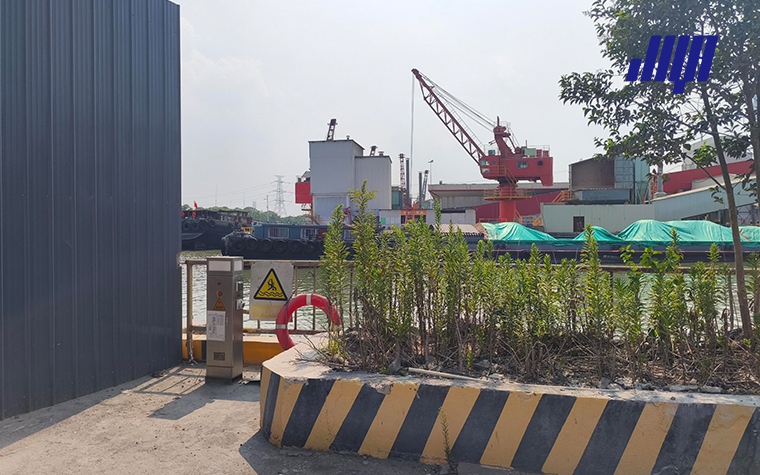
Choosing the right power pedestal for your dock is an investment in safety, efficiency, and peace of mind. Make your selection wisely! ⚡????

Dock Power Pedestal Materials Guide

One material you choose is going to have long-term implications when it comes to equipping your dock with power pedestals. A dock manager for a large marina will want heavy-duty materials, while more personal docks can use lighter materials. After all, the choice of materials will certainly also play a role here. By navigating through the more commonly used materials, we are able to survey their disadvantages and benefits. Finally, donning proper judgments will compel the educated decision-maker to create conditions that will have him remove all obstacles safely through the seasons.

Introduction to Dock Power Pedestals

Material selection guide for marina dock power pedestals, anti-corrosion housing options for saltwater dock applications

What is a Dock Power Pedestal?

The dock power pedestal or pier pedestal is hardware-designed to provide electrical power to a boat or other watercraft while it is docked. Installed along a marina, a dock, or a harbor, the pedestals supply reciprocal and uninterrupted electrical power for the purpose of charging boat batteries, running appliances on board, or for heating and cooling. The power augments ensure that boats have electricity provision but are not otherwise dependent upon generators or the use of any other power source.

The dock power pedestals are readied with various voltage and current rating power outlets to suit the different demands concerning electrical power outlets labeled in electric standards. Furthermore, circuit breakers, outlets made weatherproof, and other safety precautions are usually built in to protect boaters and their property. More sophisticated models of the dock power pedestals also support such ancillary functionalities as water, lighting, and even metering options for power consumption.

Its importance does not stem from mere convenience but extends to aspects of safety and dependability. By offering a standard point of electrical connection, these pedestals not only eliminate the perils otherwise involved in makeshift setups but also ensure they comply with all necessary building codes. In a nutshell, dock power pedestals belong right up there as core standards for a comprehensive docking facility.

Purpose and Importance of Dock Power Pedestals

The most significant role of the dock power pedestals is to provide safe electrical connections for vessels in docking facilities so that they can run properly with the required power. These electric facilities would provide power to domestic-type systems like lighting, refrigeration, and communications onboard the ship. This is helpful in making sure there is a comfortable living, especially during long stays in the docks.

Safety, efficiency, and regulatory compliance are important things to consider when evaluating the dock power pedestals. An appropriately placed pedestal lets the vessel plug in and be reasonably safe, as opposed to unavoidable makeshift or unsafe setups which pose great risks for fire and electrocution. Moreover, the proper pet development ensures that the electrical systems at the docking facility meet industry-wide safety standards for both dock users and operators.

Plugging into a dock pedestal, besides allowing safety, can actually increase convenience and contribute significantly to the other functionalities of a marina or docking facility. A power source that could be trusted will offer a better experience while also lending credibility to a facility in the eyes of boat owners. In addition, the power pedestals of today come with water supply hookups, illuminating fixtures, and smartphone or tablet-charging outlets, adding extra elegance and value for ensuring they provide an all-inclusive service to boats while in dock.

Why Material Choice Matters

Material choice is imperative in order to ensure the robustness, reliability and utility of power pedestals utilized in marinas and docking facilities. The choice of material for these equipment must be able to withstand the rigors of the environmental factors like saltwater, temperature changes, and exposure to UV radiation. The choice of materials ought to have corrosion resistance: marine-grade stainless steel can be used for the casing, and a suitable plastic with built-in UV protection for insulation.

With respect to safety and functionality, it is of great concern; coatings or materials that are not conductive will minimize the risk of electrical hazard while sturdy construction will lower the chances of physical damage from impact or wear. Besides, these types of materials ensure uninterrupted work, ensuring equipment preservation and user rights. Maintenance-friendly materials will help speed up the repair process and allow the equipment to last longer while also ensuring that the costs-benefit is passed on for a more extended accommodation of time.

The appearance or beauty of the products is also significant, as contemporary marina design is more about functionality combined with attractive appearance. Not only does the quality finishes make them resist wearing down, but they also are not a hindrance in the structural glitz of the facility-making it professional-looking and inviting as well for boat owner and visitor alike. The choice of materials is as important an investment in the successful operation and reputation of one marina or dock.

Common Materials Used in Dock Power Pedestals

Comparison of stainless steel and aluminum dock power pedestals, corrosion resistance performance in marine conditions

304 Stainless Steel: Overview and Applications

Several industries, including marina and dock construction, see the use of this versatile material-the 304 stainless steel. The metallic finish, by virtue of flawless resistance against rust, stretches durability and visual beauty. The alloy is primarily made of iron, 18-percent chromium, and 8-percent nickel, giving it a distinct corrosion resist anting and mildew retention characteristics. Its admixture of elements as such can resist the aggressive oxidation and survive some of the harsh environmental conditions, like exposure to saltwater and high humidity; thus serving as a good choice for dock power pedestals.

The first most salient benefit of 304 stainless steel is the strength-to-weight ratio. Accordingly, both strength and weight are here coordinated to provide a unique case of structural integrity, with neither balance subject to overcompensation, as specifically, the appearance is maintained over time after some protection and the alloy develops successive resistance towards stains, rust, and pitting. Given recent industry findings, life expectancies of up to and over 20 years under responsibly maintained environmental settings remain not uncommon as compared to porous mild steel or aircraft aluminum.

There is wide utility for 304 stainless steel in the construction of power pedestal enclosures, fasteners, and dock-building structural elements. Additionally, because of its non-magnetism, it can be used in electrically driven environments, ensuring the safety and efficiency of marina power systems. Additionally, fitting right into the spirit of the modern day is the alloy’s recyclability, amply reflected in contemporary marina design considerations.

By using 304 stainless steel on dock power pedestals, marina operators not only invest in purpose and durability, but also the aesthetic value of the property, contributing to the marina facility. This material still remains an excellent qualitative and performance standard in the maritime industry.

316 Stainless Steel: Advantages for Marine Environments

With pitting exceptional corrosive attacks, particularly at seawater environments, especially under high chloride conditions, 316 stainless steel with Mo is recommended. Molybdenum earns a stellar reputation here because it provides an even higher level of protection against pitting and crevice corrosion by comparison to 304 SS. Since the material is blasted off, it has been found that 316 stainless steel is an extremely compatible choice for offshore and coastal structures; structures like yacht fittings, dock hardware, and desalination plants.

Additionally, 316 stainless steel has been proven to have excellent long-term marine performance. In comparison to other types of stainless steels repairing, field studies have demonstrated that this stainless steel can maintain itself completely in severe seawater environments for long periods and is still in very good condition for itself to survive around 30 years or beyond. Most important of all, these unmatched mechanical properties give its high ductility and wearability in coping with very high traffic at marinas.

From a more hands-on angle, the advances in recent metallurgy in regards to sustainability here can be promised to work for 316 stainless steel to become energy-efficient in terms of production and recycling. Currently, the progress towards the recycling that comprises about 80% of stainless steel production worldwide makes a convincing case for the material being environmentally friendly. Moreover, with their low maintenance requirements and a shiny look, 316 grade stainless steel still ranks as the apex of nautical material. Or in other words, performance and the eco-tag are coupled in a way that visualizes the latest design trends.

Other Materials: Pros and Cons

Various materials come into consideration when an alternative to stainless steel is being planned. Each of them has its own benefits and drawbacks. Many people choose aluminum for its lightness and resistance to rusting. It is actually one-third the weight of stainless steel, making it best for applications where weight reduction is crucial, like aerospace and automotive applications. However, there can be a drawback to its use as aluminum may not be as durable as stainless steel, especially in conditions of high temperature or mechanical wear and tear.

On the other hand, carbon steel is known for its value for money and great strength. Given this, it is used mostly in constructions or in machinery with heavy loads. However, carbon steel has more of a tendency to rust and corrode than stainless steel, so it requires protective finishes or regular maintenance to prolong the material’s shelf life.

Yet another candidate for future use is titanium, which is much vaunted for its high strength-to-weight ratio and against corrosion, especially in marine applications. Preferred in the most expensive of applications like aerospace or medical implants, titanium is usually shunned for the general quality applications as production issues result in significantly costly products. Traditionally, titanium costs upto four to six times as stainless steel, given available data, in regard to synthesis.

Plastics are just another avenue, primarily in uses that deal in lightweight and chemical resistance. Reinforced-polypropylene material and HDPE are usually popular for piping, storage-tank systems, and within any industry setting. Nonetheless, plastic wastes symbolize a big challenge, as well as consistent heating elements.

In the long run, the selection of the right material will depend on the specific requirements of the application, considering factors such as durability, weight, cost, and environmental concerns. Advances in material science serve to shape and refine existing choices, making it an exciting and dynamic field balancing performance with sustainability.

Key Factors to Consider When Choosing Materials

Weather-resistant composite dock power pedestal, lightweight non-metallic material for freshwater marina docks

Durability: Long-lasting Performance

Durability refers to one of the most important factors to be considered while assessing the long-term performance of any material. It describes the quality of a material to endure, without losing its intended functionality, wear, pressure, strain or any possible damage irrespective of the period of time it is in service. Durable materials are very critical to be chosen anytime the applications are paramount to give continuous function under arduous exposures like in construction, transport or electronics. High-durability materials would provide better reliability and reduced rates of repairs and replacement.

The main criteria involved in the evaluation of durability are resistance to physical wear, the material’s ability to withstand mechanical stress, abrasives, or blows without losing its integrity, chemical stability, which goes with the material’s resistance to conclusive degradation due to exposure to water, acids, and other chemicals, and environmental resilience, depending on the ability of the material not susceptible to very high or low temperatures, efforts of UV radiation and extended exposure to severe weather conditions.

Materials like metals, composites, and treated polymers are some of the most trustworthy materials providing great wear resistance for most broad applications. However, the material must essentially meet specific application requirements above all. Through careful consideration of the conditions in which the material shall be employed together with its resistance properties, the producer can then choose the best suitable and most sustainable alternative. In some cases, highly wear-resistant materials have positive effects upon the performance of the machines and thus aid in further conservation of resources and preserving the types of savings requiring more extended directions.

Corrosion Resistance: Essential for Marine Conditions

The harsh conditions that exist in the marine environment, namely the constant exposure to seawater, humidity, and varying temperatures, contribute to the increased rate of corrosion. Consequently, the mechanical efficiency and useful life span of the material used in marine applications are seriously compromised. The few material choices available cause large-scale destruction, thereby translating into immense maintenance or repair costs, and quite possibly even structural collapse.

Non-ferrous metal like stainless steel, aluminum, and some special alloys are highly valuable for their anti-corrosive property in maritime administrations. An oxide layer on stainless steel due to the presence of chromium gives stainless steel the quality to oppose corrosion. Similarly, aluminum is also notable for withstanding corrosion in a seawater medium and its light weightiness offers the best proposition in shipbuilding and construction steelwork. The life of materials may be lengthened by applying coatings, such as paint or galvanizing, that form a barrier between materials and corrosive environments.

Long-life corrosion-resistant materials prove very valuable, protecting not only equipment but also the environment. With the concept of corrosion resistance in mind, marine gear needs to be built to last and endure. Traditional maintenance, together with corrosion-resistant materials, are fundamental approach to attempt to lessen marine corrosion and thus pass a favorable life cycle impact assessment. However, marine environment itself forms the unique and primary challenge for manufacturers or engineers. To ensure integrity and reliability amid insufficient insulation or bare area, high burstiness in the corrosion resistance design usually demands what is called point phosphorylation.

Cost-Effectiveness: Balancing Quality and Budget

In the long run, the selection of the right material will depend on the specific requirements of the application, considering factors such as durability, weight, cost, and environmental concerns. Advances in material science serve to shape and refine existing choices, making it an exciting and dynamic field balancing performance with sustainability.

Comparative Analysis of 304 vs. 316 Stainless Steel Pedestals

Comparison Factor 304 Stainless Steel 316 Stainless Steel
Corrosion Resistance Good for general environments Excellent for marine and high-chloride environments
Strength Strong and ductile Similar strength with enhanced durability
Cost More economical Higher initial investment
Lifespan 20+ years with proper maintenance 30+ years in harsh conditions
Best Application Moderate environments, inland locations Coastal, marine, high-traffic areas

Strength and Weight Considerations

Comparing the pedestals of stainless steel 304 and 316, it appears both are strong and durable materials, but where they actually excel will depend on what they are being used, that is, the conditions. The stainless steel 304 version is both strong and ductile and can be used for any general purpose where environmental exposure to it is not too severe. It has a good, substantial one-time structural strength while being relatively lightweight in terms of properties, and this can be key in light transport.

As to the other aspect, 316 stainless steel is very corrosion-resistant and therefore best for use in highly corrosive environments such as for marine or coastal environments. 316 stainless steel with around the same strength can resist pitting and crevice corrosion efficiently as the molybdenum alloys it contains cannot be found in variety 316 stainless steel. This feature renders 316 applicable in cases where only limited corrosion for a longer duration would result in deterioration in its endurance and service.

The characteristics of reduced material mass in stainless steel 304 and 316 make them excellent candidates for finding a suitable balance between strength and weight. However, the choice between 304 and 316 stainless steel always depends on the nature of the environment and level of corrosion resistance. Stainless 304 for many applications is often a more cost-effective and practical choice where the corrosion elements are minimal. By contrast, 316 stainless steel takes your chance onto a higher category where extreme moisture or salt conditions are expected with longer durability and reliability.

Environmental Suitability: Which is Better?

The choice between 304 and 316 stainless steel for any specific environment in fact is mostly determined by how much harsh exposure to elements such as saltwater or humidity these regions have to tolerate. Generally, 304 stainless steel is a fit constituent when there is less occurrence of the interfering agencies. It would prove to be one durable and economical steel, meanwhile other than corrosion due to established practice in standard conditions.

In contrast, 316 stainless steel is specifically designed for operability in harsher environments. Increased molybdenum greatly enhances the resistance to corrosion, especially in areas where it could be exposed to heavy salt or marine environments. It is the most preferred choice for regions such as close coastlines with heavy chemical use or with corrosion being the main issue.

In making a conclusion between stainless steel 304 and 316, other factors like environmental considerations and financial constraints must be considered. Stainless steel 304 serves well enough in controlled or moderate conditions but 316 is so much stronger to work under harsh conditions. Picking the right grade gives better return along with sustained long-term benefits.

Customer Preferences and Market Trends

When power pedestals are selected to dock boats, major factors are put into consideration by customers – durability, reliability and tolerance for environmental conditions. Materials with a very high resistance to corrosion, like stainless steel or high-end aluminum, are highly preferred. Thus, factors like these would ensure a long life, which is difficult to achieve in the marine environment where there are constant tendencies of saltwater and rainwater to corrode items. Customers favor solutions requiring ever lower maintenance demands down the life of the dock.

Nowadays, sustainability is center stage as more demands for interest in environmentally friendly materials while functional products are picked out of a selection for fewer toxins and environmental impacts, including from recyclable and sustainable materials. The modern demand is for a minimalist contemporary aesthetic but with the best functionality and complement one another in the surrounding marina and dock environment. Another career field for the marine industry comes in connection to lighting installations and additional plug-in options.

The financial side of things is significant when it comes to choosing the materials. Many customers try to balance between the initial upfront costs and the long-run value of the materials. While the initial outlays involved with stainless steel might be higher, in terms of durability and minimal maintenance, they are a better long-term investment. Material selection of the materials for dock power pedestals is about practical needs, some environmental consciousness, and maybe some value for cost to adapt to the changing consumer lifestyle requirements.

Conclusion and Actionable Tips

Guidelines for Selecting the Best Material

Achieving an aesthetic looking dock power pedestals involves more than colour choices. It involves achieving a balance of performance, life, cost, and aesthetics. Here is a detailed rundown of the practical guidelines following thе latest in various field facts and trends.

  • Superior Importance to Durability: Studies have established that stainless steel remains the only option for dock power pedestals owing to its corrosion resistance, especially in marine atmospheres. It is noteworthy that, according to reports, stainless steel can last up to 10 years longer in rough conditions as compared to galvanized steel, thereby protecting against excessive costs incurred due to frequent replacements.
  • Environmental Conditions to Consider: Construction material should be chosen based on environmental exposure. In regards to coastal zones, non-corrosive materials such as fiberglass or marine-grade aluminum are the best materials to go for. The latest research states that these materials outlast conventional steel materials in terms of salt resistance and moisture, which extends their life.
  • Sustainability: The trend towards “green” materials is unmistakable, sparked by environmental concern. Aluminum that lends itself to recycling reduces the environmental imprint, in addition to other aspects. A sustainability report furnished earlier in 2023 has shed light on this issue, stating that over 75% of aluminum produced globally is still in service, indicative of recyclability and its economical advantages.
  • Factor in Maintenance Requirements: Materials that require insignificant or minimal maintenance costs shall be the best for long-term savings. For example, aluminum surfaces treated with powder paint show wear resistance over time-more than untreated metals, further adding on to the maintenance now and in future. This is very favorable in the busy operator scenario-economic attributes outbalance the high capital costs of the materials.
  • Consumer Expectations Instead: With consumer inclinations in the mostly popular era shifting towards sophisticated structural acts with aesthetics and superior performance, composite can surprisingly cater to both conditions. Flexibility is with ultra composite systems, all designed goods, without equating strength. Among other solidarity positive-feedback systems registered and preferred that it meets very stringent needs by way of modern designs and durability. Over and above this, now every single customer values energy savers themselves – all for sustainable goods.

Final Thoughts on Dock Power Pedestal Selection

Selecting the right power pedestal for your dock is a vital investment combining functionality, safety, and sustainability. Modern power pedestals provide not only reliable electric power but also advanced technology which incorporates requirements of modern-day marinas. The review of industry trends shows a growing inclination toward smart pedestals; and those smart pedestals are equipped with advanced features such as integrated LED lighting, smart metering technology, and customizable outlets to suit different loads.

According to an industry study, the emphasis of nearly every marina manager is now more on cost-efficiency models of power pedestal systems within infrastructural design. For further instance, pedestals with LED lighting systems have already established a mark by saving an equal 80% in energy intensity in contrast with the traditional ones. For the former, Smart Pedestals offer additional advantages in remote monitoring and usage tracking, which increase operational efficiency and lower costs. Polish, on the other hand, warding off solid composition materials extend remarkable weather durability of the existence of marine weather conditions, usually making them a long-term solution for marina infrastructure.

An undifferentiated market generally implies symmetric alternative concerns; this is why it is rationalized to supplement a firm with broad capabilities. But this is changing. So it is easy for a contender hence gaining a competitive edge. This article seeks to bridge this gap by considering the case of power pedestal products for the dock market: May the best proof win, or will factors underlying capability, customer trust, service capability, and marketing reign supreme.

Frequently Asked Questions (FAQ)

Q: What materials are stainless steel pedestals made from and why choose them?

A: Stainless steel is mostly made of stainless steel either in 304 or 316 grade, which grants them an unbeatable quality of sturdiness and protection against corrosive elements, especially evident in marine and commercial environments. The Dock Power Pedestal Material Guide places much emphasis on stainless steel because of the fascinating surface finish it provides as well as very resistant characteristics to saltwater corrosion in comparison with painted or powder-coated alternatives.

Q: How does pedestal height and size affect installation and access?

A: Pedestal heights and sizes determine access to finish outlets, switches, and meters and determine how the unit mounts to the dock or floor. The choice of the right height provides safe and comfortable access, clearances for cords and plumbing. Specifications guide(s) in terms of size and suggested height are supplied by many manufacturers so you may choose a free-standing or bolted mount configuration as far as your site requirements are concerned through available kits.

Q: Why not opt for the rugged pedestals in the docks for some added security as and slow the commercial; who offers the needed earthy for industrial needs?

A: Yes, these pedestals are made for commercial applications such as high-traffic marinas. Chances are they will be made rugged, with one-piece welded leg and plate design, through mounts will be reinforced and additionally will be air structured with optional security benefits like lockable compartments, making it more accessible to continuous usage; will they facilitate more secure operations in public settings.

Q: What mounting options are available: floor mount, free standing or bolt-on plate?

A: Dock-mount options of beam mount (with bolt-on plates or with a set of brackets for a direct connection to dock beams), floor mount (another anchor plate option and base plate of free-standing pedestals), and a bolt-on application. The choice for all of these applications depends upon the dock construction by determining if it will be a permanent weld installation or an easy-to-install kit for retrofit projects.

Q: What are the advantages of stainless steel construction in terms of its durability and corrosion resistance?

A: Stainless steels are corrosion-resistant due to the chrome content, which forms a protective oxide film. With superior durability and corrosion resistance required for marine environment applications, grade 316 is recommended. Also, good weld quality and one-piece fabrication help reduce crevices that could potentially initiate corrosion. These factors result in the expansion of service life.

Q: Can pedestals have an alignment for electricity and water supply within a single unit?

A: Absolutely yes, these pedestals can be configured to bring in electricity (with metering), water spigots, and also bench and mirror accessories. Forty modular configurations and optional accessory kits are available to fit your required combination of power and water access, and so cater for a good-looking and compacted-ones.

Q: In each of these scenarios, why is the one-piece design favored over the assembled kits?

A: They are stronger and have less leaks, and look cleaner when compared to an assembly. The kits are, however, easier to install and serve. Design Guide for Docks Power Pedestal Materials calls to use one-piece welded design for the foreseeable-harsh environment/duty commercial applications; these kits are more likely needed if you’re thinking of a home project or upgrade.

Q: Before the final spread is dialed in, what specifications need to be requested in the correct pedestal design?

A: Include your specific grade of material (304 or 316), height, size, mount type, plate thickness, leg configuration, electrical and water capacities, and optional security features. If there is an environmental factor (saltwater exposure), meet a commercial code.

Q: Why do you need routine maintenance?

A: Basic caring to keep the product looking good includes periodic washing with fresh water, mild soap, and a non-abrasive cloth; checking of the welds, seals and gaskets; examination and tightening of all fasteners and other security devices; and any discoloration should be dealt with promptly. A good maintenance regimen that prevents corrosion on stainless steel polish finishes and good general appearance is one of the things only routine maintenance procedures can provide.

References

Marine Power Pedestal Buying Guide

Selecting the appropriate marine power pedestal is very important in the case of electric connectivity at marinas and docks that is both reliable and safe. The knowledge of the key factors involved in the selection of a power pedestal can make a big difference whether you are a marina operator wanting to upgrade the facilities or a boat owner looking for a reliable shore power. This guide will take you through the basics— features, durability, safety standards, etc.— so you can make a well-informed decision that meets your specific requirements. Moreover, we will assist you starting from the comprehension of power needs to the discovery of sophisticated features such as smart energy management. Therefore, you will possess the right tools and the knowledge to choose the best pedestal for your marina or ship. Let us embark on this mesmerizing buying journey!

Understanding Marine Power Pedestals

Ultimate buying guide for marine shore power pedestals, key purchasing tips for marina and dock construction projects

What is a Marine Power Pedestal?

A marine power pedestal is a special kind of equipment intended for supplying electrical power and, occasionally, water services to boats that are parked in marinas. These pedestals make it very easy for boat owners to access the utilities they need when their boats are docked, thus becoming an important part of the infrastructure of the marina.

It is common for a marine power pedestal to have several outlets that can handle the different power requirements of the various types of boats. They often come with safety devices such as circuit breakers and ground fault protection to ensure that no electrical accidents occur. Some of the pedestals even come with additional features like lighting, metering systems, and water hook-ups which make them a great choice for marina operators and boat owners too.

Marine power pedestals are built to be very rugged as they are expected to be very tough and suffer from the sea’s extreme conditions like getting wet with saltwater, sun’s rays and storms. Their durable construction and the use of weather-resistant materials not only make them perform to the highest standards but also last long, and thus, they are very effective and efficient in the marina. The reason for this is that with the power available all the time, marine power pedestals are quality enhancers for the boaters and at the same time satisfy the functional needs of the marina.

Benefits of Using Marine Power Pedestals

Marine power pedestals are to marina operations and offer a range of benefits that are above all. Taking a closer look, here are some key points and data:

Reliable power Supply

Marine power pedestals are available at marinas to supply power to boats permanently docked there. Industry surveys reveal that more than 85% of boaters regard reliable electrical access as one of the most important aspects of a marina. The power to the boat stays on and thus, systems like, for example, lighting, refrigerators, and navigation electronics working continues.

Efficiency In Energy Consumption

The latest and modern marine power pedestals with their unique, state-of-the-art energy-saving systems which include LED lighting and also power usage that is metered are very much of an energy saver. They bring cost savings to marina operators and boat owners as well. Energy-efficient LED lighting in pedestals can save as much as 75% in energy costs compared to regular lighting, for example.

Safety Improvements

GFCI (Ground Fault Circuit Interrupter) protection and surge protection systems are among the safety measures built into marine power pedestals. They prevent electrical hazards from happening. Data about safety says that the application of such measures can lower the number of electrical accidents in marinas by as much as 60%.

Gaining Convenience and User Experience

Water connections, internet access, and charging ports are some of the features that many modern pedestals have. A recent study from marine technology providers noted that marinas offering such features experienced a 30% increase in customer satisfaction and retention.

Longevity and Durability

Built to last, marine power pedestals are made of tough, weather-resistant materials such as stainless steel or corrosion-proof polymers and can endure extremely rough marine environments for several years. Their permanence leads to a decrease in repair and replacement costs; hence, they are a long-term investment for marina managers.

Eco-friendliness

Solar-powered systems and smart metering are some of the latest designs that contribute to ecologically friendly and innovative marina operations. Adoption of such systems has enabled some marinas to claim up to 40% reduction in carbon emissions, thus supporting environmental conservation efforts.

By providing electricity, ensuring safety, and applying user-friendly innovations, marine power pedestals have been considered one of the most important parts of modern-day marina operations, which results in better boating experiences, plus shelter efficiency and sustainability.

Key Features to Look for in Power Pedestals

  • Durability and Weather Resistance

    The capability to withstand rough environmental conditions is one of the main features of a marine power pedestal. Select pedestals that are made of durable materials like stainless steel or heavy-duty polyethylene which have the capacity to resist corrosion, sunlight and saltwater’s damaging effects. A lot of high-end pedestals are also provided with IP-rated weatherproofing which ensures their long-lasting durability even in the toughest marina environments.

  • Power Output Options

    Contemporary power pedestals should deliver a variety of power output choices to satisfy the needs of different vessels, ranging from tiny pleasure boats to bigger yachts. The standard configurations are generally 30, 50, and 100-amp connections often with dual voltage (120/240V) feature. Proficient models could even distribute the power automatically suiting the demand thereby overcoming the problem of wastage.

  • Integrated Smart Metering

    The application of smart metering technology is becoming a common feature in progressive power pedestals. By having immediate access to energy consumption data, marina managers will be able to monitor and charge users rightly, hence, the process will be transparent and convenient. Recent findings report that the adoption of smart meters can, on the one hand, increase the marina’s revenue efficiency by up to 25% and, on the other hand, getting the users to conserve energy.

  • LED Lighting for Safety and Aesthetics

    A lot of power pedestals have now the feature of LED lighting that is not only energy-efficient but also contributes to the overall safety and aesthetic view of marina docks. Unusual longer life span and average of 75% energy consumption less than traditional lighting are the two big reasons LEDs are the best choice for sustainability goals.

  • Water and Communication Integrations

    A single convenience factor is becoming common where marine power pedestals are also equipped with freshwater lines and communication connections like a TV, telephone, or fast internet. These auxiliary services not only add comfort but also make marina visitors more attractive, especially the long-term stayers.

  • Ease of Maintenance

    It is a basic requirement for marina managers to have modular designs that provide easy access to internal elements such as circuit breakers and wiring. Swift maintenance leads to less downtime and uninterrupted service to sailing customers. Self-diagnostic equipped models make it possible to troubleshoot even more easily.

  • Eco-Friendly Options

    Environmental sustainability is becoming a higher priority in marina management. Power pedestals are increasingly produced with energy-saving features, compatibility with solar power, or made from recyclable materials. A recent industry survey, for example, showed that the employment of eco-friendly power pedestals could result in a marina-wide energy consumption reduction of 15% per year as well as a reduction in waste generation.

Focusing on these key features will allow marina operators to choose power pedestals that not only meet the current boating needs but also help in the long run with the environmentally friendly practice.

Types of Marine Power Pedestals

Overview of critical specifications including amperage, IP rating and materials for selecting marine power pedestals

Standard Marine Power Pedestals

Standard marine power pedestals have become the most common and versatile way of supplying electricity to boats that are stationed at marinas. They usually come with one or more electrical outlets that are compatible with the boats’ connection and allow access to the power necessary for lighting, appliances, and other needs onboard. The design of these pedestals reflects the fact that they are usually equipped for withstanding the weather; have easy installation processes, and they are the most practical solution for the majority of marinas.

Standard marine power pedestals have their reliability and low-maintenance nature as the chief advantage. They not only usually come with a range of voltage outputs to meet the needs of various ship types but also include smaller recreational boats and larger yachts in their range. Moreover, they are designed with extreme marine conditions in mind, hence their durability and long service life.

Marina operators, in selecting a standard marine power pedestal should give priority to models that are in line with safety regulations and that are efficient in energy use. It is also beneficial to have units with built-in circuit protection and clear power indicators as these can enhance the safety of boaters while at the same time reducing the occurrence of electrical problems. By opting for high-quality power pedestals, marinas not only provide a reliable power supply but also partner in their customers’ positive experience.

Customized Power Solutions

Customized power solutions offer personalized features designed according to the particular characteristics of the marina such that it is both efficient and convenient for the user. Marina designing power systems that are meant specifically for the local infrastructure, size, and user requirements, can improve the performance of the whole operation and at the same time, diminish energy waste. These power solutions usually give the marinas power configuration flexibility which means they can change the power supply according to the varying vessel demands thus making the service for boaters consistent and reliable.

One of the major advantages of customized solutions is better safety. The custom-designed systems along with the necessary safety features, e.g., surge protection and fault monitoring, reduce the chances of accidents and loss of equipment truck. Moreover, the custom-made power systems ensure compliance with regulatory standards thus reducing the risk of non-compliance and building user trust and confidence at the same time. Safety and reliability form the backbone of a security, thus the habit of long-term usage and customer satisfaction is created.

Last but not least, customized power solutions are one of the key factors that will decide the marinas’ sustainability in the long run. The marinas, by integrating energy-efficient components and making use of the latest in renewable energy technologies, will be able to reduce their environmental impact and at the same time, lower operational costs. Custom systems also provide a smooth transition for scaling thus allowing the marinas to grow or modernize their facilities in line with the future requirements. This flexibility keeps marinas competitive in the market while providing outstanding service.

RV Park Adaptations

More and more RV parks are turning to sustainable and energy-efficient solutions that not only comply with the current environmental standards but also offer better services to their clientele. One of the major ways of going green is through the use of renewable energy sources like solar power, which can significantly decrease the operating costs of the RV park and at the same time lower its carbon footprint. Further on, the use of energy-efficient lighting and the installation of water-saving fittings result in the least amount of resources being wasted, which is very good for the environment and brings about savings in the long run.

The application of smart technologies is another important change. Parks for RVs are now incorporating systems where users can easily make a reservation, take control of utility services such as electricity and water, and even check the charging points for electric cars. The systems that offer such ease of use not only boost the satisfaction level of the guests but also help the park managers to control the resources efficiently and make the process smoother.

RV parks are planning their infrastructure in such a way as to be able to incorporate the future changes. They are already making arrangements for the larger RVs, installing the modern waste management facilities, and providing the whole park with internet connection. By being flexible and conservative at the same time, RV parks will not only encounter the changing customer needs but also keep their position in the market and contribute to the cause of environmental sustainability over time.

Installation Considerations

Stainless steel, aluminum and composite marine power pedestals suited for saltwater and freshwater dock environments

Site Assessment for Dockside Power Installation

It is absolutely necessary to perform a complete site evaluation at the very beginning in order to ensure a successful installation of the dockside power systems. Environmental factors such as tidal patterns, water currents, and the likelihood of being subjected to severe weather conditions should all be taken into consideration. Safety and durability of the power installations are largely dependent on these environmental conditions. Additionally, the power sources location should be assessed as it will have a direct impact on the complexity and cost of the necessary electrical connections.

After that, take a look at the existing infrastructure to check whether it is compatible with the new dockside power systems. Check the electrical systems, docks, and mooring points to be sure that the installation can be done there. This comprises of verifying that the electrical panels have enough capacity and at the same time confirming that the installation is safe and meets the regulatory standards. Time spent on proper planning in this stage will prevent few adjustments that may cost a lot later.

Moreover, it is time to talk to the stakeholders, such as marina managers and local authorities, about any specific needs or local regulations that might be in place. Technical requirements are met as well as the users’ expectations and operational goals are considered through the collaboration. The site assessment phase has systematically addressed these factors and has thus established the groundwork for a safe and productive dockside power installation.

Electrical Requirements and Safety Standards

A ship-to-shore power installation that is both safe and efficient must be constructed in strict conformity with all electrical requirements and safety standards. A proper voltage and current capacity must be calculated according to the particular requirements of the ships that are going to use the system. The electrical systems’ design and implementation which is guaranteed to be compatible and reliable is guided by the common standards such as IEEE 45 and IEC standards for marine applications. The local electrical codes must likewise be scrutinized and their integration into the planning process carried out.

Ground fault protection and correct earthing are of paramount importance in the prevention of electrical accidents and thus safeguarding the user. The installation of ground fault circuit interrupters (GFCIs) can cut down greatly the risks that come with electrical shocks. Besides this, the installation of high-quality, weatherproof, and corrosion-resistant components ensure the system’s continued functionality even under the harshest of marine environments.

Frequent inspections and maintenance will help prevent the system from going down by catching the wear or faults in the system early on. Equipping the personnel engaged in the operation or maintenance of the electrical installation with the right skills is also a major factor in accident prevention and regulation compliance. It is possible to achieve a safe and operationally effective electrical system at dockside facilities by observing these practices and aligning with the set standards.

Best Practices for Installing Power Pedestals

The installation of power pedestals at docks is a task that requires meticulous planning, adherence to the best practices of the industry and assurance of safety, reliability, and standards compliance at the same time. Below are the key problems together with installation recommendations:

  1. 1Site Assessment and Planning

    Carry out a full assessment of the docking area for the purpose of power pedestals layout. Take into account the sizes of vessels, the configurations of slips, and the load requirements of the electrical system. Check that all local electrical codes, such as the National Electrical Code (NEC) standards in the U. S), particularly Article 555, which deals with marinas and boatyards, are being followed. Proper spacing and positioning will not only prevent congestion but also reduce the risk of accidents.

  2. 2Load Capacity and Voltage Requirements

    Evaluating power demands is a good way to ascertain the right load capacity of the pedestals. A standard power pedestal will provide you with options such as 30A, 50A, or 100A connections to meet the different power needs of vessels. Make the pedestals dual voltage (120V and 240V) to serve the varied marine applications. Compatibility with the latest electric boats should be guaranteed and also the consideration of future power surge be given.

  3. 3Corrosion and Weather Resistance

    Power pedestals, being in direct contact with the rough sea, call for a material that can resist corrosion, thus the use of stainless steel or aluminum with the latter having powder coating. Also, applying measures to waterproof the pedestals and adding UV-resistance will help prolong the pedestals’ lifespan and at the same time lower the maintenance needs. The sealing of connections must be done properly as it is the main way to keep water from entering.

  4. 4Integrating Advanced Features

    When the installation is done, use the latest technology in smart power. Power pedestals of today usually have smart features such as energy metering, remote monitoring, and LED lighting. If you set up the units to provide real-time data on energy use and system performance, you can make sure that the operations are efficient and that the dock managers are keeping track of any trends.

  5. 5Electrical Safety Measures

    To start with, GFCIs (ground fault circuit interrupters) should be installed in order to stop electric shock to people and to reduce the danger in humid places. In addition, surge protection should be installed for the pedestals, which will basically protect the entire electrical network in that area along with the assets inside the vessels from power surges. Regular inspection and testing should be done for the entire installation to ensure that safety is guaranteed and that there are no faults at all in the system.

  6. 6Environmental Considerations

    Buy the power pedestals with the least impact on the environment in terms of energy consumption. Solar-powered models are being developed more and more to offer an environmentally friendly option along with the reduction in operational energy costs. Siting the waste collection points and water management systems will also be a good practice as they will contribute to making the dockside facilities more sustainable through practices that minimize adverse environmental impacts.

By implementing the best practices previously stated and utilizing the advancements in technology, dock managers will be capable of constructing electrical infrastructures that are not just secure and efficient but also future-proof.

Maintenance and Upkeep

30A, 50A and 100A marine power pedestals, choosing proper current rating for boats, yachts and vessels

Regular Maintenance Tips for Power Pedestals

Perform Visual Inspections

The power pedestals should be subjected to a careful visual inspection on a regular basis to determine whether there are any indications of damage, corrosion or wear that might be difficult to detect. Pay particular attention to cracks, loose connections and wires that are not adequately insulated since these issues could pose a risk if not repaired soon. In addition, part of the maintenance will be cleaning and removing any obstacles around the pedestals which will ensure their proper working conditions.

Test Electrical Components

The electrical systems including circuit breakers, outlets, and surge protection must be tested on a regular basis to confirm that they are functioning properly. Use the right testing equipment to measure the voltage and to check that there are no overloading or irregularities. The prompt detection of electrical problems could save you from a costly repair bill resulting from larger issues that have developed.

Environmental damage protection

Power pedestals durability should be of utmost importance and waterproofing or sealing the most vulnerable parts from moisture would be a good starting point. Moreover, ensure that there is no debris or plants near the base of the pedestal that could impose unnecessary stress on the structure. These recommendations will be very insignificant when compared to the long-lasting operational silence you might enjoy.

If dock managers adhere to these regular maintenance tips, they will definitely have the power pedestals on the receiving end of being safe, reliable, efficient, and hence, a contributing factor to the overall sustainability and functionality of dockside facilities.

Common Issues and Troubleshooting

Power pedestals are still capable of incurring issues even when maintained correctly. The following are some frequent problems and how to resolve them:

No Power to Pedestal

If a pedestal doesn’t work, first, check the main power source. Ensure there are no tripped breakers and that the utility connection is fine. If the issue goes on, look inside the wiring for corrosion or damage and replace the defective parts. It cannot be more stressed that power must be turned off before starting any repair work.

Frequent Breaker Tripping

The two main reasons for a circuit breaker, to trip are overloaded circuits and holding electric appliances. Please check the total load at the pedestal and make sure it is below the rated capacity. Check for users with faulty devices and replace the defective ones. If the pedestal trips still with normal load, you should contact an authorized technician for a detailed inspection.

Water Damage or Moisture Issues

Moisture is a source of both corrosion and short circuits in the power pedestal. Always check the weatherproof seals and make sure they are working. To avoid future problems, clean, and wipe the affected parts, and put anti-corrosive agents on the less-damaged areas. Having protective coating is very important to avoiding future moisture-related problems.

Timely addressing of these common issues will guarantee the safety and reliability of dockside power systems. Regular inspections coupled with prompt repairs are going to be the major contributors to the long-term functionality of your pedestals.

When to Replace Your Marine Power Pedestal

The replacement of your marine power pedestal becomes a necessity when it has either completely lost its functionality and safety or when its repairs are insufficient. The most conspicuous of these are persistent electrical problems—like repeated tripping of breakers or inconsistent power delivery. If these issues are not corrected through regular repairs or maintenance, it could mean the internal components are going and the pedestal requires replacing.

Another important consideration is extremely severe physical damage. Pedestals that are broken, rusted or have lost their structural integrity may not be able to protect the area around them from the effects of nature or from the risks of electrical hazards. Such damage not only puts people at risk but also contributes to the decaying of the surrounding dock infrastructure if nothing is done. If the cost of fixing these issues is more than that of replacement, then removing the old pedestal and putting in a new one becomes the most reasonable solution.

Moreover, power pedestals that are out of date or old may no longer be able to comply with existing safety codes or the power requirements of contemporary boats. In case your marina is being revamped to manage electrical systems of higher capacity or is putting into practice new safety regulations, then the replacement of the old pedestals is a guarantee of both compliance and dependability. The use of regular inspections and monitoring helps in determining when your pedestal is about to reach the end of its useful life and is due for replacement in order to keep safe and efficient a dock management system reflected in the environment.

Practical Tips for Marina Owners

NEC compliant, waterproof marine power pedestals meeting electrical safety standards for dock and marina installation

Customizing Your Power Pedestal Setup

The user-specific customizing of your power pedestal setup assures that your marina is not only safe and efficient but also comfortable for its users. First, look into the power requirements of the boats that frequently dock at your marina. The bigger boats may require larger capacity, therefore it is very important you select the pedestals that will provide the needed amperage and voltage without the risk of interference or overload. Offering a variety of connection types will enable your marina to serve a wider range of boats and users’ requests easily.

Then, think about the possibility of putting uppower pedestals that have also water supply lines, lights and built-in USB chargers for contemporary gadgets. The incorporation of such convenience features can not only draw more visitors to your marina but also remarkably improve the experience of the customers, who would then be more inclined to return. Moreover, the installation of energy-efficient lighting and usages of sustainable materials could result in a significant decrease in operating costs while still supporting the sustainability objectives.

To sum up, shield your power pedestals against extreme weather conditions and install safety devices such as circuit breakers and ground fault interrupters. Routine maintenance and inspections are very important to discover any potential problems and ensure that the equipment works uninterruptedly. Customization of the facilities should go hand in hand with both the users’ requirements and the safety standards, thus it will provide a striking reliability and a very convenient docking management system.

Enhancing Safety and Utility at Your Dock

The design and maintenance considerations must be given equal importance in order to make the dock very safe and handy. The selection of materials that could resist and last longer than the environment such as water, sun, and temperature changes should be the first step. Non-slip surfaces should be selected to lower the risk of accidents especially during rain or snow. In addition to lighting, railings or bumpers can contribute to safety by preventing falls and protecting boats during the mooring process.

Lighting is a crucial aspect for safety and usability alike. Dock lights should be installed in sufficient numbers such that the dock remains visible even during the night or Jbad weather. The use of solar-powered or energy-efficient lighting will significantly reduce your electricity bills while still being very effective. Moreover, correctly placed lighting will not only enhance the boarding accuracy but also make the movement in that area safer.

Moreover, the incorporation of user-friendly features can do wonders for the dock’s utility. Some of these features are cleats that are located at convenient distances for boat tying, marine equipment storage, and having water and electricity connections installed for your convenience. The regular inspection and maintenance of these parts is the condition under which the dock remains functional and safe for use in the long run.

Choosing Accessories for Your Power Pedestal

In the process of switching over to the power pedestal, selecting the various accessories becomes a task that should be handled with extra care considering the reliability and comfort perspectives at the same time. Initially, you can narrow down the suitable features according to your needs, for example, if you want more power outlets to connect several devices and lights with low watts for safety and visibility in the dark. These pluses will make the power pedestal more adaptable and user-friendly.

Another accessory that is very important to consider is the weatherproofing features. It is advisable to go for covers or enclosures that can withstand weather conditions, as they would not only act as barriers for the protection of the power pedestal and its components from external harmful factors but also help to maintain safety standards and shorten their lifespan. Surge protectors are also highly recommended since they will not let power spikes or fluctuations have a bad effect on your devices or electrical systems.

All in all, try to opt for accessories that will not only maintain but also improve overall usability. A smart monitoring system, for instance, informs you of energy consumption in real-time, which can assist you in managing your energy use in a very efficient manner. Accessories such as built-in cable managers can keep wires neat and tidy, thus reducing the risk of accidental tripping or damage. With these accessories that have been thought of well, your power pedestal will be suitable for reliable and efficient performance in any environment.

Frequently Asked Questions (FAQ)

Q: What is a marine power pedestal and why consult a Marine Power Pedestal Buying Guide?

A: A dock-mounted marine power pedestal is a device that provides shore power, which generally includes receptacle outlets, metering, and circuit protection for boats and RVs in marinas and campgrounds. This equipment is expensive to purchase and maintain but the Marine Power Pedestal Buying Guide gives you a hand in comparing dock power pedestals, marina panel options, and features like 100 amp capacity, electrical configuration choices, and whether pedestals provide GFCI protection and UV-resistant materials for consistent performance or not.

Q: What standard features should I expect on dock power pedestals?

A: Standard features mostly are several receptacles (30A/50A/100A) circuit breakers, metering unit, a lockable cover, and corrosion-resistant finishes, for example, SS or resin housings; several manufacturers such as Eaton and international dock products give options with Eaton power pedestals linked to quality dock engineering and dependable performance.

Q: Can pedestals be customized for different electrical configurations and special uses?

A: Yes, power pedestals are provided with adjustable electrical configuration, plug types and bracket or wall mount ways; besides that, they are designed to accommodate marina panels, deckhand shore power setups, RV campsite hookups and dock boxes integrations thus electricians can modify units for newport camp mate installations or firefighting and harbor needs.

Q: What safety and installation considerations should an electrician or engineer review?

A: An electrician or engineer should ascertain load calculations, grounding, GFCI protection, conduit routing, mounting brackets, and compliance with local code; make sure that the pedestals do not only provide metering and circuit protection suitable for 100 amp or other ratings, and also select quality marine and international dock products to provide reliable power and minimal long-term maintenance.

Q: How do Eaton power pedestals and other brands compare in reliability and support?

A: Eaton power pedestals and other similar reputable manufacturers guarantee consistent performance, documented electrical configuration options, and parts support; it is necessary to consider warranty, service convenience, marina panel system compatibility, and whether pedestals have modular components for dock products and dock power integrations.

Q: What accessories and installation options improve usability and longevity of dock power pedestals?

A: Handy accessories include dock boxes for cable storage, UV-resistant covers, custom brackets, lockable receptacle covers, marina panel expansions and replacement plugs; selecting quality dock products, right bracket or wall mount hardware, and corrosion-resistant materials will enable pedestals to deliver trusted power and extend service life.

References

  1. A Student’s Guide to Buying Tools – Advice from Marine Systems
    This guide includes practical advice on tools and equipment, including considerations for shore power pedestals, making it a useful academic resource.
  2. Marine Power Pedestal Market Analysis – Market Size and Trends
    A detailed market analysis providing insights into the current state, growth prospects, and trends in the marine power pedestal market.
  3. Marine Power Pedestal Market’s Evolutionary Trends 2025 – Data Insights Market
    This report offers a comprehensive look at the market’s growth trajectory, technological advancements, and future projections.
  4. Marina power pedestals Manufacturer and Supplier in China
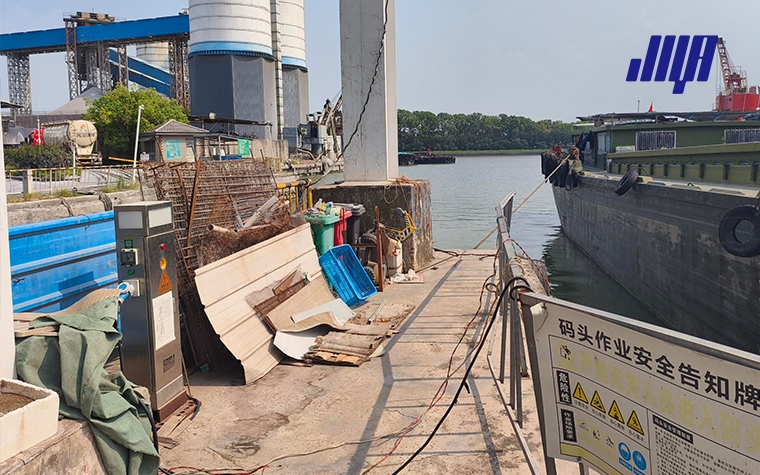
Boat Electrical Leakage Testing: ABYC Standards Guide

The electrical systems are the backbone of the safety and proper functioning of every boat, but if the wiring is done incorrectly or the installation is defective, one of the results can be the very hazardous electrical leak. If you are a boat owner or a marine technician, even more so if you are both, then you must be aware of and follow the safety standards to avoid electric risks. This paper is about the American Boat and Yacht Council (ABYC) standards concerning the leakage of electricity testing and gives a detailed guide to the best practices, methods, and measures of compliance. Whether you are a marine professional or a safety-minded boat enthusiast, this text gives you the necessary knowledge to keep your craft safe from electrical incidents together with the people onboard.

Understanding Electrical Leakage in Marine Environments

Understanding Electrical Leakage in Marine Environments

Definition of Electrical Leakage and Its Implications

Electrical leakage is an unintended flow of electricity that gets transferred from the current carrying wire or equipment through insulating materials into the environment which in case of a marine setting like that of a boat can be the outer metal parts of the boat or even the water itself. It might be a result of electrical insulation breakdown, improper grounding or general neglect of electrical installations. Even the tiniest leakage may create a hazardous situation, which is further aggravated by water being present as it is a natural conductor to electricity.

In this regard, the consequences of electrical leakage are enormous. The result, in case of the ship, would be the corrosion of metallic parts which would eventually allow the vessel to be less and less structurally sound. However, electric leakage in water is more and more the feared cause of the lowering of the very dangerous drowning caused by electric shock (ESD) to swimmers. This phenomenon happens when the electric currents in the water coming from the source in the boat make the occupants of the water defenseless and thus unable or very hard to road out safely. Also, the leakage currents may lead to fire outbreak due to electrical malfunction resulting from overheating or sparks.

There is no doubt about it, practicing safety through managing and eliminating electrical leakage is a very essential thing in a marine environment. The implementation of or rather the carrying out of regular checks and the following of the marine electrical standards such as those of the ABYC plus the application of the right testing tools, and all that can easily lead to issue identification and remedying before the issues turn out to be a danger. To boat owners and operators, education coupled with regular maintenance and monitoring of electrical systems are the core responsibilities on their part to ensure safety not only of the vessel but also of the people onboard or swimming in the vicinity.

Common Sources of Leakage Current in Boats

In boats, leakage current usually comes from different sources and is mostly caused by problems in the electrical systems. The list below contains the most common sources along with overview:

  • Faulty Wiring and Connections:

    Faulty or deteriorated wiring is one of the main reasons why leakage current occurs. Gradually, insulation on wires can break down through moisture, heat, or mechanical wear and thus, current can go to water. This can also happen because of poorly done splices, loose connectors, or wires that are chafed and damaged.

  • Ground Faults:

    Grounded electrical hardware will let the water take their charge for free in case of wiring faults. Electricity is released through such faults mainly in boats using Alternating Current (AC) when the live wires of an appliance touch grounded parts thus forming a leakage route.

  • Corrosion in Electrical Components:

    Corrosion is a marine environment problem that is hard to avoid as equipment constantly comes into contact with saltwater and is exposed to humidity. For example, corrosion of shore power inlets, circuit breakers, or electrical panels can lead to electrical leaks.

  • Marine Appliance Malfunction:

    Water heaters, bilge pumps, or battery chargers may be considered as boat appliances that can cause currents’ leakage if their internal circuits get damaged or not properly grounded. Old equipment is more likely to suffer from such problems.

  • Improper Shore Power Connections:

    When a ship is on shore power, worn plugs or incorrect matching plugs may cause power leaks. This occurs especially when one is using an adapt or convertor that does not exactly fit the system’s specific requirements.

  • Bonding System Issues:

    A bonding system of a boat which is designed to equalize electric charges and minimize corrosion, if neglected or maintained poorly, can become a source of leakage current through the broken or corroded connections.

Impact of Electrical Leakage on Marina Safety

Electrical leakage poses a considerable threat to marina safety, endangering not only people but also property. One of the potential hazards that are most pronounced is the risk of electric shock drowning (ESD). The water becomes unsafe because the leakage current creates an electric field around it that can incapacitate or cause serious injury to swimmers over a wide area. Electrical conductivity of water is so high that even a very small electric current can have a deadly effect on the unaware people in the area and they can be electrocuted.

In addition, electrical leakage can cause current-induced damage to equipment and also make fire hazards more likely. The electrical systems of the boats and marina infrastructure are used for many operational processes that can be considered essential. When leakage occurs, it can overheat electrical components, result in sparks and ultimately fire. In this case, not only is the property of the leak’s origin endangered but also the other vessels and structures at the dock that are nearby.

The issue is not only in terms of physical safety but also financial and operational impact that can be very large. Marinas may incur repair costs, lose their good name and litigation claims if they do not enforce proper safety measures. Regularly maintained electrical systems such as inspections, and compliance with safety codes are all very important in the risk reduction process as well as ensuring everyone is safe on and near the water.

ABYC Standards for Electrical Safety

ABYC Standards for Electrical Safety

Overview of ABYC Compliance Standards

The compliance standards of the American Boat and Yacht Council (ABYC) take the lead in the electrical safety of boats, marinas, and surrounding water areas. They were established to eliminate the risks of electrical systems which include electrical shock, electrocution, and fire. The marine professionals and the operators who abide by the ABYC guidelines are the ones who will be able to say their electrical installations and maintenance practices meet the safety benchmarks that isolate and safeguard both the equipment and human lives.

The provision of the different areas of grounding, the use of correct wiring techniques, circuit protection, insulation, and others is all encompassed in the ABYC standards. The electrifying boat area provides the strongholds with methods to design and build the electrical systems that can survive and perform under those harsh conditions. The compliance of these standards will not only benefit the safety aspect but will also shorten the lifespan and reliability of electrical systems in marine conditions.

The compliance with the ABYC standards is not legally bound but it is a practice that is considered the best. Being compliant with these rules is the safest thing to do in case an accident happens and consequentially it will save one from being liable financially. For this reason, a marina operator’s safe harbor experience will surely include a good reputation and no legal claims. Therefore, ABYC compliance will be appreciated as an investment in long-term operational success.

Focus on E-11: Stray Current and Galvanic Electrical Leakage

The E-11 requirements tackle the dangers incurred from stray current and galvanic electrical leakage in waterfront areas where marinas are located. Stray current is when electricity unintentionally flows outside the electrical systems; it can result in dangerous shocks and equipment damage. Galvanic leakage, on an initial level, is the long process of dissimilar metals losing their electrons and, thus, it becoming the case that the under-water equipment or boat hulls are corroded because of it. Both problems, if not addressed, turn out to be very serious not only for the safety of the marina users but also for the infrastructure itself.

E-11 Compliance calls for the adoption of very stringent preventive measures. This greatly reduces the margin of error that may develop in the present serene environment in the marina for owners, dealers, and others who frequent marinas for these accommodations. One of the safeguards is that all electrical systems are properly earthened and bonded to escape harmful currents. Additionally, regular examination and maintenance of electrical installations would come up as an auxiliary measure to detect and (effectively and in good time) alleviate possible faults. An appropriate device as, for instance, the galvanic isolator, will also aid by curbing the passage of leakage currents and minimize squaring off with a big corrosion issue on underwater metal parts. All factors when hewed together improve marina safety in the vicinity and make sure the protection of valuable assets.

Marina operators, by following E-11 standards, not only provide safety for their facilities but also build up a good relationship with customers based on trust. Electrical safety means fewer accidents, hence a good reputation and no financial losses due to the claims or damage. Moreover, compliance with E-11 requirements helps gain adherence with the global safety regulations, thereby contributing to the overall marina safety strategy. The constant observance of the E-11 codes ultimately shows the devotion to the protection of both people and nature.

Importance of Compliance in Preventing Electric Shock Drowning (ESD)

Electric Shock Drowning (ESD) is a preventable disaster that takes place when water currents due to electric currents kill swimmers, and finally they drown. The compliance with safe electrical standards such as E-11 is paramount in drastically reducing the occurrence of ESD. These very standards make it obligatory through their specifications to properly install and maintain the electrical system that is close to water, thus limiting the chance of stray electric currents reaching the water body.

Usage of safety standards is to indeed very big extent contribute to the electrical leak, not only accidental, at marinas and other facilities near the water. It is in fact preventive measures that are regular inspections and electrical equipment maintenance plus the use of ground fault protection devices. These measures reduce the risk of under water electric currents being there, and at the same time show the dedication to saving lives.

Moreover, compliance builds the culture of safety and accountability among the facility operators and customers and other users. The training and the informing of the public and the staff about the dangers of ESD and the applied safety measures create a secure environment for everyone. The consistent compliance and the awareness can mitigate the dangers of Electric Shock Drowning to a point where the use of water areas is safe and enjoyable.

Testing Procedures for Electrical Leakage

Technician conducting boat electrical leakage testing, following official ABYC safety standards for marine electrical systems

Step-by-Step Guide to Conducting Leakage Testing

  1. 1 Prepare the Testing Area:

    Make a clean testing area and ensure all necessary safety precautions are in place. Disconnect the area being tested from the power supply to eliminate hazards. Get together all the testing equipment required which include a multimeter and safe protective gear.

  2. 2 Inspect the Electrical System Visually:

    Tests will not be conducted without a proper visual inspection of the entire electrical system consisting of wiring, electrical panels, and connections. Take a look at the system and find damage, corrosion, or exposed wires that may lead to leakage.

  3. 3 Measure for Leakage Current:

    Power on and a leakage current meter or multimeter to find out whether there is any current unintentionally flowing in the system. Set the meter on the lowest current readings and test circuits for locating leakage. Document and keep monitoring these measurements for later on evaluating.

  4. 4 Test Ground Fault Protection Systems:

    Check that devices that protect against ground faults are working properly. Manually trigger the GFCI to see if the power is cut off in the expected manner. Bad protective devices should be taken care of either by repairing or replacing them immediately.

  5. 5 Address Identified Issues:

    First, removal leakage and then locating its source by checking one by one wires or segments of the wiring system. After detection, the faulty parts are to be repaired or replaced.

  6. 6 Document Findings and Retest:

    Now that all issues have been resolved it is time to conduct a test again to make sure there are no leakage problems left in the system. Make sure you have detailed records of your findings, actions taken, and final test results for audit and future reference.

These steps make it easy for you to assess and eliminate electrical leakage in a systematic way which in turn will guarantee a safe environment around water areas, prevent risks like Electric Shock Drowning (ESD) and so on.

Identifying and Measuring Leakage Current with a Clamp Meter

The clamp meter is an essential tool that can efficiently and safely detect as well as measure leakage current in the electrical systems. Before anything else, you should check whether the clamp meter is the type that can measure leakage current and that it can detect very low currents with high accuracy. As per the manufacturer’s instructions, set the clamp meter to the correct sensitivity mode. Surely, the test should be conducted in a clean, dry, safe place.

For the measurement of leakage current, the clamp meter should be placed such that its jaws encircle the whole set of conductors of the circuit excluding the ground wire. Therefore, both the live (hot) and neutral wires will be included. The meter will indicate leakage for any current it can detect since the net current in well-functioning circuits should ideally be zero. Take the readings with great care, and this includes noting any large differences and unexpected values which can indicate faults as well.

By reviewing the outcome obtained, you will identify areas where leaks have occurred. Common causes for these leakage sites could be the decay of the insulation, water ingress, or malfunctioning equipment, among other possible contributing factors. Repair or replace any faulty part discovered. This ensures that they further test the system from there to confirm if their repair actions are a solution and to certify the system is safe. Recording the outcomes well would help a lot, making all aspects related to the need to take notice of safety and regulatory compliance pretty simple.

Using Diagnostic Tools: Galvanic Isolators and ELCI Breakers

The galvanic isolator is an important element in preventing the electric corrosion due to stray currents on boats and marine systems by cutting off the low-voltage currents going through the shore power connection and the boat grounding complex. In this way, it protects hulls, propellers, and other parts vulnerable to galvanic corrosion and hence ensures that the steel structure does not rot with time. Regular inspection of galvanic isolators ensures functionality and safe shipping of your vessel.

ELCI (Equipment Leakage Circuit Interrupter) breakers provide an additional layer of safety by keeping a close watch on electric systems for leakage. They spot even the tiniest electric leaks that might create a shock or electrocution hazard and consequently cut off the power to the area. ELCI breakers play an important role during the reduction of electric hazards in environments with high moisture content, thus considering them as the fundamental aspects of marine safety systems. The periodic checking and testing of ELCI breakers facilitates the proper working of the device, thus prolonging its reliability in protecting against electric failures.

In the case of the diagnostic tools, the manufacturer’s instructions should be strictly followed, and safety guidelines complied with. It should be considered the norm to test both galvanic isolators and ELCI breakers frequently. If faults are found, they should be fixed without delay either by referring to an expert or replacing the defective parts. Not only does keeping the records of these inspections guarantee that you are complying with safety regulations, but it also increases the longevity of your equipment and gives you peace of mind.

Safety Protocols and Best Practices

Safety Protocols and Best Practices

Critical Safety Measures for Marina Electrical Safety

The electric safety inside the marinas is a one of the major factors to be concerned with as they can contaminate the whole marina with electricity which in turn leads to the death of along with many other serious hazards. Adopting the following safety measures can definitely help in cutting down the electrical system-related risks to a great extent:

  • Routine Inspections and Maintenance:

    The extensive checking of the electric installations like pedestals, power cables, and electrical connections is even a must. The standards of the National Fire Protection Association (NFPA) and American Boat and Yacht Council (ABYC) state that the electrical systems of the marina have to be inspected at least once a year. The early signs of wear, corrosion, or damage can be detected, and thus accidents can be prevented.

  • Ground Fault Protection:

    Ground Fault Circuit Interrupters (GFCIs) and Equipment Leakage Circuit Interrupters (ELCIs) are to be installed for the purpose of preventing electrical shock drowning (ESD) as much as possible. Wrapping GFCI around all the shore power connections can help switch off the power within no time, thus the risk to swimmers and boaters is reduced significantly.

  • Establishing Safe Voltage and Amperage Limits:

    The power supply for boats at the marina should be given through the electrical pedestals that will not be rated higher than their capacity. The overheating of the circuit wires and the consequent fires of the circuits are the possible consequences of overloading. The recommended practice is to keep voltage drops below 3% within the electrical system, to ensure both efficiency and safety.

  • Proper Dock Electrical Bonding:

    It is of utmost importance that the docks are bonded and grounded correctly so that very little stray current is present in the water. The stray current is the cause of electrolysis which not only affects the boats but also poses a grave risk to the swimmers. NEMA (National Electrical Manufacturer’s Association) strongly recommends using the correct bonding methods to avoid this.

  • Signage and Awareness:

    Safety signs regarding electrical hazards should be set up at the marina entrances and exits as well as in every corner that is near the electrical installations. The boaters should also receive or be required to undergo electrical safety training so that they understand the risks inherent with improper connections or faulty equipment.

  • Adopting Modern Standards:

    As per the marinas’ compliance with NFPA 303 “Fire Protection Standard for Marinas and Boatyards” which includes electrical system safety and fire protection systems. Staying abreast of local and international regulations is very important in terms of keeping compliance.

Preventing Electric Shock Drowning: Essential Protocols

Power shock drowning refers to a situation where an individual drowns unknowingly in a freshwater source due to an electric current that may often be delivered from defective, improperly installed, or faulty electrical systems existing in or around marinas, harbors, and boatyards. Hence, safety protocols should be known and enforced to prevent this electricity-induced life-threatening scenario.

In conclusion, all electrical installations near water should comply with the most contemporary set of safety codes and standards such as National Electrical Code (NEC). And regular inspection and proper maintenance of electrical fixtures will absolutely prove benefits over risks. Consequently, the root to ESD risk, that is, improper wiring, should never be carried out, inspected, or repaired by a person other than an electrician qualified by law.

Secondly, make the marina operators, boat owners, and the general public aware of the ESD problem, its dangers, and how to recognize the risk areas. The presence of warning signs is the tingling feeling people get in the water near the boats or docks. Thus, the swimming of people near marinas and docks with electrical equipment in the water must be discouraged, and warning signs must be installed in those areas that are not easily missed.

Finally, make it mandatory for all dockside outlets and boats to have Ground Fault Circuit Interrupters (GFCIs) and leakage current detectors so that in case of a fault, the power is cut off instantly. Besides, a routine testing protocol for these devices should be established to verify that they are functioning properly. This way, the possibilities of ESD can be lessened and thus a safer environment for everyone can be created.

Proper Use of Shore Power and Shore Power Cords

The proper use of shore power and shore power cords is critical for the safety of the vessels and the electric systems on the vessels in the harbor, therefore, the shore power cords should be dealt with very carefully in order to protect the insulation and the connectors on the cords. The worn out cords can become a source of electrical faults or accidents. Cords should be inspected for signs of wear and tear like frayed wires, exposed conductors or corrosion and replaced immediately if defects are found.

The shore power source connection must be very secure with the cord fitting tightly to avoid loose contacts that would produce heat and a subsequent fire. It is also advisable to switch off the supply before plugging or unplugging the cord to prevent electrical arcing which can cause outlets and connectors to get damaged. Using the marine rated cords is essential when dealing with the power of your vessel as they possess efficient and safe characteristics.

Additionally, these practices include daily storage of shore power cords in a safe manner after installation is complete. Overall, neatly coiled and dry shore power cords should be stored to prevent exposure to moisture from outside elements, including risk of oxidization and deterioration. The cords need to be cleaned periodically using an appropriate cleaning solution to keep them in good condition. Compliance on the above factors can help prevent any possible hazard while further extending the equipment’s life for worry-free, safe connection to the shore power.

Maintaining a Safe Electrical System on Your Boat

Maintaining a Safe Electrical System on Your Boat

Regular Inspections and Maintenance of Electrical Systems

One important point about water safety is that fine inspections must be run in regular intervals on the electrical system of a watercraft. A visual inspection is the first step that includes visible wiring, connections, and components, looking for either damaged or worn parts due to corrosion. Focus on areas most likely to suffer in soaking from moisture as this could accelerate corrosion or create short circuits. Whenever a problem is evident get it fixed at once. All the security and weatherproofing must take initial concern while ensuring any connection.

Next in line is the testing of all appliances (lighting[s] included) and boat equipment for proper operation. With the aid of a multimeter, verify that the voltages are within the proper range for the system and test circuit breakers to ensure that they trip properly when overloaded. Failures in the equipment or systems testings [sic] that are not siting well should be tackled by discussion of the problem with a qualified marine electrician or following the appropriate troubleshooting steps.

Battery maintenance that entails a regular checkup of the electrical system as well as ensuring proper system voltage, which is preserved at a value of twelve or thirteen volts when resting, is also necessary. Among the other activities involve keeping the terminals clear and avoiding any corrosion-treating things, while the rest should involve keeping batteries fully chargeds the batteries tend to deteriorate whenever they are frequently discharged. Stow extra fuses and any tools you need for emergency repairs. Regular inspection and appropriate maintenance can lower the chances of electrical failures and can enhance the boating experience further.

Understanding the National Electrical Code (NEC) for Marine Applications

The National Electric Code (NEC) underlines safety requirements that allow for safe installation and maintenance of electrical systems and marine equipment in particular. In organizing a need for compliance with these codes, boat and vessel operations will have to deal with unique challenges like moisture, vibration, and corrosion. Conversely, it is crucial to consider the NEC as part of your safety wiring program to prevent the occurrence of electrical fire-plus electrical shock.

Typically, corrosion-resistant materials-depending on the duty-are therefore specified in order to comply with marine norms. These kinds of equipment must be able to withstand everything from extreme cold winds to salt water and have the correct safety grounding, hence the designation of bulkhead penetrations as well as the witches with which conduits may be passed. Any existing earthing must be securely made with alternative connections being fully insulated against water ingress, associated open wiring, or anything else that might short circuit. This code also requires dryland leftover with featured mechanical or thermal protection to point out that the incident overloads mean the threshold for safety in the electrical systems is adequately protected.

Compliance with the National Electrical Code not only prevents accidental mishaps but also signifies efficacy and goodwill of all electrical installations. The safety standard requires routine checks of the wiring and infrastructure for preservation and postponing of wear-timid mistake; so it is upon the conspeoples and other seafarers to learn and comply with the NEC, or hire a competent contractor to ascertain that the installation will pass the safety regime. Following these essential steps can help us in enhancing safety, securing our boat, and ensure a trouble-free boating experience.

Upgrading Electrical Systems to Meet Current Safety Standards

If your ship has to be reliable and safe, it is paramount to renew the electric system according to current standards. Begin with an inventory of electrical components requiring replacement due to being old or having deteriorated. Be wary of broken, severed, and frizzy wires, corroded terminals, and oversized or undersized breakers. The exhaustive inventory that has been made will help pinpoint areas that should be replaced. Make sure updates comply with safety standards by referencing materials regarding the NEC code.

Replace archaic electrical diesel wiring with the best solutions available. Wires specified under marine craft are technically sophisticated to cope with the various conditions of the aquatic environment. Copper wires with tin plating have a good reputation for resisting corrosion and should therefore be chosen. Moreover, ensure that each connection is watertightly sealed. In addition, it’s good practice to use ground fault circuit interrupters (GFCIs) for installations in specific areas, so that you can diminish the danger of someone receiving an electric shock where an electrical system is not correctly insulated in water, such as on a boat.

Being bold, simplify the installation of a modern electrical power management system to save power and monitor the distribution of electricity efficiently. Such a system ensures that sub-circuitry is not massively overloaded and power gets through to the place where it is most traded. Get certification that the works were executed in compliance with safety regulations from a registered marine electrician, after the work has reached its final product. Implementing regular inspections and adhering to these suggestions will prolong the operation of the electrical systems on your boat and bring them into a like situation with the current safety standards.

Frequently Asked Questions (FAQ)

Q: How do you measure leakage current on a boat and what tools are used?

A: To monitor current, you can employ a leakage-clamp meter or a device that detects leakage current in milliamps. The usual procedure involves clamping the shore power line or individual conductors to find the leakage current being produced by either the particular boat or by the shore power circuit. Current in the live, neutral, and safety ground wires is measured with a sensitive ammeter or leakage test instrument to identify the availability electric current will have and whether it exceeds the limits set by ABYC.

Q: What are considered excessive amounts of leaking current and are dangerous levels allowed at how many milliamps?

A: The ABYC recommends leakage in the few milliamp range as something to watch for, but hazardous voltage and current depend upon the exposure and path to ground. Tens of milliamps flowing into the water or through a person would be dangerous. The goal in tests is to determine leakage current and reduce it to significantly below shock thresholds and those that command a device overcurrent. Always consult the ABYC thresholds specific to your type of vessel and installation.

Q: How do you locate the source in case the Marina GFPE reports an unbalance or trips?

A: If and when a marina’s ground fault protection equipment (GFCI) trips, one upper related activity is to gang clamp off the shore power feed so that one can determine if power is flowing into the water subsequent to a leakage problem. Next, isolation of boats is carried out through disconnecting shore power at the shore power panel terminal box one boat at a time to identify the vessel causing the leakage. Utilize the leakage clamp meter to test power cords and on-board circuits on all the boats to measure leakage current from each boat, and by so doing to pinpoint if the gfpe problems lie within the boats or in a problem emanating in the shore power to the boat.

Q: Can the shorepower supplied to boats cause a leak and how must boats be prepared to use shore power safely?

A: Shore-power boat can be a source of lost current if boat wiring, onboard equipment, or bonding is defective. For boats that are going to be using shore power, the shore power cord, the safety ground wire above the boat, and boat electrical leakage testing should be checked before getting docked. Verifying that the green wire connection is a safety ground wire, where gfpe meets and testing for the current to flow balance between line and neutral will help to prevent dangerous conditions on the boat sitting in the marina.

Q: Would you recommend regular leakage testing by marinas and boat owners as well as providing a current measuring device on-site?

A: A yearly inspection or other regular inspection conducted whenever new equipment is installed or the onboard electrical circuit is modified is highly encouraged. Marinas should keep a tool for electrical measuring such as a leakage clamp meter or tester on-site, to be able to quickly home in on the exact source of leakage in the case of gfpe events. Measuring the leakage current on all boats in a proactive manner will help minimize downtime and identify which boats can be responsible for most of the marina gfpe occurrences.

Q: What are the procedures when an individual is checking the shore power for leakage current using a clamp meter?

A: He will first clamp the whole shore feed to measure the total current and to check for leakage into the water. He shall then clamp the individual conductors–line and neutral, looking for where the current flows while still plugged in. If practical on a particular piece of equipment, one may then disconnect the positive or other circuit feeds in order to isolate the electrical circuit or take the load off and identify the source of leakage. Milliamps will then be recorded and compared to the ABYC limits to determine the remedial steps.

Q: Are most GFPE problems in marinas caused by boats, and then mostly by the vessel as a percentage in any particular study?

A: Most marinas will consider boats to be the primary cause of gfpe trips; industry surveys and reports often state that a high percentage of the gfpe issues at a given marina—usually quoted figures like 90 percent of the marina gfpe—are largely due to the vessels. Considering this fact, boat owners are expected to comply with Boat Electrical Leakage Testing: a strict boat wiring and on-board systems ABYC Standard Guide procedure to minimize current leakage and the probability of one boat accounting for tripping on shore-wide circuit breakers.

References

  1. Marine Service Tech Standards & Skills
    This document outlines diagnostic and repair skills for marine electrical systems, including adherence to basic electrical principles.

  2. Research Vessel Safety Standards (11th Edition)
    This resource references ABYC standards for electrical and mechanical systems on research vessels.

  3. MT 231 – Marine Heating, Air Conditioning & Refrigeration
    A course description that includes compliance with ABYC standards for marine systems.

  4. Marina power pedestals Manufacturer and Supplier in China

Marina Safety Signage Requirements: What the NEC Demands

Speaking of marina safety, the use of proper signage has become a necessity according to the National Electrical Code (NEC) instead of just a suggestion. Marinas and docking areas are very lively places where the mixture of water, electricity, and constant human activities produces novel safety concerns. The NEC has a set of regulations that require marinas to have very clear, very efficient, and very compliant signage that is capable of significantly reducing the risks of accidents and protecting both human lives and properties. This paper examines the critical signage mandates of the NEC, outlining the requirements, the importance, and the ways of implementing the guidelines effectively. Whether you are a marina manager or a person willing to learn more about the safety standards in the industry, this whole guide will be your starting point for compliance checking and facility protection.

Understanding NEC Standards for Marina Safety

Understanding NEC Standards for Marina Safety

Overview of Article 555

Article 555 of the National Electrical Code sets the standards for handling the electrical safety of boatyards, marinas, and other waterfront facilities. The NEC states that this article primarily tries to protect people and property from electrical shock and fire in areas that have water and electricity. The NEC catalogues rules on how to construct, locate, install, and maintain electrical systems and their components so that the need for safety from harm such as electric shock is foremost Click here for more information.

The key requirements of Article 555 cover grounding and bonding of electrical systems done correctly to secure the area from electrical currents. It also requires ground-fault protection devices to be installed which will automatically detect and interrupt ground faults before they become dangerous. Besides, the article states the safe positioning of electrical equipment and circuitry in such a way that it minimizes moisture exposure and also prevents chemical reactions that can lead to the failure of the system through corrosion.

The other important issue that Article 555 is concerned with is that of warning signs and labeling. The use of clear and easily readable signs is imperative to notify people of the dangers in electrical operations and thus protect the working staff and the public. Following the guidelines, the facilities, not only, reduce the hazards but are also compliant with the standards of electrical safety and provide a safer environment for the users of the marina.

Key Signage Requirements for Marinas

The presence of appropriate signage in marinas not only is a measure of safety but also the minimization of risks associated with electrical operations. As per Article 555, the signs are to unambiguously mark the unsafe zones such as those with high-voltage electrical components or areas where electrical shocks are possible. The signs should be made of the material that can withstand weather conditions and should be easily readable from a distance that is considered reasonable, and thus it will be possible for the boaters, workers, and visitors to act with caution.

Every piece of electrical equipment that is installed on a marine vessel, such as atmospheric panels and outlets, must have properly made labels glued on. These labels are meant to indicate, in a brief and specific way, the voltage of the electrical equipment, its correct use, and associated hazards. This standardization of symbols and conveying understandable information in universally accepted language fosters the comprehension of an imposed safe work environment throughout.

Alongside this, the emergency and safety-related signs of a marina must be equipped and are openly visible in areas providing easy access. This involves signboards manifesting as markers/code entries right along the way for access to the emergency shutoffs, grounding instructions or words of caution about specific misuse – for instance, even swimming near docks where electrical equipment is installed. When kept intact, not only should fulfilling these sign requirements pose a safety net for the marine location, but ensure evidence of compliance of correct protocol to govern; hence, an even safer place for everyone.

Importance of Compliance with NEC

The third National Electrical Code (NEC) compliance is not just a requirement, but a necessity for the safety and efficiency of power systems in different places. The NEC prescribes a set of rules that thoroughly mitigate the danger of electrical fires, shocks, and even equipment damage. The observance of these rules not only counts as a legal requirement in most areas but it is also a major measure to safeguarding humanly and economically.

By complying with NEC, operators, and constructors of the facilities can create less dangerous and more reliable environment. The NEC consists of the procedures on the right way to install and take care of electrical parts, which provides slow building up of efficiency and then finally, they can last through the weakest points of the environmental challenges. This is very much the case with the intoroduced on the installation of the construction in marine areas, where the factors of high moisture and other unpredicted factors could be a part of the location situation, hence, risk factors are high unless professionally designed electrical systems are installed.

Committing to the NEC means not only gaining immediate safety benefits, but also indicating the intent of professional standards and quality levels. The compliance requires the use of certified and tested materials thereby winning over the customers and also cutting down liability risks. In the long run, following the NEC not only serves to protect people and property but also curriculum vitae trust among the different stakeholders in the fields of design, construction, and operation of electrical systems.

Essential Safety Signage for Docking Facilities

Essential Safety Signage for Docking Facilities

Warning Signs and Their Visibility

Warning signs at docking facilities are crucial for safety and also for the maintenance of efficient operations. These signs have to be visible even under the most unfriendly of environmental conditions such as poor light or bad weather. Reflective materials are used along with color combinations having high contrast to make the signs legible during the day and at night. Proper positioning of the signs at eye level or within clear sightlines also helps workers and visitors to identify dangers quickly.

The strategic positioning of warning signs is very important to avoid accidents. Signs should be placed near potential danger areas such as places that are slippery, around heavy machinery, or where access is limited. This will give people enough time to react and take the necessary precautions. It is equally important to do regular maintenance of the signs because if the signs are faded, damaged, or blocked then this will greatly reduce their effectiveness.

Numerous studies give evidence to the fact that clear and consistent signage is very important in preventing workplace accidents. Warning signs that are visible and simple to understand are of great help in communicating the risks, especially in the case of high-traffic areas where there are diverse groups of workers. The introduction of these measures will not only ensure that safety regulations are adhered to but also create awareness and responsibility among the personnel at docking facilities.

Labeling Electrical Devices and Equipment

Proper labeling of electrical devices and equipment is the most important thing to do to attain safety and compliance in the workplace. Clear and accurate labels not only identify electrical hazards but also prevent misuse and support maintenance and repair of equipment. Besides, the labels should consist of the critical information like voltage levels, circuit designations, and safety warnings, which the workers can easily understand the risks and necessary precautions.

Labeling should always follow safety standards and regulations, for instance, that of OSHA or IEC, to be effective. Guidelines like these determine the design, content and location of labels so that visibility and understanding are maximized. Also, durability has to be a property of the label material it should be resistant to environmental stressful factors such as heat, moisture and corrosion so that it will stay readable for a long time.

The implementation of a labeling system can truly be the start of a very safe working environment. Regular inspections should be carried out to verify the condition and accuracy of labels, updating them as needed when equipment is repaired or replaced. Worker training on proper label interpretation is another critical factor as it gives them power to appropriately act on risk reduction.

Best Practices for Marina Operators

Best Practices for Marina Operators

Creating a Safety Checklist for Signage

Creating a comprehensive safety checklist for signage is essential for the ensuring that it is safe and efficient. One should be able to see any sign clearly and from a distance, so it should be good practice for you to use good size fonts, if applicable, contrasting colors, and strategically placing the signs at eye level. Vulnerability assessments done to identify dilapidated or faded posts in critical areas of the site covering all risks would necessitate a quick replacement or changing in their position.

The second area to check by the checklist would be to verify that the signs are covering all significant safety and operating requirements. These include the emergency policy, warnings of any hazardous conditions, warning areas, speed limits, and guidelines for matching and docking zones to the signs. The design and wordage of the sign board, and associated guidelines, should be standardized strictly for clarity and compliance among visitors and staff.

How about integrating normal training and feedback into the general maintenance system? The staff needs to understand whatever language their signs are speaking to them while marine users could engage in safe marina behaviors by reporting unrestored and hampered signs. Safety checklists would be reviewed and refinements would continue to address emerging threats, so that signs would continue to promote safety in this safe marina.

Regular Certification and Maintenance of Safety Signs

Regular certification and maintenance of safety signs perform an essential role in maintaining the safety of a marina. As the existing safety standards imply for timely activities, all signages should be thoroughly evaluated twice annually, encompassing physical wear, e.g. fading text and structural damage, and the alignment demands set by the regulatory index of standards.

Information from reports emphasizes the fact that well-maintained safety signs can reduce accidents in a marina by 35% or so.

The necessity of clarity and visibility on users’ parts is, thus, crucial, particularly under inclement weather conditions or in high-traffic areas. In one way or another, the use of reflective materials or the installation of LED lighting dramatically increases the visibility of signs during low-light condition, thus improving the overall level of safety.

Moreover, heeding the view on sensitizing the marina safety field, we can highlight that the place of digital solutions is more geared toward smart signs that carry sensors or QR codes, which link damage reports and real-time safety updates. Marinas can maintain a culture of safety and efficiency through integrating more technologies behind regular inspections coupled with continuous feedback in order to keep their safety signs effective to guide and protect inhabitants there.

Training Staff on Signage Importance and Usage

When a marina-staff unit is trained about the importance and practice of hazards in various safety signs, the need for a safe environment is met. Above all, it is crucial for the staff to know that there are different types of signs for various use purposes, including signs for hazards, signs which help in wayfinding, or signs that give operational guidelines. When staff members get a basic idea of these safety and efficiency signs, they will imply to the users in the harbors what these signs represent, thereby enabling them to know what to look for during different emergencies.

Proof of hands-on lessons include Tours or training workshops of the various technologies going into the signage system, including QR codes or sensors. Those would be the hands-on demonstrations on reporting maintenance within a system of other links, or reminders on specific cases involving preventing accidents through efficient signs. In-house refresher courses, offered on a recurrent basis, are proven effective to reinforce this basic knowledge and help keep the staff updated with the new technologies coming into the signage business.

Strengthening employee involvement in the inspection and maintenance process further deepens their understanding of signs’ functionality. Through participating in the periodical crosschecks for deterioration and obsolescence, they become empowered to contribute actively to the safe culture of the company. This establishes accountability and ensures that safety communication does effectively protect both marina visitors and themselves.

Legal Implications of Non-Compliance

Legal Implications of Non-Compliance

Understanding Liability Risks for Marina Operators

Concerning legal responsibilities, operating a marina, particularly safety and compliance, is laden with responsibilities. A marina operator would have liability regarding ensuring the safety of the visitors, personnel, and boat owners. Failure to fulfill safety regulations (posting proper signage, maintaining opposition structure, among others) leaves one exposed to potential lawsuits, massive fines, and ill repute. Strict, regular inspection and adherence to local, state, and federal laws are crucial for squashing these risks.

One focal point of liability concerns accidents or injuries that could happen on the marina premises. In the event an operator is being found negligent for not repairing damaged docks or providing clear safety instructions, then such an operator can be found liable, legally speaking, to the victims of such negligence. Although liability insurance provides financial protection, this does not discharge the operator from his obligation to a priori prevention of such incidents. The exercise of proactively addressing the potential hazards ensures compliance and trust and safety of all stakeholders.

Consequences of Failing to Meet NEC Requirements

One of the results of non-compliance with the NEC is the erection of a hazard to life and limb. The foremost of these is fire, usually caused by improper wiring, overloading, or the use of sub-standard equipment. These risks cost money and life itself. Compliance is the only way to ensure minimal dangers since following codes has always placed rigid standards toward safe electrical systems.

The next major consequence can be social and economic where non-adherence will come back as fines or lawsuits for recovering damages, etc. It is possible the business or property could experience delay in operations or completion of the projects; if the installation is illegal, the work will stop until the installation is changed to comply with the standards.

Ultimately, failing to meet the NEC standards will damage the reputation of a business and relationships with clients and stakeholders. The consumers expect safe installations and trust is broken by being non-compliant with the standards, which leaves opportunities closed for the future. To celebrate their keep, NEC codes are not only a may but a must-do thing, concerning safety, money risk, and service to professional conduct.

Case Studies: Incidents of Electric Shock Drowning

Electric shock drowning (ESD) is the result of electrical current leakage into the water and the passage of the current into a swimmer. This causes paralysis to the muscular system and is definitely known to signal imminent drowning. A grand incident happened at a marina where electric wiring faults allowed for current leakage into water. This rendered swimmers near the dock helpless and emphasized the extreme danger of improper electric infrastructure and the need for conformity to safety codes.

There was one incident with a residential setting near a lake. A boat lift and its related electrical equipment that were all faulty had exposed the water to current, which was just deadly. A swimmer got touched and drowned before any rescue could be worked out. That incident emphasizes the dangers of missing out on the regular maintenance and inspection of electrical systems along the waterfront.

From the above discussion, we notice that compliance with the electrical code, viz., installation of Ground-Fault Protection Devices and frequent safety checks is very important. This is not just a legal obligation but is also aimed at preservation of human life and the elimination of similar blunders in the future. An increase in awareness relating to ESD and education on this subject will allow building and marina owners to take preventive measures.

Mitigating Electric Shock Drowning Risks

Mitigating Electric Shock Drowning Risks

Effective Warning Systems for Boaters

Posting signs of danger at marinas, docks, and other waterside locations is very efficient in the rule of thumb to protect boaters from electric shock drowning (ESD). They need to be set out and read all along the right lines, emphasizing danger signs from faulty wiring and stray currents, and instructing for the practice of safe methods. Furthermore, in simple English and visual signage, every person, including kids who do not know how to read, will understand those warnings.

Another effective system is one that can include ground-fault circuit interrupters (GFCIs) and equipment leakage circuit interrupters (ELCIs) capable of tracing potential leakages in electrical systems and the automatic shut-off of power if any leakage is detected. Boaters and marina operators are to check and ensure the functionality of GFCIs and ELCIs devices aside from ensuring regular shoreline inspections and maintenance of all dock wiring and electrical systems to identify faults that contribute to ESD, adding to the security layer.

Lastly, a robust educational setup aimed at boaters and marina personnel is of much importance. Awareness about electrical hazards in the water, signs of potential electrical shore-related activities, and the appropriate protocols in response may all help to keep boaters and marina personnel ready for action in emergencies. Thus, community-based, on-line, and specialized training will guarantee that the boating public is safe in all its undertakings. Such a complete mechanism will keep electrical shock hazard risk at bay and protect lives.

Labeling Best Practices for Electrical Safety

Correct labeling of electrical systems is an absolute must-do to ensure safety within marinas and any other boating environments. Labeling should clearly identify the likes of electrical panels, circuits, and disconnect switches that will help a range of users and professionals to easily understand the functions and practicality of the systems. They need to be durable, clear, and resistive to environmental effects like water, sunlight, and heat, recurrent in marine environments. Enhanced emphasis must be given to clarity by also using standardized terminology and universally recognizable symbols that make sure misjudgments are contributed on the downward side.

Furthermore, appropriate warnings should be posted on labels, like cautions about electric shock or arc flash threats, and critical instructions where useful. For instance, labels may specify to users the correct sequence of steps when administering electrical equipment or the areas where maintenance personnel should take care in watching out. Following the display of these warning labels in a conspicuous position, they might just help in avoiding accidents and put electrical systems dealt with in strict accordance with safety protocols.

Periodic review and maintenance of the safety stickers are as important as setting them up for the first time. With the passage of time, stickers tend to fade, peel, or get worn out, especially in marine environments. This depreciates their very usefulness. Regular inspections guarantee that all safety labels are on and available for timely replacement as needed. This improvement towards safety standards and compliance with laws and industry standards ensures preservation of life and property.

Frequently Asked Questions (FAQ)

Q: What sort of marina requirements are generally referred to as the “core marina safety signage requirements”?

A: The core marina safety signage requirements are all about visibility of the signs and location being dark red so that it can spot out high-risk areas such as the fuel dock, the boat ramp, shore access, and everywhere machinery is being used, the later following various governing standards like ABYC and NFPA. Signs need to indicate fire or explosion hazards, no smoking and no open flames, life jackets and safety waterways, slippery, wet decks, and ladders along with emergency shut-down and evacuation instructions. The first is framed in such a way as to draw attention to boaters coming in or to board a vessel. The other should go near the ship in order to have a present reminder of safety prior to entering conditions of hazard.

Q: Where should safety signs be placed in marinas and boatyards to be most effective?

A: Positioning is critical: Post signs at the launch, ramp, fuel pier, engine servicing areas, portable pump stations, gangways, ladders, and shore access points. Navigation and spray hazard signage should be placed at boat launch points and along the entrance channel leading to the marina. Signs should be at eye level, clearly visible and read from the deck and shore; placed in such a way that they will be read before boaters engage in any kind of risky activity like fueling or starting the engine.

Q: What are the specific safety and hazard signs required on fuel dock structures?

A: Fire warning-type signs shall tell people to not smoke, turn off the engine, avoid lighting any fire in the area, and stop portable engines and electrical equipment. Signs must explain what hazardous situation vapor accumulation may cause, like fire and explosion, pathways and details to safely shut off (emergency) fueling equipment; along with emergency contact information to report a spill. Clear instructions would be for operators to avoid overfilling fuel tanks and reminders to maintain safe boarding and alighting during fueling to avoid any spillage of fuel.

Q: How should marinas present their regulations concerning personal flotation devices and life jacket signage?

A: Signs should describe children’s and non-swimmers’ life jacket requirement, where their life jackets are kept and encourage wearing them be close to the boat or before launch. Lifes may be visible on flots above the water, launched with easily visible, life jackets places behind the slips, and on the dock by the ladders and gangways. Provide the user with life jacket capability information and, if the boat owner has any additionally on hand, namely on how to find them and how to fit them on, to try by better compliance and safety capabilities.

Q: Looking for such behaviour warnings as are generally required at marinas and boatyards?

A: Warnings required are common and include no smoking, no open flames, no running of engines while refueling, reduce speed/no wake zone, steered as vessel safety, watch your step slippery when wet on decks and ramps, no fishing from the fueling dock, and keep clear of spray and propellers. There should be a notice instructing users to turn engines off before getting on board OR off boarding, and how to carefully use ladders to prevent falls.

Q: What are best practices in design, construction, and maintenance for signs in marinas and boatyards?

A: Use sturdy materials and inks and finishes that withstand sunlight and wave action. It is imperative that the sign be readable from a distance and be of icons placed at eye level with easy-to-read lettering and ideally isolated in stainless steel or equivalent fixtures. Always be vigilant about checking for faded or damaged signs for immediate replacement; maintain free lines of view for pleasure and practice easy-use signs for temporary emergencies. In obedience therewith, agencies must also be consistent in terms of color and wording on signs.

References

  1. Clean Boating Signs and Educational Materials – University of Vermont
    This source discusses signage promoting clean boating practices and environmental safety.
  2. Marina Area Safety Checklist – Florida Institute of Technology
    A checklist covering safety signage requirements and compliance with OSHA standards.
  3. Marina Standards (10-MAR) – National Park Service
    This document outlines signage requirements for marinas, including fuel safety and emergency procedures.
  4. Marina power pedestals Manufacturer and Supplier in China

Marina & Dock Electrical Safety: Prevent Electric Shock Drowning in Freshwater and Saltwater Environments

Marinas and wharves are serene entryways to an array of aquatic adventures but, far from the surface of these picturesque settings lies often an ignored hazard of electric shock drowning (ESD). This preventable yet life-threatening hazard can occur both in freshwater and saltwater bodies, which carry man-made electrical currents into the water unknowingly. Whether you are a boater, swimmer, or marina operator, you ought to understand the risks and come up with safeguards to save lives. This article addresses causes of electric shock drowning, address impacts on water enthusiasts, and then gives vital points that you can view for further enhancement of electrical safety at marinas and docks. Do not be oblivious to the dangers of ESD but do everything possible to enlighten those you love and protect them; let the time spent in and around water be both enjoyed and safe.

Understanding Electric Shock Drowning (ESD)

Understanding Electric Shock Drowning (ESD)

Definition and Causes of ESD

Electric shock drowning (ESD) refers to a person being electrocuted when in water as a result of stray electrical currents that usually come from poorly maintained electrical equipment or improper wiring at docks, marinas, and boats. When electricity gets into the water, it creates an unsafe environment. This environment can incapacitate swimmers, transforming them into motionless people who drown, or even causing cardiac arrest.

The main causes of Electric Shock Drowning are broken-down electrical systems near water bodies and no ground fault protection. Some of them are the result of defects’ short circuits in which the pool water is soggy in the insulation from an electric defective cargo to the water. In addition, some marinas or docks may not adhere to proper safety guidelines, and officials do not perform inspections, aggravating their chances of encountering electrical hazards.

By maintaining electrical equipment around water properly, ESD would be avoided, with the proactive step of always checking and properly maintaining all electrical equipment. Ground fault circuit interrupters (GFCIs) help prevent electrical current from going into water. Increasing awareness of ESD and water safety practices in the same facility should be handled to reduce the same risks.

How ESD Affects Swimmers

Electric Shock Drowning (ESD) is the condition of being shocked underwater. These currents come from malfunctioning electrical equipment, wrong wiring, advisable safety measures, or a lack thereof. When electric currents come into contact with water, they can defect the swimmer’s muscle control, leading to paralysis or impaired movement, and therefore increasing his risk of drowning. Even at low levels, any current in the water under waterborne ESD poses grave danger, as it interferes with the body’s natural signaling processes.

In areas where water and electricity might accidentally come into contact, like marinas, boat docks, or pools, ESD may pose a risk to swimmers who often remain unaware of the ESD. The danger arises mainly from electrical currents in water being invisible and unnoticeable by touch and sight. Swimming individuals may not notice the danger until the prolonged irrigation by electricity hampers their agility in movement, rendering the awareness and execution of preventive measures indispensable for safety.

To minimize the possibility of ESD, special attention was brought to the electrical system where water is present, ground fault circuit interrupters, and safety-concerned policies. Awareness programs including swimmers and facility managers themselves shall decrease the probability of accidents. Swimmers should be well informed of such emergency steps against taking baths or coming into contact near docks and marinas where current could leak unintentionally or be released for some purpose-and only under certain conditions or if the air is highly toxic to swim. Finally, the environment, maintenance, and care are key to preventing any accidental ESD cases.

Challenges in Freshwater Marinas

Challenges in Freshwater Marinas

Unique Risks Associated with Freshwater

Freshwater habitats also present exceptional threats at the docks because of the lack of salts in the water, which makes it a low-resistance way for electricity to conduct. Lower conductivities can allow even slight problems or leaks to bring into being dangerous electrical fields, which may take extremely long time to dissipate. These increased possibilities of swimmers and any water-dwellers getting electrocuted, carrying it to depths, potentially lead to Electric Shock Drowning (ESD). Unsuspecting people swimming in the harbor water might accidentally run into electrical currents that would rapidly weaken or incapacitate them to remain on the surface or get out of the danger zone.

Another important issue that could lead to malfunctions is equipment breakdown and maintenance at freshwater marinas. An improperly grounded electrical system, exposed wiring, or old infrastructure can cause faults that will expose the local body of water to electrical attacks. Since freshwater settings have a tendency to enhance the effects of electric current on the human body, there is an even greater risk of swimmers and marina staff drowning when they accidentally touch the current.

To reduce safety risks, success depends on constantly observing and reminding people of safety and then enforcing rules. Regular checkups on marina electrical systems, enforcing the safety rules strictly followed by proper signage to caution against potential hazards will also help greatly. One of the best ways to make boaters, marina resort staff, and swimmers aware is through educational harnesses that educate about possible dangers resulting from electrical deficiencies and how one must effectively respond to emergencies.

Common Sources of Electrical Leakage

Electrical leakage in marinas is sourced through a myriad of reasons, many of them being because of aging infrastructure, flawed installation, or deficient upkeep. Below are common examples supported by the likely outcomes:

1. Worn out or Damaged Shore Power Cords

Shore power cords naturally become worn out and it can happen with time exposure either from abrasion from wearing, or maybe through corrosion. With wear, the shielding for conductive components could be damaged, leading to a possible leak of some electricity into the water. Almost 75% of electric shock drowning cases involve incorrectly connected or damaged shore power cords. These cords must be subjected to inspection at regular intervals and replaced as soon as any defects are observed.

2. Faulty Dockside Electrical Pedestals

Electrical pedestals at marinas are operative while out on the water, but can be quite hazardous if not adequately maintained. Loose connections, corroded wire, or even an absent ground-fault protection system could cause electricity to leak into the water. As per records, a considerable number of marina facilities are equipped with substandard or totally ungrounded electrical systems, further increasing the risk.

3. Shabbily Wired Boats

Boats that have received terrible treatment with respect to wire maintenance may emit considerable currents into the water. Poor electrical grounding and bonding onboard the boat can introduce a hidden threat—an unseen or stealth voltage. Old boats, especially those that are haphazardly maintained or accommodated, are said to have a bad reputation in most of the relevant studies as a possible source of faulty electrical systems.

4. Corroded and Common: Energy Leakage

Corrosion of electrical components, especially in damp, saline environments, significantly contributes to leakages. Obsolete infrastructure, such as dead wiring or electrical gear, results in the possibility of stray currents. About 30 percent of U.S. marinas are estimated to employ electrical systems that are older than 25 years, thus are higher risk.

5. Absence of Ground Fault Protection

A typical element of the modern marina electrical system is the Ground Fault Circuit Interrupter that allows detection and shutting off of leakages above some safe threshold level. Unfortunately, some outdated systems or those with poor maintenance may lack these protective mechanisms. Due to the uncertainty over the presence of such costly devices, building and regularly testing of GFCIs at each slip would significantly lower the incidence of electrical faults.

These documents highlight quite effective solutions for mitigating risks, such as adhering efficiently to NFPA 303 safety guidelines, regular maintenance, and upgrading electrical systems. Vigilance towards the operation of these most common causes of hazards constitutes a very important component in protecting lives and establishing marina safety.

Impact on Boaters and Swimmers

The level of electrical hazard at a marina that adversely affects boaters and swimmers is very significant in terms of their own safety. Electrical faults in grounding are increasingly common faults that lead to ESD (electric shock drowning). ESD happens when power flows through water and affects anyone nearby, resulting in disorientation, paralysis, or even cardiac arrest. During periods when any of these conditions is met by marinas, it is critical that the boater or swimmer know what the risk is in such accidents to provide a visit to their proximity.

Several serious incidents can occur from faulty marina electrical systems and result in damage to equipment, fire risks, or accidental electrocution for those in the water. Docks and slips that have not been updated or have poorly maintained installation of ground-fault protection are accident-prone. Regularly conducting marina electrical infrastructure testing activity is the purview of safety authorities for a safer boating environment, favorable to decreased unsought incidents. Boaters need to recognize these risks and make reports to marina authorities when encountering a plainly observable electrical issue.

But as far as swimming goes, the danger is even greater because water can quickly conduct electricity; underwater electrical faults may never be visually detected. This stresses the importance of structural action through public awareness campaigns warning people concerning the risks around marinas and places where dangerous electrical situations are suspected. Actions such as no-swim zones by the dock at marinas will be enhanced by regular electrical checks to draw a clear agenda for reducing risk and saving lives.

Challenges in Saltwater Marinas

Challenges in Saltwater Marinas

Corrosion and Electrical Risks in Saltwater

Corrosion and electrical risks are considered major challenges in saltwater marinas due to the highly conductive nature of saltwater. This conduce to increasing the likelihood of stray electrical currents traversing through electric-carrying water, providing dangerous situations. The stray currents could be potentials for giving electric shock drowning to unsuspecting people enjoying a swim. The risks are traditionally multiplied by improperly maintained electrical systems, making routine inspections inevitable for safety.

Additionally, one of the many nuisances to deal with related to seawater is the rapid corrosion of infrastructure, including marina and electrical wiring elements. The corroded metal easily threatens the safety of marine structures and increases the maintenance costs simultaneously immobilizing the ground what produces the risk of electrical shock for equipment. Hence, without the help of protection from corrosion such as marine-standard materials and coatings, the possibility that the structures and electrical installations shall fail, thereby making every safety concern a more pressing issue.

The solution to these dilemmas is to employ a multipronged strategy. Continuous inspection and consistent maintenance should double time on the checking of corroded components and tests for leaks or faults in the electrical systems. Using advanced protection system, such as Galvanic Isolation or Cathodic Protection, can go some way toward slowing down the actions of corrosion. Making tightly controlled no-swim zones in the vicinity of marinas and running campaigns to raise public awareness are essential ways of eradicating risks. These strategies can decrease the threats that are created by corrosion and stray electrical currents in marinas by huge amounts.

Difference in Electrical Conductivity

More precisely, the electrical conductivity is the capacity of a material to pass or hinder the flow of an electrical current. The most distinct or noticeable parameters of conductivity are based on their atomic structure on materials. Conductors such as copper and aluminum are very definitely excellent conductors of electricity because their free-electron population assists a current in flowing with ease. Contrastingly, nonmetals like rubber or plastic have very tightly bound valence electrons, so they usually are very poor conductors-or indeed the best of insulators.

One significant parameter that affects the electrical conductivity of water includes its composition. Purest of water will hardly conduct electricity; the impurities can vary the electrical conductivity of water to a greater extent. At the highest end of the spectrum are saltwater, with good electrical conductivity due to its higher concentration of ions involved in the conduction of electric charge, say sodium and chloride; while on the other end freshwater, having fewer ions that conduct the electric charge, is of extremely low conductivity.

Such differences are of great importance and significance, particularly in particular surroundings such as harbors or industrial settings. Materials or circumstances of high conductivity, in particular, saltwater, increase the possibilities of stray electrical currents, in fact, a safety hazard in the context of generating serious risk to either or both ships and marinas. A good knowledge of how conductivity operates could be harnessed to establish safety measures, protection, or insulation systems from such risks.

Safety Issues for Boaters and Swimmers

Exposure to swimmers and sailors is exposed to great electrical risks by stray currents and especially rising electrical conductivity. Indeed, as high conductivity in seawater raises the dangers and heightens threat of electrical shock with a flow of electrical current seeping into the water, it would make swimmers feel very vulnerable, lose control, and even die. Therefore, minding appropriate insulation and maintaining thoroughly electrical systems in boats and docks remains necessary to avert hazards.

The grounding system of a boat plays a very important role in terms of safety. Good grounding helps to prevent the buildup of stray currents and reduces the danger of electric shock. Regular inspections of the boat’s wiring and observing safety standards ensure that very little electricity travels through water, if at all. The boat owner also needs to keep an eye on the danger of equipment developing faults-for instance, live wires or engines sending out the wrong signals that could increase the danger for anybody either in the water or around it.

People swimming should refrain from diving around possible power sources like docks and marinas, which also potentially leak electricity into the water. Possible high-risk areas can be identified by warning signs and barriers, whereas educating the public on electric safety may help create awareness and promote caution. All in all, a combination of proper maintenance, weather-ing procedures, and community awareness is an essential must when hoping to create a safer environment for people boating and swimming.

Electrical Safety Standards and Regulations

Marina dock electrical safety education, guidelines to avoid electric shock drowning in freshwater and saltwater marina environments with shore power systems

Overview of the National Electrical Code (NEC)

NFPA offers a guide of NEC, the electrical codes for the US with frequent constitution or amendment. Some living standards have presumably been met. The NFPA has cast out the electrical code with its set of regulations whereby the engineer, before following those superior set of its, can always look for the NEC being an annual document marked officially as passing through the Board of Standards. In every respect, safety remains an important aspect of the NEC and is truly aimed at its highest consideration to protect life and property, hence it acts as an impartial guideline for install safety and use of electrical systems.

The National Electrical Code (NEC) is in force in respect to wiring methods, grounding requirements, and electrical equipment installations, as they occur under residential, commercial, and industrial conditions. It legally enumerates the circumstances under which electrical conductors, system grounding, circuit protection, wiring methods, components, and equipment can withstand the test of load that has been specified in a safe and effective manner. At the same time, special provisions are made regarding unusual applications and unique environments such as swimming pools, marinas, and guidance particular to construction sites having increased safety issues.

The compliance to the NEC is to make sure that all the premises have the safe wiring installations, even of international standards. It is a means of ensuring that professional builders and contractors follow the method of constructing a life for these interfaces and to make it work, giving homeowners and businesses who would be in control for their lives and properties can now reduce their risks, and this would make them trustworthy. Thus enforcement should in local communities also help to remedy the enforcement problems, since compliance with the law needs to be sanctioned. Through the frequent revision of the NEC, an environment should be emerged which provides a chance to be preserved against accidents related to electricity.

Role of the National Fire Protection Association (NFPA)

Keeping safety and disaster prevention services alive, the National Fire Protection Agency(NFPA) is a U.S. government-supported non-profit organization. NFPA Standards and other suggestions advice, based on consensus, were formed to alleviate fire and related hazards. Propagated in the Standards was the soul of safety construction in buildings, in a broad sense including industrial and community conscious fixations and concerns to address the issue of compliance with safe practices and integrity with respect to risk reduction.

One of the significant contributions of NFPA lies in the creation and revision of the National Electrical Code (NEC) that provides detailed standards for the installation and maintenance of electrical systems with a focus on ensuring safety by guaranteeing the design and application of wiring, apparatus, and equipment is safe. By its standardization of electrical practices, the NEC is a universally valid framework for safeguarding lives, livelihoods, and property against perils of electric fires, shocks, and explosions. According to ever-changing demands of evolving technology and the incidence of new risks, NEC integrally reforms itself, being an obligatory tool for the application of safety.

The purpose of developing multiple programs of education, training, and awareness related to fire and electrical safety by NFPA. By utilizing resources, workshops, and certifications, the organization will enable professionals, for examples, electricians, fire marshals, fire inspectors, and the like, to acquire the knowledge necessary for the successful implementation of safety practices. This practice of NEC makes acceptance in the industry even better. On the other side, the effort towards reinforcing a safety culture should lead to save countless lives and property and improve our well-being in global communities.

Compliance and Best Practices for Marinas

Marinas-that are centers for boating-have to abide by compliance norms to follow best practices for safety, environmental protection, and operational efficiency. Areas of compliance mainly comprise electrical safety, fire prevention, and environmental preservation. Regulations from the National Fire Protection Association (NFPA) and local agencies, all the same, help in setting limits to reduce exposure to hazards and ensure protection of lives and property. They want marina owners or operators to stay current on these so that the facility may run harmlessly and compliantly.

Electrical safety is the primary focus of a marina due to its likelihood of exposing man to electric shock, and its susceptibility to fire due to typically wet conditions prevailing therein. Correct installation and regular maintenance of electrical systems are prerequisites. The provision of ground-fault protection and strict adherence to marine electrical codes will drastically reduce the risk of electrical hazards. Marina workers must receive adequate training and be enlightened about the provisions of the electrical safety protocols that will assist in making sure that they encourage boat owners and suppliers alike to embrace safe electrical practices in preventing accidents and maintaining compliance with the prevailing guidelines.

Marinas can be risky to the local ecosystem from an environmental compliance standpoint. Therefore, the instantiation of measures to minimize the frequency of fuel spills while parking boats, to manage wastewater wisely, and to contain harmful products found in daily operations becomes inevitable. Best practices include retaining a supply of appropriate spill response equipment, utilizing pump-out services, and strictly enforcing regulations pertaining to the handling of waste. While marinas abide by these rules, the conservation of natural resources from the man-made origins will only become higher, apart from providing safer and cleaner operations for their customers.

Recommended Safety Measures

Recommended Safety Measures

Regular Maintenance and Inspections

Maintenance and inspections must be routine to ensure that the marina runs in a safe and efficient manner. Without any inspection, it could become calamitous if the systems related to fuel storage, electrical connections, and dock structures are inefficient. It is from these inspections that fault detection is given a chance long before they can cause any menace, and as such, proper maintenance diminishes all possibilities of accidents caused by some form of negligence. And by adhering to local legislation on safety and environmental care, the marina is taken care appropriately.

Equally important is the regular inspection of certain pieces of equipment, including fire extinguishers, life jackets, spill response kits, and regular service. This assures the equipment is operational and easily accessible at the time of need. Furthermore, the staff conducting the maintenance should arrange for ergonomic training, in-house or outsourced, on the proper use and handling of all response tools to guarantee swift operation whenever a sudden emergency arises.

Keeping accurate records of maintenance and inspection work is merely helpful for tracking performance issues and identifying common issues. Through detailed planning for all those subsequent repairs, they stand witness to rigorous safety standards followed. A well-kept place ensures and promotes safety, cleanliness, and an efcient marina for the operator’s environment and customers.

Installation of ESD Protection Devices

Installing ESD (electrical shock drowning) protection guarantees marina safety. It keeps electric currents from being discharged via the water and upon touching it, to anyone in the vicinity or directly in the water. So, the correct method of implementation includes scanning the site for electrical hazards caused by bad wiring or any faulty electrical equipment, placing strategically the ESD guard system, and connecting the same that would be able to monitor and protect the site-specific electrical leakage.

Safety codes and guidelines say these failing devices must be checked by an electrician. All GFCIs should be installed on any power outlet, power stands, or other electricity sources located very close to water sources. Remembering the regular examination of and support for ESD safety means ensuring these devices keep to life and provide uninterrupted security.

Therefore, the safety perspective with ESD should go out to all – marina staff and those who visit the area regularly- in direct cooperation. Signs, safe electrical usage criteria, and continual thorough scrutiny, overall, would greatly help reduce the opportunities for harm. Through best rigging for the apparatus, a good quality of work and some routine repair, the marinas are able to offer a safe place for everyone with minimized hazardous risks arising from electrical issues.

Frequently Asked Questions (FAQ)

Q: How distributed wire paths or shore pedestals contribute to marina electrical dangers in US boats?

However, part of the issue could also arise due to changes in ABYC compliance systems, such as problems with the wiring or poor installation of ground fault devices therein. The electrical leak associated with AC current can electrify not only the boat but also the shore, rendering the swimmer or crew who connects the water source at that time at high risk. Marine electricians certified in the National Fire Protection Association (NFPA) 70 should be on-site to keep things regulated and in check as per the regulations for marinas and boatyards.

Q: Would the application of GFCI and ELCI be effective for preventing deaths and ESD incidents at marinas?

Yes. Ground Fault Circuit Interrupters (GFCI) and Equipment Leakage Circuit Interrupters are essential safety measures that detect leakage and rapidly de-energize circuits to lessen the risk of fatal serious injury or electrocution; properly installed and maintained by marine electricians, these devices significantly reduce the likelihood of contact with the water becoming deadly under the fire protection standard for marinas and boatyards.

Q: Does a boat show display unit pose any danger whatsoever on land?

Absolutely not. Guests cannot really hope to get an electrical shock just standing on a boat, and the hull of a grounded boat does not usually have any easily accessible metal hardware. This is unless power connections to equipment (AC generator, flickering outdoor heater, and paint sprayer) are improperly connected or there would be other external conductive contacts with AC systems on board. NO SMUDGES.

Q: What are some critical steps for marina operators to implement to keep a winch or wiring from leaking current at any moment?

The revisitations of shore power pedestals must be periodically observed by the managers of marinas under the instruction of YC recommendations from the safety foundation international publications; likewise, GFCI’s and equipment leakage circuit interrupters should be installed and tested by their electricians; they must follow them as a marina-boatyard standard; marine your strictly marine technician-trained workers are leased for all installations and repairs; signs are to be put at the shore power-installation location against contact with water near the source for possible safety consequences; and the fire-hazards criteria set forth by the fire-protection standard applicable to marinas are strictly enforced.

Q: So what can boat owners and crew do to protect themselves in an electrified environment at a marina?

Enforce hiring a reputable marine electrician to go through their onboard electrical systems and check shore wiring; avoid contact with water through shore pedestals; ensure proper grounding circuits and polarizations at shore power outlets are on; install GFCI protections for onboard and shore power use; and follow ABYC and NFPA 70 rules on boats to reduce the chances of any boat fault causing current leakage and ESD incidents.

Q: Are ESD deaths reported regarding marina’s electricity problems? If so, what are some of the causes?

ESD deaths are linked to many instances. In one instance, death occurred when a person disappeared into electrified water due to leakage current emitting from improper wiring, improper installations, or a failure in protective devices; investigations generally insinuate GFCI absence or improper maintenance on shore power systems in which AC current is leaked into the salt or fresh water close to the boat and shore.

Q: How does the marine industry standardize prevention across different bodies of water such as ponds, freshwater marinas, and saltwater harbors?

ABYC, NFPA 70, Standard for the Inspection of Shipyards and Craft, and related installation and inspection guidelines are employed for these facilities, which consider high (salt water) and low (fresh water) conductivity transitions, requiring BMs accordingly. Following a proper installation of these devices, such as ungrounded cords or power systems, beyond certified ship electrician involvement, the instances of electrical emergencies combined in other artificial water bodies are considerably minimized.

Q: What role do shore power pedestals and onshore equipment play in preventing electrical incidents at marinas?

The vital choke points seem to constitute shore power pedestals and the shore equipment: well-designed pedestals outfitted with GFCIs or ELCI devices, proper grounding, and routine inspections are needed to keep the energy faults of vessels from energizing the marina; inspectors of proper shore-side orientation who go by NFPA 70 and yacht council guidance will keep the waters safe from anyone coming in contact with shore equipment that may electrocute them.

References

    1. Electric shock drowning – A detailed explanation from the Michigan Department of Natural Resources about how ESD happens and its risks.
    2. Beware hidden danger of electric shock drowning – Published by the University of Illinois Extension, this article explains how electric shock drowning occurs and its dangers.
    3. Don’t be shocked! Keep your family safe around pools and lakes – A resource from the University of Alabama at Birmingham discussing electric shock drowning in fresh water and safety measures.
    4. Marina power pedestals Manufacturer and Supplier in China

What Is Electric Shock Drowning? Understanding ESD, Causes, and Prevention

Electric Shock Drowning (ESD) is a stealthy hazard and often a misinterpretation danger which can turn a day of fun on the water into a disastrous accident. The phenomena occur when electric currents, leaking from boats or docks, flow through water and paralyse swimmers, leaving them incapable of asking for help or fleeing. Although this phenomenon is not well known, its effects are terrible and thus making awareness and prevention very vital.The paper elaborates on ESD, its sources and the protective steps that one can take to ensure their family and themselves are not affected. ESD knowledge can be an invaluable skill amongst the water activities participants, be it sailors, swimmers or just socializing by the water. The article unfolds the dangers, the technology behind this silent killer and the safety measures that can be practiced.

Defining Electric Shock Drowning (ESD)

Defining Electric Shock Drowning (ESD)

What Is Electric Shock Drowning?

Electric Shock Drowning (ESD) is the electric currents flowing through the water in which the person swims. The currents are mainly the result of faulty wiring or the use of electrical devices in or at the water’s edge. The currents can be of such a strength that they would paralyze a person; thus, he/she would not be able to move or swim to safety, and consequently, drown.

⚡ Primary Cause: The before-mentioned ESD seems mainly attributed to the electricity that has somehow been sabotaged, leaking into the water. Such incidents usually occur in connection with the use of badly fixed or poorly maintained electrical systems that are situated on boats, docks, or places near the water. Different types of water have different levels of risk regarding this matter, as freshwater is particularly prone to such accidents due to it being a better conductor than saltwater. This conductivity elevates the probability of encountering currents in a freshwater setting that would cause paralysis.

⚠️ Silent Killer: ESD is sometimes referred to as a “silent killer” since it cannot be detected until it is too late. The swimmers might not be aware that they are swimming in a lake with livewire happening until they feel its effects. That’s why people should always be informed, as well as apply the right safety measures and relying on the maintenance of the electrical systems near the water, to successfully prevent ESD incidents and save lives.

How ESD Happens in Water

Electricity from nearby electrical systems or equipment entering the water results in the formation of a dangerous electric current. This incident is known as Electrical Shock Drowning (ESD). Main causes of this problem are faulty wiring, damaged equipment, and improper grounding. Once these problems develop, stray electrical currents can break out and furnish the water around the source with the electric charge.

The moment a person dips into the electrically charged water he/she becomes a current’s conductor. The more current, the more likely it is to interfere with muscle control, leading to a state resembling paralysis; thus, swimming and staying afloat become nearly impossible. Still, the electrical current may not be felt by the victim at first because the reducing effect of the water on the perception of electricity can make the whole situation even more dangerous.

The risk is frequently encountered in freshwater places like lakes or marinas more than in saltwater surrounding areas because freshwater has a much higher electrical resistance than saltwater . Consequently, the current can flow through a swimmer’s body more easily in freshwater than in saltwater. Through proper inspections, the maintenance of electrical equipment near water, and adherence to severe safety standards, ESD incidents can be avoided.

The Role of Electricity in ESD

Electricity was the main factor in Electric Shock Drowning (ESD) accidents, as it was the cause of the dangerous water conditions. ESD happened when the electrical current leaked out of defective or incorrectly installed electrical systems located near water sources, such as docks or boats, and flowed through the water. When a bather touches this current, it can cause paralysis or disrupt the individual’s bodily functions, resulting in drowning.

Using electricity in ESD is far more pronounced in freshwater areas than in saltwater areas. By virtue of its high salinity, saltwater is a better conductor of electricity and hence, it is not so much affected by electricity. The current is hence, directed to the swimmer’s body rather than dissipating into the water because of the~resistance. Even minute levels of electrical current present in freshwater can completely overpower the muscle control of the swimmer and thus the swimmer becomes unable to move or call for help.

Being able to eliminate ESD requires a rigorous management of the electrical systems that are located close to water. Regularly checking the systems and their maintenance are very important in spotting and fixing the faulty wiring or equipment. Besides that, following the safety standards which are very stringent, such as grounding electrical installations and using Ground Fault Circuit Interrupters (GFCIs), can minimize the chances of stray currents entering the water by a very large fraction. Creating public awareness and carrying out education on the ESD dangers are also very important in promoting water safety in the areas where ESD occurs most.

Common Causes of ESD in Various Environments

Common Causes of ESD in Various Environments

Reasons of ESD in Freshwater

In the case of freshwater environments, the main reason for Electrostatic Discharge (ESD) is the electrical faults occurring in the equipment that is situated close by. These faults are capable of releasing electricity into the water unintentionally and thus creating a dangerous current. Typical sources include wiring that is either submerged or poorly maintained, electrical systems of damaged boat docks, and incorrectly grounded shore power connections.

???? Device Safety: The use of electrical devices near water without taking the necessary safety precautions is another reason for ESD in freshwater. Stray current can be introduced through the use of portable generators, uninsulated conductors, and extension cords placed near docks or marinas and this current disperses into the water. Such cases are more serious when the electrical installations do not comply with the required safety codes.

Environmental factors in freshwater regions contribute to the issue of ESD. The resistivity of freshwater is higher than that of saltwater, which implies that it can be a site for the gradual buildup of stray currents. Consequently, the danger of electrical shocks to swimmers, boaters, or any persons in the water is increased, which, in turn, underlines the necessity for electrical infrastructure to be safe and of good quality around freshwater regions.

Causes of ESD in Saltwater

The most common reason for Electrical Shock Drowning (ESD) in water with high salt content is due to the faulty electrical systems in the nearby infrastructure which improperly let stray currents into the water around them. Saltwater, because of its high salinity, can conduct electricity much better than fresh water and thus even a slight electrical leak can be very dangerous for the people in the water. If these stray currents go through salt water, they could be a serious threat to the swimmers or the boaters who accidentally complete the electrical circuit.

One of the major reasons for ESD in saltwater places is the poor upkeep of electrical gear like corroded wires, broken insulation, or bad connections in the power supply systems of the shore. Such flaws can cause the water to leak with electricity, and that makes the nearby users a target to 110 V or even higher shocking. Surveying and systematic servicing of the marine electrical networks are very much needed to bring down this risk.

Another reason that is often mentioned is the lack of perfect electricity and water safety standards in the design and installation of electrical systems near or over the water. For example, bad grounding or the absence of ground fault protection increases the chances of stray currents going into the saltwater areas. Applying electrical practices that are modern-day and compliant, layered with the use of devices such as Ground Fault Circuit Interrupters (GFCIs), forms an essential part of the safety measures to reduce the chances of ESD and save lives.

Risk Factors in Marinas and Swimming Pools

Electricity remains the main hazard in marinas and swimming pools turning into a real threat if proper safety precautions are not followed. The greatest threat is Electric Shock Drowning (ESD), which is when a swimmer goes into paralysis due to the voltage and cannot escape the water. The most common reasons for the electrical currents are bad wiring, broken down equipment, or incorrect grounding. The last reason is sometimes aggravated by the fact that the power supply areas are in close proximity to the water.

Risk Factor Description
Outdated Systems Marinas and pools lacking GFCIs or effective grounding are prone to allowing stray electrical currents
Equipment Maintenance Dockside outlets, pool lights, or water pumps must be regularly inspected to comply with safety standards
Environmental Factors Seawater’s superiority as a conductor makes electrical system faults more severe; crowded areas increase exposure risk

Another vital risk that concerns the issue of electrical systems is the one that comes from outdated or non-compliant systems. According to GFCI and safety standards, marinas and pools that lack Ground Fault Circuit Interrupters (GFCIs) or effective grounding are more prone to allowing stray electrical currents that might be unnoticed and the facility will be operating at a danger ground level. Equipment like dockside outlets, pool lights, or water pumps must be regularly inspected and maintained accordingly to be compliant with today’s safety standards. Otherwise, the danger of an accidental encounter with a current that is capable of causing death increases drastically.

Environmental factors may pose an increased danger in the water of such locations. For instance, due to seawater’s superiority as a conductor over freshwater, the electrical system faults might have more severe repercussions. The situation becomes even worse when the site is packed with people like during the best hours at marinas or busy public swimming pools where accidental electrical exposures are common. Proper users’ education, regular maintenance, and, above all, adherence to the safety regulations are safety measures of the highest order.

Identifying Warning Signs of Electric Shock Drowning

Identifying Warning Signs of Electric Shock Drowning

Subtle Signs to Watch For

Electric shock drowning is a phenomenon that is hard to detect due to the subtlety of its warning signs and their being often overlooked. Swimmers who are under the influence of electric currents in the water may feel a tingling sensation, have muscle cramps or experience an unexplainable feeling of heaviness in their bodies. These could come on very quickly and may result in the person who is affected having to battle for breath, even if he is a good swimmer.

One more indicator that very likely points to the fact of electrification is the case when a number of swimmers are noticed to have difficulties or even to be unable to move in the same water area. This might be a sign of an electric current, particularly in the absence of other dangers that could cause distress to swimmers, like strong currents or physical blocks, which are the usual causes of distress to swimmers. It then becomes a very urgent case of taking action no matter what, and at the same time, it is equally important not to get into the water yourself in case there is a suspicion of electricity.

In order to reduce the risk of an electric shock drowning accident occurring, and to be able to respond adequately, designate the areas around lakes, marinas, and swimming pools as high risk and make sure that there are no fire hazards by having regular inspections and maintenance done on the electrical systems near the area. Furthermore, emergency response plans should be drawn up for such incidents, which would involve instant power disconnection and the use of non-conductive equipment, such as a life ring or rope, to assist the victim without putting the rescuer in danger.

Environmental Indicators of ESD Risks

Electric Shock Drowning (ESD) risk areas are mainly determined by environmental factors. The most common indicators are the existence of old or broken down electrical systems close to water, poor wiring and grounding. Water that is either brackish or freshwater is very dangerous because it is a poor electrical conductor compared to saltwater thus increasing the likelihood of electrical currents spreading to the water.

The main indicator of the electrical appliances being so close to water without any safety measures is the situation mentioned above. Devices like water outlets, docks with lights, boat lifts, and any other devices connected to the power system that are in close vicinity could be included. Storm damage, corrosion, or neglect of the safety measures may compound these risks. Nevertheless, timely identification of potential hazards can result from rigorous inspections of such infrastructures.

???? Critical Warning: It is the unexplained or recurring minor electrical shocks that should be the most serious cause for concern if they occur near water. They can indicate very high, invisible currents in the water, which would be very dangerous. Even more, if the observation of strange water characteristics like bubbles or unanticipated water distortions around the electrical equipment is done, that too may be an indicator of the presence of stray electricity. With a good grasp of these environmental signals and then applying preventive safety measures, there will be a very considerable reduction in the risks of ESD in the various areas.

Prevention Tips for Swimmers, Boaters, and Pool Owners

Prevention Tips for Swimmers, Boaters, and Pool Owners

Safety Measures for Swimming Pools and Hot Tubs

The most essential measure for ensuring the safety of pools and spas is the performance of routine checks on electrical systems. During these checks, the condition of wiring, pools, lights, and equipment such as pumps or heaters will be assessed with respect to their bonding and grounding. Faulty or old systems are more prone to cause electrical hazards; therefore, it is recommended that a certified electrician conduct regular assessments of such systems.

An essential safety measure is the installation of Ground Fault Circuit Interrupters (GFCIs). GFCIs sever the electrical supply if they notice an imbalance, thereby securing people against potential shocks. All sockets in and around the pool or hot tub should comply with safety standards and have working GFCIs. Monthly testing of these devices will ascertain their effectiveness.

Good maintenance habits with constant vigilance for warning signs are finally recommended. Keeping water chemistry balanced will help prevent unnecessary strain on the equipment, and educating all children in the house about pool or hot tub safety will be a plus. If any odd conditions, say tingling sensations in the water, are encountered, it is best to vacate the area and get an electrician to check for faults. These precautions will have a huge impact on the risks and make the whole experience safe and fun.

Boating Safety Guidelines

The general rule for ensuring proper family fun and safety on the watercraft is the same: always do not go without a well-fitting and correctly sized, weight-appropriate life jacket that is a perfect fit. This same rule applies to every person aboard-whether they’re capable swimmers or not. In addition, basic safety equipment needed for the boat includes a first-aid kit, fire extinguisher, lips whistle, and navigation lights.

Before you set out, check the meteorological forecast to make sure the conditions will be okay. Weather changing suddenly can create dangerous situations, so it is really important to stay away from boating during storms or high winds. Relay your boating itinerary to someone onshore, letting them know when you will return and your route. So be in the habit of checking your boat regularly for mechanical and structural problems to reduce the chance of accidents.

Local boater rules and regulations ought to be familiarized with. The broaching of speed limits, giving way to larger vessels and keeping a safe distance so as to prevent collisions go hand in hand with avoiding drug use or drinking while being on the boat. If you were to abide by these guidelines, you will surely reduce the risks involved and will also ensure a safe and enjoyable day out on the water.

National Electrical and NFPA Recommendations

The National Electrical Code (NEC) and the National Fire Protection Association (NFPA) guidelines, together, form the backbone of safety in electrical systems for both house and industry. The main idea behind these recommendations is the reduction of fire and shock accidents, which they achieve through well-timed inspections, the application of the right materials, and the continuous use of certified products. It is a win-win scenario where legal compliance is assured and safety is significantly increased in the process.

Among the NEC requirements is the consideration of the proper grounding and bonding of electrical systems as a priority. Grounding is the means of directing the excess of electricity of the system and letting it flow harmlessly into the ground thus mitigating the risk of shock or fire. At the same time, NFPA calls for the use of properly rated circuit breakers and fuses to limit the possibility of electrical trips. The inspection of all electrical systems at regular intervals is strongly recommended by both organizations as one of the most effective ways to uncover potential dangers, for instance, worn-out insulation around wires or old components, and they also suggest that any restoration of the electrical supply lines be carried out by an expert only.

One more indispensable suggestion is concerned with the placement of GFCIs (ground fault circuit interrupters) in places where there is a possibility of water coming into contact with electricity. The NFPA case of these devices is very strong as their major function is to immediately switch off electricity in case of any fault thus saving lives from electric shocks. It is through synergy and cooperation of both the NEC and NFPA guidelines that the existence of a safe and well-functioning electrical system is attained thereby protecting the property and human lives.

Emergency Response to Electric Shock Drowning

Educational graphic explaining electric shock drowning (ESD), its common causes and critical prevention measures for marinas, docks and shore power facilities

Immediate Steps to Take

Electric shock drowning (ESD) is the situation in which a person suffers electrocution while inside the water and the reason is the escape of electrical current from the nearby wiring or equipment. Just the right action taken quickly and properly can save lives in such emergencies.

  1. Do Not Enter the Water: In the case you suspect a person is going through electric shock drowning you must not dive into the water to help them. The electricity may still be flowing and thus rescuers are at risk. What you can do is to right away shut down the power source perhaps by using the breaker for dock equipment or outlets in the vicinity.
  2. Call Emergency Services: Call 911 or whichever emergency number applies to your locality. Describe the situation and the place as fully as you can so that taking the right actions and proper responders such as paramedics and electrical professionals are dispatched along with the help of the location given.
  3. Use a Non-Conductive Rescue Tool: Using a non-conductive tool reach the victim safely, the tool may be a fiberglass pole, a lifebuoy with a rope, or any material that doesn’t conduct electricity. Slowly and carefully get the person out of the water while paying attention to your safety.
  4. Perform CPR if Needed: The American Red Cross states that cardiopulmonary resuscitation (CPR) if done timely case the unresponsiveness of a person due to electric shock drowning to a highly significant extent. First check the breathing and the heartbeat thus providing chest compressions and rescue breaths when needed until the help comes. A study by the National Institutes of Health in 2022 has revealed that timely CPR can almost double the survival rates of ESD cases.
  5. Inspect and Maintain Electrical Systems: The first step is to be preventive. Docks, pools, and nearby electrical systems should constantly be checked for wear, corrosion, or faults. Ground fault circuit interrupters (GFCIs) and equipment leakage circuit interrupters (ELCIs) are the devices that are very helpful in preventing ESD as they disconnect power the moment they detect a fault.

By implementing these measures and keeping electrical systems near water well maintained, the hazard of electric shock drowning is reduced to a minimum thus saving lives and creating a more secure environment.

How to Perform CPR in ESD Cases

If somebody has just been electrically drowned (ED)/ESD and is not answering, it’s about doing whatever is needed and quick response. First, safeguard the safety by making sure the power supply is disconnected: no one else in the room can get an electrical shock. After the area is clear from electricity, very cautiously and with as little shaking of the body, remove the person from the water to prevent a spinal cord injury.

After the person is taken out from water, examine them in the first place for breath and pulse. In absence, CPR should begin promptly: 30 chest compressions should be started in a timely fashion with your hands on the patient’s mid-chest and pushing hard downwards about 100-120 compressions per minute. Then two breaths are given through a mouth-to-mouth respirator with the head tilted a little better back and nose shut, and breathing through his/her mouth-ensuring that the chest goes up during each blow- and the cycle is repeated with a repetition of 30 compressions. This is maintained until either emergency medical services arrive or the person comes around.

While the person should be continuously monitored and receive check-ups, an AED should be used according to its instructions when available. When done accurately and within time CPR can add tremendously in increasing the survival rate in cases of SCD. Always make a point for the presence of professional medical intervention immediately after the event for assessment and treatment.

Frequently Asked Questions (FAQ)

Q: What is electric shock drowning and how does it happen?

A: Electric shock drowning possesses many definitions. It is a term generally used whenever AC current finds its way into the freshwater, crippling the swimmer by passing through his or her body, resulting in muscle paralysis or electric shock injuries culminating in drowning. Many times the killer is a mix of electrocution and subsequent drowning as the corpse is rendered incapable of supporting itself in a floating position.

Q: Where is electric shock drowning most likely to occur?

A: Anyway, electric shock drowning has much possibility to occur wherever electricity is provided near freshwater sources – frequently in marinas, docks, boatyards, yacht clubs, or swimming places near boats or marinas’ electric connections. It can also take place in a bathtub or a pool if faulty wiring, inappropriate receptacle installation, and faulty power cords combine in forming energized water zones.

Q: What role do boats, marinas, and electrical wiring play in ESD?

A: The power supply mechanism for electric shock drowning consists almost certainly of boat electrical faults or at the marina. These usually begin with grounding leaks, which occur during an electrical defect that allows current to pass through the water. Leaky connections at any number of electrical connections, non-code compliant wiring methods, missing ground-fault protection, or ungrounded power cords at a marina or dock can create conductive pathways that put swimmers at risk.

Q: Does the presence of salt water or fresh water effect the risk for electric shock drowning?

A: ESD can occur in the vicinity of any conductive body of water, but more efferently on freshwater because freshwater does not conduct electricity as well. Since salt water is more conductive, electricity tends to pass around the would-be swimmer rather than through the body when it is located in seawater. There have been reports of electric shock drowning in freshwater as well as brackish water, notwithstanding, under conditions of massive currents in the form of leakage current in the water.

Q: How can marina owners and marina operators prevent the occurrence of electric shock drownings?

A: All electrical systems should be properly wired to meet the current codes, have ground-fault protection and GFCI devices on receptacles, receive regular marine electrician checks, have faulty shore power removed, and follow guidelines from organizations in shock prevention like the American Boat and Yacht Council (ABYC) and electric shock drowning prevention association. Prevention of system failure and leakages can be matched if power cords, electrical connections, and receptacles are maintained property.

Q: Are there any warning signs or methods to determine if someone has been electrocuted in water or water is energized?

A: Warning signs are less concrete, such as swimmers suddenly unable to move, floating face down, or clustered near a dock where electrical faulting occurs. Equipment indicators such as tripped breakers, buzzing at receptacles, or visible corrosion at electrical connections could indicate leakage current. Marina personnel and vessel owner/operators should conduct testing with the necessary equipment and inspections to identify any energized waters prior to an incident.

Q: What if someone suspects an ESD event?

A: If you suspect an ESD victim, please do not enter the water in the presence of any electricity. Shut electricity off at the source, and use that to help resolve the situation safely. Call emergency aid as quickly as possible and, if responsible and safe, use some nonconductive rescue tools and gears to start the rescue. It is very important for marina operators to take up tasks involved in good ground-fault protection and quicker emergency shutdown so that the drowning from electric causes would be avoided.

Q: How do codes, standards, and organizations help minimize the risk of electric shock drowning?

A: Rules that specify safe electrical wiring, receptacle placement, and wiring methods at marinas and on boats are being generated from the ABYC standards, yacht council recommendations, and requirements for ground-fault protection and GFCI devices. The electric shock drowning prevention association and its like-minded groups do as much as they are able to increase awareness, provide training, and promote best practices to aid in lowering the incidence of fatalities due to electrical fault or system failure by minimizing leakage current, ensuring full inspections, and avoiding any drowning-related circumstances.

References

  1. Beware hidden danger of electric shock drowning – Published by the University of Illinois Extension, this article explains how electric shock drowning occurs and its dangers.
  2. Don’t be shocked! Keep your family safe around pools and lakes – A resource from the University of Alabama at Birmingham discussing electric shock drowning in fresh water and safety measures.
  3. Electric shock drowning – A detailed explanation from the Michigan Department of Natural Resources about how ESD happens and its risks.
  4. Marina power pedestals Manufacturer and Supplier in China