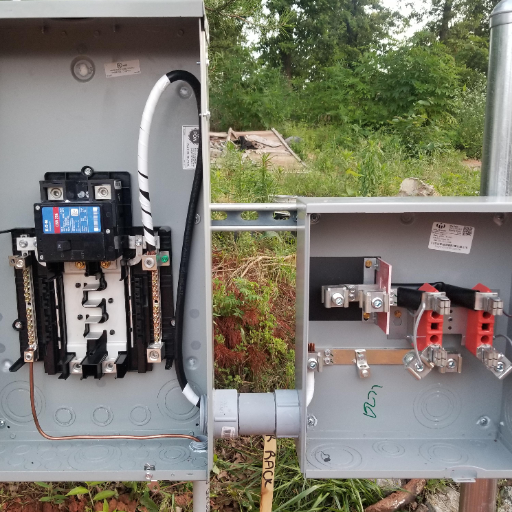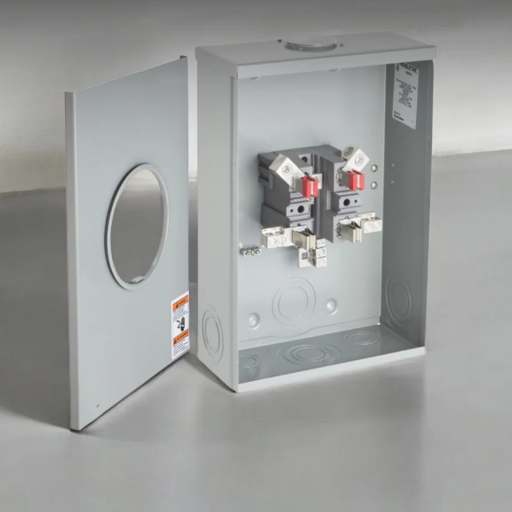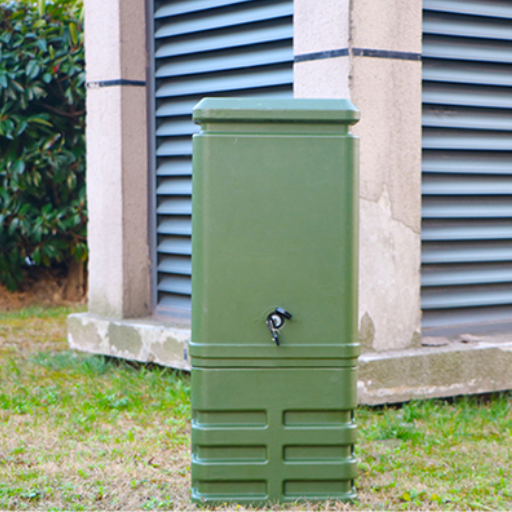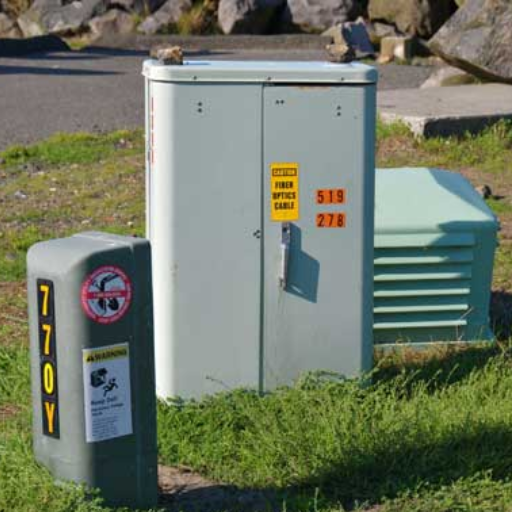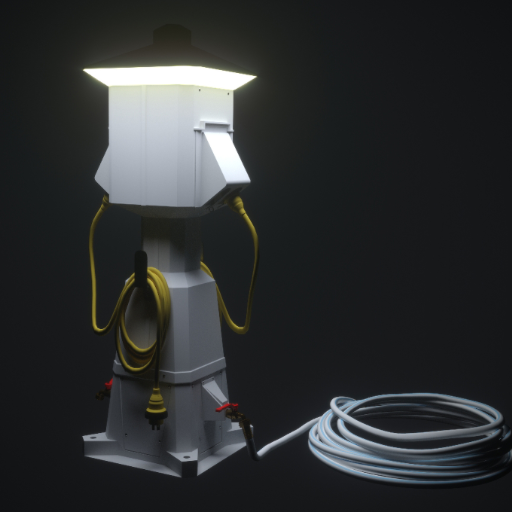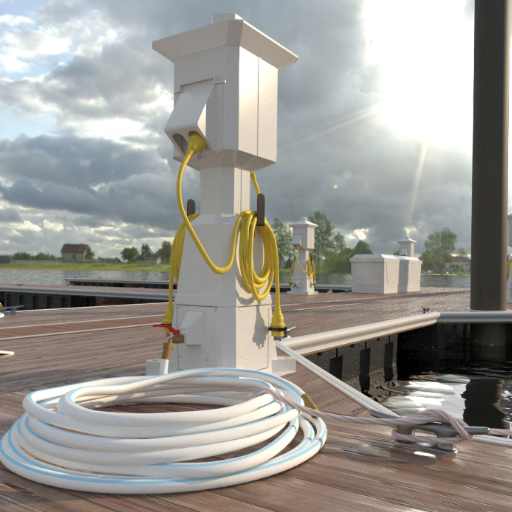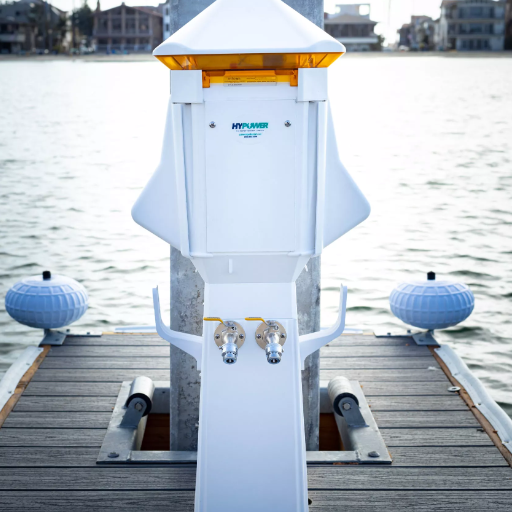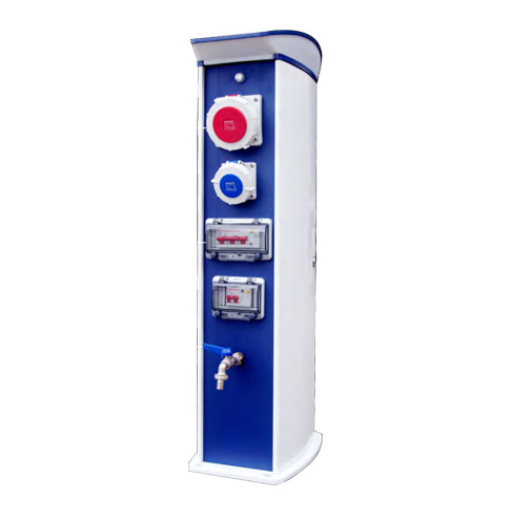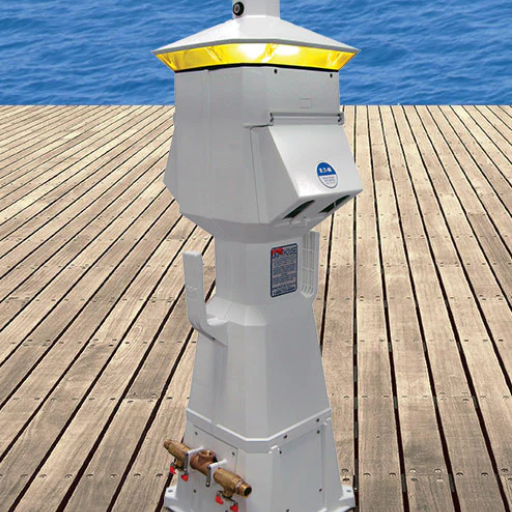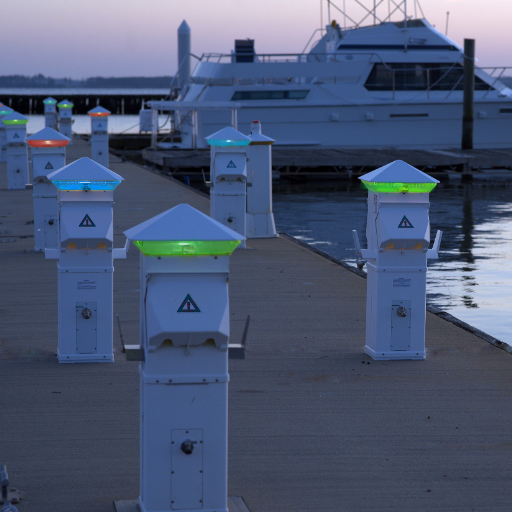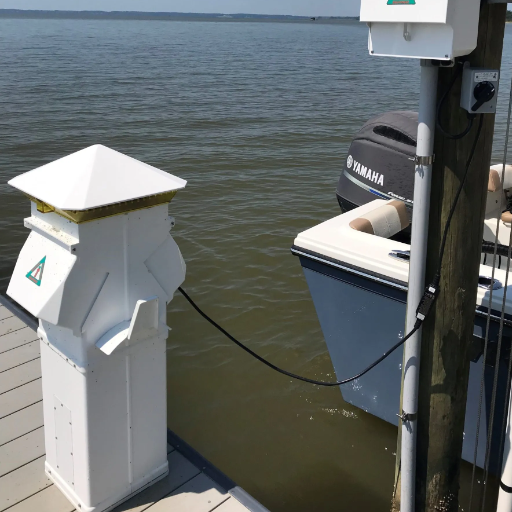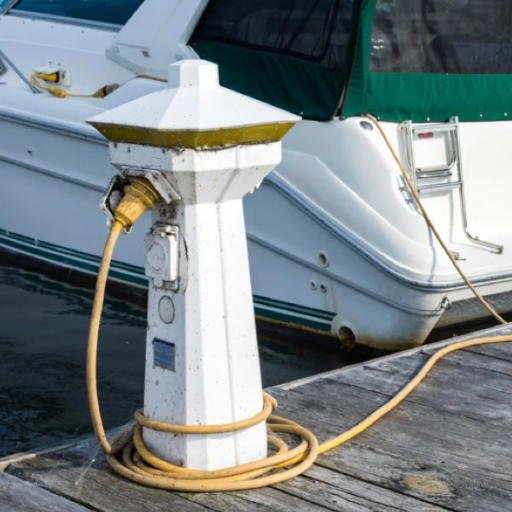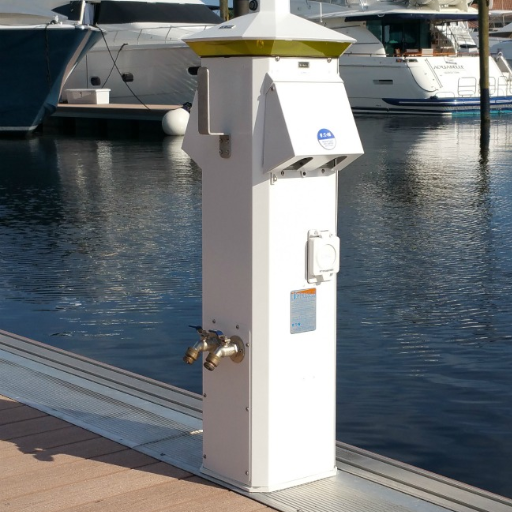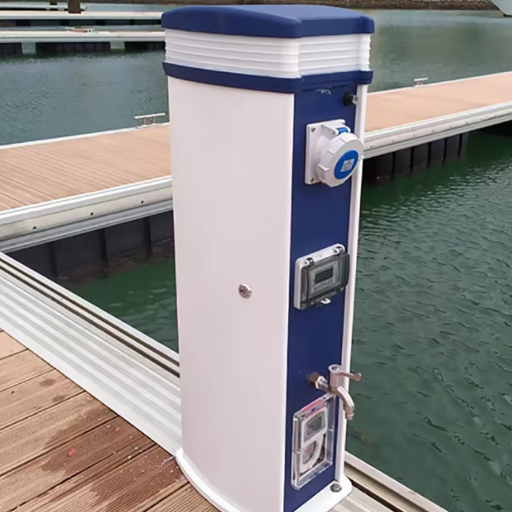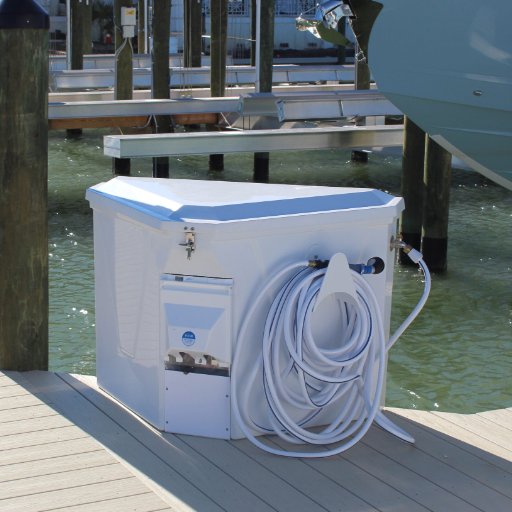
A marine power pedestal is a power source for docks, marinas, and RV parks that emphasizes exactitude and dependability. These shallower power houses empower marine power pedestals with safe and steadier electrical supply while improving convenience and functionality in the outdoors. Whether running a busy marina, a residential dock, or an expansive RV park, gentler choices in power pedestal installation usually means smoother operations and happier customers. In this article, we shall highlight the importance of marine power pedestals, some of their key features, and how to distribute power more efficiently in these types of environments. So buckle up to find out how these rugged, versatile instruments will make your space more functional and user-friendly!
Understanding Marine Power Pedestals
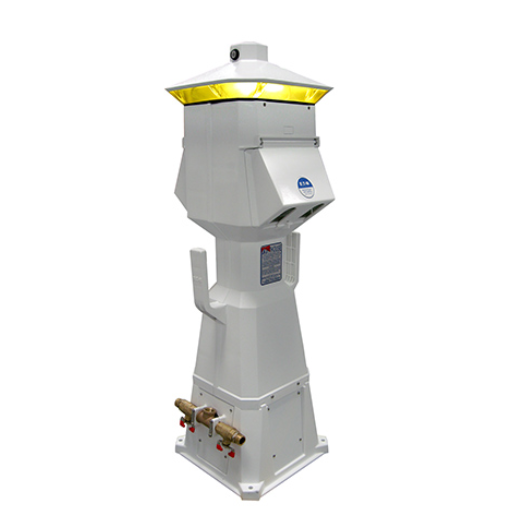
What is a Power Pedestal?
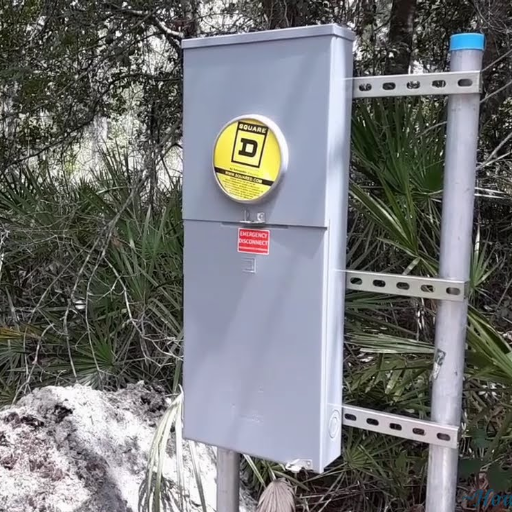
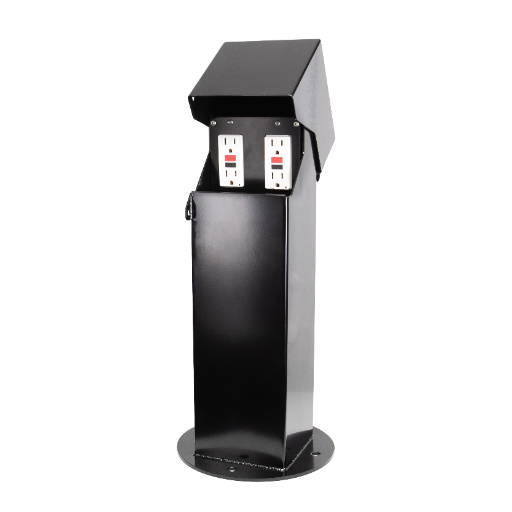
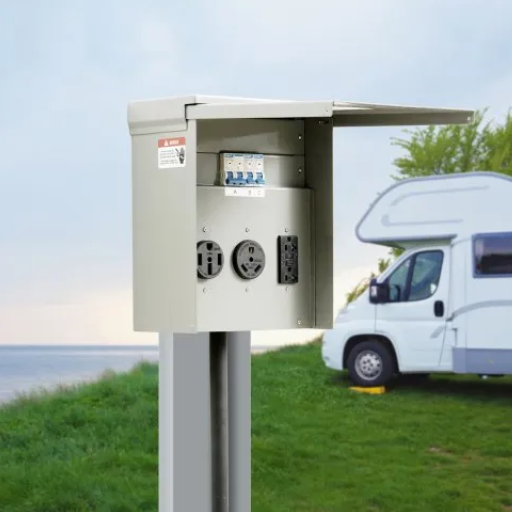
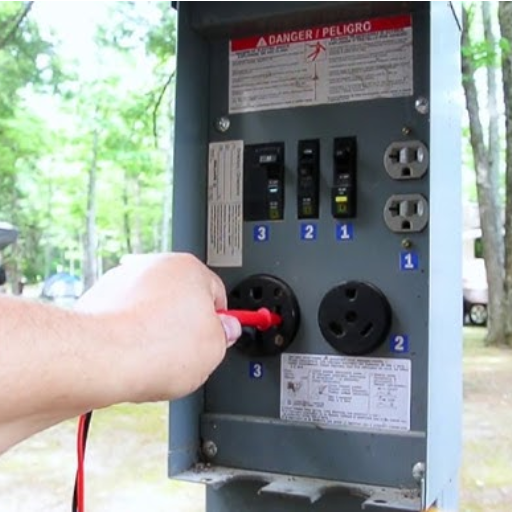
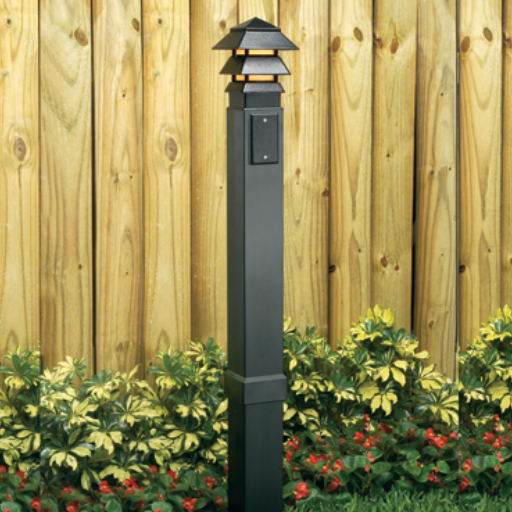
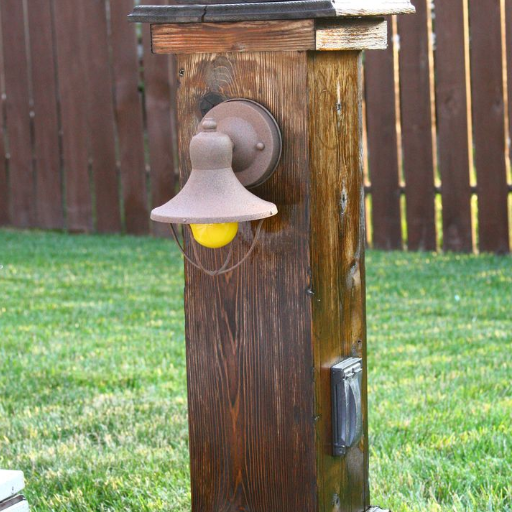
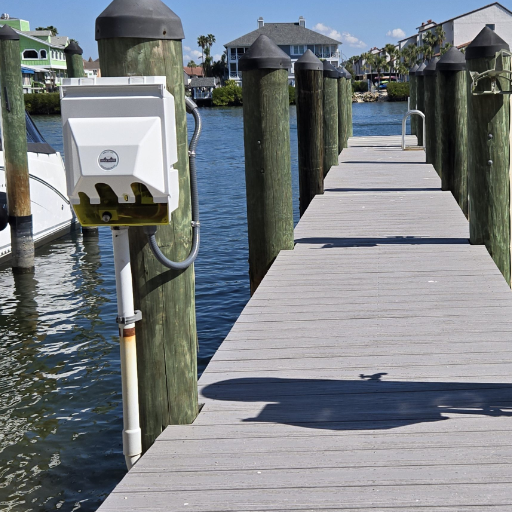
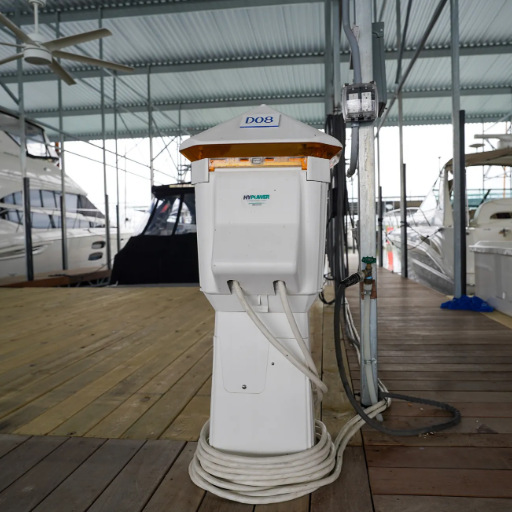
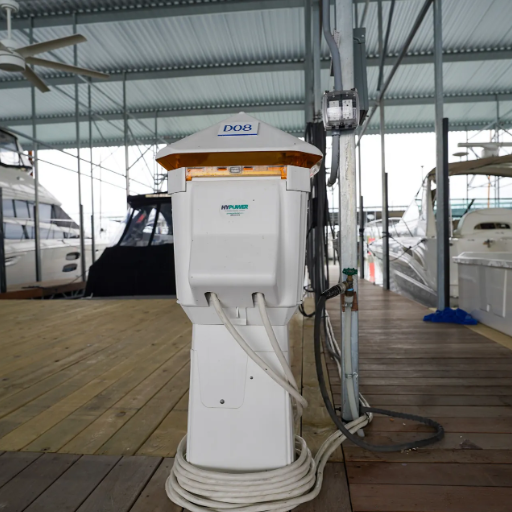
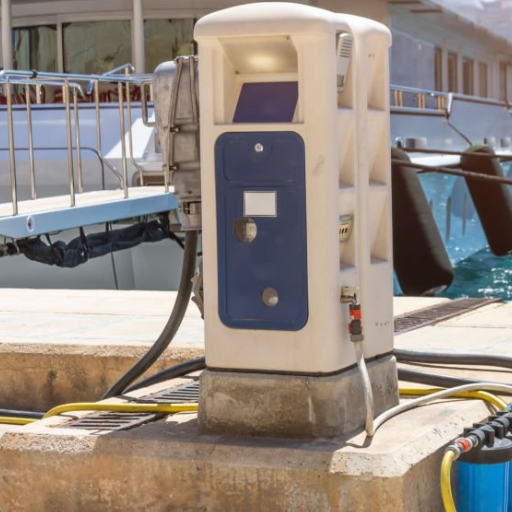
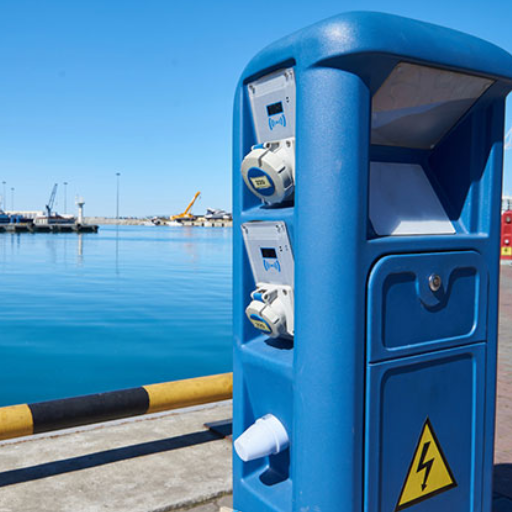
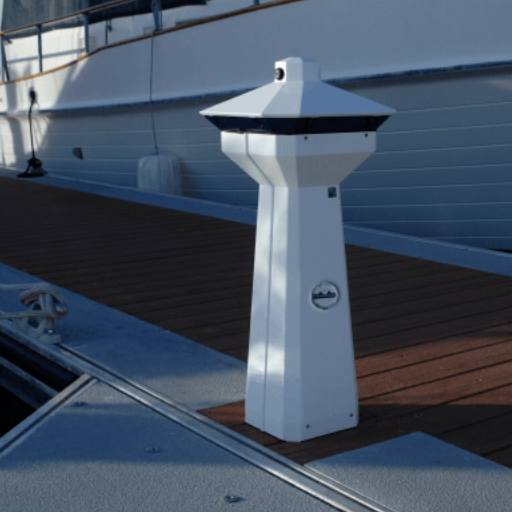
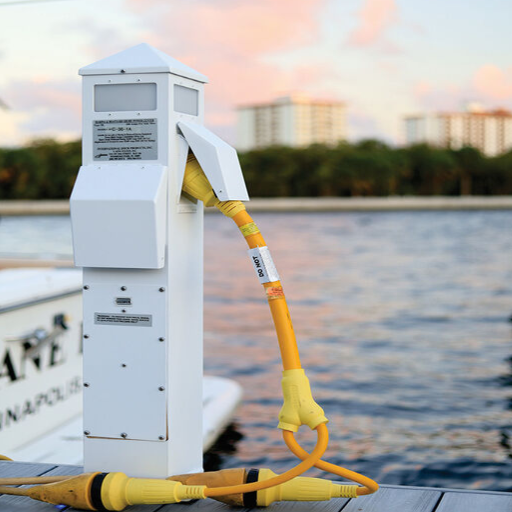
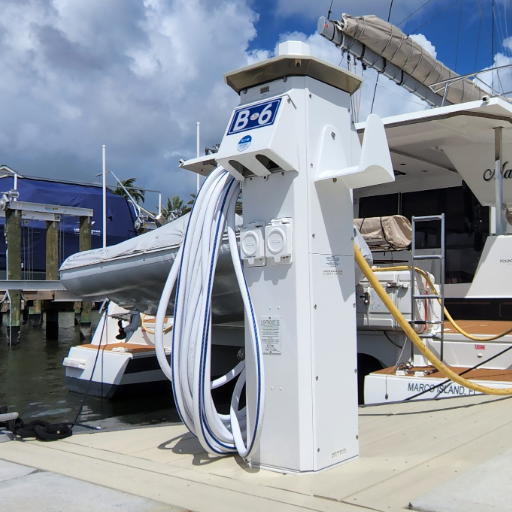
A power pedestal is an amenity unit designed to lend power, water, and sometimes other utilities in an outdoor environment, for instance, a marina, an RV park, or a campground. This makes the unit a centralized point where users can conveniently and safely access much-needed resources. Providing reliable power for these sites ensures the efficient and steady distribution of electricity provided by various entities to individuals and businesses operating therein.
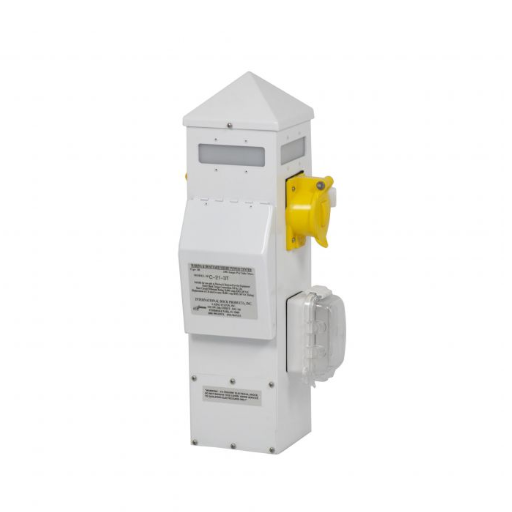
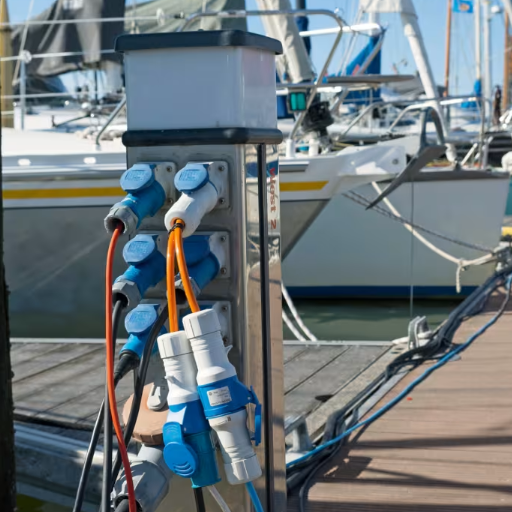
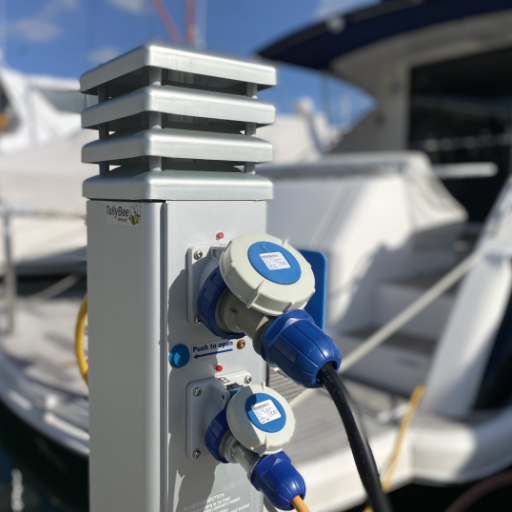
Typically built with materials that allow them to withstand adverse weather conditions, power pedestals feature electrical outlets compatible with various plug types to allow flexibility for the user. If equipped with a change or two, they can provide water hookups for added convenience or even basic lighting for use in areas where ambient low-light conditions prevail. Their functional importance distinguishes them in today’s outdoor service infrastructure.
Mainly, a power pedestal provides ease of resource access in shared spaces-all while upholding safety standards. Centralizing and distributing power helps to reduce hazards and provide minimal effort to users trying to power up their equipment. For temporary or permanent installation, power pedestals play an integral role in user satisfaction and operational efficiency in outdoor environments.
Functionality of Marine Power Pedestals
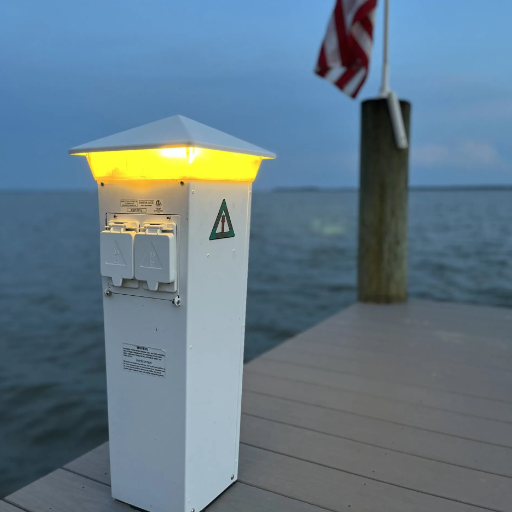
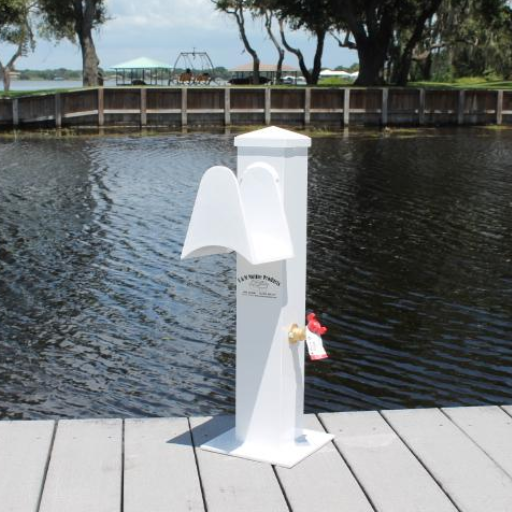
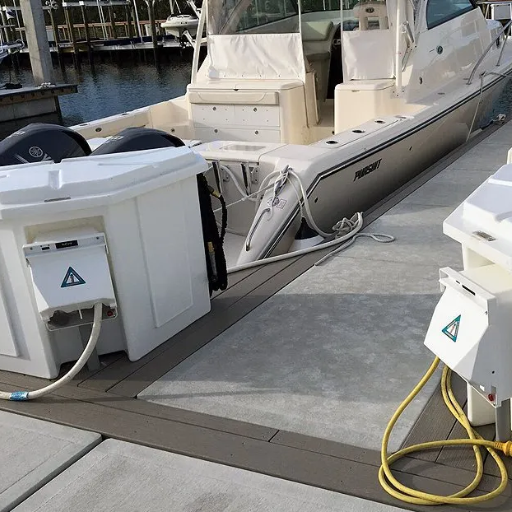
Few marine power pedestals perform the key function of providing a reliable power and utility service to docks, marinas, and waterfront installations. Mainly, this allows water and electricity to be conveniently accessed by boats and other vessels during docking. By locating these utilities centrally, marine power pedestals allow for easier operations and safety by means of reducing wiring hazards and providing secure connections in the extreme marine environment.
Power pedestals must be resilient against the fierce outdoor and marine conditions, including saltwater, wild winds, and varying temperatures. They are commonly made of corrosion-resistant materials that have weather-proof design and can go on for a long time under normal industrial working conditions. In some cases, power pedestals come with power safety instruments like circuit breakers and ground fault protectors for safe and reliable other uses.
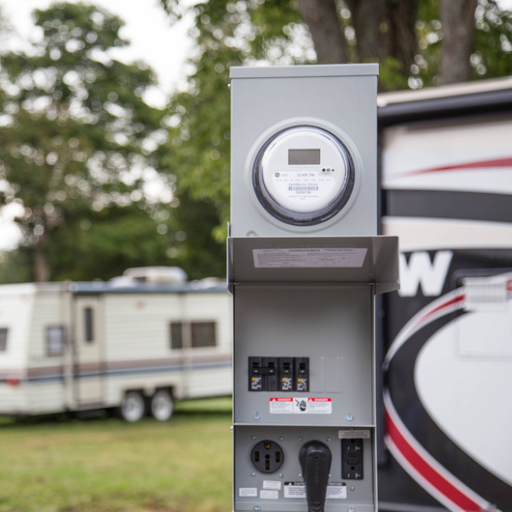
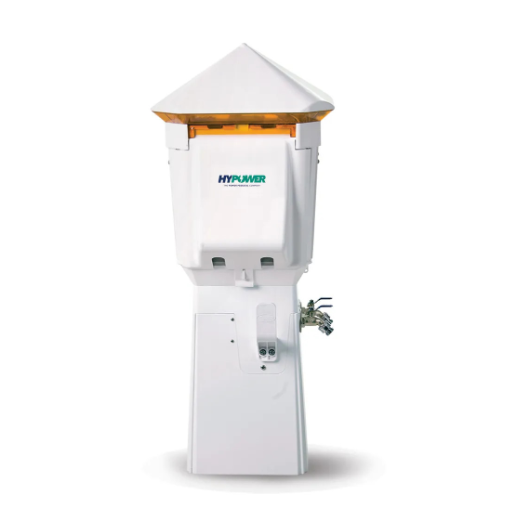
Modern marine power pedestals can boast additional features ranging from LED lighting to internet connection and metering systems monitoring energy and water usage. This additional functionality of the marine pedestal allows for an elevated experience for marina visitors and aids in resource management on the operator’s side. These versatile and user-friendly units serve as a valuable adjunct to waterfront infrastructure, supporting both recreational and commercial maritime activities.
Benefits of Using Marine Power Pedestals
Reliable Power Supply
Marine power pedestals provide a reliable and efficient source of energy for boats and vessels, ensuring their connectivity to power in the marina. This, in fact, offers additional convenience to the operators and owners of boats in fine, allowing the operator to power vital systems aboard the vessel, charge the batteries, and carry on with operations without having to resort to inefficient alternatives.
Enhanced Management
Another point comprises enhancements in the management of marinas and resource efficiencies. The latest generation of pedestals holds features such as energy metering, water usage measurement, and integrated lighting. These features allow easy resource monitoring by marina operators, thus ensuring that electricity and water are used as efficiently as possible while reducing wastage.
Safety & Functionality
Marine power pedestals thereby reinforce the safety and functionality of marine environments. By way of weatherproof and die-cast aluminium power connections, the risks of electrical hazards are greatly promoted while at the same time maintaining uninterrupted power even under severe weather conditions.
Key Features of Marine Power Pedestals
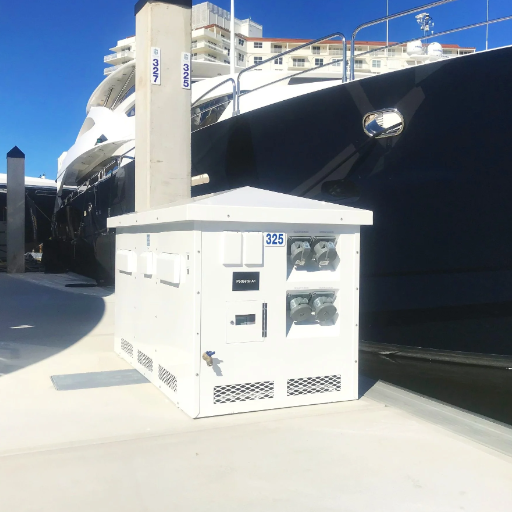
Durability and Quality Marine Standards
The marine power pedestals are constructed to withstand the rigors of a coastal or marine environment. Made of corrosion-resistant material so that they can withstand the continuous assault of salt-water, humidity, and irregular weather conditions, they ensure that there will be no deterioration of strength and functioning capacities over time, and thus avoiding frequent replacements or repairs.
The other important feature of these pedestals is that they adhere to international safety and marine standards. These standards guarantee the electric connections, protective casing, etc. are all erected to very high specifications for their safe and efficient operation. These may include a waterproof enclosure, alongside thermal overload protection, all of which protect the user from harm and thereby reduce damage to the physical plant from its sensitive electrical installations.
Beyond their quality assurance on a workmanship level with all products, their second feature relates to reliability in high-demand usage. Ports and marinas usually generate very high power loads, especially during peak seasons. Marine power pedestals are expected to provide a steady, reliable power supply, accommodating different voltages without being compromised. This triple combination of durability and safety and reliability makes them a perfect choice for the creation of reliable marine infrastructure.
Customizable Power Solutions
Marine shore power pedestals are extremely adaptable to meet different levels of power requirements at ports, marinas, and other waterfront areas. They could be set up to provide particular voltages and amperages to accommodate various vessels: from small private vessels to larger commercial vessels. This level of customization ensures that the right power solutions can be provided at all docks and berths, thus ensuring a smooth operation.
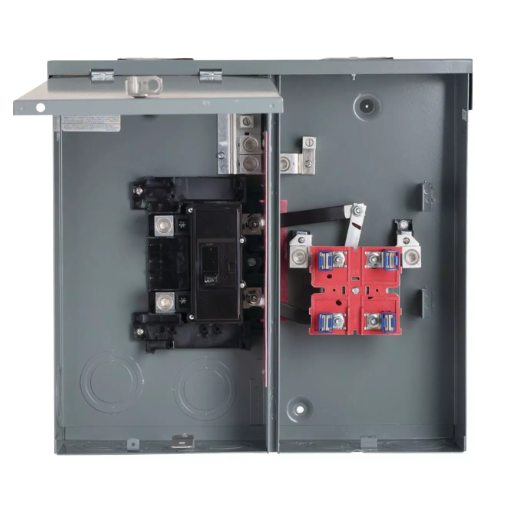
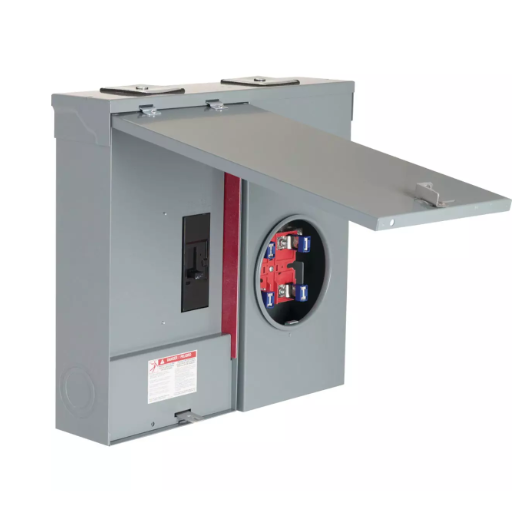
Beyond voltage and amperage requirements, there is an entire miscellany of customization options available for marine power pedestals. Additional outlets can be supplied on the station; metering systems can be provided, and higher-grade safety features can be incorporated, such as integrated circuit breakers and ground fault protection. These features are not only functional; they also offer a measure of safety to the user and facilitate the monitoring of energy consumption. Thus, customizable designs ensure that pedestals blend discretely into the aesthetic and practical requirements of any marina or dockside environment.
This brings us to another aspect: new developments in power pedestal designs include sustainable technologies like energy-efficient LED lighting and smart energy monitoring systems. These help in efficient energy management and reduction in overall consumption. Through customization options, shore power pedestals render themselves to a complete, reliable, and tailored solution for the dissimilar needs of marine infrastructure.
Important Pedestal Features to Consider
- Safety Features: Power pedestals with ground fault protection, surge protection, and weatherproof enclosures offer such protection. These safety features guard the electrical system and the user against hazards that could possibly be caused by electrical shock, short circuits, or environmental factors.
- Durability: Since power pedestals are constantly exposed to the marine environment, corrosive saltwater, high humidity, and extreme temperature variations are their installations. Stainless steel: A good choice to consider when you want long-term good performance of a product. Also, a heavy-duty polymer would suffice-while a coating of UV protectants would work to cover its already-forged strength against other damages sundry, including sun glare.
- Adaptability and Maintenance: Typically, a modular design in contemporary power pedestals facilitates upgrades or repairs without having to discard the entire unit. Pedestals with easy access panels for swift servicing should be considered. Models that allow optional features such as metering or connectivity for smart management should also be considered.
Installation Processes for Marine Power Pedestals
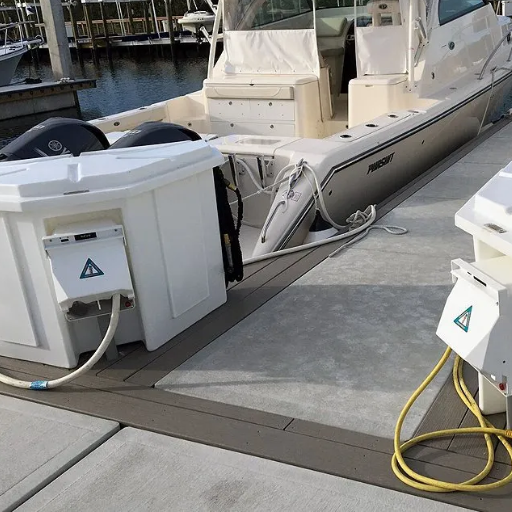
Installation Requirements for Docks and Marinas
The installation of marine power pedestals on docks and marinas entails peculiar considerations needed to address safety, regulatory, and functional issues. First, it must be established whether the site meets local and national electrical safety codes; that is, whether proper grounding procedure is followed and circuit protection is in place, among other considerations, as dictated by the authority concerned, be it under the National Electric Code (NEC) or some equivalent standard in the region.
Location selection becomes most critical in terms of function and safety. Pedestals should be placed at reachable points along the dock with enough space along the dock for connecting boats without being a tripping hazard or clutter. They also have to be kept well above water during either tide fluctuations or potential flooding to ensure that the unit remains safe from the elements.
During installation, complete wiring and power supply configuration must be completed. Use marine-grade cables and connectors, which have resistance toward damp and corrosive atmospheres. Each pedestal, moreover, should be fed from an appropriate source with circuit breakers rating enough to carry the load. Installing must include inspecting and testing to verify that all parts work correctly and safely before release.
Challenges of Installing Power Pedestals
Environmental Conditions
Power pedestals are placed in adverse weather situations: might be heavy rains; sometimes salt water; and heat from the sun in the evening. When a power pedestal framework or installation method is substandard, it may corrode or let in water or dirt from the air, thus degrading with time.
Electrical Safety
It should be of the utmost priority for the wiring to be done in proper manner in accordance with the electrical codes to protect against hazards such as short circuits, overloading, and the risk of electrocutions. Installers must calculate the power demands carefully and select circuit breakers and wiring systems accordingly.
Logistics
The logistics may pose problems in installation. These include working within confined areas, orienting installations in line with existing utility infrastructure, and scheduling installation work to fit construction or renovation programs.
Safety Considerations During Installation
Safety during the installation of power pedestals demands an awareness of possible hazards and strict adherence to protocols. Those utilizing the equipment must have prior training of electrical systems and knowledge of the risks posed by working with live wires and power sources. If at all possible, make sure to disconnect the power supply, and carry out tests to confirm that there is no voltage present in the working area to reduce any electrical hazards.
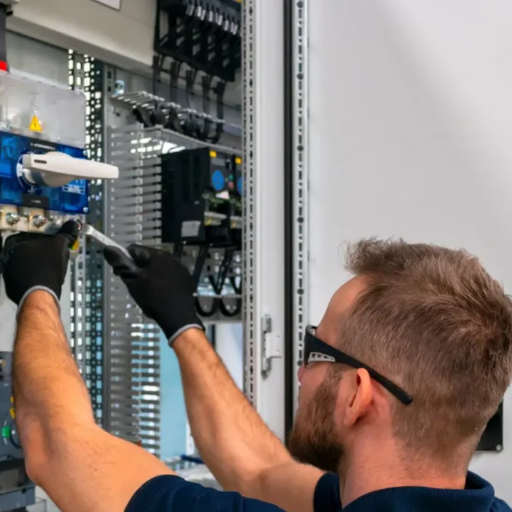
The correct use of personal protective equipment (PPE) has to be conformed with in order to keep any injuries away from workers. Wearing insulated gloves, safety goggles, and protective footwear would minimize any chances of injury on the site. Furthermore, maintain an orderly work area to avoid slips, trips, or falls. General warning signs should be placed, together with physical barriers that can warn others of the work zone or restrict access from them.
Finally, all installations shall conform to local building codes and to electrical safety standards to remain free of violations and assure safety. Performing a pre-work risk assessment helps in identifying specific hazards and selecting the appropriate controls. Implementing regular inspections and testing of the installed pedestals is the perfect way to verify that the system continues to operate safely and reliably, thereby protecting against contingencies as time passes. Prioritizing safety greatly at every stage fosters a secure environment for both workers and users.
Maintenance of Marine Power Pedestals
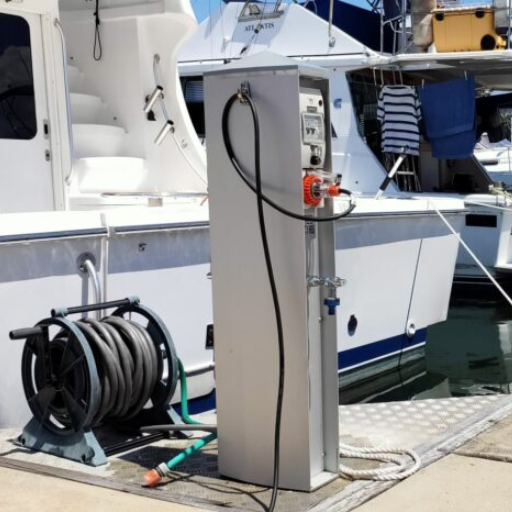
Regular Maintenance Tips
- Check for Physical Damage: Look for visible damages on the pedestal: for cracks, corrosion, or loose parts. Such checks help catch any potential issues early and prevent further damage.
- Be Sure of Proper Electrical Functioning: Check that all outlets and connections are indeed performing. Signs of overheating, burn marks, tripping of breakers should be noted and acted upon without delay so as to avoid electrical hazards.
- Clean and Protect Components: A clean pedestal will keep away dirt, debris, and salt buildup, especially in coastal areas. Use the appropriate cleaning solutions and refrain from chemicals that might degrade materials.
- Check Weather Seals: On installation, weatherproof all seals to ensure that their serviceability is in place. Damaged seals should be replaced to maintain the pedestal’s water resistance as well as its resistance to environmental factors.
- Arrange for Professional Inspection: It is an important consideration to have these inspections performed by a professional expert and to carry out advanced testing yearly, or at least so, to verify the pedestal’s safety and operational standards.
Pro Tip: Following said maintenance can increase the lifespan and performance of marine power pedestals, thus ensuring long-term safety and reliability.
Maximizing Lifespan and Performance
A good preventive maintenance schedule will certainly help the maxing of the lifespan and performance of power pedestals. Periodic inspections are a must to detect several wear marks, signs of corrosion, loose connections, or defective parts. Also, make sure to clean the pedestal with suitable non-corrosive cleaners to prevent accumulation of salt, dirt, and other debris, which can strip functionality off in the long run.
Make sure that, along with the mechanical inspection and checking for sealing and external corrosion, the electrical installation and connections to the pedestal are tested to see if they meet their load voltage requirements and safety standards. Perfect tight wiring and testing out for voltage outputs comes into the picture, as well as replacement of any worn parts. At least once a year, these tests should take place; this will greatly decrease the chances of electric failure and enhance the pedestal’s durability.
Lastly, protecting the pedestal from weather conditions will maintain its efficiency. Consider weatherproof covers or enclosures for the pedestal when not in use, especially in areas where the weather is more extreme. In any case, these precautions may ensure a better performance and a long service life of the product in marine applications.
Common Issues and Troubleshooting
Future Trends in Marine Power Solutions
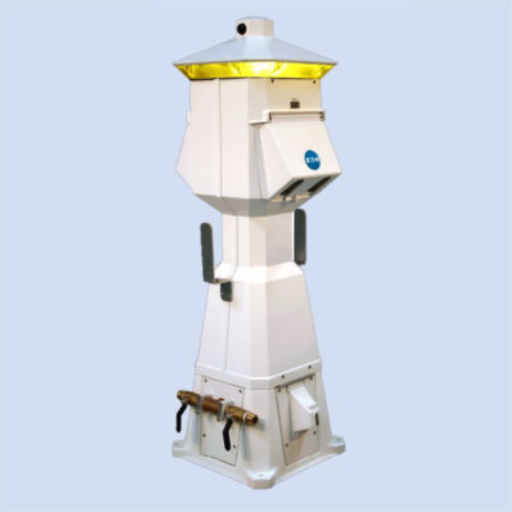
Innovations in Marine Power Pedestal Technology
The marine industry is witnessing remarkable advances in power pedestal technology, owing to the quest for solutions that would deliver more safety, efficiency, and sustainability to the environment. One such advance is the inclusion of smart technology into the power pedestals. With the help of these intelligent power pedestals, the electrical usage can be remotely managed and is also monitored in real time. The marina operators can hence optimize energy consumption, track usage patterns, and detect faults instantly; the remote forensic capability reduces hazards and prevents operational downtime.
Another revolutionizing trend is in designing pedestals with renewable energy sources such as solar panels. Solar pedestals reduce dependence on conventional grid electricity and work towards sustainable goals through harnessing clean energy. Cost-wise, these pedestals become very economical in the long run as comparing to energy from conventional sources. So this is in line with increasing attention toward environmental sustainability in the marine industry.
Finally, pedestal durability and materials are being enhanced to increase their longevity and reliability. Thus, the modern designs attempted include corrosion-resistant coatings and weatherproof enclosures to protect these equipments from the harsh marine environments. Such strong pedestals, while reducing maintenance, can also enhance safety by reducing the chance of electrical failures through environmental wear and tear. These designs, thus, in unison, represent marine industry’s quest to improve technology and its sustainability.
Environmental Considerations in Shore Power Solutions
Shore power solutions lower the environmental impact of vessels. Ships connect to onshore electrical grids during the dock time via these systems, preventing the use of diesel generators onboard and greatly reducing greenhouse gas emissions and air pollution. The concomitant decrease in emissions of nitrogen oxides and particulate matter helps improve port-city air quality.
Noise pollution caused by running engines while at berth is also minimized by shore power. The great effect it has in densely populated urban areas near ports is on the quality of life for residents in creating an environment with less noise. Since these quieter activities will help marine biodiversity, reducing activity noise will reduce stress on aquatic species, which can be disrupted by loud noises from port activities.
The considerations of sustainability goals, such as shore power, are in line with regulating climate change worldwide. Many governments and advanced maritime organizations are coming up with stricter emission standards, making shore power crucial in greener operations within the industry. By promoting such developments, the marine sector not only complies with environmental regulations but also shows its desire for a cleaner, more sustainable future.
Impact of Renewable Energy on Marine Power Pedestals
The wider applications of renewable energy have also been directly featured by the possibility of functioning marine power pedestals. With increased global commitments towards sustainability, these pedestals are now being built to cater for clean energy generation via solar and wind power. Because of the application of renewable energy systems, marine power pedestals provide an alternate for fossil-fuel-based power generation, thereby lowering emissions and providing cleaner harbor waters.
Amongst the many benefits of integrating renewable energy, one of them is bringing a constant and more environmentally friendly power source to vessels. This involves the setting up of solar panels or small wind turbines nearby docks so that they can provide energy from renewable sources to the pedestals. This is an alternative for the abuse of greenhouse gas emissions because it also assures the permanence of a cheap source of power energy for ships docked, thus agreeing with the trend within the industry of greening its foundation operations.
Energy storage technology improves with each advancement and thereby better the use of renewable power in marine power pedestals. Energy given off in excess at noon can be stored through use of batteries and energy management systems for later, ensuring energy is available at all times. The development thus ensures that marine industries can depend on renewable power more and less transfer the burden to operational contraction energy market. These innovations create a pathway toward a greener marine energy setup.