All posts by JIYA

Dock Power Pedestals: Marine, Marina, and RV Solutions

Dock power pedestals are the unsung heroes providing reliable and efficient power solutions to marine, marina, and RV environments. These critical installations provide boats, recreational vehicles, and waterfront properties with safe and convenient electricity customized according to the requirements of each setting. Whether as a marina operator trying to improve their client experience, an RV park owner seeking to upgrade your amenities, or a boat owner requiring reliable shore power ports, you cannot undermine the concept behind dock power pedestals and their workings. This blog will address key features, benefits, and considerations of this all-purpose power system so that you may be better equipped to make informed decisions according to your needs.

Understanding Power Pedestals in Marinas

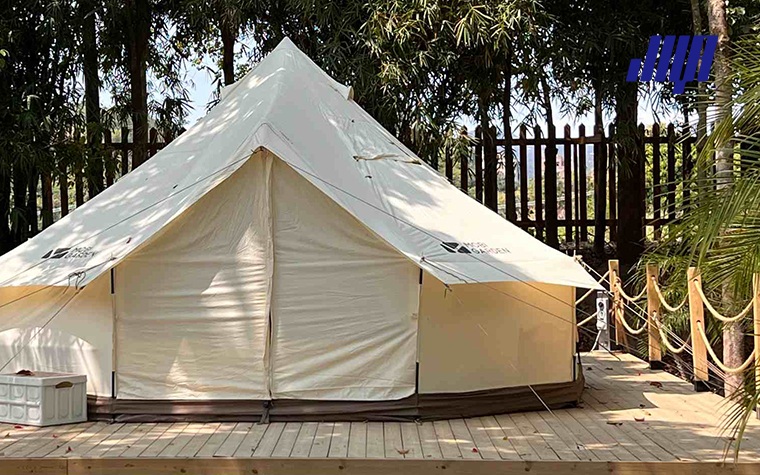
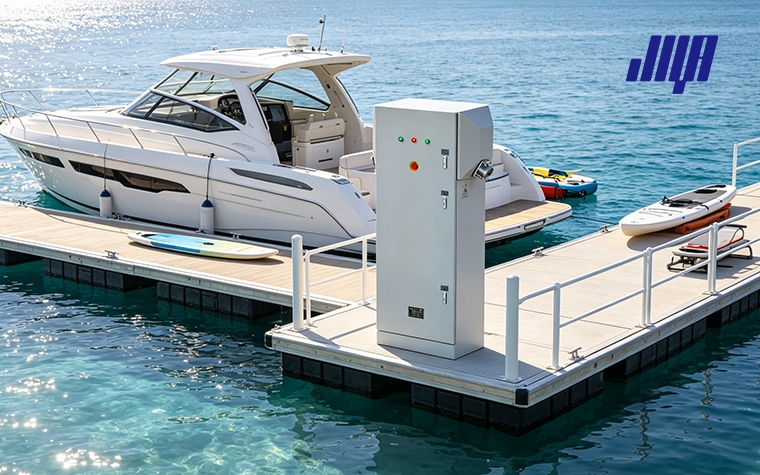
Article cover graphic introducing multi‑application dock power pedestals, covering marine boat shore power, marina berth facilities and RV campground power supply solutions

What is a Marine Power Pedestal?

A marine power pedestal is a fixed piece of equipment that provides shore power and other utilities to boats in a marina. These are situated alongside docks and serve as a dependable source of electricity for boats when owners require the electrical power for running critical onboard systems and appliances involved nowadays. Thus, these units become the lifeline for a modern marina and serve as a pleasant method of service delivery to boaters.

A typical marine power pedestal will have weatherproof outlets permitting boats to connect securely to shore power. Apart from electric connections, many other services are usually provided by power pedestals, such as water hookups, illumination at night for visibility, and if lucky, even cable TV or Internet. The big picture is a simple one: ease of utility access for boaters, whether recreational or commercial, so that everything their boats require is within an arm’s reach.

Key Components of Marine Power Pedestals:

  • Weatherproof outlets for secure shore power connections
  • Water hookups for fresh water supply
  • Night illumination for enhanced visibility and safety
  • Optional services: Cable TV and Internet connections
  • Corrosion-resistant materials such as stainless steel or heavy-duty plastics

When it comes to functionality, location is paramount: these power pedestals are placed strategically for both utility and convenience. Designed to withstand the harsh environment given their seaside locations, these units employ corrosion-resistant materials such as stainless steel or heavy-duty plastics to ensure longevity even in direct exposure to saltwater, moisture, and UV rays. Thus, by installing power pedestals, marinas provide convenience to visitors, enhance the safety of docks, and increase the value of their facilities, deciding much on this shoreline structure.

Importance of Shore Power in Marinas

The supply of shore power acts as a major factor in the provision of energy to marinas and the lying boats therein. Shore power enables boat operators to safely procure electricity for essential onboard systems, including lighting, cooking appliances, and air conditioning, without having to resort to the use of loud, pollutant-emitting generators. This quiet and clean form of power greatly does away with any inconvenience experienced by boats at the marina.

Benefits of Shore Power Systems: Terminal power bases provide a smooth and even flow of power distribution to shore power into all connected vessels. These units have been designed especially to accommodate power requirements of small craft as well as big vessels. Incorporating the latest safety features, including circuit breakers and surge protection, terminal power bases minimize the risk of electrical hazards which endanger both the marina infrastructure and its visitors.

Terminal power bases serve to distribute additional services like water connection and internet access, which further add to the convenience of marina docks. When such multipurpose solutions are implemented, marinas get serviced with an appeal to attract a more diversified set of visitors, which in turn, improves customer satisfaction and gives a competitive edge to the marina in the maritime industry.

Applications of Power Pedestals in RV Parks

Power pedestals are an essential element in RV parks with regard to providing the travelers with a reliable source of essential utilities: electricity, water, and, at times, sewer connections. These utility stations address the special requirements of the RV traveler to ensure that their vehicles are being adequately powered and charged while on an extended stay. In response to the demands for better services for RVs and their travelers, power pedestals can also sometimes provide USB charging ports and cable TV facilities for the convenience of its clients.

Central Power Distribution: The terminal power base is the main central power distribution point for these utilities in the power pedestal. It guarantees the energy supply delivery at the point of need efficiently while serving the interests of all users at the same time, thus safeguarding user interest. The infrastructure is guardianship against potential overloading hazards that usually occur whenever sufficient balancers between the connected units are not installed to maintain proper loading of the power supply.

Also, terminal power bases can have different voltage arrangements equipped to satisfy the diverse voltage requirements of modern RV vehicles. By having RV parks equipped with power pedestals supported by technologically advanced terminal power bases, it increases the profile of the visitor’s experience. Consequently, this upgrade draws even more guests and encourages longer stays as guests find it easy to get access to utilities. In return, the park owner is looking at increased occupancy and greater revenue generation, thus establishing a top-level brand for the park in the competitive world of RV travels.

Key Features of SS Power Pedestals
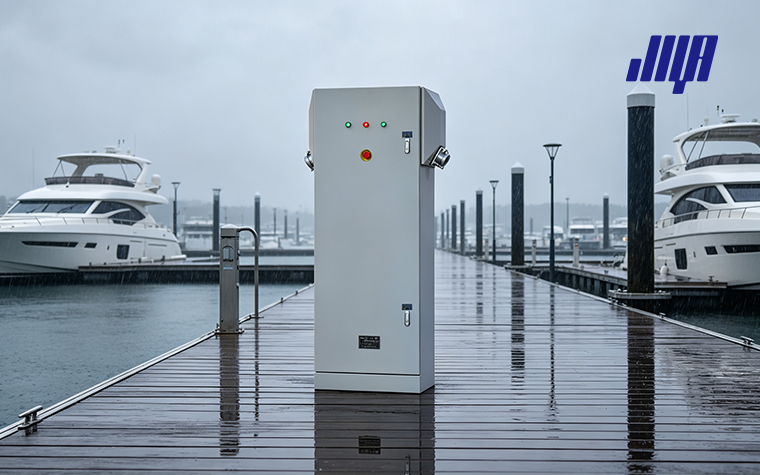
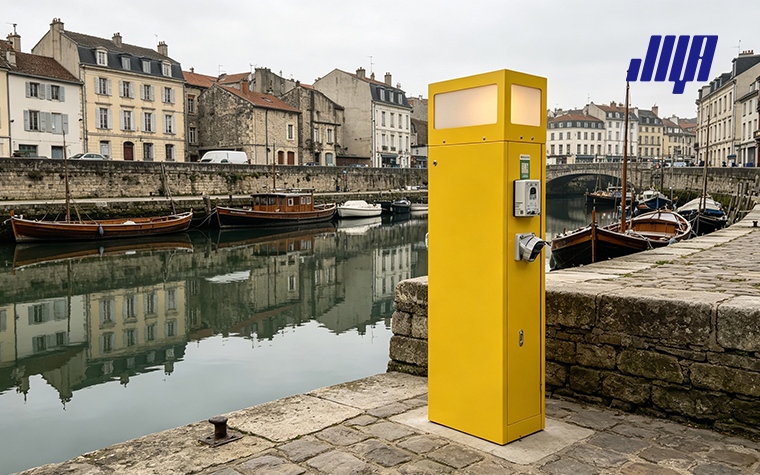
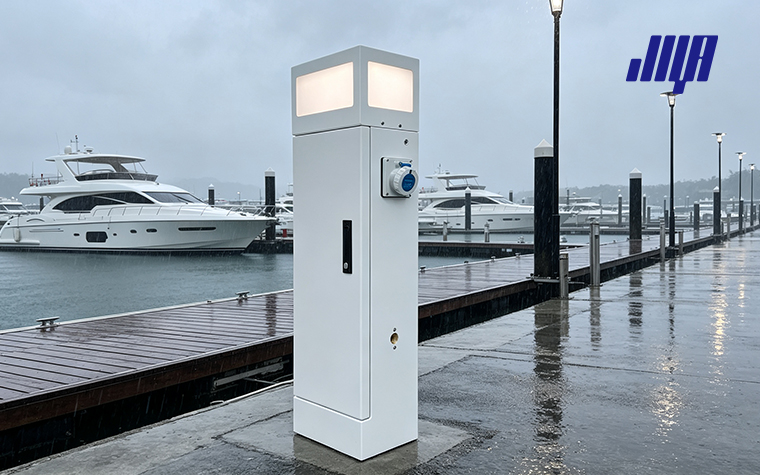
Weather‑resistant dock power pedestals installed on marina docks, delivering safe shore power supply for moored yachts, sailboats and various marine vessels

Durability and Weather Resistance

SS Power Pedestals are designed to weather harsh environmental conditions ensuring their reliability and performance over a long period of time. Made with high-quality corrosion-resistant materials, pedestals will resist rain, snow, and scorching sunlight conditions without compromising their operational or structural characteristics. With strong carving building aesthetic design, park owners can feel tranquility knowing that their maintenance required is greatly reduced over time.

From inside, the terminal power base, being super weatherproof, keeps moisture of any kind away from the electrical parts and protects them from temperature fluctuations; thus ensuring that visitors enjoy uninterrupted utility access even with fluctuating seasonal weather differences. The pedestals are tested stringently to meet the safety and operational compliance standards of the industry.

Having great strength and durability with all the weatherproofness, SS Power Pedestals end up being really good investments for RV parks. Their performance consistency across different climates caters to the guest experience and protects the long-term value of the park infrastructure.

Energy Efficiency and Environmental Impact

Weather-resistant installations, SS Power Pedestals are engineered to conserve energy with less energy wastage and hence increased utility expenses for an operator running an RV park. Energy management is often linked to these pedestals, enabling park owners to oversee and control energy use. They distribute energy so as to lower electricity consumption and provide more or less steady service to guests.

Constructed with a view to saving energy, these power bases include considerations of environmental impact during design and manufacturing. Made from durable, environmentally friendly materials, SS Power Pedestals are designed to stay intact through harsh weather conditions, requiring few replacements and thereby generating lesser waste over time. Many designs are also environmentally compliant as they conform to standards meant to reduce environmental impact.

The power pedestals further aid in renewable energy integration. They offer pre-made solutions for attaching solar or wind energy systems, thus allowing an RV park to implement these systems as part of their everyday power supply. In promoting green energy, these pedestals offer a solution that looks forward in time and attempts to balance operational necessities with environmental concerns.

Smart Features: Remote Monitoring and Metering

When integrated into terminal power bases, remote monitoring and metering represent a breakthrough in energy management for RV parks and the like. By providing real-time data, these features empower the park operators with accurate insights relating to all aspects of power consumption across the property. Since usage can be monitored remotely, illicit energy use or inefficiency could be identified quickly so that immediate corrective actions are taken. The corrective action improves the energy distribution system and lessens waste. This approach neatly fits modern sustainability trends coupled with streamlining operations.

Advantages of Remote Monitoring:

  • Real-time monitoring: Immediate detection of excessive or irregular consumption
  • Accurate billing: Precise readings eliminate estimation-based charges
  • Equipment malfunction detection: Quick identification of faulty equipment
  • Transparency: Builds trust between operators and customers
  • Waste reduction: Improved energy distribution efficiency

Another advantage of remote monitoring is that its features promote transparency. With real-time updates, park managers can detect any excessive use, misdirected use, or irregular consumption from malfunctioning equipment. It also simplifies the billing process, providing an exact reading for every user, reducing the need for human intervention to collect and calculate consumption information. This precision in metering prevents scenarios where customers are asked to pay estimations for energy consumption, which may lead to mistrust; instead, it fosters transparency and curbs creation of inequity.

Remote monitoring and metering are also crucial from the perspective of furthering innovation with smart technologies. For instance, operators may merge these systems with an intermittent renewable power source like solar power, to maximize its usage and curtail dependence on the grid. They may set alarms and notifications to confirm that any interruptions or malfunctions are promptly resolved. Equipped with such conveniences, these technologies put terminal power bases at the forefront of contemporary energy management solutions in shared spaces like RV parks.

Installation and Compliance Tips
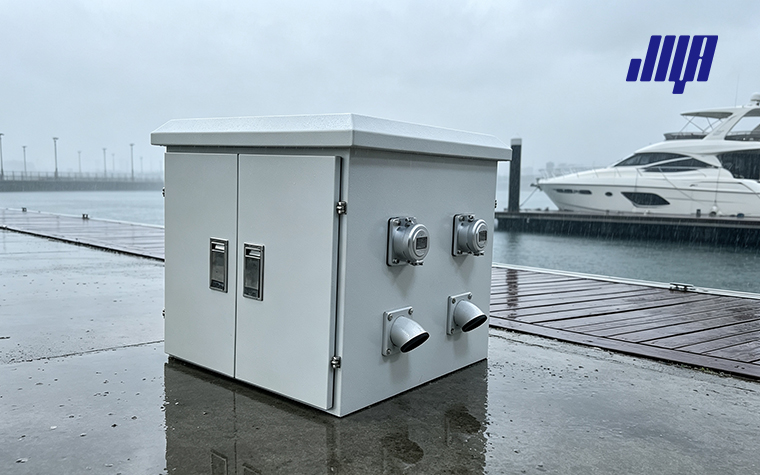
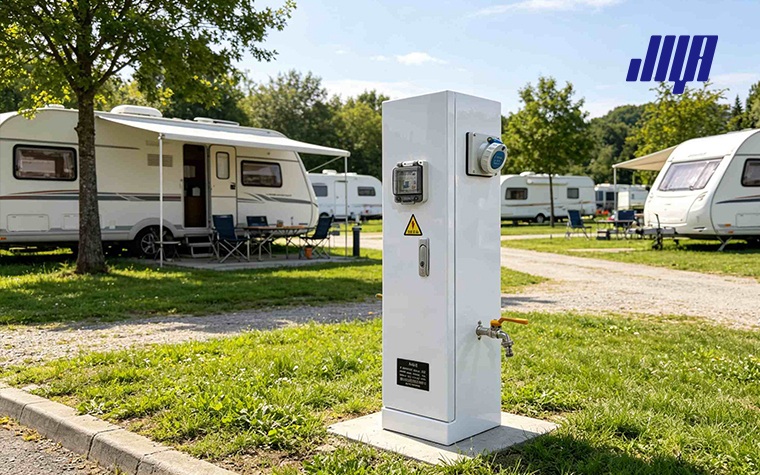
Ground‑mount dock‑style power pedestals at RV campground, equipped with 30A and 50A receptacles for recreational vehicle electrical hook‑up service

Best Practices for Dockside Installation

The Dockside Terminal Power Base must follow safety standards and ensure long-term functionality. Choose an installation location that is easy to access yet protected from direct spray of water or potential risks of flooding. In accordance with the local electrical codes in the area, the power base should be appropriately spaced and clearly labeled for user safety.

Professional Installation Required: The wiring connections and installations must be done by a licensed and registered electrician. In marine environments, grounding must be proper and materials should be resistant to corrosion to avoid the degradation of equipment over time. Plan for regular maintenance such as inspections for wear or damage to avoid potential safety hazards and ensure the base operates reliably.

The terminal power base could also be integrated with a modern monitoring system for real-time updates on power usage and detection of anomalies that would ensure enhanced safety and efficiency of dockside power management. Use these best practices to set up a reliable and user-friendly terminal power setup for dockside applications.

Ensuring Safety and Compliance with Regulations

Along with ensuring safety and compliance for terminal power base, this is to be done while conforming to certain industry standards and regulatory guidelines. Start by looking at local as well as international electrical codes that apply to dockside power systems, such as the National Electrical Code (NEC) or International Electrotechnical Commission (IEC) standards. These regulations form the base for correct installation, operation, and maintenance of the power base itself, so as to minimize accidents or failures.

Compliance Standard Application Key Requirements
National Electrical Code (NEC) US Installation Standards Proper grounding, circuit protection, weatherproofing
International Electrotechnical Commission (IEC) International Standards Safety protocols, performance specifications, testing requirements
Local Electrical Codes Regional Requirements Spacing, labeling, inspection schedules

Regular inspections are necessary to keep the system safe and compliant. The terminal power base must be checked for any signs indicating damage, corrosion, or wear that could undermine its sound performance. Do some preventive maintenance so that possible problems are addressed upfront before they become real issues. Also check to assure that the ground and bonding systems are well installed and maintained so as to protect against shock and fire hazards.

However, monitoring technology may be of great help in the pursuit of both safety and compliance. Advanced monitoring systems track power consumption in real time, detecting any problems such as overloads or abnormal voltage levels. These systems thus identify risks early so that the potential hazards can be neutralized in a short period. A complete, comprehensive approach that favors adherence to safety standards is what makes your terminal power base run efficient, reliable, and fully compliant with regulations.

Optional Accessories to Enhance Functionality

Optional accessories for the terminal power base can greatly ramp up its performance and flexibility for the various applications. To safeguard the system and enhance functionality, users should perhaps consider circuit protection devices such as fuses and breakers. These devices offer protection to the system against common issues like surges or short circuits and hence, safeguard the durability and integrity of the power base.

Circuit Protection Devices

  • Fuses for overcurrent protection
  • Circuit breakers for easy reset capability
  • Surge protectors for voltage spike protection
  • Ground fault circuit interrupters (GFCI)

Auxiliary Power Modules

  • Backup power systems
  • Supplementary capacity modules
  • Uninterrupted power supply (UPS) units
  • Load balancing systems

Cable Management Solutions

  • Cable trays for organization
  • Nylon cable ties for securing
  • Cable harness clamps
  • Weatherproof cable enclosures

Auxiliary power modules serve as another beneficial option. They are well-suited to scenarios demanding supplementary capacity or backup power. These modules are intended to provide continuous operation interruption-free, despite fluctuating power conditions or long periods of use, ensuring consistent performance and reliability.

Lastly, cable management options can also aid organization and accessibility. This includes cable trays, nylon cable ties, and cable harness clamps that maintain the wiring neat and free from tangling or accidental disengagement that can limit the system’s functionality. Having these optional accessories integrated into the terminal power base will allow users to customize the system for particular operational requirements with greater ease and exquisite precision.

Maintenance Best Practices for Longevity
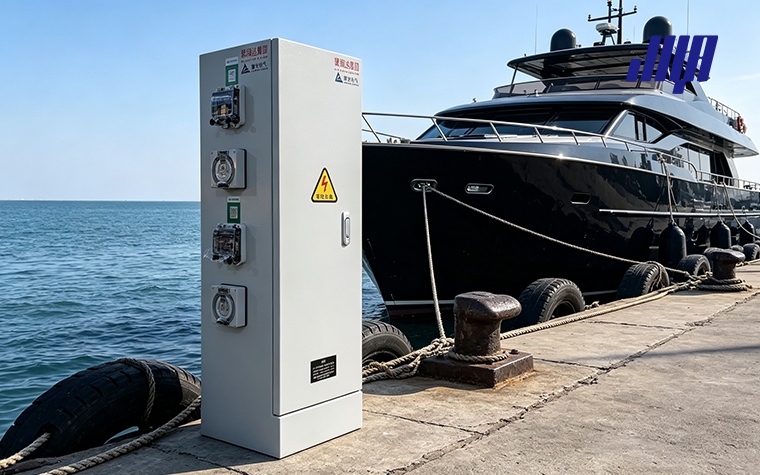
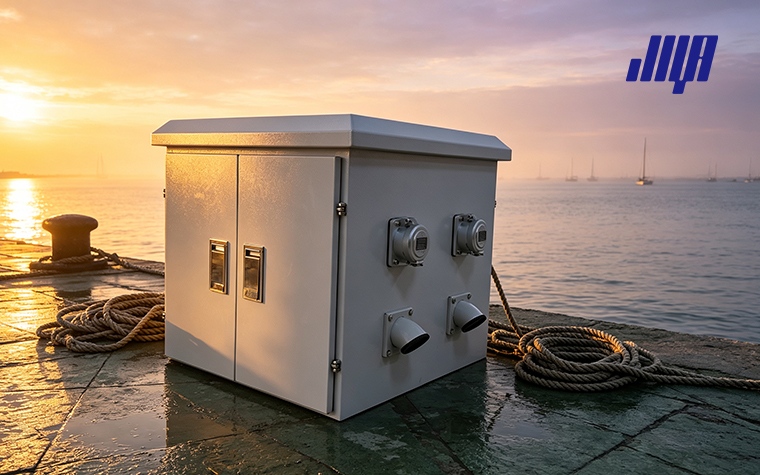
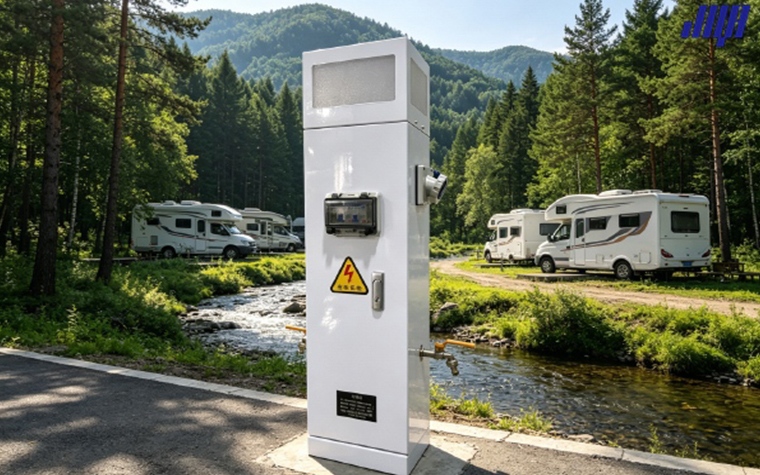
Close‑up view of dock power pedestal, showing waterproof sockets, circuit breakers, optional metering and water outlets for both marine and RV working scenarios

Routine Checks and Cleaning Procedures

Checks and cleaning form an important part of keeping the terminal power base in full working order over time. Visual inspection for indications of wear or damages, loose connections, corrosion, dust, and dirt accumulation would be a worthwhile beginning. Resolving an issue as soon as it arises will enable functionality to be maintained and avoid potential malfunction or downtime.

Maintenance Checklist:

  1. Visual Inspection: Check for wear, damage, loose connections, and corrosion
  2. Cleaning: Use soft, dry brush or lint-free cloth for dusting
  3. Compressed Air: Use cautiously for tight spaces, avoid internal components
  4. Electrical Connections: Ensure all connections are secure and corrosion-free
  5. Performance Testing: Regular system performance checks

Regularly dust the terminal power base using, for example, a soft, dry brush or universal lint-free cloth. Where dust is found either in very tight spaces or farther inside the cabinet of the unit, use compressed air cautiously and never near the internal components. Also, avoid liquid cleaners and moisture, as these may be easily damaging to the fragile interior parts inside the unit. Always switch off and disconnect the equipment before servicing and cleaning.

Points to note would be to keep a check on the electrical connections to ascertain if they are secure and not corroded. Alert the manufacturer to reinforce any loose connection and ensure that any damaged component is replaced immediately upon discovery. Checks on the performance of the system could be carried out periodically to detect potential problems and ensure timely repairs that would assist to extend the service life of the terminal power base and maintain its operation at optimal levels.

Preventing Common Issues with Power Pedestals

Prevention of the usual troubles with terminal power bases calls for maintenance and inspections on a regular basis. Begin by cleaning the power base parts to avoid buildup of dust or debris, which can block proper ventilation or even cause overheating. One needs to gently brush the components or use compressed air to keep them clean without causing damage.

Closely inspect all electrical components and make sure they are tightly connected. Loose or corroded connections can cause resistance, thereby resulting in inefficiency or even the potential for hazard. The moment one sees a damaged or worn-out connection, it unjustly contributes to the worsening of the situation by not being replaced. Only use parts recommended by the manufacturer for compatibility and durability.

Along with all this, ensure that the terminal power base is performing well. Watch out for any abnormal functioning, such as sudden power failures or strange noises. Do something to dispel the difficulty as soon as possible before it’s too late. Those periodic checks of performance can help in catching problems early and assessing system reliability to maintain peak performance during their service life.

Repair Strategies for Cost-effective Maintenance

Diagnosing a terminal power base requires first identifying the problematic situation. Begin with a visual inspection for loose connections, wear and tear, or physical damage. Also, it is wise to check exit power using a good multimeter for any irregularities. These are the immediate steps to troubleshoot.

Maintenance Strategy Cost Impact Time Investment Long-term Benefits
Preventive Maintenance Low Regular intervals High – prevents major failures
Manufacturer-approved Parts Moderate Standard replacement time High – ensures compatibility
Protective Coatings Low to Moderate One-time application High – extends equipment life
Operator Training Low Initial setup High – early problem detection

Once the problem is detected, prioritize any repairs based on cost-effectiveness and expediency. It is essential to use manufacturer-approved materials when either replacing worn parts, or joining faulty connections, to ensure bipartite compatibility and reliability. Where applicable, consider protective coatings against further deterioration arising from moisture or corrosion. This would extend the life of the terminal power base as well as downcast the high frequency of repairs.

Set up a maintenance calendar next to avoid costly repairs down the road. Enhances the system’s effectiveness by cleaning periodically, doing regular performance tests, and software updates if applicable at its core. Training operators on early signs of malfunction such as unusual sounds, unusual noises, or slight drops in power rating is vital. These processes keep the terminal power base efficient, minimizing consequent downtimes and maintenance costs.

Future Trends in Marina Power Solutions

Infographic comparison chart of dock power pedestals for marina marine environment and RV park, illustrating differences on material, amperage rating and environmental protection requirements

Integration of Renewable Energy Sources

The integration of renewable energy systems into terminal power bases continues to gain popularity as a parallel track along sustainability concerns and efficient energy use. Solar and wind are the most common sources of renewable energy implemented in these installations. A photovoltaic or small wind turbine installation anywhere from proximal to terminal installations provides a supplemental, stand-alone, and clean source of power to the conventional supply, thereby reducing the dependency on fossil fuels.

Financial Benefits

  • Lower utility bills over time
  • Reduced maintenance costs compared to conventional systems
  • Government grants and subsidies availability
  • Improved return on investment
  • Enhanced property value

Environmental Advantages

  • Reduced carbon footprint
  • Clean, renewable energy source
  • Decreased fossil fuel dependency
  • Sustainable operation practices
  • Environmental compliance benefits

Energy Security Benefits

  • Protection from grid interruptions
  • Operational continuity assurance
  • Energy storage capabilities
  • Load balancing during peak demand
  • Weather-independent power supply

One large advantage, more particularly in the long term, is the savings accrued with the integration of renewable energies. These savings are due to lower utility bills and lesser maintenance costs compared with those of conventional energy systems. Moreover, depending on the region of installation, the government actually goes beyond just encouragement and issues grants, maybe even subsidies, as a further incentive to help renovate the installment of green energy solutions, hence easing the economic burden for the operational side of the marina.

These benefits, besides costing and going green, make energy-related security much higher. Any terminals spun from renewable generation on a narrow scale will thus have their operational continuity safeguarded from interruptions on the grid. When coupled with energy storage, such as battery storage, the terminal power base can store energy when demand is low and use it during high demand or uncooperative weather, thereby deliverability to some extent.

Advancements in IoT-Enabled Pedestals

The terminal power base is one of the most important factors in ensuring energy reliability and sustainability, especially when interfaced with IoT technology. Thanks to IoT-enabled pedestals, terminals can now optimize energy usage, monitor performance remotely in real time, and foresee interruptions before they occur. Thus, distributors are able to mitigate disruptions and maintain consistent power availability even when demand is at its peak or the weather is adverse.

IoT Integration Benefits:

  • Real-time Performance Monitoring: Continuous tracking of energy production and consumption
  • Predictive Maintenance: Early detection of potential system failures
  • Automated Load Balancing: Smart energy distribution optimization
  • Remote System Control: Manage operations from any location
  • Data Analytics: Comprehensive insights for operational improvements

An IoT-enabled pedestal improves the functioning of the terminal power base by facilitating smooth communication among systems of energy generation, storage, and usage. For example, these pedestals contain sensors that continuously record and transmit data regarding energy production, efficiency, and consumption patterns. Operators are then able to detect inefficiencies, prevent energy loss, and implement smart solutions such as automated load balancing to remain operational.

These advancements can be enhanced further when used with energy storage systems such as batteries. Energy generated in excess during low-demand periods can be stored and redirected during high-demand situations. The IoT functionality, in a nutshell, precisely controls how this stored energy is being spent, promoting its optimal use without any wastage. With that, terminal power base moves a step closer to being a reliable source of energy that supports sustainability.

Shaping the Future of Marine Power Pedestals

The terminal power base is a key step in advancing powerful and environmentally sustainable energy delivery systems for marine environments. Terminal power bases provide clean power access with smart systems and renewable energy, consciously limiting the environmental degradation usually caused by conventional power generation systems. This makes certain advances to promote marine infrastructure and uplift operational efficiency.

Among the prominent features of the terminal power base is the ability to make energy management efficient through smart technology. It includes keeping energy consumption in check in real time in order to prevent wastage of energy which may be considered working against effectiveness in the use of resources. Also, IoT integration promotes the seamless interaction between devices, resulting in better controlled systems and energy grids. These attributes will, in fact, reduce energy wastage and improve power outages simultaneously.

Also, the terminal power base ensures a sustainable solution provided the use of energy from renewable sources and the existence of energy storage. Any extra energy generated can be stored in the batteries and applied during the increase of the demand to maintain an uninterrupted power supply and, therefore, the ability to overcome difficult power supply conditions. The terminal power base’s versatility and sustainability make it the central innovation that we can use to revolutionize marine power generation services while gradually weaning off traditional fossil fuels. Hence, this will pave the way for an environmentally healthier marine operation throughout the world.

Frequently Asked Questions (FAQ)

Q: What does marina shore power pedestals mean?

A: The marina shore power pedestals are essential electrical installations that need to be provided with power so as to keep a boat, yacht, or watercraft of any sort tied to the marina. These pedestals usually have multiple outlets in consideration of several power ratings but can be configured for the docking station’s special needs.

Q: How do marina shore power pedestals operate?

A: Once connected to the marina’s electrical supply, power is siphoned off the marina shore power pedestal through various outlets. Each of these pedestals is fitted with a docking box wherein the boaters can plug in their shore power cables, thus ensuring that they have electricity available for lighting, appliances, and all other essentials onboard.

Q: What are the preferred characteristics for a power pedestal?

A: When you select a power pedestal, consider things such as durability, corrosion resistance, and weather protection. Such high-grade materials as stainless steel and powder coatings render much enhanced protection against harsh weather; customizable configurations can meet specific electrical needs.

Q: Can marina power pedestals be customized?

A: It does! Marina power pedestals can be configured according to your desires, such as determining the number of receptacles, their amp configuration, and added features such as lighting and alarm systems, thereby building a power solution tailor-made for your dock or marina.

Q: How different are the power pedestals between residential docks and commercial marinas?

A: Residential docks tend to require fewer power pedestals and of a lesser amp rating since commercial marinas need to provide a heavy-duty version for larger vessels and higher power demand. Commercial pedestals tend to have features like dual receptacles and complex electrical configurations that render them more reliable.

Q: Do marine power pedestals serve as power stations at RV parks?

A: Yes, special power pedestals are made for RV parks to feed power to recreational vehicles. In the majority of cases, these units are slightly different from marina shore power pedestals with respect to some aspects of the electrical needs for RVs, including higher amp ratings and robust enclosures.

Q: How do I care for my shore power pedestal?

A: A good shore power pedestal should always be maintained by the inspection of any signs of wear and tear; maintenance should be done to ensure connections are tight and that any dirt or debris is cleaned from the unit thus avoiding corrosion. Secondly, the shore power pedestal must be inspected for any damages especially after severe weather conditions to make it reliable.

Q: Can the lighthouse SS power pedestal be installed at the marina?

A: Yes, lighthouse SS power pedestals are among the most favored by marinas due to their graceful style and rugged configuration. They can withstand the harsh marine environment and supply power solutions as per request for their dock area.

References

  1. Dock Builders – Power Pedestals
    A resource for compact and efficient power pedestals designed for residential boaters and docks.

  2. HyPower – #1 Marine Power Pedestals
    A leading provider of durable and innovative marine power pedestals for marinas and docks.

  3. Marina Mate SS Power Pedestal
    Information on the Marina Mate SS Power Pedestal, a stylish and economical option for marina power needs.

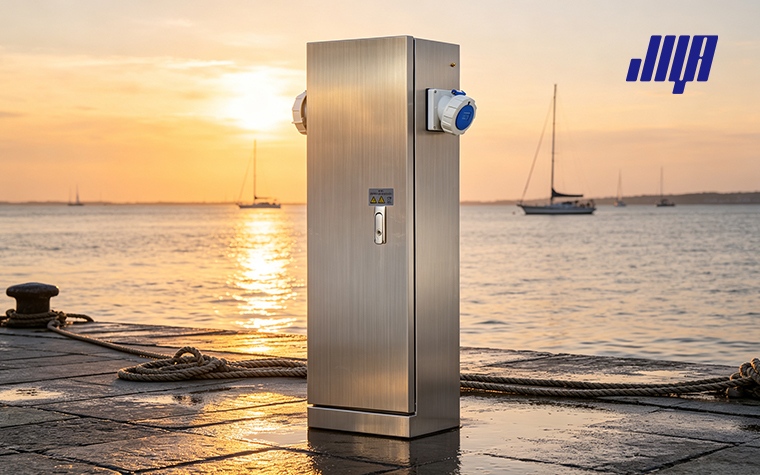
Marine Power Pedestals: Dock & Marina Shore Power Guide

Considered to be the forgotten heroes of dock-side or marina-side electrical needs, marine power pedestals keep boats and yachts powered, safe, and operational. From upgrading an existing facility to shore-side power solutions suitable for a boat, it would be great to understand how these pedestals work and why they’re important. This guide covers all there is to know about marine power pedestals, key features, installation considerations, and how to choose the right one for your application. After reading through this article, you will be in a position to tell how these systems operate and why they are a fundamental part of any out-of-the-way waterfront.

Understanding Marine Power Pedestals

Marine power pedestals installed on marina dock, shore power supply for moored boats and yachts

What is a Marina Power Pedestal?

A power pedestal is an electrical fixture specially designed to supply steady power to boats stuck at a marina or waterfront. These pedestals are a must-have for any dock because boats require electricity for their lighting, appliances, battery charging, and other onboard gear. It is installed on either a fixed or floating dock and is made with marine-grade materials that can resist the harsh marine environment such as rains, water, salt, and temperature variations.

Most power pedestals present multiple power configurations to suit various boats, with typical ones being 30-amp, 50-amp, or 100-amp service. Some may even come with additional features such as water hookups, phone and data connections, and metering systems for recording power consumption. Newer models could have LED lights installed for night-time visibility and safety when docking.

The pedestals are essential and put to practical use in a marina, to ensure access to resources for the boat owner while docked. Besides the enhancement of the full marina experience, they promote safety by supplying clean and steady power directly to the vessels. Choosing the correct pedestal will depend on the size of the marina, the type of boats serviced, and specific power requirements.

Components of a Shore Power Pedestal

A shore power pedestal has certain components that are considered essential for a safe and reliable power supply to docked vessels. From the perspective of the pedestal itself, outlets provide electric connections for various power needs. These may be outlets for standard voltage options or may be outlets designed to handle larger capacities for larger vessels. The outlets are designed to provide a steady supply of electricity meeting standards of safety in a marina environment.

Another important feature of the shore power pedestal is the integrated lighting system, where an Array of LED lights can be installed to illuminate kaspa at the dock at night. Lighting thus ensures smooth navigation in the marina and serves as a security measure. In some cases, the lighting sorties itself or varies ambient light, however, with different setup controls.

Moreover, shore power pedestals may also supply water connections for the fresh water supply to docked vessels. Thus, these water connections are usually installed next to the electrical outlets for convenience. Some pedestals may also provide optional features such as communication outlets, smart metering systems, and charge points for new-type electric boats, all for the needs of the evolving marina and its user base.

Importance of Power Pedestals in Marinas

Power pedestals are instrumental in the smooth running of a marina. These units provide the docked vessels with power for various on-board activities like lighting, AC, or even refrigeration and battery charging. Without these pedestals, docked vessels would depend only on their internal power generation, which at times is not efficient and environmentally hazardous.

Alongside electricity, modern power pedestals usually provide other utilities meant for the convenience and/or use of the marina users. For example, water hookups are provided with these pedestals, enabling boaters to refill their fresh water supplies with ease. Communication outlets and internet connections are now another feature being installed with power pedestals to tap into the high demand for connectivity by mariners. Such integrations make the mall environment more user-friendly and versatile, thereby observing the diverse needs of the boating community.

The power pedestal’s role in sustainability of marina operation forgives mention. Lately, many newly-installed power pedestals have found themselves in smart meters, the priority of which is to maximize the efficient use of electricity by both marinas and boaters themselves. The other side is power pedestals with charging capability, hence greening technology-adoption routes for electrical boats. While this supports the environment, it will also cast marinas as future-forward bases for this form of boating.

Benefits of Modern Shore Power Solutions

Detailed close‑up of marine shore power pedestal, heavy‑duty electrical outlet equipment for marina vessels

Convenience for Boat Owners

These are modern, state-of-the-art shore power solutions that provide ultimate luxury to the boat owners while making the actual process of docking and powering their vessel quite straightforward. Featuring E-smart power pedestals, boaters can now gain power supply without shifting through old systems. These pedestals usually have digital interfaces so users can see the actual energy consumption, change their settings accordingly, and make payments immediately after. This integration allows for maximum reduction in manual readings and thus, limits the administrative work for the boat owners and marina operators.

Smart Features & Automation

There are also a lot of smart pedestals offering other automated features such as remote activation and mobile access, so that the power connections can be controlled by a boat operator through a smartphone app. With this functionality, they save time and ensure power is available whenever needed, thus creating further convenience in docking. In terms of safety, these systems are often designed with features like surge protection and alerts to faults in the system; thus, the boat owners can rest relatively assured.

Environmental Consciousness

It is harder to kill proper conduct with sustainable boating. When charging facilities are provided for electric and hybrid boats, owners will find it easy to keep their batteries charged and environmentally conscious in their energy utilizations. This improvement also lessens the burdens involved in charging but enforces the environmental conscience that is becoming interesting with respect to sustainable marine transportation. All these factors point to how modern shore power solutions make the experience more modern, with a finer focus on ease of working, efficiency, and environmental consciousness.

Reliability and Consistency in Power Supply

Uninterrupted and proper power are essential in any power supply system, more so in any industrial setting like marine transportation, wherein any delay may translate into loss of money or a hazard. Given this backdrop, the modern-day shore power system has been designed and engineered with advanced technology to provide uninterrupted and dependable energy transfer. Recent reports state that shore power decreases the vessel emissions by up to 98% while docked since the ships can altogether switch off the engines and rely solely on the steady electricity supply at the port.

As the study conducted in 2023 shows, ports with high-capacity shore power facilities experienced 99.5% uptime reliability, meaning that shore power was consistently available. This was made possible by their integration with the smart grid, along with the ability to monitor themselves in real time and maintain, through backup facilities, power supply in case of outages. The shore power system can also cater to different power requirements; thus, cargo and cruise ships of all sizes can count on an uninterrupted power supply-providing power according to their operational levels.

Innovations in better frequency converters and load-sharing technology are essential in keeping the system stable. These systems present the additional advantages of remote diagnostics and predictive maintenance, which reduce downtime and avert issues from happening. The combination of reliable service and cutting-edge technology shall ensure shore power solutions to support the emerging global push for sustainable and efficient energy use in the maritime operation.

Enhanced Amenities for Marina Users

Modern time assumes the elevation of clientele experience by offering an array of amenities that would firmly lock comfort, convenience, and safety. Many marinas now boast infrastructure that is top notch, including floating docks, secure mooring systems, and even areas dedicated to vessel maintenance. This gives boat owners, be it recreational or commercial, facilities that are dependable and that cater very well to their needs.

Beyond that, modern marinas have put more focus on facilities that can attend to the human needs of their visitors, shower and toilet facilities, laundry areas, and lounges that offer comfort to allow users to relax. Beyond that, some marinas offer internet connectivity, restaurants, or even gyms to live up to the modern user’s expectations.

A variety of eco-friendly methods-proper garbage disposal, recycling mechanisms, and clean energy use, among others-are in place to ensure sustainability and environmental conservation. Such conservation measures safeguard the adjoining marine ecology while simultaneously responding to the ever-increasing demand for sustainable and responsible maritime activities. Incorporated with usability, comfort, and sustainability are the enhanced marina amenities that lead toward an enriched user experience.

Technological Advancements in Marina Power

Working marine power pedestal delivering shore power to docked yacht at marina pier

Smart Features and Remote Monitoring

The integration of smart features and remote monitoring increasingly changes marina operations. While providing important pieces of real-time information about energy consumption, equipment status, and working conditions of the environment, such systems allow for the implementation of preventive maintenance with minimal downtime so that the facilities remain operative and efficient at all times.

Remote monitoring benefits the end user as well, permitting boat owners to employ mobile applications or web-based platforms to activate and control power, lighting, or fuel services. No manual intervention is required; immediate alerts are issued to the user’s device in case of irregularities and alarms, thereby increasing safety and reliability.

Moreover, the smart features add elements of sustainability by optimizing energy and limiting waste. When they operate automatically, they may ensure that power and water are not wasted if there is no occupancy, increasing excessive consumption and thus, the environmental impact. By ensuring ease of use, these developments become innovations in practical terms, setting the spotlight on environmental and operational concerns.

Energy Saving Capability of Shore Power Base

Shore power bases greatly minimize energy consumption by letting ships connect to electrical grids on land while at the dock, instead of powering their engines. More fossil fuel consumption always means more energy waste-and also increased operational cost for any shipping company. By depending on shore power, ships can efficiently take advantage of any available local renewable energy source forester port activities.

Another point clarifying the benefits of shore power bases is that they help reduce greenhouse gas emissions generated by idling ship engines, which are big air pollutants. It has been reported that a single ship using shore power will prevent tons of carbon dioxide, nitrogen oxides, and sulfur oxides from entering our atmosphere every year. So, shore power poses a win-win option concerning energy efficiency and environmental issues, making it fit into the frame of global goals for sustainability.

Integration of shore power systems also bears advantages for port authorities and local communities. Lowering noise levels from engines and air pollution, the nearby areas enjoy improved air quality, along with considerable calm. Along with energy savings, this joint approach to pollution mitigation renders shore power bases an essential tool of clean and efficient maritime operations worldwide.

Integration of Renewable Energy Sources

The integration of energy from renewable sources, such as solar, wind, and hydropower, into maritime operations, is one such major factor contributing to mitigation in greenhouse gas emissions and promotion of sustainable energy uses. With direct adoption of these energy sources, ports and ships will substantially lessen their reliance on fossil fuels, implying environmental health for the locals and marine ecosystems.

Any such process setting the precedent is the installation of on-site renewable energy systems at the port, for example, solar panels or wind turbines, which produce electricity for a shore power system. This option diminishes conventional power generation, allowing the ships to use this clean energy while loading and unloading. Accordingly, their operational emissions are decreased, and therefore, reductions in overall energy costs are witnessed with the passage of time.

Moreover, the integration of renewable energy brings in more environmental and economic benefits. Using sustainable energy sources lessens the carbon emissions associated with maritime operations and satisfies certain internationalistic ecological commitments. It promotes the advancement of green technologies and thus paves the way for the prospect of new energy solutions and their profitable implementation in the maritime industry.

Choosing the Right Marine Power Pedestal

Internal wiring and safety parts inside marine power pedestal for dock marina shore power system

Factors to Consider: Power Capacity and Durability

Power capacity represents one of the most critical factors to compare when selecting a power pedestal for a marine facility. The power pedestal must reliably provide for the electrical load requirements of all docked vessels. With regard to the boats that will be using the pedestal, it is important to determine general power requirements, including lighting, appliances, and any other on-board systems. Common ampere settings on power pedestals are 30 or 50 amps, but for larger boats, pedestal models with ratings of 100 amps or above may be necessary.

Durability of a power pedestal is of equal concern in marine environments, where it is subjected to bad weather, saltwater etching, and heavy usage. Using superior grade materials such as stainless steel, or polymers with UV resistance qualities, will ensure that such a power pedestal ought not to succumb to corrosion, UV degradation, and physical degradation with time. Choose power pedestals that have weatherproof enclosures, and carry certifications indicating compliance with marine electrical standards.

Also, the endurance of the pedestal needs to be considered for long-term value; this requires a look at the maintenance requirements and the lifespan. The exchange of cheaper ones every now and then can be avoided if one goes for a rugged one of a low-maintenance sort, which will give flawless performance over the years. Always give due consideration to renowned manufacturers and try to get some real-life feedback in terms of reviews or testimonials on how long the product lasts in use and if it can be relied on.

Compatibility of shore power base with existing infrastructure

The compatibility of a shore power base with an already existing infrastructure depends on numerous elements. Firstly, the voltage, frequency, and power level of the shore power base must be commensurate with those of the existing infrastructure. Should there be any mismatch in these parameters, it could cause operational problems, impinging on efficiency or even risking damage to equipment.

Next, there is the question of physical connections, or plugs and receptacles. From the design standpoint, these must adhere to accepted standards to guarantee secure, uniform, and reliable transfer of power. Should a particular shore power base use a non-standard design, an adapter or some other piece of equipment could be necessary, adding to cost and complexity.

Lastly, infrastructure upgrades may be necessary if the existing system cannot meet the power demand of the shore power base. Assessing the current capacity of electrical cables, distribution boards, and transformers is crucial before installation. In addition, these should observe local regulations and international standards since such observation is fundamental to long-term safety and compliance. Proper planning and consultation with professionals will allow smooth integration and less disruption.

Practical Tips for Marina Operators

  • Plan for Power Needs in the Future: Look into the possibility of growth of the marina and the concomitant increase in electricity demand from modern vessels when shore power systems are being installed or upgraded. Learn the present trends of usage and then forecast from there so that frequent upgrades would not be needed. Talk to industry peers or go for some solutions that can scale to meet those changes efficiently.
  • Ensure that the Regulatory Bodies Make You Compliant: Know your safety standards and environmental requirements at the local, national, and international levels. Proper compliance with laws shall be ensured for the facility’s safe operation but will also limit the threat of its owners and operators being charged at some time for a negligent act. Work with the certified persons to verify that the installation of shore power adheres to governing codes (IEC standard, local safety guidelines) and regularly audit your systems for continuing compliance.
  • Implement Routine Maintenance: Plan a routine maintenance session for the shore power system to assure the long-term operational viability; for instance, in their regular inspection, they should make sure wear and tears never affect any electrical cable, connector, or distribution board. They should immediately replace or repair anything found damaged to avoid costly downtimes. Training should also be offered to allow marina staff to identify early signs of issues and respond accordingly.

Environmental Impact of Shore Power Pedestals

On‑site installation layout of marine power pedestals, practical dock & marina shore power guide reference

Supporting Sustainable Marina Operations

Electricity supplied through shore power pedestals helps to promote the sustainability of a marina by reducing carbon emissions and dependency on diesel generators. These vessel-side shore connections provide electricity generated by the grid, which is relatively cleaner, whereas vessels using generators would have released a lot of air pollution in the atmosphere. This change is considered toward compliance of marinas with different environmental regulations and the global push towards salving climate change.

Another downside to diesel power generators is that their operations are very loud, distracting noise to marine organisms. Noise noise noise-not like that shore power strikes for a great marina ambiance.

Being maintained properly along with the use of energy-efficient features will also ensure sustainability. Contemporary shore power pedestals, equipped with energy management systems, actively aim at reducing electricity consumption and its associated wastage, thereby resulting in lower operational costs. By encouraging boaters to use the system in an environmentally friendly way, marinas can do their part in support of ecological stewardship and preservation of marine habitats for future generations.

Reducing Energy Consumption

Energy reduction in marinas is imperative toward encouraging sustainability and diminishing operational expenses. One method worth implementing is upgrading shore power pedestals with an energy management system. These systems help monitor and govern electricity consumption so as to prevent waste and efficiently supply power to the boats.

Boaters are also coaxed to develop energy-saving habits, such as switching off their electrical appliances when not in use, using solar panels for auxiliary energy needs, and lighting with LEDs rather than with traditional incandescent options. Awareness-raising campaigns by the marina could support these initiatives and nurture a conservation culture within the boating community.

Finally, developments in renewable energy sources, such as harnessing solar or wind power, can drastically lessen its use for non-renewable electricity. Marinas with renewable energy installed in their infrastructure serve as symbols of ecological wisdom and goodwill towards the environment. Through technological improvements, user awareness, and investments in sustainable sources of energy, the marinas can make a serious dent in their energy footprint with a supporting tilt toward ecological recovery.

Eco-Friendly Designs and Practices

Ecological designs and practices in the marina simply mean minimizing environmental impact and at the same time fulfilling functional and user requirements. This would entail areas of attention such as sustainable building materials, green infrastructures, and policies favoring conservation. For instance, materials like recycled composites and hardwoods derived from renewable sources supplant materials of the traditional kind, thereby lowering the marina’s carbon footprint. Besides that, employing permeable pavers along walkways and parking areas will curb runoff pollution and save neighboring marine ecosystems.

Water conservation and management are of paramount importance in eco-friendly marina design, another crucial goal. To guarantee that contaminated water from boats or marina operations does not pollute natural waterways, it is thus necessary to have modern wastewater treatment systems installed. Rainwater harvesting systems may be the other option: these systems would collect rainwater for reutilization in general cleaning activities or for irrigation. Through these means, a marina, by its own operations, ensures that local water quality and resources are preserved.

Renewable energy promotion is another key development in sustainable marina practices. Clean and renewable sources of energy through solar panels and wind turbines can be provided for lighting, charging stations, and other uses within the marina. Charging stations for boats promote the usage of electric or hybrid vessels to further reduce fossil fuel dependence. Through the use of these environmentally considerate designs and practices, marinas go a long way toward protecting the local ecosystem while serving as an example of environmental responsibility within the boating community.

Frequently Asked Questions (FAQ)

Q: What are Marina Shore Power Pedestals, and Why Are They Important?

A: Marina shore power pedestals are power units that supply electrical power to any boat or recreational vehicle (RV) at the dock and marina. They establish a safe and secure electrical connection to a power source, which can be used for various purposes such as lighting, appliances, and charging systems. Modern units include the utmost safety features, such as circuit breakers and ground fault interrupters-all designed to resist harsh marine environments and provide protection to the electrical system as well as to the users.

Q: What are safety features I need to look for on marina shore power pedestals?

A: When choosing shore power pedestals for marinas, one should factor in safety features such as circuit breakers and ground fault protection. These features prevent overload and help reduce the risk of electrical shock in the presence of moisture. The current generation of units is often designed to resist corrosion, thereby ensuring that they will last longer and be more reasonably reliable when subjected to severe weather conditions that marinas are always exposed to.

Q: How do shore power pedestals distribute power in a marina?

A: Marina shore power pedestals contribute greatly to the distribution of power by placing multiple connections at docks and marinas. The pedestals can be installed in many power configurations depending on the size and power rating required by vessels. Thus, marina owners can effectively manage dockside power distribution and ensure that the boats are all supplied with power specific to their requirements.

Q: Are there any special benefits provided by modern marina shore power pedestals?

A: The modern marina shore power pedestals will ensure greater safety with their advanced electrical features, while also ensuring quality electrical connections opposed to being degraded by harsh marine conditions. The power pedestals also encourage power system upgrades so that marinas and RV parks can keep up with changing electrical demands, thereby providing the user with a continuous source of power.

Q: Can marina shore power pedestals be customized according to power needs?

A: Yes, shore power pedestals for marinas are custom-designed to allow buildings of various configurations and sizes. Marina owners can ensure different amperages are supplied for each boat or RV to access power appropriate to their needs. It is of utmost importance to have variability and adaptability in catering to the myriad electrical systems in marinas and RV parks.

Q: Are weather conditions affecting the operation of marina shore power pedestals?

A: Weather conditions can affect the operation of marina shore power pedestals to a great degree. In all harsh environments, the units are expected to undergo corrosion, extreme temperatures, and moisture. Investing in the expensive, weather-resistant pedestal guarantees operation and safety in any situation.

Q: What are things that marina owners must consider before making a choice for shore power pedestals?

A: A marina owner should consider power requirements of the electrical system, safety features, and marine conditions under which shore power pedestals are subjected. It is also required to study the arrangement of the marina ot ensure power will be distributed efficiently and will be accessible to all boats berthed therein.

Q: How do advanced power pedestals vary from traditional power pedestals?

A: The main difference between an advanced power pedestal and traditional units lies in safety and power characteristics. Modern units consist of features like circuit interrupters and high levels of weather resistance to ensure a safer connection from a reliability point of view. These qualities make them suitable for the rigors of the marine environment while still providing the user with a dependable source of power while docked.

Q: What do dock boxes do along with power pedestals set on the shore-do?

A: Dock boxes are storage cabinets that keep the electrical connections and cables used for safely organizing the distribution of power from marina shore power pedestals. They would protect the wiring and connections from weather conditions to keep the electrical system working and safe. These dock boxes enhance the safety and efficiency of the dockside power system when used together with power pedestals.

References

  1. Marina Shore Power Pedestals: Importance of Modern Units – Power Pedestal
    Discusses the role of power pedestals in providing utilities like electricity and water to docked boats.

  2. 5 Benefits of Shore Power – Dock Boxes
    Highlights the efficiency, sustainability, safety, and cost-effectiveness of modern shore power systems.

  3. Shore Power System and the Benefits – Atlas Marine Systems
    Explains how shore power systems reduce operating costs and provide global electricity access for boats and yachts.

  4. Ship to Shore Power: 5 Exciting Reasons Why It’s Time to Invest – Wärtsilä
    Covers the environmental and operational benefits of investing in ship-to-shore power connections.

  5. What is Shore Power and Why is it Important? – Igus Toolbox
    Provides an overview of shore power and its importance for ships, RVs, and other heavy-duty vehicles.

Marine Power Base Suitable for Docks and Yacht Marinas: Power

For smooth day-to-day operations and servicing of the needs of modern vessels, an efficient working power source is indispensable on docks and yacht marinas. A marine power base is more than just a utility; it is a key element that allows boats and yachts to be powered for lighting, charging, and onboard systems. This article elaborates on the importance of selecting the right marine power base, drawing a view on how innovative solutions are changing waterfront energy management. Whether you operate a marina or are planning the upgrade of a dock, this blog will contribute in helping you choose power solutions that create efficiency, sustainability, and convenience both for marina operators and boat owners. Stay tuned as we take an in-depth look at some must-have attributes and emerging trends in this crucial element of marine infrastructure.

Understanding Power Pedestals

Marine power base suitable for docks and yacht marinas, outdoor power supply equipment for moored yachts

What is a Marine Power Pedestal?

Also referred to as service pedestals or shore power pedestal in another type of setting, a marine power pedestal is a gateway to land power, water access, or other utilities for docks and bass boats. Power pedestals are designed for the differing needs of marina operators and boat owners for safe and convenient access to basic utilities. Usually fabricated using stainless steel or composite materials resistant to corrosion, marine power pedestals are highly durable and environmentally weathered.

Modern power pedestals offer a broad range of features such as service outlets, differing amperage options–commonly rated for 30-amp, 50-amp, or 100-amp service–LED lighting for visibility enhancement, metering systems, Wi-Fi, and EV charging ports. These days, sustainability seems to be coming to the fore amongst marine concerns. It has thus sold energy-efficient pedestals equipped with solar panels and energy monitoring systems. For example, a smart pedestal allows marina operators to digitally monitor and otherwise control the electrical consumption of the marina in order to maximize energy usage and lower cost.

With a bit of interchange of emphasis, however, there now comes a strong safety weight to driver analysis. Power pedestals now usually conform to international marine electrical standards, ensuring that the devices are reliable and safe in operation, eliminating risks arising from electric shock or fire hazards. In this regard, these modern-day marine power pedestals have all the more made walking that path toward full acceptance in the commodity pool of marinas and dock operations on account of the higher demand for sustainable and tech-savvy solutions.

Key Features of a Power Pedestal

Power pedestals serve a vital role as one-stop solution for power and lighting; the name itself indicates that it combines the function of a power distribution unit and a lighting fixture. Some of their typical applications include lighting up parking areas, supplying electricity at various marine installations, recreational vehicle parks, etc., wherever lighting and real utility power are to be provided in an open area.

Services provided by power pedestals include:

  • Connecting to shore power
  • Connecting marina vessels for power
  • Providing various power outlets with current ratings usually varying from 16-100 amperes to meet different power requirements. This arrangement accommodates boats of an extensive range in size. Power pedestals are highly versatile; thus, any marina can provide its customers with just about any service they demand.

Safety is also imparted as another consideration. Modern power pedestals are equipped with a GFCI so as to prevent electric shock or any adverse electrical hazard to the users. Several power pedestals are even designed to withstand the marine environment, with them being corrosion resistant, weather-proof, and durable, with very long working lives even under rough circumstances.

Other useful services include water distribution and LED lighting for night visibility. They may also incorporate smart metering options for the benefit of marina operators and users. On the environment-friendly side, the more popular choice nowadays is solar power, and such options are gaining ground as viable alternatives for power supply in marina operations. Put all this together, and you have a convincing reason for putting power pedestals on any modern waterfront management.

Importance of Quality Marine Power Pedestals

Reliable quality marine power pedestals are required in waterfront operations for efficiency and safety. They act as a stable power supply for boats, providing dockside power for boatowners in case their boats need electricity for equipment, appliances, or any other need. On the other hand, they have the quality to withstand a highly corrosive marine environment, hence reducing the probability of corrosion, damage, malfunctioning, and costly repairs or service interruptions.

Another major reason that demands quality power pedestals is safety. Low-quality pedestals can pose electrical hazards such as shocks or fires threatening for users and the marina. Modern power pedestals with built-in safety devices every property and life, including circuit breakers and ground fault protectors. They are a prime necessity for marinas, harbours and waterfronts with high traffic and heavy operational requirement.

A further advantage of quality power pedestals is the increased efficiency and sustainability of the marina. There are many advanced systems, such as metering, incorporated into some state-of-the-art pedestals so that marina operators can measure energy consumption and charge the users accordingly. Additionally, ecological-friendly designs, such as solar-powered pedestals, encourage energy efficiency with minimal carbon footprint for waterfront operations. Focusing on high quality guarantees a better user experience, the durability of infrastructure, and aligns with sustainable practices.

Types of Marine Power Pedestals

Detailed close‑up of marine power base, heavy‑duty power unit for docks and yacht marinas

SS Power Pedestal Overview

SS Power Pedestal is a remarkable solution for the operators of marinas who want dependable and efficient electric installations. Being crafted from elite quality stainless steel, it offers high-level durability, resisting severe marine conditions, allowing it to last and perform for a very long time. Its slick and modern look effortlessly merges with the waterfront aesthetics, thereby improving the overall pleasure of the marina for both operators and consumers.

The SS Power Pedestal is customizable with different features, which is one of its attractive benefits. Advanced metering systems can be installed to measure the consumption of energy; lighting can be made available for ease of visibility, including pretty much all manner of electrical outlets that users could require. For a more green option, the solar power option can be chosen to generate power, with the consequence of reducing the use of traditional power and setting the operator on a greener pathway.

An ease of maintenance is a charm. This pedestal allows for extremely simple installation, greatly reducing installation time and causing less operational downtime. It resists almost anything that nature could throw on it-things like saltwater, UV rays, dust, and all sorts of environmental nasties with little maintenance. This makes it a very reliable piece of equipment as far as flexibility and green thinking are concerned and, therefore, an excellent choice for any operator of a modern marina.

Mate SS Power Pedestal Features

  • Durable Construction: Mate SS Power Pedestal is designed to withstand corrosion, UV degradation, and the hostility of the environment with sturdy materials, assuring long life even under harsh marine conditions.
  • User-Friendly: Being simple in design makes it easy to install and use, saving installation time and bringing marina downtime to an absolute minimum. Maintenance is also quite easy-to-simple, requiring little effort for upkeep to retain functionality.
  • Sustainable and Reliable: The Mate SS Power Pedestal was designed from the principle of sustainability and hence is energy-efficient and supports green initiatives on the whole, while it remains very reliable when it comes to consistent electrical power supply, hence making it one truly dependable solution for the modern day marina.

The Mate SS Power Pedestal is very well suited for marinas because, being highly durable, it can take on challenging weather elements like saltwater, UV rays, and sun debris. Its reliable construction offers longevity to the equipment, which means less replacement and maintenance cost in the long run. Besides this, such a simple installation suddenly becomes super valuable for any operator, as every minute counts on calling other more important things into operations.

Furthermore, the environmentally conscious engineering behind the design carries along with it a sort of vision of today onto greener solutions for operators and would-be owners of their marina infrastructure. Day-to-day performance lends itself nicely toward a more conscious, practical operational outlook.

That said, it is the combination of rugged durability, sustainability, and efficiency that will keep modern marinas up and running while looking to the future. With less downtime in operation, operators can spend more time servicing their marina guests better with the help of a power solution that is both reliable and easy to manage.

Lighthouse SS Power Pedestal Innovations

This Lighthouse SS Power Pedestal possesses an outstanding design due to the excellent balance among sturdy design, energy efficiency, and ease of use. Made with marine-grade stainless steel, these pedestals can withstand harsh climates, weather conditions, and keep a classy finish for extended periods. Such a sturdy construction ensures fewer maintenance activities, leaving marina operators free to provide the best services to their guests.

Energy conservation stands among the unique features of the Lighthouse SS Power Pedestal. It uses high-end power distribution technology to ensure energy loss is minimized while power output is maximized, lowering the operating costs and moving towards a sustainability-based operation whereby the environmental footprint is minimized for marina operations. Advanced monitoring capabilities can be integrated with the pedestal to track power usage and allow operators to manage power wisely and bill appropriately.

The ease of use adds another team to the Lighthouse SS Power Pedestal. Thanks to the intuitiveness of the design, marina guests were at no point subject to the lock-in procedure and could easily connect and disconnect their gear. Combining this ease of use with safety features such as circuit protection and weatherproof design, the pedestal offers a secure and smooth experience for both administrators and users. The pinnacle of durability, efficiency, and ease of use, the Lighthouse SS Power Pedestal sets a new benchmark of quality in power solutions for the contemporary marina.

Choosing the Right Power Pedestal

Marine power base working to supply power for docked yachts at yacht marina pier

Considerations for Marina Applications

Site-specific requirements, regarding service-class requirements and user profiles, should be evaluated when selecting the appropriate power pedestal for marina applications. Lay down certain basics of power requirements for the vessels that will dock. Bigger boats tend to require a higher power capacity, such as 50 or 100 amps, while smaller boats might only require 30. Knowing this will make it so the pedestal accommodates all users well. From there, look into pedestals with multiple outlets so that versatility is provided and that they can be used by multiple docked vessels simultaneously.

Environmental considerations should come first: the marina environment is subjected to saltwater, humidity, and all sorts of weather conditions. It is best to consider pedestals fashioned from tough and corrosion-resistant materials, such as stainless steel or high-quality polymers. Not only do these materials improve the working life of the pedestal, but they also eliminate the hazards to users that may arise in wet or damp conditions. Features like water-tight seals or protective covers are also welcomed as extra protection for the internal parts in demanding environments.

Finally, maintainability and user-friendly features are paramount considerations. Using removable panels or modular designs would facilitate marina operators to carry out any repair or upgrade as time goes by. Other features such as integrated LED lights or digital meters would ensure a better user experience by giving boaters convenient access, especially in nighttime conditions. Choosing a pedestal that meets these objectives guarantees long-term reliability and satisfaction for marina operators, as well as patrons.

Convenience of Dockside Power Access

Dockside power access is a matter of utmost convenience and efficiency for both boaters and marina operators. By providing reliable and easy-to-use power pedestals at their docks, marinas allow customers to charge batteries, power appliances, or even shore power onboard systems directly from the shore, thus avoiding the continual use of generator power while aboard, greatly enhancing user experience together with the modern requirement of the seamless draw of utilities.

Some other major benefits forefronted by dockside power access being largely environment-friendly. Transitioning from generator-based power to shore power greatly reduces the noise and carbon pollution in marina environments, creating both a sustainable and pleasant environment while simultaneously catering to the increased demand for greener marina practices. Dockside power access also increases safety by providing a stable power source, therefore reducing hazards that come with unregulated power fluctuations/outages from generators.

Proper dockside power systems increase customer satisfaction and retention for marina operators. Smart meters, energy-efficient LED lights, and various options for power outlets add value and functionality. Fewer system failures, facilitated by easy-to-use systems, also cut down on downtime and maintenance costs as time goes on, thus laying the groundwork for operational efficiency. In conclusion, dockside power must be seen as an indispensable offering for any modern marina-a perfect bridge between convenience and sustainability for operators and their visiting customers.

Customizing Power Pedestals for Specific Needs

By customizing power pedestals, marina operators can cater to the varying needs of their clients while making optimal use of the limited user space. Customization may include selecting configurations that satisfy various vessel sizes, types, and power requirements. For example, the pedestals may include multi-voltage options so that small watercraft might be accommodated while larger yachts requiring a higher power capacity may be serviced as well. Such flexibility guarantees that the marina hosts a comfortable arrangement for a variety of vessel classes.

Apart from power, a pedestal may also incorporate additional customized features to enhance user convenience. Integrated lighting for night visibility, water outlets, and Wi-Fi options can be embedded in pedestal designs to meet customer expectations of convenience and technical integration. These improve functionality and, thereby, promote the reputation of the marina as well, bringing more visitors and having them come back again.

Materials and other environmental considerations provide a further important customization scope. Picking corrosion-resistant, weatherproof materials like stainless steel or composite plastics allows the pedestals to endure under challenging marine conditions. Including energy-saving units such as LED lighting and smart meters makes for a greener operation while substantially cutting operational expenses in the long run. Such smart power pedestal customization contributes massively to the overall enhancement of a marina by connecting usability with customer experience and environmental consciousness.

Maintenance and Best Practices

Internal wiring and safety components of marine power base suitable for docks and yacht marinas

Routine Maintenance for Longevity

Routine maintenance works to ensure the long-term functioning and reliability of marina power pedestals. Regular inspections must include identifying any visible wear, corrosion, or damage. This entails checking connections to ensure that all components are fastened tightly, and to detect signs of water ingress. Other simple steps can be cleaning the exterior and ensuring that the surrounding area is kept free of debris. This will help prevent unnecessary wear and protect the pedestal against environmental stressors.

Special attention should be paid to electrical parts to keep them safe and performing. Test circuit breakers, ground fault circuit interrupters (GFCIs), and other safety features at least semi-annually to confirm their good working order. Check wiring and connections for fraying, corrosion, or loose fittings; replace anything found damaged without delay. Smart meters and LED lighting systems that are properly calibrated should also be checked occasionally for their accuracy and efficiency.

Preventive multi-care indeed extends the lifespan of the equipment while improving customer satisfaction by minimizing disruption. Establishing a schedule and keeping detailed service logs can simplify this process and ensure every piece of the pedestal is looked at on a routine basis. Investing in good quality replacement parts and expert consultancy when needed will equally contribute to long-term performance and safety.

Common Issues and Troubleshooting

When equipment is to be maintained, issues arise and need to be addressed immediately for its optimum performance. The common problem is poor efficiency caused by dirt and debris. Cleaning and good placement of components should solve this. Per contra, it could be air filters or fluid checks, depending on what kind of equipment it is, that might be causing its blockage or lag in performance.

Another problem that occurs quite often is the sudden failure of functioning, such as not starting or sudden stopping of machines during use. Another term for this electrical problems could be loose connections and worn-out parts. Check wiring and connections for visible damage or signs of deterioration. Replacing faulty parts with good-quality ones keeps the issues from recurring. This is for the security of all; equipment must be turned off before one begins inspecting or repairing it.

Occasionally, excessive noise or vibration may cleaning of lubrication during operation is a very common issue. It could be a symptom of misalignment or worn-out bearings. Regular inspection of moving parts as well as tightening loose screws and bolts aids in the reduction of noise and increases stability. If unusual sounds persist, speaking with a technician or consulting the manufacturer’s manual could help locate the root of the problem. To avoid these complications from arising, timely intervention and proactive monitoring are required.

Ensuring Safety with Shore Power

Shore power is an excellent resource for powering vessels while docked. On the other hand, improper handling of shore power could lead to unsafe situations. Begin by visually inspecting the shore power cord for wear, damages, or corrosion. An electric hazard can easily be thrown at the user if any danger is apparent; it might even be an opportunity for shocks or fires. Always utilize a cable built for marine conditions and suitable for the shore power to be applied to your vessel.

Be sure to check that the shore power pedestal and outlet are sound when connecting shore power. Unplug all devices within the pedestal and switch the breaker to the “off” position before plugging in the shore power cord. Once the shore power connection is firmly in place, flip the breaker “on” to reduce the chance of an electrical surge. Likewise, securing the shore cord could eliminate any stress on the shore power connectors or curb any accidental disconnection due to some motion.

In order to maintain safety, make sure to use a marine-grade power adapter where required in your vessel’s power system, and fit an isolator on the galvanic side to avoid stray current corrosion. Periodically check the vessel’s electrical system to ensure it complies with safe standards. By following the above procedures and showing that hazards have been eliminated, one can safely enjoy the benefits of shore power with minimum risks.

Innovations in Power Pedestal Technology

Field installation layout of multiple marine power bases for docks and yacht marinas power infrastructure

Latest Developments in Marine Power Pedestals

Marine power pedestals have been gearing up for enhanced efficiency, safety, and user convenience. The most significant technological improvement has been integrating smart technology, which allows the pedestal to be controlled and monitored by the user remotely. Typically, this smart pedestal will provide energy monitoring in real-time, automated billing, and alert diagnostics, allowing marina operators to make operations leaner and have a refined user experience.

Another change is the environmental sustainability factor. Modern marine pedestals are increasingly being designed with the environment in mind in terms of energy conservation and the benefit of having renewable-energy options like solar or wind power. Such enhancements aid in the green movement towards reducing the environmental impact of marinas.

While manufacturers are also focusing on improving durability, they have never forgotten about the importance of safety. Many latest models boast corrosion-resistant materials to withstand harsh marine environments, with safety features such as GFCI and surge protection incorporated to keep their users safe from electrical hazards and maintain industry standard safety. These new developments make marine power pedestals a more reliable and safer choice for operators and users.

Smart Features for Enhanced User Experience

Modern marine power pedestals are embedded with smart technology to aid smooth operation and maximize convenience for both operators and users. Integrated digital metering is another attractive feature on many models today as it allows the users to see power consumption directly in real-time. This enables operators to better manage energy consumption while also letting the users monitor how much power they use, thus inculcating responsible energy use. In some cases, pedestals are also integrated to allow smartphone control from afar with a specific mobile application.

Another equally important advance in the smart realm is alerting and notification systems. Equip the system to identify and alert for events such as power surges, faults, or suspicious activity, and when implemented using cloud technology, potential problems are immediately addressed by operators, reduced downtime, and the overall customer satisfaction is enhanced. This method utterly alters the traditional model of managing issues, giving all players an easy experience.

Finally, these power pedestals offer the convenience of contemporary marine power pedestals with automated payment systems, including contactless and app-driven billing, thereby streamlining payments. These modern billing methods assist with reducing operational bottlenecks and cater to the demand for cashless payment options. The integration of smart features thus ensures that marine power pedestals keep pace with and go beyond user expectations, by instilling innovation, safety, and ease of use into their design.

Future Trends in Marina Infrastructure

One of the major trends in marina infrastructure is the incorporation of technology to improve user experience and operational efficiency. Smart systems with IoT devices are gaining ground. Such systems maintain real-time data regarding dock occupancy, energy consumption, water usage, and so on; all this information becomes actionable data for the operator while at the same time, creating better services for the boaters. AI-based systems could also be integrated for maintenance scheduling and smart layout design with better space management.

Sustainability has also been a major shift. A large number of marinas are working toward green design and practice to lessen the environmental impact. This includes solar-powered lighting, waste management, and electric charging stations for boats. Such green measures help conserve marine ecosystems and align with the increasing consumer preference for environment-conscious firms to maintain the viability of marina operations in the long run.

Lastly, the need for enhanced security and personalized services will drive the development of marina infrastructure. Considerable traction is being gained by manta-shaped access control and biometric security systems along with personalized services. It gives peace of mind and convenience to the boaters, thereby creating better experiences for them. On these foundations of innovation, sustainability, and quality service, future marina infrastructure is bound to provide smarter and greener solutions.

Frequently Asked Questions (FAQ)

Q: What are marina dock power pedestals?

A: These are important electrical installations at marinas and docks that offer reliable power supply to boats and RVs. They generally consist of pedestals with receptacles for plugging in the electrical connection, circuit breakers, and, at times, illumination or metering equipment to facilitate safe and efficient power distribution.

Q: How do I choose a dock power pedestal?

A: In selecting a dock power pedestal, factors such as power demand from vessels, amperage requirements like 30 amp, 50 amp or 100 amp, and concerns about the durability of the materials used, such as stainless steel or powder-coated aluminium, should be considered. Building or customizing your marina dock power pedestal to truly fit your personal needs will go a long way in making it both functional and reliable.

Q: What features do I look for in the best marine power pedestals?

A: They are certainly supposed to be impervious to weather, corrosion-free, made up of excellent materials, and customizable. In addition to all this, marine power pedestals offer standard features such as circuit breakers, correct electrical wiring, and room for extra receptacles to cater to the different sizes and kinds of vessels and RVs.

Q: Can marina dock power pedestals withstand harsh weather conditions?

A: Yes, they can when they are of superior quality. Usually they are made of stainless steel, which is very corrosion-resistant and effectually punishes any chances that nature might try to pose against electric power in her harshest and coldest fangs. UV coatings protect it against soiling from direct sunlight.

Q: Are there any brands associated with top-quality power pedestals?

A: Yes, brands like Eaton, International Dock Products, and Lighthouse Power are well-known for producing high-quality marina dock power pedestals. The brands provide a diverse array of dependable options for power application, suited for both residential and commercial docks.

Q: What other things can I customize on my dock power pedestal?

A: On dock power pedestals, you can include additional receptacles, choose custom colors, add integrated lighting, and define specific electrical configurations based on how your marina or RV park operates.

Q: How do I ensure my marina dock power pedestal is safe?

A: To ensure safety, it is important that the installation is performed by a qualified electrician, who will check that all wiring and electrical configurations comply with local codes. A schedule for maintenance and inspections should be established to help identify any potential problems in the future so that safe, reliable power will be supplied to all its users.

Q: What does a marina panel do in relation to power pedestals?

A: The marina panel, along with the power pedestals, will distribute electrical power throughout the dock area. It typically includes circuit breakers and disconnects to ensure that it functions safely, and it can be engineered to monitor power usage across several pedestals.

Q: Is the dock power pedestal suitable for RV hookups?

A: Dock power pedestals are good for RV hookups, especially if they come equipped with multiple receptacles that will accept numerous plug types. This makes them well suited to RV parks and campgrounds by providing the camper with dependable shore power.

Q: What type of maintenance does marina dock power pedestal require?

A: Typical maintenance may require regular inspections for corrosion, checking the integrity of electrical components, making sure circuit breakers are working right, any cleaning of debris or buildup on the unit, etc. This helps to ensure durability and reliability in the long run.

References

  1. University of Alaska Southeast – Ports, Harbors & Marinas: Discusses the delivery of electrical power to marina facilities and shore pedestals, including the importance of grounding. View Source

  2. United States Naval Academy – Orientation to the Navy 44: Provides insights into the use of shore power and safety considerations related to marina power pedestals. View Source

  3. UCLA Career Center – Cottage Facilities Intern at Indian River Marina: Highlights the inspection and maintenance of marina power pedestals as part of marina management responsibilities. View Source

RV Wiring Guide: Power Pedestal & Outlet Basics

RV power adventures ensure comfort, convenience, and safety. The fundamentals of power pedestals and RV outlets are what one must know to have their electrical system working and running properly for their travel. Whether you are a first-timer in owning an RV or simply enjoying another road trip, this little guide will cover all the essential information to keep your RV properly connected and powered. From matching up with the right types of outlets to understanding how to hook up electricity at a campground, we will provide all the tips and tricks to help you avoid common mishaps and just enjoy your experience. Let us put you in control of the wiring needs and power up your adventures like a pro!

Understanding RV Pedestal Wiring

RV Wiring Guide, overall view of outdoor power pedestal and outlet for recreational vehicle power supply

What is RV Pedestal Wiring?

RV Pedestal wiring is the set of wiring connected to supply power to an RV for a campground or a parking area. These power pedestals, popularly known as “RV pedestals,” provide the electricity mainly to the RVs. These pedestals come with standardized receptacles to allow a safe and efficient means of power supply to the RVs. Frequently, an RV pedestal offers three outlet configurations: 50 amp (240 volts), 30 amp (120 volts), and 15/20 amp (120 volts). Knowing these outlets is crucial to guarantee compatibility with the RV’s setup.

Did You Know? According to some recent statistics, more than 80% of modern campgrounds in the U.S. are equipped with 30 amp and 50 amp pedestal outlets for RV use, accommodating the majority of RVs that are out there.

However, before plugging in, it is even more important to check if the pedestal is properly grounded and functioning. It is highly advisable to run a circuit analysis or connect your RV through a surge protector; this will help identify faults, and also protect your RV electrical systems from surges, low voltage, or reverse polarity that are commonly found with campground pedestals.

Having knowledge about the wiring of RV pedestals will ensure the safety of your RV’s appliances, electronics, and really good camping experience without having to deal with sudden power failures or interruptions. Always check what your RV requires and use the proper adapter or connector to suit the available pedestal configuration.

The Importance of Proper RV Wiring

The proper wiring of your RV is essential to ensure the safe operation of its electrical systems. It also protects sensitive appliances and electronics from electrical problems such as surges, low voltage, or incorrect polarity. Proper wiring also minimizes the risk of electrical fires and system failures, so you have peace of mind while cruising or camping.

Sometimes power loss is experienced on the road if wiring is not properly done. Improper wiring gives way to sudden power losses that spoil camping experiences and may even lead to expensive repairs. If you have your system checked for wiring by a professional so that it meets code regulations and will operate well with campground pedestals, such problems become a thing of the past while opening gates for opportunities where you can bank on dependable power that attends well to all your power needs.
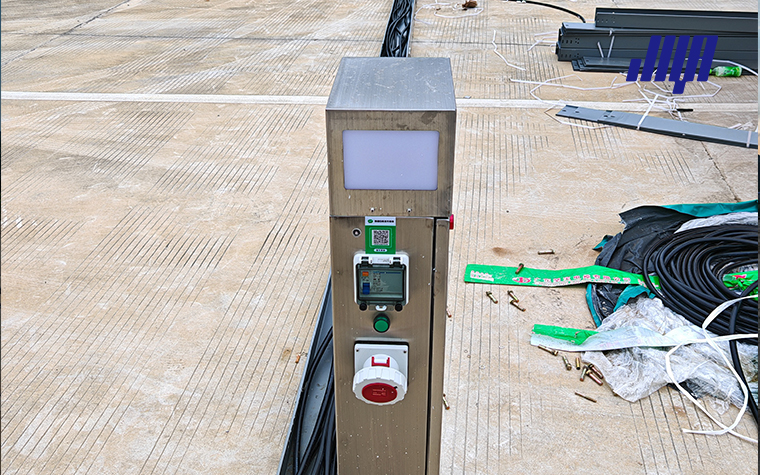
Using the correct adapters, connectors, and surge protectors rated for your RV’s electrical loading is part of keeping the RV wiring safe and efficient. Always check the power source and ask an expert for help if you are unsure about its compatibility. An RV maintained according to electrical safety standards is not only safe but also protects the life of appliances, making the entire journey trouble-free.

How RV Power Pedestals Function

RV power pedestals are the connection points between the external electric power source at campsites or RV parks and your RV. Outlets with standard voltage levels, usually 20-amp, 30-amp, or 50-amp service, are typically on the pedestal. The compatible power cord carries the power from the pedestal to the RV electrical system needed to run appliances, lighting, and other electrical devices. The power pedestals are built to safely distribute power while accommodating diverse configurations of RVs. These usually include breakers or fuses to prevent overloading or faults. Some pedestals offer features like surge protection, hose outlets, and lighting to enhance functionality and user-friendliness. Ensuring that your RV is compatible with the power rating of the pedestal is very important for the stable and safe operation thereof.

Pre-Connection Checklist

Before plugging in an RV power pedestal, check to make certain there is no damage on the outlet and that the voltage is correct using a voltage tester. Be sure to use properly rated adapters and extension cords available for the job at hand. Be attentive to power consumption so as not to blow breakers while keeping cords nicely stowed away to avoid damage. A little bit of proper use of RV power pedestals can save you from a cold evening out in the woods and shores all the way to the safety and comfort of your home-on-wheels.

Troubleshooting Common RV Wiring Issues

Detailed close‑up of RV power pedestal outlet, basic electrical connection parts for RV wiring installation

Identifying Power Fluctuations

Power fluctuations in an RV can generally cause intermittent power supply, dimming of lights, or some appliances to malfunction. The first step toward solving the problem is to check all the connections and wiring for visible damages or loose fittings. Examine the power cord for any signs of wear or fraying since a damaged cord may disrupt the consistent flow of electricity.

Continue to check the power pedestal or generator for faults. Use a voltage meter to ensure that the voltage output remains stable and within an accepted range. Unstable or low voltage could hamper the functioning of your equipment inside the RV and may warrant intervention from the campground or generator provider.

Next, investigate the breaker panel and fuse box of the RV itself if the problem still continues. Blown fuses and tripped breakers are oftentimes behind power fluctuations and can mostly be fixed simply by resetting the breaker or replacing the fuse themselves. Recurrent problems, however, may call for further probing and repairing by a professional. Inspection and upkeep are good practices that can avert any power interruptions during your days out on the road.

Fixing Faulty Breakers in RV Power Systems

Problems with breakers in the power system of an RV can negatively affect it, the light appliances taking a blow, and in the worst cases, complete power loss. Identification of the problem starts with understanding the symptoms of a bad circuit breaker; these include frequent tripping, unusual heat emanating from the breaker’s surface, or visible damages such as charring. A recent guide on RV power maintenance suggests that approximately 80% of all RV electrical problems are due to the wrong load or a breaker that has come to the end of its lifespan, hence stressing the need for regular checks.

Safety First

To handle defective breakers, make sure that the RV is disconnected from any external power supply to keep shocks at bay.

Afterward, use a multimeter to test the breaker believed to be faulty. An inconsistent flow of electricity is grounds for replacing the breaker. Replacement requires the damaged breaker to be taken out of its panel and the matching new breaker installed in its place, making sure it conforms to the amperage requirements specified for the circuit. When in doubt as to compatibility, make reference to your RV’s electrical manual or seek professional advice.

Apart from that, breaker maintenance remains important in the long run. Cleaning the breaker parts and checking for loose wire connections every now and then is a great way to avoid trouble. Energy-saving modern RVs now come equipped with breakers that communicate through smart monitoring systems to alert owners to stops or problems before full failure. Where possible, integrating these updates can prove far-reaching in respect of reliability and performance.

Addressing Loose Connections in RV Outlets

With loose connections in RV outlets result electrical hazards that may include the flickering of lights to places where it can be unsafe-the outlets can overheat and cause fire. RV outlets are subjected to all kinds of vibration while in transit, and hence, they tend to loosen with time more than the stationary outlets in homes.

To solve the problem, ensure that the power supply to the RV is switched off first, and then check the outlet for any obvious sign of damage or wear. Tighten any screws that seem to be loose attaching the wires to the terminal of the outlet by using a screwdriver. According to recent reports and recommendations on electrical safety, about 13% of the electrical malfunctions in campers result from loose wires or outlets not secured properly within the system.

They can also install tamper-resistant or heavy-duty outlets especially suited for RVs to make sure no one tampers with the outlets or heavy use will wear them down fast. More campers are going for surge-protected outlets to protect sensitive electronics. Connections ought to be checked regularly to ensure they are secure, particularly post-long distance traveling and bumpy road conditions.

Modern Solution: For monitoring, today there can reduce smart outlet analyzers; they not only warn of loose connections but also indicate the current flow and voltage drops. Knowing these proactive steps will go miles toward making RVs safe and fully functional in their electrical system.

Maintenance Tips for RV Pedestal Wiring

Real‑camp scene, recreational vehicle plugged into power pedestal following RV wiring guide basics

Regular Inspections and Cleaning

Maintaining your RV pedestal wiring in tip-top condition begins with regular inspection and cleaning of the whole hardware. Wear and tear on the pedestal surface or corrosion marks out of the ordinary would be key signals to stop. With all due caution, cleaning the pedestal or plugs is a best approach to avoid such fallout. Take a dry cloth or a contact cleaner to clean the plugs and remove dust or foreign debris, which will aid in maintaining good conductivity through the connections.

Also, watch for any loose wiring or parts that are burned out. Watch out for any melted or obstructive areas on the power cords or plugs that signify overheating. If you want to prevent voltage drops, which is why a careful cleaning and functioning of the pedestal is important, consider apple-facing impedances that could damage sensitive appliances such as air conditioners and refrigerators. Usually, experts warn checking at least every month or right before every trip to ensure the electrical system is safe and in good working order.

Upgrading Outdated Wiring Components

Because hazardous wiring has been ruled out, changing outdated wiring parts must be a priority to ensure the safe and efficient operation of your electrical system. Old or worn wiring can overheat, cause short circuits, or even act as a fire hazard. Modern wiring materials are manufactured to bear greater electrical loads, allowing improved energy efficiency and the diminution of dangerous incidents. Replacing the dated components allows for protection of your appliances and undoes costly repairs in the long run.

Also, the new wiring components provide better compatibility with modern devices and appliances. Older systems might not have been designed to handle energy-efficient technologies or high-performance electronics from today. The upgrades usually feature circuit breakers and surge protectors, thus further enhancing safety and functionality; hence, constant power delivery will protect your delicate equipment from voltage fluctuations.

Upgrades carried out are also in conformity with the modern safety standards and building codes, which raise the overall value of the property. If the wiring in your home or RV shows signs of deterioration here and there, such as exposed wires, frequent power interruptions, etc., you’re being told loudly and clearly that it needs an upgrade! Have a qualified electrician examine your system to best recommend upgrades that will suit your needs, ensuring that it will be around for a long time in service.

Extending the Lifespan of Your RV Wiring

Proper maintenance and care will lead to extending the lifespan of your RV wiring and road safety. Some important tips for maintaining and safeguarding your electrical system are:

  1. Regular Inspections: Wiring should be examined at regular intervals to stuff like frayed cables, corrosion, or loose connections. Lately, an estimation ranks nearly 24 percent of RV electrical failures through neglect of routine maintenance.
  2. Use a Surge Protector: Power surges will kill the electric system of your RV. A good-quality surge protector will save your system from voltage spikes whenever connected to campground power sources-an often-encountered problem of RV owners.
  3. Strict Connections: Loose connections of wires create heat buildup that poses a potential fire hazard. Sometimes a check with a screwdriver to tighten connections can save damage from occurring.
  4. Upgrade Old Wiring: If your RV wiring is old or aluminum (typical of older models), consider the upgrade to copper wiring. It is much more sturdy, good electrical conductor, and less prone to corrosion.
  5. Avoid Overloading Circuits: Modern appliances require so much power above what an older system can safely handle. Ensure you are well informed about the load capacity of your electrical system and never load beyond it. In other words, an overloading circuit would be overheating and damaging.
  6. Protect Wiring from Rodents and Pests: Rodents tend to chew the wiring insulation, exposing wires and causing electrical faults. Use some wire-concealing materials or any type of pest deterrents so that rodent menace will not materialize.
  7. Store Your RV Appropriately: Wetness and temperature extremes cause wear to electrical components more quickly. Store the RV at a covered or a climate-controlled location, saving the delicate wiring system from being deteriorated by environmental conditions.
  8. Swap to LED Lighting: Making the switch from incandescent bulbs to energy-efficient LED lights lessens energy demand on your system, thereby prolonging the lifespan of your wiring by cutting power use and heat generation.

All of these tips are in keeping with an attitude of maintenance-a way to avoid costly repairs, minimize the instances of electric failure, and outlast any RV in road readiness for years to come.

Expert Insights and Recommendations

Internal wiring components inside RV power pedestal, technical basics for RV electrical wiring guide reference

Advice from Electricians on RV Wiring

In the interest of ensuring safe and well-functioning installation of your RV wiring systems, maintenance and upgrades must be well carried out. Electricians are unanimous that you need to first inspect your electrical appliances in your RV thoroughly at least once a year. Such an annual inspection looks for signs of wear and tear, corrosion, or anything else suspicious like loose connections that could result in electrical malfunctions or fire hazards. Regular checks are imperative so that smaller issues can be nipped in the bud before turning into expensive rectifications.

The second piece of advice given would be to not overload the electrical system of your RV. Overloading occurs when too many appliances draw too much power at the same time for the system to handle. Electricians recommend calculating the total wattage of all the appliances being used and relating that to the power capacity of the RV. Energy-efficient appliances should be used as a matter of practice, and switch off those appliances that are not in use to keep the system within safe limits.

Lastly, surge protectors and circuit breakers made specifically for RVs are generally agreed upon by travelers as upgrades for every RV. The surge protectors protect the system from power spikes which could damage sensitive electronics, whereas good circuit breakers protect against overload by shutting down the power whenever needed. Following these basic guidelines will bring about enhanced safety and will go a long way in extending the life of the electrical system in your RV, thus ensuring a worry-free traveling experience.

Best Practices for Safe Installation

Always begin by turning off the power supply for installing electrical components in your RV to avoid any hazards. Make sure to keep your working area dry and well-lit, using tools suited to the installation process; an unsafe working environment is something you want to avoid.

Check for the manufacturers’ instructions for each and every component being installed. These guidelines are created to ensure compatibility and proper function. It is equally important to use parts and accessories that are certified to be safe, since non-certified ones may fail under stress, resulting in costly repairs or the risk of injury.

Lastly, you should consider hiring a professional if uncertain about the installation process or if you do not have any prior experience working with electrical systems. A professional technician will ensure that all components are installed properly and may even identify more underlying problems. This would act as a safeguard for your RV, as well as ensure some peace of mind for you while traveling.

Essential Tools for RV Pedestal Wiring Projects

While RV pedestal wiring projects are underway, having the right tool is essential if one truly wishes to complete the task with safety and effectiveness. Having before embarking on a project are some tools every hobbyist or professional must have:

Wire Strippers and Cutters

For trimming and stripping wires to the right length without damaging the wiring.

Voltage Tester or Multimeter

A voltage tester is used to ensure the absence of live current, whereas a multimeter measures voltage, continuity, and resistance for more detailed diagnostics.

Screwdrivers and Nut Drivers

A complete set of flathead and Philips screwdrivers and nut drivers help in tightening connections and securing components.

Electrical Tape and Heat Shrink Tubing

This helps in insulating wire connections against moisture or wear; they can also reduce the chance of an electrical fault.

Further, a power drill with several drill bits and terminal crimping tools would be very handy in making sure the connections are firm and well-secured.

Important: Before initiating the project, check if your tools meet industry standards and are in good working condition. Old or substandard tools not only hamper the working process but may also pose serious safety hazards. With the right tools and systematic steps, the wiring of your RV pedestal will be accomplished in a much more timely and safe manner.

Safety Considerations in RV Wiring

Campsite layout of RV power pedestal & outlet, visual reference for RV wiring guide basic knowledge

Turning Off Power During Installation

Prior to undertaking any RV electrical wiring, ensure that power is disconnected to prevent safety hazards. First, disconnect the RV power from the pedestal or generator. Follow this by double-checking with a voltage tester to confirm that residual electricity does not remain in the system.

Running the power-system while working on it can cause severe injuries or hazards like electric shock, burns, etc. It might also damage your RV electrical system, and repairs can be costly if that the case. Hence, making sure power is disconnected as soon as one touches any wire not only safeguards you but also helps keep the durability and reliability of your installation.

Furthermore, inform or clearly mark that the power has been disconnected to avoid accidental power reconnect. If you are working on shared power in public areas, ensure a power lockout/tagout (LOTO) is in effect. Such safety measures will assist in maintaining a safe environment throughout the installation process.

Compliance with Local Electrical Codes

Local electrical codes shall be adhered to ensure the safety, functionality, and legality of an electric installation. These codes offer straightforward guidelines that are established to limit practices that could pose hazards to some extent, such as electrical fires or electrical shock hazards. Therefore, while planning work, always seek out codes applicable to the locality where your project is situated: codes can vary considerably across different regions and different types of buildings.

To accomplish code compliance, make sure that all materials, such as wires, outlets, and circuit breakers, meet the minimum requirements of the codes. Also, design criteria such as wiring layouts, grounding, and circuit protection shall be sufficiently considered for code compliance. This includes labeling of circuits and approved methods of making connections and installations; failure to comply may result in failed inspections or removal and reinstallation of work.

Working with licensed electricians or professionals familiar with current codes is imperative. Local inspectors play a significant role in determining compliance during inspection. Thus, adhering to safety-regulated installation standards ensures that the electrical installation will be safe, reliable, and efficient. Avoid unnecessary risks and penalties by always adhering to the local authority’s rules.

Using Quality Materials for Safety

The relevance of good products for an electrical installation cannot be stressed enough. Good-quality wires, breakers, outlets, and switches yield a very high standard of installation performance, in addition to also minimizing the chances of electrical failures, fires, and other hazards.

While purchasing materials, it is beneficial to look for certifications such as UL (Underwriters Laboratories) or the Canadian Standards Association (CSA) marks that assure the products meet rigorous safety and performance levels. Copper wiring is normally recommended in preference to aluminum because it is an excellent conductor of electricity and does not easily get heated up; this thus prevents overheating. To go further with safety, in areas where moisture may be present, namely kitchens and bathrooms, GFCI (Ground Fault Circuit Interrupter) outlets should be installed as they detect faults and discontinue the flow of current in less than 1/40 of a second.

Investment Perspective: Although all elegant, sturdy, and standardized materials may come with somewhat of an initial price tag, they will definitely save you further costs for repairs, replacements, and more dangers. There is an undeniable fact proven by research that high-quality and rightly installed electrical materials will go on to prolong the lifespan of a system by 20-30%. Hence, it is very necessary and very basic that one has to prefer quality over cheapness for a safe and reliable electrical installation.

Frequently Asked Questions (FAQ)

Q: What is RV pedestal wiring?

A: RV pedestal wiring refers to the electrical setup at RV sites that provides power to recreational vehicles. This involves connecting the RV to a dedicated electrical outlet, often a 50-amp or 30-amp service, allowing for safe and efficient power supply.

Q: What are the electrical requirements for a 50-amp RV pedestal?

A: A 50-amp RV pedestal typically requires a 240V supply with two hot wires (L1 and L2) and a neutral wire. According to NEC 551.73, the correct wire size for a 50-amp circuit should be at least 6 AWG copper or 4 AWG aluminum to handle the load efficiently.

Q: Can I install RV pedestal wiring without a licensed electrician?

A: While some DIY enthusiasts may attempt to install RV pedestal wiring themselves, it is highly recommended to hire a licensed electrician. This ensures compliance with NEC regulations and safety standards, particularly for 50-amp outlets and proper grounding.

Q: What is the difference between a 30-amp and a 50-amp RV outlet?

A: A 30-amp RV outlet typically provides 120V and is suitable for smaller RVs, while a 50-amp outlet delivers 240V and is designed for larger RVs with higher electrical demands. The 50-amp setup uses two hot wires, allowing for more power availability.

Q: How do I determine the appropriate wire size for RV pedestal wiring?

A: The appropriate wire size for RV pedestal wiring depends on the amperage and distance. For a 50-amp service, use a minimum of 6 AWG copper or 4 AWG aluminum wire. Always consider the demand factor and future expansion when selecting wire sizes.

Q: What is the purpose of a conduit in RV pedestal wiring?

A: A conduit is used in RV pedestal wiring to protect electrical wires from physical damage and environmental factors. It also helps organize the wiring and ensures compliance with NEC standards, providing a safer installation.

Q: What is gfci protection, and is it necessary for RV pedestal wiring?

A: GFCI (Ground Fault Circuit Interrupter) protection is essential for RV pedestal wiring to prevent electrical shock hazards. It monitors the electrical current and disconnects power if an imbalance is detected. This is particularly important in outdoor settings.

Q: What is a main breaker panel, and how does it relate to RV pedestal wiring?

A: A main breaker panel is the central hub for electrical distribution in a building or RV site. It connects to the RV pedestal wiring and is responsible for controlling the flow of electricity to various circuits, including the RV outlets.

Q: How can I ensure my RV is compatible with the pedestal wiring?

A: To ensure compatibility, check the RV plug type and the pedestal outlet specifications. Most modern RVs are equipped with NEMA 14-50 plugs for 50-amp services. Verify that the electrical panel within the RV is also designed to handle the incoming voltage and amperage.

Q: What are the benefits of using aluminum wire for RV pedestal wiring?

A: Aluminum wire is lightweight and generally less expensive than copper wire. For RV pedestal wiring, using aluminum can be advantageous for larger installations, like a 200-amp system, as long as the appropriate wire size and connections (e.g., lugs) are utilized to ensure safety and efficiency.

References

  1. Truck Stop Electrification as a Long-Haul Tractor Idling Alternative
    This document discusses RV-style power pedestals and their applications.Read more here

  2. Electrical Wiring in RV Parks
    This paper covers the business and technical aspects of wiring and equipment installation in RV parks.Read more here

  3. Interstate Electrification Improvement Project
    This project includes insights into wiring and power pedestals for RVs and other vehicles.Read more here

Marina Power Pedestals: Dock Power for Boats & RVs

When it comes to powering boats and RVs, reliability and safety should be key factors. Marina power pedestals come in as an important solution for providing safe and convenient access to electricity for docks, marinas, and RV parks. Whether you are tying up after a long day on the water or getting set up at your favorite RV park, these pedestals will help ensure you have enough power to run your appliances and charge your devices. This post will move into the importance of marina power pedestals and what features distinguish them from others, ultimately improving the overall experience for boat and RV owners. Read on to get an idea of why these essential power solutions must feature in every modern waterfront facility and park.

Understanding Marina Power Pedestals

Marina power pedestals installed on dock, providing dock power for boats and RVs at waterfront campsite

What Are Marina Power Pedestals?

Power pedestals in marinas are specially designed electrical units so that watercraft can have dependable shore power at marinas, docks, or other waterfront facilities. These pedestals are offered in different power configurations, from 30 to 100 amps, to meet the varied energy requirements of boats, from smaller recreational crafts to large power yachts. They also sometimes provide water hookup, hose bib, lighting, internet, metering for power usage, among other things.

Modern marina power pedestals are constructed for durability, using stainless steel and heavy-duty plastic materials that stand up to the unforgiving marine environment.

With smart features now integrated, the advanced pedestals give marinas options for remote control of power distribution and give owners Roman tracking and payment convenience via app integration. On top of the technical fit, most pedestals are designed to look attractive, with slim profiles and customizable lighting systems that would maximize beautification opportunities for the waterfront. A combination of elegance and utility makes marina power pedestals a major facility in any modern boating dock.

The Role of Power Pedestals in Modern Marinas

Power pedestals represent a modern tool in the enhancement of operational efficiency and user experience. They provide fundamental services, such as electrical power, water, and sometimes even internet connectivity, allowing boat owners to enjoy whatever amenities may be necessary for the smooth running of the program.

Industry data reveals that more than 60% of marina facilities in the United States have been updated to include sustainable power solutions, with power pedestals forming an important part of the upgrade.

The latest power pedestals, with the installation of smart technology, empower marina operators to supervise and regulate power usage remotely, therefore adding to convenience. There is real-time monitoring of electric consumption, contactless payments, and various other customized options open for service, fostering convenience both for marina managers and their clientele.

LED-based illumination systems are generally installed in contemporary power pedestals with various color variations to ensure dock safety after sunset and to establish an exciting ambiance for the marina. Eco-friendly materials and energy-efficient components satisfy the current trend for industries going green in the marine trade.

Importance of Reliable Shore Power for Boaters

Reliable shore power is essential for boaters. It gives them steady electricity to power their vessels and support their onboard systems while docked. Modern boats carry numerous energy-dependent systems such as air conditioning, refrigeration, navigation, and entertainment.

In the absence of reliable shore power, the boaters will face challenges such as battery depletion, system malfunctions, or even safety hazards because of inconsistent voltage supply. A power outage or irregularity in voltage may also be able to attain physical damage to onboard equipment, thereby inviting hefty repair charges. To effectively counter these issues, marinas have already begun to incorporate more modernized shore power improvements, such as pedestal systems equipped with surge protection, energy monitoring, and fault detection features.

Moreover, smart energy management systems are also increasingly being adopted by marinas. The systems focus on efficiency and safety while ensuring sustainable energy practices, such as linking with renewable energy sources, or providing charging stations for electric and hybrid vessels.

For boaters, reliable shore power sustains onboard comfort and convenience while guaranteeing the system’s long-term integrity and durability. Onboard facilities that are well-supported and reliable make for an uninterrupted, enjoyable water experience, which is why investing in next-generation shore power solutions is the best way for marinas to attract and maintain modern-day boaters who expect a high level of service.

Functionality of Marina Power Pedestals

Detailed close‑up of marina power pedestal, multi‑function power outlet equipment for boats and RVs

How Marina Power Pedestals Supply Electricity

Marina power pedestals are critical pieces of infrastructure that provide the efficient and safe delivery of electricity to docked boats. These power pedestals are connected to the marina electrical grid, consisting typically of transformers, distribution panels, and grounding systems for reliable power supply. Modern power pedestals may include circuit breakers, surge protection, and some advanced safety features, depending on design, to mitigate potential electrical hazards.

According to the latest observation from industry practitioners, advanced power pedestals can cater to a full range of demands, which are increasingly urged by yacht and boat owners as they require large capacity for high-tech onboard support. Today, high-grade pedestals are able to reach power output capacities as high as 400 amps for a particular configuration, which is just ample to service luxury vessels demanding large amounts of power for lighting, air conditioning, and other onboard systems.

Moreover, many of these modern marina pedestals are incorporating smart technology that offers remote monitoring and energy management functions. With such a system in place, marina operators will be able to track energy consumption and distribution optimization in real-time.

They allow green options, too, by featuring eco-conscious technologies. LED lighting lighting for night visibility, recycling-friendly water stations, and green energy power source from systems such as solar panels are some of the available features most favored by eco-conscious marinas. Putting money into such technology thus ensures that the marina is not only sustainable but also up there among today’s boater’s first choices.

Water and Utility Supply to Docked Boats

The supply of water and utilities to docked boats is a point of interest. On time and money were spent to ensure that the experienced would be smooth and comfortable for any docked boat and its owner. Modern-day marinas are increasingly built with top-grade water-distribution systems, thereby supplying clean and potable water at all docks. The latest filtration technologies will be employed in these systems to meet health and safety standards of boating communities at certain frequencies.

Utility connections, such as electricity, form a very necessary component of marina infrastructure. Power from electrical pedestals at every slip is provided for use in lighting, electrical equipment onboard, and battery charging, catering to all types of boats and all requirements. Many marinas that have implemented energy-efficient solutions, such as LED lighting for pier illumination and solar-powered utility stations, should have answered this concern on the environment, along with providing reliable services for their clientele.

With this, it appears that waste pump-out stations are another growing necessity for the amenities provided by marina clubs, the sojourners who invest in such conveniences paying more for their satisfaction by reducing the ecological footprint and staying competitive in the boating industry.

Safety Features of Dock Power Pedestals

Dock power pedestals offer multiple safety features meant to protect both boat owners and the boats. Among its safety features are the so-called Ground Fault Circuit Interrupters (GFCIs), providing even essential protection against shower-based electrical shocks by disconnecting the power-kickwhen it detects imbalance in the incoming electrical current. Hence, any faulty wiring or water quirk will less probably cause any mishaps.

These days, pedestals come with surge protection as well, so the onboard sensitive electronics would not be subjected to voltage irregularities or lightning strikes. Meanwhile, most of the designs of the pedestals include weatherproof enclosures and corrosion-resistant materials to be safe in harsher marine environments, thereby preserving the integrity of safety features over time. LED indicators also become common features, aiding boaters in obtaining an instant status of the electrical connection, such as power availability or detecting faults.

According to industry statistics, about 80% of new dock installations have integrated smart power management via pedestals. This system monitors energy consumption, warns users about potential safety hazards, and promotes efficient application of power.

Further safety enhancement is achieved by the use of flame-retardant materials in designing, which reduces the possibility of fire hazards should adverse conditions arise.

This has not only enhanced safety but, by improving the overall user experience, has turned into selling points for marinas from where many eco-conscious and safety-minded boaters derive their interest.

Maintenance Practices for Longevity

Marina dock scene, power pedestals supply dock power for moored boats and parked RVs

Regular Cleaning and Inspection

These inspections and cleanings would ensure that power pedestals and the related infrastructure in the marina work both safely and efficiently until their projected lifespan. Dirt, salt, and other residues may accumulate to bring corrosion or impair connectivity. Cleaning with non-corrosive cleaners followed by fresh water cleaning is thus recommended for power pedestals, particularly in saltwater environments.

Another equally important role is that of inspections. Continuous monitoring of cables, breakers, and connectors should be undertaken, as any slight wear and tear can lead to devastating failures, or worse, create safety hazards. Hot spots in electrical components can be detected by the technicians through thermal imaging cameras, thereby preventing further overheating or fire hazards.

Furthermore, research studies show that by time-based maintenance or preventive inspections, an infrastructure lifespan can be increased by a whopping 25%, which translates to hundreds of thousands of dollars in savings for a marina if those costs were borne otherwise due to prematurely replaced infrastructure or infrastructure requiring major repairs.

Having records for every cleaning and inspection activity of a certain level is very useful in spotting trends and acting quickly on new issues; therefore, operational efficiency and cost control would benefit here.

Maintenance Tips for Optimal Performance of Dock Power Pedestals

  • Regular Cleaning and Visual Inspections: Dock power pedestals need to be cleaned often to avoid the buildup of salt, debris, and grime. Do not use any corrosive agents and avoid high-pressure water jets that might damage the finish. Carry out inspections to check for any indication of wear, corrosion, loose connections, or crack components. Addressing them at an early stage could avert costly repairs or total failure.
  • Test Electrical Components Periodically: Perform tests on GFCI breakers, outlets, and other electrical components on a routine basis to be sure they all function properly and adhere to safety standards; if any component gets damaged or ceases to function correctly, it should be replaced immediately as a faulty component will prevent proper power delivery and may cause an unsafe environment.
  • Protect from Environmental Damage: Install protective covers or coatings to help dock power pedestals last longer by protecting them from harsh weather conditions, UV rays, and saltwater corrosion. Tightening any loose fitting or hardware will also minimize movement in strong winds or tides, thereby reducing wear.

By adopting these maintenance tips, the marina operators will be able to ensure maximum efficiency and longevity of dock power pedestals while providing for reduced operational costs and increased safety for all users.

Solve Common Problems of Dock Power Base

Dock power bases are critical to power distribution at modern docks. However, like any infrastructure, these are prone to recurring issues that might hamper their functionality if not attended to at the right time. Given below are some prevalent problems and remedies: backed by data, and the latest technology can help.

  • Component overheating: Heat can destroy circuits and shorten the lifespan of the dock power bases. The recent developments in the industry show that most instances of overheating happen due to poor ventilation or excess power draw. The solutions to this may include using heat-resistant wiring, designing arrangements for good airflow around the bases, and implementing some form of thermal monitoring system. It is reported that, if cooling measures are put in place, it could prolong the life of a critical component by up to 30%.
  • Corrosion of electrical connections: Moisture, saltwater, and harsh weather conditions corrode connectors and terminals. Recent reports by maintenance authorities indicate that corrosion causes about 25% of power base failures in docks located along the coast. The best defense against this is to ensure the application of anti-corrosion paints at regular intervals and use marine-grade stainless steel for the connectors. Also, keeping the terminals clean and dry most of the time will go a long way to reducing downtime.
  • Power load imbalances: Unbalanced distribution of power can overload circuits, causing outages, or can demean the equipment. An analysis by energy consultancies shows that Smart PDUs can balance loads efficiently, thereby reducing failures by 40%. Installation of automated systems should monitor and adjust loads for optimum performance.
  • Wear and tear of insulation: With wear and tear, insulation causes safety hazards like short circuits and the risk of fire. The recent advancements in the insulation materials like cross-linked polyethylene (XLPE) provide for superior mechanical durability and wear resistance. The operators of docks should take into account the periodic inspections and, wherever possible, replace outdated insulation immediately.

When these problems are addressed through technology and proactive maintenance, dock power bases can realize better reliability, thereby reducing costly downtimes and enable meeting the demands of modern-day operations. It is imperative to keep components updated through expert intervention and real-time monitoring as a mechanism for sustained operations.

Choosing the Right Power Pedestal

Internal wiring and safety parts of marina power pedestal, dock power system for boats & RVs

Factors to Consider: Size and Climate

The selection of a power pedestal is governed by the size and climate of the locality to ensure proper functionality and long life. The size should be commensurate with the dock or marina-specific power requirements. For instance, in an average scenario, a power pedestal for a marina might be required to accommodate 30-amp or 50-amp circuits, whereas the larger vessels normally require pedestals that provide 100-amp or even 480-volt three-phase power. By selecting a power pedestal based on current and projected future needs, one minimizes expensive upgrading later on.

Climate greatly influences the durability of the pedestal. In areas with heavy rain, saltwater exposure, or freezing temperatures, the power pedestals have to be corrosion-resistant and made from marine-grade materials, such as stainless steel or UV-resistant plastic.

According to industry research, good pedestals designed for harsh climates last for over 20 years if maintained properly, thus earning their worth in long-term operations.

Also, surge protection may be considered if the area is exposed to lightning storms or frequent voltage fluctuations, which certainly help in protecting the equipment connected to it. In hot climates, for instance, the pedestal should be equipped with cooling or ventilation to protect internal components from overheating. So, when all environmental considerations and electrical needs have been accounted for, an operator should choose a pedestal that enhances operational efficiency, minimizes maintenance costs, and favors unhindered smooth operations over time.

Budgeting for Your Dock Power Needs

Estimating power requirements for your dock is a critical exercise in assessing the specific electrical demands of the vessels and equipment that will dock there. Begin by listing the electrical devices, down to the light in some cases, and their energy consumption-right down to refrigeration, air conditioning, and chargers-to provide for the combined energy consumption used by the dock power needs. This capacity, expressed in amperage, is thereby required by the electrical pedestal of the dock to run the circuits without an over-load.

Consider also the possible installation costs for the power distribution infrastructure. The price includes pedestals and wiring to breakers and every other component necessary for compliance with the safety regulations and adaptation to environmental conditions. The longer the wiring, the costlier the installation will be, more so if it involves arranging an isolated dock in an area subjected to adverse weather conditions. Consider labor costs for the installation if you cannot do it yourself.

And finally, consider operational costs down the road on maintenance and electricity. Energy-efficient pedestals or those with smart metering features may help reduce electricity bills by tracking energy wastage and cutting it down. It would be wise to have a contingency budget for unplanned repairs or future upgrades. Allowing and planning for these will make sure your dock operations have a cost-effective and uninterrupted power supply.

Specific User Requirements and Preferences

When looking for the ideal power pedestal for a dock, durability, functionality, and dock-set compatibility come into mind. Users often tend to prioritize features, keeping in mind how they are going to use the pedestal: multiple power outlets, some lighting, and perhaps weatherproof materials to endure heavy environmental conditions. Alongside, flexible customization options like additional sockets or USB ports get favored in meeting diverse types of power demand.

Energy efficiency and smart technologies are becoming more popular by the day among dock owners. On an operational level, smart metering-capable pedestals that can reduce operational costs and carbon footprints will be apt for your dock. Such features perform a first-hand measurement of the energy consumed and thus allow the owner to optimize energy consumption. Further, LED lighting is favored by owners because of their long life and energy efficiency compared to conventional lighting.

Another important feature usually demanded by the users includes such features as easy installation and maintenance. These pedestals with modular designs allow quick installation and even the replacement of parts and put the dock system to halt for a short while when undergoing repairs. Also, it is best to look for a unit that has an excellent after-sales service that includes warranty or guarantee and customer support that is easy to reach and familiar with the product to ensure long-term demand satisfaction and constant dock operation.

Frequently Asked Questions (FAQ)

Q: What do you understand by marina power pedestals?

A: Marina power pedestals are the electrical units required at the docks for providing power and connectivity to boats and other marine applications. They normally have several shore power receptacles, by way of which a boat owner can simply access electricity for his onboard systems.

Q: How are power pedestals able to resist harsh marine environments?

A: Power pedestals are designed to resist harsh marine environments by having high-pressure injection-molded cases. This construction keeps the inner components safe from saltwater, moisture, and other harmful elements so that they remain reliable for long years.

Q: What are the types of pedestal models available?

A: Different models of pedestals exist, including those from Eaton, each capable of serving power distribution needs and accommodating various electrical hookups to delivery the right power to a wide variety of vessels.

Q: Why are marine power pedestals important for the marina owners?

A: These marine power pedestals are important to marina owners because they give the boaters access to the power. This makes it a more desirable facility for the potential customer, and also, they facilitate smooth operation of electrical systems by the vessels.

Q: Can dock boxes be connected to the power pedestals?

A: Yes, dock boxes can be connected with power pedestals to create a total power distribution system. Dock boxes provide a fine solution for dock accessory storage while granting electrical connections for the boats.

Q: What kinds of electrical hookups could power pedestals provide?

A: Power pedestals, in general, provide multiple electrical hookups, comprising 30-amp and 50-amp receptacles, giving a broad range of power choices suitable for smaller to bigger boat sizes and power requirements; it is this flexibility that respects the spectrum of smaller crafts to larger boats.

Q: How do I decide which pedestal is right for my needs?

A: A perfect pedestal can be found depending on the size of your boat, the type of electrical connections required, and the particular features you want, like the inclusion of boat dock lighting or cable TV connections. Usually, marina electrical equipment specialists can help you locate a solution that works.

Q: What kinds of dock lighting are available with power pedestals?

A: Dock lighting enhancements for safety and visibility at night come with many power pedestals. Having such a system in place adds convenience to rental boat docks and increases the overall efficiency of the marina.

Q: How can one monitor the energy consumption of power pedestals?

A: Some modern power pedestals incorporate meter reading facilities so that the owners of marinas can keep track of energy usage with greater accuracy. This would help in cutting the expenses and also in assuring that every user who uses that power is charged for the consumption.

References

  1. University of Alaska Southeast – Ports, Harbors & Marinas: Discusses the delivery of electrical power to marina facilities and shore pedestals, including the importance of grounding. View Source

  2. United States Naval Academy – Orientation to the Navy 44: Provides insights into the use of shore power and safety considerations related to marina power pedestals. View Source

  3. UCLA Career Center – Cottage Facilities Intern at Indian River Marina: Highlights the inspection and maintenance of marina power pedestals as part of marina management responsibilities. View Source

RV Park Utility Pedestal: Essential Power Solutions for RVs and Marine

If you use your RV for camping, a boat, or any other marine application, you would need specific power abilities for that RV or boat, and a magnetic dock is advantageous. RV Park Utility Pedestals are a very creative solution for campers and boaters, as they serve as extremely powerful and essential electric sources. Through the use of a utility pedestal, whether you are at a dock or a campground, all basic facilities are in one structure with secure and easy-to-use electric supply, including lighting, and in some cases water. This paper discusses the relevance of a utility pedestal, its primary role to RV and marine enthusiasts, and the most important considerations before acquiring one. Let us explore how such systems contribute to the overall comfort and convenience for those who like outdoor activities (Nash, “Off The Grid”).

What is an RV Park Utility Pedestal?

RV park utility pedestal, essential power solutions for RVs and marine vessels at waterfront campground

This document aims to clarify what an RV pedestal entails, its components, and how it is configured to provide power for recreational vehicles. In the chapter, you will get to know everything that has to do with the subject, where it can be of use, why it is so popular, if not outdated, the purpose of it, the list of general pro and con arguments, and comparisons with standards counterfeits.

Definition and Purpose

The very essence of the park utility pedestal is vital to the present-day development and construction of RV parks and campgrounds. There is actual market demand for this item, as evidenced by a Google Trends search, which shows growing interest in “RV electric hookups.” This is likely due to an increase in the number of RV tourists in recent years and the importance of practical household problem-solving tasks. Not only do these pedestals aid in fulfilling basic requirements, such as electricity and water, but they are also installed in a manner that incorporates modern facilities, including internet and cable provisioning, in several other locations. They serve as an essential component of the journey due to the high demands for safety, longevity, and energy efficiency, so any responsible RV owner cannot avoid them.

Key Utilities Provided

RV power poles are equipped with several standard amenities that are a necessity for today’s touring vehicles. The primary feature is the power supply through the sockets, which is powered at different amperages, such as 30 amps or 50 amps. They connect to a source of water. There should, by the way, also be provisions for disposing of waste in the sewer. With the current aviation data from the search engine of Google suggesting that internet and some people, most of the time, watch cable on their phones, there are some concerns about RV parks continuing with the regular outdated services. This brings about the need for most RV power pedestal manufacturers to provide mobile TV connections to the facility, in addition to mobile Internet, to increase consumer satisfaction on site. This can help alleviate boredom for clients when the power is off. These amenities enable smooth travel when using an RV, especially for today’s travelers.

Electricity

Electricity is an indispensable part of contemporary RVing. It brings comfort and convenience to the workings of an RV while on the road. For a typical RV park with RV pedestals, electrical power is usually available from 30-amp RV receptacles and 50-amp RV areas, which are suitable for an assortment of RVs and RVers’ electrical needs. By last month’s Google Search Rankings, there has been an upward increase in the volume of people seeking information about the role of electricity in the lives of travelers while camping, as well as the concerns of citizens regarding energy sources in general. This means that the new face of the RV sector includes solar-powered and low-emission appliances, among other things, that are integrated into the RVs’ design. Additionally, the need for portable sources of energy, such as generators, has also increased over the years. Due to the limited number that still exist in areas without hookups, such alternatives are friendly, functional, and environmentally favorable, and it is also expected that the trend will change. It is with such noticeable changes that the prospect of energy self-sufficient forms of traveling is becoming applicable for utilization.

Types of RV Park Utility Pedestals

Detailed close‑up of RV park utility pedestal, multi‑port power outlets for RV and marine equipment

Direct bury, pad-mount, and surface-mount pedestals.

Type Key Feature Best For Durability Installation
Direct Bury In-ground Permanent setups High Complex
Pad-Mount On a concrete pad High-traffic areas Very High Moderate
Surface-Mount On surface Temporary setups Moderate Easy

Direct Bury Pedestals

Direct-buried pedestals are a heavy-duty and constructive utility connection for RV parks. Considering recent Google search trend insights, questions about these pedestals would primarily concern how they are installed, their durability, and whether they are truly cost-effective. Meaning direct bury pedestals are buried directly into the soil and need no external mounting structure, uncluttered and simple. They are designed to withstand various environmental challenges at any site, thereby providing long-term reliability to park operators and users alike. In addition, they enable the efficient distribution of power and other utilities, which a modern-day RVer will surely appreciate for reliable connections. This goes hand in hand with the growing concern over developing a sturdy and sustainable infrastructure in RV parks.

Pad-Mount Pedestals

Since they are efficient and less problematic to maintain, pad-mount pedestals remain a popular choice. There is minimal or no groundwork required in cases of installation, supporting a wide range of power outputs, which are considered vital considerations in modern RV parks. With the rising demand for sustainable and reliable utility systems in the consumer market, the answer seems to be these pedestals. Weather-resistant, in combination with a small form factor, this attraction is also suitable for these pedestals, focusing on park operators and RV users who value convenience and modern amenities.

Surface-Mount Pedestals

Compact units of this nature have been optimized for both coverage and efficient service provisioning in a variety of settings, especially at sites more exposed to the elements, such as motorhome parks. They are attached to the said surfaces in a fixture, which makes it easier to install them and reduces the time required for the work. Their sturdy build ensures their failure-free and consistent operation even in the toughest conditions. In short, larger arrays located in different areas should incorporate these pedestals into their plans if they aim to enhance efficiency while maintaining simple and effective utility systems.

Benefits of Using RV Park Utility Pedestals

On‑site scene, RV park utility pedestal supplying power for recreational vehicles and docked marine boats

  • Easy Power Connection – RV users can easily and reliably access power through these outlets, which feature various power sockets, allowing consumers to utilize the system optimally.
  • Superior Strength – Designed for outdoor use, the pedestals are resistant to various external weather conditions and are built to last.
  • Saves on Space – By using such pedestals, the compact and simple design helps keep RV parks neat and allows for comfortable parking spaces.
  • Comfort Features – Many pedestals include features such as short-circuit damage preventers and fine checks, which enhance both comfort and safety.
  • Affordable – It is possible to eliminate additional long-term expenditures that would essentially result from the installation and general features of the park.

Convenience for RV Travelers

Properly designed RV pedestals do contribute to the most memorable caravan tour for the RV vacationers. These installations provide uninterrupted electrical services, ensuring travelers are not deprived of the convenience of operating modern household appliances while on the road. Especially beneficial for these purposes are the embodiments that introduce USB slots, brightly emitting electrical points, and constructions that are strong against exposure to the elements, as well as covering other technical and security aspects. Equally, ease of use and the implementation of predetermined attachment standards save time by reducing delays in installations, thereby allowing more time for passengers to enjoy their leisure. It is therefore no wonder that RV procurements that contain such advanced RV pedestals continue to experience high demand among the RV enthusiasts.

Enhanced Safety and Reliability

State-of-the-art RV pedestal posts are designed to promote the safety of vehicles and the people inside. Having surge protection, overload and fault breakers, as well as other protection devices, helps such posts to decrease the threat of electrical troubles such as surges and shorts. Additionally, they are made of materials that are waterproof and withstand extreme weather, so they will not be damaged by water or due to temperature fluctuations. In brief, modern travelers can confidently trust these new designs, knowing their campervans are safe and protected with a power supply.

Streamlined Management for Park Owners

Both campsite owners and visitors require optimum management of the park. RV power pedestals are essential for providing the safety and reliability of electricity to users without any interruptions of any sort. Additionally, modern power facilities are equipped with intelligent and robust technologies. With the help of such tools, a park owner can supervise electricity usage in the park, repair broken appliances, and even conduct financial transactions electronically. For companies with multiple facilities, providing all these functionalities in a single package offers a significant advantage in terms of both cost and interruptions. Utilizing advanced methods of conducting business facilitates the pace of park administration, providing impetus to decision-making and actions oriented towards achieving new possibilities at various stages.

Installation and Maintenance Tips

Installation layout of RV park utility pedestals, essential power infrastructure for RVs and marine usage scenarios

Implementation of the Plan

Conduct an in-depth review of the site to determine where electrical, water and sewage connections are best placed and they allow ease of movement for the campers. Prepare a design that ensures all functional requirements are met while utilizing the available space effectively.

Use Good Quality Components

Buy the best possible weather-resistant, long-lasting parts to reduce wear and tear and improve the product’s lifespan.

Comply with Yourself—or Regulations

Fulfill the specific requirements and safety rules when setting up the installation, to both save face and make the lives of the staff and visitors to the extremely ground enjoyable.

Inspections Must Always be Done

Ensure that there is a system that carries out checks on the electric, water and sewer lines that are in use in every aspect so that any peril that may draw near in relation to the lines can be nipped in the bud before it goes to great lengths and damages the lines more than the person would have anticipated and, thus compelling him to buy new lines.

Preventive Maintenance

Every part of the machine, including seals and connections, is used until it needs to be replaced. Managers need to remove old parts before too late and cause interruptions.

Empower Employees

Workers must be educated to handle minor problems and repair common damages within their own capabilities.

Use Modern Means

Ensure that system performance is tracked and issues identified in a timely manner to plan and carry out repair activities.

In so doing, the owners of the park can pave way for the facility to run efficiently and ensure customers a comfortable stay.

Professional Installation Guidelines

Setting up equipment in the park might seem as simple as bringing the equipment and some workers over there and leaving them to do their work. However, this can be done only by adhering to professional guidelines. Let us learn some general rules and regulations when setting up park equipment. Let us get started, then.

Conduct a Site Inspection

Even before the equipment is brought into place, a detailed examination of the park should be conducted to identify any areas within the park that may have specific limitations. It is essential to ensure that the surface is flat and free of pollutants during the change of use.

Follow Manufacturer Instructions

Remember and comply with the installation instructions on the equipment’s occupational health. Every part of the machine has been manufactured with the ability to utilize the necessary technology in mind.

Hire Certified Installers

If one or more issues with park equipment arise during any stage of use, a professional is required to address a non-working mixing component. Following the experts’ installation, the devices are blown because they minimize and, in most cases, eliminate mistakes.

Conduct Safety Testing

The inspection should be poorly done as this article is written a park and mount. After all is in place, it is good that the equipment is fit to use by checking that it has been fixed, imparting good health to the other users who will use the equipment in the future. This is because it is illegal to provide someone with a machine without ensuring that they know how to use the safety guards that come with the machine, lest he/ she harm him/ herself and end up in court. This is about the very safety right that people of today are living in.

By blending these proven installation strategies with innovative approaches, park managers can create an attractive and secure venue that all visitors will enjoy.

Regular Maintenance Practices

Park equipment must be regularly inspected to ensure it remains in good condition and is safe for use. Park equipment undergoes a lot of heavy use, so regular checks help prevent it from wearing out quickly. One of the essential checks on the equipment includes a thorough inspection in troublesome areas such as corrosion, which could develop and then interrupt the actual operation. The other important thing is checking for the tightness of moving parts using the appropriate method and then doing necessary repair works to tighten the equipment and restore the proper clearance. And, of course, there should be a check for all the other essential parts and components of the equipment, as any one of them can result in the total closure of the system. Sufficiently maintaining park equipment is time- and labor-consuming. It suggests that daily wear will impact the surface and prevent it from effectively performing some of its functions. It is a design requirement to address this issue. Maintaining these records ensures the provision of appropriate service at all phases of management.

Troubleshooting Common Issues

To facilitate faster identification and resolution of issues, especially those that occur at the lowest level, a common approach is necessary. It makes it easier to start with the problem received, including the exact situation, such as the time when the problem is most common, the location of the failure, and the repairs/maintenance carried out. For example, if a play park slide starts to slip, as if it were about to fall apart, it should be approached to check for areas with holes that might have exposed rods and slippery sections. Observe the management procedure in the context of the situation and utilize any available assistance for care, such as the individuals who built it and their instructions, online materials, etc.

Moreover, routine surveys and an organized staff continually improve and address the root causes of issues. Record existing challenges and wins; they may come in handy when such a task recurs. Combining physical involvement with sufficient provisions equips park administrators and maintenance groups to resolve unanticipated issues without causing problems for clients. Protection is key at all times during execution, and for intricate challenges, it’s best to call in the specialists.

Reference Sources

Frequently Asked Questions (FAQs)

What is a power pedestal for a caravan?
RV power pedestals are present in hotels and campgrounds. They are electrical supplies that are used to supply power to the campers. An RV pedestal typically features multiple sockets that accommodate various power levels. This may be 30 or 50 amps, for example, which means that someone using an RV can receive a reliable supply of power through their socketed connection.
How can I mount a surface RV power pedestal?
With regard to the surface type of the Dump Station, typically it is a wide type of station as well as in the parking lots of the Hotel. A surface-mounted power pedestal would be mounted in such a way that it is provided with a suitable base and its electrical supply connected. It is imperative not to take any action that might conflict with the manual when installing devices such as these.
What amperage variants are available in RV park power pedestals?
Amperage options are typically found in power pedestals in RV parks and these are 20 amp, 30 amp, and 50 amp capacities. RV owners can then choose the required power capacity, depending on the RV’s power connections within the campsite, which are accessible from the vehicle.
What is the distinction between an open and a concealed RV power pedestal?
The metered RV power pedestal is one in which there is a meter that records the amount of electricity used by each individual. After someone uses it, payment can be made at the campsite in the system of debt. Because an unmetered pedestal does not measure how much electricity is being used, instead it provides a fixed power supply fee, which may prove to be an advantage in the case of people who are looking to stay for a longer duration.
Do RV power pedestals have to withstand weather conditions?
Many power pedestals for typical mobile homes are weatherproof, made from materials that can withstand the weather. Suitable models have features such as the coating that is resistant to ultraviolet rays or a stainless steel housing, which improves its reliability by enhancing its lifespan and ensuring stable power flow amid various weather elements.
What is a GFCI receptacle, and what is its purpose?
A GFCI receptacle, which is short for Ground-Fault Circuit Interrupter, is a kind of electric outlet that is meant to protect one from electrocution that may arise from electric power. In the event the deviation is recognized, the device in question disconnects the electrical power almost instantaneously, and this is a significant part of its safety, especially in areas that experience considerable moisture, such as recreational bays.
Would it be possible to use a Powerslide RV power pedestal for mobile homes?
Yes, you can use a Powerslide RV power pedestal for a mobile home, provided it meets the electrical requirements of the home. These power pedestals are designed to deliver power flexibly and meet various amperage requirements, making them suitable not only for RVs but also for mobile homes.
How do I choose the correct RV pedestal for me?
To pick the appropriate RV pedestal, go for the one that will fit the power draw of your RV, the power bay and plug settings present at the final setting, as well as if you please a meter which stands apart from its reading or an unmetered setup. It is also worth considering factors such as resistance, the ability to withstand the elements, and the provision of secure enclosures that are padlocked as an added safety measure.
What is special about the Midwest U055C010P 50-20 amp GFI service pedestal?
The Midwest U055C010P 50-20 amp GFI service pedestal is a rugged accept and semi-enclosure that has 50 and 20 amp receptacles with Ground Fault Circuit Interrupter or GFCI capacities which enhances electric capabilities. This means that it offers different possibilities and so, it is generally intended for static use even in outdoor conditions, for example, for yachts and electricity-operated tents.

Understanding RV Pedestals: 50, 30, and 20 Amp Options

RV travel is powered by a power supply for an easy and comfortable stay. Different varieties of RV pedestals are available, most offering 50, 30, and 20 amp connections. Being beginners, it may become complicated to differentiate between these amps and which power connection goes with which RV. This guide will clarify the details about RV pedestals by providing a breakdown of each option and its application, allowing you to select the connection that suits your needs with confidence. Power application for your RV will give you more adventures, whether it is from a complete amenity campground or a smaller site.

What is an RV Pedestal?

Understanding RV pedestals, power pedestal unit featuring 50, 30, and 20 amp outlet options for recreational vehicles

An RV pedestal is a utility box provided by campgrounds and RV parks, offering the necessary connections for recreational vehicles. It will usually have electrical outlets of 30- or 50-amp service, a water hookup, and possibly sewer hookup as well. The RV pedestal allows outdoor powered RV connections as well as some utilities: energy or resources to power appliances, charge batteries, and help with the basic needs of a stay.

Definition and Purpose

For RV travelers, an RV pedestal is a very important amenity as it provides a safe and convenient source of utilities needed during long stays in campgrounds or RV parks. Its combination of electrical, water, sewer (sometimes) connects makes it possible for an RV to serve almost like any home. Moreover, recent data indicate that people are most concerned about safety and the proper usage of these pedestals, thus emphasizing the paramount interest for all dependable power and water. Ensuring safe connections and following the safety guidelines will keep the RV and the source system from harm, allowing the functionality to roll out smoothly for all users.

Key Features of RV Pedestals

Tough Construction

RV pedestals are produced from harsh weather-resistant materials like galvanized steel and heavy-duty plastic to ensure long-life functionality.

Multiple Power Outlets

The pedestal with power outlets includes variations such as 30-amp and 50-amp outlets to suit the electrical requirements of different RVs, hence being compatible with most models.

Integrated Water Connections

Several RV pedestals come with water hookups that provide easy access to the delivery of fresh water to an RV so that extra water equipment is not required.

They Help in Safety

Safety features, such as circuit breakers, surge protectors, and ground fault protection, are incorporated into the system to prevent accidents while safeguarding the RV system.

Utility Meters

Some advanced pedestals feature utility meters for measuring energy and water utilization, allowing users to track their consumption and use resources optimally.

Importance of GFCI Protection

A Ground Fault Circuit Interrupter, or simply GFCI protection, is a crucial safety mechanism in modern electrical work, particularly in environments with moisture, such as RV parks and campsites. GFCIs are protective devices designed to prevent electrical shocks induced by ground faults. According to the Electrical Safety Foundation International (ESFI), approximately 47% of electrocutions in homes could have been avoided by adequate GFCI protection. This goes on to demonstrate the vital role these devices play in ensuring safety, particularly in outdoor and hazardous environments.

Ground faults result when current takes a wrong path, usually where water or a damp surface is present, causing severe hazards for human beings. If a ground fault comes to pass, these outlets detect it within milliseconds and shut down the power supply, probably saving the life of an individual. Additionally, the National Electrical Code (NEC) mandates GFCI at certain locations if outdoors or in wet locations, including electrical pedestals for RVs, hence further cementing its importance on a compliance and safety basis.
Further, statistical results and incidents have shown that cases of electrical shocks and equipment damage decrease after installing the system of GFCI protection.

This decline ensures that the user is safer, allowing greater longevity for the electrical systems and equipment connected to them. Reliable GFCI protection means a worry-free life of travel for an RV bug, which in itself is a representation of how necessary a secure and trustworthy power supply remains.

Amp Options Explained

Detailed close‑up of RV pedestal outlets, showing 50 amp, 30 amp and 20 amp power connection interfaces

Most of the time, you are given the choice between 30 amps and 50 amps for the RV power supply. A 30-amp put in basically runs about 3,600 watts, so for smaller RVs having fewer appliances, it works fine. For bigger RVs, with multiple appliances operating at a much higher energy demand, the 50-amp power supply runs 12,000 watts. Depending on how your RV electrical system is set up and the appliances that you are going to use, you are to decide on your amp option to be chosen for your RV power supply. As a good measure, know that this power source meets the need of your RV, so you will not face electrical issues.

50 Amp RV Receptacles

The 50-Amp Service RV Receptacle is an outlet that delivers 50 amperes of current, sufficient for running large and energy-intensive RVs. The outlets have four prongs-work two hot wires, one neutral wire, and one earth wire. These receptacles can allow a power draw of 12,000 watts, which will run several appliances, such as air conditioners, microwave ovens, or entertainment systems-without the exposure of the conduction path to these lines. Improper use or installation of 50-Amp RV receptacles can lead to a surge in electric shock or generally unsafe setups while roaming.

30 Amp RV Receptacles

So-called “30-amp” RV receptacles offer power levels up to 3,600 watts when dealing with smaller RV operations or relatively low electrical needs. These outlets have three prongs: one hot wire of 120 volts, one neutral wire, and the other one grounding. This current provides supply power to reasonably needed appliances such as refrigerators, lights, or a few small air conditioners. Consider the loading capacities on a 30-amp setting; if you overload them, breakers might trip, or your RV electrical system might even be damaged! Use the right adapters or surge protectors to keep everything safe for reliable use during your camping adventures.

20 Amp RV Receptacles

The 20-amp RV receptacle, as a whole, is a smaller connection with the intention of basic camping or for powering a few appliances inside the RV. It offers a maximum of 20 amps through one hot wire, one neutral wire, and one ground wire. It could power any device-a few lights, a couple of fans, or one air conditioning unit-but it cannot power more than two high-load appliances simultaneously. They are found more in older campgrounds or grounds which were built for less power. With a 20-amp connection, one will want to do everything possible to make sure all appliances are energy-efficient and are only used in conjunction with other appliances drawing low power. An adapter brings its own set of compatibility issues, so use one that is suitable for your RV’s plug. Always utilize a surge protector to prevent hazards.

Benefits of 50/30/20 Amp RV Pedestals

Campsite practical scene, recreational vehicle plugged into RV pedestal with 50,30,20 amp power options

The 50/30/20 Amp RV power pedestals afford flexibility and convenience to suit campers’ varying electrical requirements. These pedestals come with numerous hookups from which RV owners can choose the kind of power applicable to their need. The 50 amp is a heavy-duty option and is required for applications where larger RVs have huge appliances that demand a lot of energy; the 30 and 20 amps are for lesser power uses or smaller applications. The availability of various amperages makes it very accessible while assuring that the majority of the RV population is compatible. This works well in campgrounds that cater to mixed use and thus, needs no additional adapters or upgrades.

Flexibility for Diverse Power Needs

When discussing RV power pedestals, the question that comes to mind is: How do these units balance diverse energy demands without overburdening the system? Modern power distribution technologies ensure that every connection receives a constant and stable energy flow, regardless of whether it is used simultaneously or not. Modern load balancing systems actively monitor power delivery and adjust outputs in real-time, hence preventing sudden power surges and ensuring that an RV, whether connected to 50- or 20-amp outlets, works safely and efficiently. The embedded intelligent systems allow operators running campgrounds to accommodate the different power needs quite comfortably, thereby enhancing user experience and protecting the electrical system.

Improved Safety Features

In tandem with modern data, considerations of safety such as surge protection, built-in circuit breakers, and fault detection are embedded in today’s RV electrical system to ensure that power spikes get countered and that if failures happen, an apt digital shutdown occurs. An up-to-date report reveals that lately, these users have been accepting more willingly, e.g., allowing safety certifications such as UL-listed components or components that comply with NEC (National Electrical Code) standards. These standards and certifications also promote the safety of the equipment as well as safeguard the campers from any hazardous situations, thus providing full cover to an otherwise secured operational environment.

Durability and Weather Resistance

Durability and weather resistance are primarily what one considers when thinking of outdoor equipment, particularly its long-term performance in varying environments. Today, cutting-edge material technologies offer a panoply of corrosion-resistant alloys and UV-protected coatings that can withstand any sort of inquisitive weather condition: from heavy rainfall to scorching heat, to freezing temperatures. With a tightly fitted casing and water-resistant features, an IP rating will help keep moisture and dust out in any situation. These newest developments address the campers’ increased demand for robust equipment that can stand prolonged exposures to the elements in assurance of their functionality. The importance placed on these qualities thereby retains manufacturers putting their efforts into prolonging the life of outdoor gear while giving enthusiasts peace of mind wherever they are in the world.

Popular RV Pedestal Models

RV pedestal specification display, illustrating 50, 30, and 20 amp options for RV electrical system understanding guide

Southwire Surge Guard RV Power

Pedestal

Famous for reliability, this model offers surge protection, an automatic shutoff feature, and the ability to work with several power configurations.

Camco PowerGrip RV Pedestal Adapter

Considered a convenient option, this pedestal adapter strikes a balance between durability and ease of use, featuring a sturdy construction that is straightforward to use.

Hubbell PBF Series RV Pedestals

Designed for heavy-duty applications, this series features advanced weatherproof protection and is compatible with 30- and 50-amp connections.

Reliance Controls RV Power Outlet Box

Compact yet functional, this outlet box offers the essentials, such as a rugged weatherproof enclosure and easy installation, for roaming campers.

In consideration of your electric considerations for your RV, these can be highly dependable solutions; hence, people prefer them for their durability and ease of use.

GE RV Pad Mount Pedestal

General Electric RV Pad Mount Pedestals provide 50, 30, and 20 Amp receptacles with GFCI protection, built to last with longevity and lockable designs for power safely and consecutively distributed.

Feature Details Benefit Use Case Durability
Amp Options 50/30/20 Amp Versatile Power RV Parks High
GFCI Protected Yes Enhanced Safety All Locations High
Construction Durable Long-Lasting Outdoor Use Very High
Lockable Yes Secure Usage Public Spaces High

AXOTEN Temporary Power Outlet Panel

The Temporary Power Outlet Panel by AXOTEN combines modern design with practical utility to meet the needs of current-day electrical arrangements. Its versatility grants it the ability to be used in a million places-from RV parks to construction sites to public places where dependable power distribution ought to be granted. The enhanced safety features include GFCI protection for protection from electrical hazards. The panel box casing is durable and lockable for long-term use and security. Casting reliability and safety for the user, AXOTEN became a power solution designed with convenience and durability.

Frequently Asked Questions (FAQs)

What is Metered 50-30-20 RV Pedestal?
The electrical metered 50-30-20 RV pedestal gives the recreational vehicles power depending on their different ampered requirements. It normally affords one receptacle for 50 amperes, one for 30 amperes, and one for 20 amperes, thus allowing an RV owner to hook up his vehicle to the power supply to suffice any given requirement.
Installing a 50-30-20 Amp RV Pedestal
Installation of a 50-30-20 amp RV pedestal requires that a good location be selected, preferably accessible and within the laws of local codes. This usually means burying electrical conduit and wiring therein, along with securing the pedestal and wiring it to the main panel for power distribution.
What Are the Benefits of a Direct Burial Pedestal Mount RV Power Outlet?
This facility provides convenience and safety, with this type of outlet designed to be buried underground. Your wires would be safe against any environmental damages. A neat setup would enable you to provide adequate power for your RV.
Can 50 amp and 30 amp RV Receptacles Work Together?
They can when the RV has an adapter for this and the power source can provide the load for it. You just want to make sure that you are not exceeding the amperage rating of the circuit; otherwise, hazards could arise.
Where Can I Buy A 50-30-20 Amp RV Pedestal?
You may be able to occasionally purchase a 50-30-20 amp RV pedestal from a home improvement store, such as Home Depot, or a number of online sellers. Compare prices to make sure you get the best deal and read reviews to make sure you get a product that can work for you.
What Is the Use of a 20 Amp GFCI Receptacle on an RV Pedestal?
The 20 amp GFCI seat on an RV pedestal offers protection against the hazards of shock by monitoring for any current leakage, in which case it will snap off the power. Being outdoors offers more chances of moisture, increasing the chance of an electrical hazard.
How Do I Choose the Right RV Pedestal That Will Suit Me?
The amperage rating, number of receptacle outlets, and location of installation shall decide the RV pedestal that fits your needs. It should be fit for outdoors and should meet the NEC standards for safety.
What Is the Bury Depth Recommended for a Burial Pedestal?
The bury depth varies from the local code with a typical being about 24 inches for electrical conduit. Always check! When in doubt, consult a professional on the correct depth and installation procedure.

Reference Sources

  1. Pedestal Structure and Stability in High-Performance Plasmas on Alcator C-Mod

    • For this study, pedestal structure and stability are discussed since they may hold some structural considerations for RV pedestals.
  2. Role of Echocardiography in Acute Pulmonary Embolism

    • This article discusses in detail the techniques for analysis that could be applicable to assessing the performance of RV pedestals.

A Complete Guide to GE RV Pedestals

It is crucial to have the right gear when operating the RV in a way that does not pose a hazard to all the people present. Talk about the installation of the GE RV Pedestal because this represents a standard provision in terms of dealing with all the electrical fittings externally. If you are an RV resident or an RV campground supporter, you should be able to make the most of your energy supply and have some fun. This guide will help us understand: the footsteps offered by GE by looking closer at their perks; how to justify acquiring such and settle for the best one. Starting from the basics and providing more detailed information on how the legs are used, we will equip you with the necessary knowledge to make informed decisions. Suit yourself for the ride; Hold tight and enjoy the most engaging lesson on how to make the time spent in the RV the most memorable one!

What is a GE RV Pedestal?

A complete guide to GE RV pedestals, full exterior view of GE brand RV power pedestal for campsite power supply

The GE RV pedestal is a highly robust, weatherproof power unit designed to cater to the power connections of recreational vehicles (RVs). These pedestals typically have multiple power outlets at different amperage levels (example, 30A and 50A) to suit the various RV electrical setups. The technology is designed to deliver high performance and offer high-level safety, which leads manufacturers to introduce a series of additional features, such as circuit breakers, suppressors, or even convenience outlets. GE receives most of its orders from facilities such as caravan parks, campgrounds, cultural attractions, and other locations with excellent outdoor dynamics, because these sites often lack an adequate power supply to support an RV’s needs.

Description and Purpose

General Electric’s recreational vehicle pedestals demonstrate a commitment to providing camper or RV owners a safe and efficient source of power. Reasons for this can be evident from the composite information that the latest search engine, Google, has to offer, such as pedestals, which are in high demand because of the materials they are made of, advanced features, and most consumers trust General Electric, the brand name. To better understand this statement, it is essential to appreciate why these pedestals draw so much attention. This can largely be attributed to safety concerns regarding power, the increasing demand for camping leisure, the high tendency of power surges, as well as the wide range of RVs available. Naturally, the demand for long-lasting electrical pedestals is likely to increase, making GE RV pedestals the most desirable choice.

Key Features of GE RV Pedestals

  • Durable Construction: The construction of the GE RV pedestals is solidly ensured by the provision of weather-resistant and corrosion-resistant materials that help withstand various environmental conditions. Simplicity is also evident in the design, resulting in reduced maintenance needs.
  • Lightning Protection Inside the RV: All contain apparatus for electricity. The device comes with advanced power surge protection and management, therefore minimizing losses, if any.
  • Different Power Options: The pedestals are designed to accommodate various voltages and amperages, including 30 and 50 Volts, serving a wide range of RV models with differing electrical demands.
  • User-Friendly Design: The pedestals for RVs from GE embody a down-to-earth concept with practical components, with emphasis put on clear sign labeling, user-friendly hand grips, and convenient locations for inputs. This simple design makes operating these pedestals suitable for users of all skill levels.
  • Energy Usage and Control: Most pedestals have meters or have accessories that are compatible with energy control systems, which assist the RV user to manage their consumption efficiently.

Importance of GFCI Protection

The Ground Fault Circuit Interrupter (GFCI) is a small but essential safety device to isolate hazards that electrical systems might produce and the need for hazard prevention. According to the Electrical Safety Foundation International (ESFI), more than two-thirds of electric shock deaths can be prevented in the United States as a result of GFCIs. If there is an unwanted electrical current leakage, the circuit breaker in the GFCI breaks the circuit causing the power supply to be disconnected.

There is no doubt that GFCI protection becomes even more critical when these electrical systems are installed in wet installations such as RV parks and campgrounds. The risks of electric shock are aggravated by such an installation, as taking all operational and safety precautions into account, GFCI outlets are necessary. The use of GFCI protection is also mandatory according to the National Electric Code (NEC) in certain circumstances, such as outdoor outlets and RV-related installations.

Types of GE RV Pedestals

Detailed close‑up of GE RV pedestal outlets, key hardware features for GE RV pedestals complete guide

General Electric has released a range of recreational vehicle obelisks designed to meet various specifications. These obelisks include the different; chief among which are:

30-amp Pedestals

They are suitable for storing smaller RVs and provide sufficient power for light equipment. For instance, they have safety-designed structures.

50-Amp Pedestals

This class of pedestals is designed for larger RVs that have a high energy load, as well as those containing more than one appliance, and at the same time, powering the various systems of the RV.

Dual-Outlet-Pedestals

These assist in improving the range of availability for other equipment as well as making it convenient to store the appliances not suitable for any particular outlet by offering 30-amp or 50-amp receptacles within the same pedestal.

Metering Options On Pedestals

Specific units can perform metering functions for power consumption purposes, and these types of pedestals are suitable for RV parks and campgrounds.

In all the allegations, the suitability of the obelisk is primarily assessed in terms of safety and maintenance when it is in use in various institutions or for individual vehicles as well.

Installation Types: Pad Mount vs. Earth Burial

While the former is raised from the ground and placed on top of a concrete footing, the latter is buried in the soil to ensure stability and fixity.

Type Placement Stability Durability Use Case
Pad Mount Above Ground Moderate High Temporary Sites
Earth Burial Underground High Very High Permanent Sites

Amp Ratings: 50 Amp, 30 Amp, and 20 Amp Options

Recreational vehicle recharging points are typically supplied with three types of power: 50-amp, 30-amp, and 20-amp. The 50-amp option is the minimum provision for large recreational vehicles requiring much power to run several systems and devices such as air conditioners at once. The 30 amp socket, on the other hand, is typically used to power smaller and medium recreational vehicles, which have fewer power requirements, by keeping their systems and user-friendly appliances running in a sufficient installment. Lastly, the 20 amp is often used by campers in tents or other small, standalone recreational vehicles. Besides, it can also be used to connect and power appliances such as phones and small televisions. Such variations enable the power pedestals to be able to cater for very different types of recreational vehicles, making them suitable for all the users and management of the site.

Features: Metered vs. Ringless Models

A metered model can measure power usage in a particular area to the point of failure, with the aim of varying power usage according to the cost of electricity at the given point of usage. A deviceless model, on the other hand, is powered internally and does not need any external components.

Model Feature Benefit Use Case Maintenance
Metered Tracks Usage Billing Ready Commercial Use Moderate
Ringless No Meter Ring Easy Install Residential Low

Benefits of GE RV Pedestals

Real campsite application scene, GE RV pedestal providing stable power supply for parked recreational vehicle

Durability & Weather Resistance

Resistance to harsh conditions and the passage of time is relevant about their appropriate manufacturing requirements and provisions. GE RV panels are designed to last for several years before succumbing to prevailing conditions or proving to be substandard.

Enhanced Safety

Safety concerns have also been addressed by not only using tamper-evident components but also ensuring that the products are well labeled to explain their usage, thereby preventing any accidents.

User-Friendly Installation

Easy to Get Along With and Fit for Purpose: They do not require a lot of time or manual labor to be correctly mounted or operated, which is a welcome feature for RV dealers and owners.

Versatile Power Solutions

The various types and ampere capacities found in RV pedestals, along with the materials provided, are suitable for these needs, ensuring that as many RVs as possible can avoid reducing their power input.

Monitoring Capabilities

Available in ringless top configuration, as well as in metered configurations, with the option to energize the MCB during operation, they facilitate the monitoring and management of electric power usage where applicable.

Enhanced Safety with GFCI

Ground Fault Circuit Interrupters (GFCI) are an essential component for GE RV pedestals, as they significantly improve safety for the people using such facilities. Essentially, GFCIs are designed to detect any trace of electrical current leakage, and if such occurs, the power is shut off, thereby preventing electrical accidents. This is especially significant in places situated in the open air or near water, where, for example, at campsites, water effectively increases the dangers associated with electricity. It has been noted that the increase in GFCI use has also led to a decrease in the incidence of electrical accidents, a beneficial outcome for RV and camper owners and managers. Further, it also leads to the observation of the most current safety precautions, thereby helping to enhance the safe and dependable power feeding system.

Durable and Weather-Resistant Construction

In recent years, these devices have become increasingly advanced, allowing users to adjust the power output without needing to unplug the power cord and regulators from the equipment.

Effective weatherproofing construction factors correlate across different prospects as much as material utilization, which helps in absorbing the sightly appearance and functionality that does not allow rain, UV rays, wind, and temperature changes, thereby prolonging the users’ enjoyment of a product. It is observed that outdoor product and electrical panel designers are often keen to find products with such characteristics in their search, leading to the development of such products. Epoxy coating and rain boots are some of the protective equipment that manufacturers are introducing in their products, to ensure that their usefulness continues for longer in exterior environments with no less rigours. This is to be expected as the performance sturdiness ‘l’haish’ decoration makes sure that all plumbing fixtures function fully and for longer periods without the urge to replace them frequently.

Versatility in Power Needs

Combining Google’s most up-to-date search findings in this context, it shows that what customers prefer most are effective sources of power that can fulfill a wide range of needs. Searches on the engine are often for on-the-go power banks, solar panels, and USB power banks, which can be more helpful. In other words, more and more customers are emphasizing the need for energy sources that provide ease of use, allowing them to shift readily from residential requirements to outdoor and emergency use. This adaptability is confronted with choice both in everyday life and in crises characteristic of today’s lifestyle.

Popular GE RV Pedestal Models

Internal components and installation reference of GE RV pedestal, visual material for a complete guide to GE RV pedestals

General Electric 70-amp Power Service Pedestal

A perfect solution, this one combines 70-amp capabilities with weatherproof versatility ideal for recreational vehicles, camping, and outdoor power requirements. The line in question also integrates both input sockets and protection, making it a weatherproof accessory.

General Electric 50 Amp Recreational Vehicle Power Pedestal

Typically found in campgrounds, this is a standard ground-type receptacle intended for recreational vehicle use, containing a 50-amp, 250V dedicated power outlet within the structure. Its simplicity, user-friendliness, and strength have made it a favorite for many users already.

General Electric 100 Amp Utility Service Metered Recreational Vehicle Power Pedestal

A unit aimed at the vendor’s larger customers, designers have fitted this model with a 100-amp supply and an integral metering system, thereby enhancing the quest to manage the registered energy offers.

General Electric 30 Amp 240V Recreational Vehicle Outlet

This one should be accessed if you have a small recreational vehicle, as it features a 30-amp outlet that provides sufficient power and can withstand Mother Nature’s harsh conditions.

Above all, these units ensure that ease of use and reliable performance are considered in light of the different power requirements of RV enthusiasts.

GE Pad Mount Pedestal Features

Durable Construction for Harsh Conditions

This service pedestal (also known as a ‘Pad Mount’ or ‘Pedestal’) can operate in any environment due to its use of extreme outdoor materials, designed to last longer and be reliable.

Metering Built-in

Users will have a great experience, as they will accurately know how much power they are using and will realize effective cost management as a result.

Variant Sections of Plugs

This part has many ways in which one may connect devices, ranging from low 30 to high 100 amperes, including 50 amperes cables.

Actuator Lock Shroud

Such shrouds are used with padlocking facilities to help in preventing the sharing of access to enclosed live-rental service equipment, especially in cabinets as well as municipal areas.

Aesthetically Appealing

It is very quick and easy to set up and carry out repairs, eliminating outages and inconvenience when working on energizing appliances.

GE Metered Earth Burial Pedestal Overview

The GE Metered Earth Burial Pedestal is specifically designed for use with modern electrical systems to ensure both safety and effectiveness. Its constitution is robust enough to withstand the harsh conditions the environment may throw at it, ensuring service provision even after a long time. This type of pedestal features metering capabilities, which help control and measure energy use. Both domestic and commercial users can control their usage, which helps in planning for energy savings and cost reduction, respectively. Third, the item has been constructed in such a manner that it doesn’t get damaged upon any form of tempering by a person, hence securing it from further destruction, attesting to the fact that it may be utilized in packed areas where individuals’ security remains a concerning issue.

Frequently Asked Questions (FAQs)

What is the objective of using GE RV pedestals about recreational vehicles?

GE RV pedestal is a specific model of power distribution for the comfort of vacationing with recreational motorised buses. Containing multiple plugs, including 30-amp and 50-amp RV receptacles among others, the pedestal is built to enable the RV vehicle to connect to the plausibly preferred electrical sources within their premises and campsites.

What are they pursuing, especially in a situation where they need a pad mount pedestal with 50 amperes capacity?

Should the base have a 50-amp capacity, several essential functional components are required for servicing the RVs. In most cases, it comes with a NEMA 3R type enclosure to provide protection against various weather conditions. Additionally, it features numerous connections for various desired current values, and most of its components are made from galvanized zinc steel, which enables it to withstand weather conditions, chemicals, and sunlight.

How Does a 20A GFCI Receptacle Work on an RV Pedestal?

When positioned in an RV Seeker, a GFCI 20A outlet ensures that appliances requiring electricity are connected safely to the power source. It guards against any current imbalances which may occur when there is water nearby and is thus suitable for use when it comes to outdoor applications. This is particularly important when it comes to protecting individuals using any form of electrical equipment in the vicinity of an RV.

Which brick-and-mortar and/or e-commerce stores sell RV power products, like the GE RV Pad Mount Pedestal?

Mobile home power components, including the GE RV wall mount pedestal, may be bought from certain suppliers like Home Depot and online traffic. You will find many shops selling RV and electrical supplies that offer these products as part of their stock.

What are the probable RV socket options in a typical pedestal?

A typical RV pedestal typically contains an array of sockets, including 30-amp RV sockets, 50-amp RV sockets, and sometimes even 20-amp GFCI outlets. These selections are designed to conform to the various power requirements of most RVs and appliances you may have.

What is the significance of a NEMA-rated enclosure in the RV pedestal?

For example, a NEMA enclosure, such as the NEMA 3R, is handy in shielding electrical components from harsh external elements, including rain, dust, cold, and so on. The RV pedestal is thus able to sustain its ability to function with little to no problems in providing the essential electricity that one may need.

What would you say the advantages of the RV pedestal made out of galvanized zinc-coated steel are?

It’s worth noting that using a galvanized zinc-coated steel RV pedestal comes with various advantages, such as increased longevity, which gives the shelter a longer lifespan, far from looking worn out. This is facilitated by the steel, which helps improve the overall longevity of the galvanized weatherproofing of the steel enclosure, ensuring essential camber for the combustion equipment under varying operating temperatures.

What specific power requirements should I consider when selecting a suitable RV pedestal?

In the event one needs an RV pedestal, in terms of power requirements, these other factors mainly vary, such as the amperage available for charging electric cars (30amp, APPENDIX E 50amp and others), the different types of receptacles available on top and lastly the wire sizes’ capacities to a of wire sizes typically from 12 to 2AWG. These factors enable the RV pedestal to serve as the primary electrical power management system for the RV.

Reference Sources

1. Pedestal Burst Instabilities Study

Citation: X. Zhong et al., Nuclear Fusion, 2021 (Zhong et al., 2021)

Key Findings:

  • Investigated quasi-periodic pedestal burst instabilities (PBIs) during I-mode to H-mode transition in the EAST Tokamak
  • Observed that PBIs are localized in the pedestal region
  • Key observations:
    • Significant increase in density gradient near pedestal top before each PBI
    • Turbulence burst generates an outward particle flux
    • Relative density perturbation of 6%–8%
    • Density gradient threshold for PBI triggering is 22-24

Methodology:

  • Used edge diagnostics to track PBI characteristics
  • Analyzed radial distribution of phase perturbation
  • Studied statistical relationships between PBI and density gradient

2. Edge Temperature Ring Oscillation Study

Citation: A. Liu et al., Nuclear Fusion, 2020 (Liu et al., 2020)

Key Findings:

  • Discovered a microscopic mechanism of sustaining a stationary I-mode
  • Identified edge temperature ring oscillation (ETRO) with azimuthally symmetric structure
  • Observed alternating turbulence transitions between electron and ion diamagnetic drift turbulence
  • Highlighted the unique status of the pedestal top region in maintaining I-mode confinement

Methodology:

  • Conducted experimental analysis on the EAST tokamak
  • Used techniques to track the local electron temperature gradient
  • Analyzed interactions between the weak coherent mode and electron turbulence

The Ultimate Guide to Direct Burial RV Pedestal Electrical Boxes

Any RV should have sufficient power to run its electrical systems and appliances at all times. The right electric system is necessary for reasons of safety and aesthetics of the rig. Direct burial RV pedestal electric boxes have proven to be robust and reliable while providing effective sources of power for various uses. Essentially, these electrical panels provide power for recreational vehicles in areas ranging from caravan camps to expansive residential properties. This comprehensive guide provides a thorough discussion of such boxes, covering their aspects, advantages, methods of mounting, and other relevant issues that must be taken into account when making a purchase. This blog is for everyone – from those who are campground owners, to cheerful travelers who can’t imagine their lives without RVs, and even home remodel contractors, who need to have comprehensive knowledge to make decisions on where to prepare power for recreational vehicles. Continue reading to discover the expert tips and recommendations from professional installers for purchasing an Autoland RV pedestal electric box.

What is a Direct Burial RV Pedestal Electrical Box?

The ultimate guide to direct burial RV pedestal electrical boxes, full view of underground‑mount RV power pedestal enclosure

An RV pedestal box for direct burial corresponds to an especially crafted utility cabinet, primarily designed for electrical power to RVs that any camper may decide to park, a solution that the camper does not have to use constantly. It is set up underground for installation, making it last longer while safeguarding the connections from external factors, such as weather and human activity. Many weather outlets that can be used with common RV circuitry, taking into account the RV predominant plug, are typically included along with other accessories such as breakers for safety purposes, as well as lighting where necessary.

Definition and Purpose

The main function of RV electrical connection boxes is to provide campers with a safe and reliable source of electricity. RV electrical connection boxes are designed to work with the standard power systems in RVs, and therefore they have both 30-amp and 50-amp plugs. In recent studies and practice, these fittings have been in great demand by RV users as more people embrace RV travel as a leisure, flexible lifestyle, individual travel. In these changes, the increasing need for quality amenities to encourage long-term stays or frequent trips is notable. One of the functions that RV electrical connection boxes serve is to provide electricity without posing a risk to vehicles or the people living in them.

Key Features of RV Power Outlets

RV outlet choices are Multiple

These are capable of providing power to several RVs at once, comprising its entire lineup. 30 amp and 50 amp options, for example, are available, and this variety enables them to fit many different types of RVs.

Integrated Circuits

Of great importance are also the materials used in making these circuit control systems. The building blocks’ compatibility with the actual. The circuit of the tract also includes its resistance towards the normal wear and tear of the unit.

Protective Devices

It should be noted that protective devices in the form of overcurrent devices and overvoltage devices (surge arresters) can also be used, mainly to protect against supply voltage damage.

Installation and Use

The RV electrical boxes typically included with various RV electrical appliances are relatively easy to install and use. They include the specific mounting hole to be matched, appropriate ten numbered pins to be fixed, and an easy-to-follow guide on how to connect the wires, safety devices or small hold boxes for electrical load areas, as well as a wall outlet-cap.

Convenience Features

Additional features, such as LED indicator lights that provide a clear indication of active status, lockable enclosures for enhanced security, and large interior spaces for convenient wiring adjustments, also enhance the overall usability of the system.

Importance of Robust Construction

Strongly made construction is something that stands out and needs to be taken into account when discussing electrical boxes. This can be seen in the case of electrical boxes for RVs, which are made of durable materials such as steel or high-grade plastic, and are specially designed to resist harsh environmental conditions. Since they can. Go to the extent that polycarbonate boxes are cut from – 40 to 250 degrees fined more often in various areas within the dry zone. It is also important to note that an agent study concerning the situation by the National Electrical Manufacturers Association (NEMA) demonstrates that applications or equipment with NEMA 3R and greater ratings provide full security against raindrops, snowflakes, and ice pellets.

The importance of how such systems are constructed is also of great relevance in guarding against physical wear and tear, water from other sources or other corrosive agents through fabricated devices in electrical and electronic assemblies. According to a report issued by the International Electrotechnical Commission (IEC), this type of enclosure, rated IP65, offers significant protection against dust and water ingress, ensuring reliable serviceability in harsh environmental conditions. This protection not only reduces the costs of maintenance but also improves the safety of the person, especially from electrical waterborne, where construction of the components prevents water and debris infiltration risks.

Strength in infrastructure, on the other hand, is essential as well, since electrical wiring is also geared towards this end. Even for the advanced electronics in new campers, markets and suppliers work diligently to prevent electrical hazards by blocking all the cracks where water could infiltrate an almost hermetically sealed system.

Types of Direct Burial RV

Detailed close‑up of direct burial RV pedestal electrical box, outdoor waterproof power outlets for RV campsite

Pedestal Electrical Boxes

Here – down goes some bit of information pertinent to those boxes that are activated on 11th notch and possess only one power outlet and are therefore only provided for single use. These kinds of outlet boxes are popular among those making smaller connections mostly in regions where power demands are low.

Multiple-Outlet Boxes

These boxes are manufactured with multiple sockets to serve multiple RVs. These are mostly used in places such as pay parking lots or campgrounds with many parking spaces for RVs.

Metered Pedestal Boxes

The meter is quite visible, displaying the electricity consumed per hour, which makes it an ideal meter for managing consumption. These are applied for eco-energy requirements.

Non-Metered Pedestal Boxes

Non-metered options are affordable and straightforward as they turn energy up without any data registration facilities.

Weatherproof and Lockable Boxes

The design of such devices relies on resistance to external factors, such as wind, rain, or snow, and well-conditioned locks to prevent breaking or manipulation of internal equipment.

These types can be further classified to allocate distinct functions to the boxes, allowing them to decide which option to choose within the specific functions they want the box to serve, whether as an RV owner or operator.

By Amp Rating: 20 Amp, 30 Amp, and 50 Amp Options

Electric boxes, designed for RVs and capable of withstanding direct burial, typically come in ratings of 20, 30, or 50 amperes and are used to suit the power needs of RVs and campgrounds.

Amp Rating Voltage Use Case Feature Benefit
20 Amp 120V Light Loads GFCI Protected Safety
30 Amp 120V Medium Loads Durable Build Reliability
50 Amp 240V Heavy Loads High Capacity Efficiency

By Material: Durable Steel and Alternatives

RV power boxes are often made of durable steel. Considering its strength, its unlikeliness to rust, and its hard-wearing nature for use in outdoor or any other unfavourable environment. It is reliable in that it provides a durable and permanent solution to both residential and commercial requirements. However, you can also use different materials such as high-quality plastic or an aluminum profile. These are cheaper and more corrosion-resistant materials which are significantly easier to use and are better for use in the light-use or portable surroundings. Each type of material caters to specific needs and requests, hence the flexibility and dependence on the type of RV power box construction.

By Features: GFCI Protection and Metered Options

There exists a GFCI (Ground Fault Circuit Interrupter), which is a protection device installed in RV power boxes to safeguard users from electric shocks caused by ground faults. This component of the RV power box controls the presence and flow of electricity within the box, immediately warning or cutting the power if unauthorized elements are present or an imbalance is detected, especially in wet conditions and when users are outside. With these power boxes, overcurrent or power surges will not blow out the power circuits, and it reduces the worries of users in showers, hot tubs, or even cooking equipment installed outside in camps or other areas exposed to harsh climatic conditions.

For the non-metered power box, this is ideal for individuals who are keen on controlling their electricity expenditure. This is because it enables a person to determine a variety of critical parameters, even if they do not have a comprehensive understanding of the meter’s design. Thus, the ability to maintain a clean internal order of the power system within each isolated room is increased. Both GFCI protection and a meter box can provide the convenience of safety while simultaneously providing other essentials in a more civilized RV with electricity.

Benefits of Direct Burial RV Pedestal Electrical Boxes

Field installation scene of direct burial RV pedestal electrical box, ground‑mount power unit for recreational vehicles

  • Ability to withstand harsh environmental conditions – Directly buried RV pedestal power outlets are tough from the core, thereby calling for minor maintenance.
  • Efficiency of space – These installed units in the ground are critical since they eliminate clutter, leaving more space for RV parks and camping facilities.
  • Enhanced security – Since such devices are installed below the ground safely, then nothing can be damaged easily or obstruct people from walking
  • Weather-proof – These installations are available in all weather types, as they are made of materials that resist rust and water clogging, allowing them to function reliably every day.
  • Power appliances from any potential source – The RV is well informed in case there is a direct connection with a water connection for these vehicles, being its ability to power uses electricity and is thus helpful for camping grounds.

Secure and Stable Installation

The installation of power reinforcements and connections in the RV and camping zones should be carried out with the utmost care bearing in mind that it has a direct impact to the efficiency as well as safety. Posts with power meters are designed in a way that they are fixed into the ground securely allowing no room for vibrations due to movement which may be occasioned by climatic changes like strong winds, heavy rains or even soil slippage. Special features of such installations are their ability to withstand various stresses and high deforming forces. That is why they are pretty complex and their appropriate operating capability can be maintained over time. Absence of proper and adequate grounding systems exposes electrical facilities to risks and safety risks to the people using it as well. This is why the latest technology is employed in power installations to ensure the efficient distribution of power and maintain the stability of these power systems over time.

Problem Statement and Its Implications

The long-lasting performance of energy conversion equipment is achieved through a combination of advanced materials, optimal design, and regular maintenance. Some of the advanced materials, such as corrosion-resistant metals, are intended to limit insulation wear and weather variations. Moreover, advances in technology, such as constructions and monitoring systems that are designed to allow quick and effective repairs or updates, work towards increasing the service life of the system. Additionally, Preventive maintenance testing reduces age-related failure rates, thereby increasing the resilience of the entire infrastructure. This enables old technology and simpler systems to function well even under stress.

Popular Products and Brands

Internal wiring and safety components of direct burial RV pedestal electrical box, reference for ultimate installation guide

Granting that quality carding systems can encompass several leading models and labels, particularly in terms of functionality and durability. Schneider Electric’s notable reputation stems from its ability to deliver practical and effective energy management and automation services. Siemens is known for its provision of high-end technologies, including modular systems, as well as monitoring tools designed to operate with utmost rigidity. ABB develops top-notch systems, placing a strong emphasis on efficiency and environmentally friendly solutions. However, a more practical approach to this is delivered by General Electric (GE) when it comes to solving global problems with minimal risk. It is not surprising that these brands are appreciated worldwide for their pursuit of perfection and ongoing development.

GE RV Earth Burial Pedestal

The GE RV Earth Burial Pedestal is typically used for power supplies in outdoor areas such as recreational vehicle parks and other commercial use camping areas. This is designed to be embedded directly in the ground for intrusion and space-saving purposes, delivering power to the recreational vehicles’ bases. It usually comes with a secure enclosure resistant to the influence of water, vertical and lateral orientation of outlets, circuit breakers and other safety measures. Such devices are widely appreciated by power supply facility maintenance personnel due to their simple and trouble-free installation and low maintenance requirements. This, in turn, makes it ideal for power distribution management in a safe, secure, and open outdoor environment. This unit embodies the corporation’s efforts to spearhead technological advancements and, in the process, devise solutions tailored to geographical and client contexts.

Midwest GFCI RV Pedestal

The Midwest GFCI RV Pedestal is recognized for its high-quality design and excellent modern features, making it a desirable solution for campgrounds, resorts, or parks intended for use with RVs to provide electric power. It is possible to ensure the user’s safety, as this particular product features built-in Ground Fault Circuit Interrupters (GFCIs), which help reduce the risks of electrical shock and minimize the occurrence of earth faults. It is unlikely, but even if the structure was getting a few years old or the elements were aggressive, the pedestal would still maintain its quality look. Also, the facility of the pedestal is such that it is possible to install very easily as well as with the sliding surface coating that fits the other aspects of the environment. Also, RV park operators as well as end users can rely on the energy-saving aspect provided by the said pedestal.

Jamestown Advanced Pedestal Mount RV Power Outlet

Jamestown Advanced’s Pedestal Power Outlets are perfect for campgrounds since they come in handy in terms of powering up an RV. The products are all well-built, resulting in little to no room for breakdowns to occur, and thus eliminating the need for regular maintenance checks. Moreover, the power pedestal has a space that allows for configuring various outlet sizes to suit different types of home equipment. The portable design also makes it easier to carry and install in any location within a minimal period, thereby allowing parks to upgrade their systems and infrastructure more quickly. These characteristics work in tandem to promote a productive environment which eventually becomes beneficial to the opinionated conducting the process as well as the consumers of the related products.

Reference Sources

Frequently Asked Questions (FAQs)

What is a Direct Burial RV Pedestal Electrical Box?
A direct burial RV pedestal electrical box is a robust electrical enclosure designed for outdoor applications, ready to connect an RV or mobile home with power in a safe manner. While suitable for outdoor use, pedestals are installed in the ground underneath, providing power for RVs and park trailers.
How Do Mobile Home Pedestals Work?
Mobile home pedestals are essentially sources of electrical power meant specifically for mobile homes. Most of them are equipped with a range of sockets, including 20-amp GFCI and 50-amp options, to provide a safe connection for electrical appliances and other devices used by residents. If you need to install such pedestals at the park, they would be installed either on the ground level or on pads, depending on the circumstances.
What is the Difference Between Metered and Unmetered RV Power Panels?
Electricity utilization is assessed by Control Panels’ RV Power Management Systems, making it possible for RV users to engage in Power Billing. The flat-rate style of power charging is an excellent solution for Electric Control Panels for RV Buses and Trailers, ideal for camping venues and accommodation sites that require cost-effective energy management systems.
What Electrical Outlets Did You Put on Your RV Pedestal?
When that is said, when it comes to RV Pedestal, several types of receptacles can be mounted, such as 20 amp and 50 amp GFCI outlets. The choice of receptacles is dictated by the power requirements of the RV or mobile home, which enable people to install what they desire in their homes without overloading the systems.
Can RV Power Systems Be Installed Outdoors in Areas Subject to Flooding?
Indeed, this type of power system can withstand harsh conditions, as environmental challenges are a significant consideration when installing such equipment in exposed areas. These systems are typically configured with materials and enclosures that are resistant to weather, such as Galvanized Steel Type G90, to keep out moisture that may cause rust and decay, while also enhancing performance all year round.
What is a 3R Rainproof Enclosure?
In the context of electrical supplies and installations, one integral component of the system is a rainproof enclosure with a 3R rating. These electrical cabinets are designed to offer 3R protection. In general, rainproof enclosures are used in outdoor installations, such as RV pedestals, to protect electrical components from external atmospheric factors, thereby increasing their lifespan and operational reliability.
Why Should I Get the Correct RV Power Outlet Panel, and What Should I Do to Get One?
To select the right RV power outlet panel, please first consider your motorhome’s electrical needs. Examine the amperage, which determines whether a 20-amp or 50-amp electric service is necessary, the type of receptacles that will work best, and whether the center will be a metered or unmetered one. The insulation material to be used is also essential, as it is the collection of activities that enhance the overall performance and safety of the installed equipment.
Isn’t the Multi-User Pedestal Power Unit for Recreational Vehicles All There Is?
Most of the time, commercial-grade RV pedestals are preferred in practical settings where they are easily accessible to users. Heavy-duty RV pedestals are suitable for areas with frequent movement, such as campgrounds or permanent RV residences. Such units are composed of components that can be used regularly without degradation or damage, even under extreme weather conditions, for an extended period, providing power to multiple recreational vehicles to meet their power needs and incorporating added safety measures, such as GFCI-like protection.

The Ultimate Guide to 50 Amp RV Pedestals with Meters

The need for a reliable power source is essential for your RV adventures. The 50 Amp RV pedestal with a meter scores high on the list for ensuring that electricity usage is being properly monitored and managed on the go. Be it at a campsite or a home-type RV setup, knowing the features, options, and benefits keeps you one step ahead in making sure electricity requirements are taken care of. This guide intends to cover everything about 50 Amp RV pedestals with meters-who they are, why they count, and what to look for. By the end of this article, it’ll be your knowledgebase to choose a pedestal fit for your RV lifestyle so that it’s a seamless trouble-free travel for you.

What is a 50-amp RV Pedestal with a Meter?

The ultimate guide to 50 amp RV pedestals with meters, full exterior view of metered 50‑amp RV power pedestal unit

A “50-Amp RV pedestal with a meter” is a power distribution unit for providing electricity to RVs at campsites or RV parking areas. It supplies 50 amps of current, suitable for big RVs that contain more appliances and have larger power demands. Since the meter is built-in, it allows monitoring of electricity consumption and therefore, provides its users with an effective means of managing electricity bills. Generally, these pedestals possess weather-resistant and durable properties to ensure that supply occurs in any condition.

Definition and Components of an RV Pedestal

An RV pedestal, usually seen at campgrounds and settings for parks, is an electrical unit that provides a safe power connection for recreational vehicles. Basic features of an RV pedestal consist of:

  • Power Outlets – They were supposed to provide 20 A, 30 A, and 50 A outlets or any of these levels of connection depending on the power needs of different RVs.
  • Circuit Breaker Panel – This board ensures safety by preventing overloads and surges.
  • Metering System – The metering system, which may be built-in or optional, is designed to measure electricity consumption, allowing users to control and monitor their usage.
  • Lighting – Some pedestals have lights to facilitate and make it easier to use at night.
  • Weatherproof Enclosures – The enclosure is built to withstand outdoor elements protecting its internals from moisture, dust, and debris.

Therefore, these pedestals offer a very convenient source of power to run all appliances. It makes the life of an RV much more comfortable and functional while ensuring the installation of a safe and robust connection.

Explanation of the Metering Feature

An attractive RV pedestal must boast a metering beam that provides users with information regarding energy usage, promoting awareness on such issues and better management of power consumption and cost. Typically, there are five kinds of details and data points that the metering function may include:

  • Real-Time Energy Usage – It allows for a view of real-time energy consumption in kW, keeping users moving on electricity usage.
  • Voltage Monitoring – This monitoring displays the voltage level presented to an RV, allowing it to maintain a stable and reliable supply.
  • Amperage Consumption – Records the current amperage being drawn, allowing users to monitor device and appliance usage.
  • Historical Usage Data – Shows the accumulated energy used over a period of time so the users may find out about the consumption pattern over a period of time.
  • Overload Alerts – Sends alarms to users when power usage exceeds acceptable limits as a safety warning against potential issues or damage to the RV system.

Aside from being a means of safety, this also promotes sustainability and cost-effectiveness for RV owners.

Benefits of Metered RV Pedestals

Energy Efficiency

Metered pedestals motivate RV owners to monitor and limit their electricity consumption, effecting a conservation of energy and lower electricity bills. Studies indicate that active energy-use monitoring produces energy savings of as much as 15%.

Cost Transparency

With metering in real time, consumers are aware of their exact electricity consumption and can budget accordingly and avoid surprises. It eliminates any guessing on the amount to be paid and ensures consumers are billed for actual use.

Improved Maintenance

They make it possible to spot potential electrical problems before too costly if those are causing high energy consumption or overload situations.

Fair Allocation of Costs

Metering guarantees that the hydropower is paid only with the consumption by the respective RV user, which means resorting to a fair charge mechanism, especially for shared or multitasked campgrounds.

Sustainability Support

Metered pedestals nurture sustainability by encouraging responsible energy use, conserving the environment, reducing carbon footprints, and promoting green camping.

Key Features of a 50 Amp RV Pedestal

Detailed close‑up of 50 amp RV pedestal, showcasing integrated meter and power outlet interfaces for RV power supply

  • Big Power Capacity – Providing a big quantity of current for energy-hungry RVs with more than one appliance and system.
  • Wear-Durable-Built – Weatherproof finishing is applied in its construction so that it withstands weathering and for long-term reliability.
  • Safety Mechanisms – Circuit breakers, surge protectors, etc., to protect the RV and appliances from electrical faults.
  • User-Friendly Design – outlets are clearly labeled, access panels are easy to use, and locking mechanisms are secure.
  • Multiple Connection Options – It usually provides 50 Amp, 30 Amp, and 20 Amp outlets to fit different RV models and power needs.
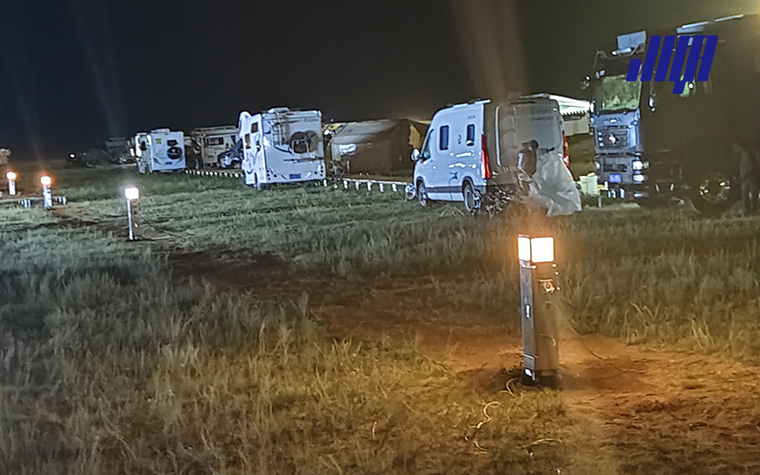
  • LED Indicator – A few pedestals may have LED lights to indicate if power is available or to warn of a possible fault.
  • Complies with Standards – Made according to electrical safety standards for RVs so it can be used reliably without worries.

Power Capacity: 50 Amp, 30 Amp, and 20 Amp Receptacles

RV hookups offer this elect rating variety to correspons with poweroffering epliances such as a/c, basic needs and just general electronics.

Key Point 50 Amp 30 Amp 20 Amp
Voltage 120/240V 120V 120V
Amperage 50A 30A 20A
Power Output Up to 12,000W Up to 3,600W Up to 2,400W
Usage High-power RVs and appliances Mid-range RVs and devices Basic devices and small loads
Compatibility Large RVs with dual AC units Standard RVs General-purpose electronics

Accurate Metering for Energy Usage Tracking

Metering requires accuracy to monitor energy use and assure consumption is efficiently managed. Power pedestals in modern-day RV parks often feature highly accurate meters that give real-time data regarding the electricity being used, further enabling users and campground operators in the monitoring of energy demand. With this chain of transparency, charges for energy usage can be budgeted for; conservation might then also be fostered by pinpointing potential wastage. Recent advances in smart systems now allow some of these systems to interact with mobile apps, giving users remote tracking of their energy consumption for added convenience.

Weather Resistance in Outdoor Protection

Weatherproofing types are accounted for to safeguard the electronic systems and equipment against harsh outdoor environments. Utilization of hardy materials such as corrosion-resistant metals, reinforced plastics, and silicone seals lends weatherproofing to any system offering protection against the weather elements of rain and dust and temperature variations. Further advances in engineering techniques involve conformal coatings and sealed enclosures with a high degree of IP ratings-a more rigorous rating for equipment working amid the vagaries of weather. Weatherproofed technical equipment offers better performance if it suits the outdoor environment; maintenance costs go down, and reliability is assured for long-term use, thus offering a perfect feature for the customer.

Additional Options: Lighting and TV Connections

Integrated lighting and TV connectivity play a vital role in options designed to enhance modern outdoor devices with functionality. Integrated lighting provides visibility in the dark and light up the outdoor spaces from an aesthetic perspective. LED-based solutions boast energy efficiency and can be designed to complement the environment. With TV connectivity, one can easily integrate an entertainment system into an outdoor configuration, making it suitable for gatherings, events, or for one’s entertainment. This combination answers the call for an apparatus that can function on these grounds while addressing lifestyle needs of the consumer.

Benefits of Using a Metered RV Pedestal

Real campsite scene, recreational vehicle powered by 50 amp RV pedestal with meter, practical application reference

  • Precisely tracking energy consumption – Metered pedestals remain a great option for measuring energy consumption with precision, deterring any kind of fraudulent manipulation, so that users can monitor and, if necessary, regulate their usage.
  • Transparency in Energy Costs – When energy is metered in real-time, RV owners have a clear understanding of the cost. This ensures that they will never be subjected to a cost-as-time treatment or are asked to pay for unfair charges.
  • Extra Comfort – These pedestals make connections easy to achieve, enhancing the overall comfort and usability of an RV setting.
  • Environmentally Friendly – Aided metered pedestals enable the ability to track consumption and, in turn, encourage energy conservation.
  • Versatility – Tested metered RV pedestals suit different settings, from campgrounds to mobile living spaces, catering to various energy requirements.

Energy Monitoring for Better Management

Energy monitoring is a vital ingredient for efficient resource consumption. Metered pedestals give their users the possibility to study their energy consumption in real-time. This data helps them understand their consumption patterns, reduce unnecessary consumption, and make changes that can lower bills and further enhance energy efficiency. Advanced-level monitoring systems take it one step further by providing detailed analytics to support informed decision-making and planning of resource usage. Maintaining an optimal level of energy consumption while promoting sustainability in a modern home is only possible through the integration of such tools.

Cost Efficiency through Fair Billing

Fair usage ensures that consumers pay only for the energy they actually use, thereby fostering trust and transparency. Now, with technology, any estimation error can be avoided through the use of smart meters or usage-based billing, thereby ensuring fair bills for customers. They benefit through fair charges and are thus motivated to control their energy consumption. Apart from aiding the efficient operation of energy prices, fair usage also creates predictability of costs, allowing households and businesses to factor those into their expenses; therefore, it is economically sustainable.

Popular Models and Brands

Internal wiring and metering components of 50 amp RV pedestal with meters, visual reference for installation guide

Tesla Powerwall

Considered for its advanced energy storage capabilities, the Powerwall is the much sought-after battery in residential solar systems, running with reliability and efficiency.

LG NeON Solar Panels

These are high-performance panels that attract attention for their durability, energy efficiency, and classy design, making them the ultimate choice for residential and commercial installations.

Generac Backup Generators

An eminent name in the field of home energy solutions, Generac is recognized for its exceptional ability to produce uninterrupted power when needed.

GE Wind Turbines

As a leading asset in the renewable energy sector, GE provides cutting-edge wind turbine solutions with the primary goals of optimizing performance and ensuring sustainability.

First Solar Series Modules

These solar modules can boast of impressive energy yield and strong performance in varied environmental conditions, making them capable of utility-scale module providers.

Midwest Electric: Options with Advanced Features

Midwest Electric offers a variety of high-end energy solutions that could be individually tailored to meet the exact needs of anyone. After applying an exhaustively modernized technology to ergonomic design, the utility options include Facile Monitoring Systems for energy efficiency and smart inverters for adaptive power distribution, inter alia, tools for renewable energy integration. Midwest Electric prioritizes sustainability and resilience to ensure optimal performance under the most challenging conditions. Their inclination toward innovative technology has put them at the forefront with energy-conscious customers.

Heritage RV Pedestals: Lighted and Metered Models

Lighted and metered Heritage RV Pedestals serve a combined purpose of beauty and utility. Easy-to-read meters help users accurately measure their energy consumption. Lighting comes to aid after sunset, beautifying the ambience of the RV Park or campground. Made of rugged, weatherproof material, this pedestal has been designed to resist extreme weather conditions while still performing with dependability. A fusion of practicality and elitism<br>With customizability and elegant design, Heritage RV pedestals meet the needs of park operators and RV-lovers, alike.

Eaton: High-Capacity Pedestals with Robust Construction

Among various types of outdoor operators, high-capacity pedestals by Eaton have been manufactured for their high performance and durability. Heavy construction and state-of-the-art electrical technology are suitable for modern RV and campground applications. Additionally, weather-resistant materials offer long-term reliability with minimal maintenance. Operators prefer upright solutions due to their modular construction and safety standard features, which enhance efficiency and reliability. The quest for high power requirements has led to these power pedestals being highly demanded in an easy-to-use environment raised by functional and resilient standards of Eaton.

Frequently Asked Questions (FAQs)

What is a 50-Amp RV Pedestal?
Simply put, a 50-amp RV pedestal consists of an electrical outlet to provide power to one RV at a 50-amp capacity. Metering is another feature that helps users keep an eye on how much power they consume. Installation can be of the surface-mount or pad-mount variety for these pedestals.
What are the Reasons to Opt for a Metered Outlet for RV Power?
An RV power outlet with a meter enables users to monitor their electricity consumption and be billed accordingly for the corresponding usage. This comes in handy at campgrounds or mobile home parks where the outlets are not all metered. Having a metered outlet might also promote responsible energy use among RV owners.
Which Should I Choose: a Metered or an Unmetered RV Power Outlet?
Your decision to go either metered or unmetered is dependent upon your usage and pocket. Metered RV outlets furnish a foolproof way to be accounted for power consumption; unmetered, conversely, may have a flat rate for charges. If the key factor is the frequent use of your RV to monitor power usage, then the metered outlet is the one. Otherwise, when doing so is rarely done, unmetered outlets should get the job done.
What is the Difference Between Surface Mount and Pad Mount RV Power Outlets?
Surface-mount RV power outlets are installed directly on the side of a wall or structure, making them visible and easy to install. By contrast, pad-mount outlets rest on a concrete pad and provide a more permanent solution, which may be suitable in busy locations. The selection between the two usually depends on specific site conditions and installation preferences.
Can I Have a 20 Amp GFCI Associated with a 50 Amp RV Pedestal?
One may use a 20-amp GFCI outlet with a 50-amp RV pedestal; however, it is well to keep in mind that 50-amp service denotes high power capacity. This makes logical the preference of matching up with an outlet carrying the same capacity; hence, a 50 amp outlet will better serve appliances and systems of the larger variety within an RV.
What Features Should I Look for in an RV Power Box?
Some of the key features to look for in an RV power box include resistance to weather, safety certifications such as ETL, and options for being metered or unmetered. One should also consider quality construction such as a burial pedestal mount RV power option that can withstand outdoor conditions while delivering dependable power.
How Do I Install a Direct Burial Pedestal Mount RV Power Outlet?
The installation of an RV power outlet direct burial pedestal mount involves digging a trench for the electrical conduit, installing the pedestal in the ground, and ensuring its compliance with local electrical codes. The materials selected should also be weather-resistant while safety guidelines should be abided by to ensure the outlet works safely.
What Do People Generally Use an RV Power Pedestal For?
They are mainly used in campgrounds, RV parks, and mobile home communities. They provide the electrical power required by RV appliances for lighting and other electrical needs. They come with metered and non-metered options on either side of the dilemma, allowing users to select what suits their billing needs.
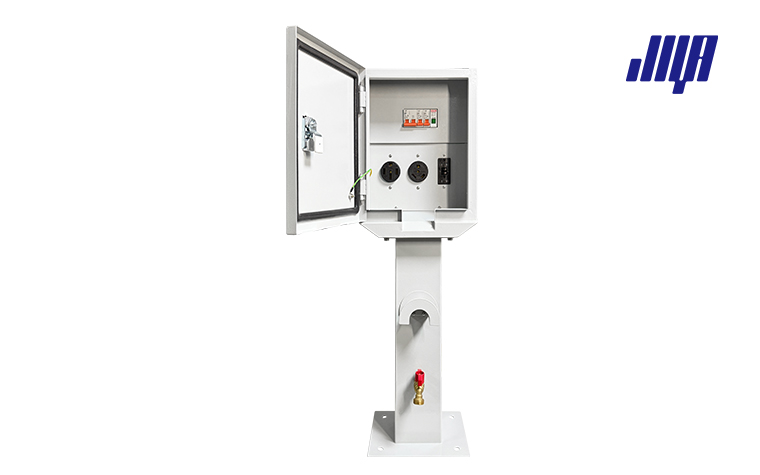
Reference Sources

  • Taylor & Francis – Title: Electromagnetic Fields and Radiation: Human Bioeffects and Safety. Relevance: Provides insights into power sources and safety considerations, relevant to RV pedestal installations.
  • TAPR (Tucson Amateur Packet Radio) – Title: Packet Status Register. Relevance: Includes technical details on power systems and metering, applicable to RV pedestals.