
Having dependable and adequately equipped power options for your RV is paramount for a comfortable and easy travel experience. The seasonal camper, full-time RVer, or park owner seeking to have better facilities needs an understanding of amp options and pedestal power solutions. This guide will present what you need to consider when deciding on the right RV power pole setup, the differences between amp capacities, and how to use them efficiently and safely on your installation. By the time you are done with this post, you should have a clear understanding of how these power systems work and how to pick the right solution for your needs and make a confident road trip!
Understanding RV Power Poles

What is an RV Power Pole?
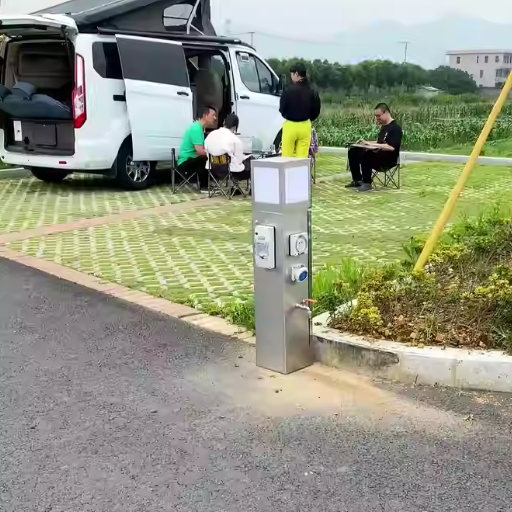
An RV power pole is a utility structure providing electrical power to recreational vehicles (RVs) at campsites, RV parks, or any other places where RV travelers set up. These poles are fitted with power outlets that are compatible with a standard RV electrical system, assuring constant and dependable electricity for operating appliances, lighting, heating, and other on-board systems. The power poles usually come with hookups with different amperage ratings-typically 20, 30, and 50 amps-to suit the power requirements of various RVs. In line with the outlets used by RVs, the poles provide compatible plugs, thus allowing for an easy connection procedure. Many poles include a circuit breaker for safety and may also have other utility functions, such as water hook-ups or lighting, aside from electrical connections. An RV power pole is there to serve the RV owners with easy access to electricity without depending on generator power or battery reserves. Plugging an RV into one of these power poles allows comfort and convenience with a full-blown electrical service, which is really an essential part of modern RV living-with as little dependence on alternative methods of powering as possible. And knowing the correct use of an RV power pole can really help in enhancing your safety and experience during the trip.
Types of RV Power Poles
To satisfy all types of electrical needs of the RV customer, there are many types of RV power poles. The major types include 30-amp and 50-amp power poles. A 30-amp power pole gives power of 120 volts and hence be used for smaller RVs or RVs with few electrical appliances. These use a three-prong plug and are ideal for powering items like lights, fans, and small kitchen appliances. The 50-amp power pole, conversely, offers a lot more power: 240 volts split up into two 120-volt circuits. It is meant for use in large campervans with squeeze-appliance air conditioners, large refrigerators, and entertainment systems. The 50-amp pole plugs would have four prongs, one of those being an additional hot wire for extra capacity. There are some RV parks that also have a dual-power pole with both the 30-amp and 50-amp connections. The availability of such power poles gives it a chance to cater to more types of RVs. Therefore, familiarize yourself with what type of power pole is available in the area surrounding your stay, while making sure it fits the electrical requirements of your RV. Having checks done might save you from the inconvenience of having to perform some re-wiring of your rig to match the configuration of the power pole you are using.
Benefits of Using an RV Power Pole
Key Benefits:
- Reliable Power Supply: The RV power pole provides your vehicle with reliable and consistent electricity necessary for their use in appliances, lighting, and power lash systems. Unlike onboard generators or batteries that are prone to running out of power, an RV power pole assures the flow of energy uninterruptedly for the duration of your stay.
- Cost Efficiency: Charging via an RV power pole in campgrounds or RV parks is usually a flat fee or usage-based, and depending on the generator setup, could prove far more economical. Generators require upkeep, fuel, and repairs as times go on, while connecting through the power pole makes your energy consumption pretty straightforward and way cheaper.
- Environmental Benefits: RV power poles can do their bit for the environment when compared to their gas-powered options. Generators emit noise and exhaust fumes, which can adversely affect the environment and your camping experience. With a power pole hookup, you are at least cutting down on noise emissions, while present on a good side of a much smaller carbon footprint with clean, quiet energy.
Exploring Amp Options for RV Power
30 Amp vs. 50 Amp Power Service
When weighing 30 amp and 50 amp power service for your RV, the major difference between the two lies in the amount of power each services can provide. Such a big difference allows a heavier load demand for the 50 amp service; hence, it is the best choice for the big RVs or those with larger numbers of appliances and electronics. Generally, the 30 amp service is more than enough for smaller-sized RVs or ones that have minimal power use. It can run essential appliances like A/C, a refrigerator, and lights but usually will not support the simultaneous operation of more than two high-power devices. This creates a need to make power management decisions so as not to trip breakers and overload circuits. To put it another way, 50 amp service offers far more flexibility in power consumption in a larger RV, or to an owner that requires more than one appliance in operation at any one time. A 50 amp service will cater to more than one Air Conditioning System, a plenty of entertainment apparatus units, kitchen appliances, and other extensively powered devices, making it unable to overload. While 50 amp service indeed has the broader perks of the two, it is not confirmed to be everywhere we want to camp. Hence, it wants to be considered as part of the decision-making for your RV’s electrical needs and the travel destinations you will be heading to.
Understanding 20 Amp Power Outlets
A 20 amp power outlet has the standard name, and normally, it is used in homes or offices to service appliances or objects that may need just a little more power than what a usual 15 amp outlet will provide. These outlets are made to putively supply up to 2,400 watts of power in a safe manner and thus may be suitable for being used with high-energy stuff like power tools, microwave ovens, and so forth. Almost all 20 amp outlets offer an idiosyncratic design, such that one of the vertical slots is “T”-shaped to accept compatible plugs. This confirms that the devices needing greater amperage may actually connect and work without the circuit being overloaded. Before plugging in large appliances, check to see whether the device itself and the circuit can stand this electrical load. When another higher amp service is not available, a 20 amp outlet can serve as a good backup power source for RV owners. However, it is very important to realize that this outlet will not support running two or more heavy-energy devices at the same time. This knowledge will help you use 20 amp outlets safely and effectively not only at home but also on the road and at the campsite.
Selecting the Right Amp for Your RV
Selection Guidelines:
- Calculate total watts of all appliances and devices you might use simultaneously
- Ensure total power consumption is less than or equal to your RV’s electrical system capacity
- Consider your traveling and camping style
- Consult your RV user manual or a skilled technician if needed
The selection of the particular amp for your RV depends on the power demands of your appliances and how you intend to utilize the vehicle. A handful of RVs in general may only support 30 amps, while others may support a 50-amp electrical system; this determines which devices you can run on them. A 30-amp system is the most usual for smaller RVs, and it can supply power to about 3,600 watts with moderate consumption: One air conditioning unit and one or two appliances. As for the 50-amp systems, these are most commonly found on larger RVs that require running two air conditioners and another battery-heavy device. Also, think about your traveling and camping style. Bigger 50-amp systems might be the way to go if you usually plug in at a highly supplied RV park. Smaller 30-amp systems might work in your favor wherever it’s more isolated and fewer outlets exist. In the long run, choosing the right amp ensures a working and safe RV, providing you with the option of fun on-the-road.
Installation of RV Power Poles

Installing a Power Pole: Step-by-Step Guide
Installing an RV power pole requires careful consideration, correct tools, and adherence to safety standards. Follow the steps below for a successful installation:
- Prepare the Site: First, select the best possible location for placing the power pole. The site must be on firm and flat ground, and there must be convenient access to it. Also, consider having enough room around the site to operate safely and maintain. Mark the spot where the pole will be installed.
- Install the Power Pole: Dig a hole large enough to accept and firmly hold the pole. Usually, 3 to 4 feet deep is enough. This measurement depends mostly on local electrical codes and soil type. Set the pole in the hole, use your spirit level so that the pole stands upright. Pour your concrete backfill into the hole, and leave the installation there for at least 24 hours until the concrete hardens.
- Connect Electrical Components: After the pole has been placed, mount the power box or outlet on the upper part of the pole. Connect all wiring per local electrical codes. You will probably wire hot, neutral, and ground wires to the specified terminals. Make sure all terminals are tightened, and all wiring insulated.
- Test the System: Testing is an important procedure after installation. Plug in your RV or connect a testing device to verify that the pole provides correct voltage output and that all connections are safe to use. Any abnormality must be rectified prior to normal use.
Important: To ensure safety and compliance, it is worthy to engage a professional contractor or licensed electrician during the process. That will guarantee reliability as well as minimize the risk of failure, giving you peace of mind on your travels or camping. Always observe your local codes to avoid possible electrical hazards.
Direct Burial vs. Overhead Installation
The method chosen would depend on factors such as cost, durability, and ease of maintenance. Direct burial is an underground method used for placing electrical wires, providing them with higher protection against environmental conditions such as storms, winds, and the fall of debris. This method diminishes chances of accidental damage from happening and also provides for a cleaner, less obtrusive appearance that can be suitable for residential areas where persons care about aesthetics. In effect, one would weigh their environment and specific needs when choosing. If long-term durability and aesthetic appeal are of paramount importance, then direct burial would probably emerge as the preferred choice. Otherwise, if cost and accessibility during repairs top the list, an overhead installation would be fine to consider. Consult a local authority to be conversant with codes and regulations prior to implementation, and engage professionals to keep things safe and in check.
Safety Considerations During Installation
Critical Safety Requirements:
- Turn off power during installation to prevent accidental electrocution
- Use appropriate tools in good condition designed for electrical work
- Respect local building codes and ensure all materials comply
- Ensure proper grounding to prevent shocks and equipment damage
- Wear appropriate personal protective equipment (insulated gloves, safety goggles)
- Follow manufacturer instructions and consult certified electrician when in doubt
- Check final installation for hazards like exposed wires and loose connections
Safety comes first for the intention of protecting persons and properties during electrical installations. This procedure significantly reduces hazards, and one can achieve a working environment safe for everybody.
Understanding Power Meters
Role of Meters in Monitoring Power Usage
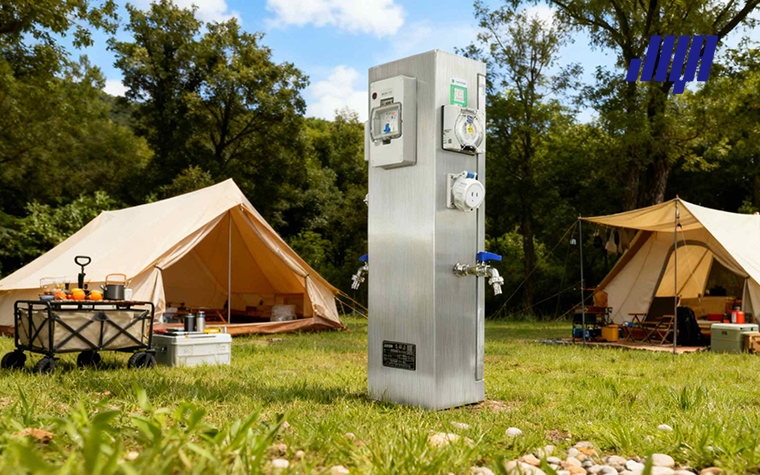
Meters play a vital role in measuring power consumption. Since these instruments provide real-time information about energy usage, individuals or organizations can monitor how much energy is consumed at a certain time. This realization often triggers the need to evaluate energy-hungry appliances or processes, especially when it comes to choosing efficient energy methods. One of the main advantages of using power meters is to manage costs. Using the information given by power meters, users can develop methods to cut down on energy wastage, hence lessening their electricity bills. For instance, noting peak consumption times enables the user to do their power-intensive work during off-peak times when the rates are lower. This transparent way of monitoring energy creates awareness for its better usage, which makes profit for both the user and the environment. Furthermore, power meters become an instrument for sustainability by driving towards lesser energy use. By continuous checking of energy use and fixing of inefficiencies, users lessen their carbon footprint, thus moving one step further toward an eco-friendly household or office. Thus, in general, the power meter is a tool for sustainability, energy efficiency, and cost savings.
Types of Meters for RV Power Poles
Typically, three types of power meters are used at RV power poles to regulate and measure consumption of electricity. Smart meters are advanced options for electricity measurement at RV sites. The meters give the users live data, and most of them are wireless, allowing the remote monitoring of their electricity consumption through apps or web platforms. Also, they promote energy conservation by furnishing information on energy consumption and potential areas where consumption can be optimized. In essence, these meters are best suited for people concerned with sustainability and long-term energy costs.
How to Read and Interpret Meter Readings
Step-by-Step Reading Process:
- Locate the Display: Find the display on the meter. Most modern meters have digital screens showing total energy use in kilowatt-hours (kWh)
- Record Current Reading: Note the current reading and compare it to a previous reading
- Calculate Consumption: Subtract the earlier reading from the later reading to find energy consumed during the period
- Analyze Additional Data: Use real-time consumption or cost estimation features to adjust electricity usage accordingly
Walk me through the systematic process of reading and interpreting meter readings at an RV site. Finally, if the meter has the capacity to show anything else, such as real-time consumption or cost estimation, use this information to adapt your electricity consumption accordingly. Real-time information, for example, can assist in assessing which appliances or activities are using the most energy, enabling an easier cutdown in energy use as required. Learning to read these will be the first step towards managing electricity more effectively and therefore avoiding unnecessary costs.
Maintenance and Troubleshooting

Regular Maintenance for Longevity
Maintenance Checklist:
- Look for signs of wear or corrosion that may cause hazards or functionality losses
- Check for cracks on casing, loose wiring, or moisture in inappropriate places
- Clean the exterior regularly from dirt or debris
- Test electrical connections using a multimeter for proper output and safety
- Verify correct voltage output and proper grounding
- Check meter for problems that may influence accurate measurement
- Schedule periodic professional inspections
To keep an RV power pole with a meter functioning at its maximum capacity, it requires maintenance on a regular basis. Having a well-maintained RV power pole with a meter is an approximate guarantee for its long life and safety plus useful life during operation.
Troubleshooting Common Issues
Systematic Troubleshooting Steps:
- Check Power Supply: Determine if the power supply to the pole is active. Use a voltmeter to ensure correct voltage is being supplied to your RV.
- Inspect RV Cord and Connections: Ensure the power cord is properly plugged in and shows no signs of damage like frayed wires or burn marks.
- Check Circuit Breakers: Verify that the circuit breaker on the power pole is set to “on” as it could have tripped due to overload.
- Examine RV Electrical System: Check your RV breaker panel or fuse box for tripped breakers or blown fuses.
When having issues with an RV power pole with meter, it is important to troubleshoot systematically. Should the problem continue, an electrical expert or RV technician ought to be sought for properly resolving the problem.
When to Seek Professional Help
Seek Professional Help When:
- Electrical problems persist after troubleshooting
- Signs of electrical hazards appear (sparks, burning smells, overheating)
- Meter readings appear odd or inconsistent
- Any situation where safety might be compromised
A professional must be consulted if everything has been considered from the standpoint of RV electrical problems and yet the fault persists. Problems related to electricity can be very tricky and require special tools and expertise to identify and rectify. An RV technician or an electrician with experience will be able to test and repair parts of the system to ensure that your electrical installation is safe and reliable.
Frequently Asked Questions (FAQ)
Q: What is an RV power pole with meter?
A: An RV power pole with meter is a particular electrical fixture meant for Power access for recreation vehicles. It basically offers a receptacle to interface with RV power outlets; often, it has a meter as well to keep a track of the energy consumed; this becomes critical when one wishes to get down to correct billing by the electric company.
Q: How does an RV power pole with meter work?
A: The power pole gets its current from the main electrical supply and forms an electric power delivery system for one or more RVs. Metering assists in monitoring the energy consumption and the user pays accordingly for the power used. Most poles will integrate into an existing electrical system and may be configured to a variety of amp RVs.
Q: Do I need a permit to install an RV power pole with meter?
A: In most cases, you will need to get a permit issued from your local power company or electric company for the installation of an RV power pole with meter. It allows the installation to be in compliance with safety standards and local construction codes.
Q: Can I bury the cable for my RV power pole with meter?
A: Yes, you definitely can bury the cable. That cable must be buried according to the local regulations: it should be a cable rated for underground use, and you may need to install a weatherproof or galvanized conduit to protect it from the elements.
Q: What kind of breaker-box do I require for an RV power pole with meter?
A: It should be breaker-boxes that are compatible with the RV power pole, capable of carrying and routing the electrical load that is being demanded, and having GFCI-protection from an electrical shock in-front of the outdoors, thus taking care of your safety while you provide power to your RV.
Q: How much does it cost to install an RV power pole with meter?
A: Any installation for an RV power pole with meter installation will incur varied costs depending on the factors like installation complexity, local labor rates, material costs, etc. On average, you are paying per foot for the cable and installation service, to which the cost of the meter and breaker box will be added.
Q: Is it safe to use an RV power pole with meter during inclement weather?
A: Yes, it can be used safely during inclement weather as long as the RV power pole with a meter is correctly installed and waterproofed. Most models come with a 3R rain-proof enclosure that protects the electrical components from moisture and debris.
Q: How long of a cable is needed for an RV power pole with meter?
A: How long of a cable is needed for an RV power pole with meter depends on how far from the power source the RV parking area is. It’s best to measure out this distance well and buy cable just a tad too long to reach the pole without straining connections.
Q: Can I mount my RV power pole with meter on a pad?
A: Yes, mounting an RV power pole with a meter on a pad is fairly common. This will provide the pole with stabilization and prevent the pole from damage due to ground movement. Insure that the pad is well constructed to weather the weight that it will be supporting and weather conditions that it will be exposed to.
References
- Lowe’s – RV Park Metering & Temporary Power
Visit Lowe’sThis page provides details on temporary power solutions for RV parks, including metering options. - Reddit – RV Living Discussion on Power Pole Installation
Visit RedditA community discussion about the best solutions for installing a power pole with a meter for RVs. - Home Depot – GE Metered RV Panel with 50 Amp and 30 Amp Receptacles
Visit Home DepotThis product page provides specifications and compliance details for a metered RV panel. - guide for marine shore power pedestal
- Top Power Pedestal Manufacturer and Supplier in China
Guide for marine shore power pedestal solutions and manufacturing specifications.

About the Author
Boda Pan
Engineer, JIYA Intelligent
Boda Pan is an engineer at JIYA Intelligent with five years of experience in outdoor power distribution. He specializes in RV power pedestals, water and power pedestals and marina water and electric pedestals, with a focus on IEC standards compliance.