
When it comes to supplying power to a marina, an RV park, or a waterfront facility, reliable and efficient applications are essential. The Lighthouse Power Pedestal is a crucial element that offers shore power with convenience while guaranteeing safety and reliability in a single streamlined package. This blog post dives into shore power solutions world while uncovering some unique features and benefits of Lighthouse Power Pedestal. Whether you are managing a busy marina or improving the visitor experience at an RV park, you will learn how the use of a suitable power pedestal can ease daily operation and keep your guests happy. Stay tuned as we discuss everything one needs to know about this modern must-have for energy access.
Introduction to Power Pedestals

What is a Power Pedestal?
A power pedestal is a kind of outdoor electrical outlet installation that supplies steady power and reliable access to electricity for various uses in, say, marinas, set-up areas for RVs, and different kinds of campgrounds. These power pedestals are designed, in fact, to supply power to a number of users working on things like boats, RVs, and equipment. They are generally set on a solid pedestal for convenient access, ensuring safety and durability in outdoor conditions.
These power pedestals have standard outlets and some additional features like circuit breakers, meters to measure how much energy is being consumed, and weatherproof coverings that protect them from the elements. They can provide single-phase or three-phase power, tailored to the energy demands of the site, thus serving a large variety of uses. Some, further, may have water connections, lighting, or perhaps even internet connectivity for additional use.
Safety, convenience, and efficiency come first in power pedestal design. Such a pedestal was today made of durable materials like stainless steel and heavy-duty plastics that restrict it from rust, corrosion, or even weather damage. This means it can genuinely withstand all the adverse outdoor conditions for long periods while maintaining its role. Robust construction coupled with immaculate engineering makes power pedestals indispensable for the establishment of an energy platform that is functional and easily accessible in shared outdoor spaces.
Importance of Power Pedestals in Marinas
Power pedestals hold a crucial function in marinas by way of providing reliable and safe electric access to boaters. They generally allow vessels to come off shore power, providing vital energy to the ships for use with their own lighting and refrigeration and air-conditioning systems-another option that keeps generator systems from being run. This means a quieter and cleaner marina environment, which can only contribute greatly to the overall comfort of the boat owners and passengers.
Power pedestals provide ease in distribution of energy within the marina ensuring continuous availability of power even at peak times of usage. Being state-of-the-art, many power pedestals are loaded with features, including metering, LED lights, and user amenities such as water outlets, thus enhancing the user experience. In addition, they are built tough, constructed to withstand the harsh marine environment and so remain dependable even under difficult conditions.
Hence, these devices greatly enhance the efficiency and beauty of a marina so that they remain safe, efficient, and comfortable for all users. Keeping good energy management and augmenting services makes power pedestals the key to lasting quality of operation and comfort in any marina facility today.
Overview of Shore Power Systems
A shore power system consists of sunk shipping docks. These systems allow vessels to dock at marinas to obtain electricity so that their engines need not provide such energy, thereby reducing noise, pollution, and fuel consumption. This provides clean energy and helps with the docked boat’s sustenance.
At the heart of a shore power system lies the connector, cable, and an electric pedestal to deliver electricity in a safe manner. These systems are set up to provide uniform voltage and amperage ratings that will satisfy docking requirements of all boats. The tricky part lies with compatibility with the docked boats so that varied watercraft can seamlessly institute these systems on their own.
Some of the benefits brought by shore power systems have been listed, for example, they provide great convenience and comfort for the boaters while powering appliances and systems within the boat. Shore power help the environment by reducing pollution and fuel use. On a good note, a good marina experience may be had with shores installed, maintained, and reliable shore power facilities. From a safety standpoint, this means that dockside operations are completed safely and efficiently in compliance with electrical safety codes.
The Significance of Lighthouses
Historical Role of Lighthouses in Navigation
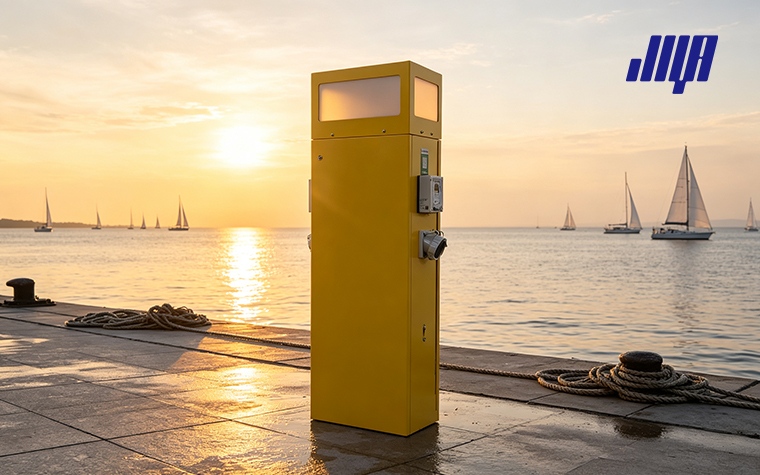
Historically, lighthouses came to be instrumental to sailors for safe navigation. Set along coastlines, islands, and perilous shores, these were meant to lead the vessels and keep them from running aground. They had a bright light beam, sometimes magnified by a Fresnel lens, so that the light could serve as a landmark for sailors to fix their position under poor visibility or at night.
Apart from warning of danger, lighthouses also served as beacons for ports and safe entries. Sailors recognize lighthouses by the pattern or flashes of light they emit, called their characteristic. This allowed vessels to reliably approach a safe harbor and avoid shallow waters or submerged rocks, particularly in the times before GPS and contemporary navigational aids.
Lighthouses also stood for human resilience and ingenuity. They were usually placed in extremely remote sites, and the keepers ensured that they functioned in any condition. From a practical point of view, with the passing of time and technology advancements, their functionality has diminished, but they remain an iconic symbol of seafaring history with sailors down through the centuries associating them with safety and guidance.
Architectural Design of Lighthouses
The design of lighthouse architecture varies extensively according to the location, purpose, and environment in which they are built. Those lighthouses which are erected near rocky coastlines or in open-sea areas must have tall and sturdiest towers so that the light can be visible for a longer distance. Their structure is intended to withstand severe weather conditions such as punishing winds, showers, and high waves. On the other hand, lighthouses set in tranquil inland waters or harbors are smaller and simpler in design and orient on local navigation needs.
Lighthouse masonry materials are usually of a very hardy type that may endure natural elements. Before, being strong in nature, stone and bricks were generally used. If engineering got developed, then concrete and steel would come into consideration for their maximum durability and resistance. Exterior features could be tapered walls to reduce wind load on the building and a cylindrical shape to even out structural stresses.
On the inside, it is mainly the operational aspect of the lighthouse that influences design. A typical interior consists of a spiral staircase or ladder leading up to the lantern room, where the light is positioned with its lens apparatus. This part of the structure is literally crafted to maximize the extension and intensity of the light beam. Traditional designs also offered living quarters for lighthouse keepers, consisting of essential space in which to oversee the maintenance of the operations of the lighthouse. In present times, automated lighthouses no longer require keepers, so the human-use spaces were abated, and efficiency along with technical systems took center stage.
Modern Innovations in Lighthouse Functionality
Modern lighthouses, by the nature of changing dimensions of maritime navigation, need to implement new technologies that increase efficiency and safety. One major technological improvement is the presence of LED lighting systems that have almost ousted traditional incandescent bulbs. LEDs consume less energy and hence require less maintenance; they also emit a light that is bright and well-focused over long distances, thereby providing better visibility. These systems also last longer, thereby making it more economical to replace them.
Another modern aspect relates to solar power integration to impart sustainability and self-sufficiency to a lighthouse. The solar panels convert renewable energy to power the lights and a few other operational systems, especially in remote locations. Thus, one can cut down on usage of external power sources and reduce the environmental impact from lighthouse operations. Solar-powered systems linked with automated controls ensure their constant operation, even in adverse weather conditions.
Similarly, modern-day lighthouses are equipped with advanced systems for communication and tracking, among others, AIS-Automatic Identification Systems. AIS information systems enable lighthouses to send and receive critical information regarding the ships present nearby and their coordinates, speed, and heading. This piece of technology adds to maritime safety by giving real-time information to both the vessels and its authorities for navigation and prevention of collisions. Hence, these innovations make lighthouses still relevant for safe waters in the modern world.
Lighthouse Power Pedestal Features
Key Components of a Lighthouse Power Pedestal
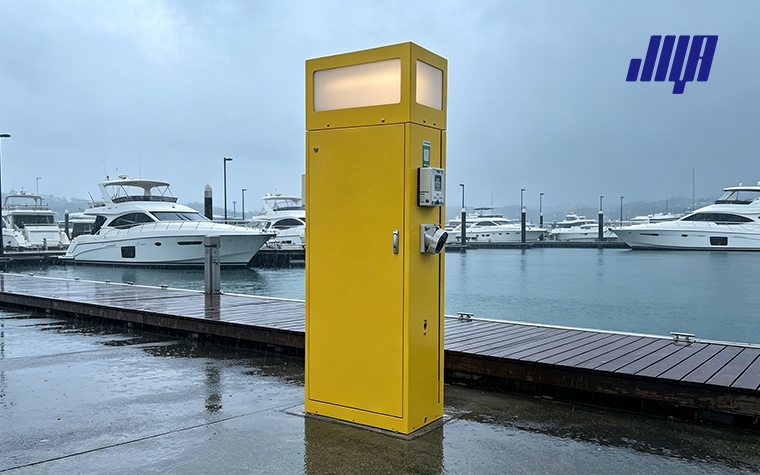
A lighthouse power pedestal must support the lighthouse in that it will supply reliable power under various conditions. The primary component is the electrical distribution system: it is supposed to deliver power smoothly to all critical operations, including beacons, fog signals, and communication systems. This system is constructed to withstand the harsh maritime environment, ensuring durability and reliable performance.
Another major component is the power supply unit: it often involves renewable energy, joining solar panels or wind turbines with backup generators. This hybridism of design will ensure that operations continue during power outages or inclement weather. Energy storage has been incorporated; that is one more way of bringing reliability, wherein on-board batteries can store excess energy and draw that stored energy when needed.
Lastly, lighthouse power pedestals are fitted with monitoring and control systems. These are set up so that authorities can remotely operate and diagnose the system to quickly remedy any arising technical issues. This feature reduces the need for frequent manual maintenance and dramatically increases the overall efficiency and functionality of the lighthouse to ensure that it is a good aid to navigation for the vessels.
Benefits of Using Eaton Power Pedestals
- Unmatched Reliability: Eaton power pedestals assure unmatched reliability and power delivery even under the most punishing conditions. Their sturdy construction safeguards against environmental hazards, contributing to a longer system lifespan and fewer interruptions.
- Energy Efficiency: Eaton power pedestals maximize energy consumption to lower operating costs and environmental impact. Some of them also support renewable energy sources, allowing operators a greener option in power generation.
- Easy Maintenance: Integrated monitoring and control allow an operator to remotely view performance and rectify any issues, hence avoiding downtime and on-site intervention.
Comparison of Different Power Pedestal Models
Several key factors should be compared when dealing with power pedestal models to determine the right model for a specific application. Power capacity, durability, installation, and other features such as remote monitoring are the primary criteria for consideration. Models meant for high power would do better in places with higher energy demand, while smaller ones would do well in low energy-load requirement areas.
Durability is another factor you might want to consider, with pedestals often exposed to harsh environmental conditions. Corrosion-resistant materials mean longer life and less maintenance, making such models particularly well suited for coastal or high-humidity atmospheres. Some models come with reinforced enclosures designed to prevent the delicate components from becoming damaged by external forces or even harsh weather.
Additional features such as integrated control systems could upscale efficiency and functionality of the power pedestal. Such systems enable the tracking of performance from a distance, along with resolution of any issues that could come up in time, thereby reducing disruptions to operations. Operators weigh these aspects and opt for the model that will fulfill their needs, enabling reliable and efficient operation through the long haul.
Product Specification Guides
Detailed Specifications for Lighthouse Power Pedestals
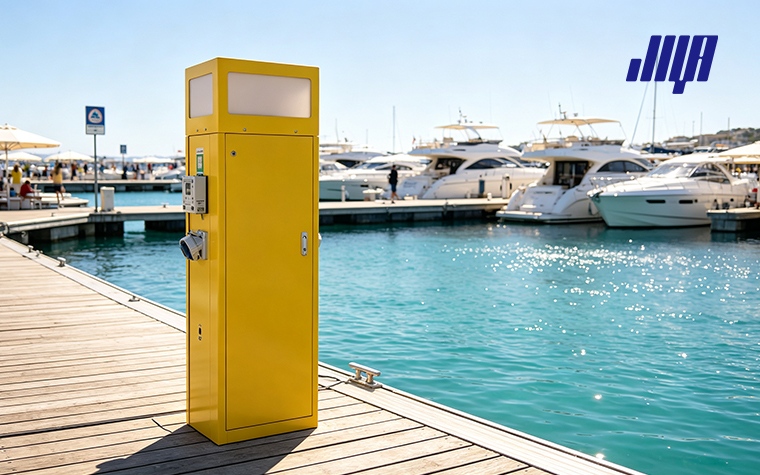
The Lighthouse Power Pedestals offer a full range of options to provide power solutions for almost every situation. Each unit is made from weather-resistant materials so that it will last outdoors for years. The pedestals offer several power options from single-phase to three-phase, so you can be assured of compatibility with almost any device or piece of equipment doing business in the restaurant or hotel industry. Modular design allows for easy maintenance and upgrades to suit changing requirements.
Some of the key features include integrated circuit protection systems to shield the circuits and connected devices from surge failures and overload conditions. The built-in LED lights on the pedestals ensure visibility even in poor illumination while being energy efficient. In contrast, water and utilities hookups in some models make them all-around solutions for marinas, RV parks, and other outdoor venues.
Its installation is simple, and thus, customizable, with mounting allowed to be flexible, and with easy internal access for wiring. Safety is among the highest priorities for each pedestal, following standard electrical codes and certifications, assuring trustworthy operation and peace of mind. Armed with strong specifications, Lighthouse Power Pedestals guarantee long working functionality and make for a compulsory power distribution solution.
⚠️ Installation Guidelines and Best Practices
Pre-Installation Requirements
- Choose a location that is level, secure, and free of hazards such as standing water or debris
- Place markings for installation carefully, according to site plans, local codes, and regulations
- Ensure compliance with local electrical and building codes
Installation Process
- Use the mounting hardware affixed, giving reassurance that all fastenings are tight
- Confirm that the electrical wiring is correctly colored and connections made for proper function and safety
- Ensure that the protective covers are also well-mounted to shield the internal components
Post-Installation Testing
- Conduct a thorough inspection for structural stability and proper functionality
- Perform power output testing to ensure conformance to required specifications
- Test all safety features, such as ground fault circuit interrupters
Maintenance and Safety Considerations
In order to facilitate smooth operation and transparency of an electrical component, regular maintenance and safety considerations must be ensured. Inspections must be conducted regularly to detect wear, corrosion, or damage, otherwise the protective equipment may malfunction, or worse, create safety issues. Cables, connectors, and switches should especially be considered, because they comprise the vital elements of the safe circuit.
Being well cleaned and taken care of encourages good health of electrical systems. Dust, moisture, and debris tend to build up, thus causing short circuiting or reduced functioning. Hence, surfaces and components must be cleaned with proper tools and materials, making sure that no conductive contaminants are introduced. This should be accomplished alongside tightening any loose connections to increase the life of the system.
Finally, safety protocols should always be followed when working on electrical systems. This means ensuring that circuits have been de-energized before carrying out any maintenance, that all necessary personal protective equipment is worn, and that all relevant safety procedures or local regulatory requirements are observed. By observing these precautions, operator safety and system reliability take a leap in enhancement.
Case Studies and Expert Insights
Interviews with Marine Engineers on Power Pedestals
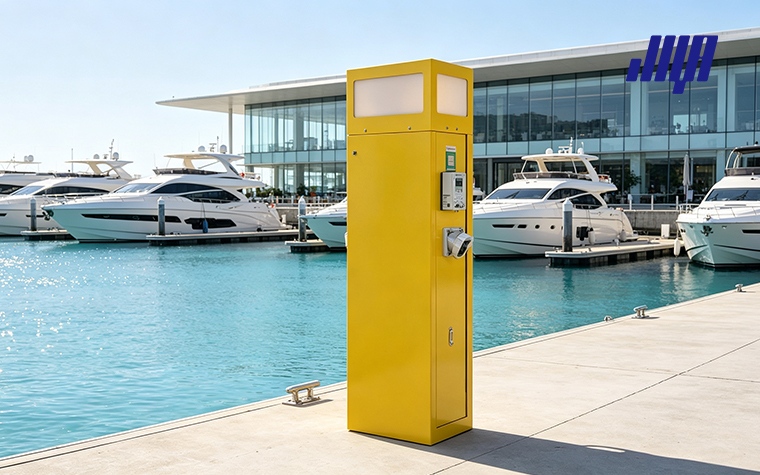
During interviews with expert marine engineers, various insights about the design, installation, and maintenance of power pedestals in the marina environment arose. A very important thing to understand is durability. The engineers emphasized that power pedestals must be constructed to withstand the rigors of the marine environment comprising saltwater, heavy humidity, and strong UV radiation so that they last for long periods. Hence, the construction materials used must resist corrosion, and the design must ensure reliable service over an extended timeframe, ideally in continuous operation.
User safety and usability are other crucial aspects raised. Power pedestals should be equipped with safety features such as ground fault protection and clear indicators for power output or fault alerts. Convenience is another important thing to consider, as engineers advocate for an intuitive design that marina staff and boaters can easily access and operate. Proper lighting and accessible power outlets are adequate features to reduce operational difficulties.
Lastly considered as a measure to prolong the lifespan of power pedestals and reduce downtime will be the implementation of maintenance procedures that are working. Inspection routines for signs of wear, corrosion, and damage, together with timely repair, will guarantee uninterrupted operation of these systems. The marine engineers place much emphasis on endless training for the personnel of the marina in some basic troubleshooting and maintenance so that operations will not be hindered.
✅ Successful Marina Installations of Lighthouse Power Pedestals
Planning Phase
Marina installations with reliable power pedestals must rely on careful planning and assessment to install equipment that meets the specific requirements of the facility itself. Available electrical capacity, the environmental situation, and marina layout would be the main considerations on which the best configuration of power pedestals can be selected.
Material Selection
The selection of top-grade materials during installation can improve the durability of power pedestals immensely. Upon using materials of great strength to face all kinds of harsh marine environment factors such as salt water corrosion and UV exposure, the integrity of the pedestals is assured for long periods.
Long-term Maintenance
Concerning long-term functioning, periodic maintenance and training come into existence. The staff, inspectors, and engineers carry out regular inspections to identify developments of potential issues that could be wear or corrosion to incorporate basic troubleshooting and repairs with the marina staff.
Future Trends in Shore Power Technology
Shore power technology is changing rapidly to keep up with the increase in demand for sustainability and efficiency in maritime activities. A large-scale development would be that of accommodating systems for larger vessels and complex onboard requirements. They would be designed for completing various activities at further increased power loads without compromising safety or reliability qualities, resulting in smooth operations from either commercial or recreational usage.
Other developing trends include renewable power acts in shore power systems. Utilizing solar, wind, or other renewable technologies enables ports to further reduce their carbon emissions while supplying docked ships with clean energy. This stands to assist in cutting down greenhouse gas emissions arising from shipping activities worldwide and complement the tightening environmental legislations that are being enforced across the globe.
And finally, digitalization continues to influence the future of shore power. Smart-grid systems and IoT-enabled technologies help streamline operations, providing real-time monitoring, predictive maintenance, and automatic fault detection. These innovations must increase operational efficiencies and reduce costs, thus allowing ports to create more dependable services while working on sustainability goals.
Frequently Asked Questions (FAQ)
Q: What are some common features of the lighthouse pedestal?
Some of the features of the lighthouse pedestal include a built-in meter socket, a heavy resin housing, and a two-part polyurethane coating for a long-lasting finish. In addition, it is photocell-controlled and surge-protected, making it an ideal choice for marina power and RV park applications.
Q: How does a lighthouse pedestal provide shore power?
It shores up vessels by connecting to a power source and offering receptacles for connection. It is for the provision of good, reliable power services, as per N.F.P.A. requirements, to both commercial and residential boats.
Q: What materials are used to build the lighthouse pedestal?
The lighthouse pedestal is built using heavy resin with a two-part polyurethane finish making it UV-resistant. This finish is highly durable and is resistant to harsh marine environments.
Q: Can the lighthouse pedestal be used in RV Parks?
Certainly, the elegant power pedestal is best known for its functionality and is widely installed in RV parks. It offers power to RV park equipment and can cater to watercraft of varying sizes, providing flexibility in power supply.
Q: Describe the installation of the lighthouse pedestal?
The installation instructions for the lighthouse pedestal are simple and easy to follow. It is paramount to refer to the RV park equipment parts handbook volume VII for guidance to ensure proper installation and functionality.
Q: How does the copper bus bar enhance the lighthouse pedestal?
Provided within the lighthouse pedestal, the copper bus bar adds to the efficiency by way of providing a bit better electrical conductivity, ensuring reliable power delivery. Environmental power supply for vessels of all sizes and safe operations are key considerations.
Q: Are lighthouse pedestals customizable for different applications?
Yes, the pedestal can be altered with dual or a combination of receptacles specific to its power requirement. This enables it to be used for all kinds of applications whether for marina power, RV parks, or commercial use.
Q: Please speak on the durability and service life property of the lighthouse pedestal.
The lighthouse pedestal’s durability comes from its highly durable materials and a long-lasting finish, protecting it against weathering and wear and tear over time. Being highly practical in design, it offers enhanced longevity in the harsh environment.
Q: What makes the lighthouse pedestal popular at marinas?
The lighthouse pedestal, being exceedingly practical and extraordinarily durable, is deemed a favorite in marinas. Its variety of features, such as photocell control and inbuilt safety features, ensures that it efficiently serves the interest of both recreational and commercial vessels.
References
- Lighthouse Shore Power Pedestal – EatonThis source provides details about the design and functionality of lighthouse power pedestals, including their lighting and weatherproof features.
- Lighthouse Power Pedestal, 30A/30A/20A – Dock BuildersThis page discusses the engineering and weather-resistant properties of lighthouse power pedestals used in marinas.
- Lighthouse SS Power Pedestal – EatonA detailed description of the Lighthouse SS Power Pedestal, highlighting its lighting, lockable doors, and durable design.
- Guide for Marine Shore Power Pedestal
- Top Power Pedestal Manufacturer and Supplier in China

About the Author
Boda Pan
Engineer, JIYA Intelligent
Boda Pan is an engineer at JIYA Intelligent with five years of experience in outdoor power distribution. He specializes in RV power pedestals, water and power pedestals and marina water and electric pedestals, with a focus on IEC standards compliance.