Category Archives: Jiya Blog

Your ultimate source for insightful articles, practical tips, and the latest updates across various topics. Discover, learn, and find inspiration every step of the way!

Outdoor Power Socket Regulations: Powering Your Outdoor Electrical Needs

Making an outdoor area requires as much thought toward functionality as toward beauty, especially regarding electrical needs. The need for outdoor electrical sockets and outlets ranges from powering everything that consists of lawn implements and decorative lighting to entertainment systems and outdoor kitchens. Yet, deciding upon the right outlets and seeing their installation is not always simple, especially when concerns about weather protection, safety regulation, and energy efficiency are to be considered. This guide will dig into every detail that you need to know about outdoor electrical solutions so that you will be able to make informed choices, turning your outdoor space into a multipurpose working chamber.

Understanding Outdoor Electrical Sockets

Understanding Outdoor Electrical Sockets

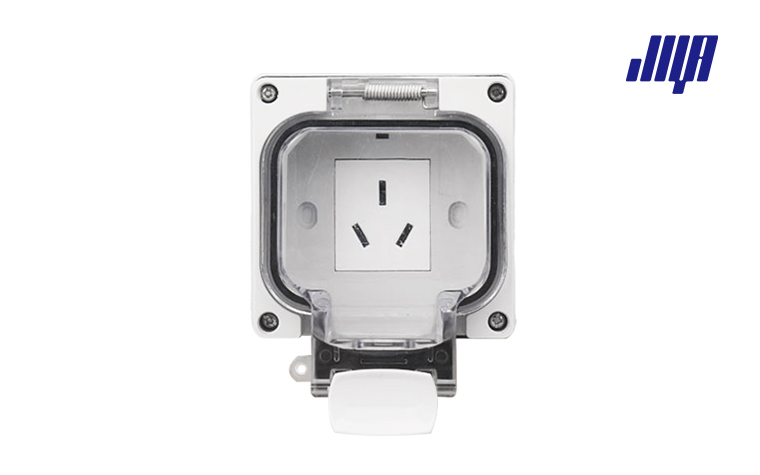
Outdoor electrical sockets are outlets if considered from a utility standpoint, but are specifically designed to be used outside the home. They are usually weatherproof and can withstand any exposure that the elements throw at them, including rain, humidity, and unwelcome temperature changes. These sockets are often designed to have polycarbonate covers or enclosures that block water or dust from entering, keeping them safe and trustworthy. These outdoor sockets must be rated for outdoor use, i.e., must conform to standards set by your local jurisdiction, including GFCI (Ground Fault Circuit Interrupter) protection, to minimize any electrical shock hazard.

What is an Outdoor Electrical Socket?

An outdoor electrical socket is a power outlet specially designed for the outdoors so you can safely connect any appliances outside your house, be it garden lighting, power tools, or holiday decorations. These sockets are designed to handle outdoor environmental conditions. They include weatherproofing mechanisms such as rugged materials, sealing gaskets for moisture ingress, and protective covers that shield them from dust and extreme temperatures. And quite often, safety features will be integrated into these modern outdoor sockets, such as a Ground Fault Circuit Interrupter (GFCI) or Residual Current Device (RCD), which cut power in case of any electrical fault. This ensures they comply with stringent safety standards, reducing the possibility of electrical hazards while providing convenient and reliable access to power in outdoor spaces.

Types of Outdoor Electrical Outlets

Outdoor outlets exist in many types, including weather-resistant (WR), ground-fault circuit interrupter (GFCI), tamper-resistant, smart, extra-heavy-duty, solar-powered, and USB integrated outlets. Each type serves a distinct purpose environmentally or from a safety perspective.

Type

Best Use

Feature

Safety

Weather-Resistant

General outdoor

Sealed, durable

High

GFCI

Near water

Auto shut-off

Very High

Tamper-Resistant

Child safety

Shuttered slots

High

Smart

Remote control

Wi-Fi enabled

Moderate

Heavy-Duty

High-power tools

High amperage

High

Solar-Powered

Remote areas

Solar panels

Moderate

USB-Integrated

Device charging

USB ports

Moderate

Benefits of Using Outdoor Power Sockets

  • Convenience for Outdoor Use

Power outlets located just outside the house make it really convenient and usable for any outdoor activity, whether partying by grilling or simply setting up power tools for grooming activities in the sports lawn. Eliminating the use of those long, cumbersome extension cords.

  • Safer

With GFCI features, outdoor outlets protect against shocks and offer a safer alternative than running interior power through windows or doors.

  • Weather Resistant

Outside outlets should be weather-resistant and have protective covers designed to prevent moisture, dust, or debris from reaching the points of contact.

  • Aesthetic Considerations

Strategically placed outdoor power sockets will eliminate any visual nuisance caused by cables and provide a cleaner and more organized outdoor setup for lighting, decoration, or power tools.

  • Energy and Accessibility

Good placement of outdoor outlets efficiently uses energy; they minimize needless power utilization and provide direct accessibility to power where it is needed most.

Installation Standards for Outdoor Electrical Outlets

Installation Standards for Outdoor Electrical Outlets
  • Weatherproof Cover

Outdoor electrical outlets must have weatherproof covers that protect them from rain, snow, or other elements. This will ensure safety and usually extend the outlet’s life.

  • GFCI Protection

All outdoor outlets must be GFCI-protected to reduce the risk of electric shock under wet conditions.

  • Proper Placement

An outlet should be installed at least 12 inches from the ground so that water does not enter in the event of heavy showers or flooding.

  • Secure Enclosures

Use securely mounted outlet boxes whose materials can endure harsh weather conditions. These enclosures must conform to the National Electrical Code (NEC) standards.

If these rules are adhered to, outdoor electrical works are safe, durable, and reliable.

Code Requirements for Outdoor Sockets

Safety and operation measures govern outdoor electrical installations that must satisfy local and national codes. The NEC details and enumerates the standards for outdoor-type sockets to prevent electrical shock and damage due to environmental exposure.

  • GFCI (Ground-Fault Circuit-Interrupter) Protection

Article 210.8(B) of NEC mandates that all outdoor receptacles must have GFCI protection. This protection is provided to prevent electrical shocks to humans, cutting off the power supply when it detects an imbalance or the current is not equal in magnitude. Such protection is compulsory in installations adjacent to water sources like pools, fountains, etc.

  • Weather-Resistant Receptacles

These weather-resistant outdoor sockets should withstand rain, UV rays, and extreme temperatures. The NEC requires the installation of weather-resistant receptacles in a damp or wet location to maintain their durability and safety measures.

  • Tamper-Resistant Receptacles

NEC Article 406.12 calls for tamper-resistant receptacles. These prevent children from inserting foreign objects.

  • With Proper Outlet Covers

Weatherproof covers must protect all outdoor outlets, mainly in wet locations. According to the NEC, in-use covers are required. These covers protect the receptacle and ensure safety even with cords plugged in.

  • Height and Accessibility

The NEC requires installing outdoor sockets at a convenient and safe height, generally between 12 and 18 inches from the ground. From a residential standpoint, it mandates at least one accessible outlet on the front and rear of the house.

  • Conduit and Wiring

Adequate wiring must be provided for outdoor equipment. UL-listed weatherproof conduits should be used to encase the wires and prevent moisture and physical damage. Direct burial cables, if used, must conform to the NEC’s depth requirements, which are at least 18 inches underground.

Complying with such NEC requirements for outdoor installations would enhance the safety, code adherence, and long-term reliability of installations for users and professionals alike. Always check the latest NEC standards and local building codes before proceeding with any installation.

Choosing the Right Location for Installation

In placing the mount at an installation site, several elements must be considered to ensure ease while working, safety, and the best performance. Beginning with an assessment of environmental conditions, a few factors may include anything from direct sunlight, winds, and moisture, which could affect the installation’s lifespan and functioning. Regarding any outdoor electrical system, sites must be prioritized with the least amount of water accumulation and have proper drainage. Another concern is accessibility; select an area with ease of access and one for maintenance and troubleshooting without violating any safety norms. Also, ensure sufficient space to meet clearance requirements set by the NEC and local building codes. Combining utmost considerations with recent data and insight improves the entire planning process, offering a dependable and functional setup.

Weatherproofing Your Outdoor Electrical Outlet

Weatherproofing an outdoor electrical outlet ensures safety, longevity, and functionality to face the challenges of the environment. The outdoor outlets are exposed to ever-changing weather patterns, from rain to dry weather, frost, or blazing sun and scorching humidity, all of sorts, thus corrosion if not adequately protected are some of their least worthy impacts; electrical shorts are a few more and sometimes a path to fire if the weatherproofing is not done well. A weatherproof cover protects these outlets by making a tight seal that prevents moisture from entering and debris from settling. Also, a GFCI (Ground Fault Circuit Interrupter) outlet should be installed to cut power in case of a fault, thereby enhancing safety. Technically, when weatherproofing is carried out correctly, it leads to a minimum on maintenance requirements and a reasonably high increase in the lifespan of the electrical installations.

Safety Guidelines for Outdoor Power Sockets

Safety Guidelines for Outdoor Power Sockets
  • Use Weatherproof Covers

Install weatherproof covers for protection against atmospheric conditions, even if the socket is in use.

  • Install GFCI Outlets

Ensure all outdoor sockets incorporate ground-fault circuit interrupters to protect from electric shocks in the event of a fault.

  • Inspect Regularly

Perform regular inspections of outdoor power sockets for signs of wear, damage, or moisture and fix any encountered issues immediately.

  • Avoid Overloading

Avoid plugging in devices with a wattage exceeding that of the socket; they might overheat or cause a fire.

  • Use Outdoor-Rated Equipment

Connect only appliances or extension cords that are rated for outdoor use to ensure their durability in outdoor conditions.

  • Turn Off Power During Severe Weather

To reduce the risks of damage, disconnect or switch off the power to outdoor sockets during heavy rain, storms, or flooding.

By abiding by these simple rules, one can guarantee that outdoor power sockets are used safely and efficiently.

Importance of GFCI Protection

GFCI protection provides enhanced electrical safety, with special instances where water and electricity come into contact: outdoors, kitchens, and bathrooms. According to ESFI, about 47,000 home fires in the United States are generated annually through electrical faults, resulting in thousands of injuries and deaths. These outlined risks that GFCI outlet protection takes away, shutting down power very quickly when something looks suspicious, a ground fault or abnormal flow of electricity.

GFCI outlets prevent electrical shock by monitoring the electrical currents flowing through the circuit. They analyze any difference as little as 4-6 milliamperes, shutting down power in a thousandth of a second to save lives from serious injuries or death. The NEC requires that GFCI outlets be installed at all outdoor locations and critical areas such as bathrooms, garages, and kitchens for all new construction.

It is an essential element of modern electrical safety; studies have shown that properly installing GFCI outlets could reduce about 70% of electrocutions. Test GFCI outlets regularly, using the built-in “Test” and “Reset” buttons, to ensure they work correctly. Understanding the importance of GFCI protection and ensuring compliance with recommended safety procedures may save a life, protect property, and reduce anxiety from unnecessary worry.

Avoiding Electrical Shock Hazards

Electrical shock hazards continue to pose a serious problem in residential and commercial areas. According to the Electrical Safety Foundation International (ESFI), roughly 4,000 non-fatal electrical shocks are reported annually in the U.S., and an estimated 30,000 shock incidents are recorded yearly. Inappropriate installations, old electrical systems, fouled cords, and water exposure near electrical outlets are some reasons that lead to these incidents.

There are safety tips that everyone should abide by to mitigate the risk. First, ensure all electrical installations are up to code and checked by licensed electricians occasionally. Faulty wiring, overloaded circuits, or improper grounding are just some causes of electrical accidents. Install GFCIs in high-risk areas such as bathrooms, kitchens, and outdoor areas to prevent serious shock hazards due to water exposure. The National Fire Protection Association (NFPA) stresses that GFCIs are a critical safety device and have been proven to save many lives from shock-related deaths.

Extension cords should never be used as permanent wiring. Get rid of or replace them the moment they go bad or fray. Another tip is to inform people, whether household members or colleagues, about electrical safety. Unplugging gadgets during storms, keeping cords away from water, or attempting electrical work without proper training must be discouraged or taught correctly. Keeping abreast of electrical safety increases the ability to foresee and prevent injuries and provides a safer environment for everyone concerned.

Preventing Electrical Fires with Proper Installation

Proper installation is one of the most vital components in preventing electrical fires inside residential or commercial spaces. Recent data state that a considerable percentage of electrical fires arise from faulty wiring, improper installation, or the use of uncertified materials. Having certified electricians install all electrical systems is one way to diminish such risks. Moreover, the hazards can be further reduced by maintaining compliance with local electrical codes and ensuring that old wiring systems are upgraded periodically. Besides, using quality components like circuit breakers, arc fault circuit interrupters (AFCIs), and ground fault circuit interrupters (GFCIs) adds to the safety by detecting abnormal currents and cutting them before they cause overheating or sparks.

Compliance with Local Codes

Compliance with Local Codes

Compliance with local electrical codes is needed to ensure the electrical system is safe and functional. The regional codes stand to eliminate hazards, promote efficiency, and conform to standards such as the NEC (National Electrical Code). Property owners and contractors should check with their local authorities or qualified professionals to familiarize themselves with local requirements. Inspections and permits for electrical work should be done regularly to ensure all installations comply with these codes, thereby minimizing dangers and legal liability.

Understanding NEC Regulations

Electrical work becomes safe and reliable when duly under the influence of the National Electrical Code (NEC). Every third year, a review of the code is held to benchmark any technical developments, new research on safety, and trends in energy use. The NEC contains codes and guidelines binding electrical contractors on installing wiring, grounding, overcurrent protection, and equipment. The electricians and contractors significantly reduce electrical fire incidents, shocks, and system failures by following the NEC. It is worth noting that the NEC is a national standard that several local jurisdictions will enforce either in part or whole; some may include extra amendments that cater to the region’s needs. Always refer to the latest NEC and ensure local code requirements are followed to maintain full compliance.

How to Ensure Compliance with Local Electrical Codes

Be sure to check the specific requirements of the jurisdiction where the project is being executed to ensure its conformity with local electrical codes. Therefore, verifying any amendments with the local building department or the Authority Having Jurisdiction (AHJ) is essential whenever local authorities adopt the National Electrical Code (NEC) with some amendments. It is also necessary to keep oneself updated with the latest revisions of the NEC since changes could affect design or installation standards. Obtain the required permits before commencing any work so that the project may be reviewed for adherence to local regulations. Also, scheduling inspections at the prescribed project stages will confirm compliance and allow for immediate rectification of any deficiencies. Doing so will benefit significantly from thorough research, permits, and inspections with all stakeholders in full compliance, preventing delays or penalties.

Working with Electrical Contractors for Compliance

When engaging with electrical contractors for compliance issues, it is essential to remember that they have a fundamental role in achieving a safe and compliant electrical system. Contractors stay current on the latest electrical code requirements, including those resulting from local updates. Their knowledge reduces potential mistakes that may lead to non-compliance and safety risks. Besides their working experience, contractors rely on data-driven tools such as sophisticated diagnostic instruments and software to produce accurate installations and repairs. Before engaging, check for contractors’ licenses and certifications as guaranteed standards. Cooperation involving open communication will allow a project to flow smoothly, ensuring safety and compliance processes on each stage.

Reference Sources

  1. National Electrical Code (NEC): Installation and Maintenance of Outdoor Wiring
    The Spruce – Covers the NEC requirements for outdoor receptacles, including their GFCI protection and placement.

  2. Outdoor Outlets: Safety and Local Electrical Code Guidelines
    Premiere Electric Company -Talks about grounding and safety standards for outdoor outlets.

  3. Outdoor Electrical Outlet Guide to Safety
    Kennedy Electric -Centers on weather-resistant GFCI outlets and other survival measures.

  4. Outdoor Electrical Sockets: Complete Guide
    Electrical4Less – Covers installation height and prevention of water ingress.

  5. Top Outdoor Power Socket Manufacturer and Supplier in China

Frequently Asked Questions (FAQs)

What are the essential outdoor outlet regulations?

Outdoor outlet regulations primarily focus on safety and functionality to ensure outdoor receptacles can withstand environmental elements and provide reliable power. According to the National Electrical Code (NEC), outdoor sockets must be weatherproof and equipped with GFCI protection to help prevent electrical shock. Additionally, at least one outdoor receptacle should be installed at the front and back of a home to meet electrical requirements.

How should I install an outdoor GFCI receptacle?

To install an outdoor GFCI receptacle, ensure that you have a weatherproof enclosure and suitable electrical wiring. Begin by turning off the power source at the electrical panel. Then, follow the manufacturer’s instructions for connecting the GFCI receptacle to the electrical supply, ensuring it is securely mounted within a weatherproof cover. Remember to test the GFCI function after installation to confirm it operates correctly.

What is the guide to outdoor electrical safety?

The guide to outdoor electrical safety includes several key practices. Always use weatherproof covers for outdoor receptacles and ensure that all outdoor electrical equipment is rated for exterior use. Avoid using extension cords for long-term outdoor power needs, and ensure that any outdoor sockets are GFCI protected to help prevent electrical shock. Regularly inspect your outdoor wiring and devices for signs of wear or damage.

What are the electrical requirements for outdoor lighting?

Electrical requirements for outdoor lighting include using outdoor-rated fixtures and ensuring that all connections are weatherproof. Sockets typically should be GFCI protected, mainly if they are located in areas prone to moisture. Additionally, all wiring must comply with local codes and regulations to ensure safety and reliability in outdoor environments.

Why is it essential to have a reliable power source for outdoor appliances?

A reliable power source for outdoor appliances is crucial for safety and functionality. Outdoor environments can be unpredictable, and using electrical devices without proper protection can lead to failures or electrical shock. Ensuring that you have a weatherproof outdoor receptacle connected to a reliable electrical supply helps maintain the integrity of your electrical system and supports safe operation of outdoor equipment.

How can I ensure my outdoor sockets are safe?

Installing GFCI receptacles and using weatherproof covers is essential to ensure that your outdoor sockets are safe. Regular maintenance and inspections of the electrical components can help identify any wear or potential hazards. Additionally, ensuring all outdoor wiring is adequately rated for exterior use and complies with electrical regulations is essential for preventing electric shock.

What types of outdoor electrical products are available?

A wide range of outdoor electrical products is available, including GFCI outlets, smart sockets, and weatherproof electrical boxes. These products are designed for durability and safety in outdoor living spaces. Outdoor lighting fixtures, power strips, and extension cords rated for outdoor use are also available to meet various electrical needs while ensuring compliance with safety regulations.

Can I use a regular socket outlet for outdoor use?

No, using a regular socket outlet for outdoor use is not recommended. Outdoor receptacles must be designed to withstand weather conditions and be GFCI protected to help prevent electrical shock. Regular socket outlets do not provide the necessary protection and can pose significant safety risks when exposed to moisture and other elements.

What should I consider when installing an outdoor electrical box?

When installing an outdoor electrical box, consider the location and the accessibility for future maintenance. The box should be weatherproof and properly sealed to prevent moisture ingress. Additionally, ensure that the box is securely mounted and that all wiring complies with local electrical regulations to provide a safe and reliable power source for outdoor applications.

Outdoor Power Socket Installation: What You Need to Know

Installing outdoor outlets truly takes the functionality of outdoor space to new heights. Holding power in one hand and a festive light in another, or a sound boom box, whatever the outlet does, it must be in perfect placement. It always looks intimidating if you have never dipped your toes into an electrical installation. This guide will give you everything you need to know about safely and quickly putting together an outdoor electrical outlet to create convenience and versatility for your outdoor areas. Keep reading as we go through tools, safety precautions, and step-by-step procedures to get you through the finish line.

Importance of Outdoor Outlets

Importance of Outdoor Outlets

Outdoor outlets are necessary to render the outdoor areas more functional and convenient. They offer a safe and dependable energy source for various duties, such as running garden equipment, lighting, or outdoor appliances. By sidestepping extension cords, outdoor outlets become a hazard, thereby preventing them and rendering efficient access to electricity. Yet, they allow you to muster an esprit outdoor atmosphere, with string lights, a water fountain, or even an entertainment system to increase your living room further.

Benefits of Having an Outdoor Electrical Outlet

  • Power at Your Fingertips

Outdoor electrical outlets allow for convenient access to electricity: tools, appliances, or electronics may be powered without needing extension cords to run across a door or window.

  • Better Safety

Long chains of extension cords carry tripping hazards; thus, the electric outlet outside eliminates these, further reducing electrical mishaps in and about the home. These measures ensure safety.

  • Multifunctional Outdoor Spaces

Outdoor outlets allow you to illuminate decorative lighting, operate a sound system, or turn on heating appliances, morphing your outdoor space or patio into an extension of your home.

  • Weatherproofing

Modern outlets are built to be weatherproof and durable, so they can withstand all weather conditions, such as rain or snow.

  • Energy Savviness

Outdoor outlets in strategic spots allow you to use your energy more efficiently.

You Only Plug in a Device When and Where You Need It. This Reduces the Energy Waste Inside.

Common Uses for Outdoor Power

Outdoor power outlets serve various functions that add convenience and utility in outdoor spaces. Some of the most common uses are plugging outdoor lighting for safety or ambiance, charging tools for gardening or minor home projects, and plugging seasonal decorations hanging from holiday lights. They can also charge an electric vehicle, run a pumping system for a pool or fountain, or entertain with powered speakers or a projector for an outdoor movie. Thanks to the surge of energy-efficient appliances and smart home products, outdoor outlets have become must-have items that ensure a truly contemporary and multi-use outdoor space.

Understanding Local Codes and Regulations

Knowing local codes and regulations when planting an outside outlet is essential to avoid hazards and comply with codes. Usually, codes require outdoor outlets to be equipped with ground fault circuit interrupters (GFCI) against shock hazards. Also, weatherproof covers have to be provided to outdoor outlets to protect them from rain and debris, especially when an electric appliance is plugged in. Codes may also determine the height and distance of the outlets from any risk areas, such as pools or fountains. Hence, checking with the local building authority or the electrical inspector will ensure that you get the most accurate and recent information, and doing your outside electrical work will be safe.

Preparing for Outdoor Outlet Installation

Preparing for Outdoor Outlet Installation
  • Location Positioning

Make sure the location is easily accessible and yet protected from direct rainfall or water exposure. Check if the location complies with local codes, especially if it is near water sources.

  • Review Building Codes

Check if the electrical code and local regulations for outdoor outlet installations, including outlet type, protective covers, and installation height, apply in your area. It is highly recommended that you discuss this with a licensed electrician or ask your local building authority.

  • Gather Materials

Purchase a GFCI outlet, weatherproof cover, and outdoor-rated outlet box. For safety purposes, confirm the UL listings of all materials.

  • Powering Off

Before beginning any installation work, ensure the power is turned off at the main breaker panel and in the circuit where the outlet will be installed.

  • Plan Wiring

If the outlet needs to be newly wired, work out the safest and most direct route. Cable and conduit must be outdoor-rated to protect the wiring.

The above should help set up the outdoor outlets safely and efficiently. Always remember to prioritize safety, and do not hesitate to ask a professional for help.

Choosing the Right Location on the Exterior Wall

Location of outdoor outlets must never be arbitrary, as it concerns safety, convenience, and adherence to the code. According to the National Electrical Code (NEC) in the United States, all outdoor outlets must be placed in an accessible area and protected with weatherproof covers. The items listed below contain key factors and data to consider concerning location:

  • Near the Existing Power Source

Choose a place near an existing interior outlet or interior junction box so that you don’t have to do a lot of new wiring. This will make the job simpler and decrease the amount of money needed for installation. For example, running wiring for long distances means more expenses for the installation, averaging $3-$5 per foot, depending on the electrician’s rates in the area.

  • Accessibility and Convenience

This outlet should be installed approximately 12 to 18 inches off the ground. Many building codes recommend this height, which allows easy use for outdoor lighting, garden equipment, or holiday decorations. However, outlets should never be placed in areas that are frequently flooded and waterlogged.

  • Weather Considerations

Try to locate the outlet where it would not be drenched by rain or hit by heavy splashes from adjacent areas. If any natural protection is unavailable for the outlet, the weatherproof cover shall be rated as “in use.” These covers are commonly rated as “Extra Duty” for outdoor use.

  • Light Up Adjacent Areas

Suppose your outdoor outlet is to be used to light up an area. Parkways, decks, or patios must be near the outlet location to maximize usability and aesthetics. Well-lit outdoor spaces are proven to reduce accidents and enhance home security.

By carefully selecting the location of your outdoor outlets, you can enhance their usability and longevity and comply with electrical safety codes.

Gathering Necessary Tools and Materials

Before beginning the installation process, check for all tools and materials required for a safe and productive setup of your outdoor outlet. You will need to have:

  • Outdoor-rated outlet box: Choose a weatherproof outlet box that protects the wiring and outlet from ambient moisture, dust, etc.
  • GFCI outlet: This is the outlet needed in outdoor installations to avoid electrical hazards and abide by safety codes.
  • Weatherproof cover: An adequate cover keeps the outlet free from rain, snow, and other weather hazards.
  • Electric wires: The proper type and gauge should be used according to local electrical code requirements and wiring or power requirements.
  • Wire connectors: Connect and securely insulate the wiring using the finest ones.
    Drill and screwdriver: Used for mounting the outlet box and wire connections.
  • Voltage tester: This is a tool that ensures no current is running through wires before you initiate; use it again to check the proper connections of the wires during installation.
  • Wire stripper: For stripping insulation from wires, ensuring neatness while connecting.

Getting the setup right will be smooth and efficient if all the necessary items are on hand. One must always put safety first, turn off the area’s power supply before visiting the installation, and follow all local electrical regulations.

Understanding the Circuit Breaker and Breaker Box

Circuit breakers are safety devices that are essential to an electrical system by protecting the circuits from being overloaded or short-circuited. The breaker automatically cuts the power flow whenever a fault or unsafe situation occurs. The breaker box, or electrical panel, is the physical enclosure of the circuit breakers and distributes electrical power inside the building. Each breaker in the box represents a circuit, thus making it easier to isolate faults for maintenance.

The modern breaker boxes have been engineered with safety and convenience features in mind. They are generally labeled for each circuit’s purpose, so they may be quickly identified when an electrical problem arises. Furthermore, some breakers now come with innovative technology, thus giving the user remote monitoring and energy usage analysis to enhance management effectiveness and precision. Knowing how a circuit breaker works alongside the breaker box goes a long way in keeping an electrical system safe and functional. When modifications or repairs are required, consult a professional electrician to ensure compliance with the latest safety standards and regulations.

Safety Precautions During Installation

Safety Precautions During Installation
  1. Let the Power Supply Go: Always disconnect the power supply at the main breaker before embarking on another undertaking to avoid getting an electric shock.
  2. Proper Use of Tools and Equipment: Use insulated tools and wear rubber gloves and safety glasses.
  3. Ensure the Area is De-Energized: Using your voltage tester, confirm that the circuits you are working on are de-energized.
  4. Installation should be according to the Manufacturer’s Guidelines. Installers should follow all the instructions provided with a breaker or equipment.
  5. Avoid Water and Moisture: To protect yourself, make sure the work area is dry.
    Inspect the Wiring Conditions: Damaged wires or loose connections should be checked thoroughly before installation.
  6. Ensure a Well-Lit Environment: Visibility will help eliminate most mistakes and improve the general safety of the installation process.

Always adhere to the local electrical codes and, if in doubt about any portion of the procedure, seek assistance from a licensed electrician.

Turning Off Power at the Breaker

Turning off the power at the breaker is a crucial safety step when doing electrical work. Locate the electrical panel in your house, which is generally found in the basement, garage, or utility room. Then locate the breaker corresponding to the area or particular circuit you will be working on. When in doubt, look at the labels if any are present. However, if the labels are unclear or missing, powering down the main breaker is always safer. Confirm equipment is de-energized at the workplace using a voltage tester, and after doing so, perform the required work. Be careful when working with breakers or other electrical equipment; if in doubt, engage a professional.

Using Proper Protective Gear

Ensure you consistently wear the proper safety gear when working with electricity and electrical systems, or it may lead to injuries. Electrical work-rated insulated gloves alone will ensure your hands are safeguarded from shocks. While such gloves protect the hands, safety goggles shield your eyes from flying sparks or debris. Flame-resistant clothing will stand guard against burns should an arc flash occur. Rubber-soled shoes or standing on a platform made from non-conductive materials further reduce the chance of grounding through oneself. Following these can help prevent accidents and ensure an industry-best safe working environment.

Ensuring Weather Resistance for Outdoor Sockets

Install weatherproofing sockets, GFCI outlets, and weather-resistant models with shielding gaskets and seals to ensure the reliability of outdoor sockets against the weather.

Aspect

Details

Covers

Bubble covers

GFCI

Required

Seals

Watertight

Material

Durable

Inspection

Regular checks

Compliance

NEC standards

Expert Tips for Long-Term Maintenance

Expert Tips for Long-Term Maintenance
  • Everyday Maintenance

Dirt, dust, or debris will clog or corrode the socket. Clean with a dry, soft cloth; never apply water directly to the outlet.

  • Check for Damage

Inspect for cracks, damage, rust, or loose connections, and rectify any physical damage immediately as a matter of safety.

  • Use Weatherproof Covers

Any outdoor socket must be protected against rain, snow, and humidity with suitable, strong weatherproof covers.

  • Functionality Tests

Test your outlets to make sure they perform as they should. In the case of non-operation, call a certified electrician to examine and fix.

  • Avoid Overloading

Do not plug several high-powered devices into one outdoor outlet, which can cause overheating or an electrical fault.

Following the above practical tips will ensure that your outdoor sockets remain safe and durable for years.

Regular Inspections of the Outdoor Outlet

This process assures the safety and functionality of outdoor outlets through their inspection. When the outlet shows obvious signs of wear or is perhaps slightly dangerous with the marks of cracks, discoloration, or loose parts, do not hesitate to check it. Check for moisture or debris, as these factors could impair the outlet’s functionality and cause an electrical shock hazard. At other times when the outlet is not in use, accustom yourself to installing a waterproof outlet cover that will protect the outlet against impingement from any kind of weather. Regular inspection tests conducted every three months would help pick up any faults and allow for their correction before they impede the functioning and usefulness of the parking lots.

Keeping the Outlet Clean and Clear

The maintenance of all electrical outlets outdoors is of utmost importance because it ensures their proper function and safety. It is best practice to ensure that the outlet’s power supply is shut off when any cleaning or inspection takes place. This involves wiping down the outside of the outlet casing with a dry or damp cloth to remove dust, dirt, foreign particles, etc. Never apply abrasive cleaners or choose abrasive cleaning tools, as these will cause damage to the outer casing and electrical components inside. Research shows that outlets with high moisture or pollution will degrade up to 40% faster than in controlled, clean-air environments.

In locations where heavy rainfall and snow prevail, always ensure that all outlets have proper weatherproof covers that comply with the National Electrical Code (NEC) regarding outdoor electrical safety. These covers, often termed “in-use” or “bubble covers,” offer that additional layer of protection to prevent water ingress even in active use. Also, it would be good to regularly inspect the sealing around the outlet box for any cracks and hence signs of wear, because a compromised seal would be a path for moisture to seep in, further aggravating the corrosion or fault risks.

Finally, in addition to the visual inspection, horizontal outage testing with various electrical outlet testers that can confirm the ground connection and identify wiring problems should be performed on a periodic basis. Cleaning and maintaining the outdoor outlet will surely prolong its life and protect it from electrical hazards.

Knowing When to Call a Professional

Minor maintenance tasks like cleaning or basic inspections are usually done by a homeowner, but professional electricians are required to ensure safety and compliance with the electrical code when necessary. Suppose you find the circuits tripping frequently, lights flickering, or burnt odors emerging near an outlet. In that case, you may face bigger electrical issues that professionals should deal with. According to an ESFI report from 2023, faulty wiring and electrical systems in general, especially outdated ones, constitute most electrical accidents in residential and commercial premises; hence, inspection by a professional is considered crucial.

Adding new outdoor outlets or upgrading your electrical system to larger loads also warrants a visit from a licensed electrician, who will ensure that the installations satisfy safety standards and NE Code requirements. According to the Bureau of Labor Statistics, untrained individuals constitute about 75% of the victims of electrical injuries, which occur primarily during attempts to repair or modify. To cut down on these risks, it is safest to hire professionals when faced with complex tasks, such as investigating a circuit breaker, rewiring, or fixing weather-damaged outlets.

Knowing when to call an expert will ensure that the outdoor electrical systems remain safe and reliable, sparing you from nasty repairs and hazards in the future. Prioritizing safety and expertise also carries a big weight of assurance for both home and business owners.

Reference Sources

  1. Title: Explanatory Review about Rapid Shutdown Systems and Standards to Increase Safety in Photovoltaic SystemsSummary: This paper presents an explanatory review of standards, technical data, and documents on rapid shutdown systems for PV applications. It discusses the leading existing solutions that can be considered for further development of regulations around rapid shutdown systems to improve safety in PV installations.
  2. Title: Best practices to improve construction site safety, in the specific conditions of processing plant buildingSummary: This paper sheds light on some good practices that can improve occupational health and safety in construction and installation work at large industrial sites, such as processing plants.
  3. Title: Review of Technical Design and Safety Requirements for Vehicle Chargers and Their Infrastructure According to National Swedish and Harmonized European Standards Summary: This paper gives an overview of the technical design requirements and considerations for vehicle charging stations, sockets, and plugs, including their infrastructure, according to the Swedish Standard 4364000, “Low-voltage electrical installations—Rules for design and erection of electrical installations”, and the corresponding harmonized European standards.
  4. Top Outdoor Power Socket Manufacturer and Supplier in China

Frequently Asked Questions (FAQs)

What do you need to install an outdoor outlet?

To install an outdoor outlet, you will need several tools and materials, including an outdoor electrical box, a new outlet, screws, a drill with appropriate drill bits, wire cutters, and a power cable. Additionally, you’ll need electrical wires, typically black for hot, white for neutral, and a ground wire, which should be connected to the green terminal on the outlet. Safety gear and a stud finder are also essential to locate the best spot for installation.

How do I use a drill for outdoor power socket installation?

Using a drill for outdoor power socket installation involves selecting the correct drill bit size for the hole you must create. Start by marking the wall where you want to install the outlet, then drill a hole at a downward angle to ensure proper water drainage. Once the hole is drilled, you can feed the cable to connect to the new outlet. Always follow safety precautions and ensure the power is turned off during this process.

Can I use indoor outlets for outdoor electrical projects?

No, you should not use indoor outlets for outdoor electrical projects because they lack weatherproofing. Outdoor outlets, or exterior outlets, are designed to withstand the elements. They come with weatherproof covers and are installed in outdoor electrical boxes that protect the wiring from moisture and dirt, ensuring safety and functionality.

What is the step-by-step process to install an outdoor electrical box?

The step-by-step process for installing an outdoor electrical box includes determining the location for the outlet and using a stud finder to ensure there are no obstructions. Next, drill a hole through the wall at a downward angle, then feed the power cable through the hole. Secure the outdoor electrical box to the wall using screws, and connect the wires from the power cable to the corresponding terminals on the outlet. Finally, screw the outlet into the box, ensuring all connections are tight and secure.

What types of power cables are used for outdoor outlets?

It’s important to use weather-resistant power cables for outdoor outlets. Typically, you would use a cable rated for direct burial or one suitable for wet locations. The cable should consist of a black wire for hot, a white wire for neutral, and a bare or green wire for ground. Using appropriate cables ensures safety and compliance with electrical codes.

How do I connect the ground wire to the outdoor outlet?

First, to connect the ground wire to the outdoor outlet, identify the green terminal on the outlet. Strip the end of the ground wire to expose the copper wire, then insert it into the green terminal. Tighten the screw to secure the wire in place. This connection is crucial for safety as it helps prevent electrical shock by directing excess current away from the outlet.

What should I do if I need to cut the cable during installation?

If you need to cut the cable during installation, use wire cutters to ensure a clean cut at the desired length. Be cautious to avoid damaging the wires inside the cable. After cutting, strip the ends of the wires to prepare them for connection to the outlet. Ensure that you follow electrical safety guidelines and confirm that the power is off before performing any work on the cable.

How do I ensure the outdoor outlet is weatherproof?

Always use an outdoor-rated electrical box and a weatherproof cover to ensure the outdoor outlet is weatherproof. After installation, check that all screws are tight and that the cover closes securely over the outlet. Additionally, position the outlet so that it is not directly exposed to rain and ensure all connections are properly sealed to prevent moisture infiltration.

What tools are essential for installing an exterior outlet?

Essential tools for installing an exterior outlet include a drill with the appropriate drill bit, wire cutters, screwdrivers, a stud finder, and a level. You may also need safety gear such as gloves and goggles. Having these tools on hand will make the installation process smoother and help ensure safety during the project.

Weatherproof Outdoor Power Pedestals: Commercial Cable Management Solution

Outdoor power pedestals have significantly provided consistent power within their infrastructure for boat owners and water transport operators. This aspect of power supply is most necessary and complex, particularly to enable ship operations at the marina and industrial park. So, what are the benefits of using outdoor power pedestals? This article examines how these are used, their advantages, and where they can be applied to provide a clear direction towards the future in power distribution. Be it for the management of a crowded marina or the development of a business, find out why the acquisition of outdoor power pedestals now is the truly sustainable and progressive.

Understanding Outdoor Power Solutions

Understanding Outdoor Power Solutions

Outdoor power solutions are innovations that account for access to electricity in places that are open to the elements. This also gives structure power; power used for things such as illumination, charging, and of course, the powering up of equipment in places such as marinas, camp areas, etc. The defeat also involves power pedestals, which contain elements that ensure protection against elements and rough conditions, hence offering high performance in such setups. By providing centralized power solutions, they assist managers in doing maintenance work very efficiently and easily, reducing electricity-associated risks.

What is an Outdoor Power Pedestal?

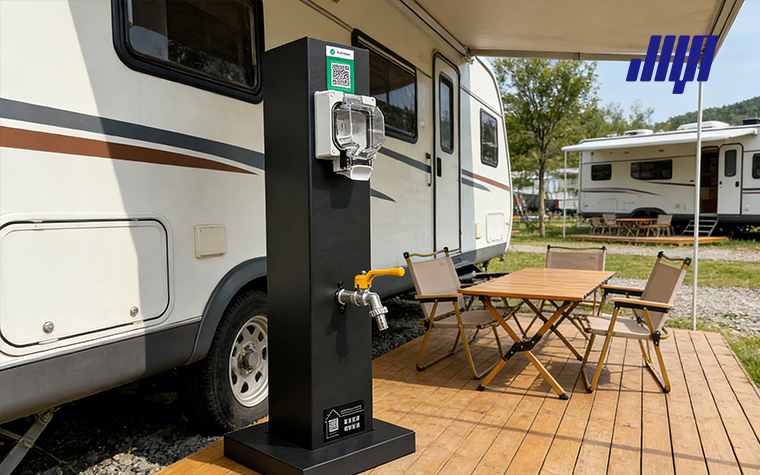
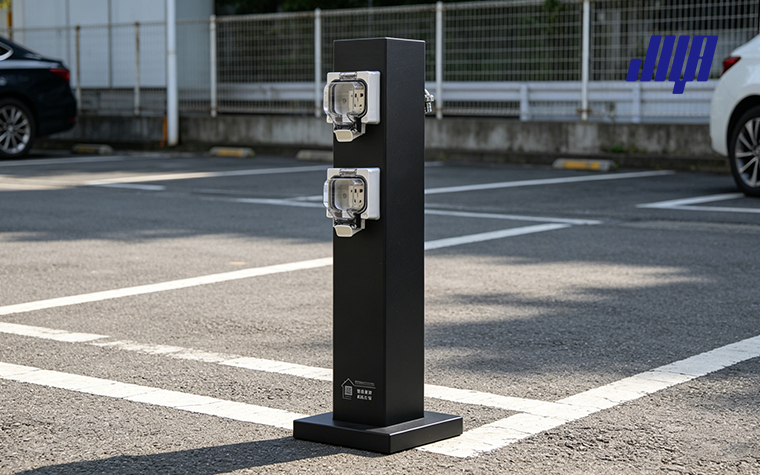
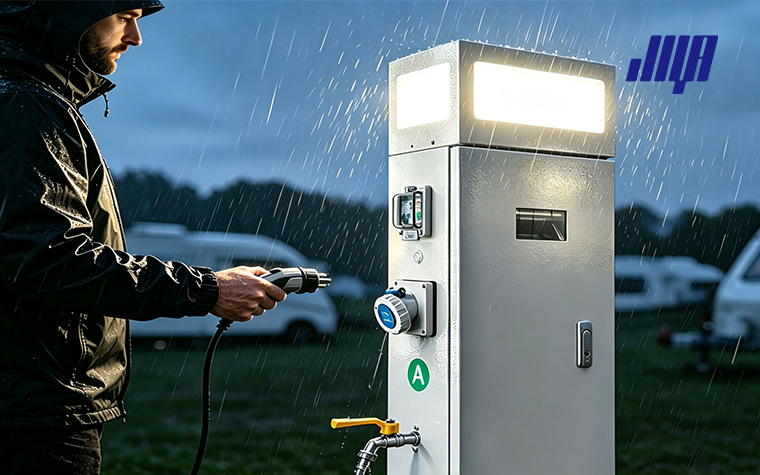
An outdoor power pedestal is a robust outdoor resistant structure designed to enable durable access to power at any terrestrial location. Such structures are regularly found in marinas, RV or camp areas, and industrial areas that require power from central distribution systems. They are usually made of stainless steel or high-impact resistant plastics to tolerate environmental conditions like rain, wind, and even UV rays. Outdoor power pedestals commonly provided are multi-phase with multiple sockets, and some models may have safety devices like circuit breakers and meters for electrical consumption. Progressed designs may include smart metering and protection against surges to enhance operational characteristics and users’ comfort. Whether it is meant to power vehicles for leisure or industrial means, such devices make it easier for people to operate without worrying about stoppages.

Key Features of Outdoor Power Pedestals

Several power outlets are placed across outdoor power pedestals to accommodate numerous devices and equipment that may be plugged in simultaneously. This ensures ease of use irrespective of the various power demands.

There are instances when a fault may cause electrical overcurrent, short-circuits, and overloads; in such a case, the outdoor power pedestal has a system called Integrated Circuit Breakers, which ensures that the fault does not damage the user or the station.

  • Smart Metering Capabilities

Smart meters perform the above functions by measuring the usage of the power consumed by consumers at different times via the digital displays of the meters. Some advanced meters even allow more accurate tracking and reporting through various apps.

  • Surge Protection technologies

Air conditioners, refrigerators, televisions, computers, and many other home appliances and office equipment are used in homes and workplaces. Since an electrical surge may result in consequential damage, surge protection is another safety best practice we include in the installation specification.

  • Weather-Resistant Design

This is because the exterior power inverter and its pedestal are in a closed rain forest with a top canopy, among other similar harsh conditions. Details of the type of environmental conditions, performance, characteristics, and stresses are specified.

Benefits of Using Outdoor Power Solutions

  • More Advanced Protection

Outdoor energy sources reduce the risks of mechanical damage events by making equipment weatherproof, including various protective designs and built-in accessories such as protectors and fuses.

  • Convenience and Reachability

The external power distribution points allow users to securely connect to a robust energy source wherever necessary without any difficulties, making it particularly suitable for use in events, building sites, recreational spaces, and homes.

  • Efficiency in Use

These options are straightforward and do not require much time to grasp the concept. These are energy-efficient units, which, when turned on, consume less energy than would usually be used. This approach helps users save money on electric expenses while using the devices at full power.

  • Durability and Longevity

These systems are suitable for any outdoor environment because they have protective materials that are resistant to harsh weather conditions and materials that generally require less maintenance, except when they are broken again.

  • Flexibility

Many outdoor power solutions facilitate multiple purposes, such as charging vehicles, mounting tools, lighting, and linking smart facilities to the external environment.

Applications of Outdoor Power Pedestals

Applications of Outdoor Power Pedestals

Outlets designed for the outside are used in different places and work to exploit off-grid and on-grid electrical power in an unproblematic way. Base level locations include

Moorings and harbors — Powering up boats and naval crafts.

Finding electrical resources in areas with facilities like campgrounds and RV parks—powering recreational vehicles and camping tools.

Residential spaces and parks within towns, such as electric poles for street lighting or charging stations in parks or for temporary power needs for any use of open spaces.
When avenues of transportation of goods and materials are cut, power is needed to operate tools and machines for infrastructure and specialized construction.

Party halls, Sports fields, and Sports halls out-of-doors — Providing power solutions for outside arrangements like music concerts, Trade fairs, and Festivals.’

These are just but a few applications where these outlets are very useful in providing power in the outer areas and are not straightforward in such situations.

Commercial Use in RV Parks

Electric charging stations in parks for commercial activities are very important for contemporary travelers and must be made available. RV parks render services which include accommodating different kinds of customers, especially bearing in mind that some customers may be staying at the motels for a short while, and some will be staying there for more extended periods, making it necessary for them to take their recreational vehicles with them, such as caravans.

This need only increases with people’s endless consumption to power their homes, charge their mobile devices, and other reasons, all the more so with the influx of electric cars. As per the most recent statistics by Google, people have increased enthusiasm for the possible benefits of an electric vehicle. Again, searching data on Google is helpful here; some users often inquire about the possibility of EV Charging in power pedestals, as it shows a search towards conserving energy and comfort. Besides providing certain user benefits, a wide range of upgrades can be introduced, thereby contributing to the competitive positioning of parks among eco-oriented clients.

Marine Applications: Marinas and Boats

Electronics offer more predictable opportunities, provided that such products are available in sufficient quantities or if there are no restrictions at all. According to the latest available Google data, many individuals have been asking how marinas can adapt to the new advances in energy without compromising on environmentally friendly ideologies.

This often means presenting power pedestals strategically developed at the docks and harbours. These pedestals provide shore power for the docked boats and are equipped with advanced energy-saving technology, curtailing energy consumption. Further, the marinas can cater to the increased number of socially responsible boaters by providing services such as fire prevention. Taking such a step unambiguously demonstrates the commitment to conservation, which is significant to approximately everybody who lives in a maritime environment or indulges in any maritime-bound activity.

Selecting the Right Outdoor Power Pedestal

Selecting the Right Outdoor Power Pedestal

When choosing the right outdoor power pedestal, you should focus on elements of extreme importance, such as strength, health, and the maturity of the pedestal. Make sure the pedestal you have selected will not quickly develop faults due to corrosion, so it should be constructed using materials that can withstand corrosion. The fact that the products meet safety specifications, e.g., circuit embracing, is perhaps another consideration; thereby, you can be spoiled with one that comes with a weatherproof enclosure. In addition to the developmental standards, the energy that will be accommodated and the users’ needs will be determined.

To achieve sustainability without a lot of hassle, choose up-to-date equipment, use energy ratings, install LED lights, and incorporate other enhanced features. For this reason, a properly chosen pedestal shall bring together efficiency, performance, strength of rain, and satisfaction.

Factors to Consider When Choosing a Power Pedestal

Several critical characteristics of a power pedestal need to be considered to perform well in operation and ensure user satisfaction. Here, we shed light on five fundamental points to look out for:

  • Power Capacity and Voltage Options

Choose a power pedestal with the required power capacity to work with most types of boats comfortably. The pedestal usually supports 30A, 50A, or any other high-power service of up to 100A. The pedestal’s operational conditions mustn’t conflict with the existing voltage requirements.

  • Durability and Material Quality

It is essential to look for the pedestal constructed of materials that can withstand different weather conditions, such as marine-grade stainless steel and reinforced thermoplastic, at a minimum. You should opt for under other weather conditions, considering UV rays, dry hot regions, and any other conditions that can result in corrosion.

  • Safety features

Moreover, the installed pedestal should have safety measures such as breakers, ELCI, GFCI in its circuit, and other walk protection in case of a serious electrical hazard. It should not be below the required state of health and safety compliance.

  • Integration of Services

Some power pedestals have energy meters to measure energy consumption, lighting systems, and docks equipped with water services. These new features help in organizational and facility management by cutting costs and offering beneficial services to users at the same time.

  • Financial versus Repair and Maintenance Reasonably

The overall financial cost of installation, long-term repair, and maintenance is also a significant factor. Look for a simple, durable design that is easy to clean and maintain. Also, consider the availability of spares and tech support.

Different Models: Leviton vs Legrand

Leviton Decora outlets are designed to be budget-friendly and user-friendly. Radiant and Adorne outlets by Legrand, on the other hand, are expensive and prioritize finishes of the highest quality irrespective of the design.

Brand

Model

Focus

Cost

Features

Leviton

Decora

Functional

Moderate

Basic, durable

Legrand

Radiant

Stylish

Lower

Satin finish

Legrand

Adorne

Premium

Higher

Advanced design

Understanding Power Ratings: 30A and Beyond

Ratings exceeding 30A and more are critical when you want to understand power ratings and be able to use them. A’30A’ represents the maximum current a system can carry and maintain its functionality. Therefore, roughly 3600 watts (120 volts x 30 amps) can be delivered without damaging the equipment. RVs, boats, and household loads primarily operate on this limit. However, the current is used reasonably for such installations as 50A or 100A, since people find industrial loads fitted with a lot of electronics, where 30A is not enough. It also depends on the nature of industrial loads, where other loads loaded with much electricity may receive 50A or 100A by necessity. To safely access the electric power and work with or without protective gear, the electrical engineer or any other trained person keen on such issues should ascertain the problem of over- or under-rating the current use of the system. Call an electrician to help you determine the best power level to use and observe local electricity installation and use laws.

Maintenance Best Practices for Longevity

Maintenance Best Practices for Longevity
  • Inspect Systems—Inspect electrical equipment and connections regularly to monitor for wear, damage, corrosion, and issues. Precipitate any abnormalities, noting signs of imminent worsening.
  • Sanitize Parts—Do not let dust, dirt, or other substances enter the equipment to avoid blockage or performance degradation. Clean using the recommended tools and methods.
  • Functional Checks—Perform routine operational checks to assess the in-service performance of equipment and ensure that it operates correctly. This is also instrumental to the early detection of any anticipated issues.
  • Ventilation Requirements—Observe the stipulated dimensions and the requisite distance between electric equipment and other objects to prevent overheating, which leads to reduced performance and service life.
  • Manufacturers’ Recommendations—It is crucial to follow the suggested maintenance operations to ensure safety and determine a high level of operational parameters.
  • Maintenance Agreement—In fact, such equipment requires skilled people to check it is supported with the appropriate hardware; maintenance agreements are quite valid self-service alternatives to maintenance contracts.

The abovementioned practices will enable you to operate the electrical systems efficiently and ensure their durability.

Routine Inspections and Cleaning

Scheduled servicing and cleaning electrical equipment is crucial in maintaining efficacy and avoiding breakdowns. If we follow the norms set up, we are asking for inspection every year, though certain places would need such examination to be unattended for three months, or once the assessments should be carried out every month. The casual examination of electrical systems includes searching for potential problems such as poor wiring, linkage and joint deterioration, overheating, or increased. The entire device’s parts should be assessed, some enclosed, and then exposed. Inaction to ensure adequate steps to protect the cable network can result in a situation.

Moreover, it is essential to remove ingress of any type of foreign matter, such as dirt, dust, stones, etc, into bolted enclosures, rustproofed tools, ladder’s slippery parts, or the energized parts of the switchgear. The NFPA report showed that more fire accidents are due to mechanical reasons, such as short-circuited wires, common in factories and homes where most electrical equipment has not been cleaned for a long time. Such potential problems may be solved by just blowing or wiping a very absorbent cloth with a soft brush over the components, and frequent cleaning due to the nature of the work ensures this.

It is also recommended that the latest testing technique with infrared cameras, “ thermal imaging or thermography,” be utilized for electrical systems, as inspections are performed in additional-voltage circuits. This preventive approach can effectively reduce the failure rate and enhance the operational life of the equipment. Considering all these approaches ensures the system’s operational and fail-safe working.

Weatherproofing Techniques for Durability

So, those structures and equipment components must be adequately protected to maintain their operational lives and resist abuses that may be unwittingly (or deliberately) wrought on the environment. Integrating intricate technologies and high-end materials can combat moisture ingress, UV radiation exposure, excessive heat and cold, and other weather-related stresses.

For instance, coatings and sealants _using quality sealants such as polyurethanes or silicones _ can effectively seal the waterproof joints. Similarly, applying water protective coatings on different systems shields them even more against weather elements such as rain or sun, as well as any other abrasive objects. This is one way that enables the control and prevention of temperature differences and heavy vapour development. Moreover, it also shields such structures from thermal stress, which can weaken and fatigue building materials with time.

Designing appropriate waterproofing methods, such as installing functional collections/gravels in the development, greatly minimizes the damage caused by water due to its lengthy retention on the exposed surfaces. Since time immemorial, chemically or mechanically bonded protective layers made of steel, cast iron, and cement have always been the preferred choice because they are all corrosion-resistant container materials.

Steel and other metals may be painted with rust-preventive coatings, while moisture measurement may be employed to prevent structure deterioration. Alternately, the degradation of the paint on steel members can be remedied by repainting. An additional method would be enhancing the strength of the paint used on the steel surfaces by choosing a more expensive, UV-resistant coating.

Combining all the proactive strategies will ensure that the structures and equipment are not destroyed anytime soon, even while their aesthetics are preserved in harsh weather conditions. The following section is Analysis of Basketball AESTHETICS in Basketball Climatology.

Reference Sources

  1. Study on Cancelling Closing Resistor of Circuit Breaker in Long Distance Outlet of 500 kV Power Plant
    • Authors: Lou Ying et al.
    • Publication Date: 2022-04-01
    • Summary: This study investigates the feasibility of cancelling the closing resistor in a 500 kV circuit breaker for long-distance outlets. The authors used simulation software to analyze switching overvoltage levels and flashover rates, concluding that the long-distance outlet can operate effectively without a closing resistor(Ying et al., 2022, pp. 1456–1461).
  2. Understanding of Outdoor Insulator Characteristics through Leakage Current and Electrical Equivalent Circuit
    • Authors: Suwarno
    • Publication Date: 2021-10-05
    • Summary: This paper discusses the behavior of outdoor insulators under various environmental conditions, emphasizing the importance of understanding insulator performance to prevent failures in outdoor electrical systems(Suwarno, 2021, pp. 1–6).
  3. Investigation of Track and Thermal Shock Crack Resistance in Outdoor Cycloaliphatic Electrical Insulating Materials Using Response Surface Methodology
    • Authors: Sadegh Ghanbar et al.
    • Publication Date: 2020-06-01
    • Summary: This research focuses on the performance of cycloaliphatic insulating materials used in outdoor electrical applications, applying statistical methods to evaluate their resistance to thermal shock and tracking(Ghanbar et al., 2020, pp. 148–153).
  4. Top Custom Stainless Steel Parts Manufacturer And Supplier In China

Frequently Asked Questions (FAQs)

What are weatherproof outdoor power pedestals?

Weatherproof outdoor power pedestals are electrical units designed to deliver reliable power in outdoor spaces. They feature durable construction and are built to withstand harsh environmental conditions, making them ideal for commercial applications, RV campsites, and various outdoor settings.

How do I choose the right receptacle for my outdoor power pedestal?

When selecting a receptacle for your weatherproof outdoor power pedestal, consider the electrical configuration needed for your application. Look for options that provide convenient power, such as 2-gang receptacles that allow multiple devices to be plugged in simultaneously.

What features do the lighthouse SS power pedestal offer?

The lighthouse SS power pedestal boasts several standard features, including lockable compartments for safety, high-quality materials for durability, and customizable configurations that suit a variety of outdoor power needs. These features ensure that you have versatile and reliable power wherever you need it.

Can I use a Newport Harbor mate with my power pedestal?

Yes, the Newport Harbor mate can be integrated with your weatherproof outdoor power pedestal. This combination allows for efficient power delivery to your outdoor spaces while maintaining a sleek and aesthetic appearance, perfect for residential or commercial environments.

What are dock power pedestals and how are they different from other power pedestals?

Dock power pedestals are specialized outdoor power pedestals designed for marine applications. They typically feature configurations that accommodate marine electrical needs, including low voltage options and water-resistant designs, making them ideal for docks and waterfront properties.

How can I customize my weatherproof outdoor power pedestal?

You can customize your weatherproof outdoor power pedestal by selecting different receptacle types, configurations, and finishes to match your specific needs. Options may include dual receptacles for simultaneous device charging or additional features like USB ports for convenience.

Are power pedestals designed to withstand extreme weather conditions?

Yes, weatherproof outdoor power pedestals are designed to withstand extreme weather conditions. They are constructed from durable materials that resist corrosion, moisture, and UV damage, ensuring long-lasting performance even in harsh environments.

What is the significance of having a reliable power source in outdoor spaces?

A reliable power source is crucial in outdoor spaces for powering various devices, from lighting and entertainment systems to charging stations for RVs and boats. Weatherproof outdoor power pedestals ensure that convenient power is available for all outdoor activities, enhancing the usability of these spaces.

What are firehouse power pedestals, and where are they used?

Firehouse power pedestals are specialized outdoor power units typically used in fire department facilities and emergency response locations. They provide reliable power for equipment and vehicles, ensuring that first responders have access to necessary electrical resources during emergencies.

How do Hatteras power pedestals differ from standard models?

Hatteras power pedestals are designed with unique features tailored for coastal environments. They often include enhanced corrosion resistance and specific electrical configurations that cater to the needs of boats and marine applications, making them a popular choice for waterfront properties and marinas.

RV Outdoor Power Pedestal – Power Outlet Solutions

For RV lovers, possessing a functional and dependable power structure is imperative as it inches toward a peaceful and exciting vacation. The RV power pedestal is the family laid at the core of this system, ensuring that the vehicle does not go without power when in motion. What are the pedestals simply made of, and on which principle do the different halls and ventures they fit have a say in maintaining the power balance of your RV? This is the power system for RV Components that was explained to you.

We’ll also explain the different plugs and other ad hoc accessories for security and convenience so you can run an RV properly. Traveler or not adept in the Recreational Vehicle Principles, you will have been empowered with enough knowledge through this series to know how to run your RV and make rational choices regarding your power arrangement from here to there.

Introduction to RV Power Pedestals

Introduction to RV Power Pedestals

RV power pedestals or electrical hookups are widely used at larger recreation vehicle campsites and RV parks. These connections usually provide them with 20-amp, 30-amp, and 50-amp shore power connections that accommodate most RV power requirements.

These are designed in such a way that they can be easily accessible and also provided with various security measures for easy and convenient operation with the power to run your appliances, recharge the batteries, and power any necessary system intact during the period of your stay. It’s also advisable to ensure that your RV can handle the power in the pedestal, but only after ensuring it is not damaged.

What is an RV Power Pedestal?

An RV power pedestal is a stand full of insulating hutches commonly placed in camping grounds, RV parking spaces, and marinas. These pedestals have standard power plugs, such as the 20-amp, 30-amp, and 50-amp plugs, to fit the diverse power requirements of RVs of various sizes.

Up-to-date models of RV power pedestals are additionally equipped with electrical mechanisms such as limit-breakers, shields against rain, lightning, overmount vault protection systems, wall enclosures, back-to-the-top terminal blocks, virus interfaces, and wall sockets. It is designed not to overcome the load of any household item, be it electronic equipment, lighting, Refrigerators, Freezers, Heaters, Coolers, Fans, or charging up the car battery. Great attention applies in this activity in these situations to the best level of care when it comes to making it a practice.

Importance of a Reliable Power Supply in RV Parks

Having a constant power source in RV camps is essential, adding comfort, security, and ease of travel. Contemporary RVs are equipped with various electronics, such as a fridge, air conditioning, and even systems for entertainment and illumination. This makes it possible to manage these conveniences, but one needs a source of energy, which makes it a necessity. Moreover, this way, one can charge electronic gadgets safely, such as mobile phones, laptops, and even lifesaving medical equipment, so that connectivity and readiness are always available.

A lack of power creates an impediment to some services, such as providing a peaceful and habitable ambience to guests, which absorbs the entire perimeter of a travel destination, wreathed in inclement weather. It is clear that the elevated categorization of campground facilities includes requirements for power-related aspects and copes with many power concerns.

Overview of Different Types of RV Power Pedestals

Some types of RV power pedestals are unmetered, metered, lighted, mild steel, stainless steel, and multi-utility.

Type

Features

Material

Usage

Special

Unmetered

Basic outlets

Steel

Standard RVs

Cost-effective

Metered

Tracks usage

Steel

Billing needs

Accurate billing

Lighted

LED lighting

Steel

Night use

Enhanced safety

Stainless Steel

Corrosion-resistant

Stainless

Harsh weather

Durable

Multi-Utility

Power, water, comm.

Polycarbonate

Premium RV parks

All-in-one

Functionality of RV Power Pedestals

Functionality of RV Power Pedestals

RV Power Pedestals supply power to recreational vehicles. They come with connections at different power ratings, including 20A, 30A, and 50A, to accommodate different RV requirements. Operating some appliances inside becomes even easier because the pedestals allow powering and even heating or cooling facility operation, appliances, and charging devices.

Moreover, where the consumer must use such facilities, they are usually ‘user-friendly’, incorporating covers that can withstand extreme weather conditions, circuit breakers, meters for recording and monitoring usage statistics, etc. It is possible to conclude that by supplying stable power, RV power pedestals make the traveler’s life more comfortable and convenient on camping grounds and RV parks.

How RV Power Pedestals Work

An RV power pedestal is a box equipped with electrical connections for an RV on one side and the campground electricity supply on the other. When powered, these cabins are usually supported by the central electric power system or a generator. In actual use, these cabins and caravans are fixed with lighting and appliance loads; in this case, power flows through these loads. Internally, these cabins are provided with wiring and protective devices like circuit breakers to ensure such power is available and safe. Protective devices like lightning arrestors, surge protection, and voltage regulation can be installed to protect the RV occupants’ equipment from electrical damage caused by power spikes.

The crocks need to be locked so that the power fuses do not trip in the event of an unexpected power rise. The RV power level and appliances’ matching are adjusted to the RV power cord to maintain the load within the most efficient limits and not exceed them.

Types of Outlets: 20 Amp, 30 Amp, and 50 Amp

There are 20-amp outlets, which service basic household electricity loads, 30-amp outlets, which can feed electricity loads that are a bit higher, such as those in small RVs, and 50-amp outlets, which are employed essentially for the largest RVs.

Type

Amps

Watts

Prongs

Usage

Features

20-amp

20

2,400

3

Household

Basic appliances

30-amp

30

3,600

3

Small RVs

Limited devices

50-amp

50

12,000

4

Large RVs

Multiple devices

Understanding GFCI Receptacles and Their Importance

GFCI receptacles are mechanisms that are designed to prevent the electric current from reaching someone who could be susceptible to it. For instance, water is a good conductor of electricity and poses the danger of causing an electrical shock to the subject. These features are an alternate type of circuit breaker that can detect the leakage in the active wires and immediately operate and cut the circuit as a safety measure. In the long term, the insulation failure allows current to return to the electromagnet winding, making the assembly vulnerable to breakdown, generating a spark that ignites the fuel-air mixture injected by the injector. These conditions, called ‘reluctance’, lead to articulation loss, noise, and inefficiencies.

Recent statistics reveal that GFCIs have significantly reduced home electrical-related deaths and injuries since their advent. Their popularity is therefore not just as safety mandatories, but also desperately needed measures to counter the pitfalls of electricity in the contemporary world.

Choosing the Right RV Power Pedestal

Choosing the Right RV Power Pedestal

A suitable RV power pedestal must consider three significant factors: compatibility, output power, and safety. Current and heat must be used appropriately, with standard overcurrent devices used for the overcurrent protection portion of the NEC requirements about motor circuits. Similar units made of polyethylene or polyurethane may have special sanitary compliance. Review the unit operation and safety instructions, and review generally accepted industry practices. If possible, look at actual product labels or instruction sheets; do not say, consult with the manufacturer.

Factors to Consider When Selecting a Power Pedestal

  • Electric Current Tips

In most cases, the standard sizes are 30-amp and 50-amp power pedestals. Once you have determined the dimensions of the desired amount of electricity supply and how large your RV or equipment will be, purchase a power pedestal that fits right. While too large a consumption brings the risk of a trip breaker, too small a consumption will cause the power pedestal to overheat and be in short supply.

  • Incorporation of Safety Devices

Go for power pedestals that have protection devices like Head trip, ground fault circuit interrupters, and surge arrestors placed within them. Such devices prevent electrical faults from interrupting the flow of power to the RV or its appliances and also protect against overvoltages.

  • Strengthening of the Design and the Prevalence

It is necessary to select materials in manufacturing models that meet outdoor usage requirements, like heavy-duty or powder-coated sheet metal. This enhances the duration of use and prevents the adverse effects of weather that may ruin the power pedestal. Therefore, the company is committed to supplying durable power pedestals, including tailgate supplies.

  • Proper Receptacles and Outlets

Check that the power pedestal has the required receptacles tailored to your RV’s or the device’s plug formations. In general, several kinds of outlet configurations such as 30-amp, 50-amp, and normal 15-amp circuits are typically provided.

  • Check the Ratings and User Opinions

Check in particular that the pedestal is compliant with laws and safety standards such as UL or ETL and appropriate for use before purchasing. Additionally, user reviews should be taken into consideration, and reasons why people are happy and not-so-happy with the particular device should be sought.

After analyzing such aspects, one can make the right choice of a robust, enduring, and safety-compliant power pedestal that will serve its purpose well.

Comparing Unmetered vs. Metered Options

Non-metered pedestals allow access to power at a fixed rate, whereas in metered service, power usage is billed to each specific customer.

Type

Billing

Usage

Cost

Ideal For

Unmetered

Flat-rate

Unlimited

Fixed

Small parks

Metered

Per usage

Tracked

Variable

Large facilities

Top Brands: Powerhouse SS and Lighthouse Power Pedestal

To properly compare Powerhouse SS with Lighthouse Power Pedestal and make an informed decision, it is essential to outline the products’ significant selling points and their benefits. Sufficient information is on what constitutes Powerhouse SS’s strength, including. Still, it is not limited to superior build, high-quality, and long-lasting materials used, and onboard safety mechanisms that can be called ‘tough’.

It may be even necessary to upgrade to ‘tough’ for some locations like high-traffic marinas or RV parks where tapping into a stopping power or moving facility is utterly crucial. For instance, the other solution, Lighthouse Power Pedestal, is very nice in terms of contemporary looks, energy efficiency, and other functions such as advanced metering for the benefit of the system without any lessening of aesthetics.

Although both brands offer different services, one must still evaluate which is a better option by taking into account the specific environment, usage, financial limitations, and what components should be included. Comparing these two also ensures that the investment in the power pedestal is beneficial and serves the intended market very well.

Maintenance Tips for RV Power Pedestals

Maintenance Tips for RV Power Pedestals
  • Performing Inspections—Examine the power pedestal for any visible damage, including cracks, rust, and exposed wiring, and fix the problem on time to avoid safety concerns.
  • Scrub Connections – Use a clean, dry cloth or direct treatment with electrical contact cleaner to clean the electrical connections to prevent drying and improve performance.
  • Are There Any Damp Places – Check if any moisture has entered the pedestal or its surrounding vicinity, preventing the occurrence of damage by water. Make sure rain or humid conditions do not damage equipment by putting on special covers.
  • Tripping the Circuit Breaker – Test the circuit breaker installed within the pedestal more often than not, and make sure it operates as it should operationally. If it fails to trip, the circuit breaker may need to be changed
  • Lock Fasteners – Enhance stabilization and evade dangers by applying power to loose elements, machines, or gadgets.
  • Turn Off the Power When Not Using It—To prevent damage, it is highly advised that you unplug from the pedestal before you turn off all switches to prevent the power from going down on the equipment.

By following these hints, one can ensure that the RV pedestal will work safely and efficiently for many years to come.

Routine Maintenance Checklist

  • Check for Physical Damage Regularly—Survey all parts of the RV power stand for cracks, grime, age, any visible damage, and even scars. Make sure that all pipes and connectors are connected and free of corrosion.
  • Check the Power Supply—The reader should use a surge protector or tester to measure the voltages on the pedestal rather than resorting to the entire electrical system.
  • Check the Circuitry – Ensure that the breakers are properly operating and tripping as expected, and that the Dwegt is operating periodically.
  • Scrub the Connections—Simply get a damp cloth and clean off the plugs and socket lips to avoid them accumulating grime. The latter is known to cause poor contact and wear and tear on the contacts.
  • Test the Grounding Arrangement—The caravan’s safety will only come from an efficiently working earthing system, so some kind of protection against power surges or short circuits is needed.
  • Protect the Area – Do not allow objects such as residue of leaves, etc, to be placed around the power pedestal, which may even cause significant or accidental fire breaks in case it is noteworthy to remove.

In conclusion, complying with the above procedure will help protect your RV’s power pedestal and ensure good working efficiency and safe operation. Regular servicing will eliminate unexpected occurrences and continuous early equipment retirement, allowing further and unforgettable travels.

Troubleshooting Common Issues

One cannot begin a solution without first locating the cause of the problem. The following are causes and remedies for some common power pedestal problems.

  • Lack Of Power Output

If you find that no light is coming from the pedestal, ascertain if the reason might be that the circuit breaker has gone off, and if so, switch it back on. Also, check out and install a code-conforming power cord. Assuming it is still unresolved, a voltmeter should be equipped to measure the amount of electricity on the pedestal outlet. With no readings available of the position, the staff of either campground or establishment should be called.

  • Too Low Voltage

Low voltage is an electrical problem that can cause total inadequacy of your RV’s electrical system. The general rule of thumb is to get a surge protector with a built-in EMS (Electrical Management System) that manages the voltage. If the pressure is low, regardless of whether it is too frequent, either acquire an elevation transformer or have the responsible personnel fix it.

  • Hot Plug Or Receptacle

A hot link or a rating connection most often causes overheating. Look at the entry power cord plug and the pedestal receptacle base for damage or burns. When any burnt component dies, change it out and install a good one, ensuring that there is no play to prevent burning even more.

  • Energizing on and off

No electricity in the system occurs due to a faulty wiring line, fuse blockage, or connection loss. With the power cord, check if there are any broken parts and if all the connections are in place. Last but not least, in such a case, bring a voltmeter and test the pedestal or call the relevant experts.

  • GFCI Outlet Continues to Trip

The Ground Fault Circuit Interrupter (GFCI) outlet is designed to trip out power when there is a ground fault. Frequent tripping points towards too much water, materials that do not function well when wet, or the temperature on the ground due to its condition, etc. Now, check for loose cords and appliances after all detachments, then clear out any sources of moisture before re-fitting the outlet.

If you proactively tackle these issues, you can ensure the safe and stable fixation of electrical connections in your RV, which is essential for a smooth camping experience.

Reference Sources

  1. Replacement of HPS Luminaires with LED Luminaires for the Lighting Requirements of an Outdoor Electrical Substation
    • Authors: M. Khan, Shivek Reddy, A. Swanson
    • Publication Date: 2023-06-08
    • Conference: 2023 IEEE Sustainable Smart Lighting World Conference & Expo (LS18)
    • Summary: This study evaluates the transition from High-Pressure Sodium (HPS) luminaires to LED luminaires in outdoor electrical substations. The authors conducted a comparative analysis of lighting designs using both types of luminaires, focusing on energy efficiency and cost-effectiveness. The findings indicate that while more LED luminaires are needed to achieve equivalent lighting levels, the overall life cycle cost is lower due to energy savings and reduced maintenance needs. The study utilized DIALux lighting design software for simulations and included a life cycle cost analysis to support its conclusions(Khan et al., 2023, pp. 1–6).
  2. Study on Cancelling Closing Resistor of Circuit Breaker in Long Distance Outlet of 500 kV Power Plant
    • Authors: Lou Ying et al.
    • Publication Date: 2022-04-01
    • Conference: 2022 7th Asia Conference on Power and Electrical Engineering (ACPEE)
    • Summary: This paper investigates the feasibility of cancelling the closing resistor in a 500 kV circuit breaker for long-distance outlets. The authors used the ATP-EMTP program to analyze switching overvoltage levels and flashover rates. The results suggest that the long-distance outlet can operate effectively without a closing resistor, relying solely on line arresters to manage switching overvoltage. This study improves the reliability and efficiency of high-voltage power systems(Ying et al., 2022, pp. 1456–1461).
  3. Investigation of Track and Thermal Shock Crack Resistance in Outdoor Cycloaliphatic Electrical Insulating Materials Using Response Surface Methodology
    • Authors: Sadegh Ghanbar et al.
    • Publication Date: 2020-06-01
    • Conference: 2020 IEEE Electrical Insulation Conference (EIC)
    • Summary: This research focuses on the performance of cycloaliphatic insulating materials used in outdoor electrical applications. The authors applied Response Surface Methodology (RSM) to evaluate the effects of various factors on thermal shock crack resistance and tracking resistance. The study found that specific formulations of insulating materials significantly improved performance, which is crucial for ensuring the reliability of outdoor electrical systems(Ghanbar et al., 2020, pp. 148–153).
  4. Top Custom Stainless Steel Parts Manufacturer And Supplier In China

Frequently Asked Questions (FAQs)

What is a Powerhouse SS RV Power Pedestal?

A Powerhouse SS RV power pedestal is a robust electrical unit designed to provide reliable power access for RVs at campsites. These pedestals typically feature multiple power outlets, including 30-amp and 20-amp options, making them versatile for different RV power needs.

How do I install a Surface Mount RV Power Outlet?

To install a surface mount RV power outlet, ensure you have the appropriate electrical layout and follow local code requirements. You will typically need to secure the outlet to a flat surface and connect it to your electrical power source, ensuring it is protected from outdoor elements.

What types of breakers are compatible with RV Pedestals?

RV pedestals commonly use breakers rated for 30-amp and 20-amp circuits. To prevent overloading, it’s essential to choose breakers that meet your RV’s electrical requirements and comply with safety standards.

Are 20-Amp GFCI Outlets Safe for RV Use?

Yes, 20-amp GFCI outlets are safe and recommended for RV use. These outlets protect against electrical shock and are designed to trip when they detect ground faults, ensuring safety in damp conditions often encountered at campsites.

What is the Difference Between a Pad Mount and a Surface Mount RV Power Pedestal?

A pad-mounted RV power pedestal is installed on a concrete or solid base, while a surface-mounted pedestal is attached directly to a flat surface. The choice between the two depends on the specific needs of your RV site and local installation practices.

Can I Use a Marine Power Pedestal for My RV?

Marine power pedestals can be used for RVs, as they are designed to withstand outdoor elements and provide similar electrical power access. However, ensure the pedestal has the appropriate amperage ratings for your RV’s electrical needs.

What is a Lockable RV Power Pedestal?

A lockable RV power pedestal features a locking mechanism that secures the power outlet, preventing unauthorized access and potential electricity theft. These pedestals are especially useful in commercial RV parks or shared campsite settings.

How do I Choose the Right Power Outlet Panel for My RV?

When choosing a power outlet panel for your RV, consider the amperage requirements of your RV appliances. Panels typically come in configurations like 20a or 30a, and you should select one that fits your RV’s electrical layout and provides adequate power access while adhering to safety standards.

What are the Benefits of Using a Powerslide RV Power Pedestal?

A Powerslide RV power pedestal offers flexibility and ease of access for RV owners, allowing for smooth positioning adjustments. This feature can enhance convenience at RV campsites, especially in tight spaces or uneven terrain.

Commercial Outdoor Electrical Pedestal Device

Among the various casualties of the use of outdoor spaces, the presentable installation and use of an electrical system is one of the significant challenges not only in the commercial jet setup but in any setup at all. The commercial outdoor power pedestals are special facilities that go beyond the installation of utility power in the process of cable and device management, and they present an elegant, undisputed solution to sundry challenges inherent to the power configuration in the outdoor surroundings.

Such electrical cabinets can adapt to different needs, thus they are widely appreciated for use in outdoor events or for parking electric cars, for example, in shopping centers or transport hubs. The following text aims to elucidate the most common aspects and advantages of commercial outdoor power pedestals and how they contribute to modern outdoor spaces’ safety, convenience, and productivity. Stay with us to find out why these reliable solutions are impossible to do without regarding the power distribution in any commercial object.

Understanding Outdoor Power Pedestals

Understanding Outdoor Power Pedestals

Outdoor Power Pedestals are rugged, weather-proof units specifically made to provide electricity outdoors and ensure the safety, comfort, and reliability in use for inhabitants. The pedestals often bring power to lighting, charging stations, and other electrical loads in commercial and public spaces. They have multiple socket outlets, breaker protection, and enclosures that protect both people and the device. In distributing electrical systems in various containment structures, outdoor power pedestals have emerged as a must-have product since they enhance efficiency.

What is an Outdoor Power Pedestal?

It is another name for a post. This is a permanent, even better version of an extension board that is reasonably sturdy and requires minimal maintenance. These units are generally seen in marinas, RV parks, campsites, recreational parks, and other places that need electric power either temporarily or daily. To ensure safe and convenient power distribution, outdoor power pedestals are among the most used forms of power distribution in line with the country’s requirements.

People are likely to be unfamiliar with the design aspects of power pedestals because they are rarely installed in high-risk outdoor environments. Power pedestals are usually designed to include all power system equipment to enable end-user convenience for hooking up cables and getting the power needed.

Key Features of Power Pedestals

  • Weather Resistant and Durability

These electrical Bollards utilise materials such as stainless steel, for example, along with heavy-duty plastics, and they are designed to resist harsh weather conditions such as rain, snow, UV, cold, and high temperatures.

  • Energy Charge Monitoring and Metering Systems

Modern-day poles delivering power products are erected with internal sources that differentiate between sending energy and consuming energy, enabling users to understand and optimize their respective energy strengths.

  • Its Infrastructure is far better than Anything Else

The Power pedestals are available in power, water, and light packages that can be modified according to the end use.

Types of Outdoor Power Solutions

When it comes to charging the battery in remote areas, one may opt to use power banks, the best outer bank for camping, a car adapter or charger, diesel generators, petrol generators, power harnesses, sun-powered battery facilities, road batteries, and all other battery-operated devices.

Type

Power

Portability

Eco-Friendly

Noise

Usage

Power Bank

Low

High

Yes

Silent

Small Devices

Outdoor Power Bank

Medium

Medium

Yes

Silent

Camping

Car Inverter

Medium

Medium

No

Low

Vehicle Use

Gasoline Generator

High

Low

No

High

Large Events

Diesel Generator

High

Low

No

High

Industrial

Solar Power

Medium

Medium

Yes

Silent

Eco Events

Hybrid Systems

High

Medium

Yes

Low

Mixed Needs

Benefits of Using Power Pedestals in Commercial Settings

Benefits of Using Power Pedestals in Commercial Settings
  • Higher Safety Measures

Power pedestals reduce the risk of exposure to electricity. They have integrated safety features that help mitigate any electrical threats, including surge protection and GFCIs.

  • Usefulness in Wide Commercial Sectors

Able to provide power for lighting systems and construction tools, or for both instruments and equipment for the site office; this is the versatility of these containment systems.

  • Inexpensive Ways to Deliver Electricity

This is possible since power distribution equipment allows organizations to regulate energy consumption or minimize energy waste (Saving money).

  • Individuals may Obtain Several Power Pedestals as per Their Needs for Personal Usage

Despite its open-air design, power pedestals are also helpful in other harsh environments or challenging commercial places with adverse weather or pollution.

Improved Power Delivery for Outdoor Activities

Power pedestals are handy for outdoor applications for power supply, and they can be mounted high above the ground easily. And these pedestals are commonly found in places like camping, recreational centers, fishing harbors, and blue flag beaches. Without power interruptions, these energy supply provisions make it convenient to do multiple activities. Very Decorative and Functional designs for power pedestals have many cable inlets and are designed to withstand susceptible applications and provide for numerous outlets.

For some people in the leisure sector, power might be needed when they are in the wild as they go for expeditions; for others, such as those who provide in a motorhome park, power will be necessary due to the energy needs. Power pedestals meet the diverse needs of people who like the outdoors and people who do business in the outdoors, as they promote safe and purposeful use of energy.

Space Optimization and Cable Management

Space utilization and cable management are essential criteria to consider when designing whole buildings, including outdoor power pedestal systems. The cable wiring facilities in these units are compactly arranged, and numerous alternatives also help organize even a small space to achieve the maximum threshold efficiency level of productivity.

Activities like electrics for stage performance events can even be organized within the space under theatre staging, though such efforts are somewhat challenging. They place cables and charging cables in separate compartments that can be opened when needed, and do not care when the users misconnect the devices. In addition, they are also very flexible because they ensure that the cables are organized and easy to use, which is a general term that many of them apply to the customers.

Choosing the Right Outdoor Power Pedestal

Choosing the Right Outdoor Power Pedestal

Determine the requirements of the selected outdoor power pedestal to cover its main parameters, such as what it is made of, how long it can be used, and how it can be operated. Consider civic outdoor events or temporary establishments like cords or cables if all grain fails. Specifically, consider the number and design of plug-in sockets and the total amperage available for power devices.

 Supplementary enhancements, such as over-voltage protection or electrical resistance formation, can improve electrical safety. Installation and maintenance should also be considered at the time of selection to enable high levels of efficiency long after use.

Factors to Consider: Size and Power Needs

Power generation is a complex process requiring individuals to analyze the physical dimensions and power requirements of an area where power is produced. Below are five factors:

  1. Amount of current in the resource: It is important to advance the right level of amperage that the resource can muster, or one can attach equipment to it, for example, 30A, 50A, etc.
  2. Branches: Check how many branches he or she has, if necessary, and the outlets where an attachment may be used. They are trendy for today’s generation.
  3. Acceptance of Lick Voltage: This aspect should be observed to determine whether the power pedestal matches the devices’ voltage of either 120 volts or 240 volts.
  4. Size Projections: Given the issues, it cannot be overstated enough. Any further component of the facility would not be considered. When doing this activity, pay regard to how the erect object is situated in its immediate environment with respect to the attachment height.
  5. Potential for Enhancement: On a more theoretical aspect, consider this: Has the pedestal been treated so that it can accommodate more attachments in the future, such as extensions or advanced gadgets from the manufacturers, to match the intended power consumption?

Understanding NEMA Ratings for Outdoor Use

NEMA protection ratings, or National Electrical Manufacturers Association standards, are essential in the choice of equipment for outside usage and are indicative of the ability of the enclosure to withstand various environmental conditions. By these ratings, users of particular things can understand the maximum amounts of rainfall, dust, and other factors that can cause damage and destroy the equipment. For instance, a NEMA 3R rating is weatherproof against splashing water up to 60 degrees, which allows this protection to be utilized in standard outdoor environments. In contrast, a NEMA 4 or 4X rating offers impediments to water, toxicological agents, and even direct
water jets, hence may be utilized in more severe conditions. In essence, en(ID): ar0212 fund-seminar no_v2_15 151 standard these energy telegram electronic materials can be produced less draft20 with this rating, the consumer does not mind using or can be satisfactorily or comfortably used without falling apart or being damaged under the varying weather conditions whenever one wants to use it.

Comparing Products: Leviton vs. Legrand

While Leviton aims at cost-effective technology solutions, Legrand offers technology that focuses on design and advanced features.

Brand

Cost

Design

Durability

Features

Target Use

Leviton

Moderate

Functional

High

Standard

General Use

Legrand

Higher

Stylish

Moderate

Innovative

Premium Spaces

Applications of Outdoor Power Pedestals

Applications of Outdoor Power Pedestals

Outdoor power pedestals are indispensable when providing secure and consistent electricity supplies outdoors. These are used in different areas for various purposes:

  1. Function Areas: Music concerts, festivals, and public meetings that take place in various locations often require the use of power supplies.
  2. Leisure Places: Some recreational locations, including parks, camp sites, and marinas, provide lighting, charging, and power equipment.
  3. Service Areas: For construction works and during hot weather, these structures are mounted and trenchless and returned to temporary uses such as power supplies.
  4. Homefronts: As people love celebrating annual memorial days and all kinds of parties, the columns are necessary to establish a temporary kitchen, to provide additional lighting, to their houses to put up facilities to rent like inflatables and mobile discos.

These tall properties signify extensive requirements relating to the column SCV at every sequence, enabling seamless conduction to proceed easily..

Powering Events and Festivals

The power distribution is crucial for successful event and festival hosting because it ensures that all equipment, vendors, and activities are connected to a reliable power source. Temporary power stands come to the rescue because raw voltage is channeled to these stands to be convenient, safe, and appropriate for any different services offered, including lighting, sound systems, food vans, etc.

And yet, it is evident from the search trends that there is more resonance for portable adaptable energy right now, and in the case of large gatherings, even for considerable audience groups. This is why the ratio of such systems is gradually increasing for industrial purposes. Searches, including compatible power sources, are high, which predisposes the new power system style to consider ‘green power’, and hence, the appropriate support structure when involving event centers.

Use in Parks and Recreational Areas

Considering the most recently collected data by the Google search engine, it is clear that advanced forms of energizing facilities, such as parks, fun for children, and related infrastructure, are on the rise. Nowadays, people request charging infrastructure for devices’ cameras, safety-related lighting in the evenings, and power outlets where they can buy food from and participate in events.

This transition highlights the necessity of equipping such places with certain conveniences like power stations so visitors can avoid using non-renewable power units and improve their power status. Unlike traditional poles, park facilities can even integrate other forms of poles, such as solar energy, which are tremendously environmentally friendly forms of reinforcing public resorts.

Reference Sources

  1. The Performance and Impact of LED Floodlights in an Outdoor Electrical Substation During Misty Weather Conditions
    • Authors: M. Khan, Shiv K. Reddy, A. Swanson
    • Publication Date: 2023-06-08
    • Conference: 2023 IEEE Sustainable Smart Lighting World Conference & Expo (LS18)
    • Summary: This study investigates the transition from traditional high-pressure sodium (HPS) floodlights to LED floodlights in outdoor substations. The authors conducted tests to evaluate the performance of LED floodlights under misty conditions, addressing concerns about visibility and cost. The results indicated no significant difference in visibility between LED and HPS floodlights under foggy conditions, supporting the technical viability and financial feasibility of using LED technology in outdoor electrical applications(Khan et al., 2023, pp. 1–6).
  2. Outdoor Performance Analysis of Mono-Si and Poly-Si Solar PV Panels in the Philippines
    • Authors: Jeark A. Principe et al.
    • Publication Date: 2023-07-07
    • Conference: 2023 IEEE/IAS Industrial and Commercial Power System Asia (I&CPS Asia)
    • Summary: This paper evaluates the performance of monocrystalline (Mono-Si) and polycrystalline (Poly-Si) solar photovoltaic (PV) panels in outdoor conditions. The study involved simultaneous experiments to compare energy performance, considering factors like irradiance and module temperature. The findings revealed that Mono-Si panels outperformed Poly-Si panels in energy yield and efficiency, highlighting the importance of material choice in outdoor electrical applications(Principe et al., 2023, pp. 1464–1469).
  3. Improvement of the Electrical Performance of Outdoor Porcelain Insulators by Utilization of a Novel Nano-TiO2 Coating for Application in Railway Electrification Systems
    • Authors: P. Muangpratoom et al.
    • Publication Date: 2023-01-03
    • Journal: Energies
    • Summary: This research focuses on enhancing the electrical performance of outdoor porcelain insulators using a nano-TiO2 coating. The study involved testing the insulators under various conditions to measure their flashover voltage and performance under electrical stress. The results indicated that the nano-TiO2 coating significantly improved the insulators’ performance, making them more suitable for outdoor applications in railway electrification systems(Muangpratoom et al., 2023).
  4. Top Custom Stainless Steel Parts Manufacturer And Supplier In China

Frequently Asked Questions (FAQs)

What are the options for outdoor electrical pedestal design?

Outdoor electrical pedestals come in various designs to suit different needs. You can choose from standard power options, low-voltage systems, and custom designs tailored to specific applications. The choice depends on the intended use, such as residential landscaping or commercial applications.

How tall should an outdoor electrical pedestal be?

The height of an outdoor electrical pedestal varies based on local code requirements and intended use. Generally, a height of 30 inches is standard for easy access, but some installations may require adjustments for specific applications, ensuring ADA compliance for accessibility.

What types of receptacles are available for outdoor electrical pedestals?

Outdoor electrical pedestals typically feature a range of receptacles, including standard power and low-voltage options. Some models offer 2-gang receptacles to accommodate multiple devices, making them versatile for outdoor electrical needs.

Are outdoor electrical pedestals durable enough for harsh weather conditions?

Yes, outdoor electrical pedestals are constructed with durable materials to withstand harsh weather conditions. Many feature weather-resistant finishes and robust construction that ensure longevity and reliable performance in various outdoor environments.

Can I customize my outdoor electrical pedestal?

Customization is often an option for outdoor electrical pedestals. You can select features such as the number of receptacles, the type of finish, and even additional safety features to meet specific requirements for your project or application.

What is the importance of ADA compliance in outdoor electrical pedestal design?

ADA compliance is essential for outdoor electrical pedestal design to ensure accessibility for individuals with disabilities. This includes considerations for height, reach, and ease of use, allowing everyone to utilize electrical outlets safely and efficiently.

What are the common construction materials for outdoor electrical pedestals?

Outdoor electrical pedestals are commonly made from weather-resistant plastic, metal, or composite materials. These durable constructions are designed to resist corrosion and damage from environmental factors, ensuring a long lifespan.

What are some typical applications for outdoor electrical pedestals?

Outdoor electrical pedestals have many applications, including landscape lighting, powering outdoor events, and providing electricity for commercial applications such as outdoor markets or festivals. Their versatility makes them a valuable resource in various settings.

RV & Dock Product: Electrical Power Outlet Pedestal

In outdoor electrification, RV and dock power outlet pedestal are necessary to fulfill all electrical requirements in recreational and marine environments. These may be considered commercial-grade electrical outlets and distribution boxes designed to dispense power to meet the requirements of the RV traveler and the marina owner or any campsite operator at the site. This post will discuss the main features, benefits, and applications of power pedestals for RVs and docks, clearly explaining why these are needed in the outdoors to enhance safety, convenience, and functionality. Accordingly, whether you are running a marina or organizing an RV trip, knowing about the power pedestals will create a massive difference in providing a smooth and enjoyable experience. So, stay with us as we go over everything you should know about these electric products designed for the outdoors.

Introduction to Power Pedestals

Introduction to Power Pedestals

Power pedestals are devices that provide service for reliable and safe electrical connections, usually in outdoor environments, mainly in RV parks and marinas. They form a centralized electricity hub by offering outlets or receptacles to power vehicles, boats, or other apparatuses. They may also have additional features like water hookups, lighting, and, in some cases, internet connectivity. They are built to withstand outdoor conditions and provide a consistent energy supply and an enhanced user experience to meet practical and leisure needs.

What is a Power Pedestal?

A power pedestal is a fixed, outdoor construction to supply users with electricity at recreational vehicles and car parks, marinas, campgrounds, and other outdoor places. These pedestals tend to have multiple sockets, hence serve different power needs with a wide range of vehicles, boats, and furnaces up to 20, 30, and 50 amp ratings. These days, power pedestals may also have other attachments such as water spigots, internet, and LED lamps, making it more practical and convenient for people.

New information shows that the recent trend in developing more environmentally friendly forms of power pedestals over traditional ones has become very popular. More developed versions also come with innovative metering components to help operators remotely monitor and manage their energy usage. These power pedestals also help reduce overhead costs, which is particularly valued by establishments that wish to be environmentally friendly.

Data released by the utility infrastructure industry claims that more than 70 percent of RV parks in North America now employ contemporary power pedestals with advanced safety features and other enhancements, such as fault interruptions. As such, the pedestal designs operate under harsh climate situations and bear extensive usage, hence providing reliable power provision while observing recent standards like the UL-listed safety evaluations. Today, power pedestals are an extensive component of outdoor platforms and have been put to use thanks to their sturdiness, ease of use, and newness.

Benefits of Using Outdoor Power Pedestals

  • Efficient Discharge of Electric Energy

Power stations are elements with a high-grade capacity to deliver electric power uniformly over a wide range of areas, such as RV parks, marinas, and venues for various events. They have robust construction, which reduces the chances of breakage and interruption of the power supply.

  • However, casing all that is a reliable power distribution network

These outdoor-rated power products are designed to be used in very aggressive environments such as those subjected to heavy rains, snow, or high temperatures. This and other structural properties keep them free from corrosion when used as intended in an external setup.

  • Preventative Measures

Ground faults, surge protection, and many other protection measures are incorporated into all designs of these outdoor power posts to prevent situations that have led to the destruction of property and even the loss of lives in the past.

  • Ability to Change: Communicating with the Consumer

Power pedestals can be adjusted to the needs of any consumer, with a variety of power sockets, specific lighting, meters, and so on. Options to interact with tailoring the specifications to individual locations are present.

  • Compliance with Regulations and Guidelines

Outdoor power stations are made according to strict requirements and are listed in the UL standard. They also meet the National Electrical Code (NEC) requirements, thus ensuring reliable and secure operation.

Common Applications of Power Pedestals

  • Camping and Recreation Vehicle (RV) Parks

RV users are known to use power pedestals widely in RV parks to enable them to safely and efficiently connect to the power network while camping. These power pedestals can have several outlet configurations and may be fitted with extras like water inlets and lighting.

  • Another possible use of power pedestals is at sea in marinas.

Those pedestals typically enable the connection of power to boats at the pier. Such power pedestals are created to operate in the highly aggressive marine environment and may contain accessories like a water supply or internet access.

  • Another example is in places where there are temporary sites for construction works.

Indeed, the sites for the works in progress utilize power pedestals in most cases to distribute electricity more conveniently and cheaply for the use of operated equipment, considering safety, without the need to mount it on a permanent basis.

This use is also common for some power pedestals, especially in outdoor offices or halls where concerts or festivals are taking place.

Power pedestals in public parks allow users to charge their various electrical gadgets, use the power for mowing, blasting trees, and weed clearing, and provide different kinds of lighting; therefore, such public facilities are more comfortable for users.

Comparing Top Brands of Power Pedestals

Comparing Top Brands of Power Pedestals

Eaton, Leviton, HyPower, Legrand, Charles Industries, Hubbell, ABB, Landscape Forms, and Dock Builders Supply are the leading power suppliers.

Brand

Material

Usage

Power (Amps)

Features

Price Range

Eaton

Stainless

Marine, RV

20-400

Weatherproof, LED

$600-$1,800

Leviton

Polycarbonate

Commercial, RV

20-100

Modular, Durable

Customizable

HyPower

Polycarbonate

Marine, RV

20-400

Modular, CATV

Customizable

Legrand

Aluminum

Public Spaces

20-100

Sustainable, Compact

Customizable

Charles Industries

Aluminum

Telecom, Marine

20-100

Surge Protection

Customizable

Hubbell

Aluminum

Industrial

20-100

Energy Efficient

Customizable

ABB

Polycarbonate

RV, Marine

20-100

UV Resistant

Customizable

Landscape Forms

Aluminum

Public Spaces

20-100

Aesthetic Design

Customizable

Dock Builders

Aluminum

Marine

20-100

LED, Compact

$600-$1,800

Legrand Power Pedestals

The manufacturing process of Legrand power pedestals includes many features that enhance longevity and adapt to its surroundings, and these solutions can be tailored to specific conditions. The design is generally outdoor-facing, and there are transportable pole pedestals made of weatherproof material that may be installed in public places, caravan,s and campgrounds. Besides their modular (removable and adjustable) feature, the steel bollards, legs, or other umbrellas can be integrated as containers for electrical installations or for the service connection of luminaries and other materials. To meet these needs, Legrand, where applicable, also includes energy-saving solutions in their designs to minimize environmental degradation and save on operational costs.

Custom and Lockable Options

Legrand’s pedestals come with a diverse array of customizable options, and locks are built into them according to the safety and aesthetic views of people in different sectors. These configurations are user-specific so that, whether for business use or pleasure, users will always have what they are looking for. With the lock enclosures in place, electricity and other potential elements that pose danger can not be destroyed by people who may want to take the place of some elements. These towers are designed to be ergonomically sound. They can also be modified by adding new features like metering or IoT connectivity and images for branding, making them suitable for every use.

Made in the USA: Quality and Reliability

Many products that come out of the United States are synonymous with top-quality workmanship, high standards of materials, and top-notch safety and reliability features. There should be no debate that the USA-made goods are among the best in the world, particularly because of the relentless tests on these products and the overall manufacturing process, which keeps quality consistent. American manufacturers are said to have created the ethos of ‘betterment’ which assists in meeting the ever-changing needs of its consumers. Also, making products locally means helping the local economy, making clear ethical considerations in production, and having a smaller carbon footprint in transport. For a reason, ‘Made in the USA’ labeled products are still quite preferred when finding The Best Brands and the Most Reliable Products.

Choosing the Right Power Pedestal

Choosing the Right Power Pedestal

When buying a power pedestal, remember that it must be suited to the function it needs to perform. How much power is required and how many outlets are needed are to be determined, in addition to checking their conformance with the local regulations. It is also essential to pick one that would guarantee its useful existence in outdoor conditions, shielded from the weather. Features like integrated electronic protection or simple accessibility are mandatory when considering a product. Look for brand reputation, preferably top of the scale, and favorable safety sheets.

Factors to Consider: Height and Size

When assessing height and size, these are essential factors to consider to ensure that the application conforms to your demands. Here are the five primary considerations:

  • Application Requirements: Establish a requirement for the actual height and size necessary for use, so as not to oversize or undersize the product.
  • Space Availability: Ensure that the intended size is not too large for the installation area and will not interfere with or reduce the area’s performance.
  • Stability and Support: Large or high objects have structural elements that enable them to resist external forces such as wind or vibration.
  • Portability: In installations where objects have to be uprooted frequently, elements that reduce air resistance and are light in weight could be developed or sold.
  • Aesthetic Integration: The height and size have to be harmonious with the environment and aesthetics for easy integration.

Electrical Standards: NEMA Ratings

NEMA (National Electrical Manufacturers Association) ratings are essential when choosing an appropriate electrical enclosure for the surroundings. These ratings are based on the enclosures’ resistance to certain environmental factors such as moisture, insects, etc. For instance, NEMA Type 1 enclosures are unobtrusive and meant for indoors, where they should block dust and light. NEMA Type 4X enclosures refer to the enclosures making the indoor and outdoor, and it remains the industrial applications. With the help of these ratings, it is always easy to select the right equipment that would help prolong safety, durability, and efficiency in a specific working environment.

Material Options: Aluminum vs. Steel

Whereas aluminium is light, resistant to corrosion, and can be reused, steel is more powerful, long-lasting, and suitable for handling heavier loads.

Material

Weight

Strength

Corrosion

Cost

Usage

Aluminum

Light

Moderate

High

Higher

Clean, Moist

Steel

Heavy

High

Moderate

Lower

Heavy Loads

Installation Tips for Outdoor Power Pedestals

Installation Tips for Outdoor Power Pedestals
  1. Opt for the Correct Location: A power pedestal should always be placed on even ground that is not flood—or water flow-prone. Also, all standard maintenance operations should entail clearance areas.
  2. Fasten the Pedestal into Place: Do not let the pedestal move with the wind or any physical contact’s exertion by using proper fastening mechanisms to connect it with its base.
  3. Take Care of the Cables: All cables, whether insulated or not, must be well sealed to prevent moisture from entering their bodies. They must also be terminated with weatherproof connectors or enclosed in conduits to prevent water ingress.
  4. Ensure installation follows the manufacturer’s directions: Ensure that installation guidelines and other safety precautions regarding the rate of work are not advanced by any specific tools or devices other than those required according to the manufacturer’s specifications.
  5. Check if the pole Functions Well: Set of the pole and run checks to ascertain proper operation and functionality, ensure safe usage, and examine integrated safety devices, among other things.

These measures will guarantee a safe and reliable installation of outdoor power pedestals.

Site Preparation and Location

Securing the proper infrastructure and identifying a favourable position for installing a power-standalone kiosk will impact the success factors of a project. Firstly, consider checking the proposed area for the stand presence concerning the stability or the ease of reaching the support of the given equipment. Therefore, it is ideal to have soil that has been well compacted at the base to prevent the erecting fixture from slanting or from becoming weak. The connection aspect in the power pedestal translation of the unit is to be attached to the correct power source inside safe boundaries without making the installation a technical headache, which further calls for its consideration regarding the surrounding utilities. Also, ensure the location complies with relevant construction and zoning laws. Installing the pedestal in an area with minimal risks of harsh environmental components is also preferred, but it is also easy to reach for maintenance. All this will help you achieve an effective structure, considering all these points before you begin any work on the ground.

Wiring and Circuit Requirements

According to Mercier, properly connecting wiring and hard-shell casing is a fundamental requirement for any electric installation’s safe and effective functioning. First, determine the correct size of the wire and the circuit’s construction to match the capacity of the equipment served. Use wires rated for voltage and amperage to avoid the under-rated cables that lead to burning and short circuits. Grounding should be by the safety code to minimize equipment damage and the possibility of shock. Putting circuit breakers or fuses in the electrical circuits also prevents short circuits or overloading in the circuits. Finally, following the National Electrical Code or other local standards relevant to wiring design must be followed to achieve conformity and protection of this network.

Weatherproofing and Durability Considerations

Concentrating on the weather resistance of all kinds of electrical installations is necessary, especially in the significant rate of outdoor environments. Electrical components, which are often affected by external factors viewed in nature, such as rain, dampness, fluff, and air temperatures, are supposed to be preserved, and the safety precautions taken with efficiency. As some studies along with professional standards have shown, specifically in areas of electrical installation, the enclosing of Class II equipment in a weatherproof electrical enclosure grade IP65 or greater will protect it from dust and water particles. These enclosures, fabricated to order with polycarbonate and stainless steel fittings, continue to be the most sought-after enclosures because they are corrosion-resistant and weather-resistant.

In addition, weatherproof double compression cable glands and connectors can keep out moisture in circuits. Enclosed systems should also be protected with waterproof coatings such as silicone rubber compound over joints and skirting ends. It is evident that most main cum local reasons of breakdowns of electrical installations outside are non-compliance with the weatherproofing principles. They are the greatest, as 40% of electrical faults occur due to dampness, without giving details such as the type of weathering agent, concentration, etc. It will be ideal to use solar and heat-treated materials to protect the installation materials from destruction caused by sunlight and heat in places with sharp weather fluctuations. The procedures of systematic round-the-clock preventive checks and technical servicing inspections for detecting and rectifying a fault before it causes danger or even avulsive epilogue of electrical infrastructure outside also can’t be overestimated.

Reference Sources

  1. Simulation Study on UHF Signal Propagation Characteristics of Partial Discharge in the Power Transformer Outlet Device
    • Authors: Dan Zhou et al.
    • Publication Date: 2023-05-07
    • Fields of Study: Engineering
    • Summary: This research establishes a 3D simulation model to study the propagation characteristics of ultra-high frequency (UHF) signals during partial discharge events at power transformer outlet devices. The findings indicate that UHF signals propagate along specific channels and attenuate with distance, providing insights for sensor placement in UHF detection systems(Zhou et al., 2023, pp. 1–4).
  2. Principle of Fault Direction Identification for the Outlet near the Main Transformer of Doubly-fed Wind Power Station
    • Authors: Xiaoming Wang et al.
    • Publication Date: 2024-04-11
    • Fields of Study: Engineering
    • Summary: This paper analyzes the fault characteristics of the main transformer in a doubly-fed wind power station. It proposes a principle for identifying fault directions based on voltage waveform changes at the outlet. The study includes simulation analysis demonstrating the effectiveness of the proposed identification method, which is crucial for enhancing the reliability of power systems(Wang et al., 2024, pp. 2679–2685).
  3. Top Custom Stainless Steel Parts Manufacturer And Supplier In China

Frequently Asked Questions (FAQs)

What is an RV Power Outlet Pedestal?

An RV power outlet pedestal is a freestanding unit that provides electrical power to recreational vehicles (RVs). These pedestals typically include multiple receptacles and are equipped to handle various power solutions, ensuring a reliable source of electrical power while parked at RV parks or marinas.

How do I install an Electrical Power Panel for my RV?

Installing an electrical power panel for your RV involves selecting a suitable location, typically near your RV parking area, and ensuring you have the necessary permits. You must connect the panel to your power source, which may involve digging trenches for electrical conduits. Always follow local codes and consider hiring a professional for utility connections.

Are Power Outlet Pedestals Weatherproof?

Yes, many power outlet pedestals are designed to be weatherproof, ensuring durability against harsh weather conditions. These pedestals often come with protective covers and are made from materials that resist corrosion, making them suitable for outdoor use in various environments.

What features should I look for in a Dock Box for Marine Use?

When selecting a dock box for marine use, look for waterproof construction, durable materials, ample storage space, and secure locking mechanisms. Consider a dock box that includes electrical power capabilities for charging stations and other utility needs.

Can I Use an RV Power Outlet Pedestal in Residential Areas?

Yes, RV power outlet pedestals can be used in residential areas, particularly for homeowners who frequently host RV guests or utilize their RVs at home. Ensure that the installation meets local building codes and standards for electrical power distribution.

What are the Standard Features of a Dock Power Panel?

A dock power panel typically includes multiple receptacles, circuit breakers for safety, and a weatherproof enclosure. Some panels may also have additional features such as USB charging ports and built-in meters to monitor electrical usage.

How Do I Protect My RV Power Outlet Pedestal from Damage?

To protect your RV power outlet pedestal from damage, consider using a weatherproof cover when not in use, ensuring proper grounding, and regularly checking for wear and tear. Additionally, you can install the pedestal in a location that minimizes exposure to severe weather conditions.

What is the Amp Capability of Power Outlet Pedestals?

The amp capability of power outlet pedestals can vary, but most are designed to handle standard amp ratings such as 30 amp or 50 amp connections. It’s essential to choose a pedestal that matches the electrical needs of your RV or boat to ensure safe and efficient operation.

How Versatile are Charging Stations in Power Outlet Pedestals?

Charging stations integrated into power outlet pedestals are highly versatile. They allow users to charge multiple devices simultaneously and may feature various ports, including USB and traditional receptacles, accommodating the needs of modern technology while on the go.

Exploring How to Install an Outdoor Electrical Sockets – Complete Guide

You might set up string lights in the morning for a beautiful and cozy evening out on the patio. Or during the day, you want to plug in a power tool to work on your DIY projects. At some point, you may want to have a neat outdoor building-off-the-wall charging station for your devices. Having your outdoor electrical socket can change your outdoor space into a working and versatile area. This guide will walk you through the considerations and steps to install an outdoor electrical socket safely and effectively, ensuring you know all about the materials and tools, safety regulations you must follow, and so on, while powering your outdoor space! Get ready to enhance and merchandise your backyard or patio’s convenience and safety possibilities!

Understanding Outdoor Electrical Sockets

Understanding Outdoor Electrical Sockets

Outdoor electrical sockets, or exterior outlets, are designed to provide safe and convenient access to electricity in outdoor spaces. These outlets are built to be exposed to weather conditions, with features like waterproof covers and durable casing. Power tools and lighting are usually found using such outlets, or sometimes heating outdoor appliances or outdoor fountains. For safety reasons, an outdoor electrical socket has to comply with specific regulations, such as being installed with Ground Fault Circuit Interrupters (GFCIs) that protect against electrical shocks. Proper installation and regular maintenance are required for such outlets to stand free from hazards and provide service for a long time.

Types of Outdoor Electrical Sockets

There are different types of outdoor electrical sockets, such as single and double sockets, switched sockets, RCD-protected sockets, in-ground sockets, and smart sockets, which vary slightly in their design for particular outdoor applications.

Type

Feature

Use Case

Single/Double

Basic outlets

General use

Switched

Power control

Safety, convenience

RCD-Protected

Shock prevention

High-risk areas

In-Ground

Waterproof

Garden, ponds

Smart

Remote control

Automation

Benefits of Using Outdoor Power Outlets

Such outdoor power outlets offer many advantages for increased convenience and safety of various outdoor activities. Five main benefits appear below:

  • Convenience in Outdoor Appliances

Outdoor power outlets eliminate the need to use lien extension cords to transport power, which is very useful for operating string lights, grills, or power tools.

  • Improved Safety

Correctly installed outlets with GFCIs help prevent electrical shocks and cut the trip hazard caused by cables that run outside and inside. Tripping can be caused by such cables being stretched across pathways or yards.

  • Weatherproof Durability

These outlets can withstand severe environmental conditions as they are virtually sealed and weather-resistant, keeping the outlet functional even when placed in damp or wet environments.

  • Enhanced Outdoor Living Experience

With power and outside access, the homeowners can easily create a very comfortable outdoor setting. Power is needed for patio heaters, speakers, or water features like fountains to aid ambiance and usability.

  • Energy Efficiency and Cost Saving

Outdoor outlets make it easy for consumers to use energy-efficient appliances directly, which is otherwise unnecessary in arrangements such as indoor power sources routed out through doors or windows, which leads to energy loss.

Common Uses for Outdoor Electrical Outlets

With the convenience and functionality offered for myriad purposes, outdoor electrical outlets have become one of the essential features in modern homes. Common uses include:

  • Lighting and Decor

Outdoor outlets generally power outdoor lights, like pathway, string, or motion-sensing security lights, to illuminate an area for safety and neighborly ambiance. For seasonal decorations, outdoor outlets power holiday lights or inflatable displays.

  • Garden Tools

Electric lawn mowers, hedge trimmers, or leaf blowers—name your tool. Outdoor outlets power them all so that gardeners can maintain their grounds without endless cords.

  • Audio-Visual System

Power outdoor speakers, projectors, or TVs to turn the garden or outdoor living space into an outdoor entertainment center for family and friends.

  • Dining and Grilling

Many outdoor outlets can power a modern range of electric grills, slow cookers, and beverage coolers, making dining and cooking easy and enjoyable.

  • Charging Devices

Outdoor outlets are handy charging stations for battery-powered devices, including smartphones, tablets, or even cordless tool batteries, so experiences of enjoying the warmth of the sun will never be interrupted.

Through such outlets, technology and comfort are blended into outdoor spaces, allowing homeowners to fully benefit from and enjoy their exterior spaces.

Safety Considerations for Outdoor Electrical Installations

Safety Considerations for Outdoor Electrical Installations
  • Use Weatherproof Materials

Ensure all outlets, covers, and cables are suitable for outdoor use and withstand moisture, extreme temperatures, or debris.

  • Installing GFCIs

GFCIs are indispensable in outdoor electrical installations because they prevent electrocution by turning off power when they detect a fault.

  • Hire a Licensed Electrician

Hire a licensed electrician for complex installations or upgrades to ensure that the work meets safety codes and regulations.

  • Keep Outlets and Fixtures Higher

Keep outlets and fixtures above ground to avoid soaking during rain or floods.

  • Regular Maintenance and Inspections

Regularly inspect all outdoor-installed electrical components for wear, damage, or corrosion and immediately take action to safeguard them.

By adhering to these guidelines, outdoor electrical installations can remain safe and efficient for long-term use.

Importance of GFCI Protection

Ground Fault Circuit Interrupters are necessary to keep from electrical shocks; these are considered a special case in areas like kitchens, bathrooms, and outdoor places. Some recent data postulated that GFCIs could avert electrical shocks by some 80% because the power is immediately cut off if an imbalance in the electrical currents is identified.

At a time like that, when a speedy response time could save severe injuries or even death, it becomes most useful. Also, the GFCIs keep the electrical system and appliances from being damaged due to power fluctuations. Properly ensuring GFCI protection in areas where exposure to water and dampness is a concern should be a priority towards creating a safer home and work environment.

Weatherproofing Your Outdoor Socket

Weatherproofing your outdoor socket involves protecting it against moisture, dust, and harsh environmental conditions. Weatherproofing an outdoor socket begins with trading up for a good-quality weatherproof cover, which will seal the socket from rain and water exposure. It is advisable to look for a cover that is rated for outdoor use so that you ensure it protects against water splashes and solid particles; they generally have an IP rating like IP44 or above.

It is equally important that your outdoor socket is installed with a proper seal between the wall and the mounting plate, for allowing the entry of water from behind would defeat the whole purpose of everything concerned here. Regularly inspect your outdoor socket for any wear and tear, so you can replace any damaged component promptly to ensure the barrier against environmental agents is always maintained. Doing so sets assurance and certainly extends the life of the outdoor electricals.

Local Electrical Codes and Regulations

Adherence to local codes and regulations is necessary if a particular installation has to stay safe and functional. Such codes are region-specific and protect life and property by setting working standards in the field. Most regulations require GFCI outlets for outdoor sockets to prevent electric shock under wet or damp conditions. Furthermore, in the United States, according to the NEC, all exterior outlets shall require covers that keep the outlets weatherproof even while in use.

Before beginning an electrical project, consult the local building authority or a licensed electrician to determine the specific requirements and whether your instructions apply. Non-compliance is dangerous and can also result in judicial penalties or recourse to pay for modification works. Keeping a close eye on any amendments ensures that your codes are up to date for the highest safety and performance standards.

Maintaining Your Outdoor Electrical Socket

Maintaining Your Outdoor Electrical Socket

Maintenance of an outdoor electrical socket means keeping it in perfect working condition. Here are some steps to take into account for proper maintenance:

  • Regular Cleaning: Wipe down the socket and cover with a damp cloth, removing all dirt, dust, and debris. Make sure it is scorched before you use it.
  • Inspections for Damage: Checking for cracks in the casing, perhaps wear, loose connections, or any signs of water in the socket increases the risk of damage. If problems are found, address them promptly to prevent further damage or hazard.
  • Test GFCI Operation: If your outdoor socket has a ground fault circuit interrupter, pressing the “Test” button monthly will ensure that the feature is working.
  • Seal Properly: Ensure that the weatherproof cover fits snugly and closes tightly to prevent moisture from entering the socket. Replace any worn or broken covers.
  • Avoid Overloading: Do not overload the socket by plugging in more devices than it is designed for.

Regular maintenance keeps your outdoor electrical socket safe and free of malfunction.

Regular Inspection and Maintenance Tips

  • Physical Damage Inspection: Regularly inspect any cracks, chips, or physical damages to the socket or cover, as these may jeopardize safety and expose internal components to moisture.
  • Test for GFCI Functionality: For outdoor sockets equipped with Ground Fault Circuit Interrupter (GFCI), test them monthly by pressing the “Test” button and allowing them to trip; then, reset them.
  • Clean the Area around the Socket: Clean the socket from any dirt or debris that might act as an obstruction. Wiping with a dry or slightly damp cloth should suffice.
  • Check for Moisture Intrusion: Look for any water or condensation inside the socket cover, as the sealing might be compromised. This should be rectified immediately to avoid electrical hazards.
  • Tighten Connections: Make sure that every external screw and connection is well tightened and fitted, as loose parts can cause improper functioning or expose wires.

By closely following these inspection and maintenance methods, you can defend your outdoor electrical sockets while maintaining their operational condition over time.

Troubleshooting Common Issues

If your outdoor electrical socket is not working, quickly finding and rectifying the problem is very important. Five issues and solutions are discussed below:

  1. Loss of Power: Check if the circuit breaker has tripped or a fuse has blown. Reset the breaker or replace the fuse accordingly. Adding too many loads to the circuit may have caused the problem.
  2. Water Intrusion: Check the socket for moisture or any sign of water damage. Ensure the area is arid, and replace the seals or gaskets to prevent further water entry.
  3. Corroded Connections: The contacts or wires may have become corroded due to the weather. Clean the corroded parts with an appropriate cleaner or replace any damaged components.
  4. Socket Overheating: If the socket gets too warm to touch, it is either due to loose connections or overloading. Tighten all loose connections and do not plug in high-capacity devices whose ratings exceed the socket’s.
  5. Damaged Cover or Housing: Cracked or broken socket covers expose internals to the rain or physical damage. Replace the cover at once to maintain protection and safety.

When solved methodically, these common problems will ensure that you continue to have safe and fully functional outdoor electrical sockets.

When to Call a Professional

Every little problem that may occur in an outdoor electrical socket can be tackled by basic troubleshooting; nevertheless, many calls must be made to a licensed electrician. For example, there may be wiring problems or electrical overloads that require expert intervention when the circuit breaker trips frequently; if there is a burning smell or charred marks around the socket; or if the socket has been infiltrated by water, or you feel the ground fault protection may not be working correctly.

Complex repairs or installations handled without the proper know-how can be hazardous. An electrician will work to keep your electrical system safe, compliant with local codes, and working efficiently.

Factors to Consider When Choosing an Outdoor Electrical Socket

Factors to Consider When Choosing an Outdoor Electrical Socket
  • Weather Resistance: Ensure the socket is rated for outdoor use and protects against rain, dust, and environmental factors. Look for sockets with an IP rating of IP44 or higher.
  • Durability: Going for an unnecessarily heavy material might be heavy on your pockets! It must have weather-resistance features like corrosion resistance from stainless steel or certain plastics with hard coatings.
  • Safety Features: A GFCI would be an important consideration for this socket, as it will automatically shut off electricity and prevent shocks.
  • Amperage Rating: Confirm that the socket’s amperage capacity matches the requirements of the devices you will use.
  • Level of Installation: The one you consider must be easy to install and must agree with the existing electrical installations.
  • Aesthetic Design: You must consider a socket design that blends with your outdoor décor.

By emphasizing these conditions, you can opt for the one outdoor electrical socket that is reliable, safe, and excellent for your needs.

Voltage and Amperage Requirements

When choosing an outdoor electrical socket, voltage and amperage considerations are crucial for safety and efficiency. Voltage is usually considered the electrical potential provided by a circuit, while amperage measures the current strength coursing through the system.

In the United States, most outdoor house electrical sockets operate at a standard voltage of 120V. Nonetheless, larger loads, such as those of an EV charger or an outdoor heating system, would require higher voltages, such as 240V. The amperage rating of the socket should also match that of the appliances attached. Standard outdoor sockets work with 15A or 20A circuits, which are enough for tools and equipment like string lights, clippers, or little fountains. Higher amperage-rated sockets must be installed for heavier applications to avoid overloading the circuit.

One more thing to pay attention to while using this socket is the combined load of all the devices plugged into it. Consider a string light setup that draws 5A and a fountain pump drawing 8A; in this case, a 15A socket would be at its max capacity at 13A with both loads operating. Hence, a general rule is to leave some headroom below the rated socket amperage to avoid trips.

Check local electrical codes and tell-tale signs from manufacturers for any peculiar requirements, especially if you want to increase safety with newer 240V systems or GFCI protection capable of guarding against power surges or the occasional getting wet.

Design and Aesthetic Considerations

The development of any landscape, including designing water features and electrical works, aims to make the area beautiful and highly functional. Architectural elements, landscaping, and complementary materials can further enhance the visual appeal. For instance, wiring can be hidden, and outlets can be positioned strategically to keep a neat look while offering convenience for their appliances and lighting.

Some outdoor design trends point to a shift toward minimalism and natural materials. Recent data suggest 67% of homeowners prefer neutral shades, such as beige or gray, for their patios or any outdoor feature. Furthermore, 45% of outdoor projects now promote lighting as a key aspect, especially with LEDs for their energy efficiency and design flexibility. Sustainable options for the environmentally conscious include solar-powered lights or building materials, which are also appreciated for their timeless aesthetic- a win-win.

Water features offer pleasant sounds and sensations for an outdoor space. With decorative surrounds using textured stone or mosaic tiles, the water features gain a touch of drama and interest. Also, modern-day fountain pumps are quieter and more energy-efficient, blending into the surroundings without trying to create attention. Designers usually recommend water feature finishes harmonizing with outdoor finishes, such as patio furniture or walkway materials.

With all these, functionality entwined with current trends and technologies creates environments that are easy to look at and live in. Planning well and considering sustainable and durable options to enhance beauty and longevity would be best.

Reference Sources

  1. Thermal and Insulation Analysis of Electrical Sockets1:

    • Key Findings: This study analyzed electrical sockets’ thermal and insulation resistance characteristics over time. It found that older sockets (30 years) exhibited higher temperatures and reduced insulation resistance, increasing the risk of electrical fires.
    • Methodology: Accelerated aging tests were conducted to simulate long-term use, measuring temperature rise and insulation resistance under varying current levels.
  2. Energy Consumption Separation in Public Buildings:

    • Key Findings: A methodology was developed to separate the power consumption of lighting sockets and air-conditioning in public buildings. The study achieved a less than 15% relative error using historical data and clustering algorithms.
    • Methodology: The study employed the k-nearest neighbor (KNN) algorithm and outdoor air temperature partitioning to identify and separate mixed energy consumption data.
  3. Behavioral Models for Energy Prediction in Campus Buildings:

    • Key Findings: This research introduced models linking occupant behavior to electricity consumption, improving prediction accuracy for campus buildings. It highlighted the significant impact of occupant behavior on energy use.
    • Methodology: The study used a novel parameter combining occupant behavior probability, numbers, and building operation hours to establish correlation models for energy prediction.
  4. Top Outdoor Power Socket Manufacturer And Supplier In China

Frequently Asked Questions (FAQs)

What is the comprehensive guide to outdoor electrical sockets?

A comprehensive guide to outdoor electrical sockets covers essential information about selecting, installing, and maintaining outdoor outlets. It includes considerations for weatherproofing, understanding electrical regulations, and ensuring safety while meeting outdoor power needs. This guide gives homeowners the knowledge to make informed decisions when adding electrical outlets to their outdoor spaces.

How do I install an outdoor electrical outlet?

To install an outdoor electrical outlet, you should begin by shutting off power to the area at the main circuit breaker. Use a weatherproof electrical box to house the outlet and ensure it is rated for outdoor use. Follow a step-by-step guide to installing the outlet, including connecting the wiring, securing the outlet, and sealing any openings to protect against moisture. Always consult local electrical codes and consider hiring a professional if you lack electrical knowledge.

What are the outdoor power requirements for my outdoor space?

Outdoor power requirements depend on the type of activities and equipment you plan to use in your outdoor areas. A standard outdoor socket may suffice for basic lighting and small appliances. However, you may need a more robust power supply for heavier equipment or outdoor events. Assess your power needs to determine the best outdoor outlet and ensure it can handle the load safely.

What is the right outdoor socket for my needs?

The right outdoor socket should be weatherproof and suitable for the specific outdoor conditions in your area. Look for sockets with a weatherproof cover to protect against rain, snow, and dust. Additionally, consider the type of outlet that matches your outdoor equipment, ensuring reliable power delivery for your outdoor activities.

Can I use a portable power station to solve my outdoor power needs?

Portable power stations can be a convenient power source for outdoor activities. They provide a reliable electrical supply without the need for permanent installation. Portable power stations are ideal for camping, outdoor events, or temporary setups. Ensure the station has sufficient capacity to meet your power needs and is suitable for outdoor use.

How do I ensure electrical safety when installing outdoor sockets?

Always comply with local electrical regulations and codes to ensure electrical safety when installing outdoor sockets. Use weatherproof electrical boxes and covers to protect connections from the elements. Properly secure all wiring and connections, and consider using GFCI outlets that cut off power in case of electrical faults. Regularly inspect outdoor outlets for wear and damage to maintain safety.

What is a step-by-step guide to installing an outdoor electrical outlet?

A step-by-step guide to installing an outdoor electrical outlet includes planning the location, gathering necessary materials, shutting off power, installing a weatherproof electrical box, connecting the wiring, securing the outlet, and testing it. Follow safety protocols and consult an electrician if unsure about any of the steps.

What should I consider when setting up outdoor lighting?

When setting up outdoor lighting, consider your outdoor power supply and the type of lighting fixtures you plan to use. Ensure that the installed outdoor sockets can handle the electrical load and are appropriately placed to illuminate your outdoor areas effectively. Use weatherproof fixtures and consider energy-efficient options to reduce power consumption while enhancing your outdoor environment.

How do I maintain and care for my outdoor electrical sockets?

Maintaining outdoor electrical sockets involves regular inspections for any signs of wear, damage, or corrosion. Check the weatherproof covers to ensure they are intact and functional. Clean the sockets periodically and make sure the connections are secure. If you notice any issues, such as cuts in the power or flickering lights, consult a professional to address potential electrical hazards.

Telecom Pedestal Enclosures | Cable, Fiber & Telephone Pedestals

A telecom pedestal enclosure provides a set of critical protections on the infrastructure that keeps us connected in the modern world. Cable, telephone, or fiber optic network: These enclosures serve as hidden shields protecting those precious pieces of equipment from environmental elements and possible abuse. In telecommunications, broadband deployment, or infrastructure management, one must realize the telecom pedestal enclosure’s purpose, working, and benefits. In this article, we will study the importance of telecom pedestal enclosures in network reliability and why they are indispensable in today’s communication realm. Stay with us as we explore how these tiny giants allow an uninterrupted life of connectivity that braves the unforgiving elements.

Understanding Telecom Pedestals

Understanding Telecom Pedestals

What are the telephone and communication distribution pedestals? Telecom pedestals are protective enclosures that organize and secure all telecommunications equipment, such as cables, connectors, and splices, interfacing with different services at ground level. They provide an essential access point for technicians to maintain and repair equipment. Designed to withstand environmental conditions, telecom pedestals support the reliability and durability of the network infrastructure. They ensure uninterrupted connectivity wherever underground and overhead cable routes meet.

What is a Telecom Pedestal?

A telecom pedestal is a ground-level enclosure for housing and protecting telecom equipment, such as cables, connectors, and splices. These pedestals are of utmost importance in laying down cable networks, serving as pivotal access points during installation and maintenance. Generally constructed of heavy-duty plastic or aluminum, telecom pedestals are engineered for weather resistance, being subjected to extreme environmental conditions, UV rays, and physical impacts.

According to the latest trade updates, telecom pedestals are essential for both conventional copper and modern fiber optic infrastructure. Because of the high demand for high-speed internet and data services, fiber optic networks have been skyrocketing in number. Most of these telecom pedestals now come with configurations that allow for the smooth integration of fiber optic connections alongside legacy copper networks, ensuring both performance and flexibility.

According to data from the Fiber Broadband Association, fiber deployment in the United States has reached over 63 million homes as of 2023. Such a soaring figure stresses the importance of solid infrastructure, like telecom pedestals, to hold connections firmly and provide a reliable means for communication. Moreover, these pedestals allow for scaling, i.e., for network expansion, as demand increases in residential, commercial, and rural areas.

In totality, telecom pedestals form a significant part of telecom networks, ensuring the durability, reliability, and easy access to ongoing maintenance required to keep people and businesses in an increasingly digital world.

Types of Pedestals: Cable, Telephone, and Fiber

Cable, telephone, and fiber pedestals are divided into fiber, copper, coaxial, and multi-purpose pedestals, each meant for specific network distribution tasks.

Type

Material

Use Case

Fiber

Non-metallic

Fiber networks

Copper

Galvanized steel

Copper splicing

Coaxial

Plastic/metal

Cable TV

Multi-purpose

Mixed materials

Versatile setups

Key Features of Telecom Pedestals

  • Durability and Weather Resistance

Telecom pedestals are made to bear the most adverse environmental conditions, including extreme temperatures, rain, snow, and UV exposure. Their sturdy construction, usually employing corrosion-resistant materials such as heavy-duty plastic or galvanized steel, accentuates longevity and serviceability.

  • Ease of Installation and Maintenance

These pedestals are prepared for rapid setup and easy access. Removable covers, ample internal space, and pre-configured mounting options make installation and regular maintenance a breeze, thus reducing downtime for repairs or upgrades.

  • Scalability and Flexibility

Telecom pedestals accommodate various types of networks, from conventional copper cabling to modern fiber optic lines. Their modular configuration allows for expansions, satisfying growing requirements regarding the network’s capacity and coverage.

  • Cable Management Systems

The in-built cable retention features, brackets, clamps, and tie-down facilities enhance the arrangement of cables. This dramatically lowers the risks of damage, tangling, or signal interference, thus ensuring smooth network operations.

  • Security Features

Lockable enclosures, tamper-deterrent designs, and the use of hardened materials ensure the high security of sensitive equipment and connections, protecting the network against unauthorized access and vandalism.

Importance of Distribution Pedestals in Communication Networks

Importance of Distribution Pedestals in Communication Networks

Distribution pedestals are essential for the proper function and reliability of communication networks. They provide a central point for cable connections, installations, or terminations where the continuous data flow occurs. Pedestals typically protect the cables and equipment from weather conditions that may lead to damage or wear, thus minimizing the risk of outages or disturbances. Because the design usually combines security with accessibility, vermin or sabotage cannot easily interfere with the work. At the same time, maintenance and troubleshooting can be swiftly carried out during network disruptions if and when required.

Ensuring Network Reliability with Pedestals

The pedestal supports reliability in the communication network by providing a regulated environment for cable management. According to new data and technology insight, the improvements in the pedestal designs include reinforcement against environmental wear, climate-resistant materials, and innovative locking mechanisms to thwart tampering or unauthorized access. These upgrades address network providers’ challenges with installations exposed to environmental and security concerns, thus increasing service uptime and quality. A modern design featuring durability and accessibility efficiently protects communication infrastructure in the inner city and the countryside.

The Role of Enclosures in Protecting Equipment

Enclosures are used as protective routing of sensitive equipment from hostile environmental conditions, damaging machinery, and unauthorized access. Modern enclosures are rated to strict industrial standards for resistance against any ingress of moisture, dust, and temperature variations. Recent data clearly show that through the adoption of modern materials, including corrosion-resistant metals and high-grade plastics, the days of the traditional enclosure with low mechanical performance are over. Also, most enclosures are fitted with ventilation systems and may be well insulated to maintain an optimum temperature for all internal components under different conditions. By providing this controlled environment, these protective enclosures extend the life of the equipment while ensuring its uninterrupted operation even under the harshest conditions.

Benefits of Using Fiber Pedestals

  • Durability and Protection

Fiber pedestals tend to be constructed using durable materials such as corrosion-resistant metals and reinforced plastics, giving them longevity even under harsh environmental conditions like extreme temperatures and moisture.

  • Better Organization

These structures provide neatly organized homes and enclosures for fiber optic equipment and prevent disturbances or damaging incidents to the network during maintenance.

  • Quick Maintenance Access

A removable cover plus a roomy interior aids quick and easy access for technicians, enabling repairs and upgrades with the least downtime.

  • Thermal Management

Some fiber pedestals are equipped with ventilation and insulation to protect the internal components and maintain their performance even under changing environmental conditions.

  • Scalable Propagation

Fiber pedestals’ modular construction allows upgrades and expansions later, making them perfect for fast-growing network infrastructures.

Applications of Pedestals in Modern Infrastructure

Applications of Pedestals in Modern Infrastructure

Fiber pedestals are a type of box structure used to install fiber optic connections. Therefore, they are typically deployed with high-speed Internet offerings to facilitate fiber distribution at homes, offices, and industries. Being outdoors and subjected to weather conditions, the pedestals ensure the reliability of the backbone and are built to withstand the effects of nature and human disturbances. They also allow for maintenance and upgrades to proceed smoothly, thus supporting network scaling requirements in line with growing demand.

Outdoor Installations and Their Requirements

Outdoor installations require proper planning with a strong infrastructure to withstand environmental challenges. It must be weatherproof, resisting extreme temperature changes, moisture, and UV exposure. Materials used should be of such a nature as to last for years under outdoor conditions without corroding. Proper grounding and surge protectors are also must-haves to keep the network steady against any electrical disturbances, like lightning strikes. The installation should have network access provisions for routine maintenance, allowing upgrades or repairs to be made quickly and easily. This completes the catalog of requirements that assure the reliability and longevity of installations to support today’s connectivity demands.

Telecom Pedestals in Data Centers

Telecom pedestals impregnable to weather in data centers are attached to the cable infrastructure behind the pedestals and form a cable management environment that causes the least possible downtime while providing the best network performance and scalability for data through the system’s center. They bring a great deal of upkeep and evolution to any workable physicist without causing them to cease being in demand for good telecom pedestals.

Integrating Splice and Rack Solutions

Integrating splice and rack solutions is essential in modern data centers, where fiber management and scalability cannot be compromised. Splice trays and fiber management modules can hold thousands of fiber connections in one rack, thus providing the finest space while ensuring the setup remains uncluttered and accessible. As per recent industry studies, high-density fiber racks are a breakthrough in connectivity as they can accommodate up to 3,456 fibers within a 4RU (Rack Unit) chassis, thereby maximizing the utilization of small spaces.

In the presence of splice solutions along with rack systems, the signal transmission quality improves, minimizing any chances of failure. Fusion splicing, generally practiced, results in minimal signal loss and ensures excellent reliability, with the average splice loss being less than 0.02 dB, as stated by reputed fiber optic manufacturers. Pre-terminated splice cassettes, mainly when used with rack systems, can cut down deployment time by 70%, bringing ease to deployment and lowering operational costs.

This smooth integration of splice and rack systems allows networks to optimally handle increased data requirements generated from applications in 5G, IoT, and large-scale cloud developments. Being modular in nature and configuration, these solutions offer scalability for data centers so that they can always upgrade their existing setup with a few additions, thus securing their future along with informed present-day applications concerning reliability and efficiency.

Materials and Construction of Telecom Enclosures

Materials and Construction of Telecom Enclosures

Telecom enclosures are usually constructed using stainless steel, aluminum, and reinforced plastics to shield sensitive equipment from environmental factors such as moisture, dust, temperature extremes, etc. These materials are selected because of their strength and corrosion-resistance properties. Additional design features are installed in these enclosures, including weather seals, ventilation systems, and locking mechanisms to safeguard the equipment under any condition. With a choice of solid materials and careful design, the telecom enclosure ensures that the communication structure will be protected for a long time.

Choosing Between Steel and Metal Enclosures

When deciding between steel and aluminum enclosures, it boils down to your application’s specific requirements. Steel enclosures are known for their strength and durability and are objects of interest in locations where impact resistance and structural integrity are priorities. They withstand abuse and harsh environments but might require coatings to prevent corrosion over time.

Conversely, aluminum enclosures are much lighter and inherently corrosion-resistant due to the formation of an oxide layer. Thus, aluminum enclosures are used in cases where installations are outside or where humidity is high, and the weight of the structure plus resistance against rust is a concern. In addition, aluminum can be a good conductor of heat, thus serving as a good means of dissipating heat from electronic systems.

Since both materials have advantages and disadvantages, factors like price, exposure to the environment, weight constraints, and longevity should be weighed carefully before one can decide which is the best fit for his or her enclosure needs.

Durability and Weather Resistance

In terms of durability and weather resistance, both materials bear distinct advantages. Aluminum has an oxide layer, which renders it corrosion resistant in general atmospheres. Still, it can be at odds with attack in highly acidic or alkaline environments. Stainless steel, particularly grades such as 316 stainless steel, can withstand corrosion even in the most severe conditions, particularly when the marine environment involves exposure to salt water.

Stainless steel also weighs in on strength, resisting dents, scratches, and other damage with time. Aluminum comes to prove its capabilities, where weight is of paramount concern, though it weighs much less than stainless steel. Considering the weather and mechanical stresses it is subjected to will guide you in deciding what material will outlast time in your application.

Locking Mechanisms for Security

Locking mechanisms protect personal belongings, property, or confidential information. Different locking mechanisms are used depending on the security level required and the application. Traditional ones like pin tumbler locks are always preferred in residential and commercial areas due to their efficiency and simplicity. However, with advancements in modern technology, more intricate solutions are being put forward, such as smart locks, which can be operated remotely from a smartphone or integrated into home automation solutions. Biometric locks allow security to be taken a step further, whereby the people whose fingerprints or faces are recognized are authorized to gain access.

At the highest level of protection, the mechanical lock can be used as a primary lockdown or complemented with some other type of electronic or biometric solution for a multi-layered defense, which reduces vulnerabilities and increases security.

Future Trends in Telecom Pedestal Design

Future Trends in Telecom Pedestal Design

Future trends in telecom pedestal design refer to improving their durability, accessibility, adaptation to evolving technologies, etc. Materials with improved weather resistance are being developed to last longer in harsh environments. Designs are being prepared to allow for better installation and maintenance to reduce labor costs and downtime. On the other hand, next-generation innovative pedestal systems equipped with sensors and monitoring capabilities will be able to provide real-time data relative to performance and warn about arising issues. These developments are meant to sustain modern communication demands while still ensuring high reliability and efficiency.

Advancements in Fiber Optic Technology

Fiber optics technology has recently become a major player across the telecommunications spectrum, pushed by increasing demands for faster and more reliable data transmission. One of the great strides in this field has been the development of multicore fibers to support higher data rates and larger bandwidths. According to recent studies, multicore fiber technology has the potential to increase capacity by up to 100 times compared to traditional single-core fibers.

Another aspect involves using hollow-core fibers with less light scattering and latency courtesy of the air-filled core. These are used in ultra-low latency applications in high-frequency trading systems and advanced scientific research. Meanwhile, developments in bend-insensitive fibers provide higher-level performance in compact design, thus easing deployment in urban environments and in tight spaces.

On the materials end, however, work is going into producing ultra-pure glass and innovative manufacturing processes to minimize attenuation and maximize efficiency over very long distances, thus going beyond transmission of, say, 100 Gbps over thousands of kilometers. Furthermore, AI-based fiber monitoring systems have begun to spread their wings and provide real-time updates on the infrastructure for drawing issues before they blossom into outages.

The fiber optic market curve is expected to rise at a CAGR of 8.5% from 2023 to 2030, propelled by increased internet penetration levels, the rollout of 5G networks, and demand for high-speed data transmission in developing economies. These innovations in fiber optic technology enable the technological infrastructure of tomorrow, helping to nurture the realization of smart cities, fast connectivity, and a globally connected world.

Smart Features and Automation in Pedestals

Smart pedestals with cutting-edge features and automation offer ever-increasing functionality and efficiency for infrastructure. Designed to match the contemporary ethos of connectivity, sustainability, and streamlined working, some of the innovative features incorporated into pedestals are as follows:

  • Remote Monitoring and Diagnostics

Furnished with IoT sensors, remote procedures allow the monitoring of the smart pedestal’s status in real time, facilitating remote diagnostics and preventive maintenance to minimize downtime.

  • Energy-Efficient Systems

Power management operation to control energy usage, i.e., energy-efficient LEDs with power shut-off when not active.

  • Integrated Connectivity

Advanced interfaces have constraints for 5G and WiFi support, granting boundless internet access and communication for any device connected.

  • Contactless Payments

These pedestals support cashless and contactless payment modes such as NFC, QR code, etc., improving user experience and transaction speed.

  • Environmental Monitoring Sensors

Some pedestals offer environmental monitoring sensors, which measure air quality, temperature, and noise levels. Thus, they bring a level of smarts to city administration and sustainability.

Environmental Considerations for Telecom Infrastructure

Environmental factors and telecom infrastructure go hand in hand. Meanwhile, solar and wind energy applications are the two developments that keep modern-day progress in favor of sustainability. The design solutions for telecom sites aim to cut down on carbon emissions. Then, energy conservation design philosophies emphasize minimizing energy usage through hardware and systems, including energy-efficient cooling methods and low-energy-use network apparatus. Recycling and disposing of obsolete equipment would be crucial steps in reducing e-waste. Together, these measures and ongoing innovations in their field testify to the industry’s intention to curb technological developments with some degree of environmental responsibility.

Reference Sources

  1. Mobile Home Parks and Disasters: Understanding Risk to the Third Housing Type in the United States
    • Authors: Andrew Rumbach et al.
    • Publication Date: May 1, 2020
    • Journal: Natural Hazards Review
    • Citation Token: (Rumbach et al., 2020)

    Summary:

    • Objective: This study examines the risks faced by mobile home parks (MHPs) in the context of disasters, which can include communication disruptions during emergencies.
    • Methodology: The authors reviewed existing literature and data on MHPs, focusing on their vulnerabilities to natural disasters and the implications for communication infrastructure.
    • Key Findings: The research highlights that MHPs are often overlooked in disaster planning, leading to significant resident risks, including potential communication failures during emergencies. The study emphasizes improving infrastructure and communication systems in MHPs to enhance resilience.
  2. Manufactured Insecurity: Mobile Home Parks and Americans’ Tenuous Right to Place
    • Author: Esther Sullivan
    • Publication Date: 2020
    • Journal: Contemporary Sociology
    • Citation Token: (Becher, 2020, pp. 303–305)

    Summary:

    • Objective: This work explores the socio-political dynamics of mobile home parks, including the implications for residents’ access to essential services like communication.
    • Methodology: The author employs qualitative research methods, including interviews and case studies, to analyze the experiences of mobile home park residents.
    • Key Findings: The study reveals that residents often face barriers to accessing reliable communication services, which are critical during emergencies. The findings suggest that policy changes are needed to ensure equitable access to communication infrastructure in mobile home parks.
  3. “Trailer Trash” Stigma and Belonging in Florida Mobile Home Parks
    • Author: Margarethe Kusenbach
    • Publication Date: February 27, 2020
    • Journal: Social Inclusion
    • Citation Token: (Kusenbach, 2020, pp. 66–75)

    Summary:

    • Objective: This article examines the stigma associated with living in mobile home parks and its impact on residents’ sense of belonging, which can affect their access to communication resources.
    • Methodology: The author interviewed residents to understand their experiences and perceptions regarding stigma and community.
    • Key Findings: The study highlights that stigma can lead to social isolation and hinder residents’ ability to advocate for better communication services. The findings underscore the importance of addressing social perceptions to improve access to essential services in mobile home parks.
  4. Top Commercial Power Pedestals Manufacturer And Supplier In China

Frequently Asked Questions (FAQs)

What are telephone and communication distribution pedestals?

Telephone and communication distribution pedestals are structures that house and protect distribution equipment used in the telephone and communication industries. They serve as critical components in the infrastructure that supports fiber-to-the-home (FTTH) networks, ensuring reliable connectivity for service providers and their customers.

How do distribution pedestals protect distribution equipment?

Distribution pedestals house and protect various types of communication equipment, shielding them from environmental factors such as moisture, dust, and physical damage. This protection is vital for maintaining the integrity and functionality of the equipment, especially in outdoor settings where conditions can be unpredictable.

Can I customize a telephone pedestal for my specific needs?

Yes, telephone pedestals can be customized to meet specific requirements. Manufacturers often offer options to modify the size, configuration, and additional features, such as battery backups or expanded-capacity designs, ensuring that the pedestal aligns with service providers’ unique needs.

What is the significance of using an expanded-capacity direct buried base?

An expanded-capacity direct buried base is significant because it allows for the installation of additional equipment without the need for extensive excavation or structural changes. This feature is particularly beneficial for growing networks that require more capacity while ensuring that the distribution equipment remains protected and accessible.

How does a cable pedestal support FTTH installations?

A cable pedestal is essential in FTTH installations as it is where fiber cables are terminated and distributed. It helps manage the fiber drop pallets and ensures that the connections are reliable, which is crucial for maintaining high-speed internet services for customers.

What materials are commonly used in manufacturing telephone and communication distribution pedestals?

Telephone and communication distribution pedestals are typically made from durable materials such as high-density polyethylene or metal, which offer superior protection against the elements. Metal brackets may also be incorporated to enhance structural integrity, ensuring the pedestal withstands harsh environmental conditions.

What role do battery backups play in distribution pedestals?

Battery backups in distribution pedestals play a crucial role by providing an uninterrupted power supply during power outages or interruptions. This feature ensures that the communication network remains operational, minimizing downtime and maintaining customer connectivity.

Why should I select a reliable supply chain partner for my distribution pedestal needs?

Selecting a reliable supply chain partner for distribution pedestal needs is essential for ensuring you receive high-quality products and timely delivery. A dependable partner will offer superior customer service, expert advice, and a range of options that can be tailored to fit the specific requirements of your telecommunications project.

Understanding Pedestals in Mobile Home Parks: Ensuring Electrical Safety

One priority when managing a mobile home park is guaranteeing uninterrupted and safe electrical access. The 200-amp mobile home pedestal is a reliable choice that offers functionality and peace of mind to the owners and park residents. This blog will expound on the necessity of the pedestals in the new-age mobile home parks and will touch upon electrical safety, efficiency, and infrastructure enhancement. Use this as a checklist that highlights the critical considerations and advantages of making an informed choice, whether you are retrofitting for an old development or planning one from scratch. Stay ahead with the latest power solutions by reading this article.

Understanding Mobile Home Pedestals

Understanding Mobile Home Pedestals

Typical mobile home pedestals provide a reliable and centralized power source to mobile homes. Designed to provide electricity in a safe, open way, these pedestals typically contain other items such as circuit breakers, outlets, and sometimes metering equipment. These pedestals offer for a secure, unrestricted electrical service for mobile homes, well-suited to the power needs of modern appliances and devices. The design stresses the user’s safety and convenience, making it indispensable for any rawland infrastructure of a mobile home park.

Definition of a Mobile Home Pedestal

Mobile home pedestals are a central point of access for power in mobile home parks or similar residential areas. As per the latest data, such companies are made to comply with industry standards for compatibility with various electrical systems and appliances. However, in many cases, mobile home pedestals protect against electricity through GFCI protection, weather-resistant originality, lockable covers for safety, or other means. They are critical in ensuring a reliable and secure power supply, especially where multiple homes or units share a typical infrastructure.

Importance of Pedestals in Mobile Home Parks

Pedestals are most important in mobile home parks since they assure residents a steady, safe power supply. Each pedestal functions as a dedicated utility interface that efficiently distributes electricity to individual homes. According to present figures, there has been a greater requirement for upgraded pedestal units in congruence with the adaptations of energy-efficient appliances and electric vehicles within mobile home communities.

With the advent of advanced technology, modern pedestals are now equipped with surge-protective multipliers and smart meters with remote monitoring capability, which together serve modern energy-management criteria. For instance, smart pedestals can track energy consumption in real time so that park operators and residents can work toward optimizing energy use and cost, contributing to sustainability. Furthermore, an MHI study indicates that the correct installation and maintenance of pedestals eliminate electrical hazards and thus protect the park’s electrical system for longer.

Moreover, top-tier weatherproof design is paramount, as pedestals are often exposed to weather hazards. Telescoping features like these save the infrastructure and appliances of the residents from being damaged. Electrical manufacturing companies’ metrics uphold that high-end pedestals reduce outages by almost 30%, thereby boosting reliability and income for tenants. Therefore, through convenience, safety, and robust construction, pedestals remain remarkably relevant in the modern-day operation of mobile home parks.

Difference Between 200-Amp and Other Pedestals

The key distinction between 200-amp pedestals and others overlooks the power capacity, as the 200-amp pedestals are meant to support higher loads and large-scale applications relative to their lower-capacity counterparts.

Parameter

200-Amp

Other Types

Capacity

High load

Lower load

Usage

Large-scale

Small-scale

Applications

Parks, marinas

Homes, RVs

Cost

Higher

Lower

Expansion

Future-proof

Limited

Electrical Safety Requirements for Mobile Home Parks

Electrical Safety Requirements for Mobile Home Parks

Electrical safety in mobile home parks is essential for the health of the residents and the proper functioning of electrical systems. The main requirements include:

  1. Code Compliance: Electrical installations shall comply with all local, state, and national electrical codes such as the National Electrical Code (NEC).
  2. Grounding: Electrical pedestals and mobile homes shall be adequately grounded to prevent electrical hazards.
  3. Weatherproofing: A weather-proof electrical pedestal and weather-proof electrical connections shall be provided against environmental conditions to prevent any short circuit or damage.
  4. Periodic Inspections: Periodic inspections should be conducted in the parks so any possible safety issues, including wear and tear or outdated wiring, might be identified and fixed.
  5. Overload Protection: The electrical system shall be protected against overloading by circuit breakers or fuses that ensure the safe distribution of electricity.

Following these requirements will help maintain safe and effective electrical systems for the occupants of the mobile home park.

Safety Standards and Compliance

Mobile home parks must comply with local regulations and standards to achieve total safety compliance. The electrical systems should be installed and maintained in compliance with the National Electrical Code (NEC) provisions in the United States, a code stipulating complete safety requirements.

These standards are constantly updated to meet technological developments and new safety concerns, thereby ensuring the safety of the residents. Furthermore, local authorities inspect to verify compliance and note any remedial action. A correct infrastructure setup, alongside periodic maintenance and stringent enforcement of the Safety Code, can thus protect mobile home parks from electrical hazards.

Identifying Reliable Pedestal Options

Several key factors must be considered when choosing reliable pedestal options for mobile home parks, including they should be safe, operable, and long-lasting. One good step is to ensure the pedestal complies with all current standards and is certified by lists like those from UL (Underwriters Laboratories), which attest to compliance with stringent safety requirements. Consider also the materials used. The pedestals should ideally be made of corrosion-resistant materials such as stainless steel or weather-resistant composites because such materials lessen the corrosive effect of harsh environmental conditions and traffic loads, requiring less maintenance.

Flexibility of installation-Ideal pedestals should allow a variety of power configurations for the needs of different mobile houses. Most modern pedestal systems have surge protection and smart metering for enhanced safety and energy management. Customer feedback and expert reviews, coupled with reputable suppliers, can narrow down a prudent selection of the pedestal balancing between cost and reliability. Investing in a good-quality pedestal balances the electrical installation for the entire community.

Ensuring Safety Through Proper Installation

Suffice it to say, installing the pedestal is one of the most important things to ensure the mobile home community power system is safe and functional. All such installations must be made by licensed electricians so as to conform to NEC (National Electric Code) requirements as recently formulated by the safety authorities and industry standards. This means they check for correct installation concerning any grounding, breaker compatibility, and voltage ratings- that is, hazards that may cause overloading or shorts when misused.

Routine inspections must provide another variable for maintaining a safe environment. According to the Electrical Safety Foundation International (ESFI), faulty electrical wiring initiates over 50,000 house fires a year in the U.S., which highlights how important it is to check wiring properly during and after installation. Using materials such as weather-resistant conduit and corrosion-proof connectors can significantly enhance durability against weathering.

Smart pedestals have diagnostic functionalities, alerting users to any foreseen problem that might detect abnormal power consumption or connectivity faults. For example, smart infrastructure integrated with such systems can help reduce downtime by 30% through early fault detection.

With thorough planning, fulfilling all safety standards, and opting for the smartest applications, power systems in mobile home communities will not only address today’s issues but also ensure their safety and reliability for tomorrow.

Types of 200-Amp Mobile Home Pedestals

Types of 200-Amp Mobile Home Pedestals
  • Metered Pedestals

These pedestals have meters attached to record electricity consumption. They are commonly used in communities where measuring individual consumption is necessary.

  • Unmetered Pedestals

They do not have meters and are generally used where electricity is billed at a fixed rate. They are simple and durable in terms of cost for short installations.

  • Combination Pedestals

A very useful option, they often contain outlets for RVs or other extra power connections, marrying functionality with convenience.

  • Pedestals with Breaker Panels

These include a breaker panel for additional safety and allow power control.

Each type serves a specific function, allowing mobile home communities to select whatever options best satisfy their needs.

Standard Features of 200-Amp Pedestals

The pedestals, which are 200 amps, offer some solid versatility for power-harnessing options. They are often used in mobile home parks, campgrounds, and places of business. These pedestals are built for reliable and safe power management, thus meeting the requirements of the latest electrical systems. Some of their enticing features are such as:

  • Strong and Heavy-Duty

With a maximum capacity of 200 amps, an electrical pedestal can handle multiple power connections simultaneously. Materials can range from galvanized steel to heavy-duty plastic, which simply means weatherproof and corrosion-resistant, hence suitable for outdoor installation under varying environmental conditions.

  • Integrated Circuit Breakers and Disconnects

Quite a number of 200-amp pedestals come with integrated circuit breakers and disconnect switches to improve safety and provide ease in power control. In the event of an emergency or for normal upkeep, the power can be quickly cut off.

  • Multiple Power Outlets

These various outlet arrangement configurations include NEMA 14-50R and TT-30R; they can be adjusted for use by RVs, mobile homes, or other equipment installations. Other models might provide GFCI-protected outlets to protect the end-user.

  • Metering Compatibility

Some 200 Amp pedestals come prewired for metering so that individual units can record actual electricity usage. This capability is handy for mobile-home parks and campgrounds that bill customers for energy consumption.

  • UL and NEC Compliance

These pedestals meet industrial standards such as being UL (Underwriters Laboratories) listed and being NEC (National Electrical Code) compliant.

  • Lockable Enclosures

To provide an extra layer of security, lockable access panels may be installed to disallow unauthorized tampering with the electrical components.

  • Easy Installation

Being designed for quick installation, they usually feature pre-drilled mounting holes along with instructions, thereby limiting the time electricians or maintenance personnel may have spent on setup.

Commercial vs. Residential Pedestals

In general, commercial pedestals are used for high-capacity, multi-user applications, such as marinas and public spaces. In contrast, residential pedestals are used for smaller-scale, single-user needs, such as homes or private docks.

Parameter

Commercial

Residential

Capacity

High

Low

Users

Multi-user

Single-user

Applications

Marinas, parks

Homes, patios

Durability

Heavy-duty

Standard

Cost

Higher

Lower

Choosing the Right Pedestal for Your Park

Choosing the proper electrical pedestal for your park depends on the kind of park, user needs, and projected demands for power usage. Commercial parks warrant pedestals with large amperage capacities and advanced features such as multiple power outlets, surge protection, and strong weatherproof materials to sustain high traffic and heavy usage. On the contrary, residential parks prefer smaller, inexpensive pedestals that provide basic power solutions yet remain in compliance with local standards.

Another primary consideration is future scalability—a modularly expandable pedestal option means your park can adapt when visitor needs grow. Moreover, understanding the environment—for example, whether exposure to harsh weather conditions or saltwater is common—should guide you to corrosion-resistant materials such as stainless steel and powder-coated finishes.

Enhancing Safety and Reliability

Enhancing Safety and Reliability

To enhance safety and reliability, embrace only materials and components of the highest quality and integrity accepted by the industry. Always ensure that the entire installation adheres to the electrical safety codes to avoid being vulnerable to malfunctions or causing hazards.

 Ensure regular maintenance schedules are in place to look for wear and address any possible issues beforehand. Labels should be clear to foreign eyes, and manuals available to aid the troubleshooting process, ensuring the equipment is clear in operation. Furthermore, surge protection and grounding are installed to further protect the equipment and its users from sudden surges in electricity.

Importance of a Reliable Power Supply

A reliable power supply is intended to provide the seamless operation of human residential and commercial activities. However, power outages or fluctuations could wreak havoc, mainly due to losing crucial data in a digital system or basic interruptions in production procedures in industries. Based on the most recent statistics, the need for electricity at the global level is continuing to burgeon along with technology expansion, which includes cloud computing, electric vehicles, and renewable energy systems.

 It saves being-in-time-power for successful operations of the already set-up equipment, including life-saving machines in hospitals; power downtime is causing heavy losses and revenue. Further, a valuable source and the development of health-care services improve further communication and development.

How Proper Lighting Enhances Safety

Proper illumination is a very important factor that can help determine the safety of any environment, ranging from urban streets to working locations. Defense is primarily hegemonic: crime,” says research. According to the University of Chicago Urban Labs, indoor lighting in high-crime areas lowered nighttime crime by 36 percent. Lighting prevents and deters a would-be offender, and at the same time, good lighting communicates to people what their environment is so that they can protect themselves against any hazard.

Adequate lighting enhances workplace performance and lessens accident rates. OSHA points to increased instances of slipping, tripping, and falling in poorly lit industrial establishments. Bright and evenly distributed lighting on factory floors and construction sites can prevent almost 70% of workplace injuries, according to recent audits on safety.

In addition, adequate lighting in residential areas and on highways also reduces road accidents. The Ministry correlates roadway lighting to around a 35% reduction in traffic accidents at night. With these implementations, LED lighting and innovative techniques are now being adopted to provide an adaptive and energy-efficient light source to public and private spaces. This proves that putting light perfectly for security contributes to a safer and more sustainable habitat.

Long-term Benefits of Upgrading Pedestals

Upgrading the pedestals brings many long-term benefits that improve functionality and safety and, in a broader sense, the overall efficiency of infrastructure. Here are five significant benefits:

  • Durability and Longevity

Modern pedestal design uses high-tech materials, such as reinforced composites and stainless steel. Industry research indicates that such materials can last 50% longer than old options, reducing frequent repair and replacement considerations.

  • Capacity to Take Loads

A better and newer system is designed to bear heavier loads and is best suited for a changing urban setting with greater traffic and equipment demands.

  • Cut Down on Maintenance Cost

Modern pedestal installation uses innovative technology and materials in corrosion resistance and sealing technologies, reducing maintenance costs. Facilities, for instance, have witnessed a reduction of about 30% in annual maintenance costs after upgrading.

  • Safety in Standards

These new pedestal schemes meet safety standards with features such as anti-slip surfaces, cable storage, and integrated grounding systems. Thus, accidents are negated, whether in public or industrial environments.

  • Energy Efficiency and Sustainability

Many upgraded pedestals today have energy-saving features like intelligent lighting and integrated sensors. These features help reduce their carbon footprint and complement the global objectives in sustainable infrastructure development.

Reference Sources

  1. Public Drinking Water System Coverage and Its Discontents: The Prevalence and Severity of Water Access Problems in California’s Mobile Home Parks
    • Authors: Gregory Pierce, Silvia R. González
    • Publication Date: October 1, 2017
    • Journal: Environmental Justice
    • Citation Token: (Casanova et al., 2023)

    Summary:

    • Objective: This study investigates the access to drinking water in mobile home parks (MHPs) in California, highlighting the challenges faced by residents in these communities.
    • Methodology: The authors conducted a spatial overlay analysis using multiple data sources to assess the prevalence of water access issues in MHPs compared to other housing types.
    • Key Findings: The study found that while MHPs are served by publicly regulated community water systems, they are often smaller and less reliable, leading to significant access problems. Approximately 32% of MHPs have land in floodplains, exacerbating their vulnerability to environmental hazards.
  2. Improperly-zoned, spatially-marginalized, and poorly-served? An analysis of mobile home parks in Los Angeles County
    • Authors: Gregory Pierce, C. J. Gabbe, Silvia R. González
    • Publication Date: July 1, 2018
    • Journal: Land Use Policy
    • Citation Token: (Pierce et al., 2018)

    Summary:

    • Objective: This paper analyzes the zoning and service conditions of mobile home parks in Los Angeles County, focusing on their marginalization and the implications for residents.
    • Methodology: The authors employed a mixed-methods approach, combining quantitative data analysis with qualitative interviews to assess the living conditions and challenges faced by MHP residents.
    • Key Findings: The study revealed that MHPs are often located in poorly zoned areas, leading to inadequate services and infrastructure. Residents face significant challenges in housing stability, resource access, and community support.
  3. Hurricane Vulnerability and Constrained Choices among Mobile Home Park Residents in South Florida
    • Authors: Felicia Casanova, Shivangi Prasad, Daniela Bermudez Garolera, et al.
    • Publication Date: July 1, 2023
    • Journal: Weather, Climate, and Society
    • Citation Token: (Casanova et al., 2023)

    Summary:

    • Objective: This study examines the vulnerability of mobile home park residents in South Florida to hurricanes, focusing on their risk perceptions and decision-making processes.
    • Methodology: Data on residents’ experiences and perceptions regarding hurricane preparedness and response were gathered using a mixed-methods approach, including surveys and focus groups.
    • Key Findings: The research highlighted that MHP residents face unique challenges due to their homes’ structural vulnerabilities. Many residents expressed concerns about their ability to prepare for hurricanes and the adequacy of support from local authorities.
  4. Top Commercial Power Pedestals Manufacturer And Supplier In China

Frequently Asked Questions (FAQs)

What is the cost of understanding pedestals in mobile home parks?

The cost of understanding pedestals in mobile home parks can vary significantly based on location, the complexity of the installation, and whether professional assistance is needed. Typically, expenses can range from a few hundred to several thousand dollars, especially if electrical panels need to be updated or replaced. It’s crucial to assess the specific requirements of each mobile home park to get a precise estimate.

How can I install a new electric pedestal in a mobile home park?

Installing a new electric pedestal requires careful planning and execution. First, locate a suitable connection point for the pedestal, ensuring it meets local codes. You may need to dig underground for the feed line and install a breaker box. Hiring a qualified electrician to ensure safety and compliance with all regulations is highly recommended.

What are the typical electrical issues with pedestals in mobile home parks?

Common electrical issues with pedestals in mobile home parks include overheating, tripped breakers, and loose connections. These problems can occur due to wear and tear or improper installation. Regular maintenance and inspections can help locate and address these issues before they lead to more significant problems.

How does heat affect electric pedestals in mobile home parks?

Heat can significantly affect electric pedestals in mobile home parks by causing components to malfunction. Excessive heat can lead to overheating wires and connections, increasing the risk of electrical fires. To mitigate these risks, it is essential to monitor the temperature around the pedestal and ensure proper ventilation and maintenance.

How can I save on costs when replacing a pedestal in a mobile home park?

To save on costs when replacing a pedestal, consider doing some preparatory work yourself, such as clearing the area or digging the trench for the underground feed line. Additionally, comparing quotes from multiple qualified electricians can help you find the best price for the installation. Investing in high-quality materials to reduce future maintenance expenses is also beneficial.

What is the role of a breaker box in mobile home park pedestals?

The breaker box is critical in mobile home park pedestals as it houses the circuit breakers that protect electrical circuits from overloads. It acts as a safety mechanism, ensuring that any electrical faults result in a trip, which prevents damage to the pedestal and connected vehicles or equipment. Regular checks of the breaker box are essential for maintaining safety and functionality.

Can I connect an RV to a mobile home park pedestal?

Yes, you can connect an RV to a mobile home park pedestal, provided that the pedestal is equipped to handle the RV’s electrical load. It’s important to ensure that the pedestal is properly rated and the connection is safe. Consulting with a qualified electrician can help confirm that your RV’s requirements align with the pedestal’s capabilities.

What factors should I consider when deciding to change a pedestal in a mobile home park?

When deciding to change a pedestal in a mobile home park, consider factors such as the age of the existing pedestal, the frequency of electrical issues, and compliance with current safety standards. Additionally, evaluate the cost of replacement versus repair, and whether the new pedestal will offer improved features such as better capacity or enhanced safety measures.

Role of the Pedestal and its Functions in Construction Projects

Construction work assigns importance to every constituent, however insignificant, for the structure’s overall stability and durability. Amongst these components, the pedestal is an uncommon element but crucial. So, what is a pedestal and its functions, and why is it so important? The blog will investigate the real purpose of pedestals in construction to look into their purposes, how they are implemented, and how they maintain project integrity. Whether you work in the field or are just curious about it, this article will serve as valuable insight, explaining the importance of pedestals in Modern Construction.

Defining Pedestal

Defining Pedestal
Defining Pedestal

The pedestal is an upward work that acts as a support or a base for a load above it. In the construction industry, the pedestal balances and carries the load of columns, beams, or even statues, and grants them final stability. As an indispensable component in structural integrity, it is usually fabricated of concrete, stone, or metal.

What is a Pedestal?

There was a period when pedestals were seen as structures with basic utility for support and stability of a load resting on them. In the present-day construction, pedestals are placed below columns, statues, or mechanical equipment to elevate and evenly transfer the load to the supporting foundation underneath. This prevents excessive pressure on a single point and maintains a balance in how weight is borne. Pedestals come in varying types and are usually constructed of strong, durable materials for design strength and reliability. Materials include reinforced concrete, stone, and steel, among others.

Apart from construction, raised flooring systems also heavily use pedestal systems, where the pedestals support floor panels a few inches from a subfloor. According to industry data, the pedestals in raised floor systems, in the designs and materials employed, can carry anywhere between 1,000 and 5,000 pounds. Adjustable pedestals are widely used in raised floor systems, allowing for fine-tuning heights and surface leveling, even on uneven substrates.

Of course, pedestals reduce the concentrated loading on a foundation from a structural point of view, thereby inhibiting failure. This can be seen in commercial buildings, bridges, and urban landscapes, in which pedestals serve heavy planters, seating areas, and decorative elements. By combining rugged materials and contemporary design, the current interpretation of pedestals aims to establish reliability and use in architectural and engineering disciplines.

Historical Context of Pedestals in Construction

The concept of pedestals has its origins in antiquity, when they were used to elevate statues, monuments, and architectural elements. Deriving from Italian, pedestal comes from “piedistallo,” meaning the “foot of a stall.” According to history, the concept was prevalent in ancient Rome and Greece, with pedestals supporting columns in temples or large public buildings while emphasizing the greatness of those structures.

In the Renaissance, pedestals witnessed another wave of popularity as an essential aspect of design in art and architecture. They were considered finer works of carving and were applied to beautifying sculptures and monuments, notably as with Michelangelo’s David, which is set upon a marble pedestal.

In this era, the pedestals have undergone many changes in materials and uses. Architectural innovations introduced primarily in the 19th and 20th centuries allowed the use of concrete, steel, and various industrial materials to accommodate the support of heavier weights in many different kinds of construction applications. For example, in the present day, structural pedestals can support weights of tons, thus being used in building bridges, towering buildings, and industrial projects.

In a more recent context, famous examples of a modern pedestal are provided by the Statue of Liberty, wherein the pedestal is an engineering marvel. At more than 89 feet (27 meters) tall, the pedestal was constructed with concrete and granite to withstand powerful winds and adverse weather conditions. Modern computation models and sustainable technologies are now being used to shape the design of pedestals for exact calculations of load-bearing and environmentally conscious buildings.

Importance of Pedestals in Structural Integrity

Pedestals are vital structural elements that establish stability and ensure durability by distributing and balancing loads. They support the superstructure and reduce the pressure on the base material, thus preventing injuries to the structure when it comes into existence later. For instance, in high-rise buildings, pedestals are designed to transfer vertical as well as horizontal loads with utmost evenness to foundations, which would otherwise settle and even lead to a collapse.

Material development and computational modeling techniques have recently advanced pedestal design. The use of high-strength concrete and modern composites for pedestals is increasing, affording the pedestals excellent load tolerance while enhancing their resistance against environmental effects such as seismic and weathering actions. According to an ASCE report, employing high-performance materials for pedestal construction contributed about 40% to enhancing durability and has thus played a crucial role in modern architecture.

They are the crucial components in bridges and monumental architectures. For example, in the Akashi Kaikyō Bridge of Japan, the specially engineered pedestals anchor the huge cables that resist dynamic forces from winds of 178 mph (286 km/h) and wanton seismic tremors. Another advantage of advanced computer modeling is the optimization of pedestal geometry for minimum material use and maximum strength and stability.

Concerns for sustainability shape pedestal design. Using recycled concrete aggregates and other green materials ensures environmentally friendly pedestals without affecting their performance. This way, in line with global goals for sustainable urban development, pedestals support structures with a minimal carbon footprint.

Construction of Pedestal

Construction of Pedestal

Construction of a pedestal involves performing several steps to make the thing sturdy and functional:

  1. Site Preparation: The ground is excavated and leveled to provide a stable foundation. Good drainage is ensured so that water does not stand.
  2. Formwork Installation: Temporary formworks, generally made of timber or steel, are erected to give the concrete shape and confinement.
  3. Reinforcement Placement: Steel reinforcement bars are laid within the formworks to strengthen the pedestal against structural loads.
  4. Concrete Pouring: A superior mix of concrete is poured into the formwork evenly without allowing any voids or weak spots to form.
  5. Curing: The concrete is kept in a curing condition for a specified period, which is most important for its strength and life.
  6. Finishing: After curing, the formwork is stripped, and the pedestal’s surface is treated for smoothness or texture as per its application.

Each step must be accomplished with precision so that the pedestal complies with safety requirements and is fit for its intended use.

Materials Used in Pedestal Construction

The building of a pedestal involves a variety of materials to ensure durability, strength, and functionality. Among the many materials used in pedestal construction, the five below are commonly used:

  1. Cement: Cement is the primary binding agent that holds the pedestal’s structure together. It is of utmost importance to cement a strong and durable pedestal.
  2. Aggregates: Coarse and fine aggregates such as crushed stone, gravel, or sand shall be volume and stabilized to increase the concrete’s capacity to bear loads.
  3. Reinforcement Steel: The placement of reinforcing steel bars (rebars) increases the tensile strength of the pedestal, preventing it from cracking and deforming when subjected to heavy loads or stress.
  4. Water: Clean, potable water is essential for mixing concrete and starting hydration, which is an important chemical reaction for hardening, strength, and the resultant structure.
  5. Materials for Formwork: Formwork is typically made of wood, metal, or plastic; it is installed to provide temporary support and the desired shape to the concrete until it develops adequate strength capable of supporting its weight.

Common Challenges in Pedestal Construction

  1. Material Quality Control: It can be challenging to ensure that all materials, including cement, aggregates, and water, conform to desirable quality standards. Inferior-quality materials can compromise the strength and durability desired of the pedestals.
  2. Incorrect Proportions in Mixing: It is important to mix the correct proportions of concrete ingredients; errors in mixing lead to weak or uneven pedestals that fail when subjected to load.
  3. Formwork Stability Issues: Improperly fixed formwork will deform or collapse during pouring and curing, causing the final structure to suffer in alignment and integrity.
  4. Reinforcement Placement Errors: The incorrect placement of reinforcements or the use of improper steel reinforcement sizes will cause low resistance to load on the pedestal structures, thus causing structural-related problems.
  5. Environmental Conditions: If adverse temperature conditions combined with excessive humidity are present, or concrete is being dried fast due to heat, the curing process will be hampered, hence cracking or weakening of the concrete.
  6. Foundation Settling: When the soils or surfaces on which the pedestal is founded are unstable or poorly prepared, the pedestal will sink, crack, or tilt over time, thus defeating its purpose and structural role.

All these problems must be resolved by strict observance of construction codes in planning, quality control at every stage, and proper consideration of environmental and site conditions.

Types of Pedestals

Types of Pedestals
Types of Pedestals
  • Fixed Pedestals

These types of pedestals are fixed and non-adjustable and are used for permanent installations where no precise height or leveling adjustment is required.

  • Adjustable Pedestals

As the name suggests, these pedestals can be adjusted for height and slope to adapt to specific needs and are installed where precise leveling adjustments are required to accommodate uneven surfaces.

  • Concrete Pedestals

Being made of concrete, these pedestals are very resilient and can bear heavy loads, thereby making them suitable for industrial or structural applications.

  • Plastic Pedestals

These plastic pedestals are lightweight, weather—and corrosion-resistant, and are often used for outdoor decking or paving systems.

  • Steel Pedestals

These steel pedestals are used in industrial or commercial settings where a very high strength and stability is required.

Different Pedestal Designs

Pedestals are ever-changing to suit modern construction and architectural venture requirements. Given below are some of the newest pedestal designs and their features:

  • Adjustable Pedestals

These pedestals find favor primarily due to their ability to make allowance for uneven surfaces. With their adjustable feature, the height could be fine-tuned to as much as below 10mm, and in some cases, even above a 1000mm variation in height could be expected. These pedestals find popular applications requiring floor raising, outdoor decking, and paving systems. Latest designs are made reliable for high-traffic or heavy-duty applications, with load ratings above 2000 lbs.

  • Self-Leveling Pedestals

These are equipped with a tilting or floating head that sets it at a maximum of 5% slope in automatic mode, minimizing the time taken for installation while also providing a stable support system over an uneven surface such as a rooftop or terrace. The leveling system is a viable solution in commercial projects where time constraints are foreseen.

  • Eco-Friendly Pedestals

The pedestal design has undergone sustainable considerations. These pedestals are manufactured with recycled materials such as polypropylene or high-density polyethylene (HDPE), reducing their environmental impact. Various companies produce fully recyclable pedestals devoid of harmful chemicals, per green building codes such as LEED.

  • Heavy-Duty Pedestals

Heavy-duty pedestals are designed for industrial or infrastructure projects that require a higher degree of durability to support immense weight and agents of environmental variations. They are built to sustain a weight of more than three thousand pounds, withstanding high temperatures. Usually, these pedestals are erected using steel or reinforced materials and are suitable for highly demanding environments such as factories, warehouses, or large public spaces.

  • Low-Profile Pedestals

These pedestals are used in installations requiring minimal height clearance, such as renovations where flooring cannot be raised significantly. Generally, these are made using strong materials to be stable in design, providing the perfect support for interlocking pavers or tile surfaces.

Each design has its advantages, as different manufacturers develop customized and innovative features to address specific project requirements. Modern advances in materials, greater load-carrying capacities, and sustainability practices have all contributed to the introduction of modern pedestal systems in construction projects today.

Comparing Various Pedestal Types

Pedestals can be fixed height, adjustable, self-leveling, or specific to a certain material, such as plastic, rubber, aluminum, or concrete; each is for a very particular application.

Type

Feature

Best Use

Fixed-Height

Simple, stable

Even surfaces

Adjustable

Height variation

Sloped areas

Self-Leveling

Precise leveling

Uneven slopes

Plastic

Lightweight

Rooftops, patios

Rubber

Shock-absorbing

Vibration zones

Aluminum

Durable, light

Heavy-duty sites

Concrete

High capacity

Industrial areas

Choosing the Right Pedestal for Your Project

When choosing the proper pedestal system for your construction project, several factors should be thoroughly considered. First, the system should be assessed for the intended application and installation environment. Do you expect the pedestals to hold an outdoor deck, raised flooring, or landscaping? Weight considerations come next: How heavy will it be? Can the pedestal system bear that weight?

Consider the life expectancy of the material and its resistance to environmental elements, with moisture at the forefront of your concerns. UV exposure can also be detrimental, as drastic temperature changes can severely break your unsuspecting system. Next, you want to consider ease of installation, including height adjustability, so that you can prep or adapt to grounds that aren’t perfectly flat. Finally, look into who the manufacturer is: Find out their sustainable practices and certifications so you can feel confident about your choice and that it is eco-friendly.

Enhancing Project Outcomes with Pedestals

Enhancing Project Outcomes with Pedestals

Pedestals are great for beautifying a construction project as well as for its functionality. By elevating and leveling the surface, water is routed and prevented from pooling and damaging it. Their modular nature allows for quick height adjustments when mounting a terrace on uneven terrain. They support different materials, such as tiles, pavers, and decking, offering versatility and strength. Installing a good-quality pedestal system guarantees that the project’s longevity and reliability are ensured under various environmental conditions.

Benefits of Using Pedestals in Construction

  • Enhanced Water Drainage

One of the significant functions of pedestals lies in creating elevated surfaces for drainage, thereby lessening water accumulation and protecting the structural components below. This feature protects against water damage, extending the materials’ life.

  • Versatility in Material Support

Pedestal systems work with a variety of materials, including tile, pavers, and decking. This versatility makes them suitable for a number of project types, enabling aesthetically appealing and functional results.

  • Installation on Uneven Surfaces

They are adjustable and modular, allowing for easy installation on uneven surfaces or slopes. Pedestals can be adjusted to exact measurements to give a level surface, eliminating the extra work required for ground preparation.

  • Cost-Effectiveness over Time

With long-term durability characteristics afforded by pedestals, possible astute construction saves money from repairs or maintenance, so these can last a long time. They depend on their accurate performance to support construction investments.

  • Thermal and Acoustic Insulation

A gap underneath the pedestal system further provides thermal and acoustic insulation, creating a layering that absorbs and reduces heat transfer and sound. This basically enhances energy efficiency and comfort within the construction.

Innovative Uses of Pedestals in Modern Construction

  • Green Roof Systems

Pedestals are an integral component of supporting green roofs, which are increasingly popular in the urban environment. Setting up an elevated platform for pavers or decking allows easy drainage of water levels and irrigation of systems under the greenery. With reduced urban heat island effects, green roofs greatly enhance building energy efficiency. According to the National Research Council of Canada, in summer, green roofs may reduce up to 75% of cooling energy consumption.

  • Waterproofing and Drainage Solutions

In conjunction with waterproofing membranes, pedestal systems safeguard rooftops, terraces, and parking areas from water damage. Raised floors allow water to channel to the appointed drains without pooling. The Green Building Council has stated that the correct use of pedestal-supported systems can extend the lifespan of structural waterproofing by up to 50%.

  • Modular Outdoor Spaces

Pedestals can facilitate the creation of modular outdoor spaces that include raised terraces or outdoor dining areas. The system supports a variety of surface materials, from porcelain to wood to concrete tile. Adjustable in height and configuration, it is a perfect solution for public applications such as parks, hotel patios, or residential balconies. Architectural Digest reports that growing interest in outdoor modular design using pedestal systems has experienced a 20% increase in projects yearly.

  • Utility Integration

Another inventive way of using pedestal systems is concealing utilities like electrical wiring, HVAC pathways, and plumbing under raised floors. This makes maintenance far simpler and improves the aesthetic appeal of commercial and residential spaces. Industry surveys suggest that pedestal-integrated utility spaces are very popular in tech and office campuses and reduce project timelines by up to 15% overall.

These developments highlight how versatile pedestal systems can be when designing solutions for modern construction challenges with sustainability and efficiency in mind.

Case Studies: Successful Pedestal Implementations

1. Urban Green Roofs and Environmental Sustainability

A big name in construction in Chicago has also led in creating large-scale rooftop gardens using pedestal-supported terraces. These systems drained better, supported heavy vegetation, and allowed recreational spaces. They decreased the heat island effect in the urban area and improved air quality; moreover, they reduced overall construction time by 20% due to how quickly one can install the pedestal system.

2. Tech Campus Outdoor Decking

A prominent tech company in Silicon Valley used pedestal systems for their outdoor spaces, designed for collaborations. Their adjustability allowed for an installer-friendly approach to a complex surface, creating durable level decking. This cut the decking installation cost by 30% and supported further energy savings through recyclable materials.

3. Waterfront Boardwalk Resiliency

Pedestal systems were central to building a resilient boardwalk on the flood-prone waterfront in Miami. The adaptability of the pedestals allowed the decking to sit above high-tide levels, guaranteeing resistance against rising sea levels and severe weather events. In the process, this project demonstrated the longevity and adaptability of pedestal solutions in very trying conditions.

Such instances from reality embody how pedestal systems are innovative and sustainable solutions that can adapt to any project requirement.

Reference Sources

  1. New Understanding of Multi-Scale Pedestal Turbulence, Transport, and Gradient Behavior During Type-I ELMs on the DIII-D Tokamak
    • Authors: K. Barada et al.
    • Publication Date: October 15, 2021
    • Journal: Nuclear Fusion
    • Citation Token: (Barada et al., 2021)

    Summary:

    • Objective: This study investigates the behavior of pedestal turbulence and its impact on transport and gradient behavior during type-I Edge Localized Modes (ELMs) in the DIII-D tokamak.
    • Methodology: The authors conducted experimental observations and analyses of pedestal localized turbulence during the inter-ELM period, focusing on ion temperature gradient mode (ITG) and trapped electron mode (TEM) scale density fluctuations.
    • Key Findings: The study found that the excitation and suppression of ITG-scale density fluctuations can explain the anomalous ion heat flux observed during ELMs. The results provide insights into the dynamics of pedestal behavior and its implications for plasma confinement in fusion devices.
  2. Prediction of DIII-D Pedestal Structure From Externally Controllable Parameters
    • Authors: Emi Zeger et al.
    • Publication Date: October 1, 2021
    • Journal: IEEE Transactions on Plasma Science
    • Citation Token: (Zeger et al., 2021, pp. 3212–3227)

    Summary:

    • Objective: This paper presents a machine learning approach to predict the pedestal heights and widths of electron density and temperature profiles in DIII-D tokamak plasmas based on externally controllable parameters.
    • Methodology: The authors utilized a data-driven machine learning framework to analyze experimental data and predict pedestal parameters. They employed feature extraction techniques and neural networks to improve prediction accuracy.
    • Key Findings: The study demonstrated that the machine learning models could effectively predict pedestal parameters, which are crucial for optimizing tokamak operations. The results highlight the importance of understanding pedestal structure in enhancing plasma performance.
  3. Integrated Modeling of H-mode Pedestal and Confinement in JET-ILW
    • Authors: S. Saarelma et al.
    • Publication Date: March 6, 2019
    • Journal: Plasma Physics and Controlled Fusion
    • Citation Token: (Saarelma et al., 2017)

    Summary:

    • Objective: This research focuses on the integrated modeling of H-mode pedestal and confinement in the JET-ILW (JET ITER-like Wall) environment.
    • Methodology: The authors developed a comprehensive model that integrates various physical phenomena affecting plasma confinement, including pedestal transport and scrape-off layer physics.
    • Key Findings: The study provides insights into how the pedestal structure influences overall plasma performance and confinement, emphasizing the need for accurate modeling to predict behavior in future fusion reactors.
  4. Top Commercial Power Pedestals Manufacturer And Supplier In China

Frequently Asked Questions (FAQs)

What is the role of pedestals in construction?

Pedestals play a pivotal role in construction by providing essential support for structures. They help distribute loads evenly from the columns to the ground, ensuring stability and integrity of the building.

How do pedestals distribute the load?

Pedestals distribute the load as compression members that transfer the structure’s weight to the ground level. This ensures that the weight is spread out, reducing the risk of structural failure.

What are the common types of pedestals used in architecture?

Pedestals come in various forms, including concrete, stone, and metal columns. Each type serves different aesthetic and functional purposes, depending on the structure’s design requirements.

What is the importance of understanding the significance of pedestals?

Understanding the importance of pedestals is crucial for architects and builders. They contribute to the overall structural integrity and design elements of a building. Properly designed pedestals ensure the loads are distributed effectively, enhancing safety and durability.

Can pedestals also be used for aesthetic value?

Yes, pedestals can also incorporate aesthetic value in architectural design. They can enhance a building’s visual appeal while serving its structural function, making them a versatile design element.

What is the function of a small load-bearing column?

A small load-bearing column supports lighter loads while ensuring stability. It is typically used in areas where full-sized columns are unnecessary, allowing for more flexible designs.

How do reinforced columns relate to pedestals?

Reinforced columns often work with pedestals to provide additional strength and stability. The vertical reinforcement in these columns helps manage their loads, while the pedestal ensures even distribution down to the foundation.

What role do pedestals play in distributing loads evenly?

Pedestals play a vital role in distributing loads evenly across the ground level, preventing localized stress that could lead to structural failure. This even distribution is essential for maintaining the longevity and safety of the structure.

How do pedestals function as a way of footing?

Pedestals function similarly to a footing by providing a stable base for columns. They help anchor the columns in place and ensure that the forces exerted by the structure are effectively transmitted to the soil beneath.