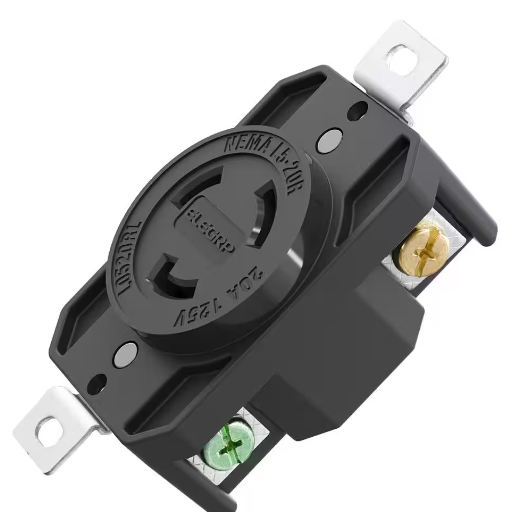
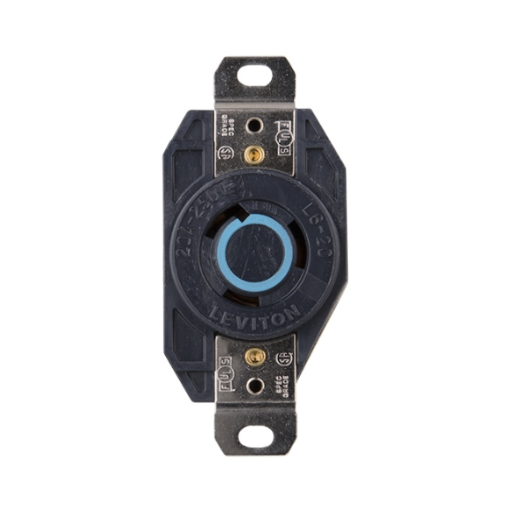
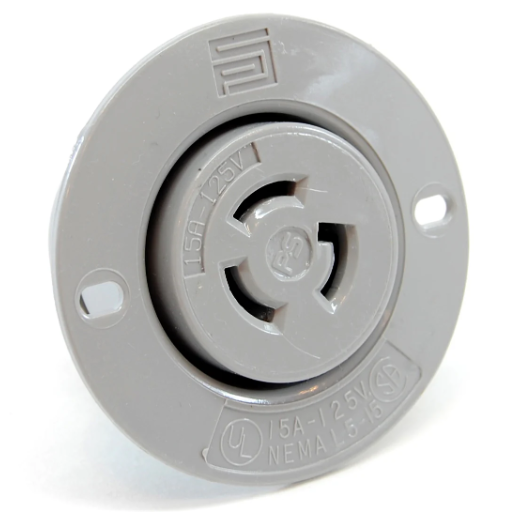
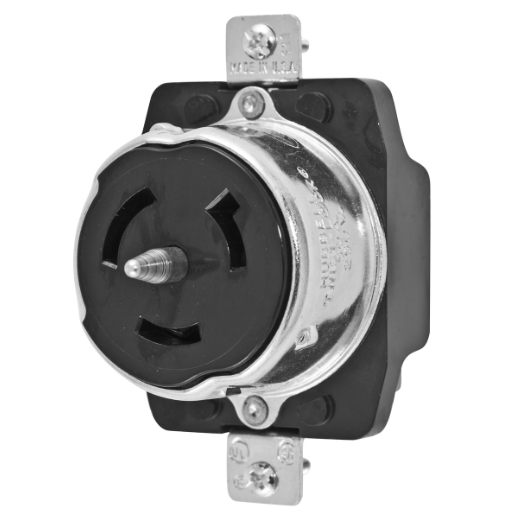
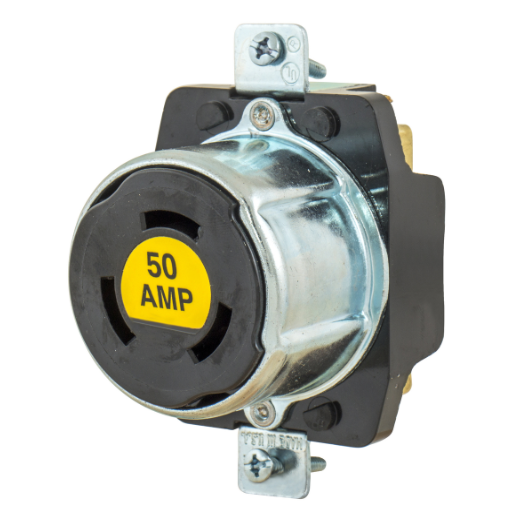
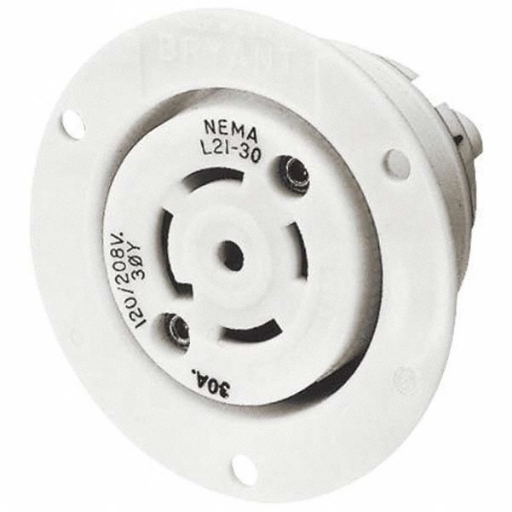
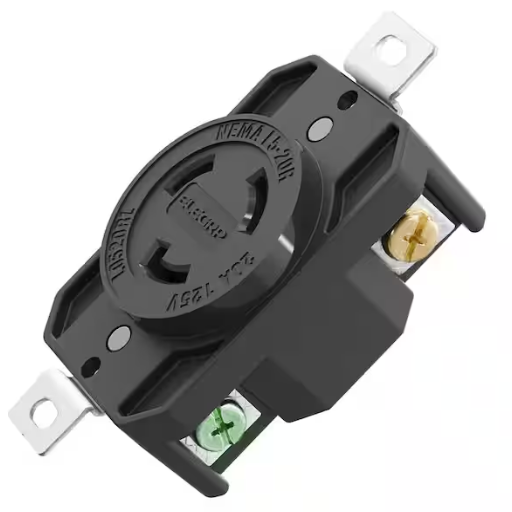
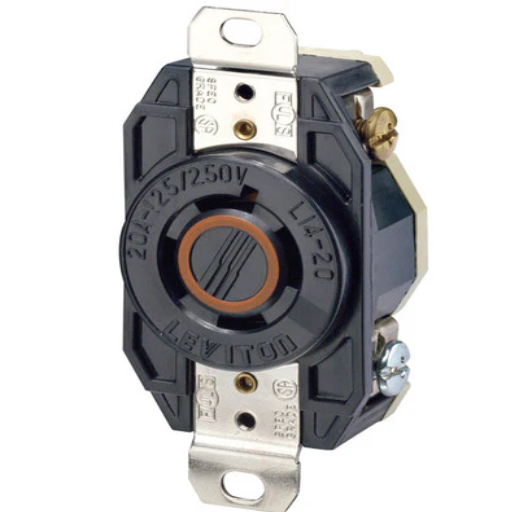
We have a complete guide on electrical pedestals where we discuss how they function and their importance. Such an article can be helpful to a person who works in the field of wiring and general electrical installation.
Across North America and Europe marina operators face familiar challenges: humid, salt-laden air corrodes equipment, limited charging ports delay boat operations, and manual management drains time and resources. Jiya Intelligent, a leader in smart energy solutions, addresses these pain points head-on—with its customized marina hydroelectric bases (charging piles) setting a new standard at Huoshan Amusement Marina in Anhui, China. This case shows how durability intelligent design and digital control can turn traditional marinas into efficient sustainable spaces.
I. Conquering Harsh Environments with Premium Durability
Marina environments require equipment built to resist constant humidity and salt exposure—failures here mean costly downtime and maintenance. Jiya’s tailor-made GRES1002020D-R charging piles rise to this challenge:
●Material Excellence: Crafted from 304 stainless steel, the piles resist corrosion and weathering, ensuring stable operation even in Huoshan Marina’s waterfront conditions.
●helping operators reduce long-term maintenance budgets and downtime: By minimizing wear and tear, the durable design slashes maintenance costs, a key concern for marina operators in North America and Europe focused on profitability.
II. Smart Design: Balancing Efficiency, Safety, and Aesthetics
Jiya’s charging piles are engineered for the unique needs of amusement marinas—where multiple boats require simultaneous service, and safety meets guest experience:
●Each pedestal includes four waterproof outlets allowing multiple boats to charge simultaneously: This boosts Huoshan Marina’s operational capacity, a critical upgrade for busy European and North American marinas during peak seasons.
●It guides boats safely to their berths while adding soft ambient lighting: A 3W LED light integrated into the top of each pile automatically turns on at dusk. Beyond guiding boats to charging spots safely, the soft glow doubles as landscape lighting—enhancing the marina’s nighttime ambiance while improving safety, a win-win for family-friendly marinas.
III. Smarter Management with Cloud Control
“Since installing Jiya’s piles, our management efficiency has jumped dramatically,” said Manager Li, who oversees Huoshan Amusement Marina. The secret lies in Jiya’s cloud-based digital platform:
●Boat owners simply scan a QR code to start charging and pay instantly—no more waiting for staff.
●Real-Time Oversight: Operators access live data (charging status, equipment health, revenue) via a backend dashboard. Remote monitoring, fault alerts, and big data analytics enable “unmanned management,” freeing teams from 24/7 supervision.
●Li’s Relief: “I no longer stay up late guarding charging piles—I finally get a good night’s sleep,” he noted. This labor-saving benefit resonates deeply with Western marina operators struggling with staffing shortages.
IV. Conclusion: Partner with Jiya for a Greener, Smarter Marina Future
The Huoshan Marina project proves Jiya goes beyond equipment—it delivers complete customized marina power solutions tailored to specific marina needs. For North American and European operators aiming to adopt sustainable practices and smart technology, Jiya’s hydroelectric bases offer a roadmap: durable, efficient, and designed to reduce costs while enhancing guest satisfaction.
As the demand for eco-friendly and intelligent marinas grows globally, Jiya Intelligent remains committed to innovating safer, smarter charging infrastructure. Partner with Jiya to build a smarter greener marina that’s ready for the future.
Electric vehicles (EVs) are thus considered an imperative step toward a greener and more sustainable future. With this shift, the presence of EV charging stations has become increasingly relevant, as it ensures that your car remains charged and ready to roll. But how do you choose the charging solution correctly from all the options available? From the basics to feature details, and considering all factors, this guide will clarify the situation for you. Whether you’re a proud EV owner looking to add a bit of comfort to your household or a business considering charging station solutions, this blog has given you the ability to make an informed choice. So, let’s get down to the nitty-gritty and discover what suits your charging needs.
Understanding EV Charging
Charging is the procedure used to replenish the batteries of electric vehicles with electricity. There are three levels of charging:
Level 1 (Standard Charging): This involves charging via a basic outlet that operates at 120 volts —the same type found in a typical home. Due to slow charging, it imparts roughly 2-5 miles of range per hour to the vehicle.
Level 2 (Faster Charging): Operates on 240 volts of an outlet and infuses them faster, roughly about 10-60 miles of range an hour. Used mainly at home or in places of work.
Level 3 (DC Fast Charging): This is a fast charging method, where one can charge approximately 80% of a vehicle’s battery in 20 to 40 minutes. Found at public clocks.
Ultimately, the charging option you pick depends upon vehicle compatibility, daily driving needs, and whether you prioritize convenience or speed.
What is an EV Charger?
An EV charger supplies energy to recharge the batteries of an electric vehicle. The car charger, operating as an intermediary between the grid and the vehicle, is designed to facilitate the efficient and safe transfer of electric potential energy. There are different levels of EV chargers, based on speed and connectivity, namely, Level 1, Level 2, and DC Fast Charging.
With the latest technological upgrades available in EVs, environmental awareness is growing, leading to a sudden surge in demand for EV chargers worldwide. To wit, the IEA registered a 40% increase in public charging points in just 2022. Many of the latest chargers come with innovative features that enable users to track their charge sessions, schedule charging times, or connect to solar panels. Charging infrastructure is going to be huge in carbon reduction efforts and enabling the shift to sustainable transport, with an estimated 280 million EVs in the world by 2040.
Types of EV Charging Stations
There are three major types of EV charging stations, each catering to specific charging needs and scenarios:
Level 1 Charging
Level 1 chargers utilize a conventional 120-volt AC outlet, offering the slowest but most accessible option for EV owners. They are excellent for an overnight charge at home or provide about 3–5 miles of range per hour of charging.
Level 2 Charging
Level 2 chargers operate at 240 volts AC, resulting in a significantly decreased charging time compared to a Level 1 charging point. These units are installed at workplace buildings, residential locations, and public charging places. They offer speeds of up to 25–30 miles of range per hour of charging.
DC Fast Charging (Level 3)
These chargers are the fastest charging solution, providing an 80% charge in 20 to 30 minutes. They are generally located along highways and in urban areas, making them suitable for long-distance travelers. A Level III charger requires special equipment and is compatible with most modern EVs.
Data shows a recent upward trend in global searches for DC fast charging stations, reflecting the rising need for fast and convenient charging solutions. This trend follows the rapid adoption of EVs and the building of ultra-fast charging networks, aligning with the changing demands of EV users.
Level 1 vs Level 2 vs Level 3 Charging
Brief answer in one sentence: Level 1 charging is slow and uses standard household outlets; Level 2 is faster, as the power supply is 240V; and Level 3, being the most rapid charging method, requires special infrastructure.
Key Point
Level 1
Level 2
Level 3
Power
120V AC
240V AC
480V DC
Speed
Slow
Moderate
Fast
Use Case
Home use
Daily charging
Long trips
Setup Cost
Low
Moderate
High
Convenience
Basic
Balanced
High
Choosing the Right EV Charger
Choosing the right EV charger means considering both your charging needs and lifestyle.
Level 1 Charger: Recommended for occasional or overnight charging, as it utilizes a standard household outlet, providing the slowest charging rate. This is best suited for usage where little to no miles are driven every day.
Level 2 Charger: The standard charger for regular use at home or in the workplace, operating faster with a 240V outlet. It is thus considered suitable for mass EV owners.
Level 3 Charger (DC Fast Charger): Designed for fast charging during long-distance travel or when the time for charging is scarce. These chargers are usually available in public charging stations.
Therefore, choose a charger based on how often and quickly you need to charge a vehicle, and whether you want to charge it at home, work, or on the go.
Factors to Consider for Your EV Charging Needs
Charging Time: How quickly would you like your electric vehicle to charge? Level 1 chargers provide a slower charge but are fine for overnight initialization, while Level 2 chargers are much faster for daily use. DC fast chargers become a preferred option for kids who are on the move and have little time for slow charging.
Driving Habits: Consider examining your daily or weekly driving habits. If the average commute distance is shorter, then a Level 1 charge could be satisfactory. However, for long commutes or shorter daily distances traveled, a Level 2 might be just the level of convenience you are looking for.
Charging Location: Select your preferred place to charge the EV, such as home, work, or on the way. Home charging might be the most convenient option, but on certain occasions, such as when you’re out and the car needs to be charged during the day, you can rely on workplace charging. On other occasions, when you’re running low on charge, roadside charging might be helpful.
Installation Cost: Consider the cost of setting up a charger at home. Level 1 chargers require no installation fee, apart from a standard outlet, while Level 2 chargers may necessitate professional setup and a dedicated 240V circuit.
Electricity Rates and Costs: Look up the local electricity rates and time-of-use pricing. With affordable off-peak charging costs, you will save a significant amount of money on home charging compared to expensive peak-time charging.
Residential vs Commercial EV Charging Solutions
One concise sentence: Home charging is cost-effective and suitable for personal use, whereas commercial charging provides a higher power output and is for multiple users.
Key Point
Residential
Commercial
Cost
Affordable
Expensive
Power
Level 1/2
Level 2/3
Users
Single
Multiple
Setup
Simple
Complex
Speed
Moderate
Fast
Future of EV Charging Technologies
Therefore, according to those who recall the heyday of gasoline service stations, EV charging technology and its future applications are rapidly developing, with an increasing number of electric cars taking to the roads worldwide. On the list of ultra-fast interventions that linger on the horizon of thought are charging stations that, via the 800V and 1,000V charging systems, can charge a large battery capacity within minutes. Wireless or inductive charging is also an emerging technology that allows EVs to be charged without the use of physical cables, either when parked or while being driven, thanks to an embedded infrastructure in the road.
Charging technologies are evolving to bidirectional V2G systems that allow not only charging from the grid but also to supply back to the grid during peak times to help smooth energy demand and optimize renewable energy utilization. Battery chemistry advances, for instance, solid-state batteries, are expected to be a complementary technology to improve storage capacity. Moreover, this technology complements the other: it enables faster and longer charging.
Intelligent charging, led by AI, operates in parallel, assisting with real-time energy data and predictive analytics to enhance charging patterns, reduce costs, and alleviate grid load. Hence, by integrating these technologies, the EV charging sphere is on a path toward becoming more efficient, convenient, and greener —a feature that will facilitate the global transition to a greener energy future.
Installing an EV Charging Station
Assess Your Needs
Determine the kind of charger you want for your EV (Level 1, Level 2, DC fast charger). Vehicle charging capacity, routine usage, and the charging time all come into consideration here.
Check Electrical Capacity
Your existing electrical infrastructure should be assessed to verify whether it can handle the additional load. Your electrician may need to upgrade the service panel or electrical circuits to accommodate a heavier charger.
Choose a Suitable Location
Look for a location where the vehicle has easy access, ample space, and closeness to the electrical panel. This location should comply with all applicable local safety and zoning regulations.
Hire a Professional Installer
A licensed electrician or certified EV charger installer must be hired to carry out the installation work safely and by all local codes and standards.
Obtain Necessary Permits
Permit requirements should be checked with the local authorities. Proper documentation secures adherence to building codes and safety standards.
Test and Activate
After installation, test the charging station to ensure it performs as expected. Set up access control or any desired features according to the manufacturer’s instructions.
Following these steps will provide you with a safe and convenient EV charging station installation, enhancing your electric vehicle ownership experience.
Guide to EV Charger Installation at Home
Depending on the type of EV charger, the complexity of the installation, and local labor rates, several factors influence the cost of installing a home EV charger. Installation costs typically range from $300 to $1,200 across the United States. A Level 1 charger is probably the cheapest, as installation is seldom required other than plugging it in. Most EV owners go for Level 2 charging since it is faster. Additional expenses for upgrading your home’s electrical panel or installing dedicated circuits may be incurred when installing a Level 2 charger.
For this reason, governments and utility companies in some regions provide rebates or incentives to help offset installation costs and make owning an EV more affordable. Always consult a licensed electrician to obtain an accurate quote tailored to your home’s specific needs and ensure they comply with local electrical codes.
Commercial EV Charger Installation
Installing commercial chargers for EVs is a move for forward-thinking investors, given the continuous growth in demand for electric vehicles. The latest data from the Google search engine indicates that queries related to commercial EV charger installation have steadily increased over the years, signifying an ever-growing interest in sustainable transportation options. Often, businesses ask questions like: “What is important to consider while installing commercial EV chargers?”
During the planning stages for a commercial EV charger installation, location, power supply capacity, and frequency of use are among the top considerations. High-traffic areas, such as shopping malls, offices, and parking lots, offer the highest accessibility and usage. From an electrical setup point of view, the business should review its infrastructure to make sure that it can handle the required power output for multiple chargers. There are also new chargers that require significantly higher voltages, such as Level 2 stations and DC fast chargers, which may necessitate electrical panel upgrades or the installation of energy management systems.
Local governments and utility programs often have rebates and grants for commercial EV charger installations to offset some of the initial costs. Intelligent charging networks also present opportunities for businesses to track usage, manage energy loads, and even generate revenue from the charging stations. In such a scenario, by installing commercial EV chargers, companies will be responding to the needs of EV drivers and also carving out a niche for themselves as frontrunners in the rapidly evolving green market.
Charging Infrastructure Planning
When setting up a charging infrastructure, the usual differential elements to consider are location, size, and user demand. The temporarily trending questions from the Google search engine highlight: `How do you locate the best spots for EV chargers?` Ideally, the areas of specific interest are ones where there might be a high number of EVs, near main roads or highways, and where vehicles get parked for extended periods, such as offices, malls, or apartment complexes. Predictive modeling, combined with this knowledge, can help businesses determine the most optimal locations for installing charging stations, where charging is likely to occur most frequently. Doing a proper job at the installation of the infrastructure will ensure that needs are met today, and also as growth takes place.
Using EV Charging Stations
Using the EV charging stations is very simple. First, locate a nearby charging station on apps or tools designed for mapping stations within your vicinity. After arriving at the station, park your vehicle in the designated charging parking space, turn it off, and then connect the charging cable to the vehicle’s charging port. In most cases, either set your credit or membership card against payment, and follow the prompts provided via the touch screen or charger UI to start the charging session; when charging stops, just unplug the cable, return it to the station, and move away with your vehicle so that others can have access to the facility. Ensure that you always follow the instructions provided by the station, representing the correct usage.
How to Charge Your Electric Car
Charging an electric car has become a relatively easy process nowadays, thanks to technological advancements and the increasing number of charging stations. Charge your electric car efficiently by first finding a convenient charging station nearby. Apps such as PlugShare, ChargePoint, or Google Maps can help and allow real-time updates on station availability and charging speeds. Upon arriving at the station, park the car and turn it off. Most regular stations typically use Level 2 chargers, which speed up charging while still offering good convenience. In contrast, DC fast chargers provide shorter charging times, making them recommended when time is critical, such as for longer trips.
Attach the cable from the charger to the car’s charging port, ensuring a secure connection. If the station requires payment or card identification, follow the on-screen instructions. Typically, you will make your payment through the app, by swiping a contactless card, an RFID card, or by signing into your subscription account. You should then follow the charger instructions through your car’s dashboard or a mobile app, which allows you to track the charging state and estimate the remaining time, calculated based on your car’s battery capacity and the charger’s voltage. After charging has finished, disconnect the cable from your vehicle, carefully place it back into the holder on the charger, and move out of the space without delay so that other users can benefit from it. This not only makes a massive difference in yet another person’s day but also helps maintain an efficient and accessible charging network available for all-electric vehicle users.
Charging Networks and Access
Charging networks hold critical importance in the large-scale adoption of electric vehicles, with drivers needing convenient and reliable access to charge at any location they travel. Major networks, such as Tesla Supercharger, Electrify America, EVgo, and ChargePoint, span cities, highways, and rural areas through massive deployments, allowing EV owners considerable flexibility in trip planning. The latest data goes to prove the fact that the availability of charging stations is increasing at a breakneck pace, with more than 50,000 public charging stations operational across the U.S. as of 2023. Many of these networks offer app support, allowing users to find nearby stations, view real-time availability, and, in some cases, even reserve a charger. These networks are filling any perceived gaps in accessibility by integrating with modern navigation and apps, thereby providing a seamless experience for EV users nationwide.
Summary: This paper proposes a grid-connected photovoltaic (PV)-powered EV charging station with a fuzzy logic controller (FLC) for managing power distribution. The study emphasizes the importance of renewable energy integration and presents a decentralized energy management system to optimize energy flow among the PV system, battery storage, and the grid. The effectiveness of the proposed controller is validated through simulations in MATLAB under various operational scenarios(Abraham et al., 2023).
Summary: This paper discusses the planning and capacity optimization of EV charging stations in conjunction with distribution network expansion. It incorporates traffic congestion and uncertainties in EV usage patterns. The authors propose a multi-layered approach to determine optimal locations and capacities for charging stations, enhancing user convenience and minimizing energy losses(Pal et al., 2023, pp. 3810–3825).
Summary: This study presents a demand-side management framework for a solar-powered EV charging station. It utilizes deep learning techniques to optimize energy supply during peak demand, reducing reliance on conventional energy sources. The framework aims to enhance the efficiency of charging stations while addressing the challenges of limited infrastructure(Hafeez et al., 2023, pp. 8747–8760).
What is an EV charging station, and how does it work?
An EV charging station is a facility that provides electric vehicle charging infrastructure for electric cars. It supplies power to charge the vehicle’s battery, allowing drivers to recharge while at home or on the go. The charging process typically involves connecting the car to a charger, which converts electrical energy from the grid into a form that the car’s battery can store.
What are the main types of EV charging stations?
The main types of EV charging stations are Level 1, Level 2, and DC fast charging stations. Level 1 chargers are standard household outlets that provide a slow charge, suitable for overnight charging. Level 2 chargers offer a faster charging solution and are commonly found in public charging locations and homes. DC fast charging stations provide rapid charging, significantly reducing charging times for electric vehicles on the road.
How do I choose the right EV charger for my needs?
Choosing the right EV charger depends on several factors, including the type of electric vehicle you own, your daily driving habits, and your home’s electrical capacity. If you frequently drive long distances, a Level 2 EV charger or a DC fast charger may be ideal to reduce charging times. For typical daily use, a Level 1 charger may suffice for charging your EV overnight.
What is the cost of EV charger installation?
The cost of EV charger installation can vary widely based on the type of charger and your home’s electrical system. Level 2 EV charger installation generally ranges from $500 to $2,000, including equipment and labor. Additional costs may arise if electrical upgrades are necessary to accommodate the charger.
Can I install an EV charging station at home?
Yes, you can install an EV charging station at home, provided you have the necessary electrical infrastructure. Many homeowners choose to install Level 2 charging stations for faster charging. It’s important to consult with a licensed electrician to assess your home’s electrical system and ensure safe installation.
Are there different types of EV chargers?
Yes, there are several types of EV chargers, primarily categorized as Level 1, Level 2, and DC fast chargers. Level 1 chargers are basic home outlets that provide slow charging, while Level 2 chargers offer faster charging speeds and are often installed in homes and public stations. DC fast chargers are designed for quick recharging and are typically found along highways for long-distance travel.
What is the future of EV charging infrastructure?
The future of EV charging infrastructure is promising, with rapid advancements in technology and increased investment in public charging stations. The adoption of electric vehicles is driving the need for more reliable charging options, including fast chargers and innovative charging solutions that integrate with renewable energy sources. As the number of electric vehicles on the road grows, the expansion of charging stations will be essential to support this transition.
How can I charge an electric car on the go?
Charging an electric car on the go is easy with the help of public EV charging stations. Many cities and highways are equipped with charging stations where drivers can connect their vehicles to chargers while running errands or during long trips. Apps and websites can help locate nearby charging stations and provide real-time information on their availability.
Fast chargers are becoming the foundation of the new-age EV infrastructure, providing quick and easy energy to keep drivers moving. However, with the evolution of technology and the expansion of thin-level charging networks, the landscape is too complex for an EV owner or a charging infrastructure businessman to handle.
This guide simplifies the process of making fast charging in 2025, allowing you to make informed choices about EV charging options and technology. It will equip you with everything—a rundown of how fast charging works, where stations are located, and which stations are compatible with different vehicles, which might put you ahead in the fast-paced EV world. Whether you’re an EV owner or a business looking to enter the new age of mobility, this guide serves as your roadmap to mastering fast charging by 2025.
Overview of EV Charging in 2025
By 2025, charging facilities would be faster and more widely accessible, with universal integration into both urban and rural paradigms. Fast-charging stations are expected to be dominant, providing a fast charge in just minutes, less time than it takes to charge a vehicle for 20 minutes for most models. Public networks will likely evolve into more densely connected hubs, thereby establishing their presence in residential areas, workplaces, and travel corridors. Charging will also evolve technically, bringing greater compatibility between different EV models, alongside standardization efforts. In addition, many charging points will draw power from renewable energy sources, thereby promoting a greener approach to power delivery. This change marks the next significant step in making EVs a practical and convenient choice for everyone.
Current Trends in EV Charging
According to data from Google’s search engine, interest in ultra-fast charging stations has increased recently, highlighting a scenario where significant time is saved during vehicle charging. Many wish to find a charging station with a power output of 150 kW or higher, allowing an EV to gain a significant range within 15 to 30 minutes. The queries regarding wireless or contactless EV charging have also increased, indicating the curiosity and demand for more convenient solutions. Another noteworthy trend is the development of smart charging infrastructure, which allows owners to monitor and optimize their charge via mobile applications. Interest in community charging networks is growing, promoting greater access to charging, especially in suburban or rural areas. Such trends demonstrate how consumer preferences are evolving and the industry’s efforts to meet these changing needs.
Importance of Fast Charging
The faster the charging, the more it mitigates one of the primary concerns people have about acquiring an electric vehicle. Fast charging is, therefore, an exceptional ability to reduce the time spent charging EVs. While slow charging may take hours, stand-fast charging requires only a fraction of the time. A significant number of modern-day fast chargers can charge an electric vehicle up to 80% in about 20-40 minutes, depending on the model of the EV and the charger used.
A strong indication of the global increase in demand for fast-charging infrastructure comes from data supplied by various recent studies. A report from the International Energy Agency reveals a 48% increase in public fast chargers worldwide in 2022, indicating that the industry is indeed exploring faster charging capabilities. On the technology front, ultra-fast chargers with 350 kW and above outputs are also being developed to meet the charging needs of high-capacity batteries offered in next-generation EVs.
Fast charging adds weight to the argument of minimizing range anxiety, which remains a hindrance to EV adoption. So, fast-charging networks ensure that anyone with an EV can easily charge their vehicle quickly on a long road trip, making EVs more suitable for the average person. Considering the importance of fast charging, governments and the private sector worldwide are investing massively in the enhancement of fast charging networks. For example, the Bipartisan Infrastructure Law allocated $7.5 billion for EV charging infrastructure in the U.S., with a particular focus on installing fast charging stations along several major highways.
Fast charging, in the broader context, transcends mere convenience to become a factor that will shape the future of sustainable transportation by making EV ownership more practical and accessible.
Electric Vehicle Adoption Rates
Electric vehicle adoption rates have been steadily increasing over the past decade, driven by enhanced technical capabilities, government incentives, and a rise in public awareness about environmental issues. According to the latest State of the Industry, global EV sales surpassed 10 million units in 2022, marking a significant surge from previous years. According to Google search trends for EVs, interest is becoming more pronounced, with terms like “best EVs,” “charging stations near me,” and “EV tax credits” consistently growing across the board, being approximately equal in popularity. This interest is indicative of a shifting consumer mindset toward sustainability and vehicle ownership, wherein saving money on maintenance and operational costs over a vehicle’s lifetime holds priority. However, initial purchase costs weigh heavily on the consumer’s mind, and resolving such issues, along with the infrastructure deficit for charging, will help maintain this momentum. Together with this, through the policy framework and the industry, the world is well on track for the broader adoption of EVs and a greener transportation sector.
Fast Charging Stations
Fast charging stations form one of the most critical pieces of infrastructure for today, with the increasing number of EVs on the road. These charging stations promise speedier charge times than usual. Depending on the make, model, and battery of the EV, most fast chargers provide about 80% charge to the EV in under 30 minutes. These chargers are primarily installed on highways, in shopping centers, and in city areas for the convenience of EV owners. Building upon the existing fast-charging infrastructure will help reduce range anxiety and facilitate greater EV adoption.
Finding Fast Charging Stations
One way to locate the stations is to use smartphone applications or Google Maps. When one searches for a phrase like “EV fast charging stations near me” or something similar, Google Maps will almost instantly display options near the exact location, along with directions, reviews, and information about the charging speeds offered by these stations. Additionally, websites like PlugShare and ChargePoint maintain extensive databases of charging stations, incorporating input from their user base, as well as filtering options and updates on real-time availability. These will prove helpful to the driver in locating fast charging points when they are in unfamiliar territory.
Public vs. Home Charging Options
Short and precise response in a single sentence: Public charging will offer fast charging and flexibility on longer trips, while home charging will prove cost-effective and quite adequate for daily commuting.
Key Point
Public
Home
Speed
Fast
Moderate
Cost
Higher
Lower
Convenience
Long trips
Daily use
Access
Public stations
Private setup
Setup
No installation
Requires setup
Charging Infrastructure Development
The rapid expansion of charging infrastructure is imperative in supporting the growing adoption of EVs. Global reports have highlighted various data showing that the number of charging stations worldwide has grown significantly, with governments and private players investing in this sector. Google’s data indicates that in recent years, more people have searched for the locations of EV charging stations, as well as the reliability of the charging networks relevant to their areas. Many nations have established commendable programs to increase EV accessibility, including the installation of fast chargers along highways and within cities. In this way, they bridge the gap between public and home charging options by offering more flexibility to EV users who still have range anxiety. The support from policy to technology ensures the fast set-up of charging infrastructure to meet the needs of future EV markets.
Charging Costs and Considerations
Naturally, the expenses incurred by charging an electric vehicle might encompass factors such as location, time of day, and the charger used. Charging at home is cheaper than public charging, given that it aligns with the electrical tariff for household consumers. In general, charging at home may cost between $0.10 and $0.20 per kilowatt-hour (kWh), which undoubtedly results in lower overall expenses than refueling a petrol car. Hence, if one decides to use public chargers, especially Fast Chargers, they must prepare to pay anywhere between $0.30 and $0.50 per kWh, depending on the charging network in question. Some charging networks also offer discounts for users through subscription plans or flat rates. To lower the costs incurred by charging, EV owners can charge their vehicles during off-peak electricity hours, should such be available.
Cost of Charging at Public Stations
The cost of charging an electric vehicle (EV) at public stations typically fluctuates per kilowatt-hour (kWh) of electricity, ranging from $0.30 to $0.50, as stated. According to recent Research, this rate fluctuates according to the charging network, geographic area, or even the charger being used —a Level 3 DC fast charger could provide a slightly higher rate than a slower Level 2 charger. It is worth noting that Tesla Superchargers typically average around $0.34/kWh, while other networks, such as EVgo or Electrify America, hover around the same range, with the occasional bump to a slightly higher rate at high-end locations.
Put it the other way around: at $0.40/kWh, a 60 kWh battery with an assumed 250 miles will result in a full charge cost for the driver of $24. That would be significantly cheaper than the same distance in a gasoline car, which could cost slightly over $40, depending on the price of gasoline. Public charging makes the most sense when drivers rely on it in conjunction with charging at home or at work at favorable electricity rates. For subscription users, such as fleets or those who frequently hit the road, network subscriptions are best. They can either lower the rate per session or offer unlimited charging for a monthly fee. Intelligent planning of charging sessions will pay off for every EV owner in cost management, coupled with the riding enjoyment that comes with going electric.
Home Charging Expenses
Home charging has always been one of the most convenient and cost-efficient ways for EV owners to charge their vehicles. It is reported that the average national cost of home charging ranges from $0.10 to $0.30 per kWh, inclusive of scenario variables such as local electricity rates and usage hours. For example, an EV with a 60 kWh battery capacity and an electric rate of $0.15/kWh would require approximately $9 for a full charge.
Many EV owners opt for time-of-use (TOU) rates offered by utilities to minimize the costs associated with home charging. The idea is to utilize off-peak hours demoted in demand and price. Thus, the benefits of reduced charging costs can be reaped by charging the vehicle overnight. Overnight charging can save hundreds of dollars per year for an owner compared to public charging rates.
Another price consideration is the installation cost of a Level 2 home charger. Installation, which typically depends on the electrical setup in the home and the type of charger being installed, may range from $500 to $2,000. Numerous states and utilities offer rebates and incentives to reduce these costs, thus making charging at home even more affordable over time. When combined with smart charging, these incentives maximize the savings for EV owners and make charging at home a genuinely economic proposition.
Comparing Charging Costs Across Levels
Concise Answer in One Sentence: The Level 1 chargers proved to be the most affordable, albeit slower; Level 2 is somewhat faster and moderately priced; Level 3 is the fastest but also the most costly.
Key Point
Level 1
Level 2
Level 3
Cost/kWh
~$0.10
~$0.20
~$0.40-$0.60
Speed
Slow
Moderate
Fast
Use Case
Home use
Daily charging
Long trips
Setup Cost
Low
Moderate
High
Convenience
Basic
Balanced
High
Fastest Charging Solutions
The fastest charging solutions for electric vehicles, DC fast chargers are commonly referred to as Level 3 chargers. Typically, depending on the charger’s power output capability and the vehicle’s battery capacity, an EV battery can be charged from zero to 80 percent in 20 to 40 minutes. They are typically located at charging stations along highways and in cities. Level 3 fast chargers are pricier than Level 1 and 2 chargers, but their speed is prized for long-distance travel, or quick top-ups when time is tight.
Fastest-Charging Electric Vehicles of 2025
The ongoing pursuit of faster-charging electric vehicles remains at the forefront of the automaker’s interests as battery technologies and charging infrastructure continue to evolve. Some of the fastest charging electric vehicles, as projected and current as of the year 2025, include:
Lucid Air Pure – Bringing into play an advanced 900V battery architecture, the Lucid Air Pure boasts one of the fastest charging speeds on the planet, attaining 300 miles in just 20 minutes of charging on a high-power DC fast charger.
Tesla Model S Plaid – This technological marvel of innovation also supports ultra-fast charging with the V3 Supercharger network, allowing for a 15-minute charge that covers 200 miles.
Porsche Taycan Turbo S – A Porsche Taycan Turbo S charges its batteries from 5% to an 80% charge in around 22.5 minutes under optimum conditions, thanks to its efficiency and performance-oriented 800V technology.
Hyundai Ioniq 6 – Hyundai’s latest electric vehicle boasts excellent charging capabilities, thanks to its E-GMP platform, and can recharge from 10% to 80% in just 18 minutes using a 350kW charger.
Rivian R1T and R1S – The electric truck and SUV from Rivian also make it to the list, with the ability to gain 140 miles of range in 20 minutes at one of their proprietary Adventure Network chargers.
These cars serve as an example of how manufacturers have prioritized convenience over all else, reducing charging time to the point where it competes with the time taken for a fuel stop, thereby increasing the feasibility and appeal of electric cars for both casual and long-distance travel.
Charge Speed and Rate Comparisons
Charge speeds and rates can vary significantly across manufacturers competing to provide solutions that are faster and more efficient. Supercharger V3 stations from Tesla can charge at a rate of 200 miles in 15 minutes — a charge speed of approximately 13.3 miles per minute. Likewise, the new chargers, which override Rivian’s Adventure Network, permit 140 miles of range in 20 minutes, which is approximately 7 miles per minute. At the same time, other capable leaders, such as Porsche with its playful Taycan, claim an ultra-fast charging speed of roughly 60 miles of range in 5 minutes when using the 800-volt DC fast charger.
The most searched reasons or queries among users started with, “How do charging speeds vary between brands?” The answer stems from advancements in battery technology and the development of charging infrastructure. Newer vehicles with modern lithium-ion or solid-state batteries can take and accept high power charging levels, and a vast network of strong DC fast chargers can maximize the use of such capabilities. This explains why it is crucial to understand both the vehicle’s capabilities and the availability of a suitable charging station when selecting an EV.
Summary: This review paper discusses the advancements in electric vehicle (EV) fast-charging systems, focusing on power converter topologies and control technologies. It highlights the current state of EV charging infrastructure and the architectural configurations of fast-charging systems. The paper emphasizes the importance of high-power, fast-charging technology as a critical trend for the future of electric vehicles, providing insights into the design considerations for converters capable of handling hundreds of kilowatts (Zhou et al., 2023).
Summary: This comprehensive review examines both isolated and non-isolated converter configurations used in fast charging technology for battery and plug-in hybrid electric vehicles. It discusses the operational principles, advantages, and challenges of various converter topologies, providing a detailed analysis of their performance in fast charging applications(Annamalai & Prabha, 2023).
DC fast charging is a method of charging electric vehicles (EVs) that allows for significantly faster charging times compared to Level 1 or Level 2 chargers. This technology delivers direct current (DC) directly to the vehicle’s battery, bypassing the onboard charger and enabling higher charge rates. In 2025, many public charging stations are expected to feature DC fast chargers, providing EV drivers with a more efficient way to charge their vehicles during long trips quickly.
How do I find EV charging stations?
To find EV charging stations, you can use various mobile apps and websites that provide real-time data on charging station locations. Many EV charging networks, such as ChargePoint and Electrify America, have applications that allow you to search for public EV charging stations based on your location. Additionally, vehicle navigation systems often include functionalities to help you locate nearby EV charging stations.
What are the different levels of EV charging?
There are three main levels of EV charging: Level 1, Level 2, and DC fast charging (Level 3). Level 1 charging uses a standard 120-volt outlet and is the slowest option, making it suitable for home EV charging over extended periods. Level 2 chargers operate at 240 volts and provide a faster charging experience. DC fast charging stations offer the quickest charge rate, allowing vehicles to charge significantly in a short period, making them ideal for public charging.
What is the charging cost for electric vehicles?
The cost of charging an electric vehicle varies depending on the type of charger used and the local electricity rates in effect. Public charging stations may charge by the kilowatt-hour (kWh) or a flat fee per session. Many home EV charging setups can take advantage of lower residential rates, particularly when charging during off-peak hours. As the EV charging network expands in 2025, it’s essential to compare costs and consider free charging options available at specific locations.
What is the difference between Level 2 and DC fast charging?
Level 2 charging stations are designed for home or public charging and typically provide a charge rate of 10 to 60 miles of range per hour. In contrast, DC fast charging stations can add significant range in as little as 20 to 30 minutes, making them ideal for quick stops on long journeys. While Level 2 charging is perfect for overnight charging, DC fast charging is crucial for EV drivers who require a rapid charging experience while on the road.
What are the benefits of public EV charging stations?
Public EV charging stations offer numerous benefits, including convenience for EV drivers who lack access to home charging. These stations help to expand the EV charging infrastructure, making electric vehicle ownership more practical and accessible. In 2025, the growing number of public EV charging stations will improve the overall EV charging experience, allowing users to charge their vehicles while shopping, dining, or working.
How do I charge my EV at home?
Charging your EV at home can be done using either a Level 1 or Level 2 charger, depending on your needs and electrical capacity. Level 1 chargers utilize standard outlets, whereas Level 2 chargers require a dedicated circuit and offer faster charging. Many homeowners opt for home EV charging stations, which can be installed in garages or driveways, providing a seamless charging experience overnight.
What are the trends in EV charging for 2025 and beyond?
In 2025, we can expect to see significant advancements in EV charging technology, including an increase in DC fast charging stations and the development of charging hubs that cater to multiple vehicles simultaneously. Additionally, the integration of renewable energy sources and innovative charging solutions will enhance the charging infrastructure. As more people transition to electric cars, the demand for efficient and accessible charging options will continue to grow.
As far as the extent to which the garden remains vibrant and the volume of work done in clearing the area is concerned, outdoor taps and the garden hose play a significant role. In the same vein, a competent hose connector and a manageable garden hose will be the final touches in maximizing water efficiency and usage. Whether you have been gardening for years or just hitting off outdoor junkies’ activities, get to these recommendations which have been arranged to facilitate the better use of your outdoor faucet system. Starting from how and where to find a matching connection, to overcoming the most common difficulties, be prepared for the transition to the best-case scenarios of outdoor water improvements provided by experts and their solutions.
Understanding Outdoor Faucets
The purpose of outdoor taps is to ensure the availability of water for activities such as planting, washing, and other outdoor tasks. They are usually fixed onto the walls of houses and lead to the central water system. Many outdoor taps commonly come with control mechanisms on the majority of them, and extendable taps with several hoses, such as garden hoses, are often connected to the structure. Repairs in polyoty that have handles come with the spouts that hoses can be attached to, or any other tools like made kits contained in the tap. It is essential to properly maintain these systems and temper them so that maximum benefits can be fully realized and the systems can fully serve their intended purpose. At the same time, there is also a need to cover the tap during the dormant period to avoid freeze damage and a premature end to its lifespan due to low-temperature seasons.
Types of Outdoor Faucets
Various designs of outdoor faucets are prevalent in different markets due to varying climatic conditions and usage. Classic ones include:
Standard Spigot
This is a typical outside tap that features a nozzle, allowing hoses to be connected due to its simple design, thereby enabling easy usage. It’s cost-effective and easily accessible in the market, but requires some precaution, as a large quantity is needed, especially when snow falls.
Frost-Proof Faucet
Northern territories are commonly affected by the cold season, and that is why these frost-proof taps are fabricated in such a way that they carry a spout with water inside the house, which at the main valve acts as both a blocking device for the water torturous pocket and the valve itself. This design also helps minimize the risk of pipes bursting during the rainy and frosty periods of the year.
Yard Hydrant
A yard hydrant is a self-draining faucet designed for those with significant lawned areas who require water to be supplied over longer distances from the house. These taps are typically installed underground and have a control valve in the form of a lever.
Anti-Siphon Faucet
This type of faucet features a structure that incorporates an anti-syphon backflow protection device, ensuring the water in the hose does not mix with the water in the system and maintaining water quality due to no contamination.
Ball Valve Faucet
A handle is available to control the water flow in a ball valve operational technique. Ball valve faucets are rust and abrasion-resistant, making them suitable for high-wear locations.
When various types of exterior taps on the market are identified, homeowners can choose the most suitable one for their specific conditions, weather, and intended use, thereby ensuring both convenience and sustainability.
Choosing the Right Faucet for Your Home
When selecting a suitable outdoor faucet for your home, several key factors should be considered. That is, the purpose of its application, service climatic conditions, location, and water consumption rates. Regarding current market research and internet analytics, homeowners and builders today are likely to install frost-proof (anti-siphon) Outdoor faucets, effectively preventing freezing and bursting pipes. Having the risks of oversoiling significantly reduced, a ground-based faucet suitable for outdoor use may also be considered in the design, accompanied by the ease of compatibility with typical gardening tools.
One should also keep in mind the importance of the type of material used. The materials, such as brass and stainless steel, are used due to their high degree of anti-rust and long-lasting nature. On the other hand, there is an increasing number of searches carried out by those people looking for taps with built-in flow control or smart reticulation, which will help them manage their water more efficiently. Ultimately, the decision to install an outdoor faucet that will last long and conserve water efforts should be a collaborative effort involving understanding the environmental conditions within the region, the intended use, and personal preferences.
Popular Finishes: Chrome vs. Matte Black
In a nutshell, shiny chrome finish needs minimum care as opposed to the smooth black matte look that requires significantly more care for a smudge-free appearance.
Key Point
Chrome
Matte Black
Appearance
Shiny, reflective
Modern, sleek
Durability
Highly durable
Durable
Maintenance
Easy to clean
Needs more care
Style
Classic
Contemporary
Smudge
Resistant
Prone to smudges
Hose Connectors and Their Importance
Supplementally attaching hose connectors is vital, as they act as crucial accessories in providing a secure link between your faucet and garden hose. They also aid in reducing spillages, while accelerating water flow and minimizing the time required to attach or detach hoses for various tasks. Purchasing the right connectors on the market can increase the lifespan of such installations and ensure their optimal performance due to the uniformity in the power generated. Try as hard as you can to go for connectors that are made from firm and unyielding elements such as brass or sturdy plastics that are not bound to get worn out any time soon. – [End of 218] Getting the connector that you want that suits your preferences is perfect since it saves time on watering, cleaning, and other operations, which are done outside; hence, they enhance the efficiency of the entire system.
What is a Hose Connector?
A hose connector is a specialized unit, the purpose of which is to conveniently connect a hose to a source of water, another hose, or other devices such as sprinklers, spray nozzles, or pressure washers that require connection. It assists in the process of achieving trouble-free water flow to the end user, meaning that water can be contained in whichever space it needs to be used without any form of leakage. Contemporary designs of hose connectors have been enhanced to incorporate easy-to-use features such as push-fit or threaded fittings, which make them fast and simple to install. According to current information from the Google search engine, the highest-rated hose connectors are usually made of materials such as brass, stainless steel, or rigid, heavy-duty plastics. These materials are praised for their reduced susceptibility to rusting, corrosion from the external environment, or wear due to the wear and tear of the connectors, especially during harsh climatic conditions. There are different models and variations of hose connectors available to fit different sizes of hoses and applications, turning hose connectors into a necessary item for gardening, irrigation, carwash, and even household cleaning, among many others.
Different Types of Hose Connectors
Short Answer in One Line: Hose connectors have different varieties, such as air, water, hydraulic, brass, and aluminum connectors, to operate on as well as manufactured substances.
Key Point
Air
Water
Hydraulic
Brass
Aluminum
Use
Air systems
Garden hoses
High pressure
Durable fittings
Lightweight
Material
Metal/plastic
Plastic/metal
Steel
Brass
Aluminum
Durability
Moderate
Moderate
High
High
Moderate
Application
Pneumatic tools
Irrigation
Industrial
General use
Portable systems
Choosing the Right Hose Connector
Choosing the proper hose connection is essential, and several factors must be considered to ensure a choice that is both effective and long-lasting. Initially, it is necessary to understand what material will be the best fit. Such a connection material will be brass connectors, which, due to their resiliency and leak-proof abilities, are suitable for heavy-duty functions. In contrast, plastic connectors are designed for delicate use, as they are light-duty to medium-duty in terms of weight. Moreover, compatibility is of top priority – ensure a connection is available on the market that matches the same size and threading as the hose or other faucet, or else it will be the most annoying thing you could ever imagine. If you plan to take a drink from the hose or water the edible crops, consider a fitting rated safe for use when fetching water intended for drinking.
In addition to the above, the third issue here regards the specific function of the particular connection. For instance, quick-disconnect plumbing fittings make the job of connecting and disconnecting hoses relatively easy, without wasting time. Moreover, some recent advancements include connectors capable of controlling the flow or those with inbuilt valves that enable the user to stop watering at any time. Depending on your activity requirement which you are trying to accomplish – for example, it could be gardening or washing a car or anything else even in an industrial plant – by comparing the materials available, the sizes and the features of all available products, you will be able to select a hose fitting which has the most relevant features which has the best performance.
Best Practices for Garden Hose Use
Always store your hose correctly: keep it out of the sun or on a reel to prevent bending and damaging the rubber material, which requires sun protection.
Whenever you finish a task, please also disconnect the hose as quickly as possible: let the water drain out on the ground, taking care to avoid areas where it might freeze during the winter. Similarly, where there is high humidity, do not leave water in the hose, as it will also promote the growth of mold.
Where is the crack, leak, or the cause of the worn-out connector?’ Place old or malfunctioning parts in the trash, or repair them to correct the problem.
Additionally, ease up on the nozzle if you do not want to damage the pipe or the various nozzles attached to it.
The interiors of the hoses should be cleaned periodically to prevent the accumulation of dirt or debris, which can obstruct the flow of water.
Do not drag the hose back and forth, especially when it is lifted. It reduces the chances of the hose being overused, environmental damage, and wear and tear on the plants and paths.
By following these few guidelines, there is no doubt that your garden pipe will have its life extended and you will continue to undertake all your outdoor functions without complaints.
Choosing the Best Garden Hose
When choosing the best garden hose, factors such as the hose’s aim, water quality level, and the difficulty of carrying and storing it should be considered, so that the product meets the need for a long time. According to the most recent statistics on Google search engine queries, many people have recently opted for the most durable and functional hoses on the market. Thus, opt for a hose made from high-quality materials, such as rubber or reinforced vinyl fabric, as they are less likely to shrink or tear under pressure. It is also worth noting the most complementary length of a hose to use for your garden, such as areas which require a lot will benefit from a shorter hose, probably 25 feet, and those which are oversized will need long hoses, and much more, maybe 100 or 200 feet, among other options.
Another factor to put into consideration is flex; a good flex hose is much easier to store and carry, each especially in corners or when water is directed to beds. Apart from durability and storage, many people look for features like UV protection in hoses that spare them the unnecessary problems related to placing them out in the sun for too long during daytime use. For those people where pressure is important they may have to choose hoses which are looked upon in terms of the understood pressure ratings. Additionally, it is quite normal for chemicals to be used in gardening; hence, we haven’t started covering the gloves or fleece. We may include the hoses because eco-aware customers often prefer no chemicals.
Keeping all of these concerns in mind shall facilitate a careful choice when it comes to where to buy garden hose.
Garden Hose Maintenance Tips
Retain the Garden Water Hose Properly
Circumvent the effectiveness of hoses from being impacted by the unfavorable weather conditions in the lawns. Store it in a well-ventilated area away from direct sunlight or use a reel to prevent tangling and prolong the hose’s lifespan.
Empty the Hose
While using the hose, be sure to release all water within the hose in order to avoid freezing within during winter and growth of bacteria and mold as a result of unusual warm weather.
Leak Detection
Also, in every available opportunity, ensure that you inspect the water hose for signs of thin lines and water leaks. Repair cracks by employing holy repair kits or bmozzong units where necessary in cove areas.
Do not forget to turn on the water pressure setting to avoid such a condition on the hose! This is dangerous as once the hose strength is breached it is likely to burst immediately.
Clean the Hose When Necessary
From time to time, inner elements of the water hose must be cleaned. This is due to the incidence of various forms of deposits and other items like dust that stick and become out of the use of the hose.
Common Issues and How to Repair Them
Garden Hoses Bearing Leaks
The failure of locks can be quite common among garden hoses. Hose-fittings that have come loose or worn-out washers are some of the factors that make them leak. To solve this problem, verify that a washer is present in the connector and that it is installed correctly. Also, if the washer is worn out, arrange for a new one to be installed. Fasten joints firmly, but do not use too much forceso as to avoid causing them to be over-tightened and crack.
The Hose Crack or Hole
As time passes, hoarse tubes can become damaged and crack or develop holes due to exposure to harsh weather conditions or physical pressure. Minor dents can be rectified using a hose repair kit which usually comes with a fitting and a clamp. The hose sections across the hole should be removed, then the hose ends should be repaired by affixing them using a repair kit. In case of pinhole leaks, a waterproof rubber or silicone repair tape can be applied, as this will act as a quick fix.
Concerning Low Water Pressure
The nozzle may be blocked, or the inside of the hose may be clogged with something; moreover, the water may have low pressure due to one of these issues. Firs,t take off the nozzle from the hose and allow water to flow through the hose to remove any blockages. The nozzle can be cleaned or replaced to regain water pressure. Keep the hose straight with no kinks in it for better water pressure consumption.
The Other Problems Encompassing Kinks and Twists
When a garden hose’s pipe bends abruptly in two or more places, it strains the material, which, upon further folding, can damage and tear it. To avoid this, hang the hose in discs or on a rack. If the hose is kinked, gently straighten it out and allow it to adjust to the heat of the sun. One can also solve such a problem by purchasing a hose that is not bondage because it cannot kink.
The Problem of Freezing Hoses
Ice may form inside the hose, causing it to either crack or be uneven, and thus either of these conditions leads to leakage. You are expected to always remove water from inside the hose and disconnect the fitting, especially when the season is about to transition to winter or the snow period. If in some instances the hose is not drained, leave it to defrost slowly at a warm place. Make a dull inspection after defrost is complete to see whether any damage has been done, such as cracks, and deal with the breakage if present.
By incorporating the repairs mentioned and other valuable tips in this guide, you can successfully save your garden hose from premature wear and tear and ensure its author’s intended purposes are met at all times.
Installation and Mounting of Outdoor Faucets
Make a Location Decision
Given that an outdoor faucet is typically a source of water and is often exposed to extreme cold temperatures, select a location in the garden that is at a reasonable distance from the water source, and if possible, mount it to an outer wall along a water main.
Discontinue Water Supply
All the sleeping dogs lie when it comes to the water flows and this is particularly right during the installation process.
Create a Cutout for the Faucet
Use a suitable drill and its base to cut an area from the wall with the exact measurements of the faucet you want to fit. The hole will just be a little bit larger than the size pipe that the faucet has.
Insert the Faucet Pipe
Use a drill to make holes where the faucet will be fitted and then push the faucet pipe inside. Afterwards, fix the pipe in place using nails.
Fit in the Kitchen Sink Faucet
Lastly, if needed, attach the faucet to the supply lines. If possible, use either an insert threaded or copper coaxial fitting. Apply thread sealing compound to any threaded connections as needed.
Addition of the Spacers on the Wall (Optionally)
If necessary, waterproof the area around the site at which the faucet is to be installed using external gaskets, which will help prevent the passage of water through the walls.
Start the Water Properly
It is recommended to power up the water supply first and test water flow from the outdoor sill cock starting with cold water. Should any connections prove faulty or leaky, you should secure them.
DIY Installation Tips
The satisfaction and cost-effectiveness derived from DIY tasks are abundant. The height of understanding can be ensured when these five tips are incorporated into one’s installation assignments:
Plan All Your Tools and Materials Beforehand
It is recommended to break down every component of materials and tools needed before moving on to the steps of a project, so that you will not be met with unnecessary interruption and spend time inefficiently.
Measure Twice, Cut Once
It is every DIYer’s worst nightmare to make mistakes in the measurements for a project. Repeated measures is necessary to undo that.
Read the Guidelines or the Product’s Manual Properly
Every step is essential, whether you’re reviewing a design plan or an installation manual. Ignore some of the steps and you are possibly compromising the outcome of the project.
Work in a Clear and Proper Environment
Let us make sure to avoid working and leaving the work area in a mess as working in such a place decreases productivity and exposes the worker to unforeseen dangers.
Pre-test the project before it is set in stone
Upon completion of the assembly or installation, all parts should be tested to ensure satisfaction. Hence, any problems that arise can be dealt with before the entire operation comes to an end.
With the help of these pragmatic pieces of advice, people gain repair and installation activities.
Tools Needed for Installation
To do the majority of do-it-yourself installations, it is vital to make sure that all the necessary tools are in place, for often they will come in handy within your house. If that happens and you would like to carry out the project, it would be prudent to have the following tools to help in the exercise:
• Screwdrivers – There are many screwdrivers, but the most common ones are flathead and Phillips screwdrivers. These two are essential for whether you want to tie or pad screws.
• Hammer – It helps when knocking nails or assembling a wooden setup.
• Measuring Tape – In remodeling projects, it could be unavoidable in dealing with complex dimensions or plans and so measuring tape or scale will come with more uses other than cutting plywood or types of stone to fit in the CD.
• Level – In such instances, the use of levels is so eminent when doing tasks that need proper observation, either horizontally or vertically.
• Power Drill – It is also helpful in the nailing process for it is enhanced when one is using screws for the equipment has a screw driver function as well. It is essential since it also performs a drilling process making the work less tiresome in order one skill to be applied in handling the screw driver only.
• Utility Knife – Also known as a razor knife, this is used to cut through, among other materials, all types of packaging, drywall, insulation, etc.
• Pliers – Are used for grasping, turning, forming, and cutting components like wires or small articles.
• Health and safety – Also learn to develop good health and safety when using tools, make sure to use appropriate personal protective equipment such as gloves, safety goggles, and a mask to protect yourself.
In cases where such a project is not typical, it may also require additional equipment, including a jigsaw for cutting exact shapes from metal or wood, as well as a stud sensor for accurately positioning the walls. Having all the tools that might be needed well in advance of the task will ensure that the job is done much faster and without no problems.
Reference Sources
Utah State University Extension: The Do-It-Yourself Guide to Backyard Drip Irrigation – Provides practical insights into outdoor water systems, including faucet usage.
Austin Peay State University: Division 22 00 00—Plumbing – Covers plumbing standards and design considerations, including outdoor faucet installations.
What is the best outdoor faucet for my garden hose?
The best outdoor faucet for your garden hose typically combines durability and functionality. Look for a fixture made from stainless steel or one that has freeze protection features to withstand harsh weather conditions. Additionally, a faucet with an adjustable valve can help manage the flow and pressure of water, making it ideal for various outdoor tasks.
How do I install an outdoor faucet properly?
Installing an outdoor faucet involves several steps, including selecting the right location and ensuring proper mounting. Begin by turning off your outdoor water supply and draining any existing water. Use a standard faucet installation kit, and follow the included instructions. Ensure that all connections are correctly sealed to prevent leaks.
What are the common issues with outdoor faucet installation?
Common issues with outdoor faucet installation include misalignment, which can lead to leaks, and incorrect mounting that may not withstand outdoor conditions. Additionally, ensure that your faucet is compatible with your existing plumbing and that you are using appropriate materials to avoid future problems.
How can I fix those leaks at my outdoor faucet?
To fix those leaks at your outdoor faucet, first, check the connection between the hose and the faucet for any wear or damage. Tighten the connection if it’s loose, or replace the washer or O-ring if it’s worn out. If the faucet itself is leaking, you may need to replace the cartridge or the entire fixture.
What is the typical pricing for outdoor faucet fixtures?
Pricing for outdoor faucet fixtures can vary significantly based on materials and features. Inexpensive options are available for around $20, while higher-end models with decorative finishes or advanced features like Aquor water systems can cost upwards of $100. Consider your budget and the specific needs for your outdoor water supply when making a selection.
Are matte black outdoor faucets a good choice?
Matte black outdoor faucets are known for their durability and stylish appearance. They provide a nice, finished look that complements various outdoor aesthetics. However, ensure that the matte finish is resistant to corrosion and fading, particularly if you live in an area with hard water.
What are the benefits of using a multi-column outdoor faucet?
A multi-column outdoor faucet offers several benefits, including increased water flow and the ability to service multiple areas in your garden simultaneously. This type of fixture is advantageous for larger gardens or landscaping projects, allowing you to manage amounts of water more efficiently.
How do I perform maintenance on my outdoor faucet?
Regular maintenance of your outdoor faucet can prevent leaks and extend its lifespan. Check for any signs of wear or corrosion, especially at the connections. Clean the faucet regularly to remove any debris, and ensure that the valve operates smoothly. If you notice any issues, address them promptly to avoid more significant problems later.
What should I consider when remodeling my outdoor faucet area?
When remodeling your outdoor faucet area, consider the overall design and functionality. Select fixtures that complement your outdoor space and are easily accessible. Additionally, consider the type of hose you’ll use and ensure it is compatible with your new faucet. Planning for adequate drainage and accessibility can enhance the usability of your outdoor water supply.
In case one is about to use high-capacity tools or needs to charge an RV from an electricity outlet while going for a campaign, let’s say for a concert, it is necessary to know how to wire a 50-amp twist lock receptacle and a twist lock plug. These types of connectors provide built-in security and ensure that the connection cannot be accidentally cut open, preventing power loss. In this piece of writing, you will find help on how to wire a wireless 50 AMP locking receptacle and the lock supply plug, what kind of tools are needed, precautions to be observed, and the procedures. It will be easily learnt by the time you finish how to ‘remember’ to do such wiring jobs, thereby satisfying all your power requirements for a given application safely and efficiently.
Understanding the 50-Amp Twist Lock System
The design of the 50-amp twist lock system is intended to create a more secure and reliable connection for high-power current applications. The twist lock technique, due to its nature of securing internal components together, is very effective and efficient in withstanding the shaking of equipment under load or in vibrational environments. This method of interlocking prevents accidental separation, making it ideal for techniques involving house and RV installations, as well as other power sources that utilize generators and other critical systems. This type of plug allows you to lock it in place and even push and pull it onto whatever you need to power, which is simple. This can make it possible for everyone to connect all the supplies without the fear of meeting interruptions due to power outages.
What is a Twist Lock Plug?
A Twist lock plug can be described as a special type of power cable socket that helps secure power lines in the power system to electric devices and controls. Instead, it operates through a twisted shaft jamming, which makes the pins of the plug fall into the notches of the female part. This “twist and secure” locking convenience makes all twist lock plugs immune to dislodgement during operation due to vibrations, movement, or forces from external environments. The extent to which twist lock plugs are used indicates the level of reliability or safety that those connectors provide. For instance, the power construction units, generators, and industrial machinery, including the recreational vehicles, have their connections provided for by the twist lock plugs. They come in different models, each with varying voltage capabilities and amperages, allowing them to work on various tasks according to the demands and requirements of heavy applications, such as those that require the distribution of electrical energy, which necessitate the use of these components.
Components of a 50 Amp Twist Lock Connection
A 50-amp twist lock, the device consists of several central parts designed to enhance the safety and reliability of power distribution. Such parts include:
The Plug and Connector. The plug has shaped prongs fitting a specific receptacle, and the connector has a lock in it so that the connection has no chance to open up automatically.
Power Receptacle. A receptacle is a part where a plug is inserted, and there is often a requirement for an interlocking mechanism between the plug and the receptacle.
Prongs (Blades). Commonly a four-prong construction is used with 50 Amp twist lock plugs there are two blade prongs connect to the power “hot” wires, one prong is for the connection to the other–neutral wire and one connects the equipment to the earth. This is to ensure that huge pieces of equipment do not vibrate, shaking from any of the other housing appliances or equipment plugged into it.
Purpose of the Locking Mechanism. It ensures the plug twists into place and is poised for physical contact with the receptacle, and once touched, it should not retract.
Reliable Casing: The plug and receptacle are made of high-grade materials, particularly in terms of pressure resistance, such as industrial plastics or metals, as dictated by working and environmental conditions, which may include increased pressure, temperature, and force.
These components are more reliable, thanks to the 50-amp twist lock system, which ensures the continued efficiency and productivity of industry, commercial services, and recreational centers.
National equipment that demands a stable and heavy-duty power source.
Applications of 50-Amp Twist Lock Connectors
A highly flexible 50-amp twist-lock connector has proven to be an essential source of power across various applications due to its excellent and consistent performance. Here are the practical applications of this type of connection:
Industrial Equipment: These 50-amp twist-lock connectors are specifically designed to power heavy-duty machines on factory and plant floors, ensuring a continuous supply of electricity in the most operational areas.
Generators and Backup Power Systems: They provide a secure connection for portable generators and generator systems by offering fastened connections that cannot be accidentally disconnected, ensuring power continuity in the absence of a mains power supply.
Recreational Vehicles (RVs): RVs require a 50-amp twist lock connector to minimize the time it takes to connect an external power source at a campsite or park, ensuring all equipment and other systems are utilized effectively.
Marine Applications: Boats and ships require 50-amp twist-lock connectors to connect to permanently installed shore power systems, which provide clean and stable power to the vessel for lighting, instruments, and essential appliances during operation.
Event and Temporary Installations: When setting up power sources at outdoor events, temporary structures, and construction sites, these connectors are primarily used to supply electricity and enable various functions, including lighting and public address systems.
For each of these utilization applications, it ensures the soundness, toughness, and adaptability of 50 Amp twist lock connectors, while also considering the environmental requirements.
Wiring a 50A Locking Receptacle
Turning off the electricity before carrying out any wire lock and lighting receptacle work is a crucial safety measure, and the breaker must be switched off before starting this task.
1. How to Wire a 50A Locking Receptacle: Ensure that all circuit breakers serving this circuit are turned off.
2. What to do. The necessary steps to wire a 50A locking receptacle are as follows:
a. De-energize. The power outlet unit to be worked on is turned off at its respective circuit breaker.
b. Prepare the cables. The select wire should be applicable according to the load (usually around 6-gauge wire for a 50A circuit). Remove the insulation from the cables, leaving approximately 3/4 inch of bare wire.
c. Determine terminals.
d. Connect the plug.
i. Hot wires (main): At the place, connect the first terminal to black and the second terminal to red.
ii. Neutral wire –Terminal block –Connect a red wire to the neutral side of the terminal block.
iii. Ground Wire –Where the green or bare wire is, there is the ground terminal.
Insert the wires in their respective terminals and twist the screws in a manner that they grip the wire ensuring a tight connection.
F. Set up the Receptacle.
With the aligned mount holes, position the plug within the concrete or metal-made socket so that its back is resting on the main base. Fix the plug on the wall with the help of the screws.
Unified Wire br consumption. Electrical termination parts have molded-in (secured to the insulating material) packing and/or terminating compost containing gas or other media maintained at a pressure that renders the pressure of the compressed packing or terminating wear less detrimental…
G. Power on connections and check.
Ensure the energy is on again once the plug has been inserted, and check the power outlets using a multimeter or other test equipment.
Cooperstown Stop movement and Call Support or a Certified Electrician when you find or have any form of doubts about the above-stated information.
Required Tools and Materials
You will need the following tools and materials to install the outlet successfully:
Flat and Phillips screwdrivers. The purpose of these tools is to allow you to loosen or tighten screws during mounting as well as when preparing the wiring.
Wire stripper. This is used to strip wires and remove the insulation neatly.
A voltage tester or multimeter. It is used to ensure there is no current in the system during installation and to check it after the unit is installed.
Needle-Nose Pliers. These are useful for straightening or bending wires and crimping them when only very slight movements are needed to achieve the correct alignment.
Particularly for delicate connectors.
Electrical tape. In case connections need securing and isolating.
Receptacle (Outlet). The kind required, such as the usual GFCI or USB outlet receptacles.
Electrical Box. To house the receptacle on the wall.
Mounting screws. These are fastening materials for attaching to the receptacle in position.
Wire nuts or connectors. In cases where wire splicing necessitates a joint (for the joint and the wire’s surface finishing).
Wire(ex, Romex) – Copper or other conductors having insulation adequate for the current(voltage) tap of the circuit.
In the exposition above, it is clear that all listed tools, as well as the others enlisted before this statement, are fundamental for a proper and safe electrical installation that the governing body can permit. Always verify that the materials are suitable for the specified task.
Safety Precautions when Wiring
When it comes to wiring, staying safe is crucial to prevent potentially hazardous occurrences, such as electrocution, electrical-related issues, and fires. Ensure that you switch off the power at the main board before commencing any work on the panel, and use a voltage tester to verify that the power is off. Whenever required to use hand tools, they must be hand-insulated, and the working shoes should be rubber-soled for safety reasons. For example, when doing any electrical installations, gloves must be worn, and people should refer to their local Electrical Standards. If proper tools and protective measures are not taken to prevent pulled-out wires or improperly joined connections, it could lead to harm in the form of accidents. In cases where the work involves more complex wiring or unclear entities, it is highly recommended to consult with licensed electricians to construct the panel safely and correctly. Here is where the concept of safety comes in handy to protect both the property and the individuals within it, including oneself.
Choosing the Right 50-Amp Twist Lock Plug
The correct 50-amp twist lock plug for selection will depend on the power needs and the appliance to be used. The first point to verify is the voltage rating — these plugs are typically designed for use with 125/250V or 250V systems. Ensure that the rated Amps of the plug are also suitable for your power supply, and examine the prongs’ configuration to determine how it will match the outlet used. Use tough and durable components, such as high-quality thermoplastic or rubber, that are suitable for all weather environments. Select products with acceptable safety standards, such as those certified by UL, for protective reasons, ensuring the safety of the people.
Types of Twist Lock Plugs Available
Different amperage ratings can sometimes result in more than one twist-locking plug within a particular configuration, such as a two-pole 3-wire, a 3-pole 3-wire, or even a 4-pole 4-wire, to cite an example.
Type
Poles
Wires
Grounded
Amperage
Voltage
Usage
L5
2
3
Yes
15-30A
125V
General
L6
2
3
No
15-30A
250V
Industrial
L7
2
3
Yes
15-30A
277V
Lighting
L8
2
3
No
20-30A
480V
High Voltage
L9
2
3
No
20-30A
600V
High Voltage
L10
3
3
No
20-30A
125/250V
Heavy Equipment
L14
3
4
Yes
20-30A
125/250V
Generators
L15
3
4
No
20-30A
250V
Industrial
L16
3
4
No
20-30A
480V
High Voltage
L18
4
4
No
20-30A
120/208V
3-Phase Power
L21
4
5
Yes
20-30A
120/208V
3-Phase Power
Factors to Consider When Selecting a Locking Plug
Selecting the perfect astronomical cover, considering its identifying characteristics, relevance, and security, is a crucial aspect of any endeavor. Here are five paramount concerns:
Voltage and Current rating
What are the volts and amp ratings of the plug? For instance, plug voltage and current for power rating should match the power requirement. Typical ratings are 125/250V or 250V, among other voltage options, and 15A-30A, respectively. A plug with the correct rating should be chosen to prevent overloading and ensure optimal performance.
It’s Fitting and Its Suitability
Inspect the crossed prongs on the wall plug to ensure they match the ones on your wall outlet. Special plugs designed for use with power-on interlocked systems, such as locking plugs, are constructed differently from standard ones according to NEMA standards to prevent such disconnections.
The Quality of the Cover –
Look for covers made of high-quality materials, such as thermoplastic, rubber, nylon, or other heavy-duty materials that resist wear and tear, ensuring they last long, especially in industrial or outdoor applications.
Waterproofing
If your need is such that it must be placed in a very tough environment, for example, with high exposure to water, increased dust levels, or even existing magnetic fields or chemicals, the plugs especially need to be waterproof. This is to ensure reliable performance despite such extreme conditions, thereby preventing damage to the equipment.
Compliance with the Standards
Prudently exercise that unprecedented creativity and use only electronic components for cable fastening that have been previously subjected to testing according to recognized electrical safety standards, such as UL (Underwriters Laboratories) or the American National Standards Institute (ANSI). In such cases, the plugs will be supplied having been tested accordingly so that the structure can be used with a sense of safety and confidence.
If you perform such an analysis, you will easily be able to select the appropriate locking plug for the given electrical installation.
Popular Brands and Models
Regarding the locking plugs, many reputable brands can be recommended for their quality and consistency. Some of the most favored brands include:
These are one of those fond of their extensive range of electrical products, which comes in good packaging containing a flexible hose with one-half nodulation and is therefore readily usable.
Thus, it can be predicted that the locking plugs produced by Hubbell can be classified as locking plugs for demanding or long-lasting activities of various types.
Installing a 50-amp Twist Lock Receptacle
Shut off the Power Supply
Go to the circuit breaker located near the area of the renovation or addition and switch it off for safety.
Prepare the Wires for Installation
Visual confirmation that the electric cables used can operate efficiently on a 50-amp circuit. The outer jacket should be removed so that the wires can be twisted together firmly with their exposed copper ends.
Attach the Receptacle Pieces
Determine the terminals of the receptacle, specifically the hot, neutral, and ground terminals. Ensure that the mount has anchors for all snap-in versus floating connection terminals. Make sure color-coded wiring is accurate.
Mounting Hot hair (usually black or red) to the “X” and “Y.”
Mounting Neutral wire (typically white) to the “W”.
Mounting a ground wire (that is green or bare) to the ground terminal
Fix the Receptacle
Replace the covers and screws that were removed to expose the electrical box. Ensure proper alignment is observed, and the receptacle is fastened.
Ensure the Unit Works Properly
Switch the power back on, and it will be that much easier to check whether the receptacle is functioning correctly. It is also lovely to have the multimeter at hand for further verification.
Install the Face Plate
The final step is to secure the face plate to the wall for added protection and a visually appealing finished look.
Throughout the work, it is essential to follow local electrical standards and seek advice from a qualified electrician if any stage appears unclear.
Preparing the Outlet Box
Safe and reliable installation relies on a properly prepared outlet box, for which specific steps must be taken. Start by switching off the supply to the particular circuit in the main switchboard so that the risk of any electrical accident is minimized as much as possible. After that, remove the existing outlet or blank plate to expose the outlet box. Check the box for potential damage and debris. If necessary, either clean or replace the box to ensure that the electrical work complies with safety regulations. It is also essential to check the box mounting to ensure that the box is securely in place and that there is sufficient space for wires with the new receptacle. There are specific actions that must be taken to ensure a functioning and compliant connection for an outlet box.
Mounting the Receptacle Correctly
The best way to attach a receptacle is first to determine which of the wires with color coding is within the outlet box. Thin wire hot (black or red) is mainly linked to the brass screw terminal with a screwdriver, thick wire white (neutral) is connected to the silver screw terminal, and green (grounding) wire is connected to the empty grounding box. There should be no spiky hair-like effects on the conducting wires protruding through the screw fasteners or any other means that would present a hazard if touched by accident.
Then, carefully tuck the wired receptacle back into the outlet box, ensuring that operational auxiliary electrical wires are placed and do not include wires that are too bent. Adjust the mounting screws of the receptacle so that they enter the holes on the box, and then secure the skew appropriately. However, take care not to overtighten, as this may damage either the receptacle or the box. After fixing the outlet, replace the outlet’s protective cover and check if it is flush against the wall. Lack and limitation can be irritating, so double-check and ensure the system is switched on. When you restore power, try the outlet with a plug-in tester to ensure it is functioning properly. If the emphasis on correct fixing is employed, it ensures that the object serves its purpose with a minimum amount of defects and complies with safety standards.
Reference Sources
University of Maryland Power and Lighting System Design
This is a meticulous document where the electrical design is governed by the regulations, which include the measurements of outlets, as well as the earthing systems. It addresses how the power systems are designed in colleges and laboratories completely.
Source: University of Maryland
Montana State University Electrical Standards
Montana State University Power Source
Information was not available amidst the material, although this document is stated within the university’s official document on electrical systems, which includes the provision of technical specifications for twist-lock outlets. Source: Montana State University
Texas Department of Transportation Electrical Standards
The document likely includes standards for power systems in transportation facilities that use sideways locking outlets, such as the turn of the previous sentence.
Source: Texas Department of Transportation
A 50-amp twist-lock receptacle is a type of electrical outlet designed for high-power applications, typically used in RVs, boats, and industrial settings. It features a locking mechanism that securely connects with a matching plug, preventing accidental disconnection during operation. These receptacles are often rated for 250V AC and are ideal for powering heavy-duty equipment and appliances.
How Does a 50 Amp Twist Lock Receptacle Work?
The 50 amp twist lock receptacle operates by allowing a corresponding twist lock plug to be inserted and then rotated to lock it in place. This creates a secure connection that minimizes the risk of electrical shock and disconnection. The design also includes weatherproof features, making it suitable for outdoor use, such as on boat trailers or RVs.
What are the Benefits of Using a 50 Amp Locking Receptacle?
Using a 50-amp locking receptacle offers several advantages, including enhanced safety through its secure grip and twist-lock mechanism. It prevents accidental disconnection, which is particularly important in high-power scenarios. Additionally, many models are weatherproof, making them suitable for outdoor environments, and they are often made with durable materials like stainless steel to withstand the elements.
What Types of Cords are Compatible with a 50 Amp Twist Lock Receptacle?
A variety of cords can be used with a 50-amp twist-lock receptacle, including the 50-amp generator cord and the 50-amp RV plug. These cords typically feature a locking plug that matches the receptacle design. It is essential to ensure that the cord is rated for the same voltage and amperage to ensure safe operation.
Can I Use a 50-Amp Twist-Lock Receptacle for My Generator?
Yes, a 50-amp twist-lock receptacle is commonly used for generators that require high power output. This type of receptacle provides a reliable connection for generator cords, enabling you to connect your generator to your home or RV safely. Ensure you use a compatible 50-amp generator plug to ensure a secure and efficient power transfer.
Are 50 Amp Twist Lock Receptacles Weatherproof?
Many 50-amp twist-lock receptacles are designed to be weatherproof, making them suitable for outdoor use. These receptacles often feature protective covers and are constructed from materials that resist corrosion. This is especially important for applications involving boats or RVs, where exposure to the elements is a daily occurrence.
What is the Purpose of a Connector Kit with Cord Boot?
A connector kit with a cord boot is used to enhance the durability and reliability of electrical connections. The cord boot protects the wiring chambers from moisture and dirt, preventing damage and ensuring a secure grip. This is particularly useful for outdoor applications where a 50-amp twist-lock receptacle may be exposed to harsh conditions.
How Do I Install a 50-Amp Twist-Lock Outlet Box?
Installing a 50-amp twist-lock outlet box involves several steps, including ensuring proper electrical wiring and securing the receptacle in place. It’s important to follow local electrical codes and guidelines for installation. Always ensure that power is turned off at the circuit breaker before beginning installation, and consult a qualified electrician if you are unsure about any aspect of the process.
When discussing the quality of the system, particularly under challenging circumstances, 30-amp twist lock plugs, receptacles, and connectors are essential elements. This is based on the fact that these locking devices are designed to provide a secure, risk-free, long-term, and self-sustaining connection, even in harsh environments. False disconnects, along with power interruptions or shortfalls, keep everyone trembling within the structures. Even a simple activity like setting up an emergency generator is done with complete assurance that no miscalculation or oversight will accidentally necessitate re-connection. In this section, the author explores the structure, use, and importance, as well as how to select the proper 30-amp twist-lock telephone set for use in your construction. Now that you know its use, there is more than meets the eye, and let’s delve into why these gadgets are essential in the electrical arena.
Understanding 30-Amp Twist Lock Devices
These are not common to many and are simple to select. Additionally, these connectors are evaluated under specific operating conditions and are designated by the percentage of time they operate within. The devices in question are equipped with a locking mechanism that holds the plug once inserted and rotated, thereby preventing any accidental pull-outs. These factors are the standards in many electrical equipment operating places, including industrial facilities and recreational vehicles in camping surroundings. With their robust structure and resistance to weather, they are suitable for use in harsh applications and conditions where safety and optimal performance are required. However, when considering a 30-amp twist-lock device, it is essential to confirm that it can work effectively with the equipment in question and also meet any necessary safety requirements.
What is a Twist Lock Plug?
A twist lock plug is a type of electrical plug designed to secure by twisting into a matching receptacle for easy extraction. This elastic fit prevents jamming or disconnection issues, ensuring a constant and reliable power supply. Twist lock plugs, commonly used in industrial, commercial, and recreational settings, are easily identified by the twist in their prongs, as well as their supply ratings, which include specific sizes of amperage and voltage. These include 30-amp twist-lock plugs that are compatible with industrial equipment and hard-wired appliances. These exits are also considered safe as they do not allow power to be switched off, and in the event of strong resistance to power rationing, do not expose users to live circuits. To comply with safety regulations, a type of twist lock plug is chosen that is specific to the characteristics and requirements of a particular device.
Features of 30 Amp Locking Devices
Protected Connection: To prevent the equipment from moving out of place, there is a risk that accidental disruption may not be possible.
Long-Lasting Structure: Typically, high-quality resistance materials, including both metallic and non-metallic materials, are utilized to prevent rapid depreciation under extreme conditions.
Protected Enclosure System: Typically, 30-amp plug receptacles are equipped with protective covers that shield the device from moisture, dust, and other hazards, allowing the system to be installed outdoors and in factories.
Ability to Support a Range of Devices: These devices are designed to meet the relevant specifications and are suitable for use in a variety of heavy household or industrial applications.
Ability to Work With High Power Consumption Current: These are not unusual, coming with a maximum consumption current rating of 30A, and can safely and efficiently bear incredibly high loads.
Importance of Proper Connections
Maintaining safe electrical connections is fundamental for both the safety of its occupants and the effective functioning of the machine. If the connections are not adequately established or the equipment is not safeguarded against being compromised, short circuits, heat build-up, and, in the worst-case scenario, fire can result, destroying critical equipment and causing injury to personnel. The function of ensuring the best connections is also tied to minimizing energy loss, which is practical because energy losses result in wasted energy, and customers do not get the best value from the energy they are purchasing. Datasets available on the internet, particularly through Google’s search engine, seem to indicate that an increasing number of users are aware of the risks associated with electrical safety and the application of termination systems. For this reason, it is crucial to have reliable interlocking devices that comply with the relevant standards to minimize risks to the maximum extent possible.
Types of 30 Amp Locking Devices
Twist-Lock Plugs and Receptacles
These items are equipped with a convenient locking mechanism for the plug, ensuring a firm grip and preventing random disengagement.
Water-Proof Locking Plugs
Typically constructed for outdoor locations or locales with high moisture content, these connectors are designed to provide a seal that prevents water or other forms of moisture from reaching the point where the cables or wires are connected.
Heavy-Duty Locking Devices
These are installed in industrial and heavy-duty applications. Such devices are additional equipment or devices for unsupported and hanging industrial cables.
Lockable Connectors Resistant to Weather Conditions
Such products are perfect for locations that are predominantly hot or cold, as they are designed to be used in such high temperatures and below-zero conditions.
Each of these variants serves a specific purpose, thereby enabling the establishment of a robust and resilient connection for any application.
Male vs. Female Twist Lock Connectors
Connectors have male prongs that extend outward and can be connected by inserting them, while female connectors have holes or flaps that the prongs can be placed into. In male connectors, this design guarantees a strong and safe connection every time.
Parameter
Male Connector
Female Connector
Design
Protruding prongs
Internal sockets
Function
Insert into female
Receive male prongs
Usage
Power source
Device connection
Locking
Twist to secure
Holds prongs firmly
Safety
Exposed contacts
Concealed contacts
Durability
Moderate
High
Applications
Plugs
Receptacles
Overview of 30 Amp Receptacles
Specific electrical components, which are camouflaged in a distinct style due to the prongs’ formation, permit efficient delivery of large amounts of electricity in everyday situations. 30-amp receptacles get connected in a standard setup and hence provide safe connections for appliances that consume 30 amps or less from the power supply. These devices are standard in the installation of RVs, the operation of heavy machinery, and many household appliances, such as fans and heaters. It is quite often that these fuses are used in conjunction with part of a rated circuit breaker to prevent instances where an overcurrent protective device cannot protect the instrument from excessive current flow.
Flush Receptacle vs. Standard Receptacle
The flush receptacles are installed level with the wall surface so that they can be integrated into the surface, while standard ones are attached to the wall surface slightly.
Parameter
Flush Receptacle
Standard Receptacle
Design
Seamless with wall
Protrudes slightly
Aesthetic
Modern, minimal
Traditional
Installation
Complex, costly
Simple, affordable
Maintenance
Requires expertise
Easy to maintain
Cost
High
Low
Durability
Moderate
High
Applications
High-end interiors
General use
Applications of 30 Amp Twist Lock Plugs
30 amp twist lock receptacles are quite commonly used in several high-power domains due to their secure connections and effective operation. The applications for these types of sockets might be:
Campers: A steady and constant voltage source at campsites or for when vehicles are repaired.
Factories and construction works: this equipment aids in the utilization of robust tools, devices, and lighting.
Portable Generators: Joining small power backup systems with a few appliances in case there is a power interruption.
Hot Air Systems: These large air conditioning units are installed in homes, offices, and factory buildings, consuming a significant amount of power.
Industrial Usage of 30 Amp Devices
30-amp devices are essentially a standard in industrial-use devices since they provide reliable performance without experiencing strain due to heavy power consumption. These are used in most cases to operate large but light machinery, as well as welding equipment and big compressors. Additionally, such devices are capable of powering large-scale and high-demand ventilation and conditioning machinery commonly found in industries. Modern-day 30-amp power amplifiers are notable for their efficient power consumption in support of intended operations, thanks to their integration of high-end features that facilitate easy operation and deliver strong performance. This feature has enabled it to become one of the most widely used systems in various industries, particularly due to the benefits it presents when utilized.
Use in RV and Trailer Power Systems
30-amp power supply systems are commonly used in many RVs and trailers as an efficient way to provide power for all appliances and the internal systems of the vehicles. Such power ratings of the described devices are usually sufficient for the requirements of users who need to operate air conditioning, refrigerators, lighting, and entertainment facilities simultaneously, among others. Due to the convenience they offer in most, and possibly all, campgrounds, most new models of recreational vehicles are equipped with 30 amp service that covers the entirety of the camper’s power needs. In such cases, 30 amp power configurations will be used, together with effective protectors against voltage surges and power protectors, to ensure that efficient power distribution is made available to even the most demanding internet users without wasting power. These electrical accessories are ideal for use due to their easy compatibility with various portable energy sources.
Importance in Generator Connections
The possibility of such a 30-amp power supply making it possible to connect to a generator presents significant promise for ensuring consistent power availability under off-grid conditions. Typically, generators with a 30-amp outlet are capable of simultaneously servicing a recreational vehicle (RV) or a small home, providing power for essential devices and appliances. This includes core areas such as temperature control systems and cold storage units, and also ensures that the lights are on without drawing too much load, as the power will remain as it is generated. In addition, the dependence of 30-amp premade connections promotes faster assembly operations and results in a safer operational environment, hence being an instant choice for most Bowie IKM solutions.
Installation and Safety Considerations
Installation and Safety Considerations
When setting up a 30-amp connection, it is essential to verify that the generator and any other devices meet the required criteria. It’s a good idea to work with good-quality cables and fixtures, as that avoids overheating danger. Avoid using lighted pieces during installation. Use a generator on a properly leveled surface, preferably far away from non-flammable substances. Also, steer clear of using an electric generator indoors, as it can lead to toxin poisoning.
For safe use, always refer to the manual for proper installation and operation of the appliance. Do not forget to switch off the generator before attaching or unplugging anything, and inspect the wires for tears and wear at regular intervals. The use of a transfer switch is strongly encouraged when connecting the generator to the house’s electrical wiring to avoid electrical accidents. It is essential to implement regular servicing to ensure the system’s long-term safety.
Wire Grounding and Connection Tips
Grounding techniques must be performed correctly, and connections must be made secure to ensure that any electrical system operates effectively and safely. Here are five basic ways to help keep wire grounding and connections safe:
Adjust the Grounding Rod for Proper Fitting
In compliance with all required standards, ensure that the grounding rod is copper or galvanized and that it is sunk into the floor if it is less than eight feet in length.
Wiring Grounding System Has to be Re-indexed
It is a good practice to use plain, green, or equivalent color cables for grounding. All covered conductors should be embossed, marked, or easily identifiable to prevent any confusion between live wires and neutral wires during installation or maintenance works.
Always Fasten the Connections
The objects that fasten two or more pieces of the component together must be adequately secured, as any contact resistance that results may lead to arcing fires and overheating. Each particular fastening has a specific torque value that must be satisfied for tightness, and these should be checked periodically to ensure evenness.
Always Make It Certain Not To Overcapacity
Circuits should not be overloaded by bundling multiple appliances for use. Worn-out accessories should be replaced with new fittings unless they are fully functional and utilized adequately without any anticipated physical or mechanical stress conditions.
Engineer some ground fault circuit interrupters.
When building in any damp environment, such as showers, sinks, or outdoors, in Areas with water use, it is essential to install ground-fault circuit interrupters, especially in areas where such safety precautions are suitable. They can safely disconnect the power in the presence of a ground fault. This, in turn, significantly reduces the incidence of potential electric shocks.
Choosing the Right Twist Lock Outlet
When selecting an appropriately adjusted twist lock receptacle, it is essential to follow several criteria to ensure proper protection, compatibility, and functionality. Firstly, master the technical specifications of the connected equipment, namely, the voltage and amperage they require. As these receptacles are designed for specific loads, it is recommended to comply with the relevant requirements to avoid unnecessary energy loss, overheating, or, worse, equipment failure. Additionally, it would be beneficial to purchase heavy-duty infrastructure utility plugs in case they are used in commercial or external sites with higher levels of exposure to physical impacts, such as wear and tear. Equally important, these plugs should also be made so that the twist lock plug science fits just like a key into a lock, and none of the measurements or load ratings differ in the lock. Lastly, purchase only products that have been certified for use in accordance with specific safety standards, such as those bearing the UL or ETL brand, to avoid potential fire hazards and other construction-related issues.
Weatherproofing and Heavy-Duty Options
In applications that require suitable weatherproof and heavy-duty options for twist-lock connectors, understanding the working conditions of the connectors is crucial. If the plugs will be used outdoors or in industrial settings, opt for plugs made of materials such as thermoplastic and rubber, which offer protection against moisture, dust, and extreme temperatures. Being of such a high standard, most weatherproof plugs have IP ratings such as IP65 and above to deliver and protect against water and dust dissemination. Additionally, heavy-duty options often feature tougher contacts and external shields to minimize impact damage and ensure operational longevity. By employing the factors enumerated so far, it is possible to withstand normal as well as improve duration in mightily adverse conditions.
Reference Sources
ElecDirect 30Amp Twist Locking Devices – ElecDirect
This site contains essential information about 30-amp twist-lock devices and how they work in both commercial and residential applications, and other NEMA configurations.
StayOnline
NEMA Twist Lock Female Receptacles
This site guide provides accurate and up-to-date information on NEMA twist lock receptacles, including specifications such as amperage, voltage, and the materials used in their construction.
Home Depot Twist Lock – 30 amp – Power Plugs & Connectors
ESTORE 50 amp twist lock also provides the catalogue of 30 amp twist lock power plugs and connectors and also provides an overview of the top ten and other Seller products.
A 30-amp twist-lock receptacle is commonly used for high-power applications such as RVs, generators, and industrial equipment. This type of receptacle provides a secure and reliable connection for devices requiring a 30-amp 250-volt supply, ensuring safe operation even in demanding environments.
How does a Twist Lock Connector work?
A twist lock connector operates by allowing the male plug to be inserted into the female receptacle and then twisted to lock it in place. This ensures a secure connection that minimizes the risk of accidental disconnection, making it ideal for high-demand applications such as welding and industrial machinery.
What is the difference between 30A and 50A Twist Lock Receptacles?
The main difference between a 30A and a 50A twist lock receptacle is the current rating. A 30-amp receptacle is designed to handle up to 30 amps of current, while a 50-amp receptacle can handle up to 50 amps. The 50 amp option is often used for larger equipment and appliances, while the 30 amp is suitable for RVs and smaller industrial applications.
Can I use a 30-amp twist lock receptacle with a 4-wire system?
Yes, a 30-amp twist-lock receptacle can be used in a 4-wire system. These receptacles typically have a configuration that supports both hot wires and a ground, making them suitable for various electrical applications that require a 4-prong setup.
What materials are 30-amp Twist Lock Receptacles made from?
30-amp twist-lock receptacles are often made from durable materials such as steel and high-quality plastics. The use of corrosion-resistant materials ensures longevity and reliability, especially in outdoor or industrial settings.
What is the electrical rating of a 30A Twist Lock Receptacle?
The electrical rating of a 30A twist lock receptacle is typically 250 volts, allowing it to handle a variety of high-power devices. This rating makes it suitable for both residential and industrial applications, providing a safe connection for various electrical needs.
Are there specific NEMA configurations for 30-amp twist-lock receptacles?
Yes, there are specific NEMA configurations for 30-amp twist-lock receptacles, such as NEMA L5-30P for the plug and NEMA L5-30C for the connector. These configurations ensure compatibility with various devices and help maintain safety standards in electrical installations.
How to properly mount a 30-amp Twist Lock Receptacle?
To properly mount a 30-amp twist lock receptacle, first ensure the power is turned off. Use appropriate screws for mounting to a secure surface, making sure the receptacle is flush and stable. Follow the manufacturer’s guidelines for wiring, ensuring proper connections to the terminals for a safe and effective installation.
NEMA twist lock configurations aim to create an unbreakable and highly effective link in electrical systems. The locking element is responsible for that in the first instance and prevents the connection from being accidentally removed while the power supply is on. Due to the fact that each has fixed voltage, current and pin arrangements have different combinations and are specifically divesified in their different offered kinds. Everyone is not strange to this arrangement and that makes the system much easier to understand without taking too much time. Mostly utilized in commercial and industrial services, the NEMA twist locks serve the purpose long time connectivity in harsh conditions.
What is a NEMA Plug?
The NEMA plug is a standardized electrical connector that is used in the United States, Canada, and Mexico. NEMA plugs and connectors are available in several differentiated voltage and current combinations, allowing for their use in residential, commercial, and industrial applications. This plug can handle in the power system, attaches to the device, and a cord that is connected to the power source and includes a cap plug.
In the example provided, a NEMA 5-15 type of connection, one of the most commonly used, is found at 120 volts; one phase carries the transformer, and the other is rated at 15 amperes. In such a design, this plug is relevant when employing household appliances in the location. Constrastively, a NEMA L6-30, which is a locking plug rated at 250 volts and 30 amps, is used in high current installations in industrial areas. They are also resistant to normal wear and tear.
NEMA plugs are designed according to a specific standard to minimize the likelihood of mismatching or electrical accidents. The NEMA system has evolved over the years from a mere classification of connectors offering audio-video connectivity to a set of standards that ensure compatibility and safety across various electrical equipment and workplaces. And it is these properties that have made NEMA plugs an integral part of the electrical system in North America, affecting all equipment there.
Overview of Twist Lock Mechanism
The twist lock system has been devised for specific reasons, with the result that it’s designed to fit into residential electrical plugs and receptacles, preventing unplanned disconnection. Such an operation is activated by inserting the plug and then twisting the outlet nearest to the user, who then “locks” it in place. Furthermore, when the devices are implanted, the act of twisting ensures the strength of the connection. This feature comes in handy, especially when some movements or vibrations usually disconnect the plug and cause the block. In practice and other settings, the implementation of twist lock mechanisms in industrial and some commercial workplaces reinforces safety and prevents loose connections and power failures. The essentials of the twist lock elements have been standardized to ensure compatibility with components in various appliances and devices, making it easier to find a comprehensive and long-lasting solution for areas covered by high-power electrical systems.
Common NEMA Configurations
The configurations, provided by NEMA (National Electrical Manufacturers Association) to ensure commonality in electrical products, consist of a variety of plugs and receptacles. Such devices are designed to operate within different voltage ranges and current loads, and are specifically tailored to serve these particular applications due to the design of these plugs. For domestic use, NEMA 5-15 is considered the most popular, featuring two sockets in separate appliances, typically from the same manufacturer. The most common NEMA L6-30, on the other hand, features a twist-lock configuration, primarily used on construction sites where 250V and 30 amperes are acceptable. Each NEMA configuration is unique in every aspect, including the physical design of the prongs and connectors, to prevent unintentional mismatches of assemblies and ensure safety in the operation of the equipment within the system.
Types of Twist Lock Plugs and Receptacles
Types of Twist Lock Plugs and Receptacles
Twist lock connectors are rigid. Have you ever experienced an electric connector that is loose and keeps falling off with the slightest movement or touch? Reliable. Does not even get to the part of the design.
There are many elements covered by the perception, such as the best in the application of twist lock connectors. Below are popular designs, together with their electrical ratings:
The NEMA L5 is used for 125-volt power supply purposes. This is depicted in machines with lower power demand or domestic generators, which are always located at the power panel. Some of the standard configurations in this respect include the L5-15 and L5-20.
Then, the NEMA L6, where the power supply is at 250 volts, is more aggressive, typically used in sophisticated mechanical equipment such as HVAC and other systems. The typical kind is the L6-20, L6-30, and so on.
The configuration called NEMA L14 is rated at 125/250 volts, and as the title implies, this is suitable for split-phase systems. This would mean, for instance, locking power cords for house backup generators. Commonly applied types include the L14-20, L14-30, and others.
The L21 series performs a similar function, but for 3-phase 120/208V power distribution, and it is more commonly used in locations such as data centers or commercial buildings.
All these kinds and makes of connectors have a device that locks the connecting surfaces in position, thereby making operation more ideal due to the guarantee of a continuous connection for protection and security, even in home and industrial settings.
Locking Plugs Explained
Locking plugs hold great importance in the safety of various electric applications, as they provide a practical solution that eliminates the risk of accidental disconnection. They are high-quality, built-in protection systems, unlike any ordinary plug, which protects the connection between the plug and the receptacle as soon as it is coupled. This helps a lot in preventing issues such as safe and robust point-to-multipoint connections. Industries like construction, entertainment, and data center areas have many interruptions in power connections, where such plugs therefore play a significant role. These plugs can be used to prevent equipment loss during maintenance, eliminate electrical injuries, and make essential tasks safer.
Twist Lock Receptacle Variations
Different styles of twist-lock receptacles are available, which can be easily modified to meet the requirements for safety and convenience. The variation lies in Hershey’s designs, which feature poles and numerous wires, ensuring compatibility with any piece of equipment or power supply. For the sake of illustration, there are dual-phase connectors, the 3-wire design,n, and the 3-phase connectors; these are systems that use three cables per phase system, also known as a 4-wire system. By using colors or tags, the volt-ampere rating, as well as the voltage polarity, of twist lock connectors and female connectors, is readily distinguishable. The diversity of twist lock receptacle designs caters to the demands of different markets, such as healthcare services and factories, providing adjustability throughout use.
Choosing the Right Twist Lock Connector
When choosing the appropriate lock twist connector, several critical factors must be considered to select the most suitable one that is both compatible and safe. The voltage and current rating of the appliance is one of the most basic things that you should know, since using a connector with the wrong rating is dangerous and may result in damage to the equipment or harm to people. Pay particular attention to the requirements of that phase, e.g., single-phase or three-phase, as this will define the available choices of design. Additionally, consider external factors such as weather or environmental conditions. In the market, there are twist locks suited for extreme usage. Be sure to answer questions about identification information, such as labels, making it easy to distinguish between the plus and minus points. Examining these aspects helps you find a lock that suits your needs and is secure.
Wiring and Installation Considerations
Wiring and Installation Considerations
Always double-check that the power is turned off before working with and installing twist lock connectors. Pull off the insulating layer of the wires to the exact length suitable for that connector, as specified by the manufacturer. Reattach the wires to the proper terminals carefully, securely, and tightly, without concern for connecting thin wires that could produce loose wiring or potentially cause the system to malfunction. Ensure the connector lines up correctly to prevent any force when connecting. In conclusion, inspect the fully processed equipment for cracks, breaks, or any other issues that might be the reason it does not work as it should, and only then switch the equipment on.
Connecting a Locking Receptacle
How critical it is to secure connections inside the lock receptacle – the safety and usefulness of electrical connections depend on it. Power disconnection is one of the most serious safety concerns that can result from an untight fitting receptacle and accidental disconnection of power, which may also pose numerous potential safety issues. This matter is more severe in situations where there is a lot of movement, such as when using heavy machinery, and the conventional plugs run the risk of coming loose, whereas the locking plugs do not. Furthermore, a tight fit around all the receptacle cords and the connected devices helps to alleviate the chances of arc flashing or overheating and consequent mechanical injuries to the receptacle and the connected devices in such conditions. Proper mounting and routine maintenance work all contribute to keeping the receptacle fully operational for as long as it should be without putting both installed loads and users at possible danger.
Power Cord Configuration for Twist Lock
Now, twist-lock power cords made by a trusted company, such as Sinox, are commonly used in industry, commercial, or stage equipment appliances. A twist-lock power cord is a type of portable electrical connector that features a twist-and-lock mechanism, allowing the connector to be held firmly in place on the outlet even when in rotation.
Key Features of Twist-Lock Power Cords:
Voltage and Amperage Ratings:
It is reported that twist-lock cords are designed to be functional under a broad range of electrical voltage and amperage ratings, typically from 120V to 480V and 15A to 50A, depending on the specific application.
For instance, a twist-lock could also be simply a wall plate that plugs into the wall; the only difference is that it has a special connector. As in the above example, a NEMA L5-30 outlet could be configured as a standard 125V 30-amp outlet, with the only difference being that it can be unplugged and taken with you. The Nema L6-20 is configured at 250 volts, 20 Amps, using specialized connectors.
Pin Configuration and Safety:
Each twist-lock connector has matched pins, ensuring no misconnection occurs and preventing lost machines or possible electric shock.
This appearance of the plug body features insulation and bias that differ from those of an ordinary plug; it is such that the plug is self-engaging and does not easily fall out. Attachments of this kind are less likely to fail, deform, injure, or even overheat.
Durable Materials:
The best materials used in making twist-lock power cords are durable and possess physical properties, including resistance to impacts, chemicals, and extreme temperatures.
Applications:
Twist-lock in standardised format can be used effectively in erecting temporary structures and also in the foundation and excavation of new buildings. For example, after building new bathrooms, electrical power can be easily connected via clip-on adaptors that simply plug in. This adds a great deal of convenience and ease.
A good example of the application of a Twist-lock power cord is the use of overseas military generators. These are powered by generators, which automatically kick in when the power gets lost for any reason as a protective measure.
Comparative Analysis of NEMA Twist Lock Options
Comparative Analysis of NEMA Twist Lock Options
When discussing the NEMA twist lock diversity in terms of voltage, current and the reasons for use, to speak briefly on this, here are some of the most common configurations:
NEMA L5-30
Voltage: 120V
Current: 30A
Purpose: Can be best used for single-phase instruments that are small, e.g., a power tool or a backup generator.
NEMA L6-30
Voltage: 240V
Current: 30A
Use: Suitable especially for high-duty motors or equipment that operate at high voltages, such as industrial machines.
NEMA L14-30
Voltage: 120/240V
Current: 30A
Use: a fractional integrator used for portable generators, supporting two voltage sources for domestic and commercial purposes.
NEMA L21-30
Voltage: 120/208V
Current: 30A
Use: Manufactured to accommodate three-pass phase loads in commercial and industrial applications.
Selecting the proper NEMA twist lock, which has a higher multiplicity, is necessary to provide better adaptability and ensure safe operation with various electricity sources.
3 Wire vs 3 Pole Connections
The 3-wire connections are needed for each residential unit, each of which does not exceed 3.68 kW. At the same time, more than half of all newly commissioned residential buildings are equipped with three-phase electricity supply and technical accounting systems.
Detailed Comparison in Tabular Form
Parameter
3-Wire
3-Pole
Definition
Conductors
Switches
Usage
Power transfer
Circuit control
Phases
Single/Three
Three
Neutral
Optional
Not applicable
Ground
Optional
Optional
Application
Wiring
Breakers
Voltage
Varies
Varies
Current
Varies
Varies
Receptacle Chart for Quick Reference
NEMA Configuration
Voltage
Amperage
Phase
Typical Usage
NEMA 5-15
120V
15A
Single-phase
Standard residential outlets
NEMA 6-20
240V
20A
Single-phase
Power tools and small appliances
NEMA L5-30
120V
30A
Single-phase
RV hookups, generators, small machinery
NEMA L6-30
240V
30A
Single-phase
Higher-power equipment such as compressors
NEMA L14-30
120/240V
30A
Split-phase
Backup generators and transfer switches
NEMA L21-30
120/208V
30A
Three-phase
Commercial and industrial equipment with 3-phase power
Determined by this chart, users are presented with an easy way of choosing an outlet type depending on the voltage, amperage, and phase being used. This implies that they are given a chance to select the correct power socket for their electric devices when working at home or office to enjoy safety and high performance.
It is essential to understand the’ types, configurations, and modes of action of electrical connections, especially when dealing with electrical systems for safe and efficient performance. The various NCT devices from the National Electrical Manufacturers Association are well known because they provide services and are industry best practices. There are times when one is involved in some electrical repairs, some repairs using industrial plant equipment, or fitting a suitable one in the equipment, knowing that the NEMA connector structure is crucial. In this article, one enters the sphere of many NEMA connectors and analyzes the available types, configurations, and even their exclusive locking mechanisms. Such a representation method permits you to understand how these connectors can be classified and how to select the correct fitting for the situation.
NEMA Connector Overview
These are the standard electrical outlets used in the Americas. These can be further categorized based on their design, application, or the voltage levels for which they are meant. Each connector has a code, such as NEMA 5-15, which is a radial grounded 120V system standard in households. The first indicates its configuration and grounding, whilst the remaining digits and some center around the current rating and accessory design. NEMA power plugs and receptacles can be formed as simple straight-blade terminations, locking plugs and sockets, or high-powered appliance connectors, thus meeting every use case irrespective of the scenario. In case the users are not conversant with them, learning their classification is necessary when it is time to choose a cable.
What is a NEMA Connector?
A NEMA power connector is an electrical power connecting device whose construction and performance are regulated by the National Electrical Manufacturers Association standards. Such connectors are quite commonly available in North America and are designed to meet requirements regarding configuration, grounding, voltage, and current specifications. The NEMA connectors are made in numerous settings, from typical residential applications to factories and commercial settings. These can include terms commonly used with residential and other general-purpose devices, locking connectors that prevent unintended disconnection on industrial equipment, and ultra-high current connectors used for their equipment, such as forklift trucks. The standardized construction lets the users utilize the fitting most appropriate for an electrical function, adding value to the function and safety in the same regard.
Importance of NEMA Connectors
NEMA connectors ensure efficient electrical power distribution for many different purposes. Their consistency with specific NEMA (National Electrical Manufacturers Association) specifications means that all electrical instruments can be fitted and operated effectively. Last info shows that the electrical connectors market will cover $98.12 billion annually in 2030, with more emphasis on safe and compliant connectors such as NEMA.
NEMA connectors also describe one popular advantage—that they are easily usable in a variety of diverse circumstances. Straight-blade NEMA connectors are used in domestic installations to safely complement most home appliances in any application, with minimal need for repair or troubleshooting. They also have specific wiring systems that do not come off easily. This makes them some of the most effective cords in industrial settings, especially in heavy machinery operations. Some are used in high-power applications such as heavy industry.
Importantly, NEMA regulations also address the problem of safety in that they intend not to enforce inappropriate handling of systems during erection, which reduces instances of accidents related to electrical failures. The application of NEMA connectors in industries such as construction, healthcare, and the renewable energy sector makes huge positive advancements and extends the functional efficiency of those devices.
Implementing norms such as NEMA guidelines increases productivity and safety for manufacturers and consumers and eliminates complications in fulfilling safety requirements when implementing electrical systems globally. This achievement underscores the main reasons why NEMA remains an integral element in the development of today’s electrical supply systems.
Common Applications
NEMA connectors are widely used across various sectors due to their reliability and adaptability. Below are five typical applications:
Residential Wiring
NEMA connectors are often used for standard electrical outlets and light switches in homes. This arrangement ensures safe and efficient power distribution.
Industrial Equipment
Normally, factories and other industrial structures use NEMA connectors when heavy machinery and technological devices need to be connected, thereby ensuring high-quality power flow and durability.
Healthcare Facilities
NEMA connectors are commonly used on medical equipments and hospital appliances in order to provide power in critical situations without power interruption.
Data Centers
Data centers consist of servers, IT equipments for proper operation, and a power supply for each element. This is done to avoid problems in equipment operation, including in high-demand mode.
Renewable Energy Systems
NEMA plug systems are an essential part of solar panels and wind turbines, enabling the transfer of clean energy generated to the grid or even as a stand-alone system.
NEMA Plug Types and Configurations
NEMA Plug Types and Configurations
I mentioned before that under the NEMA standard, different plugs are characterized by their voltage, current, and number of conductors. There are two basic types of NEMA connectors:
Straight-Blade Plugs
These include the most widely used ones, mostly for personal and office purposes. For instance, NEMA 1-15 (with two prongs) and NEMA 5-15 (with three prongs and the most common one) are for 125V devices.
Twist-Lock Plugs
Twist lock plugs are best for industrial applications because they feature a locking mechanism that secures the plug into the receptacle, preventing it from falling off due to vibrations. Examples that cannot provide this lock feature are NEMA L5-30 and NEMA L6-20, which are more powerful and have higher currents.
Every cable in a NEMA configuration goes designed for a particular use under this clear markings meaning it is compatible and thus safe to use.
Understanding NEMA Plug Types
Among the connectors used in NEMA plug types are straight-blade and locking / non-twist connectors, of many different types, including NEMA 1, NEMA 5, NEMA 6, NEMA 14, and NEMA L-series connectors.
Type
Poles
Wires
Grounded
Voltage
Amperes
NEMA 1
2
2
No
125V
15-30A
NEMA 5
2
3
Yes
125V
15-20A
NEMA 6
2
3
Yes
208-240V
15-50A
NEMA 14
3
4
Yes
125/250V
15-60A
NEMA L-series
2-4
3-5
Yes/No
125-480V
15-30A
NEMA Plug and Receptacle Configurations
NEMA configurations comprise standard plug and receptacles to ensure compatibility and safety with different building and electrical systems. Each configuration is intended to meet voltage, current, and grounding levels dependent on specific applications. For example, NEMA 5-15, used in most homes, is designed to support 125V, 15A circuits with grounding. On the other hand, for some appliances in industrial installations, such as electric coil cookers and car chargers, circuits with higher electric current rates, such as NEMA 14-50, are used and have voltages up to 250V and can carry current as high as 50A.
The benefit of using these standardized designs is that they prevent incorrect connections, which can cause electrical issues. And while choosing one NEMA plug or receptacle design, they have to select the specific one since all have to mach the electronic devices they are working with and the electrical circuit. Understanding regulations is crucial to ensure the effectiveness and safety of all the different ranges of electrical systems.
NEMA Chart: A Quick Reference
NEMA configurations are put in place to provide various electrical tools and spaces. It is fair to mention that the NEMA 5-15 configuration, which supports 120V small appliances like desktop lamps, cell phones, and tablet chargers, is the most used plug configuration targeting residential and workplace settings. In contrast, the NEMA 6-20 configuration is found in most business and industrial areas and supplies 240V to heavy electrical appliances such as air compressors and other gadgets. Likewise, for much longer distances and high power consumption appliances like stoves, ovens, or electric car charging stations, plugs for more than 240V, such as NEMA 14-50, are common as they can be plugged, including 250V at 50A maximum. This information helps users identify the most appropriate NEMA standard plug or receptacle for safety and performance.
Twist Lock NEMA Connectors
Twist Lock NEMA Connectors
The locking mechanism inherent in Twist Lock NEMA sockets is modelled on a design that disallows the connector from disconnecting at unplanned moments. This extraordinary safety aspect fundamentally requires the connecting cord to be rotated into the socket to remain fastened, which maintains rigid ties even when operated vigorously. These outlets are primarily found in factories, construction sites, or service jobs where on-site electricity is necessary for powering up generators and illuminating. They are equally used where giant machines are. These outlets have high safety standards and are designed to avoid electricity outages in case of any power disturbance.
What is a Twist Lock NEMA Connector?
Nema Plug 5-20 nema 5-20 type heavy-duty plug is a kind of plug in which the device can be locked after plugging it in. The plug that goes into the socket has to be rotated; the notches of the plug fit into the socket’s opening, also known as a twist feature. This closed-loop connection works as a lockless design, meaning once the plug is correct and tight in a socket, the plug stays there and no accidental wear and tear or removal of the plug happens because of external force or other maintenance tasks. This feature is beneficial for machinery subjected to movements such as vibrations and different types of environments whereby frequent rubbing together of the equipment may cause the disconnection of cables. Various kinds of connectors are covered under NEMA, and in this article, we are focusing on Twist Lock NEMA connectors. The Twist Lock NEMA connectors are electric plugs with two or three prongs so that they can be classified as applicable to almost all countries worldwide. These types of plugs are already used on nearly all construction sites. In the past, only a few industries required this type of technology, and consequently, their application in the market was restricted. The good news is that this is no longer the case as the world has advanced so much and modern technology can be applied in almost sectors.
Advantages of the Twist Lock Mechanism
Safe Connection
The connecting system greatly simplifies the barriers that may occur with sudden mechanical malfunction, avoiding any misunderstanding. The click-in system guarantees even slight movements in the arrangement; thus, any other actions that may be applied to it are securely locked.
The Updated Concept of Safeguarding
The twist lock system reduced the risks of potential electrical threats, such as reciprocating joint connectors or electrical shunts, which allow arcs to form, hence guarding the users of such electrical systems.
Surviving Harsh Weather
This is specially designed to endure harsh conditions, including hot or cold weather, high humidity, and dusty environments, making it perfect for use in most industries and outdoors.
Compatibility Options
Meanwhile, the connectors are NEMA-compliant, which guarantees harmonious functioning with different manufacturers and ensures the dependability and uniformity of different systems.
Simplicity of Application
When a twist-lock connector reaches the desired rigidity, it still functions without unwieldy complexity, consequently making its insertion and removal quick and smooth without necessitating external equipment. This function is particularly valuable in the case of tight deadlines.
NEMA Receptacle Options
NEMA Receptacle Options
NEMA receptacles are divided into different configurations based on voltage, amperage, and device style. Straight blade, locking, and grounding are the most popular types, and each one is for a particular application. Straight blade receptacles are most often utilized for regular purposes; the high-tech industry prefers locking receptacles due to their safety features. Grounding receptacles aim to reduce the risk of an electrical shock. The electrical characteristics and the intended use determine the choice among NEMA receptacles.
Types of NEMA Receptacles
NEMA receptacle types are divided into two groups: non-polarized types, such as the 5-15 or 6-20 connectors, and polarized types, such as the L6-30 connector, which are aimed at use at various amperages and voltages.
Type
Amperes
Voltage
Prongs
Grounded
Usage
5-15
15A
120V
3
Yes
Household
5-20
20A
120V
3
Yes
Kitchen/Bath
6-15
15A
240V
3
Yes
Air Conditioners
6-20
20A
240V
3
Yes
Garages
6-50
50A
240V
3
Yes
Welders
10-30
30A
240V
3
No
Older Dryers
14-30
30A
240V
4
Yes
Newer Dryers
14-50
50A
240V
4
Yes
EV Chargers
TT-30
30A
120V
3
No
RV Parks
L6-30
30A
240V
3
Yes
Industrial
Receptacle Chart for NEMA Configurations
Homes most frequently employ the 5-15 NEMA outlet standard. This standard provides 15A 120V power, and most are available in the standard 3-pin vertical configuration. It is straightforward, which is why many power equipment, such as appliances, illumination, and electronics, use this socket.
Reference Sources
University of Maryland: SECTION 262726 – WIRING DEVICES
This document provides detailed specifications for NEMA WD 6 configurations, which include locking-type plugs and receptacles.
Northwestern University: SECTION 262726 – WIRING DEVICES
It explains the applications of NEMA WD 6 configurations for locking-type plugs and receptacles in building/erecting-class constructions.
University of Michigan: Wiring Devices
This guidance deals with using NEMA configurations for twist-lock receptacles in mission-critical applications.
A NEMA twist-lock plug is an electrical connector designed for secure and reliable connections in various applications. It features a locking mechanism that allows the plug to be twisted into the receptacle, preventing accidental disconnection due to vibration or movement.
What are the standard configurations for NEMA twist lock receptacles?
NEMA twist lock receptacles come in various configurations, including 15A, 20A, 30A, and 50A ratings. Each configuration is designed for specific voltage and amperage requirements, allowing users to select the proper receptacle for their electrical needs.
How do I choose the right NEMA twist lock connector?
Choosing the right NEMA twist lock connector involves considering your application’s voltage and amperage requirements. Additionally, it is essential to ensure compatibility with the corresponding receptacle and plug configurations to guarantee a secure connection.
Are NEMA twist lock plugs and receptacles weatherproof?
Many NEMA twist lock plugs and receptacles are designed to be weatherproof, making them suitable for outdoor use. Look for products with appropriate ratings, such as NEMA 4 or NEMA 3R, which indicate their ability to withstand environmental conditions.
Can NEMA twist lock connectors be used for industrial applications?
NEMA twist lock connectors are commonly used in industrial applications due to their durability and secure connection. They are ideal for powering heavy machinery, tools, and equipment in environments where reliability is crucial.
What safety features should I look for in NEMA twist lock plugs?
When selecting NEMA twist lock plugs, look for safety features such as strain relief, high-quality materials, and certifications from recognized standards organizations. Additionally, ensure the connector has an appropriate IP rating for your specific environment.
Can I use NEMA twist lock connectors for temporary installations?
NEMA twist lock connectors are suitable for temporary installations, such as at construction sites or event venues. Their secure locking mechanism helps prevent accidental disconnections during temporary power applications.
What is the difference between NEMA L5 and L6 twist lock configurations?
The main difference between NEMA L5 and L6 twist lock configurations is their voltage and amperage ratings. The L5 series is typically rated for 125V, while the L6 series is rated for 250V. Choosing the correct configuration based on your specific electrical requirements is essential.
How do I properly install a NEMA twist lock receptacle?
To install a NEMA twist-lock receptacle, first ensure the power is turned off. Connect the wires according to the manufacturer’s instructions, ensuring proper color coding for the ground, neutral, and hot wires. Once securely connected, mount the receptacle in an appropriate enclosure and restore power to test the connection.
Connectors and receptacles of the twist lock variety are essential in promoting electrical safety and establishing reliability in many settings. These components are negligible in industrial areas, construction, or event management, as they have been tailor-made to provide a secure connection that is not prone to interference, failure, or any other safety or health risks. The current study will provide all the necessary information regarding twist lock receptacles and plugs, their use, and what to look out for while acquiring them. This degree will probably help you appreciate why people often use twist lock systems when they are in industries that require safety and someone to give them the best they can.
Understanding Twist Lock Receptacles
Understanding Twist Lock Receptacles
Twist lock receptacles refer to specific types of outlets with special features that enable them to insert and retain plugs, preventing accidental withdrawal. The prongs that form the plug typically embed into the several slots provided in the receptacle, and further changes are imposed on the structure whereby one has to twist the plug for it to attach. These outlets are beneficial in most mechanical trades at the workshop or factory, for this equipment, induced by these activities, is often displaced. Yet another benefit of using these kinds of ports is that they offer a higher degree of safety and prevent any unwanted power supply interruption. Hence, they can be used even in the most challenging conditions. The functioning of machines is subjected to a steady flow of operations, where these twist lock receptacles play a crucial role.
What is a Twist Lock Receptacle?
A Turn lock receptacle is an electrical socket designed for the use with the connection of any plug in the power supply unit safely. It has an exclusive design, where the appliance is plugged in, not the case, but the core that turns in and fixes the device. This device places a plug within circles, ensuring that it will never loosen and separate. Often, these turn lock receptacles are found in warehouses and places of work, which are used to have power outlets for the consumption of larger equipment, as well as industrial machines and power tools. They are made to suffer a variety of configurations to meet different voltage and current requirements; hence, these receptacles with larger plug formats are made within the frame of many other uses. They are user-friendly and supply only one form of voltage, as the device reduces the chances of accidents when disconnected and is resistant to wear, hence they are available even in some sectors considered dangerous.
How Twist Lock Receptacles Work
Turn and lock plugs establish a secure and reliable association between the plug and the outlet through a mechanical twist. When the compatible plug is plugged into the socket, a minor adjustment needs to be made in the direction of the protective mechanism, snap-in and twist action, aka the tool-less process of locking the system, is available, which will in turn bind them due to the pin and groove interference elements. This ensures the connection remains stable even when there is a lot of movement and vibrations in the environment, such as construction or industrial sites. The twist prevents the plug from falling off and disconnecting unexpectedly, eliminating the chances of electrical accidents and increasing safety. Furthermore, many twist lock receptacles may be characterized by the fact that they cater to higher voltage and amperage and are suitable for heavy-duty applications.
NEMA Twist Lock Configurations
NEMA Twist Lock Configurations are standardized systems for various voltages and consumption levels used within homes and businesses. They are rated X-Y, where the Letter “L” in “L5-15” implies that the cord has an input with a locking facility. The first digit is the number of volts that the male or female receptacle rates as designated by the industry standard, and the second is the amperage rating. For example, an L5-30 provides 120 volts and has a maximum current capacity of 30 amperes, while the L6-20 delivers 220 volts and operates with a maximum current of 20 amperes. Each of these specific groups is therefore mutually compatible, ensuring that individual use of the equipment is made easy and safe during installation and operation, at any moment in time.
Twist Lock Plugs
Twist lock plugs are special kinds of jacks themselves used to ensure a safe and successful connection. Inside the plug is a catch and rubric that allows such an inset to be moved along organically while also providing a locking system structure when the switch goes on, even when kept in an area with lots of vibrations. This method is used to avoid an unexpected detachment of connectors, and it can be applied in any electrically-charged projects that are extremely hard to handle. Spiral connectors with twist-lock are usually chosen for equipment that needs to receive power consistently, which provides the ability to deliver stable current on the one hand and safety and operational efficiency while utilizing the available equipment on the other hand.
Features of Twist Lock Plugs
Reinforced Locking Technology: Based on the principle of locking the existing power cord connection, characterized by a twist lock mechanism that secures the plug in place and does not allow it to be inadvertently disconnected in harsh conditions.
Durability: Twist lock plugs are incredibly durable owing to the superior-quality materials used to make them. They can cope with extreme weather and high levels of mechanical stress, such as vibrations.
Increased Security: The necessary locking mechanism is a fundamental risk-proof feature. It mixes security with loose connections and does not pose a problem if there are high chances of electrical hazards or short circuits.
Adaptability: If necessary, twist plugs with their different sizes and designs can be utilized in almost any work environment, which may be unique for industrial, business, or even residential workplaces.
High Power Transmission: The turn and lock receptacles were designed to carry even heavy loads, enabling reliable operation of equipment that requires high power.
Types of Twist Lock Plugs
Some variants in the twist lock plug group include two pole three wire, three pole three wire, three pole four wire, four pole four wire, and four pole five wire.
Type
Poles
Wires
Grounded
Voltage
Amperes
2-Pole, 3-Wire
2
3
Yes
125V, 250V
15-30A
3-Pole, 3-Wire
3
3
No
125/250V
15-30A
3-Pole, 4-Wire
3
4
Yes
125/250V
15-30A
4-Pole, 4-Wire
4
4
No
120/208V
15-30A
4-Pole, 5-Wire
4
5
Yes
120/208V
15-30A
Choosing the Right Twist Lock Plug
How does one pick a twist lock plug? This will depend on several well-thought-out demands: your purposes and the electric power specifications you need, such as the voltage or the current flowing through the electric generator. You may begin by looking at the device’s electrical characteristics by looking at its name plate or the instruction manual. Find out the expected number of poles and wires as part of a wiring configuration of the good or supplied apparatus. Next, some natural features should be taken into account, as the environment where you will use involves other different considerations. Those irradiated connections usually have the two-pin configuration available short of a component that lacks a kilometer. When using a particular equipment, you must also define the need for protection structures, i.e., whether you need a safety wall. Not every connection is a solid electrical conductor, so learn about your device, the installation, and how the plugs work. The proper twist lock plug can be determined based on the information, enabling the person selecting it to work effectively.
Using Twist Lock Receptacles
Using Twist Lock Receptacles
While plugging in the electric cord to the device via the twist lock plug, ensure that the power socket is appropriate for the twist lock plug, both by design and by features such as amperage. Maintain the parallel of plug prongs with their appropriate parallel slots on the power socket and push the plug as far as it goes before turning it in a clockwise direction until it locks. The locking twist and lock type closures offer added benefits as they prevent accidental disengagement. Observe safety and double-check for power down before regularly attaching and removing cables. Regularly troubleshooting the unit to attend to any malfunction or undo any damage observed is advisable.
Wiring Twist Lock Receptacles
Properly wiring a twist lock receptacle means ensuring that the circuit powering it is completely turned off from the breaker panel to prevent shock. The next step is to strip approximately 3/4 inches of the wire’s outer insulation at the ends. Assign hot, neutral, and ground roles to the black, white, and green wires, respectively. Attach the hot wire to the brass plate, the neutral wire to the silver plate, and the bisected coaxial cable to the green plate. Extend the bolts into the caged nut to compress the lugs and secure the assembly. Glue the brass strip on one cable and four other strips on the brass cable ties, and press each of them with a compressive load. Trim the twisted cable to the necessary length to fit it where it belongs and do not screw up the connections or wire orientations. Shy about taking any of these steps, always refer to the manufacturer’s guidelines or seek assistance from a professional.
Safety Considerations for Electricians
Being an electrician, one exposes himself or herself to numerous risks that are inherent in one’s existence and well-being. Therefore, emphasis on health and safety is necessary to prevent mishaps, which may result in injury. OSHA reports that electrocution is the primary form of risk, with at least 100 people dying each year from electrocution in the United States. In a bid to prevent this, electricians should make sure that before commencing a particular job, the power is cut off. That lockout/tagout (LOTO) procedures be adopted.
Additionally, some regulations require the utilization of the Personal Protective Equipment (PPE). The equipment includes protective rubber gloves, special dust masks, welding shields, and others that protect people from electric shock, burns, and other physical injuries. Occasionally, arc flashes may be too high (over twenty-five thousand degrees Fahrenheit), which is unsustainable and dangerous to the naked, unshielded staff. By careful deliberation and applying basic physics methods as outlined, the National Fire Protection Association (NFPA) Disputes most of the happenings.
Apart from Contents, the electrician must use appropriate equipment appropriate to the task and ensure that maintenance checks are performed routinely. For example, improper storage and transportation of a gadget could result in unplug-insulated power pins, cracked rubber sheaths, or overhaul tools that have broken or otherwise spoiled insulation. Examples of storage that render workplace trip and fall cases quite common within a certain workplace environment include being untidy and having obtuse corners.
Scheduled Training and Informative Forums are also of great importance to electricians in order to update the ways in which people can be taught to develop the railways while ensuring that they are safe. Communicating the above methods is essential for creating a culture of safety and limiting the instances of mishaps. This can always be effective if practitioners avoid aggressive actions. Remember, safety is not a fear; it is their job.
Adapters for Twist Lock Plugs and Receptacles
It is an established fact that the practice of plastic surgery and cosmetic procedures in particular is increasing and changing the landscape of aging women in Hollywood. These procedures focus on improving the physical appearance of an individual’s body. Partially, these aspects may be explained by the ethical dilemma attached to representing the far most significant demand. To most of us, maintaining our youthful good looks forever cannot be such a tight rope; it will just bring one extreme surprise. Open any beauty magazine, and many advertisements and suggestions for the newest types and methods of cosmetic surgery will catch your eye. The need for improvement is a sign that dissatisfaction is part of it. Women are subjected to ageism by the media, not surprisingly, in a society in which beauty is equated. Emily talks about how the media is saturated with images of women who broadcast a message of worth through beauty. Lori Ltd. It’s a lisp that seems to include hi, I am Lori, I’m 32 years old, and you are beautiful. Emily does this because she has historically pursued cosmetic plastic surgery, shares their experience, and looks for a sure way to feel confident and attractive. The Eyerbicorn video is available to you.
Advantages of Using Twist Lock Connectors
Advantages of Using Twist Lock Connectors
An elevated level of security is pointed out by the existence of twist lock connectors when they connect, making it impossible to disconnect accidentally.
The health and well-being of personnel is an orchard fencing to be protected, with loose and open wiring minimized by using connectors.
Proper facilities to control worn connectors are beneficial in that these connectors can be used repeatedly.
Twist-lock connections are applicable to any and all fields—be it manufacturing, engineering, or social gatherings of all proportions and types.
The equipment will not function when operating continuously without interruption unless these devices ensure the electrical load is maintained at all times.
Benefits of Twist Lock Design
Security all the time: The twisting maneuver lock can avoid disengagement inaccurately, minimizing the risk of electrical complications and equipment failure.
Broadband modem attachments have to be assembled manually only for proper functioning.
Surroundings safety: Because one part is located on top, one can be sure that even in extreme conditions, the connection will not shift, providing high comfort and functional convenience.
Conduct and system life: These connectors use long-lasting materials and can work in adverse conditions, such as indoor and outdoor usage. Simple connectors are guaranteed to work for more than 10,000 connections.
Ease of anchorage: No tools are needed to install and remove such connectors, which reduces downtime and maintenance of electrical systems by 30 percent.
Versatile: These unique connectors are compatible with different ranges of voltage and current, making them suitable for applications ranging from large machines to complex systems.
Applications of Twist Lock Receptacles
In the context of industry and technology, mechanical engineering and electrical engineering are distinguished by industrial equipment and the installation of commercial components and appliances. Spiraled electrical connectors are commonly found in factories or plants where a highly stable power connection is needed to be provided to very high-duty tools, as there is less likelihood of them getting detached accidentally during the course of work.
Building sites about such equipment are considered very efficient while both transferring and conserving energy because the curved coupler locks facilitate moving the equipment from one place to another, minimizing the bending of the location, thus reducing the stresses acting on the equipment. Industrial locks are also fastened on fuel accessories used in construction sites. Hence, connections made possible with Kwik-Twist within the construction of the fuel tanks are safely excluded, enabling fuel resources to be utilized efficiently.
Where burst does not exceed length n (length of text chunk), the perplexity of the output n-grams is minimized. The absence of the burst can be shown to be equivalent, under some conditions, to the absence of p-gram intersections (i.e., where overlapping strings of length p are not found in the output text). However, this equivalence is not established under the present model since only the data counts (n-grams frequencies) are considered, and p-grams adjacency is not.
On the other hand, iterative broadcast decoding performance involves pass spans corresponding to the model’s output. Both solutions address this type of problem by dealing with the same underlying lattice.
Comparing Twist Lock and Standard Receptacles
Standard receptacles rely on push-pull connections, which means that the connection can be broken simply by applying a pulling force. In particular, twist-lock receptacles provide more secure connections as they are only detached by rotating their relevant part.
Summary: This paper establishes a virtual simulation laboratory to simulate the grasping, handling, and intelligent assembly of twist locks in container handling. The study addresses the automation of container loading processes, which traditionally rely on manual labor. The research utilizes ABB Robotics’ RobotStudio software for offline programming and path planning, focusing on the challenges of flexible path planning in complex environments. The paper also explores machine learning algorithms to enhance the assembly process of twist locks, demonstrating the effectiveness of the developed grasping scheme through simulations and real-world tests.
Authors: Sandy Pabasing, Tritiya A. R. Arungpadang, Jefferson Mende
Publication Date: June 3, 2024
Citation Token:(Pabasing et al., 2024)
Summary: This study analyzes the maintenance system for twist lock components in container cranes at PT Pelindo IV Bitung. Using qualitative research methods, the authors investigate the relationship between maintenance practices and the efficiency of loading and unloading processes. The findings emphasize the importance of routine inspections, lubrication, and preventive maintenance to ensure the reliability of twist lock components, which are critical for the smooth operation of container handling.
Summary: This research focuses on the nonlinear behavior of forces acting on containers secured with twist locks. The study employs finite element analysis to investigate how twist lock separation affects force transmission in container stacks. The results indicate that the twist lock’s nonlinearity enhances the strength of the securing system, particularly in external lashing scenarios. A simplified model is developed to simulate these forces, providing insights into designing more effective container securing systems.
A twist lock receptacle is an electrical outlet designed to securely connect plugs with a twisting motion, ensuring a stable and tight connection. It is commonly used in industrial and commercial applications where a reliable connection is crucial for safety and performance.
How does a twist lock receptacle work?
A twist-lock receptacle allows the user to insert a compatible plug and then twist it to lock it in place. This mechanism prevents accidental disconnection and ensures the electrical connection remains secure even under heavy load or movement.
What are the benefits of using a twist lock receptacle?
The benefits of a twist lock receptacle include enhanced safety, reduced risk of accidental unplugging, and the ability to handle higher voltages and currents. They are also designed to withstand harsh environmental conditions, making them ideal for outdoor and industrial use.
What applications are twist lock receptacles used for?
Twist lock receptacles are commonly used in various applications, including construction sites, outdoor events, and industrial settings. They are often found in equipment such as generators, lighting systems, and heavy machinery where a secure connection is necessary.
Are twist lock receptacles weatherproof?
Many twist lock receptacles are designed to be weatherproof or weather-resistant, making them suitable for outdoor use. These receptacles typically feature protective covers and seals that prevent moisture and dust from entering the electrical components.
What types of plugs are compatible with twist lock receptacles?
Twist lock receptacles are compatible with specific twist lock plugs designed to fit them. These plugs come in various configurations, including different voltages and amperages, ensuring that users can find the right fit for their needs.
How do you install a twist lock receptacle?
Installing a twist lock receptacle involves turning off the power supply, connecting it to the electrical wiring according to the manufacturer’s instructions, and securing it in place. It is advisable to consult a licensed electrician for proper installation to ensure safety and compliance with local electrical codes.
Can twist lock receptacles be used indoors?
Yes, twist lock receptacles can be used indoors, especially when a secure connection is necessary. They are ideal for areas where equipment may be frequently connected and disconnected, providing both safety and convenience.
What should you consider when choosing a twist lock receptacle?
When choosing a twist-lock receptacle, consider factors such as your application’s voltage and amperage requirements, the environment in which it will be used (indoor vs. outdoor), and any specific features like weatherproofing or locking mechanisms. Additionally, ensure compatibility with the plugs you intend to use.
Regarding electrical connections, the order of the day is safety, reliability, and versatility—and this is where NEMA twist lock receptacles present themselves. These specially designed devices are must-have units in all aspects of industries – be it industrial, commercial, or to an extent, residential installations, where safe and reliable power is continued without breaking connection. Nonetheless, despite the availability of multiple series and options, it is not easy to pick the best NEMA twist lock model for a given requirement. This work is intended to depict all essentials concerning NEMA twist lock receptacles, including their kind, appearance, construction, functionality, and which one is better. More importantly, regardless of the target group, be it the building industry or the repairs industry, will as well find the article helpful in understanding these together with many other essential components.
NEMA Twist Lock Overview
NEMA Twist Lock Overview
NEMA twist lock receptacles are sophisticated electrical gadgets that accommodate plugs into supply receptacles to ensure a safe and secure contact. The twist and lock feature allows the plug to connect securel,y thus minimizing the chances of accidental separation in areas prone to excessive shaking or heavy use. They are known by their plug and hole features created for a particular voltage and amperage, corresponding to the hallmark of safety and convenience. Such devices have few reviews on the phone, particularly regarding their application on ceilings with rubble (usually a bolt with six prongs). The particularity of their design means that they are not common and only try to drop the cable and establish the connection in trusted areas..
What is a Twist Lock Receptacle?
The twist lock features a type of socket intended to be secured by turning in the corresponding plug slightly after it is plugged in. This is another safety feature that makes the items particularly useful in venues where the equipment vibrates or moves around. Twist lock sockets are differentiated from other sockets. They are intended for use only with matching twist lock plugs plugged into them, and whose voltage, amperage, and prong positions conform to the receptacle. In places such as industries, construction sites, and non-home-based areas where portable power connections are imminent or have to be made, such a feature as a twist lock power connection comes in handy. These receptacles are constructed according to NEMA regulations, which grant them a certain level of protection and adaptability to various applications.
Benefits of Using Twist Lock Connectors
Confidential Connection
Twists to secure the lock connector are used to prevent poor connections due to the pulsating interconnection nature of equipment created through interlocking. Various apparatuses or systems produce several variations of continuous vibrations and can be conceived for every connection configuration to exploit the continuous engagement characteristic.
Safety aspects
These interconnects enclose the contact zones for the connection points, thus reducing exposed areas, which helps minimize electrically related accidents such as capacitive or galvanic short circuiting, electrocution, and momentary power failures. As they also comply with the set safety requirements under the NEMA code, these devices are highly recommended for use in factories and warehouses without hindrances to occupational and commercial activities.
Twist lock connectors are highly resilient to atmospheric conditions, damage or pressure, and other unfavorable climate factors. They can effectively be applied in environments such as storage areas or equipment installations on construction sites.
Flexibility
In all measurements, twist-lock connectors cater to various fittings, putting the highest-grade connectors in all pieces of electrical hardware possible. Such abilities allow the connectors to be utilized for wider software.
Prevention of Power Loss
Thanks to the locking system, power cords and any other suspension that prevents plug deformation have a continuous power supply at all times. Better grounding can be realized with medium-errant plugs in highly sensitive bases. Perhaps force-powering critical installations must be worked on, providing a continuous power supply without interruptions.
Applications of NEMA Twist Lock Plugs
Factory & Plant Machinery
NEMA twist lock plugs are widely used at factories and working areas to connect heavy-duty machinery that needs to be powered stably and securely. Thanks to their locking ability, the plug promotes the series connection and prevents unwanted interruptions during mate removal, which can result in significant losses.
Construction Sites
These plugs become important in construction environments where extensive tools and equipment are used. The plug should be able to perform across rough and mobile terrains without disconnecting, which in turn enhances safety and operational flow.
Infirmary Equipment
Twist lock plugs help with medical devices and gadgets in hospitals, mainly for operational continuity. Most health facilities understand the importance of stabilization, especially in ICCUs and accident and emergency units.
Event & Stage Lighting
Alternatively, when it comes to short-lived projects and services such as event lighting, sound, and AV systems in confined areas, one, two, and three-phase plugs become necessary because they make it easy to manage high currents without interruptions.
Nominated Lines ‘Data Centers’
As far as computer systems, imaging telecaster systems, servers, and other things in data centers are concerned, they require NEMA twist locking connections. With that, there will be no insecure power issues where loss, data alteration, or downtime can occur.
NEMA Twist Lock Configurations
NEMA Twist Lock Configurations
NEMA locking style flaw configuration is all about the designated arrangement of various forms of numbers and alphabets that describe things such as voltage, amperage, or grounding. Along the same lines, Twist-Lock L5-20R Flaw Configuration, which is characterized by the following rating:
111 works with or resists the voltage in a standard receptacle for lighting and portable appliances, typically at 125V.
112 works with or resists the voltage with heavier amperage equipment or industrial machinery, typically at 250V.
113 and 415 work with 54Volts in alternator plug-ins or transfer switches with a rating of more than 125V.
115 works with a 3-phase 120 208V line to power commercial and industrial units, such as air conditioning and heating systems.
Such configurations are necessary for appliance compatibility and work safety during interaction, while ensuring that there is a set connection that cannot be opened accidentally.
Understanding NEMA Configurations
NEMA configurations have become critical to electrical engineering as they provide guidelines for safely and compatibly using various electrical equipment in a country or region. The primary concern for these configurations is the identification of the following: wattage rate, current tolerance capacity, and electrical pin connection. It ensures system integrations in a building or process, rather than ‘just’ wiring and plumbing, for example, wiring and pipework. NEMA standards help to reduce the complexities of carrying out most operations because all equipment is in standardized locations rather than set at random. The provision is made even more complicated in modern electronic devices, designed to harness the potential of wireless communication, fostering safety.
2-Pole vs 3-Pole Twist Lock Receptacles
When it comes to twist lock receptacles, the only real difference between a two-pole and a three-pole arrangement is that the former is tailor-made for use in a single-φ system with a pair of conductors. At the same time, the latter is suitable for use in a three-φ system with triple conductors.
Parameter
2-Pole
3-Pole
Phase
Single-phase
Three-phase
Conductors
2 conductors
3 conductors
Usage
Basic circuits
Industrial systems
Voltage
Lower voltage
Higher voltage
Applications
Residential
Commercial/Industrial
Ungrounded vs Grounded Twist Lock Options
The twist lock options in premise wire include: 2-pole 3-wire grounded, 3-pole 3-wire ungrounded, 3-pole 4-wire grounded, 4-pole 4-wire ungrounded, and 4-pole 5-wire grounded.
Type
Poles
Wires
Grounded
Voltage
Amperes
2-Pole, 3-Wire
2
3
Yes
125V, 250V
15-30A
3-Pole, 3-Wire
3
3
No
125/250V
15-30A
3-Pole, 4-Wire
3
4
Yes
125/250V
15-30A
4-Pole, 4-Wire
4
4
No
120/208V
15-30A
4-Pole, 5-Wire
4
5
Yes
120/208V
15-30A
Types of Twist Lock Plugs and Receptacles
Types of Twist Lock Plugs and Receptacles
Twist lock plugs and connectors are crafted to interface with one another and provide a reliable and firm connection that resists separation. These include the three most significant:
1. Amid a 2-Pole or 3-Pole Affair: Deciding between a 2-pole and a 3-pole involves application-specific internal requirements for that particular unit. Strictly speaking, a 2-pole is used for systems using a single phase, whereas a 3-pole is used for three-phase systems.
2. Handling With Earthed and Non-earthed Products: Earthed twist-lock plugs also work remarkably better as they have another potential link to enhance users’ protection from electrical shock. The non-earthed varieties exist and are only possible in why on earth would you ground it type applicative definitions.
3. Amp/Volt Ratings As the construction chapters end, the Amp/Volt ratings to be used with twist lock plugs and connectors include various configurations to meet emerging technical requirements regarding electrical installations. Standard ratings include 15A, 20A, 30A, and other voltage levels.
The types of applications shall be determined according to the location’s existing electrical codes, power supply requirements, and operating conditions.
Common Twist Lock Plug Types
A special type of connector can be employed when the object’s configuration to be connected to the power source requires it, known as a twist lock connection. The most popular types are:
NEMA L5 Series: These are for 125V outlets and are typically used in buildings that are not too large. For example: L5-15, L5-20, and L5-30, where 15A, 20A, and 30A are the identification marks provided accordingly.
NEMA L6 Series: These are used for 250V power and are standard in industry. The L6-20 and L6-30 model numbers, which handle 20A and 30A, respectively, are favorites among users.
NEMA L14 Series: Even when the same equipment, such as generator sets, requires the same red and black connection voltages, L14 connections are good. They are almost entirely found in severe duty settings and are used in emergency power systems.
NEMA L21 Series: These are for 208V systems with a 120/208V system voltage, which makes them common in larger industrial and commercial installations.
Lockable NEMA L14-30: This particular category of plug is locked in a position and fixed in a specific direction. It is commonly used on portable and standby generators or transfer switches, such as 30 Amps at 125/250 volts.
Users of these specific plug connections can adequately use the power systems and ensure they are correctly connected safely and efficiently.
Receptacle Chart for Easy Reference
The table outlines the specifications and typical applications of the most commonly installed NEMA sockets. It aims to help people quickly identify the right socket for a specific power level.
NEMA Type
Configuration
Voltage
Amperage
Phases
Common Applications
NEMA 5-15
Straight blade
125V
15A
Single-phase
Standard household outlets for small appliances.
NEMA 5-20
Straight blade
125V
20A
Single-phase
Commercial and heavier-duty household appliances.
NEMA L5-30
Locking plug
125V
30A
Single-phase
RVs, food trucks, and portable equipment.
NEMA L14-30
Locking plug
125/250V
30A
Single-phase
Portable generators, transfer switches, and industrial use.
NEMA L6-30
Locking plug
250V
30A
Single-phase
High-powered equipment like welders and HVAC systems.
NEMA L21-20
Locking plug
120/208V
20A
Three-phase
Industrial machinery and lighting setups.
NEMA L21-30
Locking plug
120/208V
30A
Three-phase
Larger industrial equipment and power distribution.
NEMA 14-50
Straight blade
125/250V
50A
Single-phase
Electric vehicle charging stations, stoves, and RVs.
NEMA TT-30
Straight blade
125V
30A
Single-phase
RV power connections for travel and camping.
This map aids readers in identifying the proper socket for their particular power needs as well as equipment needs, meaning that the devices will be operated safely, efficiently, and with confidence all the time. If in doubt, make sure to refer to the owner’s manual to know whether your device and attachment are safe and secure for the connection.
Authors: S. Jimbo, M. Furui, K. Yasui, Naoki Katsumoto
Publication Date: May 15, 2020
Citation Token:(Jimbo et al., 2020)
Summary: This paper reports on the failure of a twist lock type gripping shaft used in large section shields. The authors investigate the causes of the fracture, analyzing the mechanical properties and design flaws that contributed to the failure. The findings provide insights into the design considerations necessary for improving the reliability of twist lock mechanisms in heavy machinery applications.
Authors: Pan Dong, Mengfei He, N. Keim, Joseph D. Paulsen
Publication Date: October 2, 2023
Citation Token:(Dong et al., 2023, p. 148201)
Summary: This study explores the mechanical properties of a cylindrical sheet subjected to twisting, demonstrating how it can function as a tunable locking material. The authors present a geometric model to explain the locking mechanism and its applications in various engineering fields. The findings suggest that twisting can enhance the material’s ability to lock under specific conditions, which may have implications for the design of twist lock systems.
Twist lock receptacle types are electrical connectors designed to provide a secure connection for power distribution. They are commonly used in commercial and industrial settings where a reliable connection is essential. These receptacles feature a locking mechanism that ensures the plug stays connected even in high-vibration environments.
How do twist lock receptacles work?
Twist lock receptacles allow the plug to be inserted into the receptacle and then twisted to lock it in place. This locking mechanism prevents accidental disconnection and ensures the plug remains securely fastened during operation.
What are the typical applications of twist lock receptacles?
Typical applications of twist lock receptacles include construction sites, outdoor events, and industrial equipment where a robust and secure electrical connection is necessary. They are often used for temporary power connections, lighting systems, and heavy machinery.
What are the different types of twist lock receptacles?
Amperage, voltage ratings, and number of poles categorize several different types of twist lock receptacles. Common types include 15A, 20A, and 30A, with configurations such as 2-pole, 3-pole, and 4-pole to accommodate various electrical needs.
How do I choose the proper twist lock receptacle?
Choosing the right twist lock receptacle involves considering your application’s amperage and voltage requirements. Additionally, you should ensure that the receptacle matches the plug type and configuration to ensure compatibility and safety.
Are twist lock receptacles weatherproof?
Many twist lock receptacles are designed to be weatherproof, making them suitable for outdoor use. Look for models with a weatherproof rating or those labeled explicitly for outdoor applications to ensure they can withstand moisture and harsh conditions.
Can twist lock receptacles be used indoors?
Yes, twist lock receptacles can be used indoors, especially when a secure electrical connection is critical. They are often used in commercial buildings, theaters, and other environments that require reliable power supply connections.
What safety features do twist lock receptacles have?
Twist lock receptacles often include safety features such as built-in locking mechanisms to prevent accidental disconnection and heavy-duty housings to protect against impacts and environmental factors. Some models may also have grounding features to ensure safety during operation.
How do I install a twist lock receptacle?
Installing a twist lock receptacle involves turning off the power supply, connecting the wires according to the manufacturer’s instructions, securing the receptacle in an electrical box, and testing the connection to ensure it functions correctly. It’s recommended to consult a licensed electrician for proper installation.
Can twist lock receptacles handle high voltage?
Yes, certain types of twist-lock receptacles are designed to handle high-voltage applications. To maintain safety and functionality, always check the specifications and ensure that the receptacle is rated for the required voltage level for your specific application.