Category Archives: Jiya Blog

Your ultimate source for insightful articles, practical tips, and the latest updates across various topics. Discover, learn, and find inspiration every step of the way!

Understanding What Is a Pedestal Box and Its Applications

Implementing stable and secure cable and telecom infrastructure is significant in making sure that instant connectivity is realized in the Internet era. There is a component that plays a crucial part in the system that many people overlook, yet it is essential: the pedestal box. These facilities are small in size yet play a significant role, as they encase the wiring systems and the necessary equipment for the operation of cable TV, internet services, telecommunication services, and other related systems. Whether you wish to learn why such enclosure boxes are small yet powerful, or if you want to repair your enclosure box, this paper will focus on the importance of these boxes, the reasons for their construction, and preventive measures to be taken when repairing them. Next, we offer a hint on how you can contribute to achieving a safer living environment, one that fosters greater sociability and stimulation.

Understanding the Pedestal Box

Understanding the Pedestal Box

A pedestal box, also known as a telecom or power service pedestal, is a structure used for the containment and protection of essential infrastructure that provides cable television, broadband internet, and telephone communication services. These types of boxes are typically located at or near ground level in an outdoor setting and can be easily accessed. They are usually located at points where service lines are extended to adjacent homes and buildings. Pedestal boxes, when mounted outdoors and exposed to various climatic conditions, help provide continuous services by acting as physical barriers to the networks, thereby hindering potential damage to the cabling and other essential components.

What is a Pedestal Box?

Also known as a telco enclosure unit, a pedestal box is a utility pole-sized outdoor enclosure used to protect communication accessories. It acts as an access point or a network junction for various service providers offering cable television, phone, and internet services to nearby homes and businesses. Mostly, the pedestal boxes are constructed using materials that are not easily affected by the weather, making them safe for exposure to even unfavorable climate conditions, such as rain, snow, and hot temperatures, among others. There are also secure elements that have been included to prevent activities that affect the intended use; hence, they do not easily allow access. These measures are put in place to protect the infrastructure, ensuring the networks continue to operate without interruption to customers. Pedestal boxes that shelter wires and mount cables from harm trigger failure attributes.

Components of a Cable and Telecom Pedestal

A cable and telecom pedestal is typically composed of several structural components designed to deliver performance, longevity, and safety:

Upper Casing: Encasing is typically made from either polycarbonate or sheet metal, aiming to protect the internal parts from environmental factors such as humidity, heat, and mechanical damage from vandals.

Lower Section and The Supporting Mechanism: A lower section is built on the pedestal so that the device would be firmly retained on the surface of the earth and is likely to withstand an attempted movement or twisting of it on the ground.

Provision of the Cable Transverse: The provision in terms of the design and the activities performed to cord and store so that the cords are clumped inside the housing in a more orderly way, eliminating the chances of possible breaching of the cord structures and all its structure members.

Distribution Blocks and Interconnections: Distribution blocks or ports and enclosures implemented in the pedestal enable the connection of optical, coaxial, or twisted-pair cables, which also help ensure that the distribution is done in an effective and tidy manner.

Access Doors: An access door, either with restricted access or a minor tamper-evident feature, is provided to help secure the assembly, allowing authorized personnel to perform maintenance or update work.

Earthing Aids: The connection of one of the grounding instructions is easy, as the ground termination module is simply a screw that is tightened, serving both mechanically and electrically as an outlet to prevent discharge.

Fans and Vents: As long as some pedestals, especially those in households, contain a lot of equipment, it is likely that they will have fans and vents to cool the area down, especially in extreme heat and harsh conditions.

It is these core aspects that will ensure the pedestal provides efficient and uninterruptible services under varied conditions.

Types of Pedestal Boxes Available

The different types of pedestal boxes include fiber, copper, coaxial, multipurpose, and accessories.

Type Material Use Mount Color Size
Fiber Plastic Data Vault Green Various
Copper Metal Telecom Direct Gray Various
Coaxial Steel TV/Internet Stake Black Various
Multi-Purpose Composite Versatile Pad Custom Various
Accessories Mixed Enhancements Flexible Custom Various

Installation of Pedestal Boxes in Your Yard

Installation of Pedestal Boxes in Your Yard

Setting up the infrastructure, in this case a stand box, in the garden is accompanied by plenty of guidance and instructions to provide the stand box with protection, as well as compliance with the codes set by local municipalities. The following are some key aspects to consider during the process.

  1. Proper location selection: It is essential to refrain from placing the stand box too far away, as it will be challenging to reach maintenance areas, cause water logging, or result in unnecessary destruction. It also does not make sense to put a box in a fire region, under a gutter on the eaves, or next to a bathroom drain system pipe.
  2. Check with Local Regulations and Authorities: Visit the local utility company’s website to find installation guidelines for the device or appliance in your specific area. To install any device, it is wise first to read the guidelines.
  3. Prepare the Site: Clean the area and then dig a level spot to install a pedestal box. In addition to proper earthing, precautions should be taken to avoid damage from sudden voltage fluctuations.
  4. Fitting the Box: Place the pedestal box in position, following the manufacturer’s instructions and steps, and ensure that the weatherproof jointing and isolation are complete.
  5. Sight and Test of All Connectors: After the installation is complete, including all final screws and joints, all connections must be checked and inspected for any chattering. And then asce the operation.

Padding down the pedestal box in an appropriate manner will ensure that the device is safe and performs well, rendering your communication needs quite reliable. For those unfamiliar with the processes, assistance may be considered.

Preparing Your Space for Installation

Contemplating the assembly of your equipment requires an extensive assessment of the area where you want your equipment to be installed to verify if the laid-out benchmarks are being met. Even before that, choose a location where natural occurrences have been factored in such that it is possible that there will not be any adverse effects such as wind or water. Clean up the removable items and remove any debris that may hinder the construction of the pedestal box or its support system. If the area is not flat, measures should be taken to level it sufficiently to prevent potential issues during the system’s operation.

Additionally, the application cannot be just an installation; rather, it must be an installation with the future in mind. The configuration of the system, including any internal and external allowances, must not preclude accessibility to those employees responsible for maintenance, unless this issue is addressed. All these steps taken have the potential to significantly increase the lifespan and efficiency of communication system devices.

Tools and Materials Needed for Installation

The installation process is usually expected to require the following tools and resources:

Measurement of distance – a tape measure
Line laser or bubble-level
Tools for hanging objects – screwdrivers (both slot-head and Phillips) and spanners,
Drill – basic one and requisite working sizes of bits

Attaching methods – screws and bolts and dowel pins
Steelwork clamps and gusset plates
Tools for electricity – wire strippers,
Insulation inspection equipment (main meter for insulation testing).
Insulating gloves or gloves with insulation.
Physical resources – coaxial cables, cat5 cables, or fibre optic cables as appropriate,
X-system-based connectors.

Protective clothing – building helmets
Safety goggles or spectacles
Work safety gloves

Waistcoat of any light colors
Then some sundry items – anti-press damage components,
fixing supplies: Elkridge cable ties, copper trunking or brackets
And others to signify the proceeding of work – chalk / or markers on permissible surfaces of work.

Packing all the necessary hand tools and materials will not only improve the workflow during mounting operations but also prevent delays in the process. Ensure that each tool is fully functional and has no issues that will affect the safe completion of the exercise.

Maintaining and Fixing Your Pedestal Box

Maintaining and Fixing Your Pedestal Box

To maintain the pedestal box with care, it is essential to conduct regular inspections. Inspect for any defects, such as cracks, rust, or loose or disconnected parts. Also, clean the outside if it gets dirty from scrap cause. Check all connections to ensure they are correctly made and not wet. In particular, in the case of severe weather, one should resort to applying waterproofing materials and some insect protection measure,s such as a sealant.

However, suppose the box to be maintained is broken. In that case, it should be repaired by taking such measures as first identifying the problems – loose screws, electrical system issues, or inadequate insulation are the most common causes of fault. Adjust the positions of parts or replace any faulty components using the correct instruments. Before embarking on the repair process, never forget to switch off the supplies running to the electrical box to avoid causing an electric shock. Lastly, anyone who possesses skills that go beyond basic maintenance is requested to involve such competent persons, as the remedies these issues usually call for center on complicated and energized equipment. Maintenance through simple cleaning and minor maintenance would involve regular maintenance, which will help prolong the life and performance of the spy faucet.

Common Issues with Pedestal Boxes

A common problem associated particularly frequently with post-office power poles and their respective clusters is interference due to climatic factors. Corrosion can occur if one of the weather elements, such as heavy rain or extreme heat, impacts the outdoor pedestal sufficiently for a prolonged period. Similarly, such environmental influences may result in the breakage of the seals, which are usually fixed, allowing water to enter the pedestal and cause damage to the internal compartments. In the same way, damages are caused by a countless number of pests – insects and rodents that gnaw on the box or settle in the box and reproduce. Another likely cause is that the cables may develop drops in their connection points, which can result in significant performance degradation or even complete loss of performance in some cases. Illicit activities/aggressions, i.e., vandalism, in this context, refer to any interference or destruction of the equipment impairing its ability to complete all or part of its functions. These problems can be surmounted if the infrastructure is frequently inspected and an effective policy on preventive maintenance is applied.

How to Fix Your Pedestal Box

Fixing your pedestal depends on identifying the problem you are encountering in the first place. This might mean cutting off power if electrical wiring has been tampered with, so that the person opening up the box is not in danger. Verify with a voltmeter that there are no hazardous voltages between the touched color codes and ground. If some of the wires are damaged or have been chewed, remove the damaged parts, strip the metal bits to be used, and then join the wires together. Use the connectors to secure the cables in place. When oxidation is observed on conductor fittings, mask these areas by immersing them in a solution for electrical connector,s and restore a strong one when upgrading the pedestals.

And for when insects or animals have entered the space in large numbers, remove any nests or debris carefully. Cages or other preventive measures can then be installed to prevent them from entering again. In the event of physical damage, such as a cracked or broken box, it is advisable to install a new enclosure loaded with all components to protect them against further damage. As such, at all times, refer to the manual of the specific pedestal box you are dealing with, including the practices and procedures recommended, as well as the precautions to take against damage at all angles. Finally, it is worth noticing that carrying out regular inspections helps in the early detection of some problems so that minor issues may be fixed early before they are brought to the attention of a technician.

When to Call a Professional for Repairs

There are times when a pedestal box is so severely in need of repair that one has no other option but to seek professional services. It is advisable to resort to the assistance of a professional if damage appears to be severe, such as excessive liposuction activity, wide or deep cracks, or damage to any internal elements in the nearest area, to avoid the loss, causing increasing cost. Suppose the problem in the cabin involves complicated electrical wiring work. In that case, it’s better to sign the task list for such a cabinet to an electrician who knows how to make the repairs and is satisfied with the work already completed under the repairs. The service of technicians will serve a purpose in a crisis when you do not have the necessary tools or skills required for the job, at the best quality possible, without posing any risk. Utility companies frequently provide service to their customers and communicate with them, which raises the question of seeking professional help for specific resolutions.

Impact of Pedestal Boxes on the Community

Impact of Pedestal Boxes on the Community

In a social setup, box pedestals are a significant element in keeping the third world on track. These structures are home to mainly the phone and power lines, which are necessary for good service. Some box installations, and especially the drain boxes, properly secured, are inaccessible, allowing the embedding or encasement of equipment, which may be considered tamper-proof and may be used in hostile environmental conditions. There are other boxes as well, such as pumps and find lids with a motor or water duct or cable within for related use. Besides, as far as the development of telecommunication is concerned, these structures can be beneficial to the communities, as they facilitate access to essential systems such as the internet and power provisions, which are necessary for people’s daily lives and economic activities.

Enhancing Telecommunications Infrastructure

The need for modern telecommunication infrastructure is very crucial, especially in the current digital age. It is essential to redesign capacity, which can adjust to changing covered areas and substances, to serve the evolving requirements, particularly in the rapid use of the internet and the demand for high-speed interconnectivity among these information systems. The technologies currently emerging have very high capacity, such as optic fibers, among others, and provide quick delivery of services, as well as any information required to accomplish or initiate other activities. Most of these new data centers that have been built within the last almost a decade are capable of installing and networking data, and services like the ATM or the VPN, and local area network are only used where the service happens and recreated throughout all programs used on that machine. The information gathered from the study will help improve the economy’s recovery in the worst-case scenario, aligning with new insights into emerging issues in activities.

Managing Aesthetics in Community Spaces

Personalizing and designing aesthetics in public venues is a skill that encompasses the incorporation of practicality, imagination, and values. Rich in meaning as well as functionality, these entities hold importance in fostering sociability among people and creating a harmonious way of life for them. Creative landscaping, environmentally friendly building design, and architecture featuring public art can effectively reanimate the city’s otherwise dull places. Today, public domain finishes trends show that cityscapes are adequately designed with green zones and seating furniture, which is very comfortable for people to sit in and can be arranged in different formations. Gardens are appealing because of emotional and psychological reasons. This means that management planned for these community gardens is reinforcing and productive. Maintenance is, without a doubt, one of the key aspects of building and maintaining a state’s management type and design, ensuring that its history and values, as well as its location, are accurately depicted in these spaces.

Community Guidelines for Installation and Maintenance

Effective construction and regular cleaning processes are crucial for ensuring that public spaces remain healthy, attractive, and usable. Here are detailed recommendations accumulated concerning innovative strategies in the field:

  • Green Building and Sustainable Architecture

It is crucial to utilize green and sustainable building materials. According to the 2023 damages and repair costs study jointly by the World Bank and Google for the cities that use green urban renewal materials, such as eco-friendly materials, the estimated repair costs over ten years drop by approximately 25%. These materials include recycled plastics, porous paving, and outdoor applicators, which also incorporate an obligation to low maintenance when in use. Implementing these measures not only conserves the environment but also promotes the use of energy and water.

  • Comprehensive Building Assessment

By carrying out periodic investigations, one can confirm that the products or services remain in the expected condition. Information available about the best time for maintenance for high-performance systems around the world suggests that an increase in operational costs of more or 30% can be achieved if maintenance is performed every quarter. This involves the incorporation of general viable features as well as the refuting of deformations and observations of potential health hazard levels.

  • Spatial Area Conserving Strategies

Adding plants to the available recreational facilities enhances the beauty, purifies the atmospheric air, and stimulates plant and animal life in the project venues. It is usually most effective to utilize practices such as drip rings, which conserve water in their application, bark chips, and indigenous plants. Counties have significantly lost less in about 27 years since they embraced these white water saving practices compared to when these practices were not as prevalent as a result of increased efficiency and sustenance of use.

  • Social Architecture Activities Planning

For individuals to acquire maintenance-related skills, they must participate in maintenance activities. Almost all towns host events and maintenance sessions for planting, cleaning, or some minor repairs. According to recent statistics, the overall use of public space is 20% higher through community programs, as most residents become more attached to these spaces.

  • Accessible Design Updates

There has been a never-ending effort to ensure easy access to every aspect of the community’s structure. Incorporating features such as ramps for wheelchairs, textured surfaces for those sight-impaired, and removable chairs further defines the design’s inclusivity. It has been found that universal designs attract a bigger crowd in terms of walk-ins and usage consistency than designs that are not.”

  • Fiscal Solutions

It is recommended that basic funds for infrastructure maintenance be allocated to a separate reserve. According to data on city spending generated by Google’s vast resources, 85% of public spaces in such cities are typically well-maintained through proactive budgeting strategies. Moreover, partnerships with the private sector or the acquisition of grants for such projects could be used to share the burden of construction costs, leading to the simultaneous growth of many enterprises.

The above principles help to create quality open public spaces that can easily accept various people and, at the same time, are friendly to nature and selfhood.

Reference Sources

  1. Quantitative analysis of diaphragm plate caused by pedestal void of assembled box girder (Wu et al., 2021)
    • Key Findings:
      • The support void has almost no effect on the main tensile stress and vertical deformation of the diaphragm in the mid-span, but has a significant effect on the diaphragm at the end of the beam.
      • The influence of the middle span support void on the main tensile stress of the diaphragm is larger than the opposite span support void.
      • The effect of side-span bearing void on the vertical deflection of diaphragm is greater than that of mid-span bearing void.
    • Methodology:
      • ANSYS finite element software was used to study the influence of pedestal void on the diaphragm force of prestressed prefabricated box girder bridge.
      • Three different working conditions of no support void, side span support void and middle span support void were simulated, and the principal tensile stress and vertical deflection of each diaphragm key point were studied.
  2. Cold-core box precoated sand casting technology of motor pedestal (宫尚虎 et al., 2016)
    • Key Findings:
      • This paper discusses the cold-core box precoated sand casting technology of motor pedestal, but no specific findings are provided in the context.
    • Methodology:
      • The context does not provide details on the methodology used in this study.
  3. Top Power Pedestal Manufacturer And Supplier In China

Frequently Asked Questions (FAQs)

What are the top features of a pedestal box?

A pedestal box typically includes weather-resistant materials, secure locking mechanisms, and ample space for cable management. These features ensure that the box can protect telecommunications equipment from environmental factors while providing easy access for service technicians.

How does a pedestal box benefit property owners?

For property owners, a pedestal box enhances the property’s value by providing a neat and organized solution for utilities. It keeps cables and connections safe and accessible, reducing the risk of damage and improving the overall aesthetics of the yard.

What is the purpose of a pedestal box in a community setting?

In a community, pedestal boxes serve as centralized access points for telecommunications services. They allow multiple residents to connect to phone, internet, and cable services without cluttering individual yards with equipment, fostering a more organized and visually appealing neighborhood.

How can I contact customer service about my pedestal box?

To contact customer service regarding your pedestal box, you can typically find a designated phone number or email address on your service provider’s website. Some providers also offer live chat support for immediate assistance.

What is the proper way to install a pedestal box?

To install a pedestal box, first, select a suitable location that is accessible yet out of the way of foot traffic. Dig a hole deep enough to accommodate the box and its base, ensuring it is level with the ground. Securely fasten the box in place and connect the necessary cables before covering the installation area.

Can I use a pedestal box for underground utilities?

Yes, pedestal boxes are designed for both above-ground and underground utilities. They provide a secure enclosure for connections that are buried underground, protecting them from potential damage while allowing for easy access for maintenance.

What should I do if my pedestal box is damaged?

If your pedestal box is damaged, contact your utility provider as soon as possible. They will likely send a technician to assess the situation and determine whether repairs are needed or if a replacement is required. Prompt action helps prevent service interruptions for you and your neighbors.

How do pedestal boxes relate to easement agreements?

Pedestal boxes often require easement agreements, as they are typically placed on property lines or in shared spaces. These agreements allow utility companies to access the box for maintenance and repairs without infringing on the property rights of the owner.

What is a Power Pedestal: Comprehensive Guide and Applications

When it comes to providing power to marinas, docks, and decks, reliable, efficient, and safe electrical infrastructure is paramount. Power pedestals play a crucial role in delivering power to these areas, including staging lighting and boat charging, for the operation of all kinds of modern amenities. However, knowing the importance of these power pedestals and selecting the right one for installation and maintenance can be pretty intimidating. This guide provides an understanding of the power pedestal, its components, and its essential role in ensuring the smooth functioning of a marina and dock environment. As a marina owner, boating enthusiast, or simply curious about dockside electrical systems, this post will serve as your sailing anchor toward clarity and confidence.

Understanding Power Pedestals

Understanding Power Pedestals

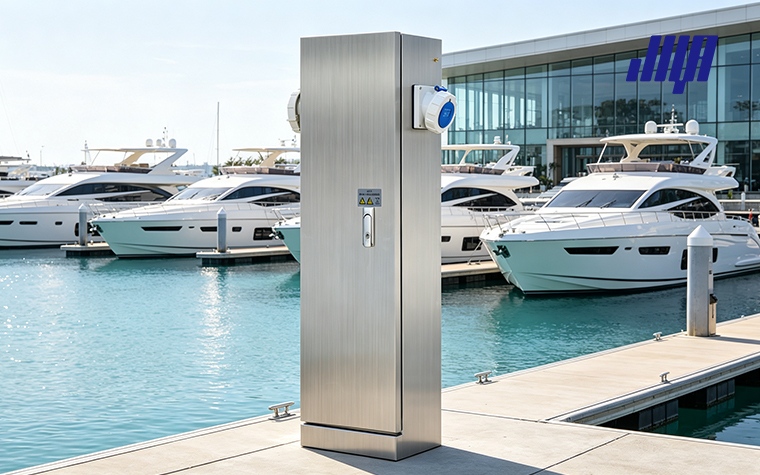
In a marina or dock environment, power pedestals are essential fixtures that provide electricity to power boats and support dockside operations. They were generally targeted to allow the charging of batteries, running of onboard appliances, and maintenance of other electrical requirements of a vessel while docked. These power pedestals are typically equipped with electrical outlets, circuit breakers, and sometimes even water outlets and lighting fixtures. By enabling easy access to utilities, power pedestals make life convenient, safe, and functional for both marina staff and boaters. The selection and maintenance of these pedestals are thus crucial to ensuring uninterrupted performance and reliability.

What is a Power Pedestal?

A power pedestal, also known as a marina power pedestal, is an independent unit that provides boats docked at marinas or other similar facilities with a reliable source of electric power and sometimes other utilities. Power pedestals can come with one or more electrical outlets, offering a range of voltage and amperage options to cater to various vessel needs. In addition to electricity, many power pedestals also provide water hookups, Wi-Fi, and ambient lighting. The modern power pedestal is equipped with a range of valuable features that enhance safety and longevity, including intelligent metering, surge protection, and corrosion-resistant materials. Hence, power pedestals are the lifeblood that keeps marinas fully operational and efficiently serviced, providing boaters with convenient access to all the essential services required when docked.

Importance of Power Pedestals in Marinas

Power pedestals are among the indispensable elements in modern marinas, providing easy access to electricity and other utilities for docked boats. According to recent data, the global marina power pedestal market is expected to experience considerable growth, driven by an increase in recreational boating activities and advancements in innovative technology. These pedestals provide secure power along with other features such as energy-saving LED lighting, Wi-Fi connectivity, and smart meters for real-time monitoring of energy consumption.

For large boats requiring a substantial power supply of 30 to 100 amps and beyond, build power pedestals that are sturdy enough to meet the diverse energy demands of vessels. Additionally, the power pedestals provide surge protection and, being weatherproof, ensure that services remain uninterrupted even in harsh coastal weather conditions. Green energy solutions are being adopted in many marinas, with certain pedestals even offering a solar power option to support these green practices. This has transformed power pedestals into crucial components in making marinas more efficient, while enhancing the overall experience for boaters worldwide.

Commercial vs. Recreational Use

There are, however, two sets of criteria to consider when deciding on a suitable power pedestal. Based on the latest search information, commercial use focuses on high capacity, durability, and multi-systems. Recreational use, by contrast, favors portability, ease of installation, and user-friendly features.

Key Point

Commercial

Recreational

Capacity

High

Moderate

Durability

Industrial-grade

Standard

Users

Multi-user

Single-user

Portability

Fixed

Portable

Installation

Complex

Easy

Features

Advanced

Basic

Cost

Higher

Lower

Maintenance

Professional

DIY-friendly

Choosing the Right Power Pedestal for Your Dock

Choosing the Right Power Pedestal for Your Dock

The choice of power pedestal for the dock depends on specific requirements and usage. An industrial-grade power pedestal with more demanding features may be the best option for docks serving multiple users or those requiring high energy capacity. These are highly durable and built to last in the long run, but they are also a significant upfront investment, requiring professional installation. Portable power pedestals with basic features may be sufficient for docks intended for individual or casual use. They are just as easy to install with less cost involved, thus giving them an edge for smaller applications. Go with what suits your needs, budget, and preferences for installation.

Factors to Consider

It is paramount to go through the dock’s intended use, site and environmental conditions, and construction materials. Up-to-date information also shows that searches on the terms “durable dock materials” and “low-maintenance dock options” are trending. Aluminum and composite materials, which offer strength, corrosion resistance, and require little maintenance, are gaining popularity. Also, consider the water conditions in your area. Calm lakes may allow for lightweight, floating docks; however, areas with rougher waters or strong currents need fixed or robust options for safety and longevity. In addition to these, green designs are catching people’s attention, with many users searching for sustainable solutions that investigate minimal impact on aquatic ecosystems.

Optional Features to Enhance Functionality

Enhance dock usability and safety by choosing one or more of these features:

  • Boat Lifts

Using these lifts keeps boats out of the water for much of the time, preventing further wear and tear and easing maintenance work.

  • Dock Lighting

Lights of the LED or solar variety are fitted to provide safe access to the dock at night and create an inviting atmosphere.

  • Dock Bumpers

These protect the boats and dock from the damages incurred due to impact, especially at places where there are varying water levels or currents.

  • Storage Boxes

The waterproof storage boxes could be installed to securely store boating equipment, life jackets, or any other necessary supplies within convenient reach.

  • Swim Ladders

Swim ladders provide an easy and safe way for people to enter and exit the water, enhancing the recreational benefits of the dock.

Recommended Brands and Models

  • Dock Edge+

Renowned for making strong and durable dock bumpers, this Dock Edge+ line will give you various choices for endurance, even in harsh marine environments. The highly sought option is called “Dock Edge+ Dock Side Bumper” for premium protection.

  • Taylor Made Products

Taylor Made is a trustworthy name in the boating industry, and they manufacture pretty versatile dock accessories. Highly rated for sturdiness and ease of use are their three-step aluminum dock ladder and other swimming ladders.

  • Plano Storage Solutions

Plano offers trusted, rugged,d waterproof storage boxes to keep your boating supplies safe and dry. Its “Plano Guide Series Waterproof Case” is popular among boaters for secure storage.

The brands combine innovation, durability, and user-friendly designs to create these exceptional choices, enhancing dock functionality and longevity.

Power Pedestal Solutions for Deck Installations

Power Pedestal Solutions for Deck Installations

They are street pedestals needed for dock-side electrical access that has the real element. A safe and convenient way to power boats, lights, and other equipment is how they are seen. High-grade pedestals in weather-resistant housings with integrated circuit breakers and multiple power outlets are provided via Dock Power Co. and Marina Electrical Solutions. When selecting a power pedestal, ensure it complies with safety regulations, has sufficient power capacity for the intended use, and is easy to install.

Benefits of Using Power Pedestals on Decks

  • Safety-Enhanced Operation – Power pedestals are built in compliance with safety standards to eliminate the typical risks of electrical hazards occurring, such as electrocution or short circuits. The integration of circuit breakers with ground fault protection ensures safe operation.
  • Convenience and Accessibility – On power pedestals, outlets operate on either voltage, providing a simple way to access most devices and equipment that might be used on the deck, ranging from boats to lights or maintenance tools.
  • Durability and Weatherproofing – On the highest-grade power pedestals, weather-resistant materials such as UV-stabilized polyethylene or stainless steel withstand all the harsh outdoor conditions, including rain, wind, and sun.
  • Better Appearance – The modern power pedestal features a stylish design suitable for complementing the overall look of a marina or dock. Their presence obviates the clutter of wires and builds an organized, professional-looking space.
  • Energy Efficiency Match Metering – Power pedestals come with energy-metering choices that allow users to monitor and restrict the amount of power they consume. This helps keep energy costs down and promotes responsible energy usage.

Installation Considerations

Before installing power pedestals, it is essential to conduct a thorough site assessment to determine the specific needs and challenges of the location. Consider the dock layout, electrical load requirements, and local regulations to ensure compliance and safety. Proper spacing and positioning of the pedestals are crucial to maximize utility while minimizing potential hazards. Additionally, the installation should utilize high-quality, weatherproof materials that can withstand harsh marine conditions. Consulting with professional electricians and following the manufacturer’s instructions and guidelines will facilitate an installation that is both reliable and efficient.

Accessory Options for Deck Power Pedestals

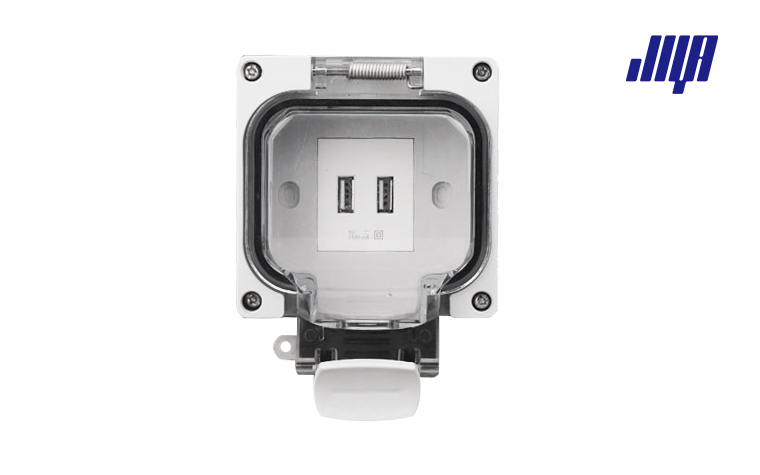
Deck power pedestals can be accessorized with various options to improve functionality and meet specific requirements. These options commonly include built-in LED lighting to improve nighttime visibility, water hose connections that provide access to fresh water, and intelligent metering systems to monitor electrical consumption. Other options might include USB charging ports, surge protective devices to protect the equipment, and weatherproof enclosures for durability. Complementary features, such as cable management solutions and EV charging adapters, are also becoming increasingly common, catering to modern demands and providing a highly adaptable power solution for the marina environment.

Eaton Power Pedestals: A Comprehensive Overview

Eaton Power Pedestals: A Comprehensive Overview

Eaton power pedestals are intended to provide dependable and efficient power distribution for marine environments. They are well-constructed, have energy-efficient lighting, and feature customizations to serve a wide array of needs. Eaton power pedestals offer the benefits of materials that are tough enough to last a lifetime, integrated energy monitoring to track energy consumption, and configurations with more power options to accommodate various vessel sizes. More importantly, since safety is a key consideration for Eaton, these pedestals feature built-in surge protection systems and are weather-resistant, ensuring dependable performance even in challenging outdoor environments. The blend of innovation and functionality has, therefore, made Eaton a name that modern waterfront power solutions can rest on.

Features of Eaton Power Pedestals

  • Durable Construction

Eaton power pedestals are manufactured using high-grade materials, making them capable of withstanding challenging marine environments while offering longer performance life and dependability.

  • Integrated Energy Monitoring

These pedestals feature advanced energy monitoring systems, enabling the efficient tracking of power usage for improved energy optimization.

  • Multiple Power Configurations

Depending on the power configuration, these pedestals accommodate a myriad of power requirements for vessel sizes ranging from small boats to large yachts.

  • Enhanced Safety Features

Safety is the foremost factor, with built-in surge protection, GFCI options, and weather-resistant designs to safeguard users and equipment.

  • Modern Aesthetic and Customization

The pedestals feature a chic, modern design that can be customized with LED lighting and branding options to enhance the waterfront’s aesthetics.

Comparative Analysis with Other Brands

According to the latest searches, different brands of RV power pedestals offer varying features, degrees of endurance, and pricing, with some being more user-friendly than others, catering to various needs and tastes.

Key Point Brand A Brand B Brand C
Features Advanced Standard Basic
Durability High Moderate Low
Cost Expensive Affordable Budget-friendly
User-Friendliness High Moderate Basic
Target Users Professionals General Users Beginners

Customer Reviews and Feedback

Many customers have expressed their opinions about the pedestal, including its durability and modern features. Many customers have taken into consideration the dependability of various built-in safety features, especially surge protection and the option for GFCI, which allows users to gain confidence while using them. While full sunshine shines on a modern look and customization options, these are recognized as features that allow for an enhanced expression of their waterfronts. Some feedback has also indicated that an improved manual for installation could further enhance the customer experience. Otherwise, the opinion is that the pedestal offers excellent performance and value for their money at the standard level that users have come to expect.

Reference Sources

  1. The role of ETG modes in JET–ILW pedestals with varying levels of power and fuelling
    • Authors: B. Chapman-Oplopoiou et al.
    • Journal: Nuclear Fusion
    • Publication Date: 2022-05-30
    • Citation Token: (Chapman-Oplopoiou et al., 2022)
    • Summary:
      • This paper discusses the role of electron-temperature-gradient (ETG) modes in the heat flux dynamics of JET-ILW (ITER-like wall) discharges. It highlights how variations in power and gas fueling affect the stability and performance of the plasma pedestal, which is crucial for achieving optimal fusion conditions.
    • Methodology:
      • The authors conducted gyrokinetic calculations based on experimental data from JET discharges. They analyzed the relationship between the normalized temperature and density gradients and their impact on heat flux, providing insights into the mechanisms that govern pedestal behavior in fusion reactors.
  2. Self-consistent core-pedestal ITER scenario modeling
    • Authors: T. Rafiq, J. Weiland
    • Journal: Nuclear Fusion
    • Publication Date: 2021-09-23
    • Citation Token: (Rafiq & Weiland, 2021)
    • Summary:
      • This study presents integrated simulations aimed at understanding the dependencies that affect the performance of ITER, with a particular focus on the core and pedestal characteristics. The findings emphasize the importance of the pedestal in determining fusion power output.
    • Methodology:
      • The authors employed integrated modeling techniques to investigate the impact of various parameters, including magnetic field strength and fueling rates, on the temperature and density profiles of the plasma pedestal. The study involved simulations to predict how these factors influence overall reactor performance.
  3. Top Power Pedestal Manufacturer And Supplier In China

Frequently Asked Questions (FAQs)

What is a power pedestal for a marina?

A power pedestal is a vital component used in marinas to provide electrical connections for boats. It serves as a centralized station where boat owners can plug in to access shore power, which is essential for running appliances, charging batteries, and maintaining onboard systems. These pedestals are designed to withstand harsh marine environments and are often equipped with receptacles for various power needs.

What are the standard features of a power pedestal?

Standard features of a power pedestal typically include multiple receptacles for different voltage options, metering capabilities for monitoring usage, and alarm systems for enhanced safety. Some models may also include fire extinguisher storage and UV-resistant materials to ensure durability in outdoor conditions.

How do power pedestals enhance the entire marina experience?

Power pedestals enhance the entire marina experience by providing boaters with easy access to shore power and other essential services. They can be equipped with charging stations and internet connections, allowing for a well-equipped docking experience. This convenience supports various activities and ensures that boats are always ready for use.

What optional features can you find in power pedestal models?

Many power pedestal models come with optional features that can be tailored to specific needs. These may include additional receptacles, compact designs for limited space, and modular options that allow for easy assembly. Some pedestals also offer elegant designs that complement the marina’s aesthetic while providing robust capabilities.

What is the importance of a fire extinguisher storage in power pedestals?

Fire extinguisher storage in power pedestals is crucial for comprehensive safety in marinas. Given the potential fire hazards associated with electrical equipment, having an accessible fire extinguisher ensures quick response in case of an emergency. This feature adds layer of security for both boat owners and marina operators.

How tall are typical power pedestals, and why does height matter?

Typical power pedestals are around 30 inches tall, which is an ideal height for accessibility while remaining unobtrusive on the dock. The height facilitates easy use for boaters, allowing them to plug in without bending down excessively. This ergonomic consideration makes the power pedestal a practical solution for all users.

What materials are used to construct power pedestals?

Power pedestals are commonly constructed from durable materials such as resin, which can withstand harsh marine environments. The use of high-quality materials ensures longevity and reliability, enabling the pedestal to function effectively while resisting corrosion and wear caused by saltwater exposure.

How do dock boxes relate to power pedestals?

Dock boxes are often used in conjunction with power pedestals to provide additional storage for boating accessories and equipment. While the power pedestal serves as a charging station and electrical supply point, dock boxes provide a compact solution for storing items such as tools, lines, and personal belongings, thereby enhancing the overall functionality of the dock area.

How to Install RV Power Pedestal: Wiring & Electrical Guide

Installing a 200-amp pedestal for the RV is always the decision made to guarantee a strong and safe power supply for the RV. Regardless of the installation setting, whether a residential property or a campground, wiring and electrical considerations must be met to fulfill the RV’s power needs and secure the equipment, this guide aims to get rid of any doubt concerning the installation by providing step-by-step instructions to get the job done right, fast, and safely. From covering key points to meeting electrical code requirements, we’ve got everything that makes it easy, stress-free, and even enjoyable. Read on to learn how this RV pedestal setup gets your power running in no time!

Understanding RV Pedestals

Understanding RV Pedestals

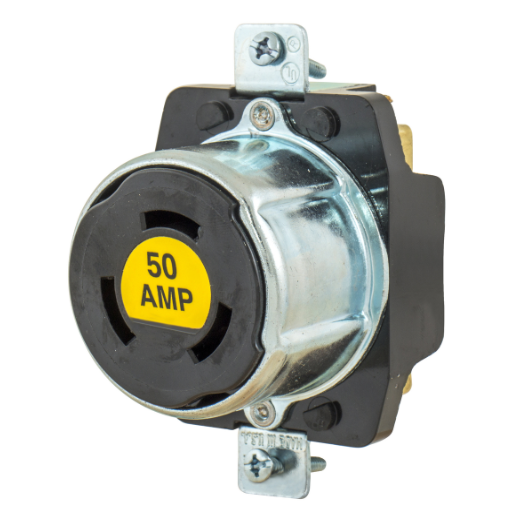
An RV pedestal acts as a dedicated power supply for supplying power to recreational vehicles. Such a pedestal typically provides standard electrical hookups, including 30-amp and 50-amp outlets, to accommodate the varying power needs of RVs. They are installed in campgrounds, parks, and some private properties to allow an RV owner to plug in power directly to their vehicle. It provides RVs with a fair and safe power supply for operating appliances, charging batteries, and maintaining general comfort while on the road. Proper installation and maintenance of the RV pedestals become critical for their consistent performance and safety.

What is an RV Pedestal?

An RV pedestal is a utility box designed to provide electrical hookups for recreational vehicles. These pedestals offer multiple outlets, commonly with 120V and 240V connections, including 20A, 30A, and 50A, to address the various power requirements of RVs. Most modern RV pedestals are also equipped with circuit breakers and surge protection and can include water and cable TV hookups, depending on the location. They are typically used at campgrounds, RV parks, and residential homes to provide power to RV owners, allowing them to operate appliances, lighting, air conditioning systems, and other essential systems. For the sake of convenience and safety, RV pedestals are designed to withstand all sorts of outdoor conditions and meet industry standards.

Types of RV Pedestals

Pedestals can be metered, unmetered, lighted, stainless steel, or pad-mounted types for motorhomes.

Type Features Material Mounting Usage Safety
Metered Tracks usage Steel Surface Billing Circuit Prot.
Unmetered Basic power Steel Surface General Circuit Prot.
Lighted Illumination Steel Surface Night Use Circuit Prot.
Stainless Steel Corrosion Res. Stainless Surface Durable Circuit Prot.
Pad-Mounted Fixed setup Steel Pad Permanent Circuit Prot.

Importance of Proper Installation

Due to safety, functionality, and durability concerns, proper installation of the pedestal is essential. In the event of improper installation of the pedestal, dangers such as electrical hazards may develop, causing damage to the equipment or other incidents, including fires. According to the National Fire Protection Association (NFPA), faulty electrical systems are among the leading causes of fires in RVs and camping setups. The installation of RV pedestals in compliance with NFPA 70 (National Electrical Code) effectively reduces these risks.

Key factors to observe during installation include verifying proper wiring, ensuring the correct construction of circuit breakers, and ensuring appropriate grounding. A substandard grounding would allow for electrical surges, which cause damage to approximately $1 billion worth of home and RV electrical equipment annually in the United States. Additionally, weather-proofing of materials and components during the installation operation will enable the pedestal to withstand environmental factors that could otherwise cause it to fail. Such include rain, snow, and UV rays, which all would have shortened its operational life.

Initially, it would be wise to hire an electrician or certified technician to install or at least inspect the pedestal. They shall do that while ensuring compliance with local electrical codes, which lessens the future chance of failure. Further periodic inspection, checks, and testing shall guarantee efficiency in terms of safety, contributing to maximum convenience for the owner and reliability in power sourcing for the RV.

Preparing for Installation

Preparing for Installation

In preparation for the installation of an RV power pedestal, one should first choose a site that allows easy access for RVs and complies with local regulations. The site should be level, firm, and unobstructed. One should verify that the power supply matches the pedestals’ needs, such as a 30- or 50-amp service. Next, you’ll want to prepare all your basic supplies and tools, and in some cases, you may need to include wiring and weatherproof enclosures. Safety must be given consideration; therefore, turn off the power supply at this point. Also, note that local building codes and permit requirements should be checked during the installation procedure, and it may be necessary to have the setup done by a licensed professional to ensure compliance with the installation.

Tools and Materials Needed

The following tools and materials are very much required to complete the installation of the pedestal:

  1. Screwdriver Set – For tightening connection screws during assembly.
  2. Wire Strippers and Wire Cutters – To strip wire ends and to cut wires to suitable lengths.
  3. Voltage Tester – To check if power is off before commencing work.
  4. Conduit and Fittings – To channel and protect the cables.
  5. Weatherproof Enclosure – To protect connections from outdoor elements.
  6. Wire of Proper Gauge – Concerning the amperage rating of either 30-amp or 50-amp.
  7. Circuit Breakers – Suitable for the electrical requirements.
  8. Drill and Anchors – To hold the pedestal firmly in place.
  9. Electrical Tape – To mask wire connections.

Organizing these materials according to the specific work at hand will allow you to save time and maintain clarity and safety during manual application, adhering to standards.

Understanding Your RV Power Requirements

First and foremost, it is essential to understand the exact power requirements of your vehicle to ensure a smooth connection to the electrical system. The majority of RVs are equipped with either 30- or 50-amp systems, which simply refer to the amount of electricity available for powering your devices and appliances. Working under these general assumptions, you would say that a 30 amp system provides 3,600 watts (120 volts times 30 amps), and a 50 amp system will provide up to 12,000 watts if it utilizes both legs of the 120 volts. The easiest way to determine what your RV requires is to refer to the owner’s manual or simply inspect the power connection inlet on your RV. Knowing this can help you with avoiding circuit”, “FINE”, “delicate, which is to help you avoid overloading circuits and can help align your electrical requirements with those of campground or pedestal setups.

Choosing the Right Location

Several factors should be considered when selecting the perfect location for your RV vacation. Start by deciding on what kind of setting you want — hanging out on a quiet mountainside, on a sunny beach, or in a wooded campground. The site must be accessible, ensuring your RV can arrive and park without any issues. Determine if your needs for amenities such as water hookup, electricity, Wi-Fi, or waste disposal are met at the site. You may also want to consider the distance to local attractions, hiking trails, or other areas where leisure activities take place. A valuable tool in your arsenal is Google Maps, along with various campground directories that provide further insight through reviews and photos posted by fellow travelers.

Wiring an RV Pedestal

Wiring an RV Pedestal

An RV pedestal must be wired appropriately to provide a safe and reliable power supply to the RV. Use the following instructions:

Turn Off Power – Before beginning, switch off the power supply to the pedestal to eliminate any risk of electrical hazards. A voltage tester must be used for confirmation.

Identify the Connections – Pay attention to the pedestal wiring terminals. Usually, they are:
Hot (Black or Red Wire) – This carries the electrical current.
Neutral (White Wire) – Completes the circuit by returning the current.
Ground (Green or Bare Wire) – Prevents electric shock.

Connect the Wires – The wires should be wound around the terminals, and the terminals should be tightened. Connect:

The hot wire to the terminal is labeled “Hot” or “L.”
Connect the neutral wire to the terminal marked “Neutral” or “N.”
Ground wire to the terminal marked “Ground” or “G.”

Tighten and Inspect – Tighten every connection to ensure the wiring is secure, as loose connections can cause overheating and faults. Inspect every wiring to ensure it is attached to the correct terminal.

Restore Power and Test – After completing the wiring, power must be restored to the pedestal. Using a voltmeter, test the outlet to ensure it is supplying the correct voltage (typically 120V or 240V, depending on your RV requirements).

If you are unsure about anything, for safety, hire a qualified electrician or professional to do the job. Adhere to all local electrical codes and standards.

Basic Wiring Principles

When handling electrical wiring, some safety and operational rules should be followed. Highly important is ensuring that the power is switched off from the source before doing any electrical work. Insulated tools should be used whenever possible to reduce shock hazards. Wires must be handled with care, avoiding contact with exposed parts. Usually, the colors help them to be identified: black or red is hot, white is neutral, and green or bare is ground. Connections should be securely fastened, using terminal screws or wire nuts as required, to prevent any loose or defective wires. Finally, use the multimeter again to verify that everything is connected correctly and has the correct voltage levels; this will ensure the system is functioning properly.

Connecting to the Main Panel

Feeding the main panel must be done only with a thorough understanding of electrical systems and strict adherence to stringent safety precautions. First, switch off the main breaker to cut the power supply. Route the wires carefully through a suitable conduit for neatness and protection. Connect the circuit wires in the panel to their respective terminals-hot wires to breakers, neutral wires to neutral bus bar, and ground wires to ground bus bar. Check all connections again to be sure that all are tight and secure. Use the circuit tester or multimeter to verify the wiring against any errors before switching the power back on. When in doubt, always have a licensed electrician handle this for you to ensure safety and compliance with local codes.

Installing a Meter for Monitoring

Installing energy meters is often considered one of the most practical ways to provide valuable information on electrical consumption and to determine efficiency, thereby reducing operational costs. First, identify a sound meter that suits the requirements of your system. As a safety measure, turn off the power supply and mount the meter close to the main electrical panel. Continue wiring your meter according to the manufacturer’s directions. Ensure line, load, neutral, and ground connections are appropriately connected. After installation, restore the power supply and test the meter. Smart meters are beneficial because they provide granular real-time data that can further be accessed through their mobile apps or Web interfaces to make energy tracking and management as efficient as possible.

Testing and Safety Checks

Testing and Safety Checks

Depending on the type of smart meter being installed, standard tests for proper operation may include:

  1. Display Check – To confirm that the energy (electrical consumption) data is being transmitted through the meter and displayed correctly on the display or the pair-down app.
  2. Power Consumption Readings – Compare the instant reading with past consumption data or a trusted meter for accuracy.
  3. Stable Power Supply – Ensure the installation causes no fluctuations or interruptions.
  4. Connections – Ensure all wiring connections are securely insulated.
  5. Keep Watch for Alerts – Monitor the meter for any faults or alerts that may indicate an issue.

If anything unusual is spotted, refer to the guide for the meter or contact a professional electrician to remedy the problem safely. Always observe safety procedures, including using tools and wearing protective equipment, when inspecting the meter.

Verifying Connections

Connections are tested for correct electrical functioning. Start by visually inspecting whether the wires are connected to the proper terminal as per the wiring diagram. Loose or unsecured wires can cause inaccurate readings or operational hazards. Using a multimeter to check continuity or voltage points follows the following process. If all readings are as expected and power is flowing, the connections are fine. In the event of erratic meter behavior or a result indicating a possible fault, refer to the device manual for troubleshooting or contact an electrician. Maintaining an efficient connection is key to the meter’s accuracy and the system’s reliability.

Testing for Proper Functionality

To test if the device is working correctly, first check the nurse’s physical condition, the condition of their connections, to see if there is any wear and tear, damage to a wire, or loose wiring. If the device has one, then do the calibration test using the manufacturer’s instructions to align the readings. Most modern testing equipment has a diagnostic mode that quickly identifies common faults. Additionally, compare your findings to the standard operating parameters described in the user manual or technical documentation. Hands-on testing, combined with independent information from updated manufacturer FAQs or reliable online resources, should present a detailed view of the problem. Always observe strict safety measures when working on any electrical system, and if you have any doubts, consider seeking the assistance of a professional for further diagnostics.

Safety Tips for RV Power Installation

  • Turn Off Power Sources

Before carrying out any power installation, always turn off the power to protect against the risk of electric shock injuries. This means the RV should be disconnected from shore power, and if a generator is installed, it should be switched off.

  • Use Suitable Tools and Equipment

Always use tools and equipment meant for electrical work. Insulated tools, voltage testers, and circuit analyzers are some valuable ones that will guarantee installation accuracy and safety.

  • Ground What Should Be Grounded

Verify that the RV electrical system is grounded in a manner that prevents electrical surges and shocks. Improper grounding could also lead to a life-threatening hazard.

  • Check All Cables and Connections

Inspect thoroughly for any signs of wear, fraying, or damage in all electrical cables, wires, and connections. Any found up to such a standard must be considered for replacement before installation.

  • Follow Local Codes and Regulations

Follow local electrical codes and regulations to ensure that safety standards are upheld for the installation. This could include verifying if there are any requirements for breaker amp ratings, wire gauge sizes, or even connection types.

Reference Sources

  1. VANPEURSEM ARCHITECTS PROJECT NUMBER 23395
    This document describes RV connection pedestals mounted on precast concrete posts, along with their electrical arrangements.
    View Source

  2. PROJECT MANUAL
    Detailed instructions for setting up electrical distribution panels, including RV pedestals.
    View Source

  3. Lake of the Ozarks State Park, Kaiser, Missouri
    Project drawings for the installation of RV power pedestals on concrete pads at the campsites.
    View Source

  4. Top Power Pedestal Manufacturer And Supplier In China

Frequently Asked Questions (FAQs)

How to Install an RV Pedestal: What Tools Are Needed?

To install an RV pedestal, you will need several essential tools, including a shovel for digging a trench, a wire stripper for preparing the conductors, a screwdriver for securing the receptacle, and a level to ensure proper alignment. Additionally, you’ll need a grounding rod, lugs for connecting wires, and an amp breaker suitable for your required amperage, such as a 50-amp or 30-amp outlet, depending on your RV’s needs.

What Are the Steps to Install an RV Power Pedestal?

The steps to install an RV power pedestal include selecting a suitable location, digging a trench for the direct burial of the feeder wires, installing the pedestal according to the manufacturer’s instructions, and connecting the wires to the receptacle and breaker. Ensure that the pedestal is properly grounded with a grounding electrode and that all connections are secure to prevent voltage drop.

Do I Need to Hire a Professional to Install an RV Pedestal?

While it is possible to install an RV pedestal yourself if you have electrical knowledge and skills, hiring a professional electrician is recommended for safety and compliance with NEC standards. A qualified electrician can ensure that the installation complies with local codes, especially when dealing with high voltages, such as 240 volts or 200 amps.

What Is the Proper Voltage for RV Pedestal Installation?

Most RV pedestals are designed to accommodate different voltage requirements, typically featuring 30-amp or 50-amp outlets operating at 120 volts. However, for larger RVs, a 200 amp meter may be necessary to provide adequate power. Always check the voltage requirements of your RV and ensure that the installation adheres to local electrical codes.

How Deep Should I Bury the Feeder Wires for My RV Pedestal?

Feeder wires for an RV pedestal should be buried at least 24 inches deep if using direct burial wire, as specified by the NEC. This depth helps protect the cables from physical damage and environmental factors. It is essential to verify local codes, as some areas might have specific requirements regarding burial depths.

What Type of Grounding Electrode Should I Use for RV Pedestal Installation?

A grounding electrode, such as a ground rod, is essential for RV pedestal installation to ensure safety. The NEC requires a grounding rod to be driven into the ground, providing a path for electrical faults. The grounding system must be appropriately connected to the RV panel to help minimize the risk of electrical shock.
Can I Use an Adapter for Different Amp Ratings When Installing an RV Pedestal?

Yes, you can use an adapter to connect your RV to a different amp rating pedestal, such as using a 30 amp hookup with a 50 amp RV. However, ensure that the adapter is rated for the appropriate voltage and amperage to prevent overheating and potential electrical hazards. It’s advisable to use adapters that comply with NEC guidelines.

What Is the Demand Factor for RV Pedestal Circuits?

The demand factor refers to the maximum load that is expected to be used on the circuit at any given time. For RV installations, especially those with multiple circuits or when planning for high-demand appliances, it’s crucial to calculate the demand factor correctly to ensure that the installed pedestal can handle the load without tripping breakers or causing voltage drop issues.

The Ultimate Guide to Power Pedestal

The marina and docks are bustling activity centers, famous landing points for boating adulation and coastal delight. Power access is among those aspects that seldom come to thought in these areas. Power pedestals maintain the entire power scenario, ensuring everything is well-powered and connected, including the boats, their systems, and even their owners. Expect detailed information about marina and docking power solutions in this article, including explanations of what a power pedestal is, why they are necessary, and how to choose the best fit. This comprehensive reference will serve all operators, boat owners, and dock builders in identifying the essential factors to consider when ensuring that power supplies both the facility and the vessel in operational mode. Brace for an awakening into the latest world of marina power-wielding, filled with trusted insights and practical suggestions.

Understanding Power Pedestals

Understanding Power Pedestals

Power pedestals are installed in marinas and docks to deliver safe and secure electrical access to boats or to power other essential watercraft activities. They provide for the charging of the vast majority of batteries, which are equipped to function and help operate the vessel, as well as run onboard appliances. Power pedestals today are more ruggedly durable, featuring safety features and user-friendly interfaces. Sometimes, these pedestals can even provide outlets for different amperages, among other features, such as parental lighting or even water hookups. When selecting power pedestals, always consider your facility’s or vessel’s power requirements to ensure reliability and suitability for all your needs.

What is a Power Pedestal?

A power pedestal is a highly durable, weatherproof electrical unit commonly used in marinas, RV parks, and other outdoor operations that require a consistent power source. It proudly claims to be the on-site source of power for multiple boats, recreational vehicles, or perhaps other equipment. Typical modern power pedestals feature outlets of various types and amperages, such as 30-amp, 50-amp, or higher levels, thereby offering power options to address diverse electrical requirements. They possess numerous layers of safety, such as circuit breakers and ground fault protection. Together with the safety, they come with convenient conveniences like an LED light, water connection, and monitoring some level of power usage (metering). These are designed for static outdoor environments where uninterrupted power is paramount to ensure the flawless delivery of power.

Components of a Power Pedestal

Typically, a power pedestal comprises various components that ensure its functionality and reliability:

  • Electric Outlets – The outlets are designed to accommodate multiple types of plugs, offering versatile and reliable connections for various devices or pieces of equipment.
  • Circuit Breaker-Integrated circuit breakers protect the system against overload and short-circuit conditions.
  • Ground Fault Protection (GFCI) – This safety device detects a ground fault and shuts off power to prevent electrical shock to people and the possibility of damage to equipment.
  • Metering Systems – Advanced metering features provide users with real-time electricity measurement, enabling them to manage their energy effectively.
  • Water Connections – Many units feature water hookups for added convenience in areas such as marinas or RV parks.
  • LED Lighting – It enhances safety and usability during low-light conditions.
    Durable Enclosure – A sturdy and weather-resistant housing protects internal components from environmental factors, ensuring longevity and optimal performance.

These components work together to provide a reliable and efficient power solution for a myriad of outdoor applications, from recreational to commercial.

Types of Power Pedestals

The power pedestal types include Lighthouse, Hatteras, Admiral, Newport, Mariner, and Firehouse, categorized by application name, such as marinas, RV parks, and docks.

Key Point Lighthouse Hatteras Admiral Newport Mariner Firehouse
Material Resin/Steel Resin/Steel Stainless Resin Resin Stainless
Height Tall Compact Tall Compact Varies Tall
Power (Amps) Up to 480 Up to 140 Up to 500 Up to 140 Varies Varies
Features 360° Light 360° Light High Power Directional Versatile Safety Focus
Use Case Marinas Small Docks Mega Yachts Small Docks Multi-Use Emergencies

Choosing the Right Power Pedestal for Your Dock

Choosing the Right Power Pedestal for Your Dock

There are a few considerations to determine what kind of power pedestal is the most desirable for your dock:

  1. Power Requirements – Does the dock require electrical power, and if so, what sort and quantity of devices will you be powering? This would inform the pedestal of the voltage and amperage it needs to provide.
  2. Durability and Weather Resistance – Choose a pedestal made from materials specifically designed to withstand harsh environmental conditions, including exposure to UV rays, saltwater, and heavy rainfall.
  3. Lighting Feature – This feature will help in situations where night visibility is a concern.
  4. Other Features – Additional features, such as USB power, metering utility tracking, or circuit protection, should be considered if relevant.
  5. Compliance and Certifications – Ensuring the pedestal meets safety and electrical standards assures that it will function properly and safely.

Checking these factors will ensure that you select a power pedestal that meets the specific needs of your dock while also being reliable and safe.

Factors to Consider

These would be important considerations to ensure it fulfills your particular needs adequately about the power pedestal for your dock:

  • Power Capacity and Voltage Options

Depending on your dock’s needs, ensure the pedestal has sufficient power capacity. Some standard options include 30A and 50A, but higher capacities are available for larger vessels. An ability to accommodate different voltage options is also helpful.

  • Durability and Material

The pedestal must be constructed of high-quality materials in a weather-resistant manner, such as stainless steel or UV-stabilized polyethylene, to withstand the harsh marine atmosphere and prolonged exposure to the weather.

  • Lighting Features

Some pedestals come with built-in lights for enhanced dock visibility and safety after dark. Preference is usually given to LED lighting due to its low power requirements and long lifespan.

  • Surge and Circuit Protection

Ensure that any pedestal you purchase offers the necessary protection in the form of surge protection and ground fault circuit interrupters (GFCIs), which will protect both the equipment and the user during operation.

  • Ease of Installation and Maintenance

Select one that is easy to install and requires little upkeep. Instructions must be clear, and components must be accessible for installation and maintenance.

Keeping those points in mind will ensure that the power pedestal you get maintains safety and efficiency, at least for an extended period.

High-Quality Features to Look For

Power pedestals for docks should offer durability, safety, and convenience as their essential features. These are the five quality features you should consider:

  • Weatherproof Construction

Ensure that you purchase a corrosion-resistant power pedestal made from marine-grade aluminum or stainless steel. A power pedestal thus built ensures longevity and can perform reliably even under harsh weather conditions.

  • LED Lighting

Power pedestals with LED lighting offer good visibility and safety during nighttime operations, and are more energy-efficient and longer-lasting than conventional lighting sources.

  • Several Power Outlet Options

Ensure that power pedestals with different power outlet configurations are selected based on vessel-specific requirements. Having standard outlets such as 30A, 50A, or 100A ensures user-friendly adaptability.

  • Metering

Metering in the digital display inside allows for the actual recording of power being used; this way, dock owners and boaters can keep a record of how much electricity is being used.

  • Safety from Advanced Disasters

Find this information in ground fault protection features, circuit breakers, surge protection, and any other measures that help protect users and equipment from electrical hazards.

Finding the Perfect Fit for Your Marina

Several key considerations must be taken into account when selecting a power pedestal for your marina. First, determine the power requirements of your boaters, such as the most common amperage and the number of slips they may need. Then consider whether the pedestal will withstand well in an open maritime environment, likely in severe weather, constant UV exposure, and the threat of corrosion. Value-added and safety-enhancing considerations include several advanced features, such as built-in metering and surge protection. If saving operational costs is your consideration, energy efficiency also comes into view. Lastly, a good appeal to the eye would not go amiss; hence, consider the aesthetics and working design of the dock so that the design you choose will serve as an enhancement to the general appreciation of your marina.

Marina Power Solutions

Marina Power Solutions

Marina power solutions must be reliable, durable, and safe. Select units designed specifically for marine environments, ensuring they can resist corrosion and withstand weather conditions. Ensure compliance with local electrical codes and standards to maintain safety in your area. Look for models that offer surge protection, energy efficiency, and metering to enhance operation and reduce costs. Select designs that blend seamlessly with your marina’s aesthetics for a sleek, cohesive look.

Benefits of High-Quality Power Pedestals

  • Enhanced Durability and Longevity

Premium power pedestals are fabricated from sturdy, corrosion-resistant materials, enabling them to withstand harsh marine atmospheres and deliver reliable performance for years. This element of durability cuts down maintenance costs and the frequency of replacements.

  • Maintain Safety Standards

The pedestals comply with strict electrical safety regulations, offering surge protection, weatherproof outlets, and ground-fault interrupters to keep users, equipment, and the marina safe.

  • Energy Efficiency

Sophisticated power pedestals feature energy-efficient components to reduce electricity usage. Some pedestals also feature innovative energy management systems that optimize the distribution and monitoring of power.

  • Ease of Use and Convenience

Integrated metering, conspicuous outlets, and customizable configurations ensure that high-quality pedestals are easy to use, addressing diverse needs that impact client experience at the marina.

  • Increase in Aesthetic Value and Branding Opportunity

A high-quality design features sleek and modern aesthetics that blend very well into the marina environment. Customization features, such as color and branding, enable the marina operator to create a neat and cunning appearance while simultaneously reinforcing their brand identity.

Durability and Material Considerations

In terms of material selection for the marina stands, durability is a key factor. High-quality pedestals typically utilize weather-resistant materials, such as marine-grade aluminum or UV-stabilized polycarbonate. These materials ensure long-term performance in varying environmental conditions, including prolonged exposure to saltwater, harsh sunlight, or drastic temperature changes. The corrosion-resistant coating is applied to such pedestals to enhance corrosion resistance and prolong pedal life, ultimately reducing maintenance costs. Contemporary pedestals with sturdy material bases, grand design, and high performance will surely serve marinas well in terms of efficiency and client satisfaction.

Stainless Steel vs. Other Materials

Stainless steel is tough, corrosion-resistant, and very long-lasting, whereas materials such as aluminum, mild steel, and plastic are less durable and susceptible to damage, thus requiring more maintenance.

Key Point Stainless Steel Aluminum Mild Steel Plastic
Durability High Moderate Low Low
Corrosion Resistant Moderate Prone Prone
UV Damage Resistant Prone Resistant Prone
Strength High Moderate Low Low
Maintenance Low Moderate High High
Aesthetics Sleek Fades Rusts Discolors
Cost High upfront Moderate Low upfront Low upfront
Lifespan Long-lasting Moderate Short Short

RV Power Pedestals: The U075CP6010 Guide

RV Power Pedestals: The U075CP6010 Guide

The pedestal U075CP6010 for RV power is designed with durability, efficiency, and safety in mind. This unit compensates for the electrical requirements of an RV park, resulting in a diversified electrical demand. Distinguishing elements are:

  • Durability: Constructed from materials that can withstand any weather and heavy use.
  • Multiple Power Outlets: Offers all the standard configurations to cater to the power requirements of an RV.
  • Safety Features: Provides surge protection and ground fault interruptions for added user safety.
  • Simple Installation and Maintenance: Its sleek design ensures quick installation and minimal maintenance.

The U075CP6010 has diverse applications in RV parks, which aim to stay ahead in terms of user performance and satisfaction.

Overview of the U075CP6010 RV Pedestal

Merging modern design with practicality, the U075CP6010 RV pedestal stands as a perfect contender for any contemporary RV park. It is constructed from durable materials that ensure longevity, even in outdoor settings under harsh conditions. By providing multiple power outlet options, the pedestal meets the electrical demands that may occasionally arise in an RV setup. The safety features built into the pedestal, such as surge protection and ground fault interruption, provide an additional level of confidence and security to the user. The clean design also facilitates ease of installation and maintenance, thereby reducing downtime and operational limitations. Hence, the U075CP6010 is a precious combination of reliability and efficiency, fulfilling the objectives of RV park operators and occupants who use it.

Exceptional Features of the U075CP6010

  • Dual 50A/30A/20 Outlets

The U075CP6010 offers multiple electrical outlet configurations: 50, 30, and 20 amp options that accommodate a variety of RV electrical systems.

  • Integrated Surge Protection

Voltage spikes are blocked by surge protection mechanisms, which defend the pedestal and any connected equipment, therefore protecting lifespan and reliability.

  • Weather-Resistant Enclosure

The enclosure is sturdy and resistant to weather, ensuring that internal components remain unaffected by environmental conditions, making it suitable for outdoor use.

  • Easy Installation and Maintenance

Streamlined setup processes characterize this pedestal, along with lucid instructions and a compact design that facilitates fast installation and minimal maintenance.

  • LED Status Indicators

LED status lights come in handy by giving realtime feedback on power availability and fault conditions. This way, users can act quickly when a potential problem arises.

How to Install the U075CP6010 RV Pedestal

  • Choose an Appropriate Location

Begin with choosing a location that is steady and accessible for installation. Ensure that local codes are followed and that the site is free from underground utilities and any other obstructions.

  • Prepare the Ground

Level the area or lay down a concrete pad for a sturdy and stable surface. This would ensure that the pedestal remains secure through time, especially during harsh weather.

  • Secure the Pedestal

Place the pedestal over the surface and secure it to the ground or mounting pad with anchor bolts or other recommended fasteners.

  • Connect the Electrical Wiring

Following the wiring diagrams, connect the power supply to the pedestal. Ensure that all connections comply with local electrical codes and are securely fastened.

  • Inspect and Test

After the connections have been made, inspect all parts to ascertain that they are correctly assembled. Engage the power supply and verify the LED status indicators to ensure the pedestal is in the proper working state.

  • Finalize and Lock

Close the housing of the pedestal and secure it away from further tampering. Finally, verify the area once more for any loose wires or debris that may have been caused by the installation.

With all these processes, the installation of the U075CP6010 RV Pedestal can be completed with lasting durability and long-term serviceability.

Reference Sources

  1. Stabilization Power Pedestal for Navigation Buoys Based on Bragg Resonance
    • Authors: Ziyu Lei, Chengzhi Wang, Jiaqi Xing
    • Conference: 2022 IEEE International Conference on Electrical Engineering, Big Data and Algorithms (EEBDA)
    • Publication Date: 2022-02-25
    • Citation Token: (Lei et al., 2022, pp. 1063–1067)
    • Summary:
      • This paper proposes a design for a stabilization power pedestal intended for navigation buoys, utilizing the principle of wave energy conservation. The pedestal consists of two main functional modules: a cushioning module and a self-generating module, connected by a Bragg resonance module. This design aims to redistribute wave energy effectively, enhancing energy supply for wave energy utilization equipment while stabilizing the buoy.
    • Methodology:
      • The authors conducted a preliminary benefit analysis to evaluate the energy-saving and emission-reduction potential of the proposed design. The study involved theoretical modeling and simulations to assess the performance of the stabilization power pedestal under various wave conditions.
  2. Design and Analysis of Robot and Fixture Pedestal for OTC FD-V8 MAG Welding Robot
    • Authors: Nandan Natesan, R. Jegadeeshwaran, G. Sakthivel, V. Arunkumar
    • Journal: Journal of Physics: Conference Series
    • Publication Date: 2023-09-01
    • Citation Token: (Natesan et al., 2023)
    • Summary:
      • This study focuses on the design and analysis of a pedestal for a robotic welding system. The pedestal is crucial for holding the welding robot in place and ensuring stability during operation. The paper discusses the advantages of using automated welding processes, including improved quality and efficiency.
    • Methodology:
      • The design was created using SOLIDWORKS, and static analysis was performed to evaluate the structural integrity of the pedestal. The study also examined various parameters that affect the welding process, including voltage and current.
  3. Top Power Pedestal Manufacturer And Supplier In China

Frequently Asked Questions (FAQs)

What are power pedestals, and how do they work?

Power pedestals are electrical units designed to provide reliable power distribution at marinas and RV parks. They typically house multiple outlets and circuit breakers, ensuring that users have access to the necessary power sources for their electrical needs. These units are engineered to withstand harsh marine environments, making them essential for safe and efficient power access.

How do I choose the right power pedestal for my marina?

Choosing the right power pedestal involves assessing your power needs, the expected power output, and the specific requirements of your marina. Consider factors such as the number of boats or RVs that will be connected to the pedestal, the electrical components required, and whether you need features like stainless steel construction for durability against harsh weather conditions.

What features should high-quality power pedestals include?

High-quality power pedestals should incorporate features like weather-resistant housing, reliable power distribution systems, and safety mechanisms to minimize the risk of electrical hazards. Look for models equipped with advanced electrical safety features and capable of handling the power demands of multiple connections simultaneously.

How can I ensure my power pedestal offers consistent power access?

To ensure your power pedestal offers consistent power access, choose models from trusted manufacturers known as the industry’s power solutions leader. Additionally, regular maintenance and inspections of electrical connections can help prevent outages and ensure that your pedestal is functioning optimally.

What are the benefits of using stainless steel power pedestals?

Stainless steel power pedestals are particularly beneficial for outdoor settings due to their resistance to corrosion and extreme weather conditions. This durability ensures that the pedestal remains functional and safe over time, protecting your investment and providing a reliable power source for your marina or RV park.

How do I determine my power needs for a dock?

Determining your power needs for a dock involves evaluating the types of vessels that will be using the power pedestal and their electrical demands. Consider the total wattage required for appliances, charging systems, and other equipment. This assessment will help you choose the right power pedestal that can support your dock’s power distribution effectively.

What is the ultimate guide to the U075CP6010 RV power pedestal?

The ultimate guide to the U075CP6010 RV power pedestal covers its specifications, installation instructions, and the unique features that make it suitable for RV parks. This model is designed to provide high-quality power solutions, ensuring that RV users have easy access to reliable shore power for their electrical systems.

What should I look for when selecting RV power solutions?

When selecting RV power solutions, consider factors such as the quality of the electrical components, the power output capacity, and the durability of the pedestal. It’s essential to invest in a high-quality RV pedestal that offers exceptional performance and safety features, ensuring that your RV’s electrical system runs smoothly during your travels.

50 Amp Twist Lock Receptacle, Plug & Wire Connections

In case one is about to use high-capacity tools or needs to charge an RV from an electricity outlet while going for a campaign, let’s say for a concert, it is necessary to know how to wire a 50-amp twist lock receptacle and a twist lock plug. These types of connectors provide built-in security and ensure that the connection cannot be accidentally cut open, preventing power loss. In this piece of writing, you will find help on how to wire a wireless 50 AMP locking receptacle and the lock supply plug, what kind of tools are needed, precautions to be observed, and the procedures. It will be easily learnt by the time you finish how to ‘remember’ to do such wiring jobs, thereby satisfying all your power requirements for a given application safely and efficiently.

Understanding the 50-Amp Twist Lock System

Understanding the 50 Amp Twist Lock System
Understanding the 50-Amp Twist Lock System

The design of the 50-amp twist lock system is intended to create a more secure and reliable connection for high-power current applications. The twist lock technique, due to its nature of securing internal components together, is very effective and efficient in withstanding the shaking of equipment under load or in vibrational environments. This method of interlocking prevents accidental separation, making it ideal for techniques involving house and RV installations, as well as other power sources that utilize generators and other critical systems. This type of plug allows you to lock it in place and even push and pull it onto whatever you need to power, which is simple. This can make it possible for everyone to connect all the supplies without the fear of meeting interruptions due to power outages.

What is a Twist Lock Plug?

A Twist lock plug can be described as a special type of power cable socket that helps secure power lines in the power system to electric devices and controls. Instead, it operates through a twisted shaft jamming, which makes the pins of the plug fall into the notches of the female part. This “twist and secure” locking convenience makes all twist lock plugs immune to dislodgement during operation due to vibrations, movement, or forces from external environments. The extent to which twist lock plugs are used indicates the level of reliability or safety that those connectors provide. For instance, the power construction units, generators, and industrial machinery, including the recreational vehicles, have their connections provided for by the twist lock plugs. They come in different models, each with varying voltage capabilities and amperages, allowing them to work on various tasks according to the demands and requirements of heavy applications, such as those that require the distribution of electrical energy, which necessitate the use of these components.

Components of a 50 Amp Twist Lock Connection

A 50-amp twist lock, the device consists of several central parts designed to enhance the safety and reliability of power distribution. Such parts include:

The Plug and Connector. The plug has shaped prongs fitting a specific receptacle, and the connector has a lock in it so that the connection has no chance to open up automatically.

Power Receptacle. A receptacle is a part where a plug is inserted, and there is often a requirement for an interlocking mechanism between the plug and the receptacle.

Prongs (Blades). Commonly a four-prong construction is used with 50 Amp twist lock plugs there are two blade prongs connect to the power “hot” wires, one prong is for the connection to the other–neutral wire and one connects the equipment to the earth. This is to ensure that huge pieces of equipment do not vibrate, shaking from any of the other housing appliances or equipment plugged into it.
Purpose of the Locking Mechanism. It ensures the plug twists into place and is poised for physical contact with the receptacle, and once touched, it should not retract.

Reliable Casing: The plug and receptacle are made of high-grade materials, particularly in terms of pressure resistance, such as industrial plastics or metals, as dictated by working and environmental conditions, which may include increased pressure, temperature, and force.

These components are more reliable, thanks to the 50-amp twist lock system, which ensures the continued efficiency and productivity of industry, commercial services, and recreational centers.

National equipment that demands a stable and heavy-duty power source.

Applications of 50-Amp Twist Lock Connectors

  1. A highly flexible 50-amp twist-lock connector has proven to be an essential source of power across various applications due to its excellent and consistent performance. Here are the practical applications of this type of connection:
  2. Industrial Equipment: These 50-amp twist-lock connectors are specifically designed to power heavy-duty machines on factory and plant floors, ensuring a continuous supply of electricity in the most operational areas.
  3. Generators and Backup Power Systems: They provide a secure connection for portable generators and generator systems by offering fastened connections that cannot be accidentally disconnected, ensuring power continuity in the absence of a mains power supply.
  4. Recreational Vehicles (RVs): RVs require a 50-amp twist lock connector to minimize the time it takes to connect an external power source at a campsite or park, ensuring all equipment and other systems are utilized effectively.
  5. Marine Applications: Boats and ships require 50-amp twist-lock connectors to connect to permanently installed shore power systems, which provide clean and stable power to the vessel for lighting, instruments, and essential appliances during operation.
  6. Event and Temporary Installations: When setting up power sources at outdoor events, temporary structures, and construction sites, these connectors are primarily used to supply electricity and enable various functions, including lighting and public address systems.

For each of these utilization applications, it ensures the soundness, toughness, and adaptability of 50 Amp twist lock connectors, while also considering the environmental requirements.

Wiring a 50A Locking Receptacle

Wiring a 50A Locking Receptacle

Turning off the electricity before carrying out any wire lock and lighting receptacle work is a crucial safety measure, and the breaker must be switched off before starting this task.
1. How to Wire a 50A Locking Receptacle: Ensure that all circuit breakers serving this circuit are turned off.
2. What to do. The necessary steps to wire a 50A locking receptacle are as follows:
a. De-energize. The power outlet unit to be worked on is turned off at its respective circuit breaker.
b. Prepare the cables. The select wire should be applicable according to the load (usually around 6-gauge wire for a 50A circuit). Remove the insulation from the cables, leaving approximately 3/4 inch of bare wire.
c. Determine terminals.
d. Connect the plug.
i. Hot wires (main): At the place, connect the first terminal to black and the second terminal to red.
ii. Neutral wire –Terminal block –Connect a red wire to the neutral side of the terminal block.
iii. Ground Wire –Where the green or bare wire is, there is the ground terminal.

Insert the wires in their respective terminals and twist the screws in a manner that they grip the wire ensuring a tight connection.
F.    Set up the Receptacle.
With the aligned mount holes, position the plug within the concrete or metal-made socket so that its back is resting on the main base. Fix the plug on the wall with the help of the screws.
Unified Wire br consumption. Electrical termination parts have molded-in (secured to the insulating material) packing and/or terminating compost containing gas or other media maintained at a pressure that renders the pressure of the compressed packing or terminating wear less detrimental…
G.    Power on connections and check.
Ensure the energy is on again once the plug has been inserted, and check the power outlets using a multimeter or other test equipment.

Cooperstown Stop movement and Call Support or a Certified Electrician when you find or have any form of doubts about the above-stated information.

Required Tools and Materials

You will need the following tools and materials to install the outlet successfully:

  1. Flat and Phillips screwdrivers. The purpose of these tools is to allow you to loosen or tighten screws during mounting as well as when preparing the wiring.
  2. Wire stripper. This is used to strip wires and remove the insulation neatly.
  3. A voltage tester or multimeter. It is used to ensure there is no current in the system during installation and to check it after the unit is installed.
  4. Needle-Nose Pliers. These are useful for straightening or bending wires and crimping them when only very slight movements are needed to achieve the correct alignment.
  5. Particularly for delicate connectors.
  6. Electrical tape. In case connections need securing and isolating.
  7. Receptacle (Outlet). The kind required, such as the usual GFCI or USB outlet receptacles.
  8. Electrical Box. To house the receptacle on the wall.
  9. Mounting screws. These are fastening materials for attaching to the receptacle in position.
  10. Wire nuts or connectors. In cases where wire splicing necessitates a joint (for the joint and the wire’s surface finishing).
  11. Wire(ex, Romex) – Copper or other conductors having insulation adequate for the current(voltage) tap of the circuit.

In the exposition above, it is clear that all listed tools, as well as the others enlisted before this statement, are fundamental for a proper and safe electrical installation that the governing body can permit. Always verify that the materials are suitable for the specified task.

Safety Precautions when Wiring

When it comes to wiring, staying safe is crucial to prevent potentially hazardous occurrences, such as electrocution, electrical-related issues, and fires. Ensure that you switch off the power at the main board before commencing any work on the panel, and use a voltage tester to verify that the power is off. Whenever required to use hand tools, they must be hand-insulated, and the working shoes should be rubber-soled for safety reasons. For example, when doing any electrical installations, gloves must be worn, and people should refer to their local Electrical Standards. If proper tools and protective measures are not taken to prevent pulled-out wires or improperly joined connections, it could lead to harm in the form of accidents. In cases where the work involves more complex wiring or unclear entities, it is highly recommended to consult with licensed electricians to construct the panel safely and correctly. Here is where the concept of safety comes in handy to protect both the property and the individuals within it, including oneself.

Choosing the Right 50-Amp Twist Lock Plug

Choosing the Right 50-Amp Twist Lock Plug

The correct 50-amp twist lock plug for selection will depend on the power needs and the appliance to be used. The first point to verify is the voltage rating — these plugs are typically designed for use with 125/250V or 250V systems. Ensure that the rated Amps of the plug are also suitable for your power supply, and examine the prongs’ configuration to determine how it will match the outlet used. Use tough and durable components, such as high-quality thermoplastic or rubber, that are suitable for all weather environments. Select products with acceptable safety standards, such as those certified by UL, for protective reasons, ensuring the safety of the people.

Types of Twist Lock Plugs Available

Different amperage ratings can sometimes result in more than one twist-locking plug within a particular configuration, such as a two-pole 3-wire, a 3-pole 3-wire, or even a 4-pole 4-wire, to cite an example.

Type Poles Wires Grounded Amperage Voltage Usage
L5 2 3 Yes 15-30A 125V General
L6 2 3 No 15-30A 250V Industrial
L7 2 3 Yes 15-30A 277V Lighting
L8 2 3 No 20-30A 480V High Voltage
L9 2 3 No 20-30A 600V High Voltage
L10 3 3 No 20-30A 125/250V Heavy Equipment
L14 3 4 Yes 20-30A 125/250V Generators
L15 3 4 No 20-30A 250V Industrial
L16 3 4 No 20-30A 480V High Voltage
L18 4 4 No 20-30A 120/208V 3-Phase Power
L21 4 5 Yes 20-30A 120/208V 3-Phase Power

Factors to Consider When Selecting a Locking Plug

Selecting the perfect astronomical cover, considering its identifying characteristics, relevance, and security, is a crucial aspect of any endeavor. Here are five paramount concerns:

  • Voltage and Current rating

What are the volts and amp ratings of the plug? For instance, plug voltage and current for power rating should match the power requirement. Typical ratings are 125/250V or 250V, among other voltage options, and 15A-30A, respectively. A plug with the correct rating should be chosen to prevent overloading and ensure optimal performance.

  • It’s Fitting and Its Suitability

Inspect the crossed prongs on the wall plug to ensure they match the ones on your wall outlet. Special plugs designed for use with power-on interlocked systems, such as locking plugs, are constructed differently from standard ones according to NEMA standards to prevent such disconnections.

  • The Quality of the Cover –

Look for covers made of high-quality materials, such as thermoplastic, rubber, nylon, or other heavy-duty materials that resist wear and tear, ensuring they last long, especially in industrial or outdoor applications.

  • Waterproofing

If your need is such that it must be placed in a very tough environment, for example, with high exposure to water, increased dust levels, or even existing magnetic fields or chemicals, the plugs especially need to be waterproof. This is to ensure reliable performance despite such extreme conditions, thereby preventing damage to the equipment.

  • Compliance with the Standards

Prudently exercise that unprecedented creativity and use only electronic components for cable fastening that have been previously subjected to testing according to recognized electrical safety standards, such as UL (Underwriters Laboratories) or the American National Standards Institute (ANSI). In such cases, the plugs will be supplied having been tested accordingly so that the structure can be used with a sense of safety and confidence.

If you perform such an analysis, you will easily be able to select the appropriate locking plug for the given electrical installation.

Popular Brands and Models

Regarding the locking plugs, many reputable brands can be recommended for their quality and consistency. Some of the most favored brands include:

These are one of those fond of their extensive range of electrical products, which comes in good packaging containing a flexible hose with one-half nodulation and is therefore readily usable.

Thus, it can be predicted that the locking plugs produced by Hubbell can be classified as locking plugs for demanding or long-lasting activities of various types.

Installing a 50-amp Twist Lock Receptacle

Installing a 50-amp Twist Lock Receptacle
  • Shut off the Power Supply

Go to the circuit breaker located near the area of the renovation or addition and switch it off for safety.
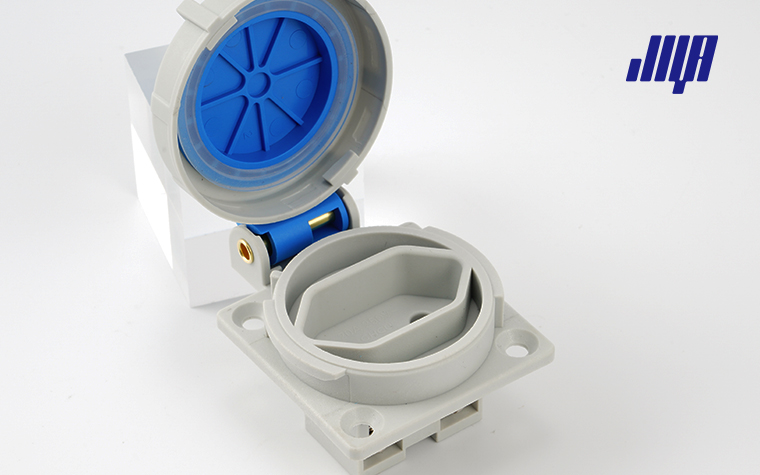
  • Prepare the Wires for Installation

Visual confirmation that the electric cables used can operate efficiently on a 50-amp circuit. The outer jacket should be removed so that the wires can be twisted together firmly with their exposed copper ends.

  • Attach the Receptacle Pieces

Determine the terminals of the receptacle, specifically the hot, neutral, and ground terminals. Ensure that the mount has anchors for all snap-in versus floating connection terminals. Make sure color-coded wiring is accurate.

Mounting Hot hair (usually black or red) to the “X” and “Y.”
Mounting Neutral wire (typically white) to the “W”.
Mounting a ground wire (that is green or bare) to the ground terminal
Fix the Receptacle

Replace the covers and screws that were removed to expose the electrical box. Ensure proper alignment is observed, and the receptacle is fastened.

  • Ensure the Unit Works Properly

Switch the power back on, and it will be that much easier to check whether the receptacle is functioning correctly. It is also lovely to have the multimeter at hand for further verification.

  • Install the Face Plate

The final step is to secure the face plate to the wall for added protection and a visually appealing finished look.

Throughout the work, it is essential to follow local electrical standards and seek advice from a qualified electrician if any stage appears unclear.

Preparing the Outlet Box

Safe and reliable installation relies on a properly prepared outlet box, for which specific steps must be taken. Start by switching off the supply to the particular circuit in the main switchboard so that the risk of any electrical accident is minimized as much as possible. After that, remove the existing outlet or blank plate to expose the outlet box. Check the box for potential damage and debris. If necessary, either clean or replace the box to ensure that the electrical work complies with safety regulations. It is also essential to check the box mounting to ensure that the box is securely in place and that there is sufficient space for wires with the new receptacle. There are specific actions that must be taken to ensure a functioning and compliant connection for an outlet box.

Mounting the Receptacle Correctly

The best way to attach a receptacle is first to determine which of the wires with color coding is within the outlet box. Thin wire hot (black or red) is mainly linked to the brass screw terminal with a screwdriver, thick wire white (neutral) is connected to the silver screw terminal, and green (grounding) wire is connected to the empty grounding box. There should be no spiky hair-like effects on the conducting wires protruding through the screw fasteners or any other means that would present a hazard if touched by accident.

Then, carefully tuck the wired receptacle back into the outlet box, ensuring that operational auxiliary electrical wires are placed and do not include wires that are too bent. Adjust the mounting screws of the receptacle so that they enter the holes on the box, and then secure the skew appropriately. However, take care not to overtighten, as this may damage either the receptacle or the box. After fixing the outlet, replace the outlet’s protective cover and check if it is flush against the wall. Lack and limitation can be irritating, so double-check and ensure the system is switched on. When you restore power, try the outlet with a plug-in tester to ensure it is functioning properly. If the emphasis on correct fixing is employed, it ensures that the object serves its purpose with a minimum amount of defects and complies with safety standards.

Reference Sources

  1. University of Maryland Power and Lighting System Design
    This is a meticulous document where the electrical design is governed by the regulations, which include the measurements of outlets, as well as the earthing systems. It addresses how the power systems are designed in colleges and laboratories completely.
    Source: University of Maryland

  2. Montana State University Electrical Standards
    Montana State University Power Source
    Information was not available amidst the material, although this document is stated within the university’s official document on electrical systems, which includes the provision of technical specifications for twist-lock outlets.
    Source: Montana State University

  3. Texas Department of Transportation Electrical Standards
    The document likely includes standards for power systems in transportation facilities that use sideways locking outlets, such as the turn of the previous sentence.
    Source: Texas Department of Transportation

  4. Top Twist Lock Receptacle Manufacturer And Supplier In China

Frequently Asked Questions (FAQs)

What is a 50 Amp Twist Lock Receptacle?

A 50-amp twist-lock receptacle is a type of electrical outlet designed for high-power applications, typically used in RVs, boats, and industrial settings. It features a locking mechanism that securely connects with a matching plug, preventing accidental disconnection during operation. These receptacles are often rated for 250V AC and are ideal for powering heavy-duty equipment and appliances.

How Does a 50 Amp Twist Lock Receptacle Work?

The 50 amp twist lock receptacle operates by allowing a corresponding twist lock plug to be inserted and then rotated to lock it in place. This creates a secure connection that minimizes the risk of electrical shock and disconnection. The design also includes weatherproof features, making it suitable for outdoor use, such as on boat trailers or RVs.

What are the Benefits of Using a 50 Amp Locking Receptacle?

Using a 50-amp locking receptacle offers several advantages, including enhanced safety through its secure grip and twist-lock mechanism. It prevents accidental disconnection, which is particularly important in high-power scenarios. Additionally, many models are weatherproof, making them suitable for outdoor environments, and they are often made with durable materials like stainless steel to withstand the elements.

What Types of Cords are Compatible with a 50 Amp Twist Lock Receptacle?

A variety of cords can be used with a 50-amp twist-lock receptacle, including the 50-amp generator cord and the 50-amp RV plug. These cords typically feature a locking plug that matches the receptacle design. It is essential to ensure that the cord is rated for the same voltage and amperage to ensure safe operation.

Can I Use a 50-Amp Twist-Lock Receptacle for My Generator?

Yes, a 50-amp twist-lock receptacle is commonly used for generators that require high power output. This type of receptacle provides a reliable connection for generator cords, enabling you to connect your generator to your home or RV safely. Ensure you use a compatible 50-amp generator plug to ensure a secure and efficient power transfer.

Are 50 Amp Twist Lock Receptacles Weatherproof?

Many 50-amp twist-lock receptacles are designed to be weatherproof, making them suitable for outdoor use. These receptacles often feature protective covers and are constructed from materials that resist corrosion. This is especially important for applications involving boats or RVs, where exposure to the elements is a daily occurrence.

What is the Purpose of a Connector Kit with Cord Boot?

A connector kit with a cord boot is used to enhance the durability and reliability of electrical connections. The cord boot protects the wiring chambers from moisture and dirt, preventing damage and ensuring a secure grip. This is particularly useful for outdoor applications where a 50-amp twist-lock receptacle may be exposed to harsh conditions.

How Do I Install a 50-Amp Twist-Lock Outlet Box?

Installing a 50-amp twist-lock outlet box involves several steps, including ensuring proper electrical wiring and securing the receptacle in place. It’s important to follow local electrical codes and guidelines for installation. Always ensure that power is turned off at the circuit breaker before beginning installation, and consult a qualified electrician if you are unsure about any aspect of the process.

30 Amp Twist Lock Receptacle , Connector, Plug – NEMA Locking Devices

When discussing the quality of the system, particularly under challenging circumstances, 30-amp twist lock plugs, receptacles, and connectors are essential elements. This is based on the fact that these locking devices are designed to provide a secure, risk-free, long-term, and self-sustaining connection, even in harsh environments. False disconnects, along with power interruptions or shortfalls, keep everyone trembling within the structures. Even a simple activity like setting up an emergency generator is done with complete assurance that no miscalculation or oversight will accidentally necessitate re-connection. In this section, the author explores the structure, use, and importance, as well as how to select the proper 30-amp twist-lock telephone set for use in your construction. Now that you know its use, there is more than meets the eye, and let’s delve into why these gadgets are essential in the electrical arena.

Understanding 30-Amp Twist Lock Devices

Understanding 30 Amp Twist Lock Devices
Understanding 30-Amp Twist Lock Devices

These are not common to many and are simple to select. Additionally, these connectors are evaluated under specific operating conditions and are designated by the percentage of time they operate within. The devices in question are equipped with a locking mechanism that holds the plug once inserted and rotated, thereby preventing any accidental pull-outs. These factors are the standards in many electrical equipment operating places, including industrial facilities and recreational vehicles in camping surroundings. With their robust structure and resistance to weather, they are suitable for use in harsh applications and conditions where safety and optimal performance are required. However, when considering a 30-amp twist-lock device, it is essential to confirm that it can work effectively with the equipment in question and also meet any necessary safety requirements.

What is a Twist Lock Plug?

A twist lock plug is a type of electrical plug designed to secure by twisting into a matching receptacle for easy extraction. This elastic fit prevents jamming or disconnection issues, ensuring a constant and reliable power supply. Twist lock plugs, commonly used in industrial, commercial, and recreational settings, are easily identified by the twist in their prongs, as well as their supply ratings, which include specific sizes of amperage and voltage. These include 30-amp twist-lock plugs that are compatible with industrial equipment and hard-wired appliances. These exits are also considered safe as they do not allow power to be switched off, and in the event of strong resistance to power rationing, do not expose users to live circuits. To comply with safety regulations, a type of twist lock plug is chosen that is specific to the characteristics and requirements of a particular device.

Features of 30 Amp Locking Devices

  • Protected Connection: To prevent the equipment from moving out of place, there is a risk that accidental disruption may not be possible.
  • Long-Lasting Structure: Typically, high-quality resistance materials, including both metallic and non-metallic materials, are utilized to prevent rapid depreciation under extreme conditions.
  • Protected Enclosure System: Typically, 30-amp plug receptacles are equipped with protective covers that shield the device from moisture, dust, and other hazards, allowing the system to be installed outdoors and in factories.
  • Ability to Support a Range of Devices: These devices are designed to meet the relevant specifications and are suitable for use in a variety of heavy household or industrial applications.
  • Ability to Work With High Power Consumption Current: These are not unusual, coming with a maximum consumption current rating of 30A, and can safely and efficiently bear incredibly high loads.

Importance of Proper Connections

Maintaining safe electrical connections is fundamental for both the safety of its occupants and the effective functioning of the machine. If the connections are not adequately established or the equipment is not safeguarded against being compromised, short circuits, heat build-up, and, in the worst-case scenario, fire can result, destroying critical equipment and causing injury to personnel. The function of ensuring the best connections is also tied to minimizing energy loss, which is practical because energy losses result in wasted energy, and customers do not get the best value from the energy they are purchasing. Datasets available on the internet, particularly through Google’s search engine, seem to indicate that an increasing number of users are aware of the risks associated with electrical safety and the application of termination systems. For this reason, it is crucial to have reliable interlocking devices that comply with the relevant standards to minimize risks to the maximum extent possible.

Types of 30 Amp Locking Devices

Types of 30 Amp Locking Devices
  • Twist-Lock Plugs and Receptacles

These items are equipped with a convenient locking mechanism for the plug, ensuring a firm grip and preventing random disengagement.

  • Water-Proof Locking Plugs

Typically constructed for outdoor locations or locales with high moisture content, these connectors are designed to provide a seal that prevents water or other forms of moisture from reaching the point where the cables or wires are connected.

  • Heavy-Duty Locking Devices

These are installed in industrial and heavy-duty applications. Such devices are additional equipment or devices for unsupported and hanging industrial cables.

  • Lockable Connectors Resistant to Weather Conditions

Such products are perfect for locations that are predominantly hot or cold, as they are designed to be used in such high temperatures and below-zero conditions.

Each of these variants serves a specific purpose, thereby enabling the establishment of a robust and resilient connection for any application.

Male vs. Female Twist Lock Connectors

Connectors have male prongs that extend outward and can be connected by inserting them, while female connectors have holes or flaps that the prongs can be placed into. In male connectors, this design guarantees a strong and safe connection every time.

Parameter

Male Connector

Female Connector

Design

Protruding prongs

Internal sockets

Function

Insert into female

Receive male prongs

Usage

Power source

Device connection

Locking

Twist to secure

Holds prongs firmly

Safety

Exposed contacts

Concealed contacts

Durability

Moderate

High

Applications

Plugs

Receptacles

Overview of 30 Amp Receptacles

Specific electrical components, which are camouflaged in a distinct style due to the prongs’ formation, permit efficient delivery of large amounts of electricity in everyday situations. 30-amp receptacles get connected in a standard setup and hence provide safe connections for appliances that consume 30 amps or less from the power supply. These devices are standard in the installation of RVs, the operation of heavy machinery, and many household appliances, such as fans and heaters. It is quite often that these fuses are used in conjunction with part of a rated circuit breaker to prevent instances where an overcurrent protective device cannot protect the instrument from excessive current flow.

Flush Receptacle vs. Standard Receptacle

The flush receptacles are installed level with the wall surface so that they can be integrated into the surface, while standard ones are attached to the wall surface slightly.

Parameter Flush Receptacle Standard Receptacle
Design Seamless with wall Protrudes slightly
Aesthetic Modern, minimal Traditional
Installation Complex, costly Simple, affordable
Maintenance Requires expertise Easy to maintain
Cost High Low
Durability Moderate High
Applications High-end interiors General use

Applications of 30 Amp Twist Lock Plugs

Applications of 30 Amp Twist Lock Plugs
Applications of 30-Amp Twist Lock Plugs

30 amp twist lock receptacles are quite commonly used in several high-power domains due to their secure connections and effective operation. The applications for these types of sockets might be:

  1. Campers: A steady and constant voltage source at campsites or for when vehicles are repaired.
  2. Factories and construction works: this equipment aids in the utilization of robust tools, devices, and lighting.
  3. Portable Generators: Joining small power backup systems with a few appliances in case there is a power interruption.
  4. Hot Air Systems: These large air conditioning units are installed in homes, offices, and factory buildings, consuming a significant amount of power.

Industrial Usage of 30 Amp Devices

30-amp devices are essentially a standard in industrial-use devices since they provide reliable performance without experiencing strain due to heavy power consumption. These are used in most cases to operate large but light machinery, as well as welding equipment and big compressors. Additionally, such devices are capable of powering large-scale and high-demand ventilation and conditioning machinery commonly found in industries. Modern-day 30-amp power amplifiers are notable for their efficient power consumption in support of intended operations, thanks to their integration of high-end features that facilitate easy operation and deliver strong performance. This feature has enabled it to become one of the most widely used systems in various industries, particularly due to the benefits it presents when utilized.

Use in RV and Trailer Power Systems

30-amp power supply systems are commonly used in many RVs and trailers as an efficient way to provide power for all appliances and the internal systems of the vehicles. Such power ratings of the described devices are usually sufficient for the requirements of users who need to operate air conditioning, refrigerators, lighting, and entertainment facilities simultaneously, among others. Due to the convenience they offer in most, and possibly all, campgrounds, most new models of recreational vehicles are equipped with 30 amp service that covers the entirety of the camper’s power needs. In such cases, 30 amp power configurations will be used, together with effective protectors against voltage surges and power protectors, to ensure that efficient power distribution is made available to even the most demanding internet users without wasting power. These electrical accessories are ideal for use due to their easy compatibility with various portable energy sources.

Importance in Generator Connections

The possibility of such a 30-amp power supply making it possible to connect to a generator presents significant promise for ensuring consistent power availability under off-grid conditions. Typically, generators with a 30-amp outlet are capable of simultaneously servicing a recreational vehicle (RV) or a small home, providing power for essential devices and appliances. This includes core areas such as temperature control systems and cold storage units, and also ensures that the lights are on without drawing too much load, as the power will remain as it is generated. In addition, the dependence of 30-amp premade connections promotes faster assembly operations and results in a safer operational environment, hence being an instant choice for most Bowie IKM solutions.

Installation and Safety Considerations

Installation and Safety Considerations

When setting up a 30-amp connection, it is essential to verify that the generator and any other devices meet the required criteria. It’s a good idea to work with good-quality cables and fixtures, as that avoids overheating danger. Avoid using lighted pieces during installation. Use a generator on a properly leveled surface, preferably far away from non-flammable substances. Also, steer clear of using an electric generator indoors, as it can lead to toxin poisoning.

For safe use, always refer to the manual for proper installation and operation of the appliance. Do not forget to switch off the generator before attaching or unplugging anything, and inspect the wires for tears and wear at regular intervals. The use of a transfer switch is strongly encouraged when connecting the generator to the house’s electrical wiring to avoid electrical accidents. It is essential to implement regular servicing to ensure the system’s long-term safety.

Wire Grounding and Connection Tips

Grounding techniques must be performed correctly, and connections must be made secure to ensure that any electrical system operates effectively and safely. Here are five basic ways to help keep wire grounding and connections safe:

  • Adjust the Grounding Rod for Proper Fitting

In compliance with all required standards, ensure that the grounding rod is copper or galvanized and that it is sunk into the floor if it is less than eight feet in length.

  • Wiring Grounding System Has to be Re-indexed

It is a good practice to use plain, green, or equivalent color cables for grounding. All covered conductors should be embossed, marked, or easily identifiable to prevent any confusion between live wires and neutral wires during installation or maintenance works.

  • Always Fasten the Connections

The objects that fasten two or more pieces of the component together must be adequately secured, as any contact resistance that results may lead to arcing fires and overheating. Each particular fastening has a specific torque value that must be satisfied for tightness, and these should be checked periodically to ensure evenness.

  • Always Make It Certain Not To Overcapacity

Circuits should not be overloaded by bundling multiple appliances for use. Worn-out accessories should be replaced with new fittings unless they are fully functional and utilized adequately without any anticipated physical or mechanical stress conditions.

  • Engineer some ground fault circuit interrupters.

When building in any damp environment, such as showers, sinks, or outdoors, in Areas with water use, it is essential to install ground-fault circuit interrupters, especially in areas where such safety precautions are suitable. They can safely disconnect the power in the presence of a ground fault. This, in turn, significantly reduces the incidence of potential electric shocks.

Choosing the Right Twist Lock Outlet

When selecting an appropriately adjusted twist lock receptacle, it is essential to follow several criteria to ensure proper protection, compatibility, and functionality. Firstly, master the technical specifications of the connected equipment, namely, the voltage and amperage they require. As these receptacles are designed for specific loads, it is recommended to comply with the relevant requirements to avoid unnecessary energy loss, overheating, or, worse, equipment failure. Additionally, it would be beneficial to purchase heavy-duty infrastructure utility plugs in case they are used in commercial or external sites with higher levels of exposure to physical impacts, such as wear and tear. Equally important, these plugs should also be made so that the twist lock plug science fits just like a key into a lock, and none of the measurements or load ratings differ in the lock. Lastly, purchase only products that have been certified for use in accordance with specific safety standards, such as those bearing the UL or ETL brand, to avoid potential fire hazards and other construction-related issues.

Weatherproofing and Heavy-Duty Options

In applications that require suitable weatherproof and heavy-duty options for twist-lock connectors, understanding the working conditions of the connectors is crucial. If the plugs will be used outdoors or in industrial settings, opt for plugs made of materials such as thermoplastic and rubber, which offer protection against moisture, dust, and extreme temperatures. Being of such a high standard, most weatherproof plugs have IP ratings such as IP65 and above to deliver and protect against water and dust dissemination. Additionally, heavy-duty options often feature tougher contacts and external shields to minimize impact damage and ensure operational longevity. By employing the factors enumerated so far, it is possible to withstand normal as well as improve duration in mightily adverse conditions.

Reference Sources

  1. ElecDirect
    30Amp Twist Locking Devices – ElecDirect
    This site contains essential information about 30-amp twist-lock devices and how they work in both commercial and residential applications, and other NEMA configurations.

  2. StayOnline
    NEMA Twist Lock Female Receptacles
    This site guide provides accurate and up-to-date information on NEMA twist lock receptacles, including specifications such as amperage, voltage, and the materials used in their construction.

  3. Home Depot
    Twist Lock – 30 amp – Power Plugs & Connectors
    ESTORE 50 amp twist lock also provides the catalogue of 30 amp twist lock power plugs and connectors and also provides an overview of the top ten and other Seller products.

  4. Top Twist Lock Receptacle Manufacturer And Supplier In China

Frequently Asked Questions (FAQs)

What is a 30-amp Twist Lock Receptacle used for?

A 30-amp twist-lock receptacle is commonly used for high-power applications such as RVs, generators, and industrial equipment. This type of receptacle provides a secure and reliable connection for devices requiring a 30-amp 250-volt supply, ensuring safe operation even in demanding environments.

How does a Twist Lock Connector work?

A twist lock connector operates by allowing the male plug to be inserted into the female receptacle and then twisted to lock it in place. This ensures a secure connection that minimizes the risk of accidental disconnection, making it ideal for high-demand applications such as welding and industrial machinery.

What is the difference between 30A and 50A Twist Lock Receptacles?

The main difference between a 30A and a 50A twist lock receptacle is the current rating. A 30-amp receptacle is designed to handle up to 30 amps of current, while a 50-amp receptacle can handle up to 50 amps. The 50 amp option is often used for larger equipment and appliances, while the 30 amp is suitable for RVs and smaller industrial applications.

Can I use a 30-amp twist lock receptacle with a 4-wire system?

Yes, a 30-amp twist-lock receptacle can be used in a 4-wire system. These receptacles typically have a configuration that supports both hot wires and a ground, making them suitable for various electrical applications that require a 4-prong setup.

What materials are 30-amp Twist Lock Receptacles made from?

30-amp twist-lock receptacles are often made from durable materials such as steel and high-quality plastics. The use of corrosion-resistant materials ensures longevity and reliability, especially in outdoor or industrial settings.

What is the electrical rating of a 30A Twist Lock Receptacle?

The electrical rating of a 30A twist lock receptacle is typically 250 volts, allowing it to handle a variety of high-power devices. This rating makes it suitable for both residential and industrial applications, providing a safe connection for various electrical needs.

Are there specific NEMA configurations for 30-amp twist-lock receptacles?

Yes, there are specific NEMA configurations for 30-amp twist-lock receptacles, such as NEMA L5-30P for the plug and NEMA L5-30C for the connector. These configurations ensure compatibility with various devices and help maintain safety standards in electrical installations.

How to properly mount a 30-amp Twist Lock Receptacle?

To properly mount a 30-amp twist lock receptacle, first ensure the power is turned off. Use appropriate screws for mounting to a secure surface, making sure the receptacle is flush and stable. Follow the manufacturer’s guidelines for wiring, ensuring proper connections to the terminals for a safe and effective installation.

NEMA Twist Lock Plug, Receptacle & Connector: Guide to Twist-Lock Receptacles

Understanding NEMA Twist Lock Configuration

Understanding NEMA Twist Lock Configuration

NEMA twist lock configurations aim to create an unbreakable and highly effective link in electrical systems. The locking element is responsible for that in the first instance and prevents the connection from being accidentally removed while the power supply is on. Due to the fact that each has fixed voltage, current and pin arrangements have different combinations and are specifically divesified in their different offered kinds. Everyone is not strange to this arrangement and that makes the system much easier to understand without taking too much time. Mostly utilized in commercial and industrial services, the NEMA twist locks serve the purpose long time connectivity in harsh conditions.

What is a NEMA Plug?

The NEMA plug is a standardized electrical connector that is used in the United States, Canada, and Mexico. NEMA plugs and connectors are available in several differentiated voltage and current combinations, allowing for their use in residential, commercial, and industrial applications. This plug can handle in the power system, attaches to the device, and a cord that is connected to the power source and includes a cap plug.

In the example provided, a NEMA 5-15 type of connection, one of the most commonly used, is found at 120 volts; one phase carries the transformer, and the other is rated at 15 amperes. In such a design, this plug is relevant when employing household appliances in the location. Constrastively, a NEMA L6-30, which is a locking plug rated at 250 volts and 30 amps, is used in high current installations in industrial areas. They are also resistant to normal wear and tear.

NEMA plugs are designed according to a specific standard to minimize the likelihood of mismatching or electrical accidents. The NEMA system has evolved over the years from a mere classification of connectors offering audio-video connectivity to a set of standards that ensure compatibility and safety across various electrical equipment and workplaces. And it is these properties that have made NEMA plugs an integral part of the electrical system in North America, affecting all equipment there.

Overview of Twist Lock Mechanism

The twist lock system has been devised for specific reasons, with the result that it’s designed to fit into residential electrical plugs and receptacles, preventing unplanned disconnection. Such an operation is activated by inserting the plug and then twisting the outlet nearest to the user, who then “locks” it in place. Furthermore, when the devices are implanted, the act of twisting ensures the strength of the connection. This feature comes in handy, especially when some movements or vibrations usually disconnect the plug and cause the block. In practice and other settings, the implementation of twist lock mechanisms in industrial and some commercial workplaces reinforces safety and prevents loose connections and power failures. The essentials of the twist lock elements have been standardized to ensure compatibility with components in various appliances and devices, making it easier to find a comprehensive and long-lasting solution for areas covered by high-power electrical systems.

Common NEMA Configurations

The configurations, provided by NEMA (National Electrical Manufacturers Association) to ensure commonality in electrical products, consist of a variety of plugs and receptacles. Such devices are designed to operate within different voltage ranges and current loads, and are specifically tailored to serve these particular applications due to the design of these plugs. For domestic use, NEMA 5-15 is considered the most popular, featuring two sockets in separate appliances, typically from the same manufacturer. The most common NEMA L6-30, on the other hand, features a twist-lock configuration, primarily used on construction sites where 250V and 30 amperes are acceptable. Each NEMA configuration is unique in every aspect, including the physical design of the prongs and connectors, to prevent unintentional mismatches of assemblies and ensure safety in the operation of the equipment within the system.

Types of Twist Lock Plugs and Receptacles

Types of Twist Lock Plugs and Receptacles

Twist lock connectors are rigid. Have you ever experienced an electric connector that is loose and keeps falling off with the slightest movement or touch? Reliable. Does not even get to the part of the design.

There are many elements covered by the perception, such as the best in the application of twist lock connectors. Below are popular designs, together with their electrical ratings:

The NEMA L5 is used for 125-volt power supply purposes. This is depicted in machines with lower power demand or domestic generators, which are always located at the power panel. Some of the standard configurations in this respect include the L5-15 and L5-20.

Then, the NEMA L6, where the power supply is at 250 volts, is more aggressive, typically used in sophisticated mechanical equipment such as HVAC and other systems. The typical kind is the L6-20, L6-30, and so on.

The configuration called NEMA L14 is rated at 125/250 volts, and as the title implies, this is suitable for split-phase systems. This would mean, for instance, locking power cords for house backup generators. Commonly applied types include the L14-20, L14-30, and others.

The L21 series performs a similar function, but for 3-phase 120/208V power distribution, and it is more commonly used in locations such as data centers or commercial buildings.

All these kinds and makes of connectors have a device that locks the connecting surfaces in position, thereby making operation more ideal due to the guarantee of a continuous connection for protection and security, even in home and industrial settings.

Locking Plugs Explained

Locking plugs hold great importance in the safety of various electric applications, as they provide a practical solution that eliminates the risk of accidental disconnection. They are high-quality, built-in protection systems, unlike any ordinary plug, which protects the connection between the plug and the receptacle as soon as it is coupled. This helps a lot in preventing issues such as safe and robust point-to-multipoint connections. Industries like construction, entertainment, and data center areas have many interruptions in power connections, where such plugs therefore play a significant role. These plugs can be used to prevent equipment loss during maintenance, eliminate electrical injuries, and make essential tasks safer.

Twist Lock Receptacle Variations

Different styles of twist-lock receptacles are available, which can be easily modified to meet the requirements for safety and convenience. The variation lies in Hershey’s designs, which feature poles and numerous wires, ensuring compatibility with any piece of equipment or power supply. For the sake of illustration, there are dual-phase connectors, the 3-wire design,n, and the 3-phase connectors; these are systems that use three cables per phase system, also known as a 4-wire system. By using colors or tags, the volt-ampere rating, as well as the voltage polarity, of twist lock connectors and female connectors, is readily distinguishable. The diversity of twist lock receptacle designs caters to the demands of different markets, such as healthcare services and factories, providing adjustability throughout use.

Choosing the Right Twist Lock Connector

When choosing the appropriate lock twist connector, several critical factors must be considered to select the most suitable one that is both compatible and safe. The voltage and current rating of the appliance is one of the most basic things that you should know, since using a connector with the wrong rating is dangerous and may result in damage to the equipment or harm to people. Pay particular attention to the requirements of that phase, e.g., single-phase or three-phase, as this will define the available choices of design. Additionally, consider external factors such as weather or environmental conditions. In the market, there are twist locks suited for extreme usage. Be sure to answer questions about identification information, such as labels, making it easy to distinguish between the plus and minus points. Examining these aspects helps you find a lock that suits your needs and is secure.

Wiring and Installation Considerations

Wiring and Installation Considerations

Always double-check that the power is turned off before working with and installing twist lock connectors. Pull off the insulating layer of the wires to the exact length suitable for that connector, as specified by the manufacturer. Reattach the wires to the proper terminals carefully, securely, and tightly, without concern for connecting thin wires that could produce loose wiring or potentially cause the system to malfunction. Ensure the connector lines up correctly to prevent any force when connecting. In conclusion, inspect the fully processed equipment for cracks, breaks, or any other issues that might be the reason it does not work as it should, and only then switch the equipment on.

Connecting a Locking Receptacle

How critical it is to secure connections inside the lock receptacle – the safety and usefulness of electrical connections depend on it. Power disconnection is one of the most serious safety concerns that can result from an untight fitting receptacle and accidental disconnection of power, which may also pose numerous potential safety issues. This matter is more severe in situations where there is a lot of movement, such as when using heavy machinery, and the conventional plugs run the risk of coming loose, whereas the locking plugs do not. Furthermore, a tight fit around all the receptacle cords and the connected devices helps to alleviate the chances of arc flashing or overheating and consequent mechanical injuries to the receptacle and the connected devices in such conditions. Proper mounting and routine maintenance work all contribute to keeping the receptacle fully operational for as long as it should be without putting both installed loads and users at possible danger.

Power Cord Configuration for Twist Lock

Now, twist-lock power cords made by a trusted company, such as Sinox, are commonly used in industry, commercial, or stage equipment appliances. A twist-lock power cord is a type of portable electrical connector that features a twist-and-lock mechanism, allowing the connector to be held firmly in place on the outlet even when in rotation.

Key Features of Twist-Lock Power Cords:

  • Voltage and Amperage Ratings:

It is reported that twist-lock cords are designed to be functional under a broad range of electrical voltage and amperage ratings, typically from 120V to 480V and 15A to 50A, depending on the specific application.
For instance, a twist-lock could also be simply a wall plate that plugs into the wall; the only difference is that it has a special connector. As in the above example, a NEMA L5-30 outlet could be configured as a standard 125V 30-amp outlet, with the only difference being that it can be unplugged and taken with you. The Nema L6-20 is configured at 250 volts, 20 Amps, using specialized connectors.

  • Pin Configuration and Safety:

Each twist-lock connector has matched pins, ensuring no misconnection occurs and preventing lost machines or possible electric shock.
This appearance of the plug body features insulation and bias that differ from those of an ordinary plug; it is such that the plug is self-engaging and does not easily fall out. Attachments of this kind are less likely to fail, deform, injure, or even overheat.

  • Durable Materials:

The best materials used in making twist-lock power cords are durable and possess physical properties, including resistance to impacts, chemicals, and extreme temperatures.

  • Applications:

Twist-lock in standardised format can be used effectively in erecting temporary structures and also in the foundation and excavation of new buildings. For example, after building new bathrooms, electrical power can be easily connected via clip-on adaptors that simply plug in. This adds a great deal of convenience and ease.

A good example of the application of a Twist-lock power cord is the use of overseas military generators. These are powered by generators, which automatically kick in when the power gets lost for any reason as a protective measure.

Comparative Analysis of NEMA Twist Lock Options

Comparative Analysis of NEMA Twist Lock Options

When discussing the NEMA twist lock diversity in terms of voltage, current and the reasons for use, to speak briefly on this, here are some of the most common configurations:

NEMA L5-30
Voltage: 120V
Current: 30A
Purpose: Can be best used for single-phase instruments that are small, e.g., a power tool or a backup generator.
NEMA L6-30
Voltage: 240V
Current: 30A
Use: Suitable especially for high-duty motors or equipment that operate at high voltages, such as industrial machines.
NEMA L14-30
Voltage: 120/240V
Current: 30A
Use: a fractional integrator used for portable generators, supporting two voltage sources for domestic and commercial purposes.
NEMA L21-30
Voltage: 120/208V
Current: 30A
Use: Manufactured to accommodate three-pass phase loads in commercial and industrial applications.

Selecting the proper NEMA twist lock, which has a higher multiplicity, is necessary to provide better adaptability and ensure safe operation with various electricity sources.

3 Wire vs 3 Pole Connections

The 3-wire connections are needed for each residential unit, each of which does not exceed 3.68 kW. At the same time, more than half of all newly commissioned residential buildings are equipped with three-phase electricity supply and technical accounting systems.

Detailed Comparison in Tabular Form

Parameter 3-Wire 3-Pole

Definition

Conductors

Switches

Usage

Power transfer

Circuit control

Phases

Single/Three

Three

Neutral

Optional

Not applicable

Ground

Optional

Optional

Application

Wiring

Breakers

Voltage

Varies

Varies

Current

Varies

Varies

Receptacle Chart for Quick Reference

NEMA Configuration

Voltage

Amperage

Phase

Typical Usage

NEMA 5-15

120V

15A

Single-phase

Standard residential outlets

NEMA 6-20

240V

20A

Single-phase

Power tools and small appliances

NEMA L5-30

120V

30A

Single-phase

RV hookups, generators, small machinery

NEMA L6-30

240V

30A

Single-phase

Higher-power equipment such as compressors

NEMA L14-30

120/240V

30A

Split-phase

Backup generators and transfer switches

NEMA L21-30

120/208V

30A

Three-phase

Commercial and industrial equipment with 3-phase power

Determined by this chart, users are presented with an easy way of choosing an outlet type depending on the voltage, amperage, and phase being used. This implies that they are given a chance to select the correct power socket for their electric devices when working at home or office to enjoy safety and high performance.

Nema Twist Lock Plug, Receptacle, And Connector Configurations

It is essential to understand the’ types, configurations, and modes of action of electrical connections, especially when dealing with electrical systems for safe and efficient performance. The various NCT devices from the National Electrical Manufacturers Association are well known because they provide services and are industry best practices. There are times when one is involved in some electrical repairs, some repairs using industrial plant equipment, or fitting a suitable one in the equipment, knowing that the NEMA connector structure is crucial. In this article, one enters the sphere of many NEMA connectors and analyzes the available types, configurations, and even their exclusive locking mechanisms. Such a representation method permits you to understand how these connectors can be classified and how to select the correct fitting for the situation.

NEMA Connector Overview

NEMA Connector Overview

These are the standard electrical outlets used in the Americas. These can be further categorized based on their design, application, or the voltage levels for which they are meant. Each connector has a code, such as NEMA 5-15, which is a radial grounded 120V system standard in households. The first indicates its configuration and grounding, whilst the remaining digits and some center around the current rating and accessory design. NEMA power plugs and receptacles can be formed as simple straight-blade terminations, locking plugs and sockets, or high-powered appliance connectors, thus meeting every use case irrespective of the scenario. In case the users are not conversant with them, learning their classification is necessary when it is time to choose a cable.

What is a NEMA Connector?

A NEMA power connector is an electrical power connecting device whose construction and performance are regulated by the National Electrical Manufacturers Association standards. Such connectors are quite commonly available in North America and are designed to meet requirements regarding configuration, grounding, voltage, and current specifications. The NEMA connectors are made in numerous settings, from typical residential applications to factories and commercial settings. These can include terms commonly used with residential and other general-purpose devices, locking connectors that prevent unintended disconnection on industrial equipment, and ultra-high current connectors used for their equipment, such as forklift trucks. The standardized construction lets the users utilize the fitting most appropriate for an electrical function, adding value to the function and safety in the same regard.

Importance of NEMA Connectors

NEMA connectors ensure efficient electrical power distribution for many different purposes. Their consistency with specific NEMA (National Electrical Manufacturers Association) specifications means that all electrical instruments can be fitted and operated effectively. Last info shows that the electrical connectors market will cover $98.12 billion annually in 2030, with more emphasis on safe and compliant connectors such as NEMA.

NEMA connectors also describe one popular advantage—that they are easily usable in a variety of diverse circumstances. Straight-blade NEMA connectors are used in domestic installations to safely complement most home appliances in any application, with minimal need for repair or troubleshooting. They also have specific wiring systems that do not come off easily. This makes them some of the most effective cords in industrial settings, especially in heavy machinery operations. Some are used in high-power applications such as heavy industry.

Importantly, NEMA regulations also address the problem of safety in that they intend not to enforce inappropriate handling of systems during erection, which reduces instances of accidents related to electrical failures. The application of NEMA connectors in industries such as construction, healthcare, and the renewable energy sector makes huge positive advancements and extends the functional efficiency of those devices.

Implementing norms such as NEMA guidelines increases productivity and safety for manufacturers and consumers and eliminates complications in fulfilling safety requirements when implementing electrical systems globally. This achievement underscores the main reasons why NEMA remains an integral element in the development of today’s electrical supply systems.

Common Applications

NEMA connectors are widely used across various sectors due to their reliability and adaptability. Below are five typical applications:

  • Residential Wiring

NEMA connectors are often used for standard electrical outlets and light switches in homes. This arrangement ensures safe and efficient power distribution.

  • Industrial Equipment

Normally, factories and other industrial structures use NEMA connectors when heavy machinery and technological devices need to be connected, thereby ensuring high-quality power flow and durability.

  • Healthcare Facilities

NEMA connectors are commonly used on medical equipments and hospital appliances in order to provide power in critical situations without power interruption.

  • Data Centers

Data centers consist of servers, IT equipments for proper operation, and a power supply for each element. This is done to avoid problems in equipment operation, including in high-demand mode.

  • Renewable Energy Systems

NEMA plug systems are an essential part of solar panels and wind turbines, enabling the transfer of clean energy generated to the grid or even as a stand-alone system.

NEMA Plug Types and Configurations

NEMA Plug Types and Configurations

I mentioned before that under the NEMA standard, different plugs are characterized by their voltage, current, and number of conductors. There are two basic types of NEMA connectors:

  • Straight-Blade Plugs

These include the most widely used ones, mostly for personal and office purposes. For instance, NEMA 1-15 (with two prongs) and NEMA 5-15 (with three prongs and the most common one) are for 125V devices.

  • Twist-Lock Plugs

Twist lock plugs are best for industrial applications because they feature a locking mechanism that secures the plug into the receptacle, preventing it from falling off due to vibrations. Examples that cannot provide this lock feature are NEMA L5-30 and NEMA L6-20, which are more powerful and have higher currents.

Every cable in a NEMA configuration goes designed for a particular use under this clear markings meaning it is compatible and thus safe to use.

Understanding NEMA Plug Types

Among the connectors used in NEMA plug types are straight-blade and locking / non-twist connectors, of many different types, including NEMA 1, NEMA 5, NEMA 6, NEMA 14, and NEMA L-series connectors.

Type

Poles

Wires

Grounded

Voltage

Amperes

NEMA 1

2

2

No

125V

15-30A

NEMA 5

2

3

Yes

125V

15-20A

NEMA 6

2

3

Yes

208-240V

15-50A

NEMA 14

3

4

Yes

125/250V

15-60A

NEMA L-series

2-4

3-5

Yes/No

125-480V

15-30A

NEMA Plug and Receptacle Configurations

NEMA configurations comprise standard plug and receptacles to ensure compatibility and safety with different building and electrical systems. Each configuration is intended to meet voltage, current, and grounding levels dependent on specific applications. For example, NEMA 5-15, used in most homes, is designed to support 125V, 15A circuits with grounding. On the other hand, for some appliances in industrial installations, such as electric coil cookers and car chargers, circuits with higher electric current rates, such as NEMA 14-50, are used and have voltages up to 250V and can carry current as high as 50A.

The benefit of using these standardized designs is that they prevent incorrect connections, which can cause electrical issues. And while choosing one NEMA plug or receptacle design, they have to select the specific one since all have to mach the electronic devices they are working with and the electrical circuit. Understanding regulations is crucial to ensure the effectiveness and safety of all the different ranges of electrical systems.

NEMA Chart: A Quick Reference

NEMA configurations are put in place to provide various electrical tools and spaces. It is fair to mention that the NEMA 5-15 configuration, which supports 120V small appliances like desktop lamps, cell phones, and tablet chargers, is the most used plug configuration targeting residential and workplace settings. In contrast, the NEMA 6-20 configuration is found in most business and industrial areas and supplies 240V to heavy electrical appliances such as air compressors and other gadgets. Likewise, for much longer distances and high power consumption appliances like stoves, ovens, or electric car charging stations, plugs for more than 240V, such as NEMA 14-50, are common as they can be plugged, including 250V at 50A maximum. This information helps users identify the most appropriate NEMA standard plug or receptacle for safety and performance.

Twist Lock NEMA Connectors

Twist Lock NEMA Connectors

The locking mechanism inherent in Twist Lock NEMA sockets is modelled on a design that disallows the connector from disconnecting at unplanned moments. This extraordinary safety aspect fundamentally requires the connecting cord to be rotated into the socket to remain fastened, which maintains rigid ties even when operated vigorously. These outlets are primarily found in factories, construction sites, or service jobs where on-site electricity is necessary for powering up generators and illuminating. They are equally used where giant machines are. These outlets have high safety standards and are designed to avoid electricity outages in case of any power disturbance.

What is a Twist Lock NEMA Connector?

Nema Plug 5-20 nema 5-20 type heavy-duty plug is a kind of plug in which the device can be locked after plugging it in. The plug that goes into the socket has to be rotated; the notches of the plug fit into the socket’s opening, also known as a twist feature. This closed-loop connection works as a lockless design, meaning once the plug is correct and tight in a socket, the plug stays there and no accidental wear and tear or removal of the plug happens because of external force or other maintenance tasks. This feature is beneficial for machinery subjected to movements such as vibrations and different types of environments whereby frequent rubbing together of the equipment may cause the disconnection of cables. Various kinds of connectors are covered under NEMA, and in this article, we are focusing on Twist Lock NEMA connectors. The Twist Lock NEMA connectors are electric plugs with two or three prongs so that they can be classified as applicable to almost all countries worldwide. These types of plugs are already used on nearly all construction sites. In the past, only a few industries required this type of technology, and consequently, their application in the market was restricted. The good news is that this is no longer the case as the world has advanced so much and modern technology can be applied in almost sectors.

Advantages of the Twist Lock Mechanism

  • Safe Connection

The connecting system greatly simplifies the barriers that may occur with sudden mechanical malfunction, avoiding any misunderstanding. The click-in system guarantees even slight movements in the arrangement; thus, any other actions that may be applied to it are securely locked.

  • The Updated Concept of Safeguarding

The twist lock system reduced the risks of potential electrical threats, such as reciprocating joint connectors or electrical shunts, which allow arcs to form, hence guarding the users of such electrical systems.

  • Surviving Harsh Weather

This is specially designed to endure harsh conditions, including hot or cold weather, high humidity, and dusty environments, making it perfect for use in most industries and outdoors.

  • Compatibility Options

Meanwhile, the connectors are NEMA-compliant, which guarantees harmonious functioning with different manufacturers and ensures the dependability and uniformity of different systems.

  • Simplicity of Application

When a twist-lock connector reaches the desired rigidity, it still functions without unwieldy complexity, consequently making its insertion and removal quick and smooth without necessitating external equipment. This function is particularly valuable in the case of tight deadlines.

NEMA Receptacle Options

NEMA Receptacle Options

NEMA receptacles are divided into different configurations based on voltage, amperage, and device style. Straight blade, locking, and grounding are the most popular types, and each one is for a particular application. Straight blade receptacles are most often utilized for regular purposes; the high-tech industry prefers locking receptacles due to their safety features. Grounding receptacles aim to reduce the risk of an electrical shock. The electrical characteristics and the intended use determine the choice among NEMA receptacles.

Types of NEMA Receptacles

NEMA receptacle types are divided into two groups: non-polarized types, such as the 5-15 or 6-20 connectors, and polarized types, such as the L6-30 connector, which are aimed at use at various amperages and voltages.

Type

Amperes

Voltage

Prongs

Grounded

Usage

5-15

15A

120V

3

Yes

Household

5-20

20A

120V

3

Yes

Kitchen/Bath

6-15

15A

240V

3

Yes

Air Conditioners

6-20

20A

240V

3

Yes

Garages

6-50

50A

240V

3

Yes

Welders

10-30

30A

240V

3

No

Older Dryers

14-30

30A

240V

4

Yes

Newer Dryers

14-50

50A

240V

4

Yes

EV Chargers

TT-30

30A

120V

3

No

RV Parks

L6-30

30A

240V

3

Yes

Industrial

Receptacle Chart for NEMA Configurations

Homes most frequently employ the 5-15 NEMA outlet standard. This standard provides 15A 120V power, and most are available in the standard 3-pin vertical configuration. It is straightforward, which is why many power equipment, such as appliances, illumination, and electronics, use this socket.

Reference Sources

  1. University of MarylandSECTION 262726 – WIRING DEVICES
    This document provides detailed specifications for NEMA WD 6 configurations, which include locking-type plugs and receptacles.

  2. Northwestern UniversitySECTION 262726 – WIRING DEVICES
    It explains the applications of NEMA WD 6 configurations for locking-type plugs and receptacles in building/erecting-class constructions.

  3. University of Michigan: Wiring Devices
    This guidance deals with using NEMA configurations for twist-lock receptacles in mission-critical applications.

  4.  Top Twist Lock Receptacle Manufacturer And Supplier In China

Frequently Asked Questions (FAQs)

What is a NEMA twist lock plug?

A NEMA twist-lock plug is an electrical connector designed for secure and reliable connections in various applications. It features a locking mechanism that allows the plug to be twisted into the receptacle, preventing accidental disconnection due to vibration or movement.

What are the standard configurations for NEMA twist lock receptacles?

NEMA twist lock receptacles come in various configurations, including 15A, 20A, 30A, and 50A ratings. Each configuration is designed for specific voltage and amperage requirements, allowing users to select the proper receptacle for their electrical needs.

How do I choose the right NEMA twist lock connector?

Choosing the right NEMA twist lock connector involves considering your application’s voltage and amperage requirements. Additionally, it is essential to ensure compatibility with the corresponding receptacle and plug configurations to guarantee a secure connection.

Are NEMA twist lock plugs and receptacles weatherproof?

Many NEMA twist lock plugs and receptacles are designed to be weatherproof, making them suitable for outdoor use. Look for products with appropriate ratings, such as NEMA 4 or NEMA 3R, which indicate their ability to withstand environmental conditions.

Can NEMA twist lock connectors be used for industrial applications?

NEMA twist lock connectors are commonly used in industrial applications due to their durability and secure connection. They are ideal for powering heavy machinery, tools, and equipment in environments where reliability is crucial.

What safety features should I look for in NEMA twist lock plugs?

When selecting NEMA twist lock plugs, look for safety features such as strain relief, high-quality materials, and certifications from recognized standards organizations. Additionally, ensure the connector has an appropriate IP rating for your specific environment.

Can I use NEMA twist lock connectors for temporary installations?

NEMA twist lock connectors are suitable for temporary installations, such as at construction sites or event venues. Their secure locking mechanism helps prevent accidental disconnections during temporary power applications.

What is the difference between NEMA L5 and L6 twist lock configurations?

The main difference between NEMA L5 and L6 twist lock configurations is their voltage and amperage ratings. The L5 series is typically rated for 125V, while the L6 series is rated for 250V. Choosing the correct configuration based on your specific electrical requirements is essential.

How do I properly install a NEMA twist lock receptacle?

To install a NEMA twist-lock receptacle, first ensure the power is turned off. Connect the wires according to the manufacturer’s instructions, ensuring proper color coding for the ground, neutral, and hot wires. Once securely connected, mount the receptacle in an appropriate enclosure and restore power to test the connection.

What Is Twist Lock Receptacle: A Complete Overview

Connectors and receptacles of the twist lock variety are essential in promoting electrical safety and establishing reliability in many settings. These components are negligible in industrial areas, construction, or event management, as they have been tailor-made to provide a secure connection that is not prone to interference, failure, or any other safety or health risks. The current study will provide all the necessary information regarding twist lock receptacles and plugs, their use, and what to look out for while acquiring them. This degree will probably help you appreciate why people often use twist lock systems when they are in industries that require safety and someone to give them the best they can.

Understanding Twist Lock Receptacles

Understanding Twist Lock Receptacles

Twist lock receptacles refer to specific types of outlets with special features that enable them to insert and retain plugs, preventing accidental withdrawal. The prongs that form the plug typically embed into the several slots provided in the receptacle, and further changes are imposed on the structure whereby one has to twist the plug for it to attach. These outlets are beneficial in most mechanical trades at the workshop or factory, for this equipment, induced by these activities, is often displaced. Yet another benefit of using these kinds of ports is that they offer a higher degree of safety and prevent any unwanted power supply interruption. Hence, they can be used even in the most challenging conditions. The functioning of machines is subjected to a steady flow of operations, where these twist lock receptacles play a crucial role.

What is a Twist Lock Receptacle?

A Turn lock receptacle is an electrical socket designed for the use with the connection of any plug in the power supply unit safely. It has an exclusive design, where the appliance is plugged in, not the case, but the core that turns in and fixes the device. This device places a plug within circles, ensuring that it will never loosen and separate. Often, these turn lock receptacles are found in warehouses and places of work, which are used to have power outlets for the consumption of larger equipment, as well as industrial machines and power tools. They are made to suffer a variety of configurations to meet different voltage and current requirements; hence, these receptacles with larger plug formats are made within the frame of many other uses. They are user-friendly and supply only one form of voltage, as the device reduces the chances of accidents when disconnected and is resistant to wear, hence they are available even in some sectors considered dangerous.

How Twist Lock Receptacles Work

Turn and lock plugs establish a secure and reliable association between the plug and the outlet through a mechanical twist. When the compatible plug is plugged into the socket, a minor adjustment needs to be made in the direction of the protective mechanism, snap-in and twist action, aka the tool-less process of locking the system, is available, which will in turn bind them due to the pin and groove interference elements. This ensures the connection remains stable even when there is a lot of movement and vibrations in the environment, such as construction or industrial sites. The twist prevents the plug from falling off and disconnecting unexpectedly, eliminating the chances of electrical accidents and increasing safety. Furthermore, many twist lock receptacles may be characterized by the fact that they cater to higher voltage and amperage and are suitable for heavy-duty applications.

NEMA Twist Lock Configurations

NEMA Twist Lock Configurations are standardized systems for various voltages and consumption levels used within homes and businesses. They are rated X-Y, where the Letter “L” in “L5-15” implies that the cord has an input with a locking facility. The first digit is the number of volts that the male or female receptacle rates as designated by the industry standard, and the second is the amperage rating. For example, an L5-30 provides 120 volts and has a maximum current capacity of 30 amperes, while the L6-20 delivers 220 volts and operates with a maximum current of 20 amperes. Each of these specific groups is therefore mutually compatible, ensuring that individual use of the equipment is made easy and safe during installation and operation, at any moment in time.

Twist Lock Plugs

Twist Lock Plugs
Twist Lock Plugs

Twist lock plugs are special kinds of jacks themselves used to ensure a safe and successful connection. Inside the plug is a catch and rubric that allows such an inset to be moved along organically while also providing a locking system structure when the switch goes on, even when kept in an area with lots of vibrations. This method is used to avoid an unexpected detachment of connectors, and it can be applied in any electrically-charged projects that are extremely hard to handle. Spiral connectors with twist-lock are usually chosen for equipment that needs to receive power consistently, which provides the ability to deliver stable current on the one hand and safety and operational efficiency while utilizing the available equipment on the other hand.

Features of Twist Lock Plugs

  • Reinforced Locking Technology: Based on the principle of locking the existing power cord connection, characterized by a twist lock mechanism that secures the plug in place and does not allow it to be inadvertently disconnected in harsh conditions.
  • Durability: Twist lock plugs are incredibly durable owing to the superior-quality materials used to make them. They can cope with extreme weather and high levels of mechanical stress, such as vibrations.
  • Increased Security: The necessary locking mechanism is a fundamental risk-proof feature. It mixes security with loose connections and does not pose a problem if there are high chances of electrical hazards or short circuits.
  • Adaptability: If necessary, twist plugs with their different sizes and designs can be utilized in almost any work environment, which may be unique for industrial, business, or even residential workplaces.

High Power Transmission: The turn and lock receptacles were designed to carry even heavy loads, enabling reliable operation of equipment that requires high power.

Types of Twist Lock Plugs

Some variants in the twist lock plug group include two pole three wire, three pole three wire, three pole four wire, four pole four wire, and four pole five wire.

Type

Poles

Wires

Grounded

Voltage

Amperes

2-Pole, 3-Wire

2

3

Yes

125V, 250V

15-30A

3-Pole, 3-Wire

3

3

No

125/250V

15-30A

3-Pole, 4-Wire

3

4

Yes

125/250V

15-30A

4-Pole, 4-Wire

4

4

No

120/208V

15-30A

4-Pole, 5-Wire

4

5

Yes

120/208V

15-30A

Choosing the Right Twist Lock Plug

How does one pick a twist lock plug? This will depend on several well-thought-out demands: your purposes and the electric power specifications you need, such as the voltage or the current flowing through the electric generator. You may begin by looking at the device’s electrical characteristics by looking at its name plate or the instruction manual. Find out the expected number of poles and wires as part of a wiring configuration of the good or supplied apparatus. Next, some natural features should be taken into account, as the environment where you will use involves other different considerations. Those irradiated connections usually have the two-pin configuration available short of a component that lacks a kilometer. When using a particular equipment, you must also define the need for protection structures, i.e., whether you need a safety wall. Not every connection is a solid electrical conductor, so learn about your device, the installation, and how the plugs work. The proper twist lock plug can be determined based on the information, enabling the person selecting it to work effectively.

Using Twist Lock Receptacles

Using Twist Lock Receptacles

While plugging in the electric cord to the device via the twist lock plug, ensure that the power socket is appropriate for the twist lock plug, both by design and by features such as amperage. Maintain the parallel of plug prongs with their appropriate parallel slots on the power socket and push the plug as far as it goes before turning it in a clockwise direction until it locks. The locking twist and lock type closures offer added benefits as they prevent accidental disengagement. Observe safety and double-check for power down before regularly attaching and removing cables. Regularly troubleshooting the unit to attend to any malfunction or undo any damage observed is advisable.

Wiring Twist Lock Receptacles

Properly wiring a twist lock receptacle means ensuring that the circuit powering it is completely turned off from the breaker panel to prevent shock. The next step is to strip approximately 3/4 inches of the wire’s outer insulation at the ends. Assign hot, neutral, and ground roles to the black, white, and green wires, respectively. Attach the hot wire to the brass plate, the neutral wire to the silver plate, and the bisected coaxial cable to the green plate. Extend the bolts into the caged nut to compress the lugs and secure the assembly. Glue the brass strip on one cable and four other strips on the brass cable ties, and press each of them with a compressive load. Trim the twisted cable to the necessary length to fit it where it belongs and do not screw up the connections or wire orientations. Shy about taking any of these steps, always refer to the manufacturer’s guidelines or seek assistance from a professional.

Safety Considerations for Electricians

Being an electrician, one exposes himself or herself to numerous risks that are inherent in one’s existence and well-being. Therefore, emphasis on health and safety is necessary to prevent mishaps, which may result in injury. OSHA reports that electrocution is the primary form of risk, with at least 100 people dying each year from electrocution in the United States. In a bid to prevent this, electricians should make sure that before commencing a particular job, the power is cut off. That lockout/tagout (LOTO) procedures be adopted.

Additionally, some regulations require the utilization of the Personal Protective Equipment (PPE). The equipment includes protective rubber gloves, special dust masks, welding shields, and others that protect people from electric shock, burns, and other physical injuries. Occasionally, arc flashes may be too high (over twenty-five thousand degrees Fahrenheit), which is unsustainable and dangerous to the naked, unshielded staff. By careful deliberation and applying basic physics methods as outlined, the National Fire Protection Association (NFPA) Disputes most of the happenings.

Apart from Contents, the electrician must use appropriate equipment appropriate to the task and ensure that maintenance checks are performed routinely. For example, improper storage and transportation of a gadget could result in unplug-insulated power pins, cracked rubber sheaths, or overhaul tools that have broken or otherwise spoiled insulation. Examples of storage that render workplace trip and fall cases quite common within a certain workplace environment include being untidy and having obtuse corners.

Scheduled Training and Informative Forums are also of great importance to electricians in order to update the ways in which people can be taught to develop the railways while ensuring that they are safe. Communicating the above methods is essential for creating a culture of safety and limiting the instances of mishaps. This can always be effective if practitioners avoid aggressive actions. Remember, safety is not a fear; it is their job.

Adapters for Twist Lock Plugs and Receptacles

It is an established fact that the practice of plastic surgery and cosmetic procedures in particular is increasing and changing the landscape of aging women in Hollywood. These procedures focus on improving the physical appearance of an individual’s body. Partially, these aspects may be explained by the ethical dilemma attached to representing the far most significant demand. To most of us, maintaining our youthful good looks forever cannot be such a tight rope; it will just bring one extreme surprise. Open any beauty magazine, and many advertisements and suggestions for the newest types and methods of cosmetic surgery will catch your eye. The need for improvement is a sign that dissatisfaction is part of it. Women are subjected to ageism by the media, not surprisingly, in a society in which beauty is equated. Emily talks about how the media is saturated with images of women who broadcast a message of worth through beauty. Lori Ltd. It’s a lisp that seems to include hi, I am Lori, I’m 32 years old, and you are beautiful. Emily does this because she has historically pursued cosmetic plastic surgery, shares their experience, and looks for a sure way to feel confident and attractive. The Eyerbicorn video is available to you.

Advantages of Using Twist Lock Connectors

Advantages of Using Twist Lock Connectors
  1. An elevated level of security is pointed out by the existence of twist lock connectors when they connect, making it impossible to disconnect accidentally.
  2. The health and well-being of personnel is an orchard fencing to be protected, with loose and open wiring minimized by using connectors.
  3. Proper facilities to control worn connectors are beneficial in that these connectors can be used repeatedly.
  4. Twist-lock connections are applicable to any and all fields—be it manufacturing, engineering, or social gatherings of all proportions and types.

The equipment will not function when operating continuously without interruption unless these devices ensure the electrical load is maintained at all times.

Benefits of Twist Lock Design

  • Security all the time: The twisting maneuver lock can avoid disengagement inaccurately, minimizing the risk of electrical complications and equipment failure.
  • Broadband modem attachments have to be assembled manually only for proper functioning.
  • Surroundings safety: Because one part is located on top, one can be sure that even in extreme conditions, the connection will not shift, providing high comfort and functional convenience.
  • Conduct and system life: These connectors use long-lasting materials and can work in adverse conditions, such as indoor and outdoor usage. Simple connectors are guaranteed to work for more than 10,000 connections.
  • Ease of anchorage: No tools are needed to install and remove such connectors, which reduces downtime and maintenance of electrical systems by 30 percent.

Versatile: These unique connectors are compatible with different ranges of voltage and current, making them suitable for applications ranging from large machines to complex systems.

Applications of Twist Lock Receptacles

In the context of industry and technology, mechanical engineering and electrical engineering are distinguished by industrial equipment and the installation of commercial components and appliances. Spiraled electrical connectors are commonly found in factories or plants where a highly stable power connection is needed to be provided to very high-duty tools, as there is less likelihood of them getting detached accidentally during the course of work.
Building sites about such equipment are considered very efficient while both transferring and conserving energy because the curved coupler locks facilitate moving the equipment from one place to another, minimizing the bending of the location, thus reducing the stresses acting on the equipment. Industrial locks are also fastened on fuel accessories used in construction sites. Hence, connections made possible with Kwik-Twist within the construction of the fuel tanks are safely excluded, enabling fuel resources to be utilized efficiently.
Where burst does not exceed length n (length of text chunk), the perplexity of the output n-grams is minimized. The absence of the burst can be shown to be equivalent, under some conditions, to the absence of p-gram intersections (i.e., where overlapping strings of length p are not found in the output text). However, this equivalence is not established under the present model since only the data counts (n-grams frequencies) are considered, and p-grams adjacency is not.
On the other hand, iterative broadcast decoding performance involves pass spans corresponding to the model’s output. Both solutions address this type of problem by dealing with the same underlying lattice.

Comparing Twist Lock and Standard Receptacles

Standard receptacles rely on push-pull connections, which means that the connection can be broken simply by applying a pulling force. In particular, twist-lock receptacles provide more secure connections as they are only detached by rotating their relevant part.

Feature Twist Lock Standard

Connection

Twist-lock

Push-pull

Security

High

Moderate

Usage

Industrial

General

Durability

High

Moderate

Applications

Continuous use

General use

Reference Sources

1. Research on grasp planning of automatic loading and unloading with robot twist lock

  • Authors: Kang Zheng
  • Publication Date: December 29, 2024
  • Citation Token: (Zheng, 2024, pp. 1605–1614)
  • Summary: This paper establishes a virtual simulation laboratory to simulate the grasping, handling, and intelligent assembly of twist locks in container handling. The study addresses the automation of container loading processes, which traditionally rely on manual labor. The research utilizes ABB Robotics’ RobotStudio software for offline programming and path planning, focusing on the challenges of flexible path planning in complex environments. The paper also explores machine learning algorithms to enhance the assembly process of twist locks, demonstrating the effectiveness of the developed grasping scheme through simulations and real-world tests.

2. ANALISIS SISTEM PERAWATAN KOMPONEN TWIST LOCK PADA UNIT CONTAINER CRANE DI TERMINAL PETI KEMAS PT PELINDO IV BITUNG

  • Authors: Sandy Pabasing, Tritiya A. R. Arungpadang, Jefferson Mende
  • Publication Date: June 3, 2024
  • Citation Token: (Pabasing et al., 2024)
  • Summary: This study analyzes the maintenance system for twist lock components in container cranes at PT Pelindo IV Bitung. Using qualitative research methods, the authors investigate the relationship between maintenance practices and the efficiency of loading and unloading processes. The findings emphasize the importance of routine inspections, lubrication, and preventive maintenance to ensure the reliability of twist lock components, which are critical for the smooth operation of container handling.

3. Working Load in a Container Stack Nonlinearity With Twist Lock Separation

  • Authors: F. Yanagimoto, Kinya Ishibashi
  • Publication Date: June 11, 2023
  • Citation Token: (Yanagimoto & Ishibashi, 2023)
  • Summary: This research focuses on the nonlinear behavior of forces acting on containers secured with twist locks. The study employs finite element analysis to investigate how twist lock separation affects force transmission in container stacks. The results indicate that the twist lock’s nonlinearity enhances the strength of the securing system, particularly in external lashing scenarios. A simplified model is developed to simulate these forces, providing insights into designing more effective container securing systems.

4.  Top Twist Lock Receptacle Manufacturer And Supplier In China

Frequently Asked Questions (FAQs)

What is a twist lock receptacle?

A twist lock receptacle is an electrical outlet designed to securely connect plugs with a twisting motion, ensuring a stable and tight connection. It is commonly used in industrial and commercial applications where a reliable connection is crucial for safety and performance.

How does a twist lock receptacle work?

A twist-lock receptacle allows the user to insert a compatible plug and then twist it to lock it in place. This mechanism prevents accidental disconnection and ensures the electrical connection remains secure even under heavy load or movement.

What are the benefits of using a twist lock receptacle?

The benefits of a twist lock receptacle include enhanced safety, reduced risk of accidental unplugging, and the ability to handle higher voltages and currents. They are also designed to withstand harsh environmental conditions, making them ideal for outdoor and industrial use.

What applications are twist lock receptacles used for?

Twist lock receptacles are commonly used in various applications, including construction sites, outdoor events, and industrial settings. They are often found in equipment such as generators, lighting systems, and heavy machinery where a secure connection is necessary.

Are twist lock receptacles weatherproof?

Many twist lock receptacles are designed to be weatherproof or weather-resistant, making them suitable for outdoor use. These receptacles typically feature protective covers and seals that prevent moisture and dust from entering the electrical components.

What types of plugs are compatible with twist lock receptacles?

Twist lock receptacles are compatible with specific twist lock plugs designed to fit them. These plugs come in various configurations, including different voltages and amperages, ensuring that users can find the right fit for their needs.

How do you install a twist lock receptacle?

Installing a twist lock receptacle involves turning off the power supply, connecting it to the electrical wiring according to the manufacturer’s instructions, and securing it in place. It is advisable to consult a licensed electrician for proper installation to ensure safety and compliance with local electrical codes.

Can twist lock receptacles be used indoors?

Yes, twist lock receptacles can be used indoors, especially when a secure connection is necessary. They are ideal for areas where equipment may be frequently connected and disconnected, providing both safety and convenience.

What should you consider when choosing a twist lock receptacle?

When choosing a twist-lock receptacle, consider factors such as your application’s voltage and amperage requirements, the environment in which it will be used (indoor vs. outdoor), and any specific features like weatherproofing or locking mechanisms. Additionally, ensure compatibility with the plugs you intend to use.

A Guide to Outdoor Electrical Outlets: Installation, Safety, and Maintenance

Electrical outlets for external use are quite often the norm now in many contemporary households. Their presence allows the family to take the comfort of inside the house into the yard or garden, such as enjoying the yard lights or using the appliances. However, such is the case that the installation, safety for use, or routine check out of such outdoor electrical outlets is either overlooked, or the wrong perception is formed. A Guide To Outdoor Electrical Outlets is mainly for the purpose of decreasing the level of confusion faced by anyone in relation to them, for instance, the how-to steps most people get stuck at during the fix. Homeowners or professionals, discouraging accusations of ignorance in this article, are meant to ensure that you don’t have to lay industrial cables on cemented outdoor electric outlets, which are a risk to the outlet. Please subscribe in the upcoming paragraphs as we unravel the dos and don’ts of them for proper and safe use and management.

Understanding Outdoor Electrical Outlets

Understanding Outdoor Electrical Outlets

Electronic units incorporated in outdoor electrical outlets are a safe alternative for providing electricity outside. There is to be no such electrical outlet harmful when exposed to water, ice, or sudden changes of temperature from heat to cold and back, due to the application of robust materials stated above materials as well as covers. A Guide To Outdoor Electrical Outlets mandates the use of Ground Fault Circuit Interrupter (GFCI) outlets so that in cases of electrical fault, the device will immediately turn off the power, hence avoiding shock to the operator. Outdoor electrical outlets should always be put in place, by the ordinances and benchmarks of the region, and be compact with protective enclosures or slotted covers that provide safety when using the sockets while in the open. Periodic maintenance is important to determine if there is any damage or wear resulting from outdoor use and to ensure reliability and safety.
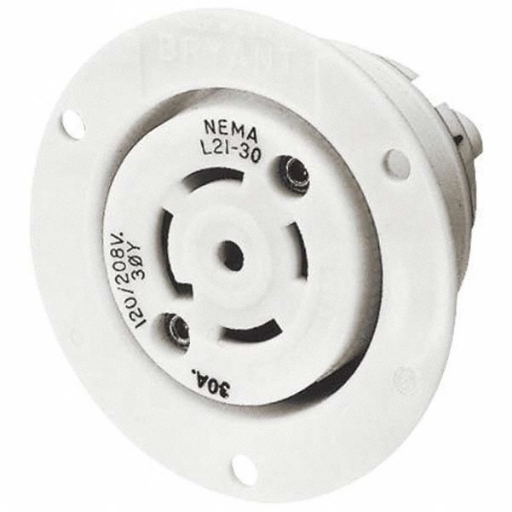
What is an Outdoor Electrical Outlet?

So, what are outdoor electrical outlets? An electric socket outlet enables you to plug in virtually anything that has a power cord without having to go inside the house. It is a waterproof type of socket that comes with a cover and is generally installed in the home exteriors also such as on the verandas, decks, or fences. These types of sockets are used for equipment and tool appliances such as garden lights, electric lawnmowers, and festive lights. Any customer using, installing or operating outside power outlets would need essentials such as the National Electrical Code or the Builder’s Electrical Code Industry standards. What is also included as quite novel is the aspect of in-use covers that shelter the outlet even when in use, protecting it from rain, dust, or waste. It’s much safer and easier to hire electricians properly to perform the installation and have everything fixed when it starts to be nonfunctional, and on the assumption that all the codes are fulfilled.

Types of Outdoor Outlets

A Guide To Outdoor Electrical Outlets discusses the different types of outlets that are weather resistant, GFCI, tamper resistant, heavy duty, solar powered, USB incorporated, and smart outlets for different safe usage in the open air.

Key Point

Details

Outlet Type

Weather-proof

Safety Feature

GFCI-enabled

Durability

Tamper-resistant

High Power

Heavy-duty

Eco-Friendly

Solar-powered

Convenience

USB-integrated

Tech Features

Smart controls

Weather Covers

Use-protected

Installation

Professional

Application

General outdoor

Benefits of Using Outdoor Power Outlets

  • Advanced Outdoor Socket Safety: GFCI ( Ground Fault Circuit Interrupter) enhanced sockets come with no SHOCK risk while in a wet condition.
  • Design For The Outdoors: Weather-resistant outdoor sockets contain durable materials often fitted with covers that are capable of withstanding the elements, such as rain, snow, temperature extremes, etc.
  • Construction: Tamper-proof design of these outdoor sockets makes them exceptionally hardwearing even under tough, adverse conditions.
  • Supporting Power: Greater capacity sockets instead cater to all power withstanding power-hungry gadgets and appliances.
  • Green Options: Such outlets are driven by solar energy and are anchored to the ground.
  • Updated Appliances: The incorporation of a USB socket eliminates the need to carry numerous adaptors to power up electric gadgets.
  • Great Flexibility: Can be used for such purposes as lights, utility appliances, entertainment appliances, and more in the outdoors.

Step-by-Step Guide to Installing an Outdoor Outlet

Step-by-Step Guide to Installing an Outdoor Outlet

Preparing for Installation

  1. Verify Local Building Regulations: Make sure that any outdoor outlets you plan to install are in accordance with the construction guidelines in the area for safety and legal compliance.
  2. Decide Where to Install It: Find a place where access is easy, without exposing it directly to rain, and the installable equipment is close to one of the power points.
  3. Make a List of Tools and Materials Required: An additional appropriate light might be added to the wall, for which there will also be a need for a fitting drill, a suitable screwdriver set, as well as strips of wire and an outdoor GFCI. Check if every element of the assembly such as a protective casing and the screws for mounting is available.
  4. Power Supply Off: In order to work safely, it is necessary to find the switch in the electric control panel of the house and turn off the power on the circuit of the intended place of installation.
  5. Evaluate Accessibility of Wire: Check if there is any way of running wire from the power supply to the newly fixed location of the outlet.

Gathering Necessary Tools and Materials

As you prepare for the installation of a GFCI receptacle, it is very important to acquire all the tools and materials that are required in order to do it effectively. Typical tools to use include a drill, both a straight and Phillips screwdriver, a wire cutting tool, a voltmeter, and narrow artier pliers. Important consumables, on the other hand, include the actual GFCI receptacle, a weatherproof pouch (when used outdoors), installation brackets, electrical paint, and wrapping electrical wires in their respective gauges according to the local authority codes.

Wiring an Outdoor Electrical Outlet

Here is a Description of the Process about How to Install an Exterior Electric Socket

1. Powered Item Process of turning off the Unit

Proceed to find the associated circuit breaker for the area where the new outdoor outlet will be added and switch it off. The wires should then be checked with a voltage tester to ensure they are not live.

2. Develop the Area of the Outlet

Attempt to find a suitable area to locate the socket closer to the power point. If needed, make a passage through the wall to enable the cables to be run. Such a hole must also be closed later on with a waterproof filling so that water does not get inside the hole.

3. Lay Out the Paving Electrical Cable

Install Type UF (underground feeder) wiring for outdoor wiring when extended to another area outdoors. More than that, you can fasten the cable to a piping system, for instance, if it is subjected to mechanical stress. Fix the cable to the housing for the outlet.

4. Join the Wires Inside the GFCI Outlet

Using a wire stripper, remove the wire insulation carefully at the ends. Screw the black (hot) wire to the gold terminal, the white (neutral) wire to the silver terminal and the ground wire to the green grounding screw. Screw the screws down tight.

5. Fix the Equipment and Connect the Cover

Fix the installed socket into the box using the mounting screws. An optional cover for the socket is mounted outside to prevent water from entering the socket, which is necessary for the installation of the sockets.

6. Make the circuit live and check how the socket works

Switch the breaker on and check if the socket works correctly using the voltage checker or by plugging in a device. Also, check for the information label for the GFCI, and make sure it is working, and press the “Test/Reset“ buttons.

It is essential to follow safety regulations, specifically in cases of outdoor electrical work. As a specific example, according to the National Electrical Code (NEC), outdoor receptacles cannot be installed without a package and GFCI fitting, irrespective of whether they are fitted with any protective doors or not. This is additionally important, even more so, considering that the need for maintenance can otherwise include consulting for fines or damages caused by water.

Choosing the Right Location for Outdoor Electrical Outlets

Choosing the Right Location for Outdoor Electrical Outlets

Optimal Outlet Placement for Outdoor Spaces

While deciding on the best position for outdoor electrical outlets, I think about their usefulness, safety, and ease of use. I place outlets near the areas that are most used, like patios, decks, and outdoor kitchens, but at a height to avoid water contact. Moreover, I recommend having these outlets at places that would facilitate the connecting of the seasonal lights, landscaping devices, or any other outdoor equipment with sockets and that would follow the safety standards and would not get weathered. Strategy can facilitate some additional practical measures and avoid exposing oneself unnecessarily.

Considerations for Outlet Location Near Water

When installing wiring systems, especially where electrical outlets are exposed, it is paramount that the safety regulations be followed to eliminate any electrical hazards. The National Electrical Code (NEC) stipulates that the outlets be placed at a minimum of 6 feet away from the edge and any water in order to limit accidental contact. Besides, these outlets moreover need to be powered in such a manner that they incorporate Ground Fault Circuit Interrupters (GFCIs) circuits that will immediately sc cut the power, in the event of a ground fault, which further limits electric shock. Weatherproof covers for the plugs are very essential in such circumstances, as well as making sure that no such wiring will become exposed to moisture. All these measures are taken to ensure the safety and operability of the installations without falling below the standards applied in the industry.

Outdoor Receptacle Accessibility

A user-experienced designed approach for outdoor receptacle installation does improve the utility on the ground, but also agrees with what health and safety standards require and what the general customer wants. Based on fresh statistics and recommendations, outdoor receptacles should not exceed a range of 12 and 24 inches from the ground cover, hence making it comfortable for physically challenged persons to reach them. It is also extremely important to ensure that the pathways to these receptacles are available and clear of obstacles. Their design is directed to make their presence known even in vast outdoors for ease of use. However, these practices help achieve both the provision of accessibility and the ability to accommodate a wide audience.

Safety Tips for Using Outdoor Electrical Outlets

Safety Tips for Using Outdoor Electrical Outlets

Protecting Against Weather Elements

This text is about outdoor electrical outlets, which always need protection against weather elements to guarantee their safe utilization and health. Add outdoor weather-resistant covers over the outlets. They defend the contacts from water, snow, and dirt. The covers must be thrown over the openings whenever the socket is not open for use. When the socket is in use, please ensure you apply bubble covers, also referred to as “in use covers” that are open and permit power cords inserted inside the socket to remain inside the socket, even at the same time protecting the socket against fluids. It is important to check all outlets for any wear and tear that may be evident, as well as see that GFCIs are properly positioned to reduce any water exposure, which may cause an electrical shock or electrocution. Whenever possible, such connections should be for outdoor use exclusively.

Regular Inspections and Maintenance

A Guide To Outdoor Electrical Outlets. Consider at least biannual inspections to maintain their integrity and operational efficiency for all electrical systems, especially those installed outdoors. Examine for any defects such as cracks, rusting, or dislocation of joints, and fix them when detected. Besides aiding in the detection and prevention of electrical fires, ground fault circuit interrupters should always be checked through the use of their built-in test and reset buttons. Check the condition of the weatherproof housing and its protective seals to ensure they have not deteriorated and allow moisture in. If any of the components is damaged or worn out, replace it with a similar component that is meant to be used outdoors. By practicing preventive maintenance, the likelihood of the occurrence of electrical hazards is reduced, and the useful life of the outdoor electrical installation is enhanced.

Common Safety Hazards to Avoid

Slip, as well as stool slipping, poisonous fall, health, and rearrangement of the condition of equipment – these are unique examples of typical hazards, during performance of the work.

Hazard Key Points

Slips/Trips/Falls

Wet floors, clutter

Ergonomic

Poor posture, lifting

Chemicals

Toxic, flammable

Electrical

Shock, burns

Housekeeping

Poor maintenance

Confined Spaces

Entrapment risks

Heights

Fall protection

Forklifts

Operator training

Common Issues with Outdoor Electrical Outlets

Common Issues with Outdoor Electrical Outlets

Identifying and Troubleshooting Power Issues

  • Tripped Circuit Breakers or GFCIs: Circuit breakers and ground-fault interrupters regularly cut power after overloads or faults. Examine the panel, look for any flipped switches, and gently return them to the on position. Always follow that step with a brief inquiry into what caused the trip in the first place.
  • Damaged Wiring or Connections: Cables that are cracked, frayed, or loosely attached silently disrupt service and create safety hazards. A careful visual inspection can reveal these problems. When found, replace or securely fasten every affected piece without delay.
  • Corrosion or Moisture Intrusion: Rust around an outlet or dampness inside a junction box can spark short circuits or sudden outages. Periodically check each connection. Where ongoing exposure is a risk, use weatherproof covers and sealant designed for electric parts.
  • Burnt Outlets or Scorch Marks: Brown or black discoloration near a receptacle points to overheating, usually from excess current or poor contact. Do not ignore this warning; call a qualified technician to replace the outlet and, if needed, trace back through the circuit.
  • Loose Receptacles: An outlet that moves when a plug is pulled, or that stays partially raised from the wall, disrupts power, and may allow arcing. Tighten screws or, if necessary, add a new box so that every fitting holds firmly.
  • Insufficient Voltage: A simple multimeter measures volts at any open socket. Readings below the expected level suggest trouble upstream wires, breakers, or even the transformer requires follow-up investigation before reliable service can return.
  • Unresponsive Outlets: When an outlet shows no signs of life, first plug in a different appliance to eliminate the possibility that the original device is faulty. If the replacement device fails to work as well, the problem likely lies within the wiring or the outlet itself, suggesting that replacement may be necessary.
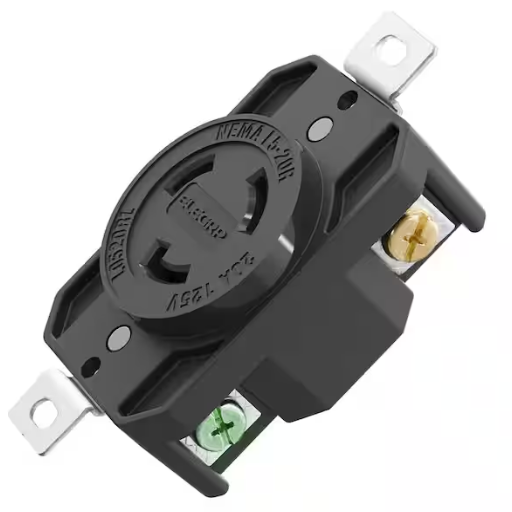
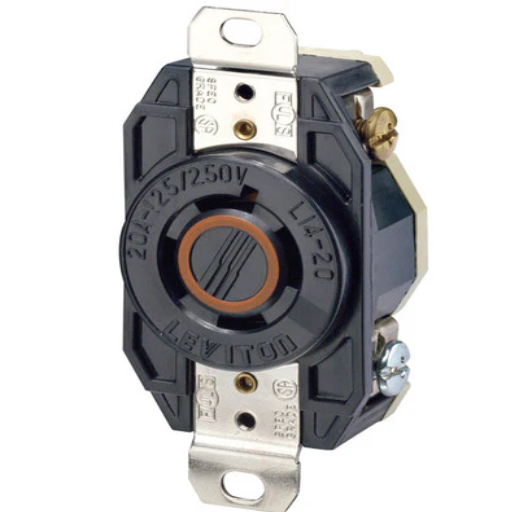
  • Overloaded Circuits: To avoid tripped breakers and temporary blackouts, check that the total wattage on any single circuit stays within its rated limit. Whenever feasible, spread high-demand items, such as heaters or power tools, across multiple circuits to ease the load.

By troubleshooting these everyday concerns in order, you can maintain a dependable and safe outdoor electrical system.

Addressing Outlet Malfunctions

Effective troubleshooting of non-working electrical outlets requires a clear, step-by-step strategy if the root problem is to be found and fixed reliably. Problems may stem from tripped breakers, loose connections inside the wall, or damage brought by wind and rain. Recent Google search reports confirm that many people first ask why an outdoor socket dies after heavy showers, a clue that moisture has crept in and either shorted the circuit or caused the safety GFCI to trip.

When to Call a Professional Electrician

If an outdoor power socket fails and routine checks-resetting the GFCI or reviewing the circuit breaker-leave it dead, calling a licensed electrician is the next sensible step. The same holds true when water stains, burnt smells, rusted wires, or flaky power recur, since these clues suggest damage that could endanger people or property. Always seek professional assistance whenever the root remains unclear, because meddling with compromised circuits can lead to shocks or fires that a trained hand knows how to avert.

Maintaining Your Outdoor Electrical Outlets

Maintaining Your Outdoor Electrical Outlets

Routine Maintenance Practices

1. Check Outdoor Outlets for Damage

At least once a month, look at the outdoor outlets for cracks, leaves, or water pooling inside.
Verify that protective covers close tightly and have not been loosened by wind or cold.

2. Test GFCIs Each Month

Push the Test and Reset buttons on each GFCI outlet to confirm that the circuit cuts power as it should.

3. Wipe Outlets with a Dry Cloth

Use only a clean, dry cloth to lift away dust from the faceplate; soap, water, or cleaner may leak inside.

4. Install Weatherproof Covers

Whenever a tool is plugged in, pull back the hinged weatherproof cover so rain or melting snow cannot enter.

5. Call an Electrician Annually

Arrange a yearly visit from a licensed electrician who can inspect wires, tighten connections, and catch hidden problems.

Cleaning and Protecting Outdoor Wiring

Key Point

Description

Clean

Use dry cloth

Inspect

Check for damage

Shield

Weatherproof covers

Conduit

Use protective

Trim Plants

Prevent overgrowth

Professional

Hire electrician

Long-Term Care for Outdoor Electrical Installations

To protect outdoor wiring so it lasts safely over time, follow these basic guidelines:

Key Point

Description

Inspect

Regular checks for wear, corrosion, and damage.

Moisture

Use weatherproof covers and sealants.

GFCI Test

Test Ground Fault Circuit Interrupters.

Pro Maintenance

Schedule certified electrician visits.

Surroundings

Keep area clear of debris.

Seals

Replace worn gaskets and seals.

Wiring

Check and secure connections.

Temperature

Monitor and control enclosure heat.

Drainage

Ensure proper water drainage.

Records

Maintain detailed maintenance logs.

Frequently Asked Questions (FAQs)

Frequently Asked Questions (FAQs)

Q: What is a GFCI outlet, and why is it good for outdoor use?

A: A GFCI outlet, or Ground Fault Circuit Interrupter outlet, is an outlet that protects against electrical shock by shutting power off in the event of a ground fault. GFCI outlets are necessary outdoors because water is a great conductor of electricity, thus preventing electrical accidents and ensuring compliance with electrical safety standards.

Q: How does one install the new outdoor outlet on an exterior wall?

A: Installing a new outdoor outlet on an exterior wall is quite procedure-oriented. This involves setting the location first and then finding the studs by means of the stud finder. Once the space has been cut out for the outlet box, run the electrical wire from your electrical panel or existing indoor outlet. Next, secure the outlet box and attach the wires: the green screw is for ground wires only. Finish off the installation by putting on the weatherproof cover to protect against rain and moisture.

Q: What are the electrical requirements for outdoor lights?

A: Outdoor lights normally require dependable electrical power to allow them to perform their function during the night. The existing indoor outlets can be patched into, or new outdoor outlets can be installed for the lighting requirements. The installations must follow the National Electrical Code to ensure safety and proper working.

Q: How do I keep the rain from my outdoor outlet?

A: A weatherproof outlet cover created especially for this purpose should be put on to keep the rain from an outdoor outlet. Also, GFCI outlets should be installed as another layer of protection against electrical shocks; the outlets should be securely fastened to an outdoor electrical box-of a wet-location rating.

Q: What can I do if my outdoor outlet is misbehaving?

A: If the outdoor outlet is misbehaving, first check the reset button of the GFCI; it most probably tripped. Check the voltage at the outlet with a voltage tester. If there is no current, check the connections and the wiring for previous damage. If you are not sure how to find out what’s wrong, then you’d better call a professional for an electrical fix.

Q: Can I use indoor outlets for outdoor power outlets?

A: Using indoor outlets for outdoor power needs is against recommendations for reasons of safety. Since indoor outlets are not made for weathering any elements, they might cause electrical shocks or fires. Instead, place dedicated outdoor electrical outlets that are weatherproof and conform to electrical safety codes.

Q: What are the benefits of an exterior outlet?

Installing an exterior outlet allows you to instantly provide power to your outdoor environments for tools, lights, and ifc electrical devices without running extension cords. They come in very handy during outdoor occasions wherein decoration, entertainment, and cooking devices require power from a safe source.

Q: How do I ensure safe work practices when working with outdoor electrical equipment?

A: To ensure electrical safety when working with outdoor electrical installations, you should always make sure the power has been turned off at the electrical panel. Use a voltage tester to validate that an outlet is not live before you perform any electrical work. Comply with National Electrical Code standards, and if you are unsure about some issues, hire a licensed electrician.

Q: What type of outdoor electrical box should I use for my new outlet?

A: For a new outdoor outlet, use a weatherproof outdoor electrical box designed to withstand outdoor conditions. These boxes are typically made of durable materials and provide protection from moisture and debris, ensuring that your outdoor outlet remains functional and safe over time.

Reference Sources

1. Electrician

2. Residual-current device

3 Outdoor Power Materials: Insulating Components, Coating Methodologies, and Performance

  • Contributors: Suhaib Al-Karawi, Aws Al-Taie
  • Date of Issue: July 15, 2023
  • Manual Form: Conference Paper

Main Purpose:

  • The purpose of this paper is to analyze different factors influencing the use performance and ease of outdoor atmospheric conditions, as well as the formulation and application of external insulation for particular or all outer electrical appliances. Here, it is revealed that we have two types of outdoor insulators: one being single material and the other composite, and their usage is evaluated in different circumstances.

Salient Features (Headlines):

  • The author in this paper also emphasised the importance of the use of coatings such as hydrophobic and field grading material coatings to combat the environmental extremes on an insulator.
  • An analysis of a range of materials and coatings is conducted, and different approaches related to current applicabilities of outdoor electrical outlets are suggested (Al-Karawi & Al-Taie, 2023, pp. 545–551).