All posts by JIYA

RV Power Pedestals: Mobile, Marine, and Electrical Power Solutions

Finding a dependable and effective solution is very important when it comes to powering of RVs, boats, and other mobile systems. Power pedestals for RVs play a vital role in providing power, as they supply electrical power that is safe and easy to access no matter if you are at a busy marina, a distant campsite, or a well-furnished RV park. These multipurpose power supply units are made to cater to the necessities of both flexibility and ease, thus granting travelers and adventurers the chance to experience the little luxuries of modern life while they are out in the wilderness. In this article, we will delve into the main characteristics, advantages, and different uses of RV power pedestals, highlighting the reasons why they are a major factor in the supply of electricity for mobile and marine solutions. Moreover, whether you are an RV lover, marina manager, or electrical contractor, you will find something here—so keep reading to learn all you need to know.

Understanding Power Pedestals

Product overview of RV power pedestals covering mobile, marine and multi‑scene electrical power supply solutions

What is a Power Pedestal?

A power pedestal refers to the robust outdoor unit that takes charge of supplying safe and dependable electrical connections at places like RV parks, marinas, and campgrounds. Apart from providing power to mobile homes, recreational vehicles, and boat users, these pedestals guarantee that essential needs and modern conveniences for outdoor stays are covered with access to power. They are usually installed on the ground and are capable of surviving the rigors of weather, thus providing power in the harshest of conditions.

A power pedestal is characterized by having numerous outlets, which serve different electrical needs. The most typical configurations of these outlets are 30-amp or 50-amp connections. Power pedestals also come with extra features like circuit breakers, overload protection, and sometimes even integrated lights or water supply points. These features not only make the users’ lives easier but also help in keeping the local electrical codes and standards among the first considerations.

They are a major factor in the creation of well-equipped, friendly spaces for travelers and boaters by providing a continuous power source. Power pedestals, by letting the supply of electricity for lighting, cooking appliances, heating, or even charging of recreational batteries, would significantly increase the comforts and adventure possibilities, thus becoming the outdoor living setups indispensable resource.

Types of Power Pedestals

Power pedestals are multipurpose parts that are needed for the convenience and operation of marinas, RV parks, camping sites, and other outdoor living arrangements. There are different types of these devices that are able to meet various needs and uses, thus improving the experience of users who travel and spend time outdoors. The different types of power pedestals with their details and data are mentioned below:

1Single-Phase Power Pedestals

Single-phase power pedestals are one of the most popular kinds of models that are often found in RV parks and campsites. These pedestals generally supply 120V or 240V power and enable the use of small to medium equipment such as lighting, heaters or even small electric cars. They are GFCI-protected outlets for safety and very efficient and reliable for individual users. The industry data shows that single-phase pedestals make up almost 65% of the installations in RV parks.

2Three-Phase Power Pedestals

Three-phase power pedestals are associated with higher power capacity and are usually found in marinas or commercial plants. They can provide voltages of 208V to 480V, which is right for using bigger boats, industrial machines, or electric vehicle (EV) charging stations. Their handling is heavy demand and they can even allow for multiple connections at the same time. Current trends suggest that three-phase pedestals are becoming more widely used in marinas, with an annual installation rate growth of 8% owing to the increased demand for power from boaters.

3Solar-Powered Pedestals

Eco-friendly solar-powered pedestals are getting more and more accepted and thus are becoming more common in sustainable outdoor settings. They have photovoltaic panels that let the units convert sunlight directly into power and that electricity is renewable for the entire range of applications. Even though they are not always capable of providing as much power as regular electric pedestals, the progress in battery storage technologies has helped them become more competitive. Recent data indicates a 15% hike in the sales of solar-powered units over the last five years, which is a sign of the growing consciousness about the environment.

4Smart Power Pedestals

Smart power pedestals are the most advanced technology that is applied in outdoor power solutions today. These types of models come with the most modern features like digital metering, app-controlled power management, and remote monitoring. Customers will be able to monitor their power consumption and also adjust power settings accordingly without needing to go over to the pedestal. Market analysis states that 20% of the new installations in marinas and RV parks are of smart pedestals, given their efficiency and user-friendly characteristics.

5Portable Power Pedestals

Portable power pedestals are made with the flexibility concept in mind, meaning that the users will have the option of relocating them whenever necessary. Such units are compact, light, and perfect for temporary use like at events, fairs, or even remote camping. They are favored by outdoor enthusiasts and slowly but surely it is becoming a significant category with the rise of sales numbers by 12% each year.

Each category of power pedestal is very important in providing for the varied usages in outdoor living conditions. It is important to consider the location, power needs, and budget when choosing a power pedestal to ensure the best performance and satisfaction for the user.

Components of a Power Pedestal

A power pedestal is made up of a few critical parts that all work together to supply electric power safely and reliably in outdoor places. The electrical panel is the principal part, which contains circuit breakers and provides protection against overloads as well as short circuits. Besides, these panels often have a variety of outlets that can supply different levels of power, for instance, standard electrical appliances as well as larger equipment connections.

The metering section is the other important part of the system. This enables users to keep an eye on and control their power consumption easily and effectively, giving them transparency and control over their energy usage. Besides, some pedestals have built-in surge protection so that the connected devices are safe from voltage spikes.

Among the other possible features are lighting for visibility, weatherproof enclosures to protect against the elements, and optional accessories like USB charging ports or communication modules. These components together make power pedestals adaptable and trustworthy for many outdoor applications.

RV Power Pedestals: Features and Benefits

Outdoor mobile‑ready RV power pedestal providing stable electrical power for recreational vehicles at campgrounds

Key Features of RV Power Pedestals

RV power pedestals facilitate a secure and trustworthy connection to electricity for campers in open areas such as campgrounds or RV parks. A primary feature is the capability to provide a variety of power sources, normally comprising 30-amp and 50-amp outlets, thus allowing connection of a wide array of RVs. This not only opens up the user to various options but also caters to diverse electrical requirements.

The incorporation of built-in circuit breakers and surge protection is another significant feature. These parts make safety a priority by controlling the risks of power surges, overloads, or electrical faults thus protecting RVs and electronic gadgets. Furthermore, pedestals often come with waterproof constructions, using strong materials and sealed cases to resist rough outdoor conditions and at the same time ensure reliable function.

The presence of features such as lighting for nighttime visibility and convenience that is built-in may be one of the other advantages and allows for optional yet more comprehensive features like USB charging ports or communication modules. All these features make RV power pedestals a dependable as well as user-friendly solution for supplying continuous power in outdoor recreational settings.

Benefits of Using RV Power Pedestals

✓ Consistent Power Supply

The consistency of the power supply from RV power pedestals makes them a reliable source of electric power that one can rely on for heating and powering up refrigerators, lamps, and other electrical devices. Industry experts say that modern RV power pedestals are made in such a way that they can take a load of alternating current of power varying in voltage, generally providing 30-amp and 50-amp sockets, which in turn helps to serve the different requirements of RVs.

✓ Safety Features of the Highest Quality

Pedestals fitted with built-in circuit breakers for power surges, surge protectors, and Ground Fault Circuit Interrupters (GFCI) ensure the safety of the users and at the same time make the RV electrical system immune to power surges and faults which may cause damage.

✓ Longevity and Resistance to Weather Conditions

RV power pedestals are made to last, along with providing resistance to extreme weather and thus are made using corrosion-resistant materials like stainless steel or heavy-duty thermoplastic. Research has proven that these materials are a lasting increase of the units’ lifespan, thus turning them into a long-term investment for campsites and recreational areas.

✓ Ease of Use and Extra Features

Besides, the latest RV power pedestals are often equipped with extra features, including LED lights for nighttime use, USB ports for charging, and even Wi-Fi communication modules. By equipping them with these, the pedestals’ usability and convenience are significantly increased, making them even more versatile for the owners of RVs.

✓ Power Monitoring Ability

Certain high-end models come with systems for metering energy, giving campground operators or RV users the chance to have a view of their power consumption. This paves the way for electricity to be consumed smartly and sets the stage for energy efficiency, which is in harmony with sustainable practices.

Thus, RV power pedestals continue to be an essential outdoor recreational setting solution that integrates the latest technology and strict safety standards and meets the needs of both RV enthusiasts and campground operators in respect of convenience and reliability.

RV Power Pedestals vs. Traditional Power Sources: A Comparison

Aspect RV Power Pedestals Traditional Power Sources
Design Purpose Specifically built for mobile vehicles and outdoor use Fixed, dedicated to residential or commercial places
Compatibility Multiple outlet configurations (30-amp, 50-amp options) May not meet the specific voltage or amperage demands of RVs
Safety Features Built-in circuit breakers, surge protection, GFCI May require retrofitting or temporary solutions
Energy Management Advanced monitoring systems, energy-efficient technology Limited monitoring capabilities
Mobility Designed for a mobile lifestyle, easy connection Fixed installations, less flexible

RV power pedestals and traditional power sources vary widely in terms of their functions and the level of convenience they offer. The latter typically would lose the battle as they are not only fixed, but also dedicated mainly to the needs of either residential or commercial places, whereas RV power pedestals are especially built for the particular needs of traveling vehicles. As RVs are attached to the electrical supply of the campgrounds directly through these pedestals, electricity comes as a stable and reliable source for them. On the contrary, the traditional sources might not be able to satisfy the modern RVs’ specific voltage or amperage demands, but power pedestals are prepared to accommodate such demands without a hiccup.

Another major benefit of RV power pedestals is the convenience of use that the design affords. The units usually have different outlet configurations like 30-amp and 50-amp options, which means compatibility with different RV models is easy. Furthermore, most pedestals come with integrated safety features such as circuit breakers and surge protection, thereby securing the user against electrical hazards and enhancing safety. With no retrofitting, traditional power sources don’t possess these RV-specific features and might necessitate temporary solutions, thus becoming less useful for the lifestyle of the mobile dwellers.

In terms of energy management, RV power pedestals are often fitted with sophisticated monitoring systems and energy-efficient technology. These characteristics enable RV owners to effectively monitor and manage their electricity consumption, a privilege not easily afforded with traditional power sources. The emphasis placed on energy efficiency is consistent with eco-friendly practices which lead to the reduction of waste and, hence, cost savings. Thus, it is safe to conclude that RV power pedestals are not only a tailored and safer solution, but also a more convenient one than traditional power sources for mobile and recreational use.

Applications of RV Power Pedestals

Marine‑rated RV power pedestals suitable for mixed‑use marinas supporting both boats and recreational vehicles

Use Cases in RV Parks

The power pedestals in RV parks are the most important elements because of their capability to make the park a comfortable place to stay, more so for RVs. The pedestals make it possible for RV owners to get electricity with ease and to power their appliances like air conditioning, refrigerators, and lighting. Travel in RVs would become less comfortable and convenient with the absence of these vital installations.

The Maintenance of Safety and Organization is the other major area where Pedestals have been utilized and clearly indicated in the article. The use of traditional power sources such as illegal connections, can cause fires because of poor wiring or fluctuating power delivery. RV power pedestals are created with a certain standard of electrical configuration that can serve the needs of RVs effectively thus bringing down the chances of fire outbreak. Besides, their installation in the designated areas helps in maintaining order in the park as every power connection for the tent is clearly marked.

Moreover, RV power pedestals, besides safety and convenience, also enhanced the overall experience of RV park visitors. The latest versions of the pedestals have water hookups, Wi-Fi connectivity, and USB charging ports as an optional extra. The provided services make RV parks look like premium parks, thus attracting more visitors and more extended stays, which is a win-win situation for both the park operators and guests.

Marine Applications of Power Pedestals

Power pedestals are the very cores of the marine environment and, in fact, they are the ones who provide safe and reliable access to electricity as well as other utilities for the boats on the docks and at the marinas. With the power pedestals, the mariners can supply their onboard systems with power, recharge their batteries, and use the essential appliances and thus, boating continues to be a smooth and comfy experience even if the vessel is docked. Furthermore, the power pedestals usually have water hookups as well, which is another convenience that comes for the boat owners.

The process of power pedestal installation in marinas not only increases operational efficiency but also adds to safety. A controlled and structured system for electricity delivery significantly reduces the probability of electrical accidents, like faults and overloads, in a humid environment. However, many pedestals are equipped with such features as circuit breakers and waterproofing, which guarantee perfect operation even under the conditions of the harshest marine environments, including saltwater corrosion.

In addition, the modern power pedestals are a part of the overall modernization of the marinas. Many devices come with the capability of internet connectivity or light for better visibility of the dock at night, which is a feature that most people would want. These updates make the marinas more attractive to the boat owners and therefore, guest satisfaction is increased, and the marina revenue is also augmented. Power pedestals, by providing the necessary utilities in the most durable and efficient way, play an important role in meeting the requirements of marine operations.

Portable Power Pedestals for Commercial Use

The use of power pedestals in retail and industrial operations is ubiquitous thanks to their multifunctionality and the possibility of catering to different types of power needs, among others. These gadgets are a great and trustworthy source of power for the outdoor and provisional spaces where equipment, tools, and other utilities are essential. The construction, events, and temporary sites industries are some examples that depend on portable power pedestals for continuous electricity supply and that can keep their operations vivid.

Power access, for example, is a critical need for construction sites that use it for tools, machinery, lighting, and other infrastructure. The power pedestals enable the workers to share the power evenly over the site which means no permanent installations would be required. In a like manner, outdoor events such as concerts or exhibitions use these power pedestals to supply power to the vendors, performers, and the audience who are using the power for sound systems, food stalls, etc.

The versatility of portable power pedestals also makes them very important in an emergency and disaster response situation. When a natural calamity interrupts the regular supply of electricity, these pedestals are the first to be used as the supply of power to medical relief centers, temporary shelters, and communication centers. Their strength and quickness of deployment make it possible for essential operations to be restored almost instantaneously which reduces the period of unavailability and secures public safety.

Reliable Power Solutions for Mobile Homes

Versatile electrical power pedestal series for RV parks, marinas and other outdoor commercial power supply scenarios

Choosing the Right Power Pedestal for Mobile Homes

The process of selecting a power pedestal for mobile homes starts with determining the home’s particular electrical requirements. The appliances and other electrical systems that will be powered should have their voltage and amperage needs established first. Normally, mobile homes use either 30-amp or 50-amp service, so it is very important for the power pedestal to conform to these requirements for the operation to be safe and efficient. Moreover, you need to think about whether the pedestal will need to cater for additional lighting or extra outlets.

Durability and weather resistance are the primary concerns in selecting a power pedestal. Since power pedestals are going to be placed outdoors most of the time, they must be able to endure not only the rain and snow but also the high and low temperature conditions. Seek pedestals that are made with rust-proof and ultraviolet-resistant materials to get the most out of them in terms of duration and safety. A ground fault protection system is another feature that is a must-have because it is really the only way of preventing electrical hazards from wet surroundings.

Lastly factor in installation and maintenance difficulty. A power pedestal that can be installed and maintained easily will save you time and reduce the risk of complications. The process is often made easier by models that have clear labeling and have their internal components easily reached. Good power pedestal selection not only becomes the main factor for ensuring that your mobile home gets a stable, secure, and efficient electrical supply but also proof of your wise decision-making skills.

Installation and Setup of Power Pedestals

The proper installation along with the proper setup of power pedestals are crucial factor determining the safety and the reliability of the electrical connections for mobile homes, RVs, and outdoor power requirements. Here are the major steps and considerations that will help with the installation process:

1. Site Preparation

The power pedestal needs to be assessed and the site prepared first. The location should be free of obstacles and close enough to the buildings or vehicles that need electricity. To support the pedestal in the long run, use a sturdy and flat surface that will eventually prevent the pedestal from moving or tilting.

2. Electrical Connections

Power supply wiring to the pedestal must be done in conformity with local electrical codes and regulations. A grounding system, generally a grounding rod, which has been stipulated by the National Electric Code (NEC), should be included in the pedestals to promote safety. For instance, a 50-amp RV uses a NEMA 14-50 outlet while a 30-amp setup uses NEMA TT-30.

3. Weatherproofing

Many of the modern power pedestals are made with weatherproof enclosures that can endure severe outdoor conditions. The use of waterproof gaskets, rust-resistant finishes, and UV-resistant materials, which are all part of the manufacturing process, not only prolongs the life of the products but also safeguards the electrical components from getting wet, blown away, or burnt out by the sun.

4. Voltage and Load Testing

Make sure to check the voltage output after the installation is done if it is up to the required specifications. Some pedestals are manufactured incorporating built-in circuit breakers and surge protectors as measures to protect against power fluctuations. In case of heavy-duty usage, for example, if there are multiple RV hookups, make sure to check that the pedestal has a load capacity that matches the demand, which is usually rated between 30 to 200 amps.

5. Ease of Maintenance

Seek for power pedestals that come with modular designs to facilitate maintenance. For example, some pedestals can be accessed internally by quickly opening the hinged covers or removing the plates.

6. Energy Efficiency and Monitoring

The new generation of power pedestals includes features such as energy monitoring systems, digital meters, and smart connectivity that are the most advanced. This means the users are able to monitor energy consumption in real-time which is a great advantage for RV parks or camping sites that aim at being energy efficient and hence need to have their energy consumption stats at their fingertips.

Maintenance Tips for Reliable Power

Following these maintenance steps not only guarantees the longevity and reliability of power pedestals but also improves energy efficiency and safety for all users.

  • Regular Inspection of Connections It should become a regular part of your inspection routine to look over the power pedestal for any indications of wear and tear, corrosion, or loose connections. As stated by industry data, the presence of corroded terminals might give rise to energy losses up to 20% thereby not only reducing the overall efficiency of the system but also making it susceptible to power outages.
  • Clean Equipment Periodically The performance of the equipment might be adversely affected due to the dirt, dust, and debris that have been accumulating over time. A gentle brush along with a non-abrasive cleaner can be used to keep the power pedestal clean regularly. Avoid letting water or moisture reach the connections as this might trigger short circuits.
  • Protect From Environmental Hazards Cover your power pedestals with weatherproof, high-grade covers to protect them from rain, snow, and UV rays. Research indicates that plastic enclosures subjected to UV light can lose as much as 30% of their lifespan.
  • Energy Monitoring System Updates Regularly update the software of the smart energy monitoring system installed in your pedestal to prevent glitches and inaccuracies if the pedestal has one. The proper use of these systems can result in the reduction of up to 15% in energy costs.
  • Conduct Annual Load Testing Power system overload can lead to overheating or fire hazards. Conducting annual load testing will help you find out if the unit can cope with peak demand without any trouble. According to reports, the regularity of load testing has the effect of cutting down failure risks by around 18%.
  • Replace Aging Components Breakers, outlets, and meters are all subjected to wear and tear, but their life can be extended by adhering to the replacement schedule given by the manufacturer — usually every 3-5 years, determined by the rate of use.
  • Maintain Proper Ventilation Provide enough airflow around the pedestal so that the heat can be dissipated easily. Inadequate ventilation can lead to overheating which is a cause of almost 25% of power system failures in outdoor applications.

Innovations in Portable Power Pedestals

Integrated power solutions using durable RV power pedestals to serve recreational vehicles and docked marine vessels

Latest Technologies in Power Pedestal Manufacturing

The power pedestal manufacturing industry has made considerable progress that resulted in their adoption of smart technology which made it even more effective, trustworthy, and convenient for users. The current power pedestals have been fitted with systems for remote monitoring and control, which enable users to monitor power consumption, find faults, and carry out power distribution all at the same time through internet-connected devices. In this way, the operational efficiency is greatly improved and the chances of unplanned failures are minimized.

The new products are now not only smart but also eco-friendly and energy-efficient. Not surprisingly, the industry’s trends point towards the adoption of the greenest materials and components altogether for the sake of cutting down on nature’s harm. As a matter of fact, energy-optimized devices, e.g. smart power controllers and LED indicators, have now become the norm with their helpful feature of less energy consumption during the functional process.

Also, durability and climate resistance have experienced tremendous growth. The power pedestals are no longer only electrifying but also tough, as they are made with the aid of modern materials and coatings that give the power pedestals the ability to resist rust, high and low temperatures, and other difficult climate-related factors. Such techniques make sure that the pedestals will work properly and dependably in outdoor applications even in the worst of weather conditions. The new technology used in power pedestal production has brought about a revolution in the power supply sector by making the legs safer, more environmentally friendly, and efficient altogether.

Emerging Trends in Power Solutions

Power pedestals are going to be really important in the future of RV and marine industries as they will help them to adapt to the growing consumption and be more environmentally friendly. The modern power pedestals are being made for the higher power loads, better device compatibility, and more safety features because reliable power sources are in high demand. It is no longer possible for RVs and boats to rely on the old power requirements because they are using more and more advanced technologies and power-hungry appliances.

The movement towards sustainability is one of the main reasons for the development of power pedestals that can work with green energy sources. Solar and wind power connections with energy-saving devices are turning out to be the main factors in their creativity. This makes it possible for power pedestals to increase the electricity use of the RV and marine industries without toxins. As well, the smart connectivity features attached to power pedestals are making them the central points of supply and consumption of energy, making it easier for the users to keep an eye on and manage the power usage even if they are far away.

In the future, the use of high-powered pedestals will be in line with phenomena such as electrification and off-grid systems. Such pedestals will gradually be equipped with state-of-the-art features like improved weather resistance and user-friendly interfaces to satisfy both the recreational and the professional users. Keeping improving the aspects of convenience and efficiency as well as being environmentally friendly, power pedestals will not lose their role as the key to providing a seamless and also sustainable experience in the RV and marine areas.

Frequently Asked Questions (FAQ)

Q: What are portable power pedestals?

A: Portable power pedestals are innovative power units, basically electrical power pedestal units that are handy in outdoor electrical access. They are most commonly found in both commercial and residential applications, single-family homes using them for shore power, which can then be connected to an RV with multiple power outlets for different uses.

Q: How do portable power pedestals work?

A: These pedestals are powered by connecting them to an electrical source and the power is then distributed through several outlets. They can be adapted to different scenarios such as marine power or landscape architecture, thus making sure you have the required electrical access for your particular situation.

Q: Can portable power pedestals withstand extreme weather conditions?

A: Portable power pedestals made of tough materials and stainless steel can take on nasty weather. Their lastingness hides them being used in tough out-of-the-way places like private docks and hospital campuses.

Q: Are there customizable options available for portable power pedestals?

A: Definitely, you have the option to choose different features for portable power pedestals, like getting the number of power outlets, having a lockable access, and even designing the aesthetic to fit nicely with the landscape. This not only guarantees that the pedestal performs well but is also visually linked to the environment.

Q: What is the difference between commercial and residential shore power?

A: The main difference lies in the fact that commercial shore power is built to handle heavier and larger applications while the residential shore power and RV options are aimed at the individual or smaller-scale needs. Still the same, both can take advantage of the portable power pedestals to meet their electrical demand.

Q: How long has the industry been specializing in portable power pedestals?

A: The industry is responsible for producing portable power pedestals for more than 45 years, broadening the already wide product portfolio that allows for products fit for different applications, from marine power to architectural landscaping.

Q: What should I consider when looking for RV power stations?

A: When searching for RV power stations, take into account the number of power outlets, the possibility of customizing the pedestal, and if it can stand outdoor conditions. Moreover, look for customer service in case you need help with your order.

Q: Are portable power pedestals suitable for raceway applications?

A: Yes, portable power pedestals can be specifically made to be compatible with raceway applications, providing electrical access in places where traditional power sources may not work as well.

Q: Can I use portable power pedestals for landscape projects?

A: Certainly, portable power pedestals are a perfect solution for outdoor landscape projects because they provide a dependable power supply for lighting, water features and other electrical needs in outdoor settings.

Q: How do I ensure my portable power pedestal is safe to use?

A: For guaranteed safety select a durable pedestal with features such as lockable access. Carrying out maintenance checks routinely and the right installation will also help keep safety standards for both commercial and residential applications.

References

Marine Boat Shore Power: Adapters & Power Supply

In regard to the comfort and utility of your time on the water, having dependable shore power access is a significant factor that totally alters the game. The installation of marine shore power on boats guarantees that all the electrical needs of the boats are taken care of, be it battery charging done, running of appliances, or just maintaining the essential systems to run smoothly. Nevertheless, it is very important for every boater to select the right adapters and power supply equipment as not all marinas and docks have the same power configurations. This guide discusses the marine shore power basics, clears up the confusion around adapters, and gives you handy tips that will keep you powered up and ready no matter where your adventure goes. You don’t have to be a boating novice or an old hand at it; this article is your resource for confidently learning marine power connections.

Introduction to Marine Boat Power Systems

Complete overview of marine boat shore power system including adapters, cables and dock power supply equipment

Understanding Shore Power Basics

An electricity shore connection is one of the most beneficial features for those who usually stay on the boat at the marina or docks. It is the facility that connects electrical power from the dock to the boat. Consequently, the energy supplied for the onboard systems is absolutely reliable as long as the ship is not moving. Besides, this system guarantees electricity availability without draining off the boat’s batteries or running its generators. Therefore, it really is a must-have feature for long-term moorings at marinas or docks. Shore power systems consist of the following main components shore power inlets, cables, connectors and circuit protection devices.

For the shore power to be used safely, it is very important to match the power needs of the boat with the voltage and amperage of the shore supply. The standard setups typically provide either 120-volt or 240-volt power, with the amperage usually ranging between 15 and 50 amps. It is extremely important to make sure your boat’s electrical system is compatible with the dock’s outlet in order to avoid damaging your equipment. In case of a difference, adapters can be used to connect the two systems, but the adapters have to be handled very carefully so that they do not pose a safety risk.

The proper maintenance and care of shore power equipment are vital for safe operation. Be sure to check regularly cables, connectors and inlets for signs of wear, corrosion or damage that might affect performance. Always connect and disconnect the system following the manufacturer’s instructions and make sure that the power supply is switched off before plugging in or unplugging cables. Following these practices will help to ensure electrical safety and reliability during your time on the water.

Importance of Reliable Power Supply for Boaters

It is a must for the power supply to be reliable in order to ensure the safe and smooth operation of the vessels for boaters. The electrical systems that are on board supply the critical components with power like navigation lights, communication devices, and GPS systems, which are all very important for safety, particularly in low visibility or emergencies. A trustworthy power source is instrumental in keeping the essential systems up and running; otherwise, these systems would fail and the vessel along with the crew would then be at risk.

Moreover, a power supply that you can always rely on is the main factor that makes the boat a place of comfort and luxury. The electrical supply is the only thing that modern boats can ever depend on for amenities like refrigeration, lighting, and entertainment systems. The power system could malfunction and that would disrupt these amenities, which would greatly reduce the overall enjoyment of time spent on water and potentially lead to cutting trips short.

Also, maintaining a steady power supply contributes to the protection of the equipment used on boats in terms of their longevity. The power interruptions or fluctuations can be the reason why the boat’s sensitive electronics will get damaged, and this in turn would result in expensive repairs or replacements. It is necessary to have regular maintenance, proper charging, and investment in good-quality power systems, as they all play a vital role in ensuring reliability. If the boaters put first a dependable power source, they can at the same time improve the safety and performance of their time spent on the water.

Overview of Marine Shore Power Systems

Marine shore power systems are a vital source of electric power for boats when they are berthed. These systems let ships utilize the power of he shore and thus, the consumption of fuel-powered generators is curtailed. So, using shore power enables fuel-free and emission-free operation of the vessels’ appliances, battery charging, and maintenance of electrical systems.

A marine shore power system usually consists of a power pedestal on the shore, power cables, connectors, and a distribution system on board. The pedestal provides electricity to the boat at safe and uniform voltages. Properly rated power cables and connectors ensure the reliable transfer of power, and the distribution system on board controls the flow of electricity to the different systems in the boat. It is imperative to abide by the marine electrical standards to avoid safety problems like electrical fires or shocks.

Regular inspections and maintenance are unavoidable for the safe and efficient operation of shore power systems. The users have to make sure that the power cables and connectors are in good condition, connections are kept clean, and all the components are compliant with the safety standards. Besides, the installation done by qualified technicians increases the dependability and lifespan of the system even more. With these measures in place, marine shore power systems are a source of both convenience and safety for boaters.

Types of Shore Power Adapters

Types of Shore Power Adapters

Understanding Marine Shore Power Adapters

Marine shore power adapters are necessary items that make it possible for boats to plug into and make use of the shore electrical systems in a smooth and safe way. These adapters act as a link between the shore power supply and the ship’s electrical demand by making sure that different power types, voltages, and plug configurations are compatible. The absence of them would make the connection of boats to the shore power supply a source of potential electrical hazards or equipment damage.

Each type of shore power adapter has its own illumination and pros; these adapters can be used in different ways. For example, some adapters can be used with different amperage capacities, such as a 30-amp vessel connected to a 50-amp shore power supply. Moreover, some adapters make it possible to configure different plug sockets so that boaters are able to get a reliable electrical connection regardless of the electrical infrastructure of the marina. It is really important to use an adapter that is not only compatible with the boat’s system but also the shore power supply in order to achieve the best performance.

The proper adapter usage not only protects the boat’s electrical systems but also guarantees the safety of all the crew members. When it comes to the selection of a shore power adapter, boaters should consider the quality of the materials used and look for the necessary certifications that would confirm compliance with safety standards. Additionally, the regular examination and upkeep of adapters is a must in order to eliminate the risk of hardware failure and thus avoid the problems associated with poor connections. It is by way of getting to know and using the correct marine shore power adapter that one can greatly improve the convenience and safety of their shore power installation.

Different Types of Shore Power Connectors

The types of shore power connectors offer different power requirements and standards. Most common types are classified according to their amperage ratings, which are usually 15-amp, 30-amp, 50-amp, and 100-amp systems. The main features of these connectors are their different designs and the proper capacity to handle the electrical loads, and this guarantees a compatibility range of vessels from smaller ones lying at anchor to larger yachts. Ampacity rating of every type corresponds to different plug configurations and cable sizes.

Moreover, the shore power connectors can also be classified based on the voltage requirements, such as single-phase or three-phase systems. Single-phase connectors are usually found in the equipment of smaller boats with less power consumption, while three-phase systems are for big vessels that need a lot of power. Choosing the right connector type is essential to avoid overloads in electrical systems or creating dangers in the form of fire or electric shock.

Connector matching between the power configuration of the boat and the shore electrical source is an indispensable condition for safe and effective use. In addition, the users should ensure that the connectors are in accordance with the safety standards and suitable for the electrical installation of their marina or docking area. Installation practices and maintenance procedures being the key will increase the reliability and durability of the entire shore power system.

Selecting the Correct Adapter for Your Boat

The selection of the correct adapter for your boat is very important because it will determine the compatibility with the power system of your boat and the shore electrical source. To ensure safe operation as well as to avoid electrical hazards on your boat, the voltage and amperage ratings of the adapter must be exactly the same as your boat’s power requirements. Also, the prong configuration of the adapter should be checked as to whether it matches the shore power outlet and your boat’s inlet.

Consider the environmental conditions of your docking area. Using an adapter with weatherproof and corrosion-resistant features is a must if you are going to use it in wet or salty areas. The additional protection that comes with the use of such an adapter will make it last longer and operate reliably even if the conditions are tough. Always check that the adapter complies with the relevant marine electrical safety standards for the best performance and peace of mind.

The length and flexibility of the adapter cord are also important. The right length makes it easy to connect without putting any strain on the connections, and a flexible yet durable design makes it more user-friendly. By carefully considering these factors, you will be able to choose an adapter that will create a safe, effective, and reliable environment for your boat’s electrical systems.

Power Supply Components in Marine Applications

Waterproof marine shore power adapters connecting vessels to marina shore power pedestals at boat docks

Battery Types and Their Applications

Marine batteries are electric power producers that are mandatory items for the electrical systems of boats. Marine batteries are capable of providing excellent power for the starting of engines, running of electronics, and the operation of auxiliary systems. There are various types of batteries that are often used for marine applications; each type has its advantages and disadvantages in terms of cost and suitability for use with a specific purpose. Below is an overview of the major battery types and their respective applications:

Flooded Lead-Acid Batteries:

Flooded lead-acid batteries are among the oldest types of batteries and are the most economical of all the options listed. These batteries need regular maintenance, including the addition of distilled water to the electrolyte level. They are suitable for applications where cost is the most important factor and are usually found in small boats with primary and minor electrical systems. Also, the lifespan of flooded lead-acid batteries is shorter when compared to other battery types, and with the right use, it is usually around 2 to 5 years.

Gel Cell Batteries:

Gel cell batteries are a kind of lead-acid battery growing in popularity where the electrolyte is in gel form and not as a liquid. They require no maintenance, and they are guaranteed not to leak. They also function effectively in a wide range of temperatures (from moderate to high). The slow rate of self-discharge of the batteries, together with their resistance to vibrations, has made this type of battery commonly used in medium to large boats for lighting, navigation, and even for use with sensitive electronics. If the right conditions are provided, they will have a lifespan of around 4 to 6 years.

Absorbent Glass Mat (AGM) Batteries:

The AGM battery is a type of lead-acid battery that has a fiberglass mat soaked with the electrolyte. This type of battery is very powerful, user-friendly, and robust, as it can survive even the most severe conditions, providing cold-cranking amps (CCA) for starting engines. They are well-suited for the house battery banks in boats with great power consumption as they are capable of handling heavy electrical loads. The typical lifespan of an AGM battery is 4-8 years, and it can take a lot of abuse in terms of deep discharge and vibration resistance.

Lithium-Ion Batteries:

Lithium-ion batteries can be viewed as the next big thing in marine battery tech. These batteries come with a low weight, and a huge energy density along with the capability of getting many cycles (sometimes even lasting 10-15 years) compared to lead-acid batteries. Nowadays, lithium-ion batteries are being employed in applications that call for rapid charging, deep cycling, and up-market or electric boats. Their high initial cost may be off-putting; however, when their long life and efficiency are taken into account, they actually offer great long-term value.

Data Comparison of Marine Battery Types:

Battery Type Cost Lifespan Maintenance Weight Best Applications
Flooded Lead-Acid Low 2–5 years High (water refilling) Heavy Basic electrical systems, small boats
Gel Cell Moderate 4–6 years Low (maintenance-free) Moderate Lighting, electronics, medium boats
AGM Higher 4–8 years Low (maintenance-free) Moderate Starting engines, heavy loads
Lithium-Ion Highest 10–15 years Minimal (advanced monitoring) Very Lightweight High-performance/electric boats

Choosing a battery type involves taking into consideration the power consumption, price, and environment of your boat. The different battery types come with their pros and cons, and correctly matching to your boat’s electrical system will result in better performance and longer life. Manufacturer recommendations should always be followed, and professional assistance should be obtained when doing battery installation or replacement.

Understanding Marine Inverters and Converters

Marine inverters and converters are extremely important for the electrical management and adaptation of boats, thus providing an appropriate power supply to all the devices and systems onboard. A marine inverter basically converts the DC (direct current) from the ship’s batteries to AC (alternating current) to be used for running household appliances and electronics. In that case, boaters can use their microwaves, refrigerators, and charging units, etc., even in the absence of shore power because of the inverter’s operation.

On the other hand, a marine converter performs the function of AC to DC conversion by taking the power from the shore and using it for the charging of the boat’s battery banks and operating the DC devices. Converters are the must-have accessory when moored because they not only allow the batteries to get charged but also let equipment such as lights, radios, and navigation systems to work with the stored energy without draining it. Several cutting-edge systems have merged inverters and converters into a single unit, which in turn benefits the user with easier operation and less hassle with installation.

While it is very necessary to find out the exact power ratings of the onboard equipment, it is also essential to take into account the electrical capacity of the boat and the size of the battery bank when selecting an inverter or a converter. Proper sizing can avoid problems such as a lack of power or overheating. Seeking professional help is very advisable to make a safe and efficient integration into the electrical system of the boat.

Heavy-Duty Shore Power Supplies

Heavy-duty shore power supplies are indispensable to ensure that the power supply for a boat is reliable and consistent while the boat is docked. The supplies are made to handle high electrical loads, especially for large power-consuming vessels with multiple systems and equipment that require power to function. The supplies are also known for their longevity, as they are particularly made to endure tough marine conditions, including saltwater, humidity, and extreme temperature variations.

In the process of selecting heavy-duty shore power supplies, the compatibility with the vessel’s electrical system is of paramount importance. This entails making sure the voltage and amperage ratings are suited so that neither the equipment will be overloaded nor the equipment underpowered. Furthermore, safety features like fuses or thermal protection are paramount to keep the boat’s electrical circuits safe from the possibility of being damaged. Using properly rated marine-grade connectors and cables not only adds further reinforcement to safety but also lessens the chance of a malfunction occurring.

The proper setting up of heavy-duty shore power supplies and their maintenance are also pillars of their good performance and long life. For electrical problem prevention, the process of regularly inspecting connections, cleaning contacts, and ensuring there are no damaged cables can be of great help. It is highly recommended to consult with a marine electrician when it comes to installation or troubleshooting, as it helps to comply with safety standards and boosts system reliability. By doing this, the boaters can be assured of a constant and safe electrical connection while the boat is docked.

Installation Process for Shore Power Systems

Display of marine shore power supply setup with plugs, cords and adapters for docked recreational boats

Planning Your Power Supply Setup

When the time comes for your shore power supply setup, the very first thing to do is to calculate the power requirements of your boat. Add up all the power-consuming systems installed onboard like the lights, refrigerator, air conditioning, and many others. The power standards of the shore power system are either 120V or 240V, hence, knowing the right voltage and amperage for your vessel is very crucial not to mistakenly push the system into overload.

Then, the shore power connection of your dock or marina should be reviewed. Power pedestals and outlets that are rated for the electrical needs of your boat should really be checked for availability. Inspect the dockside connections’ condition and make sure that they are working properly and are up to local safety standards. When in doubt, ask the marina management or a certified marine electrician to verify the situation for you.

At last, make a plan for a safe installation and usage of the necessary power supply cords, connectors, and breakers. All the parts should follow the marine-grade quality standard of being strong, resistant to harsh weather, and safe. A great installation plan has to deal with issues regarding grounding, circuit protection, and waterproofing so that the risks of electric shock or damage can be minimized. All these actions will contribute to having not only a reliable but also safe shore power setup for your vessel.

Mounting and Wiring Shore Power Adapters

The mounting and wiring of shore power adapters are tasks that require meticulous planning and proper execution in order to guarantee both safety and functionality. Start by selecting the location where the mounting will take place. The adapter should be fitted in a location that is not only easy to access but also safe from water exposure or physical damage. Make sure the mounting site is well-ventilated to avoid overheating and do not site it in places that are subject to excessive vibrations. Use strong and corrosion-resistant hardware to fasten the adapter securely to the mounting surface.

When the wiring of the shore power adapter is in progress, follow the prescribed marine electrical standards. First, disconnect the vessel from the power supply to avoid electric shock. Then, use marine-grade cables that are properly rated for the connection to the adapter, making sure that the correct wire gauge for the amperage rating of the adapter is used. The wire connections should be firmly secured to avoid loose or exposed parts and all connections must be insulated to eliminate the risk of short circuits. Be very careful with the polarity and grounding during the entire wiring process since incorrect wiring may cause safety and operational problems that are hard to fix.

Once the mounting and wiring have been done, proceed with a thorough inspection and testing of the setup . Verify that all connections are securely fastened and look for signs of wear, corrosion, or damage. The system can be tested through the shore power cord being plugged into the power supply and checking of the onboard electrical systems’ functionality. In case of any issues, check the wiring again and verify that all the components are up to the safety standards. The setup will be made both reliable and unintimidating if proper maintenance and inspections are regularly conducted.

Safety Considerations and Best Practices

Safety considerations should always be the first priority when handling systems for shore power in order to avoid accidents, damage to equipment and electrical hazards. Below are the main safety tips and practices for consideration that will help you work properly and remain safe:

  • Use Properly Rated Equipment:

    Make sure always that cords, plugs, and connectors are rated for the voltage and amperage of your system. For instance, the majority of marine shore power systems are rated for either 30 or 50 amps. Using the wrong ratings could result in overheating or even destruction.

  • Inspect Cords and Connections Regularly:

    A broken cable, a bad plug, or a bent pin in a connector can all lead to safety concerns. Inspect your shore power cables thoroughly before every use. Research shows that around 70% of fires on boats are caused by electrical issues, hence inspections should be considered as a very important preventive step.

  • Avoid Overloading Circuits:

    Too much usage of power will result in trip breakers, overheating, or even in electrical fires. Make very accurate calculations of your power consumption so that it will not exceed the shore power system’s capacity.

  • Use Ground Fault Protection:

    Ground Fault Circuit Interrupters (GFCIs) and Equipment Leakage Circuit Interrupters (ELCIs) are the kinds of devices that you should use. These devices have brought about a significant impact in the reduction of the occurrence of fatal electric shock in wet areas.

  • Keep Equipment Dry:

    Never use shore power systems in wet or moist areas since water is a major cause of electric shock. Make sure to connect and disconnect appliances only with dry hands and if the weather is dry, then it is possible.

  • Label Breakers and Circuits Clearly:

    In case of any troubleshooting or maintenance, properly labeled systems ensure that the processes are done safely and quickly. Research says that during emergencies, confusion often leads to unintentional mistakes that proper labeling could have avoided.

  • Educate Yourself and Crew:

    All the crew operating the ship must be made aware of the proper methods of using the electrical systems. Regularly conduct safety drills to train the crew on how to deal with electrical emergencies.

You may greatly decrease the risks involved and at the same time guarantee the reliability of your shore power system if you observe these precautions and practice maintenance regularly.

Routine Maintenance and Troubleshooting

Diagram demonstrating correct installation of shore power adapters between boat and marina dock power pedestal

Regular Maintenance for Optimal Performance

If you want to have a reliable shore power system, you need to regularly inspect all the connections and components of the system. Start off by looking closely at the cables for any signs of wear such as fraying or exposed wiring and if there are any damaged parts, replace them right away. Inspect cords and outlets for corrosion or heat damage since these problems can lead to unsafe conditions and decreased efficiency.

All electrical contacts should be cleaned regularly so that there is no accumulation of dirt or debris which could lower conductivity. Cleaning tools that are designed for this purpose should be used so as not to cause harm to the sensitive parts. Moreover, confirm that the fittings of all connections are tightly secured and that there are no loose fittings because these could turn into hazards eventually.

Last but not least, test the system from time to time to make sure it is functioning properly. Simple tools like a multimeter can help you measure voltage and detect any irregularities. If the problem persists, call a professional electrician to examine and fix the issue. Through regular maintenance, you can not only prolong the life of your shore power system but also keep it safe to use.

Common Issues with Shore Power Systems

Despite their very useful utility, shore power systems continue to pose a range of issues that are likely to affect their performance and safety if these problems are not resolved quickly. Here are some of the most frequently encountered problems with shore power systems:

Corrosion of Connectors and Plugs:

Saltwater and humidity are the two main environmental factors that lead to corrosion of connectors and plugs in shore power systems. It is only a matter of time before the corrosion starts to affect the electrical connections negatively, leading to overheating and fire hazards in extreme cases. If the connectors and plugs are frequently inspected and anti-corrosion sprays applied, the corrosion problem can be alleviated.

Voltage Drops:

The main causes of voltage drops in a shore power system are long distances between the power source and the equipment that is connected, as well as the use of small wiring. The American Boat and Yacht Council (ABYC) specifies that a voltage drop greater than 10% will impair the operation of the most sensitive electronics on board. The use of a multimeter is one way of checking voltage regularly and thus preventing the occurrence of this problem.

Overloading of Circuits:

Shore power systems are often overloaded when a large number of high-power appliances are used at once. As a consequence, tripping of breakers will become frequent and heating up of the power system may result. One way to deal with it is to upgrade to a higher-capacity system or to practice power conservation.

Damaged Cables:

All kinds of factors like wear and tear, exposure to UV rays, and improper handling, might lead to cable damage. Faulty cables not only interrupt the power supply but also create a very dangerous situation in terms of electric shock. Damaged cables make up a considerable share of electrical accidents reported in the marine industry, according to a study by the U. S. Consumer Product Safety Commission. Heavy-duty, marine-grade cables should be used.

Reverse Polarity:

Reversed polarity means that the hot and neutral wires have been interchanged in a connection. This situation is very dangerous because it can result in electric shock or destruction of onboard equipment. However, reverse polarity indicators are available on many modern shore power systems to signal users in case of reverse polarity events.

Ground Faults:

Ground faults are caused by the current leaking to unintended places outside of the proper circuit, whereby the risks of electric shock or fire are created. Ground Fault Circuit Interrupters (GFCIs) are effective in discovering and stopping these faults right away. The statistics show that among the top causes of electrical failures in marine areas are ground faults.

When the common problems of shore power systems are known and dealt with, their performance and safety will be maintained. Standard routine checks, quality component usage, and compliance with marine electrical standards such as those established by the ABYC will confirm that you are not exposed to costly repairs and hazardous situations.

Advanced Troubleshooting Techniques

When it comes to troubleshooting shore power systems, the first thing I do is follow a systematic approach and look for common problems like loose connections, corroded terminals, or defective circuit breakers. I use a multimeter to test and measure the voltage levels and continuity to detect any differences within the system. Moreover, I check if all the equipment meets the ABYC standards and test the operation of the ground fault protection devices. I can quickly find and fix problems while prioritizing safety when taking a structured approach and using trustworthy diagnostic tools.

Frequently Asked Questions (FAQ)

Q: What is a boat power supply?

A: An ocean manufacture of system that supplies electrical energy to any device and equipment on a ship is called a boat power supply; that system basically contains batteries, chargers, and panels that convert some energy for use onboard or sometimes just store it.

Q: How does a battery charger work for a boat’s power supply?

A: A battery charger works on the boat’s power supply to recharge the batteries kept within the boat, usually 12-volt systems. It converts incoming AC power from shore power or a generator to DC power that the batteries can store. High-quality marine battery chargers often have surge and overcharge protection features.

Q: What voltages are normally found in boat power supply systems?

A: The greater part of the boat’s power supply systems runs on 12 DC power, which applies to the majority of onboard electronics, lights, and appliances. A few large ships may be required to produce power at 24 or 48 volts.

Q: What is the investment of a 30-amp power supply in boating?

A: A 30-amp power supply is commonly used for larger boats or RVs that require a higher amount of power. It is the maximum current that can be supplied, thereby allowing more than one appliance to work together without overloading the system.

Q: To connect a charger to a boat’s power supply, what do I need to do?

A: To connect a charger to a boat power supply, ensure that you have the correct NEMA configuration, such as L5-30R for the outlet and L5-30P for the plug, and that voltage and frequency are matched, or else you may cause damage to both the charger and the boat electrical system.

Q: What are the types of RV accessories that can help boost the boat’s power supply?

A: Solar panels and a good marine battery charger are RV accessories that can really make a difference in supplying power to the boat; the solar panels will basically provide renewable energy for the boat, while the marine battery charger ensures that your batteries will be ready all the time for use.

Q: What are printer-worthy components of a good marine battery charger?

A: When searching for a good marine battery charger, ensure that it is equipped with such features as multi-stage charging and can support different battery types. Further, protection could come in the form of safeguards such as surge protection. Meanwhile, the locking rings and female connectors must be used to build secure connections.

Q: Can I use household appliances with my boat’s power supply?

A: Yes, if household appliances are configured to have a voltage compatible with your boat’s power supply, then they can be used with your boat’s power supply. Do not let the total load exceed the ability of the power supply. Most allow 30A 125V for marine applications.

Q: What does an alternator do in a boat’s power supply system?

A: The alternator charges batteries while the engine is running in a boat’s power supply system. It converts mechanical energy to electrical energy, thus continuously powering onboard systems and charging batteries for future use.

Q: How do I make my boat’s power supply system safe?

A: It is advised to keep in mind the safety aspects of the power supply system of your boat by performing regular checks of all connections, ensuring the use of top-quality materials, and providing adequate insulation for the wiring. Surge protectors, in any case, can be recommended for an additional layer of protection from sudden voltage spikes.

References

  • Fisheries Supply – Marine Power Supplies, Transformers & Converters: A comprehensive resource for marine power supplies, including transformers, shore power converters, and DC to DC converters.
  • Dragonfly Energy – Maximizing Marine Efficiency: Offers insights into optimizing marine electrical systems, including the use of solar panels, wind generators, and other power sources.
  • The Hull Truth – Battery Charger and Power Supply Discussion: A forum where users discuss and review battery chargers and power supplies for marine use.
  • New Wire Marine – Power Systems: Provides marine-grade power systems, including battery switches, power boxes, and other essential components.
  • SEL – Marine Power Systems: Focuses on electric power protection, monitoring, and control solutions for marine electric power systems.

Solving Marina Challenges with Smart Innovation

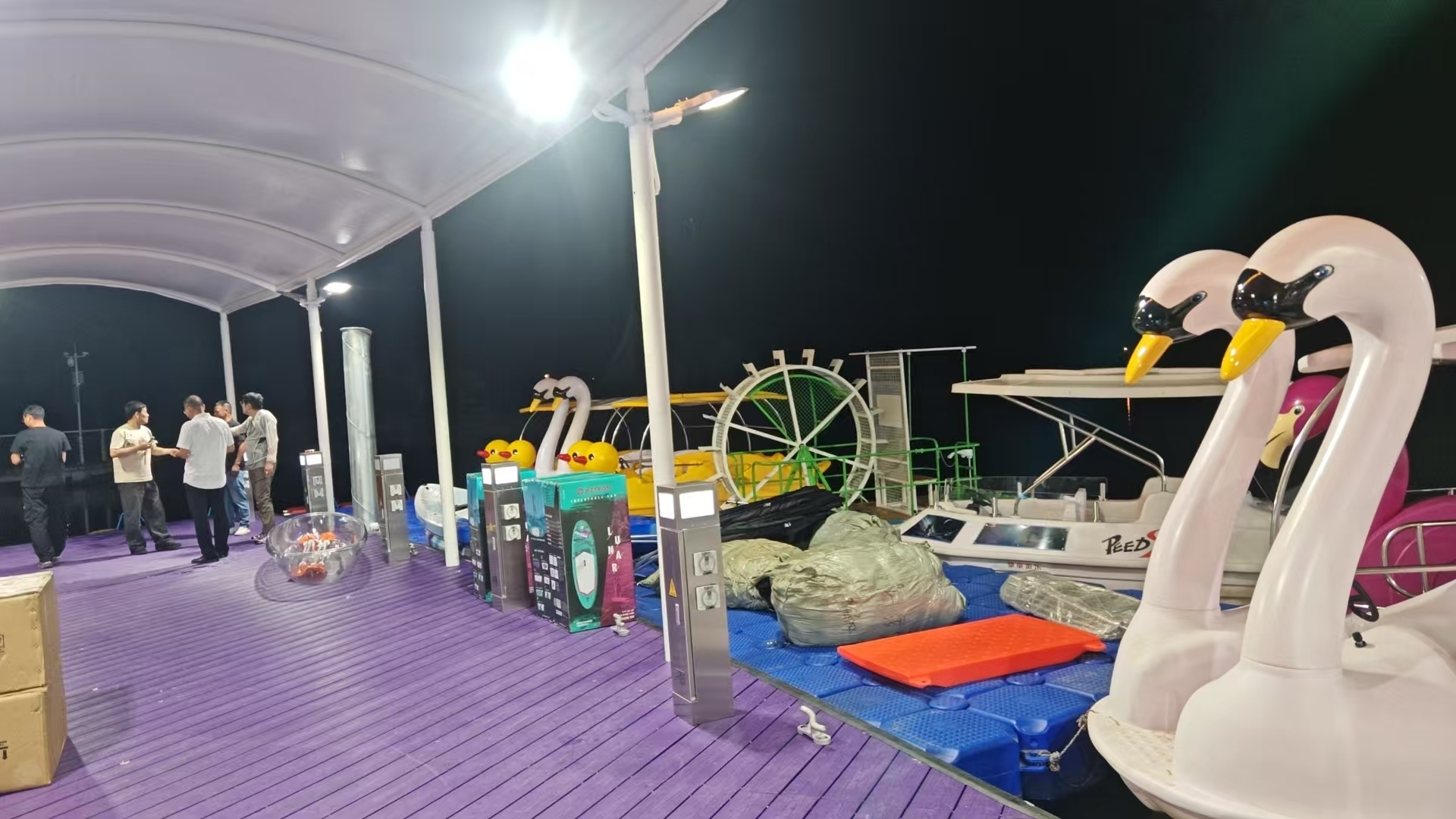
Across North America and Europe marina operators face familiar challenges: humid, salt-laden air corrodes equipment, limited charging ports delay boat operations, and manual management drains time and resources. Jiya Intelligent, a leader in smart energy solutions, addresses these pain points head-on—with its customized marina hydroelectric bases (charging piles) setting a new standard at Huoshan Amusement Marina in Anhui, China. This case shows how durability intelligent design and digital control can turn traditional marinas into efficient sustainable spaces.
I. Conquering Harsh Environments with Premium Durability
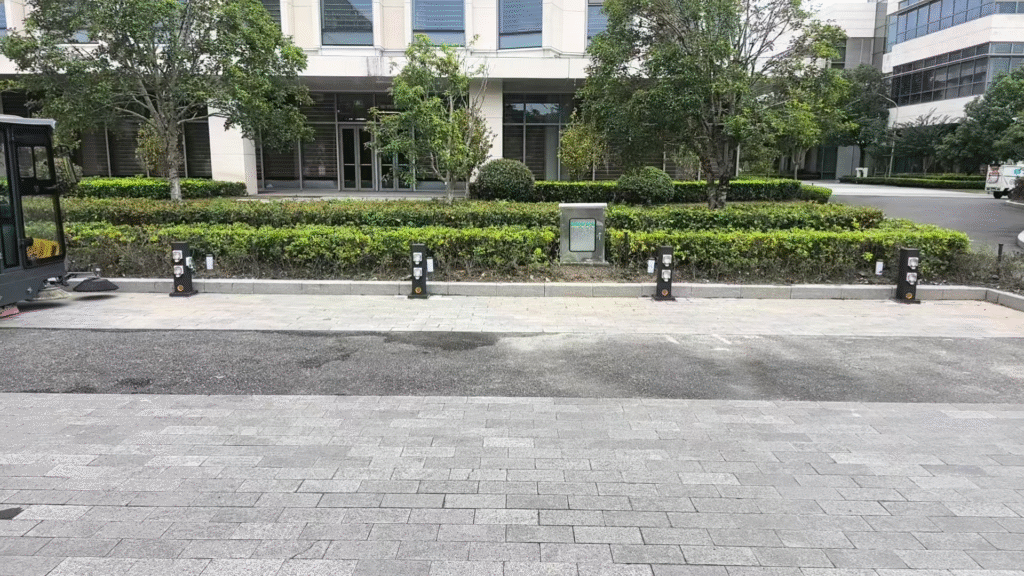
Marina environments require equipment built to resist constant humidity and salt exposure—failures here mean costly downtime and maintenance. Jiya’s tailor-made GRES1002020D-R charging piles rise to this challenge:
●Material Excellence: Crafted from 304 stainless steel, the piles resist corrosion and weathering, ensuring stable operation even in Huoshan Marina’s waterfront conditions.
●helping operators reduce long-term maintenance budgets and downtime: By minimizing wear and tear, the durable design slashes maintenance costs, a key concern for marina operators in North America and Europe focused on profitability.
II. Smart Design: Balancing Efficiency, Safety, and Aesthetics
Jiya’s charging piles are engineered for the unique needs of amusement marinas—where multiple boats require simultaneous service, and safety meets guest experience:
●Each pedestal includes four waterproof outlets allowing multiple boats to charge simultaneously: This boosts Huoshan Marina’s operational capacity, a critical upgrade for busy European and North American marinas during peak seasons.
●It guides boats safely to their berths while adding soft ambient lighting: A 3W LED light integrated into the top of each pile automatically turns on at dusk. Beyond guiding boats to charging spots safely, the soft glow doubles as landscape lighting—enhancing the marina’s nighttime ambiance while improving safety, a win-win for family-friendly marinas.
III. Smarter Management with Cloud Control
“Since installing Jiya’s piles, our management efficiency has jumped dramatically,” said Manager Li, who oversees Huoshan Amusement Marina. The secret lies in Jiya’s cloud-based digital platform:
●Boat owners simply scan a QR code to start charging and pay instantly—no more waiting for staff.
●Real-Time Oversight: Operators access live data (charging status, equipment health, revenue) via a backend dashboard. Remote monitoring, fault alerts, and big data analytics enable “unmanned management,” freeing teams from 24/7 supervision.
●Li’s Relief: “I no longer stay up late guarding charging piles—I finally get a good night’s sleep,” he noted. This labor-saving benefit resonates deeply with Western marina operators struggling with staffing shortages.
IV. Conclusion: Partner with Jiya for a Greener, Smarter Marina Future
The Huoshan Marina project proves Jiya goes beyond equipment—it delivers complete customized marina power solutions tailored to specific marina needs. For North American and European operators aiming to adopt sustainable practices and smart technology, Jiya’s hydroelectric bases offer a roadmap: durable, efficient, and designed to reduce costs while enhancing guest satisfaction.
As the demand for eco-friendly and intelligent marinas grows globally, Jiya Intelligent remains committed to innovating safer, smarter charging infrastructure. Partner with Jiya to build a smarter greener marina that’s ready for the future.

Top 15 Commercial Power Pedestal Manufacturers for Business Sites

In today’s rapidly evolving industrial landscape, commercial power pedestals play a crucial role in providing reliable power supply solutions across various sectors. These pedestals are essential in ensuring uninterrupted power distribution for outdoor environments, including docks, marinas, and mobile homes. This article explores the top manufacturers pioneering advancements in power pedestals, highlighting their contributions to the industry.

Introduction to Power Pedestals

Cover graphic for updated 2025 list of top 15 global commercial power pedestal manufacturers for marinas and RV parks

The Importance of Power Supply in Various Industries

Power supply is a very necessary requirement in almost every modern industry as it provides the basis for operations in the areas where the power distribution is consistent and very robust. The marine, hotel, and RV parks industries are examples of such applications that widely depend on outdoor electric power pedestals for getting safe power to the docks, campsites, and pump stations. These pedestals are the very core of the operational efficiency and safety standards.

Overview of Power Distribution Systems

Power distribution systems are the main components of power management, which consist of circuit breakers, receptacles, and terminals. The outdoor power pedestals, which are typically made of durable materials like stainless steel and galvanized steel, provide weather-resistant and corrosion-resistant solutions. Such systems are constructed for the safe storage of electrical equipment and are provided with enclosures that have NEMA ratings to ensure they can survive the most extreme outdoor conditions.

What to Expect in This Article

In this article, we will take a closer look at the top fifteen commercial power pedestal manufacturers, discussing the past, current market position, and unique selling points for each of them. Moreover, the readers will be given a detailed analysis of the product’s features along with access to the most recent developments in the areas of lighting and electric power distribution.

Product Offerings Analysis
Unmetered and Ringless Options A comparative analysis will aid professionals in making informed purchasing decisions.

Commercial Power Pedestals Manufacturers

Commercial Power Pedestals Manufacturers

1. Zhejiang Jiya Intelligent Technology Co., Ltd.

Year Founded: 2020

Introduction: A leading provider of outdoor intelligent charging and water-integrated solutions, specializing in IoT technologies.

Main Products: Marina pedestals, RV power pedestals, outdoor power columns, and water-power integrated pedestals.

✓ Advantages: High-quality stainless steel construction, IP67 waterproofing, anti-theft features, and customizable options.

✗ Disadvantages: Relatively new in the market, which may limit brand recognition.

2. Leviton Manufacturing Co., Inc.

Year Founded: 1906

Introduction: A well-established company offering a wide range of electrical and power solutions for commercial and residential use.

Main Products: Commercial power pedestals, RV power pedestals, and marine power pedestals.

✓ Advantages: Extensive product portfolio, IoT integration, and strong customer support.

✗ Disadvantages: Higher price point compared to competitors.

3. Legrand North America, LLC

Year Founded: 1865

Introduction: A global leader in electrical and digital building infrastructures, with a focus on sustainable solutions.

Main Products: Outdoor power pedestals, charging stations, and modular power units.

✓ Advantages: Strong focus on sustainability and modular designs.

✗ Disadvantages: Limited customization options for specific use cases.

4. Charles Industries, LLC

Year Founded: 1968

Introduction: Specializes in telecommunications, marine, and industrial products, including power pedestals.

Main Products: Enclosures, pedestals, and terminals.

✓ Advantages: Durable and reliable products for harsh environments.

✗ Disadvantages: Limited focus on smart features and IoT integration.

5. Siemens

Year Founded: 1847
Website: Siemens

Introduction: A global industrial and electrical engineering leader, providing advanced power distribution and infrastructure solutions for commercial sites and public facilities.

Main Products: Commercial power distribution, electrical infrastructure, and outdoor power pedestals.

✓ Advantages: Decades of engineering expertise, global reach, and reliable industrial-grade equipment.

✗ Disadvantages: Complete system solutions can carry a premium price compared to specialist pedestal makers.

6. Hubbell

Year Founded: Late 1800s
Website: Hubbell

Introduction: A manufacturer of electrical and electronic products, including rugged outdoor power pedestals.

Main Products: Pedestals, wiring devices, and lighting fixtures.

✓ Advantages: Rugged designs suitable for harsh environments.

✗ Disadvantages: Limited focus on smart features.

7. General Electric

Year Founded: 1892

Introduction: A major American technology and industrial company with a long history in electrical power generation, distribution, and infrastructure systems.

Main Products: Commercial power equipment, electrical distribution, and infrastructure solutions.

✓ Advantages: Deep industrial heritage and extensive experience in large-scale electrical systems.

✗ Disadvantages: Pedestal-style outdoor products are a niche within a vast corporate portfolio.

8. Eaton

Year Founded: 1911
Website: Eaton

Introduction: Known for durable and customizable power pedestals for various environments.

Main Products: Outdoor power pedestals and industrial-grade solutions.

✓ Advantages: High durability and customization options.

✗ Disadvantages: Limited focus on aesthetics.

9. Schneider Electric

Year Founded: 1836

Introduction: A global specialist in energy management and automation.

Main Products: Integrated energy management systems and power pedestals.

✓ Advantages: Innovative designs and energy-efficient solutions.

✗ Disadvantages: Complex systems may require specialized installation.

10. Square D

Year Founded: 1903
Website: Square D

Introduction: A well-established electrical distribution and control brand, part of the Schneider Electric family, trusted for commercial and residential electrical equipment.

Main Products: Commercial power pedestals, load centers, and electrical distribution products.

✓ Advantages: Broad availability, proven reliability, and strong distribution of electrical components.

✗ Disadvantages: Focused on mainstream electrical distribution rather than specialty outdoor pedestal designs.

11. Midwest Electric Products

Introduction: A specialist manufacturer of outdoor electrical products and power pedestals, known for practical, code-compliant solutions for commercial and residential sites.

Main Products: Outdoor power pedestals, meter bases, and electrical enclosures.

✓ Advantages: Specialized in outdoor electrical enclosures with straightforward, code-compliant designs.

✗ Disadvantages: Smaller brand than global electrical giants, with a more focused catalog.

12. Generac

Year Founded: 1959
Website: Generac

Introduction: A leading manufacturer of power generation and energy technology, offering dependable backup power and electrical solutions for commercial and residential applications.

Main Products: Power generation equipment, transfer switches, and outdoor power solutions.

✓ Advantages: Proven power generation reliability and strong residential and commercial market presence.

✗ Disadvantages: Core strength is generators and power backup rather than outdoor electrical pedestals.

13. Garvin Industries

Introduction: A manufacturer of electrical products including meter sockets and power distribution equipment for commercial, industrial, and utility applications.

Main Products: Meter sockets, meter bases, and electrical distribution equipment.

✓ Advantages: Specialized expertise in metering and electrical distribution infrastructure.

✗ Disadvantages: Narrower product focus with limited outdoor pedestal offerings.

14. Cummins

Year Founded: 1919
Website: Cummins

Introduction: A global power technology leader known for engines, power generation, and related electrical infrastructure serving commercial and industrial customers worldwide.

Main Products: Power generation systems, electrical distribution, and commercial power solutions.

✓ Advantages: Global engineering strength, reliability, and extensive service network.

✗ Disadvantages: Focus is on power systems and generation rather than outdoor electrical pedestals.

15. Champion Power Equipment

Year Founded: 2003

Introduction: A recognized maker of portable power equipment and electrical generation products, serving commercial, residential, and outdoor power applications.

Main Products: Power generation equipment, portable generators, and electrical products.

✓ Advantages: Accessible, dependable power products with strong consumer and light-commercial appeal.

✗ Disadvantages: Positioned more toward portable power than permanent commercial electrical infrastructure.

Other Notable Manufacturers Section –>

Other Notable Manufacturers

Other Notable Manufacturers

An Overview of Some Other Major Manufacturers

Beside the big-name corporations, several smaller manufacturers have worked their niche in the commercial power pedestals market, all imposing features that make them different from others. With these companies, we are talking about different types of outdoor power pedestal solutions whose focus rests on innovation, quality, and customer satisfaction. They have, therefore, also contributed heavily to broadening power distribution capabilities for various outdoor environments.

Key Offerings and Unique Features

These manufacturers generally impose advanced power pedestals with integrated lighting and weatherproof enclosures able to endure outdoor conditions. With metals like stainless steel and galvanized steel, their products promise longevity and reliability in their field. Custom features, such as flexible power meter options and installation methods, also give them an edge in the competitive landscape.

Positioning in the Market

These manufacturers have strategically positioned themselves in the power pedestal market, using their specialization in outdoor power solutions to serve niche needs. They have made their position as reliable service partners by focusing on products that are weatherproof and corrosion-proof with goodies of safety such as circuit breakers and disconnect options to the various applications like marinas, mobile homes, and other recreational facilities whose settings need flexibility. This ability to be flexible and respond to the needs of different customers helps to keep them in the forefront.

Comparative Analysis and Buyer’s Guide

Comparison chart of top commercial power pedestal manufacturers showing product strengths, materials and target application scenarios

Factors to Consider When Choosing a Power Pedestal

Being of sturdy quality, installation flexibility and electrical configuration options are key deciding factors. Whether one considers a direct-bury or surface-mount installation, these may have great bearing on the life of the pedestal and on maintenance concerns. Hence, the availability of corrosion-resistant materials and extra-reinforced enclosures is necessary to ensure reliable power distribution in various outdoor environments.

Durability and Installation Considerations

Durability is the most essential factor for outdoor power pedestals. Products with NEMA-rated enclosures and with stainless steel or galvanized steel construction are meant to endure harsh weather conditions and, therefore, promised the longevity. Installation tips of rugged breakers and tight receptacle connections ensure the safe and effective distribution of electrical power in such severe outdoor environments as docks and marinas.

Customization Options and Cost-Effectiveness

Allowing modifications maximizes adaptability, whereby the pedestals could be specified with an unmetered or ringless configuration. Other features such as outdoor lighting fixtures and weatherproof receptacles can be incorporated. The competitive price is achieved by selecting a product with a good trade-off between an initial cost and long-term advantages such as ease of maintenance and safety built upon sophisticated electrical wiring and control systems.

Conclusion

Showcase of commercial‑grade power pedestal products from key industry manufacturers for dock and campground construction projects

Summary of Key Takeaways

The commercial power pedestal industry thrives on innovation and diversity, with leading manufacturers offering heavy-duty and flexible solutions. Understanding key features such as durability, installation, and options is necessary to make an informed decision. Together with the consideration of safety and reliability, these factors guarantee that power pedestals meet the needs of different outdoor settings.

Actionable Next Steps for Buyers

Buyers should look into their power distribution needs in detail, including outdoor conditions and electrical requirements. Working with trusted manufacturers offers opportunities to explore customization options and installation insights that lead to choosing the right power pedestal solutions. Buyers must weigh cost-effectiveness in terms of long-term use and maintenance to reach a wise purchasing decision.

A Few Last Words on Selecting a Final Manufacturer

I hope now every ensuing point will be fairly apparent to you. A good manufacturer is judged on everything but exclusively on what it sells. Good manufacturers will stand behind their products and will never allow a defective device to go into the field of service. Industry leaders offer many options for the differing needs. In the end, you will have power supply and distribution in any outdoor situation, provided you choose a manufacturer offering thorough support, with creative solutions.

Top 15 ev charging station manufacturers You Need to Know in 2025(Updated List)

The global rise in electric vehicle (EV) adoption highlights the necessity of a strong EV charging infrastructure. The more electric cars are accepted, the more the need for dependable and efficient charging systems becomes. This changeover is not only beneficial in terms of less carbon dioxide emissions but also in having a more environmentally friendly future for transportation. Charging stations for electric vehicles are very important for this transition because they allow EV users to easily power up their vehicles at home, at the office, or even while traveling.

Introduction to EV Charging Infrastructure

Article cover graphic for updated 2025 list of top 15 global EV charging station manufacturers for commercial projects

The Importance of Robust Charging Solutions

The establishment of a strong and efficient charging infrastructure is of paramount importance when it comes to the fact that electric vehicles are going to become a normal phenomenon. It is necessary for charging solutions to be both reliable and scalable to accommodate the increasing number of EVs being used. The whole range of charging systems, starting from home AC charging to public DC fast charging, is made available and thus, the diversity of needs is taken care of. These systems provide the necessary flexibility and convenience for EV drivers by being equipped with different connectors and charging ports, thus improving their overall EV charging experience.

Present Situation of the Electric Vehicle Market

The electric vehicle bet is a major one and changing the face of the automotive industry, mainly due to the technical breakthroughs and growing eco-friendliness among the public. The car giants are not only increasing but also diversifying their electric vehicle product lines, while new companies are also coming up with new and attractive models. As the number of electric vehicles on the road increases, the demand for charging networks that are both efficient and easy to access is also increasing. This phenomenon brings to the forefront the need for creating a charging infrastructure that will not only accommodate the growing number of EVs but also make it easy for the public to charge their EVs.

Chargers for Electric Vehicles: An Overview

In the electric vehicle charging industry, several technologies have sprouted and new ones keep evolving at an impressive rate, thus coming up with a broad spectrum of options for all kinds of different charging requirements. Level 2 charging has become a standard in private homes and corporate places as it offers a good combination of speed and convenience. Also, among the latest technologies in the charging domain is smart charging and wireless charging, whose development is boosted by the over-the-air software updates that take the functionality and the user interaction one step higher. The charging time is one of the factors that attract and keep a user on a particular EV; hence all these innovations are indispensable for the reduction of charging time.

Market Leaders in EV Charging Solutions

Comparison chart showing product advantages, specifications and application scenarios of top EV charging station manufacturers 2025

Key Players in the EV Charging Industry

A small number of manufacturers have been able to influence the direction EV charging industry quite a bit. From the largest to the smallest, they have all contributed to the eventual future of electric vehicle charging. Among these top players are AC, DC, and smart charging systems manufacturers. They have just the right solutions for both public and private charging.

Impact of Leading Charger Companies

The impact of leading charger companies is felt not only through the provision of charging equipment but also, they are the ones who get that the whole situation will be quite favorable, including charging place and time, then drivers’ convenience when it comes to electric vehicles. This group of companies is already applying such advanced ways as quick charging and over-the-air software updates to make the charging experience better for the EV owner. These companies are also involved in making it possible by having very strong charging platforms and coming up with new standards for charging and abiding by them which has, in turn, very positively influenced the global spread of EV charging infrastructure so that it can be found in many places.

Global Reach and Market Penetration

The global reach and market penetration of the leading EV charging companies have been great, thanks to the electric vehicle charging stations networks that they have built. Their strategic partnerships and collaborations with automakers, government agencies, and energy suppliers have led to the rapid expansion of the charging infrastructure. They are not just concentrating on the urban centers but also on rural and remote areas, thereby ensuring that the EV charging solutions are available to all the potential electric vehicle owners which in turn will support the transition to a sustainable future.

Profiles of the Top 15 EV Charging Station Manufacturers

Profiles of the Top 15 EV Charging Station Manufacturers

1. Zhejiang Jiya Intelligent Technology Co., Ltd. (Geeya)

Founded 2004
Main Products AC and DC EV charging stations, smart power and water pedestals for RV parks and marinas
Website https://www.jiyaintelligent.com/

Introduction: Zhejiang Jiya Intelligent Technology, operating under the brand Geeya, is a Chinese manufacturer specializing in intelligent outdoor utility systems. While initially known for RV power and water pedestals, the company has expanded its expertise into the EV charging market, leveraging its experience in creating durable, smart, and reliable outdoor electrical equipment.

✓ Advantages

Strong foundation in durable outdoor electrical systems. Focus on smart, integrated technology and quality assurance, as shown by their development of enterprise standards.

✗ Disadvantages

Newer to the dedicated EV charging market compared to some global giants, with brand recognition primarily in the RV and marine pedestal space.

2. Tesla

Founded 2003
Main Products Superchargers (DC fast chargers), Wall Connectors (Level 2 home chargers), and a vast charging network
Website https://www.tesla.com/supercharger

Introduction: While primarily an EV manufacturer, Tesla has built one of the world’s most extensive and reliable fast-charging networks, the Supercharger network. Initially exclusive to Tesla vehicles, the company has begun opening its network to other EV brands, making it a major player in the broader charging infrastructure landscape.

✓ Advantages

Unmatched reliability and user experience. Extensive, well-maintained global network. Seamless integration between car and charger.

✗ Disadvantages

Historically a closed ecosystem. The hardware (Wall Connector) is often best suited for Tesla owners, although adapters are available.

3. ChargePoint

Founded 2007
Main Products Level 2 AC stations (CT4000 series), DC fast chargers (Express series), and a comprehensive cloud-based management platform
Website https://www.chargepoint.com/

Introduction: Based in California, ChargePoint is one of the largest and most established open-network EV charging providers globally. The company offers a complete portfolio of hardware, software, and services for commercial, fleet, and residential customers.

✓ Advantages

Industry-leading network management software with robust features for pricing and access control. High uptime guarantee and strong customer support.

✗ Disadvantages

Requires ongoing subscription fees for network services, which adds to the total cost of ownership.

4. ABB

Founded 1988 (through merger)
Main Products A wide range of AC and DC chargers, including the high-power Terra 360, which claims to be one of the fastest chargers available
Website https://new.abb.com/ev-charging/

Introduction: ABB is a Swiss-Swedish multinational corporation with a long history in electrification and automation technology. The company has become a leader in the EV charging space, known for its high-power and innovative charging solutions for electric cars, buses, and trucks.

✓ Advantages

Cutting-edge technology with a focus on high-speed DC charging. Strong global presence and technical support network.

✗ Disadvantages

High-power solutions come with a premium price and significant installation requirements.

5. Siemens

Founded 1847
Main Products VersiCharge AC series for residential and commercial use, and SICHARGE DC fast chargers for public and fleet applications
Website https://www.siemens.com/global/en/products/energy/emobility.html

Introduction: This German industrial giant has applied its vast engineering experience to the EV charging market. Siemens provides a wide range of charging hardware and software solutions, focusing on grid integration, reliability, and scalability for everything from residential to large-scale fleet operations.

✓ Advantages

Trusted engineering and high-quality manufacturing. Strong focus on system integration and smart grid technology.

✗ Disadvantages

Product lineup can be complex to navigate for those unfamiliar with industrial electrical equipment.

6. EVBox

Founded 2010
Main Products AC chargers (Livo, Liviqo) and DC fast chargers (Troniq Modular)
Website https://evbox.com/

Introduction: Headquartered in Amsterdam, EVBox has grown to be a major global manufacturer of EV charging stations and management software. The company focuses on smart, scalable, and flexible solutions for homes, businesses, and public spaces.

✓ Advantages

A large installed base with over 500,000 charging ports worldwide. Modern design and a user-friendly approach.

✗ Disadvantages

Has faced challenges with scaling operations and support in some regions.

7. Wallbox

Founded 2015
Main Products Pulsar Plus (compact home charger), Copper SB (commercial charger), and Quasar (bidirectional DC charger)
Website https://wallbox.com/

Introduction: Wallbox, based in Barcelona, Spain, is known for its stylish and technologically advanced smart charging solutions. The company caters to residential, semi-public, and public charging needs and has gained recognition for its innovative features like bidirectional charging.

✓ Advantages

Sleek, compact design. Advanced features like power sharing and bidirectional charging capabilities.

✗ Disadvantages

Primarily focused on the Level 2 AC and lower-power DC market.

8. Blink Charging

Founded 2009
Main Products Level 2 AC chargers, DC fast chargers, and a proprietary charging network
Website https://blinkcharging.com/

Introduction: Blink Charging is an American company that owns and operates a network of charging stations. It offers a variety of business models, allowing property owners to purchase hardware, partner on revenue sharing, or have Blink install and manage the stations entirely.

✓ Advantages

Flexible business models, including turnkey solutions with minimal upfront cost for property owners.

✗ Disadvantages

Network fees can be high, and contract terms require careful review.

9. EVgo

Founded 2010
Main Products A public network of DC fast charging stations
Website https://www.evgo.com/

Introduction: EVgo is one of the largest public fast-charging networks in the United States. While primarily a network operator, its influence and partnerships with hardware manufacturers make it a key player. The company is committed to powering its network with 100% renewable energy.

✓ Advantages

Widespread fast-charging network across the U.S. Strong partnerships with automakers like GM and Nissan.

✗ Disadvantages

Less of a hardware manufacturer and more of a network operator; hardware choice is dependent on their procurement.

10. BTC Power

Founded 1999
Main Products Gen4 DC Fast Chargers (120kW to 360kW) with All-In-One and Split System configurations
Website https://www.btcpower.com/

Introduction: Based in California, BTC Power is a leading manufacturer of DC fast chargers. The company specializes in high-power solutions designed for highway corridors, fleet yards, and high-traffic retail locations.

✓ Advantages

Buy America compliant, making them eligible for federal funding. Highly modular and scalable systems supporting CCS, NACS, and CHAdeMO.

✗ Disadvantages

Focus on high-power DC means higher costs and more complex installation.

11. FLO

Founded 2009
Main Products Ruggedized Level 2 AC stations and DC fast chargers
Website https://www.flo.com/

Introduction: A Canadian company, FLO is known for its exceptionally durable and reliable charging stations built to withstand harsh North American climates. The company operates its own network and provides turnkey solutions for various applications.

✓ Advantages

Industry-leading reliability with a 98% uptime guarantee. Robust construction ideal for outdoor public installations.

✗ Disadvantages

Product range is more focused on reliability than on cutting-edge features seen from other brands.

12. Shell Recharge (formerly Greenlots)

Founded 2008 (Greenlots)
Main Products AC and DC charging hardware, SKY network management software
Website https://www.shell.com/shellrecharge

Introduction: Originally Greenlots, the company was acquired by Shell in 2019 and rebranded as Shell Recharge Solutions. It provides a full suite of open-standard charging hardware, network software, and support services for a global market.

✓ Advantages

Backed by a global energy giant. Strong focus on open standards (OCPP) for network flexibility.

✗ Disadvantages

The integration of a tech startup into a large corporation has presented some organizational challenges.

13. Anfu Energy (AMPPAL)

Founded Data not publicly available, but active in recent years
Main Products Wall-mount, floor-mount, and portable AC and DC chargers, along with an integrated cloud platform
Website https://anfuenergy.com/

Introduction: Anfu Energy is a China-based manufacturer offering a full-stack EV charging platform under its AMPPAL brand. The company provides a vertically integrated solution, including AC/DC hardware, cloud management, and OEM/ODM services.

✓ Advantages

Comprehensive end-to-end solution. Strong OEM/ODM capabilities for custom branding.

✗ Disadvantages

As a newer entrant, global distributor support and brand recognition may be limited compared to established players.

14. EVB

Founded Company has over 30 years of expertise in the broader electrical field
Main Products AC chargers from 3.7kW to 22kW and DC chargers from 20kW to 600kW
Website https://www.evb.com/

Introduction: EVB is another prominent Chinese manufacturer delivering a wide array of AC and DC charging stations worldwide. The company leverages its extensive manufacturing experience to produce a diverse product line for various needs.

✓ Advantages

Extremely broad product range covering almost every power level. Significant manufacturing expertise.

✗ Disadvantages

May be less known in North American and European markets compared to local brands.

15. Tritium

Founded 2001
Main Products Modular DC fast chargers (RT50, RTM75, PKM150 series)
Website https://tritiumcharging.com/

Introduction: An Australian company, Tritium is a global leader in DC fast charging technology. Known for its distinctive, liquid-cooled design, Tritium’s chargers are modular, upgradeable, and designed for a small footprint, making them ideal for urban and retail locations.

✓ Advantages

Unique liquid-cooling technology allows for a sealed, IP65-rated enclosure, increasing reliability in various climates. Modular design allows for power upgrades.

✗ Disadvantages

The company has faced significant financial challenges, which could impact long-term support and warranty.

Technological Innovations in EV Charging

Product showcase of commercial AC and DC fast EV chargers manufactured by global leading charging equipment suppliers

Fast Charging and DC Fast Charging Solutions

The transition of fast charging methods and technologies has gradually changed the scenario of the electric vehicle charging market. DC fast charging, for example, the ones that follow CHAdeMO and Combined Charging System (CCS) regulations, are among the most powerful and quickest of all charging solutions nowadays. All the times of traditional methods combined will be lesser than the time it will take to charge the EV batteries by DC charging. The major charger manufacturers like Tesla and ChargePoint are now leading the way, introducing high-power DC fast chargers that are designed to meet both public and private charging requirements and making the overall EV charging experience better.

Smart Charging Solutions and Their Benefits

Smart charging solutions have turned out to be a very important factor in forming the present-day electric vehicle charging infrastructure. These high-tech facilities are in charge of the main charging process by linking to the grid and making use of wireless software updates to control energy usage. Moreover, smart charging not only lessens the charging time but also supports grid stability through the integration of such attributes as time-of-use pricing and load balancing. This appointment is very significant in taking care of the increasing amount of EVs and guaranteeing the effective use of energy resources.

Vehicle-to-Grid (V2G) Capabilities

Vehicle-to-Grid (V2G) capabilities are a very good example of a breakthrough in the area of electric vehicle charging solutions. Under this technology, electric vehicles will not only get charged but will also be able to provide their stored energy back to the grid during peak demand periods. Thus, the EVs equipped with V2G technology are said to be mobile energy storage systems and can aid the grid in its functioning and also reduce the number of traditional fueling stations. Charger makers are progressively taking the plunge into V2G capabilities and are aware of the fact that they will be able to change the vehicles’ energy universe.

Future Trends in EV Charging Innovation

Buyer guide infographic helping project owners choose reliable EV charging station manufacturers for commercial deployment

Advancements in Battery Technology

The future of electric vehicles and their charging infrastructure lies in the breakthroughs of battery technology. The popularity of EVs is directly affecting the upsurge in demand for batteries capable of providing longer range and quicker charging times. Among the battery innovations, lithium-ion and solid-state batteries have taken the lead and are contributing to EV range expansion and quick charging, thus minimizing the need for frequent charging stops. These advancements benefit not only the operation of charging stations but also the overall sustainability aspect of electric vehicles.

Wireless Charging Developments

The charging of electric vehicles is changing drastically due to the developments in wireless charging technology. By this new method of charging, no wired connection is needed, thus making it possible for the car to be charged with the help of electromagnetic fields. This method works best for home charging and in workplaces where the charging of the car is super easy. Charger manufacturers see this technology as an investment and are going to be working on making charging platforms more efficient and user-friendly. With the expansion of wireless charging infrastructure, it is going to be a big step forward in the accessibility and convenience of charging electric vehicles for the owners.

Interoperability Standards and Their Importance

Interoperability standards are key to the charging infrastructure’s evolution and the electric vehicle’s smooth transitioning process. These standards empower different EV chargers and charging stations to carry out efficient communications no matter who the maker is. The protocols that are like OCPP and also the compatibility with multiple connectors and charging ports all contribute to the interoperability enhancing the electric vehicle charging network’s effectiveness and dependability. Thus, EV drivers can easily tap into a myriad of charging options, which is in part why electric cars are seeing wider acceptance and that the charging ecosystem is becoming more unified and stronger.

Quick Comparison Table

Manufacturer Founded Specialization Key Strength
Geeya 2004 AC/DC Charging, RV Systems Durable outdoor systems
Tesla 2003 Supercharger Network Extensive global network
ChargePoint 2007 Open Network Solutions Network management software
ABB 1988 High-Power DC Charging Cutting-edge technology
Siemens 1847 Integrated Solutions Grid integration expertise
EVBox 2010 Smart Charging Systems 500,000+ ports worldwide
Wallbox 2015 Bidirectional Charging Innovative design & features
Blink Charging 2009 Network Operations Flexible business models
EVgo 2010 Public Fast Charging 100% renewable energy
BTC Power 1999 High-Power DC Systems Buy America compliant
FLO 2009 Ruggedized Chargers 98% uptime guarantee
Shell Recharge 2008 Open Standards Global energy backing
Anfu Energy Recent Years Full-Stack Platform OEM/ODM capabilities
EVB 30+ Years Broad Product Range 3.7kW to 600kW coverage
Tritium 2001 Liquid-Cooled DC Charging Modular, upgradeable design

Conclusion

The electric vehicle charging industry continues to evolve rapidly, driven by technological innovation and the growing global adoption of electric vehicles. The top 15 manufacturers profiled in this article represent a diverse range of solutions, from Tesla’s extensive Supercharger network to specialized providers like Geeya with their outdoor utility expertise. Whether you’re looking for home charging solutions, commercial installations, or high-power DC fast charging for fleet operations, these industry leaders offer the reliability, technology, and support needed to power the electric mobility revolution. As battery technology advances, wireless charging develops, and interoperability standards mature, the future of EV charging looks brighter than ever, promising a more sustainable and convenient transportation ecosystem for all.

Top 15 RV Power Pedestal Manufacturers for Campgrounds and Parks

Power connection with stability and reliability is a need of the hour for every RV; no matter if it is a campground, RV park, or marina. The latter ones (RV power pedestals), are the mainstay of the whole RV ecosystem providing the essential electricity supplies for the smooth running of your caravan and its appliances. This paper presents the most prominent companies making RV power pedestals, studying their cutting-edge products and the core functions that are crucial for providing power not only in the RV world but also in the marine areas.

Introduction to RV Power Pedestals

Blog cover graphic for updated 2025 guide listing top 15 RV power pedestal manufacturers for campground and RV park projects

RV power pedestals are electrical devices built exclusively for recreational vehicle and boat power supply, mostly found in RV parks, campgrounds, and marinas. Pedestal units are the main power distribution points, providing several power sockets and allowing different amp setups. To withstand difficult environments, like the corrosion from marine areas, these outdoor-grade units are made of long-lasting materials such as G90 galvanized steel or powder-coated metals, thus giving the user a reliable service life.

What is an RV Power Pedestal?

An RV power pedestal is an all-in-one electrical gadget that supplies power to RVs and boats in marinas or campgrounds. Generally, it has several sockets for connecting various electrical appliances, a power meter to track usage, and circuit breakers for safety. The pedestals are made to meet different power requirements, providing a variety of options like shore power, temporary power, etc. They are also available in a range of configurations depending on the installation needs, and can either be surface mounted or installed underground thereby making them suitable for different locations.

Significance of Power Sources in RVs

Power sources are a must for RVs to work at their best, since they give the needed electricity to run the different appliances and systems in the vehicle. Power sources that are dependable help RVs to use power efficiently for cooking, heating, cooling, and entertainment systems, which in turn, improve the entire travel experience. Having robust RV power pedestals in RV parks and campgrounds allows visitors to enjoy all the conveniences of home while traveling. In addition, marine power pedestals with lockable receptacles and corrosion-resistant features at marinas are very important for safe and efficient dockside power distribution.

Key Features of Quality Power Pedestals

When selecting a power pedestal, several key features must be considered to ensure reliable performance.

Feature Description
Durability Quality pedestals are engineered for durability, often featuring corrosion-resistant materials like G90 galvanized steel or powder-coated surfaces to withstand harsh marine environments.
Power Configurations They provide flexible power configurations, with options for unmetered or metered services to suit different user needs.
Safety Features Safety features such as breakers and lockable access points enhance security and protect against electrical mishaps.
Power Distribution Efficient power distribution and the ability to mount RV power outlets securely are also critical for seamless operation across various settings.

Leading Manufacturers of RV Power Pedestals

Comparison chart evaluating product specs, material options and core advantages from leading RV power pedestal manufacturers 2025

A Comprehensive Look at the 15 Leading Companies

The market for RV power pedestals is largely taken over by a few primary firms, known for their constant focus on dependability and new development. These manufacturers have been acknowledged for creating first-rate pedestal units which support the varied requirements of RV parks, camping places, and marinas. The likes of Powerslide RV and Newport Harbor Mate among others, are leading with their sturdy power options and sophisticated features like corrosion-resistant materials and customizable power outlets. Their devices are designed not only for power distribution but also for quick and smooth operation for the end-users.

Criteria for Selection of Leading Brands

In making a review of the best manufacturers of RV power pedestals, various factors are taken into account. Among them are the strength of the materials and the capacity to offer individualized power setups. Moreover, the integration of safety features not only secures the power supply but also increases the reliability making these brands more attractive in the market.

Criteria Details
Durability of Materials G90 galvanized steel and powder-coated surfaces
Customizable Power Configurations Options for surface mount and direct bury installations
Safety Features Meters, breakers, lockable receptacles

Market Trends Influencing the Industry

Presently, the RV power pedestal industry is under the influence of numerous market trends. The demand for environmentally friendly and energy-efficient options is growing, so the manufacturers will have to think outside the box regarding their power distribution system designs. The smart technology integration, like power usage remote monitoring through meters, is now widely accepted. In addition, the RV and marine industries are growing, and hence the demand for a flexible and scalable power solution that can effectively meet the temporary power requirement at campgrounds and marinas is rising as well, which will in turn keep the power solution providers in pace with the changing consumer requirements.

Detailed Profiles of Top Manufacturers

Product showcase of heavy‑duty outdoor RV power pedestals built for commercial campground and recreational park deployment

1. Zhejiang Jiya Intelligent Technology Co., Ltd.

Year Founded: 2020

Introduction: A leading manufacturer specializing in marina pedestals, RV pedestals, and outdoor power columns.

Main Products: Marina pedestals, RV power pedestals, outdoor power columns, and water-power integrated pedestals.

Advantages: High-quality stainless steel construction, IP67 waterproofing, anti-theft features, and customizable options.

Disadvantages: Relatively new in the market, which may limit brand recognition.

Website: Zhejiang Jiya Intelligent Technology Co., Ltd.

2. Leviton Manufacturing Co., Inc.

Year Founded: 1906

Introduction: A well-established company offering a wide range of electrical and power solutions.

Main Products: Commercial power pedestals, RV power pedestals, and marine power pedestals.

Advantages: Extensive product portfolio, IoT integration, and strong customer support.

Disadvantages: Higher price point compared to competitors.

Website: Leviton Manufacturing Co., Inc.

3. Legrand North America, LLC

Year Founded: 1865

Introduction: A global leader in electrical and digital building infrastructures.

Main Products: Outdoor power pedestals, charging stations, and modular power units.

Advantages: Strong focus on sustainability and modular designs.

Disadvantages: Limited customization options for specific use cases.

Website: Legrand North America, LLC

4. Charles Industries, LLC

Year Founded: 1968

Introduction: Specializes in telecommunications, marine, and industrial products.

Main Products: Enclosures, pedestals, and terminals.

Advantages: Durable and reliable products for harsh environments.

Disadvantages: Limited focus on smart features and IoT integration.

Website: Charles Industries, LLC

5. Southwire

Introduction: One of North America’s leading manufacturers of wire, cable, and power distribution equipment, with a growing portfolio of outdoor pedestal and site power solutions for RV parks and campgrounds.

Main Products: RV power pedestals, outdoor power distribution, and electrical wire and cable.

Advantages: Vertically integrated manufacturing, a nationwide supply chain, and extensive electrical engineering expertise.

Disadvantages: Power pedestals represent a smaller share of its broader wire and cable catalog.

Website: Southwire

6. Hubbell

Year Founded: Late 1800s

Introduction: A manufacturer of electrical and electronic products.

Main Products: Pedestals, wiring devices, and lighting fixtures.

Advantages: Rugged designs suitable for harsh environments.

Disadvantages: Limited focus on smart features.

Website: Hubbell

7. Furrion

Introduction: A leading brand in outdoor power and RV technology, known for compact, durable power solutions and modern connectivity features for recreational vehicles and campgrounds.

Main Products: RV power pedestals, recreational vehicle power systems, and marine power accessories.

Advantages: Modern design, integrated safety features, and convenient monitoring functionality.

Disadvantages: Product range is more focused on the RV and marine market than heavy industrial infrastructure.

Website: Furrion

8. Eaton

Year Founded: 1911

Introduction: Known for durable and customizable power pedestals.

Main Products: Outdoor power pedestals and industrial-grade solutions.

Advantages: High durability and customization options.

Disadvantages: Limited focus on aesthetics.

Website: Eaton

9. Schneider Electric

Year Founded: 1836

Introduction: A global specialist in energy management and automation.

Main Products: Integrated energy management systems and power pedestals.

Advantages: Innovative designs and energy-efficient solutions.

Disadvantages: Complex systems may require specialized installation.

Website: Schneider Electric

10. Marinco

Introduction: A trusted name in marine and RV electrical connectivity, specializing in plugs, receptacles, and shore power components built for demanding outdoor environments.

Main Products: RV and marine power pedestals, shore power inlets, and electrical connectors.

Advantages: Strong reputation for marine-grade durability and weather-resistant connectivity products.

Disadvantages: Its core strength lies in connectivity components rather than complete pedestal enclosures.

Website: Marinco

11. Hughes Power Systems

Introduction: A recognized U.S. maker of power management and protection equipment for RVs, campgrounds, and worksites, with practical, hard-wearing products.

Main Products: RV power pedestals, surge protection, and power monitoring systems.

Advantages: Durable power management gear with strong customer support and aftermarket availability.

Disadvantages: Catalog is smaller than full-line electrical distributors.

Website: Hughes Power Systems

12. PowerBox

Introduction: A focused supplier of power distribution pedestals and outdoor electrical boxes purpose-built for RV parks, campgrounds, and outdoor sites.

Main Products: Outdoor power pedestals, electrical boxes, and site power distribution.

Advantages: Purpose-built outdoor pedestals with sturdy enclosures and straightforward installation.

Disadvantages: Smaller brand footprint and a more specialized product line.

Website: PowerBox

13. Camco

Introduction: A leading brand in RV accessories and electrical components, offering power solutions widely used by campgrounds and RV owners across North America.

Main Products: RV power pedestals, electrical adapters, and RV accessories.

Advantages: Wide retail availability and strong aftermarket recognition among RV owners.

Disadvantages: More consumer-oriented than heavy-duty industrial pedestal systems.

Website: Camco

14. Milbank

Year Founded: 1921

Introduction: A long-established U.S. manufacturer of electrical metering and distribution equipment, including outdoor power enclosures and service pedestals.

Main Products: Meter pedestals, power distribution enclosures, and outdoor power pedestals.

Advantages: Decades of experience in utility-grade electrical enclosures and metering technology.

Disadvantages: RV-specific pedestals are one category within a broad metering and distribution portfolio.

Website: Milbank

15. Reliance Controls

Introduction: A recognized maker of generator and power transfer equipment, serving backup power and RV applications with reliable switching and control products.

Main Products: Power transfer switches, RV power pedestals, and generator connection products.

Advantages: Trusted for generator and transfer-switch reliability and ease of installation.

Disadvantages: Complete pedestal enclosures are secondary to its transfer switch core business.

Website: Reliance Controls

Factors to Consider When Choosing RV Power Pedestals

Infographic for campground operators with key criteria to evaluate reliable RV power pedestal manufacturers for new build or renovation

Power Output Requirements

The power output requirements need to be understood first when picking the RV power pedestal. Different RVs and mobile homes have different power needs, which are mainly determined by the number and the kind of appliances the mobile units have. It is important to have the power pedestal ready to supply the required amps so that the power distribution remains effective. Also, the different configurations like the shore power option plus their capability of providing both temporary and permanent electrical power services should be considered. This way, compatibility with the various RV and marine environments is assured.

Durability and Weather Resistance

Durability is in the foreground when it comes to choosing a power pedestal, especially if it is to be used in difficult marine environments. The usage of high-quality materials such as G90 galvanized steel and powder-coated surfaces is meant to resist corrosion and also ensure the units perform well for a long time. Besides, the capacity to withstand harsh environmental conditions keeps the pedestal units functioning, thus, providing reliable power supply. Furthermore, the locks on the receptacles are a feature that not only enhances security but also protects against unauthorized access making them ideal for both RV parks and marinas.

Installation and Maintenance Considerations

The convenience of installation and maintenance is a factor that must not be overlooked during the decision-making process concerning RV power pedestals installation. Different installation methods like surface mount and direct bury installations give flexibility based on the site requirements. Good-quality pedestals will be manufactured in such a manner that they can be easily set up which will subsequently reduce the time and financial burden related to installation. Similarly, maintenance also plays a significant role; meters and breakers in the pedestals that are easily reached will make the routine checks and repairs less of a hassle and quicker. This will make it possible for the pedestal to maintain the top working condition, thus supplying power to RVs and marine vessels more efficiently.

Aspect Details
Installation Surface mount, direct bury
Maintenance Accessible meters and breakers

Conclusion

Visual guide helping RV park managers source durable, code‑compliant power pedestals from trusted 2025 industry manufacturers

Summary of Key Insights

Choosing the correct RV power pedestal is, in conclusion, a procedure that necessitates taking into account the power output requirements, the longevity of the device, the resistance to weather, and the ease of installation. The top makers produce items that fulfill various necessities, thereby offering dependable power solutions in RV parks, campgrounds, and marinas. Among these features are the resistant construction against corrosion and the possibility of different configurations that are made according to the customer’s needs; these pedestals make the power distribution effective and electrical services safe. In the end, the selection of the right one improves the quality of the experience and, at the same time, the power supply for RVs and marine environments is made to be seamless and reliable.

Future Trends in RV Power Solutions

The RV power industry is going to be revolutionized by many electrifying trends in the future. One of those trends is the acceptance and implementation of smart gadgets like remote monitoring and management of power usage. In addition to the users’ convenience, the aforementioned trends imply efficient power supply. At the same time, nature-friendly measures are getting more and more attention leading to the construction of energy-efficient power pedestals by the manufacturers. Going forward, we can expect these trends to dictate the power distribution in RVs and boats that are not only eco-friendly but also sustainable and flexible.

Final Recommendations for Consumers

Those consumers looking for good power pedestals are suggested to give priority to those products that exhibit a combination of great durability, flexibility, and efficiency. Think of the companies that are recognized for their quality in making power pedestals as well as for their advanced technology like lockable receptacles and corrosion-resistant materials. Analyze your own power requirements which should include the required amp configurations and installation options to make sure they are compatible with your RV or marine setting. Making wise decisions, consumers will be able to obtain reliable power sources that will make their traveling and docking experiences easier and more enjoyable.

Jiya Tech Case Study: Reliable Power Solutions for Modern Mobility

Jiya Tech has successfully deployed a customized GRES801515S EV charger at Huawei’s R&D Base in Hangzhou, China. This unit combines a compact design with robust functionality, providing a dependable power solution for the facility.图片 1 1

Compact, Purpose-Built Design图片 2 1 e1761033814942

The GRES801515S charger features a compact and streamlined form factor. Its low-profile design minimizes visual impact, allowing it to blend seamlessly into modern environments. The matte black finish gives it a clean, professional appearance. The design prioritizes functionality and integration without unnecessary bulk — ideal for spaces where efficiency and aesthetics matter.

Dual Outlets for Multiple Applications图片 3 1 e1761034036696

This charger is equipped with two high-power, weatherproof national standard sockets. This dual-outlet design efficiently supports diverse charging needs across the facility.

• One outlet delivers a stable, high-power charge to fleet vehicles such as sanitation trucks, ensuring operational continuity in all weather conditions.

• The second outlet supports personal devices such as phones, laptops, and e-bikes, meeting daily power needs with ease.

This versatile setup supports both institutional and individual power requirements in one centralized unit — a practical solution for multi-use environments.

Safety First: Emergency Stop Feature图片 4 1 e1761034393911

Safety is a core priority in the design of the GRES801515S. In addition to meeting electrical safety standards, the unit includes a key physical safety feature: a prominently located emergency stop button.

This button instantly cuts off power in case of an emergency, adding a critical layer of active safety protection and helping prevent accidents before they escalate.

A Smart Power Solution for Demanding Environments

The installation at Huawei’s R&D Base shows how specialized charging infrastructure can be integrated into high-tech campuses. This installation highlights how the charger enhances operational infrastructure with a reliable, adaptable, and efficient power solution.

Jiya Tech continues to develop reliable and innovative charging technologies. We provide smart, safe, and robust charging solutions tailored for various applications — from RVs and fleets to worksites and campuses — supporting the global shift toward efficient and practical electrification.

Powering Innovation: Jiya Tech’s EV Charger at Huawei R&D Base

Marine Electrical Basics: Power, Shore, and Marine Grade Wire

The marine electrical systems represent the life force of any vessel, to ensure immediate navigation, and comforts onboard. Inshore mariners must master the basics about marine electrical matters to ensure safety and efficiency on the waters. Some of these essential topics will be discussed in this article, such as onboard power systems, shore power connections, and the premise of marine-grade wire to stand up to the tough marine environment. Whether you are right in the middle of troubleshooting electrical issues or are just thinking of upgrading your boat’s system, this article will provide you with enough insight to enable you to make proper decisions and hence keep your water adventures safer and without worries.

Introduction to Marine Electrical Systems

Introduction to Marine Electrical Systems

Knowing the Importance of Marine Electrical Connections

Good marine electrical connections are needed for the safety and performance of any vessel. Improperly made connections may allow for electrical failure, corrosion, or even fire hazard to the vessel and the people aboard it. Marine electrical systems are subjected to harsh saltwater environments; thus, it is imperative to ensure that the connections are appropriate to keep out moisture, vibrations, and harsh conditions with time.

Strong marine electrical connections ensure uninterrupted transfer of power to critical systems such as navigation lights, bilge pumps, communications, and safety equipment. These connections, if properly made and maintained, will help stop any disruptions that occur during the trips, allowing for an easy and good boating experience. These connection systems also help reduce voltage drops that would otherwise affect the good working of the equipment.

With these connections, it is important to understand the role of marine-grade materials. Such materials, for instance, tinned copper, would resist corrosion while still maintaining conductivity in the presence of salt and humidity. Regular inspections are likewise performed for the maintenance of electrical connections so that early spotting of any potential issue can be made to extend long life and assured the operation. Placing importance of durable and reliable electrical connections prevents the boat owner from risking his investment and makes for safer outings in water.

Overview of Key Components: Power, Wire, and Connectors

Key Components Overview: Power

An energy source must keep the electrical system energized, allowing machines to act accordingly. Now a power source must be selected based on a variety of factors, including capacity, battery life, and operating requirements of the boat. Also, it is important to check charge levels and battery connections regularly to ensure uninterrupted operation. A working power system guarantees a constant energy supply in all conditions.

Key Components Overview: Wire

In the wiring of marine electrical systems, the wiring plays a vital role in connecting various components. Being able to withstand harsh marine environments of corrosion, moisture, and vibrations, marine-grade wires should be preferred. Such wires should be selected with proper consideration of ampacity and voltage; otherwise, an overheat condition or voltage drop may occur. Labeling and organizing wires make troubleshooting and upkeep of the system easy.

Overview of Key Components: Connectors

Use the word connect for the word connectors. Connectors connect wires and equipment securely so that the current flows smoothly through the connection. Marine-grade connectors resist corrosion and wear arising from exposure to saltwater and humidity. Proper installation, such as using heat shrink and waterproofing, prevents moisture intrusion into the connector and improves its service life. Frequent inspection of connectors helps early identification and counteraction of wear or damage, ensuring safety and reliability of the entire electrical system.

Safety Considerations for Boaters

Marina electrical connections should always come first in safety considerations against electrocution, fires, or equipment damage. The boaters would want to ensure that all electrical installations meet marine safety standards. The connectors used should be purposely designed for the marine environment; otherwise, water or corrosive elements may present hazards.

Maintenance of the system and inspection will keep the system reliable. The electrical wiring systems should be examined for damaged wire, loose connections, and evidence of corrosion. Corrections should be made immediately in any instance as delays may lead to more problems. Also, shore power installations must have circuit breakers and GFCI to shut off any current leaks.

Electrical equipment should always be handled with care. Make sure that you turn off the power sources before making adjustments and repairs. After docking, ensure that the electricity system of the marina is up to code and adequately corresponds to your system’s voltage and amperage requirements. It will ensure an efficient and safe boating activity if these practices are followed.

Essential Components of Marina Electrical Systems

Article cover graphic introducing marine electrical fundamentals, shore power connections and marine‑grade tinned‑copper boat wiring

Marine Grade Wire: What You Need to Know

Marine-grade wire is designed to withstand some top-level seals of the marine environment. Accepting the corrosive effects of moisture, salt, and outdoor elements, an ordinary article of an electrical wire is far from suitable. It has to go the extra mile to bestow upon a wire an uninterrupted performance and a lower chance of electrical failure in the open water states. Some of the notable features of marine-grade wire consist of tinned copper conductors that resist corrosion well and insulation that can resist high temperatures and abrasion.

Selecting the correct marine-grade wire is of utmost importance to ensure safety and the proper functioning of your electrical machinery. The marine wire must be sized to carry the electrical currents of the equipment without overheating. In other words, a check of the American Wire Gauge (AWG) rating of the wires, considering the voltage and the length of the circuit involved in the equipment, needs to be done. Another way of ensuring wire quality and safety is to check that they conform to industry standards such as the ABYC.

Installing marine wires is equally important. The wiring must be securely fastened with appropriate fasteners so that it does not rub against anything or move during the vessel’s operations. Do not attempt sharp bends – ensure the connections are sealed from moisture either with heat-shrink tubing or with adhesive-lined connectors. Quality installation will enhance the reliability of the electrical system and will avert any chance of shorts, spontaneous combustion, or any hazard that would mar the joy of everything boating.

Types of Connectors for Marine Applications

Marine electrical working systems require sturdy kinds of connectors to withstand the harsh environment. Typical types include crimp connectors, which are very reliable and useful due to the strong mechanical and electrical connection involved. In most cases, a good crimping tool is necessary to make sure that the connection is strong and will also shield the wiring from moisture and corrosion.

Heat-shrink connectors represent another widely favored choice. Once heat is applied, the seal turns into a watertight one, not allowing moisture or contaminants to enter. These connectors may be very useful in an area where levels of humidity or water exposure are quite high, hence assisting in preserving the integrity of the electrical system.

The multi-pin connector could be sealed for use in more advanced applications. These connectors accept several electrical connections in one unit and usually incorporate some kind of gasket or seal to mark water ingress. They are especially useful in complex installations where space is at a premium, offering a compact and reliable solution. Each of these types in connectors plays a very important role in ensuring the safety and efficiency of marine electric systems.

Understanding Terminals and Lugs

Terminals and lugs constitute two major components in marine electrical systems that guarantee a good connection between the cable and electrical equipment. Terminals are fixed connection points for electrical conductors while lugs are used for connecting cables to these terminals either by means of crimping or bolting. Both help maintain a smooth, free flow of electricity, which is vital in the marine environment.

Marine electrical connections, including terminals and lugs, must bear truly harsh conditions-salt spray, moisture, vibrations, to name a few. Users usually apply copper or tin-plated copper for corrosion-proofing purposes option that prevents any material from degradation with time. Covering the terminal and lug with insulation of the best quality and waterproofing them against any water ingress is necessary for the protection of the connection, thereby increasing their lifespan and performance.

The good installation of terminals and lugs is very important to promote efficiency and safety in any system. Choosing the correct size with respect to the wire size and current rating, crimping the connection properly, and making all connections waterproof and insulated are some standard practices. This avoids situations like overheating, voltage drops, or accidental disconnections that could interfere with the operation of a marine electrical system.

Shore Power Connections for Boats

Technical diagram illustrating how shore power transfers electricity from marina power pedestal to onboard boat electrical systems

What is Shore Power, and Why Is It Important?

Under shore power, there is external electrical power supplied to a boat from a dock or, say, a marina. This system allows a boat to essentially use shore power for its own electrical needs during docking as opposed to using its own generator or a battery. An immense advantage is that the system is inherently reliable and makes for a convenient source of electricity while docked.

Therein lays shore power as arguably the most important consideration for all-electric needs on a boat, such as lighting, air conditioning, and appliances, that could easily go onshore without draining those working power supplies inside the boat. It also saves the marine operator from having to run fuel-powered generators that not only produce noise but are also bad for the environment. The shore power system also isolates the boat from voltage excursions by providing a good output voltage, thereby protecting sensitive equipment.

Shore power also adds more convenience and safety to the boat owners’ lives. Shore power comes in handy when it is essential to maintain the systems for extended periods of time at the dock. When shore power connections are installed properly and maintained proficiently, the electrical power is already transferred safely and efficiently between the power source and the system, which guarantees no harm to the electrical system of the boat, and even more, is safe for persons in danger.

Common Shore Power Plug Types

While common shore power plug types may be grouped into a general category, many different varieties exist, each meeting various power ratings and electrical systems used across the world. Shore power plugs are mostly classified based on their amperage rating-the maximum electrical current that can safely travel through them. The common types are 15-, 30-, and 50-amp plugs, which are made according to the size and power usage of the boats.

Usually, the 15-amp shore power plug is assigned to smaller vessels and recreational boats with few electrical requirements for any form of appliances or lighting. The 15-amp shore power plugs look very similar to the ones used domestically and are used for simple applications. For a medium-sized vessel, a 30-amp shore power plug is the plug of choice because it can carry higher electrical loads such as air conditioning, battery chargers, and other onboard appliances.

In the case of large boats and yachts with boatwide electrical systems, 50-amp plugs are considered standard. Such plugs make it possible to run heavy-load equipment and separate systems at the same time, excellent in delivering power to heavy in-demand systems. Shore power plugs are to be chosen while keeping in mind the dock’s electrical supply system, the boat’s inboard system, and the general energy needs of the vessel. Proper installation and maintenance further ensure safety and efficiency while working with shore power plugs.

Connecting Your Boat to Shore Power: Step-by-Step Guide

  1. 1

    Inspect the Equipment

    Check all components of the electrical system—shore power plug, shore power cord, and shore power outlet—for any type of damage or wear before plugging in your boat. For example, look out for signs of corrosion, damage, or wear that can pose a hazard. Repair or replace as necessary.

  2. 2

    Turn Off All Power Sources

    In order to avoid arcing or surges, turn off the main breaker of your boat and also the breaker at the shore power pedestal, both before connecting and before disconnecting the shore power cord. This is a critical safety step and also protects your equipment.

  3. 3

    Connect the Shore Power Cord

    First, connect the shore power cord to the shore power inlet on your boat. Then, securely connect the other end to the shore power pedestal outlet. A loose connection or poor alignment could cause overheating, so be sure these connections are secure.

  4. 4

    Switch On Power and Test

    Once the cord is properly connected, turn on the shore power pedestal breaker, followed by your boat’s main breaker. The system should be checked to see if it is working: power indication on your vessel electrical panel or registers on a multimeter if the voltage supply matches your requirement.

  5. 5

    Monitor Operation regularly

    Once connected, check the cord and plugs periodically while in use to see if they remain cool and free of any strain or damage. Should the cord or plug begin heating, smelling strange, or sparking, disconnect the system immediately and have it fixed before reconnecting.

Following these steps will enable you to connect your boat shoreside shore safely and efficiently, thus providing reliable energy delivery and preventing damage to your equipment as well as the power source.

Electrical Circuits and Battery Systems

Electrical Circuits and Battery Systems

Basic Circuit Design for Marine Applications

Designing a basic electrical circuit for marine use requires ensuring safety, reliability, and efficiency in a demanding environment. The basic components of a marine-type electrical circuit are considered to be a power source (battery), conductors, protective devices (circuit breakers or fuses), switches, and load components (lights, pumps, or electronics). The circuit should be designed to fit the voltage and current requirements of the loads applied and to meet marine electrical codes.

The safety of the proposed design hinges on the correct sizing of the conductors and protective devices. Using cables of smaller cross-section for a given current rating will cause heating and hence can become a fire hazard, especially in the limited enclosed space along the hull of a boat. Marine-grade wires are suggested here that resist corrosion and fulfill all the specifications of safety. Such overcurrent protection devices, including circuit breakers or fuses, should be employed as close to the power source as possible to prevent the circuit from being overloaded and also to protect the wiring.

One should ensure proper grounding and bonding of marine circuits to prevent the hazards of electrical shock and galvanic corrosion. It offers the means to divert currents through stray paths safely. The joint should be secure and corrosion-free, which is the majority of the time, achieved with the use of tinned copper wiring and sealed connectors. Following these key principles, an ordinary marine circuit will give reliable power while maintaining durability and safety in application.

Choosing the Right Circuit Breaker for Your Boat

The current rating is the critical parameter you must choose to fit the special circuit breaker for your particular boat. Inappropriate size means frequent tripping during normal use, while choosing an excessively large circuit breaker can also potentially cause damage as protection will not be afforded under fault conditions. Another great way to check is to refer to your boat’s electrical specifications or measure the total amperage of the load connected to it.

Now, consider the environment where the breaker is to be installed, as marine environments are particularly susceptible to moisture, salt, and vibration. So, make sure to purchase a breaker designed specifically for marine use. Ensure the material of the case resists corrosion and does not have entry points for moisture into the internal mechanism. This way, you will guarantee durability and consistent performance through less-than-favorable environmental conditions.

Lastly, consider the installation type and location. Some are surface mount, while others fit into panels. Make sure the breaker you choose blends with your boat’s existing electrical system and be easily accessible for maintenance or resets. Once you have carefully considered these factors, it will help you select a circuit breaker that will safely protect and operate your boat’s electrical system.

Understanding Battery Connections and Maintenance

Proper battery connections, combined with periodic maintenance, guarantee the smooth running of the boat’s electrical system. First, make sure all battery terminals are clean, tight, and corrosion-free. Corrosion could set in over some time, preventing proper electrical flow, so keep an eye on the terminals and clean them with an ordinary wire brush or a terminal cleaner. Follow this step with a coating of dielectric grease to protect the terminals from any further corrosion so that they remain properly connected.

Depending on the voltage or capacity required, combinations with multiple batteries must be done with special attention to arrangements, depending on whether parallel or series connections are required. Use cables of appropriate gauge to allow adequate passage of current; verify the connections to see if they suit the system requirements, for incorrect connections could cause loss of efficiency or even damage electrical components. To facilitate the identification of wires and thus prevent the making of mistakes during routine maintenance or wire repairs, it is advisable to label all cables.

Regular servicing of a battery not only improves its life span but also maintains safety. Check the electrolyte level in lead-acid batteries and add distilled water if necessary-but never overfill. For sealed or maintenance-free batteries, keep an eye on their charge levels and ensure they are being charged by charge profiles suited for that specific battery type. Batteries should always be firmly mounted and kept in a ventilated area to avoid overheating or gas buildup. By taking these steps, you are ensuring the effective and safe functioning of your boat’s electrical system over time.

Best Practices for Maintaining Electrical Systems in Marinas

Infographic showing tinned‑copper marine grade wire features, corrosion resistance and ABYC standard selection tips for marine wiring

Routine Inspections and Maintenance Tips

The maintenance of the electrical system of a marina is crucial from a safety and energy standpoint. First, go for the regular visual inspection. Inspect all visible wiring and outlets, and connections. Look for wear and corrosion, fraying of wires, or discolorations. By addressing these small issues during periodic inspections, you may be able to avert the more major and very expensive repair jobs

The shore power outlets, breakers, and other electrical components should be tested to verify proper working. Voltage should be measured with a multimeter and grounding checked using a GFCI tester. Ensure the electrical panels and their enclosures are free from moisture or any foreign debris because they may become a cause for short-circuiting or equipment failure.

The foremost thing to be set in order is the documentation of the inspections and repairs when scheduled. These are the maintenance activities with dates that shall be recorded and updated from time to time so that there is performance tracking of the system for a certain period of time. Regular maintenance activities will not only lend to increased life of the electrical system but also to enhanced safety for the users of the marina facilities.

Upgrading Electrical Components: What to Consider

When electrical components are to be upgraded in a marina setting, the principal consideration must be compliance with the local safety codes and regulations. Standards have been set for marine electrical systems to protect the men and equipment, so it is imperative to consult a guidebook such as the NEC (National Electrical Code) or other governing bodies pertinent to that geographical location. Compliance to these standards merely ensures safety; non-compliance might have legal and insurance implications.

High prioritization must thereby be given to toughening and corrosion resistance of components. Being in nature, electrical equipment in marinas are subjected to moisture, salty air concentration, and temperature changes that act in concert to cause their rapid wear and failure. Select for your enclosures and connectors materials such as stainless steel or coated metal, capable of withstanding such aggressive environments. Further, you might want to upgrade your connection to weatherproof or waterproof connections to minimize exposure to the elements.

Lastly, consider the electricity requirements of the marina and the ability of the systems to be scaled. In newer marinas, larger vessels that demand greater powers are accommodated, and, thus, the systems are upgraded to be able to safely handle higher loads. Utilizing the energy conservation approach will help reduce operational costs over time. Such systems may include LED lighting or smart monitoring systems. Be sure to consult with professional and certified experts to design and install these systems correctly so that both systems function well and maintain reliability in the long term.

Using Heat Shrink for Longevity with Ring-Terminated Wires

This assembly of heat shrink with ring terminals serves best to ensure a long-lasting and reliable electrical connection, particularly in harsher environments such as in marine applications. After being positioned on the wire and making the connection, the shrink tube provides some protection on the joint against moisture, welding corrosion, or varying environmental conditions, which would otherwise eventually degrade or weaken the connection. Ring terminals provide a positive mechanical connection and, when used in conjunction with heat shrink, make a waterproof seal to protect the terminals from corrosion and dirt; these low-resistance connections prevent failure.

With the use of these kinds of components, a good crimping procedure must be done on the ring terminal to ensure a strong mechanical as well as electrical connection. After fixing the ring terminal, heat shrink tubing needs to be fitted to cover the connection. This shrinks upon heating and firmly grips the terminal as well as wire insulation, developing a water and contaminant barrier. The whole process prevents issues arising out of corrosion and short circuits, which are mostly encountered in harsh conditions, like those prevailing in the marine environment.

If performed optimally, the ring terminals and heat shrink tubing are to be chosen relative to the wire gauge and environment of the application. Make sure that these materials are always rated for marine or similar environments. This would safeguard the integrity of electrical connections and thereby increase their life span while assuring their reliable performance, even in the toughest situations.

Frequently Asked Questions (FAQ)

Q: What are marina electrical connections?

A: Marina electrical connections are basically about the arrangements to supply power to boats docked in the marina. With the electrical installation, the docks will have power cables, dock power pedestals, and switch panels to provide safe and reliable connection to the electrical systems aboard vessels.

Q: What power cables should I use for my vessel?

A: When choosing power cables for marina electrical connections, the important thing is to use new wire marine cables of the highest quality. For bigger boats, 10awg cables are recommended as these would be able to convey enough energy required by the vessel for its respective electrical systems.

Q: What is a dock power pedestal?

A: It’s a fixture at the marina to provide electrical power for boats. It generally has outlets in more than one configuration for voltage, such as 120V AC, and may have options for 30-amp connections for larger boats.

Q: What should I know about marine switch panels?

A: Marine switch panels are vital for electrical systems on a boat. With marine switch panels, you can turn the electrical loads on and off and, again, they can be customized to your own specification. A good marine switch will allow your systems to work efficiently and safely.

Q: Can I rewire my boat’s electrical system by myself?

A: Some boat owners may consider doing the rewiring of their system, but serious electrical work should be done by a qualified electrician to ensure that all connections, including the use of butt splice connectors, are made in a safe way to avoid any electrical hazards.

Q: What kind of adapter should I buy for the marina electrical connections?

A: It depends on your boat configuration and power requirements against marina configurations. For example, if your boat and the dock power pedestal have different amperages or voltages, in this case, you may require a special adapter to ensure that it can be connected properly and safely.

Q: What is the safest way to connect an RV to marina power?

A: To connect your RV safely to marina power, be sure to utilize the proper voltage and amperage connections. A good adapter and an electrical system in your RV that is compatible with the dock power pedestal will work to maintain a stable and reliable electric connection.

Q: How do I guarantee that my marina electric connections are reliable?

A: For reliable marina electric connection, regularly inspect your wiring, connectors, and switch panels. Use only high-quality materials and follow all manufacturer guidelines and recommendations for installation and maintenance to prevent electrical problems while docked.

References

Top 15 Power Pedestal manufacturers You Need to Know in 2025(Updated List)

Top 15 Power Pedestal manufacturers You Need to Know in 2025(Updated List)

Power pedestals play a fundamental role in ensuring the efficient and reliable power distribution at marinas and RV parks in the rapidly evolving marine infrastructure field. As the marine industry advances and grows, there is an increasing demand for strong and customizable power solutions. We will discuss the top 15 manufacturers of these power pedestals along with their innovations aimed at providing customized solutions for today’s marinas and RV parks. Whether you are an engineer, a marina operator, or an RV enthusiast, understanding these products is crucial to choosing what is best for you.

???? In This Article:

  • Innovations in power pedestal design
  • Custom solutions for marinas and RV parks

Overview of Power Pedestals in Marine Applications

Blog cover graphic for 2025 updated list of top 15 global power pedestal manufacturers for marinas and RV park projects

Definition and Importance of Power Pedestals

This is a basic wood construction silhouette dock with power and water supplied to various levels. Power pedestals usually find their application on docks providing electrical services and water to boats and recreational vehicles. These units are made using tough materials engineered to withstand the harsh weather and resist corrosion. Some of the common materials include:

  • Stainless steel
  • Powder-coated aluminum

These pedestals are important because they supply the power to be distributed in the marina, thus enabling vessels and RVs to access shore power, water, and light if needed.

Applications in Marinas and RV Parks

In marinas, power pedestals are the main means for boats to connect to electrical power and water supply, essential processes in keeping onboard systems and amenities up and running. These units are considered to handle varying electrical loads-from small vessels to a big megayacht, with all possible types of receptacles offered to meet any power requirement. On the other hand, in RV parks, power pedestals stand as sources for the power supply for campers, so that they may operate appliances and heating and cooling systems. Flexible configuring and customizations to fit specific needs make power pedestals an absolute necessity in the marine and RV world. A few features are that they include:

  • The ability to handle various electrical loads for different sizes of vessels and RVs.
  • Offering several receptacle options to suit various power demands.

Key Features of Marine Power Pedestals

The marine power pedestal is designed with various features to enhance durability and functionality. The primary features include cases that are corrosion-resistant; usually stainless steel or powder-coated to withstand the tough moods of the marine-world. Most pedestals have systems for breakers and marina panels to ensure wire safety during power handling. Further customization options are often available, such as surface mount and bollard styles, providing much-desired tailor-made solutions so one can customize it to the layout of a specific dock. Higher-end versions of the pedestals might even incorporate technological upgrades such as LED lighting and remote monitoring, improving the usability and safety factor for marina operators and boaters alike.

???? Leading Power Pedestal Manufacturers

Side‑by‑side comparison chart evaluating product specs, enclosure materials and advantages from major power pedestal suppliers 2025

1 Zhejiang Jiya Intelligent Technology Co., Ltd.

Year Founded: 2020

Introduction: A leading manufacturer specializing in marina pedestals, RV pedestals, and outdoor power columns. Known for innovative designs and high-quality materials.

Main Products: Marina pedestals, RV power pedestals, outdoor power columns, and water-power integrated pedestals.

✓ Advantages: High-quality stainless steel construction, IP67 waterproofing, anti-theft features, and customizable options.

✗ Disadvantages: Relatively new in the market, which may limit brand recognition.

Website: Zhejiang Jiya Intelligent Technology Co., Ltd.

2 Leviton Manufacturing Co., Inc.

Year Founded: 1906

Introduction: A well-established company offering a wide range of electrical and power solutions for commercial and residential use.

Main Products: Commercial power pedestals, RV power pedestals, and marine power pedestals.

✓ Advantages: Extensive product portfolio, IoT integration, and strong customer support.

✗ Disadvantages: Higher price point compared to competitors.

Website: Leviton Manufacturing Co., Inc.

3 Legrand North America, LLC

Year Founded: 1865

Introduction: A global leader in electrical and digital building infrastructures, with a focus on sustainable solutions.

Main Products: Outdoor power pedestals, charging stations, and modular power units.

✓ Advantages: Strong focus on sustainability and modular designs.

✗ Disadvantages: Limited customization options for specific use cases.

Website: Legrand North America, LLC

4 Charles Industries, LLC

Year Founded: 1968

Introduction: Specializes in telecommunications, marine, and industrial products, including power pedestals.

Main Products: Enclosures, pedestals, and terminals.

✓ Advantages: Durable and reliable products for harsh environments.

✗ Disadvantages: Limited focus on smart features and IoT integration.

Website: Charles Industries, LLC

5 Landscape Forms

Year Founded: 1969

Introduction: Known for designing outdoor site furnishings and lighting for public spaces.

Main Products: Outdoor power pedestals and integrated lighting solutions.

✓ Advantages: Aesthetic designs and high-quality materials.

✗ Disadvantages: Primarily focused on aesthetics, which may limit functionality.

Website: Landscape Forms

6 Hubbell

Year Founded: Late 1800s

Introduction: A manufacturer of electrical and electronic products, including rugged outdoor power pedestals.

Main Products: Pedestals, wiring devices, and lighting fixtures.

✓ Advantages: Rugged designs suitable for harsh environments.

✗ Disadvantages: Limited focus on smart features.

Website: Hubbell

7 ABB

Year Founded: 1988

Introduction: A global leader in electrical solutions, focusing on smart infrastructure.

Main Products: RV power pedestals, industrial power units, and smart power solutions.

✓ Advantages: Advanced smart features and IoT integration.

✗ Disadvantages: Higher cost due to advanced features.

Website: ABB

8 Eaton

Year Founded: 1911

Introduction: Known for durable and customizable power pedestals for various environments.

Main Products: Outdoor power pedestals and industrial-grade solutions.

✓ Advantages: High durability and customization options.

✗ Disadvantages: Limited focus on aesthetics.

Website: Eaton

9 Schneider Electric

Year Founded: 1836

Introduction: A global specialist in energy management and automation.

Main Products: Integrated energy management systems and power pedestals.

✓ Advantages: Innovative designs and energy-efficient solutions.

✗ Disadvantages: Complex systems may require specialized installation.

Website: Schneider Electric

10 Panduit

Year Founded: 1955

Introduction: Combines power solutions with advanced data connectivity features.

Main Products: Modular power pedestals and data connectivity units.

✓ Advantages: Advanced data integration and modular designs.

✗ Disadvantages: Limited focus on outdoor applications.

Website: Panduit

11 Philips Lighting

Year Founded: 1891

Introduction: Integrates lighting and power solutions for urban infrastructure projects.

Main Products: Lighting-integrated power pedestals.

✓ Advantages: Combines lighting and power in a single unit.

✗ Disadvantages: Limited product range for non-lighting applications.

Website: Philips Lighting

12 Rittal

Year Founded: 1961

Introduction: Known for industrial-grade power distribution units with high reliability.

Main Products: Industrial power pedestals and enclosures.

✓ Advantages: High durability and reliability.

✗ Disadvantages: Limited focus on aesthetics and smart features.

Website: Rittal

13 Myers Power Products, Inc.

Year Founded: 1950s

Introduction: Specializes in service pedestals and low-profile switchgear.

Main Products: Service pedestals and switchgear.

✓ Advantages: Compact designs and reliable performance.

✗ Disadvantages: Limited product range.

Website: Myers Power Products, Inc.

14 AC Dandy Products Ltd

Year Founded: 1970s

Introduction: Focuses on pedestals for RV parks and marinas.

Main Products: RV and marina power pedestals.

✓ Advantages: Affordable and reliable solutions.

✗ Disadvantages: Limited focus on advanced features.

Website: AC Dandy Products Ltd

15 Tesco Controls

Year Founded: 1970s

Introduction: Offers low-profile switchgear and service pedestals.

Main Products: Switchgear and service pedestals.

✓ Advantages: Compact and efficient designs.

✗ Disadvantages: Limited focus on outdoor applications.

Website: Tesco Controls

???? Quick Comparison Table

Manufacturer Year Founded Key Strength Main Focus
Zhejiang Jiya 2020 IP67 Waterproofing Marina & RV
Leviton 1906 IoT Integration Commercial/Marine
Legrand 1865 Sustainability Outdoor Power
Charles Industries 1968 Durability Marine/Industrial
Landscape Forms 1969 Aesthetic Design Public Spaces
Hubbell Late 1800s Rugged Design Harsh Environments
ABB 1988 Smart Features Smart Infrastructure
Eaton 1911 Customization Industrial-Grade
Schneider Electric 1836 Energy Management Automation
Panduit 1955 Data Integration Modular Systems
Philips Lighting 1891 Lighting Integration Urban Infrastructure
Rittal 1961 Reliability Industrial-Grade
Myers Power 1950s Compact Design Service Pedestals
AC Dandy 1970s Affordability RV/Marina
Tesco Controls 1970s Efficiency Switchgear

Critical Criteria for Choosing the Right Power Pedestal

Product gallery of heavy‑duty outdoor power pedestals built for marina docks, campgrounds and commercial berth projects

Consider the power requirements for various applications.

Depending on the application, one of the cardinal considerations with regard to power pedestal is understanding its power requirements. For instance, marinas and RV parks provide different electrical services. Each marina must equip power pedestals with an electrical power rating capable of catering to anything ranging from just a few small boats to megayachts. Conversely, RV parks generally require similar power solutions whereby power pedestals can provide power supply to several recreational vehicles thus maintaining steady and reliable power to every unit connected herewith.

Evaluating Durability and Weather Resistance

Durability and weather resistance are prime considerations when choosing power pedestals. In a marine environment, pedestals get impregnated by harsh weather elements, including saltwater corrosion. Thus, it is important to choose a pedestal with materials like stainless steel or powder-coated aluminum for durability. Such materials are made to combat environmental conditions, hence assuring the power pedestal remains fit and reliable with time, even in the most straining dockside environments.

Importance of Ease of Use and Maintenance

Ease of use and maintenance are essential considerations in selecting a power pedestal. The design should allow electric components and receptacles to be easily accessible either for operation by the user or for maintenance. Being more of a surface mount configuration would simplify installation and maintenance. Beyond that, taking the trouble to specify components on the power pedestal requiring minimal maintenance could significantly cut down on maintenance time and costs, rendering the power pedestal a more efficient and cost-effective solution.

Technological Advancements in Power Pedestal Design

Infographic for project managers covering compliance, material quality and customization when sourcing power pedestal manufacturers

Smart Features and Connectivity in Modern Pedestals

With the progress in technology, today´s power pedestals make sure that all the modern features along with connectivity options are integrated into them. Such a pedestal may have sensors and interfaces of connectivity for remote monitoring and control. These intelligent functions help marinas and RV parks by providing real-time information of power consumption, so they may intervene to control and distribute electrical power for the advantage of the users of the services, thereby assuring the optimization of power availability and safety.

Energy Efficiency and Sustainability Practices

Energy efficiency and sustainability have taken precedence in power pedestal design. Manufacturers now look to energy conservation and the provision of sustainable power options-that is, energy-efficient components and systems with lesser provisions for energy wastage. Power pedestals can gain environmental sustainability by employing renewable energy sources or, at a minimum, energy-saving technologies-and thereby associate themselves with the broader industry thrust to propagate green and sustainable operations in marine and RV park settings.

Emerging Trends in Customization and User Configurability

Customization and user configurability is an emerging trend, giving a user the option to go for specific needs. Manufacturers may offer a host of options for customization: from casing materials to configurations and receptacles themselves. Such incentives allow a marina operator or an RV park manager to configure their power pedestals according to operational or aesthetic needs; thus, they may be blended into a variety of environments with functionality and aesthetics.

Industry Standards and Regulations for Power Pedestals

Visual overview of 2025 outdoor power pedestal market, covering leading brands for marine, RV and public site power distribution

Understanding Compliance with Electrical Standards

The location of the creative person is much more important than the subject matter in art. Actually, all of the best works in the art world throughout history consider the creative person above all else. In reality, the creative person takes precedence over the thing of beauty, and it is the thoughts of that creative person poured forth onto a canvas that stand central in artistic works. The classical artists, like the Egyptian or the Greeks, worked under a different concept of art than ours. In the Renaissance and subsequently, Giotto set a precedent with this contemporary view of art within practice of the creative person. Since that time, all artists have recognized the intense importance of the creative person in art above every other single thing.

Environmental Regulations Impacting Design Choices

Environmental legislations, therefore, also influence the choice of design alternatives that engineers have for their power pedestals. As marine industries continue to pursue sustainability, manufacturers now must consider the environmental consequences of their products. It involves the selection of materials such as stainless steel and powder-coated casings that will keep the product intact during storms or other adverse weather conditions but impose minimal ecological logging of the product. Environmental legislations would thus promote energy efficiency, renewable energy resources, and advanced technologies, thus encouraging manufacturers to produce efficient power solutions for marinas and RV parks.

Safety Features Required for Marine Applications

Nautical power pedestals for dockside applications must have safety features. These safety mechanisms include breakers and ground fault protection to keep maybe in place an electrical accident from happening, besides the awe-inspiring power distribution capability. Its design imperatively uses weather-resistant materials due to saltwater corrosion and extreme weather conditions. Lockable compartments and sturdy casings further protect against unwanted entry, hence protecting the equipment, users, and the whole environment.

Ready to Choose the Perfect Power Pedestal?

Whether you’re managing a marina, operating an RV park, or planning your next infrastructure project, selecting the right power pedestal manufacturer is crucial for long-term success and reliability.

Consider your specific needs: power requirements, environmental conditions, budget constraints, and future scalability when making your decision.

Lighthouse Power Pedestal: Marine Power Solutions

Lighthouse Power Pedestals are one of the most innovative solutions in the marine power market, they provide the seamless energy access the users need without compromising the aesthetic as well as the functional side of the design. The current post discusses the demanding features of the marine environment that these pedestals meet, and the safety, convenience, and sustainability that come with electric access for both marina operators and boat owners. Whether it is an upgrade of the existing marina or a new waterfront project that you are working on, find out how Lighthouse Power Pedestals create a superior marine power infrastructure. So, get ready for us to shine a light on their features, benefits, and reasons for being the best choice for today’s marine power needs.

Lighthouse Power Pedestal Overview

Lighthouse Power Pedestal: Marine Power Solutions Overview

What is a Lighthouse Power Pedestal?

A Lighthouse Power Pedestal represents a cutting-edge answer that gives a safe, dependable, and efficient power supply for marinas, docking areas, and waterfront projects. These pedestals are perfectly designed to satisfy the needs of marina operators and boat owners, giving them power outlets, water connections, and lodging amenities in one place. Their central idea is to provide boats with utilities while they are docked, thus making sailing and marinas more enjoyable.

In addition to all the features, these power pedestals are made of durable materials that can endure harsh marine conditions like saltwater, UV rays, and winds. Stainless steel and engineer-grade plastics are just some of the top-notch materials used for many models. The use of quality materials significantly aids their longevity and safety. They also execute advanced safety measures most of the time; ground-fault protection and circuit breakers are incorporated as standards, thus making it secure for users to access utilities.

But these pedestals are not only functional; they are also convenient and efficient as they reduce the marina utility management tasks. Usually, they are designed to be easy to install and maintain, and operators have the option to meter or monitor power usage, allowing them to effectively track energy consumption. Their reliability, safety, and operational efficiency characteristics make them indispensable for modern marina infrastructures.

Key Benefits of Using Power Pedestals

????️ Improved Safety

To minimize the risk of electrical accidents and give both marina operators and boaters a safety net against possible crises, power pedestals are made with safety as the primary concern. Usually, they have features that include weatherproof enclosures, ground fault circuit interrupters (GFCI), and surge protection. The use of GFCI-enabled pedestals is one of the safety mechanisms that would prevent as much as 70% of marina electrical accidents, according to the Electrical Safety Foundation International (ESFI).

⚡ Energy Efficiency Monitoring

Allows marinas with power pedestals that have metering functionalities, the operators can see and control the electric power use in real-time. Such transparency gives marinas the opportunity to bill their customers in accordance with their energy usage while reducing their energy wastage at the same time. The U. S. Department of Energy states that buildings introducing energy monitoring solutions experience up to a 5-15% drop in power consumption on average.

???? Resistance and Lifespan

Power pedestals, made from strong materials like marine-grade aluminum and stainless steel, can undergo heavy use and endure the toughest climatic conditions. The resistances offered by their long-lasting feature guarantee that marina operators do not incur costs associated with frequent replacements or repairs, hence they provide a cost-effective solution in the long run.

???? Personalization and Expansion

When buying advanced power pedestals, one gets an array of options in terms of personalization, such as the installation of LED lights and water connections, as well as the integration of a network for Wi-Fi services. The solutions can be made according to the specific requirements of the marina and can also be expanded from a small dock to a large marina complex. The capacity to customize and grow according to the needs of the marina makes these devices exceptionally flexible.

???? Green Benefits

Many manufacturers are exploring power pedestals and incorporating green tech in the form of solar panels and energy-efficient lighting. The marinas that adopt such environmentally-friendly practices not only reduce their ecological footprint but also become more attractive to the green-minded customers.

Modern marina management could rely on power pedestals that are capable of enforcing a combination of functionality and highly technological solutions. They are not only practical but also occupy a higher place in the hierarchy of safety, efficiency, and environmental friendliness, thus making the situation more enjoyable for both boaters and operators.

Applications in Marine Environments

The modern power pedestals, having great importance in marine environments, provide necessary services to boaters while also increasing operational efficiency. They offer the marinas an easy and reliable way of accessing electricity and water which makes the life of the boaters easy and meets their basic needs. Their role in the process makes the operation run without interruption, thus reducing the time for people to wait and increasing their satisfaction.

The next competent application is their ability to promote providing safety and environmental management as well. The majority of the power pedestals are built with safety features like circuit breakers and emergency shut-off systems which greatly lower the chances of mishaps occurring at the marina. Furthermore, it is common for more advanced models to have eco-friendly tech incorporated in them, e.g. energy-efficient lighting and monitoring systems that can detect leaks or overconsumption; therefore, they help in lessening environmental impact.

All in all, these pedestals have a positive effect on the entire operation of the marinas. Thanks to the advancements in technology like usage monitoring and billing integration, marina management can empower resource allocation and charge fairly for the services given. This accuracy not only promotes better financial control but also supports the development of a sustainable marine environment that is advantageous to the users as well as the operators.

Core Features of the Eaton Lighthouse Power Pedestal

Corrosion-resistant lighthouse power pedestal with 316L stainless steel enclosure built for harsh saltwater coastal marina conditions

Electrical Specifications

The Eaton Lighthouse Power Pedestal is a modern and powerful electrical unit that has been developed to be used in and around marinas. It is already equipped with safety devices ensuring a constant and reliable power source. The pedestal can be set up with a variety of power configurations that include 30A, 50A, and 100A receptacles, thus covering various vessel needs and ensuring compatibility for different users’ needs.

A prominent electrical system trait is the potential to provide encouraging metering selections for very precise monitoring of energy. This gives marina managers the power to follow up on power usage and thus be able to bring in just billing per user. What is more, the pedestal’s low-energy design will play a part in the overall electrical waste reduction and hence, support the sustainability goal of the marina operation.

Durable and safe by design, the pedestal’s electrical parts are permanently integrated into the whole unit. The pedestal is constructed to stand up to the abuse of rough marine environments and to make sure that there is no rust on the parts, thus guaranteeing the reliability of the unit for a long time. The good current protection together with secure power outlet features will not only increase the safety of the operators but also of the users, thus creating a power solution for the marinas that is safe, trustworthy, and efficient.

Durability and Weather Resistance

Durability and weather resistance are the main characteristics to be found in any appliance designed to work outdoors, especially in marine environments. Such products have to be capable of enduring the worst environments, including salty air, intense sunlight, and very high or low temperatures. Using materials like stainless steel, special coatings to resist corrosion, and reinforced plastics ensures that the equipment lasts long and remains tough. Not only do these materials prolong the service of the equipment, but they also minimize the maintenance requirements, thus turning into a money-saving solution for the consumers in the long run.

Also, for better weather resistance, many products are designed with sealed or watertight parts that prevent moisture damage. This is very important for power outlets as well as other electrical systems that are subject to rain, splashing water, or very humid air. At the same time, there are UV-protected coatings that help keep the colors from fading and cracking or becoming brittle due to the strong sun. All these considerations do make sure the performance is still there, even when the conditions are most unfriendly.

To sum it up, products built to last durably and resist weather conditions do give operators and users the same peace of mind. Not only will investing in high-quality, strong equipment ensure long-term reliability but it will also make safety and operational efficiency aspects better, particularly in marina-like environments where the conditions can be very unpredictable. By dealing with these factors, both businesses and individuals can be sure of the everlasting value and performance of their equipment.

Safety Features and Compliance Standards

The reliability and efficiency of marina equipment, for example, lighthouse power pedestals, get a significant boost when safety features and compliance standards are observed. Besides, the usage of such devices guarantees that the environment and users are safe; therefore, the installation of ground fault protection, surge protection, and weather-resistant enclosures is a must. All these actions taken will greatly minimize the risks of electrical accidents, power surges, and deterioration caused by severe weather conditions, among others.

Moreover, in order to be certain that the lighthouse power pedestals are safe and reliable, it is a must that they comply with the rules and regulations of the industry and standards, which are the ultimate guarantee of safety and performance. Seeing to it that the reputable organizations’ standards are adhered to, the users will have a feeling of quality and confidence. The regulations in this area usually include issues like electrical systems, structural integrity, and environmental sustainability, thus giving a rounded approach to safety during operations.

Through the application of advanced safety features and strict adherence to compliance protocols, operators can attain the long-term reliability goal, accompanied by the safety of the user and the environment. Besides that, regular maintenance, inspections, and updates in line with regulatory changes are all necessary for continued compliance and optimal functionality. Therefore, it is the case that investing in high-quality, compliant equipment is ultimately the best way of supporting the smoothest operations in marina environments.

Installation Instructions for Lighthouse Power Pedestals

Marine lighthouse power pedestal featuring 360° photocell-controlled amber LED lighting and lockable weatherproof receptacle doors

Preparation and Planning for Installation

The installation process for power pedestals can be facilitated by proper preparation and planning which are the critical steps. First, choose the right sites by carrying out a thorough site evaluation. The ideal places are those where the pedestals can be installed with optimum access to the users while still observing local safety and electrical codes. The environment should also be taken into account, for instance, the waterline, exposure to sun and wind, and the site’s ability to hold the pedestal structure securely.

After the assessment of the site has been done, a detailed installation plan should be made. It has to cover the measures for alignment, the routing of electrical connections, and any digging that might be required for the laying of wires and the setting up of the pedestal. If the installation involves intricate electrical systems, a licensed electrician or professional should be consulted. These steps should be included in the schedule to avoid interruptions and delays in the operations.

Finally, get together all the necessary tools, equipment, and materials before you commence the installation process. Make sure that all the components such as cables, connectors, and mounting hardware have been checked and approved concerning safety standards and specifications. The proper execution of planning and preparation leads to fewer mistakes, compliance, and a successful, durable installation.

???? Important Note on Material Quality

The use of top-tier materials for the installation of lighthouse power pedestals is of utmost importance from the viewpoint of both safety and durability. Superior materials are usually more capable of enduring harsh weather elements including heavy rains, strong winds, and saltwater exposure, which are frequently found in coastal locations. Long-lasting parts help to lower the probability of wear and corrosion which in turn minimizes the upkeep of the power pedestal and prolongs its life. When the best materials are used, the safety of the entire installation goes up by a great deal. The high-quality components, like the water-resistant enclosures and well-insulated cables, do play their part in avoiding electric failures, fire accidents and other mishaps. Moreover, the materials that are approved by or even surpass the safety standards will guarantee that the power pedestal will operate dependably and safely under the varying working loads and environmental stresses. In conclusion, the use of quality materials in the lighthouse power pedestal is not only for the sake of immediate functionality but also a long-term, cost-effective measure. The initial investment is indeed high, but the cost of repairs and replacements has been reduced, and safety issues that could have arisen, result in big savings over time. This strategy also assures that there will be no interruptions in the reliable service that lighthouse operations require for the safety of navigation and coastal management, thus, rendering the latter effective.

Common Installation Challenges and Solutions

Lighthouse systems are usually installed in difficult areas like remote or harsh environments which mostly come with a unique set of issues. Below are the most common hindrances faced during installation together with the solutions based on innovations and data:

1️⃣ Accessibility of Remote Locations

Challenge: Lighthouses are often built on cliffs, rocky islands, or other inaccessible places where it is hard for people and equipment to reach the site. Studies in coastal engineering claim that more than 60% of the world’s lighthouse installations face transportation difficulties.

Solution: The use of helicopter lifts and modern drone technology has become an effective way to transport materials to such places. Besides, the use of modular and prefabricated components is aimed at making on-site assembly easier, hence lessening the situation of intensive labor.

2️⃣ Adverse Weather Conditions

Challenge: Strong winds, heavy rains, and temperature differences are everyday conditions along coastlines and can thus affect the schedule for installation. A study by the Global Climate Monitoring Organization says that 70% of coastal projects are delayed due to bad weather.

Solution: Pre-installation should entail extensive investigation of local weather conditions. State-of-the-art weather predicting tools along with pre-set temporary shelters will protect the tools and raise the productivity of workers even in bad weather.

3️⃣ Corrosion and Durability Issues

Challenge: The combination of high humidity and exposure to the seawater results in corrosion which reduces the lifespan of the materials. A study in the “Journal of Marine Technology” states that more than half of the repairs in coastal structures are due to rust and corrosion.

Solution: The use of corrosion-resistant materials such as stainless steel and special coatings resistant to saltwater corrosion as well as the use of corrosion-resistant composites and paints offering long-lasting durability, are some of the effective ways to mitigate these risks.

4️⃣ Power Supply and Energy Dependence

Challenge: Providing energy to a lighthouse, especially in places where there is no access to the grid is a major challenge. The lighthouses that are off-grid would depend on fuel generators as the only source but, they are expensive and require reliable maintenance which is frequent.

Solution: The lighthouses would soon to be powered exclusively through solar and wind. Per IRENA, the switching to renewable sources for power has the potential to lower the operational expenses by as much as 40% over 20 years. A combination of solar roofs and wind turbines ensures a smooth supply of power under all weather conditions.

5️⃣ Environmental Concerns

Challenge: The ecosystem of the area might be negatively impacted by construction and local fauna may get disturbed. Environmental authorities estimate that nearly half (45%) of offshore installations worldwide cause ecological fears to be raised.

Solution: It is important to assess the potential environmental impacts (EIAs) before any construction is begun. Besides communicating the benefits of eco-friendly construction methods, the like of which include seabed disruption minimization and non-invasive anchoring that won’t leave any trace behind.

Innovative solutions together with the latest technology developments can enable the lighthouse installation to be maintainable in terms of both operation and environmental impact.

Product Specification Guides and Catalog

Dockside installation scene of lighthouse design power pedestal providing stable shore power supply for berthed yachts and vessels

Understanding the Product Catalog

The lighthouse power pedestal is a vital element that is meant to deliver modern and eco-friendly energy distribution for lighthouses. It is the main hub for power management that is done efficiently and with a very small impact on the surrounding environment. The pedestals are made from tough materials that can endure the most severe weather and still be functional after a long time.

Power pedestal, to achieve its sustainability goal calls for the use of energy-efficient systems, which can be powered by renewable sources such as solar or wind. These options cut down the demand for conventional energy sources and so less carbon is released into the atmosphere. Furthermore, the power pedestal’s performance and reliability are boosted by cutting-edge technologies like automated control and monitoring systems.

While browsing through the product catalog, users should pay attention to features such as load capacity, durability, and environmental compliance standards. The catalog provides easy-to-follow diagrams and descriptions that facilitate the installation and integration of the lighthouse operations. The power pedestal that is selected right will allow the lighthouse operators to keep their operations going without any break and at the same time take care of the environment.

Comparing Different Models of Power Pedestals

The most important factors to look at when comparing different power pedestal models are load capacity, material durability, and environmental adaptability. Load capacity allows the pedestal to distribute the power that is needed without any strain on the pedestal or the risk of fire due to overloading. Material durability helps to determine the pedestal’s ability to resist extreme weather conditions, like being in a saltwater area or very cold places, and it is a requirement for the pedestal to last long in lighthouse operations. Corrosion-resistant material design of pedestals usually results in significantly longer life spans.

Comparison Factor Importance Key Considerations
Load Capacity Critical Prevents overloading and fire risks
Material Durability Essential Resistance to saltwater and extreme temperatures
Environmental Compliance High Energy efficiency, reduced carbon footprint
Installation Ease Important Modular design, clear diagrams
Maintenance Requirements Important Component accessibility, minimal downtime

Besides, the pedestal’s compliance with environmental standards is another key consideration. State-of-the-art models frequently come equipped with features that cut down on energy waste and have a smaller carbon footprint. For instance, some pedestals supply and install energy-efficient parts, such as LED indicators and automatic power management systems, that help the whole operation to be more ecologically friendly. Choosing an environmentally compliant model facilitates the integration of conservation goals into operating the lighthouse.

Moreover, the issue of installation and maintenance ease should be considered. Models with modular or simplified designs are usually the ones that would save a lot of time in both setup and repair. Availability of clear diagrams and ease of access of components further streamlines the operation making it less of a hassle during maintenance, thus minimizing downtime. By looking at these characteristics across different models, it becomes possible for the operators to come up with a power pedestal that is both sturdy and eco-friendly according to their needs.

Accessing Brochures and Technical Data Sheets

If you’re looking for brochures and technical data sheets regarding lighthouse power pedestals, the first step is either going to the manufacturer’s website or getting in touch with their customer support. Usually, the vendors have a section, where the product files like brochures and technical data can be downloaded, thereby making certain that you are getting the most current and reliable information.

The second option is to reach out the authorized suppliers or retail outlets. They usually have documentation for the products they sell, which includes brochures and technical specifications, that is quite frequently the customer will not need to purchase the product before knowing everything about it.

Moreover, you can quite easily obtain digital downloads offered by many manufacturers in PDF form. Installation guides, maintenance directions and specific product details which are very helpful in making the right decision about the compatibility of your needs with the pedestal and more are usually the things included in the files. Just make sure you have the latest revision of the datasheets, so that you can make accurate decisions.

Shore Power Solutions for Marinas

Multifunctional lighthouse marine power pedestal integrated with digital metering, water outlets and circuit breaker protection for marinas

Shore Power’s Overall Impact on Marina Operations

Increased Marina Operations done in an eco-friendly and sustainable manner are impossible without shore power. It offers dependable and accessible electricity for the whole docking area of the vessels and the infrastructure of the marina. The supplied power, therefore, permits the operators of the marina to give the necessary energy to the visiting boats for their systems, e.g., lighting, navigational aids, heating and refrigerating, etc. This not only adds to the satisfaction of the boat owners but also helps to lure more visitors to the marina.

Along with this, shore power has a huge positive impact on the environment. By switching their power supply from generators to the shore, thus discharging their onboard generators, and so reducing noise pollution and greenhouse gas emissions, shore power is a marina supplier’s source that has contributed positively to the world of sustainability. It is creating a marina area that is not only clean and quiet but also in line with the marine ecosystem protection and the cultivation of green practices in the boating industry. If the shore power systems are appropriately installed and maintained, the marina can become more committed to the conservation of the environment.

Moreover, the last but not least aspect is that along with power shore, the safety of marinas and their operational efficiency are being made stronger. Stability in electrical connections reduces the chances of fuel spills and generator malfunctions, thereby, ensuring safety for both boaters and marina staff. In addition, the shore power systems can cater to the changing trends like in the case of electric boats, enabling the marinas to stay in the forefront of modern energy demand and supply. In conclusion, it is a must for any marina that aims to be of good quality service, support sustainability and take care of the safety and efficiency of operations to invest in and persist with their stable shore power infrastructure.

Integrating Shore Power Pedestals in Marine Infrastructure

Shore power pedestals are the mainstay of contemporary marina infrastructure, providing a steady and safe energy supply for the vessels that have docked at the facility. The power pedestals facilitate the supply of electricity in a very convenient and safe manner, thus, allowing the ships to run their systems without the need to switch on their engines. This not only results in a reduction of fuel consumption and emissions, but also, by giving marinas a wider scope of operating practices compatible with ecology, it improves the ultimate user’s experience.

In order to make good use of shore power pedestals, the marinas will have to figure out the energy they need and the type of pedestals that fit the vessels they host. The proper doing of this entails looking into capacities, safety measures and power supply and other environmental factors like energy-efficient designs. Moreover, the site-specific installation of the pedestals will not only guarantee that boaters have easy access to power but also create an organized marina layout.

The silence and safety of operations of shore power pedestals will depend a lot on the main-enabling and tying up according to the scheduled inspections. This will entail making inspections for weaknesses, rust, and faulty parts o.k. and dealing with the problems promptly as they arise. By ensuring that the shore power is well-designed and well-maintained, marinas will be in a position to meet the electricity needs of the modern world, rather than to provide an environmentally friendly service and thus, attract more customers within the boating fraternity.

Case Studies of Successful Marina Installations

???? Green Harbor Marina – Sustainable Energy Integration

Green Harbor Marina decided to go ahead with the implementation of an efficient shore power system as a major step in the transition to sustainability and the use of electric vessels. The power system consists of energy-efficient charging stations that can accommodate varying power levels. The marina has to a great extent reduced its environmental footprint by taking on this infrastructure and at the same time, attracting green-minded boaters. The project not only improved visitor satisfaction but also set a sustainability standard in the area.

???? Coastal Bay Marina – Future-Proofing Infrastructure

Coastal Bay Marina set out to make its facilities future-proof by installing high-capacity shore power systems that are ready to cater to the electric and hybrid vessels of the future. The marina also put in place a simple maintenance plan that would guarantee the system’s dependability and long life. The demand for this service has increased but the marina has managed to keep an adaptable environment for the technological advancements in marine energy use that are yet to come.

????️ Riverside Marina – Community-Centric Development

Riverside Marina took a customer-oriented approach in the development of its upgraded shore power capabilities. The facilitation through planning helped the marina to not only support electric boaters in their transition but at the same time to boost the local economy. The design of Riverside Marina included the use of renewable energy sources thereby demonstrating the marina’s dedication to environmental stewardship and solidifying its position as a community asset.

Frequently Asked Questions (FAQ)

❓ What is a lighthouse power pedestal?

A lighthouse power pedestal is a modern and robust unit that is capable of providing shore power to vessels of all types and sizes, from personal boats to opulent yachts. It is known for its practicality and outstanding durability, hence it is mostly used in marinas and RV parks.

❓ What are the features of the lighthouse pedestal?

The lighthouse pedestal is packed with features such as a built-in meter socket, photocell-controlled lighting, and a two-part polyurethane coating that guarantees long-lasting protection. All these features together ensure that power is available and users can operate easily, no matter what the vessel type.

❓ How does the lighthouse power pedestal provide shore power?

An AC power line connects the pedestal to the vessel, allowing the latter to draw power from the shore. Normally, a copper bus bar along with circuit breakers, are also included in the setup to facilitate safe and reliable distribution of power.

❓ Is the lighthouse power pedestal durable?

It is indeed true that the lighthouse power pedestal is composed of high-strength resin and is finished with a long-lasting coating that can handle even the most severe environmental conditions. It is also UV-resistant and designed to deliver reliable power throughout its lifetime.

❓ What sizes are available for the lighthouse power pedestal?

The lighthouse pedestal is available in multiple sizes, which allow compatibility with various needs and it is consequently a fit for anything from personal-sized boats through super-yachts to equipment in RV parks. Such versatility is among the factors that draw the power solutions of the marina to pick this particular product.

❓ Are there installation instructions available for the lighthouse power pedestal?

Certainly, along with each unit the detailed installation instructions of the lighthouse are made accessible. The step-by-step guide assures the user for not only the correct and safe but also optimal performance in the pedestal setting.

❓ What kind of maintenance does a lighthouse power pedestal require?

The lighthouse power pedestal is composed of tough materials and thus, it usually needs very little maintenance. Periodical checking for wear, tear and the correct functioning of the photocell-controlled features are the major steps to keep the pedestal efficient.

❓ Can the lighthouse power pedestal be used in RV parks?

Of course, the lighthouse power pedestal is the best fit for RV parks as it gives stable power to the equipment used in RV parks. The design is such that it conforms to the n.f.p.a standards and hence everyone can rely on its safety and reliability.

❓ What are the popular features of the lighthouse power pedestal?

The lighthouse power pedestal has many features that make it stand out, among them are the dual or combination receptacle options, the built-in meter socket, and the circuit breakers. The listed features are the main reasons why marinas and RV parks find it a safe and versatile choice.

❓ How does the two-part polyurethane coating benefit the lighthouse pedestal?

The two-part polyurethane coating has the advantage of making the lighthouse power pedestal even more durable and longer lasting, as it provides a very strong and protective layer. This coating acts as a shield against environmental harm and thus the pedestal keeps its stylish look even after a long time.

References