
Dock power pedestals are the unsung heroes providing reliable and efficient power solutions to marine, marina, and RV environments. These critical installations provide boats, recreational vehicles, and waterfront properties with safe and convenient electricity customized according to the requirements of each setting. Whether as a marina operator trying to improve their client experience, an RV park owner seeking to upgrade your amenities, or a boat owner requiring reliable shore power ports, you cannot undermine the concept behind dock power pedestals and their workings. This blog will address key features, benefits, and considerations of this all-purpose power system so that you may be better equipped to make informed decisions according to your needs.
Understanding Power Pedestals in Marinas

What is a Marine Power Pedestal?
A marine power pedestal is a fixed piece of equipment that provides shore power and other utilities to boats in a marina. These are situated alongside docks and serve as a dependable source of electricity for boats when owners require the electrical power for running critical onboard systems and appliances involved nowadays. Thus, these units become the lifeline for a modern marina and serve as a pleasant method of service delivery to boaters. A typical marine power pedestal will have weatherproof outlets permitting boats to connect securely to shore power. Apart from electric connections, many other services are usually provided by power pedestals, such as water hookups, illumination at night for visibility, and if lucky, even cable TV or Internet. The big picture is a simple one: ease of utility access for boaters, whether recreational or commercial, so that everything their boats require is within an arm’s reach.
Key Components of Marine Power Pedestals:
- Weatherproof outlets for secure shore power connections
- Water hookups for fresh water supply
- Night illumination for enhanced visibility and safety
- Optional services: Cable TV and Internet connections
- Corrosion-resistant materials such as stainless steel or heavy-duty plastics
When it comes to functionality, location is paramount: these power pedestals are placed strategically for both utility and convenience. Designed to withstand the harsh environment given their seaside locations, these units employ corrosion-resistant materials such as stainless steel or heavy-duty plastics to ensure longevity even in direct exposure to saltwater, moisture, and UV rays. Thus, by installing power pedestals, marinas provide convenience to visitors, enhance the safety of docks, and increase the value of their facilities, deciding much on this shoreline structure.
Importance of Shore Power in Marinas
The supply of shore power acts as a major factor in the provision of energy to marinas and the lying boats therein. Shore power enables boat operators to safely procure electricity for essential onboard systems, including lighting, cooking appliances, and air conditioning, without having to resort to the use of loud, pollutant-emitting generators. This quiet and clean form of power greatly does away with any inconvenience experienced by boats at the marina.
Benefits of Shore Power Systems: Terminal power bases provide a smooth and even flow of power distribution to shore power into all connected vessels. These units have been designed especially to accommodate power requirements of small craft as well as big vessels. Incorporating the latest safety features, including circuit breakers and surge protection, terminal power bases minimize the risk of electrical hazards which endanger both the marina infrastructure and its visitors.
Terminal power bases serve to distribute additional services like water connection and internet access, which further add to the convenience of marina docks. When such multipurpose solutions are implemented, marinas get serviced with an appeal to attract a more diversified set of visitors, which in turn, improves customer satisfaction and gives a competitive edge to the marina in the maritime industry.
Applications of Power Pedestals in RV Parks
Power pedestals are an essential element in RV parks with regard to providing the travelers with a reliable source of essential utilities: electricity, water, and, at times, sewer connections. These utility stations address the special requirements of the RV traveler to ensure that their vehicles are being adequately powered and charged while on an extended stay. In response to the demands for better services for RVs and their travelers, power pedestals can also sometimes provide USB charging ports and cable TV facilities for the convenience of its clients.
Central Power Distribution: The terminal power base is the main central power distribution point for these utilities in the power pedestal. It guarantees the energy supply delivery at the point of need efficiently while serving the interests of all users at the same time, thus safeguarding user interest. The infrastructure is guardianship against potential overloading hazards that usually occur whenever sufficient balancers between the connected units are not installed to maintain proper loading of the power supply.
Also, terminal power bases can have different voltage arrangements equipped to satisfy the diverse voltage requirements of modern RV vehicles. By having RV parks equipped with power pedestals supported by technologically advanced terminal power bases, it increases the profile of the visitor’s experience. Consequently, this upgrade draws even more guests and encourages longer stays as guests find it easy to get access to utilities. In return, the park owner is looking at increased occupancy and greater revenue generation, thus establishing a top-level brand for the park in the competitive world of RV travels.
Key Features of SS Power Pedestals
Durability and Weather Resistance
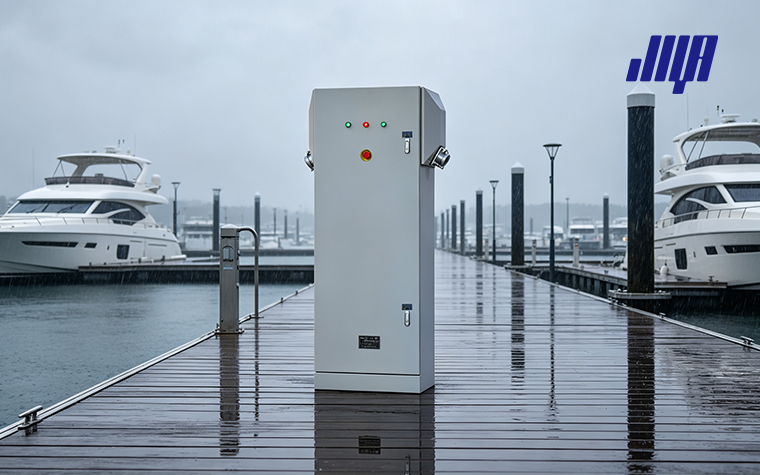
SS Power Pedestals are designed to weather harsh environmental conditions ensuring their reliability and performance over a long period of time. Made with high-quality corrosion-resistant materials, pedestals will resist rain, snow, and scorching sunlight conditions without compromising their operational or structural characteristics. With strong carving building aesthetic design, park owners can feel tranquility knowing that their maintenance required is greatly reduced over time. From inside, the terminal power base, being super weatherproof, keeps moisture of any kind away from the electrical parts and protects them from temperature fluctuations; thus ensuring that visitors enjoy uninterrupted utility access even with fluctuating seasonal weather differences. The pedestals are tested stringently to meet the safety and operational compliance standards of the industry. Having great strength and durability with all the weatherproofness, SS Power Pedestals end up being really good investments for RV parks. Their performance consistency across different climates caters to the guest experience and protects the long-term value of the park infrastructure.
Energy Efficiency and Environmental Impact
Weather-resistant installations, SS Power Pedestals are engineered to conserve energy with less energy wastage and hence increased utility expenses for an operator running an RV park. Energy management is often linked to these pedestals, enabling park owners to oversee and control energy use. They distribute energy so as to lower electricity consumption and provide more or less steady service to guests. Constructed with a view to saving energy, these power bases include considerations of environmental impact during design and manufacturing. Made from durable, environmentally friendly materials, SS Power Pedestals are designed to stay intact through harsh weather conditions, requiring few replacements and thereby generating lesser waste over time. Many designs are also environmentally compliant as they conform to standards meant to reduce environmental impact. The power pedestals further aid in renewable energy integration. They offer pre-made solutions for attaching solar or wind energy systems, thus allowing an RV park to implement these systems as part of their everyday power supply. In promoting green energy, these pedestals offer a solution that looks forward in time and attempts to balance operational necessities with environmental concerns.
Smart Features: Remote Monitoring and Metering
When integrated into terminal power bases, remote monitoring and metering represent a breakthrough in energy management for RV parks and the like. By providing real-time data, these features empower the park operators with accurate insights relating to all aspects of power consumption across the property. Since usage can be monitored remotely, illicit energy use or inefficiency could be identified quickly so that immediate corrective actions are taken. The corrective action improves the energy distribution system and lessens waste. This approach neatly fits modern sustainability trends coupled with streamlining operations.
Advantages of Remote Monitoring:
- Real-time monitoring: Immediate detection of excessive or irregular consumption
- Accurate billing: Precise readings eliminate estimation-based charges
- Equipment malfunction detection: Quick identification of faulty equipment
- Transparency: Builds trust between operators and customers
- Waste reduction: Improved energy distribution efficiency
Another advantage of remote monitoring is that its features promote transparency. With real-time updates, park managers can detect any excessive use, misdirected use, or irregular consumption from malfunctioning equipment. It also simplifies the billing process, providing an exact reading for every user, reducing the need for human intervention to collect and calculate consumption information. This precision in metering prevents scenarios where customers are asked to pay estimations for energy consumption, which may lead to mistrust; instead, it fosters transparency and curbs creation of inequity. Remote monitoring and metering are also crucial from the perspective of furthering innovation with smart technologies. For instance, operators may merge these systems with an intermittent renewable power source like solar power, to maximize its usage and curtail dependence on the grid. They may set alarms and notifications to confirm that any interruptions or malfunctions are promptly resolved. Equipped with such conveniences, these technologies put terminal power bases at the forefront of contemporary energy management solutions in shared spaces like RV parks.
Installation and Compliance Tips
Best Practices for Dockside Installation
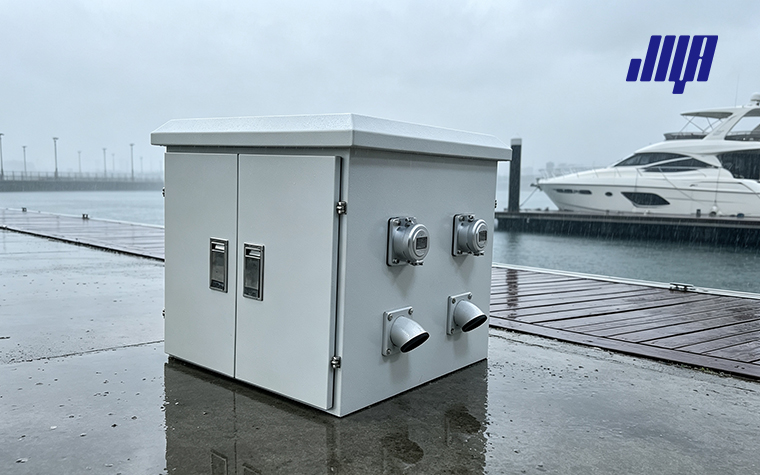
The Dockside Terminal Power Base must follow safety standards and ensure long-term functionality. Choose an installation location that is easy to access yet protected from direct spray of water or potential risks of flooding. In accordance with the local electrical codes in the area, the power base should be appropriately spaced and clearly labeled for user safety.
Professional Installation Required: The wiring connections and installations must be done by a licensed and registered electrician. In marine environments, grounding must be proper and materials should be resistant to corrosion to avoid the degradation of equipment over time. Plan for regular maintenance such as inspections for wear or damage to avoid potential safety hazards and ensure the base operates reliably.
The terminal power base could also be integrated with a modern monitoring system for real-time updates on power usage and detection of anomalies that would ensure enhanced safety and efficiency of dockside power management. Use these best practices to set up a reliable and user-friendly terminal power setup for dockside applications.
Ensuring Safety and Compliance with Regulations
Along with ensuring safety and compliance for terminal power base, this is to be done while conforming to certain industry standards and regulatory guidelines. Start by looking at local as well as international electrical codes that apply to dockside power systems, such as the National Electrical Code (NEC) or International Electrotechnical Commission (IEC) standards. These regulations form the base for correct installation, operation, and maintenance of the power base itself, so as to minimize accidents or failures.
| Compliance Standard | Application | Key Requirements |
|---|---|---|
| National Electrical Code (NEC) | US Installation Standards | Proper grounding, circuit protection, weatherproofing |
| International Electrotechnical Commission (IEC) | International Standards | Safety protocols, performance specifications, testing requirements |
| Local Electrical Codes | Regional Requirements | Spacing, labeling, inspection schedules |
Regular inspections are necessary to keep the system safe and compliant. The terminal power base must be checked for any signs indicating damage, corrosion, or wear that could undermine its sound performance. Do some preventive maintenance so that possible problems are addressed upfront before they become real issues. Also check to assure that the ground and bonding systems are well installed and maintained so as to protect against shock and fire hazards. However, monitoring technology may be of great help in the pursuit of both safety and compliance. Advanced monitoring systems track power consumption in real time, detecting any problems such as overloads or abnormal voltage levels. These systems thus identify risks early so that the potential hazards can be neutralized in a short period. A complete, comprehensive approach that favors adherence to safety standards is what makes your terminal power base run efficient, reliable, and fully compliant with regulations.
Optional Accessories to Enhance Functionality
Optional accessories for the terminal power base can greatly ramp up its performance and flexibility for the various applications. To safeguard the system and enhance functionality, users should perhaps consider circuit protection devices such as fuses and breakers. These devices offer protection to the system against common issues like surges or short circuits and hence, safeguard the durability and integrity of the power base.
Circuit Protection Devices
- Fuses for overcurrent protection
- Circuit breakers for easy reset capability
- Surge protectors for voltage spike protection
- Ground fault circuit interrupters (GFCI)
Auxiliary Power Modules
- Backup power systems
- Supplementary capacity modules
- Uninterrupted power supply (UPS) units
- Load balancing systems
Cable Management Solutions
- Cable trays for organization
- Nylon cable ties for securing
- Cable harness clamps
- Weatherproof cable enclosures
Auxiliary power modules serve as another beneficial option. They are well-suited to scenarios demanding supplementary capacity or backup power. These modules are intended to provide continuous operation interruption-free, despite fluctuating power conditions or long periods of use, ensuring consistent performance and reliability. Lastly, cable management options can also aid organization and accessibility. This includes cable trays, nylon cable ties, and cable harness clamps that maintain the wiring neat and free from tangling or accidental disengagement that can limit the system’s functionality. Having these optional accessories integrated into the terminal power base will allow users to customize the system for particular operational requirements with greater ease and exquisite precision.
Maintenance Best Practices for Longevity
Routine Checks and Cleaning Procedures
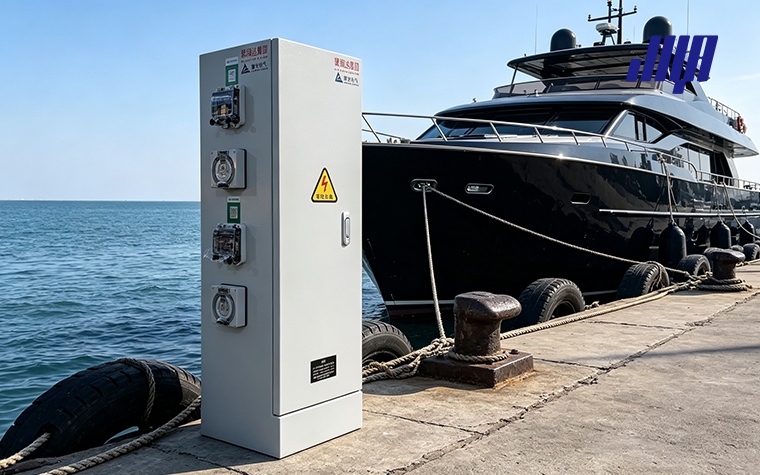
Checks and cleaning form an important part of keeping the terminal power base in full working order over time. Visual inspection for indications of wear or damages, loose connections, corrosion, dust, and dirt accumulation would be a worthwhile beginning. Resolving an issue as soon as it arises will enable functionality to be maintained and avoid potential malfunction or downtime.
Maintenance Checklist:
- Visual Inspection: Check for wear, damage, loose connections, and corrosion
- Cleaning: Use soft, dry brush or lint-free cloth for dusting
- Compressed Air: Use cautiously for tight spaces, avoid internal components
- Electrical Connections: Ensure all connections are secure and corrosion-free
- Performance Testing: Regular system performance checks
Regularly dust the terminal power base using, for example, a soft, dry brush or universal lint-free cloth. Where dust is found either in very tight spaces or farther inside the cabinet of the unit, use compressed air cautiously and never near the internal components. Also, avoid liquid cleaners and moisture, as these may be easily damaging to the fragile interior parts inside the unit. Always switch off and disconnect the equipment before servicing and cleaning. Points to note would be to keep a check on the electrical connections to ascertain if they are secure and not corroded. Alert the manufacturer to reinforce any loose connection and ensure that any damaged component is replaced immediately upon discovery. Checks on the performance of the system could be carried out periodically to detect potential problems and ensure timely repairs that would assist to extend the service life of the terminal power base and maintain its operation at optimal levels.
Preventing Common Issues with Power Pedestals
Prevention of the usual troubles with terminal power bases calls for maintenance and inspections on a regular basis. Begin by cleaning the power base parts to avoid buildup of dust or debris, which can block proper ventilation or even cause overheating. One needs to gently brush the components or use compressed air to keep them clean without causing damage. Closely inspect all electrical components and make sure they are tightly connected. Loose or corroded connections can cause resistance, thereby resulting in inefficiency or even the potential for hazard. The moment one sees a damaged or worn-out connection, it unjustly contributes to the worsening of the situation by not being replaced. Only use parts recommended by the manufacturer for compatibility and durability. Along with all this, ensure that the terminal power base is performing well. Watch out for any abnormal functioning, such as sudden power failures or strange noises. Do something to dispel the difficulty as soon as possible before it’s too late. Those periodic checks of performance can help in catching problems early and assessing system reliability to maintain peak performance during their service life.
Repair Strategies for Cost-effective Maintenance
Diagnosing a terminal power base requires first identifying the problematic situation. Begin with a visual inspection for loose connections, wear and tear, or physical damage. Also, it is wise to check exit power using a good multimeter for any irregularities. These are the immediate steps to troubleshoot.
| Maintenance Strategy | Cost Impact | Time Investment | Long-term Benefits |
|---|---|---|---|
| Preventive Maintenance | Low | Regular intervals | High – prevents major failures |
| Manufacturer-approved Parts | Moderate | Standard replacement time | High – ensures compatibility |
| Protective Coatings | Low to Moderate | One-time application | High – extends equipment life |
| Operator Training | Low | Initial setup | High – early problem detection |
Once the problem is detected, prioritize any repairs based on cost-effectiveness and expediency. It is essential to use manufacturer-approved materials when either replacing worn parts, or joining faulty connections, to ensure bipartite compatibility and reliability. Where applicable, consider protective coatings against further deterioration arising from moisture or corrosion. This would extend the life of the terminal power base as well as downcast the high frequency of repairs. Set up a maintenance calendar next to avoid costly repairs down the road. Enhances the system’s effectiveness by cleaning periodically, doing regular performance tests, and software updates if applicable at its core. Training operators on early signs of malfunction such as unusual sounds, unusual noises, or slight drops in power rating is vital. These processes keep the terminal power base efficient, minimizing consequent downtimes and maintenance costs.
Future Trends in Marina Power Solutions

Integration of Renewable Energy Sources
The integration of renewable energy systems into terminal power bases continues to gain popularity as a parallel track along sustainability concerns and efficient energy use. Solar and wind are the most common sources of renewable energy implemented in these installations. A photovoltaic or small wind turbine installation anywhere from proximal to terminal installations provides a supplemental, stand-alone, and clean source of power to the conventional supply, thereby reducing the dependency on fossil fuels.
Financial Benefits
- Lower utility bills over time
- Reduced maintenance costs compared to conventional systems
- Government grants and subsidies availability
- Improved return on investment
- Enhanced property value
Environmental Advantages
- Reduced carbon footprint
- Clean, renewable energy source
- Decreased fossil fuel dependency
- Sustainable operation practices
- Environmental compliance benefits
Energy Security Benefits
- Protection from grid interruptions
- Operational continuity assurance
- Energy storage capabilities
- Load balancing during peak demand
- Weather-independent power supply
One large advantage, more particularly in the long term, is the savings accrued with the integration of renewable energies. These savings are due to lower utility bills and lesser maintenance costs compared with those of conventional energy systems. Moreover, depending on the region of installation, the government actually goes beyond just encouragement and issues grants, maybe even subsidies, as a further incentive to help renovate the installment of green energy solutions, hence easing the economic burden for the operational side of the marina. These benefits, besides costing and going green, make energy-related security much higher. Any terminals spun from renewable generation on a narrow scale will thus have their operational continuity safeguarded from interruptions on the grid. When coupled with energy storage, such as battery storage, the terminal power base can store energy when demand is low and use it during high demand or uncooperative weather, thereby deliverability to some extent.
Advancements in IoT-Enabled Pedestals
The terminal power base is one of the most important factors in ensuring energy reliability and sustainability, especially when interfaced with IoT technology. Thanks to IoT-enabled pedestals, terminals can now optimize energy usage, monitor performance remotely in real time, and foresee interruptions before they occur. Thus, distributors are able to mitigate disruptions and maintain consistent power availability even when demand is at its peak or the weather is adverse.
IoT Integration Benefits:
- Real-time Performance Monitoring: Continuous tracking of energy production and consumption
- Predictive Maintenance: Early detection of potential system failures
- Automated Load Balancing: Smart energy distribution optimization
- Remote System Control: Manage operations from any location
- Data Analytics: Comprehensive insights for operational improvements
An IoT-enabled pedestal improves the functioning of the terminal power base by facilitating smooth communication among systems of energy generation, storage, and usage. For example, these pedestals contain sensors that continuously record and transmit data regarding energy production, efficiency, and consumption patterns. Operators are then able to detect inefficiencies, prevent energy loss, and implement smart solutions such as automated load balancing to remain operational. These advancements can be enhanced further when used with energy storage systems such as batteries. Energy generated in excess during low-demand periods can be stored and redirected during high-demand situations. The IoT functionality, in short, precisely controls how this stored energy is being spent, promoting its optimal use without any wastage. With that, terminal power base moves a step closer to being a reliable source of energy that supports sustainability.
Shaping the Future of Marine Power Pedestals
The terminal power base is a key step in advancing powerful and environmentally sustainable energy delivery systems for marine environments. Terminal power bases provide clean power access with smart systems and renewable energy, consciously limiting the environmental degradation usually caused by conventional power generation systems. This makes certain advances to promote marine infrastructure and uplift operational efficiency. Among the prominent features of the terminal power base is the ability to make energy management efficient through smart technology. It includes keeping energy consumption in check in real time in order to prevent wastage of energy which may be considered working against effectiveness in the use of resources. Also, IoT integration promotes the seamless interaction between devices, resulting in better controlled systems and energy grids. These attributes will, in fact, reduce energy wastage and improve power outages simultaneously. Also, the terminal power base ensures a sustainable solution provided the use of energy from renewable sources and the existence of energy storage. Any extra energy generated can be stored in the batteries and applied during the increase of the demand to maintain an uninterrupted power supply and, therefore, the ability to overcome difficult power supply conditions. The terminal power base’s versatility and sustainability make it the central innovation that we can use to revolutionize marine power generation services while gradually weaning off traditional fossil fuels. Hence, this will pave the way for an environmentally healthier marine operation throughout the world.
Frequently Asked Questions (FAQ)
Q: What does marina shore power pedestals mean?
A: The marina shore power pedestals are essential electrical installations that need to be provided with power so as to keep a boat, yacht, or watercraft of any sort tied to the marina. These pedestals usually have multiple outlets in consideration of several power ratings but can be configured for the docking station’s special needs.
Q: How do marina shore power pedestals operate?
A: Once connected to the marina’s electrical supply, power is siphoned off the marina shore power pedestal through various outlets. Each of these pedestals is fitted with a docking box wherein the boaters can plug in their shore power cables, thus ensuring that they have electricity available for lighting, appliances, and all other essentials onboard.
Q: What are the preferred characteristics for a power pedestal?
A: When you select a power pedestal, consider things such as durability, corrosion resistance, and weather protection. Such high-grade materials as stainless steel and powder coatings render much enhanced protection against harsh weather; customizable configurations can meet specific electrical needs.
Q: Can marina power pedestals be customized?
A: It does! Marina power pedestals can be configured according to your desires, such as determining the number of receptacles, their amp configuration, and added features such as lighting and alarm systems, thereby building a power solution tailor-made for your dock or marina.
Q: How different are the power pedestals between residential docks and commercial marinas?
A: Residential docks tend to require fewer power pedestals and of a lesser amp rating since commercial marinas need to provide a heavy-duty version for larger vessels and higher power demand. Commercial pedestals tend to have features like dual receptacles and complex electrical configurations that render them more reliable.
Q: Do marine power pedestals serve as power stations at RV parks?
A: Yes, special power pedestals are made for RV parks to feed power to recreational vehicles. In the majority of cases, these units are slightly different from marina shore power pedestals with respect to some aspects of the electrical needs for RVs, including higher amp ratings and robust enclosures.
Q: How do I care for my shore power pedestal?
A: A good shore power pedestal should always be maintained by the inspection of any signs of wear and tear; maintenance should be done to ensure connections are tight and that any dirt or debris is cleaned from the unit thus avoiding corrosion. Secondly, the shore power pedestal must be inspected for any damages especially after severe weather conditions to make it reliable.
Q: Can the lighthouse SS power pedestal be installed at the marina?
A: Yes, lighthouse SS power pedestals are among the most favored by marinas due to their graceful style and rugged configuration. They can withstand the harsh marine environment and supply power solutions as per request for their dock area.
References
-
Dock Builders – Power Pedestals
A resource for compact and efficient power pedestals designed for residential boaters and docks. -
HyPower – #1 Marine Power Pedestals
A leading provider of durable and innovative marine power pedestals for marinas and docks. -
Marina Mate SS Power Pedestal
Information on the Marina Mate SS Power Pedestal, a stylish and economical option for marina power needs.

About the Author
Boda Pan
Engineer, JIYA Intelligent
Boda Pan is an engineer at JIYA Intelligent with five years of experience in outdoor power distribution. He specializes in RV power pedestals, water and power pedestals and marina water and electric pedestals, with a focus on IEC standards compliance.