Tag Archives: marina

Boat Electrical Leakage Testing: ABYC Standards Guide

The electrical systems are the backbone of the safety and proper functioning of every boat, but if the wiring is done incorrectly or the installation is defective, one of the results can be the very hazardous electrical leak. If you are a boat owner or a marine technician, even more so if you are both, then you must be aware of and follow the safety standards to avoid electric risks. This paper is about the American Boat and Yacht Council (ABYC) standards concerning the leakage of electricity testing and gives a detailed guide to the best practices, methods, and measures of compliance. Whether you are a marine professional or a safety-minded boat enthusiast, this text gives you the necessary knowledge to keep your craft safe from electrical incidents together with the people onboard.

Understanding Electrical Leakage in Marine Environments

Understanding Electrical Leakage in Marine Environments

Definition of Electrical Leakage and Its Implications

Electrical leakage is an unintended flow of electricity that gets transferred from the current carrying wire or equipment through insulating materials into the environment which in case of a marine setting like that of a boat can be the outer metal parts of the boat or even the water itself. It might be a result of electrical insulation breakdown, improper grounding or general neglect of electrical installations. Even the tiniest leakage may create a hazardous situation, which is further aggravated by water being present as it is a natural conductor to electricity.

In this regard, the consequences of electrical leakage are enormous. The result, in case of the ship, would be the corrosion of metallic parts which would eventually allow the vessel to be less and less structurally sound. However, electric leakage in water is more and more the feared cause of the lowering of the very dangerous drowning caused by electric shock (ESD) to swimmers. This phenomenon happens when the electric currents in the water coming from the source in the boat make the occupants of the water defenseless and thus unable or very hard to road out safely. Also, the leakage currents may lead to fire outbreak due to electrical malfunction resulting from overheating or sparks.

There is no doubt about it, practicing safety through managing and eliminating electrical leakage is a very essential thing in a marine environment. The implementation of or rather the carrying out of regular checks and the following of the marine electrical standards such as those of the ABYC plus the application of the right testing tools, and all that can easily lead to issue identification and remedying before the issues turn out to be a danger. To boat owners and operators, education coupled with regular maintenance and monitoring of electrical systems are the core responsibilities on their part to ensure safety not only of the vessel but also of the people onboard or swimming in the vicinity.

Common Sources of Leakage Current in Boats

In boats, leakage current usually comes from different sources and is mostly caused by problems in the electrical systems. The list below contains the most common sources along with overview:

  • Faulty Wiring and Connections:

    Faulty or deteriorated wiring is one of the main reasons why leakage current occurs. Gradually, insulation on wires can break down through moisture, heat, or mechanical wear and thus, current can go to water. This can also happen because of poorly done splices, loose connectors, or wires that are chafed and damaged.

  • Ground Faults:

    Grounded electrical hardware will let the water take their charge for free in case of wiring faults. Electricity is released through such faults mainly in boats using Alternating Current (AC) when the live wires of an appliance touch grounded parts thus forming a leakage route.

  • Corrosion in Electrical Components:

    Corrosion is a marine environment problem that is hard to avoid as equipment constantly comes into contact with saltwater and is exposed to humidity. For example, corrosion of shore power inlets, circuit breakers, or electrical panels can lead to electrical leaks.

  • Marine Appliance Malfunction:

    Water heaters, bilge pumps, or battery chargers may be considered as boat appliances that can cause currents’ leakage if their internal circuits get damaged or not properly grounded. Old equipment is more likely to suffer from such problems.

  • Improper Shore Power Connections:

    When a ship is on shore power, worn plugs or incorrect matching plugs may cause power leaks. This occurs especially when one is using an adapt or convertor that does not exactly fit the system’s specific requirements.

  • Bonding System Issues:

    A bonding system of a boat which is designed to equalize electric charges and minimize corrosion, if neglected or maintained poorly, can become a source of leakage current through the broken or corroded connections.

Impact of Electrical Leakage on Marina Safety

Electrical leakage poses a considerable threat to marina safety, endangering not only people but also property. One of the potential hazards that are most pronounced is the risk of electric shock drowning (ESD). The water becomes unsafe because the leakage current creates an electric field around it that can incapacitate or cause serious injury to swimmers over a wide area. Electrical conductivity of water is so high that even a very small electric current can have a deadly effect on the unaware people in the area and they can be electrocuted.

In addition, electrical leakage can cause current-induced damage to equipment and also make fire hazards more likely. The electrical systems of the boats and marina infrastructure are used for many operational processes that can be considered essential. When leakage occurs, it can overheat electrical components, result in sparks and ultimately fire. In this case, not only is the property of the leak’s origin endangered but also the other vessels and structures at the dock that are nearby.

The issue is not only in terms of physical safety but also financial and operational impact that can be very large. Marinas may incur repair costs, lose their good name and litigation claims if they do not enforce proper safety measures. Regularly maintained electrical systems such as inspections, and compliance with safety codes are all very important in the risk reduction process as well as ensuring everyone is safe on and near the water.

ABYC Standards for Electrical Safety

ABYC Standards for Electrical Safety

Overview of ABYC Compliance Standards

The compliance standards of the American Boat and Yacht Council (ABYC) take the lead in the electrical safety of boats, marinas, and surrounding water areas. They were established to eliminate the risks of electrical systems which include electrical shock, electrocution, and fire. The marine professionals and the operators who abide by the ABYC guidelines are the ones who will be able to say their electrical installations and maintenance practices meet the safety benchmarks that isolate and safeguard both the equipment and human lives.

The provision of the different areas of grounding, the use of correct wiring techniques, circuit protection, insulation, and others is all encompassed in the ABYC standards. The electrifying boat area provides the strongholds with methods to design and build the electrical systems that can survive and perform under those harsh conditions. The compliance of these standards will not only benefit the safety aspect but will also shorten the lifespan and reliability of electrical systems in marine conditions.

The compliance with the ABYC standards is not legally bound but it is a practice that is considered the best. Being compliant with these rules is the safest thing to do in case an accident happens and consequentially it will save one from being liable financially. For this reason, a marina operator’s safe harbor experience will surely include a good reputation and no legal claims. Therefore, ABYC compliance will be appreciated as an investment in long-term operational success.

Focus on E-11: Stray Current and Galvanic Electrical Leakage

The E-11 requirements tackle the dangers incurred from stray current and galvanic electrical leakage in waterfront areas where marinas are located. Stray current is when electricity unintentionally flows outside the electrical systems; it can result in dangerous shocks and equipment damage. Galvanic leakage, on an initial level, is the long process of dissimilar metals losing their electrons and, thus, it becoming the case that the under-water equipment or boat hulls are corroded because of it. Both problems, if not addressed, turn out to be very serious not only for the safety of the marina users but also for the infrastructure itself.

E-11 Compliance calls for the adoption of very stringent preventive measures. This greatly reduces the margin of error that may develop in the present serene environment in the marina for owners, dealers, and others who frequent marinas for these accommodations. One of the safeguards is that all electrical systems are properly earthened and bonded to escape harmful currents. Additionally, regular examination and maintenance of electrical installations would come up as an auxiliary measure to detect and (effectively and in good time) alleviate possible faults. An appropriate device as, for instance, the galvanic isolator, will also aid by curbing the passage of leakage currents and minimize squaring off with a big corrosion issue on underwater metal parts. All factors when hewed together improve marina safety in the vicinity and make sure the protection of valuable assets.

Marina operators, by following E-11 standards, not only provide safety for their facilities but also build up a good relationship with customers based on trust. Electrical safety means fewer accidents, hence a good reputation and no financial losses due to the claims or damage. Moreover, compliance with E-11 requirements helps gain adherence with the global safety regulations, thereby contributing to the overall marina safety strategy. The constant observance of the E-11 codes ultimately shows the devotion to the protection of both people and nature.

Importance of Compliance in Preventing Electric Shock Drowning (ESD)

Electric Shock Drowning (ESD) is a preventable disaster that takes place when water currents due to electric currents kill swimmers, and finally they drown. The compliance with safe electrical standards such as E-11 is paramount in drastically reducing the occurrence of ESD. These very standards make it obligatory through their specifications to properly install and maintain the electrical system that is close to water, thus limiting the chance of stray electric currents reaching the water body.

Usage of safety standards is to indeed very big extent contribute to the electrical leak, not only accidental, at marinas and other facilities near the water. It is in fact preventive measures that are regular inspections and electrical equipment maintenance plus the use of ground fault protection devices. These measures reduce the risk of under water electric currents being there, and at the same time show the dedication to saving lives.

Moreover, compliance builds the culture of safety and accountability among the facility operators and customers and other users. The training and the informing of the public and the staff about the dangers of ESD and the applied safety measures create a secure environment for everyone. The consistent compliance and the awareness can mitigate the dangers of Electric Shock Drowning to a point where the use of water areas is safe and enjoyable.

Testing Procedures for Electrical Leakage

Testing Procedures for Electrical Leakage

Step-by-Step Guide to Conducting Leakage Testing

  1. 1 Prepare the Testing Area:

    Make a clean testing area and ensure all necessary safety precautions are in place. Disconnect the area being tested from the power supply to eliminate hazards. Get together all the testing equipment required which include a multimeter and safe protective gear.

  2. 2 Inspect the Electrical System Visually:

    Tests will not be conducted without a proper visual inspection of the entire electrical system consisting of wiring, electrical panels, and connections. Take a look at the system and find damage, corrosion, or exposed wires that may lead to leakage.

  3. 3 Measure for Leakage Current:

    Power on and a leakage current meter or multimeter to find out whether there is any current unintentionally flowing in the system. Set the meter on the lowest current readings and test circuits for locating leakage. Document and keep monitoring these measurements for later on evaluating.

  4. 4 Test Ground Fault Protection Systems:

    Check that devices that protect against ground faults are working properly. Manually trigger the GFCI to see if the power is cut off in the expected manner. Bad protective devices should be taken care of either by repairing or replacing them immediately.

  5. 5 Address Identified Issues:

    First, removal leakage and then locating its source by checking one by one wires or segments of the wiring system. After detection, the faulty parts are to be repaired or replaced.

  6. 6 Document Findings and Retest:

    Now that all issues have been resolved it is time to conduct a test again to make sure there are no leakage problems left in the system. Make sure you have detailed records of your findings, actions taken, and final test results for audit and future reference.

These steps make it easy for you to assess and eliminate electrical leakage in a systematic way which in turn will guarantee a safe environment around water areas, prevent risks like Electric Shock Drowning (ESD) and so on.

Identifying and Measuring Leakage Current with a Clamp Meter

The clamp meter is an essential tool that can efficiently and safely detect as well as measure leakage current in the electrical systems. Before anything else, you should check whether the clamp meter is the type that can measure leakage current and that it can detect very low currents with high accuracy. As per the manufacturer’s instructions, set the clamp meter to the correct sensitivity mode. Surely, the test should be conducted in a clean, dry, safe place.

For the measurement of leakage current, the clamp meter should be placed such that its jaws encircle the whole set of conductors of the circuit excluding the ground wire. Therefore, both the live (hot) and neutral wires will be included. The meter will indicate leakage for any current it can detect since the net current in well-functioning circuits should ideally be zero. Take the readings with great care, and this includes noting any large differences and unexpected values which can indicate faults as well.

By reviewing the outcome obtained, you will identify areas where leaks have occurred. Common causes for these leakage sites could be the decay of the insulation, water ingress, or malfunctioning equipment, among other possible contributing factors. Repair or replace any faulty part discovered. This ensures that they further test the system from there to confirm if their repair actions are a solution and to certify the system is safe. Recording the outcomes well would help a lot, making all aspects related to the need to take notice of safety and regulatory compliance pretty simple.

Using Diagnostic Tools: Galvanic Isolators and ELCI Breakers

The galvanic isolator is an important element in preventing the electric corrosion due to stray currents on boats and marine systems by cutting off the low-voltage currents going through the shore power connection and the boat grounding complex. In this way, it protects hulls, propellers, and other parts vulnerable to galvanic corrosion and hence ensures that the steel structure does not rot with time. Regular inspection of galvanic isolators ensures functionality and safe shipping of your vessel.

ELCI (Equipment Leakage Circuit Interrupter) breakers provide an additional layer of safety by keeping a close watch on electric systems for leakage. They spot even the tiniest electric leaks that might create a shock or electrocution hazard and consequently cut off the power to the area. ELCI breakers play an important role during the reduction of electric hazards in environments with high moisture content, thus considering them as the fundamental aspects of marine safety systems. The periodic checking and testing of ELCI breakers facilitates the proper working of the device, thus prolonging its reliability in protecting against electric failures.

In the case of the diagnostic tools, the manufacturer’s instructions should be strictly followed, and safety guidelines complied with. It should be considered the norm to test both galvanic isolators and ELCI breakers frequently. If faults are found, they should be fixed without delay either by referring to an expert or replacing the defective parts. Not only does keeping the records of these inspections guarantee that you are complying with safety regulations, but it also increases the longevity of your equipment and gives you peace of mind.

Safety Protocols and Best Practices

Safety Protocols and Best Practices

Critical Safety Measures for Marina Electrical Safety

The electric safety inside the marinas is a one of the major factors to be concerned with as they can contaminate the whole marina with electricity which in turn leads to the death of along with many other serious hazards. Adopting the following safety measures can definitely help in cutting down the electrical system-related risks to a great extent:

  • Routine Inspections and Maintenance:

    The extensive checking of the electric installations like pedestals, power cables, and electrical connections is even a must. The standards of the National Fire Protection Association (NFPA) and American Boat and Yacht Council (ABYC) state that the electrical systems of the marina have to be inspected at least once a year. The early signs of wear, corrosion, or damage can be detected, and thus accidents can be prevented.

  • Ground Fault Protection:

    Ground Fault Circuit Interrupters (GFCIs) and Equipment Leakage Circuit Interrupters (ELCIs) are to be installed for the purpose of preventing electrical shock drowning (ESD) as much as possible. Wrapping GFCI around all the shore power connections can help switch off the power within no time, thus the risk to swimmers and boaters is reduced significantly.

  • Establishing Safe Voltage and Amperage Limits:

    The power supply for boats at the marina should be given through the electrical pedestals that will not be rated higher than their capacity. The overheating of the circuit wires and the consequent fires of the circuits are the possible consequences of overloading. The recommended practice is to keep voltage drops below 3% within the electrical system, to ensure both efficiency and safety.

  • Proper Dock Electrical Bonding:

    It is of utmost importance that the docks are bonded and grounded correctly so that very little stray current is present in the water. The stray current is the cause of electrolysis which not only affects the boats but also poses a grave risk to the swimmers. NEMA (National Electrical Manufacturer’s Association) strongly recommends using the correct bonding methods to avoid this.

  • Signage and Awareness:

    Safety signs regarding electrical hazards should be set up at the marina entrances and exits as well as in every corner that is near the electrical installations. The boaters should also receive or be required to undergo electrical safety training so that they understand the risks inherent with improper connections or faulty equipment.

  • Adopting Modern Standards:

    As per the marinas’ compliance with NFPA 303 “Fire Protection Standard for Marinas and Boatyards” which includes electrical system safety and fire protection systems. Staying abreast of local and international regulations is very important in terms of keeping compliance.

Preventing Electric Shock Drowning: Essential Protocols

Power shock drowning refers to a situation where an individual drowns unknowingly in a freshwater source due to an electric current that may often be delivered from defective, improperly installed, or faulty electrical systems existing in or around marinas, harbors, and boatyards. Hence, safety protocols should be known and enforced to prevent this electricity-induced life-threatening scenario.

In conclusion, all electrical installations near water should comply with the most contemporary set of safety codes and standards such as National Electrical Code (NEC). And regular inspection and proper maintenance of electrical fixtures will absolutely prove benefits over risks. Consequently, the root to ESD risk, that is, improper wiring, should never be carried out, inspected, or repaired by a person other than an electrician qualified by law.

Secondly, make the marina operators, boat owners, and the general public aware of the ESD problem, its dangers, and how to recognize the risk areas. The presence of warning signs is the tingling feeling people get in the water near the boats or docks. Thus, the swimming of people near marinas and docks with electrical equipment in the water must be discouraged, and warning signs must be installed in those areas that are not easily missed.

Finally, make it mandatory for all dockside outlets and boats to have Ground Fault Circuit Interrupters (GFCIs) and leakage current detectors so that in case of a fault, the power is cut off instantly. Besides, a routine testing protocol for these devices should be established to verify that they are functioning properly. This way, the possibilities of ESD can be lessened and thus a safer environment for everyone can be created.

Proper Use of Shore Power and Shore Power Cords

The proper use of shore power and shore power cords is critical for the safety of the vessels and the electric systems on the vessels in the harbor, therefore, the shore power cords should be dealt with very carefully in order to protect the insulation and the connectors on the cords. The worn out cords can become a source of electrical faults or accidents. Cords should be inspected for signs of wear and tear like frayed wires, exposed conductors or corrosion and replaced immediately if defects are found.

The shore power source connection must be very secure with the cord fitting tightly to avoid loose contacts that would produce heat and a subsequent fire. It is also advisable to switch off the supply before plugging or unplugging the cord to prevent electrical arcing which can cause outlets and connectors to get damaged. Using the marine rated cords is essential when dealing with the power of your vessel as they possess efficient and safe characteristics.

Additionally, these practices include daily storage of shore power cords in a safe manner after installation is complete. Overall, neatly coiled and dry shore power cords should be stored to prevent exposure to moisture from outside elements, including risk of oxidization and deterioration. The cords need to be cleaned periodically using an appropriate cleaning solution to keep them in good condition. Compliance on the above factors can help prevent any possible hazard while further extending the equipment’s life for worry-free, safe connection to the shore power.

Maintaining a Safe Electrical System on Your Boat

Maintaining a Safe Electrical System on Your Boat

Regular Inspections and Maintenance of Electrical Systems

One important point about water safety is that fine inspections must be run in regular intervals on the electrical system of a watercraft. A visual inspection is the first step that includes visible wiring, connections, and components, looking for either damaged or worn parts due to corrosion. Focus on areas most likely to suffer in soaking from moisture as this could accelerate corrosion or create short circuits. Whenever a problem is evident get it fixed at once. All the security and weatherproofing must take initial concern while ensuring any connection.

Next in line is the testing of all appliances (lighting[s] included) and boat equipment for proper operation. With the aid of a multimeter, verify that the voltages are within the proper range for the system and test circuit breakers to ensure that they trip properly when overloaded. Failures in the equipment or systems testings [sic] that are not siting well should be tackled by discussion of the problem with a qualified marine electrician or following the appropriate troubleshooting steps.

Battery maintenance that entails a regular checkup of the electrical system as well as ensuring proper system voltage, which is preserved at a value of twelve or thirteen volts when resting, is also necessary. Among the other activities involve keeping the terminals clear and avoiding any corrosion-treating things, while the rest should involve keeping batteries fully chargeds the batteries tend to deteriorate whenever they are frequently discharged. Stow extra fuses and any tools you need for emergency repairs. Regular inspection and appropriate maintenance can lower the chances of electrical failures and can enhance the boating experience further.

Understanding the National Electrical Code (NEC) for Marine Applications

The National Electric Code (NEC) underlines safety requirements that allow for safe installation and maintenance of electrical systems and marine equipment in particular. In organizing a need for compliance with these codes, boat and vessel operations will have to deal with unique challenges like moisture, vibration, and corrosion. Conversely, it is crucial to consider the NEC as part of your safety wiring program to prevent the occurrence of electrical fire-plus electrical shock.

Typically, corrosion-resistant materials-depending on the duty-are therefore specified in order to comply with marine norms. These kinds of equipment must be able to withstand everything from extreme cold winds to salt water and have the correct safety grounding, hence the designation of bulkhead penetrations as well as the witches with which conduits may be passed. Any existing earthing must be securely made with alternative connections being fully insulated against water ingress, associated open wiring, or anything else that might short circuit. This code also requires dryland leftover with featured mechanical or thermal protection to point out that the incident overloads mean the threshold for safety in the electrical systems is adequately protected.

Compliance with the National Electrical Code not only prevents accidental mishaps but also signifies efficacy and goodwill of all electrical installations. The safety standard requires routine checks of the wiring and infrastructure for preservation and postponing of wear-timid mistake; so it is upon the conspeoples and other seafarers to learn and comply with the NEC, or hire a competent contractor to ascertain that the installation will pass the safety regime. Following these essential steps can help us in enhancing safety, securing our boat, and ensure a trouble-free boating experience.

Upgrading Electrical Systems to Meet Current Safety Standards

If your ship has to be reliable and safe, it is paramount to renew the electric system according to current standards. Begin with an inventory of electrical components requiring replacement due to being old or having deteriorated. Be wary of broken, severed, and frizzy wires, corroded terminals, and oversized or undersized breakers. The exhaustive inventory that has been made will help pinpoint areas that should be replaced. Make sure updates comply with safety standards by referencing materials regarding the NEC code.

Replace archaic electrical diesel wiring with the best solutions available. Wires specified under marine craft are technically sophisticated to cope with the various conditions of the aquatic environment. Copper wires with tin plating have a good reputation for resisting corrosion and should therefore be chosen. Moreover, ensure that each connection is watertightly sealed. In addition, it’s good practice to use ground fault circuit interrupters (GFCIs) for installations in specific areas, so that you can diminish the danger of someone receiving an electric shock where an electrical system is not correctly insulated in water, such as on a boat.

Being bold, simplify the installation of a modern electrical power management system to save power and monitor the distribution of electricity efficiently. Such a system ensures that sub-circuitry is not massively overloaded and power gets through to the place where it is most traded. Get certification that the works were executed in compliance with safety regulations from a registered marine electrician, after the work has reached its final product. Implementing regular inspections and adhering to these suggestions will prolong the operation of the electrical systems on your boat and bring them into a like situation with the current safety standards.

Frequently Asked Questions (FAQ)

Q: How do you measure leakage current on a boat and what tools are used?

A: To monitor current, you can employ a leakage-clamp meter or a device that detects leakage current in milliamps. The usual procedure involves clamping the shore power line or individual conductors to find the leakage current being produced by either the particular boat or by the shore power circuit. Current in the live, neutral, and safety ground wires is measured with a sensitive ammeter or leakage test instrument to identify the availability electric current will have and whether it exceeds the limits set by ABYC.

Q: What are considered excessive amounts of leaking current and are dangerous levels allowed at how many milliamps?

A: The ABYC recommends leakage in the few milliamp range as something to watch for, but hazardous voltage and current depend upon the exposure and path to ground. Tens of milliamps flowing into the water or through a person would be dangerous. The goal in tests is to determine leakage current and reduce it to significantly below shock thresholds and those that command a device overcurrent. Always consult the ABYC thresholds specific to your type of vessel and installation.

Q: How do you locate the source in case the Marina GFPE reports an unbalance or trips?

A: If and when a marina’s ground fault protection equipment (GFCI) trips, one upper related activity is to gang clamp off the shore power feed so that one can determine if power is flowing into the water subsequent to a leakage problem. Next, isolation of boats is carried out through disconnecting shore power at the shore power panel terminal box one boat at a time to identify the vessel causing the leakage. Utilize the leakage clamp meter to test power cords and on-board circuits on all the boats to measure leakage current from each boat, and by so doing to pinpoint if the gfpe problems lie within the boats or in a problem emanating in the shore power to the boat.

Q: Can the shorepower supplied to boats cause a leak and how must boats be prepared to use shore power safely?

A: Shore-power boat can be a source of lost current if boat wiring, onboard equipment, or bonding is defective. For boats that are going to be using shore power, the shore power cord, the safety ground wire above the boat, and boat electrical leakage testing should be checked before getting docked. Verifying that the green wire connection is a safety ground wire, where gfpe meets and testing for the current to flow balance between line and neutral will help to prevent dangerous conditions on the boat sitting in the marina.

Q: Would you recommend regular leakage testing by marinas and boat owners as well as providing a current measuring device on-site?

A: A yearly inspection or other regular inspection conducted whenever new equipment is installed or the onboard electrical circuit is modified is highly encouraged. Marinas should keep a tool for electrical measuring such as a leakage clamp meter or tester on-site, to be able to quickly home in on the exact source of leakage in the case of gfpe events. Measuring the leakage current on all boats in a proactive manner will help minimize downtime and identify which boats can be responsible for most of the marina gfpe occurrences.

Q: What are the procedures when an individual is checking the shore power for leakage current using a clamp meter?

A: He will first clamp the whole shore feed to measure the total current and to check for leakage into the water. He shall then clamp the individual conductors–line and neutral, looking for where the current flows while still plugged in. If practical on a particular piece of equipment, one may then disconnect the positive or other circuit feeds in order to isolate the electrical circuit or take the load off and identify the source of leakage. Milliamps will then be recorded and compared to the ABYC limits to determine the remedial steps.

Q: Are most GFPE problems in marinas caused by boats, and then mostly by the vessel as a percentage in any particular study?

A: Most marinas will consider boats to be the primary cause of gfpe trips; industry surveys and reports often state that a high percentage of the gfpe issues at a given marina—usually quoted figures like 90 percent of the marina gfpe—are largely due to the vessels. Considering this fact, boat owners are expected to comply with Boat Electrical Leakage Testing: a strict boat wiring and on-board systems ABYC Standard Guide procedure to minimize current leakage and the probability of one boat accounting for tripping on shore-wide circuit breakers.

References

  1. Marine Service Tech Standards & Skills
    This document outlines diagnostic and repair skills for marine electrical systems, including adherence to basic electrical principles.

  2. Research Vessel Safety Standards (11th Edition)
    This resource references ABYC standards for electrical and mechanical systems on research vessels.

  3. MT 231 – Marine Heating, Air Conditioning & Refrigeration
    A course description that includes compliance with ABYC standards for marine systems.

  4. Marina power pedestals Manufacturer and Supplier in China

Marina Safety Signage Requirements: What the NEC Demands

Speaking of marina safety, the use of proper signage has become a necessity according to the National Electrical Code (NEC) instead of just a suggestion. Marinas and docking areas are very lively places where the mixture of water, electricity, and constant human activities produces novel safety concerns. The NEC has a set of regulations that require marinas to have very clear, very efficient, and very compliant signage that is capable of significantly reducing the risks of accidents and protecting both human lives and properties. This paper examines the critical signage mandates of the NEC, outlining the requirements, the importance, and the ways of implementing the guidelines effectively. Whether you are a marina manager or a person willing to learn more about the safety standards in the industry, this whole guide will be your starting point for compliance checking and facility protection.

Understanding NEC Standards for Marina Safety

Understanding NEC Standards for Marina Safety

Overview of Article 555

Article 555 of the National Electrical Code sets the standards for handling the electrical safety of boatyards, marinas, and other waterfront facilities. The NEC states that this article primarily tries to protect people and property from electrical shock and fire in areas that have water and electricity. The NEC catalogues rules on how to construct, locate, install, and maintain electrical systems and their components so that the need for safety from harm such as electric shock is foremost Click here for more information.

The key requirements of Article 555 cover grounding and bonding of electrical systems done correctly to secure the area from electrical currents. It also requires ground-fault protection devices to be installed which will automatically detect and interrupt ground faults before they become dangerous. Besides, the article states the safe positioning of electrical equipment and circuitry in such a way that it minimizes moisture exposure and also prevents chemical reactions that can lead to the failure of the system through corrosion.

The other important issue that Article 555 is concerned with is that of warning signs and labeling. The use of clear and easily readable signs is imperative to notify people of the dangers in electrical operations and thus protect the working staff and the public. Following the guidelines, the facilities, not only, reduce the hazards but are also compliant with the standards of electrical safety and provide a safer environment for the users of the marina.

Key Signage Requirements for Marinas

The presence of appropriate signage in marinas not only is a measure of safety but also the minimization of risks associated with electrical operations. As per Article 555, the signs are to unambiguously mark the unsafe zones such as those with high-voltage electrical components or areas where electrical shocks are possible. The signs should be made of the material that can withstand weather conditions and should be easily readable from a distance that is considered reasonable, and thus it will be possible for the boaters, workers, and visitors to act with caution.

Every piece of electrical equipment that is installed on a marine vessel, such as atmospheric panels and outlets, must have properly made labels glued on. These labels are meant to indicate, in a brief and specific way, the voltage of the electrical equipment, its correct use, and associated hazards. This standardization of symbols and conveying understandable information in universally accepted language fosters the comprehension of an imposed safe work environment throughout.

Alongside this, the emergency and safety-related signs of a marina must be equipped and are openly visible in areas providing easy access. This involves signboards manifesting as markers/code entries right along the way for access to the emergency shutoffs, grounding instructions or words of caution about specific misuse – for instance, even swimming near docks where electrical equipment is installed. When kept intact, not only should fulfilling these sign requirements pose a safety net for the marine location, but ensure evidence of compliance of correct protocol to govern; hence, an even safer place for everyone.

Importance of Compliance with NEC

The third National Electrical Code (NEC) compliance is not just a requirement, but a necessity for the safety and efficiency of power systems in different places. The NEC prescribes a set of rules that thoroughly mitigate the danger of electrical fires, shocks, and even equipment damage. The observance of these rules not only counts as a legal requirement in most areas but it is also a major measure to safeguarding humanly and economically.

By complying with NEC, operators, and constructors of the facilities can create less dangerous and more reliable environment. The NEC consists of the procedures on the right way to install and take care of electrical parts, which provides slow building up of efficiency and then finally, they can last through the weakest points of the environmental challenges. This is very much the case with the intoroduced on the installation of the construction in marine areas, where the factors of high moisture and other unpredicted factors could be a part of the location situation, hence, risk factors are high unless professionally designed electrical systems are installed.

Committing to the NEC means not only gaining immediate safety benefits, but also indicating the intent of professional standards and quality levels. The compliance requires the use of certified and tested materials thereby winning over the customers and also cutting down liability risks. In the long run, following the NEC not only serves to protect people and property but also curriculum vitae trust among the different stakeholders in the fields of design, construction, and operation of electrical systems.

Essential Safety Signage for Docking Facilities

Essential Safety Signage for Docking Facilities

Warning Signs and Their Visibility

Warning signs at docking facilities are crucial for safety and also for the maintenance of efficient operations. These signs have to be visible even under the most unfriendly of environmental conditions such as poor light or bad weather. Reflective materials are used along with color combinations having high contrast to make the signs legible during the day and at night. Proper positioning of the signs at eye level or within clear sightlines also helps workers and visitors to identify dangers quickly.

The strategic positioning of warning signs is very important to avoid accidents. Signs should be placed near potential danger areas such as places that are slippery, around heavy machinery, or where access is limited. This will give people enough time to react and take the necessary precautions. It is equally important to do regular maintenance of the signs because if the signs are faded, damaged, or blocked then this will greatly reduce their effectiveness.

Numerous studies give evidence to the fact that clear and consistent signage is very important in preventing workplace accidents. Warning signs that are visible and simple to understand are of great help in communicating the risks, especially in the case of high-traffic areas where there are diverse groups of workers. The introduction of these measures will not only ensure that safety regulations are adhered to but also create awareness and responsibility among the personnel at docking facilities.

Labeling Electrical Devices and Equipment

Proper labeling of electrical devices and equipment is the most important thing to do to attain safety and compliance in the workplace. Clear and accurate labels not only identify electrical hazards but also prevent misuse and support maintenance and repair of equipment. Besides, the labels should consist of the critical information like voltage levels, circuit designations, and safety warnings, which the workers can easily understand the risks and necessary precautions.

Labeling should always follow safety standards and regulations, for instance, that of OSHA or IEC, to be effective. Guidelines like these determine the design, content and location of labels so that visibility and understanding are maximized. Also, durability has to be a property of the label material it should be resistant to environmental stressful factors such as heat, moisture and corrosion so that it will stay readable for a long time.

The implementation of a labeling system can truly be the start of a very safe working environment. Regular inspections should be carried out to verify the condition and accuracy of labels, updating them as needed when equipment is repaired or replaced. Worker training on proper label interpretation is another critical factor as it gives them power to appropriately act on risk reduction.

Best Practices for Marina Operators

Best Practices for Marina Operators

Creating a Safety Checklist for Signage

Creating a comprehensive safety checklist for signage is essential for the ensuring that it is safe and efficient. One should be able to see any sign clearly and from a distance, so it should be good practice for you to use good size fonts, if applicable, contrasting colors, and strategically placing the signs at eye level. Vulnerability assessments done to identify dilapidated or faded posts in critical areas of the site covering all risks would necessitate a quick replacement or changing in their position.

The second area to check by the checklist would be to verify that the signs are covering all significant safety and operating requirements. These include the emergency policy, warnings of any hazardous conditions, warning areas, speed limits, and guidelines for matching and docking zones to the signs. The design and wordage of the sign board, and associated guidelines, should be standardized strictly for clarity and compliance among visitors and staff.

How about integrating normal training and feedback into the general maintenance system? The staff needs to understand whatever language their signs are speaking to them while marine users could engage in safe marina behaviors by reporting unrestored and hampered signs. Safety checklists would be reviewed and refinements would continue to address emerging threats, so that signs would continue to promote safety in this safe marina.

Regular Certification and Maintenance of Safety Signs

Regular certification and maintenance of safety signs perform an essential role in maintaining the safety of a marina. As the existing safety standards imply for timely activities, all signages should be thoroughly evaluated twice annually, encompassing physical wear, e.g. fading text and structural damage, and the alignment demands set by the regulatory index of standards.

Information from reports emphasizes the fact that well-maintained safety signs can reduce accidents in a marina by 35% or so.

The necessity of clarity and visibility on users’ parts is, thus, crucial, particularly under inclement weather conditions or in high-traffic areas. In one way or another, the use of reflective materials or the installation of LED lighting dramatically increases the visibility of signs during low-light condition, thus improving the overall level of safety.

Moreover, heeding the view on sensitizing the marina safety field, we can highlight that the place of digital solutions is more geared toward smart signs that carry sensors or QR codes, which link damage reports and real-time safety updates. Marinas can maintain a culture of safety and efficiency through integrating more technologies behind regular inspections coupled with continuous feedback in order to keep their safety signs effective to guide and protect inhabitants there.

Training Staff on Signage Importance and Usage

When a marina-staff unit is trained about the importance and practice of hazards in various safety signs, the need for a safe environment is met. Above all, it is crucial for the staff to know that there are different types of signs for various use purposes, including signs for hazards, signs which help in wayfinding, or signs that give operational guidelines. When staff members get a basic idea of these safety and efficiency signs, they will imply to the users in the harbors what these signs represent, thereby enabling them to know what to look for during different emergencies.

Proof of hands-on lessons include Tours or training workshops of the various technologies going into the signage system, including QR codes or sensors. Those would be the hands-on demonstrations on reporting maintenance within a system of other links, or reminders on specific cases involving preventing accidents through efficient signs. In-house refresher courses, offered on a recurrent basis, are proven effective to reinforce this basic knowledge and help keep the staff updated with the new technologies coming into the signage business.

Strengthening employee involvement in the inspection and maintenance process further deepens their understanding of signs’ functionality. Through participating in the periodical crosschecks for deterioration and obsolescence, they become empowered to contribute actively to the safe culture of the company. This establishes accountability and ensures that safety communication does effectively protect both marina visitors and themselves.

Legal Implications of Non-Compliance

Legal Implications of Non-Compliance

Understanding Liability Risks for Marina Operators

Concerning legal responsibilities, operating a marina, particularly safety and compliance, is laden with responsibilities. A marina operator would have liability regarding ensuring the safety of the visitors, personnel, and boat owners. Failure to fulfill safety regulations (posting proper signage, maintaining opposition structure, among others) leaves one exposed to potential lawsuits, massive fines, and ill repute. Strict, regular inspection and adherence to local, state, and federal laws are crucial for squashing these risks.

One focal point of liability concerns accidents or injuries that could happen on the marina premises. In the event an operator is being found negligent for not repairing damaged docks or providing clear safety instructions, then such an operator can be found liable, legally speaking, to the victims of such negligence. Although liability insurance provides financial protection, this does not discharge the operator from his obligation to a priori prevention of such incidents. The exercise of proactively addressing the potential hazards ensures compliance and trust and safety of all stakeholders.

Consequences of Failing to Meet NEC Requirements

One of the results of non-compliance with the NEC is the erection of a hazard to life and limb. The foremost of these is fire, usually caused by improper wiring, overloading, or the use of sub-standard equipment. These risks cost money and life itself. Compliance is the only way to ensure minimal dangers since following codes has always placed rigid standards toward safe electrical systems.

The next major consequence can be social and economic where non-adherence will come back as fines or lawsuits for recovering damages, etc. It is possible the business or property could experience delay in operations or completion of the projects; if the installation is illegal, the work will stop until the installation is changed to comply with the standards.

Ultimately, failing to meet the NEC standards will damage the reputation of a business and relationships with clients and stakeholders. The consumers expect safe installations and trust is broken by being non-compliant with the standards, which leaves opportunities closed for the future. To celebrate their keep, NEC codes are not only a may but a must-do thing, concerning safety, money risk, and service to professional conduct.

Case Studies: Incidents of Electric Shock Drowning

Electric shock drowning (ESD) is the result of electrical current leakage into the water and the passage of the current into a swimmer. This causes paralysis to the muscular system and is definitely known to signal imminent drowning. A grand incident happened at a marina where electric wiring faults allowed for current leakage into water. This rendered swimmers near the dock helpless and emphasized the extreme danger of improper electric infrastructure and the need for conformity to safety codes.

There was one incident with a residential setting near a lake. A boat lift and its related electrical equipment that were all faulty had exposed the water to current, which was just deadly. A swimmer got touched and drowned before any rescue could be worked out. That incident emphasizes the dangers of missing out on the regular maintenance and inspection of electrical systems along the waterfront.

From the above discussion, we notice that compliance with the electrical code, viz., installation of Ground-Fault Protection Devices and frequent safety checks is very important. This is not just a legal obligation but is also aimed at preservation of human life and the elimination of similar blunders in the future. An increase in awareness relating to ESD and education on this subject will allow building and marina owners to take preventive measures.

Mitigating Electric Shock Drowning Risks

Mitigating Electric Shock Drowning Risks

Effective Warning Systems for Boaters

Posting signs of danger at marinas, docks, and other waterside locations is very efficient in the rule of thumb to protect boaters from electric shock drowning (ESD). They need to be set out and read all along the right lines, emphasizing danger signs from faulty wiring and stray currents, and instructing for the practice of safe methods. Furthermore, in simple English and visual signage, every person, including kids who do not know how to read, will understand those warnings.

Another effective system is one that can include ground-fault circuit interrupters (GFCIs) and equipment leakage circuit interrupters (ELCIs) capable of tracing potential leakages in electrical systems and the automatic shut-off of power if any leakage is detected. Boaters and marina operators are to check and ensure the functionality of GFCIs and ELCIs devices aside from ensuring regular shoreline inspections and maintenance of all dock wiring and electrical systems to identify faults that contribute to ESD, adding to the security layer.

Lastly, a robust educational setup aimed at boaters and marina personnel is of much importance. Awareness about electrical hazards in the water, signs of potential electrical shore-related activities, and the appropriate protocols in response may all help to keep boaters and marina personnel ready for action in emergencies. Thus, community-based, on-line, and specialized training will guarantee that the boating public is safe in all its undertakings. Such a complete mechanism will keep electrical shock hazard risk at bay and protect lives.

Labeling Best Practices for Electrical Safety

Correct labeling of electrical systems is an absolute must-do to ensure safety within marinas and any other boating environments. Labeling should clearly identify the likes of electrical panels, circuits, and disconnect switches that will help a range of users and professionals to easily understand the functions and practicality of the systems. They need to be durable, clear, and resistive to environmental effects like water, sunlight, and heat, recurrent in marine environments. Enhanced emphasis must be given to clarity by also using standardized terminology and universally recognizable symbols that make sure misjudgments are contributed on the downward side.

Furthermore, appropriate warnings should be posted on labels, like cautions about electric shock or arc flash threats, and critical instructions where useful. For instance, labels may specify to users the correct sequence of steps when administering electrical equipment or the areas where maintenance personnel should take care in watching out. Following the display of these warning labels in a conspicuous position, they might just help in avoiding accidents and put electrical systems dealt with in strict accordance with safety protocols.

Periodic review and maintenance of the safety stickers are as important as setting them up for the first time. With the passage of time, stickers tend to fade, peel, or get worn out, especially in marine environments. This depreciates their very usefulness. Regular inspections guarantee that all safety labels are on and available for timely replacement as needed. This improvement towards safety standards and compliance with laws and industry standards ensures preservation of life and property.

Frequently Asked Questions (FAQ)

Q: What sort of marina requirements are generally referred to as the “core marina safety signage requirements”?

A: The core marina safety signage requirements are all about visibility of the signs and location being dark red so that it can spot out high-risk areas such as the fuel dock, the boat ramp, shore access, and everywhere machinery is being used, the later following various governing standards like ABYC and NFPA. Signs need to indicate fire or explosion hazards, no smoking and no open flames, life jackets and safety waterways, slippery, wet decks, and ladders along with emergency shut-down and evacuation instructions. The first is framed in such a way as to draw attention to boaters coming in or to board a vessel. The other should go near the ship in order to have a present reminder of safety prior to entering conditions of hazard.

Q: Where should safety signs be placed in marinas and boatyards to be most effective?

A: Positioning is critical: Post signs at the launch, ramp, fuel pier, engine servicing areas, portable pump stations, gangways, ladders, and shore access points. Navigation and spray hazard signage should be placed at boat launch points and along the entrance channel leading to the marina. Signs should be at eye level, clearly visible and read from the deck and shore; placed in such a way that they will be read before boaters engage in any kind of risky activity like fueling or starting the engine.

Q: What are the specific safety and hazard signs required on fuel dock structures?

A: Fire warning-type signs shall tell people to not smoke, turn off the engine, avoid lighting any fire in the area, and stop portable engines and electrical equipment. Signs must explain what hazardous situation vapor accumulation may cause, like fire and explosion, pathways and details to safely shut off (emergency) fueling equipment; along with emergency contact information to report a spill. Clear instructions would be for operators to avoid overfilling fuel tanks and reminders to maintain safe boarding and alighting during fueling to avoid any spillage of fuel.

Q: How should marinas present their regulations concerning personal flotation devices and life jacket signage?

A: Signs should describe children’s and non-swimmers’ life jacket requirement, where their life jackets are kept and encourage wearing them be close to the boat or before launch. Lifes may be visible on flots above the water, launched with easily visible, life jackets places behind the slips, and on the dock by the ladders and gangways. Provide the user with life jacket capability information and, if the boat owner has any additionally on hand, namely on how to find them and how to fit them on, to try by better compliance and safety capabilities.

Q: Looking for such behaviour warnings as are generally required at marinas and boatyards?

A: Warnings required are common and include no smoking, no open flames, no running of engines while refueling, reduce speed/no wake zone, steered as vessel safety, watch your step slippery when wet on decks and ramps, no fishing from the fueling dock, and keep clear of spray and propellers. There should be a notice instructing users to turn engines off before getting on board OR off boarding, and how to carefully use ladders to prevent falls.

Q: What are best practices in design, construction, and maintenance for signs in marinas and boatyards?

A: Use sturdy materials and inks and finishes that withstand sunlight and wave action. It is imperative that the sign be readable from a distance and be of icons placed at eye level with easy-to-read lettering and ideally isolated in stainless steel or equivalent fixtures. Always be vigilant about checking for faded or damaged signs for immediate replacement; maintain free lines of view for pleasure and practice easy-use signs for temporary emergencies. In obedience therewith, agencies must also be consistent in terms of color and wording on signs.

References

  1. Clean Boating Signs and Educational Materials – University of Vermont
    This source discusses signage promoting clean boating practices and environmental safety.
  2. Marina Area Safety Checklist – Florida Institute of Technology
    A checklist covering safety signage requirements and compliance with OSHA standards.
  3. Marina Standards (10-MAR) – National Park Service
    This document outlines signage requirements for marinas, including fuel safety and emergency procedures.
  4. Marina power pedestals Manufacturer and Supplier in China

Marina & Dock Electrical Safety: Prevent Electric Shock Drowning in Freshwater and Saltwater Environments

Marinas and wharves are serene entryways to an array of aquatic adventures but, far from the surface of these picturesque settings lies often an ignored hazard of electric shock drowning (ESD). This preventable yet life-threatening hazard can occur both in freshwater and saltwater bodies, which carry man-made electrical currents into the water unknowingly. Whether you are a boater, swimmer, or marina operator, you ought to understand the risks and come up with safeguards to save lives. This article addresses causes of electric shock drowning, address impacts on water enthusiasts, and then gives vital points that you can view for further enhancement of electrical safety at marinas and docks. Do not be oblivious to the dangers of ESD but do everything possible to enlighten those you love and protect them; let the time spent in and around water be both enjoyed and safe.

Understanding Electric Shock Drowning (ESD)

Understanding Electric Shock Drowning (ESD)

Definition and Causes of ESD

Electric shock drowning (ESD) refers to a person being electrocuted when in water as a result of stray electrical currents that usually come from poorly maintained electrical equipment or improper wiring at docks, marinas, and boats. When electricity gets into the water, it creates an unsafe environment. This environment can incapacitate swimmers, transforming them into motionless people who drown, or even causing cardiac arrest.

The main causes of Electric Shock Drowning are broken-down electrical systems near water bodies and no ground fault protection. Some of them are the result of defects’ short circuits in which the pool water is soggy in the insulation from an electric defective cargo to the water. In addition, some marinas or docks may not adhere to proper safety guidelines, and officials do not perform inspections, aggravating their chances of encountering electrical hazards.

By maintaining electrical equipment around water properly, ESD would be avoided, with the proactive step of always checking and properly maintaining all electrical equipment. Ground fault circuit interrupters (GFCIs) help prevent electrical current from going into water. Increasing awareness of ESD and water safety practices in the same facility should be handled to reduce the same risks.

How ESD Affects Swimmers

Electric Shock Drowning (ESD) is the condition of being shocked underwater. These currents come from malfunctioning electrical equipment, wrong wiring, advisable safety measures, or a lack thereof. When electric currents come into contact with water, they can defect the swimmer’s muscle control, leading to paralysis or impaired movement, and therefore increasing his risk of drowning. Even at low levels, any current in the water under waterborne ESD poses grave danger, as it interferes with the body’s natural signaling processes.

In areas where water and electricity might accidentally come into contact, like marinas, boat docks, or pools, ESD may pose a risk to swimmers who often remain unaware of the ESD. The danger arises mainly from electrical currents in water being invisible and unnoticeable by touch and sight. Swimming individuals may not notice the danger until the prolonged irrigation by electricity hampers their agility in movement, rendering the awareness and execution of preventive measures indispensable for safety.

To minimize the possibility of ESD, special attention was brought to the electrical system where water is present, ground fault circuit interrupters, and safety-concerned policies. Awareness programs including swimmers and facility managers themselves shall decrease the probability of accidents. Swimmers should be well informed of such emergency steps against taking baths or coming into contact near docks and marinas where current could leak unintentionally or be released for some purpose-and only under certain conditions or if the air is highly toxic to swim. Finally, the environment, maintenance, and care are key to preventing any accidental ESD cases.

Challenges in Freshwater Marinas

Challenges in Freshwater Marinas

Unique Risks Associated with Freshwater

Freshwater habitats also present exceptional threats at the docks because of the lack of salts in the water, which makes it a low-resistance way for electricity to conduct. Lower conductivities can allow even slight problems or leaks to bring into being dangerous electrical fields, which may take extremely long time to dissipate. These increased possibilities of swimmers and any water-dwellers getting electrocuted, carrying it to depths, potentially lead to Electric Shock Drowning (ESD). Unsuspecting people swimming in the harbor water might accidentally run into electrical currents that would rapidly weaken or incapacitate them to remain on the surface or get out of the danger zone.

Another important issue that could lead to malfunctions is equipment breakdown and maintenance at freshwater marinas. An improperly grounded electrical system, exposed wiring, or old infrastructure can cause faults that will expose the local body of water to electrical attacks. Since freshwater settings have a tendency to enhance the effects of electric current on the human body, there is an even greater risk of swimmers and marina staff drowning when they accidentally touch the current.

To reduce safety risks, success depends on constantly observing and reminding people of safety and then enforcing rules. Regular checkups on marina electrical systems, enforcing the safety rules strictly followed by proper signage to caution against potential hazards will also help greatly. One of the best ways to make boaters, marina resort staff, and swimmers aware is through educational harnesses that educate about possible dangers resulting from electrical deficiencies and how one must effectively respond to emergencies.

Common Sources of Electrical Leakage

Electrical leakage in marinas is sourced through a myriad of reasons, many of them being because of aging infrastructure, flawed installation, or deficient upkeep. Below are common examples supported by the likely outcomes:

1. Worn out or Damaged Shore Power Cords

Shore power cords naturally become worn out and it can happen with time exposure either from abrasion from wearing, or maybe through corrosion. With wear, the shielding for conductive components could be damaged, leading to a possible leak of some electricity into the water. Almost 75% of electric shock drowning cases involve incorrectly connected or damaged shore power cords. These cords must be subjected to inspection at regular intervals and replaced as soon as any defects are observed.

2. Faulty Dockside Electrical Pedestals

Electrical pedestals at marinas are operative while out on the water, but can be quite hazardous if not adequately maintained. Loose connections, corroded wire, or even an absent ground-fault protection system could cause electricity to leak into the water. As per records, a considerable number of marina facilities are equipped with substandard or totally ungrounded electrical systems, further increasing the risk.

3. Shabbily Wired Boats

Boats that have received terrible treatment with respect to wire maintenance may emit considerable currents into the water. Poor electrical grounding and bonding onboard the boat can introduce a hidden threat—an unseen or stealth voltage. Old boats, especially those that are haphazardly maintained or accommodated, are said to have a bad reputation in most of the relevant studies as a possible source of faulty electrical systems.

4. Corroded and Common: Energy Leakage

Corrosion of electrical components, especially in damp, saline environments, significantly contributes to leakages. Obsolete infrastructure, such as dead wiring or electrical gear, results in the possibility of stray currents. About 30 percent of U.S. marinas are estimated to employ electrical systems that are older than 25 years, thus are higher risk.

5. Absence of Ground Fault Protection

A typical element of the modern marina electrical system is the Ground Fault Circuit Interrupter that allows detection and shutting off of leakages above some safe threshold level. Unfortunately, some outdated systems or those with poor maintenance may lack these protective mechanisms. Due to the uncertainty over the presence of such costly devices, building and regularly testing of GFCIs at each slip would significantly lower the incidence of electrical faults.

These documents highlight quite effective solutions for mitigating risks, such as adhering efficiently to NFPA 303 safety guidelines, regular maintenance, and upgrading electrical systems. Vigilance towards the operation of these most common causes of hazards constitutes a very important component in protecting lives and establishing marina safety.

Impact on Boaters and Swimmers

The level of electrical hazard at a marina that adversely affects boaters and swimmers is very significant in terms of their own safety. Electrical faults in grounding are increasingly common faults that lead to ESD (electric shock drowning). ESD happens when power flows through water and affects anyone nearby, resulting in disorientation, paralysis, or even cardiac arrest. During periods when any of these conditions is met by marinas, it is critical that the boater or swimmer know what the risk is in such accidents to provide a visit to their proximity.

Several serious incidents can occur from faulty marina electrical systems and result in damage to equipment, fire risks, or accidental electrocution for those in the water. Docks and slips that have not been updated or have poorly maintained installation of ground-fault protection are accident-prone. Regularly conducting marina electrical infrastructure testing activity is the purview of safety authorities for a safer boating environment, favorable to decreased unsought incidents. Boaters need to recognize these risks and make reports to marina authorities when encountering a plainly observable electrical issue.

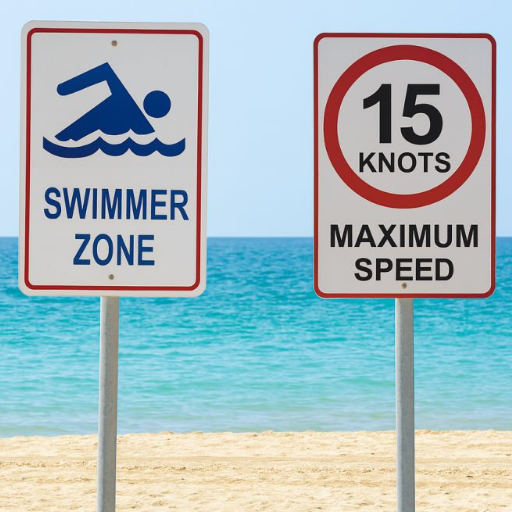
But as far as swimming goes, the danger is even greater because water can quickly conduct electricity; underwater electrical faults may never be visually detected. This stresses the importance of structural action through public awareness campaigns warning people concerning the risks around marinas and places where dangerous electrical situations are suspected. Actions such as no-swim zones by the dock at marinas will be enhanced by regular electrical checks to draw a clear agenda for reducing risk and saving lives.

Challenges in Saltwater Marinas

Challenges in Saltwater Marinas

Corrosion and Electrical Risks in Saltwater

Corrosion and electrical risks are considered major challenges in saltwater marinas due to the highly conductive nature of saltwater. This conduce to increasing the likelihood of stray electrical currents traversing through electric-carrying water, providing dangerous situations. The stray currents could be potentials for giving electric shock drowning to unsuspecting people enjoying a swim. The risks are traditionally multiplied by improperly maintained electrical systems, making routine inspections inevitable for safety.

Additionally, one of the many nuisances to deal with related to seawater is the rapid corrosion of infrastructure, including marina and electrical wiring elements. The corroded metal easily threatens the safety of marine structures and increases the maintenance costs simultaneously immobilizing the ground what produces the risk of electrical shock for equipment. Hence, without the help of protection from corrosion such as marine-standard materials and coatings, the possibility that the structures and electrical installations shall fail, thereby making every safety concern a more pressing issue.

The solution to these dilemmas is to employ a multipronged strategy. Continuous inspection and consistent maintenance should double time on the checking of corroded components and tests for leaks or faults in the electrical systems. Using advanced protection system, such as Galvanic Isolation or Cathodic Protection, can go some way toward slowing down the actions of corrosion. Making tightly controlled no-swim zones in the vicinity of marinas and running campaigns to raise public awareness are essential ways of eradicating risks. These strategies can decrease the threats that are created by corrosion and stray electrical currents in marinas by huge amounts.

Difference in Electrical Conductivity

More precisely, the electrical conductivity is the capacity of a material to pass or hinder the flow of an electrical current. The most distinct or noticeable parameters of conductivity are based on their atomic structure on materials. Conductors such as copper and aluminum are very definitely excellent conductors of electricity because their free-electron population assists a current in flowing with ease. Contrastingly, nonmetals like rubber or plastic have very tightly bound valence electrons, so they usually are very poor conductors-or indeed the best of insulators.

One significant parameter that affects the electrical conductivity of water includes its composition. Purest of water will hardly conduct electricity; the impurities can vary the electrical conductivity of water to a greater extent. At the highest end of the spectrum are saltwater, with good electrical conductivity due to its higher concentration of ions involved in the conduction of electric charge, say sodium and chloride; while on the other end freshwater, having fewer ions that conduct the electric charge, is of extremely low conductivity.

Such differences are of great importance and significance, particularly in particular surroundings such as harbors or industrial settings. Materials or circumstances of high conductivity, in particular, saltwater, increase the possibilities of stray electrical currents, in fact, a safety hazard in the context of generating serious risk to either or both ships and marinas. A good knowledge of how conductivity operates could be harnessed to establish safety measures, protection, or insulation systems from such risks.

Safety Issues for Boaters and Swimmers

Exposure to swimmers and sailors is exposed to great electrical risks by stray currents and especially rising electrical conductivity. Indeed, as high conductivity in seawater raises the dangers and heightens threat of electrical shock with a flow of electrical current seeping into the water, it would make swimmers feel very vulnerable, lose control, and even die. Therefore, minding appropriate insulation and maintaining thoroughly electrical systems in boats and docks remains necessary to avert hazards.

The grounding system of a boat plays a very important role in terms of safety. Good grounding helps to prevent the buildup of stray currents and reduces the danger of electric shock. Regular inspections of the boat’s wiring and observing safety standards ensure that very little electricity travels through water, if at all. The boat owner also needs to keep an eye on the danger of equipment developing faults-for instance, live wires or engines sending out the wrong signals that could increase the danger for anybody either in the water or around it.

People swimming should refrain from diving around possible power sources like docks and marinas, which also potentially leak electricity into the water. Possible high-risk areas can be identified by warning signs and barriers, whereas educating the public on electric safety may help create awareness and promote caution. All in all, a combination of proper maintenance, weather-ing procedures, and community awareness is an essential must when hoping to create a safer environment for people boating and swimming.

Electrical Safety Standards and Regulations

Electrical Safety Standards and Regulations

Overview of the National Electrical Code (NEC)

NFPA offers a guide of NEC, the electrical codes for the US with frequent constitution or amendment. Some living standards have presumably been met. The NFPA has cast out the electrical code with its set of regulations whereby the engineer, before following those superior set of its, can always look for the NEC being an annual document marked officially as passing through the Board of Standards. In every respect, safety remains an important aspect of the NEC and is truly aimed at its highest consideration to protect life and property, hence it acts as an impartial guideline for install safety and use of electrical systems.

The National Electrical Code (NEC) is in force in respect to wiring methods, grounding requirements, and electrical equipment installations, as they occur under residential, commercial, and industrial conditions. It legally enumerates the circumstances under which electrical conductors, system grounding, circuit protection, wiring methods, components, and equipment can withstand the test of load that has been specified in a safe and effective manner. At the same time, special provisions are made regarding unusual applications and unique environments such as swimming pools, marinas, and guidance particular to construction sites having increased safety issues.

The compliance to the NEC is to make sure that all the premises have the safe wiring installations, even of international standards. It is a means of ensuring that professional builders and contractors follow the method of constructing a life for these interfaces and to make it work, giving homeowners and businesses who would be in control for their lives and properties can now reduce their risks, and this would make them trustworthy. Thus enforcement should in local communities also help to remedy the enforcement problems, since compliance with the law needs to be sanctioned. Through the frequent revision of the NEC, an environment should be emerged which provides a chance to be preserved against accidents related to electricity.

Role of the National Fire Protection Association (NFPA)

Keeping safety and disaster prevention services alive, the National Fire Protection Agency(NFPA) is a U.S. government-supported non-profit organization. NFPA Standards and other suggestions advice, based on consensus, were formed to alleviate fire and related hazards. Propagated in the Standards was the soul of safety construction in buildings, in a broad sense including industrial and community conscious fixations and concerns to address the issue of compliance with safe practices and integrity with respect to risk reduction.

One of the significant contributions of NFPA lies in the creation and revision of the National Electrical Code (NEC) that provides detailed standards for the installation and maintenance of electrical systems with a focus on ensuring safety by guaranteeing the design and application of wiring, apparatus, and equipment is safe. By its standardization of electrical practices, the NEC is a universally valid framework for safeguarding lives, livelihoods, and property against perils of electric fires, shocks, and explosions. According to ever-changing demands of evolving technology and the incidence of new risks, NEC integrally reforms itself, being an obligatory tool for the application of safety.

The purpose of developing multiple programs of education, training, and awareness related to fire and electrical safety by NFPA. By utilizing resources, workshops, and certifications, the organization will enable professionals, for examples, electricians, fire marshals, fire inspectors, and the like, to acquire the knowledge necessary for the successful implementation of safety practices. This practice of NEC makes acceptance in the industry even better. On the other side, the effort towards reinforcing a safety culture should lead to save countless lives and property and improve our well-being in global communities.

Compliance and Best Practices for Marinas

Marinas-that are centers for boating-have to abide by compliance norms to follow best practices for safety, environmental protection, and operational efficiency. Areas of compliance mainly comprise electrical safety, fire prevention, and environmental preservation. Regulations from the National Fire Protection Association (NFPA) and local agencies, all the same, help in setting limits to reduce exposure to hazards and ensure protection of lives and property. They want marina owners or operators to stay current on these so that the facility may run harmlessly and compliantly.

Electrical safety is the primary focus of a marina due to its likelihood of exposing man to electric shock, and its susceptibility to fire due to typically wet conditions prevailing therein. Correct installation and regular maintenance of electrical systems are prerequisites. The provision of ground-fault protection and strict adherence to marine electrical codes will drastically reduce the risk of electrical hazards. Marina workers must receive adequate training and be enlightened about the provisions of the electrical safety protocols that will assist in making sure that they encourage boat owners and suppliers alike to embrace safe electrical practices in preventing accidents and maintaining compliance with the prevailing guidelines.

Marinas can be risky to the local ecosystem from an environmental compliance standpoint. Therefore, the instantiation of measures to minimize the frequency of fuel spills while parking boats, to manage wastewater wisely, and to contain harmful products found in daily operations becomes inevitable. Best practices include retaining a supply of appropriate spill response equipment, utilizing pump-out services, and strictly enforcing regulations pertaining to the handling of waste. While marinas abide by these rules, the conservation of natural resources from the man-made origins will only become higher, apart from providing safer and cleaner operations for their customers.

Recommended Safety Measures

Recommended Safety Measures

Regular Maintenance and Inspections

Maintenance and inspections must be routine to ensure that the marina runs in a safe and efficient manner. Without any inspection, it could become calamitous if the systems related to fuel storage, electrical connections, and dock structures are inefficient. It is from these inspections that fault detection is given a chance long before they can cause any menace, and as such, proper maintenance diminishes all possibilities of accidents caused by some form of negligence. And by adhering to local legislation on safety and environmental care, the marina is taken care appropriately.

Equally important is the regular inspection of certain pieces of equipment, including fire extinguishers, life jackets, spill response kits, and regular service. This assures the equipment is operational and easily accessible at the time of need. Furthermore, the staff conducting the maintenance should arrange for ergonomic training, in-house or outsourced, on the proper use and handling of all response tools to guarantee swift operation whenever a sudden emergency arises.

Keeping accurate records of maintenance and inspection work is merely helpful for tracking performance issues and identifying common issues. Through detailed planning for all those subsequent repairs, they stand witness to rigorous safety standards followed. A well-kept place ensures and promotes safety, cleanliness, and an efcient marina for the operator’s environment and customers.

Installation of ESD Protection Devices

Installing ESD (electrical shock drowning) protection guarantees marina safety. It keeps electric currents from being discharged via the water and upon touching it, to anyone in the vicinity or directly in the water. So, the correct method of implementation includes scanning the site for electrical hazards caused by bad wiring or any faulty electrical equipment, placing strategically the ESD guard system, and connecting the same that would be able to monitor and protect the site-specific electrical leakage.

Safety codes and guidelines say these failing devices must be checked by an electrician. All GFCIs should be installed on any power outlet, power stands, or other electricity sources located very close to water sources. Remembering the regular examination of and support for ESD safety means ensuring these devices keep to life and provide uninterrupted security.

Therefore, the safety perspective with ESD should go out to all – marina staff and those who visit the area regularly- in direct cooperation. Signs, safe electrical usage criteria, and continual thorough scrutiny, overall, would greatly help reduce the opportunities for harm. Through best rigging for the apparatus, a good quality of work and some routine repair, the marinas are able to offer a safe place for everyone with minimized hazardous risks arising from electrical issues.

Frequently Asked Questions (FAQ)

Q: How distributed wire paths or shore pedestals contribute to marina electrical dangers in US boats?

However, part of the issue could also arise due to changes in ABYC compliance systems, such as problems with the wiring or poor installation of ground fault devices therein. The electrical leak associated with AC current can electrify not only the boat but also the shore, rendering the swimmer or crew who connects the water source at that time at high risk. Marine electricians certified in the National Fire Protection Association (NFPA) 70 should be on-site to keep things regulated and in check as per the regulations for marinas and boatyards.

Q: Would the application of GFCI and ELCI be effective for preventing deaths and ESD incidents at marinas?

Yes. Ground Fault Circuit Interrupters (GFCI) and Equipment Leakage Circuit Interrupters are essential safety measures that detect leakage and rapidly de-energize circuits to lessen the risk of fatal serious injury or electrocution; properly installed and maintained by marine electricians, these devices significantly reduce the likelihood of contact with the water becoming deadly under the fire protection standard for marinas and boatyards.

Q: Does a boat show display unit pose any danger whatsoever on land?

Absolutely not. Guests cannot really hope to get an electrical shock just standing on a boat, and the hull of a grounded boat does not usually have any easily accessible metal hardware. This is unless power connections to equipment (AC generator, flickering outdoor heater, and paint sprayer) are improperly connected or there would be other external conductive contacts with AC systems on board. NO SMUDGES.

Q: What are some critical steps for marina operators to implement to keep a winch or wiring from leaking current at any moment?

The revisitations of shore power pedestals must be periodically observed by the managers of marinas under the instruction of YC recommendations from the safety foundation international publications; likewise, GFCI’s and equipment leakage circuit interrupters should be installed and tested by their electricians; they must follow them as a marina-boatyard standard; marine your strictly marine technician-trained workers are leased for all installations and repairs; signs are to be put at the shore power-installation location against contact with water near the source for possible safety consequences; and the fire-hazards criteria set forth by the fire-protection standard applicable to marinas are strictly enforced.

Q: So what can boat owners and crew do to protect themselves in an electrified environment at a marina?

Enforce hiring a reputable marine electrician to go through their onboard electrical systems and check shore wiring; avoid contact with water through shore pedestals; ensure proper grounding circuits and polarizations at shore power outlets are on; install GFCI protections for onboard and shore power use; and follow ABYC and NFPA 70 rules on boats to reduce the chances of any boat fault causing current leakage and ESD incidents.

Q: Are ESD deaths reported regarding marina’s electricity problems? If so, what are some of the causes?

ESD deaths are linked to many instances. In one instance, death occurred when a person disappeared into electrified water due to leakage current emitting from improper wiring, improper installations, or a failure in protective devices; investigations generally insinuate GFCI absence or improper maintenance on shore power systems in which AC current is leaked into the salt or fresh water close to the boat and shore.

Q: How does the marine industry standardize prevention across different bodies of water such as ponds, freshwater marinas, and saltwater harbors?

ABYC, NFPA 70, Standard for the Inspection of Shipyards and Craft, and related installation and inspection guidelines are employed for these facilities, which consider high (salt water) and low (fresh water) conductivity transitions, requiring BMs accordingly. Following a proper installation of these devices, such as ungrounded cords or power systems, beyond certified ship electrician involvement, the instances of electrical emergencies combined in other artificial water bodies are considerably minimized.

Q: What role do shore power pedestals and onshore equipment play in preventing electrical incidents at marinas?

The vital choke points seem to constitute shore power pedestals and the shore equipment: well-designed pedestals outfitted with GFCIs or ELCI devices, proper grounding, and routine inspections are needed to keep the energy faults of vessels from energizing the marina; inspectors of proper shore-side orientation who go by NFPA 70 and yacht council guidance will keep the waters safe from anyone coming in contact with shore equipment that may electrocute them.

References

    1. Electric shock drowning – A detailed explanation from the Michigan Department of Natural Resources about how ESD happens and its risks.
    2. Beware hidden danger of electric shock drowning – Published by the University of Illinois Extension, this article explains how electric shock drowning occurs and its dangers.
    3. Don’t be shocked! Keep your family safe around pools and lakes – A resource from the University of Alabama at Birmingham discussing electric shock drowning in fresh water and safety measures.
    4. Marina power pedestals Manufacturer and Supplier in China

What Is Electric Shock Drowning? Understanding ESD, Causes, and Prevention

Electric Shock Drowning (ESD) is a stealthy hazard and often a misinterpretation danger which can turn a day of fun on the water into a disastrous accident. The phenomena occur when electric currents, leaking from boats or docks, flow through water and paralyse swimmers, leaving them incapable of asking for help or fleeing. Although this phenomenon is not well known, its effects are terrible and thus making awareness and prevention very vital.The paper elaborates on ESD, its sources and the protective steps that one can take to ensure their family and themselves are not affected. ESD knowledge can be an invaluable skill amongst the water activities participants, be it sailors, swimmers or just socializing by the water. The article unfolds the dangers, the technology behind this silent killer and the safety measures that can be practiced.

Defining Electric Shock Drowning (ESD)

Defining Electric Shock Drowning (ESD)

What Is Electric Shock Drowning?

Electric Shock Drowning (ESD) is the electric currents flowing through the water in which the person swims. The currents are mainly the result of faulty wiring or the use of electrical devices in or at the water’s edge. The currents can be of such a strength that they would paralyze a person; thus, he/she would not be able to move or swim to safety, and consequently, drown.

⚡ Primary Cause: The before-mentioned ESD seems mainly attributed to the electricity that has somehow been sabotaged, leaking into the water. Such incidents usually occur in connection with the use of badly fixed or poorly maintained electrical systems that are situated on boats, docks, or places near the water. Different types of water have different levels of risk regarding this matter, as freshwater is particularly prone to such accidents due to it being a better conductor than saltwater. This conductivity elevates the probability of encountering currents in a freshwater setting that would cause paralysis.

⚠️ Silent Killer: ESD is sometimes referred to as a “silent killer” since it cannot be detected until it is too late. The swimmers might not be aware that they are swimming in a lake with livewire happening until they feel its effects. That’s why people should always be informed, as well as apply the right safety measures and relying on the maintenance of the electrical systems near the water, to successfully prevent ESD incidents and save lives.

How ESD Happens in Water

Electricity from nearby electrical systems or equipment entering the water results in the formation of a dangerous electric current. This incident is known as Electrical Shock Drowning (ESD). Main causes of this problem are faulty wiring, damaged equipment, and improper grounding. Once these problems develop, stray electrical currents can break out and furnish the water around the source with the electric charge.

The moment a person dips into the electrically charged water he/she becomes a current’s conductor. The more current, the more likely it is to interfere with muscle control, leading to a state resembling paralysis; thus, swimming and staying afloat become nearly impossible. Still, the electrical current may not be felt by the victim at first because the reducing effect of the water on the perception of electricity can make the whole situation even more dangerous.

The risk is frequently encountered in freshwater places like lakes or marinas more than in saltwater surrounding areas because freshwater has a much higher electrical resistance than saltwater . Consequently, the current can flow through a swimmer’s body more easily in freshwater than in saltwater. Through proper inspections, the maintenance of electrical equipment near water, and adherence to severe safety standards, ESD incidents can be avoided.

The Role of Electricity in ESD

Electricity was the main factor in Electric Shock Drowning (ESD) accidents, as it was the cause of the dangerous water conditions. ESD happened when the electrical current leaked out of defective or incorrectly installed electrical systems located near water sources, such as docks or boats, and flowed through the water. When a bather touches this current, it can cause paralysis or disrupt the individual’s bodily functions, resulting in drowning.

Using electricity in ESD is far more pronounced in freshwater areas than in saltwater areas. By virtue of its high salinity, saltwater is a better conductor of electricity and hence, it is not so much affected by electricity. The current is hence, directed to the swimmer’s body rather than dissipating into the water because of the~resistance. Even minute levels of electrical current present in freshwater can completely overpower the muscle control of the swimmer and thus the swimmer becomes unable to move or call for help.

Being able to eliminate ESD requires a rigorous management of the electrical systems that are located close to water. Regularly checking the systems and their maintenance are very important in spotting and fixing the faulty wiring or equipment. Besides that, following the safety standards which are very stringent, such as grounding electrical installations and using Ground Fault Circuit Interrupters (GFCIs), can minimize the chances of stray currents entering the water by a very large fraction. Creating public awareness and carrying out education on the ESD dangers are also very important in promoting water safety in the areas where ESD occurs most.

Common Causes of ESD in Various Environments

Common Causes of ESD in Various Environments

Reasons of ESD in Freshwater

In the case of freshwater environments, the main reason for Electrostatic Discharge (ESD) is the electrical faults occurring in the equipment that is situated close by. These faults are capable of releasing electricity into the water unintentionally and thus creating a dangerous current. Typical sources include wiring that is either submerged or poorly maintained, electrical systems of damaged boat docks, and incorrectly grounded shore power connections.

???? Device Safety: The use of electrical devices near water without taking the necessary safety precautions is another reason for ESD in freshwater. Stray current can be introduced through the use of portable generators, uninsulated conductors, and extension cords placed near docks or marinas and this current disperses into the water. Such cases are more serious when the electrical installations do not comply with the required safety codes.

Environmental factors in freshwater regions contribute to the issue of ESD. The resistivity of freshwater is higher than that of saltwater, which implies that it can be a site for the gradual buildup of stray currents. Consequently, the danger of electrical shocks to swimmers, boaters, or any persons in the water is increased, which, in turn, underlines the necessity for electrical infrastructure to be safe and of good quality around freshwater regions.

Causes of ESD in Saltwater

The most common reason for Electrical Shock Drowning (ESD) in water with high salt content is due to the faulty electrical systems in the nearby infrastructure which improperly let stray currents into the water around them. Saltwater, because of its high salinity, can conduct electricity much better than fresh water and thus even a slight electrical leak can be very dangerous for the people in the water. If these stray currents go through salt water, they could be a serious threat to the swimmers or the boaters who accidentally complete the electrical circuit.

One of the major reasons for ESD in saltwater places is the poor upkeep of electrical gear like corroded wires, broken insulation, or bad connections in the power supply systems of the shore. Such flaws can cause the water to leak with electricity, and that makes the nearby users a target to 110 V or even higher shocking. Surveying and systematic servicing of the marine electrical networks are very much needed to bring down this risk.

Another reason that is often mentioned is the lack of perfect electricity and water safety standards in the design and installation of electrical systems near or over the water. For example, bad grounding or the absence of ground fault protection increases the chances of stray currents going into the saltwater areas. Applying electrical practices that are modern-day and compliant, layered with the use of devices such as Ground Fault Circuit Interrupters (GFCIs), forms an essential part of the safety measures to reduce the chances of ESD and save lives.

Risk Factors in Marinas and Swimming Pools

Electricity remains the main hazard in marinas and swimming pools turning into a real threat if proper safety precautions are not followed. The greatest threat is Electric Shock Drowning (ESD), which is when a swimmer goes into paralysis due to the voltage and cannot escape the water. The most common reasons for the electrical currents are bad wiring, broken down equipment, or incorrect grounding. The last reason is sometimes aggravated by the fact that the power supply areas are in close proximity to the water.

Risk Factor Description
Outdated Systems Marinas and pools lacking GFCIs or effective grounding are prone to allowing stray electrical currents
Equipment Maintenance Dockside outlets, pool lights, or water pumps must be regularly inspected to comply with safety standards
Environmental Factors Seawater’s superiority as a conductor makes electrical system faults more severe; crowded areas increase exposure risk

Another vital risk that concerns the issue of electrical systems is the one that comes from outdated or non-compliant systems. According to GFCI and safety standards, marinas and pools that lack Ground Fault Circuit Interrupters (GFCIs) or effective grounding are more prone to allowing stray electrical currents that might be unnoticed and the facility will be operating at a danger ground level. Equipment like dockside outlets, pool lights, or water pumps must be regularly inspected and maintained accordingly to be compliant with today’s safety standards. Otherwise, the danger of an accidental encounter with a current that is capable of causing death increases drastically.

Environmental factors may pose an increased danger in the water of such locations. For instance, due to seawater’s superiority as a conductor over freshwater, the electrical system faults might have more severe repercussions. The situation becomes even worse when the site is packed with people like during the best hours at marinas or busy public swimming pools where accidental electrical exposures are common. Proper users’ education, regular maintenance, and, above all, adherence to the safety regulations are safety measures of the highest order.

Identifying Warning Signs of Electric Shock Drowning

Identifying Warning Signs of Electric Shock Drowning

Subtle Signs to Watch For

Electric shock drowning is a phenomenon that is hard to detect due to the subtlety of its warning signs and their being often overlooked. Swimmers who are under the influence of electric currents in the water may feel a tingling sensation, have muscle cramps or experience an unexplainable feeling of heaviness in their bodies. These could come on very quickly and may result in the person who is affected having to battle for breath, even if he is a good swimmer.

One more indicator that very likely points to the fact of electrification is the case when a number of swimmers are noticed to have difficulties or even to be unable to move in the same water area. This might be a sign of an electric current, particularly in the absence of other dangers that could cause distress to swimmers, like strong currents or physical blocks, which are the usual causes of distress to swimmers. It then becomes a very urgent case of taking action no matter what, and at the same time, it is equally important not to get into the water yourself in case there is a suspicion of electricity.

In order to reduce the risk of an electric shock drowning accident occurring, and to be able to respond adequately, designate the areas around lakes, marinas, and swimming pools as high risk and make sure that there are no fire hazards by having regular inspections and maintenance done on the electrical systems near the area. Furthermore, emergency response plans should be drawn up for such incidents, which would involve instant power disconnection and the use of non-conductive equipment, such as a life ring or rope, to assist the victim without putting the rescuer in danger.

Environmental Indicators of ESD Risks

Electric Shock Drowning (ESD) risk areas are mainly determined by environmental factors. The most common indicators are the existence of old or broken down electrical systems close to water, poor wiring and grounding. Water that is either brackish or freshwater is very dangerous because it is a poor electrical conductor compared to saltwater thus increasing the likelihood of electrical currents spreading to the water.

The main indicator of the electrical appliances being so close to water without any safety measures is the situation mentioned above. Devices like water outlets, docks with lights, boat lifts, and any other devices connected to the power system that are in close vicinity could be included. Storm damage, corrosion, or neglect of the safety measures may compound these risks. Nevertheless, timely identification of potential hazards can result from rigorous inspections of such infrastructures.

???? Critical Warning: It is the unexplained or recurring minor electrical shocks that should be the most serious cause for concern if they occur near water. They can indicate very high, invisible currents in the water, which would be very dangerous. Even more, if the observation of strange water characteristics like bubbles or unanticipated water distortions around the electrical equipment is done, that too may be an indicator of the presence of stray electricity. With a good grasp of these environmental signals and then applying preventive safety measures, there will be a very considerable reduction in the risks of ESD in the various areas.

Prevention Tips for Swimmers, Boaters, and Pool Owners

Prevention Tips for Swimmers, Boaters, and Pool Owners

Safety Measures for Swimming Pools and Hot Tubs

The most essential measure for ensuring the safety of pools and spas is the performance of routine checks on electrical systems. During these checks, the condition of wiring, pools, lights, and equipment such as pumps or heaters will be assessed with respect to their bonding and grounding. Faulty or old systems are more prone to cause electrical hazards; therefore, it is recommended that a certified electrician conduct regular assessments of such systems.

An essential safety measure is the installation of Ground Fault Circuit Interrupters (GFCIs). GFCIs sever the electrical supply if they notice an imbalance, thereby securing people against potential shocks. All sockets in and around the pool or hot tub should comply with safety standards and have working GFCIs. Monthly testing of these devices will ascertain their effectiveness.

Good maintenance habits with constant vigilance for warning signs are finally recommended. Keeping water chemistry balanced will help prevent unnecessary strain on the equipment, and educating all children in the house about pool or hot tub safety will be a plus. If any odd conditions, say tingling sensations in the water, are encountered, it is best to vacate the area and get an electrician to check for faults. These precautions will have a huge impact on the risks and make the whole experience safe and fun.

Boating Safety Guidelines

The general rule for ensuring proper family fun and safety on the watercraft is the same: always do not go without a well-fitting and correctly sized, weight-appropriate life jacket that is a perfect fit. This same rule applies to every person aboard-whether they’re capable swimmers or not. In addition, basic safety equipment needed for the boat includes a first-aid kit, fire extinguisher, lips whistle, and navigation lights.

Before you set out, check the meteorological forecast to make sure the conditions will be okay. Weather changing suddenly can create dangerous situations, so it is really important to stay away from boating during storms or high winds. Relay your boating itinerary to someone onshore, letting them know when you will return and your route. So be in the habit of checking your boat regularly for mechanical and structural problems to reduce the chance of accidents.

Local boater rules and regulations ought to be familiarized with. The broaching of speed limits, giving way to larger vessels and keeping a safe distance so as to prevent collisions go hand in hand with avoiding drug use or drinking while being on the boat. If you were to abide by these guidelines, you will surely reduce the risks involved and will also ensure a safe and enjoyable day out on the water.

National Electrical and NFPA Recommendations

The National Electrical Code (NEC) and the National Fire Protection Association (NFPA) guidelines, together, form the backbone of safety in electrical systems for both house and industry. The main idea behind these recommendations is the reduction of fire and shock accidents, which they achieve through well-timed inspections, the application of the right materials, and the continuous use of certified products. It is a win-win scenario where legal compliance is assured and safety is significantly increased in the process.

Among the NEC requirements is the consideration of the proper grounding and bonding of electrical systems as a priority. Grounding is the means of directing the excess of electricity of the system and letting it flow harmlessly into the ground thus mitigating the risk of shock or fire. At the same time, NFPA calls for the use of properly rated circuit breakers and fuses to limit the possibility of electrical trips. The inspection of all electrical systems at regular intervals is strongly recommended by both organizations as one of the most effective ways to uncover potential dangers, for instance, worn-out insulation around wires or old components, and they also suggest that any restoration of the electrical supply lines be carried out by an expert only.

One more indispensable suggestion is concerned with the placement of GFCIs (ground fault circuit interrupters) in places where there is a possibility of water coming into contact with electricity. The NFPA case of these devices is very strong as their major function is to immediately switch off electricity in case of any fault thus saving lives from electric shocks. It is through synergy and cooperation of both the NEC and NFPA guidelines that the existence of a safe and well-functioning electrical system is attained thereby protecting the property and human lives.

Emergency Response to Electric Shock Drowning

Emergency Response to Electric Shock Drowning

Immediate Steps to Take

Electric shock drowning (ESD) is the situation in which a person suffers electrocution while inside the water and the reason is the escape of electrical current from the nearby wiring or equipment. Just the right action taken quickly and properly can save lives in such emergencies.

  1. Do Not Enter the Water: In the case you suspect a person is going through electric shock drowning you must not dive into the water to help them. The electricity may still be flowing and thus rescuers are at risk. What you can do is to right away shut down the power source perhaps by using the breaker for dock equipment or outlets in the vicinity.
  2. Call Emergency Services: Call 911 or whichever emergency number applies to your locality. Describe the situation and the place as fully as you can so that taking the right actions and proper responders such as paramedics and electrical professionals are dispatched along with the help of the location given.
  3. Use a Non-Conductive Rescue Tool: Using a non-conductive tool reach the victim safely, the tool may be a fiberglass pole, a lifebuoy with a rope, or any material that doesn’t conduct electricity. Slowly and carefully get the person out of the water while paying attention to your safety.
  4. Perform CPR if Needed: The American Red Cross states that cardiopulmonary resuscitation (CPR) if done timely case the unresponsiveness of a person due to electric shock drowning to a highly significant extent. First check the breathing and the heartbeat thus providing chest compressions and rescue breaths when needed until the help comes. A study by the National Institutes of Health in 2022 has revealed that timely CPR can almost double the survival rates of ESD cases.
  5. Inspect and Maintain Electrical Systems: The first step is to be preventive. Docks, pools, and nearby electrical systems should constantly be checked for wear, corrosion, or faults. Ground fault circuit interrupters (GFCIs) and equipment leakage circuit interrupters (ELCIs) are the devices that are very helpful in preventing ESD as they disconnect power the moment they detect a fault.

By implementing these measures and keeping electrical systems near water well maintained, the hazard of electric shock drowning is reduced to a minimum thus saving lives and creating a more secure environment.

How to Perform CPR in ESD Cases

If somebody has just been electrically drowned (ED)/ESD and is not answering, it’s about doing whatever is needed and quick response. First, safeguard the safety by making sure the power supply is disconnected: no one else in the room can get an electrical shock. After the area is clear from electricity, very cautiously and with as little shaking of the body, remove the person from the water to prevent a spinal cord injury.

After the person is taken out from water, examine them in the first place for breath and pulse. In absence, CPR should begin promptly: 30 chest compressions should be started in a timely fashion with your hands on the patient’s mid-chest and pushing hard downwards about 100-120 compressions per minute. Then two breaths are given through a mouth-to-mouth respirator with the head tilted a little better back and nose shut, and breathing through his/her mouth-ensuring that the chest goes up during each blow- and the cycle is repeated with a repetition of 30 compressions. This is maintained until either emergency medical services arrive or the person comes around.

While the person should be continuously monitored and receive check-ups, an AED should be used according to its instructions when available. When done accurately and within time CPR can add tremendously in increasing the survival rate in cases of SCD. Always make a point for the presence of professional medical intervention immediately after the event for assessment and treatment.

Frequently Asked Questions (FAQ)

Q: What is electric shock drowning and how does it happen?

A: Electric shock drowning possesses many definitions. It is a term generally used whenever AC current finds its way into the freshwater, crippling the swimmer by passing through his or her body, resulting in muscle paralysis or electric shock injuries culminating in drowning. Many times the killer is a mix of electrocution and subsequent drowning as the corpse is rendered incapable of supporting itself in a floating position.

Q: Where is electric shock drowning most likely to occur?

A: Anyway, electric shock drowning has much possibility to occur wherever electricity is provided near freshwater sources – frequently in marinas, docks, boatyards, yacht clubs, or swimming places near boats or marinas’ electric connections. It can also take place in a bathtub or a pool if faulty wiring, inappropriate receptacle installation, and faulty power cords combine in forming energized water zones.

Q: What role do boats, marinas, and electrical wiring play in ESD?

A: The power supply mechanism for electric shock drowning consists almost certainly of boat electrical faults or at the marina. These usually begin with grounding leaks, which occur during an electrical defect that allows current to pass through the water. Leaky connections at any number of electrical connections, non-code compliant wiring methods, missing ground-fault protection, or ungrounded power cords at a marina or dock can create conductive pathways that put swimmers at risk.

Q: Does the presence of salt water or fresh water effect the risk for electric shock drowning?

A: ESD can occur in the vicinity of any conductive body of water, but more efferently on freshwater because freshwater does not conduct electricity as well. Since salt water is more conductive, electricity tends to pass around the would-be swimmer rather than through the body when it is located in seawater. There have been reports of electric shock drowning in freshwater as well as brackish water, notwithstanding, under conditions of massive currents in the form of leakage current in the water.

Q: How can marina owners and marina operators prevent the occurrence of electric shock drownings?

A: All electrical systems should be properly wired to meet the current codes, have ground-fault protection and GFCI devices on receptacles, receive regular marine electrician checks, have faulty shore power removed, and follow guidelines from organizations in shock prevention like the American Boat and Yacht Council (ABYC) and electric shock drowning prevention association. Prevention of system failure and leakages can be matched if power cords, electrical connections, and receptacles are maintained property.

Q: Are there any warning signs or methods to determine if someone has been electrocuted in water or water is energized?

A: Warning signs are less concrete, such as swimmers suddenly unable to move, floating face down, or clustered near a dock where electrical faulting occurs. Equipment indicators such as tripped breakers, buzzing at receptacles, or visible corrosion at electrical connections could indicate leakage current. Marina personnel and vessel owner/operators should conduct testing with the necessary equipment and inspections to identify any energized waters prior to an incident.

Q: What if someone suspects an ESD event?

A: If you suspect an ESD victim, please do not enter the water in the presence of any electricity. Shut electricity off at the source, and use that to help resolve the situation safely. Call emergency aid as quickly as possible and, if responsible and safe, use some nonconductive rescue tools and gears to start the rescue. It is very important for marina operators to take up tasks involved in good ground-fault protection and quicker emergency shutdown so that the drowning from electric causes would be avoided.

Q: How do codes, standards, and organizations help minimize the risk of electric shock drowning?

A: Rules that specify safe electrical wiring, receptacle placement, and wiring methods at marinas and on boats are being generated from the ABYC standards, yacht council recommendations, and requirements for ground-fault protection and GFCI devices. The electric shock drowning prevention association and its like-minded groups do as much as they are able to increase awareness, provide training, and promote best practices to aid in lowering the incidence of fatalities due to electrical fault or system failure by minimizing leakage current, ensuring full inspections, and avoiding any drowning-related circumstances.

References

  1. Beware hidden danger of electric shock drowning – Published by the University of Illinois Extension, this article explains how electric shock drowning occurs and its dangers.
  2. Don’t be shocked! Keep your family safe around pools and lakes – A resource from the University of Alabama at Birmingham discussing electric shock drowning in fresh water and safety measures.
  3. Electric shock drowning – A detailed explanation from the Michigan Department of Natural Resources about how ESD happens and its risks.
  4. Marina power pedestals Manufacturer and Supplier in China

Ground-Fault Protection in Marinas: 30mA vs 100mA Explained

Marina ground fault protection, which stands widely for electrical safety, helps in preventing injuries and property damage related to shock. one of the most debated issues faced by specialists is the lower threshold set at 30mA compared to the increased-value higher threshold at 100mA. Which of the standards holds the best equilibrium between practicality and safety? The article will be delving into the tiny, intricate details between the both of them, thereby pointing to their main distinction, with their good sides and drawbacks. No matter the operator of the marina, an electrical professional, or a home user expecting waterfront safety, this guide will certainly show you the meaning of these standards with a view to making the best decision assuring the protection of lives and property.

Understanding Ground-Fault Protection (GFP)

Understanding Ground-Fault Protection (GFP)

What is Ground-Fault Protection?

Ground-fault protection (GFP) is a safety mechanism designed for detecting and providing a response to faults that occur when current deviates from the intended path and makes its way to the ground. This happens in the presence of some nonideal elements like broken insulation, deteriorated wiring, or compromised electrical equipment. Faults are a danger mostly because they can easily initiate electric shock and fire hazards, especially in installations such as marinas, or in houses closer to water sources.

The primary objective of GFP is to protect human life and property by shutting down the circuit as soon as a malfunction is detected. This is usually managed through circuit breaker actions or ground-fault circuit interrupters (GFCIs) that are designed to recognize any offenses and terminate power forthwith without hesitation. By responding in milliseconds, these systems try to eradicate any harmful effects from ground faults.

GFP is very important in places where water is present, since water conducts electricity and creates the risk of electric shock. GFP is thus used in electrical settings outdoors and indoors for safety in homes, commercial reasons, and industries. It is well known that well-implemented ground-fault protection adheres to safety standards to prevent disasters and place trust in reliable operation of the electrical systems.

Importance of GFCI in Marinas

GFCIs Participate significantly in enhancing the safety of marinas. Given the increased risks of electrical shock in marinas due to the combined circumstances of water and electrical currents, GFCIs are responsible for detecting ground faults and strictly curtailing the power; hence ensure the safety of people as well as boats and other marine equipment.

There is a persistent and perplexing concern of electric shock drowning (ESD) in the marinas. Stray electrical currents can get into the surrounding water, causing an invisible danger to swimmers and boaters. GFCIs serve as an important countermeasure to avert most of these risks by turning off power before dangerous electrical currents affect anyone. This proactive protection can save lives and greatly reduce accidents brought about by faulty electrical systems.

In addition to this, GFCIs are also important in the maintenance of electrical appliances maintained in the marinas. They quickly respond to any fault current, protecting the electrical systems and docking equipment, thereby reducing expenses, maintenance, and further damage. The use of GFCIs is not just needed for the regulation of the marinas in many regions, but acting as an important instrument in guaranteeing safety and building trust among guests and staff.

Overview of Electrical Safety Standards (NEC & ABYC)

As a means to allow proper operations of and to guarantee safety within marina environments, electrical safety standards become extremely critical. In the United States two highly influential as well as significant organizations have taken these responsibilities unto themselves namely, The National Electrical Code (NEC) and The American Boat and Yacht Council (ABYC). The aforementioned both institute policies and procedures designed to mitigate human success, particularly given waterfront environments that heighten the level of risk for such accidents manifolds.

NEC consists in land-based electric power installations and puts forth regulations concerning wiring, grounding, and overall electric power. NFPA-70E discusses electrical hazards inherent in marina environments which can result in shock, fire, or electrical system failure. Compliance with NEC standards is a necessity to bring about operational safety of and reduce liability for failure on the beach or sometimes legally required.

ABYC especially deals with the electrical systems of the vessel to confirm that the electrical system, by design and maintenance, meets a very stringent safety criteria for the boats. While NEC is largely centered on marina infrastructure, ABYC is critical in ensuring individual watercraft stay safe; thus, the NEC and ABYC together break a comprehensive doctrinaire regarding marina electrical safety. Compostation of these standards within the facility creates greater safety and so brings peace of mind among the marina-users.

The Marine Environment and Electrical Safety

The Marine Environment and Electrical Safety

Hazards to be Aware of in a Marina Setting

There is a unique level of risk in marina locations mainly because they combine water, an electrical system, and–in that case–humans. If electrical equipment is not properly installed or maintained, a dangerous situation of electric shock drowning (ESD) and fires would arise. ESD is formed when some of a ground-fault current leaks into the water environment to create an electric field. This can incapacitate the bather by preventing him from saving the first or drowning him. Since water is an ideal conductor of electricity, cases of shock and burns are comparatively more in the water medium than in air, especially in marina settings.

In most cases, the risk of saltwater and moisture exposure is quite common or marina settings which lead to corrosion of electrical components. Corrosion of an electrical system could make it completely inoperable yet more suitable to short circuits and arcing which can well land into fire or other electrical hazards. Frequent testing of the system and using materials which have been designed to marine specifications seem to be the only cure at hand.

Furthermore, marinas host many boats and accompanying human presence, which indeed adds to the likelihood of increased chances of accidents. Danger zones of various types also extend when circuits are overloaded, common ground is not established in some vessels, and certain shore power connections are seriously torn, leading to potentially hazardous conditions for both boat operators and marina staff. These risks may be considerably eased by compliance with safety guidelines such as those of the National Electric Code (NEC) after appropriate handling of maintenance items; therefore, the first priority is to secure the marina for all users.

The Role of Shore Power in Electrical Safety

Shore power is a very important part in ensuring electrical safety amongst vessels and marinas dependent on them for power supply. It provides a stable and reliable electricity source permitting boat operators to use essential electrical systems and appliances without reliance on onboard generation. Properly installed and maintained shore power systems will never allow risks such as electrical fires, equipment damage or electric shock to arise.

For the sake of safety, the use of shore power systems must conform to the relevant safety standards, which have to be, among others, the ones laid out by the NEC (National Electric Code). These standards cover things like grounding, overcurrent protection, and proper connections labeling, and so on. It is paramount to follow these standards so that the equipment doesn’t malfunction and consequently the risk of accidents is not increased through electrical faults or improper installation.

One cannot ignore the fact that shore power, just like every other system, needs constant maintenance support. The power pole, breakers, and connectors must regularly be checked for any signs of wear and/or damage; fixing these issues is very important in order to maintain safety and functionality of the system, thus preventing the marina’s people and vessels from being exposed to hazardous situations.

Electric Shock Drowning (ESD) Risks

Electric Shock Drowning (ESD) occurs when an individual comes into contact with electricity in water. This happens most often from poor wiring or dirty or broken items and it manifests in the water as an electric current which passes energy. There are life-threatening emergencies because the water in the pool can be electrified, as even the smallest electrical neurological impulse will help to overcome muscular motor control and thus make it impossible to swim or escape.

The main cause of ESD is faulty or improper grounding of electrical systems positioned near or on water, such as docks, marinas, or boats. Inadequate-soap wiring or an equipment failure can let in summation stray DC or AC currents leak into the surrounding waters. This is especially hazardous when freshwater increases the risk of being caught from electricity exposure due to lower conductivity.

To prevent ESD, inspection and maintenance of electrical systems must be done on a regular basis. Ensure that all wiring and appliances lying adjacent to water meet safety standards and are adequately grounded. The installation of GFCIs is also important as they can shut off electrical power when electrical faults are encountered. People must also stay clear of swimming in areas close to docks or boats connected to a power source and need to know the possible dangers of ESD in order to promote safety in water areas.

Comparing 30mA and 100mA Ground-Fault Protection

Comparing 30mA and 100mA Ground-Fault Protection

Technical Differences between 30mA and 100mA

The primary difference in sensitivity to electrical leakage current defines ground-fault protection of either 30mA or 100mA. The 30mA ground-fault device is made to pick up and disconnect smaller amounts of leakage current, thereby providing a higher level of personal safety. This sensitivity is very useful whenever human beings are close to electrical faults or a hazard to residential localities, wet locations, or zones near water. Disconnecting the power supply at lower leakage levels significantly reduces the risk of electric shock.

In contrast, with 100mA ground-fault detectors, the system is less sensitive i.e. it is tripped only when higher leakage current flows. These would be similarly used in a fire prevention situation as opposed to protecting people, as currents of this level can generate enough heat to set something on fire. For industrial or commercial applications, the 100mA type seems a good choice with equipment safety and fire prevention at the forefront. Still, this may not be the best device to provide extended protection from shock if a higher potential for human contact exists.

The choice of 30mA versus 100mA depends on specific applications and safety requirements-a 30mA device might be the best choice for personal safety near water or residential circuits where the design ensures the limited time for an unwanted shock. For broader electrical system protection from potential fire hazards, especially in infrastructure or industrial installations, 100mA devices will be more important. It is very important to make an accurate assessment of the environment and level of risk when choosing the relationship between G. F. I. protection.

Benefits and Drawbacks of Each Threshold

30mA Threshold

The 30mA threshold is particularly best when it comes to safety for a human against electric shocks. Its sensitivity is best suitable for domestic and small-scale applications wherein man interacts more frequently with electrical systems. One of its advantages lies in its quick disconnection of supply in case of faults, which minimizes the severity of injuries and loss of human life. On the other hand, a single disadvantage is the frequent tripping of the device in cases of actual or simulated residual currents, which, even though always minor, may cause the occasional nuisance.

100mA Threshold

The 100-mA level of sensitivity is considered appropriate for the broader system protection, especially within industrial settings or infrastructure operated systems. This sensitivity offers a good tradeoff between safety and reliability, concentrating on eradicating electrical fires rather than bothering about minuscule faults. This characterizes its hugely seductive potential for areas that require heavier electrical loads. Yet, compared to a 30-mA threshold, it fails to protect the stronger shocks of great potential, so this is not useful for situations where human safety is very important.

Choosing the Right Threshold

The environment, the risks involved, and the particular circumstance will guide the choice of either 30mA or 100mA leakage current. The prevailing rule of thumb is in all residential applications and personal safety conditions, the lower 30mA sensitivity is desirable, especially for human health and life preservations. In contrast, at industrial applications or large-scale systems where fire prevention and protection of equipment are heavily enforced, the 100mA limit makes more practical sense. Therefore, due to risk of life and safety endangered, selection decision must be made in conjunction with consultancy and risk assessment, to comply with safety-provision requirements and aesthetics.

Impact of Electric Shock Prevention

Making a selection between 30mA and 100mA of ground-fault protection in marinas concerns a choice between providing personal safety against the real practicalities of operations. Set at a 30mA trip, ground-fault protection means more sensitivity-a higher-grade safety provider for individuals with lightnin-fast time so people are not perpetrated with electrical shock. The 30mA setting is most effectively adopted in installations where human-interaction must be max-safe reducing rapid ways of survival, which would otherwise be overwise fatal.

Another common ground fault trip threshold is 100mA used for equipment protection and continuity of operation in the larger electrical systems, giving priority to the higher maximum sensitivity. It keeps some prevention against shock, but on the main part is preventing fire, destruction of electrical infrastructure. You may consider this higher trip level of IΔN for meeting the industrial level requirement or more elevated load-requiring for marinas, for example.

The level that suitable ground-faultively maintained by protections indeed should put together some explicit consideration of potential hazards such as exposure of humans, environmental risk, and required electrical equipment. Standards of safety, as stipulated in these national codes, often recommend low ground-fault level settings for protection where water and humans come into play. In the end, the balance of factors ensures that these codes will be enforced, while marinas would still deal with particular operational needs.

Selecting the Right Ground-Fault Protection for Your Marina

Selecting the Right Ground-Fault Protection for Your Marina

Factors to Consider: Vessel Size and Equipment

Ground-fault protection selection of a marina largely depends on the size of the vessels to be accommodated. For electrical power of a large vessel, the risk of ground-faults would be higher owing to increased demand for such power. This is because bigger vessels have more sophisticated and thus more prone to failure electrical systems if not properly handled. Ground-fault protection systems must be capable of supporting these large vessels’ power needs without compromising safety and efficiency.

The kind of equipment, as well as the quantity of the equipment, present on board, is another major aspect coming into play. A modern boat with all the necessary gadgets and electrical systems could produce currents that, if not accounted for, may lead to ground-faults. Thus, the marina for whose clients are vessels with such special equipment or unique energy requirements should ensure that its protection systems are very much capable of handling these additional electrical loads with safety and functionality as their guiding principles.

The marina’s facilities, finally, should be compatible with the requirements of the particular boats. The electricity outlets, transformers, and distribution networks should be of a size and capacity that correspond to the expected boats and their electricity requirements. The compatibility of marina machinery and vessel systems is important not only for risk prevention but also for efficient operation. Careful consideration of these factors allows it to be certain that the chosen ground-fault protection system performs its dual role in safety and operational requirements very well.

Local Regulations and Compliance

Marinas have to comply with the local requirements as well as the safety measures for the electrical installation and operation. These regulations are in general defined by the local government authorities, and they can vary in different locations but their main purpose is to protect both the marina infrastructure and the users. To be in compliance, the marina often has to install ground-fault protection, have regular inspections done, and follow the same electrical codes that apply to all other waterfront facilities.

If the local authorities’ regulations are disregarded, the marina can suffer heavy fines, get closed down, and revocation of the safety measures for the users. Therefore, it is very vital for marina authorities to be aware of the particular requirements for their region and consistently perform maintenance practices to sustain their amenities. The procedure may involve obtaining certificates or permits which act as evidence of the marina being compliant with the standards imposed by the government.

Engaging the services of licensed electricians and keeping the communication lines open with the authorities about the latest regulations are the main requirements for compliance. In return, marinas will be able to cut risks, lighten like liability, and make their place a safe one for the vessels owners and the general public. Keeping a trail of compliance documentation is good practice, especially during the times of audits or inspections since it guarantees consistent compliance with all legal requirements.

Best Practices for Marina Electrical Safety

Marina electrical safety is a top priority that helps to prevent not only fires but loss of life as well. The first step towards that direction is to carry out regular checks on the electrical systems in the marina to spot and even rectify risks like oxidation of the wires or disconnections. Inspections conducted must conform to the local and national codes and be very strict in batches so as to have established safety standards. Employing certified electricians for installations and maintenance also assists in safe practice and risk minimization.

As another point of security, Ground Fault Circuit Interrupters (GFCIs) should be installed all over the marina. The role that GFCIs play in regulating electric shock is by fastly cutting the power in case of a ground fault. The assurance that all power columns, docks, and outlets have this equipment will positively impact safety around the water by a great magnitude.

Frequent education and training of the marina team and boat owners will also help to pass on the safety concept. Staff should be able to see the signs of electrical faults, such as circuit breakers that keep tripping or peculiar noises, and they should know what to do in case of a fire. It will be very helpful if the boat owners are informed about the dangers of poorly done onboard electrical systems and at the same time the use of recommended shore power cords will be an added precaution. Giving above safety practices priority ensures a cordial atmosphere for all.

Summary of Key Points

Summary of Key Points

Importance of Compliance with Safety Standards

The compliance with safety standards is a prerequisite for life and property. In this manner, the standards reduce the chances of accidents related to electrical faults and other possible dangers aboard boats. The correct application of risky strategies forms a safer space that is both friendly to the ship’s staff and to the environment around them.

The application of good practices by boat owners can very much lower the incidence of accidents that are due to the installation being done wrong or the use of poor quality equipment. One instance is that using the correct shore power cords and having the electrical systems properly maintained will prevent power surging or overheating that might possibly be the root causes of severe happenings. Safety measures have already been put in place to eliminate such weaknesses beforehand; hence the people who are in the area are protected.

Moreover, the adherence to the ordained safety rules also aids in building responsibility and professionalism in the boating sector. When the entire community is devoted to the same practices it means that there will be trust among boaters and thus no conflicts will be created in common areas like harbors or docks. Compliance here is not only a legal requirement but also a very important part of the establishment of a tolerant and safe boating culture.

Final Thoughts on Ground-Fault Protection in Marinas

Ground-fault protection is very vital safety measure to be taken in marinas that guarantees the safety of boaters, marina staff, and visitors. The combination of water and electricity always poses a danger; thus, proper ground-fault protection considerably reduces the possible risks of electric shocks or even death by electrocution. The risks are even higher in marina environments since water presence increases conductivity. The installation and maintenance of ground-fault circuit interrupters (GFCIs) at marina docks is a major step towards the reduction of hazards.

Safety of life is the main reason but ground-fault protection also prevents electrical damage to equipment and boats. Electrical faults can disrupt numerous processes, leading to expensive repairs and property loss. By taking up right safety and regular checking, marina operators can make sure that their electrical systems are working properly giving everyone a smooth and safe experience.

Eventually, prioritizing ground-fault protection promotes a culture of accountability and trust among the marina community. If safety measures are properly enforced everyone will be able to enjoy the marina atmosphere with no worries. Being aware of safety regulations and meeting the local electrical codes are the very basic but crucial steps to take in creating a safe and accessible environment for all users.

Frequently Asked Questions (FAQ)

Q: What is Ground-Fault Protection in Marinas: 30mA vs 100mA Explained?

A: Ground-Fault Protection in Marinas: 30mA vs 100mA Explained is talking about the comparison of the two different types of protection in marinas, which are personnel protection through 30mA class A ground fault circuit interrupters, and equipment protection through 100mA or higher ground fault protection devices used for feeder and equipment level in electrical systems of marinas. The primary role of the 30mA ground-fault circuit interrupter is to provide safety for the human beings in the area of docking and electrical power supply in the port by constantly monitoring the current and disconnecting the power supply in case of a fault, whereas, on the other hand, gfpe devices protect not only the electrical system of the marina with constant monitoring and reporting of leakage current but also the boats connected to the power supply and even potential fire situations due to current disperse or incoming current from the boats connected to the feeder line.

Q: When should a marina use GFCI devices versus GPE protection?

A: Employ the GFCI devices, or the class A GFCI at the individual shore power receptacles and in the corresponding branch circuits where the protection for humans is crucial, mainly near docks, boatyards, and floating buildings. The GFPE protection is employed at the feeder or main device providing power to the marina to ensure that the system and equipment are protected, by leakage current from each boat being measured in advance preventing flow into the water, hence, less stray current. It mainly goes on factors like the level of protection needed, possible leakage current, and the applicable NEC/marina wiring rules whether to go for GFCI or GFPE protection.

Q: How do leakage current measurement devices and GFPE work in marinas?

A: A leakage current measurement device or GFPE is used to monitor the imbalance of current across the feeder conductors and to detect the total leakage current from several vessels or a branch circuit. When the leakage current goes over a certain limit (for the gfpe protection normally above 30mA, like 100mA or such per code requirements), the circuit breaker trips to cut off the feeder, thus providing ground-fault protection for equipment while reducing hazardous voltage and current that could become dangers for swimmers or boats.

Q: What are the code references and protection requirements marinas must follow?

A: Marinas and boatyards have to adhere to the National Electrical Code guidelines as they are laid out in NEC Article 555 and NFPA standards. The main references are 555.3 for the definitions and 555.35 for the Ground-Fault Protection Requirements. The code deals with the shore power receptacles, feeder, and branch circuit conductors, overcurrent protective devices, and the scenarios where ground-fault protection needs to be provided for equipment versus personnel. Electricians rely on these codes to determine thresholds and pick devices that give a balance between GFCI protection for people and GFPE protection for the marina system.

Q: How do ground faults occur at docking facilities and what hazards do they pose?

A: Ground faults happen when electrical current that should have been contained within the conductors escapes into the earth or water due to broken wiring, defective equipment, exhausted power cords, or hulls that are not properly electrically bonded. This in marinas can lead to voltage in the water, which is a risk of electric shock to swimmers, electrolysis, stray current that is damaging to boats parked nearby and an increased risk of fire, etc. Proper protection including GFCI protection at receptacles and GFPE at feeders helps mitigate these problems by detecting current leakage and tripping overcurrent protective devices or circuit interrupters as required.

Q: What practical steps should marina owners take to increase electrical safety and comply with regulations?

A: The owners of marinas ought to engage the services of authorized electrical specialists who will inspect amongst others the wiring of the marina, feeders, the circuitry, the receptacles that provide shore power, and the overcurrent protective devices. The implementation of GFCI outlets at shore power receptacles for personnel

References

  • Honokohau Electrical Inspection Report: Discusses the maximum allowable ground-fault thresholds in saltwater and freshwater marinas. Read more here.
  • 2017 Uniform Code Supplement: Covers ground-fault and arc-fault circuit-interrupter protection requirements. Read more here.
  • NFPA Blog – Navigating Electrical Safety Through Marina Waters: Explains the shift in ground-fault protection thresholds from 100mA to 30mA for feeder and branch circuit conductors. Read more here.
  • Marina power pedestals Manufacturer and Supplier in China

Marina Electrical Inspection Checklist: Annual Compliance Guide

Electrical regular inspections are critically important with regard to maintaining marina safety and functionality. As significant structures serve for various purposes in combination with water and electricity and are held up through occasional wear and tear, it is imperative that they are properly maintained and given constant attention. This systematic handbook provides the procedure needed for an annual marina electrical inspection to guarantee compliance with safety regulations and maintain an environment free of potential risks. This checklist can provide useful insights to marina owners, managers, and maintenance professionals to protect their assets, employees, and keep their operation free of mishap. Most significantly, the guidelines offer a bird’s-eye view of the inspected factors so that the situational safety benchmark remains steadfast 365 days a year.

Understanding Electrical Safety in Marinas

Understanding Electrical Safety in Marinas

Importance of Electrical Safety

In marinas, electrical safety is critical because water and electricity combine to create a unique set of dangers that can pose serious risks to humans and property. Marinas usually have electrical systems that power boats, lighting, and so on. Therefore, in order to avoid such risks of electric shock or fire, any such system should be properly installed and cared for. Safety reduces such risks for accidents and liabilities yet makes room for the general environment to be safer and brighter for all marina users and employees.

⚠️ Critical Safety Concern: One huge safety concern includes the increased risk of Electric Shock Drownings (ESDs). This relatively new problem arises because dangerous currents from faulty wiring enter the water and create an invisible but pernicious electrical zone. Accidents may occur and people in or near the water could inadvertently come into contact with these currents and be paralyzed, or worse, hence the electric shock. Legal work as far as inspections on a regular basis should be mandatory. Ground faults need to be avoided entirely and grounded tones need to be switched on whenever appropriate. Ground-fault-circuit-interrupters (GFCIs) being resource people, this piece of equipment enables working on all such mentioned above.

Marina electrical safety does not just ensure that operations are in compliance with applicable national safety standards and regulations. Marina managers train with proper guidelines primarily from the National Electric Code (NEC) or other relevant safety codes, which protect the harbor owner from legal sanctions and safety damage in the larger sense. Establishment of active safety and disaster reduction through inspection and staff training to recognize the hazards promoting life and property, being handy and available in a great way round the year.

Regulatory Standards and Compliance

It is very important for the safety as well as workability of levee revitalization. These standards, which are largely derived from codes of conduct like the National Electric Code (NEC), offer definitive guidelines applicable in the case of electric systems and the related infrastructures for the levee’s surrounding or the levee areas. Therefore, following the known rules inevitably serves to reduce the risks of electrical accidents together with guaranteeing the safety of the staff as well as visitors of that place.

Compliance includes continual inspections to find out hidden risks and eliminate the same well in advance. These other actions include ensuring that electrical systems get the requisite maintenance, that any equipment used meets the regulatory cliffhanging and also, receiving their timely retraining on safety; a step that makes them appear serious in the issue of making safety before anyone else. These epitaxial steps help in developing an attitude of safety and precaution, reducing the likely scenario of accidents and securing the marina’s reputation.

A marina manager works like a regulatory standard information processing system. Non-compliance can lead to legal actions, financial penalties, or higher threefold responsibility in case of an accident. Compliance has ensured that these regulatory agencies haven’t been able to catch its breath. By catching up all codes and being proactive about compliance, this has created a safer work environment for all the users. And hence you protect lives and properties, and by so doing, you go a notch ahead and help with the efficiency of your operations and trust within your community.

Key Regulatory Bodies: NFPA and Others

Fire safety codes ensure the protection of lives and property. The NFPA concern with many concepts of fire safety, among which, importantly, are fire prevention, building codes, and emergency response methods are reviewed in the NFPA standards document. By observing these standards, agencies can help reduce the likelihood of fires and greatly mitigate the risks to employees and the public.

Aside from the NFPA, some other major regulatory agencies work for the safety and regulation of various sectors. Principal among them is also the Occupational Safety and Health Administration (OSHA) enforcing the implemented measures to protect any warehouse worker from different hazards, including those relating to fire, handling of chemicals and others. In the respective cases, the local fire marshals serve to ensure the unique environmental and structural risks are managed in agreement with the building code. Understanding and following these regulations ensure legal compliance and also foster community trust.

When the TCPs operate as an interconnected network, they form an all-encompassing supportive blueprint for proactive safety regulation. Compliance with continuously evolving codes and benchmarks is a sign of commitment to saving life and property. In this context, the impetus given to the existence that follows regulations implies responsibility and trustworthiness with respect to functionality and public trust.

Essential Components of a Safety Checklist

Essential Components of a Safety Checklist

Identifying Critical Electrical Devices

Critical electrical devices are very important in various environmental conditions for ensuring security and continuity of operations, and responding to emergencies. In the categories under the term “critical electrical devices” are circuit breakers, surge arresters, and back-up power systems like the UPS system. Circuit breakers prevent short circuits and electrical fires by interrupting the excess current, but the surge protector safeguards the electronic equipment from voltage spikes that result from power surges. UPS systems offer a temporary backup in case of a power failure until critical operations are safely maintained without surprises.

Emergency Lighting Systems: These systems illuminate exit routes and vital areas in the event of power failure for a safer evacuation or course navigation. Smoke and carbon monoxide detectors remain crucial for early threat determination of possible fire or toxic conditions, with early actions taken to prevent any loss of life or property.

High-Risk Environment Equipment: Also important are various kinds of electrical devices designed for high-risk environments. For example, insulation monitoring equipment aids the detection of faults in sensitive systems, while ground fault circuit interrupters (GFCIs) prevent the occurrence of electric shocks in moisture-prone locations such as bathrooms and kitchens. Regular checks and maintenance help sustain these devices in their optimal operational state and manage the risks they pose effectively.

Grounding Requirements for Marine Equipment

In terms of electric storage facilities, compliance with proper grounding is the essential safety mechanism to guarantee ship and crew safety. Grounding helps in prevention of electrically induced failures while providing an escape route for wayward currents. The criticality of grounding becomes all the more highlighted in marine environments, where water and moist conditions exacerbate electrical-fault scenarios.

One chief requirement of grounding in a marine environment states the need to make a solid connection between the electrical system and the specified grounding point-often the hull or some other equal metal part. Against this connection, it is required to meet any and every safety standard specifically related to marine situations, due to, among other things, the most salt-and-motion-deadly factors affecting vessel i.e. corrosion. Materials used in the grounding arrangement are generally salt-tolerant, such as copper, or are made in marine-grade stainless steel, intended to counteract erosion and sustain long-term operation.

Indeed, considering potential problems, a routine maintenance program and routine inspections will assure connectivity. Over time, friction, environment, or mechanical stress may cause deterioration which impairs the performance. By following standard maintenance practices and design activities, the maritime craft can expect the least number of electrical-related problems; the entire onboard system will thereby operate more safely.

Weather Considerations for Electrical Systems

Notably, on the maritime front, adverse weather conditions are seen to have the most impact on electrical systems. This includes the corrosion of electronic components due to high humidity and salt water exposure, thus deteriorating both their integrity and functions. One way to undo this effect is to shield and armour systems a lot more tautly so as to combat the effects. Maintenance must be carried out regularly to observe and rein in the wear and tear to earlier signs of the environmental causes.

Temperature also grows to another level, where extra warmth causes components to overheat and fail while extreme cold snaps render materials more brittle. Installation of materials will include consideration of a wider range of temperatures. It is necessary to provide appropriate ventilation or insulation for attempts to maintain an acceptable ambient temperature. Regular measurement of temperature-sensitive components and guards can evade detection of a hung-up system, thus guaranteeing better reliability.

Severe weather such as storms, lightning, and heavy rainfall would raise electrical risks concerning electrical inundation and short circuits. Properly installed voltage arresters and grounding systems can offer protection to the electrical network at large from these elements. The correct weatherproofing applications in all parts and complete sealing of all openings are utmost importance to minimize water damage. This way, having a design that caters to the weather and consistent maintenance can help in the operation of the system in the face of all challenges.

Step-by-Step Inspection Procedures

Step-by-Step Inspection Procedures

Initial Safety Measures Before Inspection

Before carrying out an electrical system inspection, the topmost issue is observational safety to reduce risks for the hazards of electric shocks, fires, and equipment damage. To ensure safety, the following step-by-step safety measures shall be rigorously adhered to:

  1. De-energise Equipment:This must be verified before initiating any testing to ensure that all electric circuits and equipment are correctly offline. OSHA proposes that electric systems be placed under lockout and tagged with signs (LOTO) to prevent accidental re-energization.
  2. Establish Correct Earthing:The grounding equipment that would place the residual energy to ground employing a grounding system. In a study conducted by ESFI, the importance of earthing was emphasized upon dearly for personal safety and system protection.
  3. Wear PPE:PPE such as insulated gloves, arc-rated clothing, face shields, and safety boots must be worn as precautions. The selection of PPE according to the voltage level and task risk is a requirement of NFPA 70E standard.
  4. Tools and Test Equipment Inspection:Ensure that all tools and testing instruments are fully functional. The tools should not be operated when they are faulty and unsafe conditions. For instance, non-contact voltage testers and thermographic cameras should be calibrated and checked for damage.
  5. Documentation and System Diagrams:Notes should be reviewed on electrical diagrams before undertaking a pre-inspection review. This can include scrutiny of the circuit breaker ratings, or scrutiny of wiring layouts and maintenance logs to reduce errors throughout the overall pre-inspection assessment.
  6. Work Area:Keep everybody outside the work zone, restrict waivers, and maintain a clean and dry worksite. The NECA 2022 report reviews how inspections should set up the site to avoid slip and trip hazards.

These steps are so instrumental in boosting safety and trust so significantly when paired with adequate preparation and adherence to the current and appropriate guidelines.

Key Steps to Conducting a Thorough Electrical Inspection

It’s mandatory to have the best achievable electrical inspection to assure security and functionality for the electrical system. The key steps to a thorough inspection are listed below:

Inspection Step Description
Visual Inspection The first step is an initial visual inspection of the electrical system. The visible signs are frayed wiring, loose connections, burnt discolorations or charring by panels or outlets; thus the irregular inspection also tends to ensure compliance with local ethical standards and specifications.
Tests and Measurements Always carry out tests of the following: voltage level, current, resistance, and other critical parameters. Confirm that all measured values lay within safe and allowable limits. Claim your circuit breakers, GFCIs, and outlets, and this essentially implies that these components are working as they should.
Documentation and Reporting Record all findings in a comprehensive report that notes any anomalies or areas needed for particular attention. This documentation serves as a historical marker and as a means of reference to inspectors or maintainers. Support all those instances with suggestions for repair or replacement for the identified issues.

By following these steps, inspectors can point out the potential threats that are lurking around there to keep system intact. Enforcing standards through an impromptu inspection from D-day ensures safety. Essentially, equipment and facilities will no longer languish in nonages.

Documenting Findings and Compliance Status

The auditor should accurately and systematically document all observations made. The description must encompass the areas, equipment, or systems under scrutiny being fair and unbiased unlike the audit of from-suspected poorly, and observation of deficiency. The use of clear and straightforward language would make misinterpretation unfeasible and should include dates, locations, and names of personnel involved. Where visual aids are essential in conveying messages, they should be well-utilized for investigating specific issues concerning the finding recommended in the given report graphics.

The status of compliance needs to consider not only the applicable safety standards but other statutory regulations as well. The evaluators should definitively and assertively spell out their beliefs as to whether the necessary criteria have been complied with or are noncompliant. However, in cases of noncompliance the review must provide detailed information regarding the nature of each violation, referring to the related regulation. This would better help to recommend actions of improvement allowing stakeholders to comprehend the automatically recommended acceptability of the risk.

In conclusion, recommendations shall be made to address any deficiencies or risks. Such steps should be clearly worded so that the problems can be cured for improved public safety by making repairs, replacements, or engaging in further monitoring activities. Each report will then close by summarizing the main points in the report as well as the compliance status and what steps remain to be undertaken, with an eye toward accountability and empowering for informed decision-making.

Common Compliance Pitfalls to Avoid

Common Compliance Pitfalls to Avoid

Neglecting Routine Maintenance

This is one of the overlooked factors affecting compliance. A routine check on equipment can identify apparent problems when they are just nascent. These tips mentioned are not something you will recite again in this context, because in maintenance, there is no way of arguing the case for avoiding activities; it only endangers those concerned.

In addition, maintenance has significant coop with compliance. Any nonconformity with the industry code (and hence the service) may lead to fatalities. Maintenance also provides the evidence of adherence to safety code of practice. Ignoring any of these may lead to a legal action, forfeiture of insurance, denial, or even a complaint. Therefore compliance can only be satisfied by maintaining a clear scheduling and keeping documents attesting to the work done by the maintenance planning.

One should always set up a well-defined and system-wise tailor-made maintenance planning in order to avoid neglect. It is imperative to accord the treatment of critical systems for technical support and to ensure staffing and training are amply addressed to enable proper care and maintenance. Regular maintenance contractors, moreover, provide for not only the health and safety of workers and users, but also extends lifecycles with minimal wear, reduces costs and increases profits in the long run.

Ignoring Electrical Shock Hazards

Electrocution is a more dangerous injury resulting from foreseeable hazards, putting labor or life of people in danger meeting ill-lasting or death. The major causes of electrocution are mostly related to the negligence of the individual or the failure to any exposed wire, a cord wrenched, or equipment with grounding.

To keep people safe when faced with these hazards, employers should dedicate more time to maintaining safe electrical systems. Periodic safety checks prevent electrocution by spotting hazards early. Ensuring that all employees have complete training for the use of electrical equipment (inclusive of personal protective equipment) reduces the likelihood of accidents.

It is fundamental to the safety of the workers, but it is also a regulatory requirement to control electrical shock hazards. By managing and safeguarding against these hazards, many lives are saved, costly fines due to unsafe issues are avoided, and production downtime is minimized. Risk management, properly proactively started, ensures a safe workplace to all.

Overlooking Grounding Procedures

It is essential for proper grounding to be followed, under, of course, safety and cybersecurity. However, it occasionally happens to overlook this process and leaving it exposed to some serious situations. Grounding itself creates a safe path for additional electrical current to flow from one point to the earth outside, thereby preventing the buildup of potentially dangerous energy. If grounding is not utilized or poorly constructed, the safety and operational efficacy adversely are affected.

⚡ Equipment Malfunction Risk: One primary reason for failure to provide grounding is the possibility of equipment malfunctioning or ceasing to work. It is through grounding that the electrical system transits as expected and the voltage stays within limits during execution and also serving to question against surges produced by lightning strikes or power mishap. Any grounding facility would have to be allowed to protect the home electronic equipment otherwise possibly resulting in an expensive machinery breakdown or a fire.

???? Worker Safety Threat: Grounding can be a threat to the safety of the workers, employees, and managers of the company. It is vital in mitigating the dangers of electrical shocks by safely redirecting stray currents to the ground. Ignored or improperly maintained grounding can lead to very catastrophic accidents and put many lives at risk, in turn affecting the poorest of workplace safety standards. Routine grounding inspection of a corporation would mitigate all these risks provided they uphold safety laws strictly.

Best Practices for Maintaining a Safe Marina Environment

Best Practices for Maintaining a Safe Marina Environment

Regular Training for Owners and Staff

Recurring safety education is central to a safe marina. All owners and employees should constantly have knowledge about safety measures, emergency procedures, and the especial hazards associated with marina site operations. This will prepare everyone to avoid accidents or respond effectively in times of disaster. These should include but should not be limited to electrical safety, the use and proper storage of technical services, and the prevention of fire hazards.

Constant learning is also important. Courses may be required on a regular basis to help employees keep up to date with recent safety rules and emerging hazards. Simulated emergency drills, in particular, can lead to optimal scrutiny, thereby reinforcing gained knowledge responsible for building up trainees’ feelings of competence during real-life situations. By incorporating these into their practices, marinas can create a safety culture that will discourage preventable occurrences.

Another big advantage is that these resources are kept readily available; they serve to enhance living but also training. Specific-access documents, signs, and a quick reference in day-to-day operations guide decision-making. Clear communication and solid training make the marina operators and their staff responsible for upholding safety standards: this guarantees a high level of safety for all.

Implementing a Maintenance Schedule

It is important that a maintenance routine be put in place for ensuring safe and extended operation of all marina equipment and structures. In implementation, these critical tasks would be decided upon, the ones responsible made known, and a projected timeline assigned for each inspection and repair. For this update to be a proactive system, the chances for system breakdown would be minimized and the environment of easier peace guaranteed to the nebulous marina user.

Drafting an effective maintenance schedule would begin thus: systematically list down all operational assets and equipment that need daily care. For instance, the lists should be inclusive of docks, boats, fuel systems, safety equipment, and gear. Every facility is divided into three parts for each of its components: first, all components are assessed; second, these components are prioritized based on their importance to the overall objectives of the facility and operator safety; and, finally, maintenance frequency is defined as daily, weekly, monthly, or annually. This coverage of maintenance frequency should be entered on an organized format for documentation, preferably using a checklist or maintenance log.

To ensure schedules are maintained and jobs are completed, an effective monitoring program and record-keeping are essential. Designating specific staff to keep an eye on particular maintenance tasks and following structured internal impacting for process review proved to be useful in realizing improvement areas. This stepwise measure, hence, would delay the ages of the marina’sassets while meanwhile not reducing the operation of the marina or abruptly reducing the comfort of marina staff and visitors.

Staying Updated on Electrical Safety Guidelines

Following the latest in electrical safety guidelines is neatest in running a facility effectively and safely. So, check for regularity in the official standards both by the organizations and the bodies like OSHA or NFPA.propound best practices and the updates are regarding safety measures. Their publication can save you regular hexadecimal, keeping you in the loop over the changes.

Train your staff with regular training opportunities about prevailing safety policies (procedures). Your employees should be able to describe potential electrical safety hazards, how to respond or even support the response in emergencies, and the usage of personal protective equipment. Good communication and availability of resources like safety manuals and posters will make for re-enforcement of knowledge and tons of compliance with the guidelines.

Another suggestion in this plan is regular checking by qualified and experience electricians. These inspections hold the golden opportunity for finding out hazards and compliance issues as early as possible, suggesting an action plan for their resolutions. By focusing on learning, compliance, and taking initiative, electric hazards can be lessened in an environment where prevention is just as valuable, probably even more so.

Frequently Asked Questions (FAQ)

Q: What frequency might marinas undertake electrical inspections as stated in the defined checklist?

A: The inspections must be done periodically, every month for a visual check, every quarter for a functional test for GFCI and shore power pedestals, and annually or after the occurrence of major storms or large-scale modifications. Upon sight of any electrical dangers, corrosion-impaired hardware, or improper operations, immediate attention will be the best move in order to protect boats and swimmers.

Q: How much do GCFI tests fall into the Marina Electrical Inspection Checklist?

Answer: The testing of Ground Fault Circuit Interrupters is one of the key items on the checklist, and marine inspectors are expected to test GFCIs for proper grounding. The Coast Guard (MGS) Inspector will ensure the GFCI trips upon ground fault protection before he is ready to initiate the inspection. Treatments stemming from water damage are not the only results for bringing about premature failure in the device. The inspector should replace the garage door … any non-functional, missing screws or blind string shutters, making the request within 24 hours to keep safe electrical power for all.

Q: What are shore power issues specifically looked at on the checklist?

A: The checklist addresses shore power pedestal grounding and bonding, correct amperage labeling, secure and moisture-resistant connections, integrity of portable cords and plugs, overload protection, and verification that shore power is supplied from an appropriate and clearly identifiable source. Also checked is the protection of inlet receptacles from weather and the presence of ESD-sensitive equipment, when appropriate.

Q: How do inspectors deal with corrosion and marine environmental issues on the checklist?

A: Codes and standards are the backbone of a Marina Electrical Inspection. Safe operation is often addressed in the checklist by determining whether systems meet the applicable codes and standards. Thus, one checklist may differ from another list depending on assessment of component operability or condition.

Q: What check-up options are available in a Marina Electrical Inspection Checklist?

A: The codes and standards serve as a benchmark of the checklist; building inspectors match the state of the art with the applicable electrical codes and marine standards required for marinas and waterfront facilities. The checks such as grounding, GFCI requirements, shore power configurations, and the permitted use of portable equipment are meant to verify compliance and delineate the inspection list for recertification or correction measures if needed.

Q: Who should undertake and confirm items from the Marina Electrical Inspection Checklist?

A: The electrical checks should be carried out by competent electricians from the electrical inspection field or marine power technicians who are well-versed in marinas’ electrical systems and construction codes and standards. They should certify the electrical installations once they have made certain that everything is in position as required, electrical hazards have been corrected and corrosion-resistant materials, covers, and ESD protection have been provided, where necessitated.

Q: What would be the right course if a checklist inspection were to turn out unsafe levels of compliance?

A: In the event of unsafe conditions arising (such as failed GFCI, exposed live components, corroded shore power connections, or major corrosion), the inspector must de-energize the source of the hazard and assure the safety of personnel concerned, effect a cordon of the area, inform the concerned management of the marina, and arrange immediate rectification by qualified personnel so that the hazard is addressed and safe electrical power is restored.

References

Florida Institute of Technology: Provides a Marina Area Safety Checklist, including electrical safety guidelines. Read more here.

Academia.edu: Offers a comprehensive document with 77 electrical inspection checklists from the 2014 Electrical Inspection Manual. Read more here.

Massachusetts Department of Education: Discusses marine service tech standards, including safety checklists for marine and boating vessels. Read more here.

Marina power pedestals Manufacturer and Supplier in China

2023 NEC 555.35 & 555.36 Updates: What Marina Owners Must Know

It is already quite difficult to run the marina, but the latter duty is not usually considered. Progress in 2020 made changes to NEC sections 555.35 and 555.36 that address electrical safety and save lives. The goal of this change should be primarily focused around mitigating real risks, such as electric shock drowning (ESD), and other hazards in bodies of water. A critically important aim of the author is to give a summary that helps marina operators better understand their responsibilities, make them aware of updates needed in their infrastructure by the recent code changes, and keep them updated with legalizations. While upgrading during a new installation or remodel of an existing system, they should take these upgrades into consideration to bear upon the safety at the marina while enhancing the fun of all its patrons. Detailing further on have to be points to be dealt with seriously by the marina owners.

Understanding the 2023 NEC Updates

Understanding the 2023 NEC Updates

Overview of NEC 555.35 and 555.36

NEC 555.35 – General Requirements for Marina Electrical Equipment:

NEC 555.35 contains the basic principles that are necessary to be followed for ensuring the security and reliability of electrical power in marinas. It provides that all electrical equipment installed in marinas must be rated for wet locations to prevent corrosion. Proper ground fault protection devices must be used and they address other factors too, such as the stray electrical currents that can flow over the water, resulting in serious injury to animals or personnel. These things will prevent marinas from fire damage and electrical hazards.

NEC 555.36 – Ground Fault Protection on Feeders and Branch Circuits:

NEC 555.36 is for the grounding mistakes, which is done for feeders and branch circuits in the marinas. This clause is suggestive of providing that ground fault protection devices are installed for the detection of shafts on a distribution route and timely disconnection from the circuit in case of an electrical accident. The clause demands feeders to have ground-fault protection systems programmed into settings to trip-off when grounded to more than 100mA, and this kind of protection enhances the lives of personnel and reduces inherent risks due to electrical accidents. It plays an important role in transforming a marina into a safer place with regards to controlled use of electrical systems.

Importance of Compliance with NEC 555.35 and 555.36:

NEC 555.35 and 555.36 compliance is important to make sure that the marina is a safe and working environment. These compliance regulations deal with two key issues: equipment safety and fault protection. They are an extensive list of factors that determine how good the electrical system is. Marina staffs should remind themselves of this framework and seek collaboration with licensed electricians for inspections in order to perform the necessary maintenance. Through careful compliance to the codes, not only does one protect lives, but also the entire lengthens the life of the marina’s infrastructure while drastically improving its functionality.

Key Changes in the 2023 NEC

Numerous implications are in line with the safety-, energy-efficiency-, and technology-giveoutdditions correct. Major requirements now include giving ground-fault circuit interrupter (GFCI) protection for these locations, ostensibly saving greater polygonism from electric shock. Standard expansions define new locations for which GFCIs must be included, namely exterior receptacles and receptacles for premises around water sources, meant primarily to reduct these concerned risks further.

Energy efficiency and renewable energy systems are another focal point in the july NEC. Here, the 2023 NEC enshrines new provisions for energy storage systems and electric vehicle chargers in order to springboard the transition to more sustainable energy solutions. These would carry new rules on system organization and maintenance thereby promoting safety objectives while encouraging the greening of technologies.

The latest surge protection devices requirements have been further introduced to secure gas-sensitive electronic equipment against power surges that are a new requirement under the 2023 NEC in residential and commercial properties. This Code has maintained their focus on safety, resilience, and sustainability; however, it considers emerging technologies and any kind of risks they pose. It is necessary to understand and follow these modifying requirements to facilitate continual compliance and assurance of the reliability of the all-important electrical infrastructure.

Importance of Compliance for Marina Owners

Safety considerations have always been paramount for Marina owners who, more often than not, accepted the challenge of difficult code requirements for NEC compliance. Marina installations with electrical systems are subjected to extreme environments where conductivity is extremely high and corrosion and electrical shock are rampant. Bringing, thus, the current codes in place further to curb fire issues, ensuring safe working conditions and an attractive marine facility to those critical enterprises as well as employees.

The noncompliance will render detrimental consequences such as equipment failure, costly repairs, and legal liabilities. Updated codes effectively deal with new technology and emerging threats faced by marina electrical systems, ensuring high safety standards while also ensuring continued service delivery. Compliance is an indicator of the marina owner’s safety commitment to professional standards and, consequently, a competitive variable in the market.

Not only do these regulations have to be followed and operated in accordance with the law, but also they can be seen as an investment made into the future of the marina. By looking at regular checks, maintenance, and adherence to NEC changes from this perspective, you can fuel a cycle of sustainable operation. In the long run, owners who uphold compliance standards by upholding them will shield their venues from a possible catastrophe, and thereby contribute to their community’s well-being, where everyone who works in these environments benefits one way or another.

Ground-Fault Protection of Equipment (GFPE)

Ground-Fault Protection of Equipment (GFPE)

What is GFPE?

GFPE system or ground-fault protection of equipment is a safety device meant for the protection of electrical equipment against damage as inflicted by ground faults. A ground fault is a situation where there is the unintentional flow of electricity in a circuit to the ground, triggering risk of overheating, electrical fires, or damage to equipment and machinery. The essence of GFPE systems is the ability to detect these faults and cut off the flow of electricity before it inflicts any damage.

GFPE devices are essentially necessary at certain locations where electrical systems meet moisture such as on ships or at seashores in order to reduce the risk of equipment failures and hazards. By tripping the power as soon as it notices a fault, a GFPE device is the sole guarantor for averting catastrophic damage to equipment and pole setting, achieving high reliability and safety measures therein.

There are many places where the inclusion of ground-fault protection equipment (GFPE) is mandated by the NEC. Their conjunction is designed to avidly address major hazards posed by electrical faults while ensuring general safety. Periodical testing and maintenance of these GFPE systems are necessary for ensuring its complete and effective working. Moreover, this action would improve the expected safety and life span of the equipment investigated.

Implementation of GFPE in Marinas

Ground-fault protection equipment (GFPE) is a crucial element to deliver an electrical safety system at marinas, where water is so closely related to electricity. The National Electric Code states that GFPE must be used in shore power connections to reduce the chances of electric shock. The benefits of installing GFPE are in terms of limiting fault currents which, in return, may lead to equipment damage or fires liability.

One of the major problems with marinas is that electrically they are leaking into water, which creates a risk condition for swimmers and divers. NFPA 555 requires GFPE installed within a certain set of parameters, that the trip threshold be as little as 30 mA, providing a sufficient level of protection. With its sensitivity, this threshold puts faults on hold once identified in order to prevent major harm.

Technology in GFPE has advanced and gained edge by increasing sensitivity and enhancing reliability. By virtue of the ual smart monitoring systems (with the ability to analyze electrical faults in real time) of marinas, these operators of ports are in a place where they can address an issue in just a blink of an eye. The use of modern GFPE appliances has been shown to reduce electrical accidents in marinas by more than 60% where compliance with the latest NEC standards is truly enforced.

Data from ESDPA points to the necessity of rigid GFPE application at marinas. It is argued by ESDPA that a total of over 70% of reported electrical shock incidents could have been prevented with proper ground-fault protection systems. Besides proper grounding and GFPE installation, periodical testing and maintenance ensure continued effectiveness and reduce the risk of equipment failure.

As long as the guidelines about GFPE establish the nec are strictly followed, guardians of marinas have lessened potential risks that aid in making visitors live in a more secure place, as well as their boatsurgical flow and electrical system preservation.

Benefits of Ground Fault Protection

These systems unequivocally enhance the well-being of people and equipment, since they detect and break current changes that would otherwise imperil life and limb. To wit, the most obvious reason is to prevent dangerous electrical shock hazards, which are particularly rampant in the presence of water, whether in marinas or in outdoor settings where the widely known case of electric-shock drowning (ESD) is among the most severe.

In addition, GFPE systems play a significant fire mitigation role, detecting and fixing ground faults long before overheating or electrical fires would rise from them. Only some 7% of home fires in the United States annually are set off by electrical issues. So it is clear what the protective systems are vital.

Ground fault protection improves operational reliability and will lessen downtime in various industrial and residential applications. When incorporated, these systems are fitted with monitoring capabilities to ascertain early fault detection and prevention. An additional advantage is the reduction in costs due to maintenance by using a proactive ground fault protection employed in highly electric system-dependent industries.

GFPEs comply with the requirements provided in the National Electrical Code-Zone 10 (NEC) and help assure that facilities are administered with modern, safe, effective electrical systems. GFPEs serve well if, in case of further inspection and maintenance of components, they help save lives, save equipment, and create an exhaustive environment for all.

Disconnecting Means for Shore Power

Disconnecting Means for Shore Power

New Requirements for Shore Power Disconnects

To promote the safety of the last shore power systems and to enhance ease of maintenance, the NEC has now mandated shore power disconnecting means. These disconnections provide the possibility to work on shore power systems when energized. The main points to be considered for shore power electrical disconnecting are safety, as through the disconnection of a source of electric shock, and process intervention so that those undertaking work at the interface are able to perform safely under its protection.

Each shore power connection, either through the inlet of the shore power or through a separate one not found more than 30 ft from the inlet, could have the requisite disconnecting facility. This will afford separation of visibility on hazardous downstream from the shore power inlet. Thus, by inclusion of such a proximity area, a maintenance worker could disconnect the power on detecting some emergencies, so another effective safeguard would be set up.

Furthermore, standardizing the incorporation of safety components, like accessible circuit breakers or switches, and this regulation compliance of shore power facilities is to abide by present-day electrical safety standards so as to reduce any hazards. By this, the individuals are kept and the equipment is protected from possible harm at all times.

Best Practices for Installation

For safe and effective installation of shore power systems, careful planning and conformity to safety standards are needed. It begins with an examination of a vessel’s electrical needs to ensure they are compatible with the local power grid. Proper grounding and insulation must be observed on all electrical connections to avoid electrical shock and equipment problem. Make sure that all components adhere to safety compliance standards and meet marine environmental ratings.

Once you begin installing, installation ease should prevail as whole. When installing, preference should be given on accessibility and practicality. Utilization of reachable locations on the mounting of the circuit breakers, disconnects, and other control items should be made such that emergency response action can easily be carried out. Wiring pathways have to be secured, and waterproof enclosures used to shield the equipment from the marine environment. Well-labeled circuits and connections almost eradicate the need to shut down an installation for maintenance and troubleshooting.

Lastly, in line with the full battery of system checks that might follow the completion of the setup, tests constitute periods when checks are conducted for the voltage levels in correspondence with properly contacting connections and functioning safety shutdown devices. Maintenance and checkups work to ensure the longevity of solid dependability as far as safety considerations are. Operators are encouraged to put these procedures into practice to ensure the protection of both individuals and the apparatus while defining operational considerations.

Wiring and Receptacle Standards

Wiring and Receptacle Standards

Updated Wiring Requirements under NEC 555.35

The NEC Art. 555.35 regulation includes mandatory minimum safety rules for electric wiring installation in marinas, docks, and boatyard facilities. These regulations highlight the need for successful measures to prevent numerous electrical hazards, particularly equipment failure and that which may lead to electric shock drowning (ESD). These standards all depend on proper grounding and bonding methods that help ensure a safe operation of the electric systems even in the high-moisture environments that are a norm in such facilities.

One very important update to NEC 555.35 is the requirement for ground-fault protection for feeders and branch circuits limited to 100mA. This ensures enhanced detection and resolution of leakage currents, thereby reducing the risk of ESD. Therefore, shore power installations now require all receptacles to be provided with ground-fault circuit interrupters (GFCIs) or Equipment Leakage Circuit Interrupters (ELCIs) to prevent potential electrocution.

Routine inspections for all types of wiring systems with special attention to aged or corroded equipment that might lose their integrity over the years are required by Section 555.35 of the NEC-specifically in marina settings. This is a double advantage as it had been found to thwart hazardous life destructing circumstances and guard life and property through examination of electrical elements and the power distribution system components to ensure their long lasting lifespan. Thus, operators’ duty will be to go through these amendments and include their implementation into their safety programs for enforcement of the new standards.

Receptacle Specifications for Marina Use

Receptacle specifications for marina use are intended to offer safety and functionality in the environments of water and the cruel conditions of weather. All routine marina receptacles as a rule must conform to the National Electrical Code (NEC), as well as standards laid down by any other appropriate jurisdiction. The specs necessitate the receptacles be reliably watertight but also corrosion-resistant and tough enough to withstand marine conditions. Receptacles usually shall be installed with ground-fault circuit interrupters (GFCIs) to prevent ground faults leading to electric shocks.

Amperage Voltage Typical Use
15A 120V Small vessels, general use
20A 120V Medium vessels, extended use
30A 120V / 240V Larger vessels, standard requirements
50A 240V Large vessels, high power demands

The amperage and voltage capacities of plug-type receptacles must correspond to the type of vessel in general use in the marina. There are common plugs of 15A, 20A, 30A, and 50A, each for a specific voltage, 120V or 240V, as determined by the vessel requirements. Proper spacing between the outlets ensures safe and unencumbered access by users. The appropriate labeling of voltage and ampacity on each receptacle is critical; otherwise, wrong connections might damage equipment or cause safety problems.

Receptacles must be properly installed and maintained in an ongoing manner to keep them in a state of compliance with safe standards. Except for those, regulations essentially invite operators to plant observations in their systems. Inevitably, wear, corrosion, or exposed parts are going to increase their expectation for endangerments in the white paper or the inspection and testing report that the InterNational Electrical Testing Association will provide. Consequently, any further failures have to be dealt with first and foremost. Discipline such as this is bound to do much for avoiding these electrical hazards as well as protracting the longevity of marine systems. This goes a long way in leaning towards public safety and market reliance by all users. This guide would provide a safe and sound electrical environment for the vessels and humans.

Ensuring Safety and Efficiency in Dock Installations

Achieving a perfect dock installation requires a well-thought-out plan, compliance with electrical codes, and proper maintenance. Safety is a membership key to a worker adhering to the safety standards of grounding and bonding to prevent electrical shocks or fires. Installed systems can protect both personnel and vessels, as they reduce the risk of accidents.

Efficiency comes into play when higher-grade materials are used and all fittings are adequately designed for the use for which they are designated. Setting up systems off-balance or with the incorrect-sized components causes potential issues that undermine performance and safety. Periodic inspections by well-trained professionals are the smartest approach to identifying early signs of wear or potential risk before things get worse.

In view of the need for decency harbor, education and communication are paramount. Facility managers, boat owners, electricians, and all must interact to develop and adopt safety ethics. Safety is sustained through proper, distinct signage, available emergency assistance, and prompt trainings while simultaneously fostering a climate of shared responsibility and accountability. The result is that repleting all users with confidence that they are functioning according to the highest standards of functional, safe operations.

Practical Insights for Electricians and Contractors

Practical Insights for Electricians and Contractors

Adapting to the New Standards

Being able to adapt to newer safety norms is crucially important, as electricians and contractors are required to take active measures to learn about and implement safety norms as early as possible. On the first step, he shall endeavor to acquaint himself fully with the latest safety regulations and directives so that the nature and extent of the required adjustments will be absolutely clear. This can be realized by attending workshops, by following his own growth through completion of training sessions, or even for one’s advantage using some other dependable professional network. Keeping oneself updated in the industry will be of great advantage in implementing these changes effectively.

Secondly, the application of these standards will require updating of tools, practices, and standard operating protocols in order to maintain compliance. This might involve bringing new safety equipment on board; introducing improved safety measures; and modifying previous standard operating procedures to align with the new standards. Continuous risk assessment should be done so that areas needing modification may be identified for keeping the work site in compliance and a safe place to work from hazards.

Adherence to a new standard needs nurturing throughout the organization, where input from everyone is valued. Information exchanged among team members on safety and controls would go a long way in promoting a shared commitment to respect and perfection. In addition, periodic evaluation and feedback could help clarify one’s strengths and areas needing improvement, guaranteeing that safety continues to be emphasized in the workplace.

Resources and Tools for Compliance

Organizations could deploy numerous resources and tools capable of addressing security standards and regulatory requirements—if they wish to be actualized in their entirety. For one, e-learning platforms offer bite-sized and manageable learning modules to keep employees current on compliance protocols. These platforms may offer included assessments to measure understanding and opportunities for improvement in key areas. Moreover, a centrally compiled and localized compliance handbook is potentially the most salutary reference for employees.

In parallel with these training types, monitoring tools are employed for safety upkeep: e.g., integrating safety tracking software to record incidences, analyze trends, and identify potential hazardous points in the workplace. These tools generate useful data, empowering teams to take preventive measures and exacerbate their proactive compliance endeavors.

In the end, developing a collaborative relationship with professionals working in the industry and with regulatory advisors could help in improving the organizational standards of compliance across the board. From offering guidance on regulation changes to performing audits, to even giving suggested mitigations in some particular areas, experts can be a great help. By streamlining resources, tools, and up-to-date knowledge, this helps create an environment that values safety, responsibility, and continuous reform.

Frequently Asked Questions (FAQ)

Q: What does 2023 NEC 555.35 & 555.36 address with regard to shore power to boats?

A: 2023 NEC Articles 555.35 & 555.36 are additions that National Electric Code covers mater-shore boats and docking facilities, where shore power receptacle requirements are specifically provided, together with feeder and branch circuit protection, ground fault circuit interrupter protection of equipment and more concerning the other protective measures of personnel from receiving an electric shock whenever they handle a cord, cable, or that conductor connected to the marina electrical power generation that provides quay power.

Q: Which protection measures are imposed on personnel under sections 555.35 and 555.36?

A: Personnel safety measures include gfci protection on shore power circuits where required and coordination with downstream gfpe, if required. The code requires that an overcurrent protection device be included, that the means disconnecting the shore power supplied to the waterfront be listed and be circuit-breaker-ready in place when installed, that the emergency shutoff device that easily distinguishes between power status be labeled “off/on” or happen to be very distinct in their on/off positions, that leakage current measurement device or current device in place be provided for the marina applications in order to uncover the level of currents so to prevent electrical shock (e.g., thresholds set at a level at or a limit of 100 MAmpers or another specified value).

Q: Any requirement for marina power receptacle and receptacle enclosure having leakage current measurement devices?

A: According to the new section, cords with a current device and a leakage current detection device are required for determining the leakage current in connection with shore power connections. Listing requirements for the leakages and the requirement for leakage current ensures that the appliance for determining leakage current is installed with devices suitable for the application-perhaps near the marina A-gangway, or near the power supply feeding the dock itself.

Q: How does new section 555.35 & 555.36 affect shore power equipment, such as cords, conductors, and breakers?

A: Can Updating receptacles to protect the equipment supply the required ground-fault protection to all equipment? Will the mere addition of a ground-fault circuit interrupter (GFCI) at certain outlets provide the needed protection for GFPE, thus allowing coordination of downstream response for the sake of defending all equipment and the electrical installation from incidental grounding of the load-supplying cables?

Q: What changes are applicable to the ground-fault protection of equipment (GFPE) and downstream GFPE?

A: The new NEC rules 555.35 & 555.36 provide clarity for gfpe feeder and branch circuits and require that marina outlets have gfpe protection coordinated with downstream gfpe protection. Guarded configurations are permitted with gvpe downstream, but the code does set limitations such as 150 volts to ground to set off the 60V threshold or vice published criteria. It does require that the outbound gfpe must be placed and listed as meeting the specification for its leakage current and to stand by-rounding its operation in providing reliable protection to the marina electrical system and connected docks.

Q: Would it be of benefit for the 2023 NEC to identify test and maintenance procedures?

A: Yes, the new NEC does require marinas and shore-power-providing system owners to implement a testing protocol for measuring leakage current and confirming that shore power receptacles, enclosures, and listed devices compliantly meet performance requirements. This would mean having regular testing carried out with an appropriate marina-specific device and maintaining records to ensure ongoing protection of personnel and their equipment.

Q: What about floating buildings and vessels on ASEA power systems in view of this regulation?

A: The code provisions include those that apply to shore and boat power floating construction, boats-all ship with any ASEA power system. Whether it is, by some length, a proposal to supply power to a boat or floating construction, the receptacles, onboard just about every power connection shall be compliant with the NEC and equipped with appropriate gfci, gfpe or other protective measures against electric shock and fault current leakage hazards, according to complete logic, through the shore power outlets or enclosures associated with the marina power supply.

Q: Concerning the NEC 2023, 555.35 & 555.36, what symbiosis could be experienced at marinas by the dock officials and boat owners?

A: In real situations, marinas are going to require upgrades to the electrical services of supply marinas to include listed emergency shut-off devices, a clearly marked means of disconnecting shore power, leakage current devices, and proper overcurrent protection on power outlets, enclosures, and other equipment at their docks. It might also entail new procedures for plugging into shore power, holding a vessel at the dock and denying shore power to any boat if shore power equipment fails to be compliant or requiring that the marina power outlet be within sight or having a program in place to ensure that the maintenance of shore power receptacles is monitored — in order to maintain safe practices.

References

  • 2023 NEC Code Changes Update Part 2
    Electrical License Renewal
    Provides details on Ground-Fault Protection of Equipment (GFPE) and disconnecting means for shore power connections as specified in NEC 555.35 and 555.36.Changes to the National Electrical Code 2023
    Mike Holt Enterprises
    A comprehensive PDF document covering NEC 555.35 and 555.36, focusing on ground-fault protection and shore power disconnecting means.Top Marina power pedestals Manufacturer and Supplier in China

NEC Article 555 Compliance Guide for Marinas and Docks

The NEC Article 555 regulations are a set of rules that must be followed to ensure the safety and compliance of electrical installations in marinas and docks. This part of the National Electrical Code (NEC) is mainly designed to reduce the risk of electric shocks in these areas and therefore it specifies the necessary measures to protect humans and property. Nevertheless, it is not rare for marina operators, dock owners, and contractors to feel dazed by these rules. By using this manual, you will be trained in the basics of NEC Article 555, the most crucial requirements their representation in the real world, and the actions you can take to open the way for a cleaner and compliant waterfront. Whether you are a highly skilled professional or just a beginner in marina operations, this blog post will arm you with the necessary information and insights to be one step ahead of the regulations.

Overview of NEC Article 555

Overview of NEC Article 555

Purpose and Scope of Article 555

NEC Article 555 hones in on the safety benchmarks and electrical needs for marinas, boatyards, and analogous installations. The very goal of the article is to minimize the dangers that touch off electrical installations in areas with water and electricity almost at the same place. The regulations as doled out in the article are meant not only for the property but also for people by diminishing the risks like electric shock, electrical fire, and equipment breakdown.

Article 555’s reach extends to the complete electrical systems and components present in or accommodating marinas and boatyards. This covers electrical wiring, docking installations, boat lifts, and onshore power supply. The article lays down the practices for installation, the requirements for grounding and bonding, and the rules besides for diminishing the stray electric currents, which could otherwise be a threat to the people in water or at the docks neighboring the facilities.

Marina management will have to comply with NEC Article 555, ensuring that their facilities are safe and meet national electrical standards. It gives a wonderful support that makes a secure environment available for workers, visitors, and boaters together. After all, this is a win-win situation for everyone, as the company reduces liability, the risk of accidents goes down, and the safety and dependability of operations at the waterfront are increased.

Relation to Marina and Dock Safety Standards

The safety standards for marinas and docks are critical and should be followed strictly as they reduce the risk of electrical hazards and also protect people and property in the coastline area. All maritime electrical installations including those under NEC Article 555 should comply with the regulations to a very great extent to prevent accidents or any unpleasant situations involving water safety like electric shock drowning. The rules require the right installation of electrical systems in marinas along with their maintenance and inspection in order to avoid accidents and the like. As a result, a safer environment for all is advocated.

Key Safety Features:

  • Ground fault protection to identify and stop electrical faults before they become dangerous
  • Proper grounding and bonding of all electrical equipment
  • Regular inspection of electrical systems
  • Clear marking and signage for electrical systems

In the end, following the safety standards not only saves lives but also makes the overall operation and reliability of the marina better. The compliance to the standards, therefore, reduces liabilities and minimizes the possibilities of accidents that are expensive; hence it creates a situation where safety and efficiency in operations are the major factors that coexist. The compliance with marina and dock safety standards is thus a shared responsibility that brings benefits to all the stakeholders concerned.

Critical Importance in Preventing Electrical Hazards

In order to assure the safety of both people and property, it is vital to eliminate electrical hazards in marinas and docks. The presence of water near electricity creates a very dangerous situation, and at places where electrical installations are in proximity to water, the chance of electric shock or even death by electrocution is also very high. Adhering to safety regulations which entail for example, correct installation, maintenance, and inspection of electrical equipment is the only way to bring down the risks. Besides, inspections to look for damaged wires, faulty connections, and corrosion are performed regularly in order to keep the electrical systems safe and prevent the risks of accidents occurring.

⚠️ Essential Safety Systems:

Marinas ought to have ground fault protection systems installed. The functioning of these systems is that they recognize any unusual electrical currents and immediately turn off the power which cuts off any potentiality of harm to the people or damage to the equipment. Ground fault circuit interrupters (GFCIs) and other similar safety measures can drastically lower the chance of electrical accidents occurring, particularly in areas with wet or damp conditions because that is where the conductivity is the highest.

Lastly, compliance with the respective electrical codes and standards cannot only be the task of marina operators, electricians, and users. The embracing of these standards guarantees that safety requirements are met and that all electrical installations are subject to periodic testing for reliability. The stakeholders must give priority to the implementation of these safeguards not only for protecting lives but also for the integrity of the marina facilities’ operations, thereby showing their commitment to safety and prevention of accidents.

Recent Updates to NEC Article 555

Recent Updates to NEC Article 555

Key Revisions and Their Implications

The recent adjustments made to NEC Article 555 have ushered in drastic alterations that predominantly affect safety positively and at the same time assure adherence to regulations in marinas and docks.

Update Area Requirement Impact
GFPE Specifications Trip at 30 milliamps maximum Eliminates concerns about electric shocks in water
Electrical Infrastructure Placement Mounted well above ground level Protection from flooding and water level rises
Maintenance Schedules Frequent inspections mandatory Ensures system reliability and safety
Testing Requirements Regular grounding, insulation, and system integrity tests Promotes safety and operational efficiency

Impact on Marina Operators and Electricians

Enhanced electrical regulations and mandatory testing have direct and noteworthy effects on the marina operators and electricians.

For Marina Operators

  • Safer environment for users
  • Required investment in compliance measures
  • Regular inspections and system upgrades
  • Prevention of accidents and lawsuits
  • Protection of reputation and profitability

For Electricians

  • Higher skill requirements
  • Additional training needs
  • Focus on grounding and insulation
  • Key role in safety and reliability
  • Increased demand for skilled professionals

The improvements of safety measures are going to be fruitful for both the marina operators and the electricians, as they are among the risk reduction and efficiency in operations goals. There might be some difficulties during the transition phase, but the upgraded system would result in a safer and more reliable atmosphere at marinas, which would be a win for users and a loss of long-term liabilities for every stakeholder involved.

Compliance Requirements for Marina Operators

Compliance Requirements for Marina Operators

Steps for Adherence to NEC 555.35

1

Equipment Selection

Check all electrical installations to make sure that they are suitable for the marine environment. This includes applying devices and wire that will resist corrosion and would be able to last in conditions that are wet or even thoroughly moist. Operators need to ensure that all the equipment is labeled with the environmental ratings at all times so that no misapplication occurs.

2

Regular Inspections

All the time, electrical systems should conduct regular system inspections and maintenance which will result in their safety and compliance being guaranteed permanently. The process will include searching for broken parts, loose connections, or opening up the areas through which the system’s stability could be instantly compromised. A qualified person must be present for this inspection since they will recognize the current and potential risk conditions.

3

Emergency Procedures

Set up unambiguous procedures for power shutdown in case the situation calls for it, like electrical faults or water intrusion. The emergency disconnects must be installed at places that are easy to access by the staff and should also be marked clearly besides being convenient. Conducting training for marina workers in identifying risks and handling electrical emergencies is vital as well in the effort of ensuring safe operations throughout the place.

Grounding and Bonding Requirements

Marina electrical systems need grounding and bonding as definitive safety precautions. The earth is being connected with the electric system in the case of grounding; thus, the direct path for the excess electricity is provided to flow in the event of a fault. This process decreases the chance of receiving shocks from electrical sources and allows the equipment to function safely. On the contrary, bonding engages the whole system, consisting of all the metallic parts such as conduits and enclosures, in such a way that the system has a uniform electrical potential that exists between the two, and the stray electrical current is thus minimized.

Grounding Best Practices

  • Install grounding electrode system conforming to local codes
  • Ensure connections are unbreakable and non-corrosive
  • Match conductor size to system capacity
  • Conduct periodic inspections
  • Verify effectiveness in fault situations

Bonding Requirements

  • Connect all metallic parts to eliminate potential differences
  • Bond dock support pillars and boat lifts
  • Integrate with grounding system
  • Minimize stray electrical currents
  • Reduce electrical shock probability

Grounding and bonding, when put together, constitute a complete safety framework for marina operations, thus security is ensured for both the workers and the equipment.

Importance of Electrical Inspections

The safety and reliability of marina and dock locations heavily depend on electrical inspections. They discover hazards which include, among others, defective wiring, loose connections, and broken devices that would otherwise cause the electric shock, fires, or equipment failure. By preventing these problems from escalating, inspections are on the front line of maintaining the safety of workers, visitors, and property.

✓ Benefits of Regular Inspections:

  • The electrical codes and safety standards will be observed without any question
  • Risks will be minimized and correct circuit actions will be guaranteed
  • Liabilities, fines, and accidents will be avoided
  • Safety will be proved by performance
  • Equipment’s lifespan and usage will be increased
  • Repair and replacement expenses will be less
  • Downtime and operational inefficiency will be at minimum

Frequent inspections in the end offer the reassurance that all electrical installations are not only safe but also efficient.

Challenges in Implementing Compliance

Challenges in Implementing Compliance

Budget Constraints and Funding Issues

The process of upgrading and renovating marinas and docks to meet the NEC Article 555 standard can be highly challenging especially with the budgets that may be available or the limited funds. The safety standards for the effectiveness and inspection processes usually call for a lot of investments which may be hard for smaller facilities that are already running or have limited budgets. These places may not be able to easily set aside enough money for the manpower, equipment, and service that compliance requires.

Solutions to Budget Constraints:

  • Comprehensive Job Analysis: Prioritize the crucial upgrades to utilize the scarce resources efficiently
  • Special Assistance Programs: Seek financial support or partnership with nearby governmental and ecological bodies
  • Proactive Planning: Plan for upgrades to distribute the expenses over a longer time-frame
  • Professional Consultation: Retain the services of skilled builders or advisors for fast compliance practices

By smartly tackling financial constraints, the stakeholders will guarantee safety and the standards of NEC Article 555 compliance.

Repairing Outdated Infrastructure

Unsafe marinas and docks due to outdated infrastructure can claim huge safety concerns and non-compliance with NEC Article 555 standards. An old electric system, materials that are completely eroded, and designs that are no longer used are in a way that might lead to electrical hazards, building failures, or accidents. Such infrastructures put the safety of marina users at risk and at the same time, they also limit the regulation standards’ effective meeting of modernity.

Addressing Outdated Infrastructure:

  1. Special and Methodical Assessment: Conduct frequent inspections with licensed experts
  2. Maintenance Scheduling: Put immediate repairs as priority to prevent worse case scenarios
  3. Gradual Purchases: Draw up plans for future upgrades for effective and feasible modernization
  4. System Replacement: Install modern electrical systems meeting NEC standards
  5. Material Upgrades: Use strong and anti-corrosive materials for enhanced safety and lifespan

Facilities that are willing to make the upgrades and at the same time observe the latest safety rules are the ones that can provide a secure and dependable environment for users while being able to stick to the regulations required.

Raising Awareness of Regulatory Changes

One of the most important aspects of the safety of marinas and docks is adherence to NEC Article 555. The electrical systems in such locations are regulated by this code, and its primary objective is to remove perils like ESD and fire due to electrical fault. Non-compliant facilities would be the ones suffering from the risks and losses that would create an unsafe surrounding for both the users and the workers.

Key Compliance Points:

  • Electrical systems must be properly grounded and bonded
  • Ground-fault protection systems tailored to guidelines
  • Regular checking and upkeep of electrical devices
  • Use of corrosion-resistant materials
  • Meeting current local codes for all new installations

Being aware of and following these regulations help marinas and docks not only enhance safety but also convey their good intentions of offering a secure area for the community to enjoy recreation.

Best Practices for Ensuring Compliance

Best Practices for Ensuring Compliance

Routine Inspections and Maintenance

Marinas and docks need regular inspections and maintenance for their safety and compliance with the rules. Such inspections will be done on the electrical systems, structural parts, and safety equipment to detect any hazards early. The local codes and standards need to be followed during the inspections, which implies that all the systems are in the correct condition. For instance, the inspection of corroded wires, damaged connections, or grounding failures may contribute to the reduction of the electrical risks that come with the waterfront facilities.

Comprehensive Maintenance Program Components:

Preventive Maintenance

  • Cleaning
  • Lubrication
  • Replacing parts before breakdown

Corrective Maintenance

  • Fixing faulty parts
  • Replacing damaged components
  • Addressing inspection findings

Maintaining a detailed log of inspections and repairs can facilitate the managers of the facility in compliance assurance and overall efficiency improvement. Moreover, it is of utmost importance to hire qualified professionals to handle inspections and maintenance. Certification of electricians or structural engineers entails a qualification which means that the services rendered are of high quality and adhere to the industry standards. The commitment to these practices is a double-edged sword, meaning that the safety and dependability of the facilities are not only guaranteed but also the community and the environment’s well-being is protected.

Staff Training and Education

Without proper training and education for the staff, it is impossible to comply with NEC Article 555, which regulates electrical safety for marinas, boatyards, and docks. Employees might not fully comprehend the risks brought by the installation of the electrical systems in these areas and thus could contribute to more incidents such as electric shock drowning (ESD) or fire from faulty wiring. Training programs should be conducted frequently and be thorough in terms of content but should still focus on the issues of ground-fault protection, leakage current detection, and corrosion-resistant equipment.

Essential Training Topics:

  • System Inspections and Maintenance: Getting to know the required steps for frequent evaluations
  • Ground-Fault Protection Devices: Acknowledging their crucial function in turning off electrical power in case of faults
  • Non-Compliance Issues: Spotting and resolving issues such as outdated wiring or faulty connections
  • Dock Receptacles and Pedestals: Carrying out routine checking processes to maintain proper functioning and safety requirements

The continuing education of the staff will require not only the proper documentation but also the application of record-keeping practices. This is an indispensable method of demonstrating ongoing compliance with NEC Article 555. Efficient record-keeping allows for convenient tracking of inspection periods, maintenance history, and repairs so that safety at the dock and marinas can be improved through a proactive method. Employers may consider providing the staff with periodic certification and refresher training to ensure that the latter is always aware of the latest electrical codes and safety standards. Provided that the employees are equipped with the right tools and knowledge, they will be able to take actively part in the process of making the maritime environment safer and more compliant.

Partnerships with Experienced Electricians

Establishing a partnership with experienced electricians is essential for the marina and dock electrical installations to be safe in compliance with the NEC Article 555, which is the regulation that sets the standard for electrical safety at marinas and docks. The electricians that have experience in these areas will not only be able to spot the hazards like stray current in the water but will also know how to keep them at bay. In addition to this, they will also be able to discover potential issues and take preventive measures so that non-compliance does not occur and become a liability in the end.

Benefits of Professional Partnerships:

  • Help upgrade electrical systems to conform to NEC Article 555
  • Suggest installation of ground fault protection devices
  • Implement proper bonding and grounding practices
  • Identify and scrap old or non-compliant equipment
  • Conduct routine inspection and maintenance
  • Ensure systems remain safe and compliant despite regulation changes
  • Protect against environmental damage to equipment

By creating a solid and reliable partnership with electricians, the marina owners can keep a safe environment, decrease the risk of getting accidents and also build trust with their neighbors.

Frequently Asked Questions (FAQ)

Q: What is NEC Article 555 Compliance Guide for Marinas and Docks and who should use it?

A: NEC Article 555 Compliance Guide for Marinas and Docks provides a detailed explanation of the national electrical code requirements applicable to the areas which consist of fixed or floating piers, wharves, boat basins, marinas, yacht clubs, boathouses, and boat condominiums; the guide is primarily intended for the facility operators, qualified person installers, boat owners, and contractors who will be concerned with the safe installation of wiring and equipment, supplying shore power to boats, and addressing occupancy and shock hazard issues.

Q: How should the installation of shore power and receptacles be done so that it meets Article 555 requirements?

A: The installation of shore power and shore power receptacles must abide by the wiring methods, circuit protection, and grounding/bonding rules in Article 555; receptacles supplying shore power should be installed by a qualified person, include GFCI or ground-fault circuit interrupter protection where required, have the volt and ampacity (single phase or three phase) rating, and be placed so that shock hazard is minimized, with permanent safety signs and suitable feeder and branch circuits supplying the docks or fixed installations.

Q: What are equipotential planes and how do they help in minimizing the risk of shock when combined with bonding?

A: Equipotential planes refer to systems of bonding that form an electrical datum plane by connecting metallic structures, shoreside equipment, and grounding electrodes together to keep the voltage to the ground low and 60 or 150 volts to the ground differences small; by bonding equipotential planes and proper bonding of equipotential planes across floating piers, piers, wharfs, and boat hoists, touch and step potentials are reduced and the probability of shock hazard to yacht owners and dock users is also lowered.

Q: When GFCI protection is mandatory, what about the requirements for leakage current measurement devices?

A: GFCI protection for personnel is required for various shore power and receptacle installations in marina applications, particularly in freshwater environments and where branch circuits supply equipment in areas comprising fixed or floating structures; Article 555 might necessitate the use of leakage current measurement devices or monitoring when the leakage is above the thresholds (for instance 100mA in specific contexts) to find out the hazardous current paths, and to make sure that NFPA 70 and national fire protection association guidance are followed.

Q: What special considerations apply to the retrofits of aging marinas and noncommercial docking facilities?

A: Retrofits should conform to the current NEC Article 555 standard by adding the proper GFCI protection, updating the shore power supplying receptacles, installing equipotential planes and bonding, putting up permanent safety signs, replacing deteriorating wiring methods, and measuring volt and volts to ground; the owner and operator should consider retrofit projects as requiring a qualified person and may have to go through a phased upgrade to meet 2023 or the later 2026 expectations in a ramifying manner.

Q: How do installation requirements differ for floating piers, floating buildings, and fixed piers?

A: Floating piers and floating buildings must pay more attention to flexible wiring methods, movable connectors, equipotential bonding across floating structures, and secure mounting of shore power receptacles to allow for movement; while fixed piers and wharf installations are more about durable cabling, conduit, and fixed grounding electrodes, but all installations have to deal with GFCI protection, circuit protection, and the installation of wiring and equipment so as to lessen shock hazard and comply with Article 555.

Q: Who is responsible for compliance, inspections, and ongoing safety in marinas subject to Article 555?

A: The responsibility is shared between facility operators, boat owners, and qualified persons—facility operators must see to it that installations, feeder circuits, and receptacles are in good working condition and that permanent safety signs are displayed; qualified electricians should carry out the installation and inspections according to NFPA 70, and boat owners should observe safe connection practices and report faults; routine testing of GFCI devices, monitoring leakage current measurement devices, and checking equipotential planes and bonding are all part of the ongoing safety procedures to ensure that NEC Article 555 compliance is maintained for marinas and docks.

References

    1. 2020 NEC Marinas, Boatyards, and Docking Facilities
      Mike Holt Enterprises
      This document provides a detailed guide to Article 555, including concepts like the electrical datum plane and safety considerations.
    2. ARTICLE 555 Marinas and Boatyards
      OB Fire
      Covers the installation of wiring and equipment in marinas, including fixed or floating piers, wharves, and docks.
    3. Making Your Marina Safe for Summer
      National Fire Protection Association (NFPA)
      Discusses safety measures and code requirements for marinas, referencing Article 555 for equipment and wiring standards.
    4. Top Marina power pedestals Manufacturer and Supplier in China

Power Pedestal Features: Metering, Lighting & Water Connections

Power pedestals are the backbone of the modern marine, RV and outdoor utility setups, providing the users with an easy access to the power and other utilities. But the pedestals have more to offer than just the power distribution, their features are the ones that make them stand out. So, to give an idea about the combination of different features, one can think of precise metering to ensure accurate billing, integrated lighting for visibility and safety, and even water connections for total convenience, which are all the services these devices aim to provide. The following article illuminates the vital characteristics of power pedestals which, in turn, reveal the way they simplify the operations and grace the customers with more satisfaction. No matter if you are running a huge facility or just looking for the effective solutions for personal use, the awareness of these features becomes the key to reaping the best out of your investment. The forthcoming sections will provide a comprehensive analysis of how metering, lighting, and water connections add worth and flexibility to power pedestals!

Introduction to Power Pedestals

Introduction to Power Pedestals

What is a Power Pedestal?

A power pedestal is an outdoor power distribution unit that is very commonly used for easy electricity access and other utilities in different locations like marinas, RV parks, and campsites. These devices are built with the purpose of safely and efficiently supplying power to the different users. The power distribution unit includes electrical outlets, circuit breakers, and some may have water connections, lighting, and metering options.

Power pedestals are made to handle outdoor conditions which means they are durable and reliable in different weather situations. Safety features such as surge protection and grounding are used in the construction of power pedestals to prevent electrical malfunctions. Moreover, power pedestals are easy to use and offer accessibility for facility managers and end-users.

Power pedestals are basically great assets to utility distribution systems due to their multifunctionality. They mix up services like electricity and water in a single unit, thus facilitating space usage and at the same time increasing functionality. Power pedestals are really suitable for different energy and utility needs whether in leisure places, the construction site, or outdoor events.

Importance of Power Pedestals in Marinas and Docks

Power pedestals are indeed the backbone of marinas and docks, as they constantly allow the boaters and dock users to have electric power and other utilities at their disposal. They provide the essential services of power for lighting, battery charging, and onboard appliances, thus making the experience more convenient and enjoyable. Moreover, the needs of modern boat owners are being met with water and internet facilities that come along with some of the power pedestals.

The existence of power pedestals at the marinas and docks have not only contributed to the safety but also to the efficiency of the service being provided. The availability of a systematic and orderly manner of distributing the electricity and the utilities has the direct effect of minimizing the risks that may be associated with hazards such as tangled wires, water being exposed to the electrical connections, and overheating circuits. The latter mentioned organized utility distribution is not just a matter of the user being safe but it is also a matter of the infrastructure being functionally long-lived.

In addition, power pedestals are the factors that contribute to the value added to marina and dock facilities mainly through the enhancement of operational management and the attraction of more visitors. The marinas that have good quality power pedestals would be able to take in larger and also more technologically advanced vessels, thus meeting the needs of modern boaters. This not only increases the prestige of the facility but also contributes to revenue growth through better docking space. To sum up, power pedestals are the indispensable link in the chain of waterfront operations that are safe and efficient.

Key Features of Power Pedestals

Key Features of Power Pedestals

Advanced Metering Capabilities

The modern power pedestals are installed advanced metering capabilities that enable the marina operators and the boaters to monitor and manage electricity usage in an efficient manner. These functionalities not only provide accurate measurement and billing but also increase the level of transparency and eliminate disputes over the consumption of energy. The systems give real-time data, thus making it possible for users and operators to track the energy usage very accurately.

The application of smart technology in metering systems gives the opportunity for remote monitoring and control. The marina staff can monitor the power used at different docks through the central systems, thus the manual inspection is minimized. The boaters also have the opportunity to see clearly their usage trends, which will assist them in becoming more energy-efficient. This kind of scenario encourages the development of a responsible and eco-friendly marina community.

Moreover, the advanced metering system is a real cost-saver for all parties involved. The operator’s efficiency is increased and at the same time, the boaters only pay for the electricity that they use, which usually results in the charges being lower compared to flat-rate settings. The high-tech metering solutions have become one of the main components of the modern marina infrastructure guaranteeing the unhindered operations and serving the economic and environmental goals at the same time.

Integrated Lighting Options

One of the advantages of modern marina infrastructure is the integrated lighting options which are put to use in such a way that they are both functional and aesthetic. These lights are indeed indispensable for the observance of safety during the nighttime operations as they make the boats and the walkways quite visible. The lighting industry has widely accepted the use of LED technology because of its energy efficiency, durability, and low maintenance which altogether make it a cost-effective option for marinas irrespective of their sizes. Moreover, lighting that is done rightly wards off accidents, and consequently shows to be a staff and boater friendly environment.

Marina integrated lighting options do not just serve their purpose but they can also improve a marina’s overall ambiance. With lights being strategically positioned, specific areas such as docks, pathways, or community spaces can be brought to light and thus giving rise to a warm and pleasant looking atmosphere. The color options that can be changed according to requirements allow for unique designs that can either be in accord with the branding of the marina or be for special events, thus making the visitor experience more enjoyable while still being operationally efficient.

Moreover, these solutions also support environmental objectives by cutting down on energy use and hence, the carbon footprint of the marina. A large number of modern lighting systems have the capability of providing intelligent controls, which can let the operators change the brightness or set the hours of use, thereby achieving maximum efficiency. It can be concluded that by bringing together safety, aesthetics, and sustainability, integrated lighting options have played a huge role in not only the modern marina infrastructure’s functionality but also its attractiveness.

Water Connection Solutions

The movement and operation of marina vessels completely depend on the efficiency of water connection systems. Therefore, giving boats constant access to clean water is not only a measure of comfort but also a very important aid to cleanliness and maintenance of the vessels. Furthermore, this arrangement along with the drip irrigation system that is usually employed in marinas brings water conservation closer to reality.

Durability, user-friendliness, and adaptability to each marina’s requirements are among the most important factors influencing water connection systems. Investments made in plumbing and piping of the highest quality, together with easy-to-use hose connections, go a long way in solving problems like leaking or wasting of water. To keep the water supply continually flowing, clean, and suitable for drinking, the installation of proper filtration systems that comply with health and safety regulations is absolutely necessary.

Water conservation in distribution systems is likewise a practice that is friendly to the environment. The installation of automated controls and shut-off valves can significantly reduce the water bill through the elimination of wastage. Regularly scheduled inspections and maintenance not only ensure that the water connection systems are operating efficiently but also contribute to their longevity, hence aiding the marina in reaching its environmental and operational objectives.

Applications of Power Pedestals

Applications of Power Pedestals

Power Pedestals in Marinas

In marinas, power pedestals are of great importance as they deliver centralized and dependable power supply to the boats. To be more specific these power supply sources provide power for battery charging, installation of appliances and other electrical requirements by the vessels while they are staying at the piers. At the same time, power pedestals facilitate easy access for the boaters to safe and comfortable electrical connections that are indispensable for a pleasant and effective marina experience.

On the contrary to just providing power, contemporary power pedestals frequently include supplementary utilities like water, lighting, and even internet as well which makes them multifunctional solutions for both marina operators and boat owners. By this, the different services being offered are consolidated into one and it cuts down the use of separate systems installed which is in turn creating a more organized recreational area around docks.

Moreover, the safety and sustainability of the marina environment gets an uplift with the use of power pedestals. If the electrical pedestals are installed and maintained properly, they can entirely eliminate the electrical hazards which are otherwise caused by short-circuits, power surges, etc. and can also destroy or endanger lives. Very few pedestals, however, are those that come with the feature of monitoring the power consumption and lessening it which is in line with the overall goal of the maritime energy efficiency and environmental responsibility.

Usage in RV Parks and Campgrounds

The electrical pedestals are indeed a necessity in RV parks and campgrounds as they allow users to access power in a safe, comfortable, and efficient way. Moreover, these pedestals, apart from providing power to the RVs and other appliances, make the stay more pleasant. They usually come up with different power ranging outlets for example, 30-amp or 50-amp connections for different models of RVs and their energy needs.

The total safe operation of these pedestals highly relies on the professional installation and the preventive maintenance of them. Mistakes in wiring or the use of damaged parts can cause, among other the mentioned, power cuts and a whole range of safety hazards such as electrical fires or shocks. Regular checks and compliance with the electrical codes eventually lessen the risks, and thus, a safe place is created for both park visitors and staff.

Moreover, the latest electrical pedestals have the capability of enabling users to monitor their power consumption thanks to the energy monitoring systems that are built into them. This is a two-in-one situation as it both promotes energy efficiency and fits in with the larger efforts that the world is making to cut down on environmental impact. By the combination of waste energy reduction and responsible energy use encouragement, these pedestals are in turn helping to establish a more sustainable way of life for recreational living.

Implementation at Construction Sites and Events

Power pedestals are a great help for the two very opposite realms of construction and events—they’re a power distribution solution that you can always rely on. To be more specific, in construction sites, they powered up all; that is, they powered up equipment, tools, and lighting systems, which, in turn, made it possible for workers to carry out their tasks without frequent interruptions and thus made it possible for them to finish their projects sooner. Being able to withstand heavy loads and their durability are the two reasons why power pedestals are indispensable when it comes to providing a safe and uninterrupted power supply even in the most challenging environments.

Power pedestals are, in fact, lighting, power, and sound systems and other temporary installations power sources at events. They let the event organizers efficiently calculate the power requirements, which means that they can even set up multiple vendors and stages, and have their operational equipment all at the same time and all be consuming power from one single power source. These pedestals come with handy controls and safety systems that help keep the electrical hazards at bay, and thus a smooth and safe experience is guaranteed not just for the event staff but also for the attendees.

Power pedestals’ implementation at construction and event sites brought about a win-win situation in terms of sustainability. Energy monitoring and power-efficient technology are features often associated with modern designs. The footprints of these tech gadgets on the environment are negligible since they are working towards the same goal of being sustainable and eco-friendly where power management of the temporary kind is concerned.

Durability and Design Considerations

Durability and Design Considerations

Stainless Steel Construction for Harsh Environments

Stainless steel is one of the optimal materials for extreme conditions due to its exceptional resistance to rust and corrosion. The remarkable make-up of stainless steel that has chromium in it allows the formation of a very thin oxidation layer on the surface, which serves as a barrier and stops any harm from occurring as a result of moisture, chemicals, or extreme heat and cold. This characteristic of stainless steel gives it an extremely difficult and reliable reputation even in the toughest environments such as the ocean, industrial, or areas with very high humidity.

Furthermore, stainless steel possesses durability plus a long, unfailing life span as its extra leverage. It will not change its form under the application of heavy weights or over the period of being used. Hence, there will be no need for frequent replacement or repair. Moreover, the material is low-maintenance, demanding only minimum care which over the years, equally means that it is a cost-effective option. The ability to endure harsh conditions only enhances its reputation as a strong and versatile material.

Apart from its practical attributes, stainless steel is also environmentally friendly. It is not only recyclable but also its use leads to a reduction in resource consumption and waste generation. Its strong, sustainable, and excellent resistance combined make it the ultimate choice for the construction and equipping of places in harsh and difficult conditions.

Weather Resistance and Long-term Performance

Stainless steel is one of the most popular materials used due to its exceptional resistance to various weather conditions and its durability. Its characteristics have made it suitable for both indoor and outdoor applications. One of the main metal’s features is the addition of chromium in stainless steel, which allows the formation of a protective oxide layer that hinders rust and corrosion.

Stainless steel retains its original strength and appearance for a very long time due to its resistance to environmental factors. Stainless steel continues to be a trustworthy and low-maintenance material; it does not get degraded, warped, or spoiled under harsh conditions like other materials. Thus, it becomes an economical choice for the long-use period in construction, infrastructure, and manufacturing.

Additionally, the long service life of stainless steel is a positive factor from the sustainability perspective. Not needing to be frequently replaced or treated, it gradually reduces waste and saves resources. Its strength is the reason it still operates even in the harshest conditions; thus, it stands out as a reliable and green material.

Dock Accessories and Customization Options

The presence of power pedestals at docks cannot be overstated and they are indeed the best accessories which supply utilities to a boat owner in a very convenient way. They include various numbers of power outlets that meet the different voltage requirements making it possible for a wide range of vessels to use them. In addition, there will be the safety of built-in circuit breakers alongside surge protection features that will trigger to prevent any electrical hazard during use.

Modern power pedestals do incorporate the added features up to this days for convenience and functionality. There are some among them that have water and cable hookups together with the standard power outlet, thus the boat owners can have their access to fresh water and internet or TV services right at the dock. LED lighting is another commonly adopted feature that not only enhances night visibility but also adds to the beauty of the dock area.

Power pedestals’ customization options enable dock operators to tailor the equipment according to their specific requirements. This could be done through setting the number and kinds of outlets, selecting the additional utility connections, and picking materials that would provide longevity in marine habitats among others as features. By adjusting these characteristics, power pedestals could turn into effective, trustworthy, and customer-friendly approaches to dockside utility demands.

Conclusion

Conclusion
Conclusion

Summary of Benefits

Power pedestals are a flexible and efficient solution for the control of dockside utilities. Their various options allow the dock operators to meet the exact requirements, whether it is deciding on the number of outlets, utility connections, or taking the durable materials used for marine environments. This flexibility makes sure that the power pedestals can be used in a wide range of docking situations.

Power pedestals are one of the main advantages in the areas of convenience and reliability in the supply of electricity and other utilities. By making access to essential services quicker and easier, these pedestals raise the overall efficiency of the docking areas and the up to the operators and users. The structure and materials used for the pedestals also help in cutting down the need for maintenance, thus providing a long-term and economical solution.

Finally, power pedestals are one of the factors contributing to safety and efficiency and at the same time they minimize the risks that come with the use of temporary setups for utilities. They come with marine-specific features that make them good for continuous operation while keeping a secure and user-friendly experience. All in all, power pedestals are a must-have in a situation where well-equipped, reliable and functional dockside facilities are a priority.

Future Trends in Power Pedestal Technology

On the tip of the iceberg in power pedestal technology, the focus is already on the sustainability and energy efficiency aspects. Integration of smart technology is the most visible trend which allows the monitoring and control of electricity consumption in real-time. The use of smart technology by dock operators and users for consuming energy judiciously, waste reduction, and cost-cutting is the major advantage besides providing the maintenance and future planning departments with important data.

The addition of renewable energy capabilities is another important trend. There is an increase in the use of powered pedestals that consume the sun’s energy, thus eliminating the carbon footprint of the pedestal usage. By taking the road of eco-friendly solutions, power pedestals can be part of the Earth’s efforts to fight global warming and be compliant with newer tougher environmental laws. The very fact of being ecofriendly is also the reason why they are becoming the favorite of green-minded marinas and waterway facilities.

To be more specific, the improvement of user experience and safety is what the future pedestal design will prioritize. The inclusion of such features as cashless payment, strong surges protection, and weather-resistant material will be a part of the power pedestal systems, making them more efficient, convenient, and durable. As technology keeps advancing, the power pedestal systems will also become more creative and important as part of modern dockside facilities, satisfying both user’s and nature’s expectations.

???? Final Thoughts on Choosing the Right Power Pedestal

The selection of the correct power pedestal amongst others highly depends on the main traits, the durability factor and user friendliness. It is a good idea to look at the pedestal that includes modern features such as paying by card only and the latest, safest locking mechanisms with the provision of additional protection against voltage surges and safe delivery of power. Not only are these features good for the user but they are also a guarantee of reliability and reducing the chances of accidents happening.

However, the longevity of power pedestals is another major issue. The best choice would be to select pedestals made of weatherproof materials so that they can take the harshest of the outdoor conditions. This guarantees that the pedestals will last long and the cost of maintenance will be low. Visual and functional compatibility with the environment is also vital for the ultimate dockside experience.

Last but not least, consider the aspect of sustainability and the possibilit of future-proofing. The best choice would be to implement those systems that all the time make use of energy-saving measures and that allow upgrading when the technology advances. A wisely chosen power pedestal will not only be able to cater to current needs but will also be able to flexibly meet the future demand hence becoming a reliable and environmentally friendly asset for many years to come.

Frequently Asked Questions (FAQ)

Q: Are power poles safe in harsh marine environments and offshore areas?

A: Sure, provided the power poles are specially made for harsh marine environments and rugged outdoor conditions. The premium housings are resistant to rust and UV damage, have welded or sealed seams, and come with ground fault protection or GFCI protection to cut the risk of electric shocks around water. Leading brands like Eaton Power and others manufacture poles from materials that can stand up to seawater and extreme weather, in addition, they also provide ground fault protection to ensure the safety of personnel as well as electronic equipment on board yachts or huge vessels.

Q: What types of sockets and connectors are typically installed on dock power poles?

A: Among the features of power poles are 120V and 240V power outlets, marine connectors for shore power, and sometimes also cable TV or transformer connections for catering to the larger ships and luxury yachts. The combination of lockable covers and GFCI/socket-level ground fault protection plays an important role in theft and water ingress prevention and also maintaining the safe functioning of the electronic gadgets.

Q: How does the lighting on power poles improve the security and ease of use of the dock?

A: The installed lighting is to provide light for nighttime connections, lowering the incidence of tripping over dock containers and walkways, and stopping vandalism. Light fixtures that are carefully designed use lamps that are resistant to corrosion and UV and can also withstand the harshest weather conditions, hence, saving the lives of dock owners, dock workers, and visitors when during night the shore power is used to light up the vessels.

Q: Can power poles meet the power needs of large vessels and luxury yachts?

A: Yes. The power poles of today have become tough and with their capacity sockets, high current connectors, and transformer-compatible designs, they can easily meet the power requirements of large ships and luxury yachts. When it comes to commercial docks, Eaton or Lighthouse power poles that come along with scalable metering and ground fault protection for assisting different kinds of vessels are usually recommended.

Q: What maintenance is required in a dock environment to ensure the long-term durability of the power poles?

A: Regular inspection of electrical parts, housing seals, welds, lockable covers, and ground fault protection devices is very crucial. Salt deposits should be cleaned off, corrosion should be checked, ground fault circuit interrupter (GFCI) protection test should be performed, and accuracy of metering should be checked. Scheduled maintenance will reduce the risk of power outages, extend the lifespan in difficult marine environments, and ensure reliable power supply for not only private boats but also the entire dock fleet.

Q: How do power poles prevent ground faults and electric shock risks at the water’s edge?

A: The combination of GFCI and ground fault protection device can detect even a small amount of leaking current and then disconnect the power instantly, hence making the area near water less dangerous in terms of electric shock. Moreover, the case, the locked cover, and the choice of non-rusting materials together give additional protection to the power poles which in turn make them safer for yacht owners, dockside distribution boxes users, and those bringing in shore power.

Q: What factors should dock owners consider when selecting a power solution for a private or commercial dock?

A: The owners of the quay ought to evaluate numerous factors such as the power supply capability, the kind of metering (smart metering for billing purposes), different types of sockets that can be used for different ships, resistance of the seabed to corrosion, grounding and RCD (Residual Current Device) protection, and the provision for lighting, water connections, and cable TV ports. The purchase of power pole designs from top manufacturers such as Eaton or Lighthouse, making sure they work with the dock’s transformers and distribution systems, and planning for extreme weather and future power needs will not only be smart but will also ensure a long life.

References

  • Boat Docks Gasparilla 2026 Form
    This document provides pricing details for marine power installations, including costs for 50-AMP Single Phase 240v Marine Power.
    View Source
  • Transient Boat Dock | City of Paducah
    This page outlines the daily costs for electrical/water mooring pedestals, including 30 AMP and 50 AMP options.
    View Source
  • The Dock Expo Presentation by Chris Dolan
    This presentation includes a case study and cost analysis for marina electrical systems, covering various slip sizes.
    View Source
  • Top Marina power pedestals Manufacturer and Supplier in China
  •  

Marina Power Pedestal Cost Guide: Budgeting for Your Dock

Power pedestals are vital investments for any marina or private dock-aside from general usability, these also represent safety and convenience. However, figuring out how much money one will need for the marina property can become a real issue because there are a number of aspects that can affect pricing, which includes features requested, materials, and install requirements. Budgeting for them is a crucial step to ensure that your sailboat or yacht gets its electrical necessities running and more utilities to enjoy water-time goodies. Lopez has offered some tips that are worth working on when you look toward budgeting your power pedestals. Post-reading will give you necessary data to contemplate and work around to maximize the functionality of the dock with minimal over expenditure.

Understanding the Marina Power Pedestal

Understanding the Marina Power Pedestal

What are Dock Power Pedestals?

A dock power pedestal is a specialized electrical unit that supplies the power and sometimes additional utilities that docked boats usually need for the marina from which they are connected. Pedestals are placed at intervals along the dock, providing a convenient source of electrical power that allows boat owners to access power for their vessels while they are in the dock.

Under ordinary circumstances, dock power pedestals might include a variety of outlets to be used by boats with typical power requirements such as 30-amp and 50-amp power. In some cases, other utilities might also be supplied, including water connections, lighting, and even network access for communication. However, the primary purpose of dock power pedestals is to ensure that boats have access to electrical power while on the dock.

They are made to squelch the sternest of marine environments while offering endurances and protection that may arise in the forms of circuit breakers and ground fault protection. Dock Power Pedestals provide an eminent service to the convenience and ease of operating and functioning on the dockside as a single-power supply system is easily available, utilizing dock power pedestals throughout the length of the shore facilities for recreational activities. Thus, they become one of the key marine infrastructure components.

Importance of Power Solutions for Docks

In order for them to operate efficiently, power solutions are absolutely imperative for docks to run upon, as well as provide a safe and reliable source of electricity for various dockside procedures. A reliable power system is instrumental in the illumination, charging, operation of equipment, and other imperative systems for vessels alike will ensure that both dock operators and boaters are comfortable and at ease. In having standardized and diversified power infrastructure, docks can well handle the increased energy requirements of various users simultaneously.

Safety First: The most essential component of landed power is safety. Good business practice will mitigate risks that involve electric overvoltage, overheating, and grounding. According to electrical installations equipped with ground-fault protection or circuit breakers, damage to the structure and injuries to persons are anticipated to arise much less likely but otherwise, power should be central for any harbor, as this device that powers docks protects all the users and infrastructure.

Moreover, through advanced power solutions enhancing operational efficiencies and environmental sustainability, tight-end reductions in the amount of energy consumed and the reduction in greenhouse gas emissions will be achieved when the dock supports eco-friendly activities. Unlike the world of inefficient power distribution systems in dock areas, one finds maintenance streamlining and cost savings possibility that entirely form an economically sensible plan for dockkeepers. Thus, power solutions are crucial in maintaining operational continuity and hence promoting the sound conservation of a safe and sustainable marine environment.

Overview of Different Types of Marina Power Pedestals

Different marina power pedestals are styled to fulfill respective electric and utility requirements for docked boats and marina operation. The main types are single-phase pedestals, three-phase pedestals and combination pedestals, each one moulded for a specific requirement in energy demand, vessel requirement, and architectural layout of the marina.

Single-Phase Pedestals

The most common type, best suited for smaller vessels and residential marinas requiring lower power loads. Cost-effective and strongly backed within marinas with shallower electrical needs.

Three-Phase Pedestals

Designed for commercial or industrial marinas that house large seagoing vessels. Provide more output and can power anything on high demand.

Combination Pedestals

Provide full suites of services including electrical power, water, and telecommunications, offering marinas a clean and fast implementation for diverse requirements.

Choosing the appropriate type of pedestal relies on the unique operating requirements of any given marina while paying heed to good energy efficiency and sustainability.

Factors Influencing the Cost of Marina Power Pedestals

Factors Influencing the Cost of Marina Power Pedestals

Materials and Their Impact on Durability

The choice of material for marina power pedestals has a huge effect on their long-term durability and capabilities. The most likely materials to be used are stainless steel, aluminum, and heavy-duty polymers. Each has advantages and disadvantages. For example, stainless steel is a highly corrosion-resistant metal, very tough, and well-suited for harsh marine environments, barring the fact that it is a more expensive alternative. Aluminum, on the other hand, is lightweight, resistant to corrosion, and is used in areas that do not require the same strength as stainless steel, but which work quite satisfactorily in areas of moderately harsh environmental attack. Plastics, notably high-density polyethylene (HDPE), are a cost-effective and maintenance-friendly alternative, with good performance against UV and water.

Material Advantages Considerations
Stainless Steel Highly corrosion-resistant, very tough, professional appearance More expensive alternative
Aluminum Lightweight, corrosion-resistant, cost-effective Less strength than stainless steel
HDPE Polymers Cost-effective, maintenance-friendly, UV and water resistant, recyclable May not offer same durability as metals

Though the right choice of materials has a direct impact on performance, it also plays a vital role in ensuring the overall aesthetic and environmental sustainability of the marina. High-class items, especially stainless steel and aluminum, create a professional and tidy look. Plastic items, like HDPE, can contribute an environmentally friendly touch by not putting pressure on the surrounding environment, as so often can be recycled. Good material choice not only ensures durability but also corresponds with the ambitions of an operator, cost restraints, and environmental regulations of the marina.

Amperage Requirements and Pricing Variations

Determining the amperage requirements of a marina should depend on the specific needs of boats and vessels expected to moor there. Marinas may provide amperage options ranging from 16 to 100 amperes and higher as well, depending on the size of boats with ever-increasing bigger electrical systems. Offering diversely rated outlets ensures that the world is open to serve and cater to a broader range.

The price of electrical services may vary considerably depending on a number of factors. These include the level of amperage that could be provided, how long it is being used, and electricity rates in the area. The costs of higher amperage boxes are generally higher because of the greater power supply and infrastructure requirements. It is necessary to correctly articulate the pricing structure for different user-based sensitivity thereby, avoiding further confusion and maintaining accountability.

Pro Tip: In order to better customer satisfaction and enhance operational efficiency, marinas ideally must easily adjust the sources of electricity to satisfy user needs while obeying local rules. It might be prudent for the marina operators to invest in electrical equipment that has adjustability at the source and can be expanded, while having potential for distributing electricity in a sustainable manner.

Types of Marina Power Pedestals

Types of Marina Power Pedestals

Basic vs. Advanced Power Pedestals

Pedestals designed to meet the basic functioning electricity needs for marina users offer outlets capable of providing enough energy to power essential docking needs for some time at time: charging handheld devices or powering lighting often found on the vessel. Additional common features include circuitry and grounding protection and ways to guard against common weather conditions. With their cost-effectiveness, these pedestals might not serve the advanced functionalities that modern marinas and boatmen demand more of.

Powerboards which are developed subsequently cater for even more comprehensive needs with a growing variety of features. Upgraded designs come equipped with higher power ratings, multifaceted voltage range options, and extensive protective equipment such as ground fault protection. Further, several of the advanced power pedestals are also associated with smart functionality and remote monitoring benefits, and may provide energy use assessment or even automated billing modes. Further features may also be included, such as water supply points, illuminating functions, and internet docking features, to heighten the convenience and efficiency of use.

Choosing the Right Pedestal Type

The choice between power pedestals (basic and advanced) largely hinges on the specific needs of the marina, as well as the needs and expectations of its users. A marina with limited business and power needs, hence infrequent use, may be able to get away with some very basic pedestals. However, a marina that occupies a relatively higher volume of business and wishes to attract high-premium clientele or serve larger vessels with complicated electrical requirements may, perhaps, be more efficient by investing in advanced power pedestals. By gauging operational goals as well as user expectations, operators of a marina may choose the most proper power pedestal for installation.

Smart Pedestals with Metering Capabilities

The emerging smart pedestals with metering capabilities offer features that provide improved effectiveness to marina operators and boat owners. Smart pedestals with meters ensure that the energy and water usage in your marina is measured accurately. Exact data allow an operator to monitor utility consumption, minimize waste and enhance an efficient billing process. From a consumer’s perspective, the display of usage ensures that they pay only for what they actually consume, enhancing trust and accountability.

An additional benefit of utilizing metering capability in promoting energy efficiency is being able to record energy use accurately. With detailed usage trend analyzed by the marina, peak demand hours can be identified so as to save energy; operators can handle the strategy. Remote monitoring features on smart pedestals allow the operators to check for readings on ra eal-time basis and control power breakers without traveling to the marina, which greatly increases operational efficiency and cuts maintenance time.

Moreover, these pedestals may play their part in supporting the ongoing sustainability agenda by fostering easy resource management. By giving insights into water and electricity usage, marinas can induce conservation among their clients. So, smart pedestals that have metering abilities stand as another very important opportunity to modernize marina infrastructure, simultaneously providing safety and smart solutions on all fronts, cutting down on needless work.

Comparison of Features in Marine Power Pedestal

In the comparison of marine power pedestal features, some critical points arise that exhibit areas concerning their usefulness and efficient functioning. Power output capacity is the most basic characteristic that should answer the requirements of any boat docking at the marina. Pedestals are designed to meet various voltage and amperage requirements, which reinforces options and compatibility if using different boat systems. Further security features like circuit breakers and ground fault protection are essential if we want to protect systems from accidents.

Yet another significant aspect is that the power pedestals are now adjustable for advanced technological features. Usually coupled with meters, the power pedestal meters also represent features for metering various resource usages from water to electrical, geared towards operating resources efficiently for their users. This innovative approach also includes integrated lighting and weather-resistant enclosure elements that are geared towards longer and more efficient life in the unkind marine environment this pedestal was meant for.

Furthermore, maintenance and user-friendliness are very important considerations. A modular design approach would eliminate the need for complete overhauls, dropping costs and opportunities by removing downtime. Designs sympathetic to the user, like well-labeled and easily accessible power outlets, improve the users’ experience on both the marina and boat sides. Modern marine power pedestals strike the right balance of performance, protection, smart hover features, and practicality-which speaks for sustainable and highly efficient marina operations.

Key Features to Consider When Budgeting

Key Features to Consider When Budgeting

Essential Features: Lighting, Water Hookups, and Circuit Protection

Perhaps the most crucial consideration when budgeting for marina power pedestals is that they should have some kind of lighting facilities. Safety and visibility are greatly enhanced with proper lighting during the dark hours or when the weather is overcast, allowing boaters and marina personnel to find their way around without confusion. Look for high-efficiency lighting solutions like LEDs, which will not only decrease power consumption but also have a longer service life, resulting in lower operation expenses in the long run.

Water hookups should be another much-needed segment designed to ensure comfort, convenience, and functionality for marina guests. Having access to a reliable supply of water means that the filling of tanks for cleaning or drinking purposes would be quite easy. Permanently exposed to the marine environment, the appliances require a marine-grade standard of durability against weather. This assurance means that the maintenance requirement is significantly minimized, although the efficiency of such a facility is maintained somehow.

Critical Safety Feature: In precise terms, you must use a circuit breaker for a better electric circuitry experience. The circuit breaker is essential enough to overcome any damage while siding towards protecting a marina environment and the circuitry from all kinds of power surges and overloads that are quite life-threatening. A system, seemingly coherent and positively fail-safe, will result in safety practices with damage, at least to the safety and property of others. A further benefit would be the full compliance of every standard in our marine industry.

Customizable Options for Your Dock Setup

Dock customization allows users to spend more time setting up the best functionality-and safety-oriented system of a dock, more tightly anchored in a particular way towards snap-locks as the cheap-permanent latching fastening of nails and a sheet of metal. On the one hand, one might choose to put up a dock, the fixed or the floating one. The standing or fixed dock is fixed in a place, and one can know this type of dock as a fixed type and is steadfast. So, it is used and constructed where the change in water is “somewhat” negligible. The floating dock, on the other hand, adjusts according to the water level, its attitude as tide-infill or water depletion changes the situation.

Furthermore, you are allowed to choose the materials for your dock’s composition. The wooden dock materials have iron, steel, wood, aluminum, or composite materials sitting in the mix. For the wood-jaded, strength is rated second after their love for the appearance of the original wood material. Hence, they require considerable maintenance to keep them in good shape. Aluminum is light in weight, has a longer lifetime, and imposes barely any maintenance duties to the client. Composites form the middle breed, offering a tad more of both sturdiness and low maintenance, usually thriving once installed: however, in effect, it keeps on the outside beating of weather and water.

Then, more accessories have been fitted onto the dock to make the dock more efficient. These include lights, lines, ladders to reach down into the water, and even power pedestals for any electrical needs. Such things then raise the dock’s capacity from an idle platform of leisure to a place of security and comfort away from the bustle to have your clutches.

Additional Accessories: Hose Holders and More

Included hose holders constitute a real ace in the hole for any dock setup in which water hoses are systematically stored and thus remain very much accessible due to minimum or zero clutter. On the safety side, there are not just cases of wrenching injuries by cartwheeling over the hose, but to the end, hoses are kept off the ground on holders to extend their useful life, reducing as a result wear and tear under rough environmental conditions.

Price Range Overview

In the case of dockside power location supplies, costs differ from project to project, as so many parameters add to the pricing, such as styles, material quality, installation costs, etc. Such products, again averaging from $500 up to $3,000, are among the costliest items you shall need to provide in the marina. The entry-level ones provide elementary power outlets and lighting. Higher-end ones offer those features plus various power outlets, water supply stations complete with LED lights, and high-grade energy monitoring systems.

Looking for power, water, and more services required for the point of your dock or marina when purchasing should be in context. It would be easy to say that putting power pedestals into a dock opens up new possibilities and ensures the dock becomes more usable and user-friendly. To discern which set-up is the most cost-efficient and useful implementation, you should seek advice from the free dancers or the supplier.

Long-Term Considerations and Maintenance Costs

Long-Term Considerations and Maintenance Costs

Routine Maintenance for Longevity of Power Pedestals

It is crucial to maintain the pedestals to ensure they keep working correctly and are durable in service. The pedestals must be inspected regularly to catch signs of wear and possible damage, such as loose connections, corrosion, or a fault in the wiring. Dealing with these at an early stage will definitely cut down on their development, as well as make for a safer usage by end-users.

Maintenance will also entail regular cleaning of these protocols to remove accumulated dirt or salt deposits, or any other deposited matter from environmental residues, especially for those pedestals on the coastlines that require cleaning of units rather regularly to prevent corrosion. Ensure not to use any abrasive material for cleaning and wipe to dry the unit components before using them again.

Maintenance Best Practices

  • Have the electrical system checked often for proper voltage levels and receptacle function
  • Seek assistance from a Licensed Electrician if any problems are reported
  • Keep records of all maintenance programs for future predictions
  • Identify perpetual alarms and take actions to stop them

There are some other things that would be wise to consider concerning the pedestal. First among these would be to have the electrical system checked often. Are the voltage levels proper? Do the receptacles work well? Concerned individuals should not procrastinate seeking the assistance of a Licensed Electrician if any problems are reported. Records should also be kept of all such maintenance programs for future predictions with respect to life cycle of pedestal equipment, identify perpetual alarms, and take actions to stop them. Proper maintenance will increase the life span of these components and at the same time enhance safety and reliability.

Planning for Future Upgrades and Expenses

From time to time, in the calculations of an improved marine piling, we include a number of variables to affect the price of a project that encompasses almost all components, and almost all modifications pitched to the concept. So, the cost of a marine piling system greatly depends on the several other contributing factors such as features, composition, and wattage, all of which might have a major effect on the overall price of the project as a whole. In general, power pedestals traditionally cost from $1,500 to $3,500. In addition, upgradation costs include improvements to suit marina requirements and costs of materials.

Beside the initial acquisition cost, various cost-frames lasting for indefinite periods taking into account the real context of intended functions like frequent repairs and such, must be factored. Routine inspections and service intervals will ensure longevity and safety with the important goal of avoiding costly damages. Planning for these perpetual costs in terms of immediate will aid in posing stern financial probings for the marina operation.

Future-Proofing Your Investment: In the path towards preparing for the future, it should be realized that marine users’ needs will also continue to grow. For an instance, the future may hold higher expectancies in power capacities or extra features like built-in lights and a water outlet. A selection that is acutely pulsing on these lines will also deliver ultimate savings in the long run by warranting a consistent reduction in frequent upgrading needs, at the moment of pedestal selection and budgeting.

Frequently Asked Questions (FAQ)

Q: Several issues cause marina power pedestal costs.

A: The cost of marina power pedestals could depend on more than few factors, for instance, the pedestal units’ electrical configuration (30 amp vs. 100 amp), the materials used (like aluminum extrusion vs. powder-coated steel), weatherproof and hurricane weather base features; accessory options such as dock box, strobe light or dock light; labor for dock mount or pedestal units built to exact specifications, all of which significantly affect the cost of power pedestals. Locations with heavy traffic and busy traffic in marinas will lead to more customized products for unique requirements and higher prices. Safety features and compliance with local codes will also cause added costs.

Q: What should you budget for a typical shore power pedestal for home docks?

A: A basic marine pedestal with all its main components and nothing fancy comes at a considerably less cost, though Marina Power Pedestal Cost can obviously vary depending on the circumstances. Anything unique, including powder-coated finishes, multiple power stations, 45° down angle outlets, or weatherproof covers, commands considerably more money. The inclusion of dock mounting, fasteners, and additional protection in events of severe weather allegedly escalates the costs too.

Q: Can one choose an elaborate option that might escalate the cost a bunch?

A: Certainly. An increase in Power Pedestal Cost will result from premium options such as lighthouse ss power pedestal models (including lighthouse ss or lighthouse power designs), stainless steel (ss) hardware, 100 amp service, multiple power and water connections, integrated power stations, and stylish power pedestal finishes. Pedestals built specifically to accommodate the worst of marine environments and bracketing area that is vulnerable to hurricane weather conditions and extremely high salt exposure will also rise up the maintenance and upfront capital costs.

Q: Can I get a power station that fits the needs of my marina while also affecting the cost if I customize?

A: One can personalize the pedestals according to the exact requirements–electrical configuration; accessory options like dock box or marine accessories, the mounting attachment of powder-coated colors, and extra safety features. Customization options push the cost of Marina Power Pedestals up, as then pedestals are typically built with specific requirements in view. They may include extra components like coils or fasteners and may call for some special mounting or wiring for a busy marina or RV campsite-style docks.

Q: What maintenance will have to be performed, and what will the estimated cost be for customization after purchasing a power pedestal?

ANSWER: Repair costs hinge on materials-emotive airflow vs. standard metals, exposure to severe conditions, complexity of electrical-connection configuration. Maintenance, on the other hand-oversizing of fasteners, testing the connections to shore power, replacing seals for improved weatherproofing, and servicing breakers-also determines Marina Power Pedestal Cost, on a long-term basis. Pedestals that are built to endure the worst conditions will typically have a lower utility in terms of repair, but a higher initial cost.

Q: How does safety and code compliance increase the pedestal price and options?

A: Marina power tower prices have increased data of safety features, including a GFCI protector, light falt indicator, lockable tops, and certified electrical connection devices, but they are necessary to ensure reliable and safe current supply. Many marinas and RV campsites, therefore, choose a pedestal that meets municipal codes, includes Eaton equipment, or is fit to support small commercial plug-in appliances to avoid any liability and maintain electricity through severe weather or high use.

Q: Do pedestals offer both power and water services at an additional cost?

A: Most pedestals offer models integrated power and water services: hence the evolution of water lines, backflow protectors, and further valves increases Marina Power Pedestal Cost. A well-equipped pedestal that serves both purposes is convenient for boat owners or their setup fancy purposes, but the degree of added installation difficulty and cost increases for installing multiple utilities in each pedestal.

References

  1. Boat Docks Gasparilla 2026 Form
    This document provides pricing details for marine power installations, including costs for 50-AMP Single Phase 240v Marine Power.
    View Source
  2. Transient Boat Dock | City of Paducah
    This page outlines the daily costs for electrical/water mooring pedestals, including 30 AMP and 50 AMP options.
    View Source
  3. The Dock Expo Presentation by Chris Dolan
    This presentation includes a case study and cost analysis for marina electrical systems, covering various slip sizes.
    View Source
  4. Top Marina power pedestals Manufacturer and Supplier in China